

For families in our service areas
For families in our service areas, this guide explains in-home care and how non-medical in-home caregiving can support care planning in East Idaho, Treasure Valley & Magic Valley, Northern Wasatch, North Central West Virginia, and Northeast Ohio.
Understanding In Home Care Services
In the world of caregiving, the emotional and physical demands on family caregivers can often feel overwhelming. It’s important to recognize this reality. Exploring essential in-home care services isn’t just helpful; it’s vital for improving the quality of life for both caregivers and their loved ones.
This article takes a closer look at ten crucial services that not only ease the burdens of caregiving but also foster independence, dignity, and emotional well-being for seniors. How can these tailored services truly transform the caregiving experience? They hold the potential to ensure that both caregivers and their elderly family members can thrive together.
Happy to Help Caregiving: Personalized In-Home Care Services for Seniors
At Happy to Help Caregiving, we understand the emotional challenges that come with caregiving. It can be overwhelming, filled with stress and burnout. That’s why we excel in providing customized in home care services that are tailored to the unique needs of seniors and individuals with special requirements. Our compassionate approach prioritizes understanding and empathy, ensuring that our clients receive the essential support they need to thrive in the comfort of their own homes.
Recent trends in personalized caregiving highlight the importance of customizing assistance to individual preferences. This is a hallmark of what we offer at Happy to Help Caregiving. Our extensive array of services includes:
- Companionship
- Post-hospital recovery assistance
- Respite support
- Palliative aid
All designed to improve independence and overall well-being.
Professionals in the field emphasize that compassion is a vital element of effective home support. It cultivates trust and enhances the caregiver-client relationship. At Happy to Help Caregiving, we embody this principle, fostering a supportive atmosphere where older adults can engage in meaningful activities that boost both physical and mental well-being. The impact of tailored in home care services on elderly well-being is profound; it not only meets immediate needs but also enhances dignity and independence.
Our effective in home care services demonstrate that personalized plans lead to better health outcomes and an improved quality of life for older adults. By focusing on the distinct situations of each client, we ensure that families feel supported during challenging times, making the transition to in home care services smoother and more manageable.
We’re here to help, providing not just services but a caring hand to hold through the journey.
Companionship Care: Alleviating Loneliness and Providing Emotional Support
Companionship care plays a vital role in easing feelings of loneliness among older adults. Caregivers engage clients in meaningful conversations, activities, and hobbies, nurturing emotional connections that uplift mental health. This program not only encourages social engagement but also helps elderly individuals maintain a sense of purpose and belonging, which is crucial for their overall well-being.
Imagine the warmth of a friendly chat or the joy of sharing a favorite hobby. These moments matter. They remind our loved ones that they are not alone, that someone cares deeply about their happiness. Through companionship care in home care services, we create opportunities for connection and foster relationships that enrich lives.
It's essential to recognize the emotional challenges faced by caregivers, too. The stress and burnout can be overwhelming. But there’s hope. Our in home care services provide the necessary support to navigate these challenges, ensuring that both caregivers and clients feel valued and understood.
In this nurturing environment, we encourage everyone to share their stories. Each testimonial reflects the compassionate care provided, highlighting the profound impact of companionship. Together, we can create a community where everyone feels seen and heard.
Let’s remember that every small interaction counts. By fostering these connections, we not only enhance mental health but also cultivate a sense of belonging that is so vital for our loved ones. Together, we can make a difference.
Post-Hospital Recovery Assistance: Facilitating Safe Transitions to Home
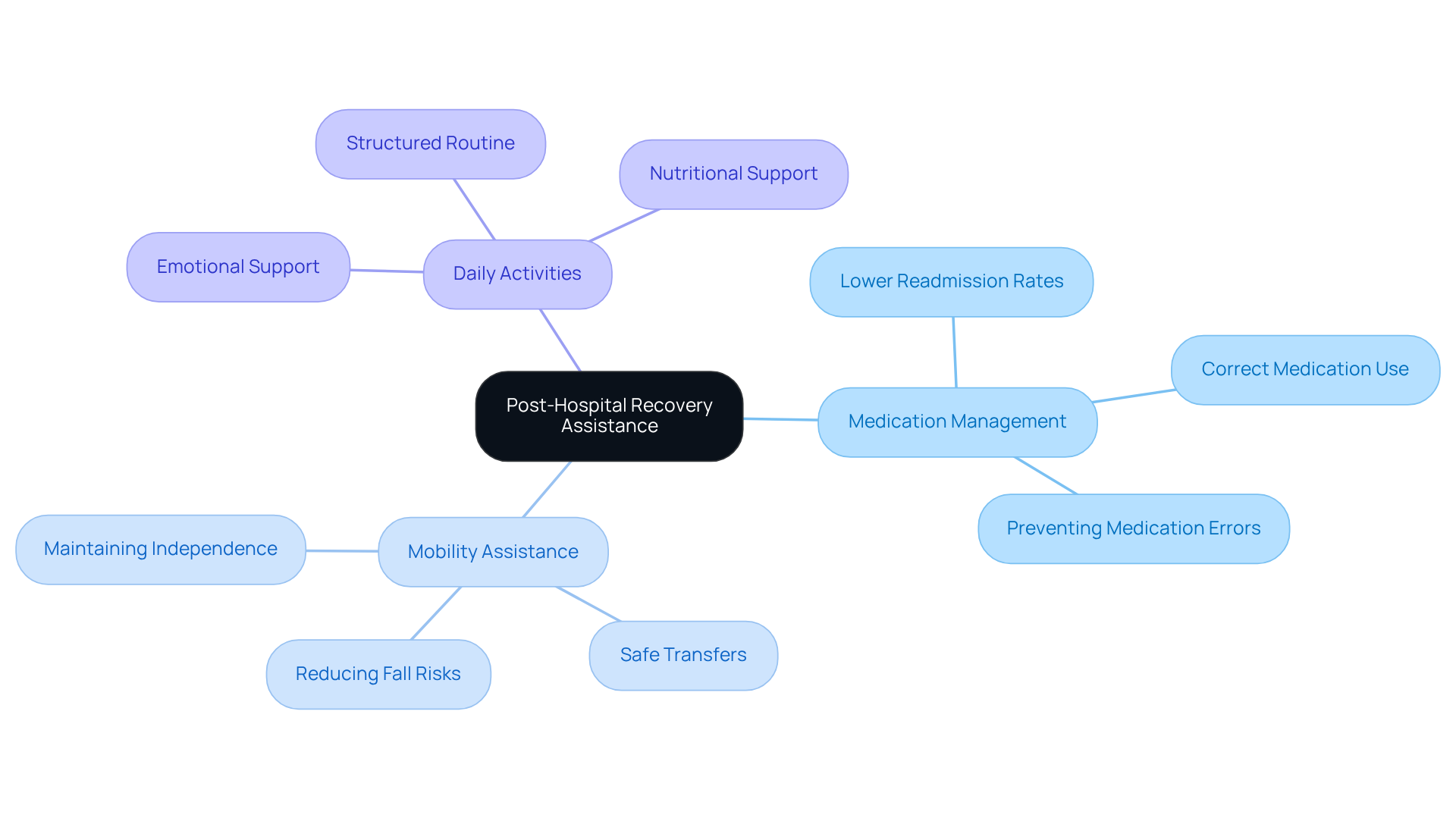
Post-hospital recovery assistance is vital for elderly individuals returning home after a hospital stay. Caregivers play a key role in providing essential support, including:
- Medication management
- Mobility assistance
- Help with daily activities
This personalized care allows older adults to recover in the comfort of their own homes, significantly enhancing their recovery experience.
Research from the National Institutes of Health shows that older adults in home care services have a 20% lower readmission rate compared to those who stay in hospitals. This improvement is largely due to effective medication management, where caregivers remind seniors to take their medications correctly and on time, preventing harmful mistakes. Additionally, caregivers assist with mobility, reducing fall risks and ensuring safe transfers, which are crucial for maintaining independence and avoiding further medical issues.
Case studies reveal the positive impact of caregiver support during this important transition. For example, the case study "Supporting Senior Independence Through Effective Medication Management" demonstrates how personalized assistance leads to better emotional well-being and a smoother recovery process. The presence of a caregiver not only eases the physical challenges of recovery but also offers emotional reassurance, helping to alleviate feelings of anxiety and isolation.
By incorporating best practices like encouraging gentle movement and monitoring health changes, caregivers establish a structured routine that fosters security and familiarity-key elements for effective recovery. By facilitating safe returns home, caregivers empower seniors to regain their independence while ensuring they receive the necessary support during this vulnerable time.
For family caregivers, consider creating a daily schedule with your caregiver to prioritize medication management and mobility support.
Respite Care: Supporting Family Caregivers with Temporary Relief
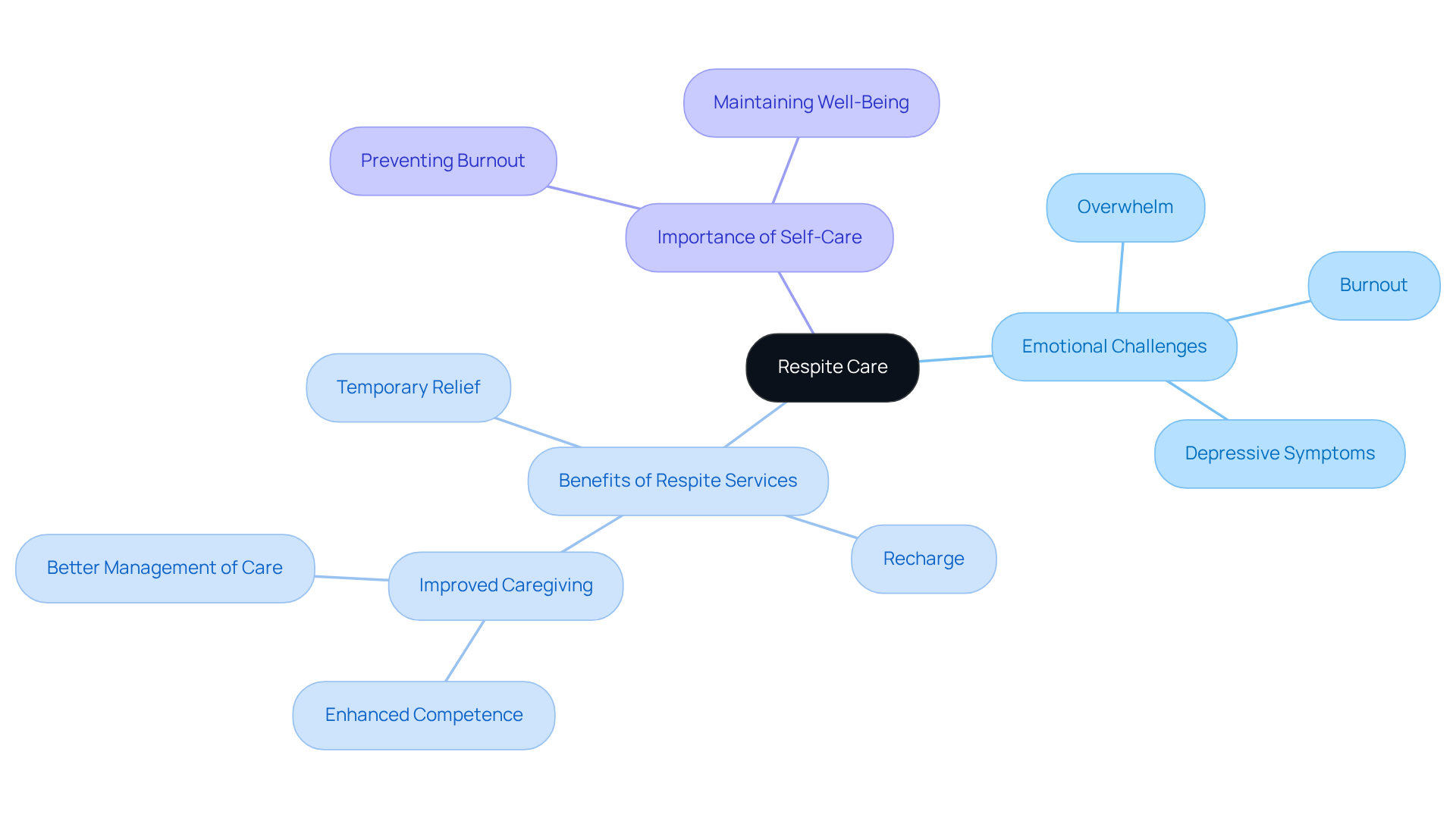
Caring for a loved one can be incredibly rewarding, but it often comes with its own set of emotional challenges. Caregivers frequently find themselves overwhelmed, feeling the weight of their responsibilities. This is where respite services come in, offering a much-needed pause from caregiving duties.
Imagine having a few hours or even several days to yourself. Respite services allow caregivers to rest, attend to personal matters, or simply recharge. This temporary relief is essential in preventing burnout, ensuring that caregivers can continue to provide high-quality support to their loved ones.
By taking this time for themselves, caregivers can return to their roles feeling refreshed and more capable. It’s a reminder that self-care is not just important; it’s necessary. You’re not alone in this journey, and there are compassionate services available to help you navigate the challenges of caregiving.
Palliative Support Care: Enhancing Comfort for Seniors with Serious Illnesses
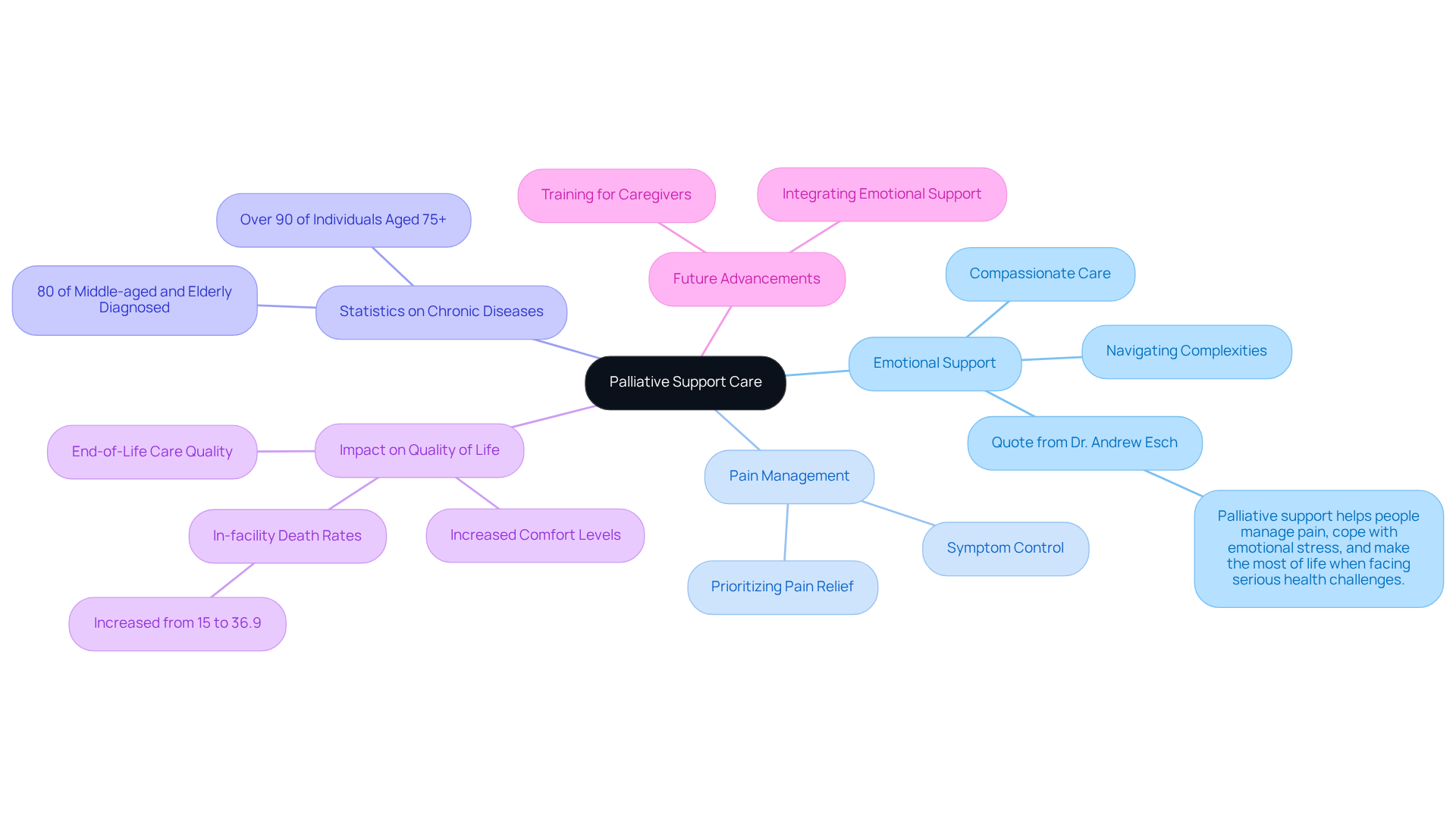
Palliative support is crucial for enhancing the comfort and quality of life for elderly individuals grappling with serious illnesses. Caregivers in home care services provide comprehensive assistance that goes beyond just medical needs. They provide essential emotional support, helping clients navigate the complexities of their conditions with compassion and understanding. This in home care services prioritizes pain management and symptom relief while focusing on the emotional well-being of elderly individuals to ensure they maintain dignity and comfort throughout their journey.
Recent studies reveal that nearly 80% of middle-aged and elderly individuals have been diagnosed with at least one chronic disease. This statistic highlights the pressing need for tailored emotional support for this demographic. Effective palliative support programs in home care services have demonstrated significant improvements in comfort levels for seniors, leading to a remarkable increase in the quality of end-of-life care. For instance, early palliative support interventions in long-term residential facilities have been shown to elevate the rate of in-facility deaths from 15% to 36.9%, underscoring the effectiveness of these programs.
Medical experts emphasize that addressing pain and emotional strain is vital for individuals facing significant medical challenges. As Dr. Andrew Esch poignantly stated, "Palliative support helps people manage pain, cope with emotional stress, and make the most of life when facing serious health challenges." This holistic approach not only alleviates physical discomfort but also fosters a nurturing environment that enhances the overall quality of life for older adults in home care services.
Looking ahead to 2025, advancements in palliative assistance continue to focus on integrating emotional support into treatment strategies. This ensures that caregivers are well-equipped to address both the physical and psychological needs of their clients. By prioritizing emotional well-being alongside medical care, palliative support programs play a vital role in enriching the lives of elderly individuals with severe illnesses.
Home Health Aides: Delivering Essential Medical and Personal Care
Dedicated professionals, known as home care aides, provide essential medical and personal support in home care services to elderly individuals in the comfort of their homes. They understand the emotional and physical challenges that come with aging, and their services are designed to alleviate some of that burden.
These compassionate aides assist with daily living tasks, oversee medication, and monitor health conditions. They don’t just offer practical help; they provide emotional support, too. By being there for elderly individuals in home care services, home health aides empower them to maintain their independence while ensuring their health needs are met.
Imagine the relief of knowing that someone is there to help with everyday tasks, allowing your loved ones to feel secure and cared for. In home care services, home care aides truly make a difference, fostering a sense of connection and comfort that is so vital during these years.
Their presence can transform a daunting experience into one filled with warmth and understanding. With their help, families can find peace of mind, knowing that their loved ones are receiving the compassionate care they deserve.
Meal Preparation Services: Ensuring Nutritious Diets for Seniors
Meal preparation companies truly understand the challenges caregivers face. They ensure that elderly individuals receive nutritious and balanced dishes tailored to their unique dietary needs. Caregivers often juggle many responsibilities, and having support with grocery shopping, meal planning, and cooking can make a world of difference. It’s not just about food; it’s about facilitating a healthy diet that nourishes both body and soul for older adults.
This program goes beyond just physical health. It encourages social interaction during meal times, creating opportunities for connection and joy. Imagine the warmth of shared meals, laughter, and stories exchanged around the table. It’s these moments that enhance overall well-being, reminding us that care is not just about meeting needs but also about fostering relationships.
In the midst of caregiving, it’s easy to feel overwhelmed. But remember, you’re not alone. There are compassionate in home care services available to help lighten your load and support you in this journey. Together, we can ensure that our loved ones not only eat well but also thrive emotionally and socially.
Transportation Services: Promoting Independence Through Mobility
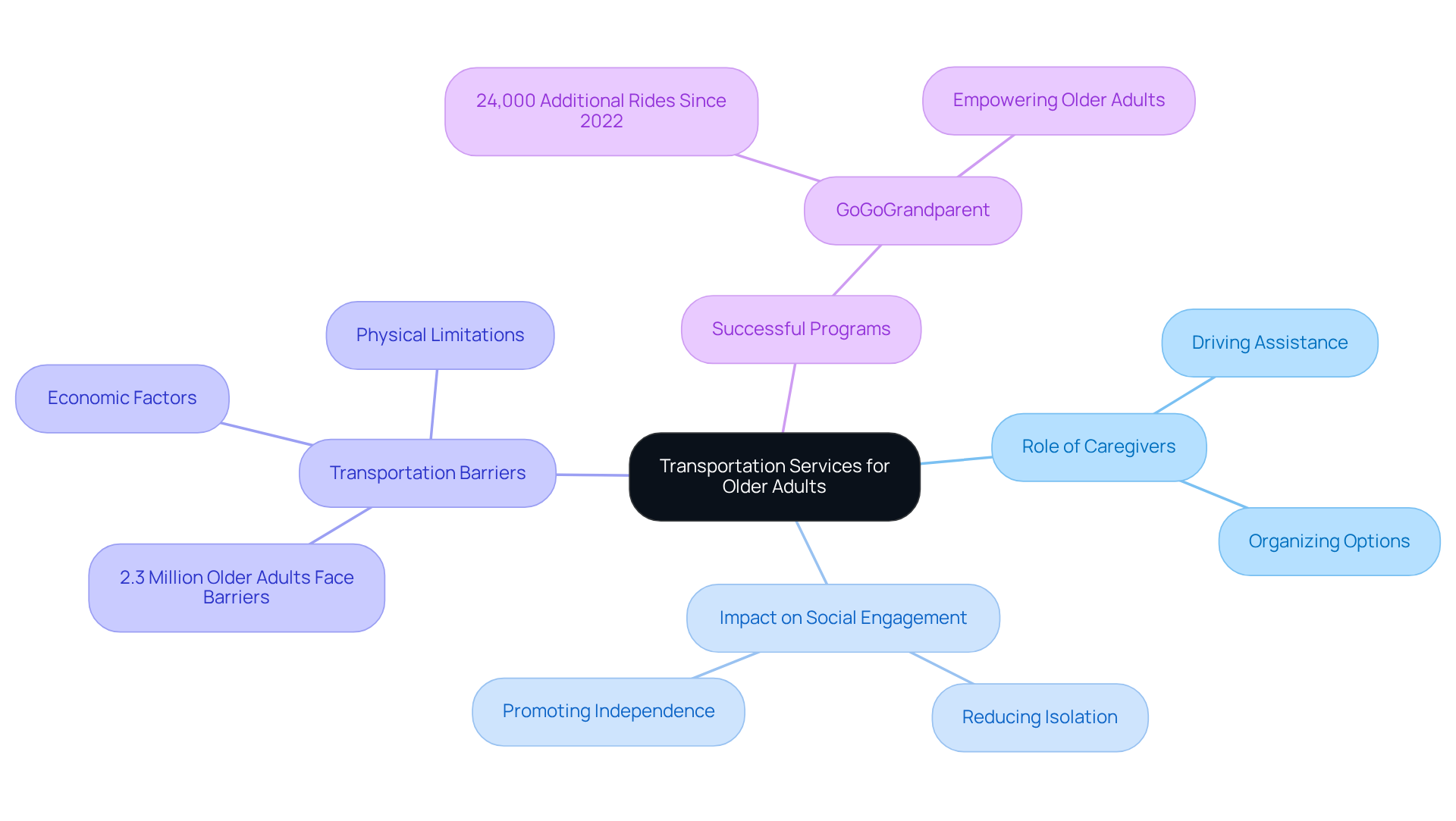
Transportation services are vital for older adults. They enable them to attend medical appointments, join social events, and engage in essential daily activities. Caregivers play a crucial role in this process, helping with driving or organizing transportation options. This support ensures that older adults remain active and connected within their communities.
When caregivers assist, they not only promote independence but also help reduce feelings of isolation. This isolation can negatively impact mental well-being. In fact, studies show that 2.3 million older adults in the U.S. face transportation-related barriers to participating in social activities. This statistic highlights just how important reliable transportation is.
Programs like GoGoGrandparent are shining examples of successful initiatives. They empower elderly individuals by providing accessible transportation solutions. Since its inception in 2022, GoGoGrandparent has added 24,000 additional rides for older adults, making a significant difference in their lives.
As mobility specialists emphasize, ensuring that older adults can travel freely is essential for their independence and overall well-being. This is not just a concern for today but for 2025 and beyond. Together, we can foster a supportive environment that values the mobility and dignity of our older loved ones.
Housekeeping Services: Maintaining a Safe and Clean Home Environment
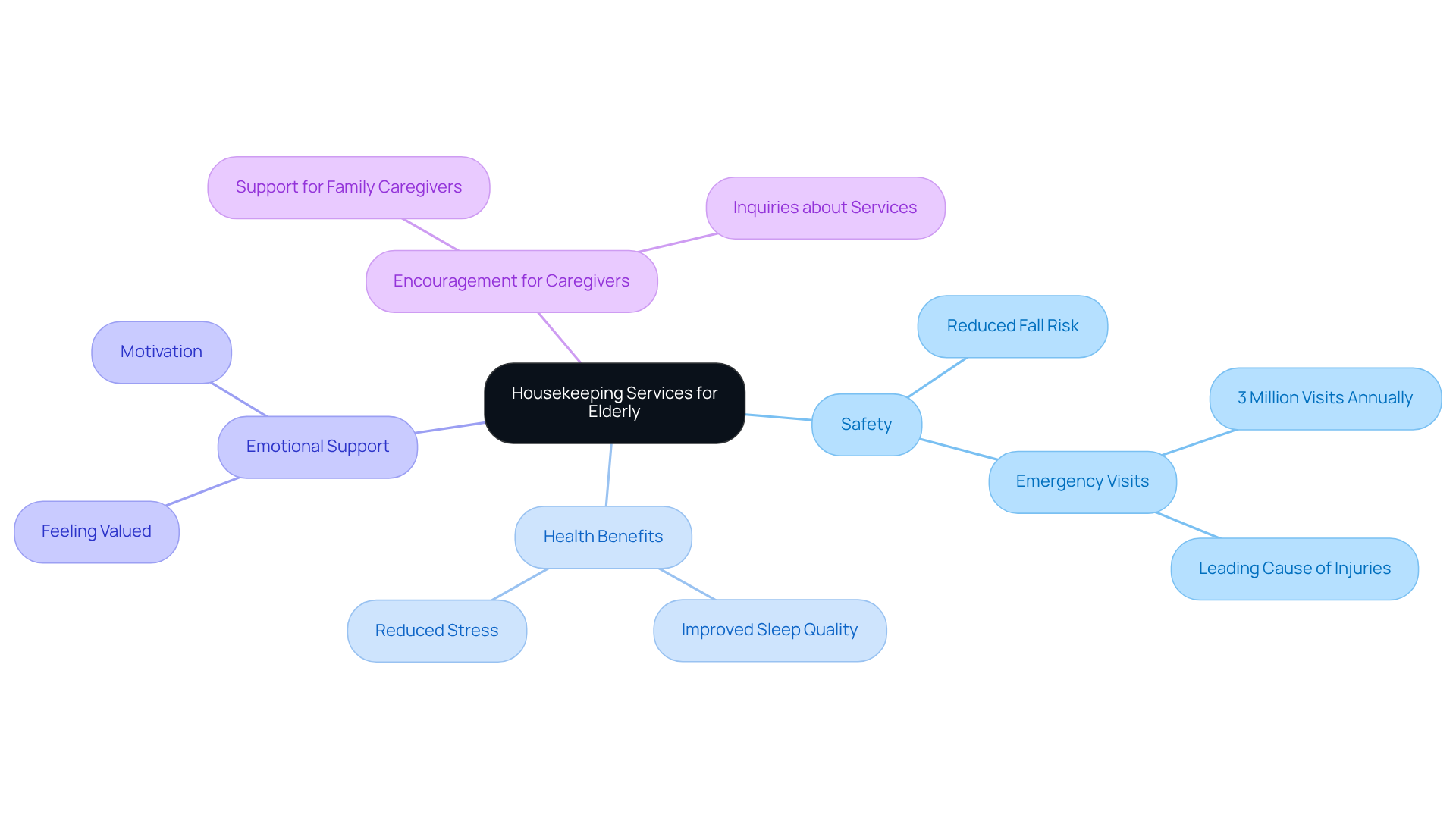
Housekeeping services are essential for creating a clean and safe living environment for our elderly loved ones. Caregivers step in to help with light cleaning, laundry, and organization, which can significantly lower the risk of accidents. Did you know that falls are the leading cause of both fatal and nonfatal injuries among older adults? In fact, around 3 million emergency department visits each year are due to falls. A tidy living space not only enhances safety but also fosters a sense of comfort and well-being, allowing older adults to focus on their health and happiness.
Experts emphasize that a neat home can improve sleep quality and reduce stress - both vital for maintaining overall well-being. Successful programs highlighted by the CDC show that regular cleaning and organization lead to better health outcomes. When older adults live in a clean environment, they are less likely to suffer injuries and more likely to engage in social activities.
Moreover, caregivers provide emotional support, helping older adults feel valued and motivated. By ensuring a secure and organized setting, in home care services, such as housekeeping assistance, allow elderly individuals to live independently and confidently in their own homes. Family caregivers are encouraged to inquire about in home care services under the Older Americans Act, which can provide valuable support for their loved ones.
Technology Integration: Enhancing Communication and Care Monitoring
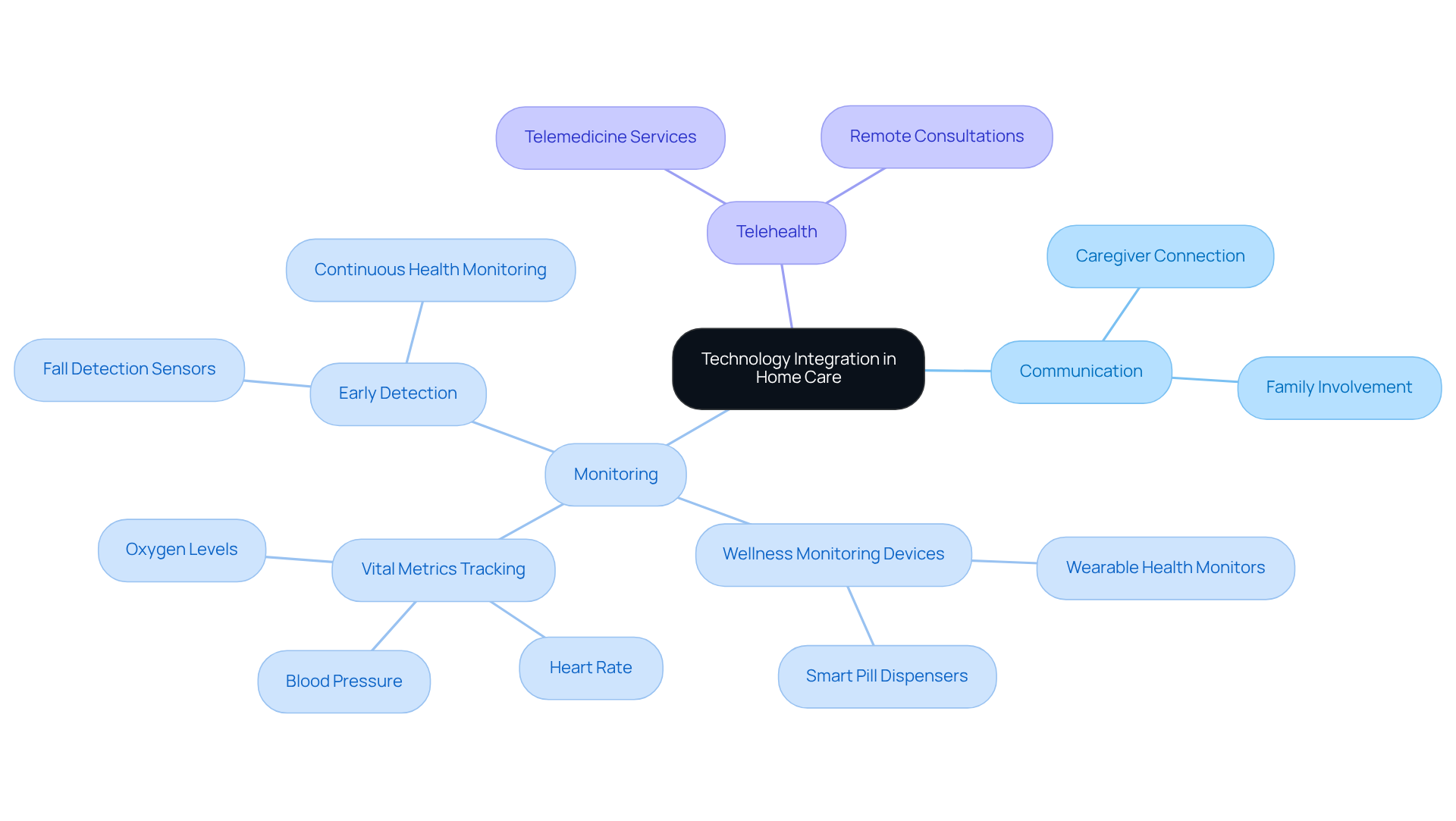
Incorporating technology into in home care services can truly transform the experience for seniors and their families. It enhances communication and monitoring, allowing caregivers to stay connected with their loved ones. Advanced tools like wellness monitoring devices, telemedicine services, and communication applications empower caregivers to track vital metrics - heart rate, blood pressure, and oxygen levels - keeping families informed about their loved ones' well-being.
Imagine a wearable health monitor that continuously tracks these metrics. This technology enables early detection of potential health issues, allowing for timely interventions. Such a proactive approach not only improves service coordination but also brings peace of mind to families, who can feel secure knowing they’re connected to their loved ones’ conditions.
Telehealth options have also changed the landscape of senior support. They provide immediate access to medical professionals, reducing the need for face-to-face appointments and enhancing involvement in treatment plans. Jenna Kowalski, VP of Clinical Innovation, emphasizes how technology in home care services has revolutionized service delivery, providing promising solutions to significant healthcare challenges. These in home care services have demonstrated the ability to decrease hospital readmission rates and enhance patient experiences, making them invaluable for families navigating the complexities of caregiving.
As technology continues to evolve, the advancements in telehealth for seniors in 2025 promise even greater improvements in care delivery and communication. Families can maintain close connections with their loved ones while supporting their independence, fostering a nurturing environment that prioritizes both health and emotional well-being.
Key Takeaways for Caregivers
In-home care services are vital for enhancing the quality of life for seniors and providing essential support to family caregivers. These services offer personalized assistance tailored to individual needs, helping older adults maintain their independence while addressing the emotional and physical challenges they face. Providers like Happy to Help Caregiving exemplify a compassionate approach, ensuring that both seniors and their caregivers feel understood and supported throughout their journey.
This article highlights ten essential in-home care services, such as:
- Companionship
- Post-hospital recovery assistance
- Respite care
- Palliative support
Each service aims to alleviate common issues like loneliness, stress, and the complexities of managing health conditions. By focusing on the specific needs of seniors, caregivers can create a nurturing environment that promotes well-being and enhances dignity, ultimately leading to better health outcomes.
As the demand for in-home care services continues to grow, it’s crucial for families to explore available options and seek support that prioritizes both the physical and emotional needs of their loved ones. Embracing these essential services not only eases the burden on family caregivers but also enriches the lives of seniors, ensuring they feel valued and connected. Together, through personalized care and compassion, we can create a brighter future for our aging population.
https://iframe.tely.ai/cta/eyJhcnRpY2xlX2lkIjogIjY5MWZkYzVhYmFmNTkyY2I3OTgzYzJiOSIsICJjb21wYW55X2lkIjogIjY4ZWU1ZGNhNzMxNzYyNTU3ZjNjOTVjMSIsICJpbmRleCI6IG51bGwsICJ0eXBlIjogImFydGljbGUifQ==Frequently Asked Questions
What services does Happy to Help Caregiving provide?
Happy to Help Caregiving offers personalized in-home care services for seniors, including companionship, post-hospital recovery assistance, respite support, and palliative aid.
How does Happy to Help Caregiving address the emotional challenges of caregiving?
The organization prioritizes understanding and empathy, creating a compassionate approach that supports both clients and caregivers, helping to alleviate stress and burnout.
What is the importance of companionship care in elderly support?
Companionship care helps alleviate loneliness by engaging older adults in meaningful conversations and activities, promoting emotional connections that enhance mental health and a sense of purpose.
How does post-hospital recovery assistance benefit elderly individuals?
It provides essential support such as medication management, mobility assistance, and help with daily activities, allowing seniors to recover safely and comfortably at home.
What are the advantages of in-home care services for older adults after hospitalization?
Research shows that older adults receiving in-home care have a 20% lower readmission rate compared to those who remain in hospitals, primarily due to effective medication management and support with mobility.
How do caregivers contribute to the recovery process for seniors?
Caregivers assist with medication reminders, mobility, and daily activities, which not only helps with physical recovery but also provides emotional reassurance, reducing anxiety and feelings of isolation.
What best practices do caregivers follow during post-hospital recovery?
Caregivers encourage gentle movement, monitor health changes, and establish structured routines to foster security and familiarity, essential for effective recovery.
How can family caregivers support their loved ones during recovery?
Family caregivers can create a daily schedule with their caregiver to prioritize medication management and mobility support, ensuring a smoother recovery process.