10 Essential Insights into Respite Care for Family Caregivers

For families in our service areas
For families in our service areas, this guide explains respite care and how non-medical in-home caregiving can support care planning in East Idaho, Treasure Valley & Magic Valley, Northern Wasatch, North Central West Virginia, and Northeast Ohio.
What You Need to Know About Insights into Respite Care
Caregiving can often feel like an overwhelming burden. Many family caregivers face emotional and financial stress, which can lead to burnout. This situation highlights the critical need for respite care, a vital resource that offers essential relief and support tailored to the unique needs of families.
Despite its benefits, misconceptions and a lack of awareness about available options can hinder caregivers from accessing respite care. Understanding the importance of this support can empower caregivers to embrace respite care, ultimately improving their overall well-being.
What insights can help caregivers navigate this landscape? By recognizing the signs of burnout and understanding the options available, caregivers can take proactive steps toward self-care and support.
Happy to Help Caregiving: Personalized Respite Care Services for Families
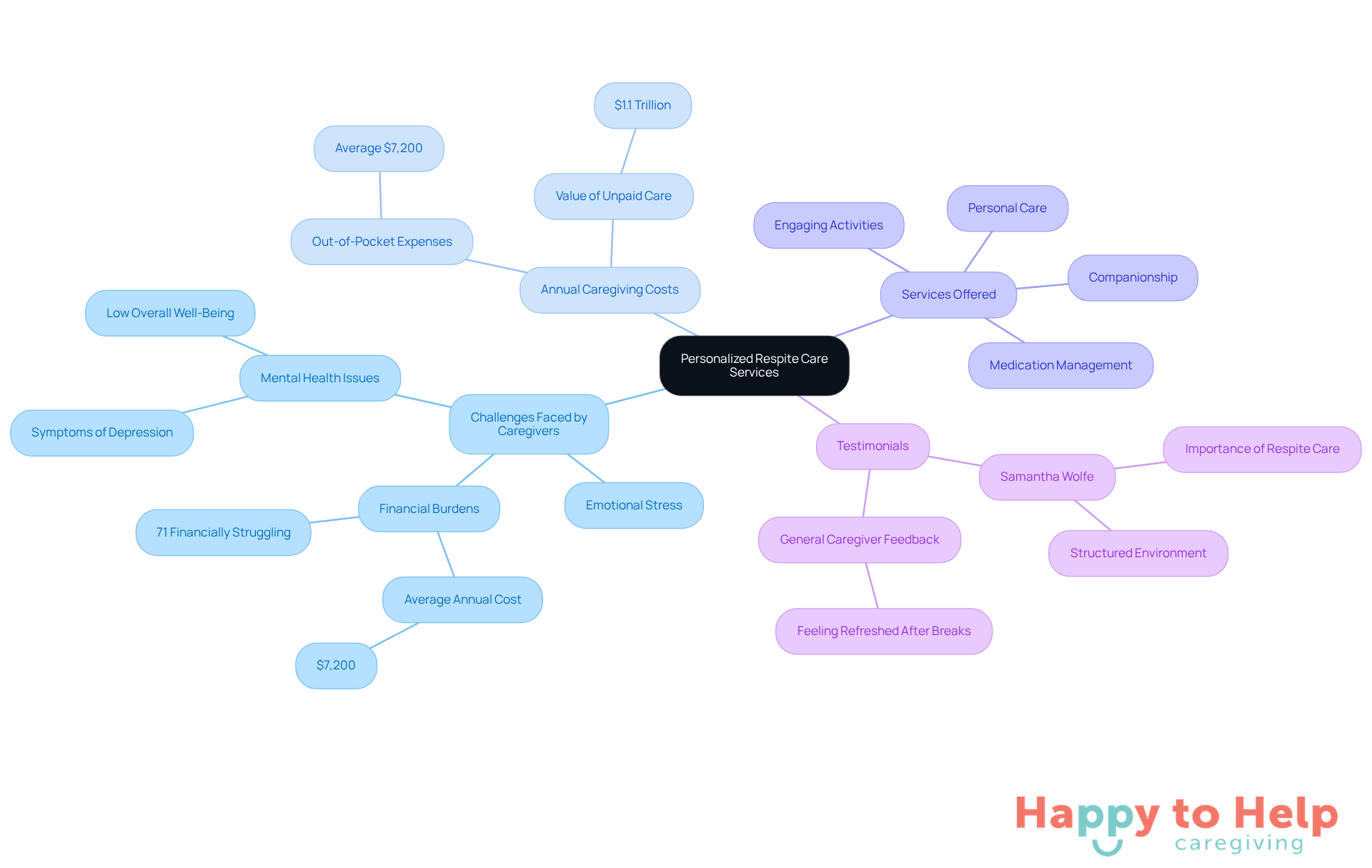
Caregivers often face significant challenges, particularly when it comes to finding adequate support. The emotional and financial stress of caregiving can be overwhelming, with families typically spending around $7,200 annually on caregiving costs. This highlights the urgent need for a respite area that can offer temporary relief through support services.
Happy to Help Caregiving addresses this problem by offering customized support services in the respite area tailored to the specific needs of families. By emphasizing empathy and maintaining high standards, the agency ensures adaptable scheduling and round-the-clock availability. This allows support providers to take necessary breaks while their family members receive professional assistance.
The tailored approach not only enhances the quality of service but also fosters a sense of security for both clients and their families. As a result, families can feel confident in the support provided, significantly improving their satisfaction and peace of mind during challenging times.
Samantha Wolfe, a Direct Support Professional, emphasizes the importance of a respite area, stating, 'The respite area offers temporary relief for family supporters who are aiding individuals with intellectual and developmental disabilities (I/DD) by providing professional services for their loved ones.' This underscores the essential role of respite support in alleviating the financial and emotional burdens faced by caregivers.
What is Respite Care? Understanding Its Purpose and Benefits
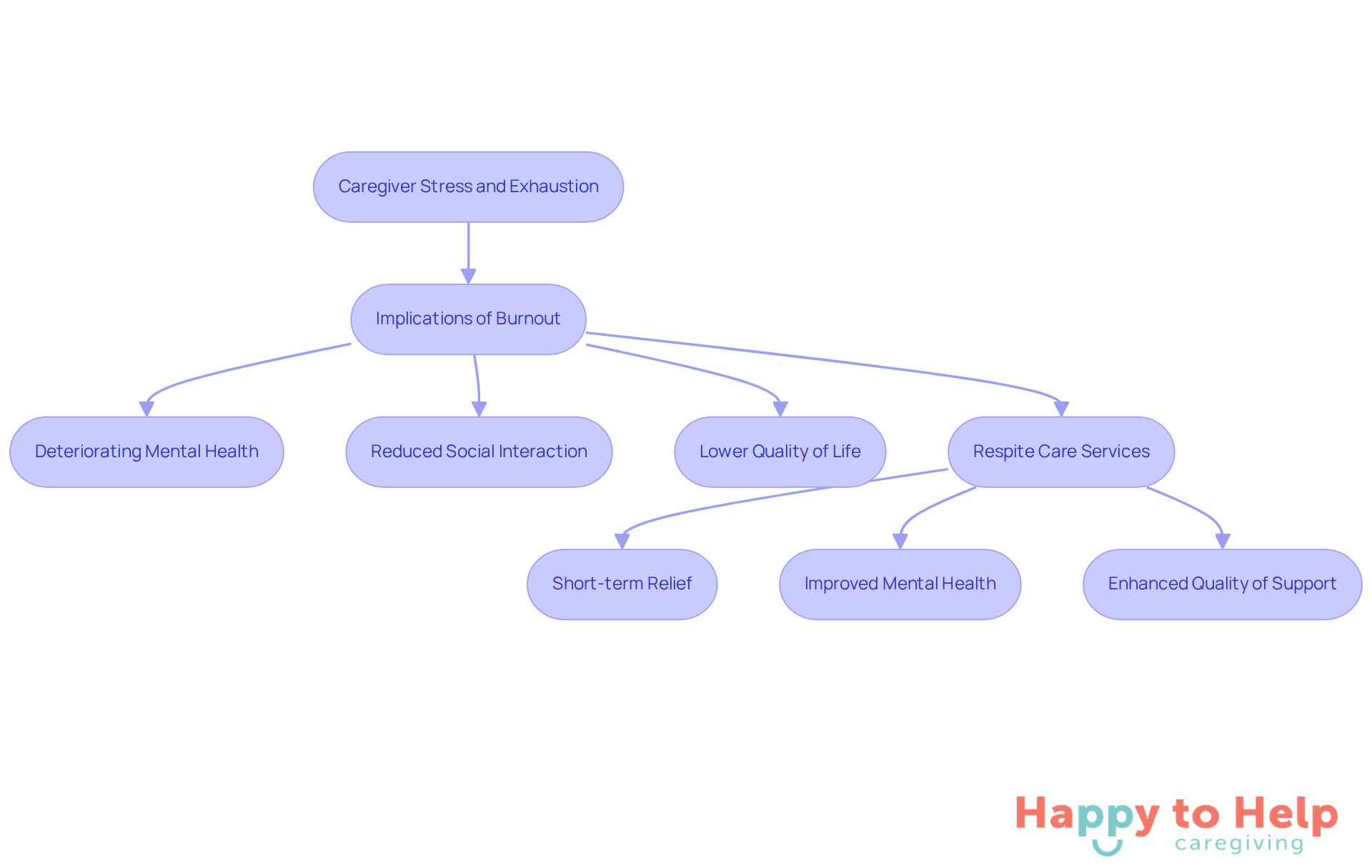
Problem: Caregivers often face significant stress and exhaustion due to their responsibilities. This can lead to burnout, negatively impacting both their well-being and the quality of care they provide.
Agitate: The implications of caregiver burnout are serious. Research shows that caregivers who do not take breaks may experience deteriorating mental health, reduced social interaction, and a lower quality of life. This not only affects them but also the individuals they care for, creating a cycle of stress and decreased support.
Respite services provide crucial short-term relief in a respite area for caregivers, allowing them to take necessary breaks. These services can be tailored to meet individual needs, ranging from a few hours to several weeks. Access to temporary support significantly enhances mental health outcomes for caregivers, fostering increased social interaction and opportunities for personal rejuvenation.
Research indicates that relief services can more than double the chances of elderly patients passing away at home, underscoring their vital role in supportive options. With around $2 million in new state program improvement funds aimed at assisting family caregivers, the importance of respite services is gaining recognition.
By enabling caregivers to rejuvenate, temporary assistance not only improves their well-being but also elevates the quality of support they offer. Caregivers are encouraged to explore community resources and nearby respite area options to benefit from these essential services.
Types of Respite Care: Options for Every Caregiver's Needs
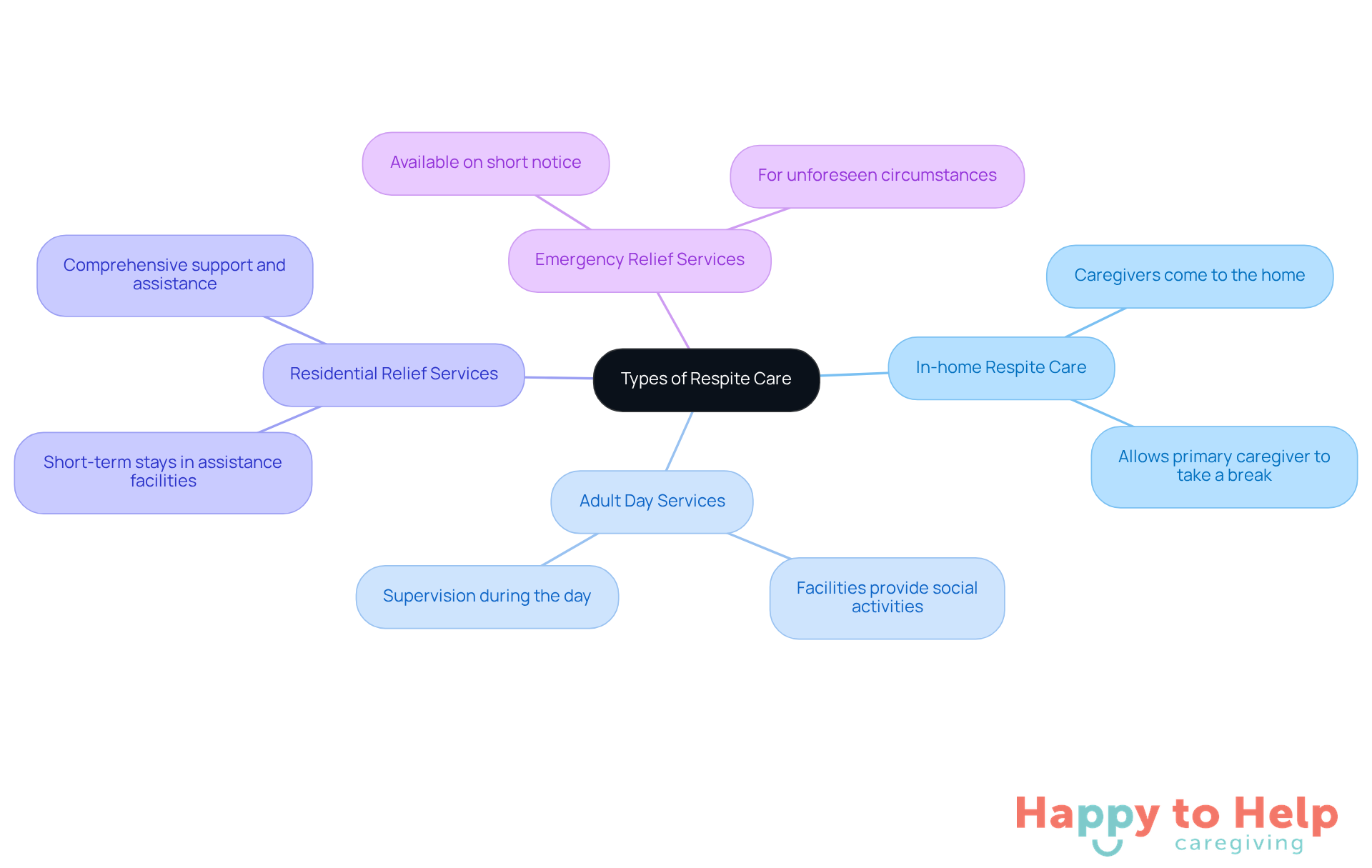
Caregiving can be a demanding role, often leading to feelings of overwhelm and burnout. To address this challenge, a respite area is essential for caregivers seeking a break. Here are several types of respite care available to meet diverse needs:
- In-home respite care: Caregivers come to the home to provide care, allowing the primary caregiver to take a break.
- Adult day services: Facilities that offer assistance during the day, providing social activities and supervision.
- Residential relief services: Short-term stays in assistance facilities, offering comprehensive support and assistance.
- Emergency relief services: Available on short notice for unforeseen circumstances.
Each option presents unique benefits, enabling caregivers to select what best suits their circumstances, including the respite area. By utilizing these services, caregivers can recharge and continue to provide the best care possible.
Cost of Respite Care: What Families Need to Know
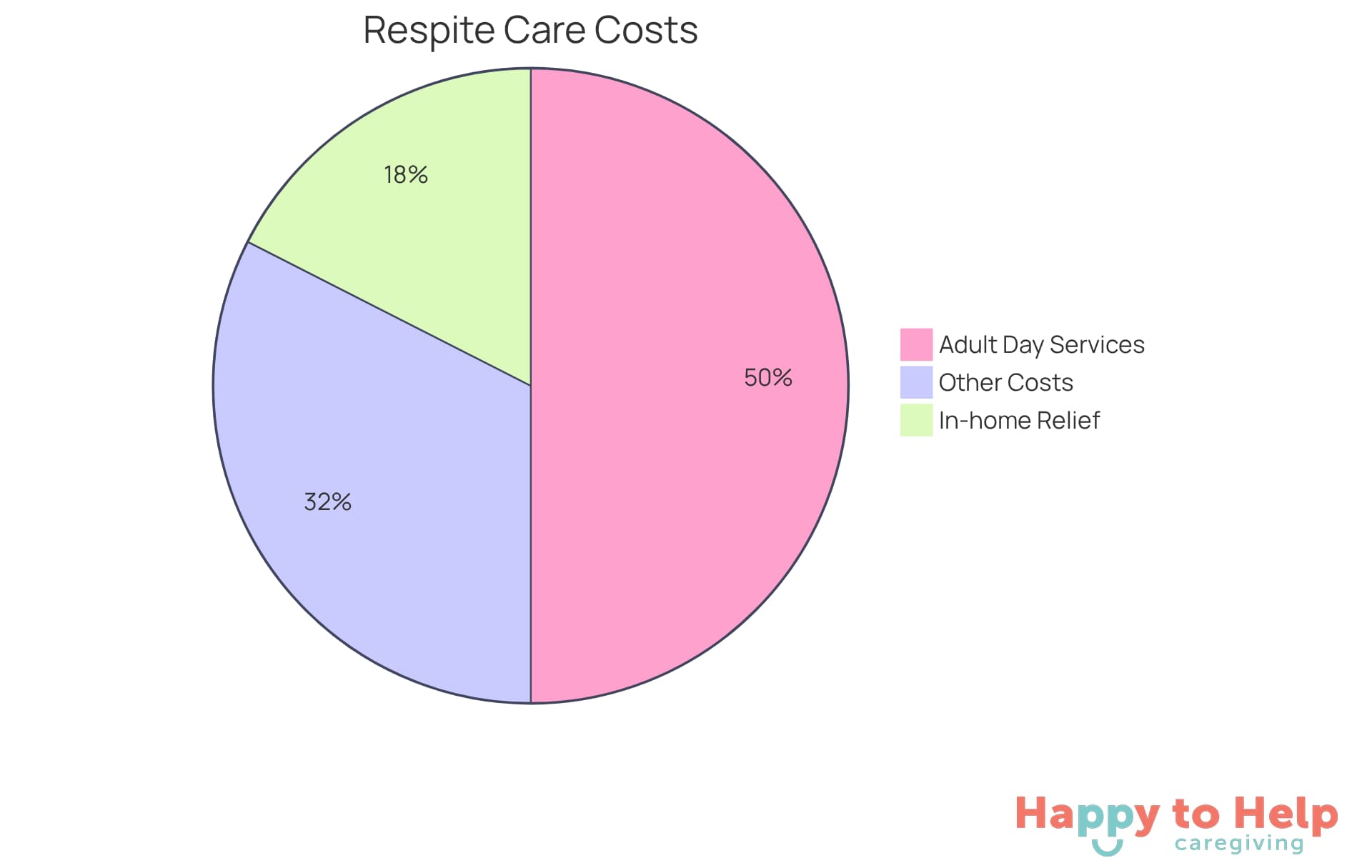
The expense of temporary support poses a significant challenge for caregivers. Costs can vary widely based on the type of assistance, location, and duration of support. For instance, in-home relief services average around $35.02 per hour, while adult day services typically run about $100 per day. This financial burden can weigh heavily on families, making it essential to explore funding options.
As Riquelme noted, "Respite assistance is when another person offers temporary support for your loved one." This highlights the critical role of the respite area for those who provide ongoing assistance. To alleviate financial pressures, families should consider programs like Medicaid and state-specific assistance, which can help offset costs. Additionally, some private insurance plans may cover certain relief service expenses, though coverage can vary significantly.
It's crucial for families to actively investigate these financial options. By doing so, they can secure the necessary support, allowing caregivers to rejuvenate and maintain their emotional and physical well-being.
How Respite Care Reduces Caregiver Burnout and Stress
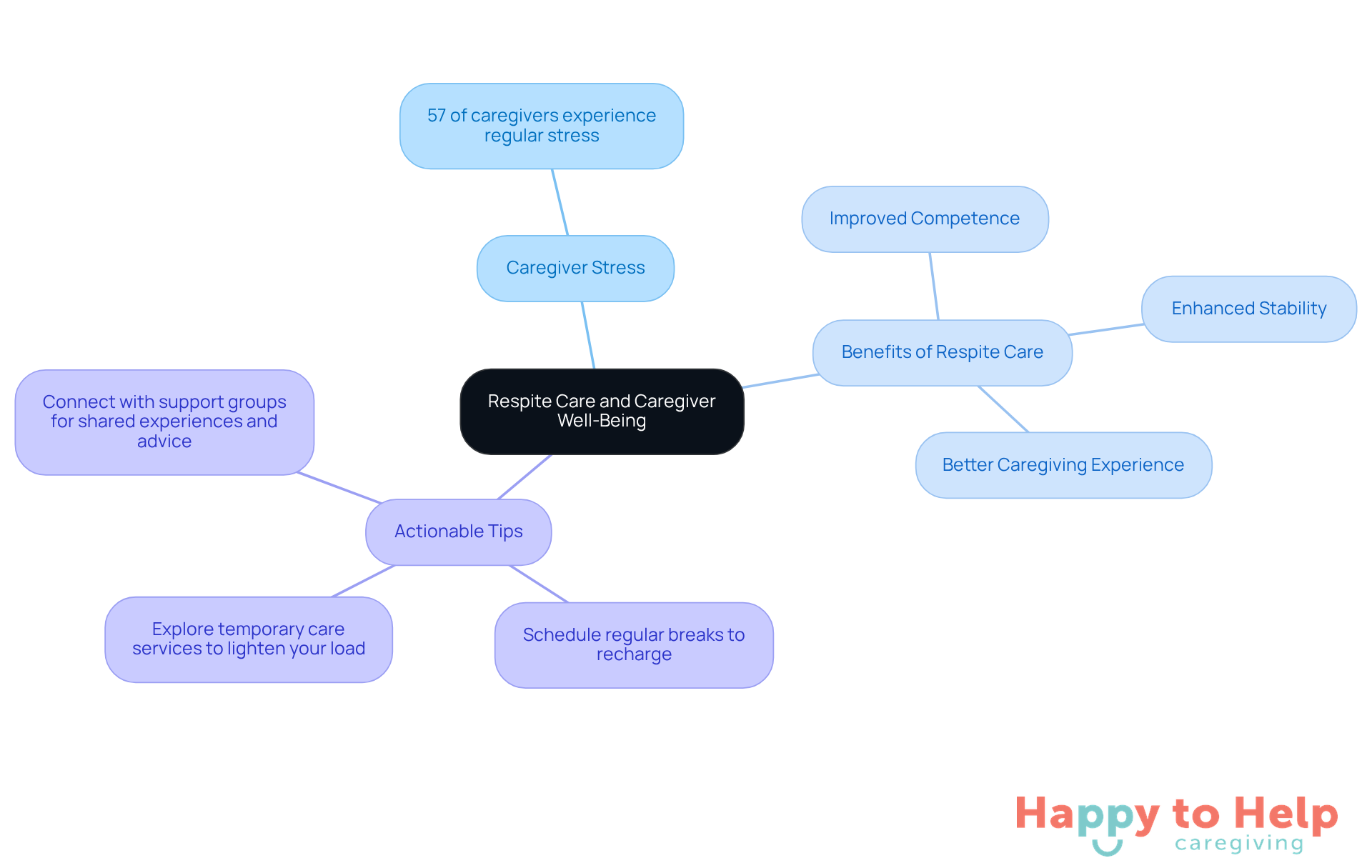
Caregiver burnout and stress are significant issues that can impact both the caregiver and the individuals they support. Studies indicate that over 57% of caregivers experience regular stress, highlighting the urgent need for effective relief options.
This stress can lead to feelings of anxiety and depression, making it challenging for caregivers to provide the high-quality support their loved ones need. However, the respite area provides a vital solution. Caregivers who take advantage of these breaks often report feeling more competent and stable, which directly enhances their ability to deliver care upon returning to their duties.
By participating in respite activities, caregivers can significantly reduce their stress levels, fostering a healthier mental state. This not only benefits their well-being but also creates a more supportive environment for their loved ones, ultimately improving the overall caregiving experience.
Incorporating a respite area into caregiving routines can be a game-changer. Here are some actionable tips:
- Schedule regular breaks to recharge.
- Explore temporary care services to lighten your load.
- Connect with support groups for shared experiences and advice.
By prioritizing self-care, caregivers can enhance their resilience and effectiveness, ensuring they are better equipped to provide the care their loved ones deserve.
Planning for Respite Care: Tips for Family Caregivers
When planning for a respite area, caregivers face a significant challenge: the need for relief from their demanding responsibilities. This situation can lead to feelings of resentment, physical illness, exhaustion, anxiety, or depression, making it crucial to address these issues effectively.
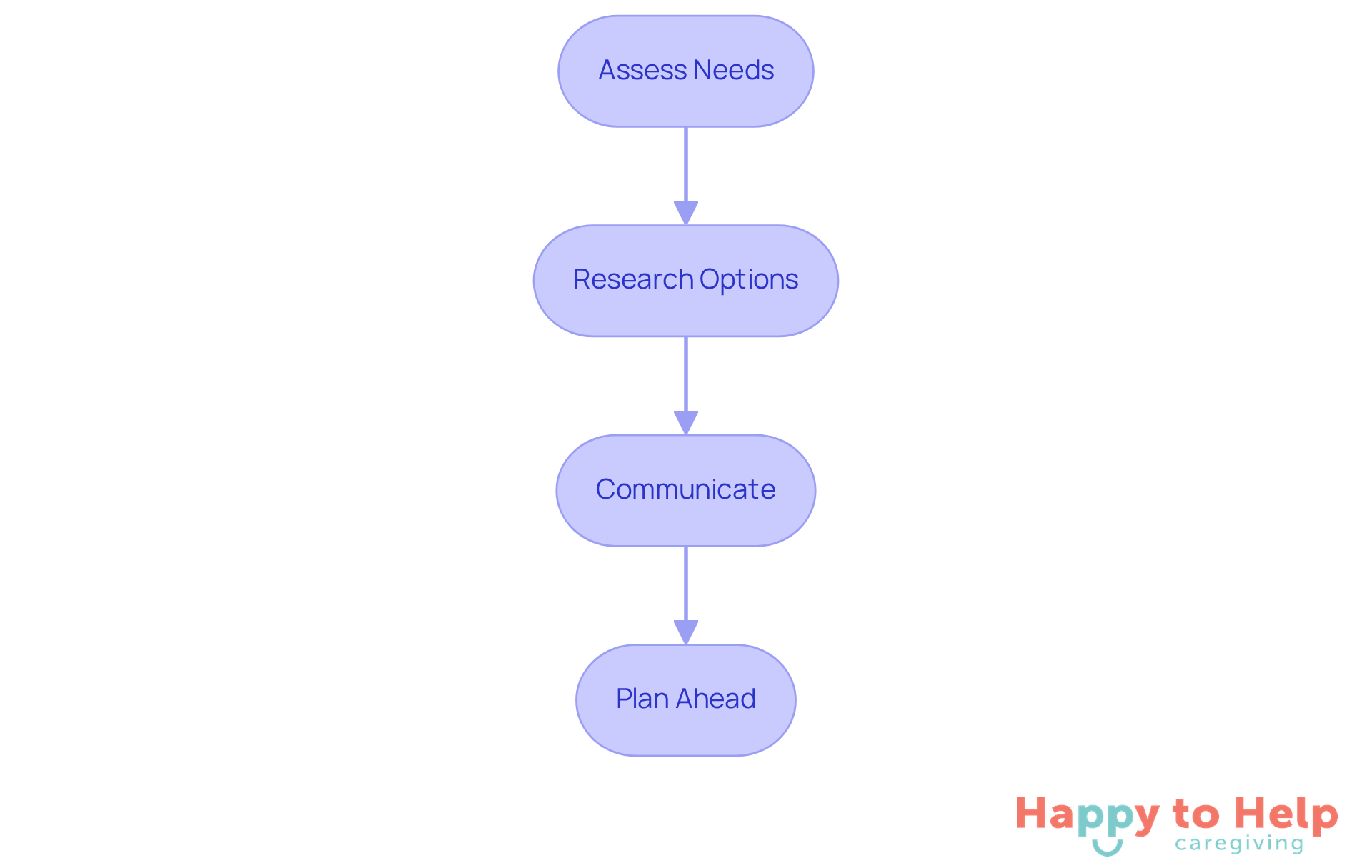
To tackle this problem, caregivers should consider several key strategies to ensure a smooth experience:
- Assess Needs: Begin by evaluating the specific requirements of both the caregiver and the care recipient. This evaluation will assist in identifying the suitable kind and length of relief support required, whether it be a few hours weekly or several consecutive days.
- Research Options: Explore the different relief support services accessible in your vicinity. Options may include in-home assistance, adult day programs, and a respite area in residential facilities, each providing unique benefits suited to different situations. It is essential to select a licensed, insured, and nonprofit organization for temporary support to ensure security and peace of mind.
- Communicate: Openly discuss the temporary support plan with the recipient of assistance. Setting clear expectations and addressing any concerns can significantly alleviate anxiety and foster a sense of security. As noted by Central Coast VNA & Hospice, "Supporting the provider is just as important as supporting the patient."
- Plan Ahead: Whenever feasible, arrange support services in advance. Timely planning not only guarantees availability but also reduces last-minute pressure, enabling support providers to concentrate on their own well-being. Remember, relief services can be adapted to create a respite area tailored to each family's distinct circumstances.
By applying these strategies, caregivers can establish a supportive atmosphere that benefits both themselves and their loved ones, ultimately improving the caregiving experience. With an estimated 63 million family supporters in the United States, the need for effective relief planning is more crucial than ever.
Who is Eligible for Respite Care? Understanding the Criteria
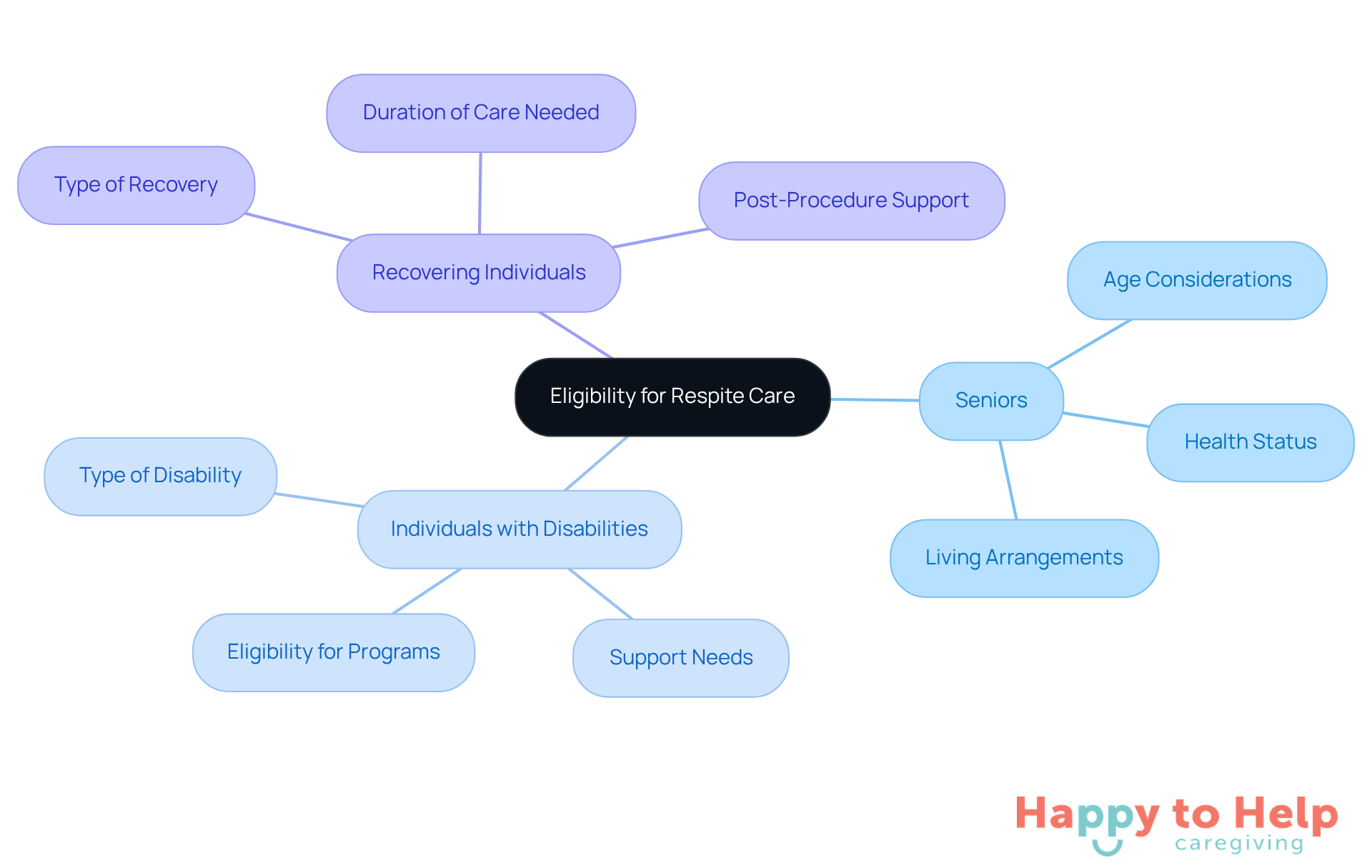
Caregivers often face the challenge of securing a respite area for their loved ones who require temporary assistance for short-term relief. This need can arise for various individuals, including seniors, those with disabilities, or individuals recovering from medical procedures.
Understanding the eligibility for such assistance is crucial. However, the specific standards can vary significantly depending on the program and location. This inconsistency can create confusion for families seeking help.
To navigate these complexities, it’s essential for caregivers to consult local support providers within the respite area. They can provide clarity on the requirements and confirm whether their loved ones meet the necessary criteria for assistance. By taking this proactive step, caregivers can ensure that they access the support needed effectively.
Finding Respite Care Services: A Guide for Caregivers
Finding temporary assistance options is crucial for caregivers seeking support. Many caregivers struggle with the demands of their role, which can lead to stress and burnout. Research shows that nearly 40% of caregivers rate their health as fair or poor before receiving respite area care, underscoring the need for effective solutions.
-
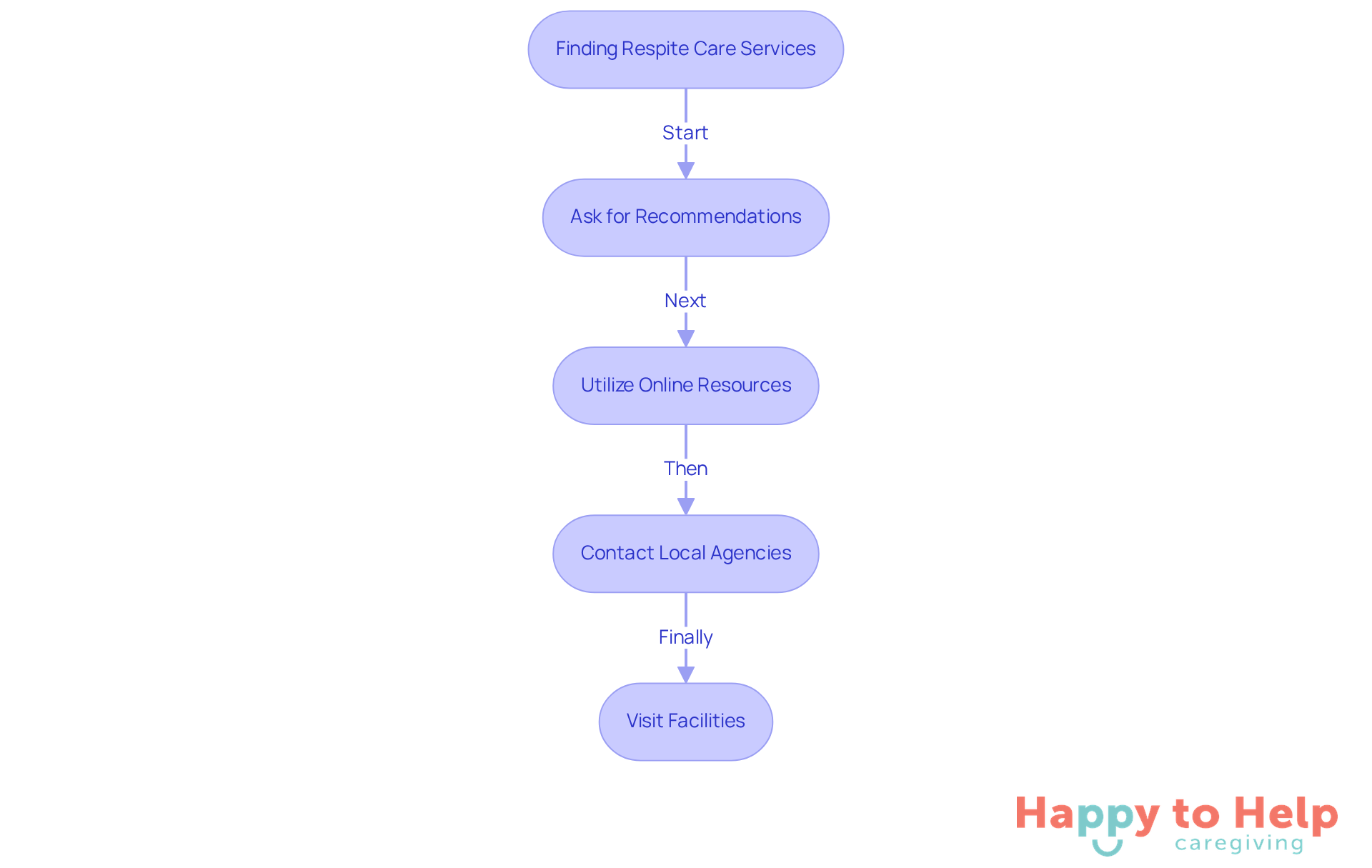
Ask for Recommendations: Start by consulting healthcare providers, social workers, or fellow caregivers. Their insights can guide you to trustworthy relief support services that have proven effective for others.
-
Utilize Online Resources: Websites like the ARCH National Respite Network and the National Respite Locator Service offer comprehensive databases to help you find respite providers in your area. These platforms simplify your search and provide valuable insights about available options.
-
Contact Local Agencies: Reach out to local aging or disability services. These organizations often have up-to-date information on short-term assistance options and can direct you to suitable providers in the respite area of your community.
-
Visit Facilities: If you're considering residential short-term support, arrange visits to potential facilities. This allows you to assess their environment, staff, and services firsthand, ensuring they meet your loved one's needs.
By following these steps, caregivers can effectively navigate the process of finding short-term relief, ultimately enhancing their well-being and that of their loved ones. Additionally, research indicates that almost 4 in 10 family caregivers prioritize temporary support as their most critical service requirement, highlighting the importance of this assistance.
Medicare Coverage for Respite Care: What You Should Know
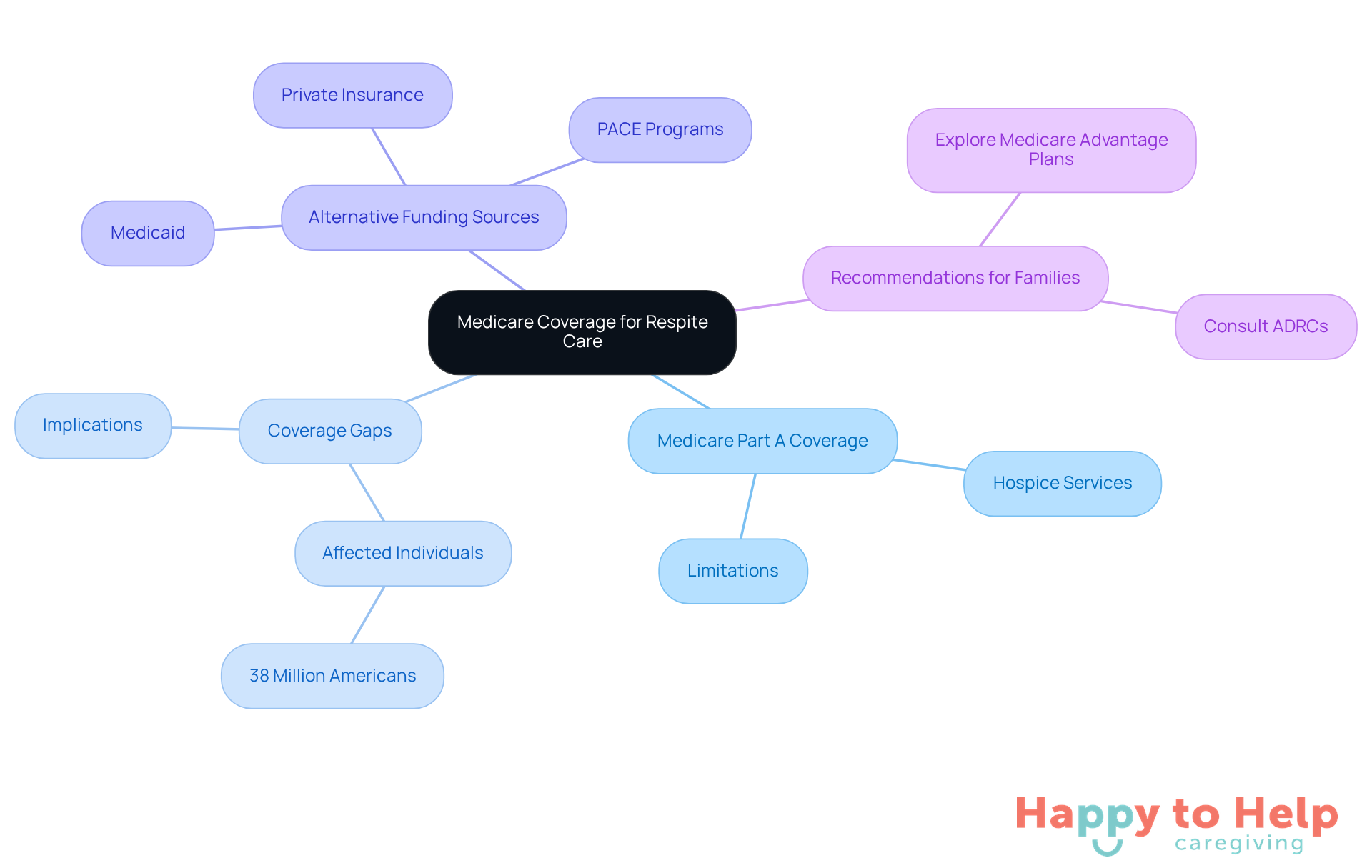
Medicare coverage for temporary support presents a significant challenge for many families. Under Medicare Part A, temporary support is only available for individuals receiving hospice services, allowing for up to five consecutive days of inpatient relief. Unfortunately, for those not in hospice, Medicare does not cover in-home relief services or adult day programs. This gap leaves approximately 38 million Americans searching for alternatives to manage the costs associated with temporary support.
The implications of this coverage gap are profound. Many families turn to Medicaid or private insurance as potential funding sources. Programs like PACE (Programs of All-Inclusive Support for the Elderly) may help cover temporary assistance costs for qualified individuals, but access varies by state. This inconsistency can create confusion and stress for families seeking support.
Healthcare professionals stress the importance of exploring all available options. While Medicare typically excludes adult day services, some Medicare Advantage plans might offer limited coverage as part of their broader home support offerings. Families are encouraged to consult local Aging and Disability Resource Centers (ADRCs) to identify suitable relief options and funding sources.
Understanding these constraints is crucial for families in need of relief services. It empowers them to make informed decisions and pursue the necessary assistance to alleviate the pressures on caregivers. The projected median cost for adult day health services in 2025 is $103 per day, underscoring the financial burden of temporary support. Additionally, with 61% of family caregivers working full or part-time, the financial strain on these caregivers is significant, making it essential to explore all funding avenues.
Common Misconceptions About Respite Care: Debunking Myths
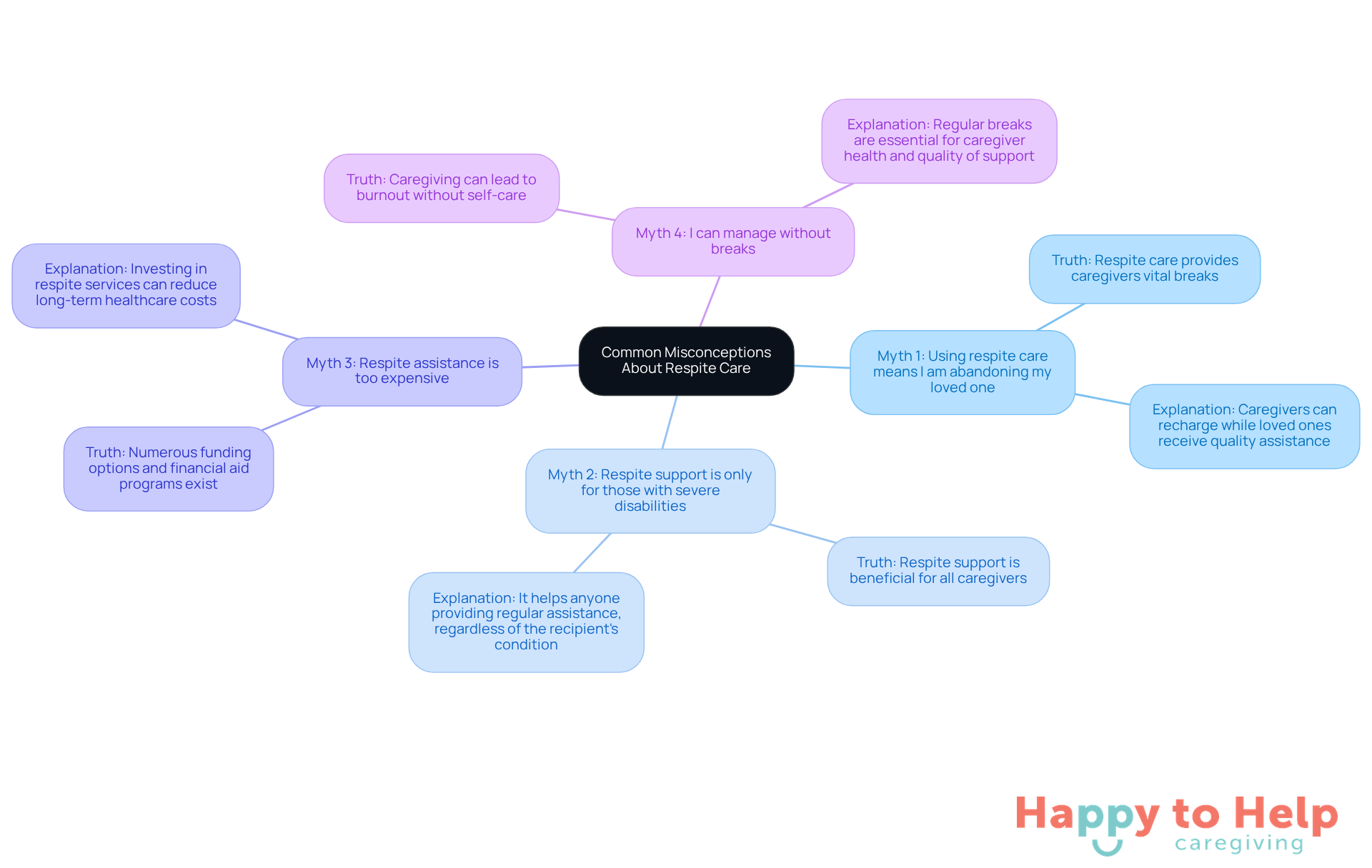
Many misunderstandings about temporary assistance can hinder families from pursuing the support they require. Here are some of the most common myths:
-
Myth 1: Using respite care means I am abandoning my loved one. In truth, the respite area is intended to offer caregivers vital breaks, ensuring they can refresh while their loved ones continue to receive quality assistance in a secure setting. As caregiving supporters highlight, the respite area provides professional help, ensuring that your loved one’s needs are addressed in a secure and nurturing setting.
-
Myth 2: Respite support is only for those with severe disabilities. This is not accurate; respite support is advantageous for anyone offering regular assistance, including family members and friends, regardless of the recipient's condition.
-
Myth 3: Respite assistance is too expensive and not worth the expense. While cost may be a concern, numerous funding options and financial aid programs are available to assist families in accessing these essential resources. Investing in short-term support services can lead to substantial reductions in healthcare expenses over time. For instance, 76% of individuals in the critical-needs category indicated that Senior Companion support services assisted them 'a lot' with personal time and household management.
-
Myth 4: I can manage without breaks. Caregiving is a demanding role, and neglecting self-care can lead to burnout. Frequent pauses in a respite area are essential for preserving the health and well-being of those who provide assistance, ultimately enhancing the quality of support they deliver.
Understanding these myths is crucial for families contemplating temporary support. By grasping the true purpose of these services, caregivers can alleviate feelings of guilt and embrace the support available to them. True-life accounts emphasize how temporary support has changed the lives of those providing assistance, enabling them to preserve their well-being and continue offering compassionate care. Embracing respite care not only benefits caregivers but also enriches the lives of those they care for, fostering a healthier and more sustainable caregiving experience.
Taking the Next Steps
Respite care is a vital resource for family caregivers, offering essential breaks that allow them to recharge and safeguard their well-being. Caregivers often grapple with emotional and financial strains, making it crucial to recognize the significance of respite services in alleviating these burdens. By understanding the various types of respite care available, families can make informed choices tailored to their unique situations.
The article discusses diverse options for respite care, including:
- In-home services
- Adult day programs
- Residential relief
Each option is designed to meet specific needs. Financial considerations are also highlighted, along with assistance programs that can help families manage costs effectively. Additionally, addressing common misconceptions about respite care encourages caregivers to embrace these services without guilt.
Prioritizing respite care benefits not only caregivers but also enhances the quality of care provided to their loved ones. As the demand for caregiving support continues to rise, exploring personalized respite care services can lead to a more sustainable and fulfilling caregiving experience. Families are encouraged to seek local resources, utilize funding options, and engage in proactive planning to ensure that both caregivers and care recipients thrive in their respective roles.
https://iframe.tely.ai/cta/eyJhcnRpY2xlX2lkIjogIjY5MjNhMGJlMWRmODM1M2QyMjg0NTk2NSIsICJjb21wYW55X2lkIjogIjY4ZWU1ZGNhNzMxNzYyNTU3ZjNjOTVjMSIsICJpbmRleCI6IG51bGwsICJ0eXBlIjogImFydGljbGUifQ==Frequently Asked Questions
What challenges do caregivers typically face?
Caregivers often experience emotional and financial stress, with families spending around $7,200 annually on caregiving costs, highlighting the need for adequate support.
What services does Happy to Help Caregiving offer?
Happy to Help Caregiving provides customized support services in the respite area, emphasizing empathy, adaptable scheduling, and round-the-clock availability to assist families effectively.
How does respite care benefit caregivers?
Respite care offers short-term relief for caregivers, allowing them to take necessary breaks, which can improve their mental health and overall quality of life.
What are the implications of caregiver burnout?
Caregiver burnout can lead to deteriorating mental health, reduced social interaction, and a lower quality of life, negatively impacting both the caregivers and the individuals they care for.
How can respite services improve caregiver well-being?
Access to temporary support enhances caregivers' mental health, fosters social interaction, and provides opportunities for personal rejuvenation, ultimately improving the quality of care they provide.
What types of respite care are available?
The types of respite care include in-home respite care, adult day services, residential relief services, and emergency relief services, each designed to meet diverse caregiver needs.
What is the significance of the new state program improvement funds?
Approximately $2 million in new state program improvement funds is aimed at assisting family caregivers, highlighting the growing recognition of the importance of respite services.
List of Sources
- Happy to Help Caregiving: Personalized Respite Care Services for Families
- Caregivers and the Importance of Respite Care (https://benedictineliving.org/resources/news/caregivers-and-the-importance-of-respite-care)
- Respite Care Services: Essential Support for Caregivers (https://esoregon.com/the-benefits-of-respite-care-services-for-caregiver-relief)
- The Caregiving Landscape: Data & Insights on the Caregiver Experience in the U.S. (https://caregiveraction.org/caregiver-statistics)
- Federal budget committee greenlights millions in spending for family caregivers, respite services (https://mcknightshomecare.com/news/federal-budget-committee-greenlights-millions-in-spending-for-family-caregivers-respite-services)
- Alzheimer’s Association Center for Dementia Respite Innovation Awards More Than $4 Million in New Round of Grants to Improve Respite Care for People Living With Dementia and Their Caregivers (https://alz.org/news/2025/alzheimers-association-center-for-dementia-respite-innovation-grants-4-million-in-second-year)
- What is Respite Care? Understanding Its Purpose and Benefits
- Caregivers Face Mental, Physical Health Risks (https://usnews.com/news/health-news/articles/2025-01-07/caregivers-face-mental-physical-health-risks)
- Respite care more than doubles chances of elderly patients dying at home, study finds (https://mcknights.com/news/respite-care-more-than-doubles-chances-of-elderly-patients-dying-at-home-study-finds)
- Funding Opportunity: National Lifespan Respite Care Program State Program Enhancement Grants | ACL Administration for Community Living (https://acl.gov/news-and-events/announcements/national-lifespan-respite-care-program-state-program-enhancement)
- Types of Respite Care: Options for Every Caregiver's Needs
- The Different Types of Respite Care (https://homeinstead.com/home-care/usa/la/carencro/347/news-and-media/different-types-of-respite-care)
- What Is Respite Care and Where Can I Find Respite Caregivers Near Me? (https://health.usnews.com/senior-care/articles/what-is-respite-care-and-where-can-i-find-respite-caregivers-near-me)
- News & Updates | ARCH National Respite Network & Resource Center (https://archrespite.org/news)
- Respite Care in 2025: Why Caregivers Should Use It Without Guilt (https://enrich519.com/respite-care-in-2025-why-caregivers-should-use-it-without-guilt)
- Respite services significantly increase home deaths for palliative care patients (https://news-medical.net/news/20250923/Respite-services-significantly-increase-home-deaths-for-palliative-care-patients.aspx)
- Cost of Respite Care: What Families Need to Know
- What Is Respite Care and Where Can I Find Respite Caregivers Near Me? (https://health.usnews.com/senior-care/articles/what-is-respite-care-and-where-can-i-find-respite-caregivers-near-me)
- A bill in Congress would return $5,000 to millions of family caregivers every year, but will it pass? (https://cbsnews.com/newyork/news/credit-for-caring-act-family-caregiver-tax-credit)
- How Much Does Respite Care Cost Out Of Pocket? (https://trualta.com/resources/blog/how-much-does-respite-care-cost-out-of-pocket)
- Respite Care Costs | How Much Does it Cost for Respite Care in 2025? (https://seniorliving.org/respite/costs)
- How Respite Care Reduces Caregiver Burnout and Stress
- Caregiver Burnout: The Importance of Respite Care - CRT Care Services (https://crtcare.co.uk/2025/09/12/caregiver-burnout-the-importance-of-respite-care)
- How Does Respite Care Helps Prevent Caregiver Burnout (https://sundaleseniorliving.com/news-and-articles/the-role-of-respite-care-in-preventing-caregiver-burnout)
- Preventing Caregiver Burnout with Respite Care | The Herrick House (https://theherrickhouse.org/news-stories/all-news-stories/stories/2025/04/preventing-caregiver-burnout-with-respite-care)
- Improving Support for Family Caregivers (https://nationalacademies.org/news/2025/07/improving-support-for-family-caregivers)
- New program reduces burnout in dementia caregivers, novel research evaluation proves (https://publichealth.gmu.edu/news/2025-10/new-program-reduces-burnout-dementia-caregivers-novel-research-evaluation-proves)
- Planning for Respite Care: Tips for Family Caregivers
- Improving Support for Family Caregivers (https://nationalacademies.org/news/2025/07/improving-support-for-family-caregivers)
- Respite Care for Family Caregivers: A Guide to Support & Relief - VNA & Hospice Monterey, CA (https://ccvna.com/respite-care-for-family-caregivers)
- What Is Respite Care and Where Can I Find Respite Caregivers Near Me? (https://health.usnews.com/senior-care/articles/what-is-respite-care-and-where-can-i-find-respite-caregivers-near-me)
- News & Updates | ARCH National Respite Network & Resource Center (https://archrespite.org/news)
- It’s Time to Care for Caregivers: Senator Markey Announces Comprehensive Family Caregiving Legislative Agenda | U.S. Senator Ed Markey of Massachusetts (https://markey.senate.gov/news/press-releases/11/20/2025/its-time-to-care-for-caregivers-senator-markey-announces-comprehensive-family-caregiving-legislative-agenda)
- Who is Eligible for Respite Care? Understanding the Criteria
- Caregiver Statistics: One in Four Americans Are Now Caregivers, According to New Report (https://caregivingkinetics.com/caregiver-statistics)
- How Does One Qualify for Respite Care? (https://bucknervillas.org/news-blog/how-does-one-qualify-for-respite-care)
- Respite Care for the Elderly Market Size & Opportunities, 2025-2032 (https://coherentmarketinsights.com/industry-reports/respite-care-for-the-elderly-market)
- Changes to Medicare in 2025: Support for caregivers and more (https://medicalnewstoday.com/articles/changes-to-medicare-in-2025)
- Finding Respite Care Services: A Guide for Caregivers
- Stats, Facts and Things to Know About Respite Care (https://bethesdaseniorliving.com/senior-resources/stats-facts-and-things-to-know-about-respite-care)
- Respite Facts and Talking Points | ARCH National Respite Network & Resource Center (https://archrespite.org/policy/respite-facts-and-talking-points)
- News & Success Stories | Live Well San Diego (https://livewellsd.org/Home/Components/News/News/513/153)
- New Online Respite Care Provider Training for States and Communities | ACL Administration for Community Living (https://acl.gov/news-and-events/announcements/new-online-respite-care-provider-training-states-and-communities)
- Find a Respite Provider | ARCH National Respite Network & Resource Center (https://archrespite.org/caregiver-resources/respitelocator)
- Medicare Coverage for Respite Care: What You Should Know
- Respite Care Costs | How Much Does it Cost for Respite Care in 2025? (https://seniorliving.org/respite/costs)
- State Respite Care Spending Is Low in Most Home and Community-Based 1915(c) Waivers - NASHP (https://nashp.org/state-tracker/state-respite-care-spending-is-low-in-most-home-and-community-based-1915c-waivers)
- New Medicare program offers much-needed relief for caregivers of dementia patients (https://finance.yahoo.com/news/new-medicare-program-offers-much-needed-relief-for-caregivers-of-dementia-patients-203450020.html)
- HHS May End Medicare Advice, Elder Rights and Respite Care Programs (https://thinkadvisor.com/2025/04/17/hhs-may-end-medicare-advice-elder-rights-and-respite-care-programs)
- Medicare Statistics And Facts In 2025 (https://forbes.com/advisor/health-insurance/medicare/medicare-statistics)
- Common Misconceptions About Respite Care: Debunking Myths
- Respite Facts and Talking Points | ARCH National Respite Network & Resource Center (https://archrespite.org/policy/respite-facts-and-talking-points)
- Myth-Busting: Common Misconceptions About Respite Care Services (https://sagesgrace.com/blog/myth-busting--common-misconceptions-about-respite-care-services)
- Stats, Facts and Things to Know About Respite Care (https://bethesdaseniorliving.com/senior-resources/stats-facts-and-things-to-know-about-respite-care)
- Inspirational Quotes for Compassionate Caregivers (https://humancareny.com/blog/inspirational-quotes-for-caregivers)
- 19 Sharable Quotes for Caregivers — Stephen's Place (https://stephensplace.org/blog/19-sharable-quotes-for-caregivers)