

For families in our service areas
For families in our service areas, this guide explains caregiver support and how non-medical in-home caregiving can support care planning in East Idaho, Treasure Valley & Magic Valley, Northern Wasatch, North Central West Virginia, and Northeast Ohio.
Understanding Instrumental ADLs Family Caregivers
Maintaining independence is a critical concern for seniors, especially regarding instrumental activities of daily living (IADLs) like managing finances, transportation, and meal preparation. These tasks are essential for older adults to thrive in their own homes and preserve their quality of life. However, many seniors face significant challenges in performing these activities. This raises an important question: how can family caregivers effectively support their loved ones in navigating these complexities?
This article explores ten essential IADLs that family caregivers must master. By doing so, they can empower seniors, enhance their independence, and ultimately improve their overall well-being. Understanding these IADLs is crucial for caregivers who want to make a meaningful difference in the lives of the seniors they support.
Happy to Help Caregiving: Personalized Support for Instrumental ADLs
Maintaining independence is a significant challenge for seniors, particularly regarding instrumental ADL. These tasks - like managing finances, transportation, and meal preparation - are essential for older adults to thrive in their own homes. Without proper support, many seniors may struggle to perform these activities, leading to a decline in their quality of life.
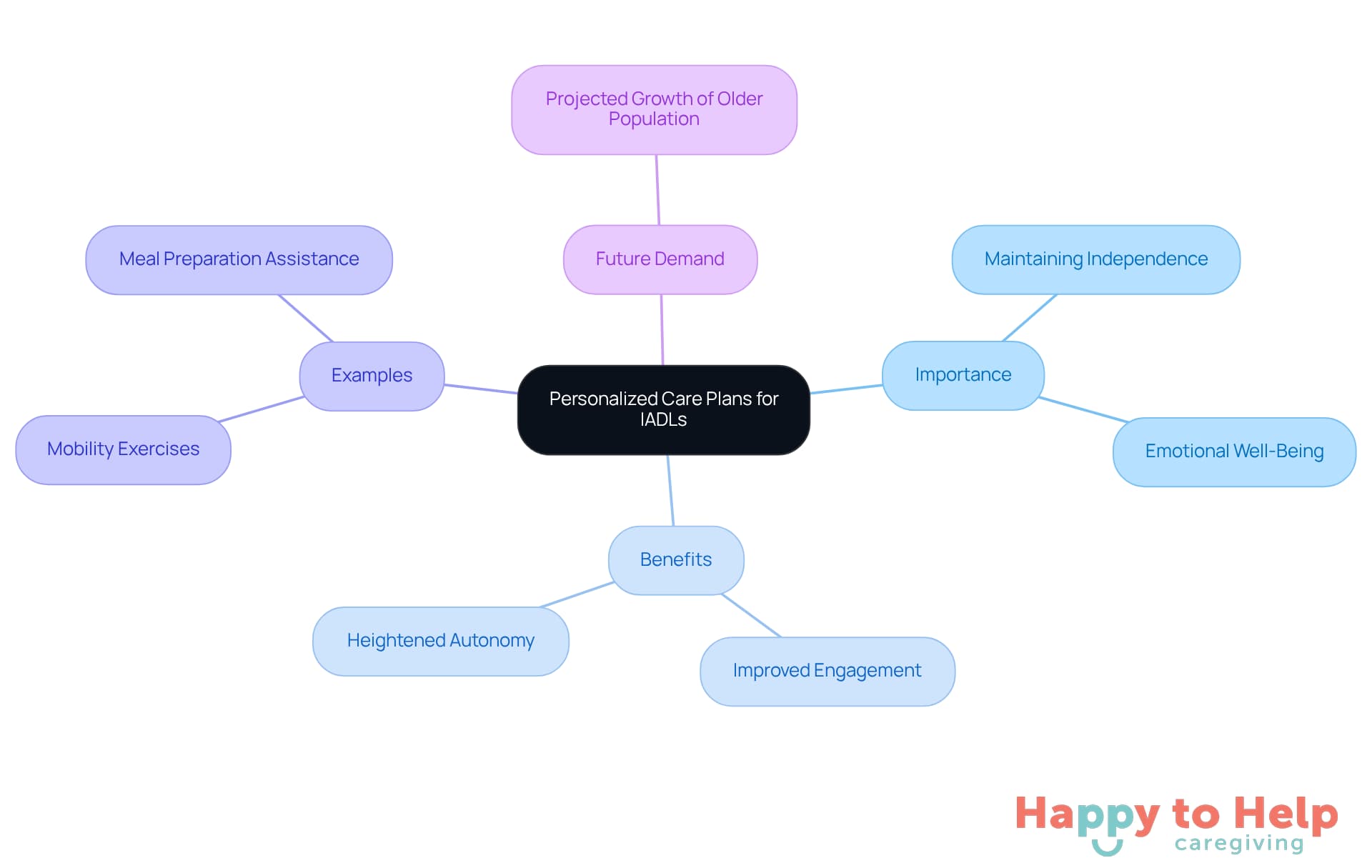
Research indicates that personalized care plans can dramatically improve the situation for older adults, especially those with chronic conditions or complex health needs. A study found that seniors receiving tailored support reported greater engagement in daily activities and a heightened sense of autonomy. Gerontologists emphasize that involving elderly individuals in their care decisions is not just empowering; it’s crucial for their emotional and mental well-being.
When caregivers prioritize IADLs, the results can be transformative. For example, programs that combine mobility exercises with meal preparation assistance have been shown to reduce hospitalizations and enhance overall health outcomes. These targeted strategies not only help older adults manage daily tasks but also promote their dignity and self-sufficiency.
With the older American population projected to reach 98 million by 2060, the demand for personalized care plans is more pressing than ever. As noted by Reliant Home Care Services, "Personalized care plans are a cornerstone of quality care for older adults." This statement underscores the vital role these plans play in meeting the diverse needs of our aging population.
In conclusion, the significance of personalized care plans for instrumental ADLs cannot be overstated. They are essential for enhancing the independence of older adults, enabling them to face daily challenges with confidence and comfort. Happy to Help Caregiving is committed to delivering this level of personalized assistance, ensuring that each individual can thrive in their familiar surroundings.
Driving a Car: Ensuring Safe Transportation for Clients
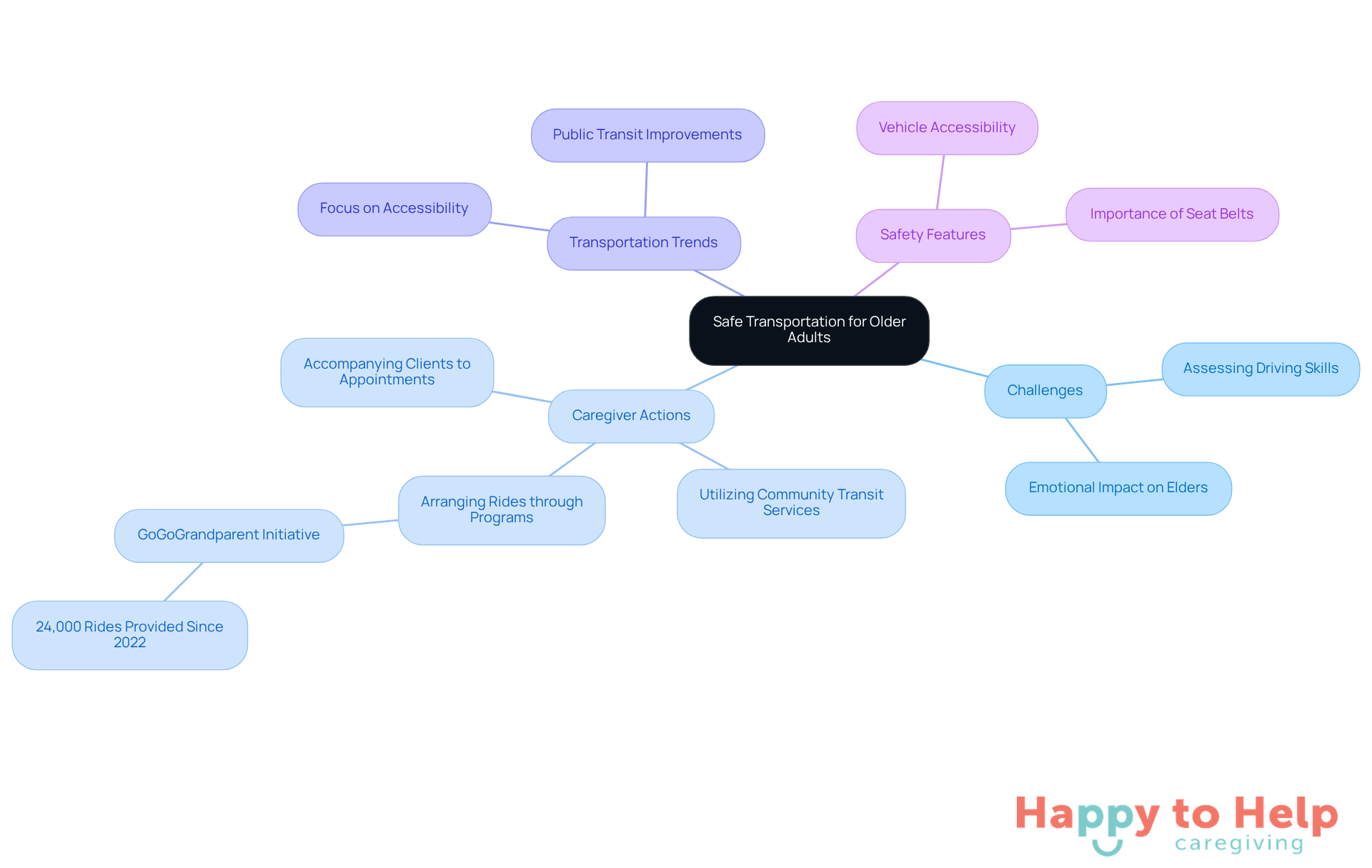
Driving is often a vital part of autonomy for older adults, presenting a significant challenge for caregivers who must assess their driving skills. While physical ability is crucial, cognitive functions also play a key role in driving safety. If an elder is deemed unfit to drive, caregivers need to explore alternative travel options.
This situation can be unsettling for both the elder and their caregivers. Without proper transportation, older adults may struggle to attend appointments or access essential services. Caregivers can alleviate this concern by:
- Accompanying clients to appointments
- Utilizing community transit services
- Arranging rides through programs designed for seniors, such as the GoGoGrandparent initiative, which has provided 24,000 additional rides for older adults since its launch in 2022.
Current trends in transportation assistance highlight a growing focus on accessible options for older adults. Many communities are enhancing public transit systems to better serve seniors, ensuring reliable access to essential services. Caregivers play a crucial role in this process, helping individuals navigate these options and ensuring they feel comfortable and secure during travel.
Moreover, caregivers should ensure that any vehicle used for travel is equipped with essential safety features, such as seat belts and easy access points. Interestingly, older adults report higher seat belt usage compared to younger adults, showcasing their safety-conscious behavior. By actively engaging in their mobility needs, caregivers can significantly enhance their clients' quality of life, allowing them to maintain independence while ensuring safety on the road.
As the aging population grows, with all Baby Boomers reaching 65 years or older by 2030, the demand for effective mobility solutions will continue to rise. Addressing these challenges now will pave the way for a safer, more independent future for older adults.
Using Public Transportation: Promoting Independence in Mobility
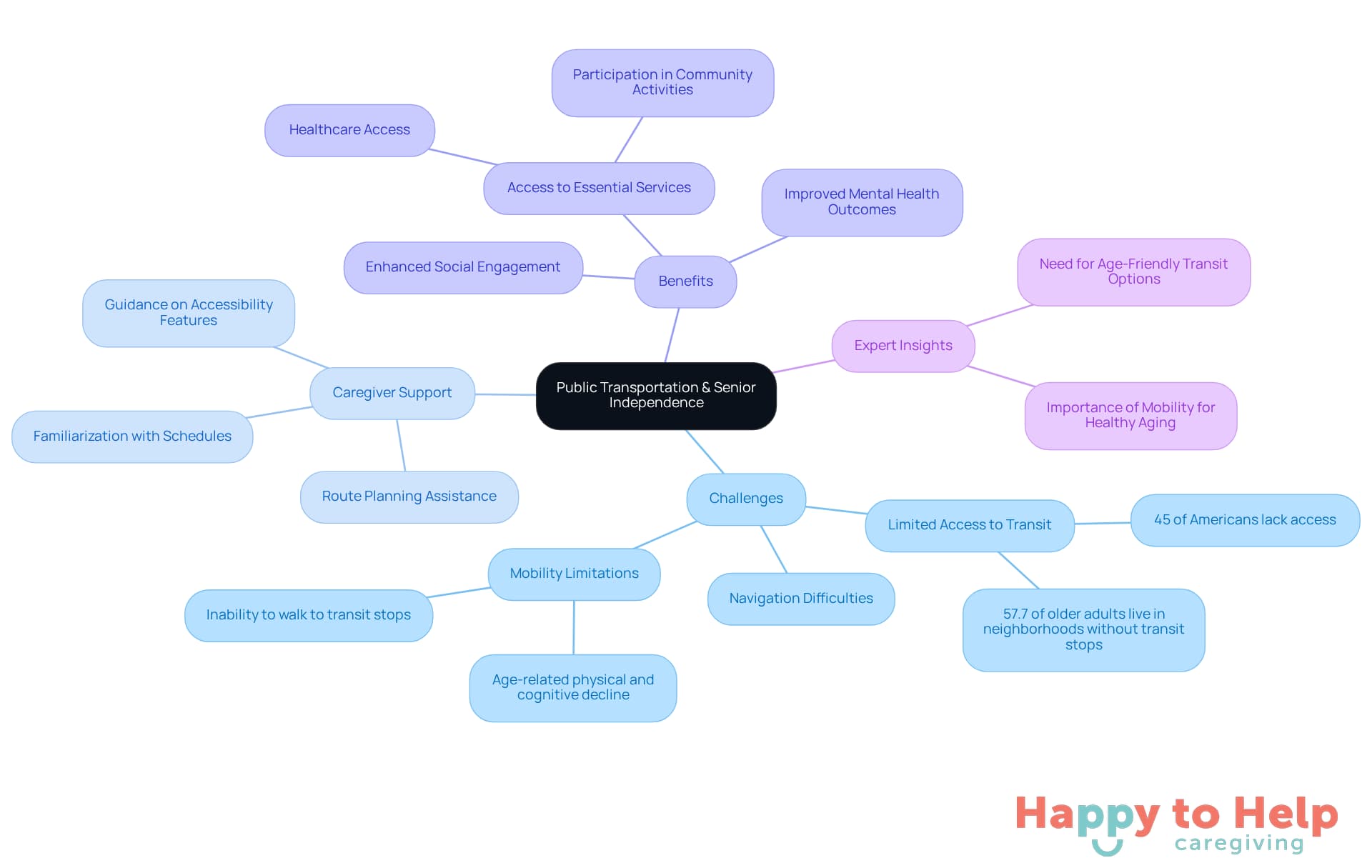
Public transit serves as a crucial resource for seniors striving to maintain their independence. However, many face challenges in navigating local transit options, which can hinder their mobility and social engagement. Caregivers play a vital role in addressing this issue by guiding individuals through available options, such as buses and trains, and assisting them in planning their routes effectively.
By familiarizing clients with transit schedules and accessibility features, caregivers empower seniors to navigate public transit confidently. This not only enhances their mobility but also fosters social engagement, allowing seniors to participate in community activities and maintain vital connections with family and friends.
Programs focused on enhancing mobility independence for older adults highlight the significance of dependable transit options. For instance, specialized delivery services can significantly improve access to healthcare and social events, essential for overall well-being. Research shows that older adults with reliable transit options report greater independence and heightened involvement in community activities, resulting in improved mental health outcomes.
Experts in mobility emphasize that empowering seniors to utilize public transit can transform their daily lives. As one mobility expert pointed out, "Access to public transit is essential for healthy aging in place," underscoring the need for age-friendly travel options. The advantages of public transit extend beyond simple travel; they encompass decreases in social isolation and enhanced access to essential services, vital for sustaining a high quality of life.
In summary, public transportation not only supports the independence of older adults but also enhances their lives by enabling social interactions and access to essential services. Caregivers who assist individuals in navigating these options contribute significantly to their overall well-being and quality of life.
Shopping for Groceries: Supporting Nutritional Needs
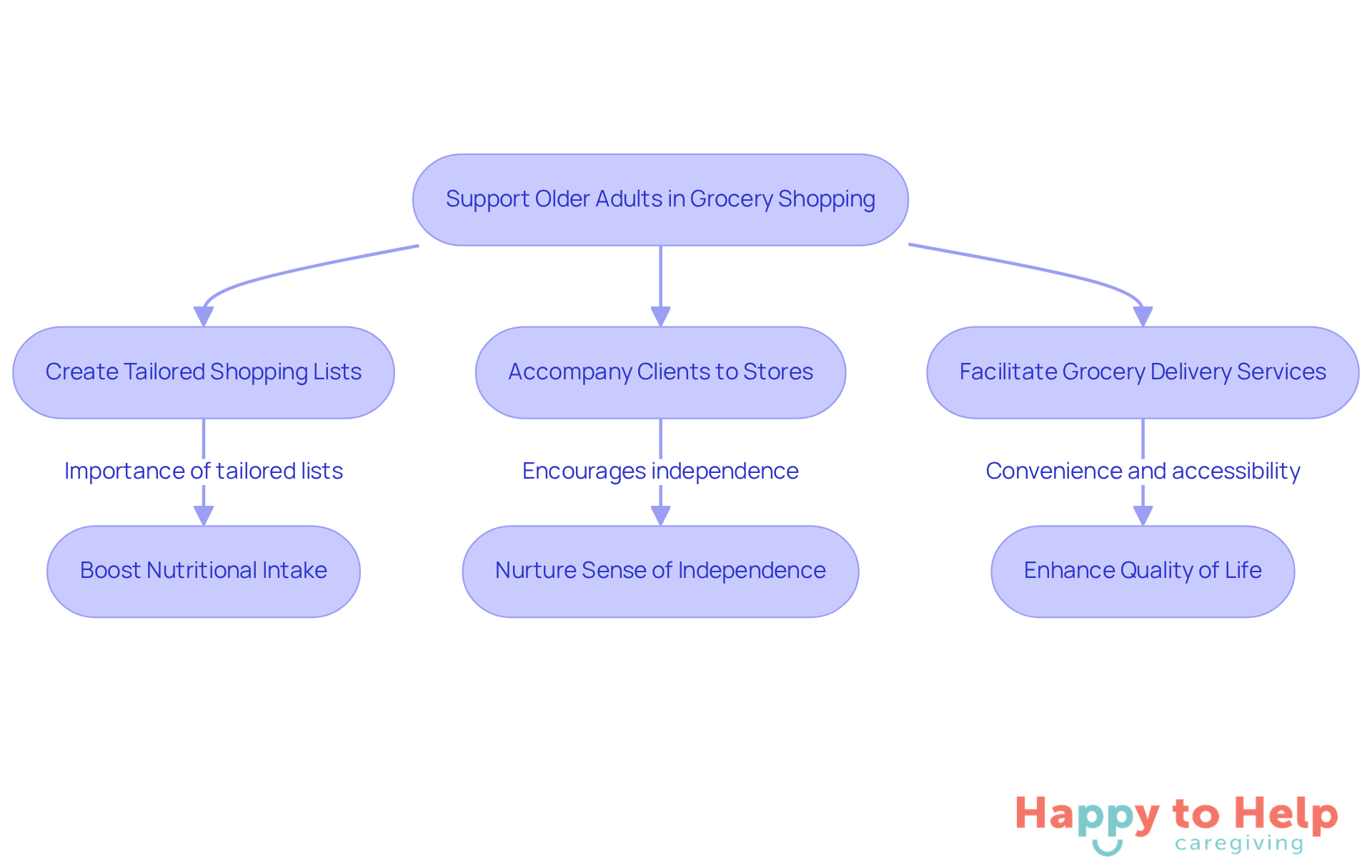
Grocery shopping is more than just gathering food; it serves as a vital way for older adults to connect with their community. However, many face challenges in this area, particularly when it comes to dietary needs and preferences. Caregivers play a crucial role in addressing these challenges by:
- Creating tailored shopping lists
- Accompanying clients to stores
- Facilitating grocery delivery services
Involving older adults in meal planning not only boosts their nutritional intake but also nurtures their sense of independence. As dietitians stress, thoughtful meal planning is essential for maintaining health, especially for older adults with specific dietary restrictions. Anthelme Brillat-Savarin wisely noted, 'You are what you eat,' highlighting the importance of dietary choices for older adults.
Moreover, with 88% of Baby Boomers purchasing products online in the United States, caregivers can assist older individuals in navigating online grocery shopping. This support reflects the growing trend among the elderly to embrace digital solutions. By promoting these practices, caregivers can significantly enhance the quality of life for older adults, ensuring they remain active participants in their nutritional choices and community interactions.
Hippocrates' assertion that 'Let food be thy medicine and medicine be thy food' underscores the health benefits of proper nutrition, aligning perfectly with caregivers' mission to help older adults make informed dietary decisions.
Preparing Meals: Ensuring Healthy Nutrition for Clients
Meal preparation poses a significant challenge for ensuring older adults receive the nutrition they need to maintain their health and well-being. Without proper meal planning, seniors may struggle with dietary restrictions and preferences, leading to inadequate nutrition. This issue is particularly pressing for those with conditions like high blood pressure or celiac disease, where specific dietary accommodations are essential.
Caregivers can play a crucial role in addressing this problem by preparing meals that cater to these dietary needs. Involving older adults in the cooking process not only provides nutritional benefits but also fosters social interaction, which is vital for enhancing their quality of life. Simple tasks, such as washing vegetables or stirring ingredients, can transform meal preparation into a shared activity that encourages connection and enjoyment.
Moreover, caregivers should take the opportunity to educate seniors about nutritious eating practices and portion management. Discussing the importance of incorporating a variety of food groups - like lean proteins, whole grains, and an abundance of fruits and vegetables - can help maintain energy levels and overall health. Nutritionists emphasize that as dietary requirements evolve with age, proper nutrition becomes increasingly vital to combat deficiencies and chronic conditions.
By actively engaging in meal preparation, caregivers not only ensure that seniors receive nutritious meals but also empower them to make healthier choices. This involvement fosters independence and boosts confidence in their dietary habits. Additionally, resources like RecipeLand and One Dish Kitchen can inspire meal planning, while batch cooking can save time and promote nutritious meals throughout the week.
Handling Financial Affairs: Supporting Clients' Economic Independence
Effective management of financial matters poses a significant challenge for older adults striving to maintain their independence, particularly in the context of instrumental ADL. Many face difficulties in organizing bills, establishing automatic payments, and monitoring bank statements for irregularities. This lack of support can lead to increased stress and a diminished sense of control over their financial situation.
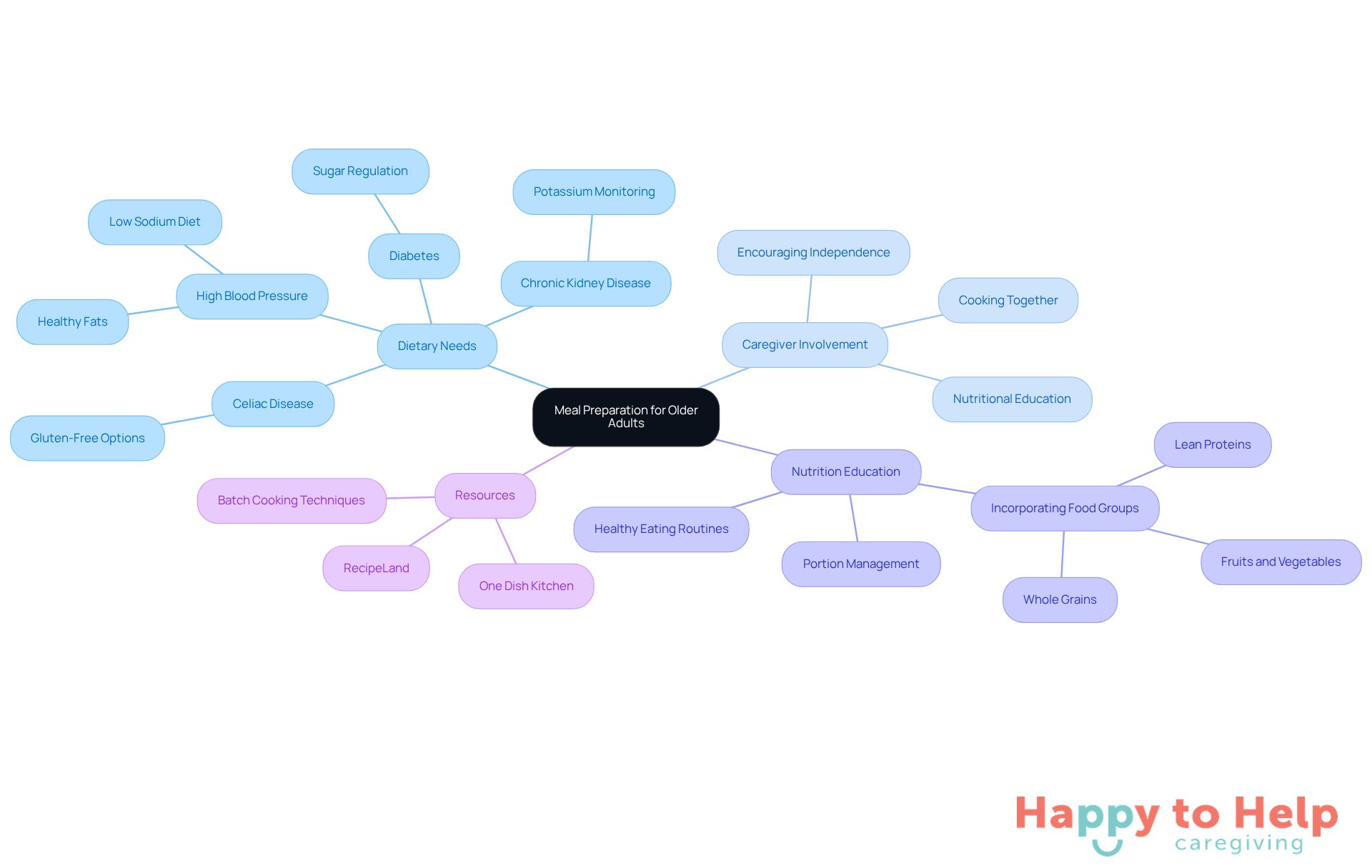
In 2022, just over half of adults aged 55-74 had retirement savings, while only 42% of individuals aged 75 and older did. Additionally, 37% of older adults expressed concern about affording healthcare. These statistics highlight the financial challenges faced by older adults and the critical role caregivers play in addressing these issues.
Caregivers can empower older adults by educating them on budgeting and financial planning. By assisting clients with organizing their finances, caregivers contribute to instrumental ADL, helping them make informed financial choices that are essential for maintaining economic independence. This support not only alleviates stress but also fosters a sense of control, allowing older adults to thrive in their daily lives.
As financial planner [insert name] states, "Budgeting is not just about tracking expenses; it's about creating a roadmap for financial independence." By implementing practical solutions, caregivers can significantly enhance the financial well-being of older adults.
Organizing Appointments: Facilitating Healthcare Access
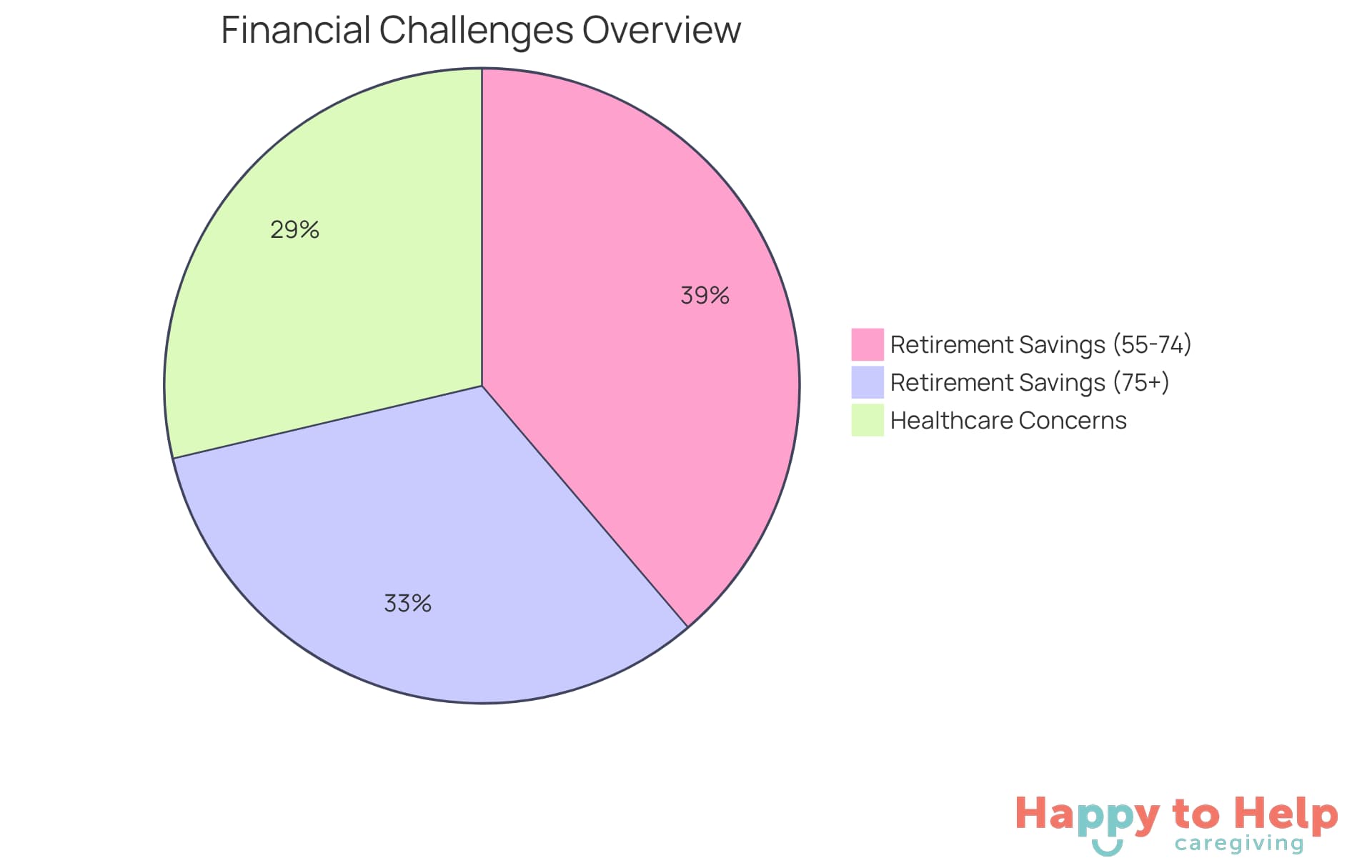
Effective appointment management poses a significant challenge for seniors seeking timely medical care. Caregivers are crucial in this process, as they maintain detailed calendars of appointments, send reminders, and coordinate transportation to healthcare facilities. Without proper management, seniors may miss vital appointments, leading to deteriorating health outcomes.
Accompanying seniors to their appointments is equally important. This support allows caregivers to help express needs and concerns to healthcare providers, fostering a more effective communication channel. Such proactive involvement not only increases the likelihood of attending appointments but also creates a supportive environment where seniors feel empowered to advocate for their health.
To enhance appointment management, caregivers can implement several practical solutions:
- Maintain a detailed calendar: Keep track of all appointments and send reminders well in advance.
- Coordinate transportation: Ensure reliable transport options are available for seniors to reach their appointments.
- Accompany seniors: Attend appointments with them to facilitate communication with healthcare providers.
Statistics show that 40% of patients believe that additional appointment reminders could help reduce no-shows. This highlights the importance of caregivers' efforts in this area. Furthermore, with the end of telehealth services on October 1, 2025, caregivers must adapt their strategies to ensure that elderly individuals continue to access necessary medical care.
Housekeeping: Maintaining a Safe and Clean Home
Housekeeping is crucial for ensuring a safe and clean environment for elderly individuals. Caregivers often face the challenge of maintaining this environment, which can significantly impact the well-being of their clients. When housekeeping tasks are neglected, it can lead to increased risks of accidents and a decline in mental well-being.
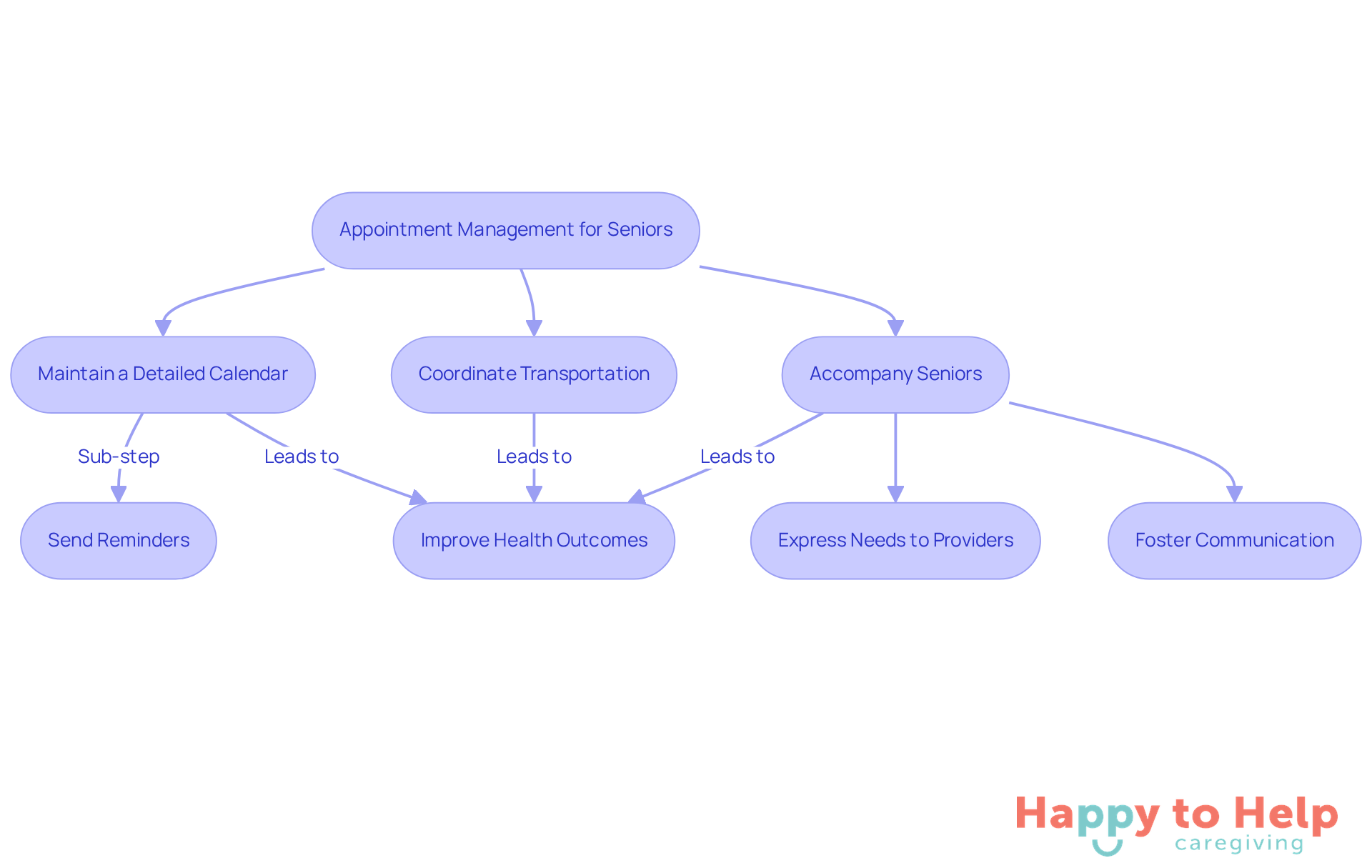
To address these issues, caregivers can assist elderly individuals with light housekeeping tasks such as:
- Dusting
- Vacuuming
- Organizing living spaces
Establishing a regular cleaning routine not only helps preserve tidiness but also fosters a sense of comfort and safety in their homes. Additionally, caregivers should educate clients on essential safety measures, including:
- Eliminating tripping hazards
- Ensuring adequate lighting throughout the home
According to home safety experts, a clean and organized environment significantly reduces the risk of accidents, enhancing the overall well-being of elderly individuals. Routine cleaning not only boosts physical safety but also supports mental health, as an organized space can alleviate stress and anxiety, allowing older adults to thrive in their familiar surroundings.
Doing Laundry: Supporting Personal Hygiene and Comfort
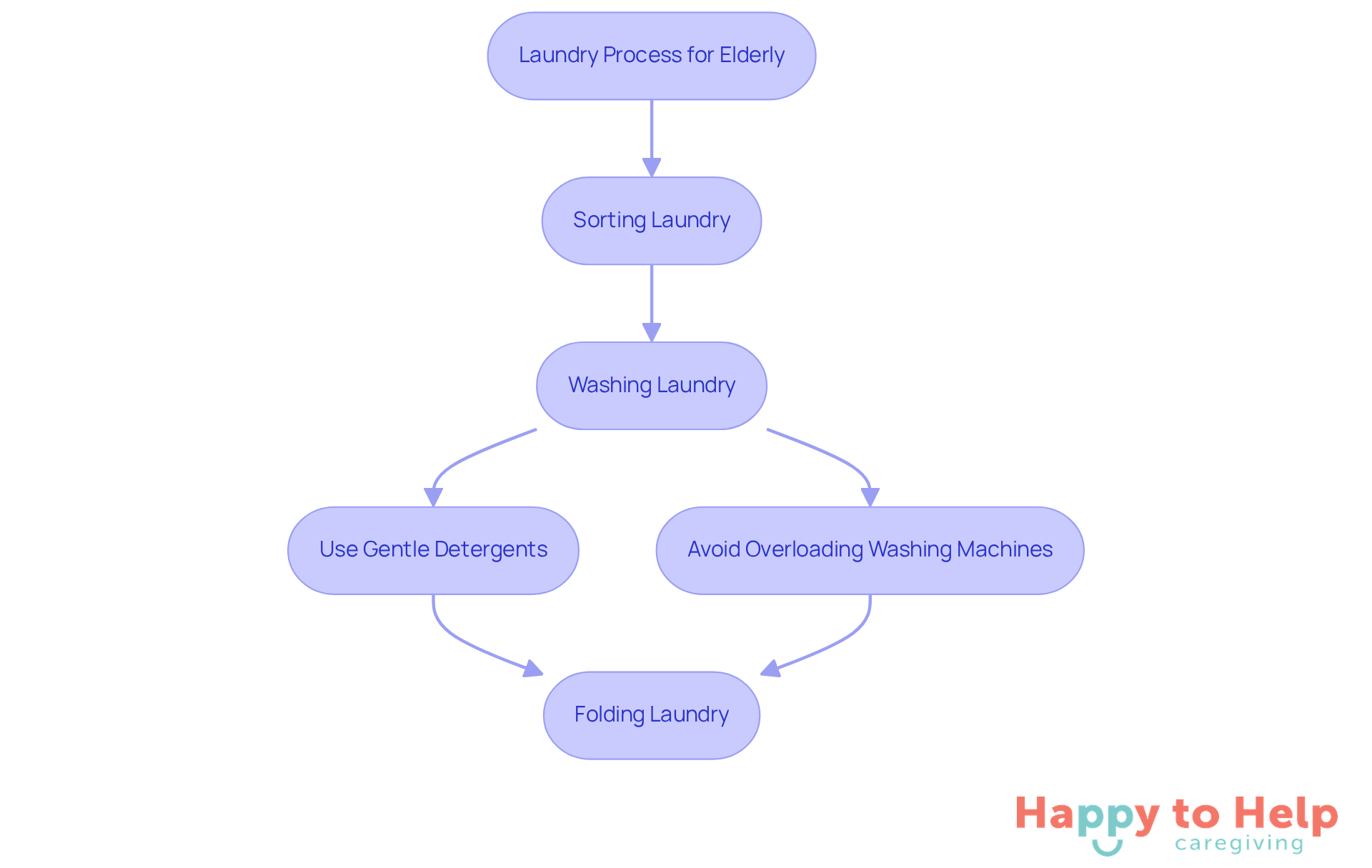
Laundry is a crucial task that significantly impacts the personal hygiene and comfort of elderly individuals. Many older adults struggle with this essential activity, leading to potential hygiene issues. Caregivers play a vital role in addressing this problem by assisting clients with sorting, washing, and folding laundry, ensuring that their clothing remains clean and suitable for wear.
With nearly 18 million older adults reporting a need for help with daily activities, the importance of caregivers in maintaining hygiene cannot be overstated. According to the CDC, proper personal hygiene is fundamental for healthy living, as it can prevent various diseases and conditions. When care needs go unmet, older adults may experience adverse effects, such as wearing wet or soiled clothes, which can lead to discomfort and health complications.
To combat these challenges, caregivers should educate older adults on effective laundry practices. This includes:
- Using gentle detergents
- Avoiding overloading washing machines
These practices enhance both safety and convenience. By promoting independence through daily activities like laundry, caregivers not only meet hygiene needs but also help alleviate feelings of isolation and helplessness.
In summary, personal care is essential for preserving health and quality of life among older individuals. Caregivers can make a significant difference by implementing these practical solutions, ensuring that elderly clients maintain their dignity and well-being.
Participating in Social Activities: Enhancing Clients' Well-Being
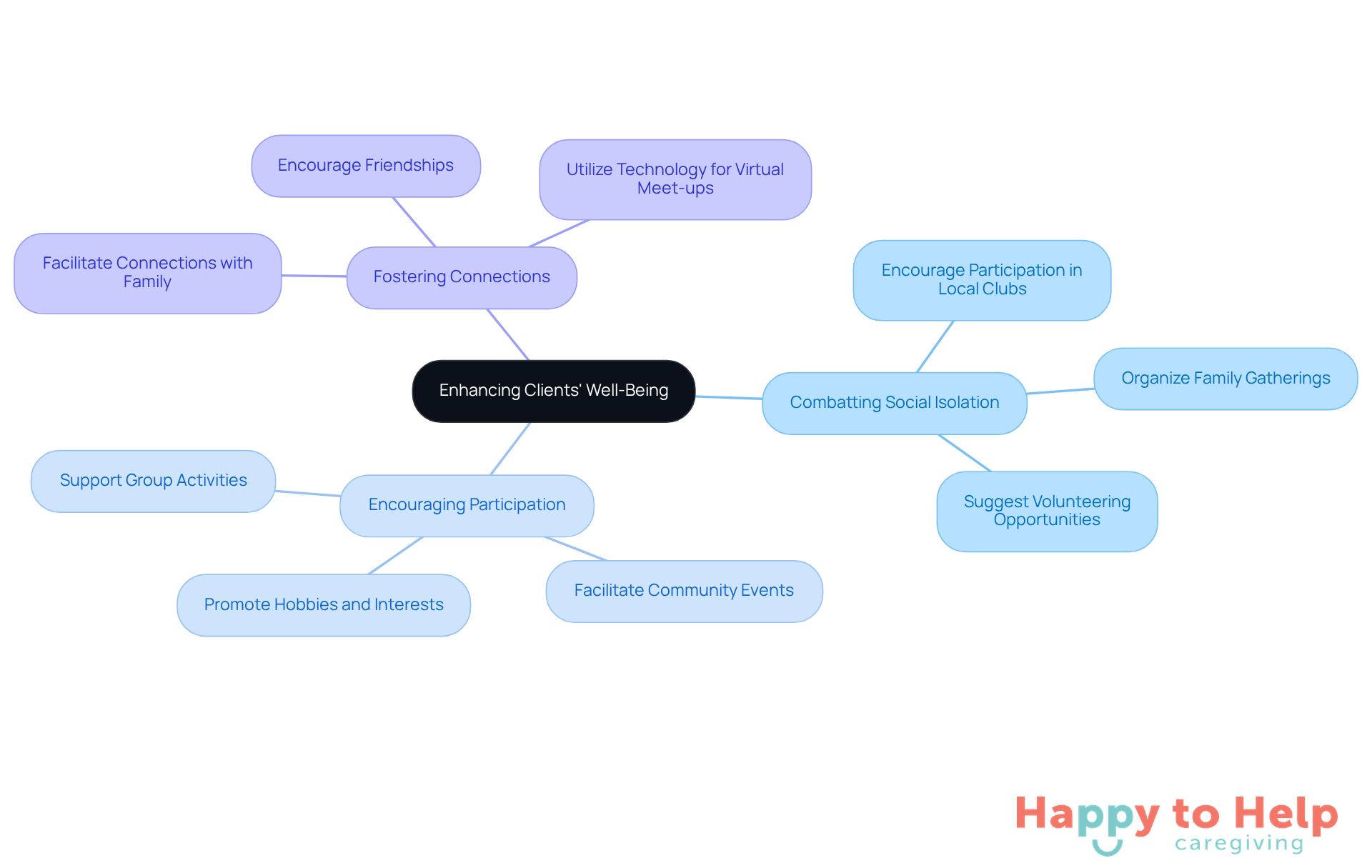
Social isolation is a significant challenge for seniors, impacting their overall well-being. Many older adults experience feelings of loneliness, which can lead to mental and emotional health issues. Caregivers play a crucial role in addressing this problem by encouraging social participation.
To combat isolation, caregivers can promote involvement in community events, hobbies, and group activities that resonate with seniors' interests. Facilitating connections with family and friends is equally important, as these relationships can significantly reduce feelings of loneliness. By fostering social engagement, caregivers not only enhance their clients' quality of life but also contribute to their mental and emotional health.
Here are some actionable tips for caregivers:
- Encourage participation in local clubs or classes that align with seniors' hobbies.
- Organize regular family gatherings or virtual meet-ups to maintain connections.
- Suggest volunteering opportunities that allow seniors to engage with others.
By implementing these strategies, caregivers can help seniors cultivate a sense of belonging and purpose, ultimately improving their overall well-being.
Key Takeaways for Caregivers
Personalized support for instrumental activities of daily living (IADLs) presents a significant challenge for caregivers, impacting the independence and quality of life of older adults. Without tailored assistance, seniors may struggle with essential tasks like transportation, meal preparation, and financial management, which can lead to feelings of helplessness and decreased mental well-being.
The implications of inadequate support are profound. As caregivers, understanding the unique needs of seniors is crucial. By failing to address these needs, caregivers risk diminishing the autonomy of older adults, which can adversely affect their emotional health. This highlights the urgent need for a more personalized approach to caregiving.
To tackle this issue, caregivers should adopt personalized care plans that cater to the specific needs of their clients. This strategy not only enhances the quality of life for seniors but also promotes dignity and self-sufficiency. Engaging in practices such as:
- Ensuring safe transportation options
- Facilitating grocery shopping
- Managing healthcare appointments
can significantly empower older adults, allowing them to thrive in their own homes.
As the aging population continues to grow, the demand for effective caregiving strategies becomes increasingly critical. By implementing these actionable solutions, caregivers can create a supportive environment that fosters independence and emotional well-being for older adults.
https://iframe.tely.ai/cta/eyJhcnRpY2xlX2lkIjogIjY5Mjc5NGU0MDFkMWUzYmY0NmRiMjQ5OSIsICJjb21wYW55X2lkIjogIjY4ZWU1ZGNhNzMxNzYyNTU3ZjNjOTVjMSIsICJpbmRleCI6IG51bGwsICJ0eXBlIjogImFydGljbGUifQ==Frequently Asked Questions
What are instrumental ADLs and why are they important for seniors?
Instrumental ADLs (Activities of Daily Living) include tasks like managing finances, transportation, and meal preparation. They are essential for seniors to maintain independence and thrive in their own homes.
How can personalized care plans benefit older adults?
Personalized care plans can dramatically improve the situation for older adults, especially those with chronic conditions. Research shows that seniors receiving tailored support report greater engagement in daily activities and a heightened sense of autonomy.
What role do caregivers play in supporting instrumental ADLs?
Caregivers prioritize instrumental ADLs by providing support that can transform the lives of older adults. This includes combining mobility exercises with assistance in meal preparation, which can lead to reduced hospitalizations and enhanced health outcomes.
Why is it important to involve elderly individuals in their care decisions?
Involving elderly individuals in their care decisions is crucial for their emotional and mental well-being, as it empowers them and enhances their sense of autonomy.
What challenges do seniors face regarding transportation?
Seniors may struggle to attend appointments or access essential services if they are deemed unfit to drive. Caregivers must explore alternative travel options to ensure older adults can maintain their independence.
What alternative transportation options can caregivers provide for seniors?
Caregivers can assist seniors by accompanying them to appointments, utilizing community transit services, or arranging rides through programs designed for seniors, such as the GoGoGrandparent initiative.
How can caregivers enhance the safety of transportation for older adults?
Caregivers should ensure that any vehicle used for travel is equipped with essential safety features, such as seat belts and easy access points, to enhance the safety of older adults while traveling.
How does public transportation contribute to the independence of seniors?
Public transportation serves as a crucial resource for seniors, allowing them to maintain independence, navigate their communities, and engage socially. Caregivers help seniors familiarize themselves with transit options and schedules.
What impact does reliable public transit have on older adults?
Reliable public transit improves access to healthcare and social events, leading to greater independence and involvement in community activities, which in turn enhances mental health outcomes for older adults.
Why is promoting public transportation options important for healthy aging?
Access to public transit is essential for healthy aging in place, as it decreases social isolation and enhances access to essential services, vital for sustaining a high quality of life for older adults.
List of Sources
- Happy to Help Caregiving: Personalized Support for Instrumental ADLs
- The Prevalence and Trends of Instrumental Activities of Daily Living Impairments in the United States from 2008–2018 - PMC (https://pmc.ncbi.nlm.nih.gov/articles/PMC10200247)
- Measuring the Activities of Daily Living: Comparisons Across National Surveys (https://aspe.hhs.gov/reports/measuring-activities-daily-living-comparisons-across-national-surveys-0)
- How Personalized Support Plans Improve Quality of Life (https://heartwisesupport.org/post/how-personalized-support-plans-improve-quality-of-life)
- Novel Care Model May Improve Outcomes for Older Adults With Multiple Chronic Conditions (https://consultqd.clevelandclinic.org/novel-care-model-may-improve-outcomes-for-older-adults-with-multiple-chronic-conditions)
- The Importance of Personalized Care Plans for Seniors - Reliant Home Care Services (https://relianthomecareservices.com/the-importance-of-personalized-care-plans-for-seniors)
- Driving a Car: Ensuring Safe Transportation for Clients
- Governor Hochul Announces Expansion of Successful GoGoGrandparent Transportation Partnership for Older Adults (https://governor.ny.gov/news/governor-hochul-announces-expansion-successful-gogograndparent-transportation-partnership)
- Exploring Transit’s Contribution to Livability in Rural Communities: Case Studies of the North Dakota Cities of Valley City and Dickinson (https://sciencedirect.com/science/article/pii/S1077291X22000625)
- Traffic Safety: Older Drivers (https://dhs.wisconsin.gov/injury-prevention/older-drivers.htm)
- Using Public Transportation: Promoting Independence in Mobility
- Why Reliable Transportation Matters: Impact on Senior Well-being (https://agingwest.org/why-reliable-transportation-matters-impact-on-senior-well-being)
- Public transit use among American older adults: Insights from a nationally representative survey (https://sciencedirect.com/science/article/abs/pii/S2214140525000027)
- Epidemiology of Public Transportation Use Among Older Adults in the United States - PMC (https://pmc.ncbi.nlm.nih.gov/articles/PMC9771957)
- Blog | Chambers Home Care Agency (https://chambershca.org/article.cfm?ArticleNumber=20)
- Shopping for Groceries: Supporting Nutritional Needs
- Top 20 Famous Quotes about Nutrition - Become A Nutritionist (https://becomeanutritionist.org/blog/top-20-famous-quotes-about-nutrition)
- 50 Nutrition Quotes to Nourish your Body and Mind - Stephen Duncan Nutrition (https://stephenduncan.co/nutrition-quotes-to-nourish-your-body-and-mind)
- Famous Quotes on Nutrition and Well-Being - Center for the Advancement of Well-Being (https://wellbeing.gmu.edu/famous-quotes-on-nutrition-and-well-being)
- Topic: Senior online shopping behavior (https://statista.com/topics/11538/senior-online-shopping-behavior?srsltid=AfmBOoqCusTGeLyyBj7cZZpRlKju2Qp\_WXuCphgcy0deFtvOB6zIsp6P)
- Preparing Meals: Ensuring Healthy Nutrition for Clients
- How to Meal Plan for Seniors with Dietary Restrictions (https://ohioanshhc.com/news/how-to-meal-plan-for-seniors-with-dietary-restrictions)
- Top Meal Planning Tips for Older Adults: A Nutritionist Answers… (https://archwellhealth.com/news/top-meal-planning-tips-for-older-adults-a-nutritionist-answers-common-questions)
- This National Nutrition Month®, Let’s Promote Healthy Eating for Older Adults - News & Events | odphp.health.gov (https://odphp.health.gov/news/202503/national-nutrition-monthr-lets-promote-healthy-eating-older-adults)
- Changing nutritional needs for older adults | Penn Medicine (https://pennmedicine.org/news/changing-nutritional-needs-for-older-adults)
- Handling Financial Affairs: Supporting Clients' Economic Independence
- Get the Facts on Economic Security for Seniors (https://ncoa.org/article/get-the-facts-on-economic-security-for-seniors)
- Financial Independence for Older Adults - Elder Care Alliance (https://eldercarealliance.org/blog/financial-independence-seniors)
- 200 Quotes About Money And Personal Finance To Inspire You (https://marriagekidsandmoney.com/20-empowering-quotes-about-money-and-personal-finance)
- Top 150 Financial Planning Quotes [2025] (https://digitaldefynd.com/IQ/financial-planning-quotes)
- Organizing Appointments: Facilitating Healthcare Access
- Millions of seniors lose access to telehealth services in wake of shutdown (https://pbs.org/newshour/show/millions-of-seniors-lose-access-to-telehealth-services-in-wake-of-shutdown)
- 50+ Latest Patient No-Show Statistics You Need to Know (https://dialoghealth.com/post/patient-no-show-statistics)
- Stats you need to know about patient cancellations and no-shows (https://tebra.com/theintake/patient-experience/patient-scheduling-retention/stats-you-need-to-know-about-patient-cancellations-and-no-shows)
- Healthcare For Seniors Statistics (https://rosewood-nursing.com/post/healthcare-for-seniors-statistics)
- Senior Center hopes to continue free medical transportation program, but federal funding is set to run out - Brookline.News (https://brookline.news/senior-center-hopes-to-continue-free-medical-transportation-program-but-federal-funding-is-set-to-run-out)
- Housekeeping: Maintaining a Safe and Clean Home
- New AARP Survey Reveals Older Adults Want to Age in Place (https://aarp.org/home-living/home-and-community-preferences-survey-2021)
- What Is the Lifetime Risk of Needing and Receiving Long-Term Services and Supports? (https://aspe.hhs.gov/reports/what-lifetime-risk-needing-receiving-long-term-services-supports-0)
- ACI Survey: Nearly 9 in 10 Americans Connect Cleaning to Well-Being | The American Cleaning Institute (ACI) (https://cleaninginstitute.org/newsroom/2024/aci-survey-nearly-9-10-americans-connect-cleaning-well-being)
- (https://belleviecare.co.uk/support-advice/60-elderly-care-quotes-to-lift-your-spirits)
- The Growing Demand for Home Care Services in Today’s Aging Population (https://ultimatecareny.com/resources/the-growing-demand-for-home-care-services-in-today-s-aging-population)
- Doing Laundry: Supporting Personal Hygiene and Comfort
- The Importance of Personal Hygiene for Senior Citizens | Fedelta Home Care (https://fedeltahomecare.com/home-care-blog/the-importance-of-personal-hygiene-for-senior-citizens)
- Fact Sheet: Trends in Family Care for Older Americans (https://prb.org/resources/fact-sheet-trends-in-family-care-for-older-americans)
- 27 Inspirational Quotes for Caregivers (https://ultimatecareny.com/resources/27-quotes-for-caregivers)
- CaringBridge (https://caringbridge.org/resources/inspirational-quotes-on-caregiving)
- Nearly Half of All Seniors Need Help With Daily Activities, Far More Than We Thought (https://forbes.com/sites/howardgleckman/2014/10/08/nearly-half-of-all-seniors-need-help-with-daily-activities-far-more-than-we-thought)
- Participating in Social Activities: Enhancing Clients' Well-Being
- Social engagement linked to longer lifespan in older adults (https://news-medical.net/news/20250522/Social-engagement-linked-to-longer-lifespan-in-older-adults.aspx)
- Social connection linked to improved health and reduced risk of early death (https://who.int/news/item/30-06-2025-social-connection-linked-to-improved-heath-and-reduced-risk-of-early-death)
- Community and Family Engagement as a Tool to Enhance Quality of Life among the Elderly Population (https://afmc.org/blog/aarp-community-engagement)
- The impact of social activities on mental health among older adults in China - PMC (https://pmc.ncbi.nlm.nih.gov/articles/PMC11371613)
- Social engagement cuts death risk by 42 percent in older adults, study finds (https://mcknights.com/news/social-engagement-cuts-death-risk-by-42-percent-in-older-adults-study-finds)