10 Essential Items for Dementia Patients to Enhance Comfort
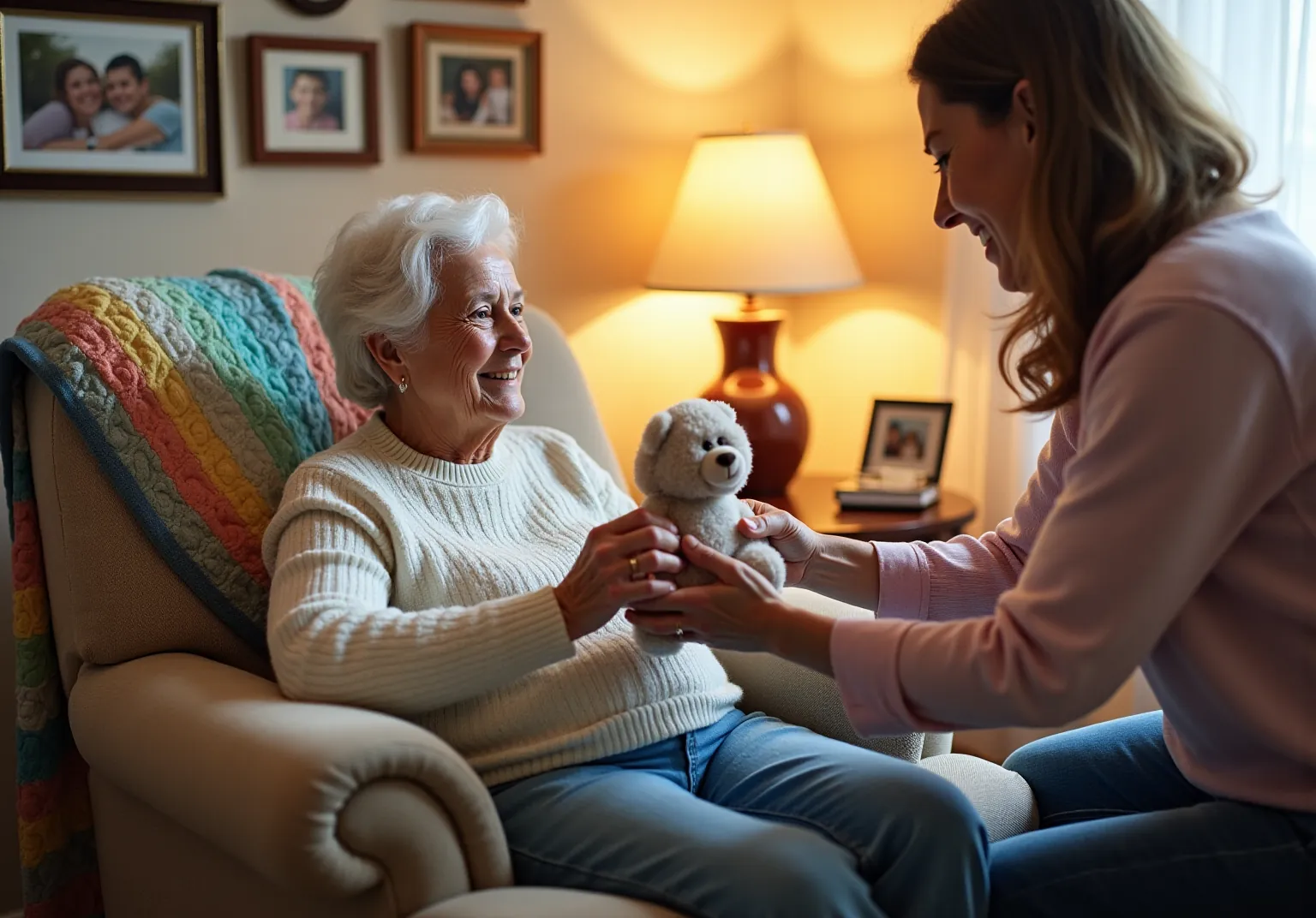
For families in our service areas
For families in our service areas, this guide explains dementia care and how non-medical in-home caregiving can support care planning in East Idaho, Treasure Valley & Magic Valley, Northern Wasatch, North Central West Virginia, and Northeast Ohio.
Understanding Items for Dementia Patients to Enhance
Caring for individuals with dementia presents a significant emotional challenge for caregivers, often leading to feelings of stress and helplessness. This journey is filled with unique obstacles that require both compassion and creativity. As caregivers work tirelessly to improve the quality of life for their loved ones, it becomes crucial to understand the items that can provide comfort and security.
What if simple objects, such as stuffed animals or familiar clothing, could help reduce anxiety and promote emotional well-being? This article delves into ten essential items that not only support dementia patients but also empower caregivers in their vital roles. By exploring these tools, we can transform daily care into a more comforting experience, ultimately enhancing the lives of both caregivers and those they care for.
Happy to Help Caregiving: Personalized In-Home Support for Dementia Patients
Caring for individuals with memory impairments presents significant challenges for caregivers. These challenges can lead to feelings of frustration and helplessness, as caregivers often struggle to provide the necessary support while managing their own well-being.
Happy to Help Caregiving addresses these issues by offering compassionate in-home assistance tailored specifically for individuals with cognitive impairments. Their services include:
- Companionship
- Post-hospital recovery support
- Respite care
All designed to enhance the quality of life for those affected.
By focusing on individualized care, Happy to Help Caregiving ensures that every client receives the attention and support they need to thrive in familiar surroundings. This approach not only promotes a sense of security and reassurance but also alleviates some of the burdens faced by caregivers.
Stuffed Animals and Soft Dolls: Emotional Companions for Dementia Patients
Dementia patients often face significant anxiety and agitation, which can severely impact their quality of life. These emotional challenges not only affect the individuals but also place a heavy burden on caregivers, who seek effective ways to provide comfort and support.
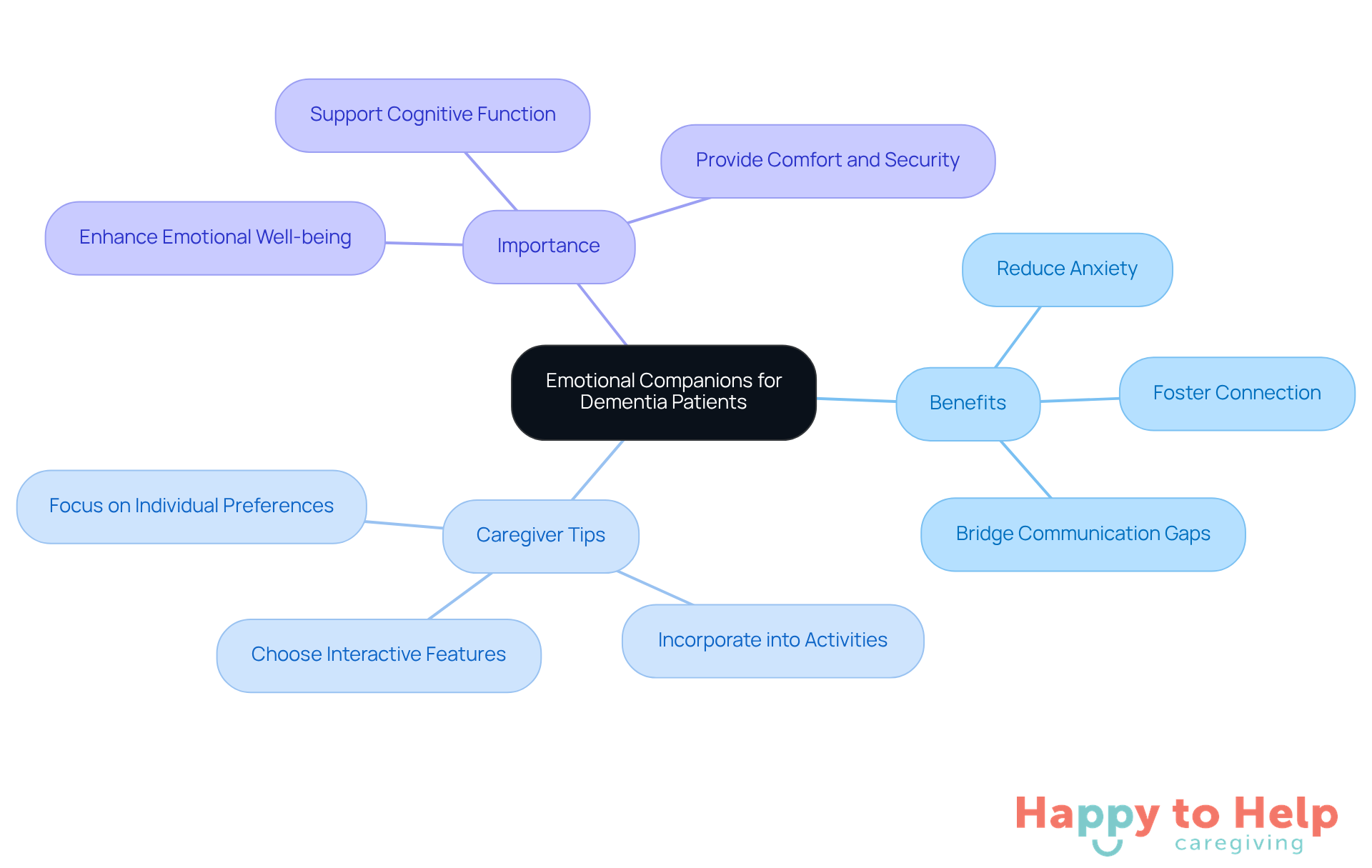
Stuffed animals and soft dolls are considered important items for dementia patients in this context. They offer warmth and security, which can significantly reduce feelings of distress. Research indicates that items for dementia patients, such as these plush items, stimulate emotions and foster a sense of purpose and connection, which is crucial for those experiencing cognitive decline. Moreover, interacting with these companions can bridge communication gaps, facilitating connections even when verbal interaction is challenging.
The tactile experience of soft textures and the calming presence of weighted stuffed animals can soothe restlessness, making them particularly beneficial for those dealing with anxiety. Caregivers are increasingly recognizing the power of these items for dementia patients as effective tools for enhancing the psychological and cognitive well-being of individuals with memory loss.
To effectively integrate these emotional companions into care routines, caregivers should consider the following actionable tips:
- Choose stuffed animals with interactive features, such as sound or movement, to engage individuals with cognitive impairments.
- Incorporate these soothing companions into everyday activities to foster a supportive atmosphere.
- Focus on the preferences of the individual to enhance their sense of stability and happiness.
By embracing items for dementia patients, such as stuffed animals, caregivers can significantly improve the overall health and emotional well-being of those with cognitive impairment.
Weighted Blankets: Anxiety-Reducing Comfort for Dementia Patients
Anxiety is a common challenge faced by individuals with cognitive decline, often leading to increased stress for both the individuals and their caregivers. This anxiety can disrupt daily routines and negatively impact overall well-being.
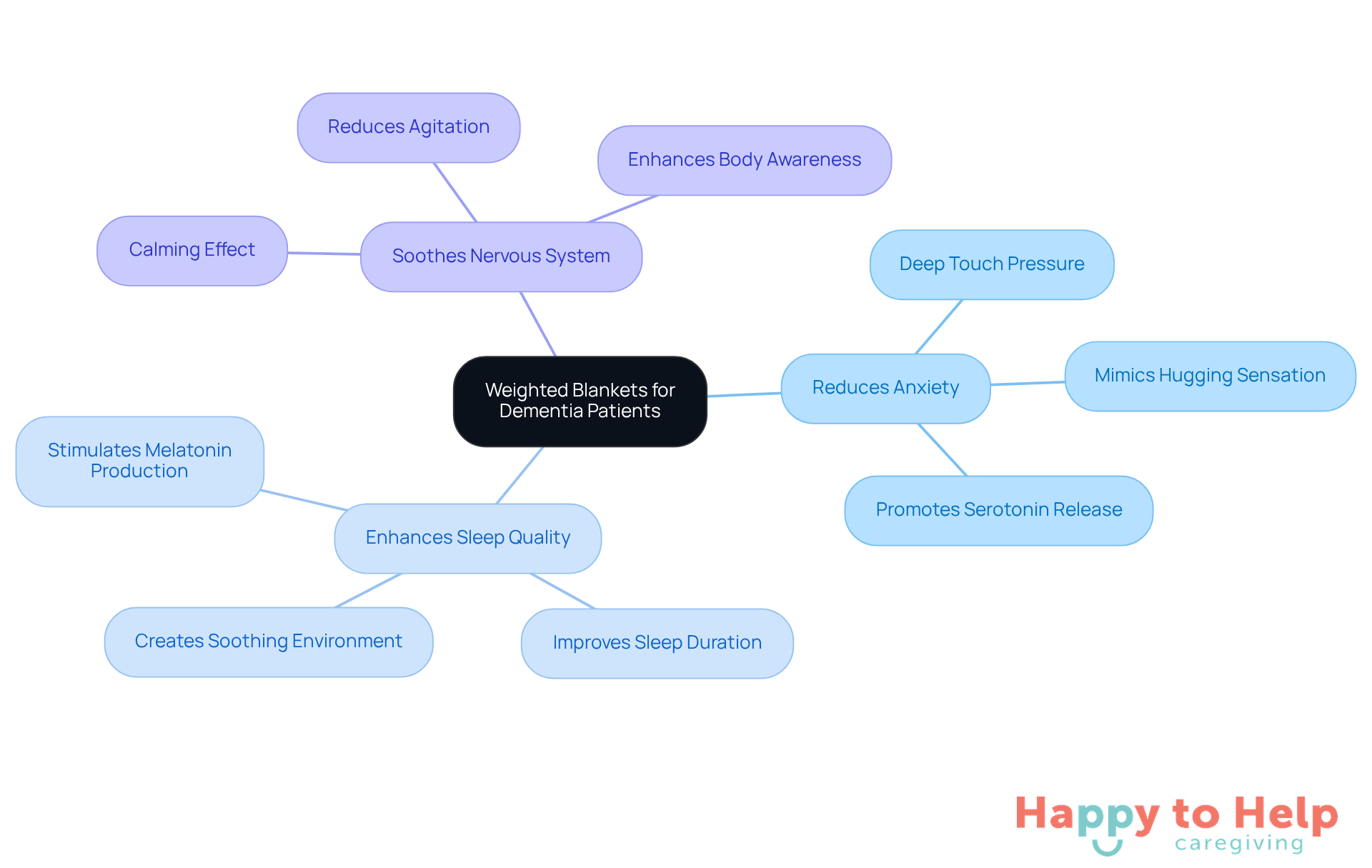
Weighted blankets provide a practical solution to this problem. They offer deep pressure stimulation, which can soothe the nervous system and alleviate anxiety. The comforting weight of these blankets, which are essential items for dementia patients, encourages relaxation and enhances sleep quality, making them a valuable addition to their care routine.
Fidget and Sensory Objects: Engaging Tools for Calmness and Focus
Caring for individuals with cognitive impairments presents significant challenges for caregivers. Anxiety and agitation are common issues that can hinder communication and overall well-being. Without effective strategies, caregivers may feel overwhelmed and unsure of how to provide the necessary support.
Fidget and sensory items for dementia patients, including textured balls, stress relievers, and busy boards, offer practical solutions to these challenges. These items for dementia patients not only foster tranquility and concentration but also enhance their quality of life. For instance, the Fidget Widget Toolkit and knitted fiddle toys are excellent items for dementia patients that can be seamlessly integrated into care routines.
Research indicates that tactile stimulation from items for dementia patients can soothe anxiety and agitation, which leads to improved verbal and non-verbal communication. As occupational therapist Valerie Pena states, "Occupational therapy transforms hopelessness into hope." This highlights the vital role that items for dementia patients play in providing comfort and fostering engagement.
By incorporating captivating activities into daily routines, caregivers can create a supportive atmosphere that meets the psychological needs of individuals with cognitive impairments. The recent discoveries underscore the efficacy of items for dementia patients in therapeutic environments, making them essential resources for enhancing the caregiving experience.
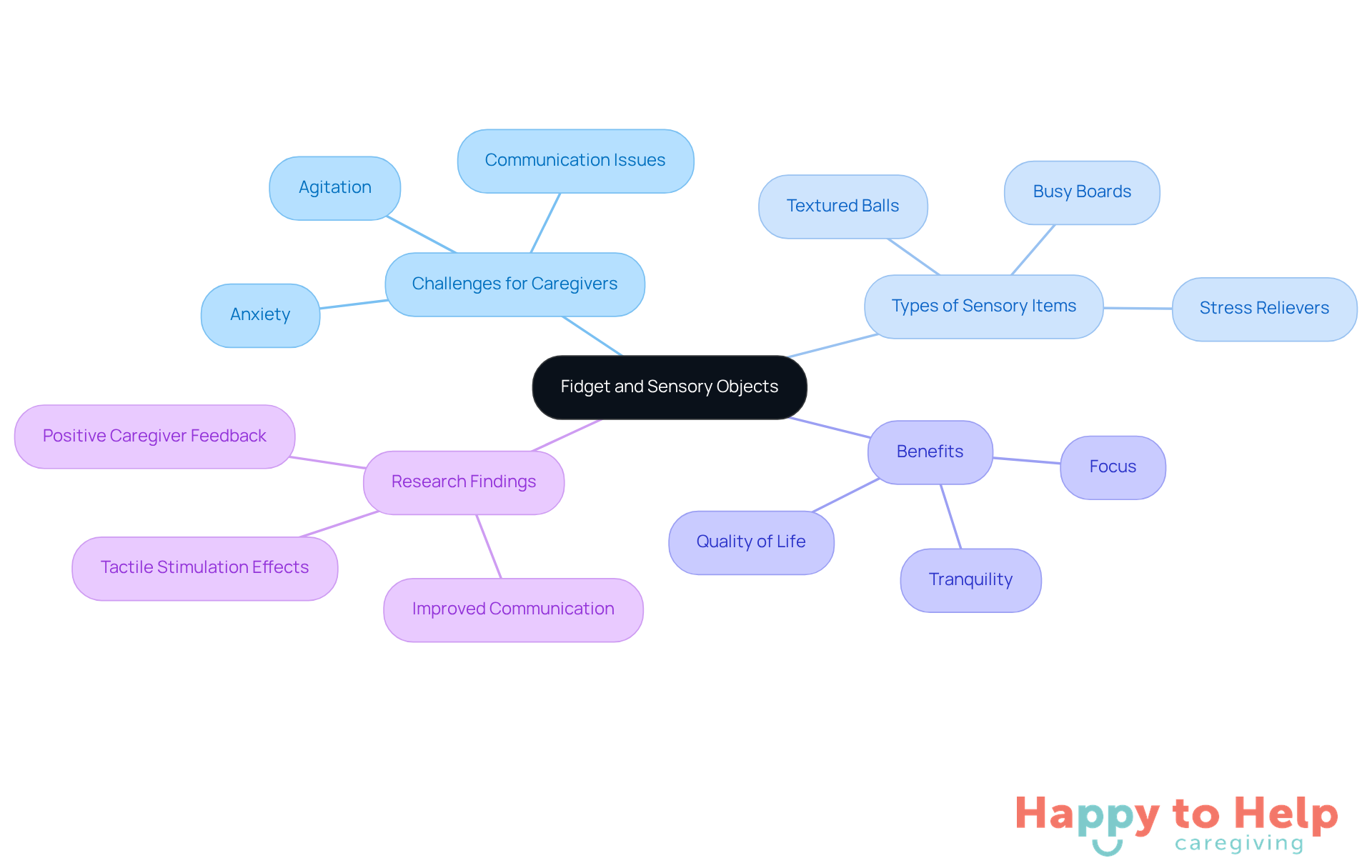
Photo Albums and Familiar Objects: Memory Triggers for Comfort
Memory impairments present a significant challenge for caregivers, often leaving individuals feeling disconnected from their past. This disconnection can lead to increased anxiety and a lack of psychological stability, making it crucial for caregivers to find effective ways to support their loved ones.
One effective solution is to utilize photo albums and recognizable items as strong memory prompts. By surrounding individuals with objects that evoke treasured memories, caregivers can help them reconnect with their past. This approach fosters a sense of comfort and familiarity, which can significantly reduce anxiety and promote psychological stability.
Incorporating these memory aids into daily routines can be a simple yet powerful strategy. Caregivers should consider:
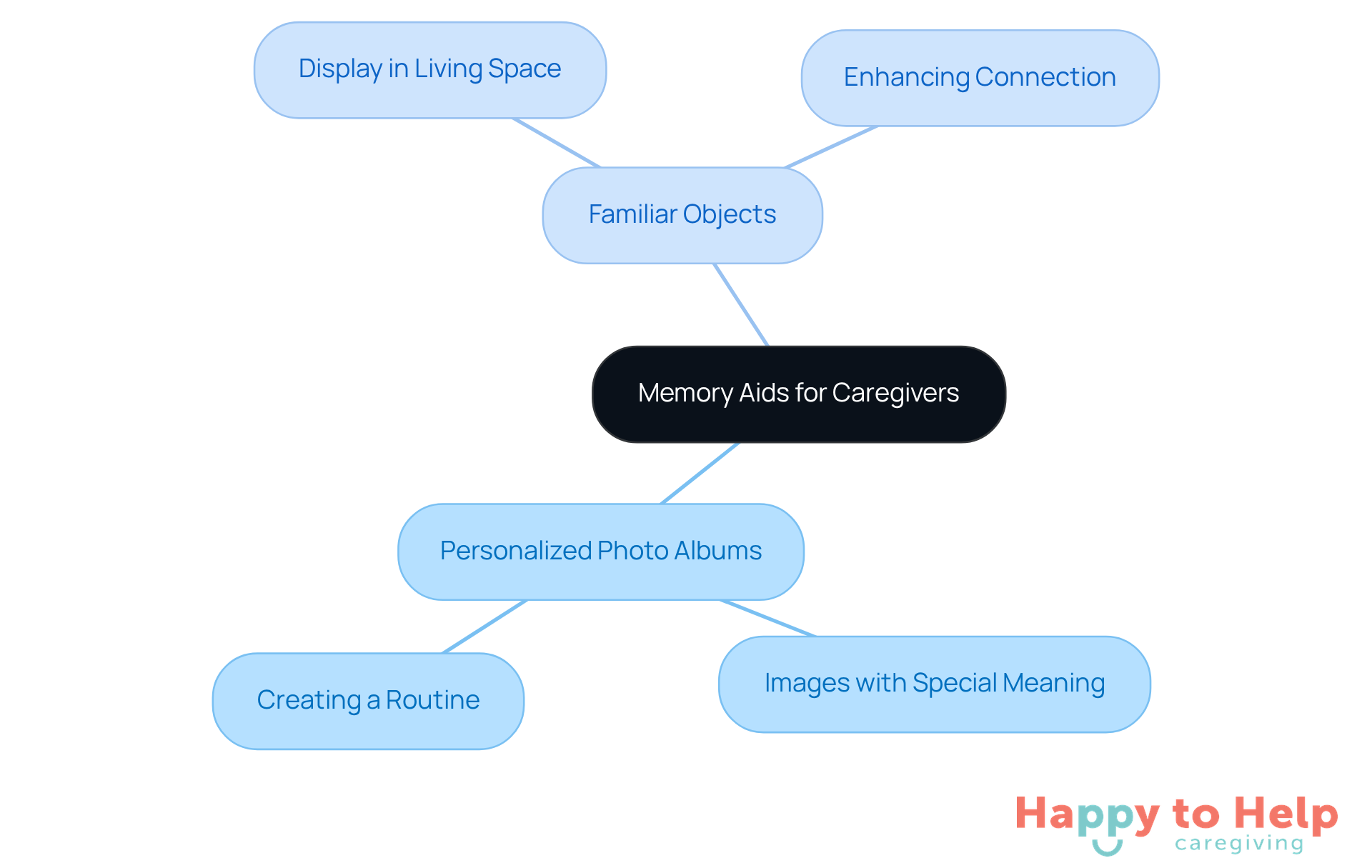
- Creating personalized photo albums filled with images that hold special meaning for the individual.
- Displaying familiar items around the living space to further enhance this sense of connection.
By implementing these strategies, caregivers can create an environment that not only supports memory recall but also nurtures emotional well-being.
Aromatherapy Items: Mood Enhancers for Dementia Patients
Cognitive decline can significantly affect an individual's mood, leading to increased anxiety and stress. This issue is particularly challenging for caregivers, who often seek effective items for dementia patients to enhance the well-being of those they support.
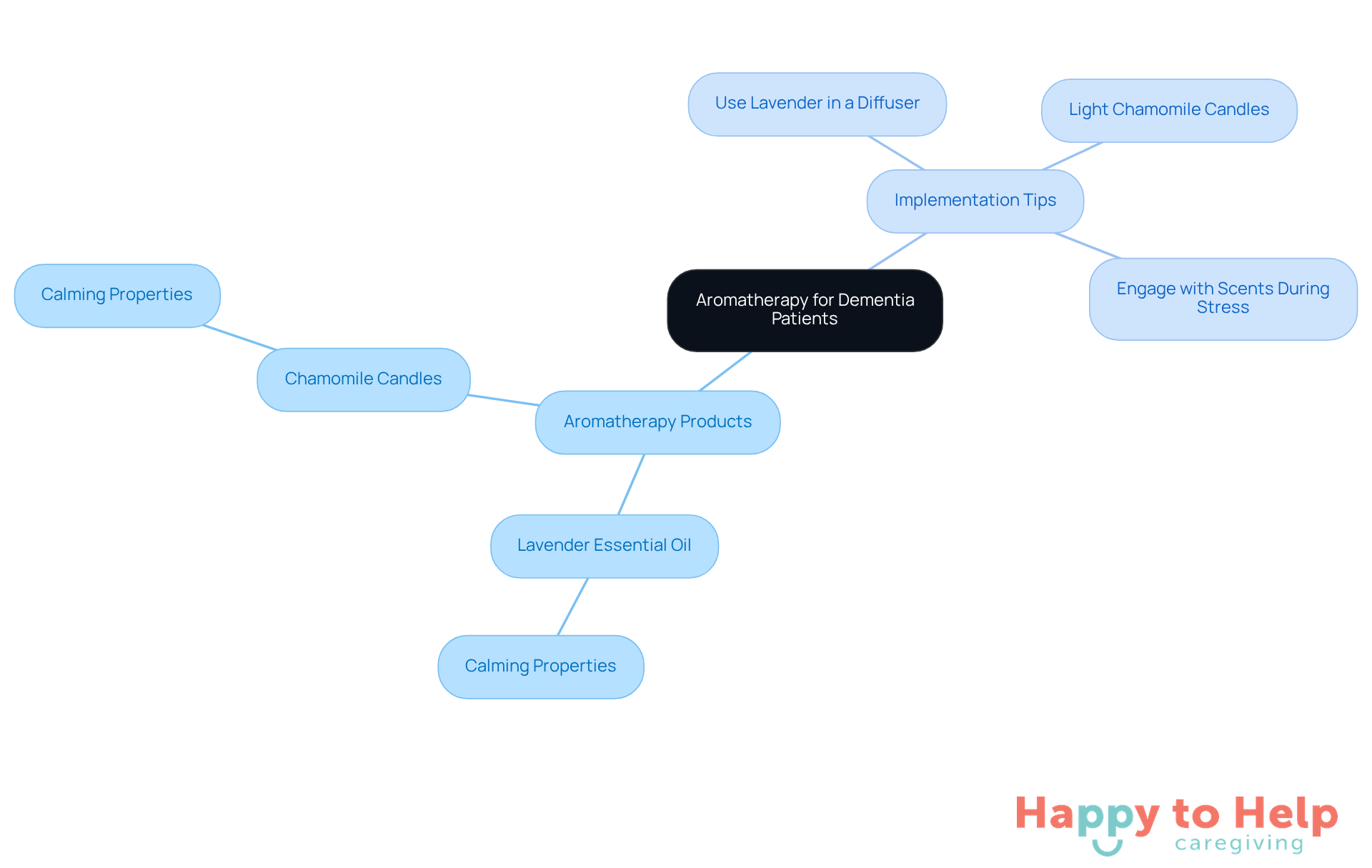
Aromatherapy products, such as essential oils and fragrant candles, offer a promising solution. Scents like lavender and chamomile are renowned for their calming properties, which can help reduce anxiety and promote relaxation. By integrating aromatherapy into daily routines, caregivers can create a soothing atmosphere that fosters emotional well-being.
To implement aromatherapy effectively, consider the following tips:
- Use lavender essential oil in a diffuser during quiet times.
- Light chamomile candles during relaxation activities.
- Encourage individuals to engage with these scents during moments of stress.
By incorporating these simple items for dementia patients, caregivers can help improve the mood and overall quality of life for those experiencing cognitive decline.
Music and Audio Devices: Memory Evokers for Emotional Comfort
Cognitive impairments can pose significant challenges for individuals and their caregivers. These conditions often lead to emotional distress, agitation, and a diminished quality of life. Caregivers face the daunting task of finding effective ways to support their loved ones and improve their emotional well-being.
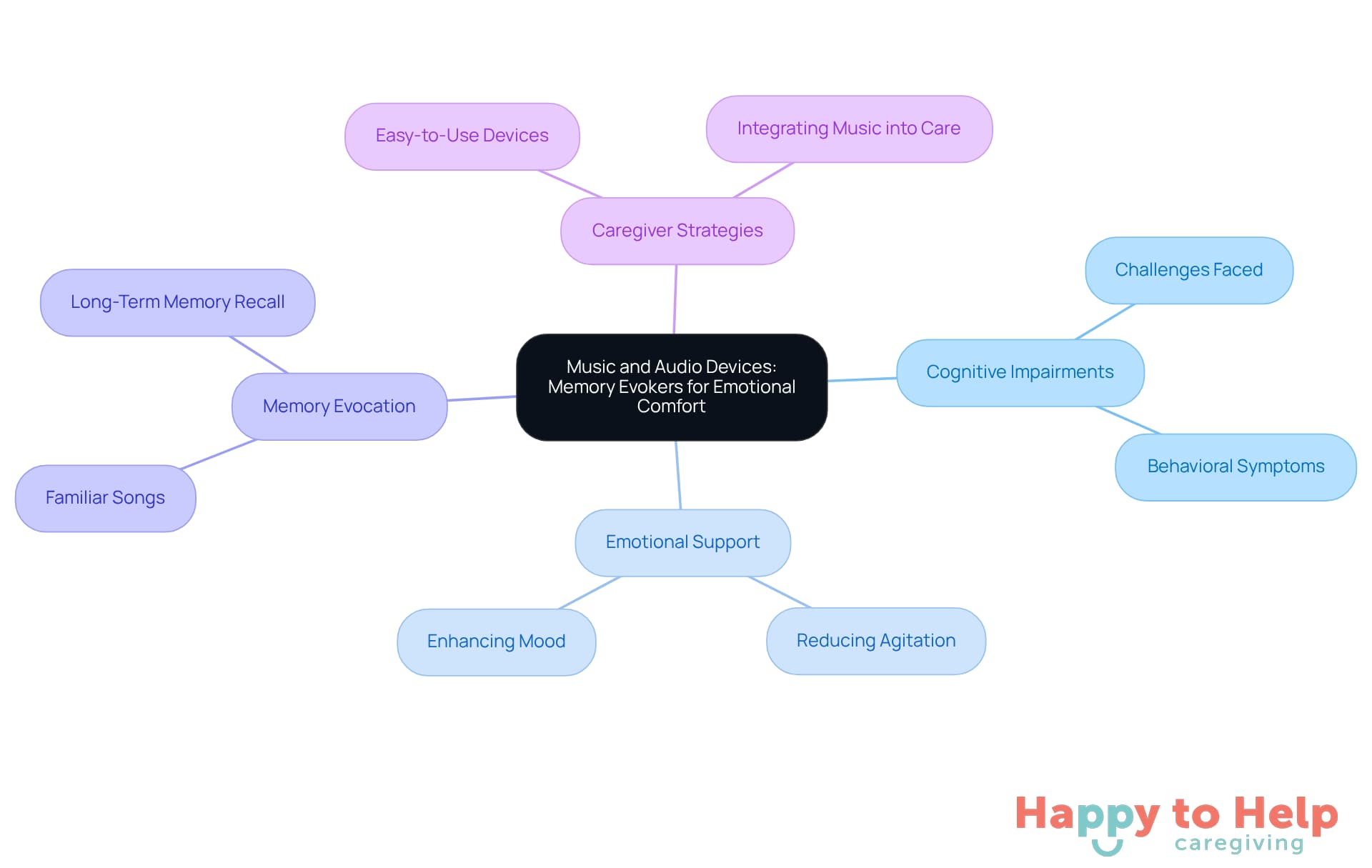
One effective solution lies in the use of music and audio devices. Familiar songs from the past can evoke positive memories and feelings, which can help reduce agitation and enhance mood. This connection to music serves as a powerful tool for emotional support, making it an invaluable resource for caregivers.
To facilitate this engagement, simple audio devices that are easy to operate can be utilized. These devices make music therapy accessible, allowing caregivers to incorporate it into daily routines without added stress. By integrating music into care practices, caregivers can create a more supportive environment that fosters emotional well-being.
Tactile Stimulation: Engaging the Senses for Comfort
Caring for individuals with cognitive impairments presents unique challenges, particularly in providing reassurance and engagement. Many caregivers struggle to find effective ways to address feelings of restlessness and anxiety in their loved ones. This is where tactile stimulation becomes essential.
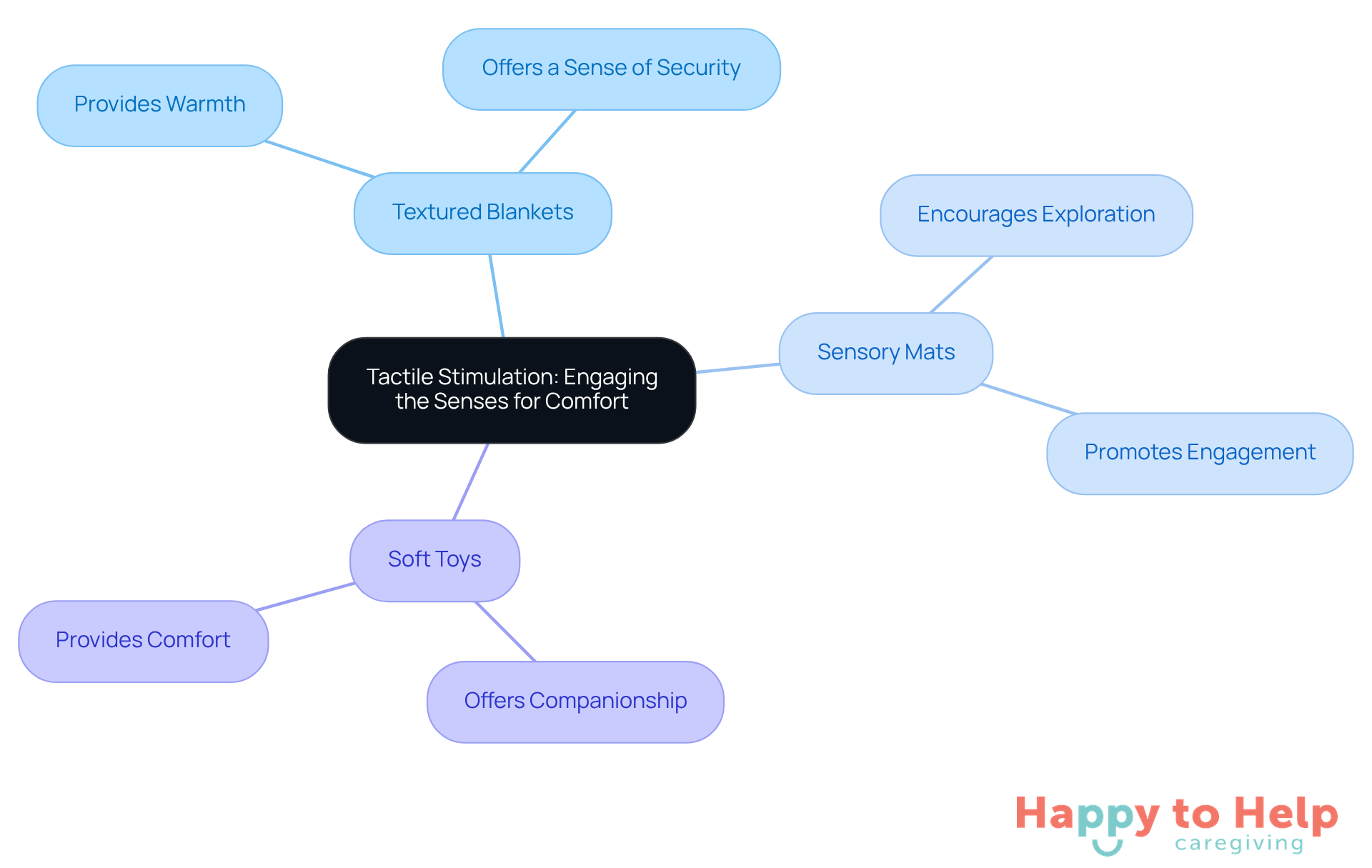
Tactile stimulation through various materials and textures can significantly enhance the well-being of those with cognitive decline. Items for dementia patients, including textured blankets, sensory mats, and soft toys, can stimulate the sense of touch, promoting relaxation and reducing feelings of restlessness. By incorporating these sensory tools, caregivers can create a calming environment that fosters comfort and security.
To implement these solutions effectively, consider the following tips:
- Textured Blankets: These can provide warmth and a sense of security.
- Sensory Mats: Ideal for encouraging exploration and engagement.
- Soft Toys: Great for comfort and companionship.
By integrating these items for dementia patients into daily routines, caregivers can help improve the quality of life for individuals with cognitive impairments, making a meaningful difference in their day-to-day experiences.
Familiar Clothing Items: Comfort and Security for Dementia Patients
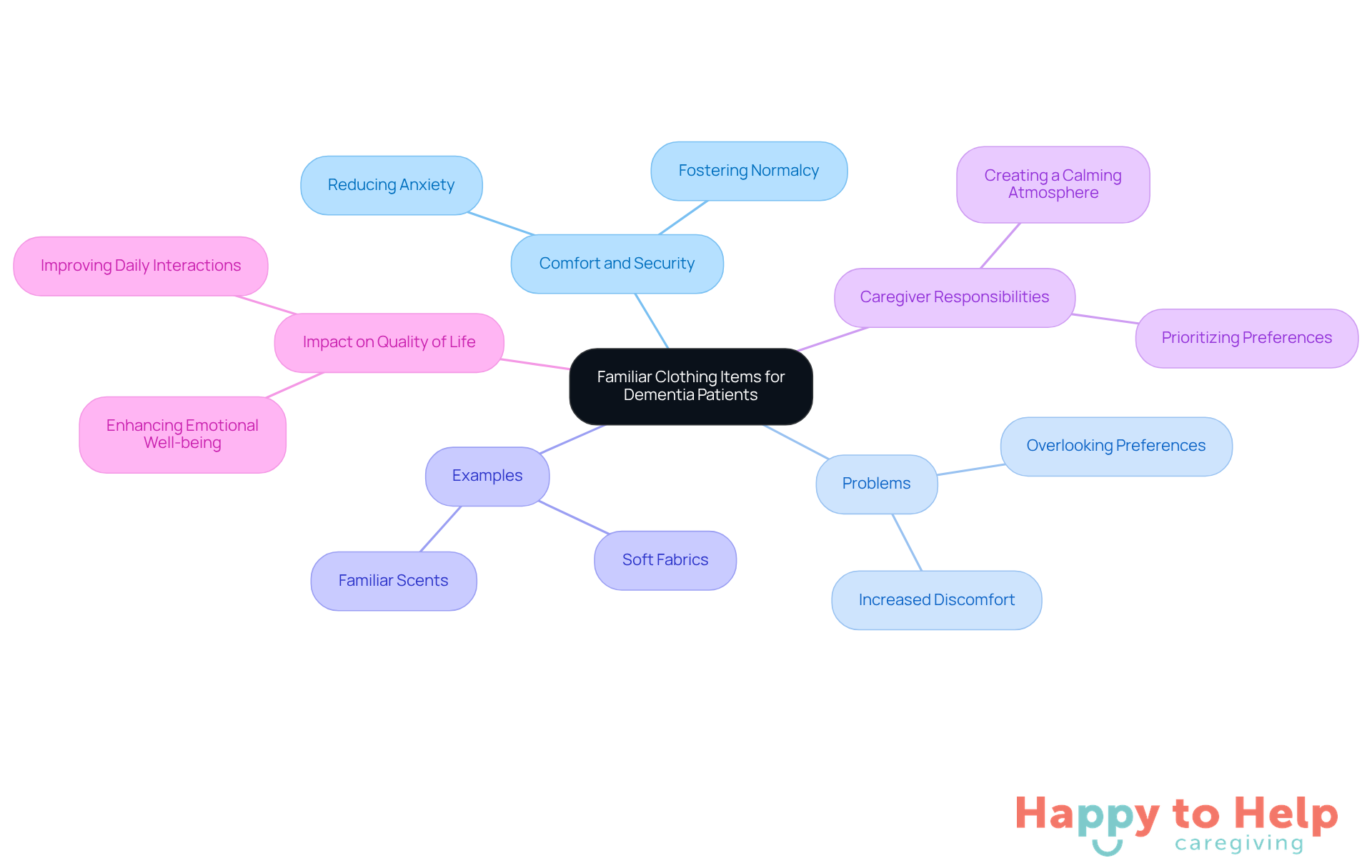
Familiar items for dementia patients, such as beloved sweaters or cozy pajamas, are crucial for individuals experiencing cognitive decline.
- Problem: These items for dementia patients provide comfort and security, significantly reducing anxiety and fostering a sense of normalcy.
- Agitate: When caregivers overlook clothing preferences, it can lead to increased discomfort and distress for their clients.
- For instance, clothing that feels soft against the skin or carries a familiar scent can evoke positive memories, enhancing feelings of safety.
- Caregivers should prioritize these preferences, ensuring clients wear items for dementia patients that they cherish.
- This approach not only creates a calming atmosphere but also improves the quality of life for those facing cognitive decline.
As one caregiver noted, "A person with this disease might regard bathing as scary, embarrassing, or physically unpleasant, and may communicate their discomfort by verbally or physically resisting attempts to help them bathe."
This thoughtful method addresses both physical and psychological needs, making it a vital aspect of care. Furthermore, with one in five individuals affected by cognitive decline receiving no care, the role of caregivers becomes even more essential in managing emotional well-being and providing necessary support.
Night Lights and Soft Glowing Lamps: Creating a Safe Nighttime Environment
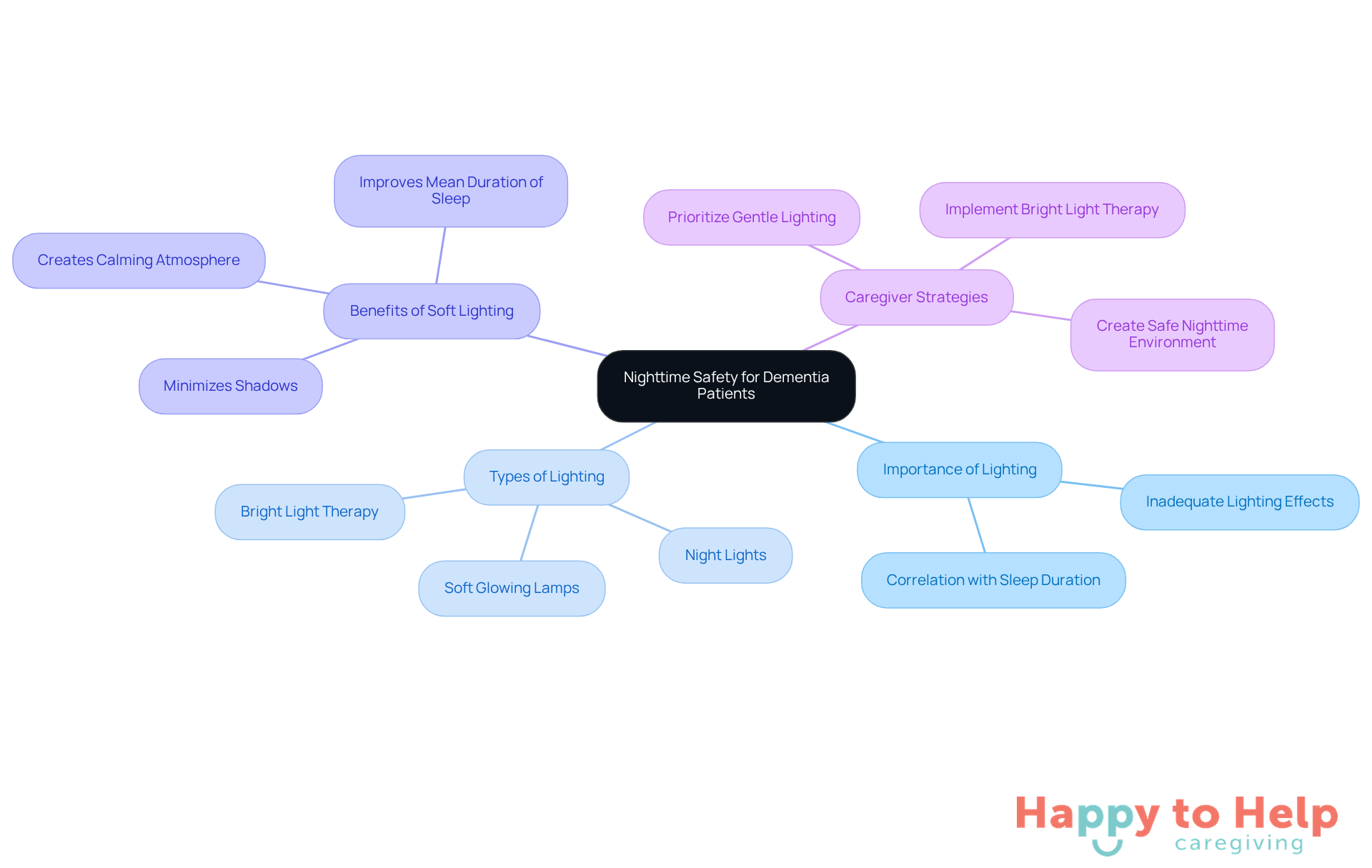
Nighttime safety is a significant concern for individuals with cognitive impairments, making items for dementia patients essential. Inadequate lighting can lead to confusion and anxiety as they navigate their surroundings, making it essential for caregivers to address this issue. Research indicates that appropriate lighting can improve the mean duration of nocturnal sleep, as longer days often correlate with longer sleep durations.
To foster a sense of security, caregivers should prioritize gentle, softly glowing lamps and night lights. These lights help minimize shadows, creating a calming atmosphere that is vital for restful nights. As specialist Alistair Burns emphasizes, "Establishing a safe nighttime setting is essential in caring for individuals with cognitive impairments, ensuring that they feel secure and supported in their residences."
Additionally, bright light therapy has emerged as a promising non-pharmacological treatment among items for dementia patients to manage agitation and sleep disturbances. This underscores the importance of effective lighting solutions in caregiving. By implementing these strategies, caregivers can significantly enhance the comfort and safety of those they support.
Your Path Forward
Caring for individuals with dementia presents a significant challenge, particularly in prioritizing their comfort and emotional well-being. The emotional distress experienced by these individuals can lead to increased anxiety and a diminished quality of life. This highlights the urgent need for effective strategies that caregivers can implement to support their loved ones.
To address these challenges, integrating essential comfort items such as:
- Stuffed animals
- Weighted blankets
- Familiar objects
can be transformative. These tools not only provide physical comfort but also foster emotional connections, helping to alleviate anxiety and promote a sense of security. Caregivers are encouraged to explore various strategies, including:
- The calming effects of aromatherapy
- The nostalgic power of music
- The soothing presence of tactile stimulation
Each of these elements serves a unique purpose in enhancing the quality of life for those affected by cognitive impairments.
Ultimately, the significance of these comfort items cannot be overstated. They represent a compassionate approach to caregiving that acknowledges the complexities of dementia. By embracing these strategies, caregivers can profoundly impact the lives of those they support, fostering dignity and joy amidst the challenges of cognitive decline. Prioritizing these comforting elements in the caregiving journey ensures that every individual feels valued and connected.
https://iframe.tely.ai/cta/eyJhcnRpY2xlX2lkIjogIjY5MmY5MTg3ZGM0MTVjZWNlZTQ2NmMxNSIsICJjb21wYW55X2lkIjogIjY4ZWU1ZGNhNzMxNzYyNTU3ZjNjOTVjMSIsICJpbmRleCI6IG51bGwsICJ0eXBlIjogImFydGljbGUifQ==Frequently Asked Questions
What challenges do caregivers face when caring for individuals with memory impairments?
Caregivers often experience feelings of frustration and helplessness as they struggle to provide necessary support while managing their own well-being.
What services does Happy to Help Caregiving offer for dementia patients?
Happy to Help Caregiving offers personalized in-home assistance that includes companionship, post-hospital recovery support, and respite care, all designed to enhance the quality of life for individuals with cognitive impairments.
How does individualized care benefit dementia patients?
Individualized care promotes a sense of security and reassurance for dementia patients, ensuring they receive the attention and support needed to thrive in familiar surroundings.
What role do stuffed animals and soft dolls play in the care of dementia patients?
Stuffed animals and soft dolls provide warmth and security, helping to reduce anxiety and agitation in dementia patients. They stimulate emotions, foster a sense of purpose, and can facilitate connections when verbal communication is difficult.
How can caregivers effectively integrate stuffed animals into care routines for dementia patients?
Caregivers can choose stuffed animals with interactive features, incorporate them into everyday activities, and focus on the preferences of the individual to enhance their sense of stability and happiness.
What are the benefits of using weighted blankets for dementia patients?
Weighted blankets provide deep pressure stimulation that soothes the nervous system, alleviates anxiety, encourages relaxation, and enhances sleep quality, making them a valuable addition to the care routine for individuals with cognitive decline.
List of Sources
- Happy to Help Caregiving: Personalized In-Home Support for Dementia Patients
- Alzheimer's Disease Facts and Figures (https://alz.org/alzheimers-dementia/facts-figures)
- Home Care News | Senior Care News | Right at Home (https://rightathome.net/news)
- Caregiver Statistics: Demographics (https://caregiver.org/resource/caregiver-statistics-demographics)
- New Medicare program offers much-needed relief for caregivers of dementia patients (https://finance.yahoo.com/news/new-medicare-program-offers-much-needed-relief-for-caregivers-of-dementia-patients-203450020.html)
- Stuffed Animals and Soft Dolls: Emotional Companions for Dementia Patients
- The Powerful Impact of Stuffed Animals for Dementia Patients (https://hbrhc.com/stuffed-animals-for-dementia-patients)
- Weighted Blankets: Anxiety-Reducing Comfort for Dementia Patients
- Mayo Clinic Minute: How weighted blankets may lift anxiety - Mayo Clinic News Network (https://newsnetwork.mayoclinic.org/discussion/mayo-clinic-minute-how-weighted-blankets-may-lift-anxiety)
- The use of weighted blankets as a novel approach for treatment of persistent vocalizations in late stage dementia (https://sciencedirect.com/science/article/abs/pii/S019745722100272X)
- How Weighted Blankets Benefit Individuals With Dementia (https://sensorydirect.com/blog/how-weighted-blankets-benefit-individuals-with-dementia?srsltid=AfmBOootdePqDDSl4qtI9x2EKozmAHCsczhUMkZYW3CCa3Yxn-o6LNHE)
- Evaluating the Safety, Feasibility and Acceptability of Weighted Blankets in Acute Care for People With Dementia: A Randomised Control Trial (https://onlinelibrary.wiley.com/doi/10.1111/jan.17049)
- Understanding the Benefits of Weighted Blankets for Anxiety Relief (https://tuckedin.in/blogs/weighted-blanket/weighted-blankets-for-anxiety-relief?srsltid=AfmBOoqU4ZVNRDbu9l4gy7JWivikNpeDylYIbOHV7FOgluI-7lnWjeYw)
- Fidget and Sensory Objects: Engaging Tools for Calmness and Focus
- New Fidget Widget toolkit provides meaningful activity for those living with dementia (https://alzheimers.org.uk/news/2019-01-25/new-fidget-widget-toolkit-provides-meaningful-activity-those-living-dementia)
- The Best Occupational Therapy Quotes - The OT Toolbox (https://theottoolbox.com/occupational-therapy-quotes)
- 29 Occupational Therapy Quotes! • OT Potential (https://otpotential.com/blog/occupational-therapy-quotes)
- The 11 Best Occupational Therapy Quotes - myotspot.com (https://myotspot.com/occupational-therapy-quotes)
- Benefits of Sensory Stimulation For Dementia - Altoida (https://altoida.com/blog/benefits-of-sensory-stimulation-for-dementia)
- Photo Albums and Familiar Objects: Memory Triggers for Comfort
- Can photo frames with voice notes help people with dementia? (https://bbc.com/news/articles/cwy1we72583o)
- (https://belleviecare.co.uk/support-advice/dementia-quotes-to-lift-your-spirits)
- Inspirational Quotes about Dementia | CareYaya (https://careyaya.org/resources/blog/inspirational-quotes-about-dementia)
- Treasured Items Can Help Rekindle Memories for Those With Dementia- Including Some from Boots (https://globalmediacentre.com/news/treasured-items-can-help-rekindle-memories-those-dementia-including-some-boots)
- Top List of Inspirational Dementia Quotes for Caregivers (https://rochesterlawcenter.com/dementia-resources/dementia-quotes)
- Music and Audio Devices: Memory Evokers for Emotional Comfort
- Doctors used music instead of medication—what they saw in dementia patients was remarkable (https://sciencedaily.com/releases/2025/07/250718031223.htm)
- Music therapy in moderate and severe dementia of Alzheimer's type: a case-control study (https://sciencedirect.com/science/article/pii/S1041610224048671)
- Music Therapy and Dementia (https://health.usnews.com/senior-care/articles/music-therapy-and-dementia)
- Observing Music Therapy in Dementia: Repeated Single-case Studies Assessing Well-being and Sociable Interaction (https://tandfonline.com/doi/full/10.1080/07317115.2021.1978121)
- Tactile Stimulation: Engaging the Senses for Comfort
- Sensory Therapy for Dementia Patients (https://health.usnews.com/senior-care/articles/sensory-therapy-for-dementia-patients)
- The Power of Sensory Stimulation in Dementia Care (https://alexanderhousecare.com/news-events/the-power-of-sensory-stimulation-in-dementia-care)
- How to Move Your Loved One to a Memory Care Community While Being Resistant (https://morningstarseniorliving.com/the-role-of-sensory-therapy-in-memory-care)
- What Is Sensory Stimulation for Dementia Patients? (https://bucknerwestminster.org/news-blog/what-is-sensory-stimulation-for-dementia-patients)
- Familiar Clothing Items: Comfort and Security for Dementia Patients
- 10 Essential Dementia Caregiver Services for Family Support - Happy To Help (https://happytohelpcaregiving.com/10-essential-dementia-caregiver-services-for-family-support)
- Alzheimer's Caregiving: Bathing, Dressing, and Grooming (https://nia.nih.gov/health/alzheimers-caregiving/alzheimers-caregiving-bathing-dressing-and-grooming)
- (https://belleviecare.co.uk/support-advice/dementia-quotes-to-lift-your-spirits)
- Night Lights and Soft Glowing Lamps: Creating a Safe Nighttime Environment
- How a Dementia Friendly Environment Can Enhance Well-Being (https://thefleetdartmouth.co.uk/news-events/how-a-dementia-friendly-environment-can-enhance-well-being)
- Bright light therapy for agitation in dementia: a randomized controlled trial (https://sciencedirect.com/science/article/pii/S1041610224025511)
- Light therapy and dementia (https://alzheimers.org.uk/about-dementia/treatments/alternative-therapies/light-therapy-and-dementia)
- Caregiver Dementia Quotes (Encouragement For Dementia Caregivers) (https://optoceutics.com/caregiver-dementia-quotes-encouragement-dementia-caregivers?srsltid=AfmBOop9hXRmjf9XeDMEpvfMijNSn0b5xcy1z2uyHCOm7S5l6keWvBzM)
- Better lighting can boost sleep, mood in dementia patients | ASU News (https://news.asu.edu/20250909-health-and-medicine-better-lighting-can-boost-sleep-mood-dementia-patients)