
For families in our service areas
For families in our service areas, this guide explains caregiving and how non-medical in-home caregiving can support care planning in East Idaho, Treasure Valley & Magic Valley, Northern Wasatch, North Central West Virginia, and Northeast Ohio.
The Importance of Items for Your Home Safety
Creating a safe living environment for seniors is not just a necessity; it’s a profound commitment to their well-being and independence. Many older adults face significant risks from falls and accidents in their homes. This alarming reality prompts caregivers to seek comprehensive home safety checklists to mitigate these dangers.
But what happens when the very spaces meant to protect them inadvertently become sources of risk? This article explores ten essential items that can transform any living space into a sanctuary of safety. By implementing these practical solutions, caregivers can enhance both security and comfort for their aging loved ones.
To proactively address these challenges, we’ll reveal strategies that ensure seniors can thrive in their homes. Let’s dive into the solutions that can make a real difference.
Happy to Help Caregiving: Personalized In-Home Support for Senior Safety
Caring for older adults presents a significant challenge for families. To ensure their safety and well-being, many elderly individuals require personalized in-home assistance as detailed in a home safety for seniors checklist. This need can create anxiety for family members, who often worry about their loved ones' comfort and security.
Happy to Help Caregiving addresses these concerns by offering tailored in-home support that prioritizes the unique needs of each client. Their empathetic approach not only enhances the quality of life for elderly individuals but also alleviates the worries of family members, knowing their loved ones are in capable hands.
By customizing services, Happy to Help Caregiving provides a home safety for seniors checklist, ensuring that older adults can live securely and comfortably in their own homes. This personalized care model is a practical solution that benefits both the elderly and their families, fostering peace of mind and improving overall well-being.
Fall Prevention Strategies: Essential Measures to Reduce Risks
Accidents among seniors at home pose a significant risk, with falls being the leading cause of injury in this demographic. Studies indicate that over one in four elderly individuals will experience a tumble each year, highlighting the urgent need for effective accident prevention strategies.
To address this issue, caregivers can implement several key measures:
- Removing tripping hazards: Clear pathways of clutter, loose rugs, and electrical cords to create a safer environment.
- Installing grab bars: Strategically place grab bars in bathrooms and along stairways to provide essential support and stability, significantly reducing the likelihood of accidents in high-risk areas.
- Using non-slip mats: Place non-slip mats in bathrooms and kitchens to prevent slips on wet surfaces, further enhancing safety.
- Regular exercise: Encourage participation in activities that improve balance and strength, such as tai chi or yoga. Evidence-based initiatives like 'A Matter of Balance' show that regular exercise can decrease the risk of stumbling by up to 56% among participants.
- Creating a home safety for seniors checklist: Establish an emergency response system to ensure prompt assistance in the event of a tumble, offering reassurance for both elderly individuals and their families.
- Consulting healthcare providers: Regular discussions with healthcare professionals about fall risks can lead to better management of health screenings and treatments, ensuring seniors receive appropriate care.
- Hydration and supportive footwear: Staying hydrated and wearing shoes with good tread can enhance stability and reduce the likelihood of slips. Simple lifestyle changes can profoundly impact maintaining balance.
- Home security assessments: Request evaluations from physical or occupational therapists for customized strategies that address specific needs and risks, helping to recognize potential hazards.
- Participating in community initiatives: Engage in community-based injury prevention programs to enhance social ties while encouraging physical activity, essential for preserving independence.
- Utilizing technology: Leverage technology, such as accident detection devices, to enhance safety and provide immediate assistance when needed.
By applying these strategies, families can create a safer living environment for older adults, significantly minimizing the risk of falls and enhancing overall well-being.

Emergency Preparedness: Creating a Plan for Unexpected Situations
Creating an effective emergency preparedness plan for seniors, which includes a home safety for seniors checklist, is crucial, as many face unique challenges during emergencies. According to a survey, 77 percent of care facilities in high-risk areas reported difficulties with emergency preparedness activities. This highlights the pressing need for caregivers to ensure that older adults are well-prepared to navigate unexpected situations.
To address these challenges, here are several critical steps caregivers can implement:
- Identify Emergency Contacts: Compile a comprehensive list of family members, friends, and local emergency services. This ensures that older individuals have immediate access to support when needed.
- Create a Communication Plan: Provide older adults with clear information on how to seek assistance. Ensure they have reliable means of communication, such as a charged mobile phone or a landline, to stay connected during emergencies.
- Prepare an Emergency Kit: As part of the home safety for seniors checklist, prepare an emergency kit that includes essential items such as medications, water, non-perishable food, first aid supplies, and comfort items like blankets and flashlights. Emergency kits should also contain important documents, including medical information and identification. Additionally, consider including spare eyeglasses, hearing aids, and batteries, which are vital for older adults.
- Conduct Regular Drills: Practice the emergency plan with older adults to build their confidence and familiarity with the procedures. Regular drills reinforce the steps they need to take in various scenarios, ensuring they feel prepared and secure.
Incorporating strategies from the home safety for seniors checklist not only enhances safety but also fosters a sense of independence and confidence among older adults. As Mia Maldonado highlights, having well-prepared emergency kits can significantly assist older adults during crises.

Home Security Enhancements: Safeguarding Seniors Against Threats
To enhance home safety for seniors, it’s crucial to address the challenges they face. Many older adults wish to age in place, yet a staggering 85% have not referred to a home safety for seniors checklist to protect their homes. This lack of action can lead to increased vulnerability, highlighting the importance of following a home safety for seniors checklist to implement effective security measures.
-
Install a comprehensive security system: A system that integrates cameras, motion detectors, and alarms allows for real-time monitoring and provides reassurance. This proactive approach can significantly reduce the risk of break-ins.
-
Utilize smart locks: Smart locks offer remote control, enabling seniors to manage home access easily. Features like smartphone unlocking and RFID technology enhance security while simplifying access for caregivers and family members.
-
Ensure adequate lighting: Proper illumination at all entrances is vital. Well-lit areas deter potential intruders and help seniors navigate safely at night, reducing the risk of falls-an issue that affects one in three seniors annually.
-
Encourage neighborhood watch programs: Community involvement can greatly enhance safety. By fostering awareness among neighbors, a supportive atmosphere is created that can help prevent crime.
-
Integrate cutting-edge technology: Modern home security systems with AI-driven video analysis can foresee potential accidents or emergencies, enabling proactive responses. This technology not only boosts security but also alleviates caregiver fatigue by optimizing monitoring procedures.
-
Install grab bars and handrails: These modifications can prevent falls, which account for 25% of all hospital admissions among seniors. Ensuring that bathrooms and stairways are equipped with these protective features is essential for maintaining independence.
-
Conduct regular residential risk assessments by utilizing a home safety for seniors checklist; an annual evaluation can identify potential dangers and necessary modifications. Experts agree that taking proactive measures can prevent injuries and reduce the need for assisted living.
-
Maintain clear pathways: Keeping walkways and entry points free of clutter and obstacles can significantly lower the likelihood of trips and falls, which are common in households with older adults.
-
Utilize technology for communication: Establishing systems that allow elderly individuals to connect easily with caregivers or emergency services can enhance their security. Devices with video calling features keep older adults connected with family and healthcare providers, ensuring timely assistance when needed.
-
Stay informed about local crime rates: Understanding crime statistics in your area helps tailor security measures effectively. For instance, neighborhoods with higher crime rates may benefit from additional security features such as surveillance cameras and alarm systems.

Accessibility Modifications: Ensuring Safe Navigation for Seniors
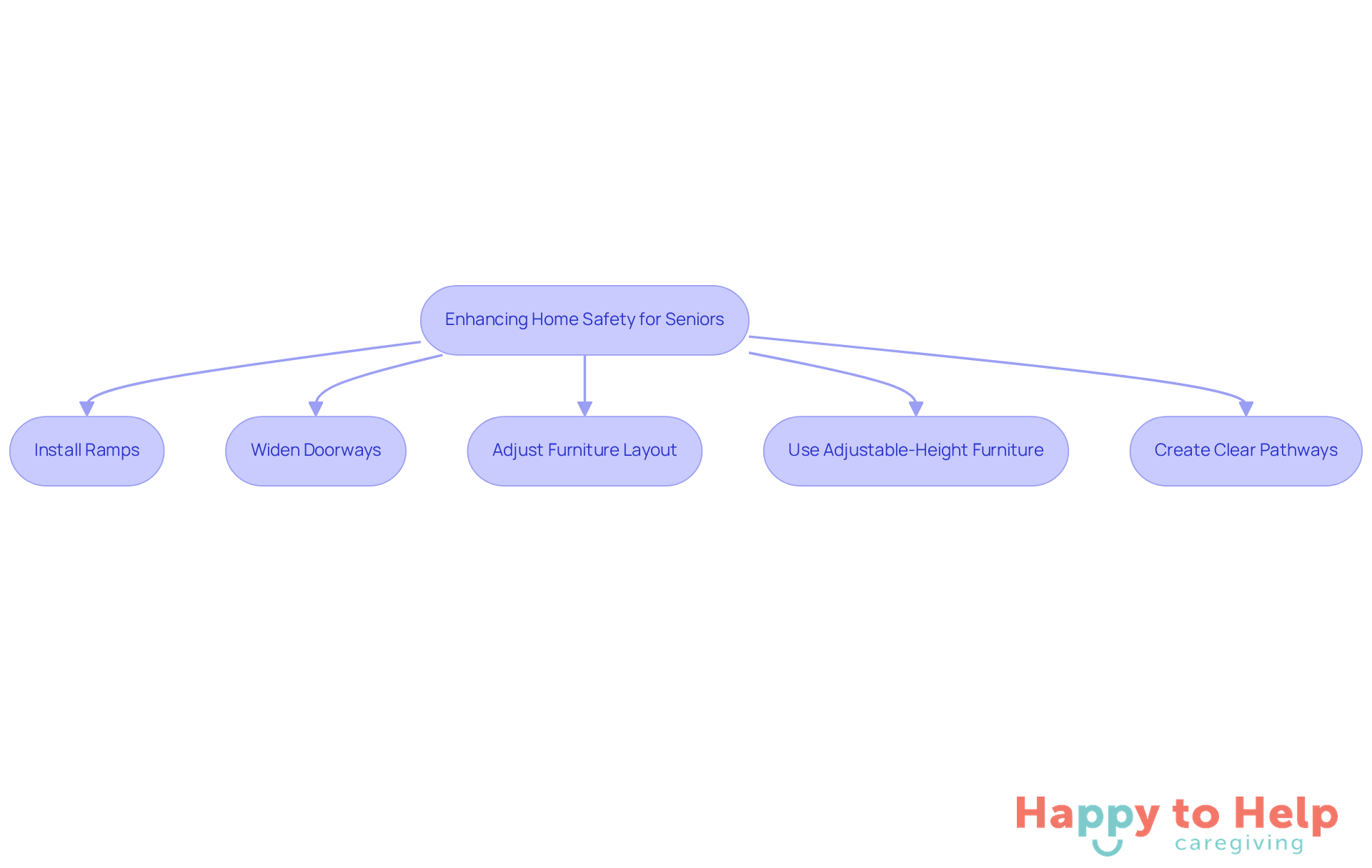
Accessibility changes can significantly enhance the home safety for seniors checklist, addressing a critical issue faced by caregivers. Many older adults struggle with mobility challenges, which can lead to increased risks of falls and injuries in their living environments.
To mitigate these risks, consider implementing the following key changes:
- Installing ramps: These provide easier access for those with mobility challenges, reducing the likelihood of accidents.
- Widening doorways: This allows for easier navigation with walkers or wheelchairs, ensuring that seniors can move freely throughout their homes.
- Adjusting furniture layout: Arrange furniture to create clear pathways and minimize obstacles, promoting safer movement.
- Using adjustable-height furniture: This can help seniors maintain comfort and security while utilizing their living spaces, allowing them to adapt their environment to their needs.
Home Safety Checklist: A Practical Tool for Families
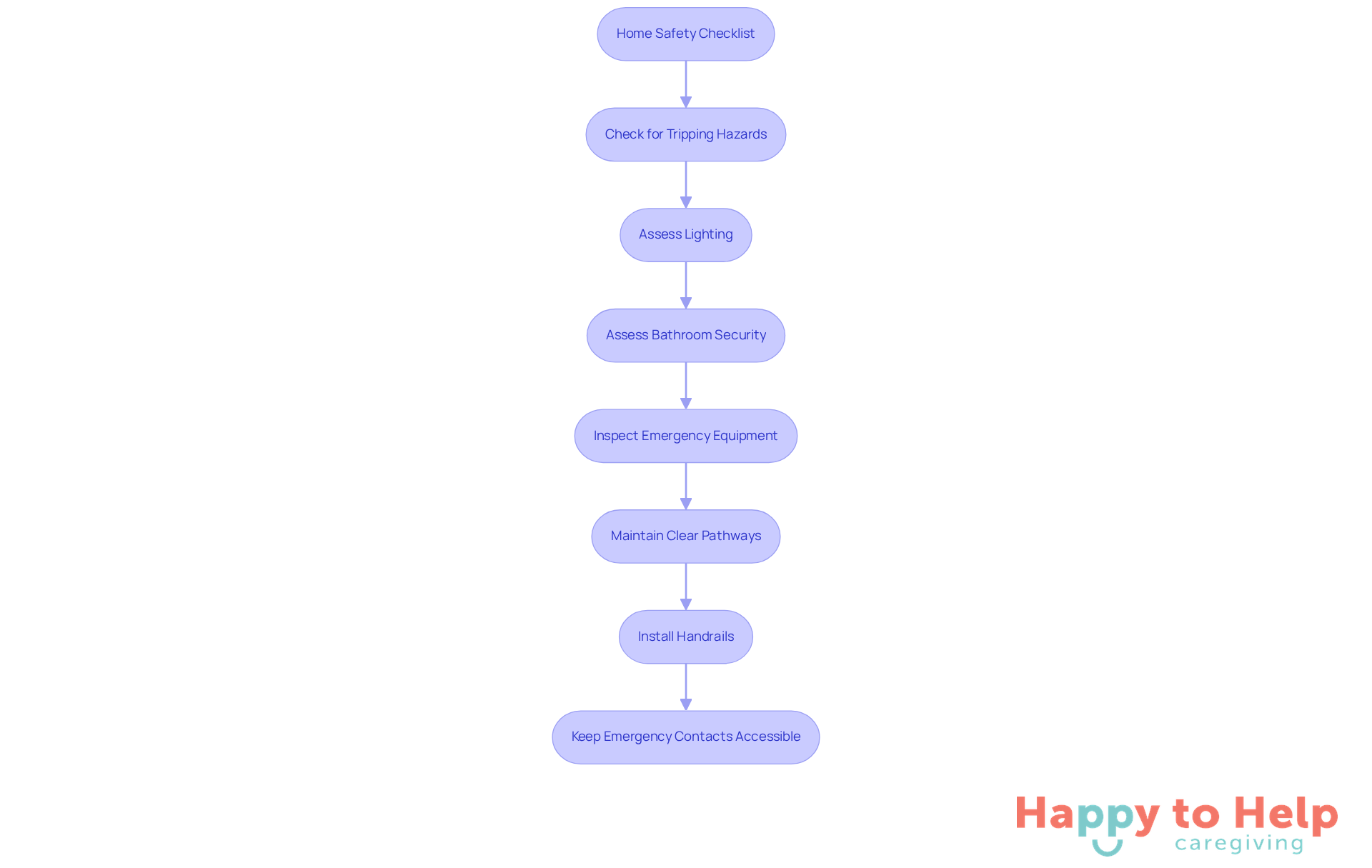
Home safety is a significant concern for families, especially when it comes to protecting older adults from potential hazards. Falls are a leading cause of injury and death, with over 36,000 fatalities among older adults each year. To mitigate these risks, caregivers can implement a practical home safety checklist:
- Check for tripping hazards: Loose rugs, clutter, and uneven flooring can lead to falls. Identifying and addressing these issues is crucial for safety.
- Assess lighting: Ensure all areas, particularly stairways and hallways, are well-lit. Improved lighting enhances visibility and reduces accident risks.
- Assess bathroom security: The bathroom is a frequent site for accidents. Installing grab bars and non-slip mats can significantly prevent slips and falls.
- Inspect emergency equipment: Regularly test smoke detectors and carbon monoxide alarms. These devices are vital for safety and can save lives in emergencies.
- Maintain clear pathways: Rearranging furniture to create unobstructed routes helps older adults navigate their homes safely.
- Install handrails: Sturdy handrails on both sides of stairways provide essential support and stability.
- Keep emergency contacts accessible: Place a list of emergency contact numbers near the bed for quick access during emergencies.
Conducting regular residence risk evaluations is important for a home safety for seniors checklist, as annual evaluations of household security help identify potential dangers. 100% of ER doctors agree on their importance for seniors.
- Employ expert evaluations: Consider hiring specialists for comprehensive risk assessments. They can offer tailored suggestions based on individual needs and home designs.
- Train caregivers: Caregivers should be trained to identify risks and implement protective measures, ensuring a proactive approach to fall prevention and overall household security.
Regular Home Safety Inspections: Identifying and Mitigating Hazards
Routine residential evaluations are crucial for ensuring a secure living environment, which is why a home safety for seniors checklist is important. Without regular checks, potential hazards can escalate into serious issues, putting their safety at risk.
Key Practices to Implement:
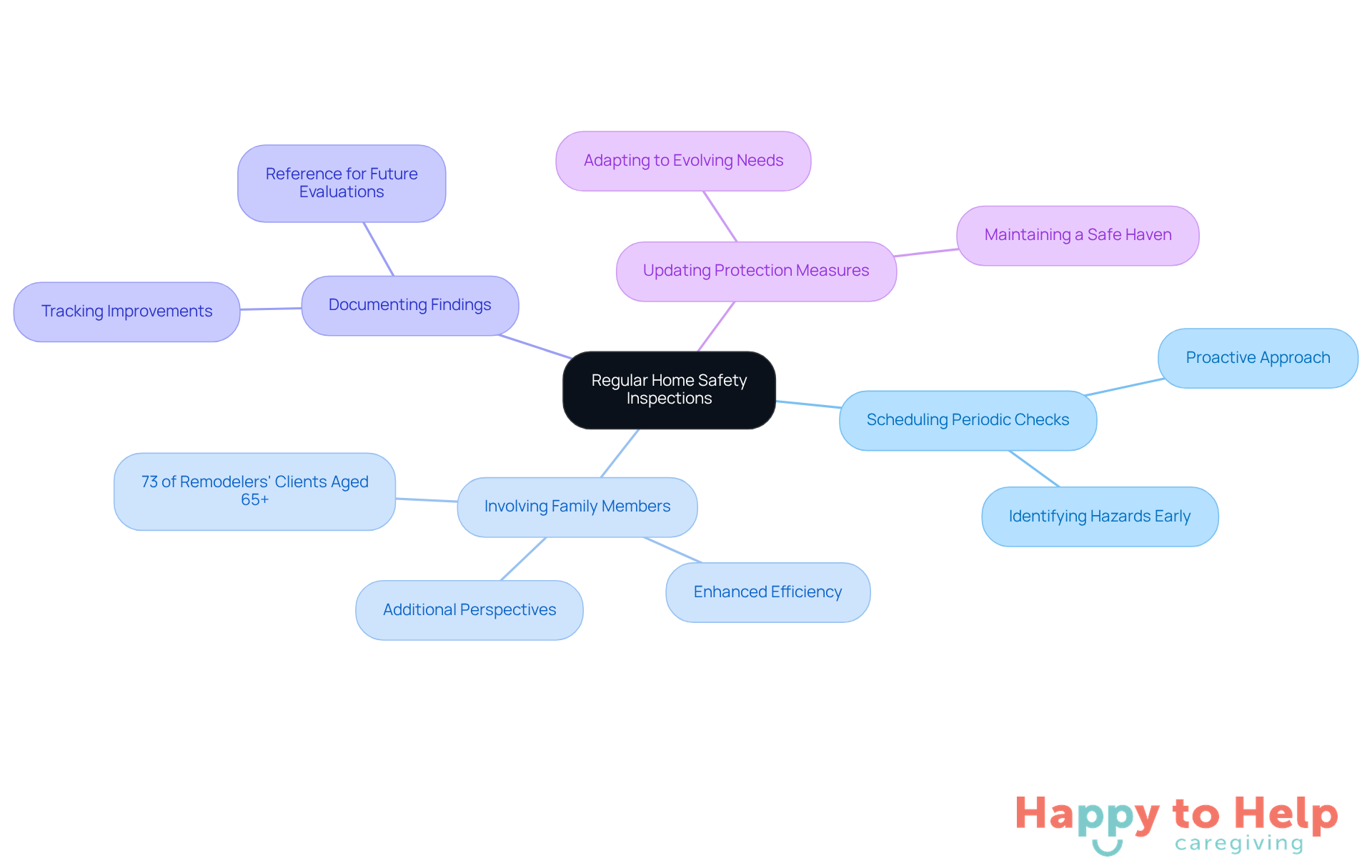
- Scheduling Periodic Checks: Establish a routine for home inspections every few months. This proactive approach aligns with the home safety for seniors checklist, helping to identify potential hazards before they become serious problems.
- Involving Family Members: Engaging family members in the inspection process is vital. Research shows that family participation significantly enhances the efficiency of inspections, as they can provide additional perspectives on possible hazards. Notably, 73% of remodelers reported that their clients seeking aging-in-place projects were aged 65 or older, underscoring the importance of family involvement.
- Documenting Findings: Keep a detailed record of any hazards identified during inspections and the actions taken to address them. This documentation not only tracks improvements but also serves as a reference for future evaluations. A structured plan that includes a home safety for seniors checklist, as well as documentation of care routines and precautionary measures, is essential for ongoing management of wellbeing.
- Updating Protection Measures: As seniors' needs evolve, it's essential to adjust protection measures accordingly. Regular updates ensure that the residence remains a safe haven by adhering to a home safety for seniors checklist, accommodating any changes in mobility or health.
Effective residential inspection programs highlight the significance of family involvement. Safety inspectors often note that many hazards, such as poor lighting or trip hazards, can be easily overlooked without a collaborative effort. As Eileen Lawless, a Senior Home Safety Specialist®, states, "Many falls can be prevented through thoughtful home modifications." By fostering an environment of security and vigilance, families can significantly reduce risks and enhance the quality of life for their elderly loved ones.
Monitoring Systems: Leveraging Technology for Enhanced Safety
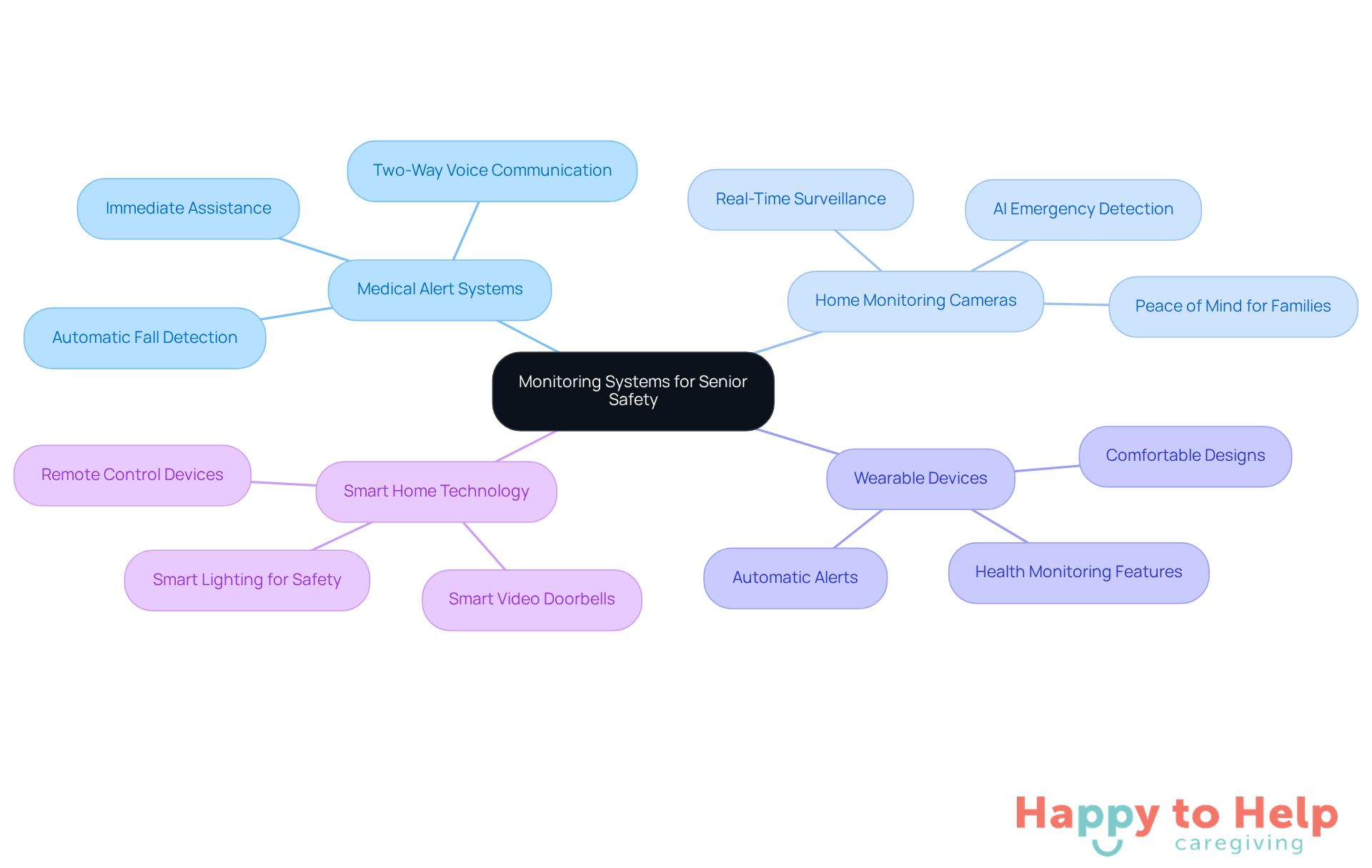
A home safety for seniors checklist is a significant concern for caregivers to ensure the safety of seniors. Many older adults face risks of falls, medical emergencies, and isolation, which can lead to serious consequences if not addressed promptly.
Agitate: The implications of inadequate monitoring can be severe. Without timely assistance, seniors may suffer from prolonged distress or health complications. Caregivers often worry about their loved ones' well-being, especially when they cannot be present to provide support. This anxiety can be overwhelming, highlighting the need for effective solutions.
Solution: Consider implementing the following monitoring systems to enhance safety for seniors:
-
Medical alert systems: These devices empower seniors to call for help at the push of a button, ensuring immediate assistance in emergencies. With advancements in technology, contemporary medical alert systems now include automatic detection of tumbles, notifying caregivers even if the user is unable to press the button. This significantly reduces response times, with wearable incident detection devices cutting emergency response times by up to 50%.
-
Home monitoring cameras: Equipped with real-time surveillance capabilities, these cameras alert family members to unusual activity, providing peace of mind. Smart surveillance systems utilize AI and sensors to detect emergencies, allowing for proactive intervention and enhancing overall safety.
-
Wearable devices: Smartwatches and other wearables with health monitoring features can track vital signs and alert caregivers in case of emergencies. As Jacob Thomas observes, "incident detection wearables have transformed senior care by offering automatic alerts, decreasing emergency response times, and even anticipating incidents before they occur."
-
Smart home technology: Devices that can be controlled remotely, such as smart thermostats and lighting, enhance safety and convenience. For instance, smart light bulbs can be programmed to turn on automatically, reducing the risk of falls in dimly lit areas. Intelligent video doorbells allow elderly individuals to view guests without opening the door, improving security.
Incorporating these technologies into the household can greatly enhance the quality of life for older adults, enabling them to preserve independence while ensuring their well-being. Experts emphasize that the right monitoring systems can provide caregivers with oversight without being intrusive, fostering a supportive environment for aging loved ones. Planning for aging and care before a crisis arises is crucial, and utilizing a home safety for seniors checklist enables families to make informed decisions and ensure that their loved ones receive the best possible care.
Improved Lighting Solutions: Enhancing Visibility and Safety
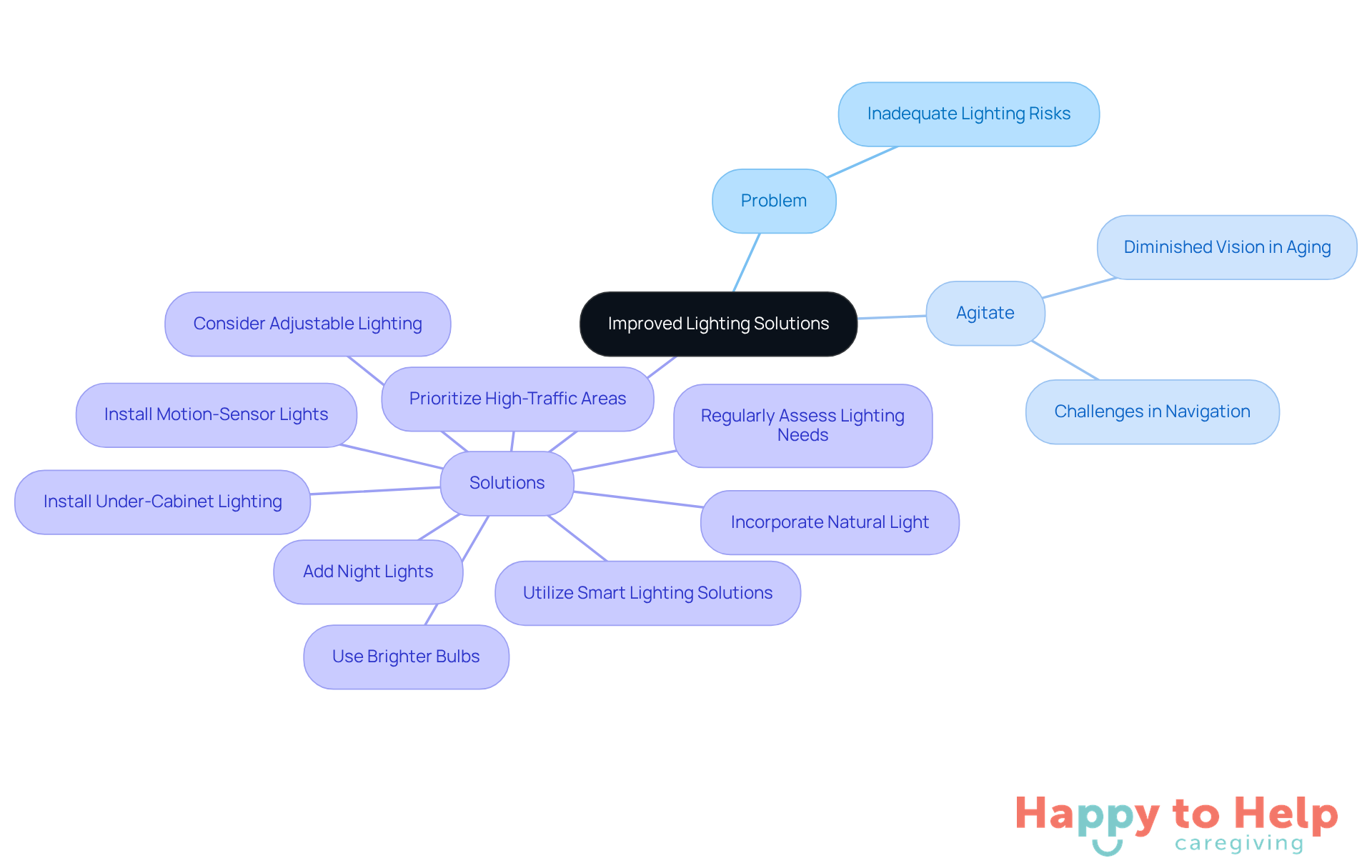
Problem: Inadequate lighting can pose significant safety risks for older adults, increasing the likelihood of falls and accidents in their homes.
Agitate: As individuals age, their vision often diminishes, making it harder to navigate spaces safely. Poor lighting can exacerbate these challenges, particularly in high-traffic areas like hallways and bathrooms.
Solution: Here are several actionable steps caregivers can take to enhance visibility and safety through improved lighting:
-
Install motion-sensor lights: These lights automatically illuminate areas when someone enters, significantly reducing the risk of falls. Lighting specialist Max Tripodi emphasizes that outdoor lighting is crucial for safe navigation from driveways to entrances at night.
-
Use brighter bulbs: Opt for high-lumen bulbs in all fixtures to ensure adequate illumination. Research shows that high-lumen bulbs can greatly improve security and lessen eye strain for older adults.
-
Add night lights: Including night lights in hallways and bathrooms is an important item on a home safety for seniors checklist to assist older adults during nighttime hours, helping them navigate safely without stumbling.
-
Consider adjustable lighting: Dimmers create a comfortable atmosphere while ensuring spaces remain adequately bright for various activities, enhancing both safety and comfort.
Implementing contrasting colors between walls and floors is an important item on the home safety for seniors checklist, as it can enhance visibility and make it easier for older adults to navigate their homes safely. This approach has been shown to improve spatial awareness in aging individuals.
-
Incorporate natural light: Maximizing natural light through windows or skylights can uplift mood and improve visibility, making spaces feel more open and inviting.
-
Utilize smart lighting solutions: Smart bulbs and voice-controlled systems enhance convenience, allowing older adults to adjust lighting easily without physical effort, which is particularly beneficial for those with mobility challenges.
-
Install under-cabinet lighting: In kitchens, under-cabinet lights illuminate work surfaces, reducing the risk of accidents while cooking or preparing meals.
-
Prioritize high-traffic areas: Focus on enhancing lighting in spaces where older adults spend the most time, such as living rooms and bedrooms. For instance, the LED lighting upgrade at Kingsdown resulted in a 69% reduction in annual lighting energy usage and improved safety.
-
Regularly assess lighting needs: As part of the home safety for seniors checklist, periodically evaluate the effectiveness of your lighting solutions and make adjustments as necessary to maintain a safe and comfortable environment.
Clutter Elimination: Creating a Safer Living Space for Seniors
Creating a safer living environment for older adults begins with addressing a significant issue listed on the home safety for seniors checklist: clutter. Clutter not only poses a physical hazard but also contributes to emotional distress. Studies show that clutter is linked to increased stress and feelings of helplessness among older adults, with fourteen million, or 1 in 4 Americans age 65 and older, falling each year. This situation demands immediate attention from caregivers.
To tackle this problem, here are effective strategies:
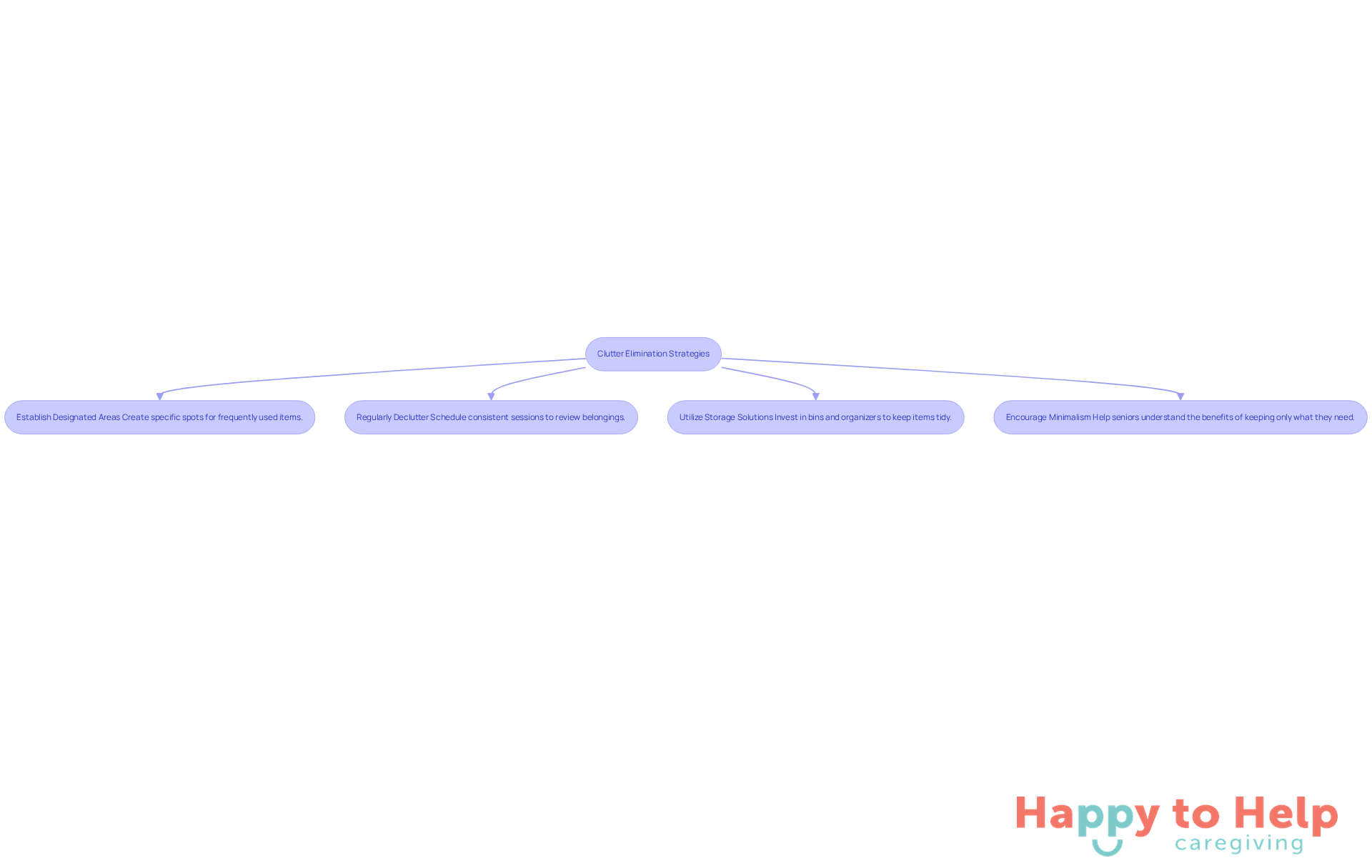
- Establish Designated Areas: Create specific spots for frequently used items. This reduces the time spent searching and minimizes the risk of accidents.
- Regularly Declutter: Schedule consistent sessions to review belongings and remove unnecessary items. This practice is included in the home safety for seniors checklist, helping to prevent falls and create a more manageable environment.
- Utilize Storage Solutions: Invest in bins and organizers to keep items tidy and easily accessible. This ensures that pathways remain clear and safe.
- Encourage Minimalism: Help older adults understand the benefits of keeping only what they genuinely need. This can reduce feelings of overwhelm and foster a sense of control over their living space. As Ek states, "We’re not here to judge any part of the clients’ lives but to help people enjoy healthier and safer lives."
Decluttering is an essential step in a home safety for seniors checklist, as it enhances physical safety and contributes to emotional well-being. Caregivers can significantly improve the quality of life for elderly individuals by using a home safety for seniors checklist to nurture a clean and organized setting, which decreases the risk of falls and encourages independence. A case study illustrates this: a senior client who became reclusive due to clutter experienced a transformative change after decluttering, leading to a sense of relief and improved manageability in their life.
Your Path Forward
Ensuring the safety and well-being of seniors at home presents a significant challenge for caregivers. The implications of neglecting this responsibility can be severe, leading to accidents and a decline in the quality of life for older adults. Therefore, it’s crucial to implement a comprehensive home safety checklist tailored to their unique needs.
Key strategies for enhancing home safety include:
- Fall prevention measures
- Emergency preparedness planning
- Home security enhancements
- Accessibility modifications
Each of these elements is vital in creating a secure living environment. By addressing potential hazards, utilizing technology for monitoring, and maintaining clear pathways, caregivers can significantly reduce risks and improve seniors' quality of life.
Ultimately, prioritizing home safety is not just about preventing accidents; it empowers older adults to live comfortably and confidently in their own homes. Families should take action by utilizing the insights provided in the home safety checklist, ensuring their loved ones are protected and supported. Embracing a proactive approach to home safety can lead to a more secure and fulfilling life for seniors, allowing them to enjoy their golden years with dignity and peace of mind.
https://iframe.tely.ai/cta/eyJhcnRpY2xlX2lkIjogIjY5MjBmZDRhYzQ4NjU1NjRkNDliYzZhMiIsICJjb21wYW55X2lkIjogIjY4ZWU1ZGNhNzMxNzYyNTU3ZjNjOTVjMSIsICJpbmRleCI6IG51bGwsICJ0eXBlIjogImFydGljbGUifQ==Frequently Asked Questions
What is Happy to Help Caregiving?
Happy to Help Caregiving is a service that offers personalized in-home support for elderly individuals, focusing on their unique needs to enhance their safety and well-being.
How does Happy to Help Caregiving benefit families?
It alleviates the worries of family members by ensuring that their loved ones receive capable and empathetic care, which enhances the quality of life for seniors.
What is included in the home safety for seniors checklist?
The checklist includes various strategies to ensure that older adults can live securely and comfortably in their homes, although specific items are not detailed in the article.
What are some key fall prevention strategies for seniors?
Key strategies include removing tripping hazards, installing grab bars, using non-slip mats, encouraging regular exercise, creating an emergency response system, consulting healthcare providers, ensuring hydration and proper footwear, conducting home security assessments, participating in community initiatives, and utilizing technology for safety.
Why are falls a significant concern for seniors?
Falls are the leading cause of injury among seniors, with over one in four elderly individuals experiencing a fall each year, highlighting the urgent need for accident prevention measures.
What should be included in an emergency preparedness plan for seniors?
An emergency preparedness plan should include identifying emergency contacts, creating a communication plan, preparing an emergency kit with essential items, and conducting regular drills to practice the plan.
What items are essential in an emergency kit for seniors?
Essential items include medications, water, non-perishable food, first aid supplies, comfort items like blankets, important documents, spare eyeglasses, hearing aids, and batteries.
How can caregivers help seniors feel more prepared for emergencies?
Caregivers can help by providing clear information on seeking assistance, ensuring reliable communication methods, preparing emergency kits, and practicing emergency procedures through regular drills.
List of Sources
- Happy to Help Caregiving: Personalized In-Home Support for Senior Safety
- Expensive and exhausting: Why caregivers need to care for themselves, too : Consider This from NPR (https://npr.org/2025/11/20/nx-s1-5615163/expensive-and-exhausting-why-caregivers-need-to-care-for-themselves-too)
- In-Home Care for Seniors - Caregiving News and Tips (https://aarp.org/caregiving/home-care)
- 2025 Home Care Statistics: Trends & Insights To Know (https://premierhcinc.com/blog/home-care-statistics)
- Home Care Industry Trends to Watch in 2025 (https://firstlighthomecare.com/blog/home-care-industry-trends)
- She cares for her aging parents full time. That requires taking care of herself, too (https://wgbh.org/news/2025-11-20/she-cares-for-her-aging-parents-full-time-that-requires-taking-care-of-herself-too)
- Fall Prevention Strategies: Essential Measures to Reduce Risks
- Reducing fall risk for aging adults – what works and why | VCU Health (https://vcuhealth.org/news/reducing-fall-risk-for-aging-adults--what-works-and-why)
- New Tool Helps Protect Older Adults From Falling (https://cdcfoundation.org/blog/new-tool-helps-protect-older-adults-falling)
- Preventing Falls: Strategic Advice for Older Adults - Stoughton Health (https://stoughtonhealth.com/preventing-falls-strategic-advice-for-older-adults)
- National Action Plan to Prevent Falls in Older Adults (https://ncoa.org/article/national-plan-outlines-steps-to-reduce-falls-among-older-americans)
- Many Falls Are Preventable. These Tips Can Help. (https://nytimes.com/2025/06/11/well/fall-prevention-tips.html)
- Emergency Preparedness: Creating a Plan for Unexpected Situations
- Oregon offering emergency kits, power stations to older adults, people with disabilities (https://opb.org/article/2025/07/11/oregon-offering-emergency-kits-power-stations-older-adults-people-with-disabilities)
- Contact Us | Outside US & Canada | Damotech (https://damotech.com/blog/inspirational-quotes-warehouse-safety)
- Nursing Homes Reported Wide-Ranging Challenges Preparing for Public Health Emergencies and Natural Disasters (https://oig.hhs.gov/reports/all/2023/nursing-homes-reported-wide-ranging-challenges-preparing-for-public-health-emergencies-and-natural-disasters)
- Top 20 Safety Quotes To Improve Your Safety Culture (https://blog.safetyculture.com/industry-trends/top-20-safety-quotes-improve-safety-culture)
- Houston care home owner creates emergency kits to help seniors during hurricane evacuations (https://khou.com/article/weather/hurricane/houston-care-home-emergency-kit-senior-hurricane-evacuation/285-0e768526-95a1-4203-9bd1-44ee9e35e55e)
- Home Security Enhancements: Safeguarding Seniors Against Threats
- Cloud-Hosted Case Studies with Connect ONE (https://simplifywithconnectone.com/case\_studies)
- 20 Inspirational Senior Care Quotes (https://1plus1cares.com/20-inspirational-senior-care-quotes)
- BNS Video Phones Case Study (https://blog.grandstream.com/case\_studies/bns-video-phones-case-study)
- Home Safety for Seniors: Statistics & Proven Safety Solutions (https://agesafeamerica.com/home-safety-hub/articles/home-safety-seniors-statistics-solutions)
- Top 5 Security Technology Trends in Senior Care (2025 Update) (https://allsecurityequipment.com/blogs/senior-living/top-5-security-technology-trends-in-senior-care-2025-update?srsltid=AfmBOor7WUA\_OVwgnHCIdG-ntcZ4nZi0mA43I9a8sZtqVVDI8ZN3jmTT)
- Home Safety Checklist: A Practical Tool for Families
- As falling deaths rise for older adults, how home safety can make a difference (https://denver7.com/news/local-news/as-falling-deaths-rise-for-older-adults-how-home-safety-can-make-a-difference)
- Home Safety for Seniors: Statistics & Proven Safety Solutions (https://agesafeamerica.com/home-safety-hub/articles/home-safety-seniors-statistics-solutions)
- Home Safety Month, Garbage Cans, and Aging in Place (https://lifework.arizona.edu/news/2025/home-safety-month-garbage-cans-and-aging-place)
- » Home Safety Checklist | Staying On Your Feet – Taking Steps to Prevent Falls | Winnipeg Regional Health Authority (https://preventfalls.ca/older-adults/home-safety-checklist)
- Frequency and Associated Factors of Home Injuries in Pre-school Children over 3 Years of Age - The Journal of Pediatric Research (https://jpedres.org/articles/frequency-and-associated-factors-of-home-injuries-in-pre-school-children-over-3-years-of-age/jpr.galenos.2021.88026)
- Regular Home Safety Inspections: Identifying and Mitigating Hazards
- Contact Us | Outside US & Canada | Damotech (https://damotech.com/blog/inspirational-quotes-warehouse-safety)
- Home Safety Month, Garbage Cans, and Aging in Place (https://lifework.arizona.edu/news/2025/home-safety-month-garbage-cans-and-aging-place)
- Offering Home Health Care Services: A Case Study (https://syscreations.com/case\_studies/home-health-care-services)
- Why Contractors and Remodelers Should Add Home Safety Services in 2025 (https://agesafeamerica.com/home-safety-hub/fall-prevention/why-contractors-and-remodelers-should-add-home-safety-services-in-2025)
- Home Inspections in 2025: What’s Changed (and What Hasn’t) - M & Y (https://myhomegroupnj.com/home-inspections-in-2025-whats-changed-and-what-hasnt)
- Monitoring Systems: Leveraging Technology for Enhanced Safety
- 7 Innovations In Elderly Alert Systems That Are Changing Senior Care | Fingerlakes1.com (https://fingerlakes1.com/2025/11/07/7-innovations-in-elderly-alert-systems-that-are-changing-senior-care)
- Smart Surveillance Boosts Safety, Connection for Seniors Aging at Home (https://ltcnews.com/articles/smart-surveillance-boosts-safety-seniors-aging-at-home)
- 8 Best Smart Home Devices for Seniors: A 2025 Safety Guide (https://arhomecare.com/8-best-smart-home-devices-for-seniors-a-2025-safety-guide)
- Senior Care Wearables: Fall Detection & Monitoring Stats (https://patentpc.com/blog/senior-care-wearables-fall-detection-monitoring-stats)
- Medical Alert Systems: 2023-2024 Research and Statistics (https://theseniorlist.com/research/medical-alert-device-consumer-usage-study)
- Improved Lighting Solutions: Enhancing Visibility and Safety
- The Best Smart Home Devices to Help Aging in Place (https://nytimes.com/wirecutter/reviews/smart-home-for-seniors)
- Case Study | GreenTech Solutions Group, LLC. (https://greentechsolutionsgroup.com/case\_studies)
- Experts weigh in on easy ways older folks can brighten up the house (https://reviewed.com/accessibility/features/great-lighting-ideas-people-who-aging-place)
- How To Improve Home Lighting For Aging Eyes And Seniors (https://edwardmartin.com/blogs/information/how-to-improve-home-lighting-for-aging-eyes-and-seniors?srsltid=AfmBOorO7oS0JyrWL1VoNeIaciCi1SCmeS4CoaDxIX6BCzU9bW2nuKaE)
- Clutter Elimination: Creating a Safer Living Space for Seniors
- Clutter Is an Overlooked Safety Hazard for Seniors (https://insidenova.com/lifestyles/clutter-is-an-overlooked-safety-hazard-for-seniors/article\_37ea5f74-897b-11ef-a65e-2709de1f17f4.html)
- Get the Facts on Falls Prevention (https://ncoa.org/article/get-the-facts-on-falls-prevention)
- Decluttering seniors’ homes for health and safety | Provided by Sound Generations (https://seattletimes.com/sponsored/decluttering-seniors-homes-for-health-and-safety)
- Prioritizing Senior Safety: Essential Fall Prevention Tips (https://friendshipcenters.org/keeping-seniors-safe-fall-prevention-tips-blog-by-senior-frendship-center-in-sarasota-florida)