
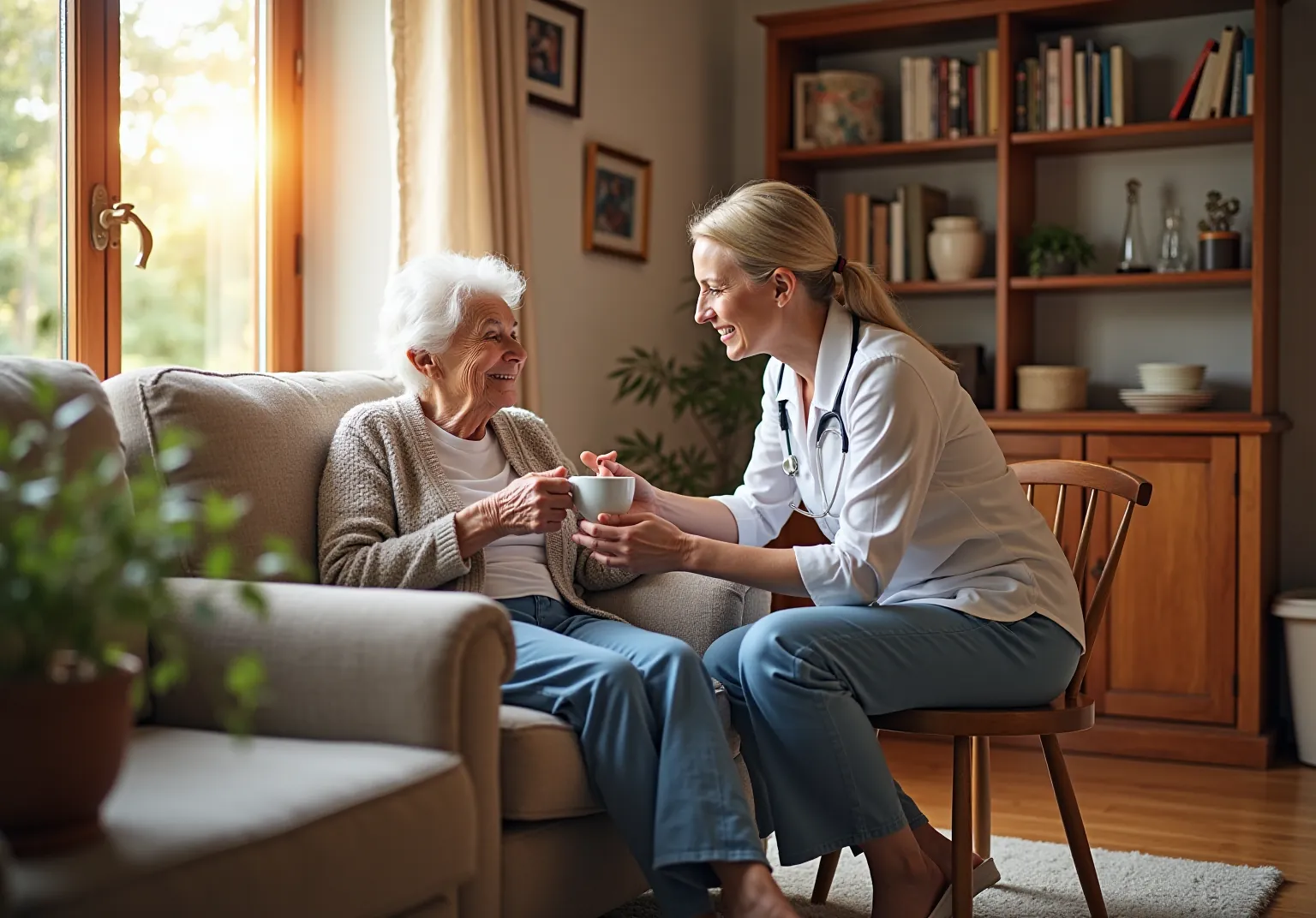
For families in our service areas
For families in our service areas, this guide explains caregiver support and how non-medical in-home caregiving can support care planning in East Idaho, Treasure Valley & Magic Valley, Northern Wasatch, North Central West Virginia, and Northeast Ohio.
Understanding Jackson County Senior Services
As the population ages, families face a pressing challenge: providing quality care for seniors. With many older adults choosing to age in place, the demand for effective support services has never been higher. This situation not only places emotional strain on families but also raises concerns about the well-being of their elderly relatives. How can families navigate these complexities while ensuring their loved ones receive the compassionate support they deserve?
To address this issue, we will explore ten essential senior services available in Jackson County. These services are designed to empower family caregivers, offering practical solutions that enhance the well-being of their loved ones. By understanding and utilizing these resources, families can alleviate some of the burdens of caregiving and ensure their elderly relatives receive the care they need.
Happy to Help Caregiving: Personalized In-Home Support for Seniors
As the population ages, many families face a pressing challenge: how to provide quality care for their loved ones at home. With 77% of adults over 50 choosing to age in place, the demand for effective home support services is on the rise. This situation can lead to feelings of uncertainty and stress for both caregivers and their families, as they navigate the complexities of in-home care.
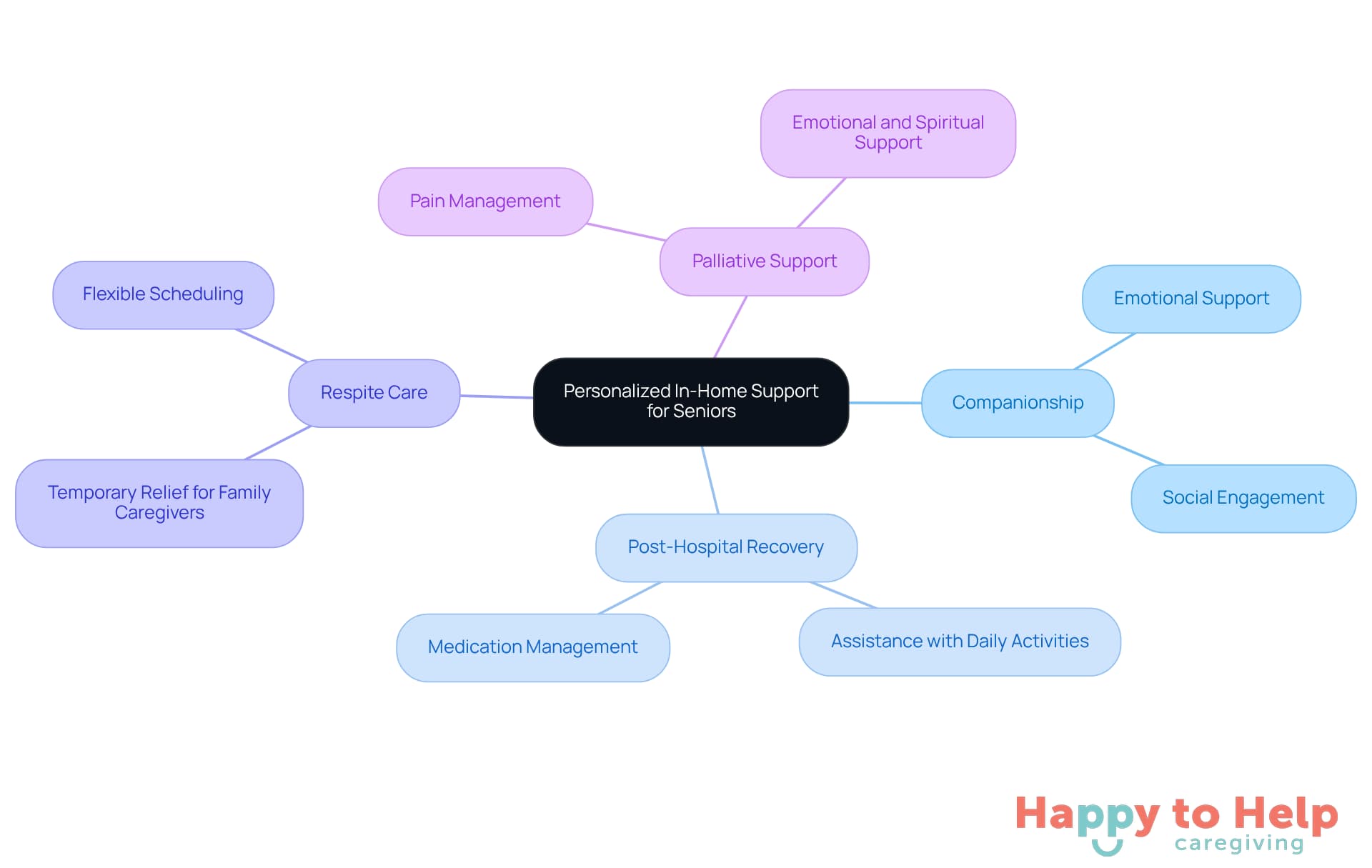
Happy to Help Caregiving addresses this issue by specializing in personalized in-home assistance for older adults. Their services focus on:
- Companionship
- Post-hospital recovery
- Respite care
- Palliative support
Caregivers are trained to foster a nurturing environment that promotes independence and well-being, ensuring clients feel secure and comfortable in their own homes.
This tailored approach not only meets the physical needs of older adults but also supports their emotional and social well-being. As the emphasis on holistic wellness grows in the home support sector, families can benefit from evaluating their loved ones' specific requirements to determine the appropriate level of assistance. By doing so, they can make informed decisions that enhance the quality of care.
In summary, Happy to Help Caregiving serves as an essential resource for families managing the intricacies of in-home care, providing the support needed to navigate this challenging landscape.
Jackson County Senior Services: Core Offerings for Senior Care
Problem: As our population ages, many older adults face challenges in maintaining their independence and accessing necessary support.
Agitate: This can lead to feelings of isolation and a decline in overall well-being, making it crucial for caregivers to find effective solutions that address these needs.
Solution: Jackson County offers a variety of services tailored specifically for older adults, including:
- Meal delivery programs that ensure nutritious food is accessible.
- Transportation services to help seniors attend appointments and social events.
- Health and wellness programs designed to promote physical and mental health.
- Social activities that foster community engagement and reduce feelings of loneliness.
These Jackson County senior services are essential for assisting elderly individuals in maintaining their independence while ensuring they have access to necessary support and companionship.
Financial Implications: Evaluating the Housekeeping Program's Viability
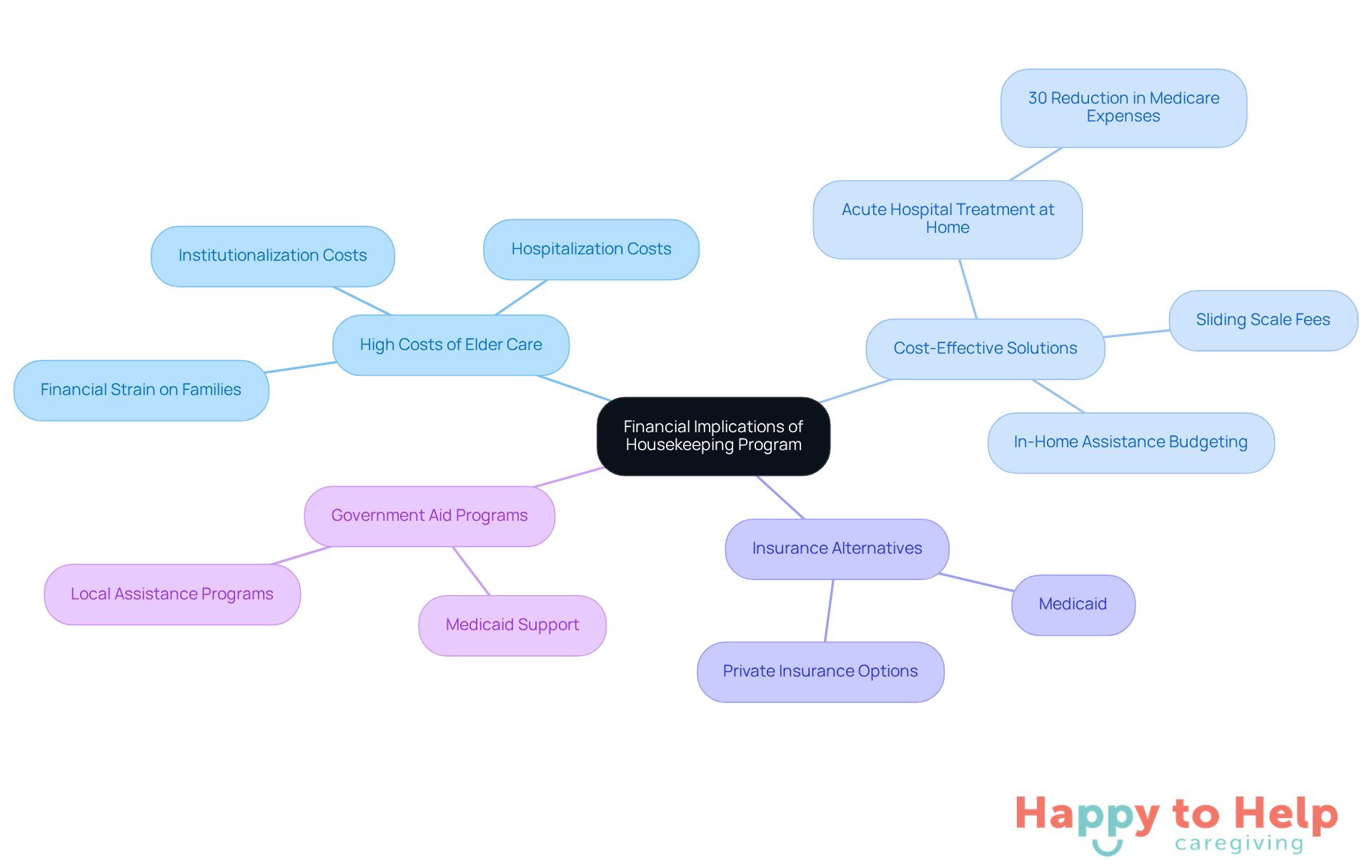
When families evaluate the financial effects of Jackson County Senior Services, particularly housekeeping programs, they face a significant problem: the high costs associated with elder care. These expenses can lead to financial strain and even disaster for many families, especially when considering the potential need for hospitalizations or institutionalization.
The implications of these costs are serious. Studies show that the Acute Hospital Treatment at Home initiative can reduce Medicare expenses by over 30% within 30 days after discharge compared to traditional inpatient services. This highlights the importance of finding cost-effective solutions to avoid unnecessary hospital stays.
To address these challenges, families should explore various options. Jackson County Senior Services offers many programs with sliding scale fees based on income, making services more accessible for those facing financial constraints. Additionally, investigating insurance alternatives and government aid programs, such as Medicaid, can significantly help in reducing costs.
This proactive approach not only promotes the well-being of elderly individuals but also alleviates the financial burden on families. By budgeting for in-home assistance and utilizing available resources, families can ensure that quality care remains accessible and cost-effective compared to institutional environments.
Community Engagement: Strengthening Support for Senior Services
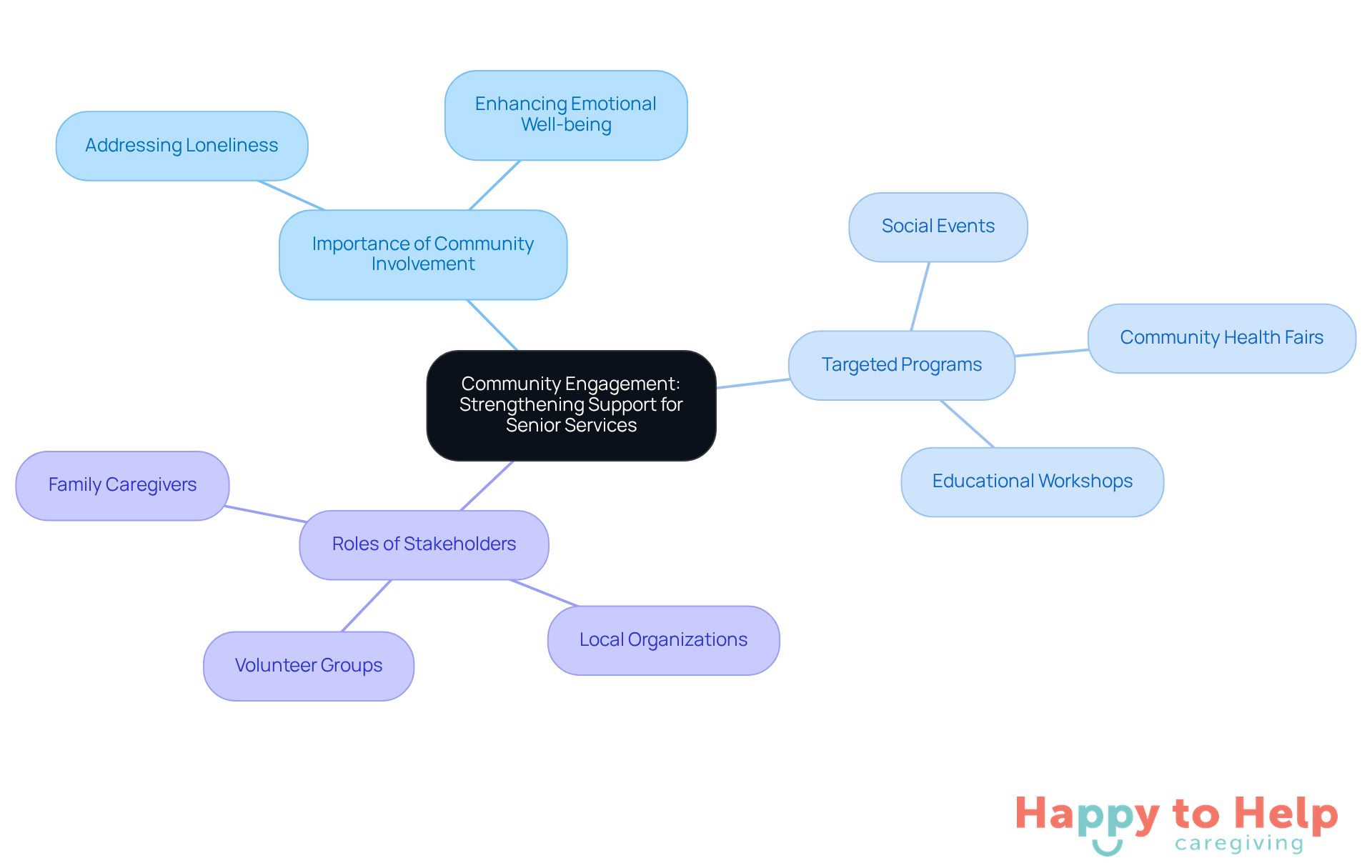
Community involvement is crucial for addressing the problem of isolation among older adults. Many older individuals experience loneliness, which can significantly impact their emotional well-being. Research indicates that adults aged 50 to 64 report higher feelings of loneliness compared to those aged 65 to 80, underscoring the need for targeted community engagement.
To combat this issue, local organizations, volunteer groups, and families can collaborate to create tailored programs that meet the specific needs of older adults. Successful initiatives, such as:
- Community health fairs
- Social events
- Educational workshops
not only provide essential resources but also help reduce feelings of isolation. These programs foster social interaction and enhance life satisfaction among participants.
As community leaders emphasize, reducing isolation is a shared responsibility that can transform lives. Family caregivers play a vital role in this effort by engaging with local volunteer programs and initiatives that support elderly individuals. By doing so, they can significantly enhance their loved ones' quality of life.
As DeAnn Hollis aptly stated, "The heart of a volunteer is not measured in size, but by the depth of the commitment to make a difference in the lives of others." This commitment is essential for promoting a sense of belonging and community, which is vital for the emotional well-being of older adults.
Family Caregiver Challenges: Addressing Emotional and Physical Burnout
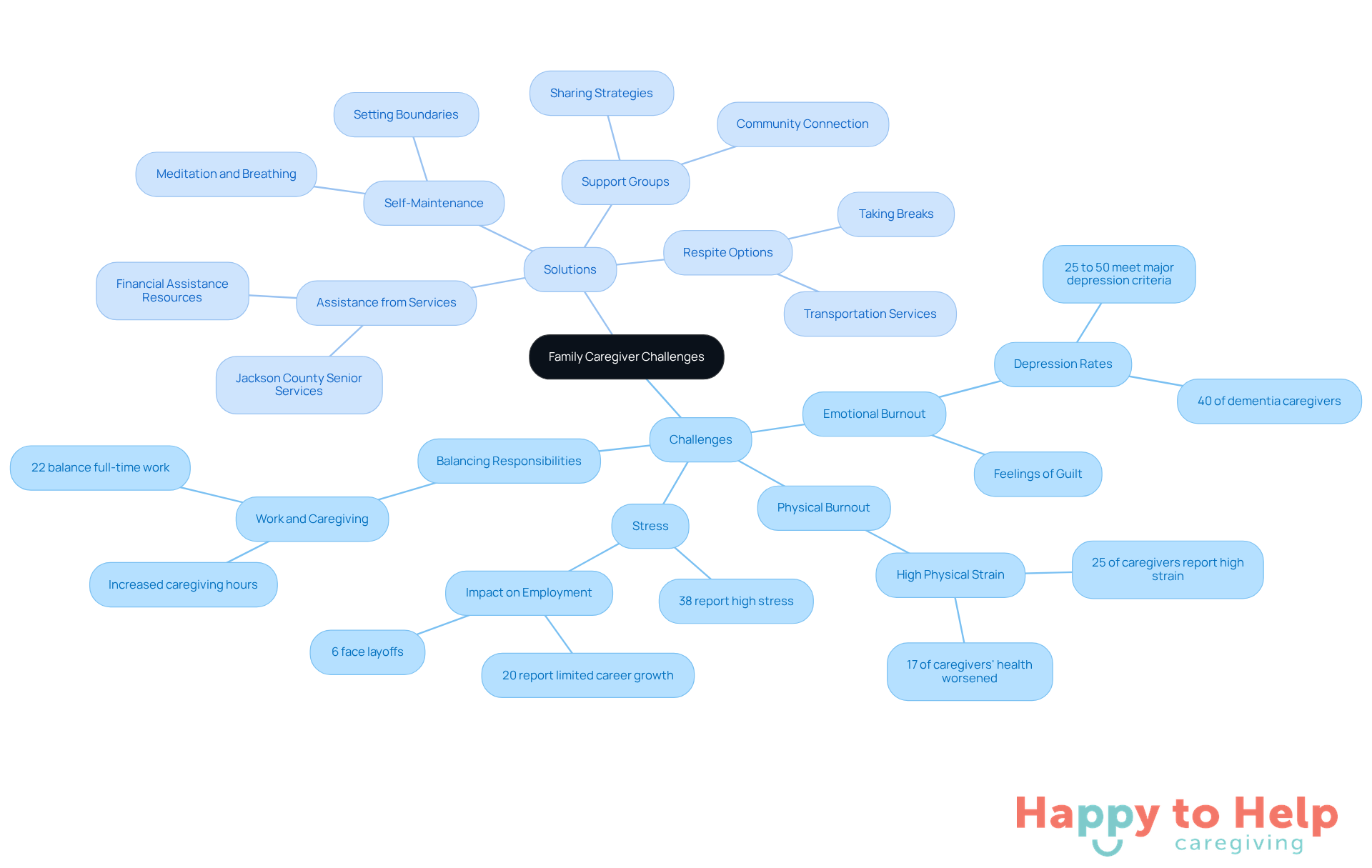
Family caregivers often encounter significant emotional and physical burnout due to the demands of their role. This challenge can lead to overwhelming stress, difficulties in balancing personal responsibilities, and a profound emotional toll from caring for a loved one.
To address these issues, caregivers should prioritize self-maintenance. Seeking assistance from Jackson County Senior Services can help alleviate some of the burdens they face. Additionally, exploring respite options allows caregivers to take essential breaks, which are crucial for their well-being.
Support groups can also serve as a valuable outlet. They provide a space for caregivers to share experiences and strategies, fostering a sense of community and understanding. By implementing these solutions, caregivers can better manage their responsibilities and maintain their health.
Technology Integration: Enhancing Caregiving Through Digital Solutions
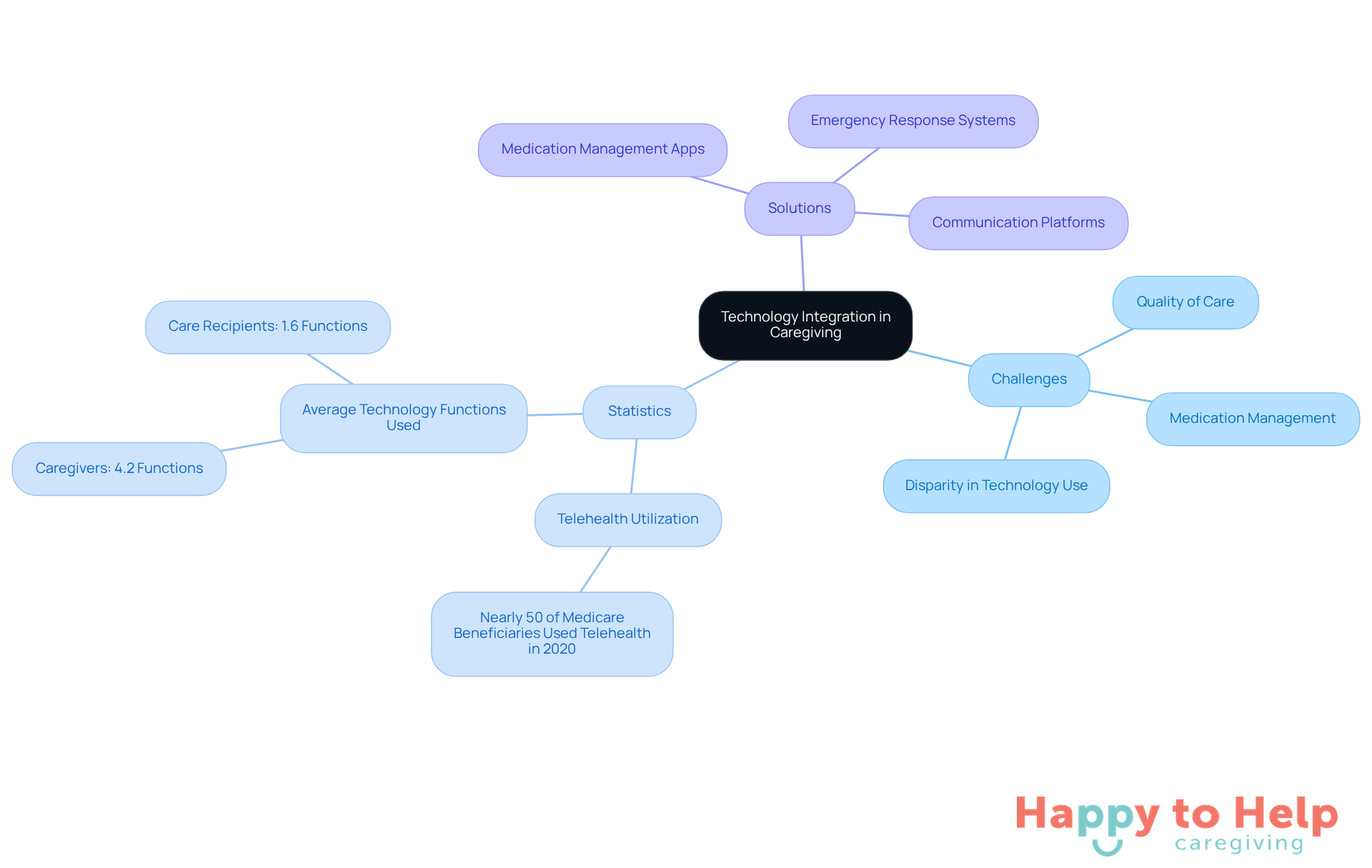
Incorporating technology into caregiving presents a significant challenge for many caregivers, particularly when it comes to ensuring the quality of care for older adults. The pandemic highlighted this issue, with nearly half of Medicare beneficiaries utilizing telehealth services in 2020. This shift underscores the need for caregivers to monitor their loved ones' health remotely, allowing for timely interventions and reducing hospital visits.
The implications of not leveraging technology can be severe. Caregivers often struggle with medication management, especially when older adults are handling multiple prescriptions. On average, caregivers reported using 4.2 functions of technology compared to care recipients' 1.6, revealing a disparity that can impact the effectiveness of care.
To address these challenges, caregivers can adopt various technological solutions:
- Medication management applications simplify the process of tracking prescriptions and dosages, ensuring that older adults receive the correct medications at the right times.
- Emergency response systems also play a vital role, providing immediate assistance when needed.
- Communication platforms help maintain relationships with family members, reducing feelings of isolation.
As Kyle Zebley, Senior Vice President of Public Policy, stated, "These are popular bipartisan programs put in place by President Trump, kept in place on a bipartisan basis in Congress really with no stated opposition throughout the Biden/Harris administration." This integration of digital solutions enhances service coordination and offers peace of mind for families, knowing they can stay connected and informed about their loved ones' health.
Case studies further illustrate the benefits of telehealth for elderly support. Many older adults undergoing cancer treatment or mental health services have reported improved access to care through virtual appointments, which has been crucial during times of limited mobility. However, the recent halt of the in-home hospital services program emphasizes the repercussions of diminished telehealth access, highlighting the need for ongoing support in this area.
The ongoing evolution of technology in caregiving is essential for improving the overall quality of life for older adults and providing invaluable support for their caregivers.
Tailored Care Plans: Meeting Individual Needs of Seniors
Meeting the distinct requirements of seniors can be a significant challenge for caregivers. Without customized support plans, seniors may not receive the care they need, which can lead to feelings of isolation and declining health. In fact, 71% of caregivers recognize the necessity for continuous updates to adapt to evolving situations, as highlighted by Bob Stephen, AARP vice president of caregiving and health initiatives. He emphasizes that housing requirements must be considered when organizing support.
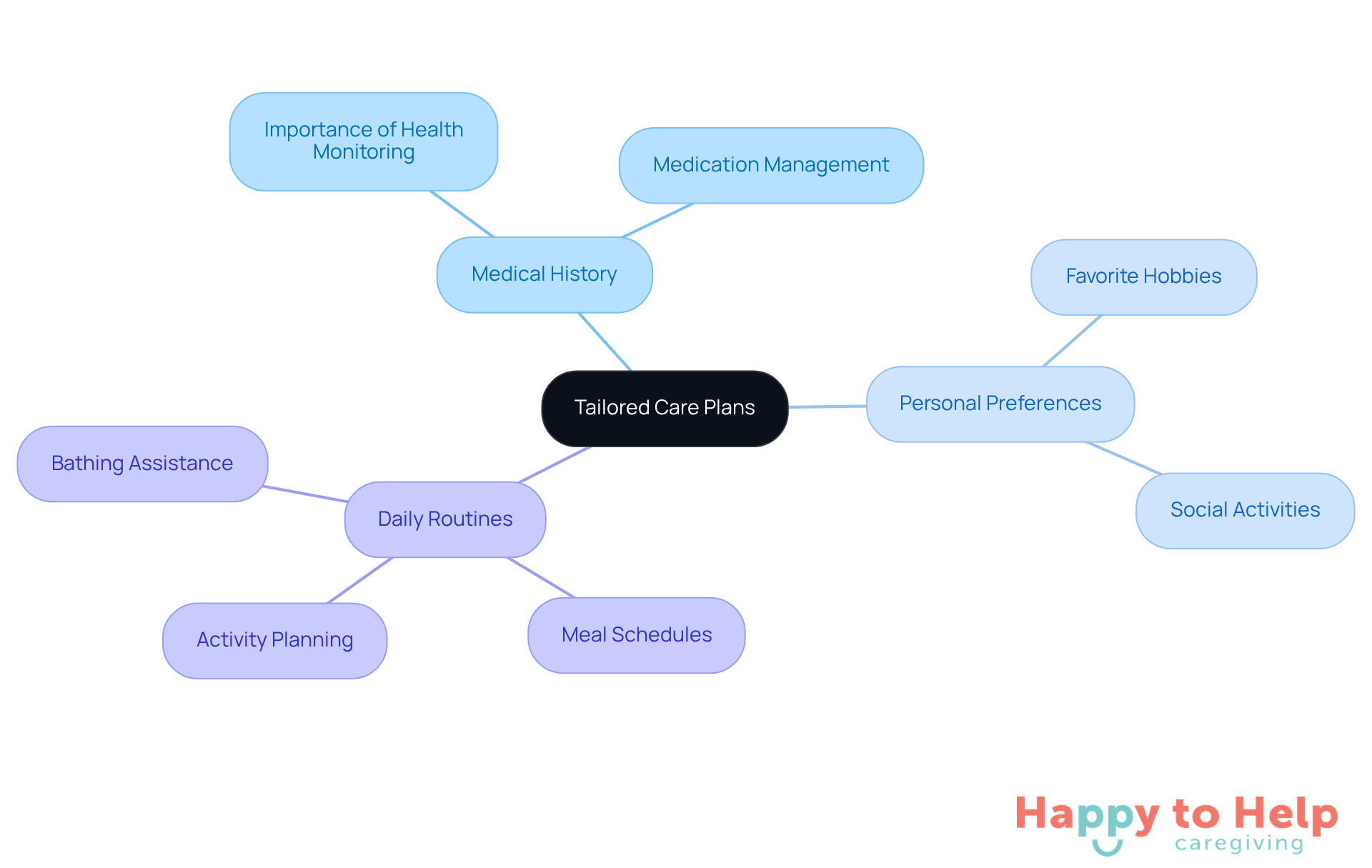
To address these challenges, developing personalized support plans is essential. These plans should encompass:
- Medical history
- Personal preferences
- Daily routines
to ensure that support is effective and respectful of the individual's lifestyle. Frequent evaluations not only improve the quality of care but also promote emotional well-being. Personalized plans can significantly enhance seniors' health outcomes. For instance, a comprehensive assistance strategy that includes companionship and daily activity schedules has been shown to reduce feelings of loneliness and anxiety, ultimately leading to a better quality of life.
By prioritizing personalized assistance, families can ensure their loved ones receive the best possible support throughout their aging journey.
Caregiver Training: Ensuring Quality and Compassionate Care
Caregiver training is a critical issue that affects the quality of support provided to older adults. Without proper training, caregivers may struggle with essential skills, leading to inadequate care and increased stress. This not only impacts the caregivers themselves but also the elderly individuals they serve, who deserve compassionate and effective assistance.
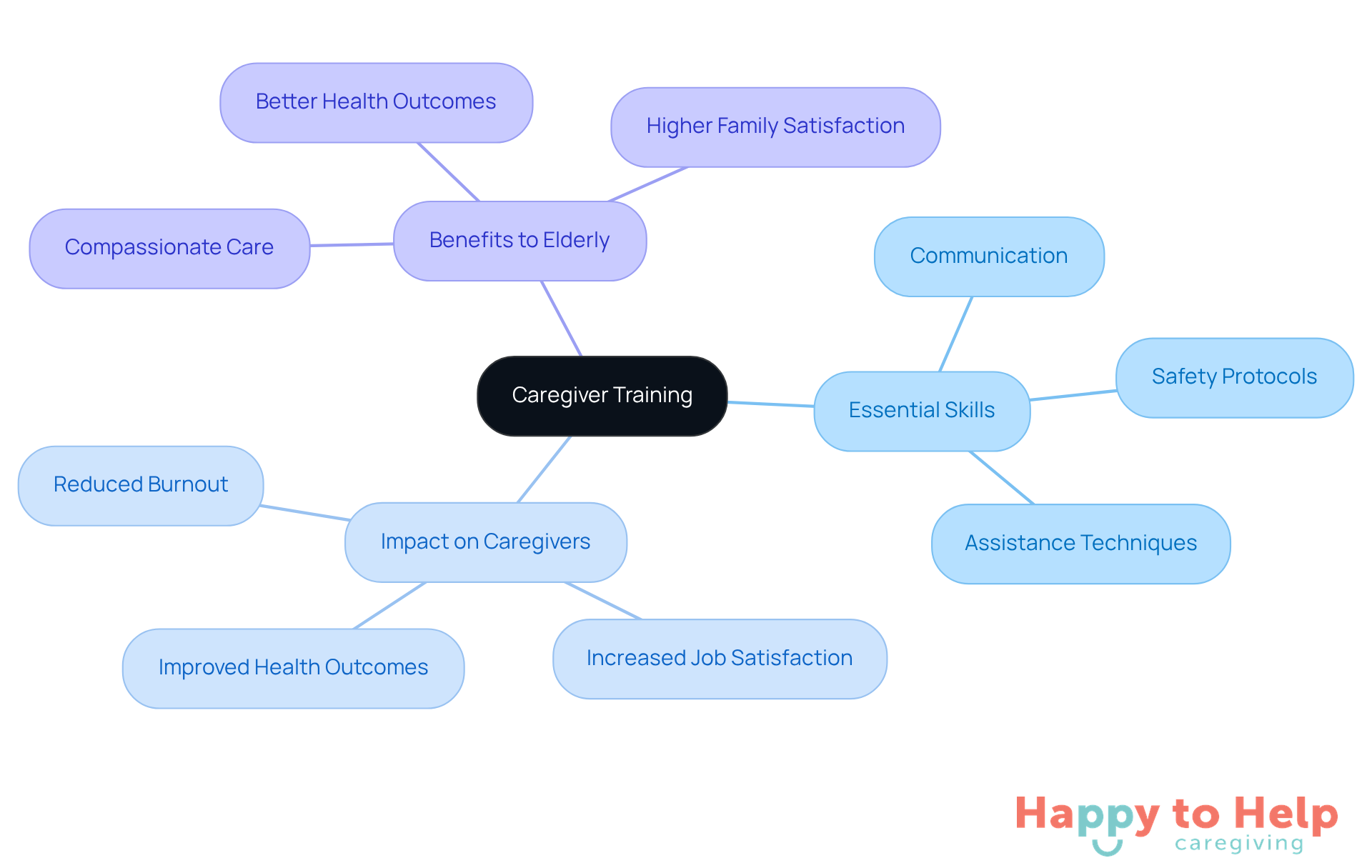
To address this problem, training programs must encompass vital skills such as:
- Communication
- Safety protocols
- Specific assistance techniques tailored to the needs of older adults
Continuous training and support for caregivers can significantly reduce burnout and enhance job satisfaction. By investing in comprehensive training, we can ensure that caregivers are well-equipped to provide the best possible care, ultimately benefiting the elderly they look after.
Family Testimonials: The Impact of Quality Senior Care
Family testimonials reveal a significant problem: many elderly individuals experience emotional health challenges and feelings of isolation. Without quality elder support, these issues can worsen, impacting their overall quality of life. Families often feel helpless, worrying about their loved ones' well-being.
However, numerous families have observed marked improvements when their loved ones receive quality care. For instance, many clients express gratitude for caregivers who not only provide essential support but also foster a nurturing environment that enhances well-being. One family noted that their mother's recent joy and involvement in daily activities were directly linked to the kind support she received, demonstrating how individualized attention can greatly uplift an elderly person's spirit.
Common themes in these testimonials highlight the importance of caregivers treating clients with kindness and respect. This approach creates a familial bond that alleviates feelings of loneliness. A son expressed gratitude to caregiver Rochelle for her exceptional support, which offered peace of mind from afar. This emphasizes the emotional comfort families receive from high-quality assistance.
Families frequently report that this compassionate approach benefits not only their loved ones but also provides them peace of mind, knowing their family members are in caring hands. The positive feedback underscores the essential role of empathy in caregiving. Quality support for the elderly involves addressing physical needs while fostering emotional bonds that contribute to enhanced well-being.
Mission and Vision: Commitment to Enhancing Senior Well-Being
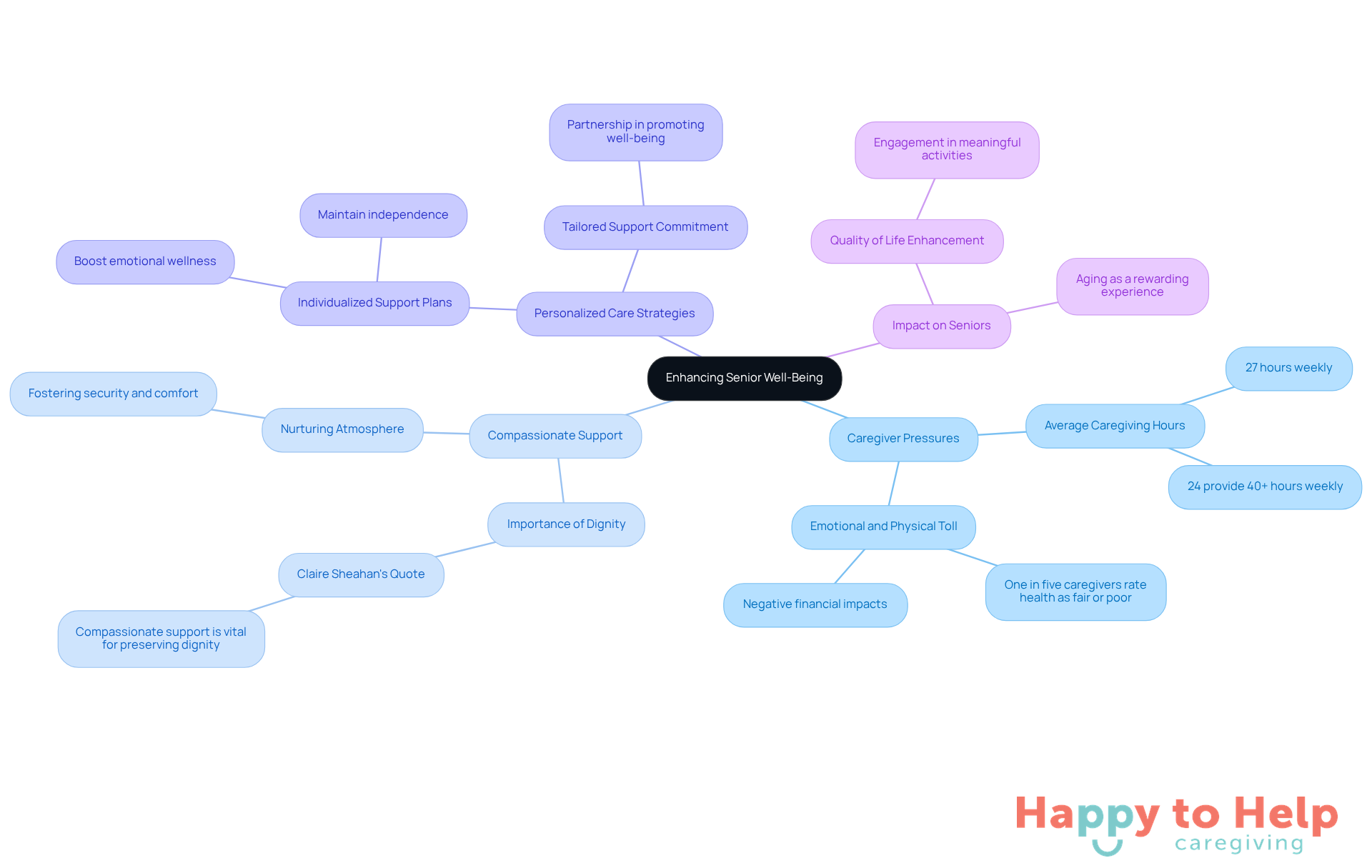
The goal of Jackson County senior services is to enhance the well-being of seniors through compassionate and individualized support. However, caregivers often face significant emotional and physical pressures, dedicating an average of 27 hours weekly to provide this essential assistance. This situation not only challenges their well-being but also underscores the importance of addressing the unique needs of each individual.
The implications of these pressures are profound. Caregivers must balance their responsibilities while ensuring that aging is a rewarding and dignified experience for seniors. By focusing on the emotional and physical requirements of older adults, caregiving organizations can create a nurturing atmosphere that fosters security and comfort in familiar environments.
Experts like Claire Sheahan emphasize that "compassionate support is vital for preserving dignity." This approach allows older adults to thrive and engage in meaningful activities, ultimately enhancing their quality of life. For instance, case studies reveal that individualized support plans significantly boost the emotional wellness of elderly individuals, enabling them to maintain their independence while receiving necessary assistance.
To address these challenges, caregivers can implement personalized care strategies. This commitment to tailored support provided by Jackson County senior services is not merely a service; it represents a crucial partnership in promoting the well-being and happiness of seniors at home.
Moving Forward with Jackson County Senior Services
As families face the challenges of caring for aging loved ones, the need for quality senior services becomes increasingly urgent. Caregivers often encounter emotional and physical hurdles that can impact their well-being and that of their loved ones. In Jackson County, essential resources are available to support these caregivers, from personalized in-home assistance to community engagement initiatives.
Key offerings from Jackson County Senior Services include:
- Meal delivery
- Transportation
- Health programs
- Emotional support
These services not only address immediate care needs but also foster a supportive environment for caregivers. Moreover, technology plays a crucial role in modern caregiving, highlighting the necessity for customized care plans and ongoing caregiver training.
Investing in senior services is about more than just meeting immediate needs; it’s about creating a sustainable support system that enriches the lives of older adults and their families. By engaging with available resources and advocating for compassionate care, families can ensure their loved ones receive the dignity and respect they deserve while navigating the complexities of aging. This commitment to quality care and community involvement will have a lasting impact, promoting a healthier, happier aging experience for all.
https://iframe.tely.ai/cta/eyJhcnRpY2xlX2lkIjogIjY5MjI2NTExZDQwYzk1M2M1MjExZGE2ZCIsICJjb21wYW55X2lkIjogIjY4ZWU1ZGNhNzMxNzYyNTU3ZjNjOTVjMSIsICJpbmRleCI6IG51bGwsICJ0eXBlIjogImFydGljbGUifQ==Frequently Asked Questions
What is the main focus of Happy to Help Caregiving?
Happy to Help Caregiving specializes in personalized in-home assistance for older adults, focusing on companionship, post-hospital recovery, respite care, and palliative support.
How does Happy to Help Caregiving support the emotional and social well-being of seniors?
Caregivers are trained to create a nurturing environment that promotes independence and well-being, addressing both the physical and emotional needs of older adults.
What services does Jackson County Senior Services provide for older adults?
Jackson County Senior Services offers meal delivery programs, transportation services, health and wellness programs, and social activities to help seniors maintain independence and reduce feelings of isolation.
What financial challenges do families face regarding elder care?
Families often encounter high costs associated with elder care, which can lead to financial strain and the potential need for hospitalizations or institutionalization.
How can families reduce the financial burden of elder care?
Families can explore programs with sliding scale fees based on income through Jackson County Senior Services, investigate insurance alternatives, and look into government aid programs like Medicaid to reduce costs.
What are the potential savings associated with the Acute Hospital Treatment at Home initiative?
The initiative can reduce Medicare expenses by over 30% within 30 days after discharge compared to traditional inpatient services, highlighting the importance of cost-effective home care solutions.
Why is it important for families to evaluate their loved ones' specific needs in home care?
Evaluating specific needs helps families make informed decisions about the appropriate level of assistance, enhancing the quality of care for their loved ones.
List of Sources
- Happy to Help Caregiving: Personalized In-Home Support for Seniors
- Growing Trend of Private Pay Home Care for Elderly (https://regencyhcs.com/blog/growing-trend-of-private-pay-home-care-for-elderly)
- Caring Senior Service Banks Growth Goals On New House-Made Technology (https://homehealthcarenews.com/2025/10/caring-senior-service-banks-growth-goals-on-new-house-made-technology)
- Trends and Innovations in Senior Care | Amada Blog (https://amadaseniorcare.com/2025/01/trends-and-innovations-in-senior-care)
- Home Care Industry Trends to Watch in 2025 (https://firstlighthomecare.com/blog/home-care-industry-trends)
- Home Care Trends 2026: Preparing for Senior Care - Assisting Hands Centennial (https://assistinghands.com/77/colorado/centennial/blog/home-care-trends-2026-preparing-for-senior-care)
- Jackson County Senior Services: Core Offerings for Senior Care
- Mel-Milaap's essential response to COVID-19 - Health and Social Care Alliance Scotland (https://alliance-scotland.org.uk/blog/case\_studies/mel-milaaps-essential-response-to-covid-19)
- 27 Inspirational Quotes for Caregivers (https://ultimatecareny.com/resources/27-quotes-for-caregivers)
- Best Volunteering Quotes | 15 Favorite Volunteering Quotes (https://civicchamps.com/post/our-15-favorite-quotes-about-volunteering)
- Findings From New Study Reinforce That Home-Delivered Meals Provide Critical Health and Social Benefits to Older Adults and Caregivers (https://mealsonwheelsamerica.org/news/findings-from-new-study-reinforce-that-home-delivered-meals-provide-critical-health-and-social-benefits-to-older-adults-and-caregivers)
- 25 Awesome Quotes That Have The Power To Inspire Volunteers (https://volunteerhub.com/blog/quotes-inspire-volunteers)
- Financial Implications: Evaluating the Housekeeping Program's Viability
- Hospital at home saves lives and money: CMS report (https://ama-assn.org/public-health/population-health/hospital-home-saves-lives-and-money-cms-report)
- Senior Care Facility Statistics (https://rosewood-nursing.com/post/senior-care-facility-statistics)
- Facing Financial Ruin as Costs Soar for Elder Care - KFF Health News (https://kffhealthnews.org/news/article/dying-broke-facing-financial-ruin-as-costs-soar-for-elder-care)
- Aging Population Linked to Increased Need for Select Health Care and Social Assistance Services (https://census.gov/library/stories/2022/08/revenues-for-home-care-elderly-services-increase.html)
- "Hospital at Home" Programs Improve Outcomes, Lower Costs But Face Resistance from Providers and Payers (https://commonwealthfund.org/publications/newsletter-article/hospital-home-programs-improve-outcomes-lower-costs-face-resistance)
- Community Engagement: Strengthening Support for Senior Services
- 50 Inspirational Quotes About Volunteering & Giving Back - Volunteer Vacations | Discover Corps (https://discovercorps.com/50-inspirational-quotes-volunteering)
- Best Volunteering Quotes | 15 Favorite Volunteering Quotes (https://civicchamps.com/post/our-15-favorite-quotes-about-volunteering)
- 1 in 3 older adults still experience loneliness and isolation (https://michiganmedicine.org/health-lab/1-3-older-adults-still-experience-loneliness-and-isolation)
- Get the Facts on Senior Centers and How They Serve Older Adults (https://ncoa.org/article/get-the-facts-on-senior-centers)
- Family Caregiver Challenges: Addressing Emotional and Physical Burnout
- Facebook (https://newsroom.clevelandclinic.org/2025/11/19/importance-of-self-care-for-family-caregivers)
- Caregiver Burnout and Strategies to Help (https://health.usnews.com/senior-care/articles/caregiver-burnout-and-strategies-to-help)
- 2023 Study — Caregiving in America, Statistics on Family Caregivers and Beyond | Guardian (https://guardianlife.com/reports/caregiving-in-america)
- Caregiver Statistics: Health, Technology, and Caregiving Resources (https://caregiver.org/resource/caregiver-statistics-health-technology-and-caregiving-resources)
- Prevalence of depression, anxiety, burden, burnout, and stress in informal caregivers: An umbrella review of meta-analyses (https://sciencedirect.com/science/article/pii/S2950307825000785)
- Technology Integration: Enhancing Caregiving Through Digital Solutions
- Medicare Telehealth Waivers Expire With Potential ‘Big Impact’ for Senior Living Operators (https://seniorhousingnews.com/2025/10/01/medicare-telehealth-waivers-expire-with-potential-big-impact-for-senior-living-operators)
- Millions of seniors lose access to telehealth services in wake of shutdown (https://pbs.org/newshour/show/millions-of-seniors-lose-access-to-telehealth-services-in-wake-of-shutdown)
- Technology Use Among Older Adults and Their Caregivers: Cross-Sectional Survey Study - PMC (https://pmc.ncbi.nlm.nih.gov/articles/PMC11084119)
- U.S. Caregivers' Use of Technology to Help with Caregiving (https://aarp.org/pri/topics/ltss/family-caregiving/caregiving-technology-survey)
- Tailored Care Plans: Meeting Individual Needs of Seniors
- Warning From Older Adults: Care for Aging in America Needs Urgent Rethinking (https://johnahartford.org/newsroom/view/warning-from-older-adults-care-for-aging-in-america-needs-urgent-rethinking)
- New AARP Survey Reveals Older Adults Want to Age in Place (https://aarp.org/home-living/home-and-community-preferences-survey-2021)
- Healthcare For Seniors Statistics (https://rosewood-nursing.com/post/healthcare-for-seniors-statistics)
- Importance of Personalized Senior Home Care in Burlington NC (https://wisdomseniorcare.com/the-importance-of-personalized-care-plans-for-seniors)
- New Study Reveals Mixed Results in Advance Care Planning for Older Adults | Johns Hopkins Bloomberg School of Public Health (https://publichealth.jhu.edu/2024/new-study-reveals-mixed-results-in-advance-care-planning-for-older-adults)
- Caregiver Training: Ensuring Quality and Compassionate Care
- Family Caregiver Support, Education Needs Growing (https://hospicenews.com/2025/11/11/family-caregiver-support-education-needs-growing)
- Medicare 2025 Initiatives Driving Change in Caregiver Training (https://learn2care.us/blog/how-medicare-2025-initiatives-will-shape-caregiver-training)
- CCA Announces Free Online Caregiver Training Program for IHSS Workers (https://advancecaregivers.org/cca-announces-free-online-caregiver-training-program-for-ihss-workers)
- Caregiver Statistics: Health, Technology, and Caregiving Resources (https://caregiver.org/resource/caregiver-statistics-health-technology-and-caregiving-resources)
- Family Testimonials: The Impact of Quality Senior Care
- Family caregivers want support from senior living professionals, report reveals (https://mcknightsseniorliving.com/news/family-caregivers-want-support-from-senior-living-professionals-report-reveals)
- Client & Caregiver Testimonials | Family Resource Home Care (https://familyresourcehomecare.com/about/awards-reviews-testimonials/testimonials)
- How Senior Living Communities Reduce Loneliness and Improve Senior Health: 2025 U.S. News Survey Report (https://health.usnews.com/best-senior-living/articles/how-senior-living-communities-reduce-illness-and-improve-senior-health-survey)
- Testimonials & Reviews | Heritage Senior Living (https://heritagesenior.com/testimonials)
- Mission and Vision: Commitment to Enhancing Senior Well-Being
- The Alliance for Health Policy Releases Final Report from 2025 Signature Series on Aging in America | Alliance for Health Policy (https://allhealthpolicy.org/news/the-alliance-for-health-policy-releases-final-report-from-2025-signature-series-on-aging-in-america)
- National Alliance for Caregiving: Caregiving in the US 2025 Report (https://johnahartford.org/resources/view/national-alliance-for-caregiving-caregiving-in-the-us-2025-report)
- Caregiver Statistics: Demographics (https://caregiver.org/resource/caregiver-statistics-demographics)
- Caregiving Statistics US 2025: Insights for Family Caregivers (https://zencaregiving.org/caregiving-statistics-us-2025)