

For families in our service areas
For families in our service areas, this guide explains caregiving and how non-medical in-home caregiving can support care planning in East Idaho, Treasure Valley & Magic Valley, Northern Wasatch, North Central West Virginia, and Northeast Ohio.
Understanding Meal Plans
Creating nutritious meal plans for seniors presents a significant challenge for caregivers. As older adults have unique dietary needs and preferences, it’s crucial that every meal is both nourishing and enjoyable. This task is not merely culinary; it plays a vital role in their overall health and well-being.
The implications of inadequate meal planning can be serious, affecting seniors' nutrition and quality of life. Caregivers must navigate these complexities to ensure their loved ones thrive. To address this issue, this article presents ten essential meal plans specifically designed for seniors. These plans offer tailored strategies that enhance nutrition while respecting individual tastes, providing caregivers with practical solutions to meet these demands.
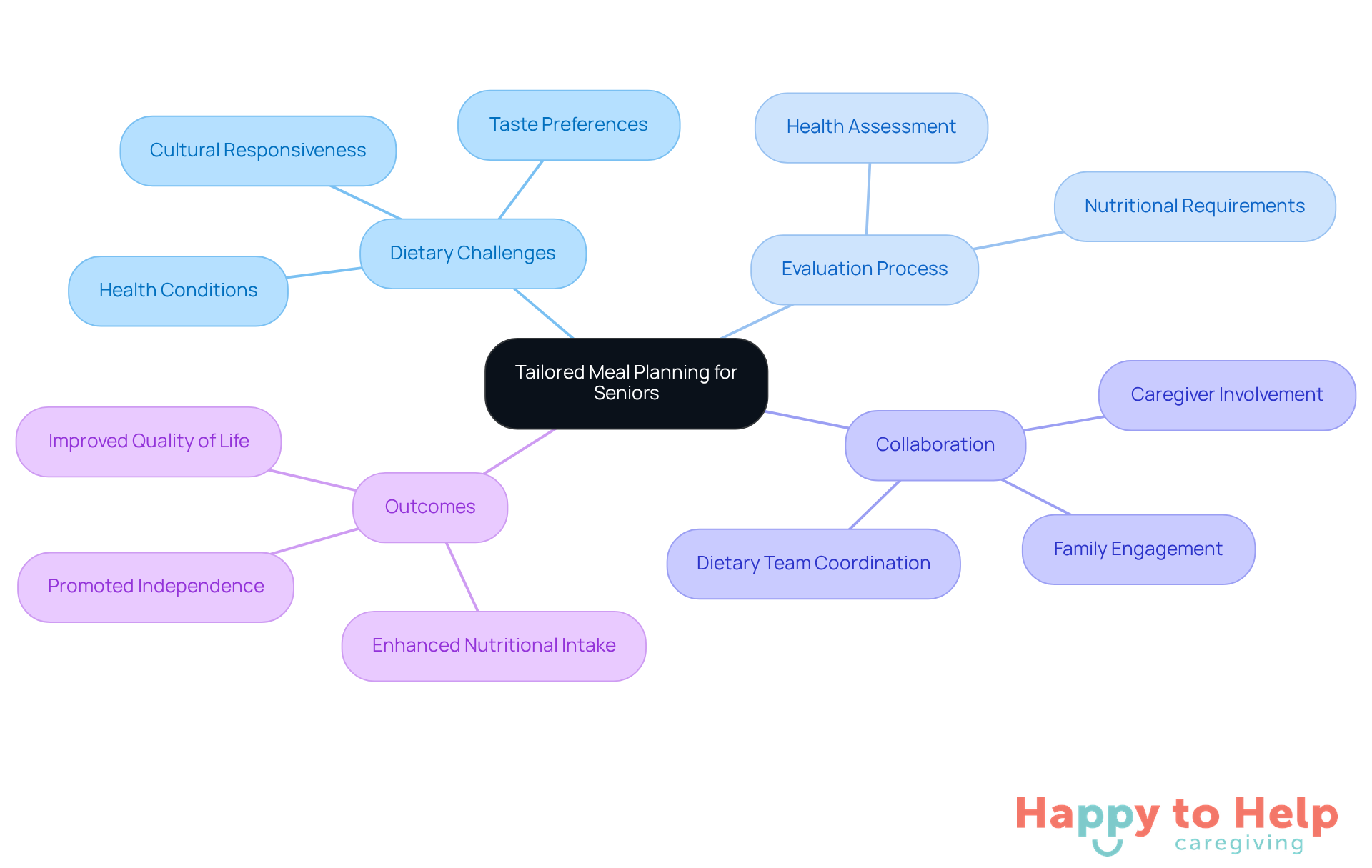
Happy to Help Caregiving: Tailored Meal Planning for Seniors
At Happy to Help Caregiving, we understand that seniors face unique dietary challenges. Each individual has distinct dietary needs and preferences that can complicate creating meal plans for seniors. This issue is particularly pressing as the demand for nutrient-dense, functional foods continues to rise.
To address these challenges, caregivers must conduct a thorough evaluation of each senior's health conditions, taste preferences, and nutritional requirements. By collaborating closely with families and dietary teams, caregivers can develop meal plans for seniors that not only provide essential nutrients but also respect diverse dietary preferences. This ensures that meals are culturally responsive and enjoyable.
Implementing meal plans for seniors through this tailored approach not only enhances the nutritional intake of older adults but also promotes a sense of independence and well-being. This is especially crucial for those with cognitive impairments or mobility challenges. By transforming mealtime into a positive experience, we ensure that seniors receive food that supports their health while honoring their individual tastes.
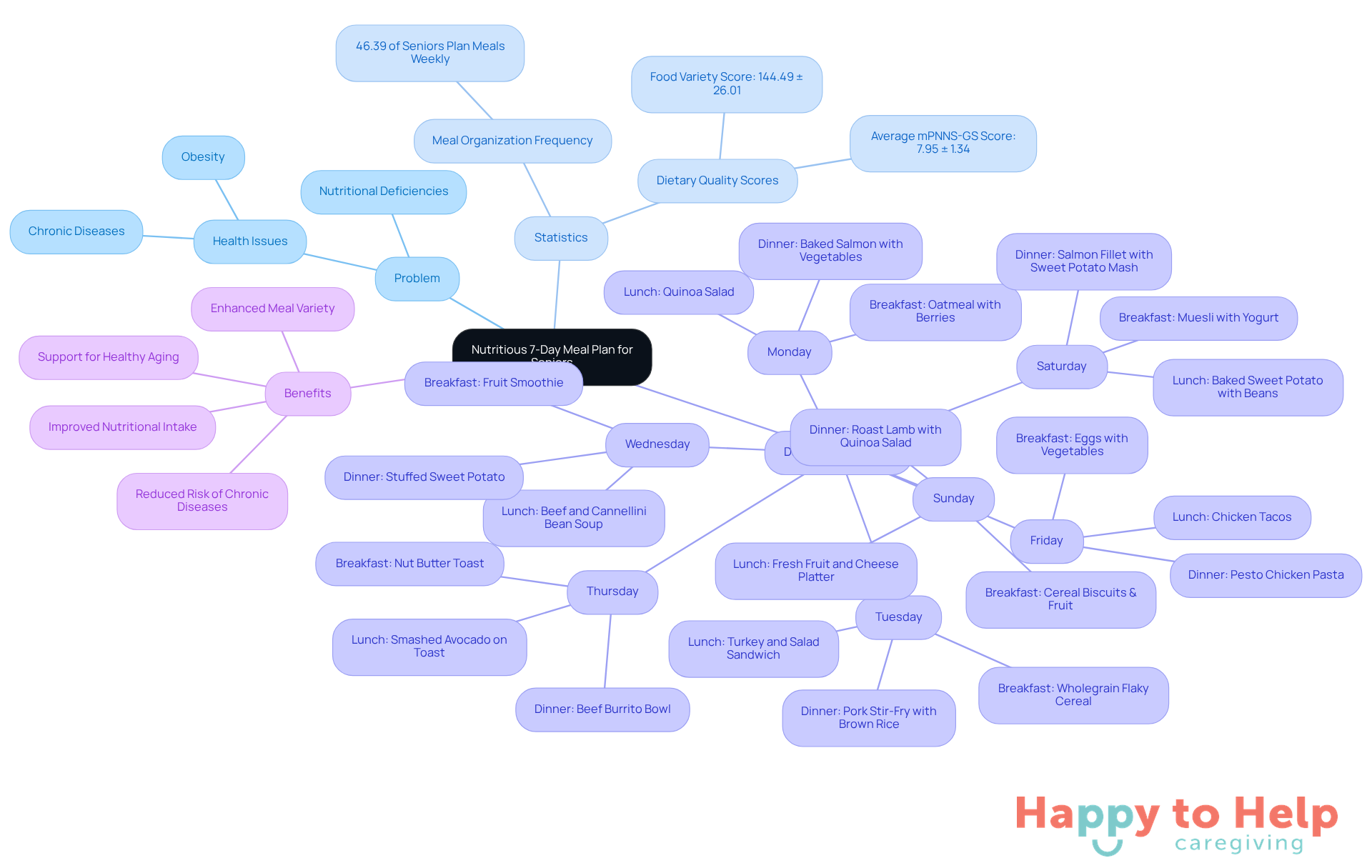
Meal Village: Nutritious 7-Day Meal Plan for Seniors
Problem: Many caregivers struggle to ensure that older adults receive the nutrition they need. This can lead to deficiencies in essential vitamins and minerals, impacting their overall health and well-being.
Agitate: Inadequate nutrition is a significant concern, as it can contribute to various health issues, including obesity and chronic diseases. Statistics reveal that only 46.39% of seniors organize their meals at least once a week, highlighting the need for better planning and dietary management.
Meal Village offers meal plans for seniors with a carefully designed 7-day dining plan tailored for older adults, ensuring each day is filled with nutrient-dense options. For example, Monday's menu features oatmeal topped with berries for breakfast, a refreshing quinoa salad for lunch, and a delicious baked salmon fillet with steamed vegetables for dinner. This organized approach not only simplifies meal preparation but also guarantees that meal plans for seniors include a diverse intake of vitamins and minerals crucial for health.
Dietary planners tend to adhere more closely to nutritional guidelines, boasting an average mPNNS-GS score of 7.95 ± 1.34. By incorporating a variety of colorful vegetables and whole grains, the meal plans for seniors from Meal Village support healthy aging and enhance overall well-being. Nutritionists emphasize that a diverse diet can significantly improve dietary quality, making this resource invaluable for families aiming to nourish their loved ones effectively.
As G. K. Chesterton wisely stated, 'Tell me what you eat, and I will tell you what you are.' This underscores the importance of mindful eating and proper meal planning for older adults.
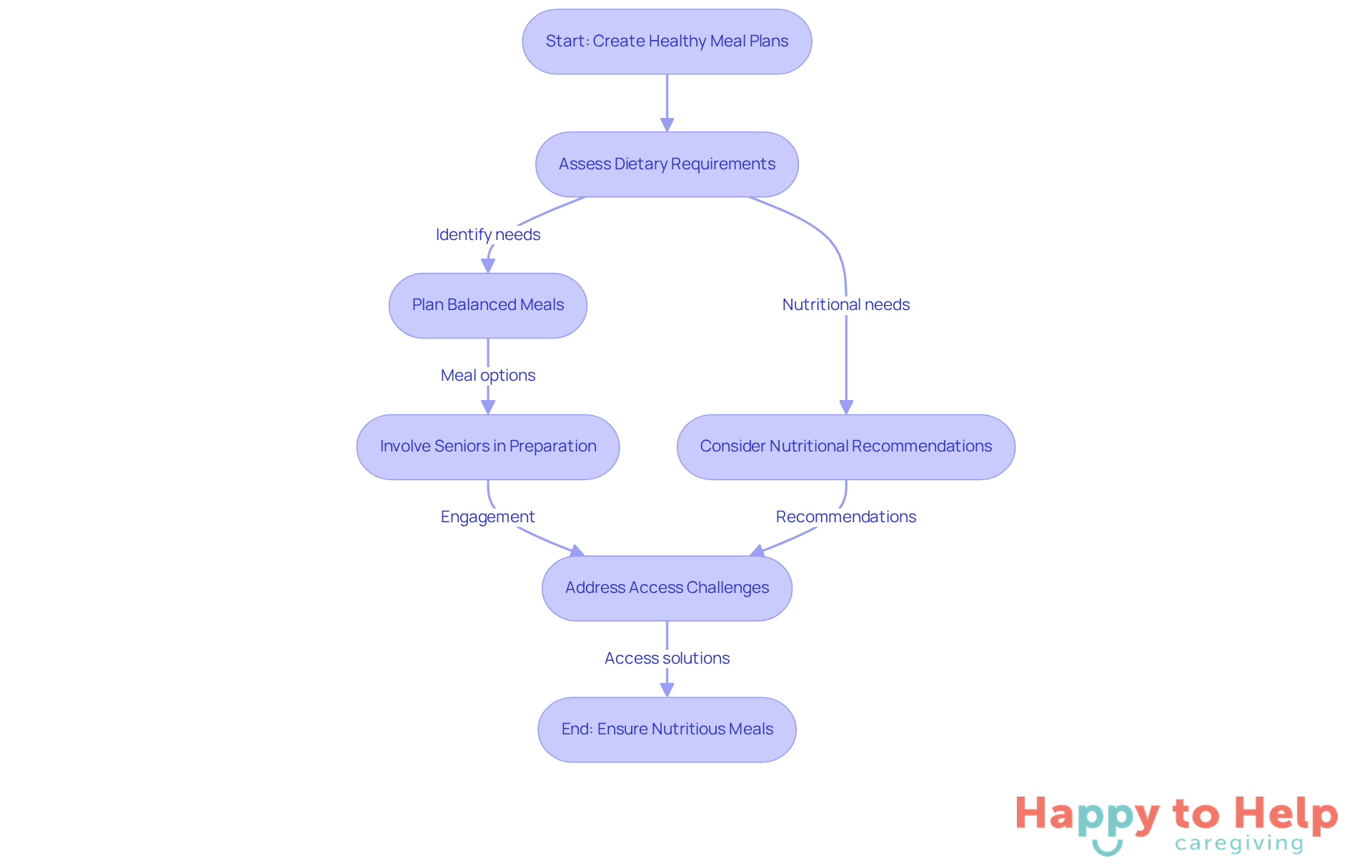
Pace Blog: Creating Healthy Weekly Meal Plans for Seniors
Developing meal plans for seniors that are nutritious on a weekly basis presents a significant challenge for caregivers. These individuals often have specific dietary requirements and preferences that must be considered. Without proper planning, caregivers may resort to unhealthy last-minute food choices, which can negatively impact the health and well-being of older adults.
Research shows that older adults need a balanced intake of nutrients, including adequate protein to support muscle mass and strength, as well as sufficient calcium and vitamin D for bone health. Recommendations suggest a daily intake of 600 IU to 1,000 IU of vitamin D. By focusing on a variety of food groups - like fruits, vegetables, whole grains, and lean proteins - caregivers can enhance the overall well-being of older adults.
To tackle these challenges, caregivers can organize meals in advance. This not only helps avoid unhealthy selections but also ensures that older adults have reliable access to nutritious options. Involving older adults in the food preparation process fosters a sense of autonomy and enjoyment during meals, leading to healthier eating habits and greater satisfaction with their diet.
Nutritionists recommend prioritizing foods with minimal added sugars, saturated fats, and sodium, while also incorporating sources of omega-3 fatty acids to support brain and heart health. By focusing on these dietary factors, caregivers can develop meal plans for seniors that meet the nutritional needs of older adults and improve their quality of life.
It's essential to recognize the challenges older adults face, such as limited income and transportation issues, which can hinder their access to healthy foods. Addressing these obstacles in dietary planning can significantly enhance the health and well-being of elderly individuals.
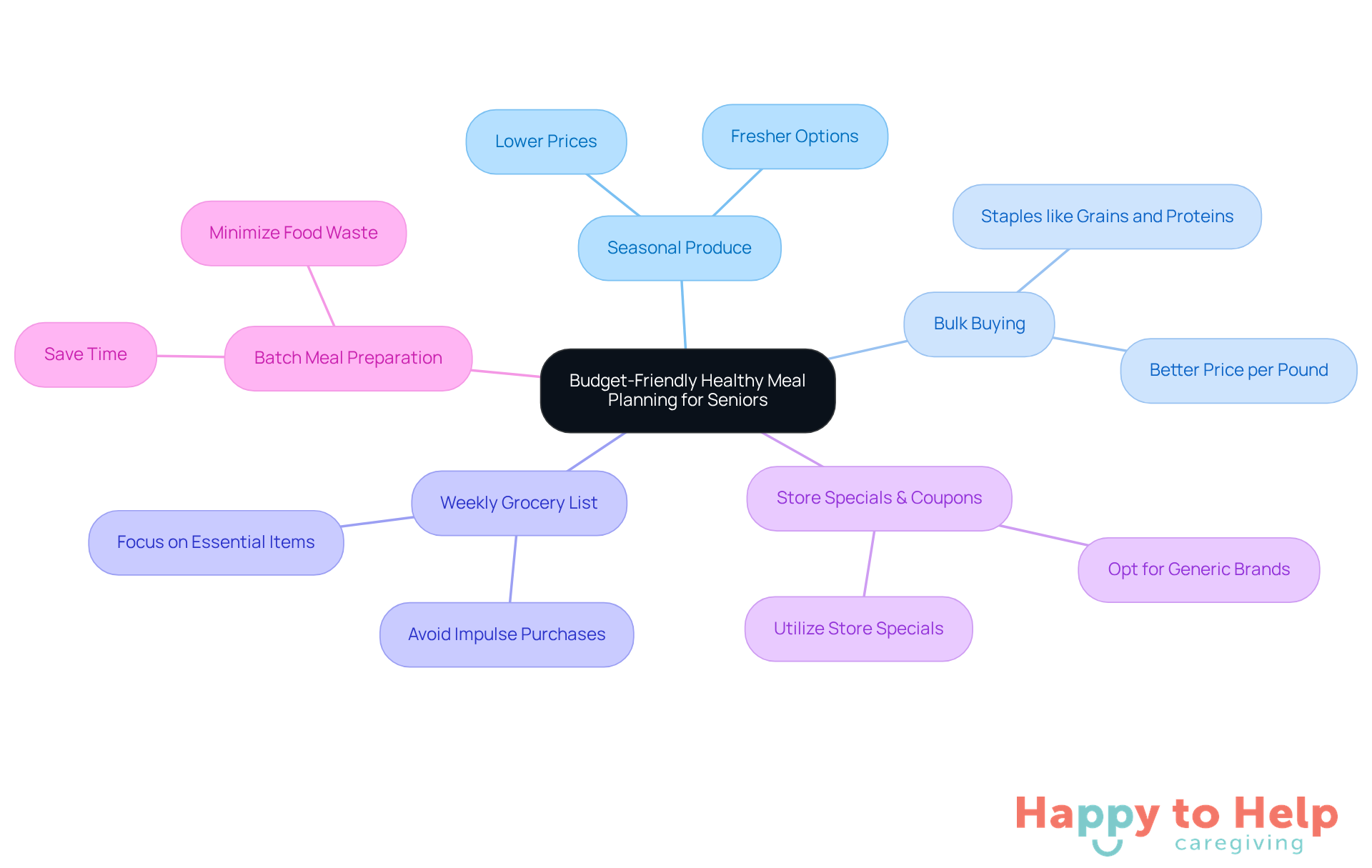
Senior Helpers: Budget-Friendly Healthy Meal Planning for Seniors
Effective meal plans for seniors pose a significant challenge, particularly for those on fixed incomes who may struggle to maintain a healthy diet due to rising food costs. This situation can lead to inadequate nutrition, impacting their overall health and well-being.
To address this issue, families can prioritize seasonal produce, which often comes at lower prices and offers fresher options. This simple shift can make healthy eating more accessible. Additionally, bulk buying is a smart strategy; purchasing larger packs of staples like grains and proteins typically results in a better price per pound, leading to substantial savings.
Caregivers can further enhance cost-effectiveness by creating a weekly grocery list based on planned meals. This approach helps avoid impulse purchases and ensures that only essential items are bought. Taking advantage of store specials, using coupons, and opting for generic brands can also lead to significant savings, allowing families to stretch their budgets while providing nutritious food.
Another effective method is preparing meals in batches and freezing portions. This not only saves time but also minimizes food waste, promoting a consistent dining schedule. Such practices support the health of older adults by offering meal plans for seniors, alleviating financial pressure on families, and ensuring that loved ones receive the nourishment they need without overspending.
As Heather Morgan aptly stated, "Every time you eat or drink, you are either feeding disease or fighting it." By implementing these strategies, families can develop meal plans for seniors that are sustainable and healthy, tailored to the unique needs of their elderly loved ones.
Meal Village: Prioritizing Nutrient-Dense Foods for Seniors
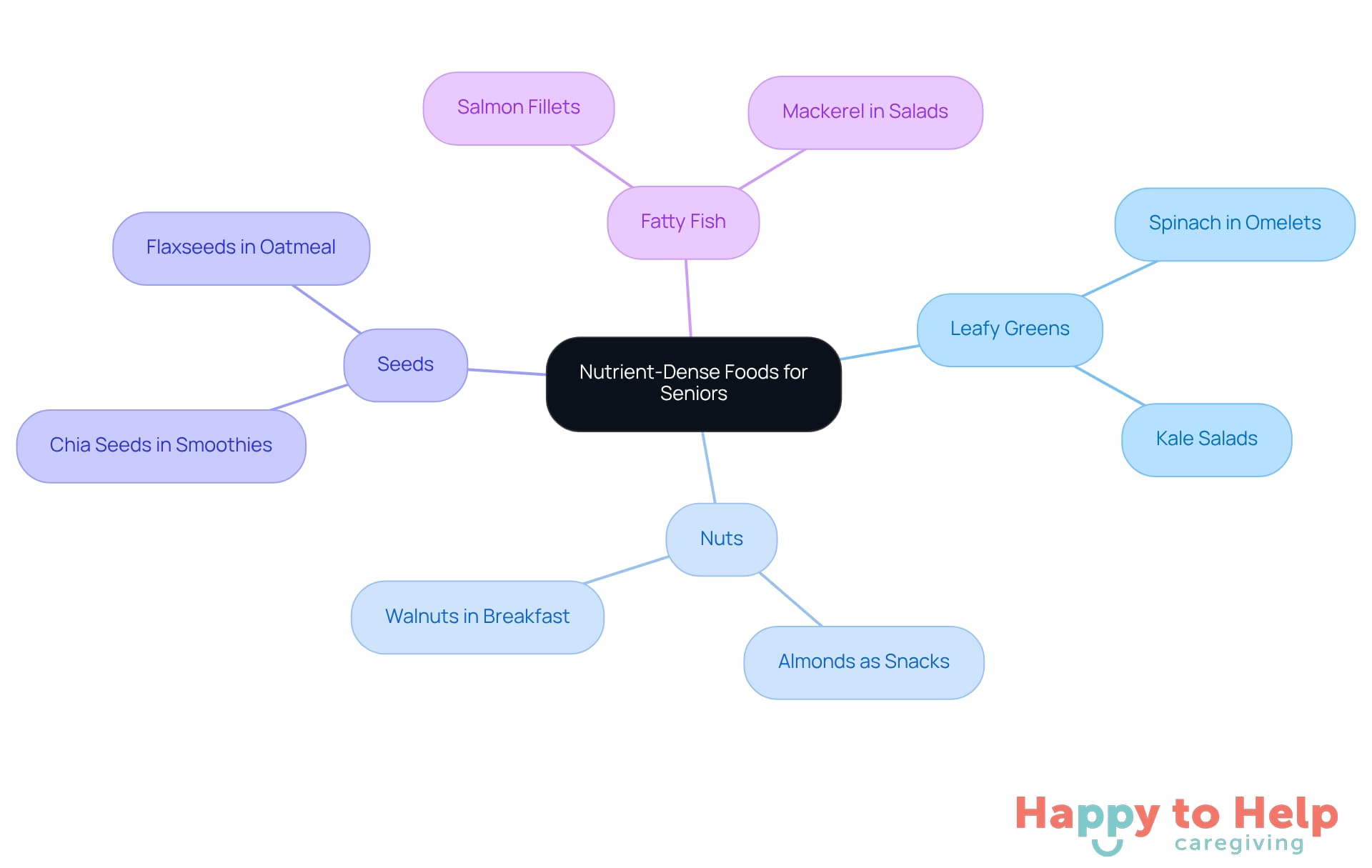
Meal Village emphasizes the importance of prioritizing nutrient-rich meal plans for seniors in their diets. Many seniors face the challenge of inadequate nutrition, which can be addressed through meal plans for seniors to prevent serious health issues. Research indicates that 80% of older adults in the US have at least one chronic medical condition, underscoring the need for effective dietary interventions.
To address this issue, caregivers should strive to incorporate foods such as:
- Leafy greens
- Nuts
- Seeds
- Fatty fish
These foods are packed with essential vitamins and minerals that support overall well-being. For example, adding spinach to omelets or chia seeds to smoothies can significantly boost nutritional intake without piling on extra calories.
Meal plans for seniors that are rich in fruits, vegetables, whole grains, and healthy fats are associated with improved outcomes in older adults, including enhanced cognitive function and a reduced risk of chronic diseases. Nutritionists stress that meal plans for seniors should include a balanced diet, as it supports physical health and plays a crucial role in mental well-being, helping to prevent conditions like depression and cognitive decline. As noted, "Increasing access to quality nutrition can aid older individuals by enhancing mental well-being, postponing or preventing the emergence of disability, and lowering the occurrence of chronic illness."
Additionally, staying hydrated is vital for older adults to prevent fatigue and confusion. By focusing on these nutrient-dense foods, caregivers can develop meal plans for seniors that help them maintain their independence and improve their quality of life.
Pace Blog: Benefits of Healthy Meals for Senior Citizens
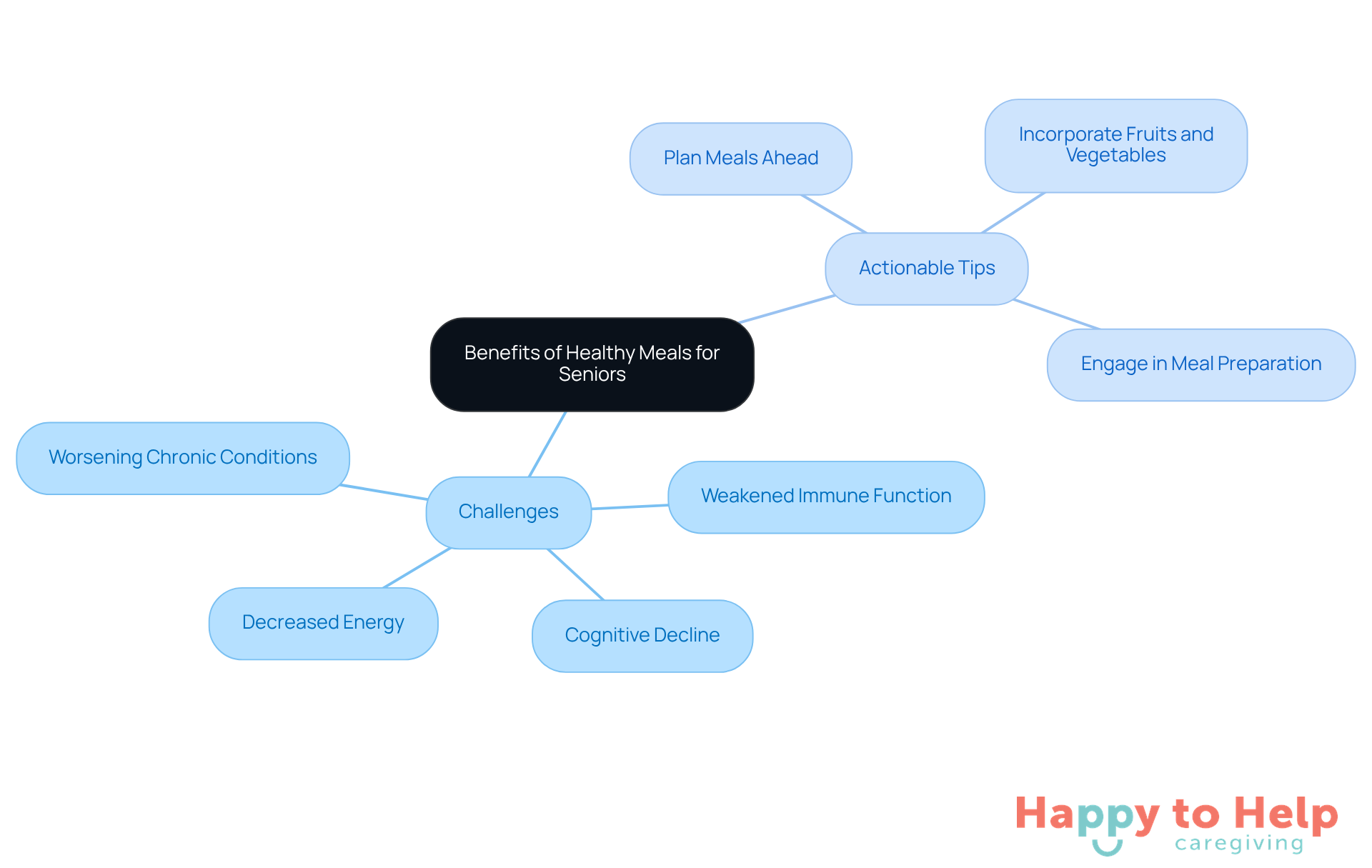
Many caregivers face the challenge of ensuring that older adults have access to meal plans for seniors that provide nutritious meals. This issue can lead to decreased energy levels, weakened immune function, and cognitive decline. Without proper nutrition, chronic conditions like diabetes and heart disease can worsen, significantly impacting quality of life.
To address these concerns, families should consider meal plans for seniors as an essential investment in their loved ones' health. Prioritizing nutritious dishes can lead to increased energy, better immune responses, and improved cognitive well-being. Here are some actionable tips for caregivers:
- Plan meals ahead to ensure a balanced diet.
- Incorporate a variety of fruits and vegetables to enhance nutrient intake.
- Engage older adults in meal preparation to make it a shared activity.
By making these changes, caregivers can significantly improve the health and well-being of older adults, fostering a higher quality of life.
Senior Helpers: Practical Tips for Effective Meal Planning
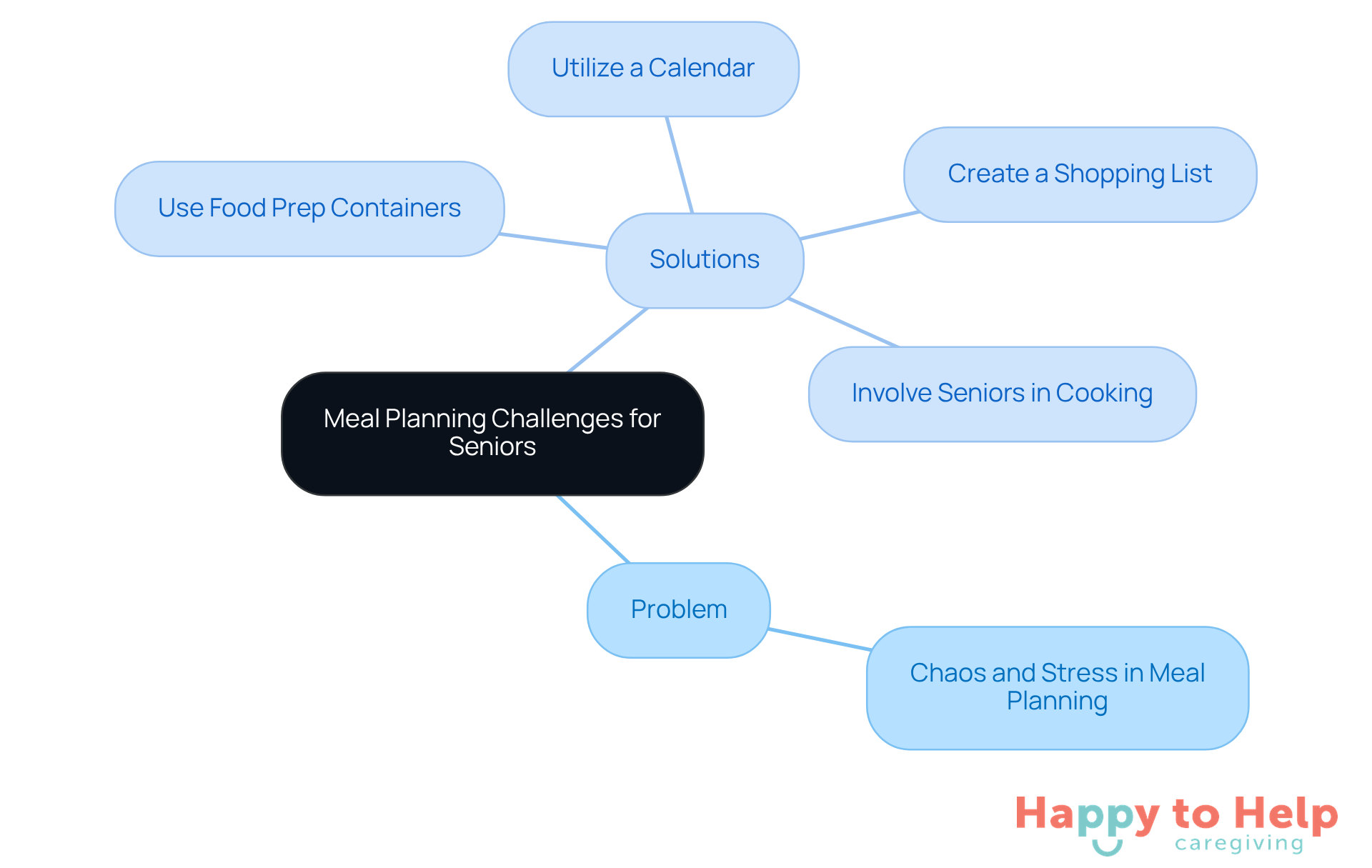
Problem: Caregivers often face challenges with efficient food planning, which can lead to stress and disorganization.
Without a structured approach, meal plans for seniors can become chaotic, making it difficult to ensure balanced and nutritious meals are provided. This can impact their health and well-being.
Solution: To tackle these issues, caregivers can implement several practical strategies:
- Create a Shopping List: Start by developing a shopping list based on a meal plan. This helps streamline grocery shopping and ensures that all necessary ingredients are on hand.
- Involve Seniors in Cooking: Engaging seniors in the cooking process not only fosters independence but also makes mealtime more enjoyable. Preparing meal plans for seniors in advance can save valuable time during busy days.
- Use Food Prep Containers: These containers assist in maintaining portion control and simplify reheating, making mealtime easier.
- Utilize a Calendar: Caregivers should consider using a calendar to track food and grocery needs, ensuring that planning is systematic and effective.
Meal Village: Importance of Hydration in Senior Meal Planning
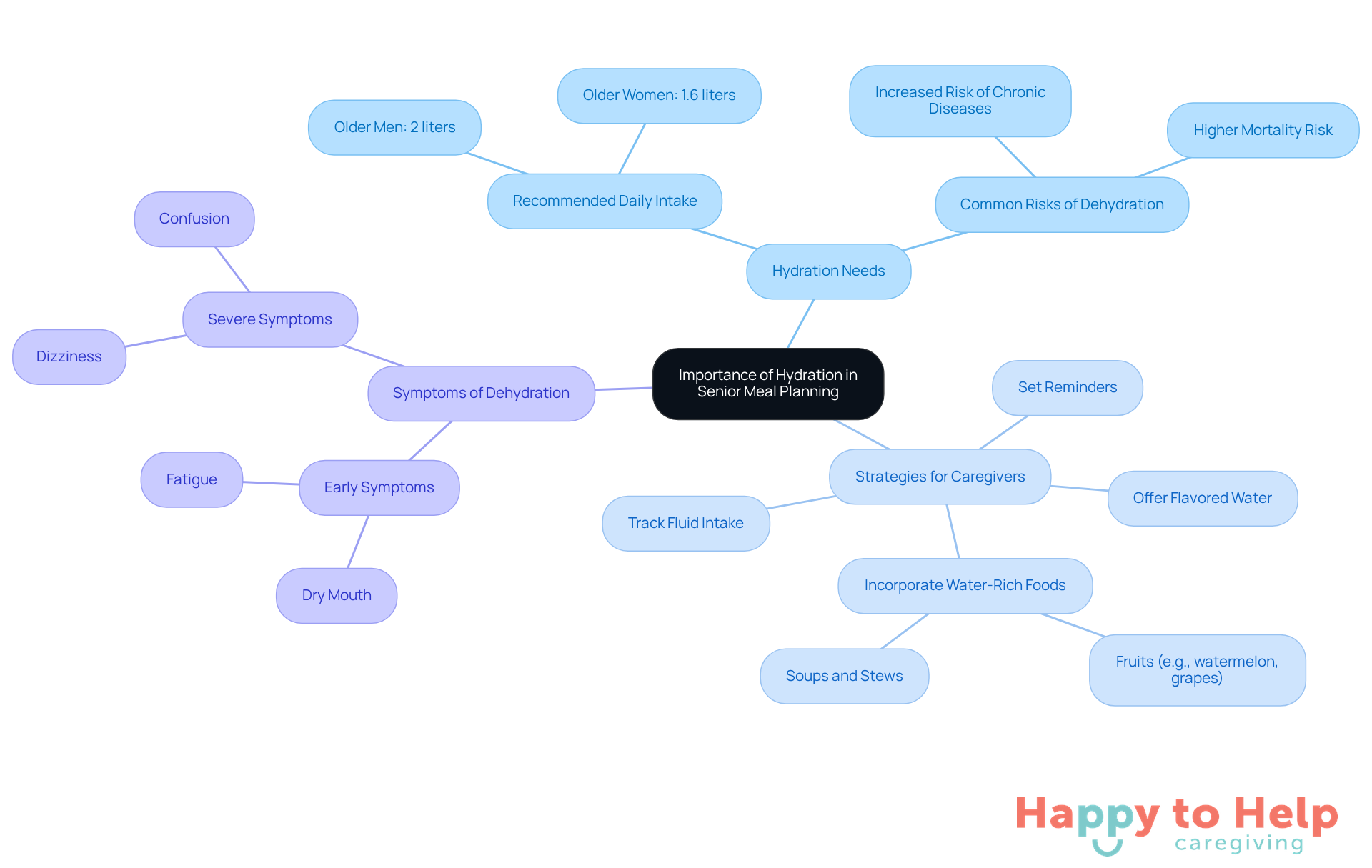
Hydration is a critical issue for older adults, who are particularly vulnerable to dehydration. This condition can lead to serious health complications, making it essential for caregivers to address this problem proactively. According to the European Society for Clinical Nutrition, older adults should aim to drink about 1.5 to 2 liters of water daily, yet many fall short of this recommendation.
To combat this issue, caregivers should prioritize fluid intake by encouraging elderly individuals to drink water consistently throughout the day. One effective strategy is to include water-rich foods, such as fruits and soups, in their diets. Not only does this boost hydration, but it also provides vital nutrients that support overall health.
Here are some practical tips for caregivers:
- Set reminders for older adults to drink water regularly.
- Offer flavored water options to make hydration more appealing.
Additionally, caregivers should be vigilant about the common symptoms of dehydration, such as dizziness and fatigue, to ensure timely intervention. By fostering these habits, caregivers can help ensure that their loved ones remain healthy, active, and well-hydrated.
Pace Blog: Adapting Meal Plans for Seniors with Limited Mobility
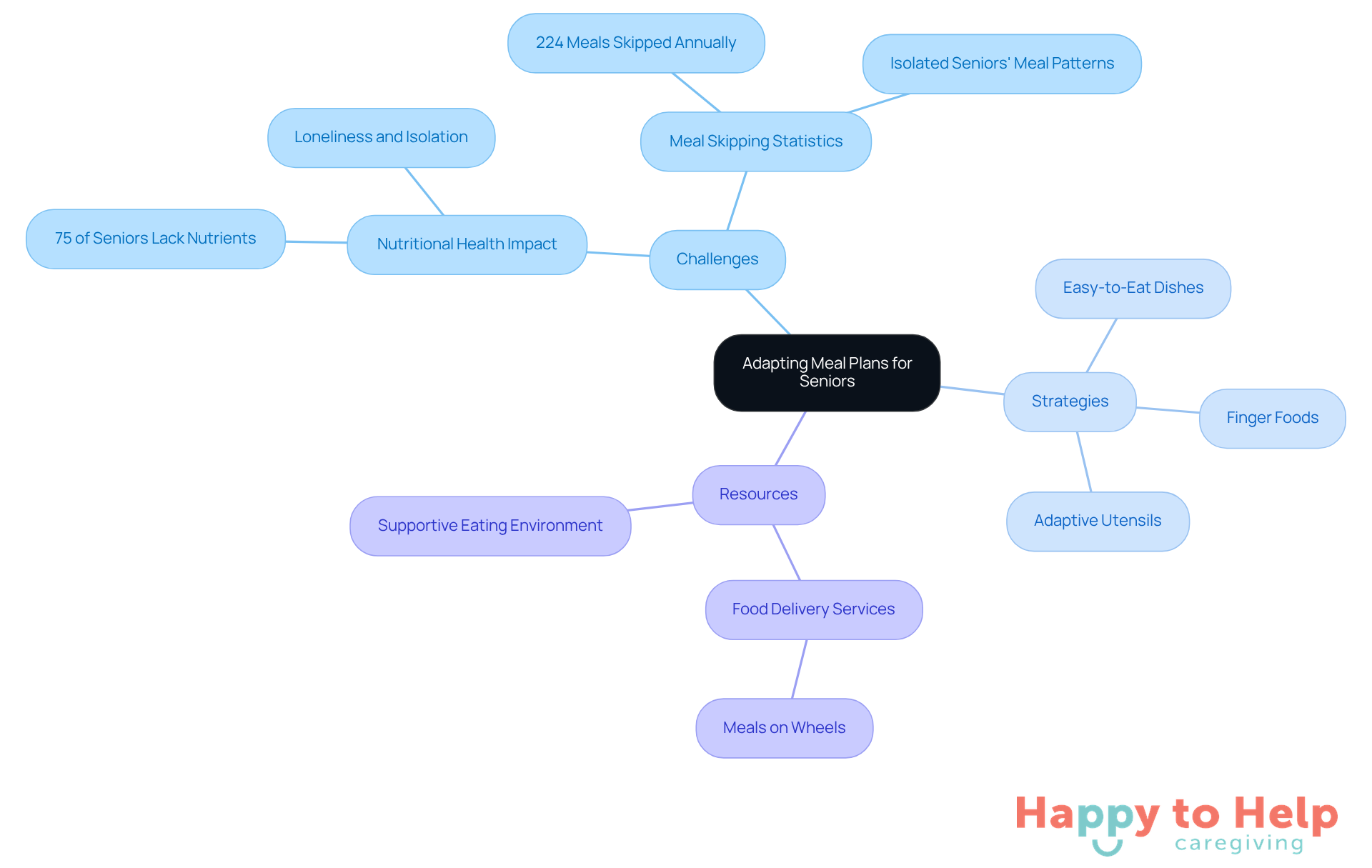
Adjusting meal plans for seniors who have restricted mobility presents a significant challenge that can impact their nutritional health and overall well-being. Many caregivers struggle to ensure that food is both accessible and enjoyable for seniors, which can lead to missed dining opportunities and insufficient nutrient consumption.
The implications of this issue are serious. Studies indicate that older adults with mobility challenges often skip meals, with isolated seniors missing an average of 224 servings per year. Alarmingly, 75% of these individuals do not receive the appropriate quantity of at least one nutritional component. This highlights the urgent need for effective solutions that enhance food accessibility.
To address these challenges, caregivers can implement several practical strategies such as creating meal plans for seniors. Preparing easy-to-eat dishes that are soft, bite-sized, and visually appealing can significantly improve the dining experience for seniors. For example, incorporating finger foods or using adaptive utensils can facilitate independent eating, making mealtimes less daunting.
Food delivery services, such as Meals on Wheels, play a vital role in this context. They provide nutritious, ready-to-eat options tailored to the dietary needs of older adults. These services not only alleviate the burden of food preparation but also foster social connections, as many programs include safety checks and opportunities for interaction.
Occupational therapists emphasize the importance of creating a supportive eating environment. As one expert noted, "When we make food easier to access, we enable older adults to sustain their independence and well-being." By prioritizing food accessibility and utilizing available resources like delivery services, caregivers can implement meal plans for seniors to meet the dietary requirements of older adults while improving their quality of life. This approach allows seniors to savor food in a comfortable and dignified manner.
Senior Helpers: Cooking in Bulk for Convenient Senior Meal Planning
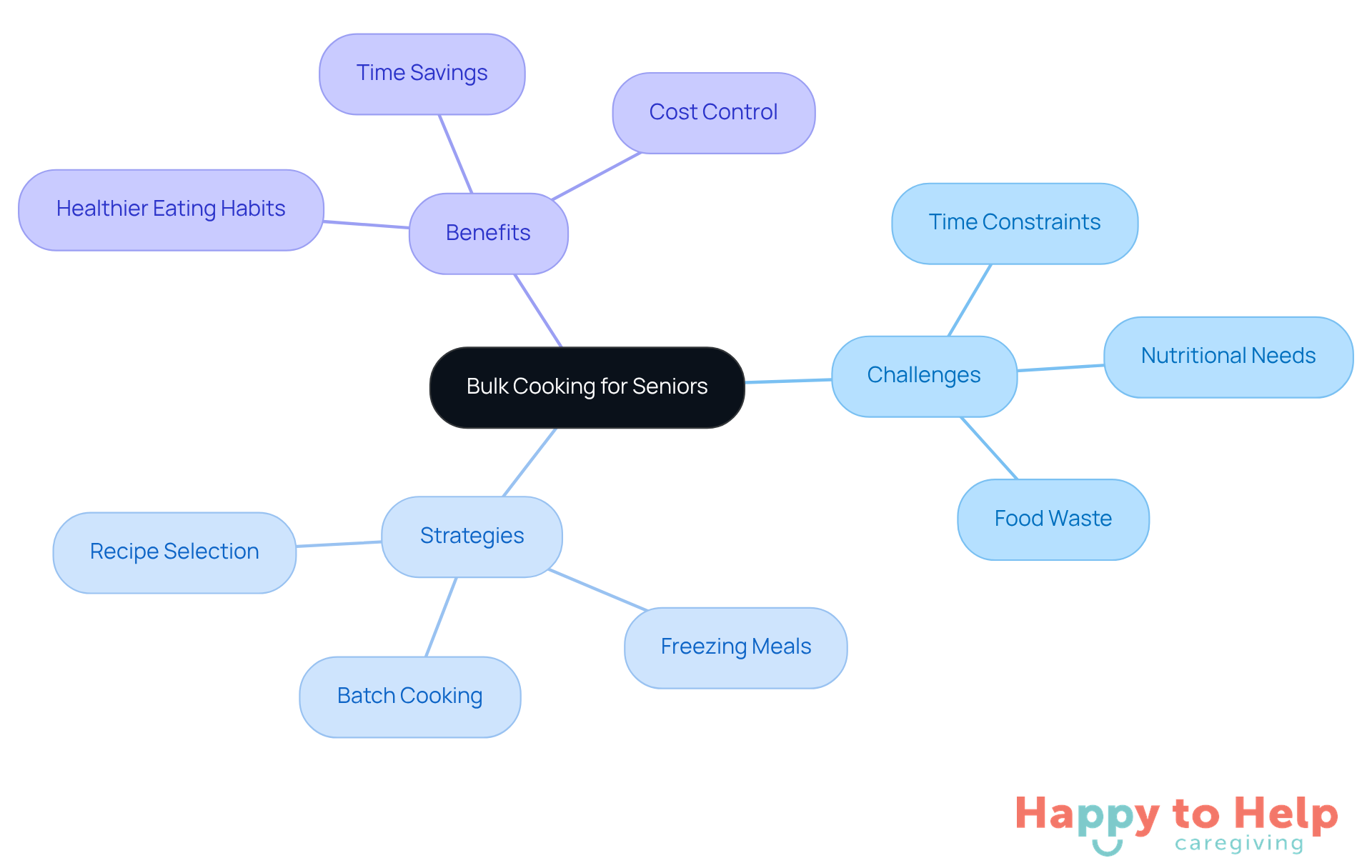
Cooking in bulk presents a significant challenge for caregivers in senior dining preparation. Time constraints often lead to rushed meals that may not meet nutritional needs, resulting in limited options for seniors. This situation can also contribute to increased food waste, as caregivers struggle to prepare meals that fit their household's requirements.
To address these issues, caregivers can adopt bulk cooking strategies. By preparing large batches of food, they can easily divide and freeze meals for later use. This not only simplifies daily cooking but also ensures that nutritious options are always available. Focusing on recipes that freeze well, such as stews, casseroles, and soups, can help maintain flavor and nutritional value when reheated, catering to the specific dietary requirements of seniors.
Moreover, meal planning can lead to healthier eating habits. Research indicates that individuals who engage in food planning tend to include a greater variety of items in their diets, which is essential for sustaining overall health. Statistics reveal that food planning is linked to reduced chances of obesity and improved compliance with nutritional guidelines. For instance, food planners exhibit a higher overall food variety score (OR = 1.25), crucial for a balanced diet.
Additionally, bulk cooking saves time, allowing caregivers to make fewer trips to the grocery store and spend less time on food preparation throughout the week. Nutritionists emphasize that effective meal plans for seniors not only address their dietary needs but also alleviate pressure on caregivers, allowing them to focus on other vital aspects of care. As registered dietitian Theresa Coleman notes, 'One of the most significant benefits of meal plans for seniors is cost control.' By implementing bulk cooking strategies, caregivers can ensure their loved ones receive the nourishment they need while managing their time effectively.
Your Path Forward
Creating effective meal plans for seniors presents a significant challenge for caregivers, as it is crucial for ensuring their health and well-being. Many caregivers struggle to address the unique dietary needs of older adults, which can lead to inadequate nutrition and diminished quality of life.
To tackle this issue, prioritizing nutrient-dense foods is essential. Engaging seniors in meal preparation not only fosters independence but also enhances their enjoyment of food. Additionally, considering budget-friendly options can alleviate financial stress while still providing nutritious meals.
Key insights reveal the critical role of hydration, the benefits of cooking in bulk, and the necessity of adapting meals for those with limited mobility. A balanced diet rich in fruits, vegetables, and whole grains is vital, as it improves physical health and supports mental well-being.
Caregivers can implement practical strategies, such as:
- Creating shopping lists
- Utilizing food delivery services
to streamline meal planning. These tips can significantly reduce the challenges faced in providing nutritious meals.
Ultimately, thoughtful meal planning is a vital investment in the health of seniors. It enables them to maintain independence and enjoy their meals. By embracing these strategies, caregivers can foster a nurturing environment that values both nutrition and the joy of shared dining experiences. Informed choices ensure that elderly loved ones receive the nourishment they need to thrive.
https://iframe.tely.ai/cta/eyJhcnRpY2xlX2lkIjogIjY5MjY0M2JkYmE1MjYxOTlhNjlhODMzMyIsICJjb21wYW55X2lkIjogIjY4ZWU1ZGNhNzMxNzYyNTU3ZjNjOTVjMSIsICJpbmRleCI6IG51bGwsICJ0eXBlIjogImFydGljbGUifQ==Frequently Asked Questions
What are the unique dietary challenges faced by seniors?
Seniors have distinct dietary needs and preferences that can complicate meal planning, especially as the demand for nutrient-dense, functional foods rises.
How can caregivers create effective meal plans for seniors?
Caregivers should evaluate each senior's health conditions, taste preferences, and nutritional requirements, collaborating with families and dietary teams to develop culturally responsive and enjoyable meal plans.
What benefits do tailored meal plans provide for seniors?
Tailored meal plans enhance nutritional intake, promote independence, and improve well-being, particularly for those with cognitive impairments or mobility challenges.
What is Meal Village and how does it assist in meal planning for seniors?
Meal Village offers a 7-day meal plan designed specifically for seniors, ensuring each day includes nutrient-dense options, which simplifies meal preparation and guarantees a diverse intake of essential vitamins and minerals.
Why is proper nutrition important for older adults?
Inadequate nutrition can lead to deficiencies and health issues such as obesity and chronic diseases. Proper meal planning helps ensure seniors receive the necessary nutrients for their overall health and well-being.
What types of foods should caregivers prioritize in meal planning for seniors?
Caregivers should focus on a variety of food groups, including fruits, vegetables, whole grains, lean proteins, and foods with minimal added sugars, saturated fats, and sodium, while incorporating omega-3 fatty acids for brain and heart health.
How can caregivers involve seniors in the meal preparation process?
Involving older adults in food preparation fosters a sense of autonomy and enjoyment, leading to healthier eating habits and greater satisfaction with their diet.
What challenges do seniors face that can impact their access to healthy foods?
Limited income and transportation issues can hinder seniors' access to healthy foods, which should be considered in dietary planning to enhance their health and well-being.
List of Sources
- Happy to Help Caregiving: Tailored Meal Planning for Seniors
- Meals on Wheels America Announces Bold Plan to End the Wait for Millions of Seniors Facing Food Insecurity and Social Isolation (https://prnewswire.com/news-releases/meals-on-wheels-america-announces-bold-plan-to-end-the-wait-for-millions-of-seniors-facing-food-insecurity-and-social-isolation-302220455.html)
- Findings From New Study Reinforce That Home-Delivered Meals Provide Critical Health and Social Benefits to Older Adults and Caregivers (https://mealsonwheelsamerica.org/news/findings-from-new-study-reinforce-that-home-delivered-meals-provide-critical-health-and-social-benefits-to-older-adults-and-caregivers)
- Key Trends Shaping Senior Nutrition Programs in 2025 (https://triocommunitymeals.com/blog/key-trends-shaping-senior-nutrition-programs-in-2025)
- Personalized Meal Plans: The Key to Thriving in Senior Living (https://emenuchoice.com/personalized-meal-plans-the-key-to-thriving-in-senior-living)
- Top Trends Shaping Senior Living Dining in 2025 - CCL Hospitality Group (https://ccl-hg.com/perspectives/top-trends-shaping-senior-living-dining-in-2025)
- Meal Village: Nutritious 7-Day Meal Plan for Seniors
- Inspiring Health And Nutrition Quotes (https://drsumaiya.com/post/for-your-inspiration)
- Meal planning is associated with food variety, diet quality and body weight status in a large sample of French adults - PMC (https://pmc.ncbi.nlm.nih.gov/articles/PMC5288891)
- Healthy 7 Day Meal Plan For Seniors (https://australianeggs.org.au/nutrition/meal-plans/healthy-seniors-meal-plan)
- 150 Best Quotes About Nutrition (https://deliberatedirections.com/quotes-about-nutrition)
- Pace Blog: Creating Healthy Weekly Meal Plans for Seniors
- Healthy Meal Planning: Tips for Older Adults (https://nia.nih.gov/health/healthy-eating-nutrition-and-diet/healthy-meal-planning-tips-older-adults)
- Get the Facts on SNAP and Senior Hunger (https://ncoa.org/article/get-the-facts-on-snap-and-senior-hunger)
- Healthy Meal Planning for Seniors — PACE of Southwest Michigan (https://paceswmi.org/paceblog/meal-planning-for-seniors)
- Facts about Senior Hunger in America | Feeding America (https://feedingamerica.org/hunger-in-america/senior-hunger-facts)
- How to Meal Plan for Seniors with Dietary Restrictions (https://ohioanshhc.com/news/how-to-meal-plan-for-seniors-with-dietary-restrictions)
- Senior Helpers: Budget-Friendly Healthy Meal Planning for Seniors
- How Seniors Can Manage Rising Food Costs on a Fixed Income (https://circleofcare.com/how-seniors-can-manage-rising-food-costs-on-a-fixed-income)
- Famous Quotes on Nutrition and Well-Being - Center for the Advancement of Well-Being (https://wellbeing.gmu.edu/famous-quotes-on-nutrition-and-well-being)
- Seniors' Guide to Healthy Meal Planning on a Budget (https://seniorhelpers.com/az/west-valley/resources/blogs/seniors-guide-to-healthy-meal-planning-on-a-budget)
- 5.1: Appendix A - Case Studies (https://med.libretexts.org/Bookshelves/Nutrition/Culinary\_Medicine\_2025e\_(Antonopoulos\_et\_al.)/05:\_Appendices/5.01:_Appendix\_A_\-\_Case\_Studies)
- Villages and Age-Friendly Cities - Village Movement California (https://villagemovementcalifornia.org/case\_studies/villages-and-age-friendly-cities)
- Meal Village: Prioritizing Nutrient-Dense Foods for Seniors
- Diet Quality and Health in Older Americans - PMC (https://pmc.ncbi.nlm.nih.gov/articles/PMC8955752)
- Optimal dietary patterns for healthy aging - Nature Medicine (https://nature.com/articles/s41591-025-03570-5)
- AltaMed PACE: Proper nutrition helps seniors stay healthy and independent | AltaMed (https://altamed.org/news/altamed-pace-proper-nutrition-helps-seniors-stay-healthy-and-independent)
- Pace Blog: Benefits of Healthy Meals for Senior Citizens
- Findings From New Study Reinforce That Home-Delivered Meals Provide Critical Health and Social Benefits to Older Adults and Caregivers (https://mealsonwheelsamerica.org/news/findings-from-new-study-reinforce-that-home-delivered-meals-provide-critical-health-and-social-benefits-to-older-adults-and-caregivers)
- Famous Quotes on Nutrition and Well-Being - Center for the Advancement of Well-Being (https://wellbeing.gmu.edu/famous-quotes-on-nutrition-and-well-being)
- Diet Quality and Health in Older Americans - PMC (https://pmc.ncbi.nlm.nih.gov/articles/PMC8955752)
- Top 20 Famous Quotes about Nutrition - Become A Nutritionist (https://becomeanutritionist.org/blog/top-20-famous-quotes-about-nutrition)
- Study reveals metabolic benefits of reducing ultra-processed foods in older adults (https://news-medical.net/news/20251124/Study-reveals-metabolic-benefits-of-reducing-ultra-processed-foods-in-older-adults.aspx)
- Senior Helpers: Practical Tips for Effective Meal Planning
- Food Insecurity and Older Adults: Get the Facts (https://ncoa.org/article/what-is-food-insecurity-get-the-facts)
- Seniors' Guide to Healthy Meal Planning on a Budget (https://seniorhelpers.com/az/west-valley/resources/blogs/seniors-guide-to-healthy-meal-planning-on-a-budget)
- 36 Best Meal Prep Quotes | Protein Chefs (https://proteinchefs.com/blogs/news/meal-prep-quotes?srsltid=AfmBOopXsGCHuO7neHZp3pZRVQffqTYHEfjCOxpgQwD3T1tki-0tpauw)
- The Case for Meals on Wheels: An Evidence-Based Solution to Senior Hunger and Isolation (https://mealsonwheelsamerica.org/research/the-case-for-meals-on-wheels)
- Meal Prep for Stressful Weeks: Easy, Healthy Ideas (https://caily.com/blog/meal-planning-for-caregivers-easy-tips-to-thrive)
- Meal Village: Importance of Hydration in Senior Meal Planning
- Good hydration linked to healthy aging (https://nhlbi.nih.gov/news/2023/good-hydration-linked-healthy-aging)
- What Older Adults Need to Know About Hydration (https://health.usnews.com/health-care/patient-advice/articles/what-older-adults-need-to-know-about-hydration)
- Hydration and older adults: Why water matters more as you age (https://uclahealth.org/news/article/hydration-and-older-adults-why-water-matters-more-you-age)
- The Importance of Staying Hydrated As You Age (https://christianhealthnj.org/news/2024/june/the-importance-of-staying-hydrated-as-you-age2)
- Dehydration Prevention for Seniors | The Neighbors of Dunn County (https://neighborsdc.org/news/dehydration-prevention-seniors)
- Pace Blog: Adapting Meal Plans for Seniors with Limited Mobility
- Study reveals shocking meal-skipping statistics: Loneliness and isolation linked to poor nutrition in seniors (https://foxsanantonio.com/newsletter-daily/study-reveals-shocking-meal-skipping-statistics-loneliness-and-isolation-linked-to-poor-nutrition-in-seniors-local-people-elderly-medical-meals-on-wheels-health)
- 29 Occupational Therapy Quotes! • OT Potential (https://otpotential.com/blog/occupational-therapy-quotes)
- Nutrition (https://mealsonwheelsamerica.org/our-work/nutrition)
- The Best Occupational Therapy Quotes - The OT Toolbox (https://theottoolbox.com/occupational-therapy-quotes)
- Senior Helpers: Cooking in Bulk for Convenient Senior Meal Planning
- 10 Cooking Quotes to Inspire You in the Kitchen - Cookly Magazine (https://cookly.me/magazine/cooking-guide/cooking-quotes)
- Meal planning is associated with food variety, diet quality and body weight status in a large sample of French adults - PMC (https://pmc.ncbi.nlm.nih.gov/articles/PMC5288891)
- Seniors' Guide to Healthy Meal Planning on a Budget (https://seniorhelpers.com/az/west-valley/resources/blogs/seniors-guide-to-healthy-meal-planning-on-a-budget)
- 12 Quotes About the Joy of Cooking from the Heart - LRB (https://littleraesbakery.com/2020/02/19/12-quotes-about-cooking-from-the-heart)
- Top Meal Planning Tips for Older Adults: A Nutritionist Answers… (https://archwellhealth.com/news/top-meal-planning-tips-for-older-adults-a-nutritionist-answers-common-questions)