10 Essential Mobility Assistance Solutions for the Elderly
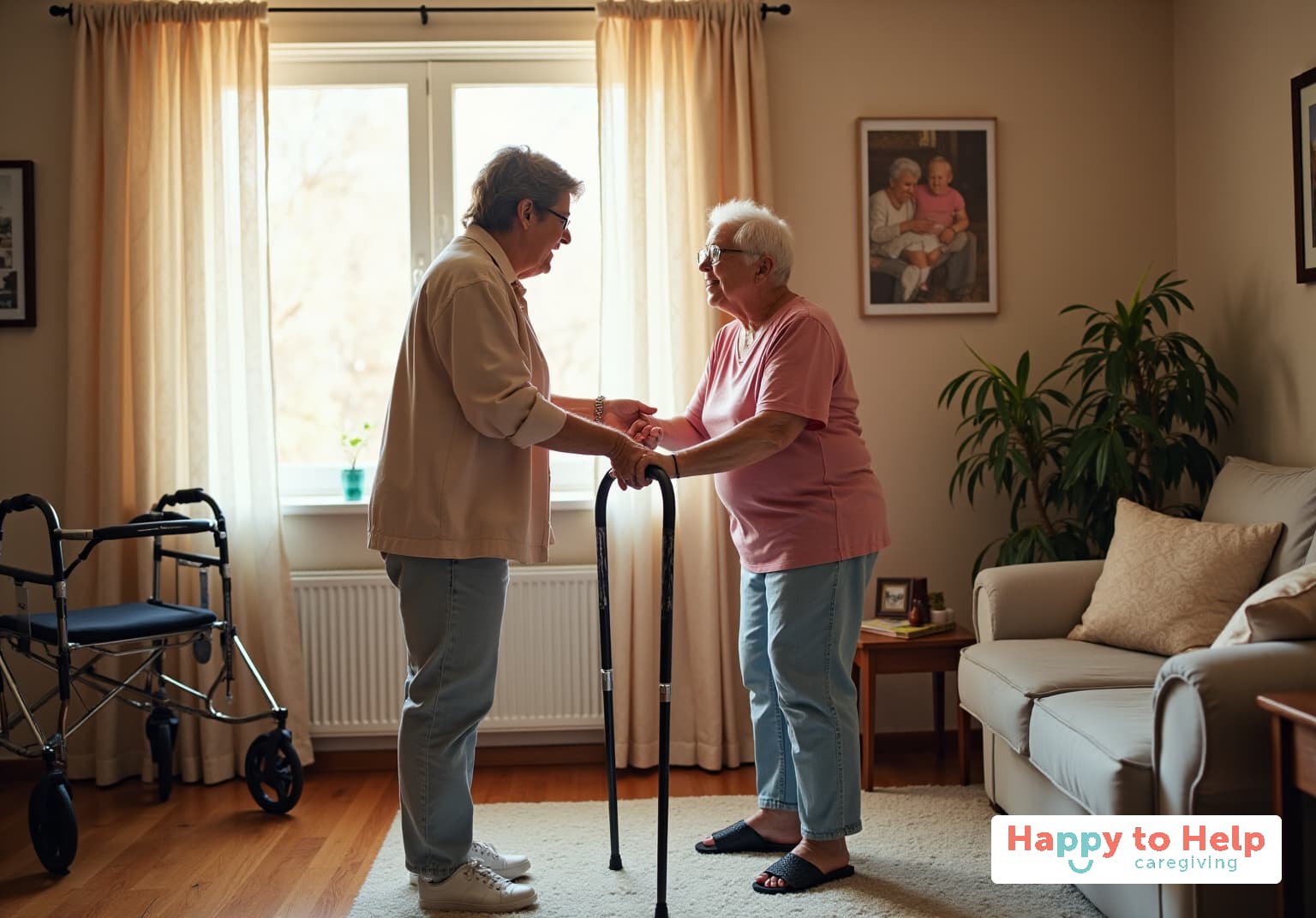
For families in our service areas
For families in our service areas, this guide explains caregiving and how non-medical in-home caregiving can support care planning in East Idaho, Treasure Valley & Magic Valley, Northern Wasatch, North Central West Virginia & Southwestern Pennsylvania, and Northeast Ohio.
Why Mobility Assistance Solutions for the Matters
Aging often brings a range of mobility challenges that can significantly hinder independence and diminish the quality of life for seniors. These issues not only affect the elderly but also place a burden on families and caregivers who strive to provide the necessary support. As they navigate this complex landscape, the search for effective mobility assistance solutions becomes crucial.
With numerous options available, caregivers face the daunting task of selecting the right tools that enhance autonomy while minimizing risks. This article delves into ten essential mobility aids designed to empower the elderly, highlighting their unique benefits and functionalities. By understanding these solutions, caregivers can make informed decisions that promote independence and improve the overall well-being of their loved ones.
Happy to Help Caregiving: Personalized In-Home Support for Enhanced Independence
Caring for elderly individuals and those with special needs presents significant challenges for families and caregivers, particularly in providing mobility assistance for elderly. Many struggle with ensuring their loved ones maintain autonomy while receiving the necessary mobility assistance for the elderly. This situation can lead to feelings of helplessness and stress for both caregivers and clients.
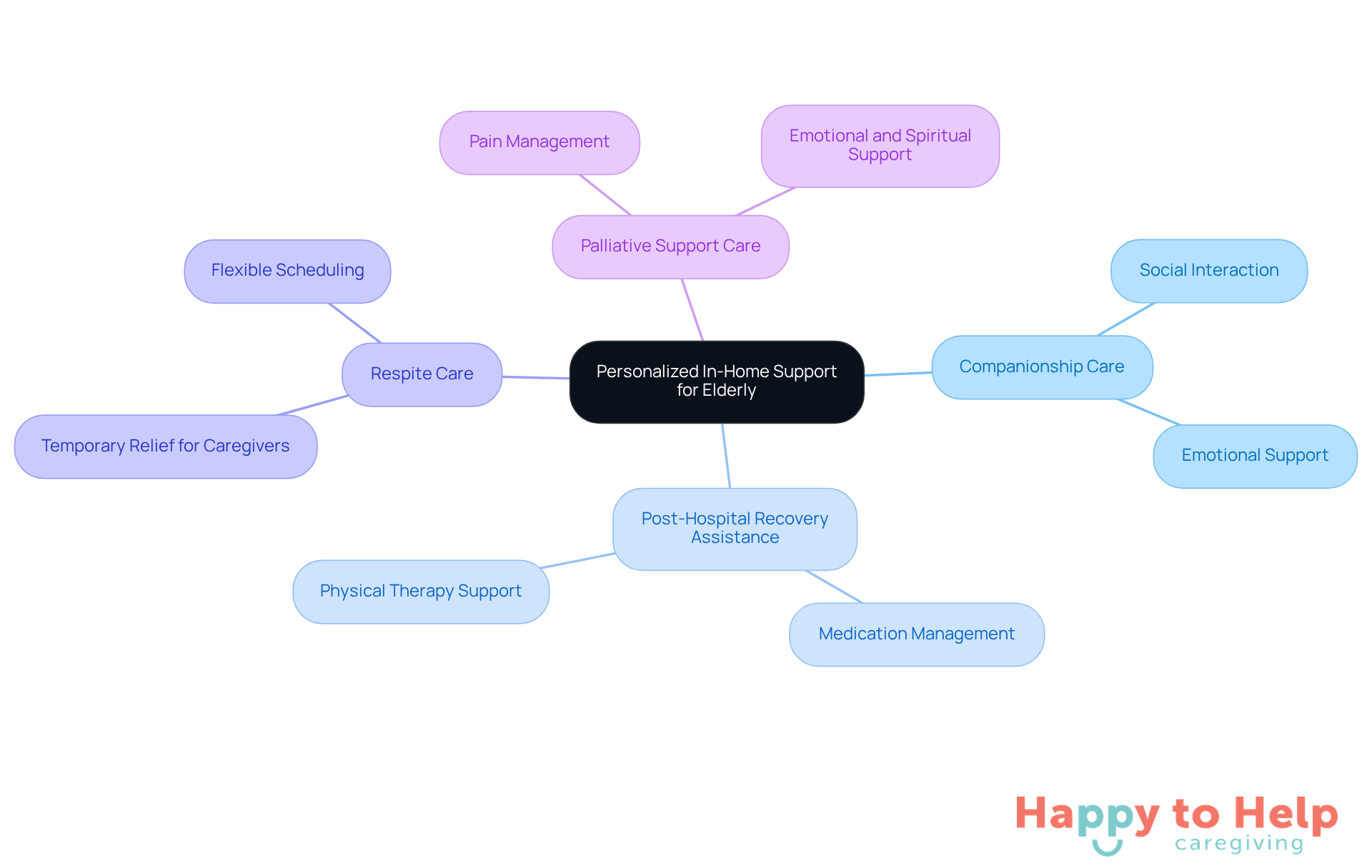
Happy to Help Caregiving addresses these challenges by offering customized in-home mobility assistance for elderly clients, which enhances their independence. Their services include:
- Companionship care
- Post-hospital recovery assistance
- Respite care
- Palliative support care
Each service is tailored to meet the unique needs of clients, ensuring they receive the right support in the comfort of their own homes. This personalized approach not only fosters a sense of security but also integrates seamlessly with existing assistance solutions. By doing so, clients can retain their independence while receiving the care they require.
Canes: Essential Support for Stability and Balance
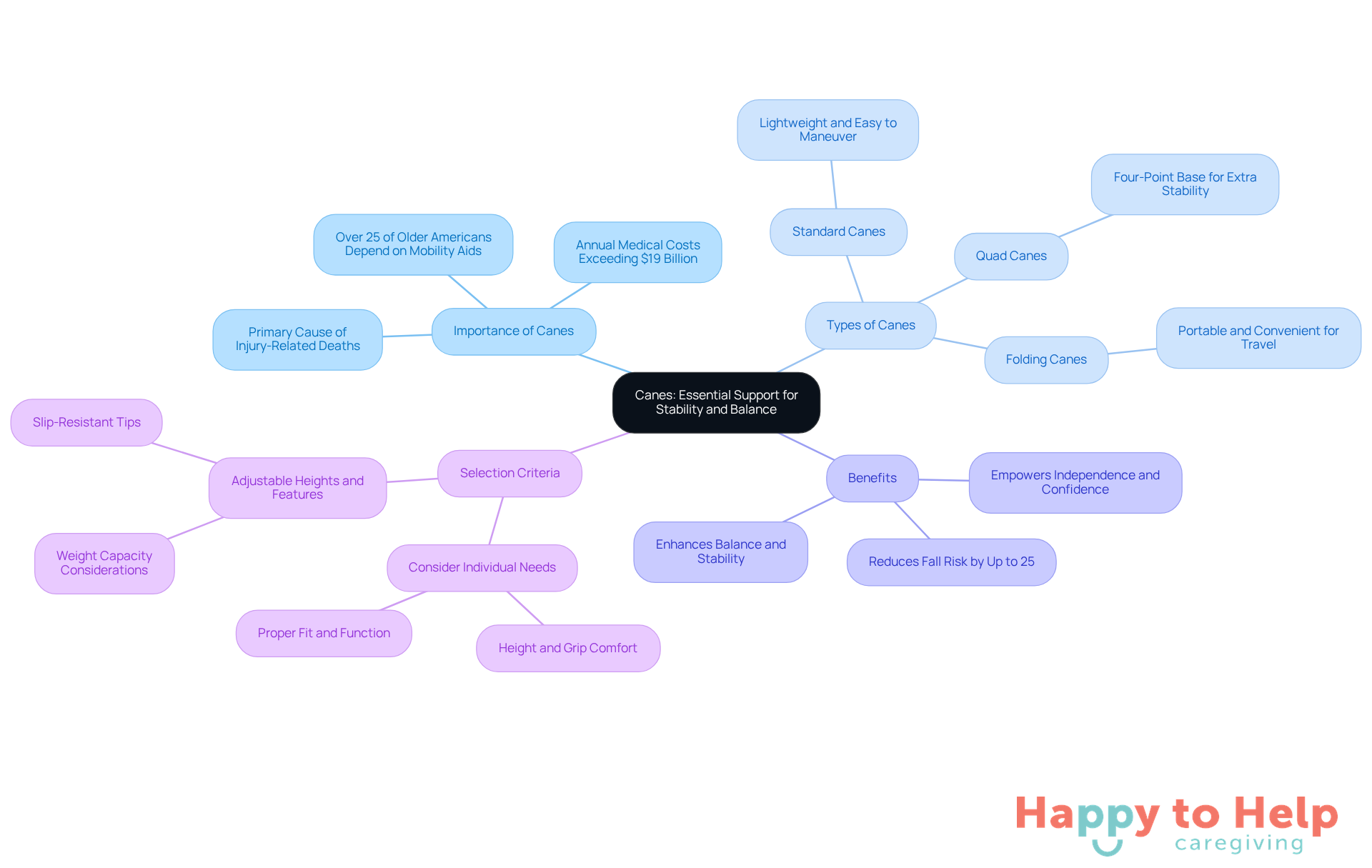
Falls among older adults pose a significant risk, leading to injury-related fatalities and substantial medical expenses. In fact, statistics reveal that falls are the primary cause of injury-related deaths for individuals aged 65 and above, with yearly medical costs exceeding $19 billion in the U.S. This alarming trend highlights the urgent need for effective fall prevention strategies.
One effective solution is the use of canes, which serve as essential tools for providing mobility assistance for elderly individuals requiring additional support while walking. Canes significantly enhance balance and stability, reducing the risk of falls. Research shows that using a cane can improve balance by increasing the base of support and unloading the leg opposite to the hand the cane is held in by up to 25%. This is particularly beneficial for individuals with mobility impairments due to conditions such as arthritis or post-surgery recovery.
There are several types of canes available to cater to different needs:
- Standard Canes: Lightweight and easy to maneuver, ideal for those with minor balance issues.
- Quad Canes: Featuring a four-point base, these provide extra stability and are particularly useful for individuals requiring more support.
- Folding Canes: Designed for portability, these canes collapse for easy storage, making them convenient for older adults on the go.
When selecting a cane, it’s crucial to consider the individual's specific needs, including height and grip comfort. The top of the cane should align with the crease of the wrist when standing straight, ensuring proper fit and function. Additionally, options like the DMI Deluxe Cane and the Medical King Cane offer adjustable heights and slip-resistant tips, enhancing safety and usability.
Moreover, over 25 percent of older Americans currently depend on canes, walkers, wheelchairs, and scooters, emphasizing the importance of mobility assistance for elderly individuals. Canes can provide essential mobility assistance for elderly individuals in fall prevention strategies, as studies indicate that simply having access to a stability scale can reduce a person's fall risk by up to 74%.
However, the psychological impact of using a cane is also significant. Cane users often report higher levels of worry about falling, which can limit their activities. As Nancy Gell emphasizes, staying active is key to maintaining health and movement. Therefore, selecting the right cane is not just about physical support; it’s about providing mobility assistance for elderly individuals to empower them to maintain their independence and confidence while navigating their environments.
Walkers: Enhanced Safety and Support for Daily Mobility
Mobility challenges can significantly impact an individual's independence and quality of life, highlighting the importance of mobility assistance for elderly individuals. For caregivers, understanding the best support options, including mobility assistance for elderly individuals, is crucial. Walkers are designed to provide enhanced safety and support for individuals facing these challenges.
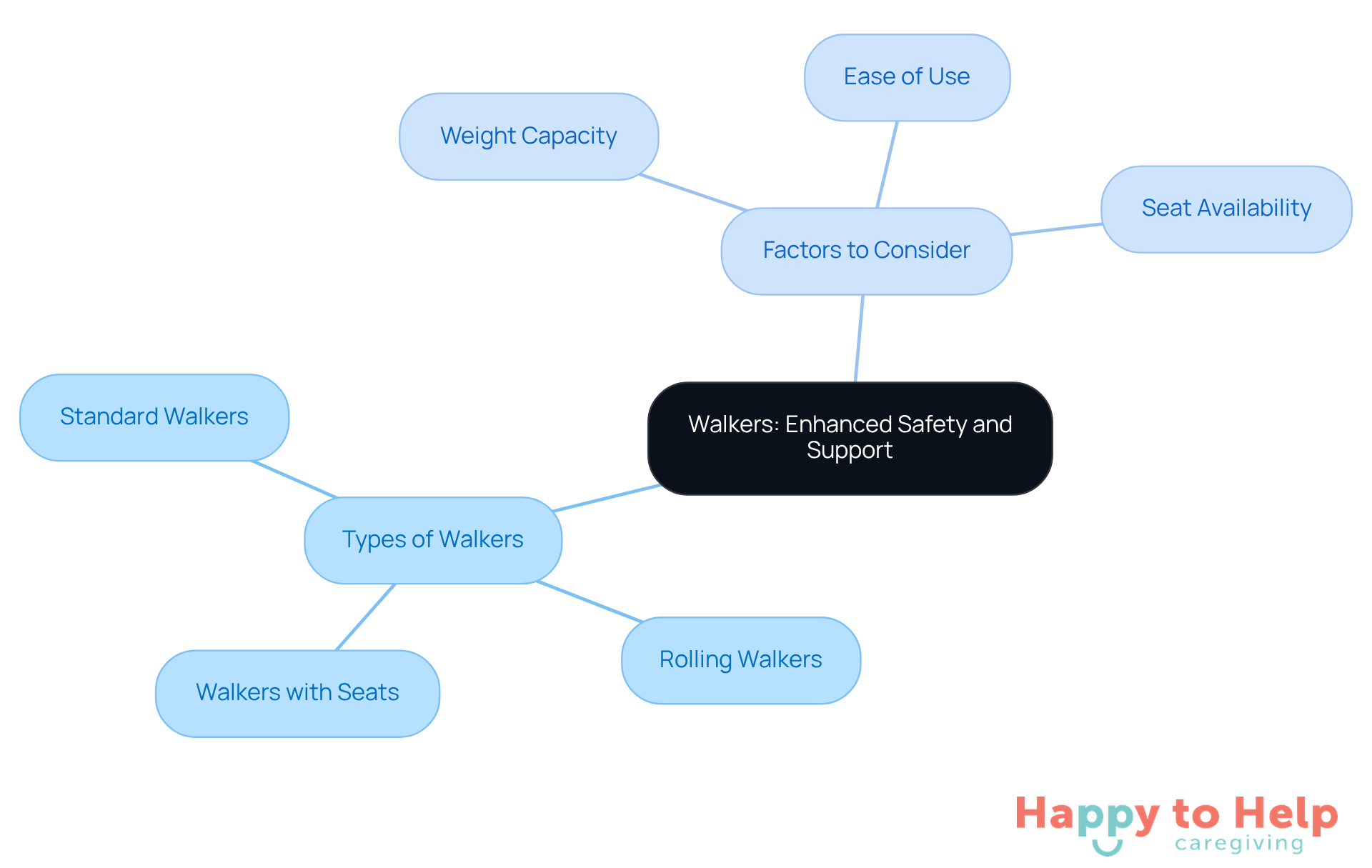
These devices come in various forms, including standard walkers, rolling walkers, and walkers with seats. Each type offers a stable foundation, enabling users to navigate their surroundings more confidently. However, selecting the right walker can be daunting.
When choosing a walker, consider the following factors:
- Weight capacity: Ensure the walker can support the user's weight.
- Ease of use: Look for features that make it simple to operate.
- Seat availability: Determine if the user requires a seat for resting.
By taking these factors into account, caregivers can ensure they select the best walker that provides mobility assistance for elderly individuals to fit their lifestyle and needs.
Manual Wheelchairs: Independence with Practical Mobility Solutions
Manual chairs present a significant challenge for seniors who need mobility assistance for elderly in their efforts to maintain independence. Without effective transportation options, many elderly individuals face limitations in mobility assistance, which can lead to feelings of isolation and dependency on others.
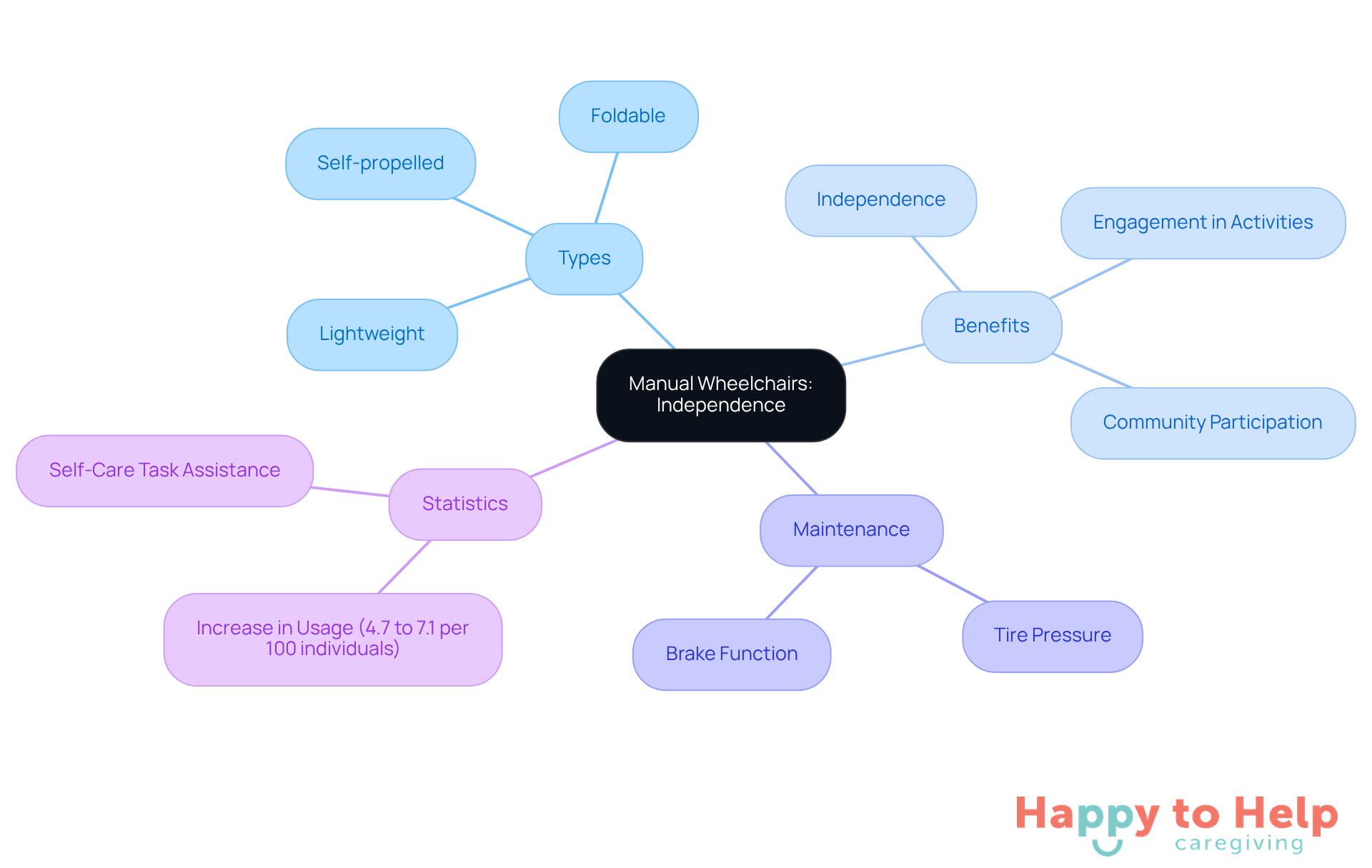
These lightweight and easily maneuverable devices are designed for both indoor and outdoor use, offering various styles, including foldable options for convenient transport. Users can choose to self-propel or receive support from caregivers, making manual mobility devices adaptable to various needs and circumstances.
The advantages of mobility assistance for elderly manual chairs extend beyond mere movement; they empower users to engage more fully in daily activities, nurturing a sense of independence. Regular maintenance, such as checking tire pressure and ensuring brakes function correctly, is crucial for safety and longevity. Caregivers play a vital role in this upkeep, ensuring that these essential devices remain reliable.
Case studies illustrate the transformative impact of manual wheelchairs on independence. For instance, individuals like Alison Lapper, who have overcome significant physical challenges, demonstrate how these devices can enhance quality of life and mobility. With the right mobility assistance for elderly, seniors can navigate their environments confidently, which reduces feelings of isolation and promotes active participation in their communities.
Statistics reveal a growing trend: the number of seniors utilizing assistive devices has increased from 4.7 per 100 individuals in 2011 to 7.1 in 2019. This underscores the escalating demand for efficient transportation solutions. Additionally, users of assistive devices are over 40 times more likely to require help with self-care tasks than non-users, highlighting the importance of manual aids in fostering independence.
In summary, manual chairs not only offer mobility assistance for elderly individuals but also play a crucial role in preserving their independence, enabling them to lead fulfilling lives. Caregivers should prioritize regular maintenance to ensure the longevity and safety of these essential assistance devices.
Power Wheelchairs: Advanced Mobility for Enhanced Independence
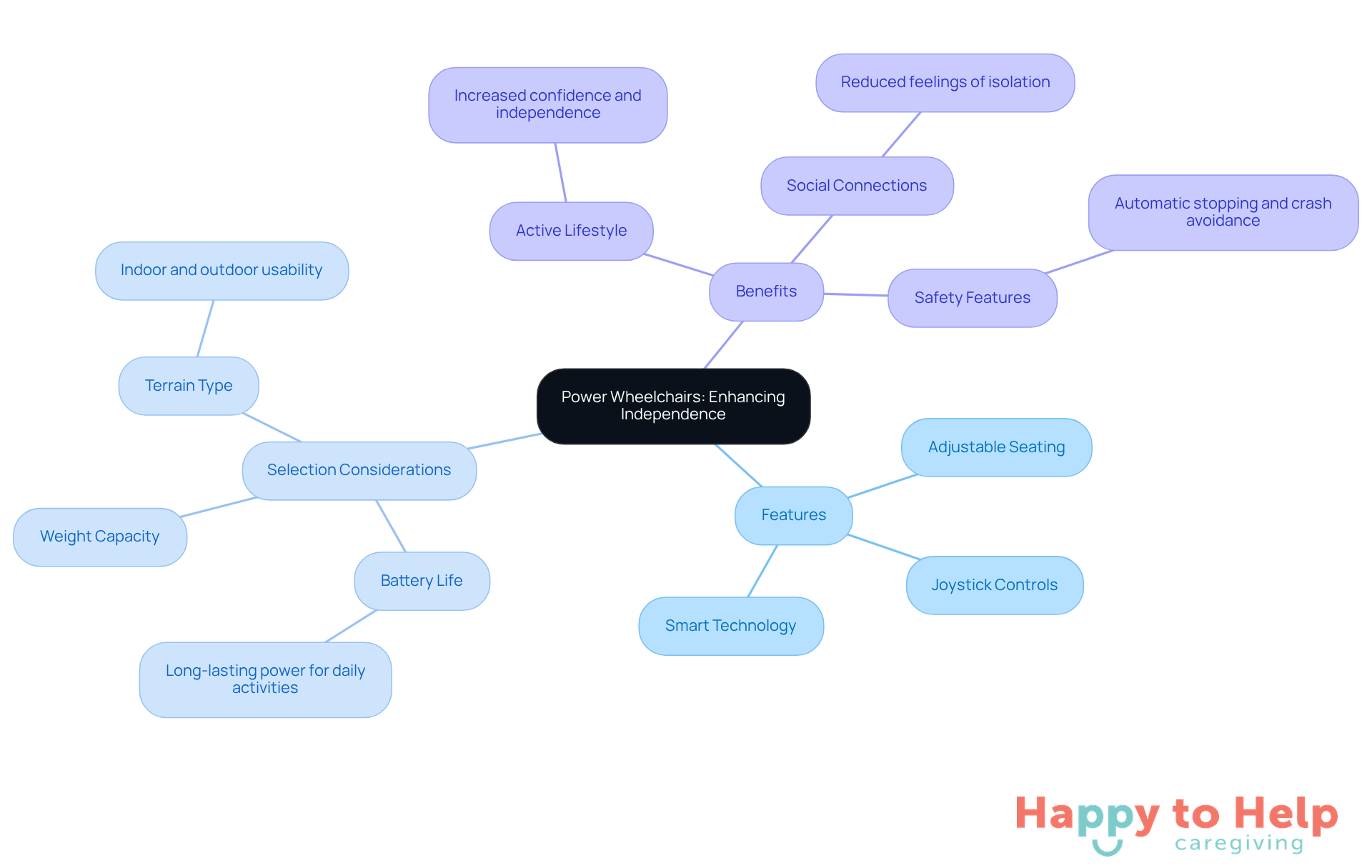
Power mobility devices offer essential mobility assistance for elderly individuals who face significant challenges due to limited strength or endurance, enabling them to maintain their independence. These electric mobility aids are equipped with features like adjustable seating, joystick controls, and smart technology for navigation, allowing users to move freely without the physical effort required by manual devices.
When choosing a power mobility device, caregivers must consider several essential factors to ensure it meets the user's needs:
- Battery life is crucial; many models offer long-lasting power, enabling users to engage in daily activities without frequent recharging. For example, the SUPERPI Model P2 has a range of 15 to 40 kilometers and can climb slopes of up to 12 degrees, making it suitable for various outings.
- Weight capacity and the type of terrain the device will traverse are vital considerations. Power mobility devices are designed to handle diverse environments, including indoor spaces and outdoor terrains like grass and gravel, enhancing their usability.
The advantages of power wheelchairs as a form of mobility assistance for elderly individuals extend beyond just mobility; they empower seniors to maintain an active lifestyle, fostering social connections and improving mental health. Studies indicate that individuals using these devices experience increased confidence and reduced feelings of isolation, leading to a stronger sense of community and well-being. Furthermore, features such as automatic stopping and crash avoidance systems enhance safety, allowing users to navigate their surroundings with peace of mind.
In summary, selecting the right power wheelchair as mobility assistance for elderly individuals can significantly impact their quality of life, enabling them to live more independently and engage fully in their communities.
Power Scooters: Comfortable Mobility for Longer Distances
Power scooters offer valuable mobility assistance for elderly individuals who face challenges with mobility over longer distances. This challenge can lead to decreased independence and social isolation among older adults, highlighting the need for mobility assistance for elderly.
The implications of limited mobility highlight the need for mobility assistance for elderly individuals. Research indicates that older adults who face mobility challenges often experience reduced social engagement, highlighting the need for mobility assistance for elderly individuals to prevent negative impacts on their mental and emotional well-being. For instance, many seniors report feeling disconnected from community activities, which are vital for maintaining a fulfilling lifestyle.
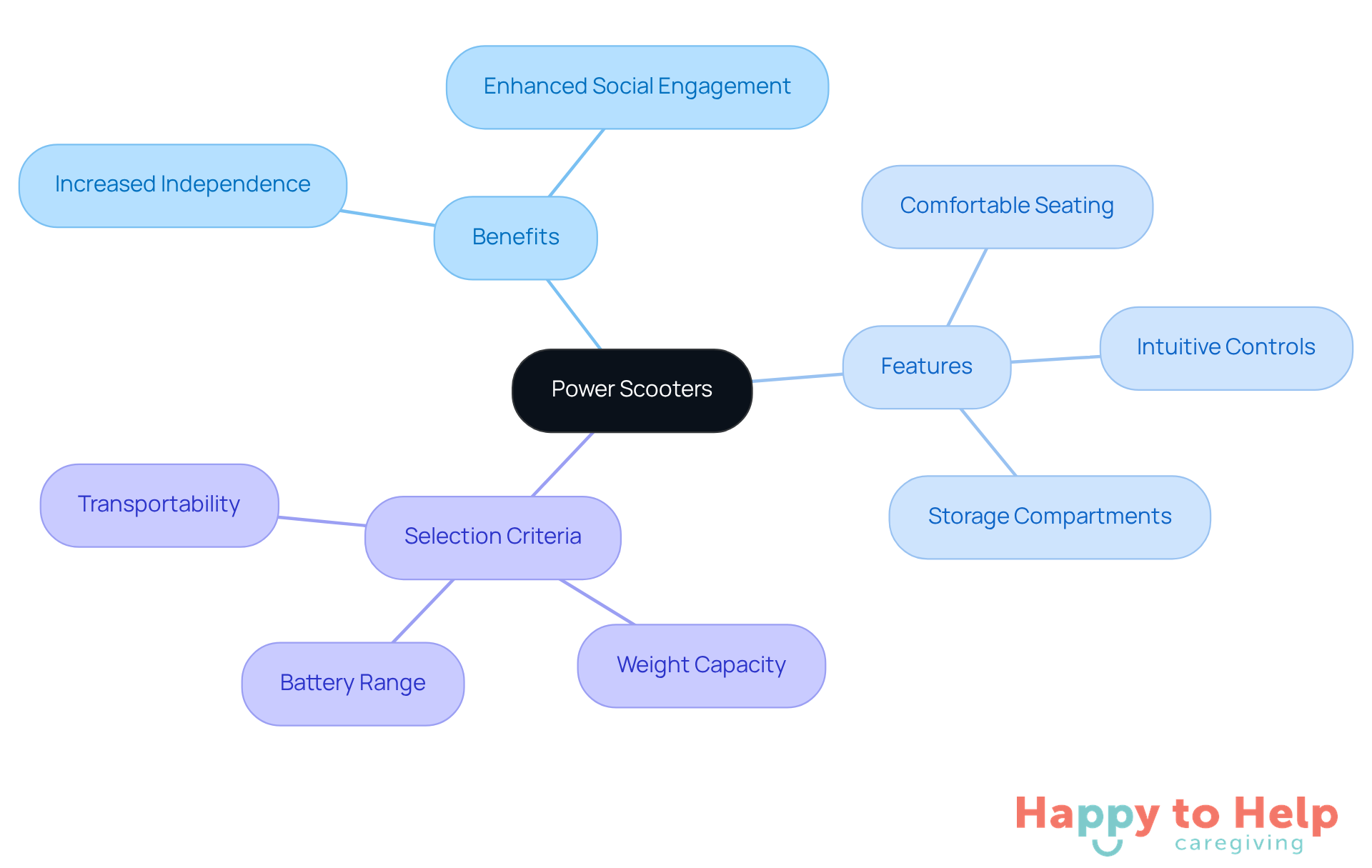
Power scooters offer practical mobility assistance for elderly individuals to address these issues. Designed with comfort and functionality in mind, they feature comfortable seating and intuitive controls, allowing users to navigate various terrains with ease. Many models also include convenient storage compartments and adjustable armrests, enhancing user comfort and convenience.
When selecting a power scooter, caregivers should consider several factors:
- Weight capacity
- Battery range
- The ability to disassemble for transport
These considerations are crucial for ensuring that the scooter meets the specific needs of the user.
The benefits of power scooters extend beyond mobility, offering vital mobility assistance for elderly users. Studies show that seniors utilizing mobility assistance for elderly devices often experience a renewed sense of independence, enabling them to maintain active lifestyles and foster connections with family and friends. This increased engagement in community activities is essential for enhancing overall quality of life.
As the demand for effective transportation solutions grows, the role of power scooters as mobility assistance for elderly individuals on social participation becomes increasingly clear. They provide essential mobility assistance for elderly individuals, reinforcing their ability to engage with the world around them.
Adaptive Devices: Enhancing Home Mobility and Safety
Many older adults face significant challenges related to mobility assistance for elderly individuals and safety within their homes. This can lead to a heightened risk of falls and injuries, which can severely impact their independence and quality of life.
Agitate: The implications of these challenges are serious. As mobility decreases, the likelihood of accidents increases, leaving caregivers and families worried about their loved ones' safety. This situation can create stress for both seniors and their caregivers, as they navigate the complexities of maintaining a safe living environment.
Mobility assistance for elderly individuals is essential for improving movement and safety within the home through adaptive devices. These can include:
- Grab bars
- Shower chairs
- Stairlifts
These devices assist older adults in navigating their living spaces more safely. By combining these devices with mobility assistance for elderly, seniors can preserve their independence while lowering the risk of falls and injuries.
It's important to assess the home environment and identify areas where adaptive devices can be installed to improve accessibility and safety. Taking these proactive steps can significantly enhance the well-being of older adults and provide peace of mind for their caregivers.
Maintenance Tips: Ensuring Longevity and Safety of Mobility Aids
Regular maintenance is crucial for the longevity and safety of mobility assistance for the elderly.
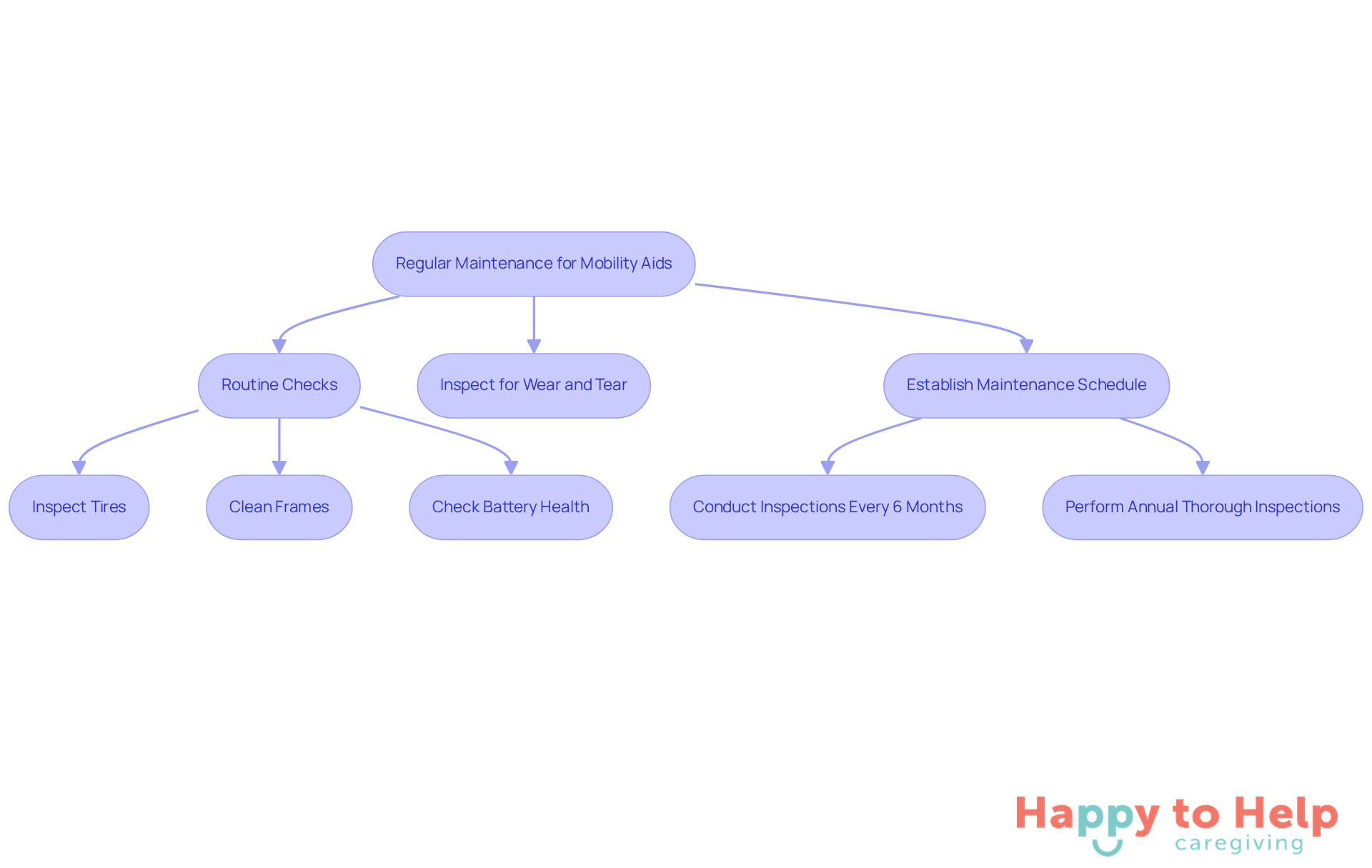
Problem: Many caregivers overlook the importance of routine checks, which can lead to significant issues. For instance, canes and walkers require regular inspections for wear and tear, ensuring grips are secure and tips are not worn down.
Agitate: Research shows that 64% of wheelchair occupants experience a failure within a six-month period, underscoring the critical need for consistent maintenance. Neglecting these checks can result in unforeseen breakdowns, jeopardizing the independence of users.
Solution: To mitigate these risks, caregivers should establish a routine for maintenance. For mobility aids and scooters, inspect tires for proper inflation, clean frames with mild detergent, and check battery health for electric models. Experts recommend servicing scooters every six months for general maintenance and conducting thorough inspections annually.
By implementing these practices, caregivers can ensure that mobility assistance for elderly devices operate efficiently, providing essential support for users. As noted, 'Regular maintenance can reduce accidents, lower long-term repair costs, and improve outcomes.' Establishing a routine for these checks can lead to a safer and more reliable experience, offering mobility assistance for elderly individuals to navigate their daily lives with ease.
Cost Considerations: Budgeting for Mobility Aids
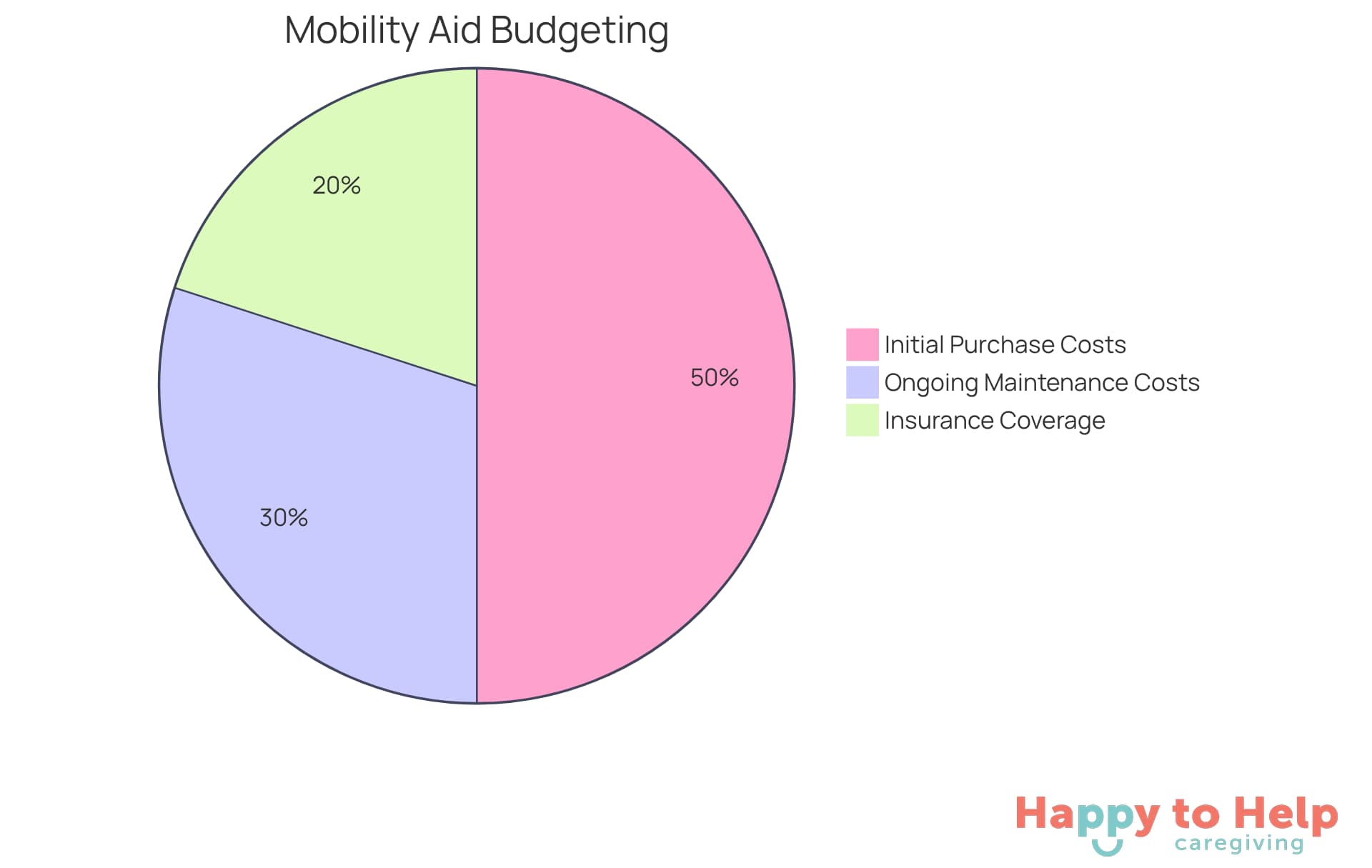
When budgeting for mobility assistance for elderly individuals, caregivers encounter a significant challenge: balancing the initial purchase price with ongoing maintenance costs. Basic aids like canes and walkers can range from $20 to $200, while mobility chairs and scooters can vary widely, often exceeding $1,000 for advanced models. This financial burden can be overwhelming for families.
Moreover, understanding insurance coverage is crucial. Medicare Part B covers approximately 80% of costs for durable medical equipment deemed medically necessary, which can alleviate some financial pressure. It's also important to note that nearly 60% of children using wheelchairs are covered under Medicaid, highlighting the need for caregivers to explore available insurance options.
The implications of these costs are significant. Over 40% of aid device users struggle to perform their primary activities, underscoring the importance of these tools. Without access to necessary mobility aids, families may face not only financial strain but also emotional distress.
To address these challenges, proactive budgeting is essential. Caregivers should explore insurance coverage options and consider the long-term costs associated with mobility assistance for elderly individuals. Case studies show that families who plan ahead often achieve better outcomes for their loved ones, allowing seniors to maintain their independence and quality of life.
By taking these steps, families can make informed choices that support their loved ones' transportation needs without incurring undue financial burden.
Consultation Services: Tailoring Mobility Solutions to Individual Needs
Mobility challenges are a significant concern for many seniors, highlighting the need for mobility assistance for elderly individuals to maintain their independence and quality of life. Caregivers often struggle to find suitable solutions that address these issues effectively. Without proper guidance, older adults may miss out on essential mobility assistance for elderly that could enhance their safety and mobility.
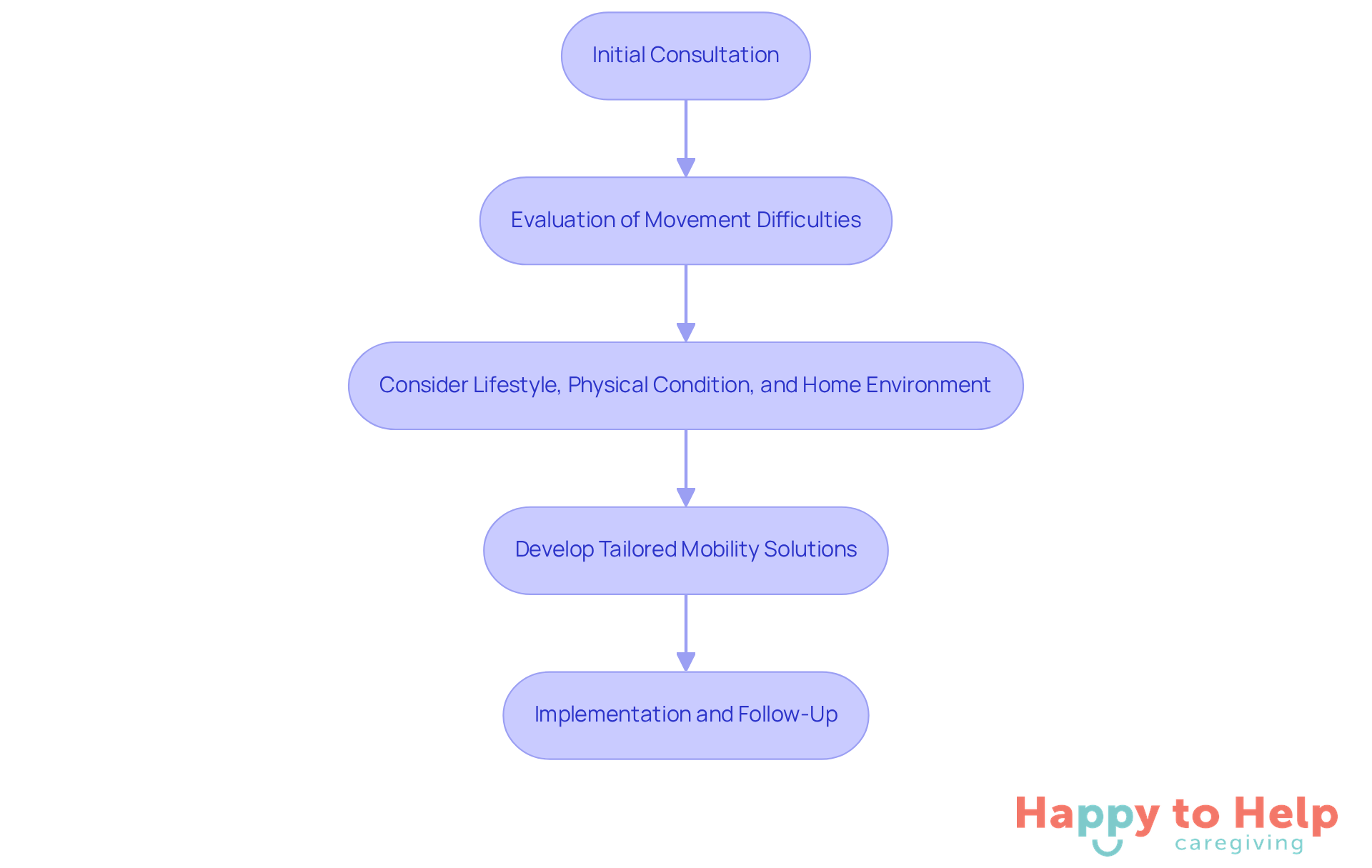
To tackle these challenges, consultation services play a crucial role. Experts conduct thorough evaluations of an elder's movement difficulties, considering factors such as lifestyle, physical condition, and home environment. This tailored approach ensures that seniors receive the most appropriate mobility assistance for elderly, ultimately improving their autonomy.
For instance, a comprehensive movement strategy can help seniors overcome barriers to outdoor activities, allowing them to engage more actively in life experiences. Families are strongly encouraged to seek professional guidance when selecting mobility assistance for elderly individuals, as this can lead to better outcomes and an enhanced quality of life for their loved ones.
As Karen Mitchell, a certified geriatric movement specialist, notes, "With the right tools, summer signifies freedom, not fear." This highlights the transformative impact that personalized mobility assistance for elderly can have on seniors' lives, reinforcing the importance of seeking expert advice.
Moving Forward with Mobility Assistance Solutions for the
Mobility assistance solutions for the elderly are vital. Limited mobility can severely impact seniors' independence and quality of life, making it challenging for them to navigate their environments safely. This issue not only affects their physical well-being but also their emotional health, leading to feelings of isolation and dependence.
To address these challenges, caregivers can explore various mobility assistance options. Solutions like canes, walkers, manual and power wheelchairs, power scooters, and adaptive devices each offer unique benefits. For instance:
- Canes and walkers improve balance and stability.
- Wheelchairs and scooters enhance safety and comfort during daily activities.
Regular maintenance of these aids is crucial, as it ensures seniors can rely on them without interruption. Additionally, proper budgeting for these devices is essential to avoid unexpected costs.
Consultation services are also key in providing tailored solutions that meet individual needs. By working with professionals, caregivers can identify the best mobility aids for their loved ones, ensuring they receive the support necessary to maintain their independence.
Ultimately, integrating mobility assistance solutions empowers elderly individuals to engage actively in their communities. As society evolves, prioritizing the development and accessibility of these aids is essential. Caregivers, families, and professionals must collaborate to explore the best options available, reinforcing the message that with the right support, seniors can navigate their golden years with dignity and confidence.
https://iframe.tely.ai/cta/eyJhcnRpY2xlX2lkIjogIjY5MjY0MzZiNTA1M2U2YTE3NTJiNzdjZCIsICJjb21wYW55X2lkIjogIjY4ZWU1ZGNhNzMxNzYyNTU3ZjNjOTVjMSIsICJpbmRleCI6IG51bGwsICJ0eXBlIjogImFydGljbGUifQ==Frequently Asked Questions
What challenges do families and caregivers face when caring for elderly individuals?
Families and caregivers often struggle with providing mobility assistance for elderly individuals while ensuring they maintain autonomy, which can lead to feelings of helplessness and stress.
How does Happy to Help Caregiving support elderly clients?
Happy to Help Caregiving offers personalized in-home mobility assistance services, including companionship care, post-hospital recovery assistance, respite care, and palliative support care, tailored to meet the unique needs of clients.
What are the benefits of personalized in-home mobility assistance?
Personalized in-home mobility assistance enhances clients' independence, fosters a sense of security, and integrates seamlessly with existing assistance solutions, allowing clients to receive necessary care in the comfort of their own homes.
Why are falls a significant concern for older adults?
Falls are the primary cause of injury-related deaths for individuals aged 65 and above and lead to substantial medical costs, exceeding $19 billion annually in the U.S.
How do canes assist elderly individuals?
Canes provide essential mobility assistance by enhancing balance and stability, reducing the risk of falls, and improving walking support for individuals with mobility impairments.
What types of canes are available?
The types of canes include standard canes (lightweight for minor balance issues), quad canes (four-point base for extra stability), and folding canes (portable and collapsible for easy storage).
What should be considered when selecting a cane?
When selecting a cane, it’s important to consider the individual's specific needs, such as height, grip comfort, and ensuring the cane aligns with the crease of the wrist when standing straight.
What percentage of older Americans depend on mobility aids like canes?
Over 25 percent of older Americans currently depend on canes, walkers, wheelchairs, and scooters for mobility assistance.
What psychological effects can using a cane have on elderly individuals?
Cane users often report higher levels of worry about falling, which can limit their activities, highlighting the need for the right cane to empower them to maintain independence and confidence.
What types of walkers are available for elderly individuals?
Walkers come in various forms, including standard walkers, rolling walkers, and walkers with seats, each providing a stable foundation for enhanced safety and support.
What factors should caregivers consider when choosing a walker?
Caregivers should consider the weight capacity, ease of use, and whether the walker has a seat for resting when selecting the best walker for mobility assistance.
List of Sources
- Happy to Help Caregiving: Personalized In-Home Support for Enhanced Independence
- Home Care Trends 2026: Preparing for Senior Care - Assisting Hands Centennial (https://assistinghands.com/77/colorado/centennial/blog/home-care-trends-2026-preparing-for-senior-care)
- How Personalized Care Models Are Transforming Senior Living in 2025 (https://stpetersassistedliving.com/blog/how-personalized-care-models-are-revolutionizing-senior-living-in-2025)
- Trends and Innovations in Senior Care | Amada Blog (https://amadaseniorcare.com/2025/01/trends-and-innovations-in-senior-care)
- How Personalized Support Plans Improve Quality of Life (https://heartwisesupport.org/post/how-personalized-support-plans-improve-quality-of-life)
- For Americans, Every Day Is Independence Day When It Comes to Their Health (https://policy.humana.com/issue-area/news-and-resources/news-press/2025/for-americans--every-day-is-independence-day-when-it-comes-to)
- Canes: Essential Support for Stability and Balance
- Technology to Prevent Falls for Seniors (https://health.usnews.com/senior-care/articles/technology-to-prevent-falls-for-seniors)
- Friend or Foe? Study Examines Seniors' Increasing Use of Walking Aids | UVM News | The University of Vermont (https://uvm.edu/uvmnews/news/friend-or-foe-study-examines-seniors-increasing-use-walking-aids)
- The Best Walking Canes (https://caringvillage.com/product-review/best-walking-canes)
- The Art of Using a Cane: Unlocking Independence (https://humancareny.com/blog/using-a-cane)
- Mobility Device Use Among Older Adults and Incidence of Falls and Worry About Falling: Findings From the 2011–2012 National Health and Aging Trends Study - PMC (https://pmc.ncbi.nlm.nih.gov/articles/PMC4439269)
- Walkers: Enhanced Safety and Support for Daily Mobility
- The Importance of Walkers for Seniors - Meyland-Smith.com (https://meyland-smith.com/walkers/the-importance-of-walkers-for-seniors)
- Breaking News: Fall 2025 Brings a New Era of Lightweight Walkers and Rollators for Seniors (https://cbs42.com/business/press-releases/ein-presswire/850373373/breaking-news-fall-2025-brings-a-new-era-of-lightweight-walkers-and-rollators-for-seniors)
- Exploring The Advantages Of Walkers For Seniors (https://digbyplace.seniorlivingnearme.com/blog/exploring-the-advantages-of-walkers-for-seniors)
- When and Why Seniors Should Use a Walker | Girling Healthcare NY (https://girlingny.com/2025/01/03/when-and-why-a-senior-might-need-to-use-a-walker)
- Elderly Walker Market Size, Share Analysis Report 2032 (https://snsinsider.com/reports/elderly-walker-market-5887)
- Manual Wheelchairs: Independence with Practical Mobility Solutions
- Volkswagen Caravelle WAV Conversion - Steering Developments (https://steeringdevelopments.co.uk/case_studies/volkswagen-caravelle-wav-conversion)
- Mobility Device Statistics: United States (https://disabled-world.com/disability/statistics/mobility-stats.php)
- 30 Incredibly Inspiring Quotes For People With Disabilities | Vantage Mobility (https://vantagemobility.com/blog/blogincredibly-inspiring-quotes-for-people-with-disabilities)
- Understanding Wheelchair Use in Older Adults From the National Health and Aging Trends Study (https://sciencedirect.com/science/article/pii/S0003999323005300)
- Power Wheelchairs: Advanced Mobility for Enhanced Independence
- How Electric Power Chairs Improve Quality of Life for Seniors and the Disabled - SUPERPI (https://superpirobot.com/news/industry-knowledge/how-electric-power-chairs-improve-quality-of-life-for-seniors-and-the-disabled)
- Electric Wheelchair Market Size, Share & Growth Report, 2032 (https://fortunebusinessinsights.com/electric-wheelchair-market-112089)
- Read "The Future of Disability in America" at NAP.edu (https://nap.nationalacademies.org/read/11898/chapter/13)
- Power Scooters: Comfortable Mobility for Longer Distances
- New Lightweight Mobility Devices Cater to Active Elderly - INTCO Medical (https://intcowheelchair.com/news/new-lightweight-mobility-devices-cater-to-active-elderly)
- Mobility Scooter for Senior Market Size, Trends & Forecast | 2033 (https://globalgrowthinsights.com/market-reports/mobility-scooter-for-senior-market-105255)
- Senior Mobility Aid Devices Market Size, Global Trends 2025-2034 (https://gminsights.com/industry-analysis/senior-mobility-aid-devices-market)
- The 2025 Senior Mobility Scooter Market: Intelligent and Portable Innovations Redefining Mobility for Older Adults - SUPERPI (https://superpirobot.com/news/industry-knowledge/the-2025-senior-mobility-scooter-market-intelligent-and-portable-innovations-redefining-mobility-for-older-adults)
- Mobility Scooters Market Size, Trends | Industry Report, 2032 (https://fortunebusinessinsights.com/mobility-scooter-market-102079)
- Adaptive Devices: Enhancing Home Mobility and Safety
- Longitudinal Relationship between Mobility Device Use, Falls and Fear of Falling (FOF) Differed by Frailty Status among Community-Dwelling Older Adults (https://sciencedirect.com/science/article/pii/S1279770723002403)
- Mobility Assistive Device Use in Older Adults (https://aafp.org/pubs/afp/issues/2021/0615/p737.html)
- Mobility Device Use Among Older Adults and Incidence of Falls and Worry About Falling: Findings From the 2011–2012 National Health and Aging Trends Study - PMC (https://pmc.ncbi.nlm.nih.gov/articles/PMC4439269)
- Global Trends in Innovative Products for Elderly Care: From Smart Devices to Mobility Solutions - INTCO Medical (https://intcowheelchair.com/news/global-trends-in-innovative-products-for-elderly-care-from-smart-devices-to-mobility-solutions)
- Innovative New Technology Helps Seniors Age in Place (https://ucdavis.edu/health/news/innovative-new-technology-helps-seniors-age-place)
- Maintenance Tips: Ensuring Longevity and Safety of Mobility Aids
- Growing Importance of Mobility Scooter Maintenance Services - INTCO Medical (https://intcowheelchair.com/news/growing-importance-of-mobility-scooter-maintenance-services)
- The Importance of Regular Maintenance for Your Mobility Aids (https://ezwalkerrollators.com/blog/post/the-importance-of-regular-maintenance-for-your-mobility-aids?srsltid=AfmBOooIUfa3O8EHKbsYtxDtocJ4JnC8F1hrGDnJK_mGyNmvIj5DEgmP)
- 200+ Funny & Creative Walking Stick Quotes - fungivers.com (https://fungivers.com/walking-stick-quotes)
- NSM — National Seating & Mobility (https://nsm-seating.com/journal/like-cars-wheelchairs-need-regular-maintenance)
- The Importance of Servicing Your Mobility Equipment. Keeping You Moving Safely and Comfortably - Mobility on the move (https://mobilityonthemove.co.uk/the-importance-of-servicing-your-mobility-equipment-keeping-you-moving-safely-and-comfortably)
- Cost Considerations: Budgeting for Mobility Aids
- CMS Proposes Benefit Expansion for Mobility Devices, Advancing Health Equity for People with Disabilities | CMS (https://cms.gov/newsroom/press-releases/cms-proposes-benefit-expansion-mobility-devices-advancing-health-equity-people-disabilities)
- Mobility Device Statistics: United States (https://disabled-world.com/disability/statistics/mobility-stats.php)
- Assistive Devices for Older Adults: Cost, Coverage, and More (https://medicalnewstoday.com/articles/assistive-devices-for-elderly)
- Consultation Services: Tailoring Mobility Solutions to Individual Needs
- Breaking News: Fall 2025 Brings a New Era of Lightweight Walkers and Rollators for Seniors (https://cbs42.com/business/press-releases/ein-presswire/850373373/breaking-news-fall-2025-brings-a-new-era-of-lightweight-walkers-and-rollators-for-seniors)
- New 2025 Summer Guide Empowers Seniors to Stay Independent as Mobility Equipment Innovation Surges Nationwide (https://kron4.com/business/press-releases/ein-presswire/827097148/new-2025-summer-guide-empowers-seniors-to-stay-independent-as-mobility-equipment-innovation-surges-nationwide)
- Mobility Device Statistics: United States (https://disabled-world.com/disability/statistics/mobility-stats.php)
- Incidence and dynamics of mobility device use among community-dwelling older adults in the United States - PMC (https://pmc.ncbi.nlm.nih.gov/articles/PMC12288708)
- 27 Inspirational Quotes for Caregivers (https://ultimatecareny.com/resources/27-quotes-for-caregivers)