10 Essential Personal Care Services for Elderly Family Caregivers
For families in our service areas
For families in our service areas, this guide explains personal care and how non-medical in-home caregiving can support care planning in East Idaho, Treasure Valley & Magic Valley, Northern Wasatch, North Central West Virginia, and Northeast Ohio.
Quick Guide to Personal Care Services for Elderly
This article highlights the vital personal care services that uplift elderly family caregivers. It emphasizes the significance of:
- Companionship care
- Post-hospital recovery assistance
- Respite care
These services play a crucial role in enhancing the quality of life for seniors by addressing their emotional, physical, and social needs. By doing so, they help alleviate feelings of isolation and promote overall well-being. Various statistics and research findings presented throughout the article underscore the positive impact of these services, offering reassurance to caregivers who may feel overwhelmed. Together, we can create a supportive environment that nurtures both caregivers and the seniors they care for.
Why Personal Care Services for Elderly Matters
The landscape of elderly care is changing, with a growing focus on personal care services that meet the unique needs of our beloved seniors. As families navigate the often overwhelming complexities of caregiving, understanding the essential services available can truly enhance the quality of life for their loved ones. This article explores ten vital personal care services that not only address physical health but also nurture emotional well-being. These services offer caregivers a comprehensive toolkit for support. How might these offerings transform the caregiving experience and improve outcomes for both seniors and their families?
Happy to Help Caregiving: Companionship Care for Seniors
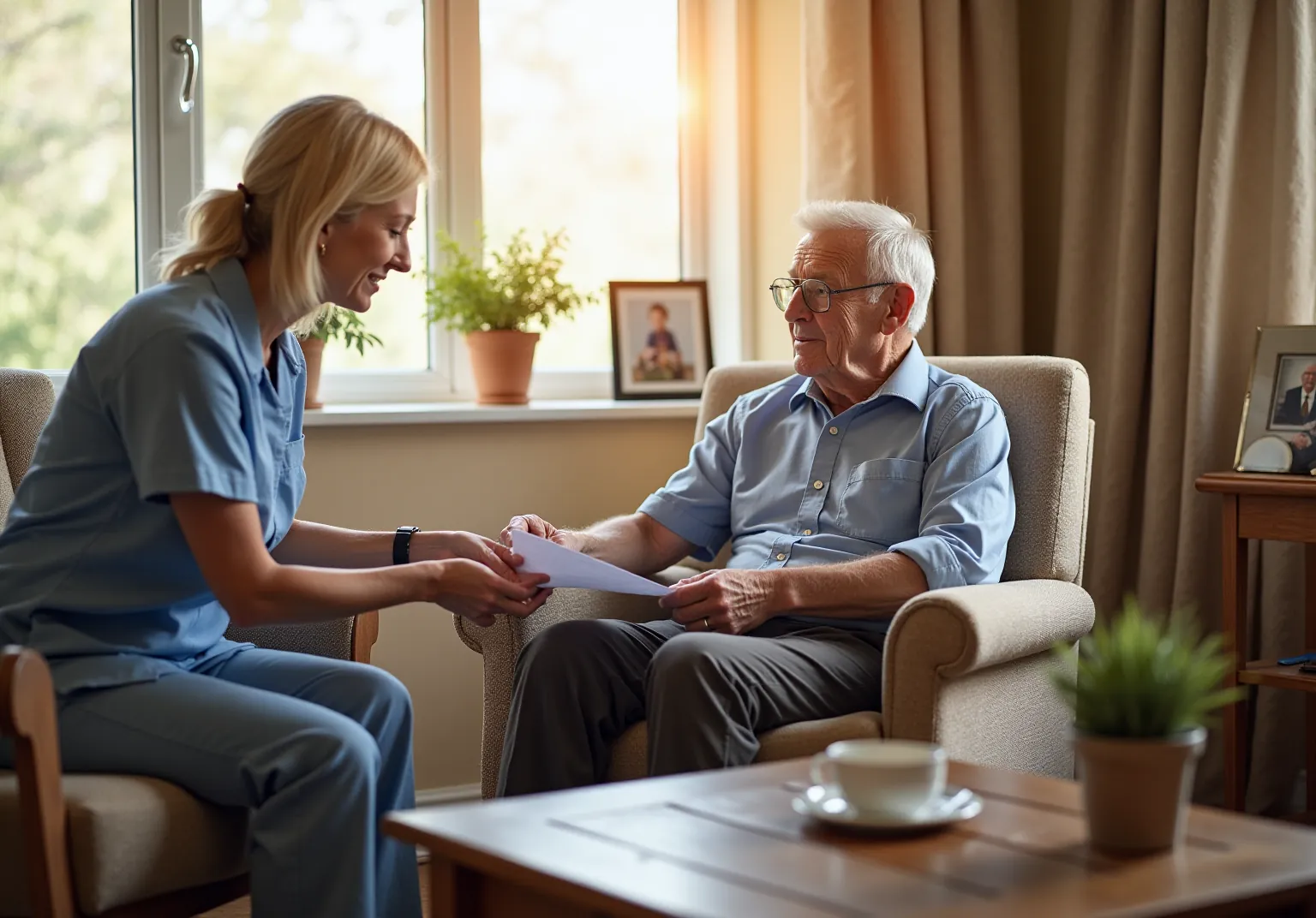
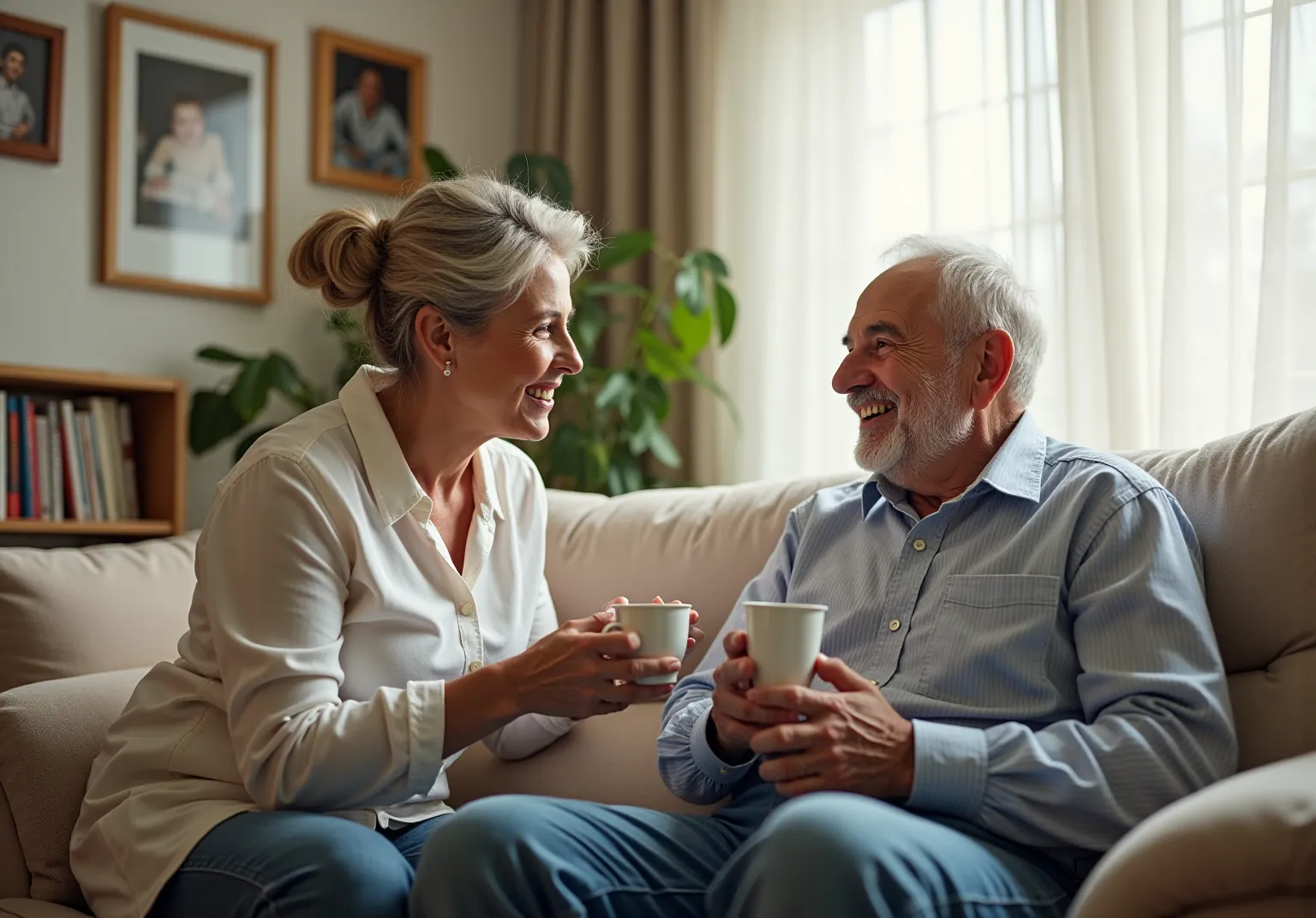
Companionship care is essential in providing emotional support and fostering social interaction for older adults, helping them feel valued and connected. Caregivers engage clients through meaningful conversations, shared activities, and outings, significantly enhancing their sense of belonging. This service is especially beneficial for individuals who live alone or have limited social interactions, leading to and overall well-being.
Research shows that social isolation and loneliness among seniors are linked to serious health issues, such as depression and cognitive decline. Alarmingly, 33% of older adults reported feeling lonely some of the time or often in the past year, highlighting the prevalence of loneliness in this population. Happy to Help Caregiving prioritizes training caregivers to recognize and respond to the emotional needs of their clients, creating a nurturing environment that fosters happiness and security.
As Dee Bustos states, "Companion support is designed to meet these needs while providing meaningful social interaction, which can enhance both quality of life and longevity." By promoting regular social interaction, companionship assistance not only alleviates feelings of isolation but also nurtures a more positive outlook on life, emphasizing the importance of emotional support in elderly care.
Moreover, personal care services for elderly individuals provide companionship care that helps them maintain a high quality of life by offering practical assistance and emotional guidance. This sets it apart from nursing or personal care, which primarily focus on medical needs. In this way, companionship care truly embodies the spirit of compassionate support.
Post-Hospital Recovery Assistance: Ensuring Safe Transitions Home
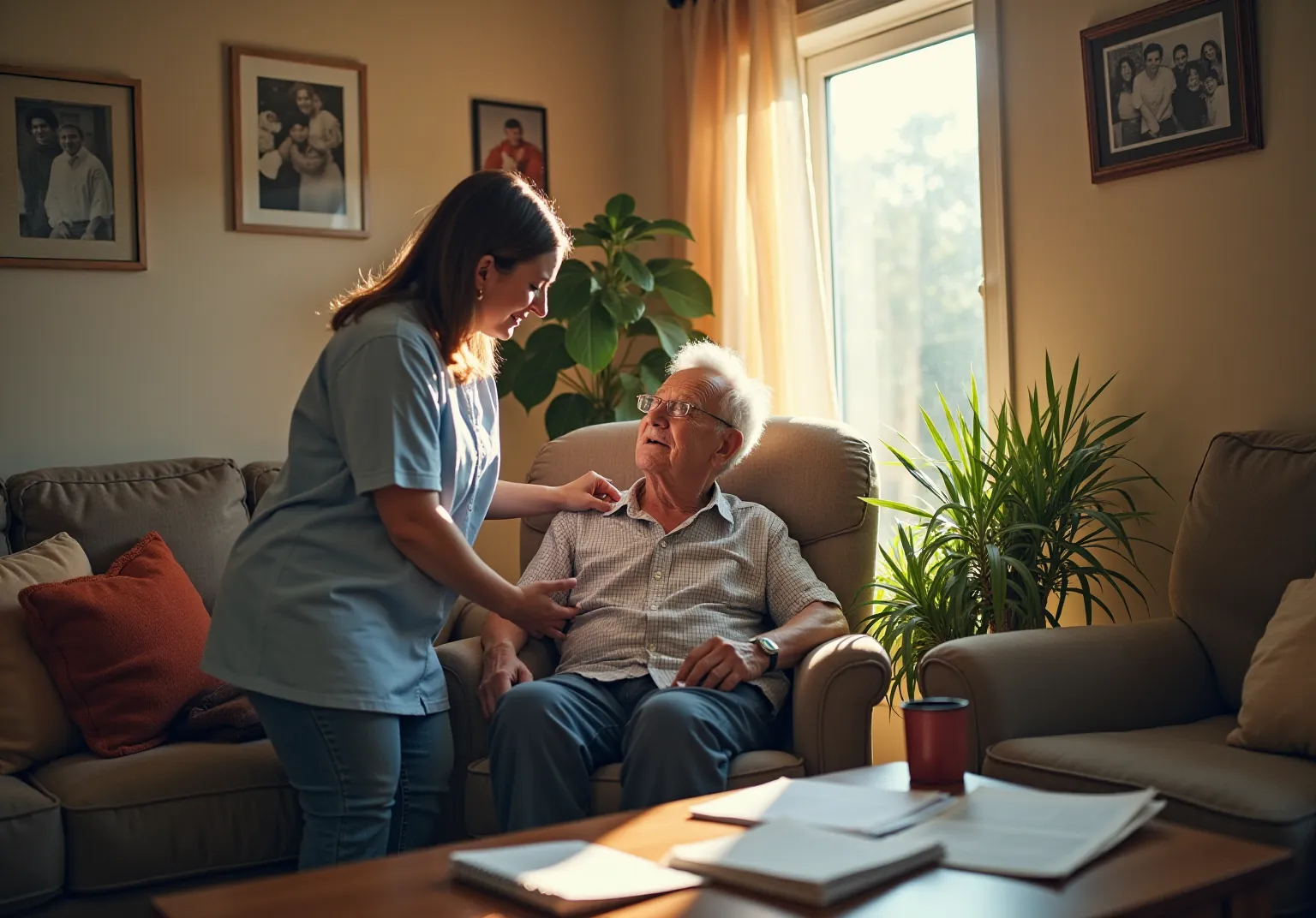
Post-hospital recovery assistance includes vital personal care services for elderly individuals aimed at supporting them after their hospital discharge. Caregivers play a crucial role in managing medications, assisting with mobility, and helping with daily living activities. Their presence ensures that clients can effectively follow their , which is essential for preventing complications and promoting a smooth recovery.
Research shows that effective medication management significantly improves recovery outcomes, especially since seniors often encounter challenges like medication errors and misunderstandings of discharge instructions. At Happy to Help Caregiving, we collaborate closely with healthcare providers to create personalized recovery plans tailored to each client's unique needs. This approach facilitates a safe and comfortable transition back home.
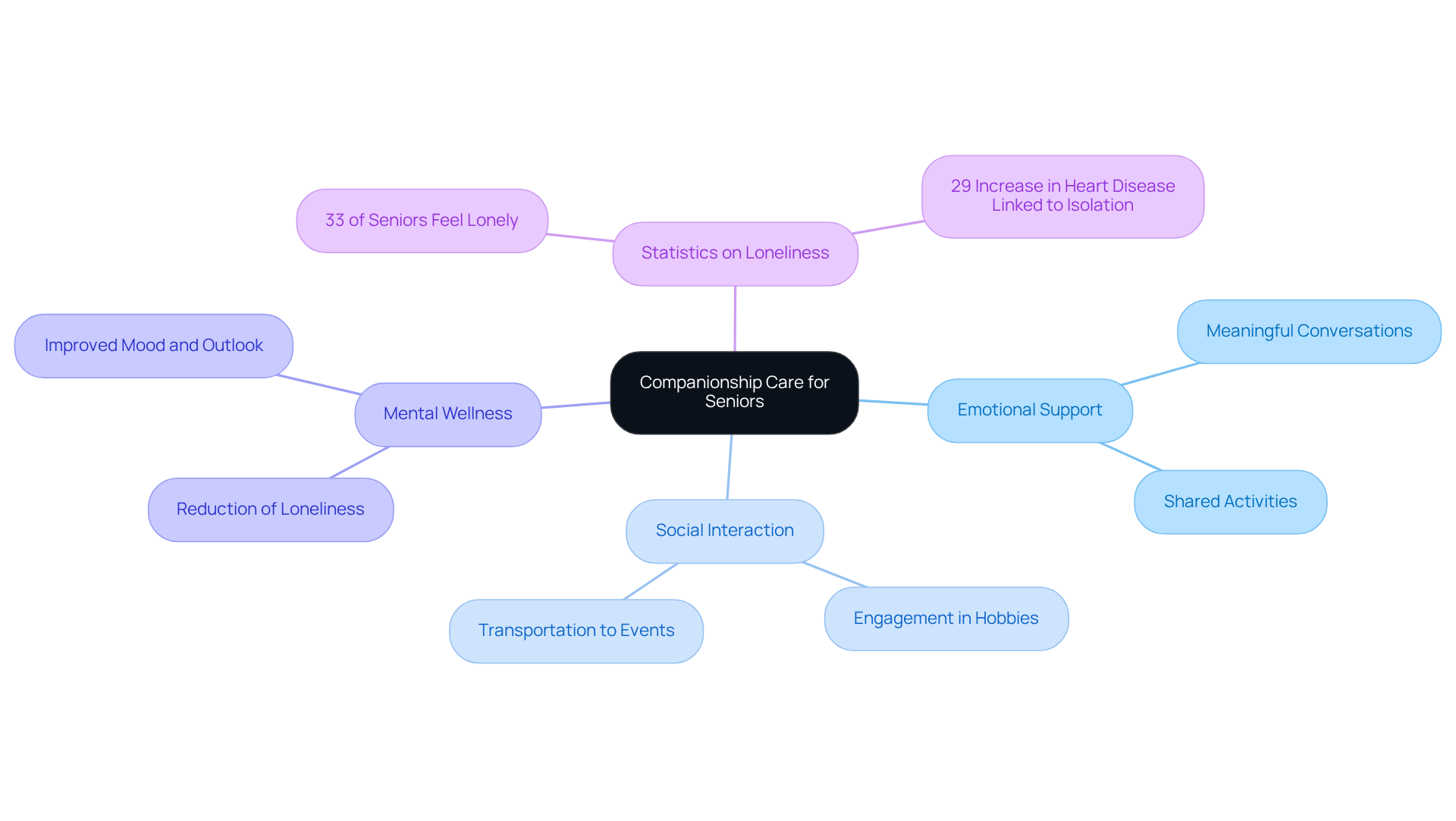
Importantly, patients receiving assistance at home enjoy a 20% lower readmission rate compared to those treated in a hospital setting. Additionally, 62.5% of individuals achieve functional recovery within 90 days of home health admission. Caregivers also provide emotional support, leading to a 25% improvement in anxiety and depression ratings among patients receiving home treatment.
By focusing on the essential elements of effective post-hospital support, including personal care services for elderly, emotional assistance, and daily help, caregivers empower seniors to regain their independence and enhance their overall well-being. Furthermore, home health patients experience approximately 30% reductions in healthcare costs compared to traditional treatment environments, making it a valuable choice for families.
In the words of one caregiver, 'Seeing my clients regain their strength and confidence brings me immense joy. It’s not just about the physical care; it’s about being there for them emotionally.' This sentiment captures the heart of what we do—supporting our clients with compassion and understanding every step of the way.
Respite Care: Supporting Family Caregivers with Temporary Relief
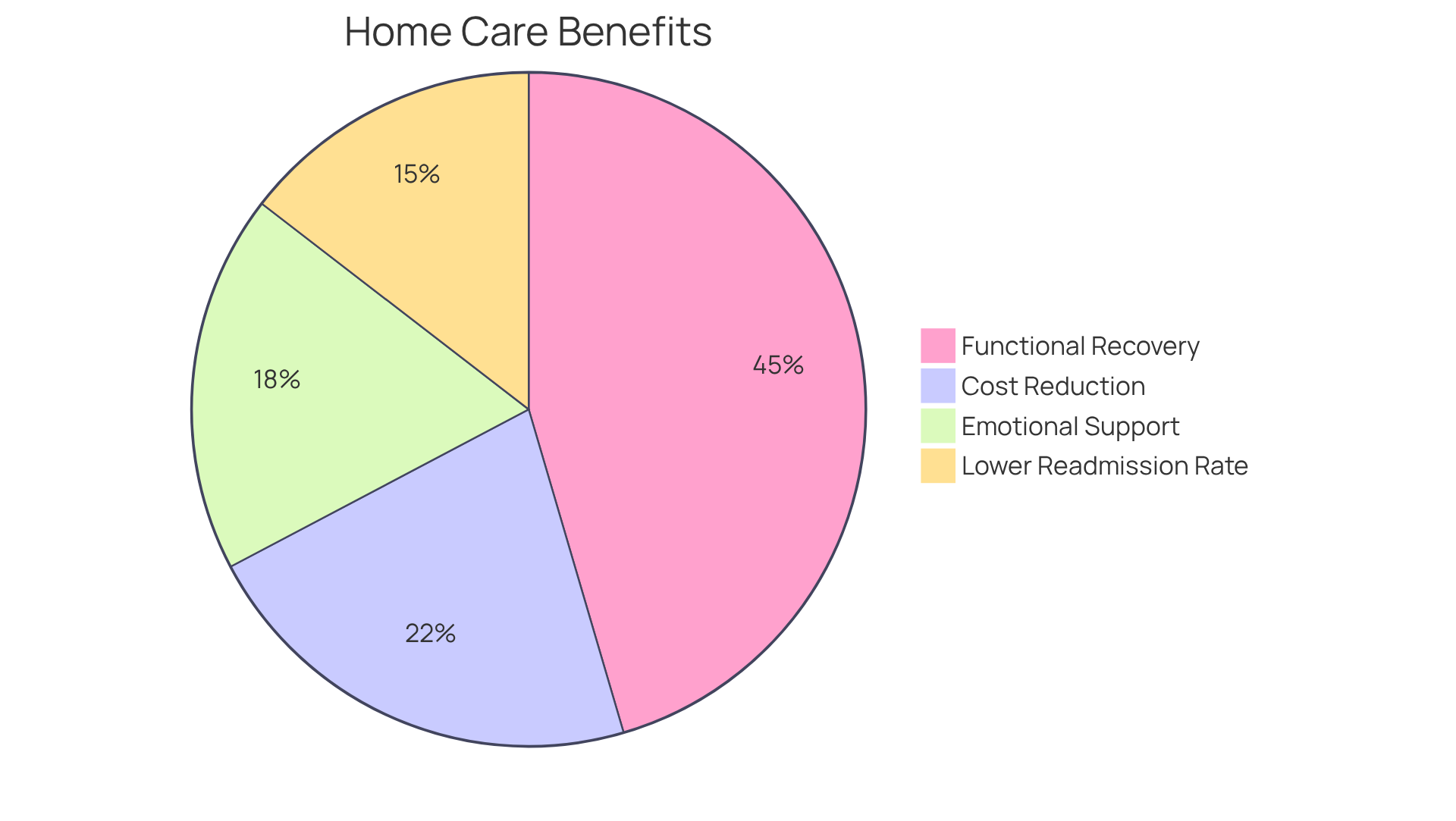
Respite services offer essential short-term support for family caregivers, allowing them to rejuvenate while ensuring their loved ones receive continuous personal care services for elderly. These services can vary in duration, ranging from a few hours to several days, tailored to the unique needs of each family. Happy to Help Caregiving provides trained caregivers who step in during these times, delivering companionship and assistance with daily activities. By alleviating caregiver pressure, personal care services for elderly not only foster a positive home atmosphere but also significantly enhance seniors' quality of life.
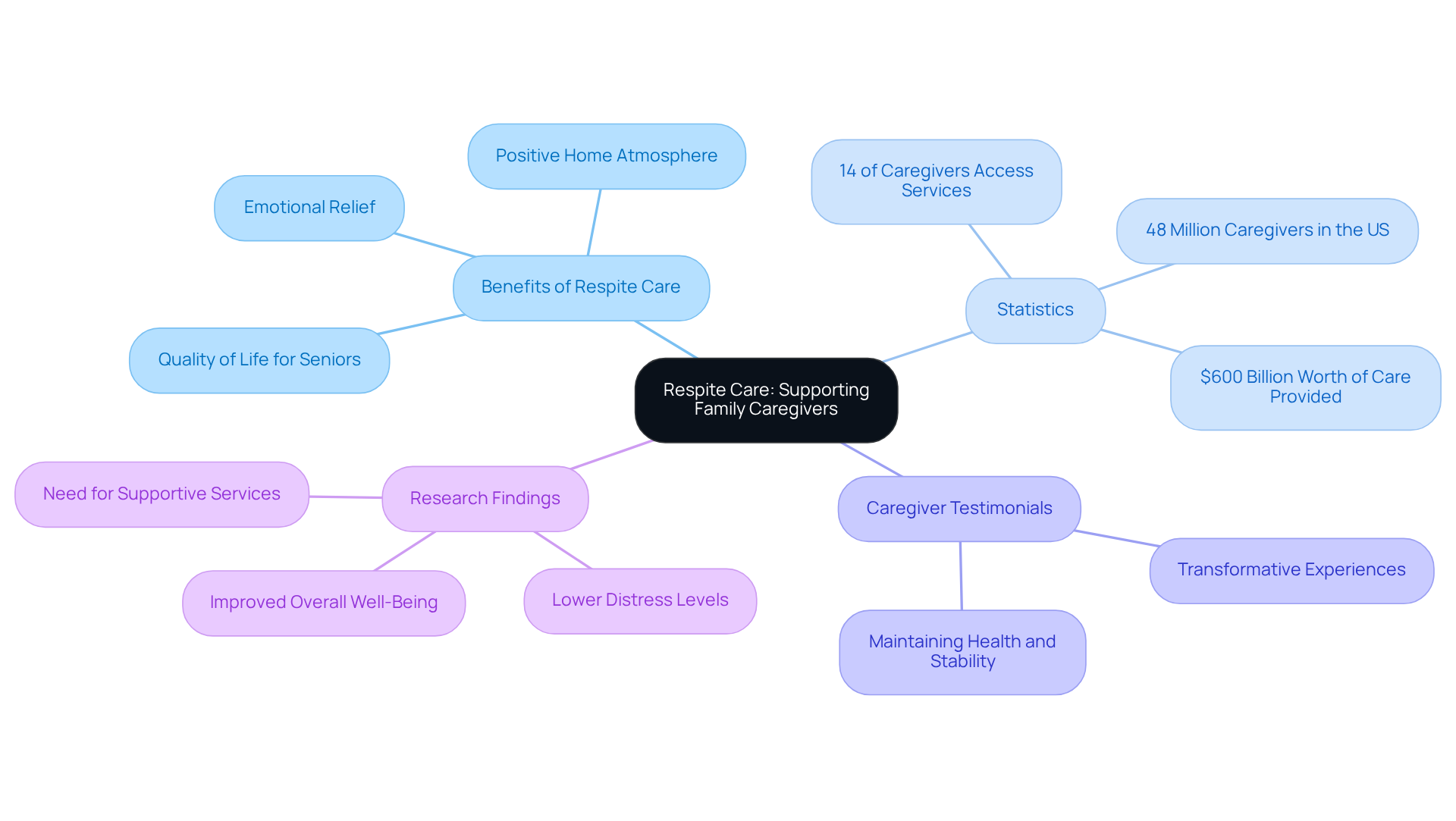
Research shows that caregivers utilizing respite services experience lower distress levels and improved overall well-being. However, only 14 percent of caregivers actually access these critical services, revealing a significant gap in availability. Families share heartfelt testimonials about how respite support has transformed their caregiving experience, enabling them to maintain their health and emotional stability while ensuring their loved ones are well cared for.
According to the AARP Public Policy Institute's report 'Respite Services: A Critical Support for Family Caregivers,' these services are vital in addressing the financial pressures and emotional challenges faced by caregivers. This makes an important component of family support, offering a lifeline to those who give so much of themselves.
Palliative Support Care: Enhancing Comfort for Serious Illness
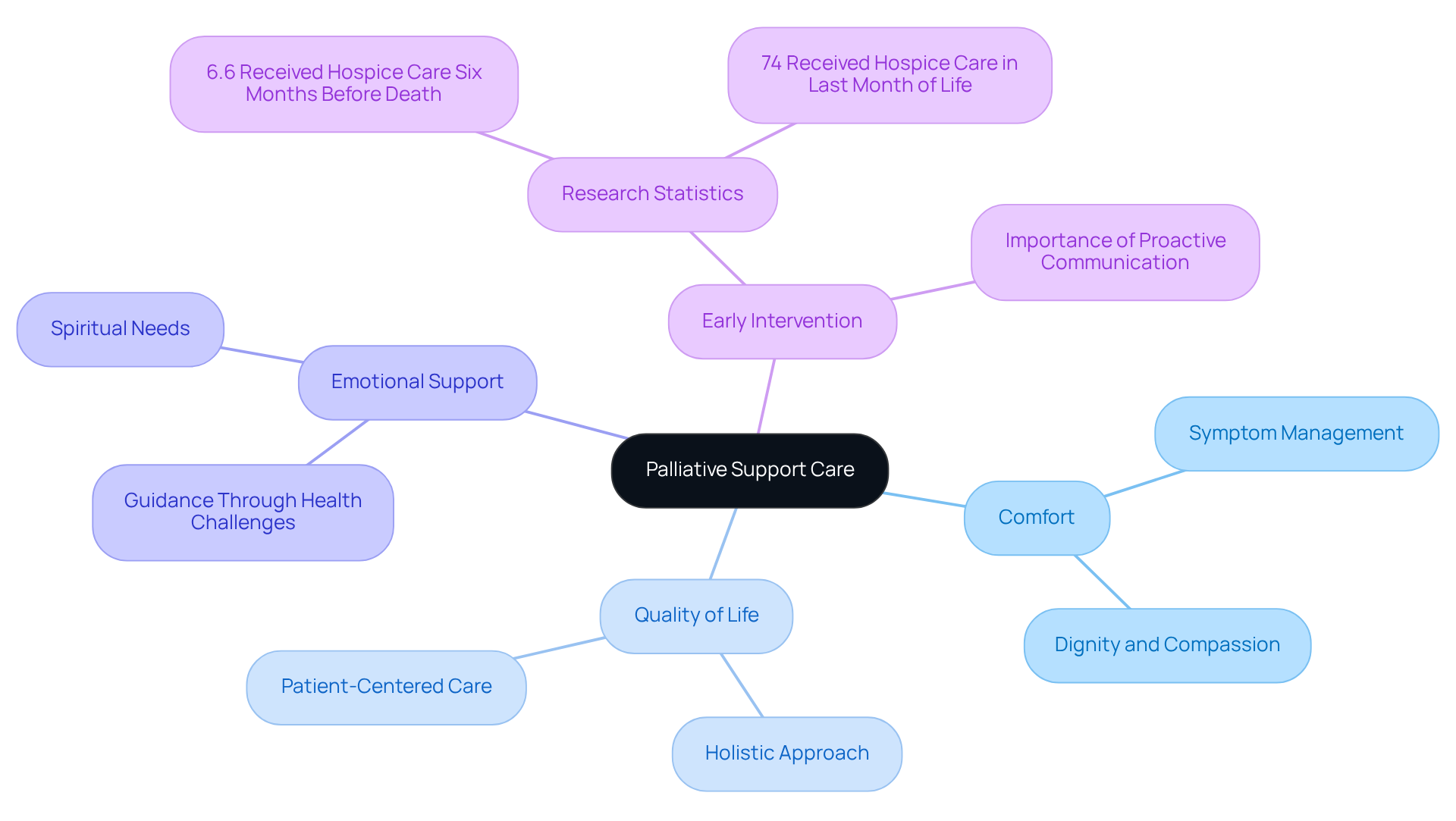
Palliative assistance is vital for enhancing the comfort and quality of life for seniors facing severe illnesses. This specialized care focuses on managing symptoms and providing , ensuring that clients receive comprehensive assistance tailored to their unique needs. Caregivers from Happy to Help Caregiving are trained to offer compassionate support, guiding clients through their health challenges while preserving their dignity and comfort.
This holistic approach not only alleviates physical symptoms but also addresses emotional and spiritual needs, creating a nurturing environment that fosters healing. Research indicates that only 6.6% of patients received hospice services six months before their passing, underscoring the importance of early palliative support.
Moreover, the Palliative Care and Hospice Education and Training Act (PCHETA) aims to improve access to and quality of palliative services, highlighting ongoing efforts to enhance emotional assistance in this field. By focusing on both the physical and emotional aspects of care, personal care services for elderly significantly enhance the overall well-being of elderly patients, enabling them to navigate their wellness journeys with greater ease and tranquility.
Hygiene and Grooming Services: Promoting Dignity and Well-Being
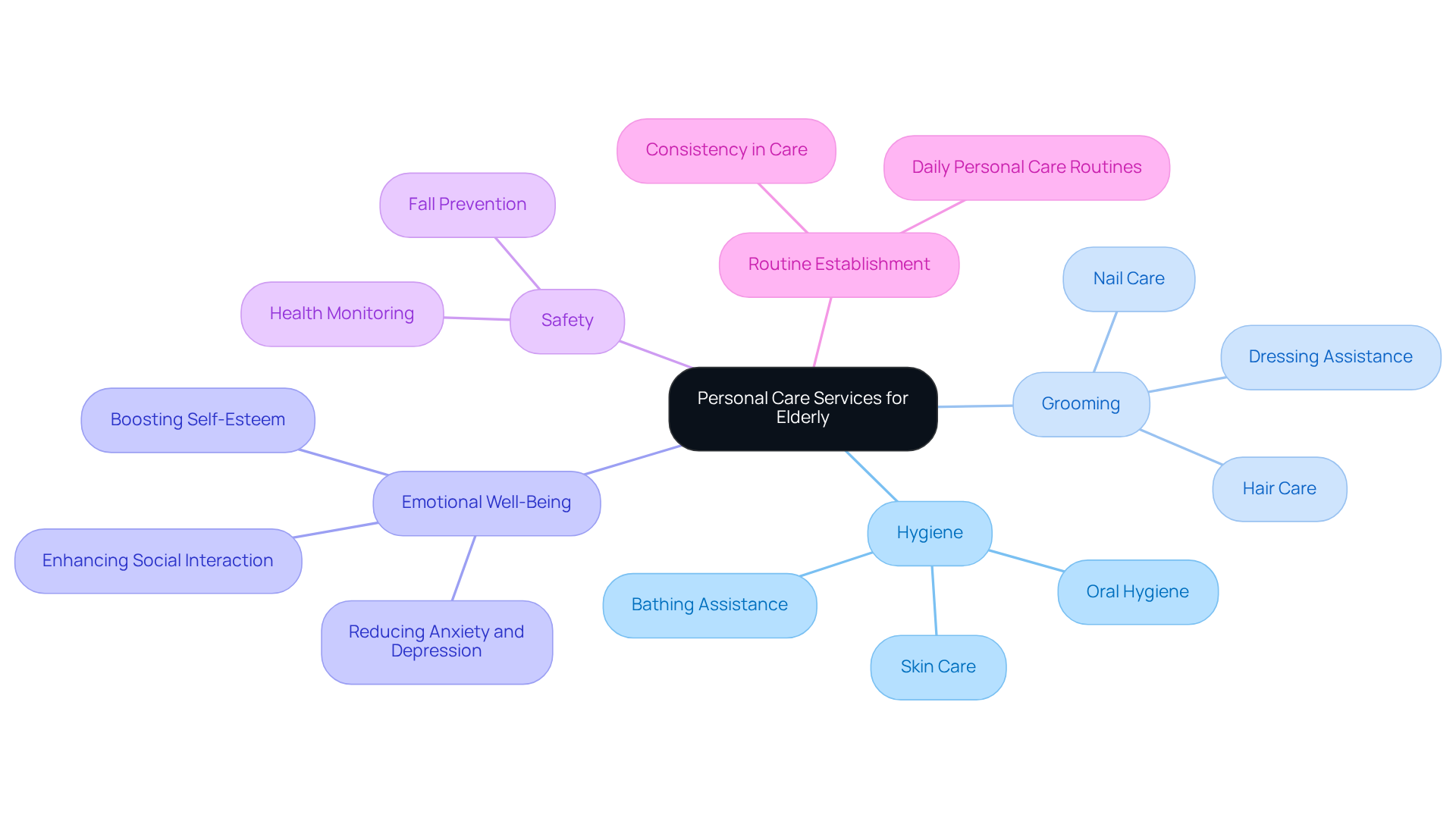
Personal care services for elderly individuals, including hygiene and grooming, are vital for preserving their dignity and health. Caregivers provide personal care services for elderly individuals, assisting with bathing, dressing, grooming, and oral hygiene to ensure that clients feel clean and comfortable. Happy to Help Caregiving places great importance on personal care services for elderly, as they recognize that proper hygiene practices not only prevent infections but also enhance overall well-being. By establishing a routine that includes personal care services for elderly individuals, caregivers empower them to maintain their self-worth and improve their quality of life.
As noted by geriatric assistance expert Irina Mircica, "Hygiene support plays a crucial role in the well-being of individuals residing in elderly living facilities." Moreover, research indicates that neglecting personal care services for elderly, including grooming, can lead to mental wellness issues, such as depression, anxiety, and social withdrawal, particularly among older adults in care facilities. Regular grooming, which is essential in personal care services for elderly, significantly influences older adults' emotional well-being, helping them feel valued and connected to their identity.
Additionally, with 80% of falls among older adults occurring in the bathroom, personal care services for elderly that provide caregiver assistance in hygiene tasks are essential for preventing accidents and ensuring safety. Caregivers also take a proactive role in offering personal care services for elderly individuals to help them identify potential health issues through consistent hygiene practices. Family supporters are encouraged to prioritize personal care services for elderly by establishing a regular personal assistance routine. This commitment to can profoundly enhance their loved ones' dignity and overall well-being.
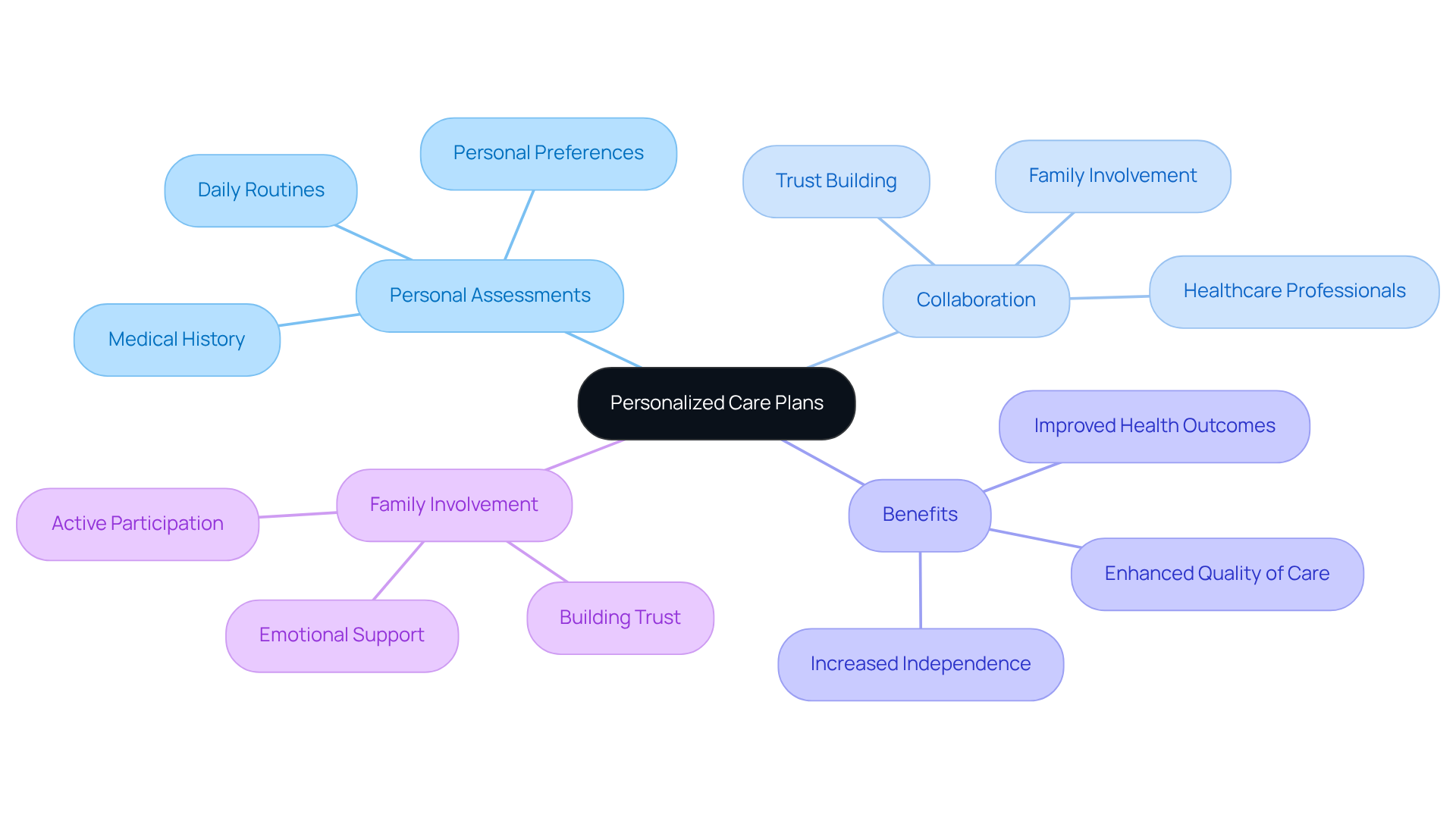
Personalized Care Plans: Tailoring Services to Individual Needs
Tailored treatment strategies are vital for providing effective personal care services for elderly individuals. These plans are thoughtfully crafted through personalized assessments that take into account medical history, personal preferences, and daily routines. When families and healthcare professionals work together, , ensuring that each client receives the personalized care they truly need through personal care services for elderly. This personal approach in providing personal care services for elderly not only enhances the quality of care but also empowers older adults to maintain their independence and dignity.
Research from the Patient-Centered Outcomes Research Institute shows that individualized treatment plans significantly reduce hospital visits and enhance overall well-being. This demonstrates their effectiveness in fostering a fulfilling life for older adults. Moreover, involving family members in the personal care services for elderly planning process builds trust and ensures that the plans reflect the genuine needs and aspirations of the elderly. Ultimately, this collaboration results in a more supportive and enriching caregiving experience.
Families are encouraged to actively engage in this process, as their participation is key to achieving the best outcomes for their loved ones. Together, we can create a nurturing environment that truly honors the unique journeys of our elderly community.
Meal Preparation Services: Ensuring Nutritional Needs Are Met
Meal preparation services are vital in ensuring that older adults receive the nutrition they need for optimal well-being and vitality. Caregivers play a crucial role in planning, preparing, and serving meals that cater to individual dietary needs and preferences. At Happy to Help Caregiving, we prioritize balanced nutrition, essential for sustaining energy levels and overall wellness.
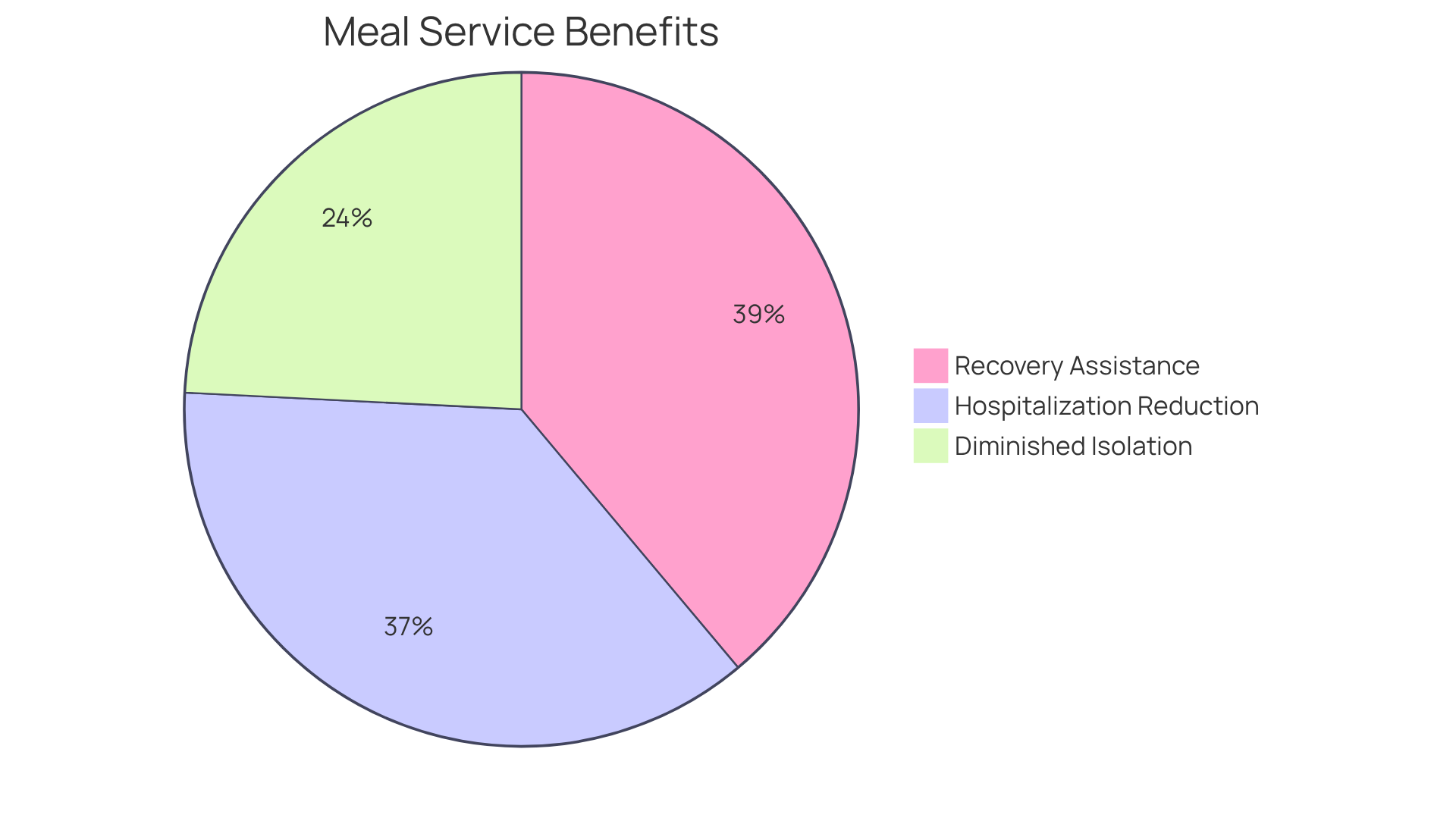
Research shows that proper nutrition significantly impacts the physical and mental well-being of elderly individuals. It reduces the risk of chronic diseases and enhances recovery from medical procedures. In fact, studies indicate a remarkable 93% decrease in hospitalizations for elderly individuals with meal service intervention. Additionally, 98% of participants reported that meal services assisted in their recovery after leaving the hospital.
By offering nutritious meals, caregivers not only support the physical health of elderly individuals but also contribute to their emotional well-being. A significant 61% of participants indicated that meal services helped diminish feelings of social isolation. This is a cornerstone of effective caregiving, ensuring that clients thrive in their familiar environments.
As Ipyana Spencer, Chief Health Officer at Meals on Wheels America, beautifully states, "These findings provide clear, measurable evidence of how Meals on Wheels services can drastically improve older adult health outcomes." This compassionate care can make a world of difference, fostering a sense of connection and support that every individual deserves.
Transportation Assistance: Maintaining Independence and Mobility
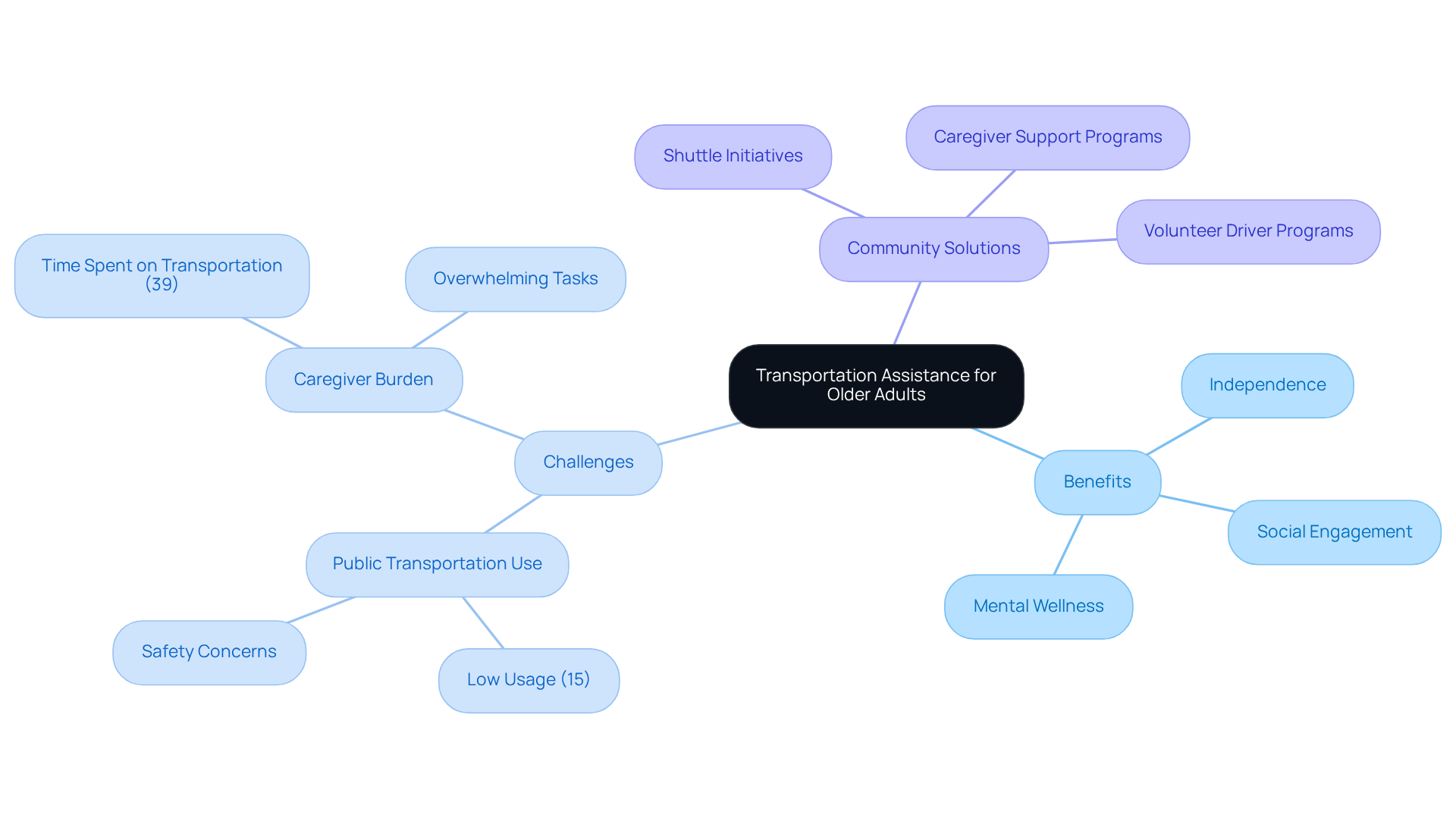
Transportation help is essential for older adults to maintain their independence and actively engage in community life. Caregivers play a vital role by providing rides to medical appointments, social events, and errands, ensuring that clients can access necessary services. At Happy to Help Caregiving, we understand that mobility is fundamental in preventing isolation and nurturing a fulfilling lifestyle. By facilitating transportation, caregivers empower older adults to stay connected with their communities, significantly enhancing their overall quality of life.
As mobility experts emphasize, dependable transportation not only supports physical well-being but also reduces social isolation, enabling elderly individuals to maintain relationships with family and friends. The impact of transportation assistance on elderly autonomy is profound; it allows older adults to manage their health, participate in social events, and engage in leisure activities, all crucial for their mental and emotional wellness.
Moreover, statistics reveal that only 15% of elderly individuals use public transportation services due to safety concerns, highlighting the challenges they face in securing transportation. Community shuttle initiatives that transport elderly individuals to nearby locations showcase practical solutions that promote social interaction and independence. Ultimately, effective transportation solutions are integral to and enriching the lives of older adults.
Social Engagement Activities: Combating Loneliness and Isolation
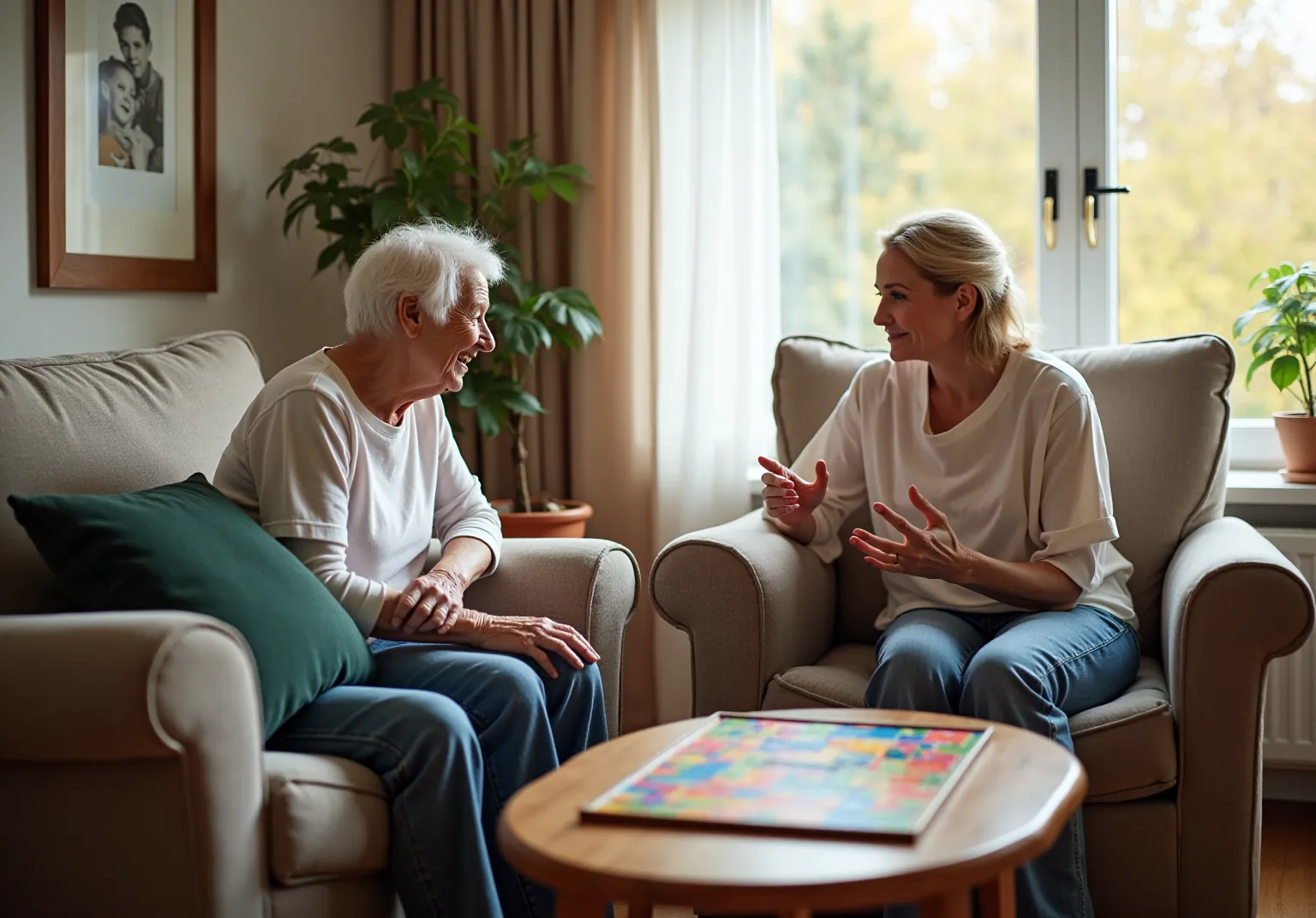
Social engagement activities play a crucial role in alleviating loneliness and enhancing the emotional well-being of older adults. At Happy to Help Caregiving, caregivers facilitate a variety of activities—such as games, arts and crafts, and outings—designed to foster social interaction. These initiatives not only bring joy but also help build meaningful connections with others, significantly reducing feelings of isolation.
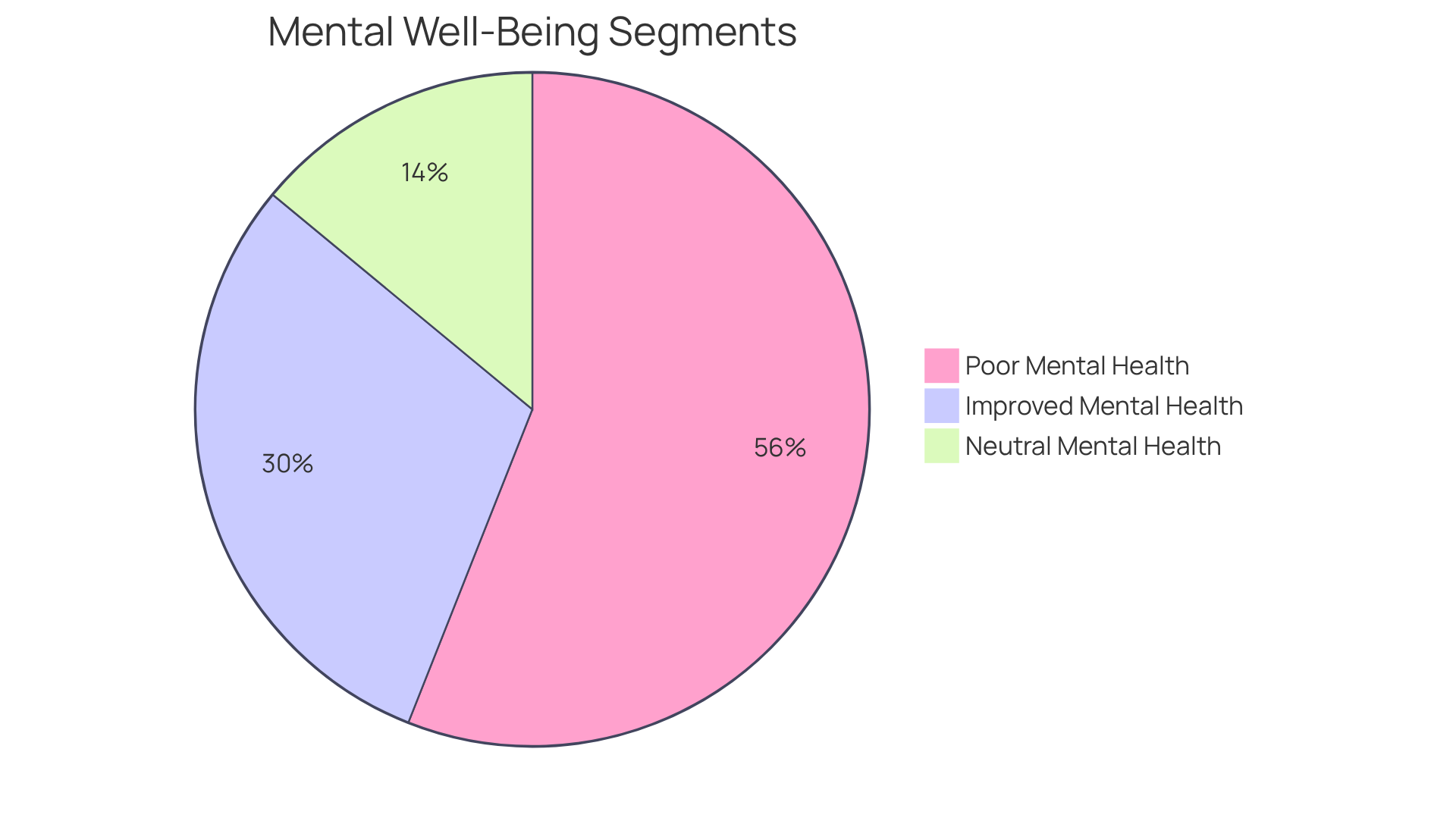
Research involving 2,268 U.S. individuals aged 60 years and older reveals that high social engagement is associated with a remarkable 42% lower mortality risk. This underscores the importance of these interactions in our lives. Moreover, it’s concerning to note that 56% of individuals with fair or poor mental well-being reported infrequent social interaction, compared to just 30% of those with improved mental health. This highlights the vital role of in enhancing mental well-being among older adults.
By encouraging social interaction, caregivers enable seniors to maintain a positive outlook, which is essential for their overall mental health. Psychologists emphasize that "staying socially active is more than a lifestyle choice. It is closely linked to healthier aging and longevity." This reinforces the need for structured social activities in caregiving, reminding us all of the power of connection and community.
Technology Integration: Enhancing Communication and Care Coordination
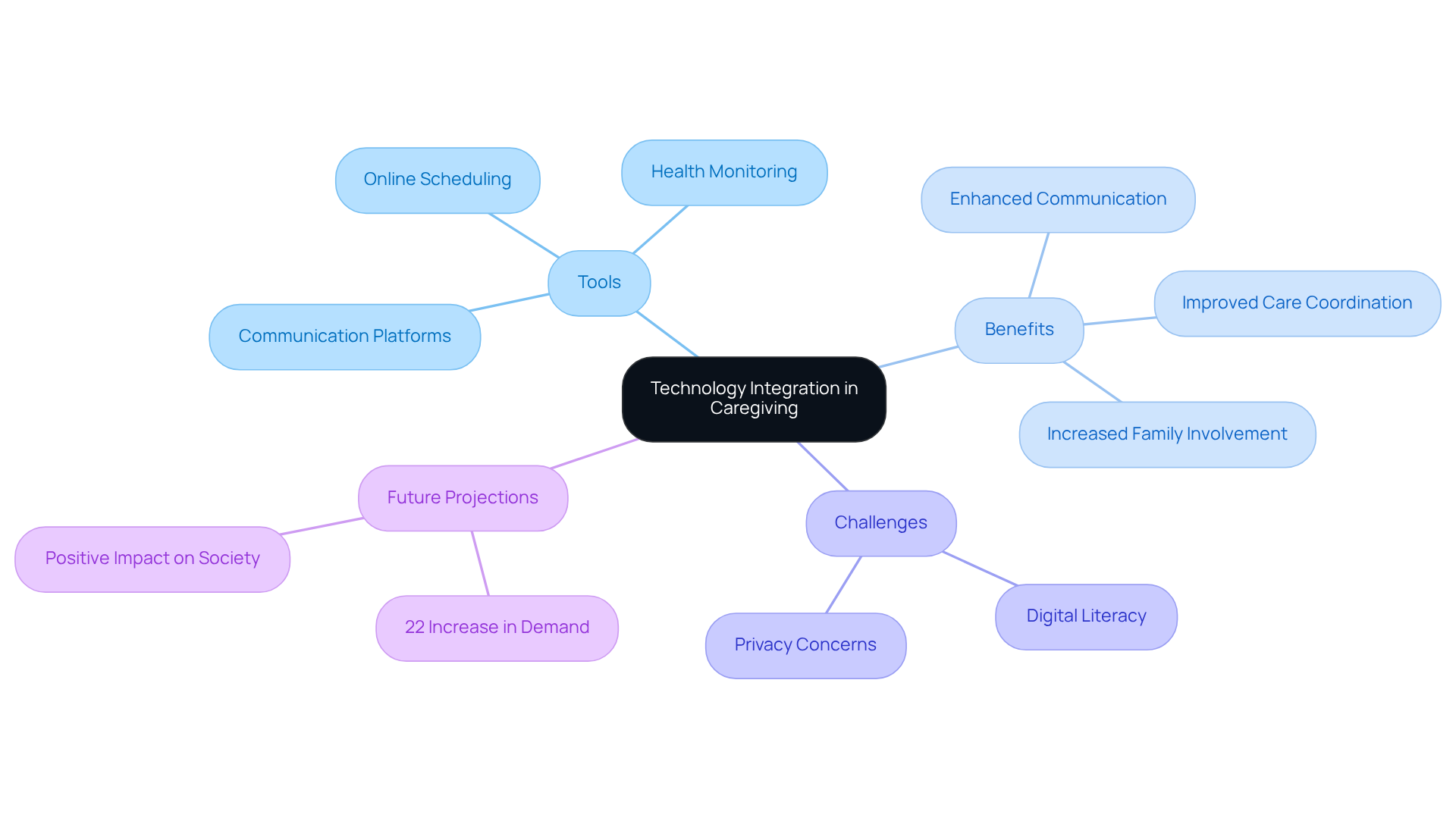
Incorporating technology into caregiving significantly enhances communication and coordination among caregivers, clients, and families. At Happy to Help Caregiving, we utilize a variety of tools, such as online scheduling systems, health monitoring applications, and dedicated communication platforms, to streamline service delivery. This approach not only improves the effectiveness of support but also keeps families actively informed and involved in their loved ones' well-being.
For example, automated medication management systems send alerts that help elderly individuals remember to take their medications on time, ensuring they adhere to their treatment plans. By leveraging these advanced tools, caregivers can enhance the personal care services for elderly, ultimately improving the overall quality of support for older adults.
As the demand for home care assistants is projected to rise by 22% by 2032, the effective use of technology will be crucial in meeting the evolving needs of the elderly population. Moreover, studies show that 58% of older adults feel technology has a positive impact on society, highlighting the importance of embracing these innovations to enhance care experiences.
With , caregivers can swiftly respond to changes in a client's condition, fostering a collaborative environment that prioritizes safety and well-being. However, we must also recognize challenges such as digital literacy and privacy concerns that may hinder seniors' ability to use these technologies effectively.
As a tech expert noted, "The integration of advanced technologies into home health care is catalyzing a transformative shift in how patient care is delivered and managed." By addressing these challenges with compassion and understanding, we can ensure that technology serves as a valuable ally in the caregiving journey.
Making the Right Choice
Personal care services for elderly individuals are essential components that significantly enhance the quality of life for seniors and support family caregivers. These services address various aspects such as:
- Companionship
- Post-hospital recovery
- Respite care
- Personalized care plans
They ensure that older adults receive the emotional and physical support they need to thrive.
The holistic approach to caregiving fosters independence and promotes dignity and well-being. This makes personal care services a vital consideration for families caring for their elderly loved ones.
Key insights reveal the profound impact of personal care services on elderly individuals:
- Companionship care combats loneliness
- Post-hospital recovery assistance aids in safe transitions
- Respite care provides necessary breaks for family caregivers
- Additional services, like hygiene and grooming, promote dignity
- Meal preparation ensures nutritional needs are met
- Transportation assistance enhances mobility
- Social engagement activities enhance community connection
- Technology integration optimizes communication and care coordination
Recognizing the significance of these personal care services is crucial for families navigating the challenges of elderly care. By prioritizing these essential services, families can create a supportive and nurturing environment. This empowers their loved ones to lead fulfilling lives. Embracing these practices enhances the well-being of seniors and alleviates the burdens faced by caregivers. Ultimately, this fosters a healthier and happier community for all.
https://iframe.tely.ai/cta/eyJhcnRpY2xlX2lkIjogIjY4ZjA5YzRlNjdkOWU2MmM5MmE2NjY5ZiIsICJjb21wYW55X2lkIjogIjY4ZWU1ZGNhNzMxNzYyNTU3ZjNjOTVjMSIsICJpbmRleCI6IG51bGwsICJ0eXBlIjogImFydGljbGUifQ==Frequently Asked Questions
What is companionship care for seniors?
Companionship care provides emotional support and fosters social interaction for older adults, helping them feel valued and connected through meaningful conversations, shared activities, and outings.
Why is companionship care important for seniors?
It helps alleviate feelings of loneliness and isolation, which are linked to serious health issues such as depression and cognitive decline, ultimately enhancing the overall well-being and mental wellness of older adults.
How does Happy to Help Caregiving ensure effective companionship care?
Happy to Help Caregiving prioritizes training caregivers to recognize and respond to the emotional needs of their clients, creating a nurturing environment that fosters happiness and security.
What role do caregivers play in post-hospital recovery assistance?
Caregivers assist with medication management, mobility, and daily living activities to ensure that clients can effectively follow their discharge plans, promoting a smooth recovery and preventing complications.
What are the benefits of receiving post-hospital recovery assistance at home?
Patients receiving assistance at home enjoy a 20% lower readmission rate, with 62.5% achieving functional recovery within 90 days. Additionally, caregivers provide emotional support, leading to a 25% improvement in anxiety and depression ratings.
What is respite care and its significance for family caregivers?
Respite care offers short-term support for family caregivers, allowing them to rejuvenate while ensuring their loved ones receive continuous care. It significantly enhances the quality of life for seniors and alleviates caregiver pressure.
How does respite care impact family caregivers?
Research shows that caregivers utilizing respite services experience lower distress levels and improved overall well-being, yet only 14% of caregivers access these critical services, highlighting a significant gap in availability.
What does the AARP Public Policy Institute report say about respite services?
The report emphasizes that respite services are vital in addressing the financial pressures and emotional challenges faced by caregivers, making it an important component of family support.