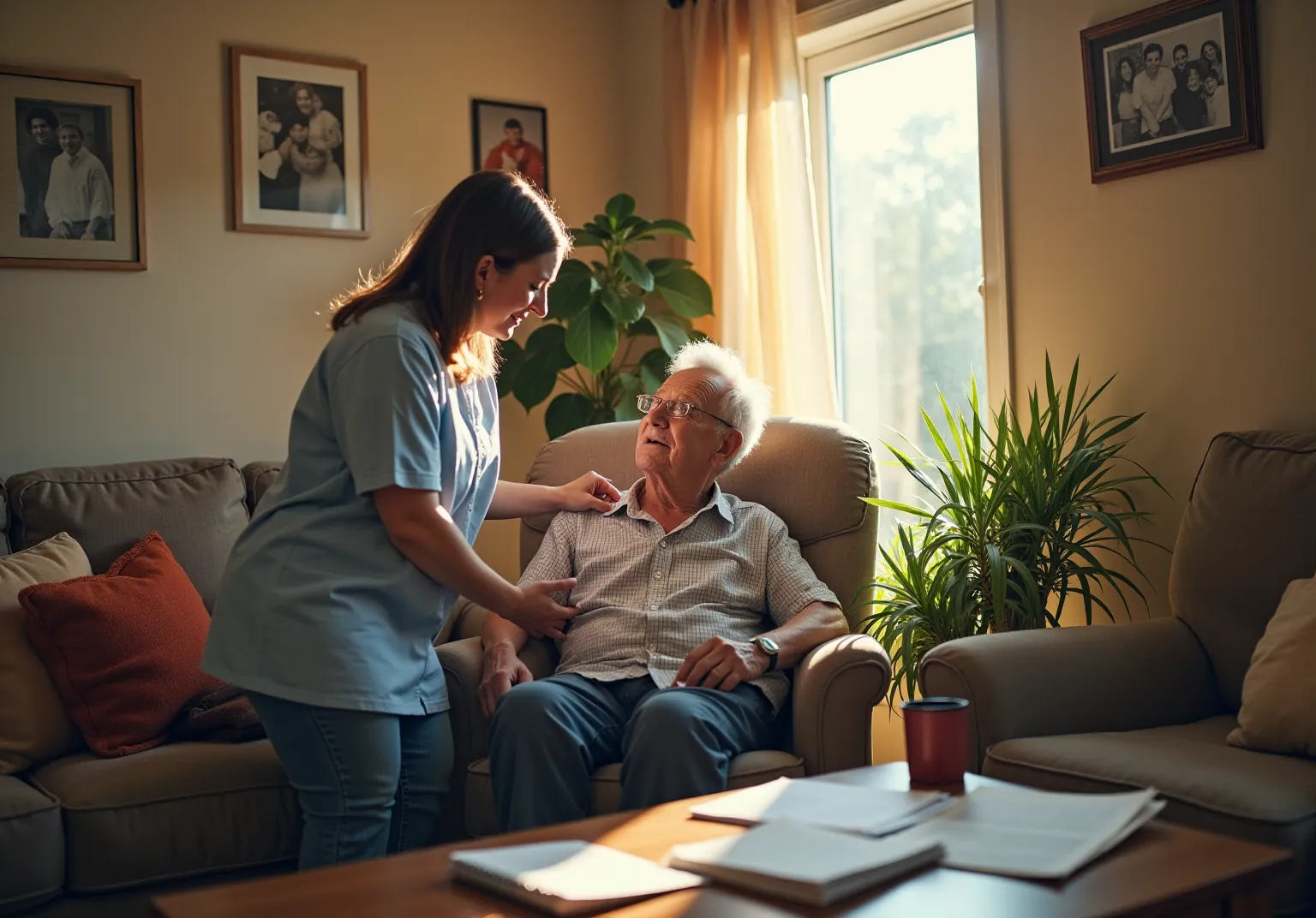
10 Essential Post-Hospital Recovery Assistance Services

For families in our service areas
For families in our service areas, this guide explains caregiver support and how non-medical in-home caregiving can support care planning in East Idaho, Treasure Valley & Magic Valley, Northern Wasatch, North Central West Virginia, and Northeast Ohio.
What to Expect
This article highlights ten essential post-hospital recovery assistance services that are vital for caregivers. It recognizes the emotional challenges they face and emphasizes that these services—such as personalized care plans, companionship care, and 24/7 availability—are designed to significantly enhance the recovery process. By improving patient outcomes and reducing readmission rates, these services provide crucial emotional and physical support for both clients and their caregivers.
Caregivers often experience stress and burnout, and understanding this, the article aims to amplify those feelings while providing reassuring solutions. The compassionate care offered through these services fosters a nurturing environment, making the recovery journey smoother and more manageable.
We hope this overview brings comfort and encouragement to those supporting loved ones through recovery.
What You Need to Know About Post-Hospital Recovery Assistance
The transition from hospital to home can feel overwhelming for patients and their families, often filled with uncertainty and challenges. Post-hospital recovery assistance services serve as a vital lifeline, offering essential support that not only aids in physical recovery but also nurtures emotional well-being. As caregivers navigate these complexities, a crucial question arises: how can these services be tailored to meet the unique needs of each individual, ensuring a smoother recovery journey? By exploring ten vital assistance services, we can uncover the profound impact they can have on enhancing recovery outcomes and alleviating the burdens faced by both patients and their caregivers.
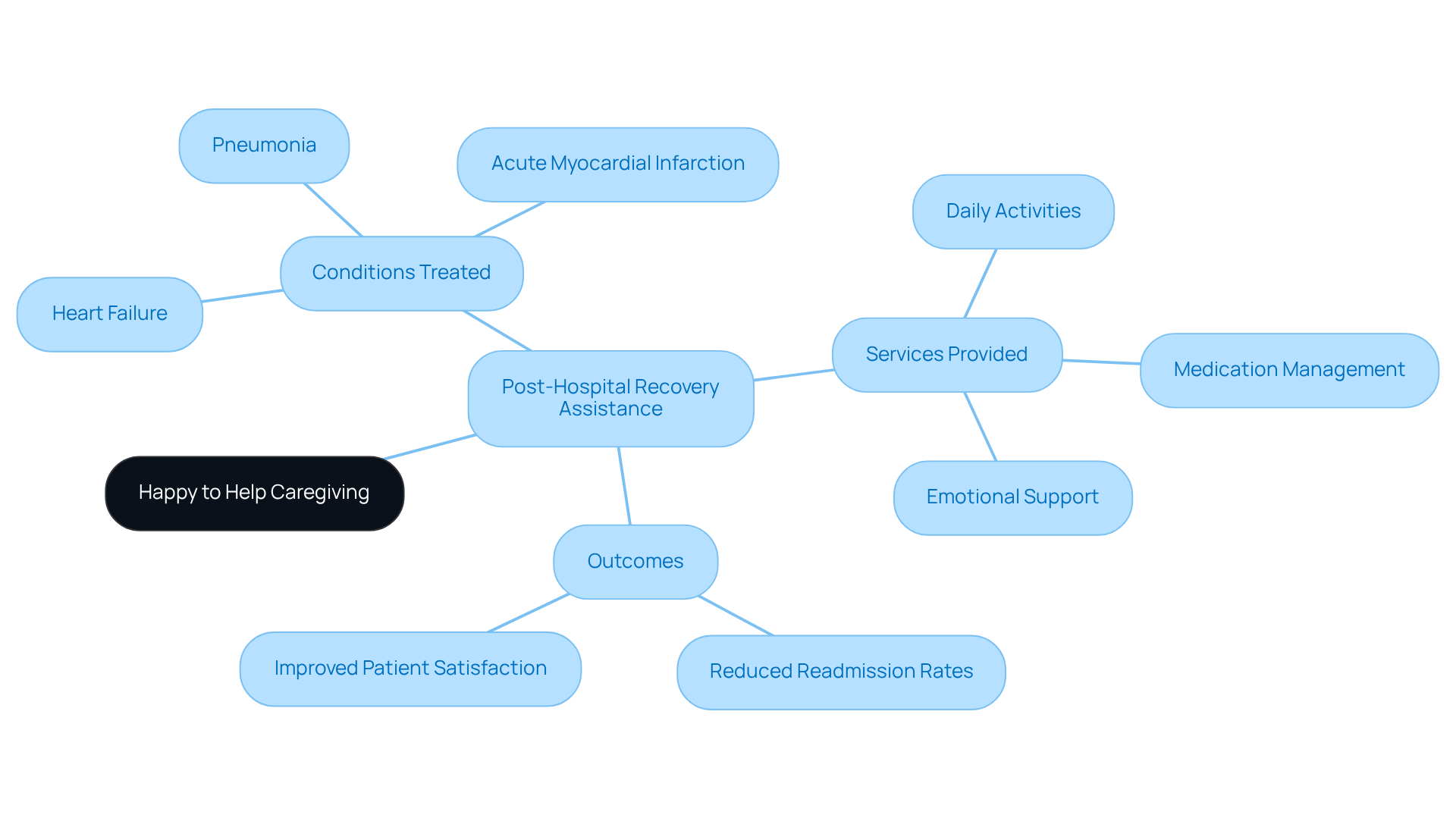
Happy to Help Caregiving: Expert Post-Hospital Recovery Assistance
Happy to Help Caregiving truly excels in delivering , ensuring individuals receive the they need to transition smoothly from hospital to home. Their caregivers are not only trained to assist with daily activities and medication management but also to provide vital emotional support, which is crucial for a successful recovery. This service is thoughtfully designed to , particularly for high-risk patients recovering from conditions such as:
- Heart failure
- Acute myocardial infarction
- Pneumonia
In fact, readmission rates can exceed 60% within just 15 days of discharge. By fostering a at home, clients can regain their independence comfortably. Studies show that patients receiving home support experience a compared to those lacking such assistance, highlighting the efficacy of in-home care. As Dr. Vicenta Gaspar-Yoo, senior vice president of continuum and transitions at AHN, shares, "Our patient satisfaction surveys reveal ." Happy to Help Caregiving's dedication to individualized support ensures that individuals receive the attention and resources essential for optimal healing, establishing it as a crucial ally in their health journey by offering post-hospital recovery assistance services.
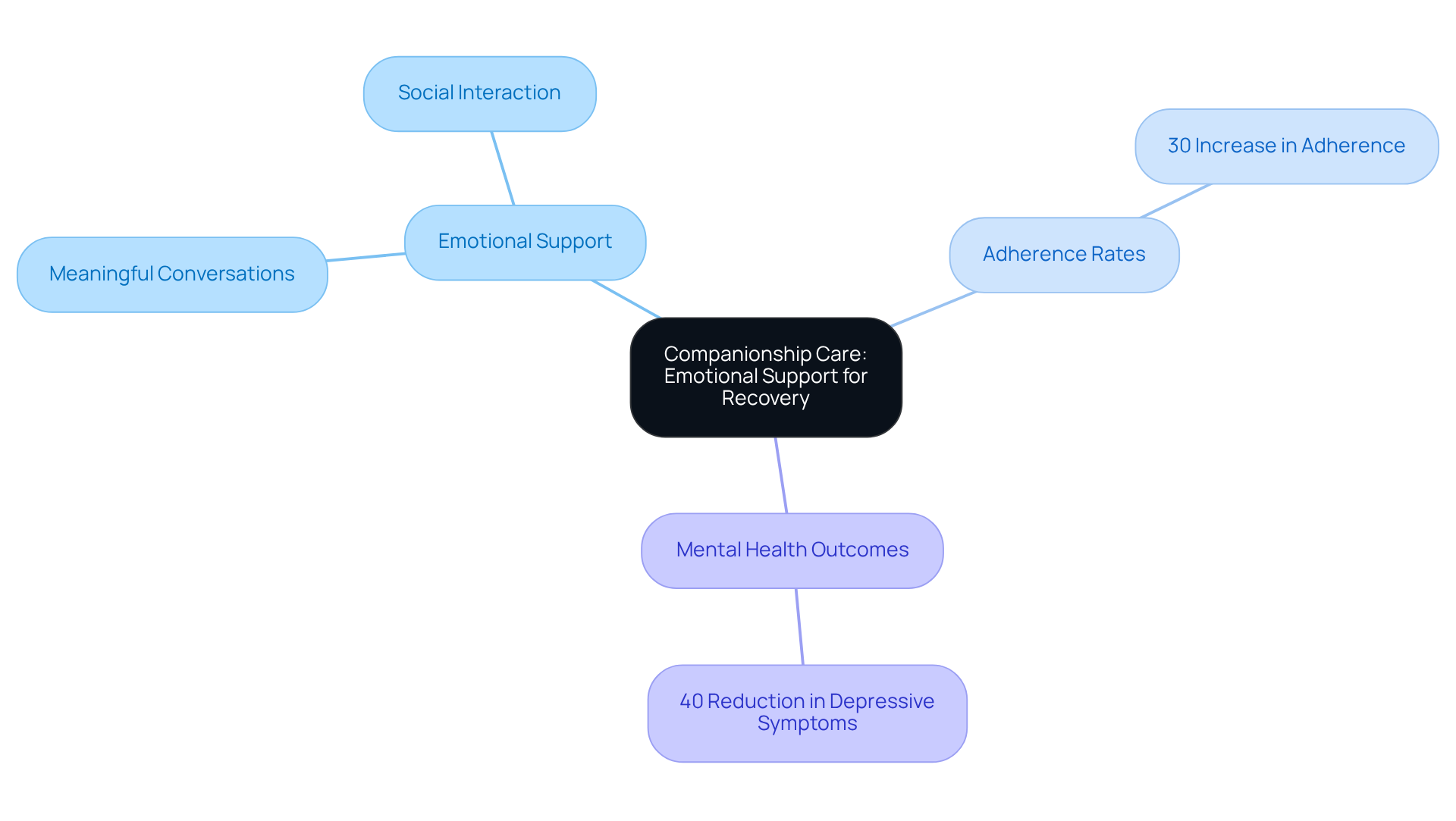
Companionship Care: Emotional Support for Recovery
plays a vital role in the healing journey, offering essential and fostering social interaction. Caregivers engage individuals in meaningful conversations and enjoyable activities, effectively addressing the feelings of isolation that often accompany recovery. This emotional support not only uplifts the client's spirits but also significantly enhances their adherence to treatment plans.
Research indicates that consistent emotional support can boost adherence rates, with studies showing that individuals who receive such care are more likely to stay committed to their regimens. For instance, one study found that seniors receiving regular companionship support experienced a 30% increase in adherence to their compared to those who did not.
Furthermore, case studies highlight that seniors involved in companionship support report improved , including reduced anxiety and depression levels. One particular case study revealed that a senior receiving companionship assistance experienced a remarkable 40% reduction in depressive symptoms over three months.
Thus, companionship assistance emerges as a , ensuring that clients feel encouraged and motivated throughout their recovery journey. This aligns perfectly with 's mission to provide tailored assistance that enhances the quality of life for seniors.
Respite Care: Relief for Family Caregivers
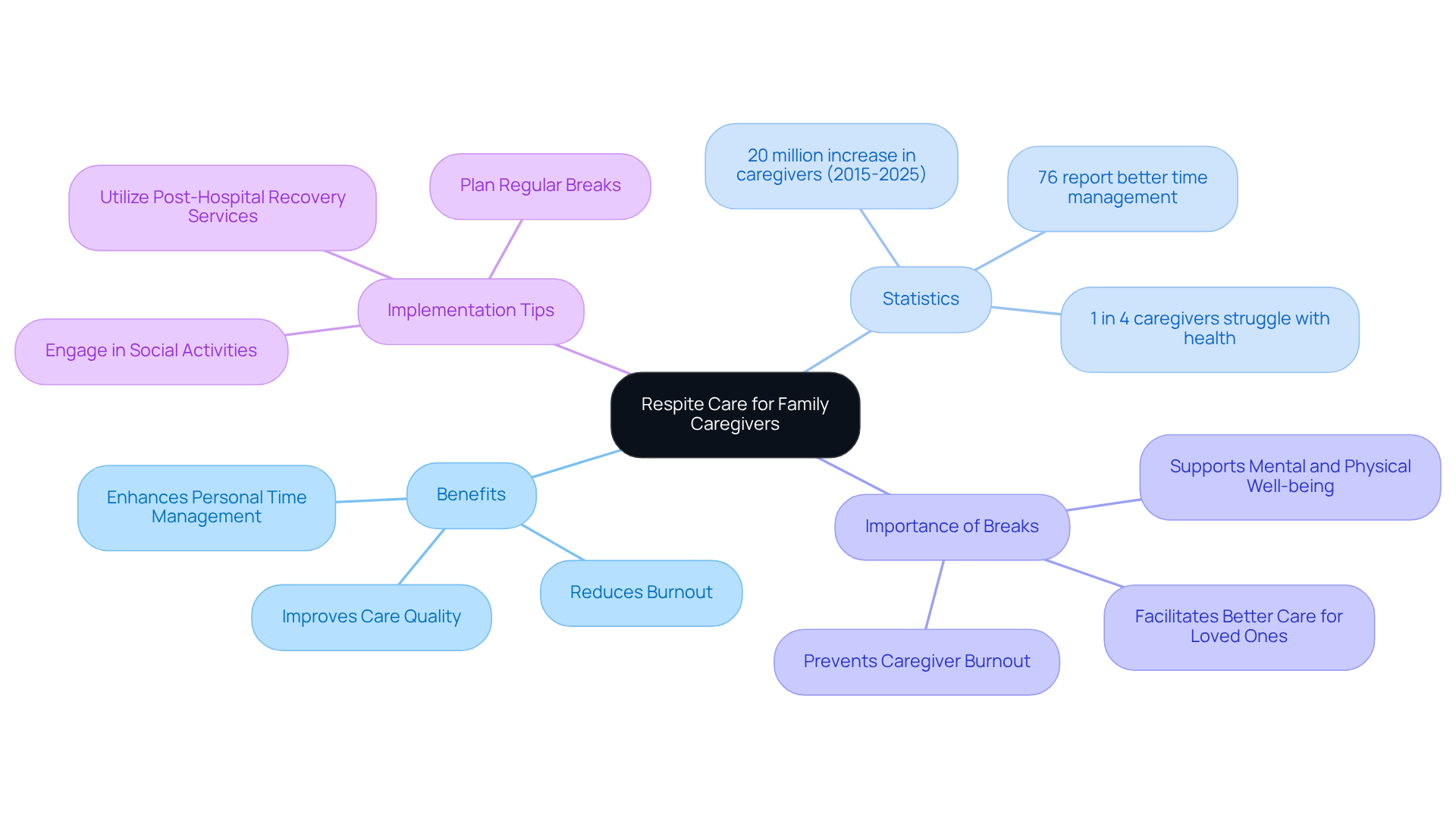
offers essential relief for family providers, allowing them to take needed breaks while ensuring their loved ones receive steady, high-quality . This service, including post-hospital recovery assistance services, can be tailored to fit various needs, whether for a few hours or several days.
By providing temporary relief, post-hospital recovery assistance services play a crucial role in preventing burnout among those giving support—an increasingly acknowledged issue. Research shows that individuals who receive merely four or more hours of post-hospital recovery assistance services each week report a reduction in self-reported strain over time. In contrast, those who do not receive such support frequently undergo heightened stress and exhaustion.
Furthermore, nearly 76% of individuals providing care in critical-needs groups have noted that post-hospital recovery assistance services . This highlights the significance of post-hospital recovery assistance services not only for the health of the provider but also for the quality of care provided to their loved ones.
As caregiving duties can result in , regular breaks are crucial for sustaining both mental and physical well-being, and utilizing post-hospital recovery assistance services can also be beneficial. They enable those who provide care through post-hospital recovery assistance services to recharge and fulfill their important roles effectively. As Bethesda Senior Living Community mentions, 'If you're the one mainly looking after someone, a few days or weeks in post-hospital recovery assistance services might provide them a much-needed pause from you as well.'
To implement post-hospital recovery assistance services effectively, caregivers should consider planning , even if just a few hours each week. This ensures they can maintain their well-being and provide the best assistance possible.
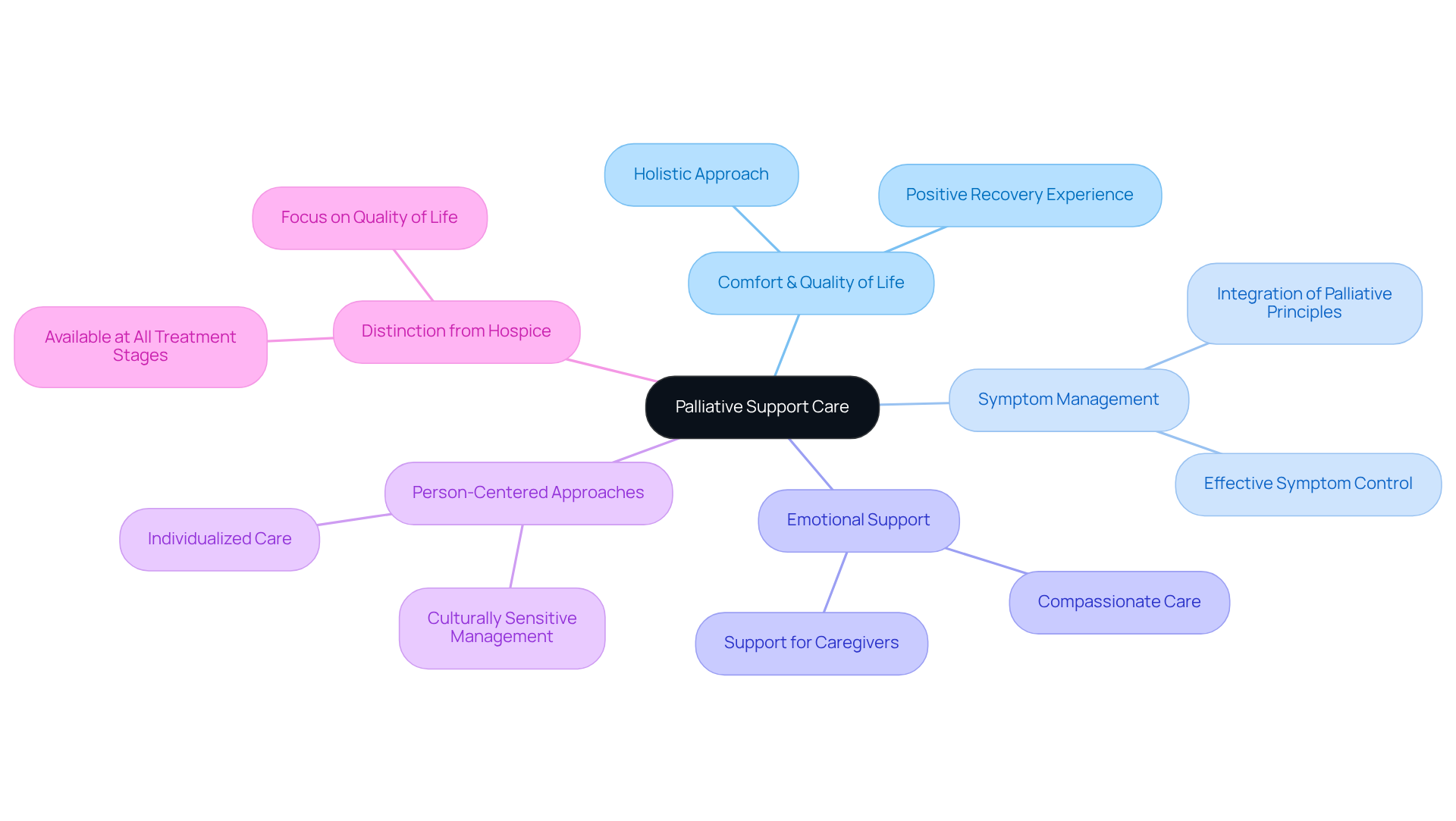
Palliative Support Care: Enhancing Comfort During Recovery
plays a crucial role in enhancing comfort and quality of life for individuals benefiting from after serious health conditions. This compassionate service prioritizes and emotional support, creating a nurturing environment that fosters healing. By addressing both physical and emotional needs, post-hospital recovery assistance services significantly contribute to the recovery process, allowing clients to recuperate in a supportive atmosphere.
Recent advancements in palliative support emphasize the integration of person-centered approaches, which have been shown to enhance patient outcomes. Healthcare professionals advocate for the importance of managing symptoms effectively, noting that a can alleviate distress and enhance overall well-being. As Claire J. Creutzfeldt, MD, highlights, "Incorporating palliative principles into stroke treatment is essential for all patients at every phase following a stroke."
It is also crucial to distinguish between palliative support and hospice services. While , hospice services focus on end-of-life management. As individuals navigate their recovery, the of post-hospital recovery assistance services ensures they feel secure and supported. This ultimately leads to a more positive recovery experience, fostering hope and resilience during challenging times.
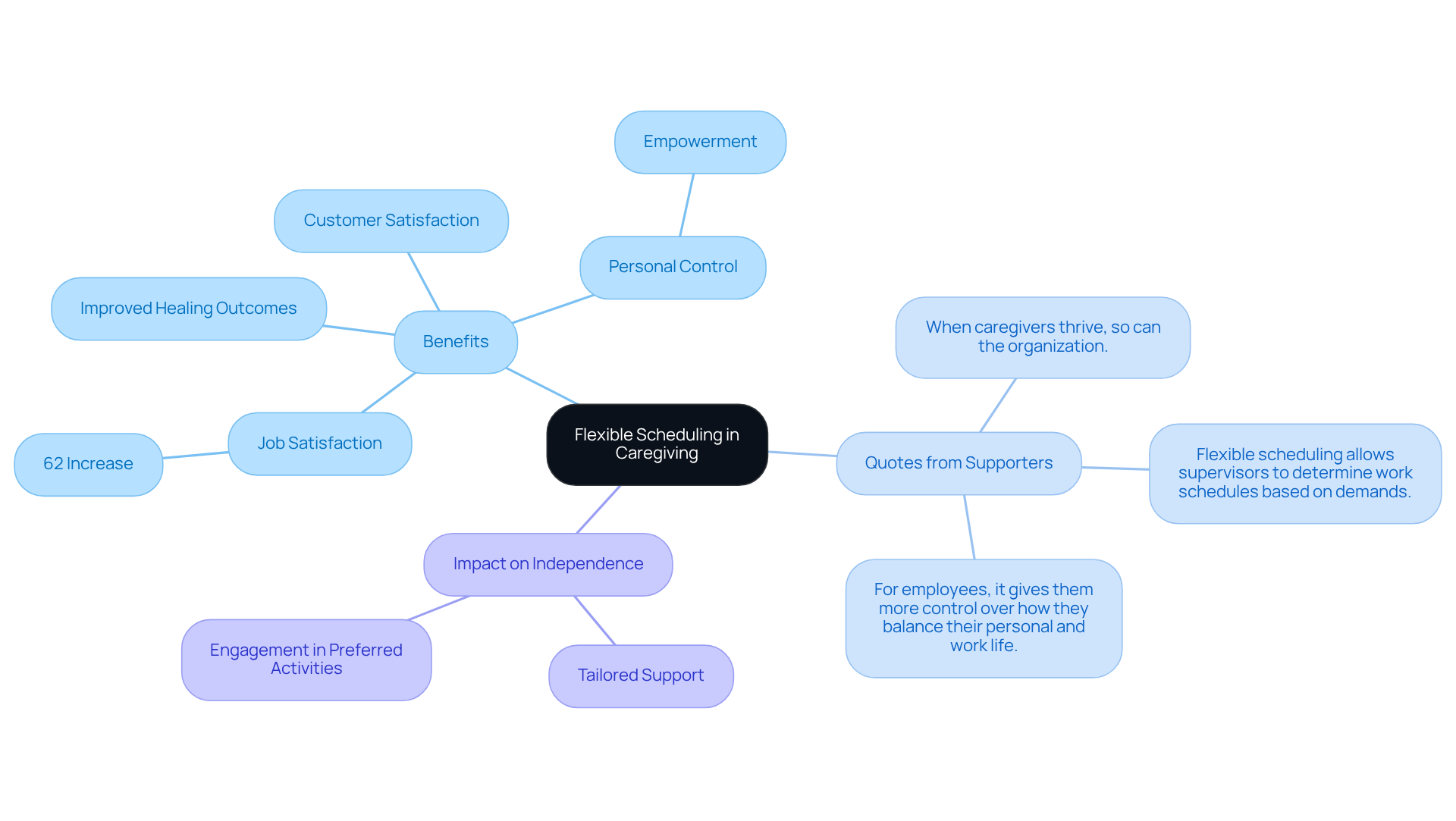
Flexible Scheduling: Tailored Care for Individual Needs
stands as a cornerstone of 's service model, allowing caregivers to provide support precisely when individuals need it most. This adaptability—whether for early morning assistance or late-night care—ensures that individuals receive essential help without disrupting their daily routines. Research reveals that implementing a can by 62 percent, significantly enhancing customer satisfaction. Many individuals express a heightened sense of control over their lives through this approach. By tailoring support, we not only enhance the quality of care but also promote independence, enabling clients to engage in their preferred activities and routines.
Supporters often highlight the importance of adjusting assistance to meet personal needs. One supporter beautifully stated, "When supporters flourish, so can the organization." This adaptability fosters and overall well-being with the help of . By prioritizing , Happy to Help Caregiving empowers individuals to thrive in their familiar environments, reinforcing their dignity and independence during post-hospital recovery assistance services.
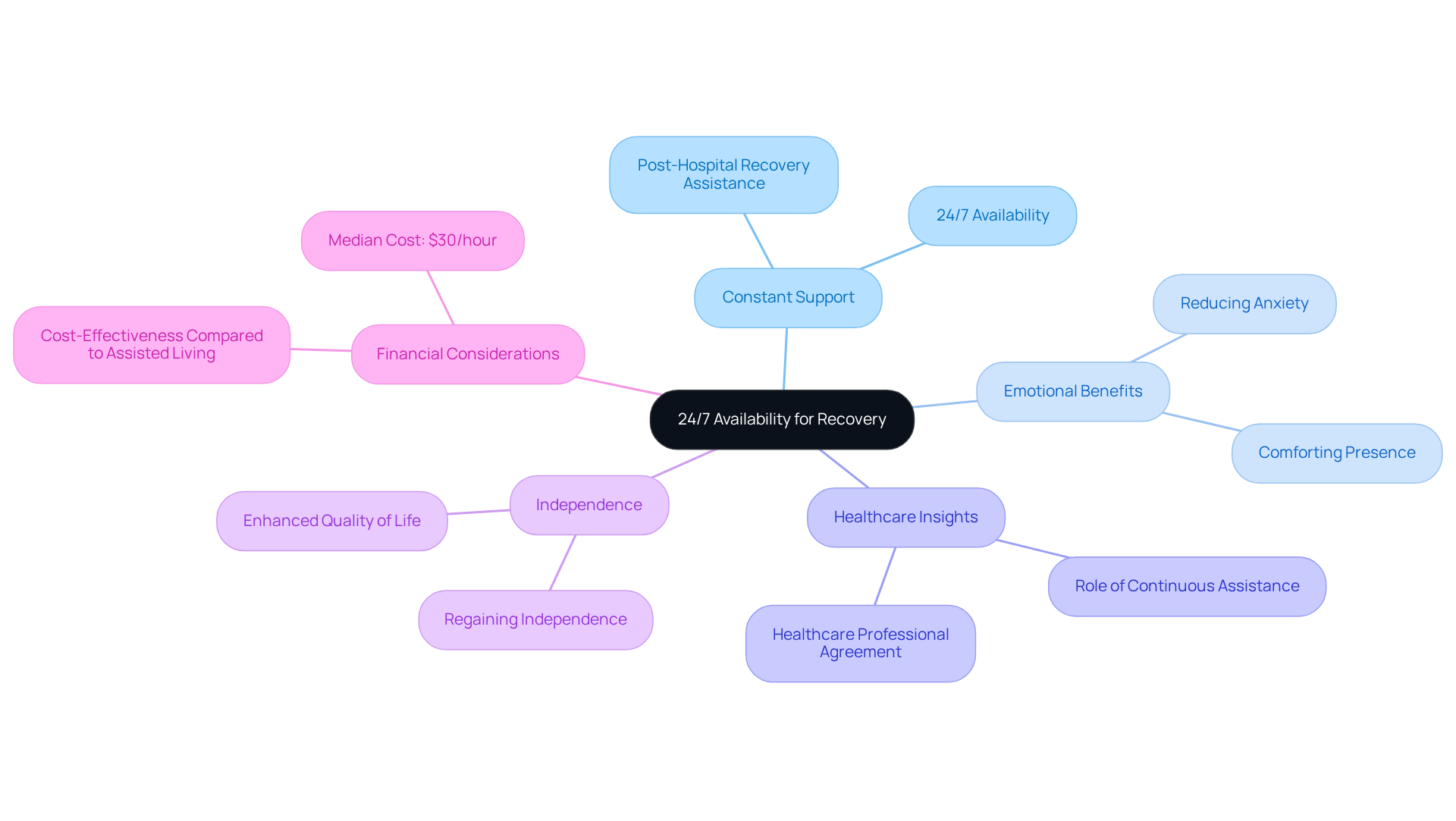
24/7 Availability: Continuous Support for Recovery
At , we understand that support is crucial, which is why we offer . This means individuals can receive assistance whenever they need it, for clients and their families. For those recovering from surgery or serious illness, can serve as a comforting presence. Research indicates that significantly reduces anxiety, fostering a relaxed atmosphere that is conducive to healing.
Jason Resendez, President and CEO of the National Alliance for Caregiving, highlights an important truth: "When nearly 1 in 4 adults are providing complex care with virtually no training, we cannot continue to treat family caregiving as invisible labor." This statement underscores the vital role of , such as post-hospital recovery assistance services, in the rehabilitation process. Healthcare professionals agree that post-hospital recovery assistance services not only aid in healing but also enhance overall outcomes, allowing clients to regain their independence more swiftly.
The peace of mind that comes from knowing post-hospital recovery assistance services are just a call away can truly transform the recovery journey, making it smoother and more manageable. Additionally, the goals of home support services are to ensure individuals feel secure, comfortable, and as independent as possible, which aligns beautifully with the benefits of post-hospital recovery assistance services. Families should also reflect on the , as the median cost of 24/7 in-home assistance is about $30 per hour, often proving to be more economical than assisted living facilities.
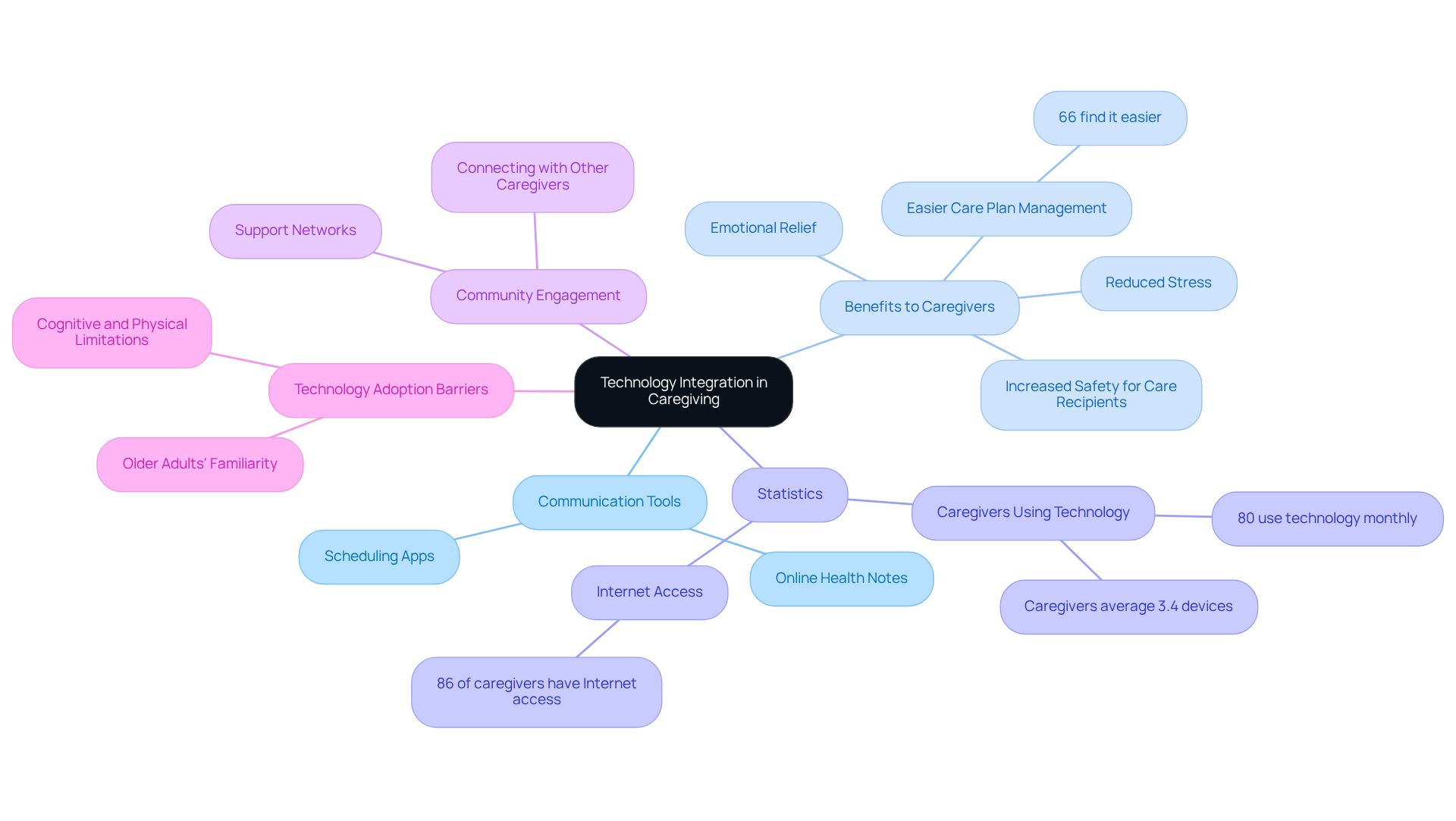
Technology Integration: Enhancing Care Coordination
plays a vital role in the services provided by , fostering better communication and coordination among caregivers, clients, and their families. Tools such as online health notes and allow families to stay informed about their loved one's treatment, enhancing transparency and trust. This technological support not only enriches the caregiving experience but also empowers families to take a more active role in their loved one's recovery.
According to a study by Pew Research Center, 66% of caregivers find it easier to manage when using these tools. This statistic reflects the emotional relief that technology can provide, alleviating some of the stress and burden caregivers often face. Moreover, caregivers frequently utilize these technologies to connect with one another and access essential health information, underscoring the significance of technology in contemporary caregiving.
As Teresa A. Keenan from AARP Research notes, "Caregivers are comfortable with technology, albeit with differences across age groups." This observation highlights the importance of to help overcome potential barriers to technology adoption, particularly among older adults. By prioritizing technology, Happy to Help Caregiving ensures that families are not merely passive observers but active participants in the services for their loved ones. This approach nurtures a sense of community and connection, reminding us all that we are in this together.
Personalized Care Plans: Tailoring Support to Individual Needs
At , we understand that each individual faces . are at the heart of our strategy, ensuring that we address the distinct needs and preferences of every person we support. We believe that by partnering with individuals and their families, we can create plans that truly reflect their medical history, lifestyle, and personal goals.
This collaborative approach not only provides practical support but also nurtures . When care is , it allows our supporters to offer more effective assistance. The result? Improved and a greater sense of satisfaction for those receiving care.
We are here to listen and to help, ensuring that no one feels alone on their journey. Together, we can navigate the path to healing and comfort, fostering a that makes a real difference in the lives of our clients.
https://iframe.tely.ai/cta/eyJhcnRpY2xlX2lkIjogIjY4ZWU4NWJjNDMzZjc3MzIzZGY1MWI2ZSIsICJjb21wYW55X2lkIjogIjY4ZWU1ZGNhNzMxNzYyNTU3ZjNjOTVjMSIsICJpbmRleCI6IDcsICJ0eXBlIjogImFydGljbGUifQ==Trained Caregivers: Ensuring Quality and Safety in Care
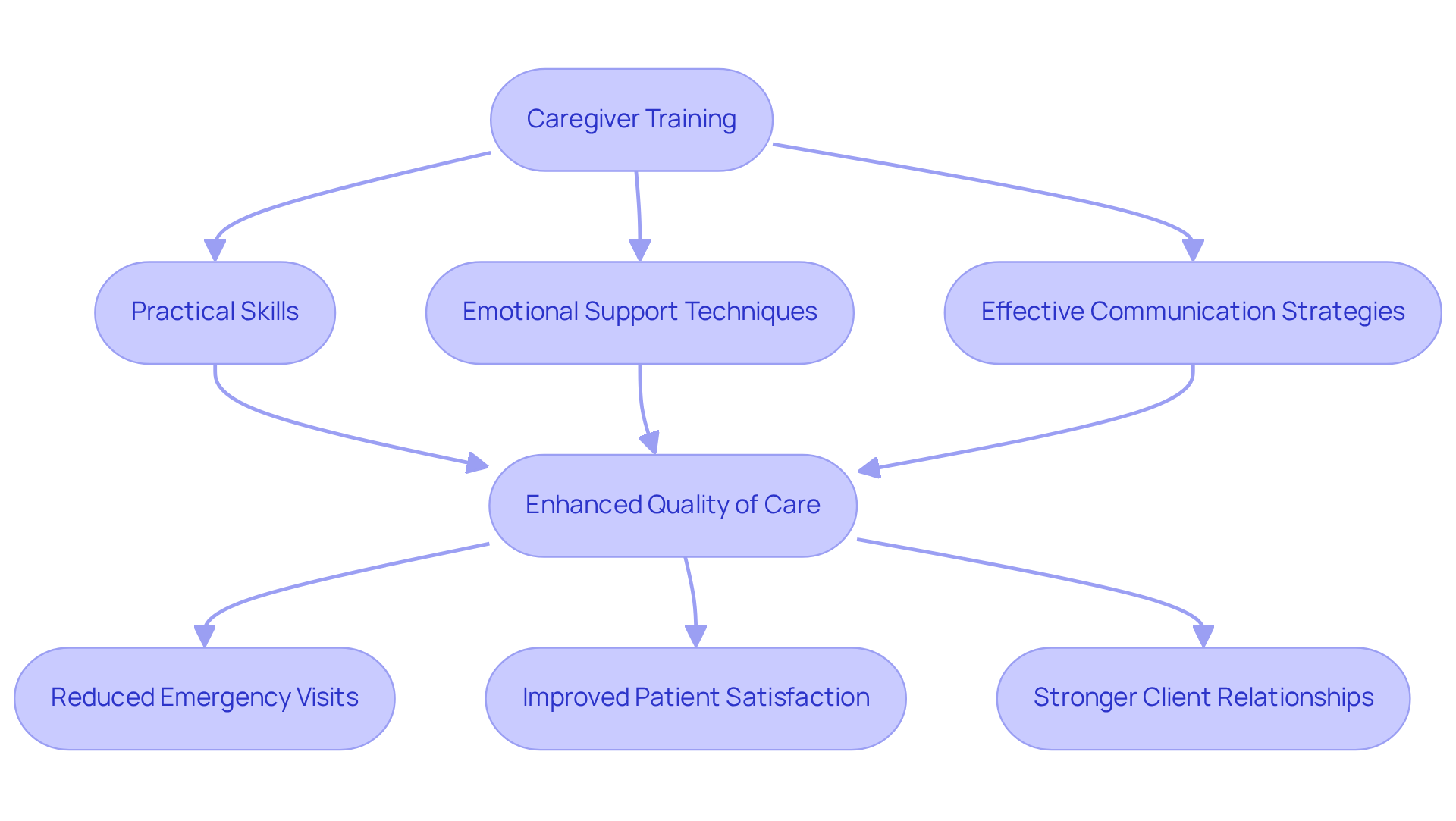
At , we understand the emotional challenges faced by caregivers. That's why all our staff members receive thorough training designed to equip them with . This training encompasses practical skills, emotional support techniques, and , ensuring our providers can meet both the physical and emotional needs of individuals.
Research shows that well-trained support staff significantly enhance the quality of care, leading to better patient outcomes and satisfaction. For instance, a study published in the Professional Case Management journal highlights that effective training can lead to a and hospital admissions. This underscores the critical role training plays in maintaining client safety and well-being.
Furthermore, effective training fosters stronger relationships with clients. Our caregivers are better prepared to understand and respond to the . As stated by the National Institute on Aging, are more equipped to handle the challenges of long-term assistance, resulting in improved patient outcomes. This tailored approach not only instills a sense of safety for individuals but also enhances their overall healing experience.
By emphasizing continuous learning and skill enhancement, Happy to Help Caregiving ensures that clients receive compassionate, effective support through services during their recovery journey. Ultimately, this commitment leads to and a higher quality of life for those we serve.
Support for Family Caregivers: Addressing Emotional and Physical Challenges
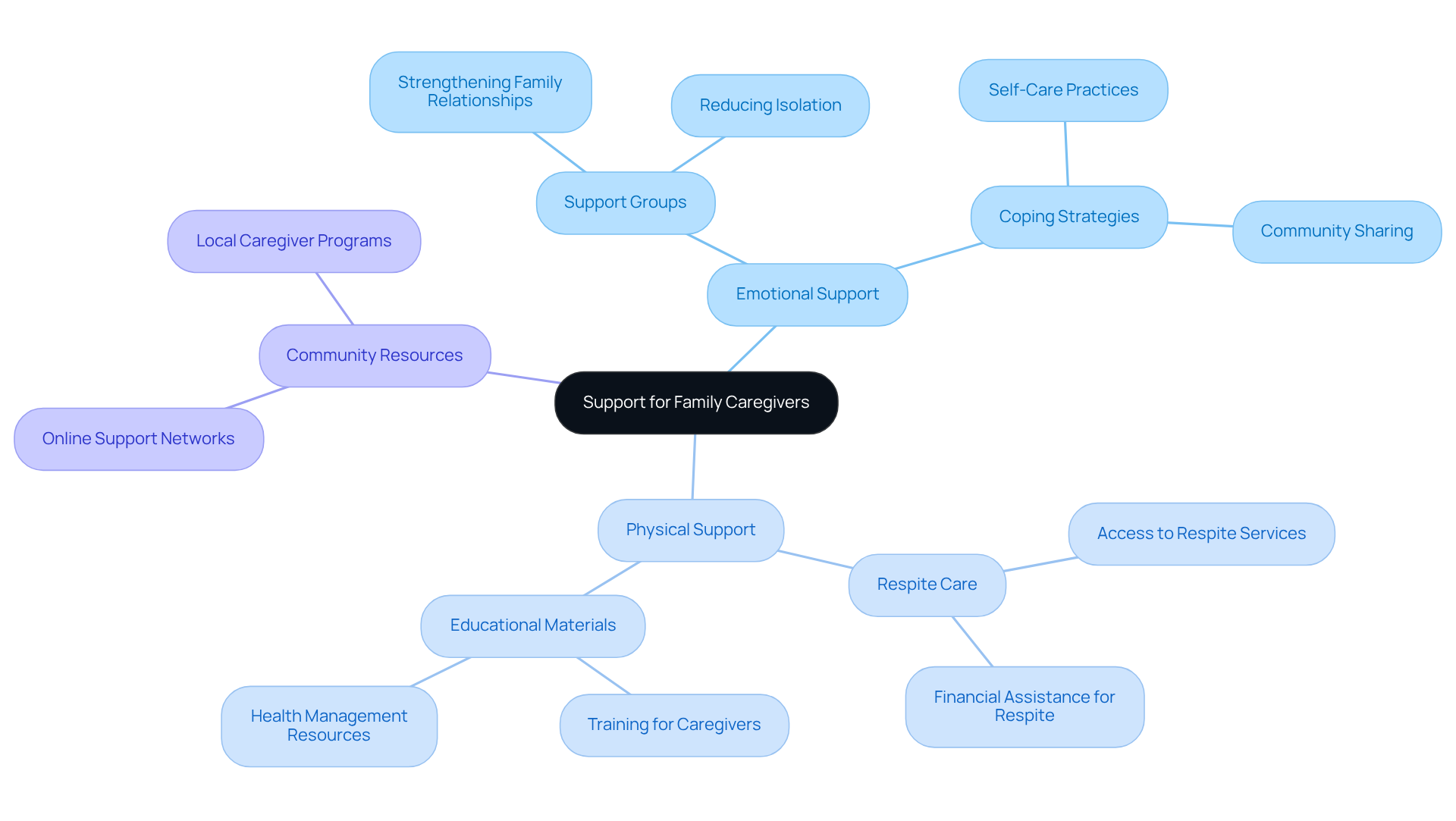
At , we recognize the significant emotional and physical challenges that family supporters face. These burdens can feel overwhelming, and we are here to alleviate them. Our organization offers a range of resources designed to support those who provide . From support groups to educational materials and , we aim to be a source of comfort and assistance.
These initiatives are essential, especially considering that studies indicate —this is considerably higher than those not in caregiving roles. By fostering a nurturing atmosphere, Happy to Help Caregiving not only addresses the needs of family supporters but also enhances the overall well-being of both supporters and clients.
Participating in support groups has been shown to . These gatherings allow individuals to share their experiences and coping strategies, creating a sense of community. As Charlotte Yeh emphasizes, "Family supporters must learn to look after themselves first and foremost." This holistic approach empowers caregivers, equipping them to manage their responsibilities effectively.
Ultimately, our goal is to lead caregivers toward a by utilizing post-hospital recovery assistance services, filled with support, understanding, and compassion.
Making the Right Choice
Happy to Help Caregiving truly stands out as a vital partner in post-hospital recovery, providing essential services that not only aid physical healing but also nurture emotional well-being. By delivering tailored assistance—such as companionship, respite care, and 24/7 support—this organization addresses the multifaceted needs of individuals transitioning from hospital to home, ensuring a smoother recovery process.
The article highlights key services that enhance recovery outcomes, including:
- Emotional support through companionship care
- The importance of respite for family caregivers
- The integration of technology to streamline care coordination
Each service plays a significant role in reducing readmission rates, alleviating caregiver burnout, and improving overall patient satisfaction. Personalized care plans and trained caregivers ensure that individuals receive the specific support they need, reinforcing the importance of individualized attention in the recovery journey.
In conclusion, prioritizing post-hospital recovery assistance services is crucial for both patients and caregivers. As the landscape of caregiving continues to evolve, embracing these comprehensive support options can lead to improved health outcomes and a more fulfilling caregiving experience. By recognizing and addressing the unique challenges faced during recovery, families can create a nurturing environment that promotes healing, independence, and emotional resilience.
https://iframe.tely.ai/cta/eyJhcnRpY2xlX2lkIjogIjY4ZWU4NWJjNDMzZjc3MzIzZGY1MWI2ZSIsICJjb21wYW55X2lkIjogIjY4ZWU1ZGNhNzMxNzYyNTU3ZjNjOTVjMSIsICJpbmRleCI6IG51bGwsICJ0eXBlIjogImFydGljbGUifQ==Frequently Asked Questions
What services does Happy to Help Caregiving provide for post-hospital recovery?
Happy to Help Caregiving offers post-hospital recovery assistance services that include support with daily activities, medication management, and emotional support to help individuals transition smoothly from hospital to home.
How does Happy to Help Caregiving aim to reduce readmission rates?
The service is designed to foster a safe healing environment at home, which has been shown to reduce readmission rates. Patients receiving home support have a 15% lower readmission rate compared to those without assistance.
What types of patients can benefit from post-hospital recovery assistance?
High-risk patients recovering from conditions such as heart failure, acute myocardial infarction, and pneumonia can particularly benefit from post-hospital recovery assistance services.
How does companionship care support recovery?
Companionship care provides essential emotional support and fosters social interaction, helping to alleviate feelings of isolation. This support enhances clients' adherence to treatment plans and improves their overall mental health.
What impact does emotional support have on treatment adherence?
Research shows that individuals receiving consistent emotional support are more likely to adhere to their treatment regimens. For example, seniors receiving companionship support experienced a 30% increase in adherence to their recovery plans.
What is the significance of respite care for family caregivers?
Respite care offers essential relief for family caregivers, allowing them to take breaks while ensuring their loved ones receive high-quality care. This helps prevent caregiver burnout and reduces stress.
How much assistance is recommended for family caregivers to manage stress?
Research indicates that receiving just four or more hours of post-hospital recovery assistance services each week can help caregivers report a reduction in self-reported strain over time.
What are the benefits of regular breaks for caregivers?
Regular breaks are crucial for maintaining the mental and physical well-being of caregivers, helping them recharge and continue providing effective support to their loved ones.