
The Importance of Qualities of a Private Duty Caregiver
Caregiving is not merely about addressing physical needs; it presents a complex challenge where emotional, social, and psychological factors intertwine, significantly impacting the quality of life for those in care. As the demand for personalized support increases, understanding the essential qualities of a private duty caregiver becomes crucial.
The problem lies in the multifaceted nature of caregiving, which can lead to feelings of overwhelm for caregivers. This complexity can hinder the development of trust and deeper connections between caregivers and those they assist. How can caregivers effectively balance empathy with reliability while ensuring dignity and independence for their clients?
This article explores ten critical traits that enhance the caregiving experience and foster meaningful relationships. By focusing on these qualities, caregivers can improve their practices and provide better support.
To elevate caregiving, we will delve into actionable tips and insights that address these vital qualities, helping caregivers navigate their roles with confidence and compassion.
Happy to Help Caregiving: Personalized Care Tailored to Individual Needs
Caregiving often faces a significant problem: many services fail to address the holistic needs of individuals. This oversight can lead to inadequate support, affecting not just the medical and physical requirements but also the emotional and social well-being of those in care. When caregivers neglect these aspects, it can diminish the quality of life for elderly individuals and those with unique needs.
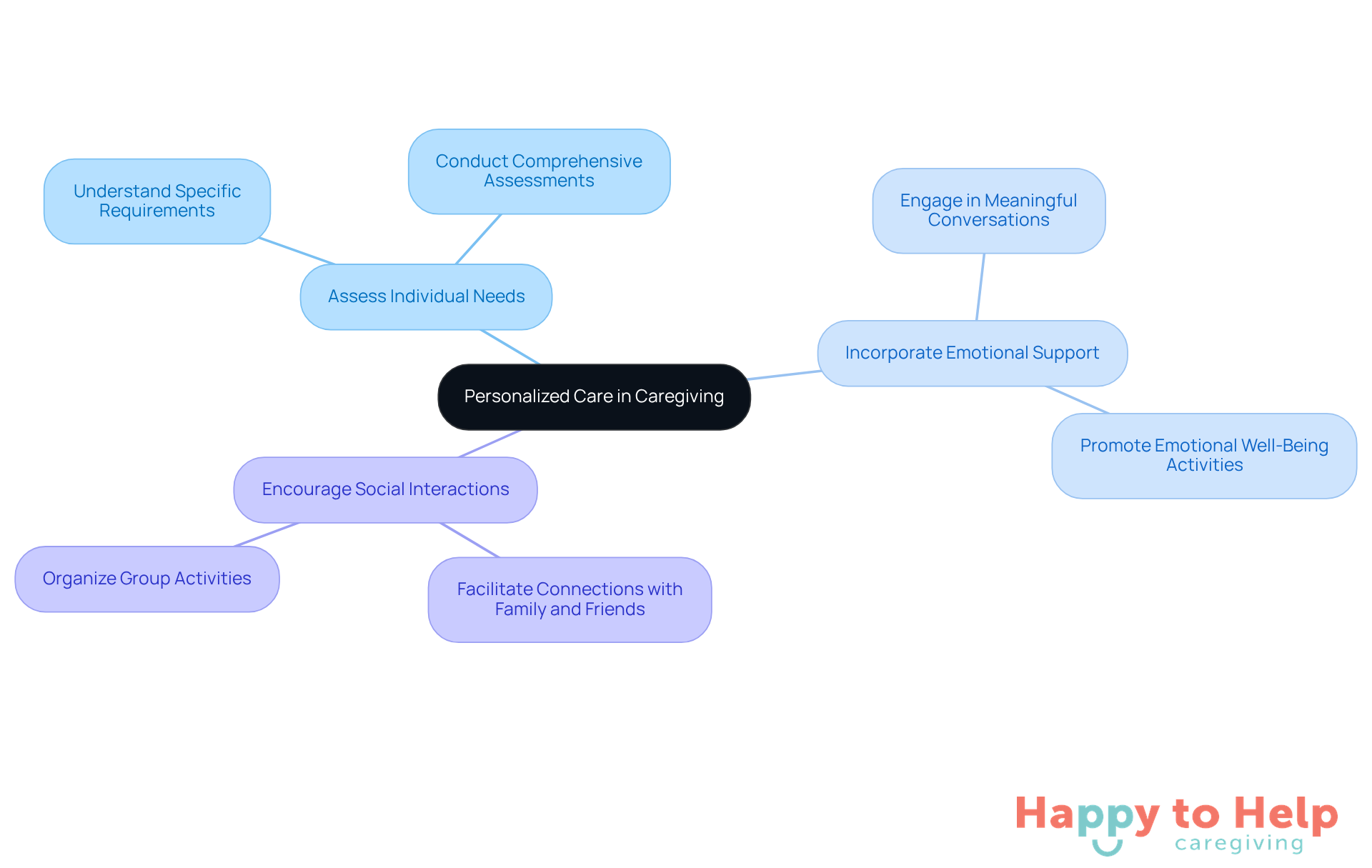
To tackle this issue, caregivers must adopt a more comprehensive approach. By developing personalized care strategies, a private duty caregiver can create a nurturing atmosphere that encourages autonomy. This not only improves the overall quality of life but also fosters a sense of dignity and respect among those receiving care.
Here are some actionable tips for caregivers:
- Assess individual needs: Take the time to understand the specific requirements of each person in your care.
- Incorporate emotional support: Engage in meaningful conversations and activities that promote emotional well-being.
- Encourage social interactions: Facilitate connections with family and friends to enhance social engagement.
By focusing on these strategies, a private duty caregiver can ensure a more fulfilling and supportive caregiving experience.
Empathy: Understanding and Connecting with Clients
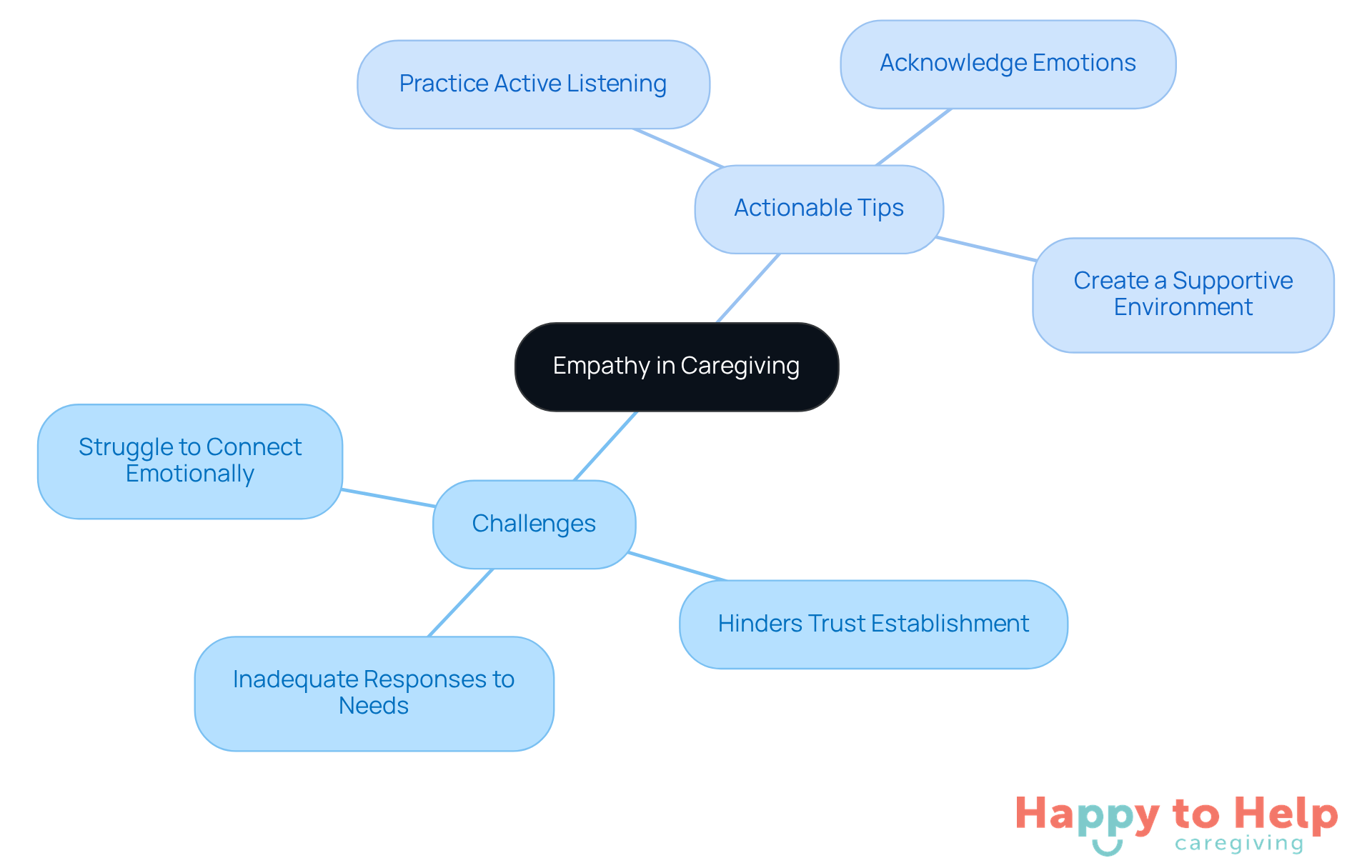
For many private duty caregivers, empathy is a significant challenge. Without it, they struggle to connect with the emotions and experiences of those they assist, which can hinder the establishment of trust. This lack of emotional connection can lead to inadequate responses to the needs of individuals, ultimately affecting the quality of care provided.
To address this issue, a private duty caregiver can take practical steps to enhance their empathetic skills. Actively listening and acknowledging feelings are essential practices that create a secure environment. When individuals feel appreciated and understood, their overall care experience improves significantly.
Here are some actionable tips for caregivers:
- Practice active listening: Focus fully on the speaker, showing genuine interest in their feelings.
- Acknowledge emotions: Validate the feelings of those you assist, letting them know their emotions are recognized.
- Create a supportive environment: Foster a space where individuals feel safe to express themselves.
By implementing these strategies, a private duty caregiver can build stronger emotional bonds, leading to better care outcomes.
Reliability: Consistent Support for Peace of Mind
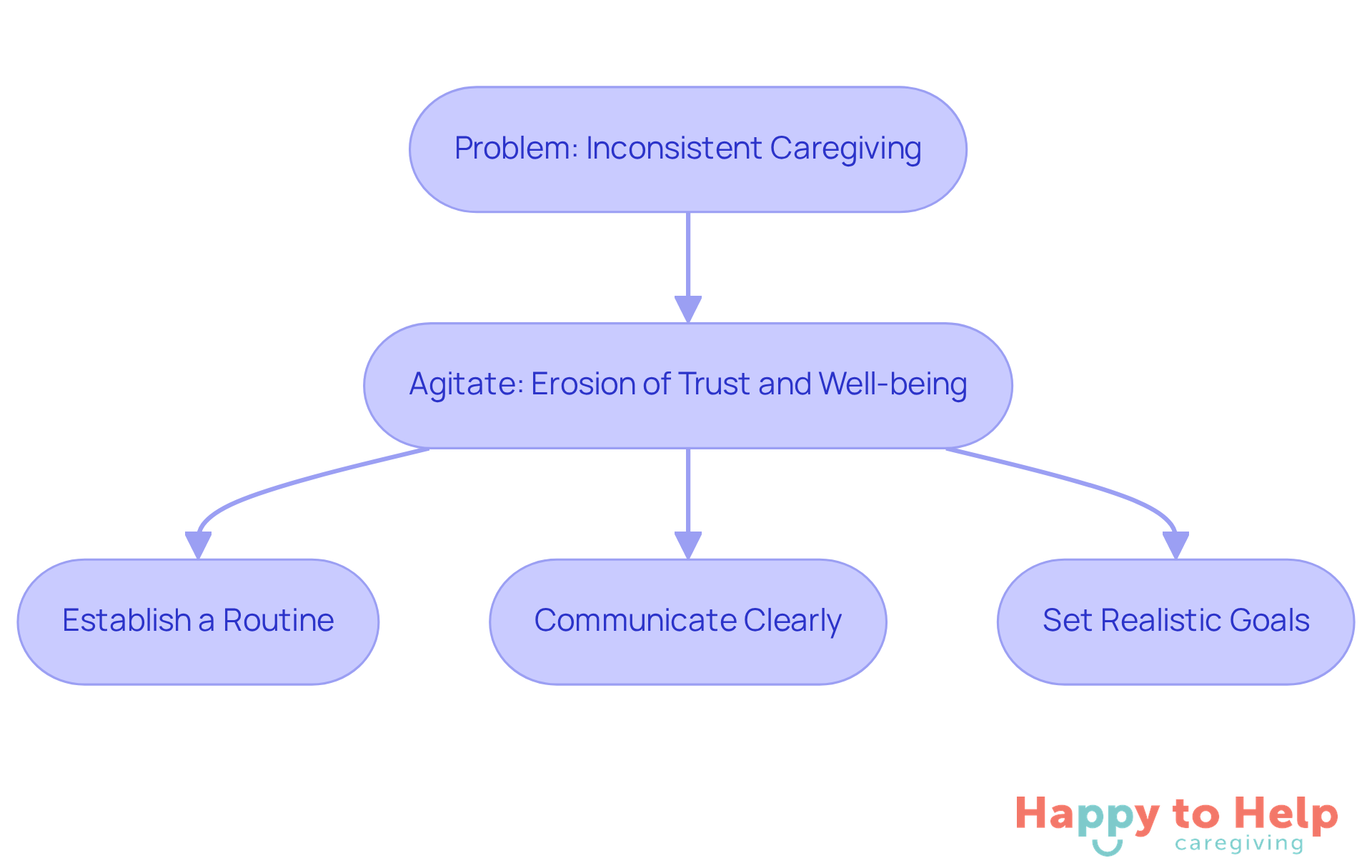
Problem: Reliability in caregiving is crucial. When caregivers are inconsistent, it can lead to feelings of insecurity for those they care for. Families may worry about whether their loved ones are receiving the attention they need.
Agitate: This inconsistency not only disrupts daily routines but can also erode trust between caregivers and those they serve. Individuals may feel unsupported, which can negatively impact their overall well-being and quality of life.
Solution: To foster reliability, caregivers should adhere to schedules and follow through on commitments. This consistency builds trust and provides peace of mind for families. Here are some actionable tips:
- Establish a Routine: Create a daily schedule that outlines tasks and responsibilities.
- Communicate Clearly: Keep open lines of communication with families about any changes or updates.
- Set Realistic Goals: Ensure that commitments are manageable to avoid overpromising.
By implementing these strategies, caregivers can enhance their reliability, ensuring that individuals feel secure and supported in their daily lives.
Independence: Encouraging Self-Sufficiency in Daily Activities
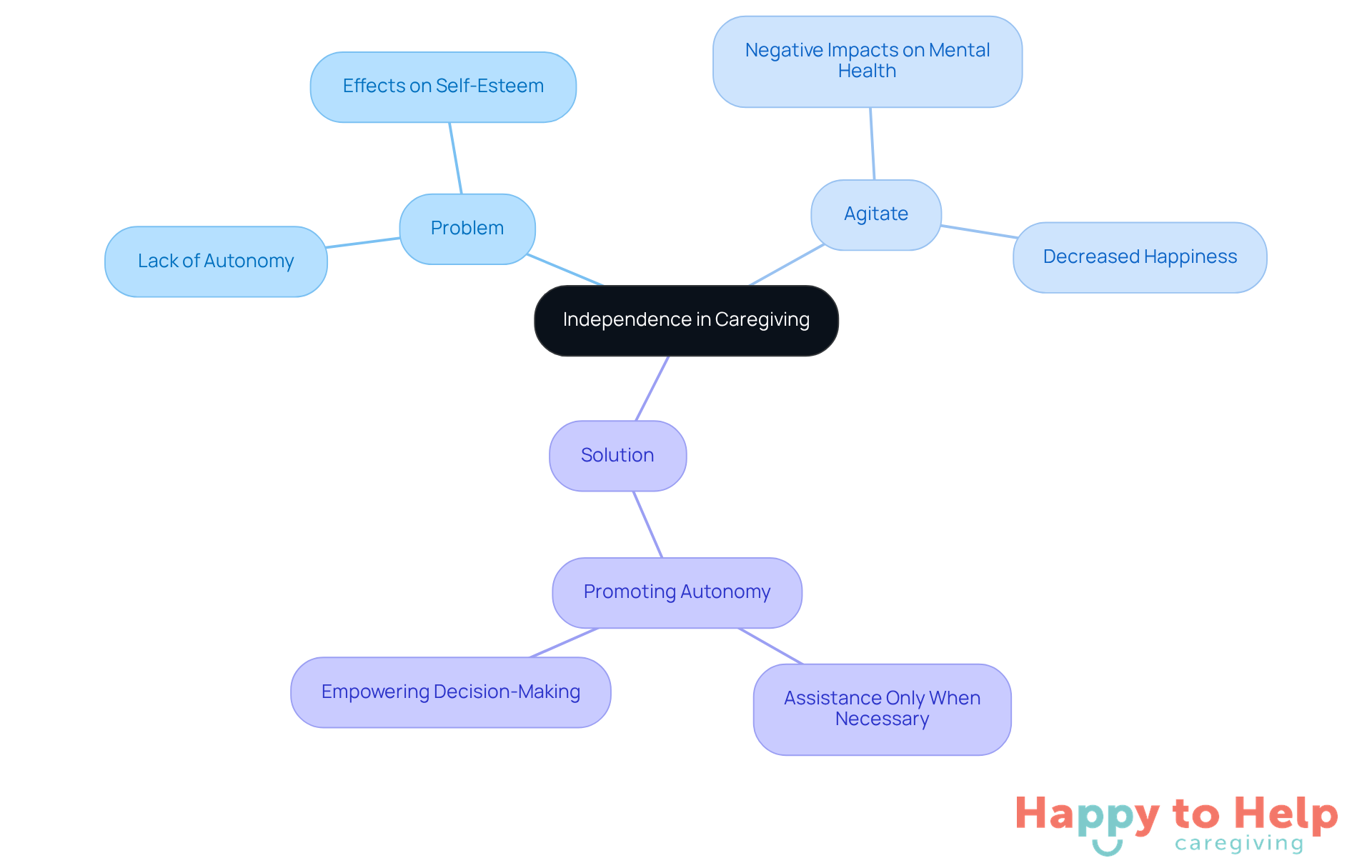
Problem: Many individuals in caregiving situations struggle with a lack of autonomy, which can hinder their ability to engage in daily activities. This limitation can lead to feelings of helplessness and decreased self-esteem.
Agitate: When caregivers do not promote autonomy, it can negatively impact the mental health and overall happiness of those they care for. A sense of self-worth and dignity is crucial for emotional well-being, and without it, individuals may feel undervalued and disconnected from their routines.
A private duty caregiver can foster autonomy by providing assistance only when necessary. This approach allows individuals to make decisions about their daily routines and preferences, empowering them to take charge of their lives. By promoting autonomy, caregivers not only enhance the quality of life for those they support but also contribute to their mental health and happiness.
Communication Skills: Facilitating Clear and Compassionate Interactions
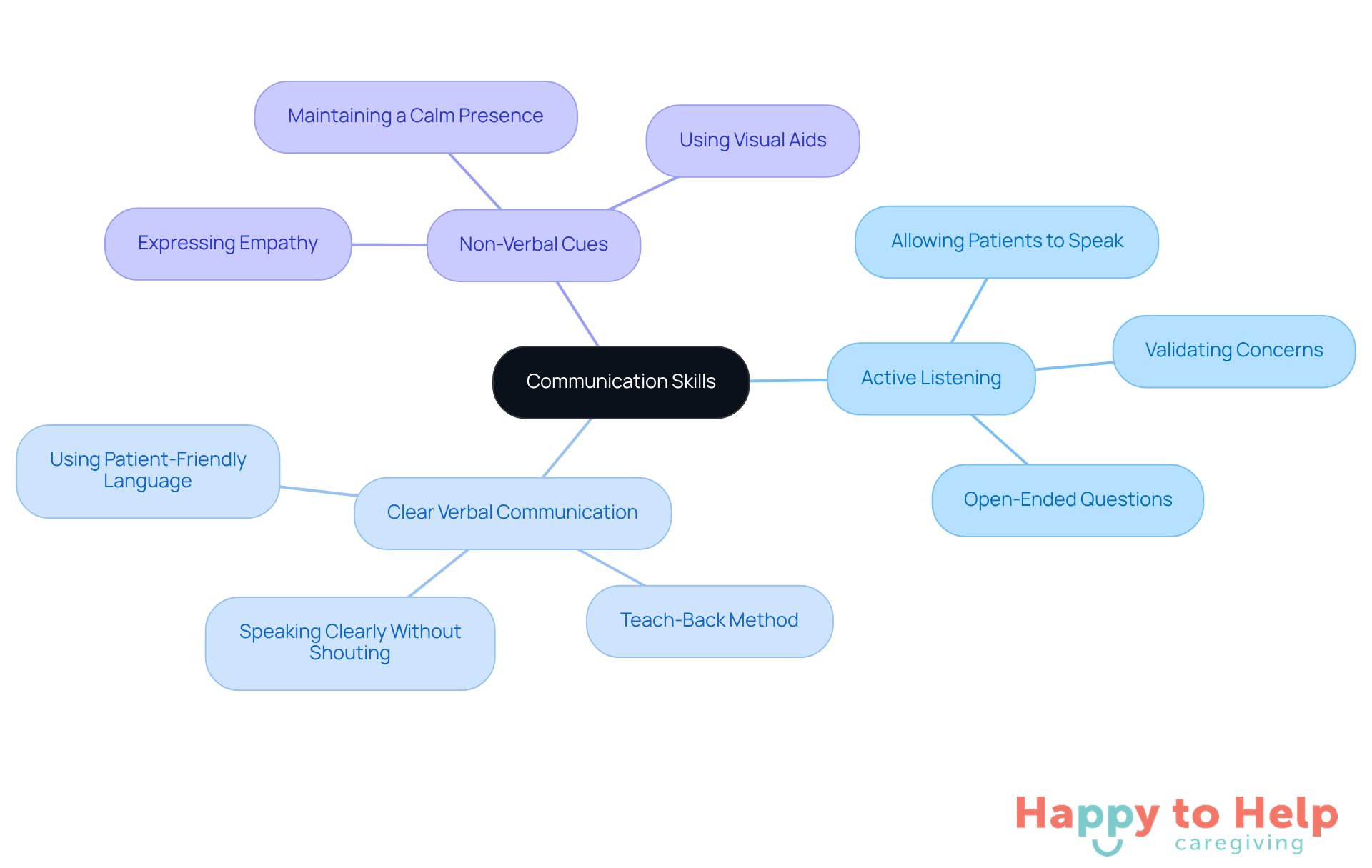
Effective communication skills are crucial for providers facing the challenge of engaging with individuals and their families. Without robust communication, misunderstandings can arise, leading to unmet needs and dissatisfaction. This issue can significantly impact the quality of care provided, leaving caregivers feeling frustrated and individuals feeling unheard.
To address these challenges, providers should focus on three key areas:
- Active listening
- Clear verbal communication
- Non-verbal cues that express empathy and understanding
By promoting open channels of communication, caregivers can better assess individuals' needs, resolve issues promptly, and provide comfort. This approach not only enhances service outcomes but also fosters a trusting relationship between providers and those they serve.
Training and Expertise: Ensuring Competent Care Delivery
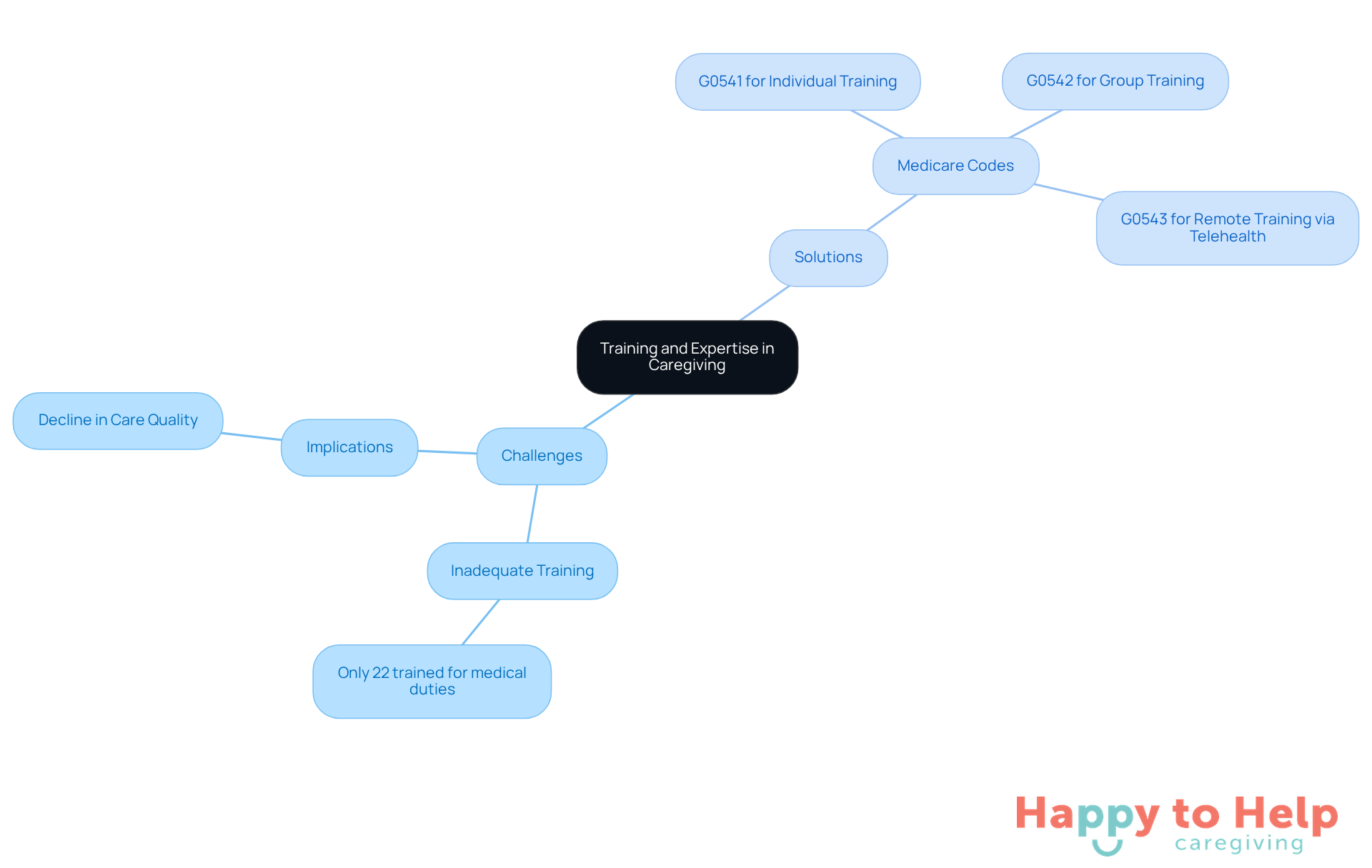
Training and expertise are crucial for effective caregiving. However, many caregivers face a significant problem: inadequate training. Research shows that while 96% of individuals who received training felt prepared for their caregiving roles, only 22% were trained for medical or nursing duties. This gap highlights a pressing need for comprehensive training that not only covers fundamental caregiving skills but also addresses specialized patient requirements, such as dementia support or mobility assistance.
The implications of insufficient training are profound. Caregivers may struggle to meet the diverse needs of their clients, leading to a decline in the quality of care provided. To combat this issue, ongoing education is essential. It ensures that caregivers stay informed about best practices and can adapt to the evolving needs of those they support.
In response to this challenge, Medicare has introduced new reimbursement codes in 2025:
- G0541 for individual training
- G0542 for group training
- G0543 for remote training via telehealth
These codes aim to support structured training services, empowering caregivers with the skills and confidence necessary to deliver exceptional support.
By emphasizing continuous learning, caregivers can enhance their ability to assist individuals effectively. This approach cultivates a more efficient and empathetic support environment, ultimately improving the standard of care offered.
Adaptability: Responding to Evolving Client Needs
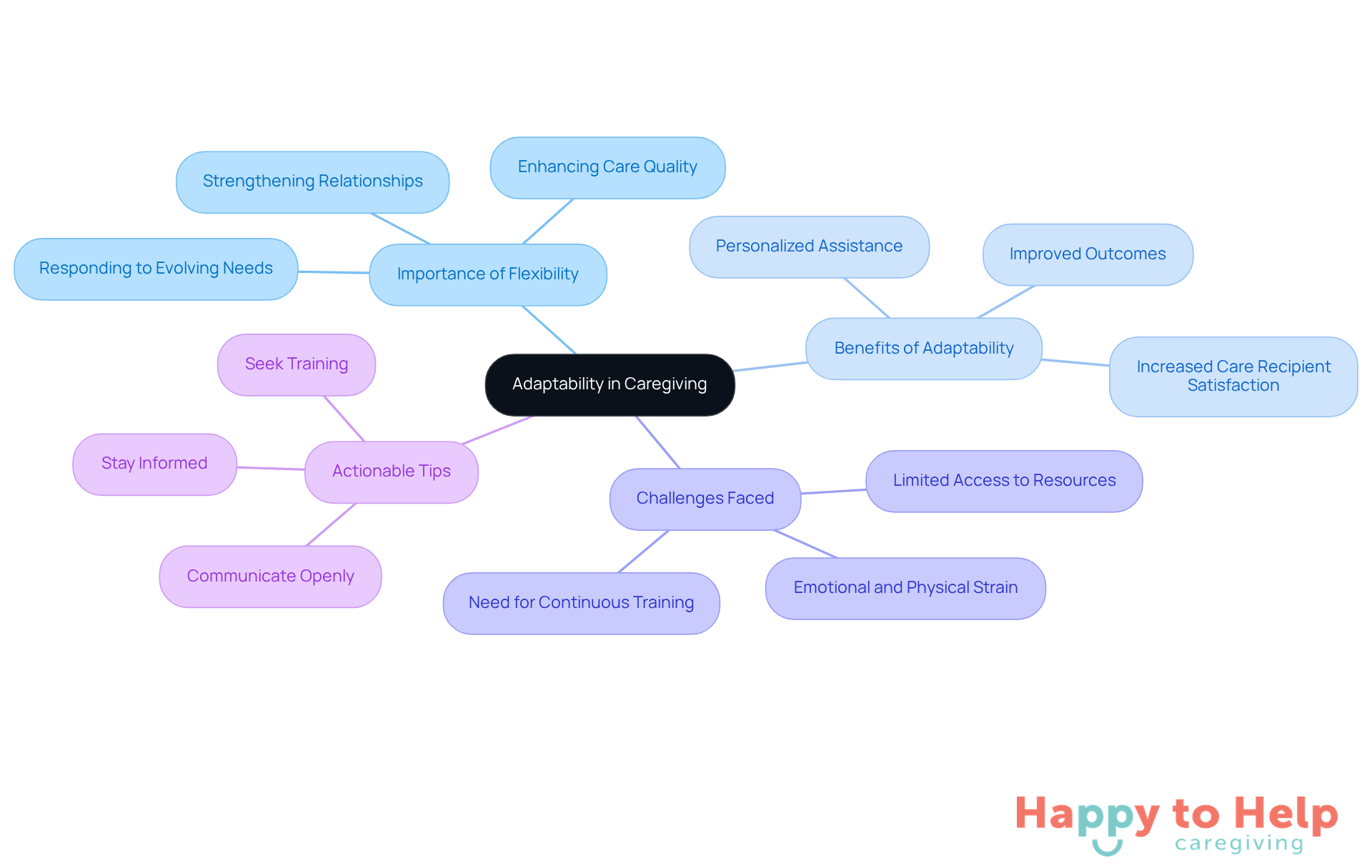
Flexibility is a critical trait for caregivers, as it enables them to effectively respond to the evolving needs of those they assist. Without this adaptability, caregivers may struggle to provide the necessary support, leading to potential negative outcomes for individuals in their care.
Research indicates that caregivers who can modify their approaches are more likely to achieve better results. They offer personalized assistance that aligns with the unique circumstances of each individual. For instance, caregivers often face situations where they must manage health changes and adjust their support strategies, particularly for those with complex medical needs.
To enhance their effectiveness, caregivers should embrace change and remain open to new methods. This adaptability not only improves the quality of care but also strengthens the caregiver-recipient relationship. Recipients feel understood and valued, fostering a sense of security and well-being in their home environment.
Actionable Tips for Caregivers:
- Stay Informed: Regularly update your knowledge on best practices and new caregiving techniques.
- Seek Training: Participate in workshops or courses to develop new skills tailored to specific challenges.
- Communicate Openly: Engage with recipients to understand their needs and preferences better.
By implementing these strategies, caregivers can ensure that individuals receive optimal support, ultimately leading to improved outcomes.
Companionship: Building Meaningful Relationships with Clients
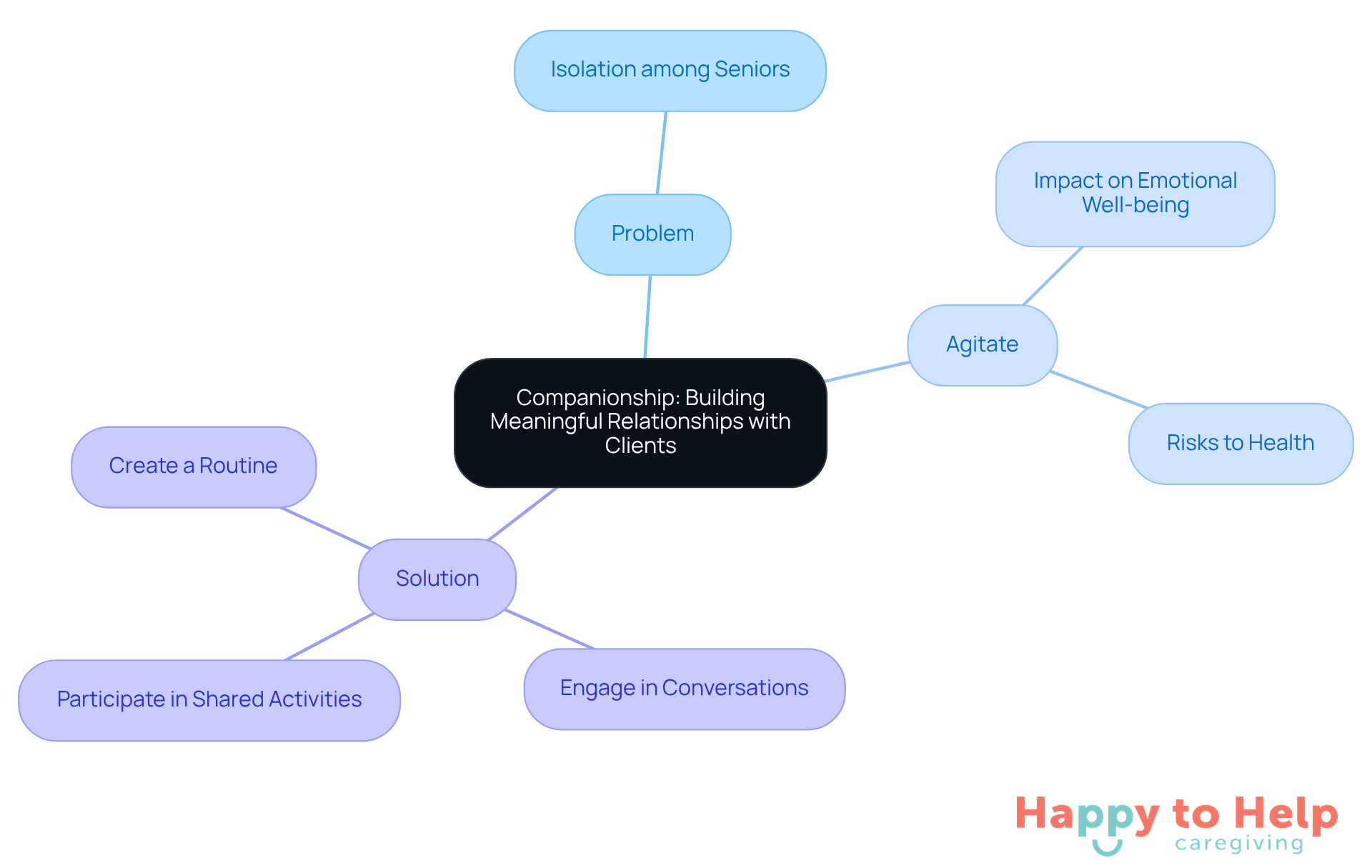
Problem: Isolation among seniors is a significant challenge that caregivers face. Many elderly individuals experience loneliness, which can severely impact their emotional well-being.
Agitate: This sense of isolation not only diminishes their spirits but also poses risks to their overall health. Studies show that regular social interactions can lower the risk of depression and anxiety, while stimulating discussions can enhance cognitive function. Without meaningful connections, seniors may struggle to maintain a sense of belonging and purpose, which is crucial for their mental health.
Solution: A private duty caregiver can combat this issue by promoting companionship through meaningful interactions. Here are some actionable tips:
- Engage in Conversations: Regularly initiate conversations that encourage seniors to share their thoughts and feelings.
- Participate in Shared Activities: Organize activities that foster social engagement, such as games or group outings.
- Create a Routine: Establish a consistent schedule for social interactions to help seniors anticipate and look forward to these moments.
By strengthening the relationship between a private duty caregiver and their client, private duty caregivers can ensure that seniors feel valued and understood, making companionship an essential element of quality caregiving.
Problem-Solving Skills: Navigating Challenges in Care
Effective problem-solving abilities are crucial for a private duty caregiver as they navigate the numerous challenges inherent in their daily routines. Private duty caregivers often face complex situations that require swift evaluation and decisive measures to ensure the safety and comfort of those they assist.
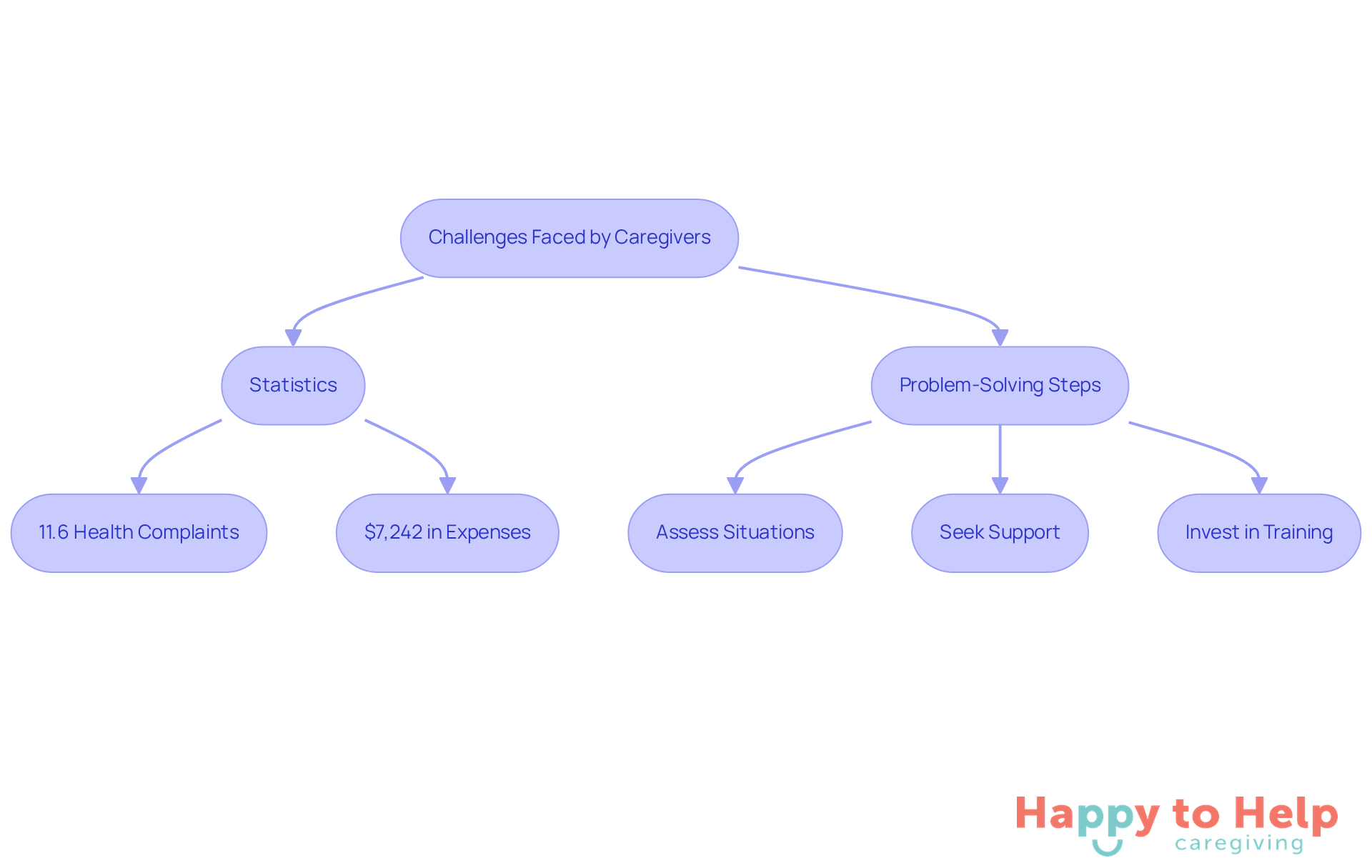
Statistics reveal that family supporters face considerable stressors, with many reporting an average of 11.6 health complaints each year. This highlights the physical and emotional burden of providing care. Additionally, family supporters spend an average of $7,242 each year on out-of-pocket expenses related to caregiving, underscoring the financial strain they endure.
By adopting a proactive approach to problem-solving, caregivers can identify potential solutions and implement appropriate actions. This not only improves the quality of assistance offered but also cultivates a sense of confidence and safety for both supporters and those they help. As Adrian E. Bruton observes, individuals providing care with a positive problem orientation tend to see challenges as opportunities for growth, significantly influencing their effectiveness in home care environments.
Thus, developing robust problem-solving skills is essential for the well-being of both private duty caregivers and the individuals they assist. Here are some actionable tips for caregivers:
- Assess situations quickly to determine the best course of action.
- Seek support from peers or professionals to share experiences and solutions.
- Invest in training to enhance problem-solving techniques.
In conclusion, effective problem-solving not only alleviates stress but also leads to improved outcomes for clients, making it a vital skill for caregivers.
Dignity: Respecting Client Preferences and Autonomy
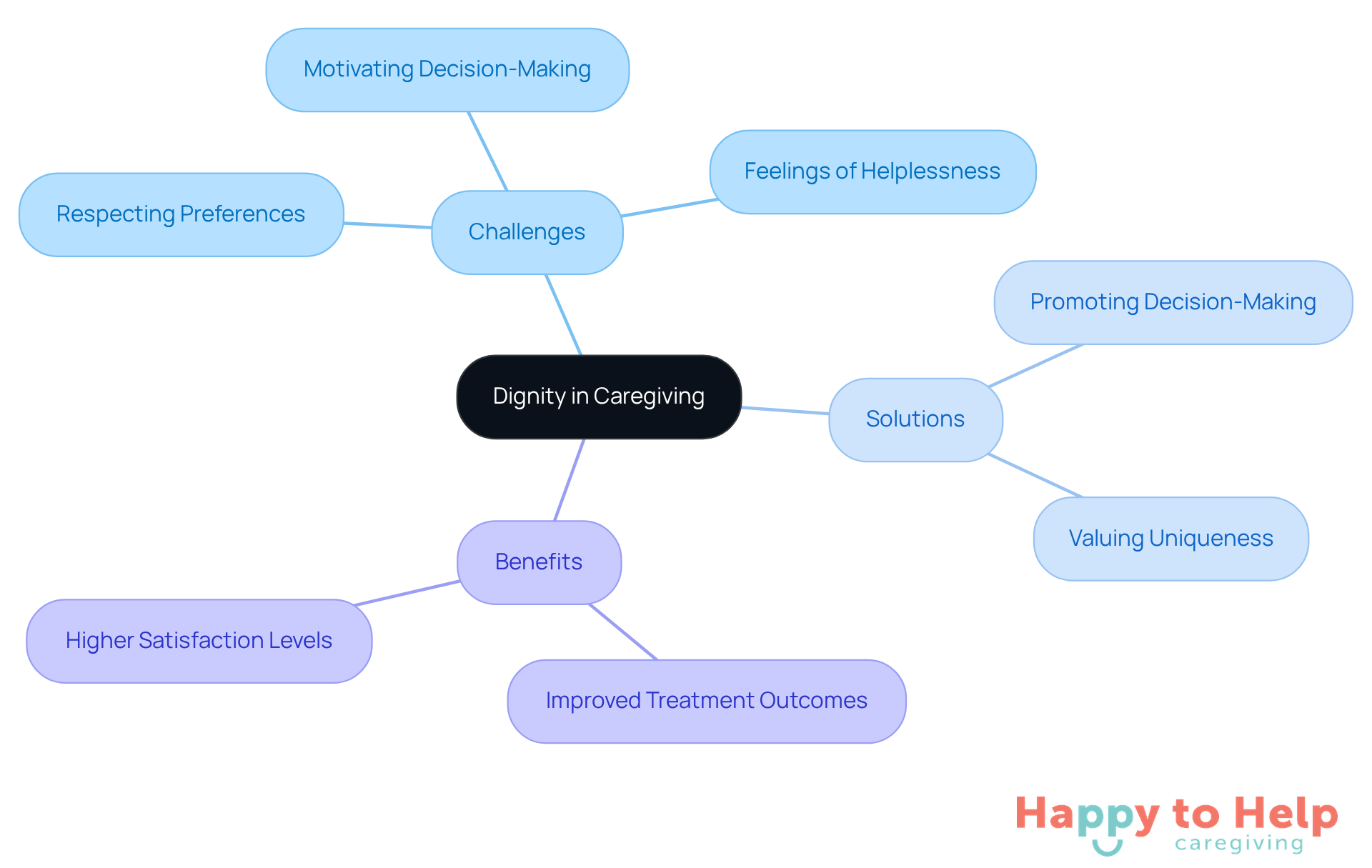
Upholding dignity in caregiving presents a significant challenge: respecting individuals' preferences, choices, and autonomy. With approximately 43.5 million people currently assisting their loved ones in the United States, the need for personal autonomy is more crucial than ever. Caregivers often struggle to motivate individuals to engage in decision-making about their treatment and daily activities, which can diminish their sense of control and self-esteem.
This lack of engagement can lead to feelings of helplessness and dissatisfaction. However, by valuing uniqueness and treating individuals with respect, caregivers can significantly enhance their quality of life and overall contentment with support. As Tia Walker aptly states, "To support those who once looked after us is one of the highest honors." This approach not only empowers clients but also leads to improved treatment outcomes. Individuals who feel valued and engaged are more likely to adhere to treatment plans and report higher levels of satisfaction.
To address these challenges, caregivers can implement practical solutions. For instance, case studies like 'Promoting Decision-Making' illustrate how private duty caregivers facilitate informed choices regarding care, showcasing the benefits of honoring personal autonomy. By prioritizing client autonomy, the private duty caregiver creates a supportive and fulfilling environment that fosters dignity and respect.
Moving Forward with Qualities of a Private Duty Caregiver
The essential qualities of a private duty caregiver extend beyond basic skills to encompass a holistic understanding of the emotional, social, and physical needs of individuals in their care. Caregivers face significant challenges in providing personalized care, which can impact the quality of life for those they assist. By prioritizing empathy, reliability, and other critical traits, caregivers can significantly enhance their clients' experiences.
Emotional connections and effective communication are vital in addressing these challenges. Caregivers must engage in active listening, establish routines, and promote independence to empower their clients. This multifaceted approach not only fosters a nurturing environment but also reinforces the dignity and autonomy of individuals, ensuring their preferences and choices are honored.
Ultimately, the role of a private duty caregiver is pivotal in shaping the experiences of those they serve. By embracing these essential qualities and implementing actionable strategies, caregivers can create meaningful relationships that meet their clients' needs and enrich their overall well-being. This commitment to compassionate and personalized care is crucial for fostering a supportive environment that uplifts individuals and honors their unique journeys.
https://iframe.tely.ai/cta/eyJhcnRpY2xlX2lkIjogIjY5MjY0MzkxMDFkMWUzYmY0NmRiMjJkZCIsICJjb21wYW55X2lkIjogIjY4ZWU1ZGNhNzMxNzYyNTU3ZjNjOTVjMSIsICJpbmRleCI6IG51bGwsICJ0eXBlIjogImFydGljbGUifQ==Frequently Asked Questions
What is the main issue with traditional caregiving services?
Traditional caregiving services often fail to address the holistic needs of individuals, neglecting emotional and social well-being, which can diminish the quality of life for those in care.
How can caregivers create a more personalized care experience?
Caregivers can create a personalized care experience by assessing individual needs, incorporating emotional support, and encouraging social interactions to enhance the overall quality of life.
Why is empathy important in caregiving?
Empathy is crucial in caregiving as it helps caregivers connect with the emotions and experiences of those they assist, fostering trust and improving the quality of care provided.
What strategies can caregivers use to enhance their empathetic skills?
Caregivers can enhance their empathetic skills by practicing active listening, acknowledging emotions, and creating a supportive environment where individuals feel safe to express themselves.
What is the significance of reliability in caregiving?
Reliability is significant in caregiving as it ensures consistent support, which builds trust and provides peace of mind for families, preventing feelings of insecurity for those in care.
What actionable steps can caregivers take to improve their reliability?
Caregivers can improve their reliability by establishing a routine, communicating clearly with families about changes, and setting realistic goals to avoid overpromising.
List of Sources
- Happy to Help Caregiving: Personalized Care Tailored to Individual Needs
- Inside the AI Companies Reshaping Caregiving for America’s 63 Million Caregivers - NewDays (https://newdays.ai/newsroom/inside-theai-companies-reshaping-caregiving-for-americas-63million-caregivers)
- 2025: AI enhances personalized care; caregiver experience in the spotlight (https://healthcareitnews.com/news/2025-ai-enhances-personalized-care-caregiver-experience-spotlight)
- Customized Care at Home: The Benefits of Personalized Care Plans - VNA Health Group (https://vnahg.org/customized-care-at-home-the-benefits-of-personalized-care-plans)
- Caregiving in the US 2025: Caring Across States (https://aarp.org/pri/topics/ltss/family-caregiving/caregiving-in-the-us-2025-caring-across-states)
- Empathy: Understanding and Connecting with Clients
- Empathy in Action: Why Your Aging Parent Deserves a Caregiver - WorldHealth.net (https://worldhealth.net/news/why-your-aging-parent-deserves-a-caregiver)
- Enhancing and examining the empathy skills of healthcare students and clinicians | University of Technology Sydney (https://uts.edu.au/case-studies/enhancing-and-examining-empathy-skills-healthcare-students-and-clinicians)
- Conference shows how empathy can help patients and healthcare professionals — Global Empathy in Healthcare Network (https://global-empathy-in-healthcare.com/news/conference-shows-how-empathy-can-help-patients-and-healthcare-professionals)
- The Importance of Empathy and Compassion in Bedside Care (https://breezehospiceservices.com/resources/the-importance-of-empathy-and-compassion-in-bedside-care)
- Your Working Caregiver Experience Matters: What Every Working Caregiver Should Know (https://lifework.arizona.edu/news/2025/your-working-caregiver-experience-matters-what-every-working-caregiver-should-know)
- Reliability: Consistent Support for Peace of Mind
- New Report Reveals Crisis Point for America’s 63 million Family Caregivers (https://press.aarp.org/2025-07-24-New-Report-Reveals-Crisis-Point-for-Americas-63-million-Family-Caregivers)
- Caregiving in the US 2025: A Comprehensive Overview (https://retirementlivingsourcebook.com/proagingnews/caregiving-in-the-us-2025-a-comprehensive-overview)
- 63 million Americans are family caregivers | AHA News (https://aha.org/news/headline/2025-07-25-63-million-americans-are-family-caregivers)
- Caregiver Statistics: Demographics (https://caregiver.org/resource/caregiver-statistics-demographics)
- New Report Shows Nearly Half of U.S. States Are on the Threshold of a Caregiving Emergency | Otsuka US (https://otsuka-us.com/news/new-report-shows-nearly-half-us-states-are-threshold-caregiving-emergency)
- Independence: Encouraging Self-Sufficiency in Daily Activities
- For Americans, Every Day Is Independence Day When It Comes to Their Health (https://policy.humana.com/issue-area/news-and-resources/news-press/2025/for-americans--every-day-is-independence-day-when-it-comes-to)
- Promoting Independence through In-Home Care (https://visitingangels.com/npr/news-info/promoting-independence-through-in-home-care/24383)
- The Alliance for Health Policy Releases Final Report from 2025 Signature Series on Aging in America | Alliance for Health Policy (https://allhealthpolicy.org/news/the-alliance-for-health-policy-releases-final-report-from-2025-signature-series-on-aging-in-america)
- Warning From Older Adults: Care for Aging in America Needs Urgent Rethinking (https://johnahartford.org/newsroom/view/warning-from-older-adults-care-for-aging-in-america-needs-urgent-rethinking)
- Communication Skills: Facilitating Clear and Compassionate Interactions
- Clearer Conversations, Better Care: New Guide Highlights Best Practices for Communicating with Older Adults (https://geron.org/News-Events/GSA-News/Press-Room/Press-Releases/clearer-conversations-better-care-new-guide-highlights-best-practices-for-communicating-with-older-adults)
- Communication Breakdowns Take Toll on Family Caregivers, Especially for Older Adults with Chronic Illness (https://ltcnews.com/articles/communication-breakdowns-toll-family-caregivers-older-adults-chronic-illness)
- The Importance of Effective Communication in Caregiving (https://familycaregiversonline.net/the-importance-of-effective-communication-in-caregiving)
- Communication Practices to Improve Patient and Family Engagement (https://aarp.org/pri/initiatives/healthcare-professionals/communication-practices)
- Training and Expertise: Ensuring Competent Care Delivery
- Improving Practice: New Training to Support Diverse Family Caregivers (https://caregiver.org/news/improving-practice-new-training-to-support-diverse-family-caregivers)
- WHO launches new online course to support informal caregivers across Europe (https://who.int/europe/news/item/27-10-2025-who-launches-new-online-course-to-support-informal-caregivers-across-europe)
- Family Caregiver Support, Education Needs Growing (https://hospicenews.com/2025/11/11/family-caregiver-support-education-needs-growing)
- Medicare 2025 Initiatives Driving Change in Caregiver Training (https://learn2care.us/blog/how-medicare-2025-initiatives-will-shape-caregiver-training)
- Home-Based Care Companies Improve Outcomes By Training Family Caregivers (https://homehealthcarenews.com/2025/10/home-based-care-companies-improve-outcomes-by-training-family-caregivers)
- Adaptability: Responding to Evolving Client Needs
- Overcoming Challenges In Home-Based Care For Medically Intensive Patients (https://homehealthcarenews.com/2025/09/overcoming-challenges-in-home-based-care-for-medically-intensive-patients)
- The National Alliance for Caregiving and AARP Release Caregiving Report - CAPC - News Bites (https://capc.org/blog/new-data-on-family-caregivers-in-the-us)
- Family Caregiver Support, Education Needs Growing (https://hospicenews.com/2025/11/11/family-caregiver-support-education-needs-growing)
- Caregiver Statistics: Demographics (https://caregiver.org/resource/caregiver-statistics-demographics)
- Join - Disability Scoop (https://disabilityscoop.com/2025/08/15/family-caregivers-under-increasing-strain/31580)
- Companionship: Building Meaningful Relationships with Clients
- New Report Reveals Crisis Point for America’s 63 million Family Caregivers (https://press.aarp.org/2025-07-24-New-Report-Reveals-Crisis-Point-for-Americas-63-million-Family-Caregivers)
- Understanding the Benefits of Companion Care for Seniors - Freedom Home Care (https://freedomhomecare.net/2025/08/26/understanding-the-benefits-of-companion-care-for-seniors)
- Combat Loneliness: The Benefits of Companion Care for Seniors (https://allheartcare.com/more-than-just-company-the-vital-role-of-companion-care-for-seniors)
- The Value of Companion Care for Seniors- Home Care Powered By AUAF (https://homecare-aid.com/the-value-of-companion-care-for-seniors)
- The Unbeatable Benefits of Companion Care for Seniors (https://comforcare.com/massachusetts/canton/resources/blog/the-unbeatable-benefits-of-companion-care-for-seniors)
- Problem-Solving Skills: Navigating Challenges in Care
- Problem-Solving Dimensions among Caregivers of People with Cancer Receiving Outpatient Palliative Care - PMC (https://pmc.ncbi.nlm.nih.gov/articles/PMC9998336)
- Caregiving Crisis: Nearly 1 in 4 US adults serve as caregivers for relatives with complex needs (https://investigatetv.com/2025/11/04/caregiving-crisis-nearly-1-4-us-adults-serve-caregivers-relatives-with-complex-needs)
- Problem-Solving Training for Family Caregivers of Persons With Traumatic Brain Injuries: A Randomized Controlled Trial - PMC (https://pmc.ncbi.nlm.nih.gov/articles/PMC2518069)
- Does Problem-Solving Training for Family Caregivers Benefit Their Care Recipients With Severe Disabilities? A Latent Growth Model of the Project CLUES Randomized Clinical Trial - PMC (https://pmc.ncbi.nlm.nih.gov/articles/PMC3401541)
- Navigating Home Care: The Vital Role of Social Workers - ATRIO HOME CARE (https://atriohomecare.org/news/the-vital-role-of-social-workers)
- Dignity: Respecting Client Preferences and Autonomy
- CaringBridge (https://caringbridge.org/resources/inspirational-quotes-on-caregiving)
- Promoting Independence and Autonomy Through Live in Care (https://thegoodcaregroup.com/care-advice/promoting-independence-and-autonomy-through-live-in-care)
- Inspirational Quotes for Caregivers to Brighten the Day (https://alegrecare.com/single-post/inspirational-quotes-for-caregivers)
- 27 Inspirational Quotes for Caregivers (https://ultimatecareny.com/resources/27-quotes-for-caregivers)
- Inspirational Quotes to Lift Up Caregivers (https://h2hhc.com/blog/inspirational-quotes-for-caregivers)