What You Need to Know About Qualities of a Private Duty Home Health
The role of a private duty home health aide is pivotal in enhancing the quality of life for individuals who require assistance in their daily activities. However, when caregivers lack essential qualities, the impact on their clients can be profound. This absence can lead to diminished trust, reduced independence, and a decline in emotional resilience, ultimately affecting the health and happiness of those they serve.
To address this issue, it’s crucial to explore ten essential characteristics that caregivers should embody. These traits - ranging from empathy and reliability to adaptability and safety awareness - are not just desirable; they are necessary for fostering strong caregiving relationships. By understanding how these qualities contribute to a caregiver's effectiveness, we can better appreciate their role in promoting well-being and support for their clients.
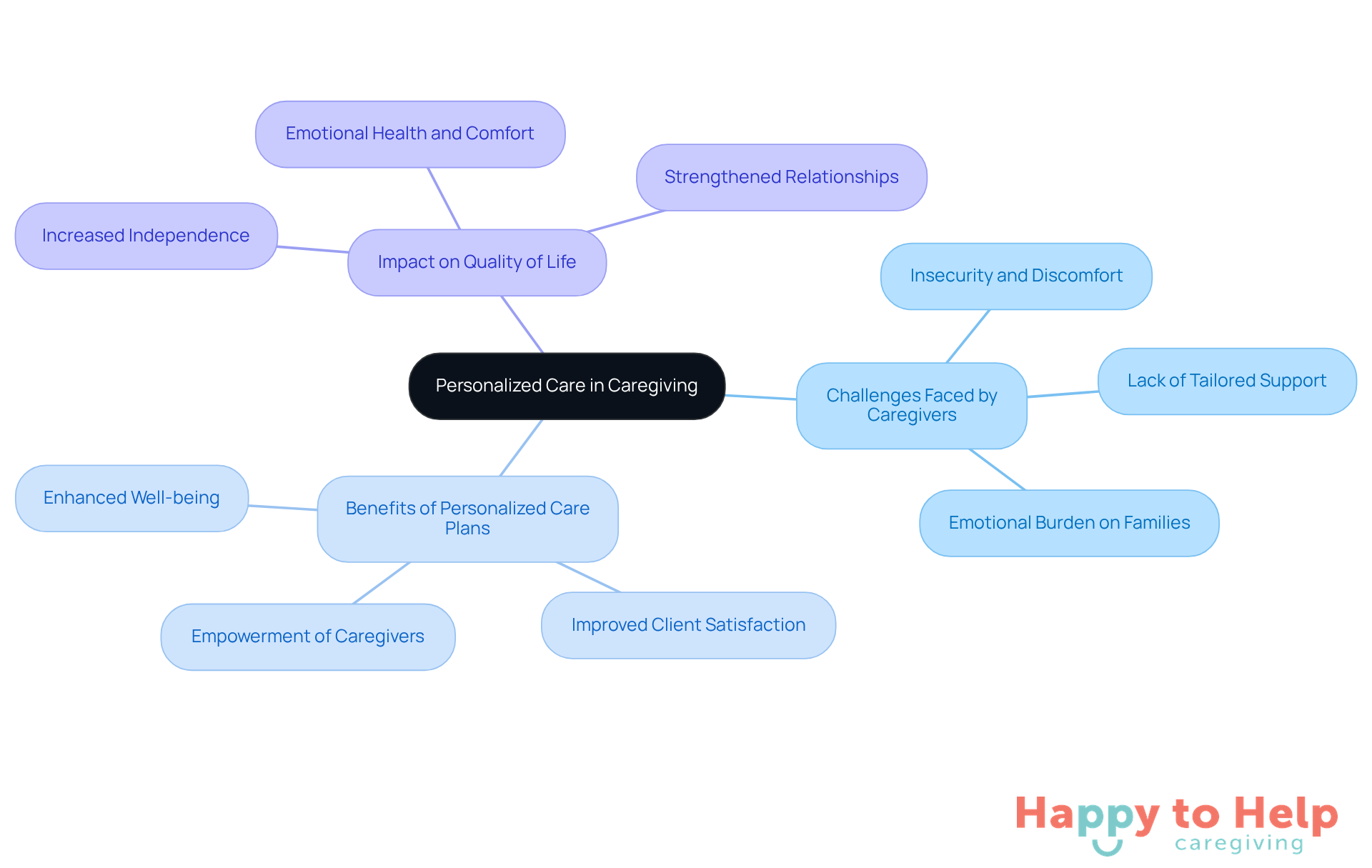
Happy to Help Caregiving: Personalized Care Tailored to Individual Needs
Caregivers often face the challenge of providing adequate support tailored to the unique needs of each individual. Without personalized care plans, it can be difficult to ensure that assistance aligns with a person's lifestyle, preferences, and health requirements. This lack of tailored support can lead to feelings of insecurity and discomfort, which are detrimental to the quality of life for seniors and individuals with special needs.
To address this issue, Happy to Help Caregiving offers personalized care plans that focus on the specific needs of every individual. By concentrating on these personal needs, caregivers can foster a sense of security and comfort. This approach not only enhances the overall well-being of those they care for but also empowers caregivers to provide more effective support.
Incorporating personalized care plans is a practical solution that can significantly improve the caregiving experience. By ensuring that care aligns with individual preferences and health needs, caregivers can make a meaningful difference in the lives of seniors and individuals with special requirements.
Empathy: Understanding and Connecting with Clients
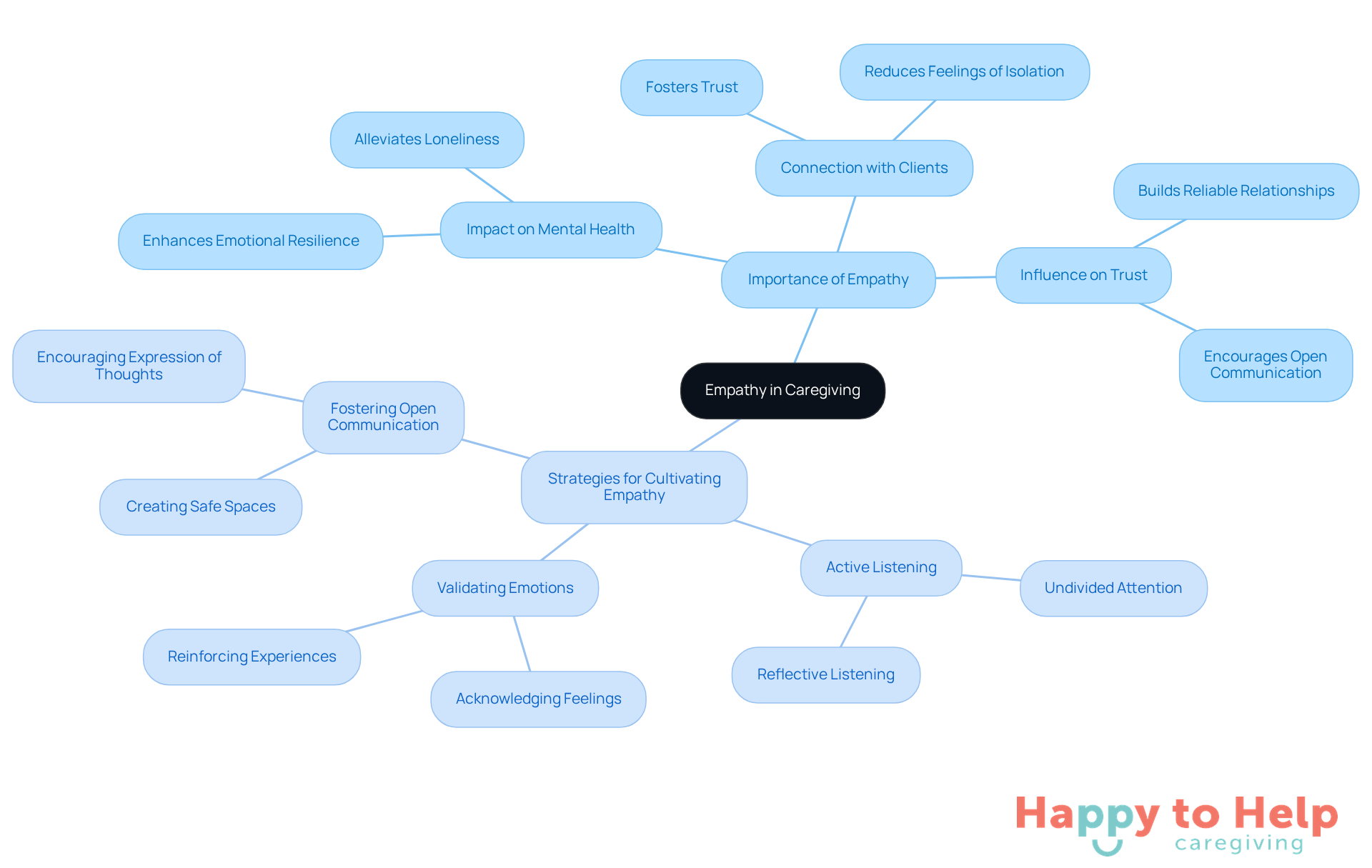
Empathy is crucial for caregivers aiming to understand and meet the emotional and physical needs of those they assist. Without it, caregivers may struggle to connect with clients, leading to feelings of isolation and neglect. This lack of connection can significantly impact the mental health and overall well-being of seniors, who often rely on strong social ties for better health outcomes.
Research shows that seniors with robust social connections experience lower rates of chronic illnesses. Moreover, caregivers who actively listen and validate feelings can alleviate loneliness and anxiety in older adults, fostering a sense of security and comfort. As Marie, a Director of Internships and Special Projects, states, "Compassion is more than a kind word. It influences how a supporter listens, responds, and fosters trust."
To cultivate this essential empathy, caregivers can implement several strategies:
- Engage in Active Listening: Make a conscious effort to listen to clients without interruption, showing that their feelings are valid.
- Validate Emotions: Acknowledge the feelings of clients, reinforcing that their experiences matter.
- Foster Open Communication: Create an environment where clients feel safe to express their thoughts and concerns.
In-home assistance from a private duty home health aide, characterized by tailored support, allows seniors to thrive in familiar surroundings. This approach underscores the significance of compassion in building trust and productive relationships between providers and individuals, ultimately enhancing emotional resilience and contributing to a more positive outlook on life.
Reliability: Consistent Presence and Dependability
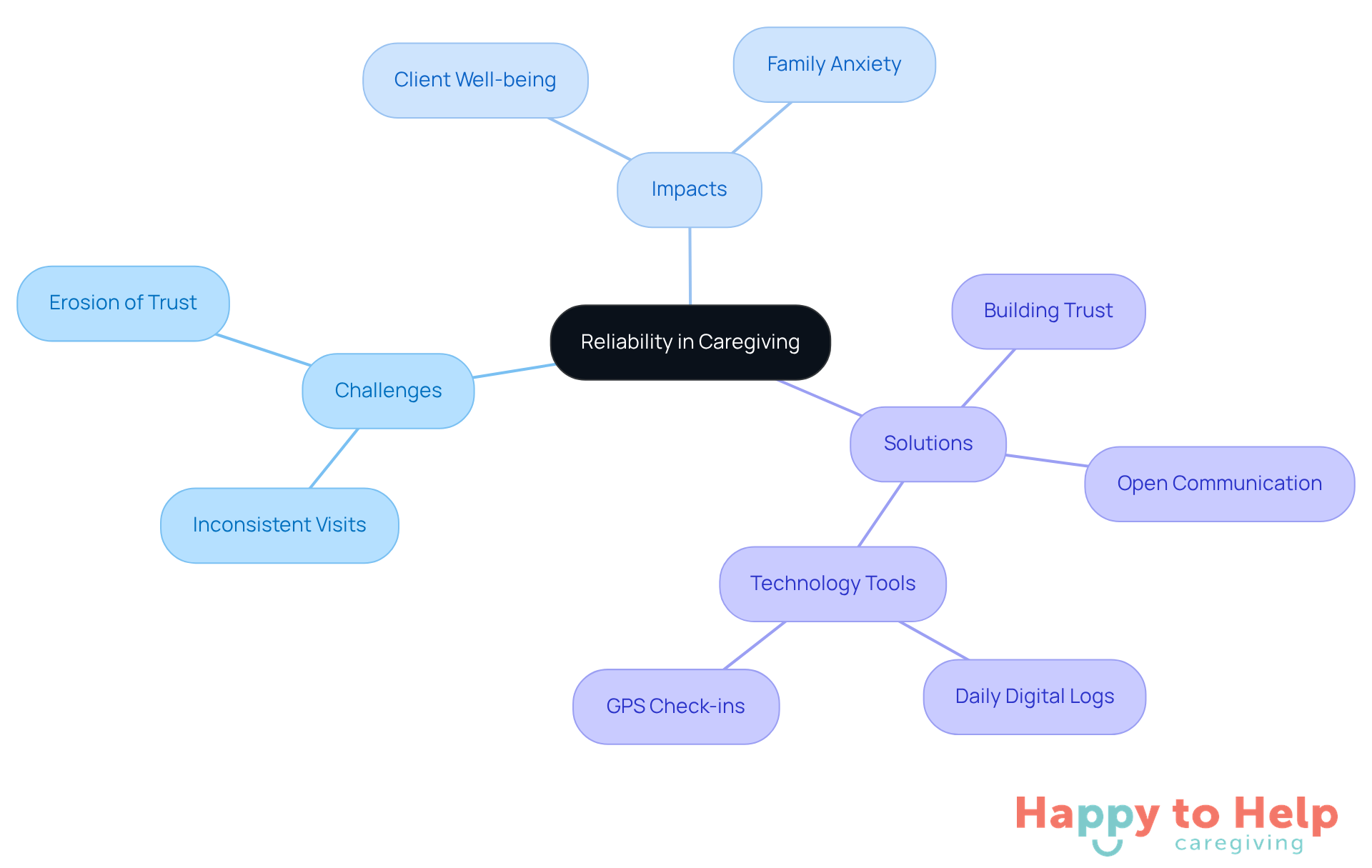
Reliability in caregiving presents a significant challenge. Caregivers must consistently follow scheduled visits and arrive on time, ensuring that individuals receive the necessary assistance when they need it most. This lack of reliability can erode trust between caregivers and clients, impacting the client's mental and emotional well-being.
Research shows that seniors who receive consistent support are more likely to engage in their health routines and maintain a higher quality of life. Families also experience anxiety when they cannot rely on caregivers, which diminishes their overall satisfaction with assistance services.
To address these issues, caregivers can implement practical solutions. Building trust through reliability is essential; it fosters deeper connections and encourages open communication about concerns and preferences. As caregiving professional Lea Muir states, 'Reliable in-home assistance, like that of a private duty home health aide, isn't optional-it's essential for health, safety, and peace of mind across all ages and needs.'
Additionally, technology tools such as daily digital logs and GPS check-ins can enhance reliability, providing families with reassurance regarding their loved ones' care. Ultimately, the dependability of caregivers is a cornerstone of effective support, reinforcing the emotional safety and stability that individuals need to thrive in their home environments.
Communication Skills: Facilitating Clear and Compassionate Interactions
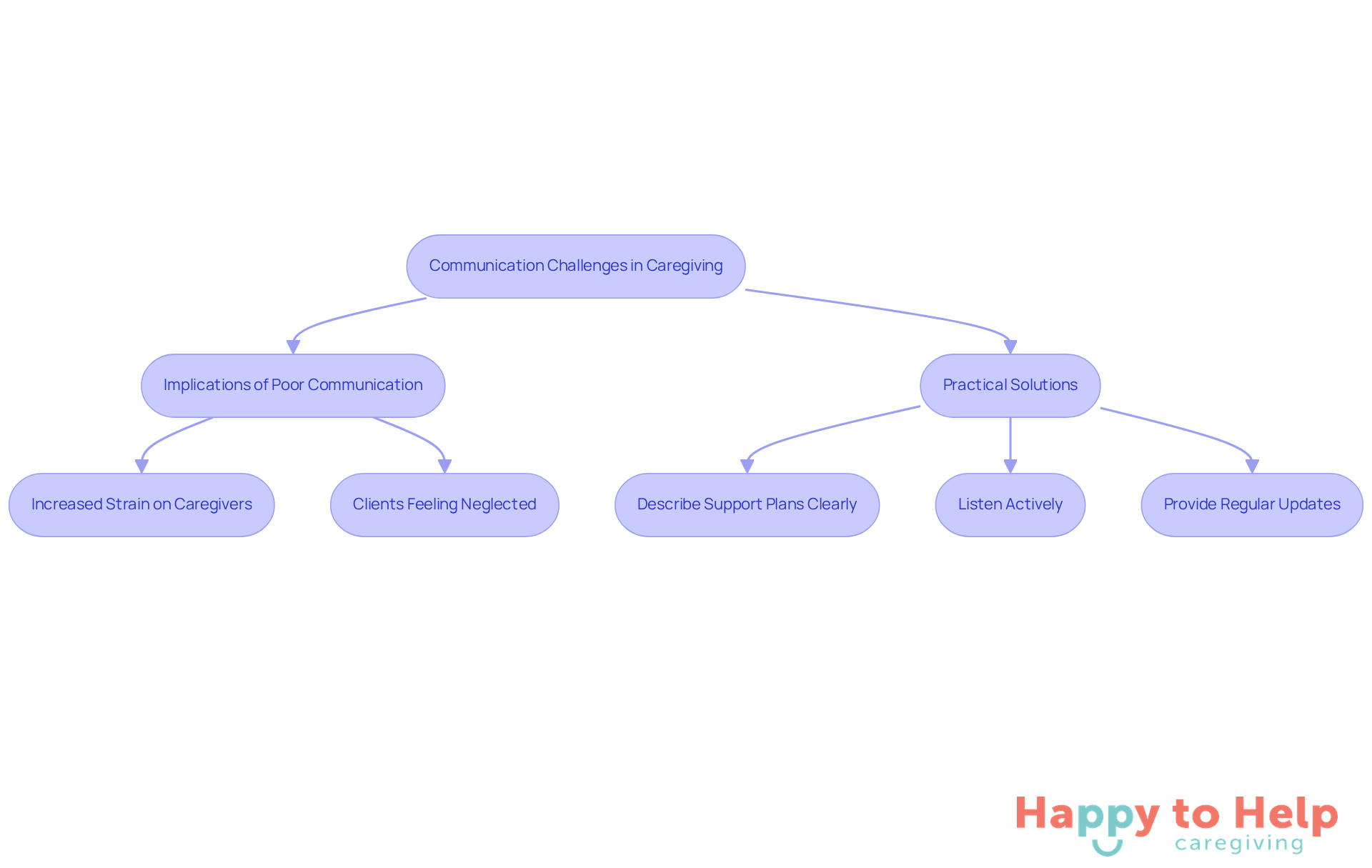
Effective communication skills pose a significant challenge for caregivers, impacting their ability to convey information clearly and compassionately. This issue extends beyond verbal exchanges; it includes non-verbal cues and active listening techniques that are crucial in caregiving. When care providers struggle to articulate support plans or fail to listen attentively to client concerns, it can lead to misunderstandings and frustration among all parties involved.
The implications of poor communication are profound. Caregivers may experience increased strain and annoyance, while clients may feel neglected or misunderstood. As Paul D. Smith from the University of Wisconsin-Madison notes, "Enhanced support provider interaction abilities can lessen provider strain, annoyance and enhance care recipient health." This highlights the need for caregivers to improve their communication skills to foster trust and rapport with clients.
To address these challenges, caregivers can implement several practical solutions:
- They should focus on describing support plans clearly and listening actively to client concerns.
- Regular updates to family members are also essential, ensuring that everyone involved remains informed and engaged.
- By emphasizing efficient dialogue, caregivers can significantly influence the welfare of those they assist, making certain that their requirements and preferences are acknowledged and honored.
Notably, programs like Care Talks have shown tangible benefits. For instance, communication confidence scores improved from 74.1 to 79.6, demonstrating the effectiveness of communication training. By prioritizing clear exchanges, caregivers can enhance their relationships with clients, ultimately leading to better care outcomes.
Promoting Independence: Supporting Clients in Daily Activities
Caregivers face significant challenges in fostering independence among those they assist. Many individuals struggle with daily tasks, which can lead to a loss of dignity and self-esteem. This reliance on others can diminish their overall happiness and quality of life.
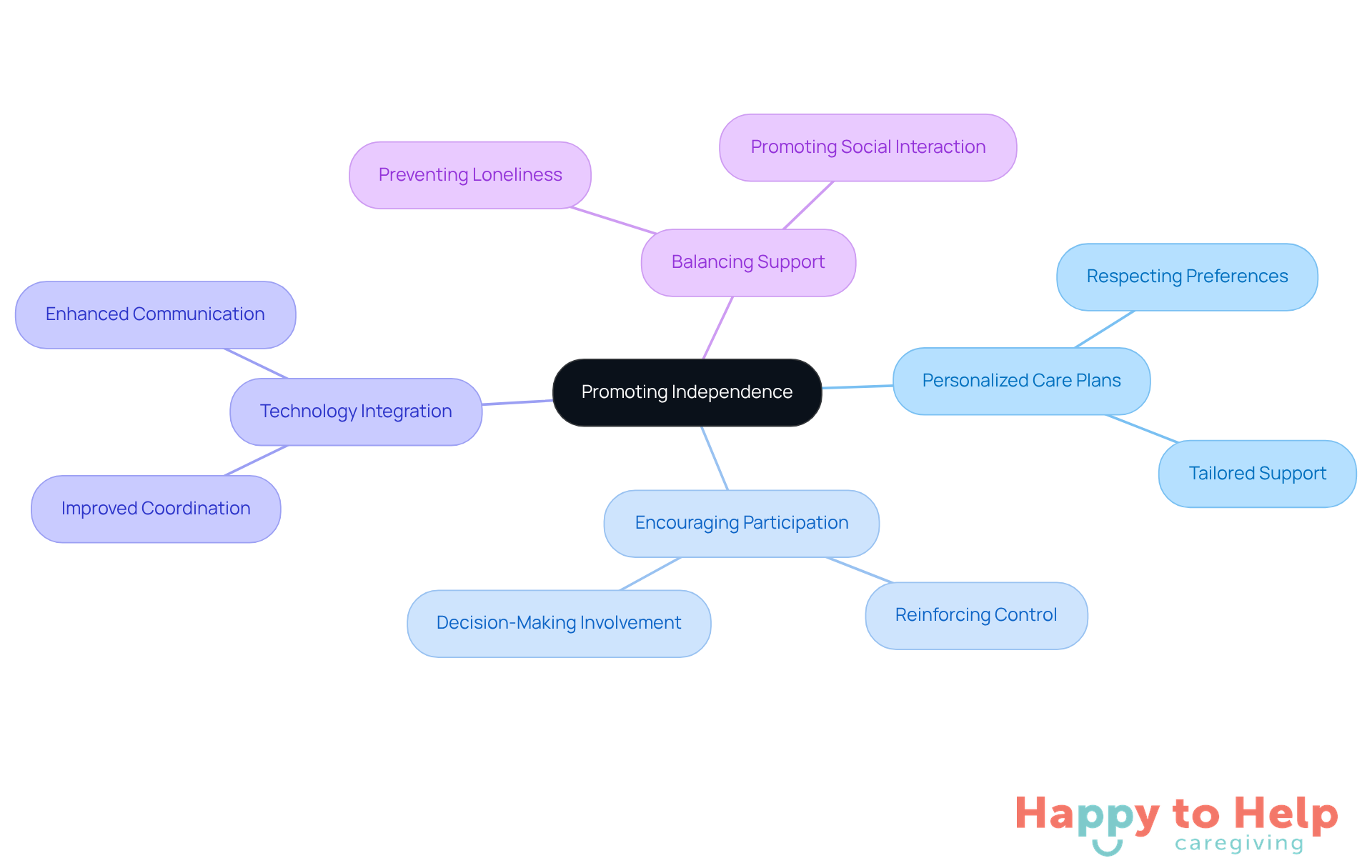
To address these issues, caregivers can implement effective strategies that promote independence. These strategies include:
- Creating personalized care plans that respect individual preferences.
- Encouraging participation in decision-making processes, such as meal planning or organizing activities, which reinforces a sense of control and autonomy.
Mandy French emphasizes that maintaining independence is crucial for self-esteem and overall well-being. It allows seniors to perform daily tasks without undue reliance on others. Additionally, caregivers play a vital role in preventing loneliness and promoting social interaction, further enhancing client independence.
Incorporating technology can also improve the caregiving experience. Tools like shared online calendars enable interaction and coordination, making it easier for caregivers and clients to stay connected.
Ultimately, balancing support with independence is essential for nurturing a fulfilling and dignified life at home.
Training and Expertise: Ensuring Competent Care Delivery
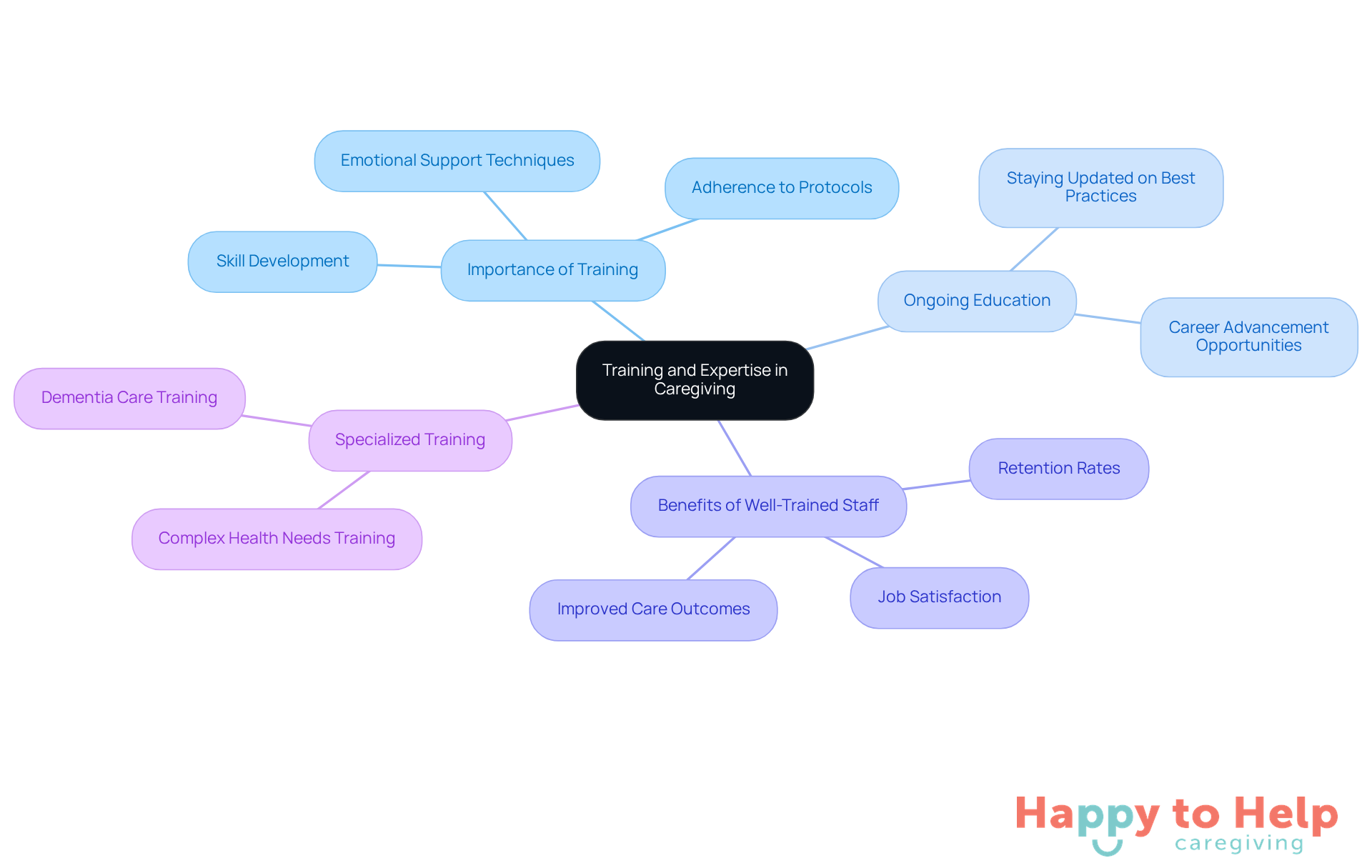
Thorough training is essential for caregivers to develop the skills and knowledge necessary for providing effective support. Without adequate training, caregivers may struggle with understanding medical conditions, adhering to safety protocols, and communicating effectively with those they assist. This lack of preparation can lead to subpar care and increased stress for both providers and recipients.
Ongoing education plays a vital role in addressing these challenges. It keeps professionals updated on best practices and emerging trends in healthcare, enabling them to deliver the highest standard of care. Research indicates that well-trained support staff tend to stay in their positions longer, which helps reduce turnover rates in the caregiving workforce. Investing in training not only fosters a reliable and compassionate caregiving environment but also benefits both providers and those they assist.
According to Jarmin Yeh, PhD, MPH, MSSW, "The study results indicated that ADRD training significantly enhanced the knowledge of dementia, caregiving abilities, and confidence of those providing care." This underscores the importance of specialized training in improving caregiver effectiveness. By prioritizing training, caregivers can enhance their skills and confidence, ultimately leading to better outcomes for everyone involved.
Adaptability: Responding to Changing Needs and Circumstances
Caregiving often presents unexpected changes in a person's health or circumstances. This unpredictability can create significant challenges for caregivers, who must navigate these shifts while ensuring their loved ones receive the best possible support.
The implications of these changes are profound. Caregivers must be adaptable, ready to modify care plans and approaches as needed. This flexibility is essential for maintaining the well-being and comfort of those they care for.
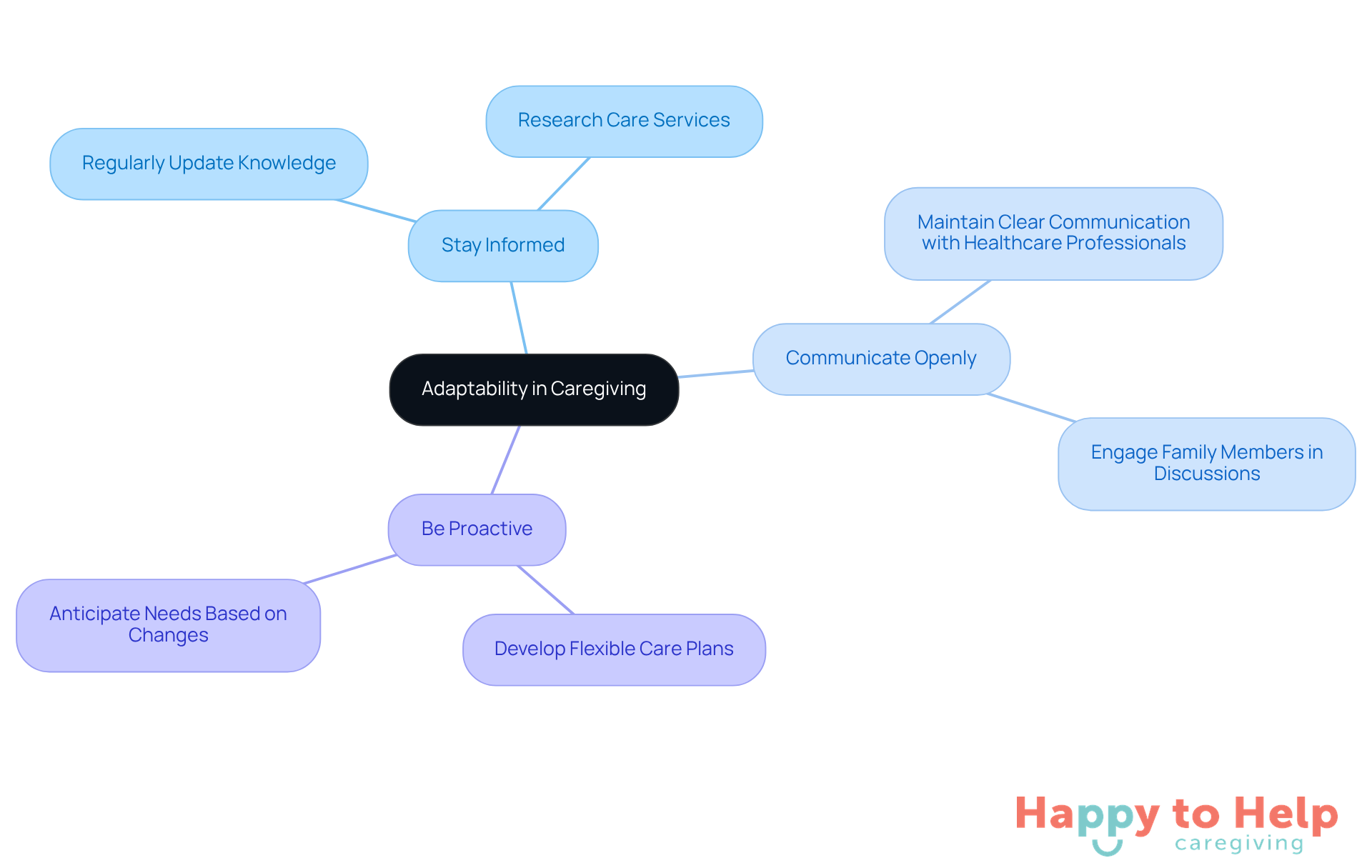
To address these challenges, caregivers can implement several practical strategies:
- Stay Informed: Regularly update knowledge about the individual's condition and potential changes.
- Communicate Openly: Maintain clear communication with healthcare professionals and family members to anticipate needs.
- Be Proactive: Develop flexible care plans that can be adjusted as circumstances evolve.
By embracing adaptability, caregivers can ensure that their clients receive the most suitable support at all times.
Patience: Managing Challenges with Calmness and Understanding
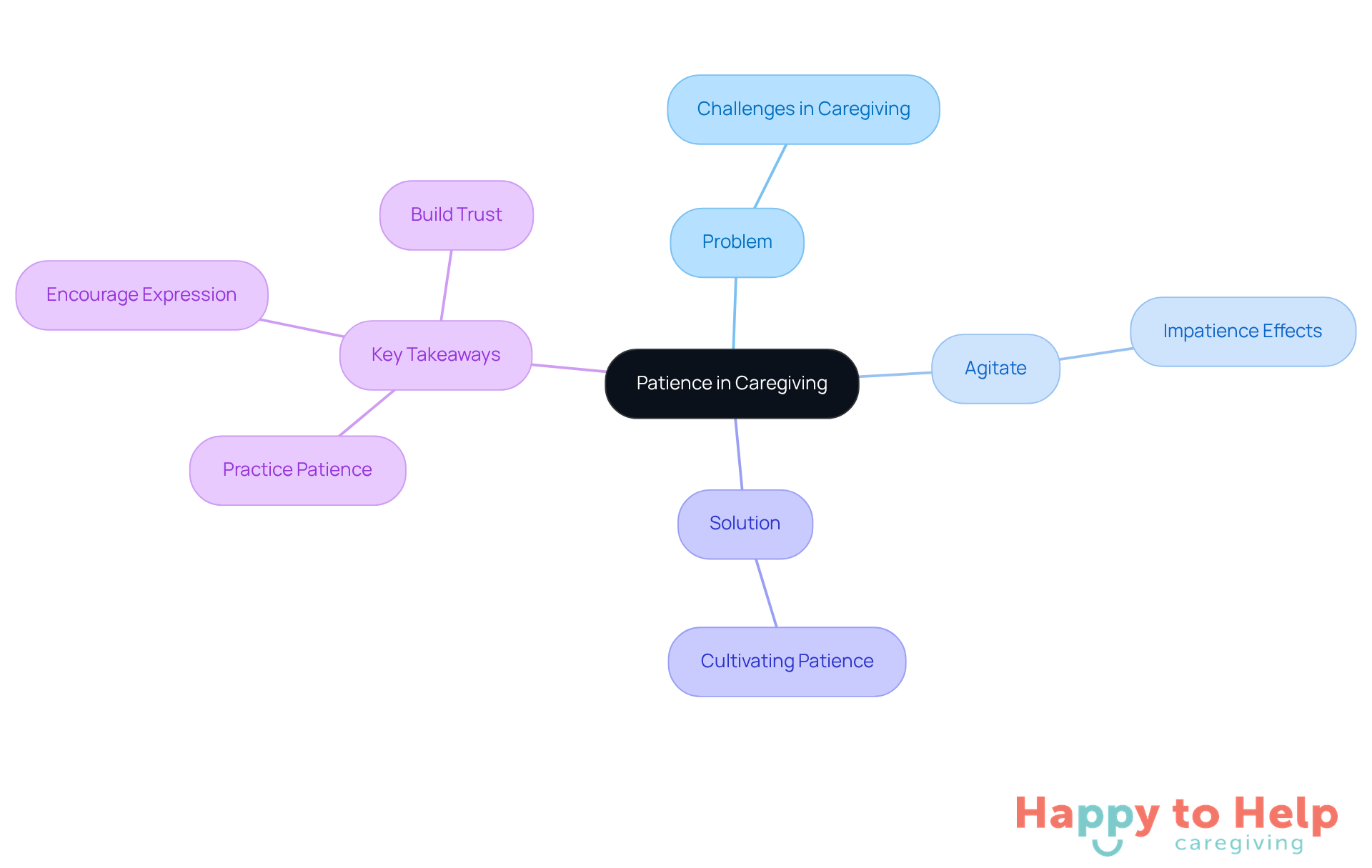
Problem: Caregiving can be challenging, especially when individuals experience frustration or confusion due to their conditions. This can lead to difficult behaviors that strain the caregiver-recipient relationship.
Agitate: When caregivers react with impatience, it can exacerbate the situation, making individuals feel judged or misunderstood. This not only affects the immediate interaction but can also hinder the development of trust and rapport, essential components of effective caregiving.
Solution: To address these challenges, caregivers should cultivate patience. As Kara Miller, Mind and Memory Care Director, emphasizes, "The important thing is to remain patient and flexible to respond in a way that shows compassion." By approaching moments of frustration with calmness and understanding, caregivers allow individuals to express their feelings without fear of judgment. This fosters a secure environment where individuals feel valued, ultimately enhancing the caregiving experience.
Key Takeaways:
- Practice Patience: Remain calm and understanding during challenging moments.
- Encourage Expression: Allow individuals to articulate their feelings freely.
- Build Trust: Foster an atmosphere of security and value to improve interactions.
Companionship: Building Meaningful Relationships with Clients
Companionship is a significant issue in in-home care, as feelings of loneliness and isolation can deeply affect individuals. When caregivers overlook the importance of social interaction, it can lead to deteriorating emotional health and a less supportive environment.
To combat this problem, caregivers should actively engage individuals in conversations, activities, and shared experiences that promote connection. By fostering these meaningful interactions, caregivers can enhance emotional well-being and create a more positive support atmosphere.
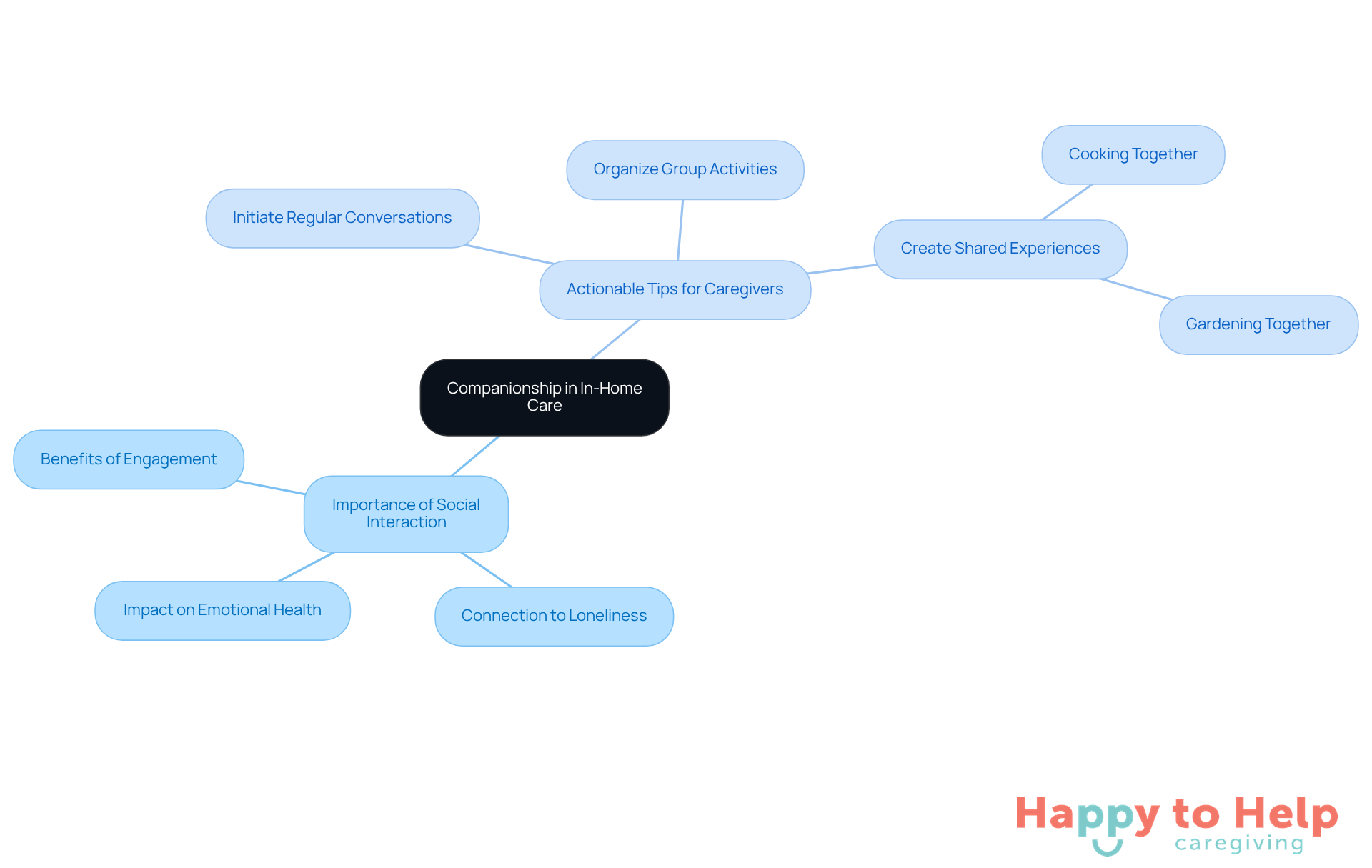
Here are some actionable tips for caregivers:
- Initiate regular conversations to encourage sharing of thoughts and feelings.
- Organize group activities that allow for social interaction.
- Create opportunities for shared experiences, such as cooking or gardening together.
By implementing these strategies, caregivers can significantly improve the quality of life for those they support.
Safety Awareness: Ensuring a Secure Home Environment
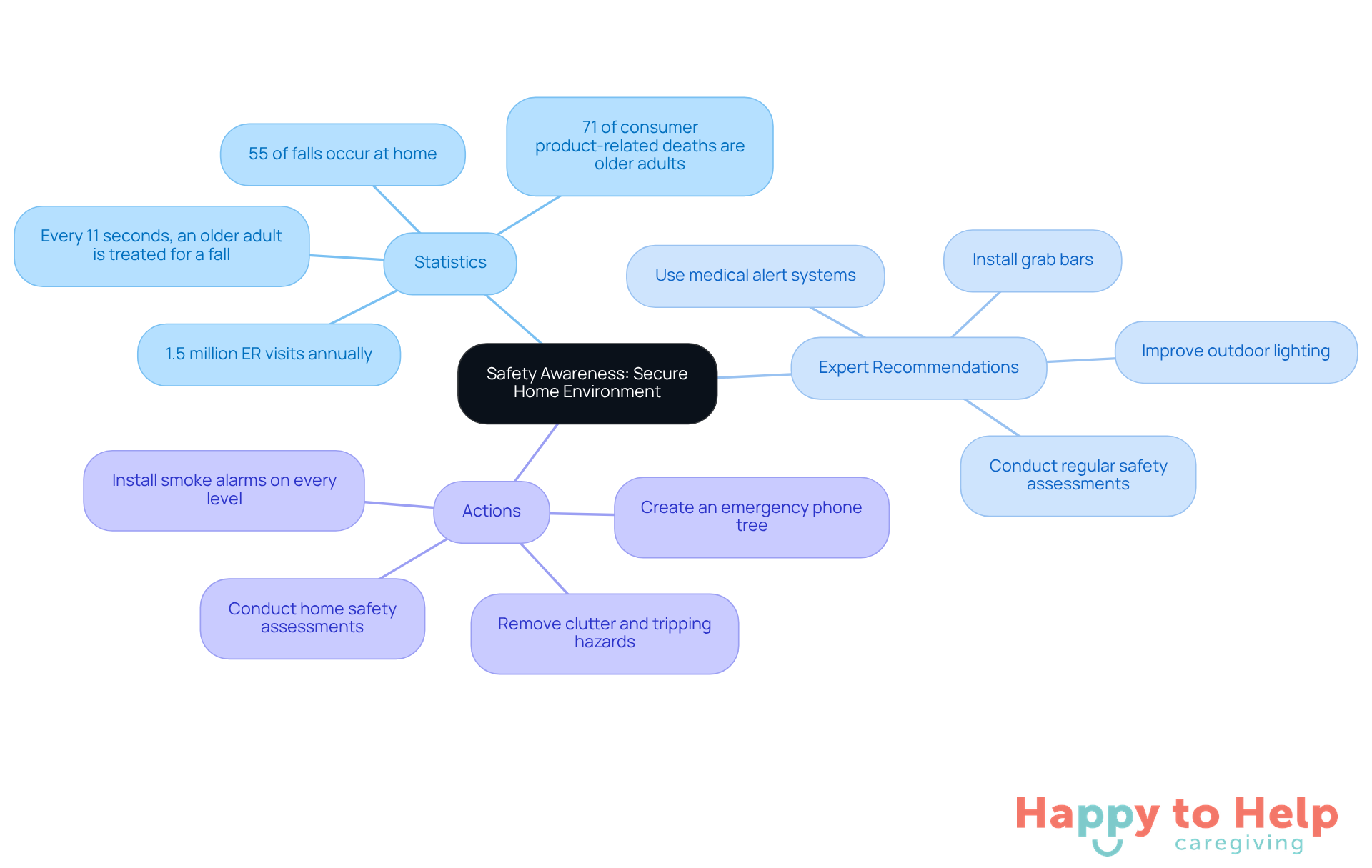
Safety awareness is a significant concern for caregivers, who face the challenge of identifying and mitigating potential hazards within the home. Falls are the leading cause of fatal and nonfatal injuries among older adults, with over half of these incidents occurring at home. In fact, around 1.5 million older adults visit emergency departments each year due to fall-related injuries, underscoring the urgency of this issue.
By creating a secure environment, caregivers can help individuals feel safe while significantly reducing the risk of accidents. This is essential for their overall well-being and peace of mind. Experts suggest simple modifications that can enhance safety, such as:
- Installing attractive grab bars in the shower
- Improving outdoor lighting
Additionally, conducting regular home safety assessments is vital. A unanimous 100% of emergency room doctors agree on the importance of these assessments in preventing injuries. Notably, the New England Burden of Disease report reveals that 55 percent of fall injuries among older adults occur inside the home.
Private duty home health aides who prioritize these safety measures foster a supportive atmosphere that promotes independence and well-being for their clients.
Moving Forward with Qualities of a Private Duty Home Health
In private duty home health care, caregivers often face the challenge of providing effective support due to a lack of essential qualities. This gap can lead to inadequate care, affecting the well-being of clients and their families. Without personalized care, empathy, reliability, communication skills, and adaptability, caregivers may struggle to create a nurturing environment that truly enhances clients' lives.
The implications of these challenges are significant. Clients may feel insecure and anxious, lacking the trust and connection that effective communication fosters. Reliability is crucial; without consistent support, clients may disengage from their health routines, further exacerbating their anxiety. Additionally, the absence of a focus on independence and safety can hinder clients from living fulfilling lives.
To address these issues, caregivers must prioritize the following actionable solutions:
- Personalized Care Plans: Tailor care to meet the unique needs of each client, fostering a sense of security.
- Empathy and Communication: Build trust through open dialogue, ensuring clients feel heard and valued.
- Reliability: Provide consistent support to encourage engagement in health routines and alleviate anxiety.
- Promote Independence: Empower clients by ensuring their safety and encouraging autonomy within their homes.
By embracing these qualities, caregivers can significantly enhance the caregiving experience and affirm their vital role in clients' lives. This commitment not only improves emotional health and strengthens relationships but also fosters a greater sense of dignity for those receiving care. Ultimately, prioritizing these essential qualities is not just beneficial; it is a pledge to create a compassionate and supportive environment for all.
https://iframe.tely.ai/cta/eyJhcnRpY2xlX2lkIjogIjY5MjY0Mzk4ZGIzM2UyOThlOGE1MTJkNSIsICJjb21wYW55X2lkIjogIjY4ZWU1ZGNhNzMxNzYyNTU3ZjNjOTVjMSIsICJpbmRleCI6IG51bGwsICJ0eXBlIjogImFydGljbGUifQ==Frequently Asked Questions
What is the importance of personalized care in caregiving?
Personalized care is crucial as it tailors support to the unique needs of each individual, aligning assistance with their lifestyle, preferences, and health requirements. This approach fosters a sense of security and comfort, enhancing the overall well-being of those being cared for.
How does empathy play a role in caregiving?
Empathy is essential for caregivers to understand and meet the emotional and physical needs of their clients. It helps build connections, reducing feelings of isolation and neglect, which can significantly impact the mental health and overall well-being of seniors.
What strategies can caregivers use to cultivate empathy?
Caregivers can implement several strategies to cultivate empathy, including engaging in active listening, validating clients' emotions, and fostering open communication to create a safe environment for clients to express their thoughts and concerns.
Why is reliability important in caregiving?
Reliability is important because it ensures that caregivers consistently follow scheduled visits and arrive on time, which helps maintain trust between caregivers and clients. Consistent support positively impacts clients' mental and emotional well-being and their overall quality of life.
What are some practical solutions to enhance reliability in caregiving?
Practical solutions include building trust through consistent support, encouraging open communication, and utilizing technology tools such as daily digital logs and GPS check-ins to provide families with reassurance about their loved ones' care.
How does personalized care affect the caregiving experience?
Incorporating personalized care plans significantly improves the caregiving experience by ensuring that care aligns with individual preferences and health needs, allowing caregivers to make a meaningful difference in the lives of those they assist.
List of Sources
- Happy to Help Caregiving: Personalized Care Tailored to Individual Needs
- The Future of Private Home Care: What to Expect in 2025 (https://anodyne-services.com/2024/08/14/the-future-of-private-home-care-what-to-expect-in-2025)
- How Personalized Health Care Is Changing The Role Of Home Care Providers (https://homehealthcarenews.com/2024/03/how-personalized-health-care-is-changing-the-role-of-home-care-providers)
- Home Care Trends 2026: Preparing for Senior Care - Assisting Hands Centennial (https://assistinghands.com/77/colorado/centennial/blog/home-care-trends-2026-preparing-for-senior-care)
- Importance of Personalized Senior Home Care in Burlington NC (https://wisdomseniorcare.com/the-importance-of-personalized-care-plans-for-seniors)
- Customized Care at Home: The Benefits of Personalized Care Plans - VNA Health Group (https://vnahg.org/customized-care-at-home-the-benefits-of-personalized-care-plans)
- Empathy: Understanding and Connecting with Clients
- Empathy in Action: Marie's Dedication to Caregivers | United Way Worldwide (https://unitedway.org/news/empathy-in-action-maries-dedication-to-caregivers)
- The Importance of Caregiver-Client Relationships in Senior Well-Being (https://homeinstead.com/home-care/usa/in/goshen/588/news-and-media/the-importance-of-caregiver-client-relationships-in-senior-well-being)
- Why Empathy is Important in Healthcare | Innovare Medical Media (https://innovaremedia.com/2024/12/why-empathy-is-important-in-healthcare)
- Empathy, Technology, and Caregiving: Insights from the EmpathyTech Conference (https://nursing.upenn.edu/live/news/2872-empathy-technology-and-caregiving-insights-from)
- Empathy in Action: Why Your Aging Parent Deserves a Caregiver - WorldHealth.net (https://worldhealth.net/news/why-your-aging-parent-deserves-a-caregiver)
- Reliability: Consistent Presence and Dependability
- The Importance of Caregiver-Client Relationships in Senior Well-Being (https://homeinstead.com/home-care/usa/in/goshen/588/news-and-media/the-importance-of-caregiver-client-relationships-in-senior-well-being)
- Is Your In-Home Care Reliable? Why It Matters More Than Ever - Riverdale Health Group LLC (https://rhgcares.com/is-your-in-home-care-reliable-why-it-matters-more-than-ever)
- Building Trust: Why Reliability is Key in Home Care Services (https://homematterspaoh.com/building-trust-why-reliability-is-key-in-home-care-services)
- 10 Must-Know U.S. Home Care Industry Stats for 2025 - North American Community Hub (https://nchstats.com/us-home-care-industry-stats)
- Communication Skills: Facilitating Clear and Compassionate Interactions
- Communication tips for caregivers of elders (https://uhc.com/news-articles/healthy-living/communication-tips-for-caregivers-of-elderly-parents)
- Improving Healthcare Communication for Caregivers: A Pilot Study - PMC (https://pmc.ncbi.nlm.nih.gov/articles/PMC6113114)
- The Importance of Communication in Home Care Services - Anodyne (https://anodyne-services.com/2023/07/31/the-importance-of-communication-in-home-care-services)
- The Importance of Communication Between Home Care Providers and Families (https://ultimatecareny.com/resources/the-importance-of-communication-between-home-care-providers-and-families)
- Promoting Independence: Supporting Clients in Daily Activities
- Independence and older adults: Importance and promoting it (https://medicalnewstoday.com/articles/independence-and-the-elderly)
- Promoting Independence through In-Home Care (https://visitingangels.com/npr/news-info/promoting-independence-through-in-home-care/24383)
- How Caregivers Promote Senior Independence - UDS Foundation (https://udservices.org/how-caregivers-promote-senior-independence)
- 10 Ways Home Care Can Promote Independence and Well-being | Walfinch (https://walfinch.com/news/10-ways-home-care-can-promote-independence-and-well-being)
- Warning From Older Adults: Care for Aging in America Needs Urgent Rethinking (https://johnahartford.org/newsroom/view/warning-from-older-adults-care-for-aging-in-america-needs-urgent-rethinking)
- Training and Expertise: Ensuring Competent Care Delivery
- The Importance of Caregiver Education and Training (https://corecubed.com/blog/critical-value-of-caregiver-education)
- Enhancing Caregiver Skills Through Specialized Training (https://ltcnews.com/articles/enhancing-caregiver-skills-specialized-training)
- New Research Highlights Critical Role of Training in Caregiver Retention (https://careacademy.com/blog/role-of-training-in-caregiver-retention)
- Research: Caregiver Training Improves Skills & Knowledge of Alzheimer's, Study Shows (https://advancecaregivers.org/caregiver-training-improves-skills-knowledge-of-alzheimers-study-shows)
- The Importance of Caregiver Training: Enhancing Quality of Care | Caretap | (https://caretap.net/blog/importance-caregiver-training-enhancing-quality-care)
- Adaptability: Responding to Changing Needs and Circumstances
- The National Alliance for Caregiving and AARP Release Caregiving Report - CAPC - News Bites (https://capc.org/blog/new-data-on-family-caregivers-in-the-us)
- Study Reveals How Caregivers of Medically Complex Children Build Resilience (https://urmc.rochester.edu/news/story/study-reveals-how-caregivers-of-medically-complex-children-build-resilience)
- Caregiving in the COVID‐19 pandemic: Family adaptations following an intensive care unit hospitalisation - PMC (https://pmc.ncbi.nlm.nih.gov/articles/PMC9874809)
- Caregiver Statistics: Demographics (https://caregiver.org/resource/caregiver-statistics-demographics)
- Patience: Managing Challenges with Calmness and Understanding
- Family Caregiving Collaborative Seeks Better Ways to Care for the Caregivers (https://uofuhealth.utah.edu/newsroom/news/2024/11/family-caregiving-collaborative-seeks-better-ways-care-caregivers)
- Use patience, compassion to navigate a loved one’s dementia | opinion (https://metrowestdailynews.com/story/opinion/columns/2025/11/22/patience-is-key-in-navigating-loved-ones-dementia-opinion/87360948007)
- Caregiver Statistics: Demographics (https://caregiver.org/resource/caregiver-statistics-demographics)
- Family caregivers emphasise patience and personal growth: a qualitative analysis from the Caregiving Transitions Study - PMC (https://pmc.ncbi.nlm.nih.gov/articles/PMC8826045)
- Companionship: Building Meaningful Relationships with Clients
- | Catholic Charities Serving Central Washington (https://catholiccharitiescw.org/news/companionship-can-counter-the-impacts-of-loneliness-and-isolation)
- Why Home Care Providers Are Increasingly Offering Companion Care Services for Seniors | Aaniie, formerly Smartcare Software (https://aaniie.com/news/why-home-care-providers-are-increasingly-offering-companion-care-services-for-seniors)
- Caregiver Statistics: Demographics (https://caregiver.org/resource/caregiver-statistics-demographics)
- 52 Eye-Opening Home Health Statistics: Insights for 2025 (https://boosthomehealth.com/home-health-statistics)
- A ‘Win’ For Home Care: DOL Proposes Reinstating Companionship Exemption (https://homehealthcarenews.com/2025/07/a-win-for-home-care-dol-proposes-reinstating-companionship-exemption)
- Safety Awareness: Ensuring a Secure Home Environment
- Hidden Hazards in the Home: Help Protect Yourself and Your Loved Ones (https://ncoa.org/article/hidden-home-hazards-older-adults-more-likely-to-die-from-falls-and-fires)
- Facts About Falls (https://cdc.gov/falls/data-research/facts-stats)
- Home Safety Awareness by Julie Mercer — Overture Home Care (https://overturehomecare.com/news/home-safety-awareness-by-julie-mercer)
- Home Safety for Seniors: Statistics & Proven Safety Solutions (https://agesafeamerica.com/home-safety-hub/articles/home-safety-seniors-statistics-solutions)