
For families in our service areas
For families in our service areas, this guide explains companion care and how non-medical in-home caregiving can support care planning in East Idaho, Treasure Valley & Magic Valley, Northern Wasatch, North Central West Virginia, and Northeast Ohio.
Understanding Qualities of Companion Carers
The growing demand for companion carers underscores their vital role in improving the quality of life for those in need, especially seniors and individuals with special needs. Families face a significant challenge: how to select the right companion carer who not only meets their loved ones' needs but also aligns with their personalities and preferences. This article explores ten essential qualities that define effective companion carers, highlighting how these traits contribute to personalized care plans and foster meaningful connections.
With numerous caregivers available, families must navigate this complex landscape. The implications of choosing the wrong carer can be profound, affecting the emotional and physical well-being of their loved ones. In the following sections, we will provide actionable solutions to help families make informed decisions in their search for the ideal companion carer.
Happy to Help Caregiving: Personalized Care Plans for Individual Needs
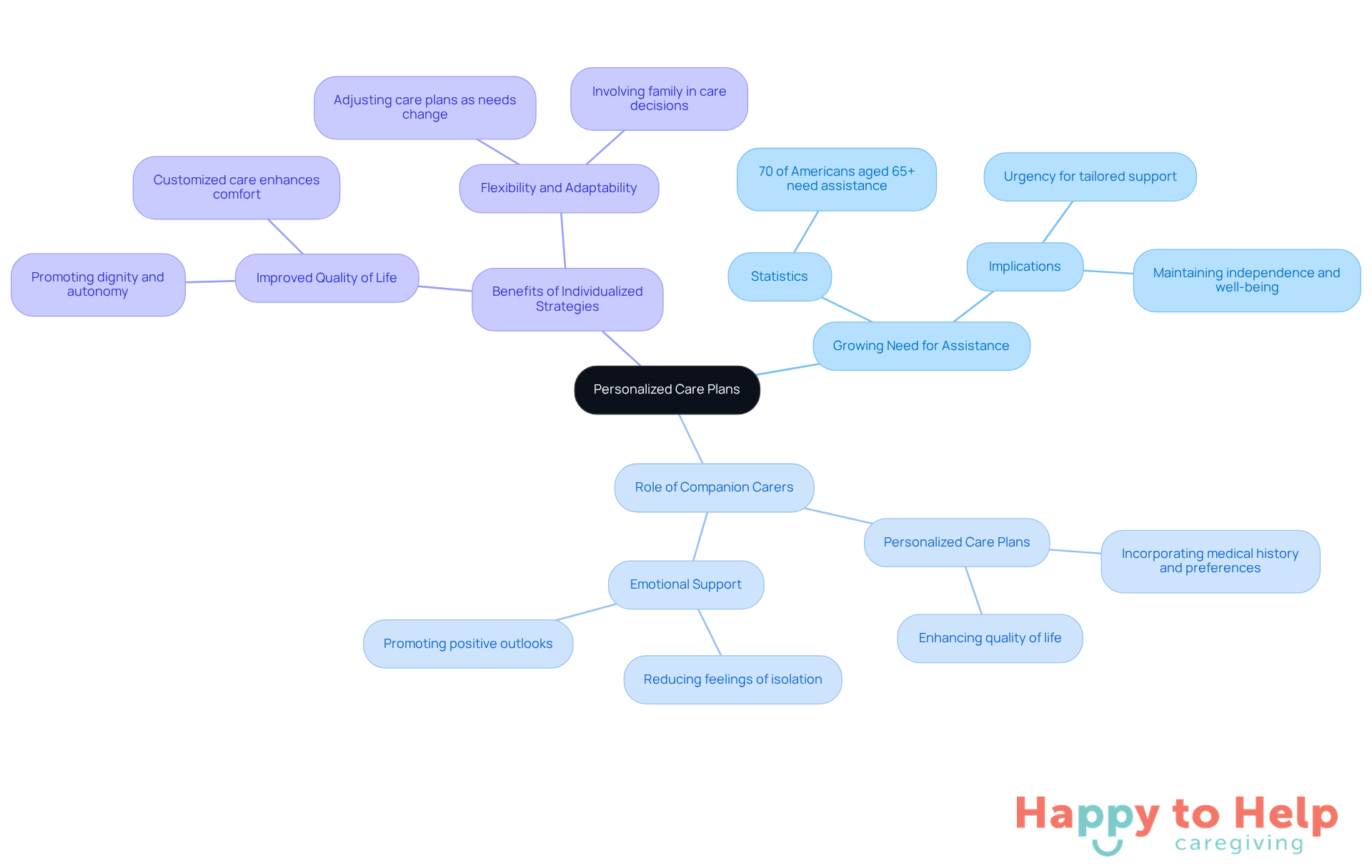
The growing need for personalized care solutions, such as companion carers, is a pressing issue in our society. Studies indicate that around 70% of Americans aged 65 and above are expected to require some form of assistance throughout their lives. This statistic highlights the urgency for tailored support, especially companion carers, that addresses individual needs, particularly for seniors and individuals with special needs.
The implications of this need are significant. Without personalized care plans, many individuals may not receive the necessary support from companion carers to maintain their independence and well-being. As Wisdom Senior Support states, "quality support is not only about what is done, but also about the manner in which those things are done." This reinforces the importance of individualized strategies in navigating the complexities of aging.
Happy to Help Caregiving excels in creating personalized care plans that incorporate the expertise of companion carers while considering each client's medical history, preferences, and lifestyle. By focusing on these individual needs, caregivers can enhance the quality of life for their clients, promoting independence and well-being in the comfort of their own homes.
As the home care landscape evolves, the importance of customized care plans that include companion carers continues to grow. Agencies like Happy to Help Caregiving are essential in delivering compassionate, tailored support that meets the unique needs of each individual.
Compatibility: Finding a Caregiver Who Matches Your Loved One's Personality
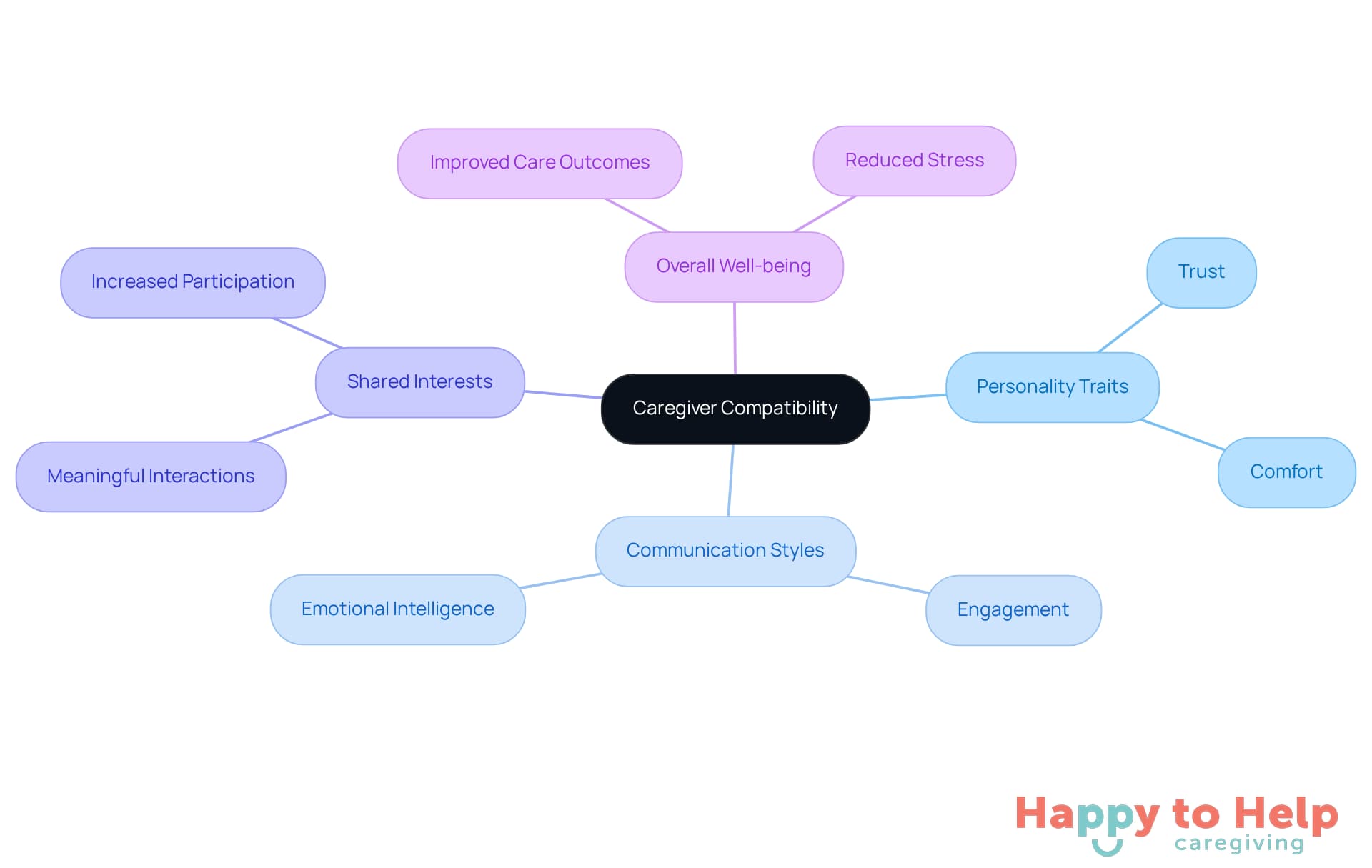
Choosing companion carers who align with your loved one's personality and interests is crucial for enhancing the caregiving experience. When companion carers and individuals share compatible traits, it fosters an environment of trust and comfort. This connection allows individuals to feel more engaged and at ease.
However, mismatched caregiver-patient relationships can lead to feelings of discomfort and disengagement. This can hinder the overall effectiveness of care, impacting both the caregiver's ability to provide support and the patient's willingness to participate in their own care.
Happy to Help Caregiving addresses this issue by prioritizing compatibility of companion carers during the matching process. By focusing on personality traits, communication styles, and shared interests, companion carers foster stronger caregiver-patient relationships. This thoughtful approach not only enhances satisfaction but also promotes well-being for everyone involved.
For instance, caregivers who share hobbies or activities with those they assist can create more meaningful interactions. This involvement in daily routines can lead to improved compliance with treatment plans and a greater sense of dignity for patients. According to Active Day, "members who feel emotionally supported are more likely to participate in activities, maintain independence, and experience greater well-being."
Ultimately, a well-matched provider transforms the caregiving experience into a supportive collaboration, enriching the lives of both clients and their families.
Experience and Training: Ensuring Skilled and Knowledgeable Caregivers
Caregiving can be a challenging role, especially when support providers lack adequate training. Families often worry about whether their loved ones are receiving the best care possible. This concern is valid, as insufficient training can lead to inadequate medical assistance and emotional support, ultimately affecting the well-being of those in care.
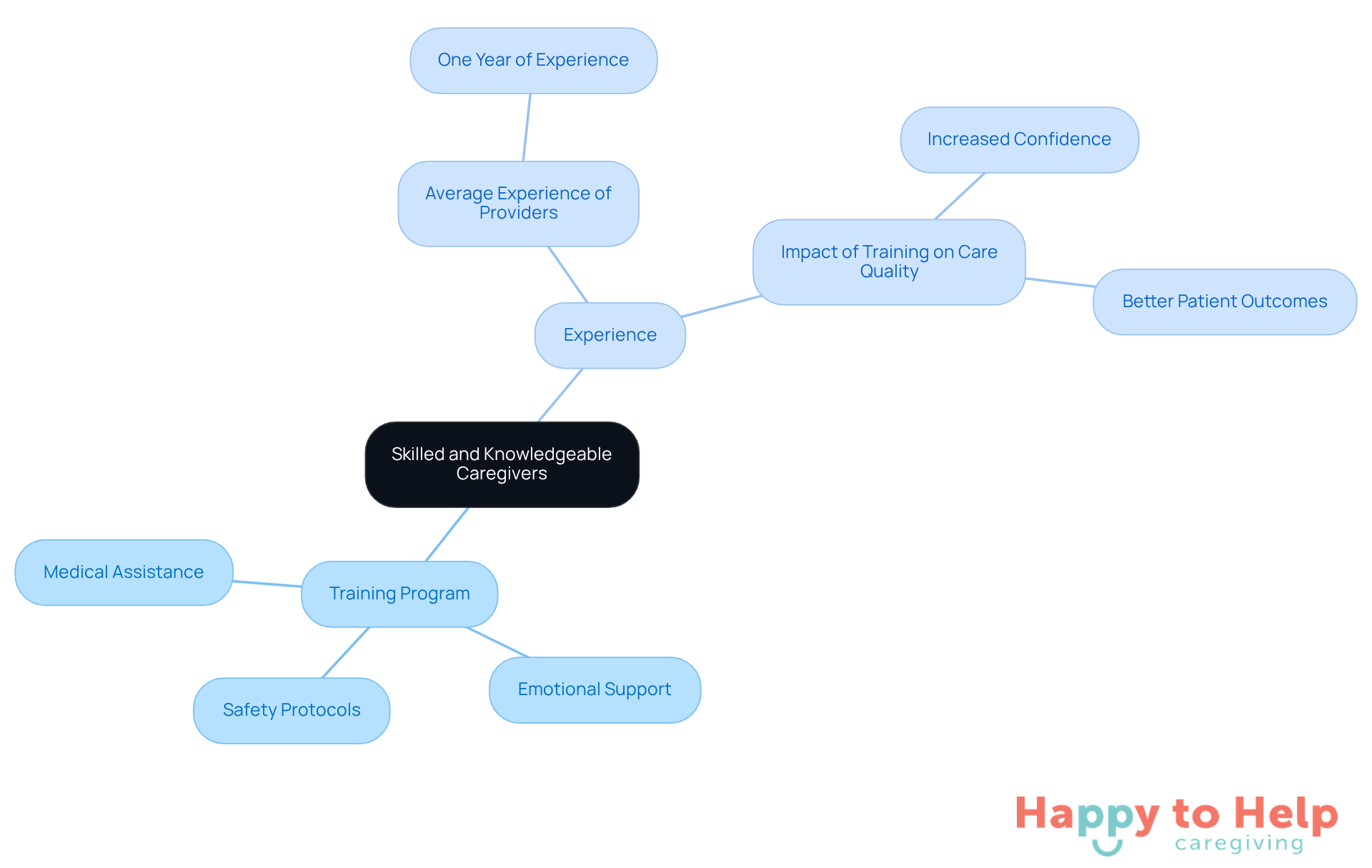
At Happy to Help Caregiving, we recognize these challenges and have implemented a comprehensive training program for our support providers. Our training covers essential skills, including:
- Medical assistance
- Emotional support
- Safety protocols
With an average of one year of experience among our providers, families can trust that their loved ones are in capable hands, receiving tailored care that meets their unique needs.
Emotional Support: Providing Companionship and Reducing Loneliness
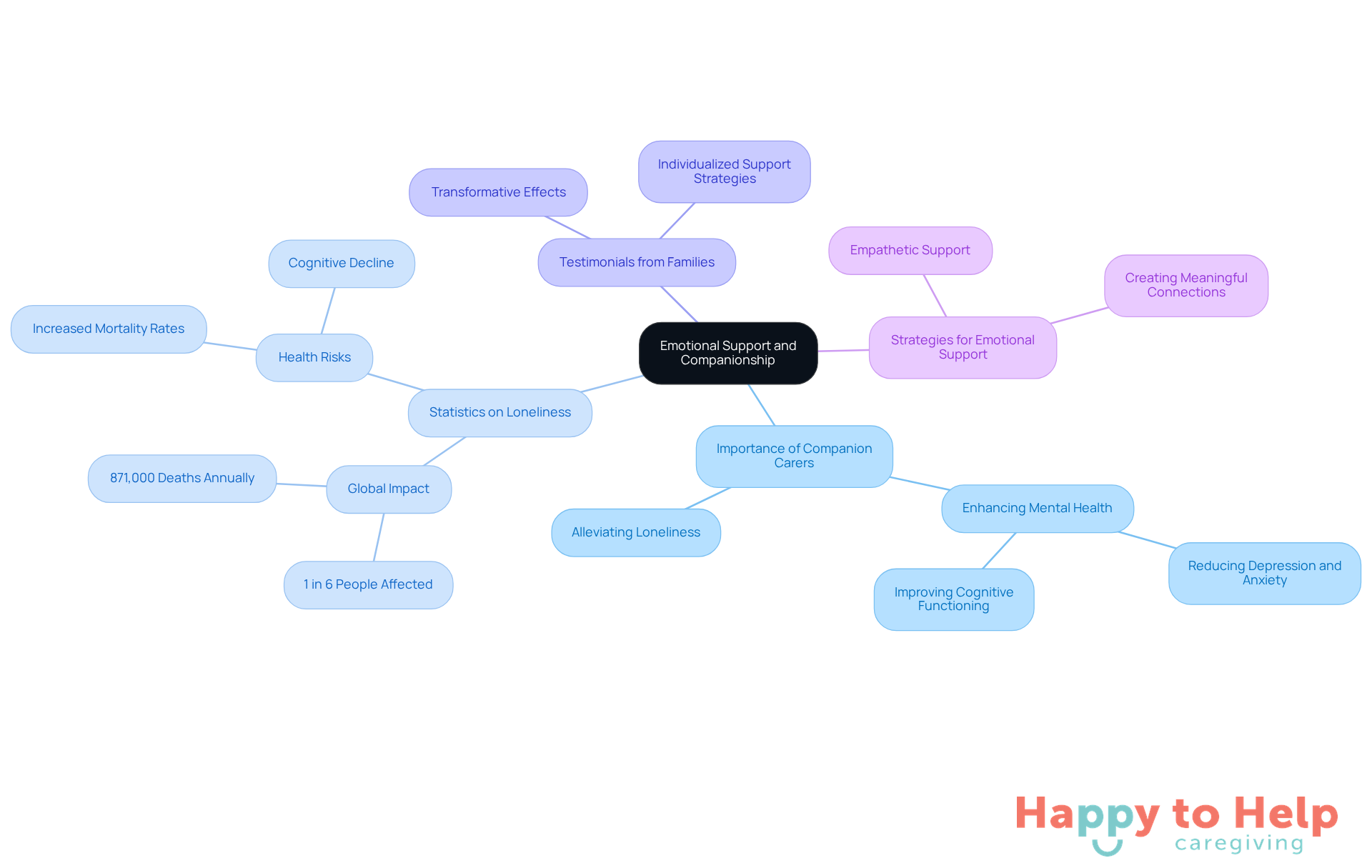
Companion carers are essential in addressing the significant issue of companionship in caregiving, particularly for older adults who often experience feelings of loneliness and isolation. Research shows that individuals with strong social connections are less likely to experience depression and anxiety. This highlights the critical need for emotional support in enhancing mental health and overall well-being.
The implications of loneliness are severe. According to the AARP Foundation's Connect2Affect initiative, about 1 in 6 people globally suffer from loneliness, a condition that poses serious health risks, especially for seniors. Loneliness is linked to cognitive decline and increased mortality rates, contributing to over 871,000 deaths annually. This stark reality underscores the urgency of addressing the need for companion carers in caregiving.
Happy to Help Caregiving addresses this issue by providing essential emotional support through companion carers, which fosters a sense of purpose and belonging in older adults. This support is crucial for those who may feel disconnected from their families or communities. Families have shared testimonials about the transformative effects of individualized support strategies that prioritize companionship, demonstrating how companion carers can effectively reduce feelings of isolation.
Mental health professionals emphasize that companionship is a powerful antidote to loneliness. By ensuring that individuals receive empathetic support and emotional involvement, Happy to Help Caregiving not only enhances their daily experiences but also contributes to their long-term mental well-being and happiness.
In summary, addressing loneliness through companion carers is vital for enhancing mental health among older adults. Caregivers can implement strategies that focus on emotional support, helping to create meaningful connections that enhance the quality of life.
Flexibility: Adapting Care Services to Fit Individual Schedules
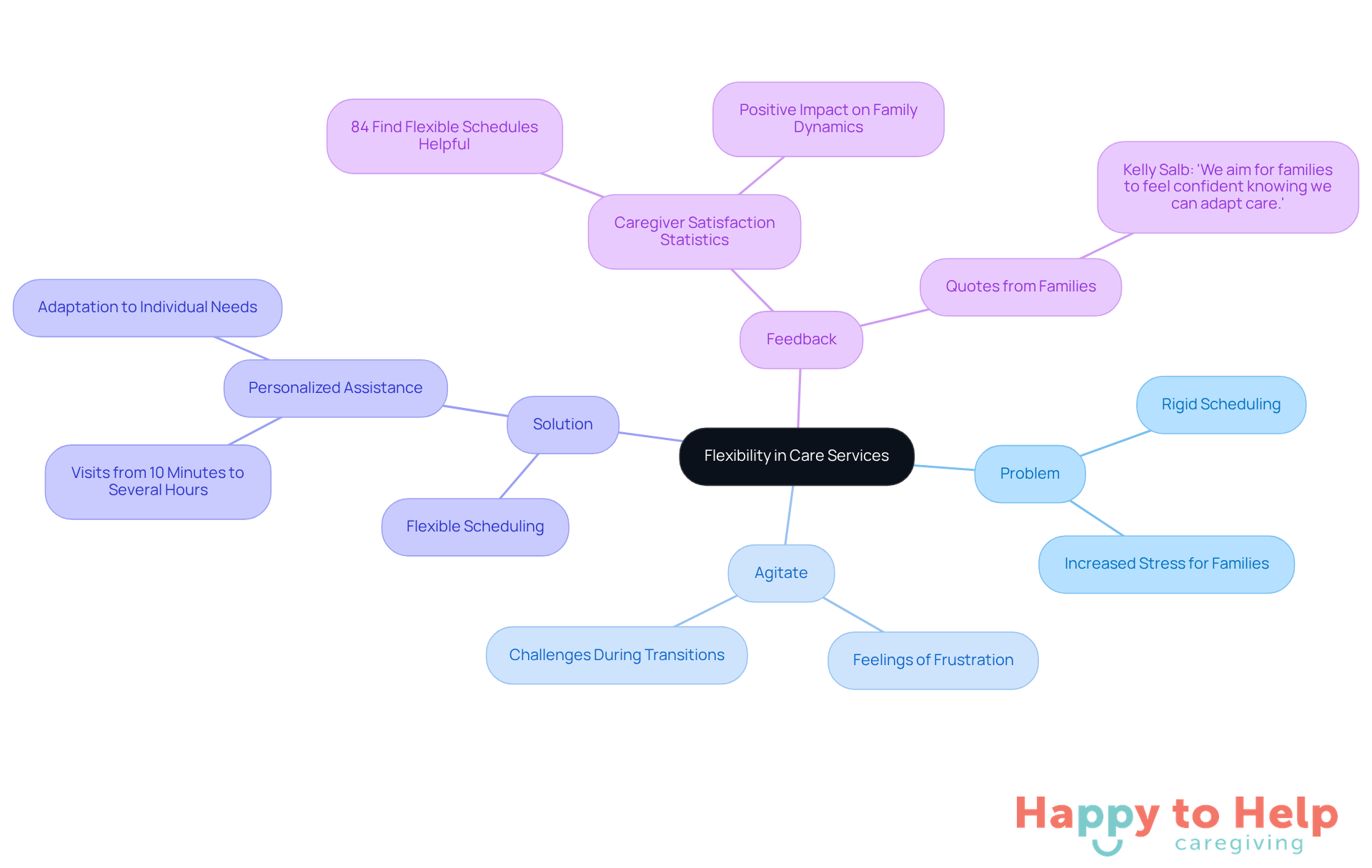
Problem: Caregivers often face the challenge of rigid scheduling that doesn't accommodate the unique needs of individuals. This can lead to increased stress for families and inadequate support for those in need.
Agitate: When caregiving services lack flexibility, it can create significant strain on households. Families may struggle to find timely assistance that fits into their daily routines, leading to feelings of frustration and helplessness. This situation can be particularly challenging during transitions, such as returning home from the hospital or adjusting to new work schedules.
Solution: Happy to Help Caregiving addresses these challenges by emphasizing flexible scheduling tailored to each individual's requirements. Companion carers are trained as support providers to adapt their services, whether for temporary help or ongoing assistance, ensuring that care aligns seamlessly with the individual's lifestyle and preferences. This flexibility not only alleviates stress for families but also guarantees that individuals receive prompt and appropriate support from companion carers.
For instance, many support providers offer visits ranging from 10 minutes to several hours, allowing for personalized assistance that fits into the individual's daily life. This approach has been shown to significantly enhance client satisfaction, as families appreciate the ability to customize care according to their loved one's specific needs. In fact, 84 percent of caregivers find flexible work schedules very helpful, underscoring the positive impact of adaptability in caregiving.
Feedback from families highlights the importance of this flexibility, with many expressing gratitude for caregivers who can adjust to changing schedules and needs. As Kelly Salb, Vice President of Client Services, notes, "Whether it’s adapting to a return-to-office schedule or returning home from the hospital, our aim is for households to feel assured knowing we can adjust support as their requirements evolve." This responsiveness fosters a sense of security and comfort, making the caregiving experience more manageable during difficult times.
Ultimately, the commitment to flexible care services not only boosts satisfaction for those receiving care but also strengthens the bond between caregivers and families, creating a supportive environment where individuals can thrive.
Safety Measures: Prioritizing Client Well-Being and Security
Ensuring the safety and well-being of those served is a significant challenge for caregivers. Potential hazards in the home can lead to accidents, putting clients at risk. This issue not only affects the clients but also adds stress to caregivers who want to provide the best care possible.
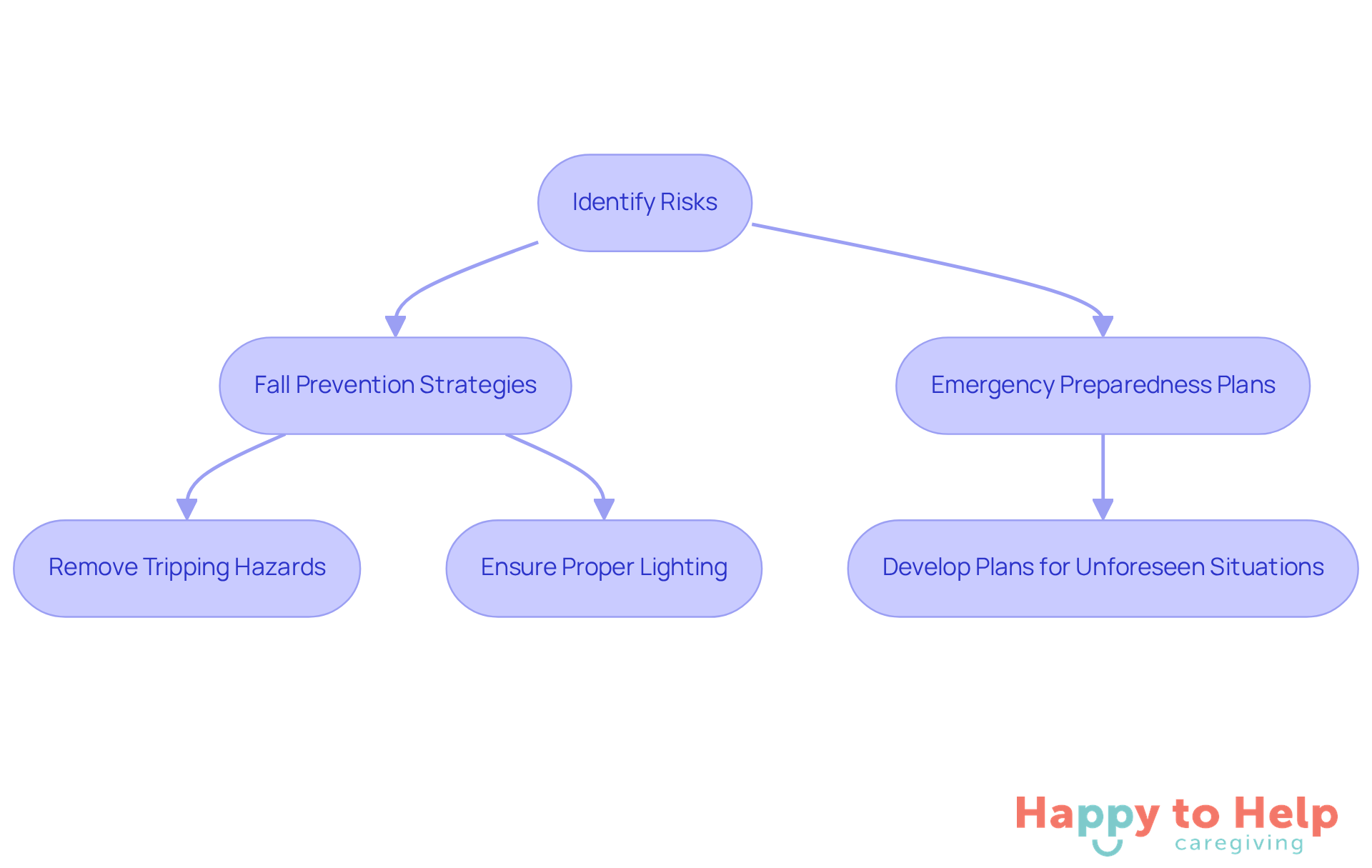
To address these concerns, caregivers must be proactive in identifying and mitigating risks. Implementing safety measures is crucial. This includes:
- Strategies for fall prevention, such as removing tripping hazards and ensuring proper lighting
- Developing emergency preparedness plans to handle unforeseen situations
By prioritizing safety, caregivers can help clients live comfortably and securely in their own homes. Taking these steps not only protects clients but also fosters peace of mind for caregivers, allowing them to focus on providing quality care.
Communication: Keeping Families Informed and Engaged in Care
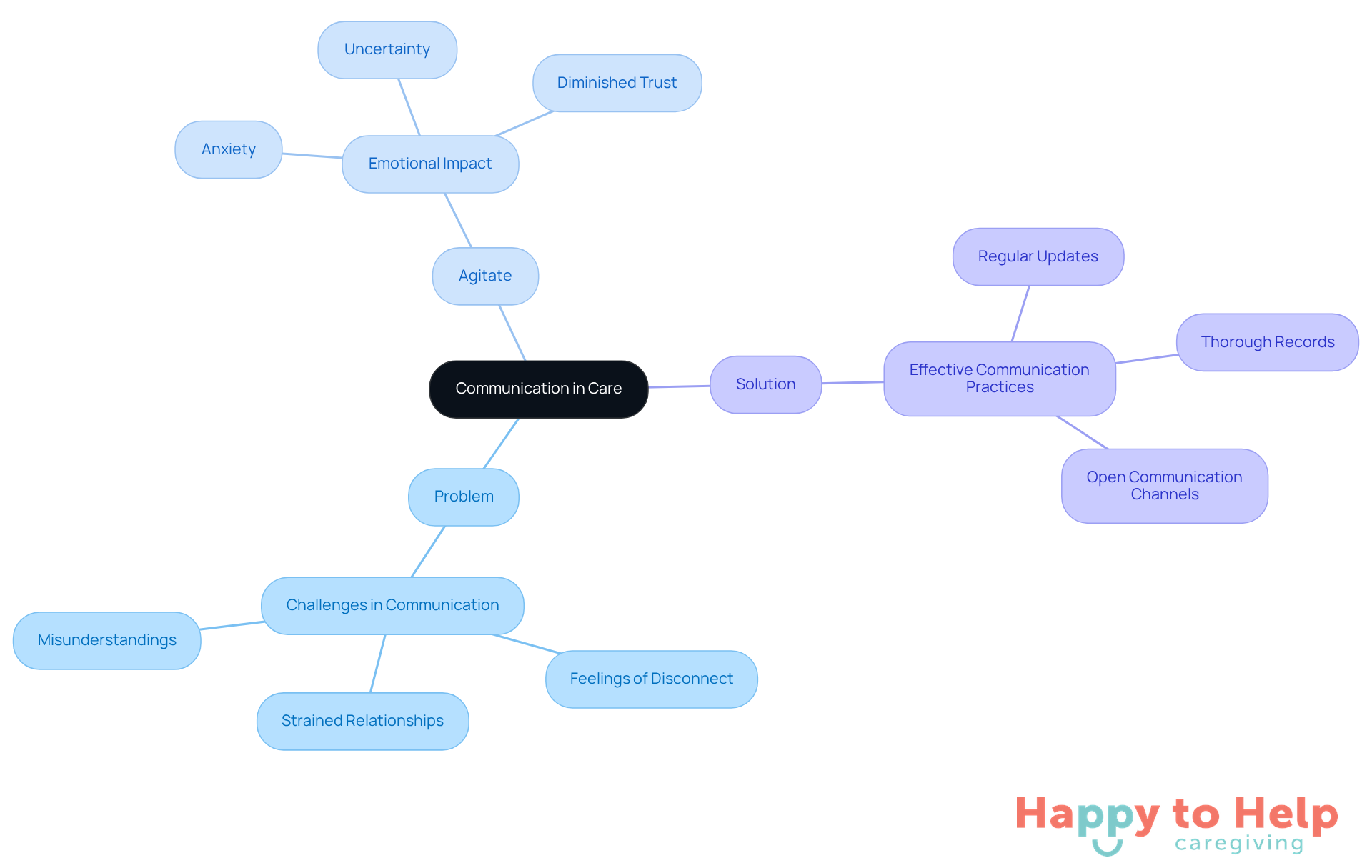
Problem: Caregivers often face challenges in maintaining effective communication with relatives about their loved ones' care. This can lead to misunderstandings and feelings of disconnect among family members.
Agitate: When families are not kept informed, it can create anxiety and uncertainty. Relatives may feel left out of important decisions, which can strain relationships and diminish trust in the caregiving process.
Solution: Happy to Help Caregiving emphasizes the importance of open communication. By offering regular updates and sharing thorough records, caregivers ensure that relatives are well-informed. This approach not only keeps everyone on the same page but also fosters trust and engagement. Families can feel more involved in the caregiving process, ultimately enhancing the experience for both recipients and their loved ones.
Encouragement of Socialization: Promoting Engagement and Activities
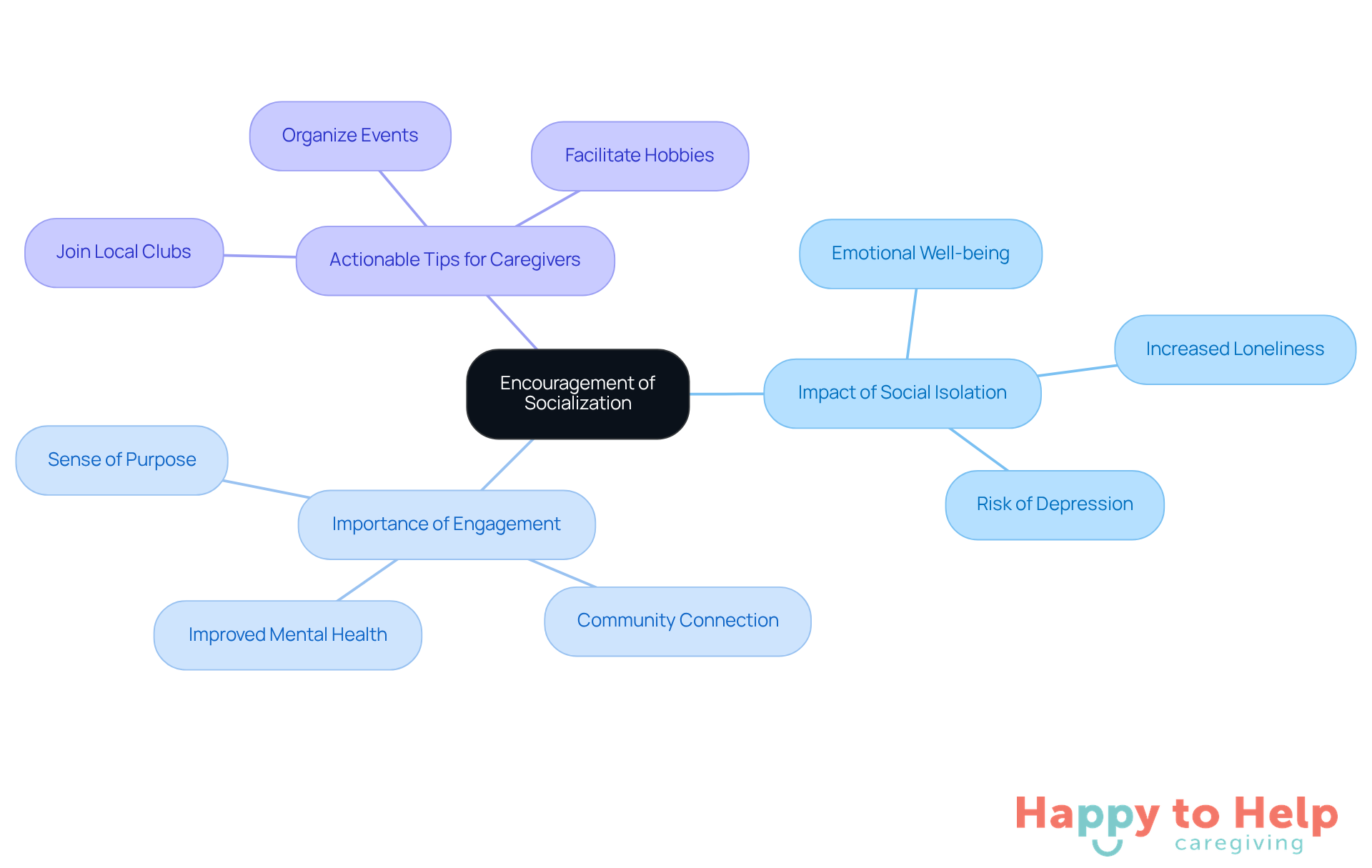
Social isolation can be a significant challenge for individuals, impacting their emotional well-being. When people withdraw from social activities, they may feel a lack of purpose and connection to their communities. This isolation can lead to feelings of loneliness and depression, making it crucial for caregivers to address this issue.
To combat social isolation, caregivers at Happy to Help Caregiving actively encourage individuals to participate in social activities and engage with their communities. Whether it's joining a local club, attending events, or simply enjoying hobbies together, these interactions play a vital role in enhancing emotional well-being. By fostering involvement, support providers help individuals maintain a sense of purpose and connection to their surroundings.
Here are some actionable tips for caregivers:
- Encourage participation in local clubs or groups that align with the individual's interests.
- Organize events or outings that promote social interaction.
- Facilitate hobbies that can be enjoyed with others, such as gardening or crafting.
By implementing these strategies, caregivers can significantly improve the quality of life for those they support, ensuring they feel connected and valued in their communities.
Adaptability: Responding to Changing Needs and Preferences
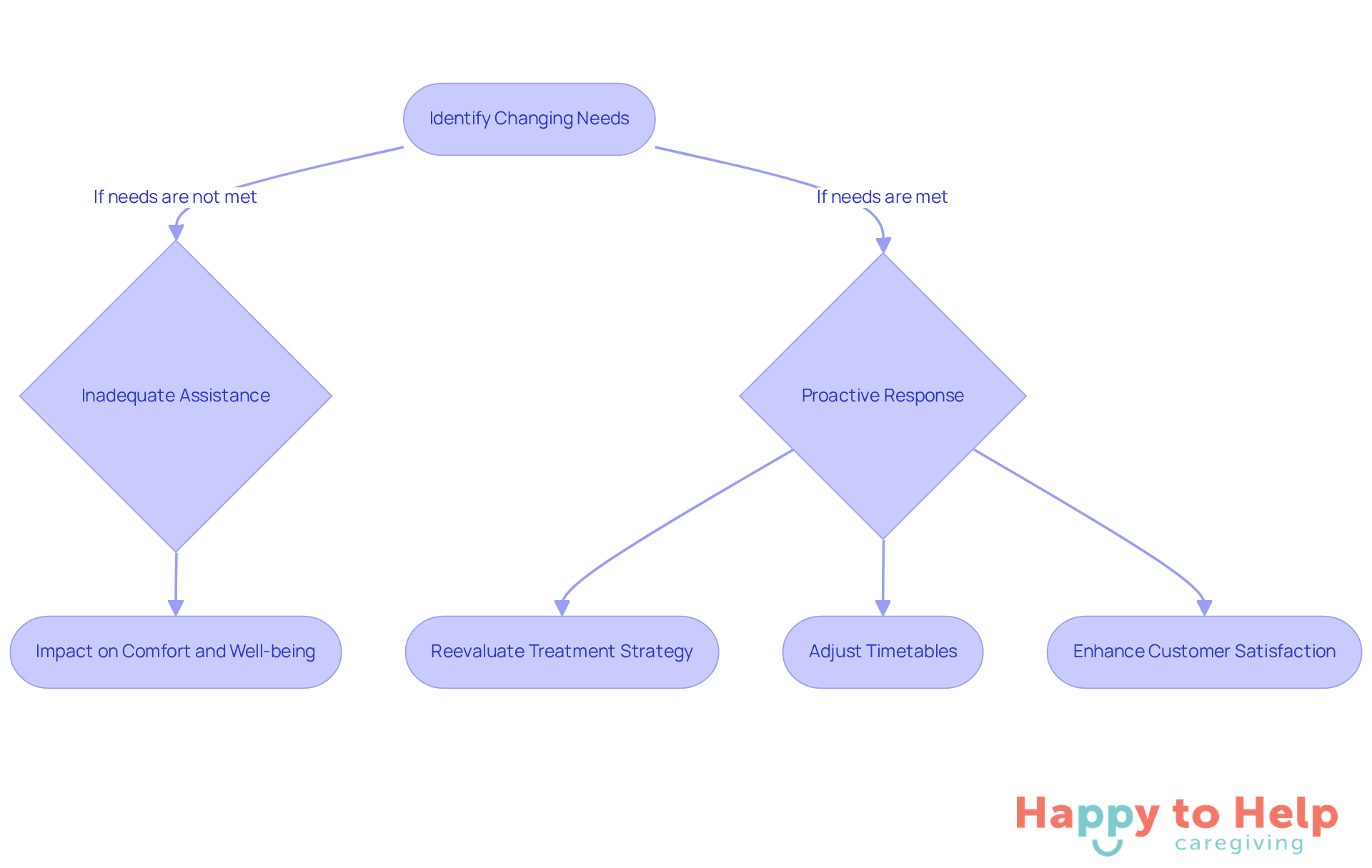
Problem: The needs of individuals receiving care can change over time, presenting a significant challenge for caregivers. This variability can lead to gaps in support if not addressed promptly.
Agitate: When caregivers are unable to adapt their methods, it can result in inadequate assistance, affecting the individual’s comfort and well-being. For instance, a sudden health deterioration can leave patients vulnerable if support staff are not prepared to respond swiftly.
Happy to Help Caregiving recognizes this issue and ensures that companion carers are specifically trained to adjust their strategies. This flexibility allows caregivers to modify timetables and react quickly to changes in health or personal preferences. By adopting a responsive approach, caregivers can guarantee that individuals receive optimal assistance throughout their support journey.
For example, if a patient experiences a sudden decline in health, support staff can promptly reevaluate and implement necessary adjustments to the treatment strategy. This proactive approach not only enhances customer satisfaction but also fosters a trusting relationship between caregivers and those receiving assistance, which is crucial for effective in-home support.
Trustworthiness: Building Confidence in Caregiver Relationships
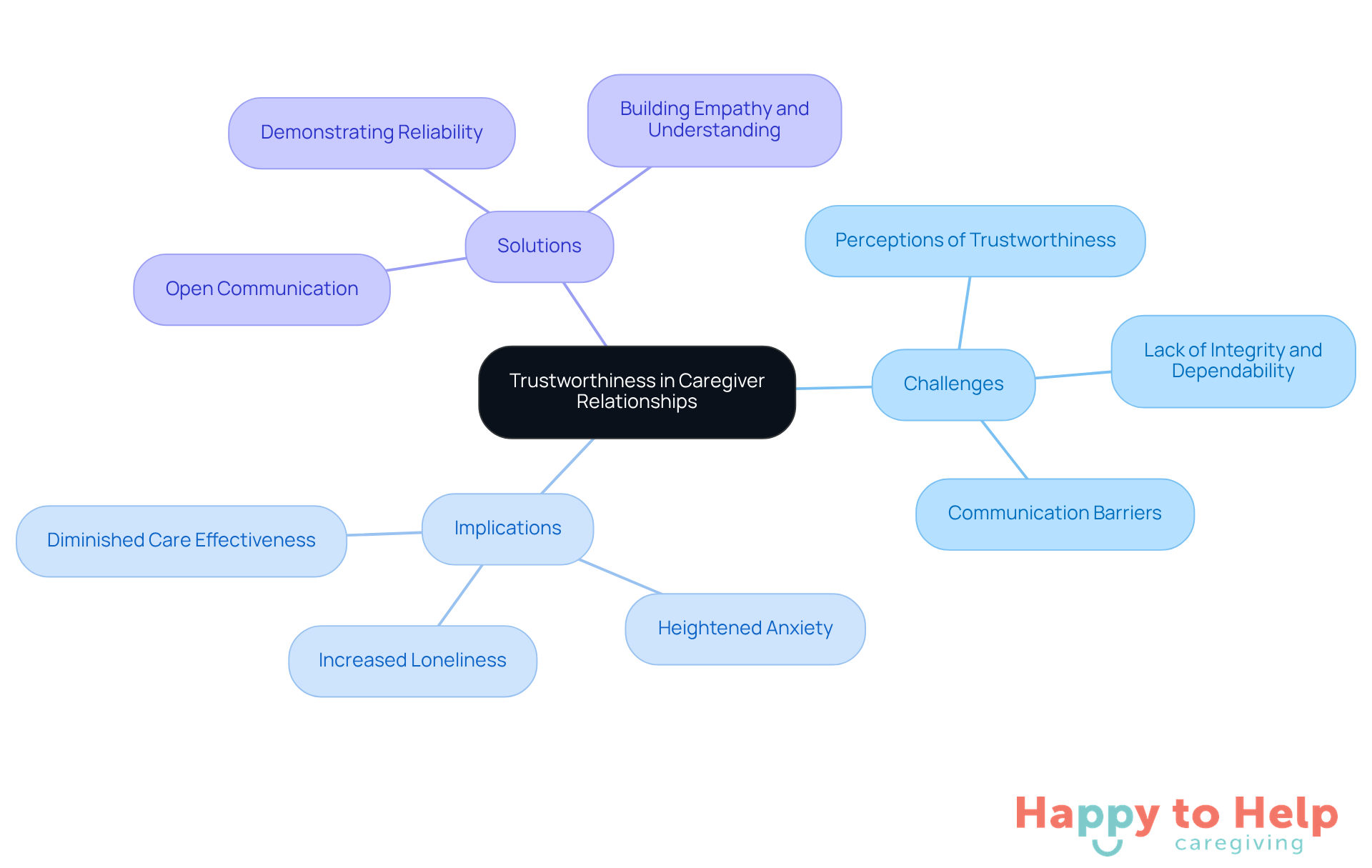
Trustworthiness is a critical issue for companion carers in caregiving. Companion carers often encounter the challenge of being perceived as trustworthy, which is essential for building strong relationships with clients. When caregivers lack integrity and dependability, it can lead to feelings of insecurity for both clients and their families.
This lack of trust can have serious implications. Research shows that when caregivers fail to cultivate trust, their effectiveness diminishes, resulting in poorer outcomes for those they assist. For instance, seniors may experience increased feelings of loneliness and anxiety, which can negatively impact their overall well-being.
To address this problem, companion carers must prioritize trustworthiness in their practice. Here are some actionable solutions:
- Communicate openly with clients and their families to foster transparency.
- Demonstrate reliability by consistently providing high-quality care.
- Build strong relationships through empathy and understanding.
As Eric Thomas notes, 'the relationship between companion carers and a senior client is more than transactional; it’s relational and often becomes a crucial component of effective in-home care.' By focusing on these strategies, caregivers can create a secure and nurturing environment that allows clients to thrive.
Making the Right Choice
The essential qualities of companion carers are crucial for enhancing the well-being and quality of life for those they serve. However, many caregivers may lack the necessary skills and attributes to provide effective support. This gap can lead to inadequate care, resulting in diminished emotional and physical health for individuals, particularly seniors and those with special needs.
To address this issue, companion carers should focus on several key qualities:
- Personalized care plans
- Compatibility
- Experience
- Emotional support
- Flexibility
- Safety measures
- Communication
- Socialization
- Adaptability
- Trustworthiness
Personalized care plans ensure that each individual receives support tailored to their specific medical history and lifestyle. Compatibility between caregivers and clients fosters trust and engagement, which is essential for effective caregiving. Ongoing training equips caregivers with the skills needed to provide the best support possible.
Moreover, addressing emotional well-being through companionship significantly reduces feelings of loneliness. Flexibility in care services allows for timely and appropriate assistance, ensuring that individuals receive the help they need when they need it.
Ultimately, recognizing and implementing these essential qualities in companion care is vital for promoting independence and enhancing the overall quality of life for individuals. Families should prioritize these traits when selecting caregivers, ensuring their loved ones receive the compassionate and competent support they deserve. By fostering a caregiving environment that values individualized care, communication, and trust, caregivers can significantly impact the lives of those they assist, paving the way for healthier and happier aging experiences.
https://iframe.tely.ai/cta/eyJhcnRpY2xlX2lkIjogIjY5MjY0MzYxZDdhYTIxYWI5OTE3NmUwNSIsICJjb21wYW55X2lkIjogIjY4ZWU1ZGNhNzMxNzYyNTU3ZjNjOTVjMSIsICJpbmRleCI6IG51bGwsICJ0eXBlIjogImFydGljbGUifQ==Frequently Asked Questions
Why is there a growing need for personalized care solutions?
The growing need for personalized care solutions is due to the fact that around 70% of Americans aged 65 and above are expected to require some form of assistance throughout their lives, highlighting the urgency for tailored support, particularly for seniors and individuals with special needs.
What are the implications of not having personalized care plans?
Without personalized care plans, individuals may not receive the necessary support from companion carers, which can hinder their independence and well-being.
How does Happy to Help Caregiving create personalized care plans?
Happy to Help Caregiving creates personalized care plans by considering each client's medical history, preferences, and lifestyle, which allows caregivers to enhance the quality of life for their clients.
Why is compatibility between caregivers and patients important?
Compatibility between caregivers and patients is crucial because it fosters an environment of trust and comfort, allowing individuals to feel more engaged and at ease, which enhances the overall caregiving experience.
What issues can arise from mismatched caregiver-patient relationships?
Mismatched caregiver-patient relationships can lead to discomfort and disengagement, impacting both the caregiver's ability to provide support and the patient's willingness to participate in their own care.
How does Happy to Help Caregiving prioritize compatibility in caregiver matching?
Happy to Help Caregiving prioritizes compatibility by focusing on personality traits, communication styles, and shared interests during the matching process to foster stronger caregiver-patient relationships.
What benefits come from caregivers sharing hobbies or activities with their clients?
When caregivers share hobbies or activities with their clients, it leads to more meaningful interactions, improved compliance with treatment plans, and a greater sense of dignity for patients.
What concerns do families have regarding caregiver training and experience?
Families often worry about whether their loved ones are receiving the best care possible, as inadequate training can lead to insufficient medical assistance and emotional support.
What training does Happy to Help Caregiving provide for its support providers?
Happy to Help Caregiving implements a comprehensive training program covering essential skills such as medical assistance, emotional support, and safety protocols.
What is the average experience level of caregivers at Happy to Help Caregiving?
The average experience level of caregivers at Happy to Help Caregiving is one year, ensuring that families can trust their loved ones are receiving capable and tailored care.
List of Sources
- Happy to Help Caregiving: Personalized Care Plans for Individual Needs
- State of home care in 2025 (https://mcknightshomecare.com/state-of-home-care-in-2025)
- Creating Individualized Mental Health Care Plans for Seniors - Supportive Care (https://thesupportivecare.com/blog/creating-individualized-mental-health-care-plans-for-seniors)
- Customized Care at Home: The Benefits of Personalized Care Plans - VNA Health Group (https://vnahg.org/customized-care-at-home-the-benefits-of-personalized-care-plans)
- Trends in Senior Care: What to Expect in 2025 (https://agingconnections.org/blog/trends-in-senior-care-what-to-expect-in-2025)
- Importance of Personalized Senior Home Care in Burlington NC (https://wisdomseniorcare.com/the-importance-of-personalized-care-plans-for-seniors)
- Compatibility: Finding a Caregiver Who Matches Your Loved One's Personality
- The Caregiver-Client Bond: How the Right Match Builds Trust, Manages Stress, and Transforms Lives (https://rightathome.co.uk/enfield/news-item/the-caregiver-client-bond-how-the-right-match-builds-trust-manages-stress-and-transforms-lives)
- MCG Care Match Formula: The Secret To Successful Home Care (https://meetcaregivers.com/mcg-care-match-formula-successful-home-care)
- The Evolution Of Caregiver-Client Matching In Home Care (https://homehealthcarenews.com/2023/08/the-evolution-of-caregiver-client-matching-in-home-care)
- Finding the Right Caregiver Match | Active Day (https://activeday.com/news/finding-the-right-caregiver-match)
- Perfect Pairings: Creating Personalized, Highly Compatible Caregiver-Client Matches to Boost Your Bottom Line | Aaniie, formerly Smartcare Software (https://aaniie.com/news/creating-personalized-highly-compatible-caregiver-client-matches-to-boost-bottom-line)
- Experience and Training: Ensuring Skilled and Knowledgeable Caregivers
- Sophisticated Caregiver Training Remains An Underutilized Retention, ROI Tool (https://homehealthcarenews.com/2024/08/sophisticated-caregiver-training-remains-an-underutilized-retention-roi-tool)
- Enhancing Caregiver Skills Through Specialized Training (https://ltcnews.com/articles/enhancing-caregiver-skills-specialized-training)
- CCA Celebrates 25 Years of Caregiver Training (https://advancecaregivers.org/cca-celebrates-25-years-of-caregiver-training)
- Home-Based Care Companies Improve Outcomes By Training Family Caregivers (https://homehealthcarenews.com/2025/10/home-based-care-companies-improve-outcomes-by-training-family-caregivers)
- Family Caregivers Deserve Recognition — Medicare Is Starting to Listen (https://commonwealthfund.org/blog/2025/family-caregivers-deserve-recognition-medicare-starting-to-listen)
- Emotional Support: Providing Companionship and Reducing Loneliness
- Friendship, helping people boosts happiness for older adults - UPI.com (https://upi.com/Health\_News/2025/10/19/friendship-happiness-aging/3721760894904)
- 1 in 3 older adults still experience loneliness and isolation (https://michiganmedicine.org/health-lab/1-3-older-adults-still-experience-loneliness-and-isolation)
- Social connection linked to improved health and reduced risk of early death (https://who.int/news/item/30-06-2025-social-connection-linked-to-improved-heath-and-reduced-risk-of-early-death)
- Trends in Loneliness Among Older Adults from 2018-2023 (https://ihpi.umich.edu/national-poll-healthy-aging/reports-and-resources/trends-loneliness-among-older-adults-2018-2023)
- Creating Safe Living Environment for Seniors: Tips & Practices (https://peacevillage.org/news/why-companionship-is-key-to-happy-aging-elderly-well-being)
- Flexibility: Adapting Care Services to Fit Individual Schedules
- Flexible Care Models Give Home Care Clients ‘What They Want When They Want It’ (https://homehealthcarenews.com/2025/10/flexible-care-models-give-home-care-clients-what-they-want-when-they-want-it)
- Senior Living Operators Embrace More Flexible Scheduling Practices to Improve Staffing (https://seniorhousingnews.com/2024/08/06/senior-living-operators-embrace-more-flexible-scheduling-practices-to-improve-staffing)
- 9 Ways to Find Caregivers With Flexible Scheduling Options - MedCity News (https://medcitynews.com/2025/05/9-ways-to-find-caregivers-with-flexible-scheduling-options)
- Caregiving While Working Calls for Workplace Flexibility (https://aarp.org/pri/topics/work-finances-retirement/employers-workforce/employer-caregiving-survey)
- Return-to-Office Trends are Reshaping Caregiving at Home - Family & Nursing Care (https://familynursingcare.com/return-to-office-trends-are-reshaping-caregiving-at-home)
- Safety Measures: Prioritizing Client Well-Being and Security
- How One Home Health Provider is Meeting Connecticut's New Safety Standards (https://homehealthcarenews.com/2025/11/how-one-home-health-provider-is-meeting-connecticuts-new-safety-standards)
- Hidden Hazards in the Home: Help Protect Yourself and Your Loved Ones (https://ncoa.org/article/hidden-home-hazards-older-adults-more-likely-to-die-from-falls-and-fires)
- Home Safety for Seniors: Statistics & Proven Safety Solutions (https://agesafeamerica.com/home-safety-hub/articles/home-safety-seniors-statistics-solutions)
- Facts About Falls (https://cdc.gov/falls/data-research/facts-stats)
- Communication: Keeping Families Informed and Engaged in Care
- New Research Brief: Quality of Communication Between Family Caregivers and Direct Care Professionals | The LeadingAge LTSS Center @UMass Boston (https://ltsscenter.org/new-research-brief-quality-of-communication-between-family-caregivers-and-direct-care-professionals)
- The Importance of Good Communication in Domiciliary Care | First City Nursing (https://firstcitynursing.co.uk/news/2025/01/the-importance-of-good-communication-in-domiciliary-care/96)
- The Importance of Communication in Home Health Care Relationships (https://h2hhc.com/blog/the-importance-of-communication-in-home-health-care-relationships)
- The Importance of Effective Communication in Caregiving (https://familycaregiversonline.net/the-importance-of-effective-communication-in-caregiving)
- Effective Communication as a Caregiver | Always Caring of CT (https://alwayscaringct.com/news/effective-communication-as-a-caregiver)
- Encouragement of Socialization: Promoting Engagement and Activities
- Understanding the Benefits of Socialization for Seniors (https://livinrite.com/understanding-the-benefits-of-socialization-for-seniors)
- Socialization Boosts Quality of Life for Older Adults in Long-Term Care Facilities (https://ltcnews.com/articles/socialization-boosts-quality-life-older-adults-long-term-care-facilities)
- Why Socialization is Important for Older Adults (https://newsroom.clevelandclinic.org/2022/12/09/why-socialization-is-important-for-older-adults)
- The Importance of Socialization for Seniors - Bethesda Health Group (https://bethesdahealth.org/blog/the-importance-of-socialization-for-seniors)
- How Caregivers Can Facilitate Enjoyable Social Events - HomeChoice Home Care Solutions (https://homechoicehomecare.com/careers-in-caring/how-caregivers-can-facilitate-enjoyable-social-events)
- Adaptability: Responding to Changing Needs and Preferences
- Private Caregiver Revolution: Embrace The Flexibility And Control - Jhu Innovations (https://stripe.jhu.edu/news/private-caregiver-revolution-embrace-the-flexibility-and-control)
- Workplace flexibility is the most used, wanted benefit among caregivers: AARP (https://thehill.com/homenews/4668936-aarp-workplace-flexibility-most-used-wanted-benefit-caregivers)
- Helping Caregivers Thrive With Caregiver Leave, Flexible Work and More (https://adp.com/spark/articles/2025/03/helping-caregivers-thrive-with-caregiver-leave-flexible-work-and-more.aspx)
- As Family Caregiving Grows, So Does the Need for Reform - Medicare Rights Center (https://medicarerights.org/medicare-watch/2025/08/14/as-family-caregiving-grows-so-does-the-need-for-reform)
- The Future of Flexibility: Supporting Caregivers in Deskless Roles (https://shrm.org/enterprise-solutions/insights/future-of-flexibility-supporting-caregivers-deskless-roles)
- Trustworthiness: Building Confidence in Caregiver Relationships
- Bolster Client-Caregiver Relationships With Trust & Respect (https://homecaremag.com/bolser-client-caregiver-relationships)
- The Caregiver-Client Bond: How the Right Match Builds Trust, Manages Stress, and Transforms Lives (https://rightathome.co.uk/enfield/news-item/the-caregiver-client-bond-how-the-right-match-builds-trust-manages-stress-and-transforms-lives)
- Why Transparency & Trust Matters in Senior Living - Benchmark Senior Living (https://benchmarkseniorliving.com/blog/the-importance-of-trust-transparency-in-senior-care)
- The Importance of Caregiver-Client Relationships in Senior Well-Being (https://homeinstead.com/home-care/usa/in/goshen/588/news-and-media/the-importance-of-caregiver-client-relationships-in-senior-well-being)
- TRUST: Its Critical Role in Senior Care - Amada Senior Care (https://amadaseniorcare.com/2020/04/trust-its-critical-role-in-senior-care)