10 Essential Qualities of Effective Elderly Care Providers
For families in our service areas
For families in our service areas, this guide explains caregiving and how non-medical in-home caregiving can support care planning in East Idaho, Treasure Valley & Magic Valley, Northern Wasatch, North Central West Virginia, and Northeast Ohio.
Understanding Your Options
The essential qualities of effective elderly care providers encompass:
- Empathy
- Communication skills
- Patience
- Training
- Flexibility
- Companionship
- Reliability
- Problem-solving skills
- Respect
These qualities are crucial for fostering trust and enhancing emotional well-being. They ensure personalized care that meets the unique needs of seniors, ultimately improving their quality of life. By embracing these attributes, caregivers can create a nurturing environment that resonates deeply with the elderly, making a significant difference in their daily experiences.
The Importance of Qualities of Effective Elderly Care
The landscape of elderly care is evolving, with a growing emphasis on personalized in-home support that respects the unique needs of seniors. As families search for compassionate solutions for their loved ones, it becomes crucial to understand the essential qualities of effective elderly care providers.
What key traits not only enhance the quality of care but also foster trust and emotional well-being among elderly clients? This article explores ten vital characteristics that define successful caregivers, shedding light on how these attributes can transform the caregiving experience for both providers and the seniors they serve.
Happy to Help Caregiving: Personalized In-Home Support for Seniors
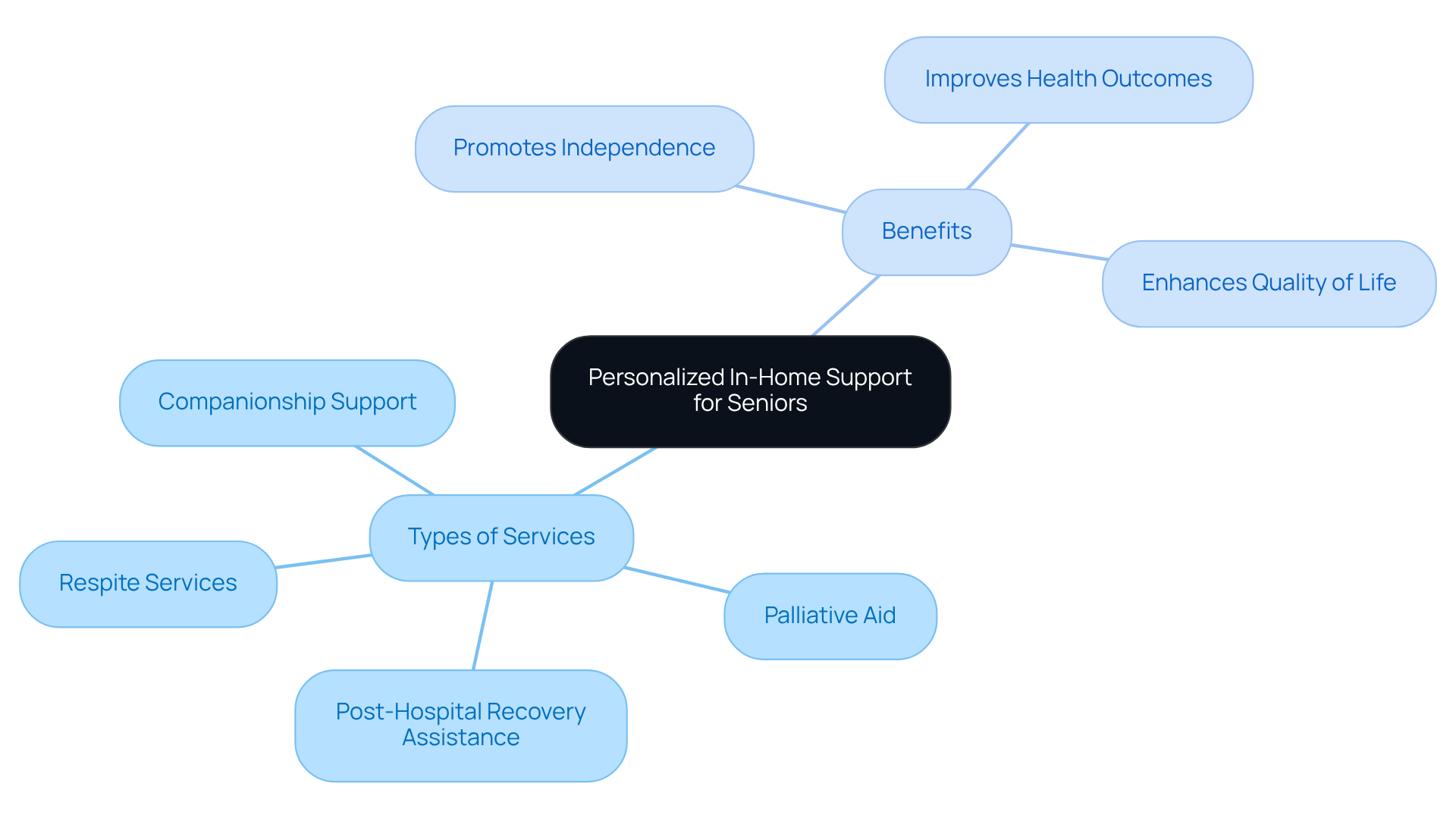
At Happy to Help Caregiving, our elderly care providers specialize in offering personalized in-home support for seniors, with a heartfelt focus on enhancing their quality of life. Our dedication to individualized care ensures that every person receives the attention and services they need to thrive in the comfort of their own homes. Whether it’s companionship support, post-hospital recovery assistance, respite services, or palliative aid, elderly care providers illustrate how tailored approaches can significantly uplift the well-being of elderly clients.
In recent times, there’s been a noticeable shift toward in-home caregiving, fueled by a desire for flexibility and the comfort of familiar surroundings. This trend is supported by evidence showing that personalized assistance not only promotes independence but also greatly improves emotional and physical health outcomes for seniors. Experts agree that a customized caregiving strategy is essential for elderly care providers, as it enables them to adapt to the unique needs and preferences of each individual, ultimately enhancing their overall quality of life.
By prioritizing individualized support, Happy to Help Caregiving demonstrates the transformative power of in-home care. We ensure that elderly individuals can maintain their dignity, independence, and a sense of connection in their daily lives. With us, you’re not just receiving services; you’re embracing a compassionate partnership that nurtures both the heart and the spirit.
Empathy: Building Trust and Rapport with Elderly Clients
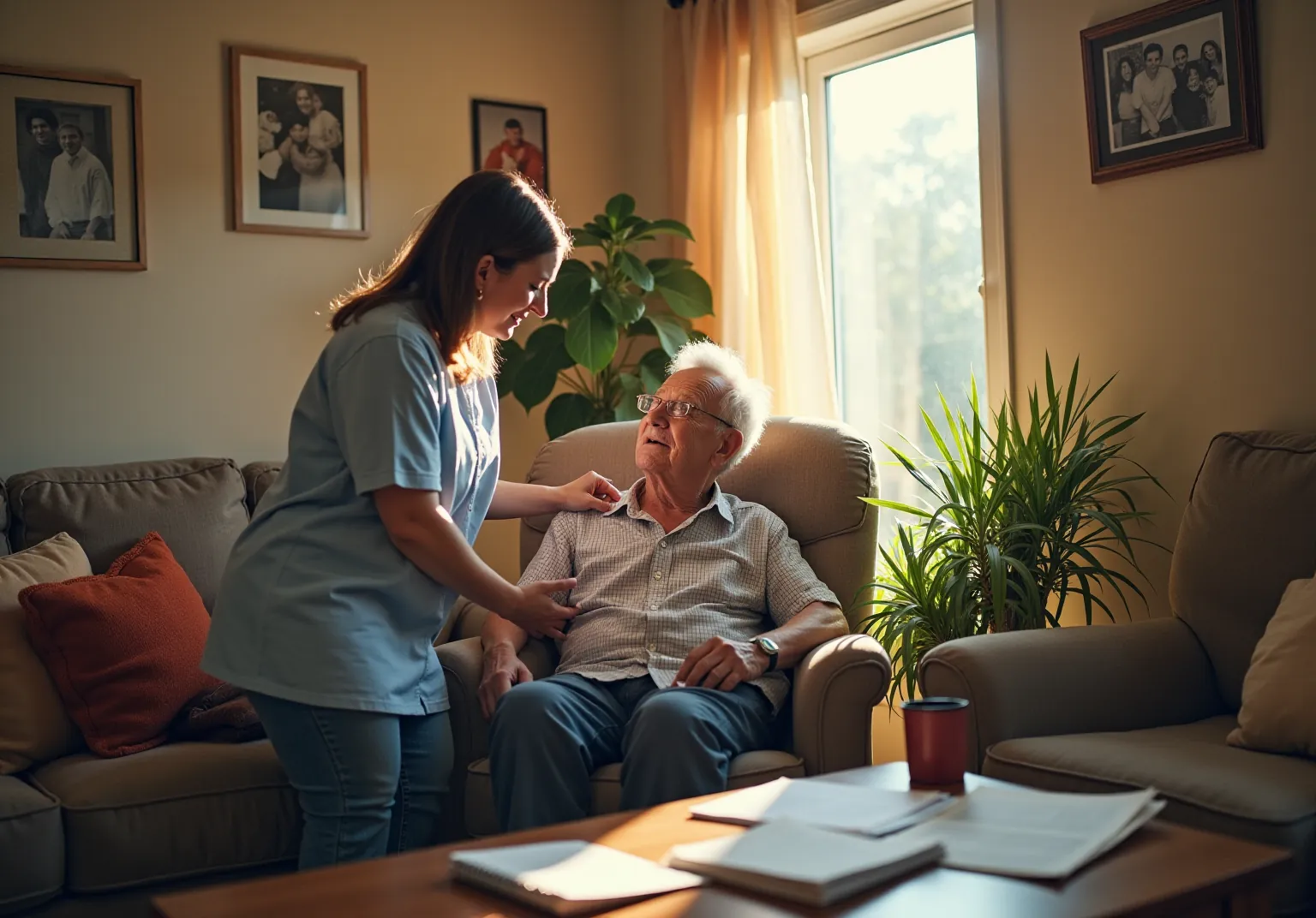
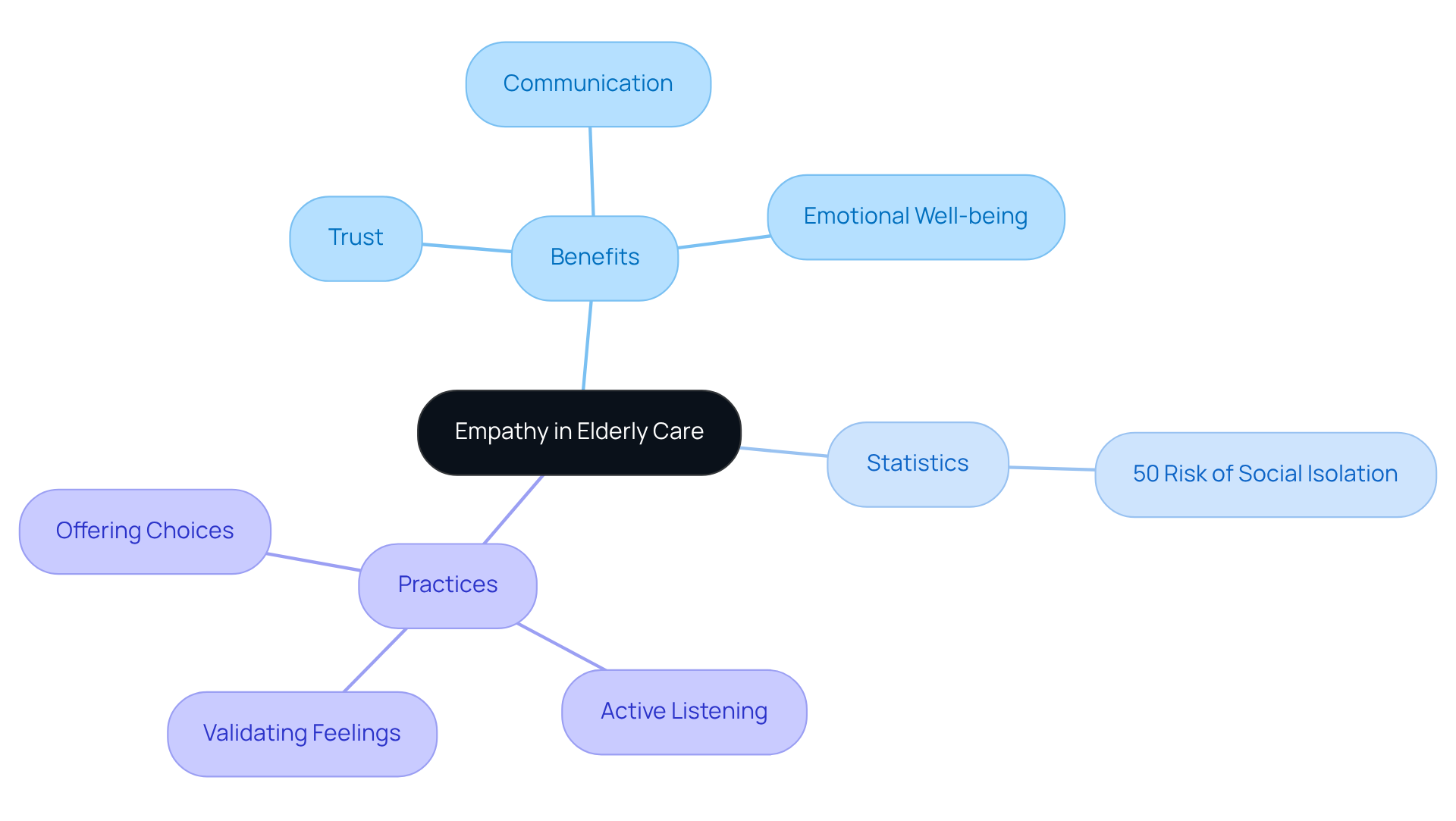
Empathy serves as a cornerstone of effective elderly support, enabling providers to forge meaningful relationships with those they assist. By genuinely understanding the emotional and physical challenges that seniors encounter, caregivers can customize their support to resonate deeply with individual needs. This empathetic approach not only enriches the caregiving experience but also fosters a profound sense of security and comfort in elderly clients. Research shows that when caregivers demonstrate empathy, it significantly bolsters trust, leading to improved communication and cooperation.
Moreover, empathetic interactions can alleviate feelings of loneliness and isolation, which are all too common among older adults, ultimately contributing to better health outcomes. Nearly 50% of older adults face the risk of social isolation, underscoring the vital role empathy plays in combating loneliness and enhancing emotional well-being. Geriatric support experts emphasize that building trust through empathy is essential for nurturing a collaborative environment, where older adults feel valued and respected.
This trust not only elevates the quality of care but also empowers seniors to engage more actively in their own well-being, reinforcing their dignity and autonomy. As Meng Huo notes, maintaining support reciprocity in the provider-patient relationship is crucial, illustrating that empathy benefits both the elderly and providers, promoting a more holistic view of caregiving.
Family caregivers can embody empathy by:
- Actively listening to their loved ones
- Validating their feelings
- Offering choices in daily activities
These practices can significantly enhance the caregiving experience, creating a nurturing atmosphere where seniors feel truly cared for.
Communication Skills: Understanding and Responding to Client Needs
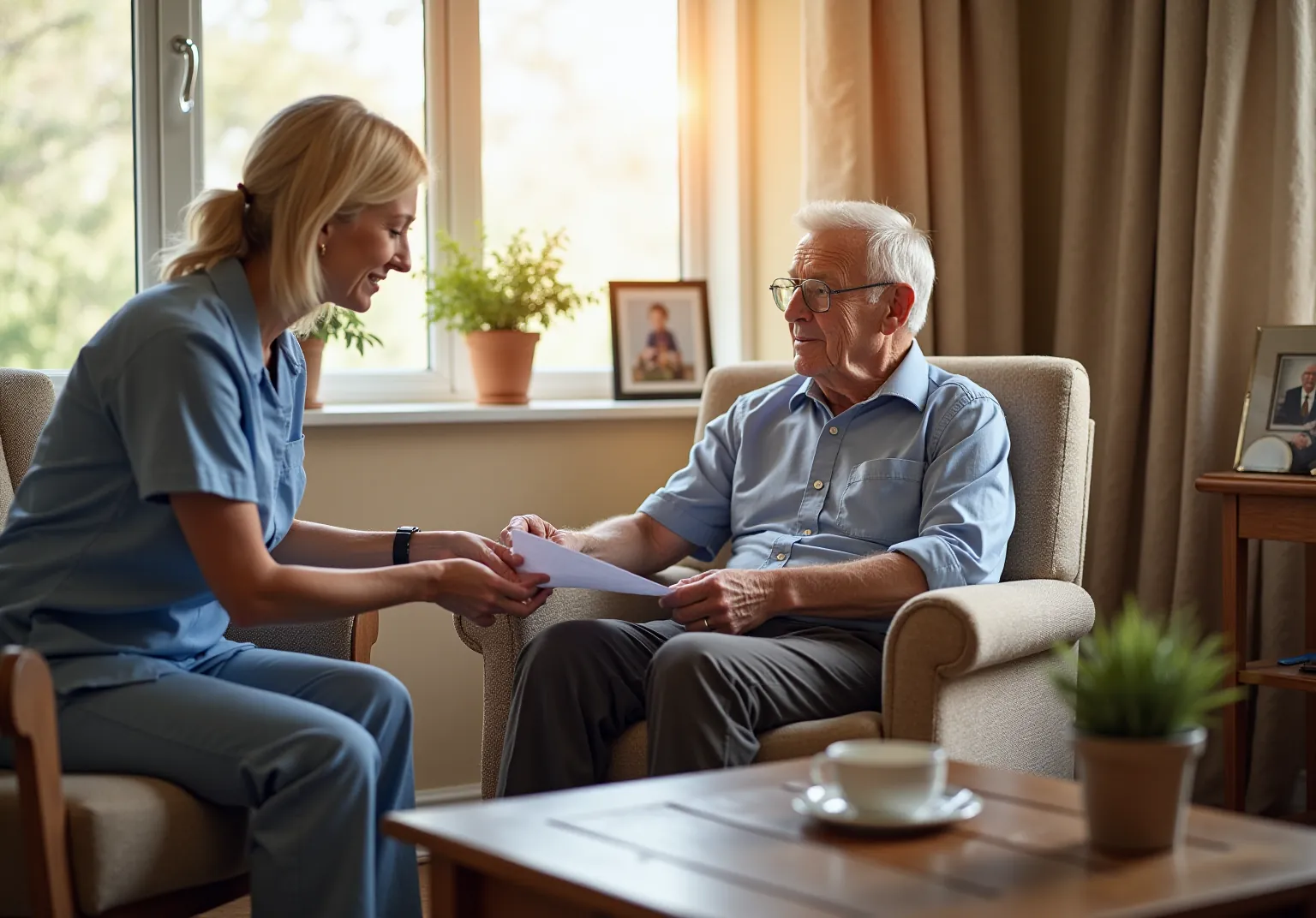
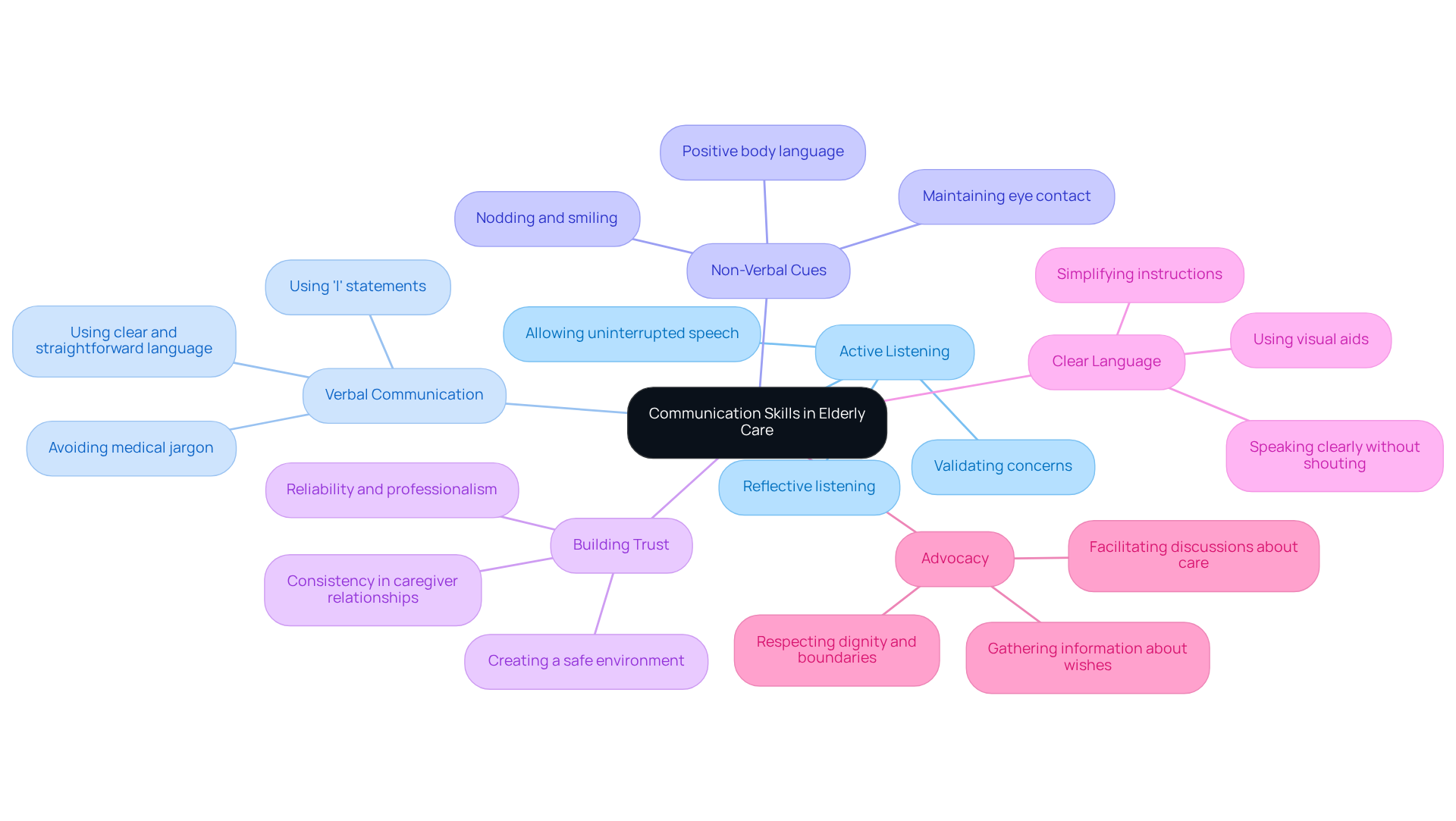
Effective communication skills are essential for caregivers in elderly care. It is vital for caregivers to engage in active listening and respond thoughtfully to the needs of those they assist, encompassing both verbal and non-verbal communication. For seniors, who may find it challenging to articulate their thoughts or feelings, non-verbal cues become especially important. By fostering an environment of open dialogue, caregivers can ensure that individuals feel valued and understood, which enhances their overall satisfaction with the support they receive.
This compassionate approach not only enriches the quality of interactions but also builds trust, enabling caregivers to meet the unique needs of each individual more effectively. Caregivers who consistently prioritize communication are better equipped to notice subtle changes in their clients' health and emotional well-being, leading to timely interventions and improved care outcomes.
Moreover, using clear and straightforward language when elderly care providers discuss healthcare or complex instructions is crucial for reducing confusion and anxiety among older adults. Caregivers should aim to create a safe space where seniors feel comfortable sharing their thoughts and concerns without fear of judgment.
As Kimberly Whiter, CEO of Elder Care Solutions, highlights, advocating for aging parents means ensuring their dignity and boundaries are respected, which is made possible through effective communication with elderly care providers.
Patience: Managing Challenges in Elderly Care
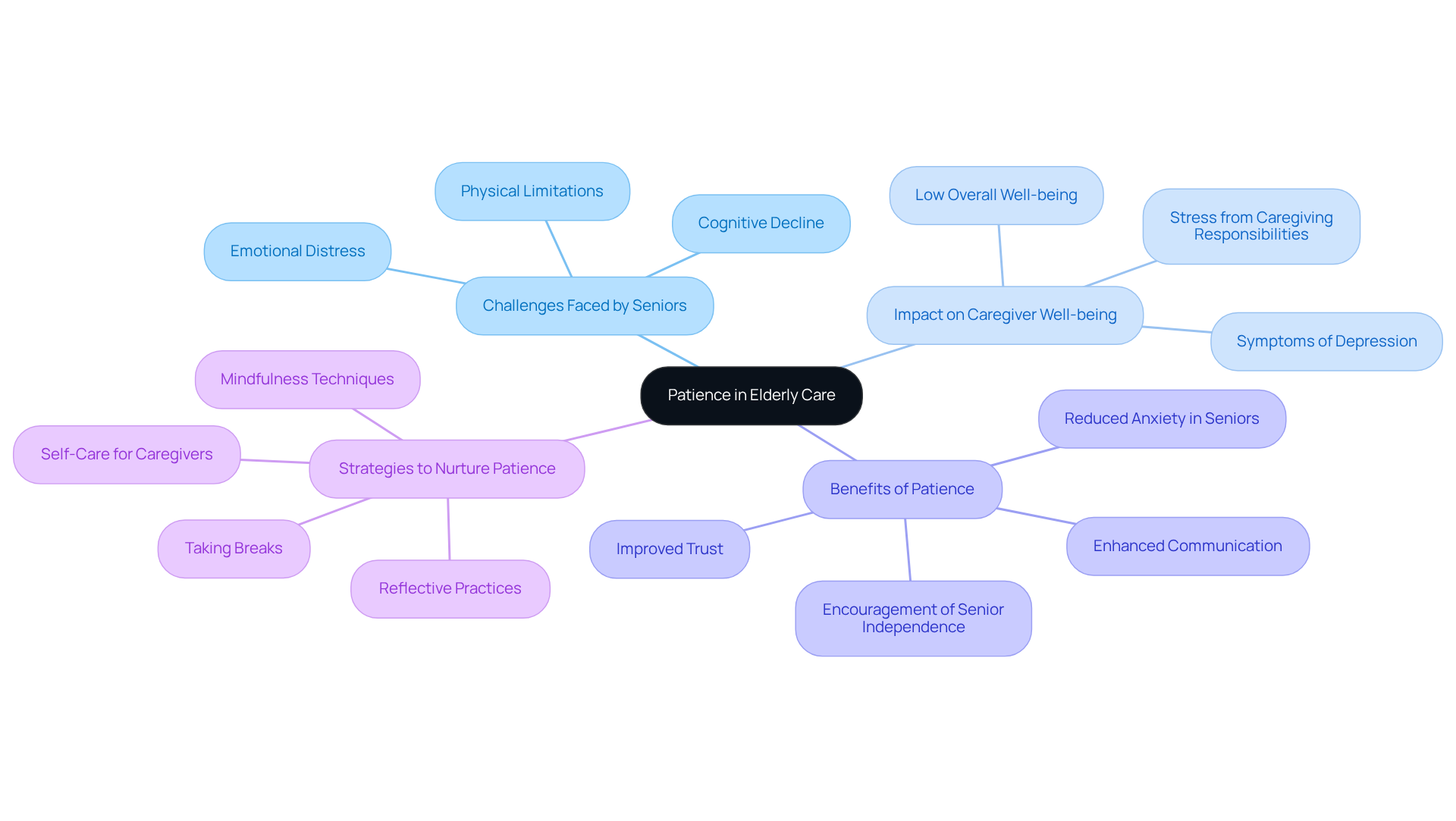
Patience is a cornerstone quality for effective elderly care providers. Seniors often face cognitive decline, physical limitations, or emotional distress, leading to challenging behaviors. Elderly care providers who embody patience navigate these situations gracefully, offering essential support without frustration. This quality not only enriches the caregiving experience but also fosters a more positive environment for clients.
Elderly care providers frequently share that maintaining patience enables them to connect more deeply with seniors, which enhances communication and trust. One elderly care provider beautifully stated, 'The first rule of providing care is to prioritize your own well-being first,' underscoring how elderly care providers' health directly influences their ability to remain patient and attentive.
This insight is particularly significant, given that nearly 41% of caregivers report low overall well-being, while 40% to 70% experience clinical symptoms of depression. When elderly care providers demonstrate patience, it can profoundly impact the behavior of elderly clients, often leading to reduced anxiety and improved cooperation. This supportive atmosphere encourages seniors to engage more actively in their well-being, ultimately enhancing their independence and quality of life.
To nurture patience, caregivers can take a moment to breathe and reflect before responding to challenging behaviors, allowing for a more thoughtful and compassionate approach.
Training and Expertise: Ensuring Quality Care for Seniors
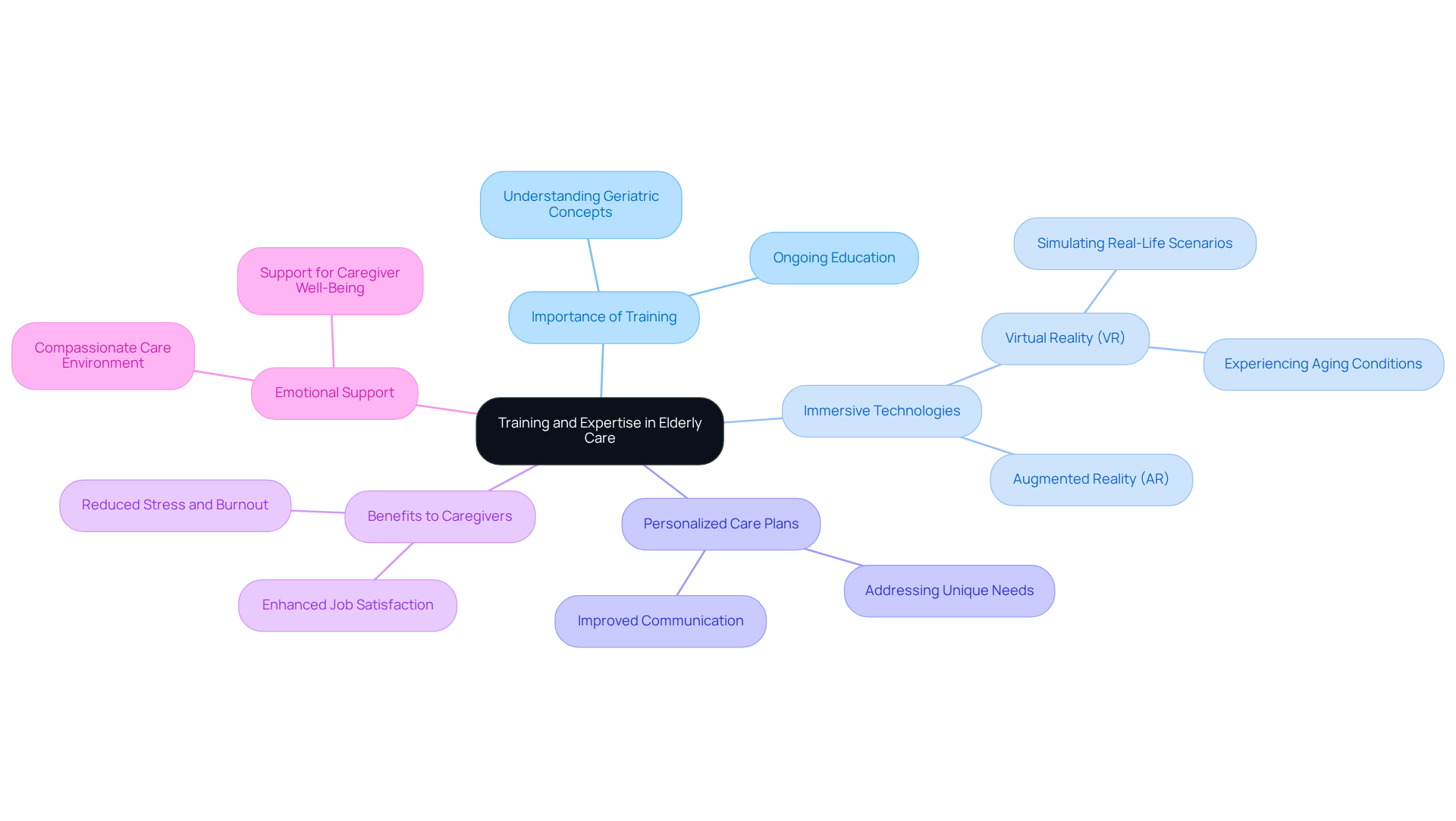
Training and expertise are vital attributes for elderly care providers who support the elderly. Elderly care providers must possess a solid understanding of geriatric concepts, including a keen awareness of the health concerns that often arise for older adults. Ongoing education and specialized training, particularly through immersive technologies like Virtual Reality (VR) and Augmented Reality (AR), ensure that providers remain informed about best practices. This knowledge empowers them to deliver the highest standard of care.
Such expertise is essential for elderly care providers to craft personalized care plans that truly address the unique needs of each client. Research shows that caregivers who engage in immersive training—simulating real-life scenarios—are better prepared to navigate the complexities of aging. This leads to improved communication and fosters stronger relationships between providers and patients.
Moreover, immersive training has been proven to alleviate the stress experienced by caregivers, nurturing a compassionate and effective caregiving environment. As we consider the aging labor force and the challenges faced by direct support workers, it becomes clear that investing in comprehensive caregiver training is not just beneficial, but crucial for enhancing outcomes for the elderly.
In this journey, we recognize the emotional toll that caregiving can take. By providing the right support and training, we can help caregivers feel more equipped and confident in their roles, ultimately leading to a more compassionate approach to care.
Flexibility: Adapting to Changing Needs of Elderly Clients
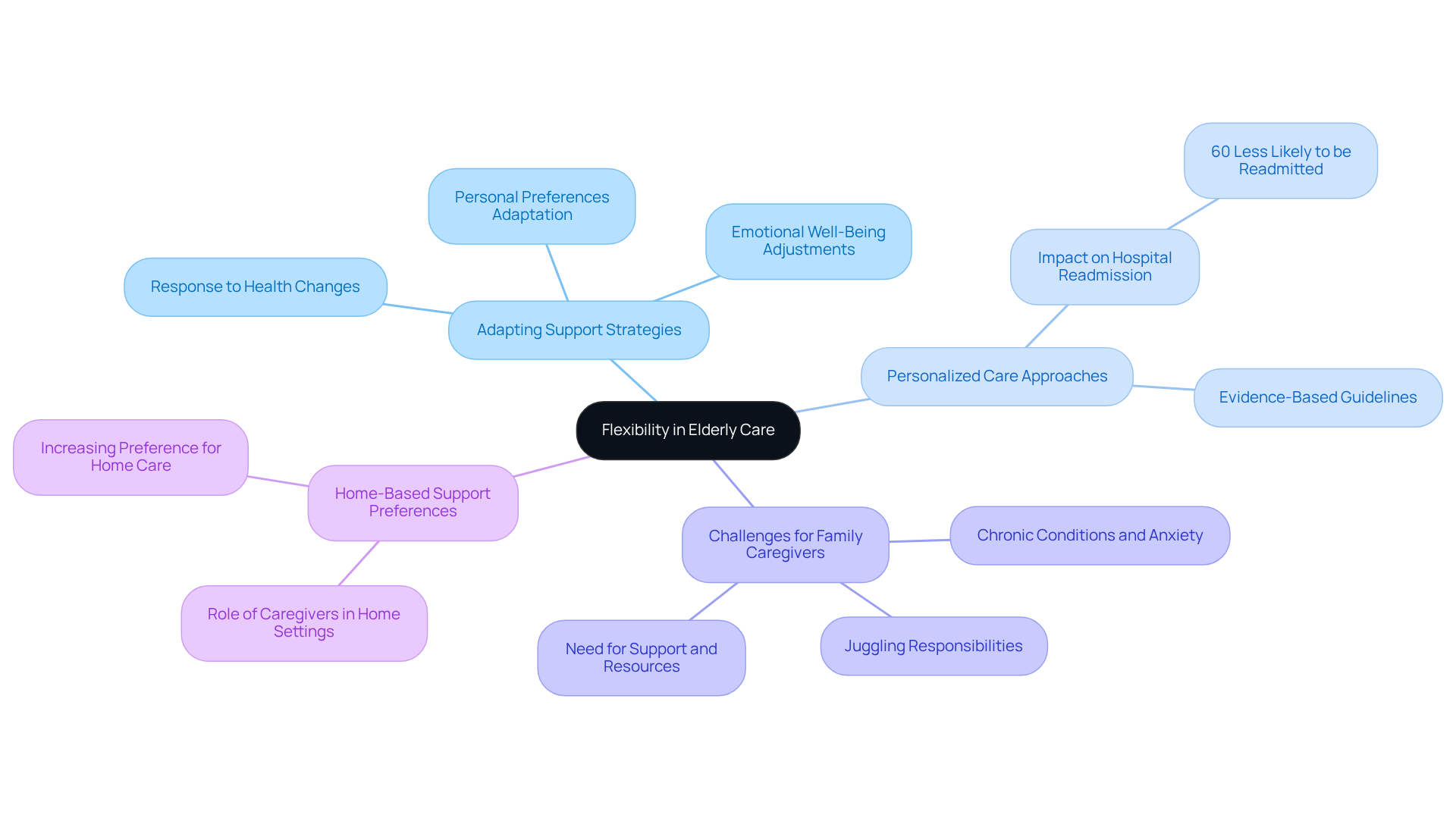
Flexibility is an essential quality for elderly care providers, as the needs of seniors can shift unexpectedly. Elderly care providers must be prepared to adapt their support strategies in response to changes in health, emotional well-being, or personal preferences. This adaptability not only allows providers to offer the most relevant and impactful assistance but also significantly enhances the overall quality of service.
Research shows that patients receiving home health services are 60% less likely to be readmitted to the hospital within 30 days, highlighting the significance of personalized care approaches. Experts advocate for evidence-based guidelines that stress the importance of flexibility, enabling providers to respond swiftly to the evolving needs of older adults.
Family caregivers often face challenges, such as juggling medical appointments and daily responsibilities. It is crucial for them to have the necessary support and resources to modify their caregiving methods. By fostering an environment of flexibility, caregivers can improve the well-being of seniors, ensuring they receive the compassionate and individualized support they truly deserve.
The increasing preference for home-based support among elderly individuals further underscores the need for adaptable assistance options. In this journey, caregivers play a vital role, and their ability to adjust can make all the difference in the lives of those they care for.
Companionship: Alleviating Loneliness and Enhancing Well-Being
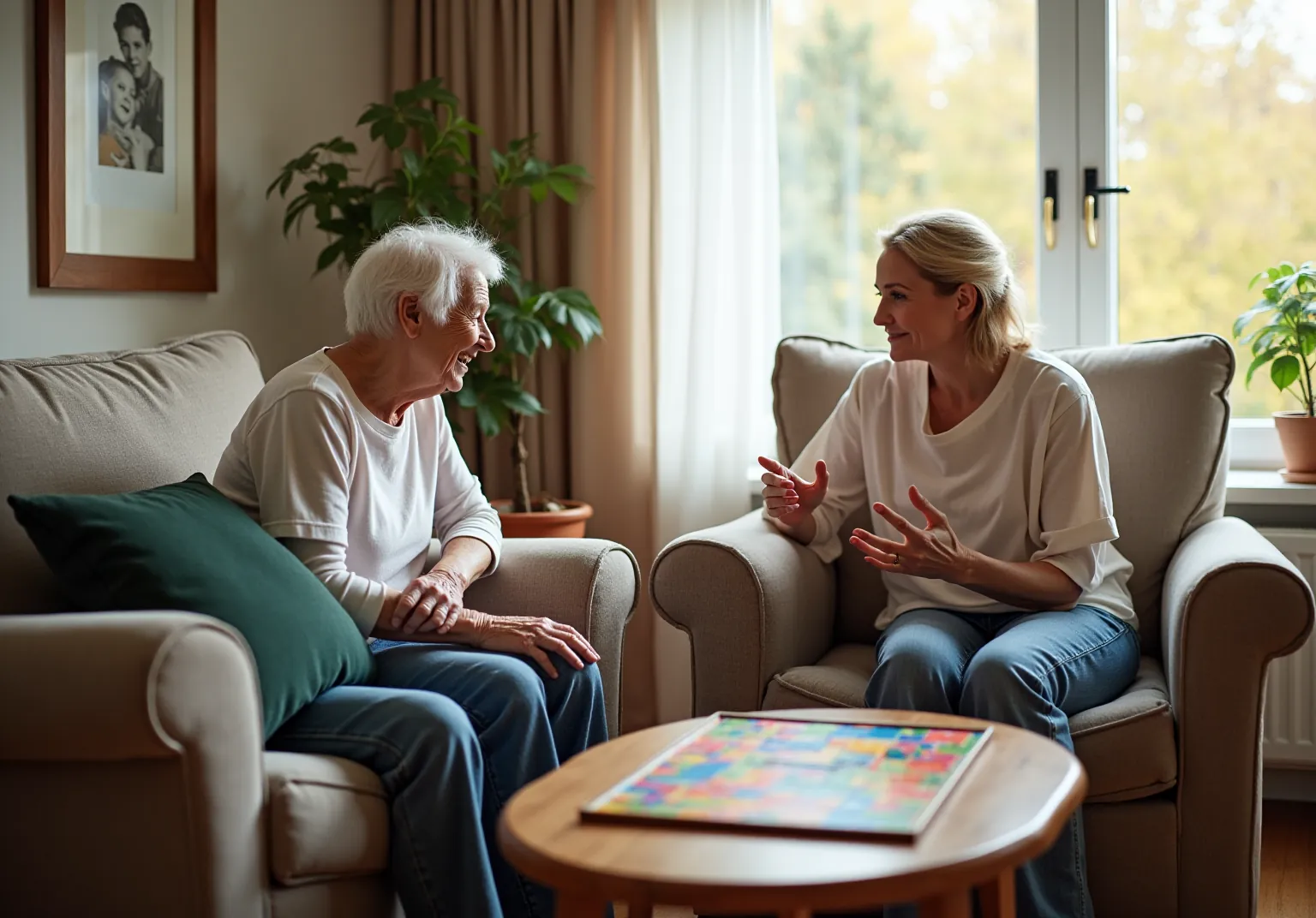
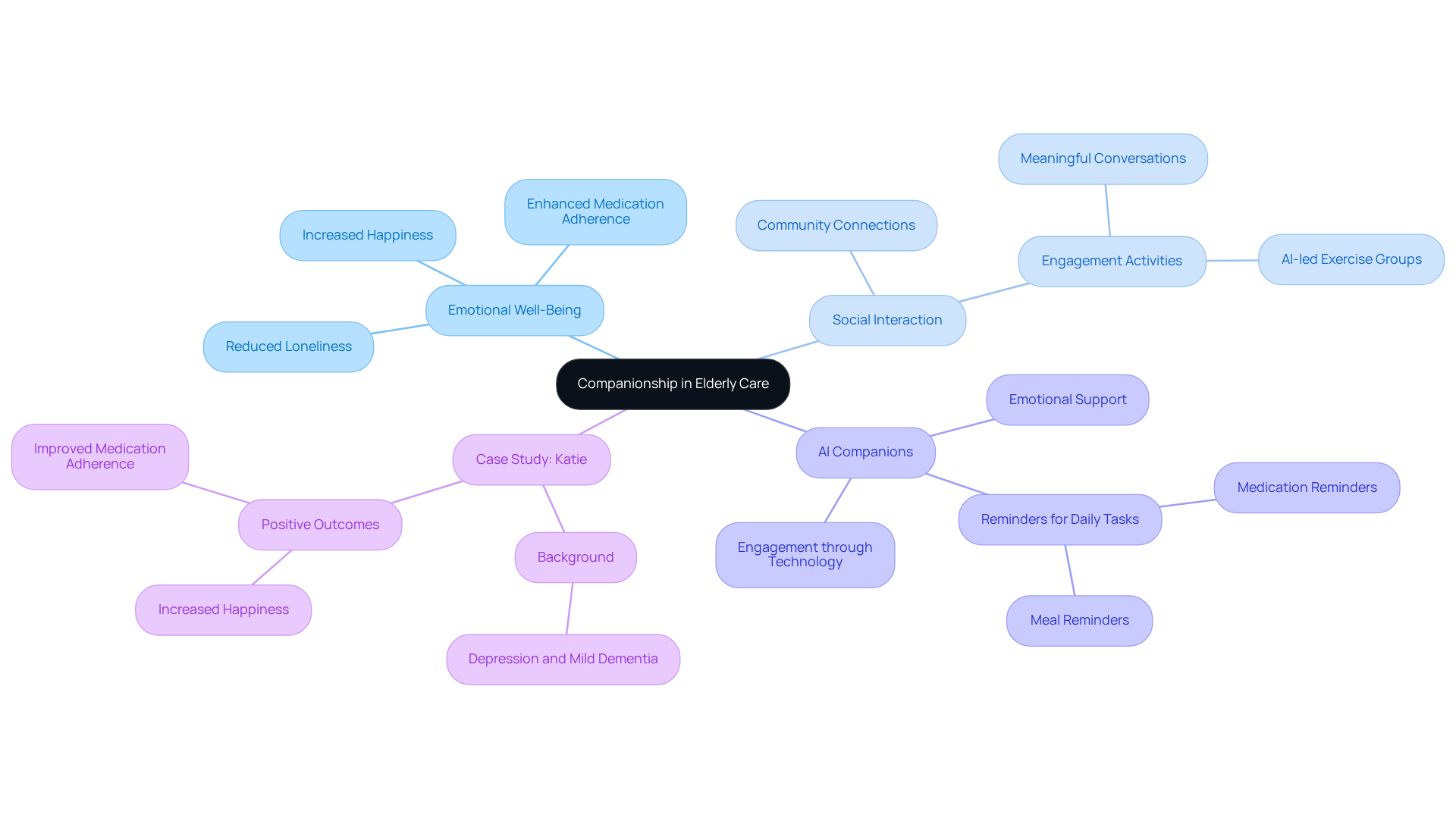
Companionship is a vital aspect provided by elderly care providers, helping to alleviate feelings of loneliness and isolation. Caregivers who engage in meaningful conversations and activities with their clients can significantly enhance their emotional well-being. This companionship not only offers comfort but also motivates older adults to participate in social interactions, essential for preserving mental well-being and overall happiness.
Research indicates that chronic loneliness in older adults is linked to increased risks of depression, anxiety, and cognitive decline, underscoring the importance of companionship care. For instance, Katie, a resident facing depression and mild dementia, found increased happiness and adherence to her medication while interacting with an AI companion. By nurturing emotional resilience and a sense of belonging, caregivers can help seniors feel seen, heard, and supported, ultimately improving their quality of life.
Moreover, AI companions play a significant role in alleviating loneliness. They offer constant engagement and reminders for daily activities, enhancing the efforts of human supporters. This collaborative approach fosters a nurturing environment where seniors can thrive, reminding us all of the profound impact that companionship can have on well-being.
Reliability: Providing Consistent Support for Seniors
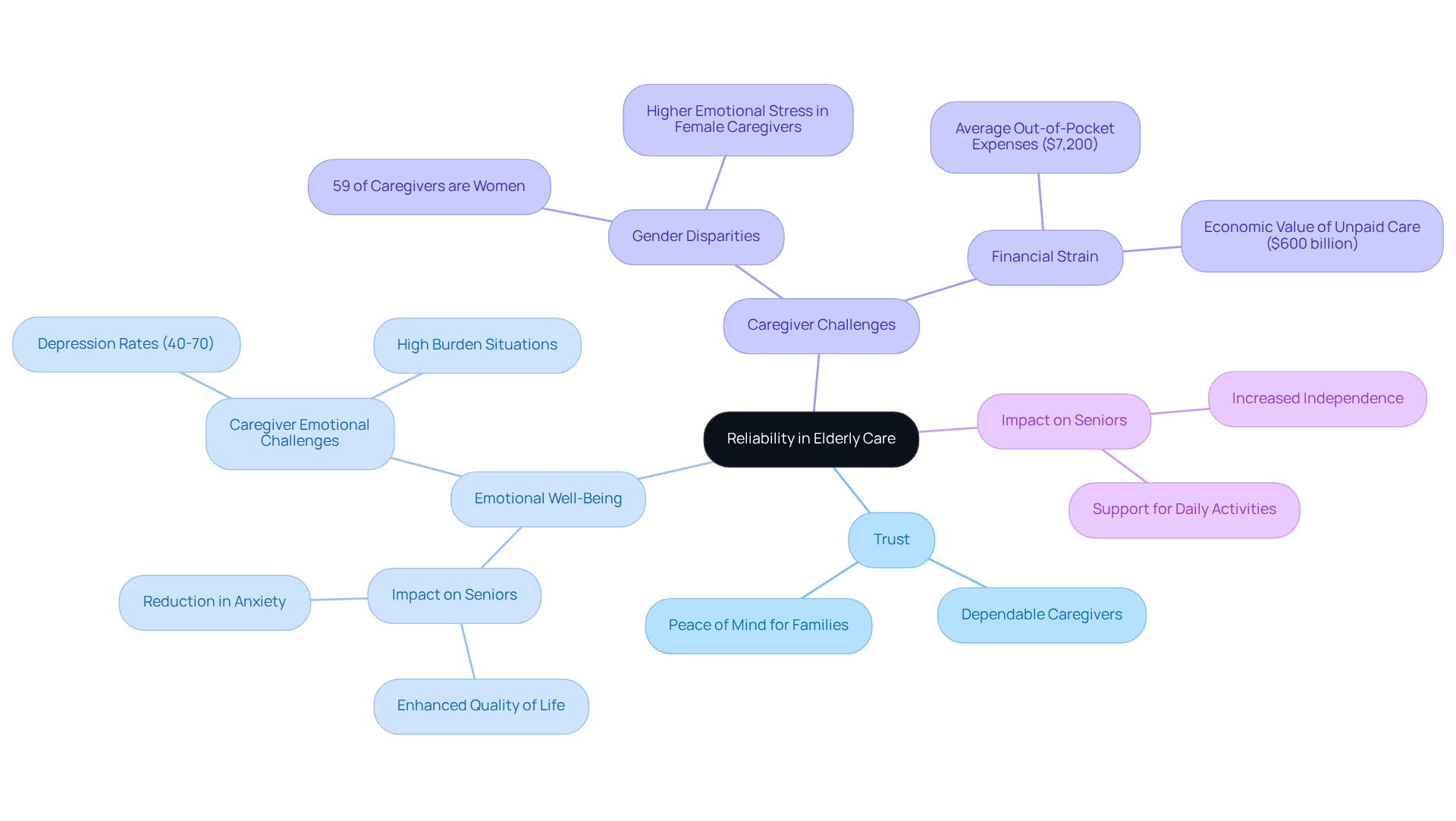
Reliability is a cornerstone for elderly care providers to be effective. Seniors need to feel assured that their assistants will be present as scheduled, providing consistent support that fosters a sense of security. This dependability not only cultivates trust but also significantly enhances the overall caregiving experience. Caregivers who consistently demonstrate reliability empower seniors to feel comfortable and valued, which is essential for their emotional well-being.
Research shows that those who follow routines and are ready for emergencies contribute to a more positive environment for support. By emphasizing reliability, providers can establish strong, trusting connections with their clients, ultimately enhancing the quality of service delivered. As Home Care Assistance states, "Reliable, attentive care can also enhance an elderly individual's overall health, offering both reassurance and practical support."
It's important to recognize that 59% of family supporters are women, who often encounter significant emotional challenges. Nearly 40% to 70% report symptoms of depression. This context highlights the essential function of dependable supporters in assisting not only seniors but also the supporters themselves. Together, we can foster an environment of care that uplifts everyone involved.
Problem-Solving Skills: Addressing Unexpected Challenges in Care
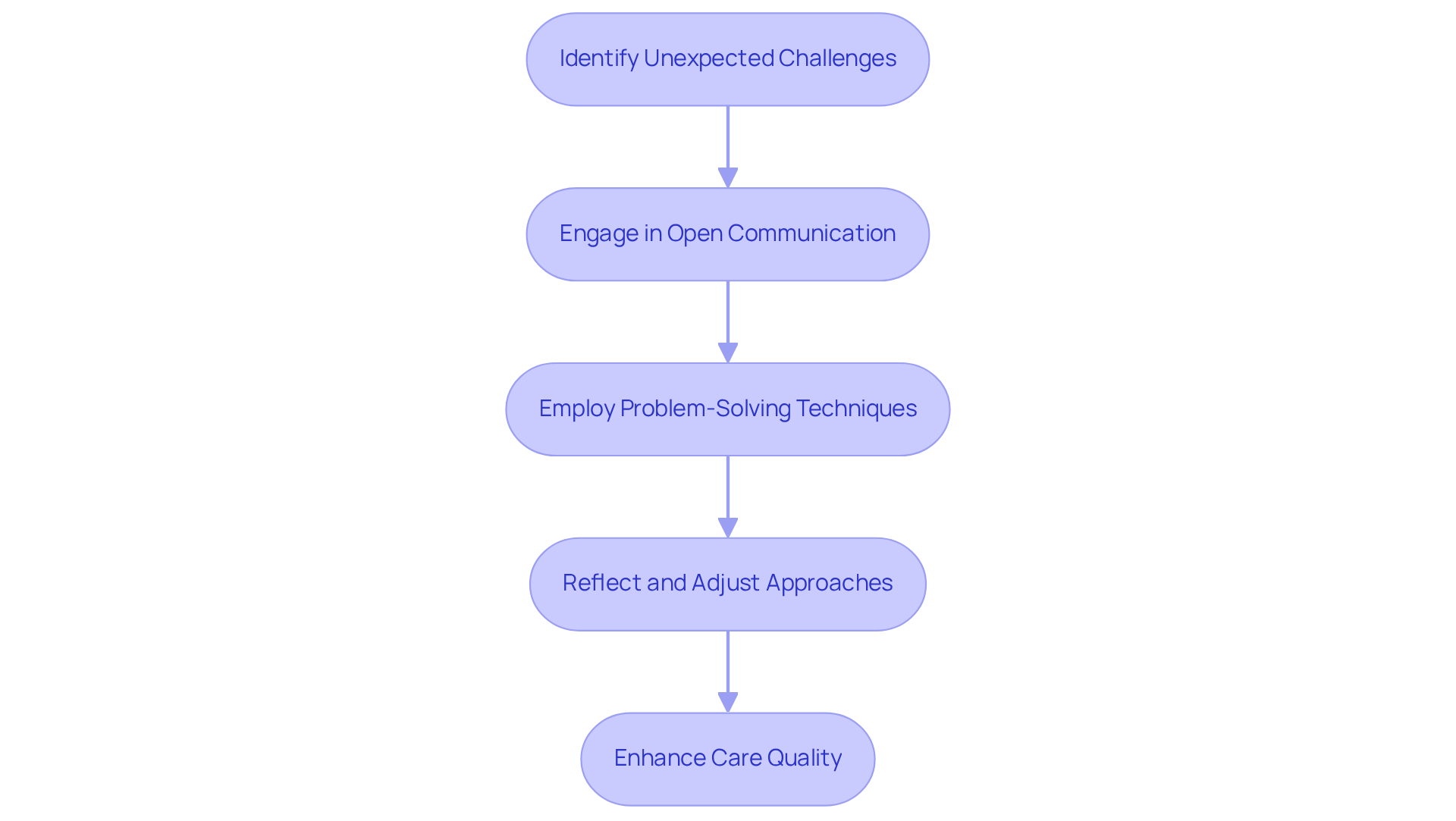
Problem-solving abilities are crucial for elderly care providers, as unforeseen challenges can arise at any moment. Caregivers must think critically and creatively to address issues such as sudden health changes or emotional crises. For instance, studies show that effective problem-solving therapy (PST) can significantly reduce depressive symptoms among elderly patients, underscoring the importance of these skills in maintaining well-being. By employing effective problem-solving techniques, providers can ensure that individuals receive consistent support, preserving their comfort and overall quality of life.
Caregivers often share how unexpected challenges have taught them the value of adaptability and proactive communication. As Pamela D. Wilson notes, being non-judgmental about the cause of the problem can help focus on actionable solutions. By engaging in open discussions with patients and their families, supporters can better understand the unique needs and preferences of those they assist, leading to more personalized care solutions. This collaborative approach not only enhances the quality of support but also empowers providers to address issues before they escalate, ultimately improving outcomes for older individuals.
Moreover, caregivers indicate that honing their problem-solving skills significantly boosts their confidence and efficiency in delivering care. By identifying and addressing challenges early, caregivers can alleviate stress and enhance their ability to offer compassionate support, reinforcing their vital role in the lives of those they assist. To further develop their problem-solving abilities, caregivers are encouraged to regularly reflect on their approaches and seek additional support when needed, ensuring they are well-prepared to navigate the complexities of caregiving.
Respect: Upholding Dignity and Autonomy in Elderly Care
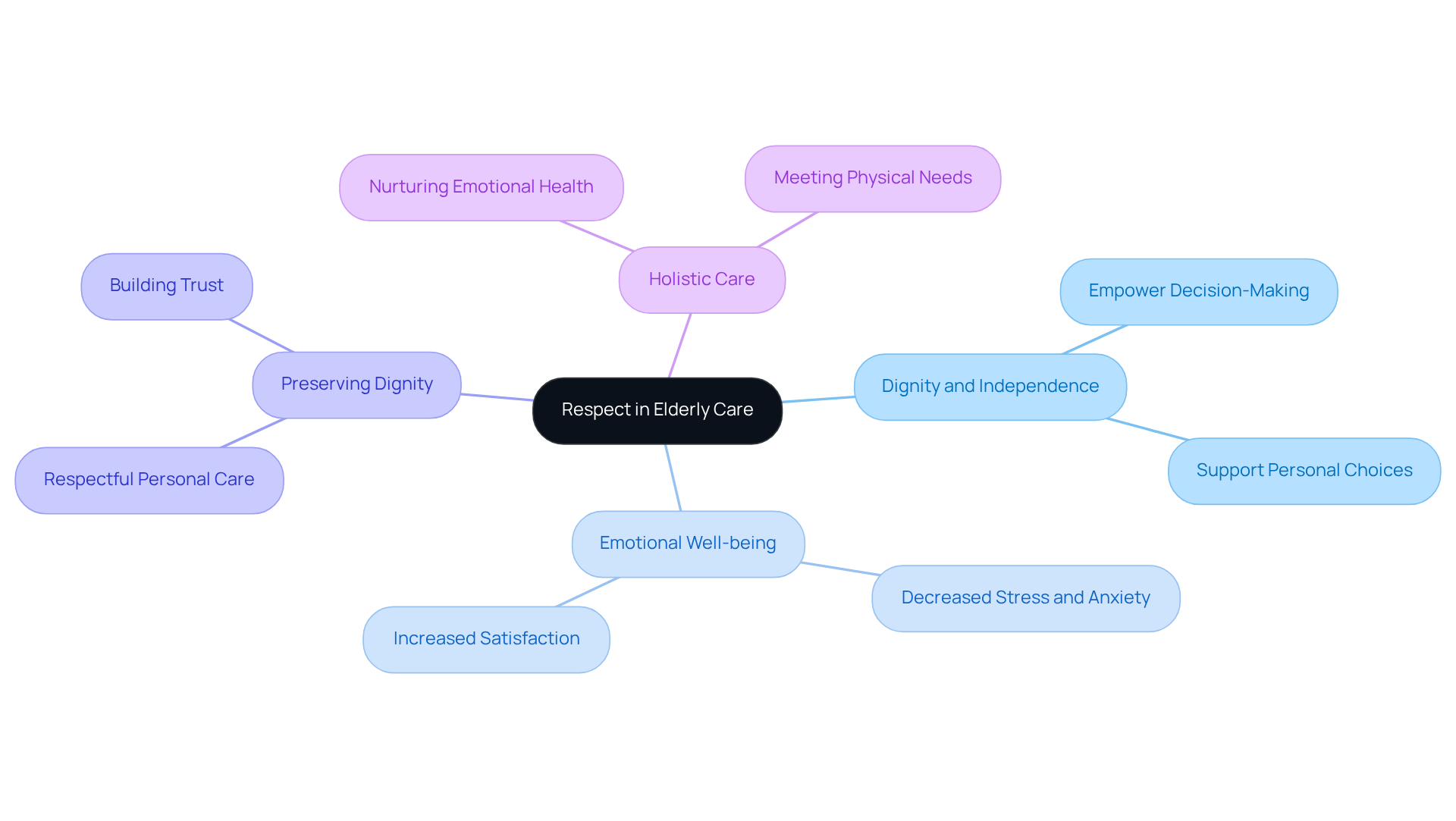
Respect serves as a fundamental pillar in providing effective support for the elderly. Elderly care providers have the important responsibility of maintaining the dignity and independence of those they assist. This means enabling older adults to make decisions about their own support, which not only empowers them but also nurtures a trusting and positive relationship between providers and clients.
When caregivers prioritize respect, they cultivate an atmosphere where older adults feel valued and supported. This significantly enhances their emotional well-being. Studies have shown that older adults who receive respectful support experience decreased stress and anxiety, leading to greater overall satisfaction with their assistance.
Moreover, preserving dignity during personal assistance tasks—such as bathing and dressing—can help older adults feel more confident and capable, reinforcing their sense of self-worth. Experts emphasize the importance of respectful interactions, noting that elderly care providers who deliver care with patience and empathy meet not only physical needs but also nurture emotional health.
This holistic approach to caregiving is essential for promoting autonomy and dignity. It ultimately leads to a higher quality of life for seniors. Remember, your compassionate care can make a world of difference in their lives, creating a nurturing environment where they can truly thrive.
Moving Forward with Qualities of Effective Elderly Care
The qualities of effective elderly care providers are vital in ensuring that seniors receive the support they need to thrive. By prioritizing personalized in-home care, caregivers can significantly enhance the quality of life for elderly individuals. Essential traits such as:
- Empathy
- Communication skills
- Patience
- Training
- Flexibility
- Companionship
- Reliability
- Problem-solving abilities
- Respect
are central to this approach. Each characteristic plays a crucial role in fostering a nurturing environment that promotes dignity, independence, and emotional well-being for seniors.
Throughout this discussion, we have emphasized the importance of empathy in building trust and rapport, effective communication in understanding client needs, and the necessity of patience in managing challenges. Additionally, the value of ongoing training and expertise, the adaptability to changing circumstances, and the role of companionship in alleviating loneliness have been highlighted. Reliability and problem-solving skills ensure that caregivers can respond effectively to the unpredictable nature of elderly care, while respect underpins all interactions, fostering a sense of autonomy and dignity for seniors.
In conclusion, embodying these qualities uplifts the lives of elderly clients and enriches the caregiving experience. By prioritizing these essential traits, caregivers can create a compassionate and responsive support system that acknowledges the unique needs of each individual. Embracing these principles is not just about providing care; it is about fostering a community where seniors feel valued, respected, and empowered to live their best lives.
https://iframe.tely.ai/cta/eyJhcnRpY2xlX2lkIjogIjY4ZjJkOTBkOGY1ZDliZmRjMTBhYzNiYyIsICJjb21wYW55X2lkIjogIjY4ZWU1ZGNhNzMxNzYyNTU3ZjNjOTVjMSIsICJpbmRleCI6IG51bGwsICJ0eXBlIjogImFydGljbGUifQ==Frequently Asked Questions
What services does Happy to Help Caregiving provide for seniors?
Happy to Help Caregiving offers personalized in-home support for seniors, including companionship support, post-hospital recovery assistance, respite services, and palliative aid.
Why is in-home caregiving becoming more popular?
In-home caregiving is gaining popularity due to a desire for flexibility and the comfort of familiar surroundings, along with evidence that personalized assistance promotes independence and improves emotional and physical health outcomes for seniors.
How does Happy to Help Caregiving ensure individualized support for seniors?
Happy to Help Caregiving focuses on creating customized caregiving strategies that adapt to the unique needs and preferences of each senior, thereby enhancing their overall quality of life.
What role does empathy play in elderly caregiving?
Empathy is crucial in elderly caregiving as it helps caregivers build trust and rapport with clients, leading to improved communication, cooperation, and emotional well-being.
How does empathy benefit seniors?
Empathy can alleviate feelings of loneliness and isolation among seniors, contributing to better health outcomes and empowering them to engage more actively in their own well-being.
What practices can family caregivers use to demonstrate empathy?
Family caregivers can show empathy by actively listening to their loved ones, validating their feelings, and offering choices in daily activities.
Why are communication skills important for caregivers?
Effective communication skills are essential for caregivers to engage in active listening, respond to client needs, and ensure that seniors feel valued and understood.
How can caregivers improve their communication with elderly clients?
Caregivers can improve communication by using clear and straightforward language, paying attention to non-verbal cues, and fostering an environment of open dialogue where seniors feel comfortable sharing their thoughts and concerns.
What impact does effective communication have on caregiving outcomes?
Prioritizing effective communication allows caregivers to notice subtle changes in clients' health and emotional well-being, leading to timely interventions and improved care outcomes.