
For families in our service areas
For families in our service areas, this guide explains caregiving and how non-medical in-home caregiving can support care planning in East Idaho, Treasure Valley & Magic Valley, Northern Wasatch, North Central West Virginia, and Northeast Ohio.
Understanding Qualities of Effective Homecare Givers
The landscape of homecare is evolving, with a rising demand for skilled and compassionate caregivers. Families are seeking the best support for their loved ones, making it crucial to understand the essential qualities that define effective homecare givers. This article explores ten critical traits that enhance the caregiving experience and foster a deeper connection between caregivers and their clients.
How can caregivers balance professionalism with genuine empathy? This question highlights a significant challenge in the field. Caregivers must ensure that each individual feels valued and understood. By exploring this question, we uncover the transformative power of personalized care, which promotes well-being and trust in homecare settings.
To address these challenges, caregivers can implement practical solutions that focus on empathy and professionalism, ultimately enhancing the quality of care provided.
Happy to Help Caregiving: Personalized Care Plans for Individual Needs
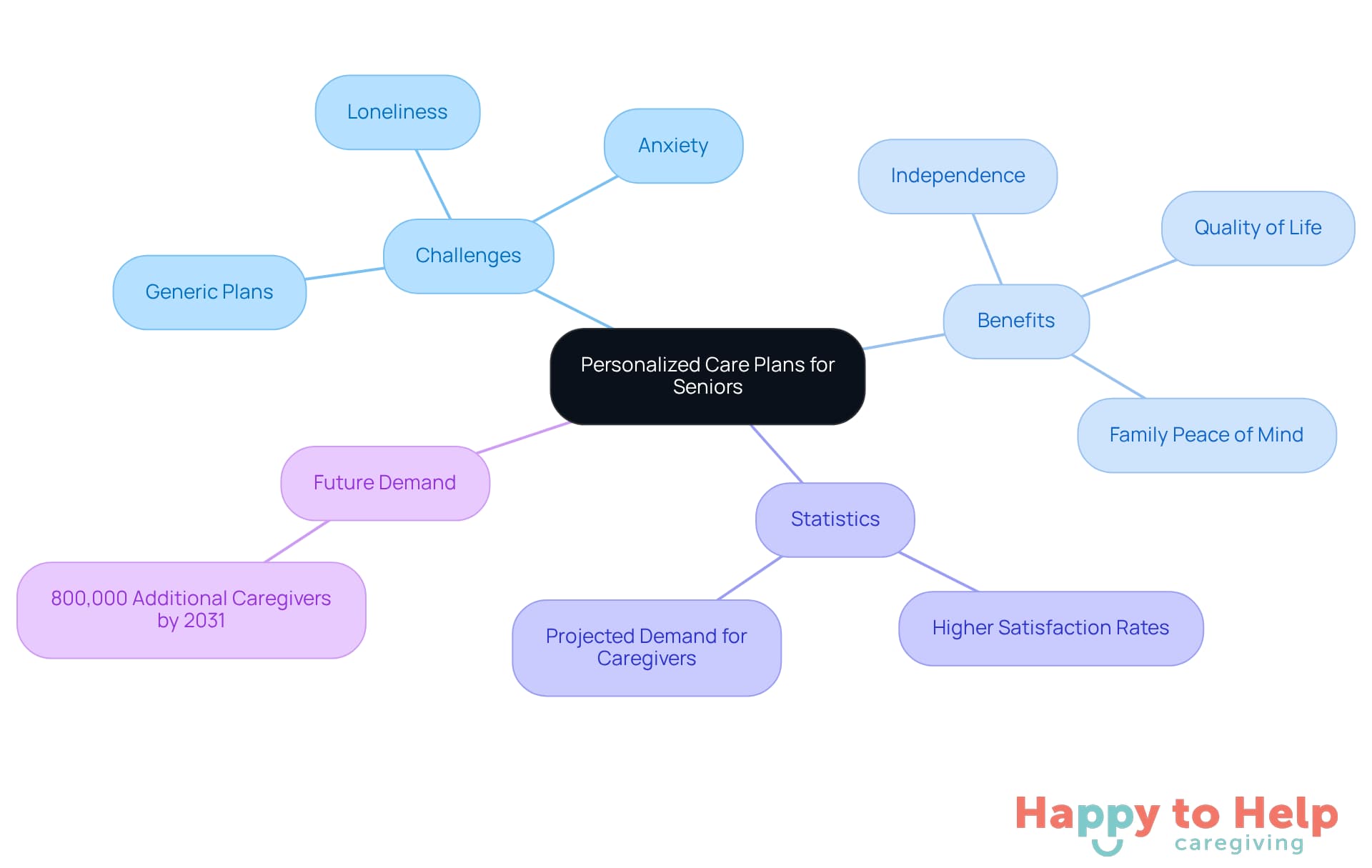
Happy to Help Caregiving addresses a significant problem: the lack of tailored support for seniors. Many older adults face challenges due to generic care plans that do not consider their unique needs. This can lead to feelings of anxiety and loneliness, impacting their overall well-being.
The implications of inadequate support are profound. Without personalized assistance, seniors may struggle with daily routines, leading to a diminished sense of independence. Families, too, feel the strain, often worrying about their loved ones' safety and happiness. This is where individualized support plans come into play.
By developing tailored support plans through thorough assessments of medical history, daily routines, and personal preferences, homecare givers can provide the necessary assistance that promotes independence. This approach not only enhances the quality of life for seniors but also fosters a sense of safety and trust. Families can focus on meaningful interactions rather than logistical concerns, knowing their loved ones are well cared for.
Statistics underscore the importance of personalized support. Agencies that adopt these plans report higher client satisfaction and retention rates. For instance, the case study "Importance of Customized Support Plans" illustrates how personalized assistance allows seniors to maintain control over their lives while receiving the help they need. Furthermore, the US Bureau of Labor Statistics projects a demand for over 800,000 additional homecare givers by 2031, highlighting the growing need for individualized care.
As the role of homecare givers evolves, the shift towards personalized assistance is essential. This transformation turns routine help into meaningful companionship, significantly enhancing seniors' quality of life. Organizations that leverage digital tools for evaluations and maintain dynamic support plans can stand out in a competitive market, ensuring that every senior feels valued and respected in their caregiving journey.
Empathy: Building Trust and Rapport with Clients
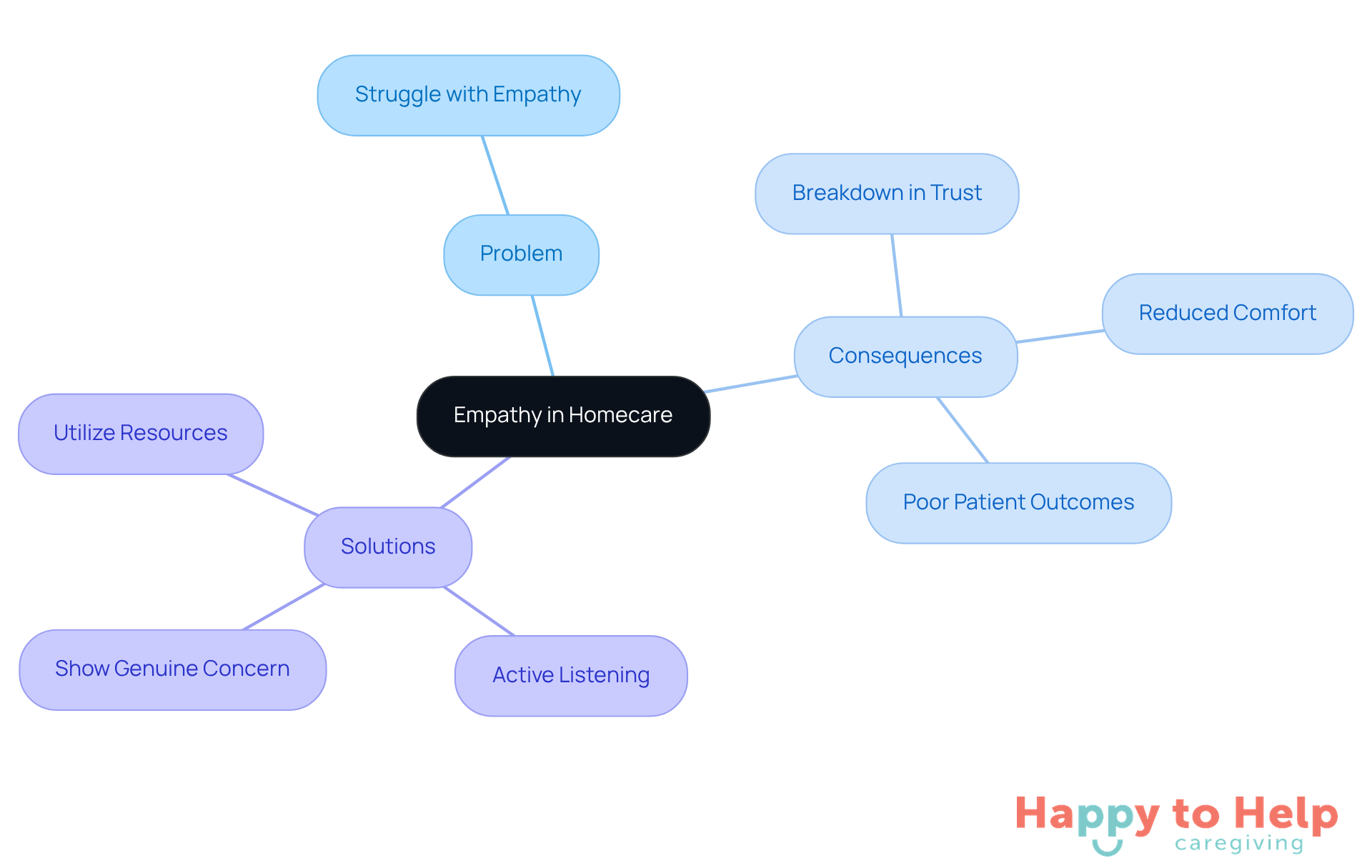
Homecare givers often struggle with empathy, which is crucial for providing effective support at home. Without this emotional connection, they may fail to fully understand the needs and experiences of those they assist.
Agitate: This lack of empathy can lead to a breakdown in trust and rapport, essential elements for delivering high-quality care. When caregivers do not connect emotionally, it can result in reduced comfort for individuals and hinder open communication. Research indicates that homecare givers who lack empathy may see poorer patient outcomes, including increased anxiety and lower satisfaction with care.
To enhance empathy, homecare givers should practice active listening and demonstrate genuine concern. This approach not only fosters trust but also encourages individuals to express their needs and preferences more openly. Here are some actionable tips:
- Prioritize Active Listening: Focus fully on the speaker, acknowledging their feelings and experiences.
- Show Genuine Concern: Small gestures of kindness can significantly impact emotional well-being.
- Utilize Resources: The Virtual Empathy Museum offers valuable tools for caregivers looking to improve their empathy skills.
Additionally, homecare givers must make self-care a priority. Maintaining their well-being is vital, as it directly influences their ability to provide compassionate support. By embodying empathy, caregivers can significantly enhance the overall caregiving experience, leading to improved outcomes for those they serve.
Effective Communication: Understanding Client Needs
Effective communication poses a significant challenge in home support, often hindering caregivers from accurately assessing and addressing the diverse needs of those they assist. When communication falters, it can lead to feelings of isolation and dissatisfaction among patients, particularly seniors who may already feel lonely.
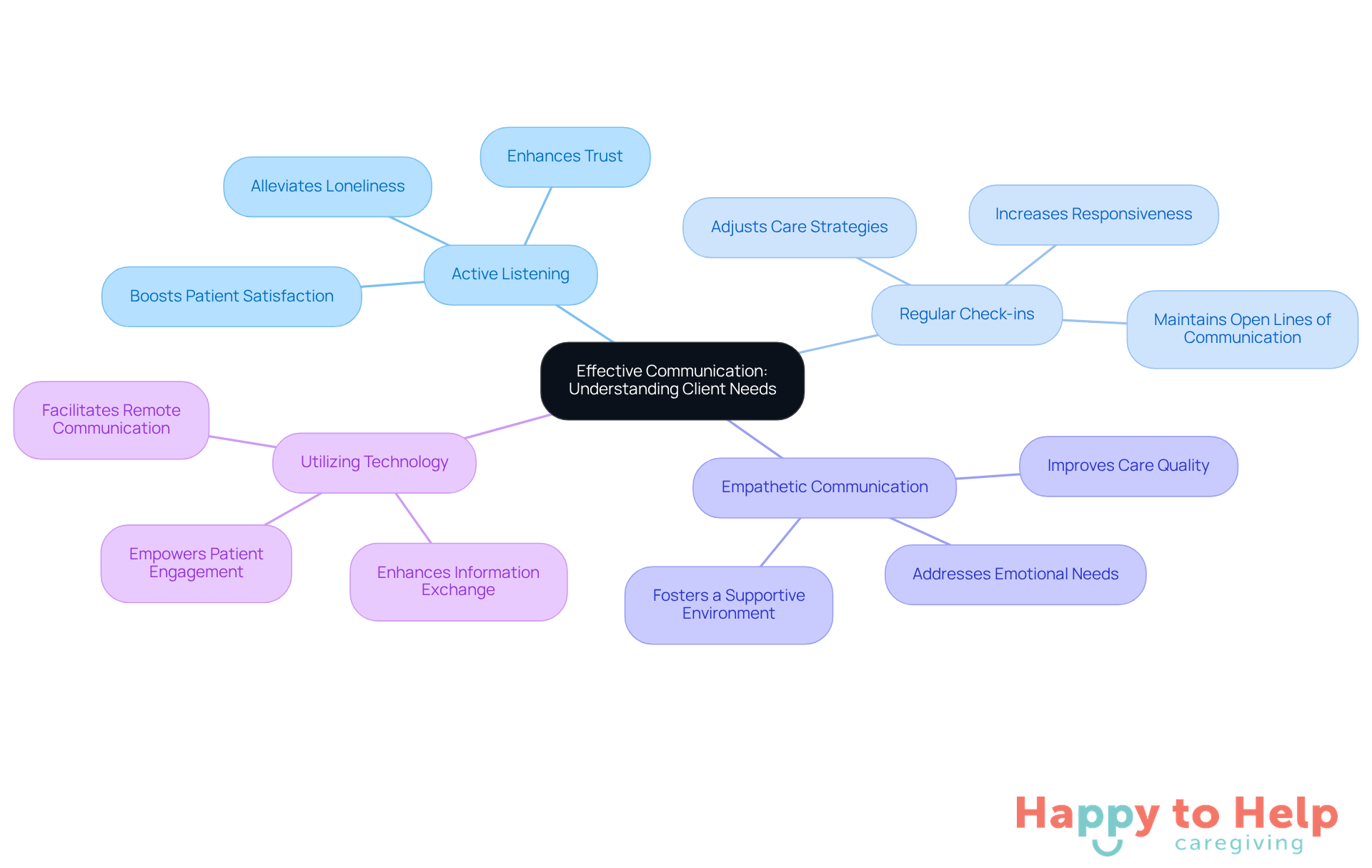
To combat this issue, caregivers must practice active listening. This involves not just hearing what clients say but also asking clarifying questions and delivering information clearly and empathetically. By fostering an environment where individuals feel valued and understood, caregivers can enhance teamwork and ensure that patients' preferences are prioritized in their treatment plans.
Regular check-ins and updates are essential for maintaining open lines of communication. These practices allow support providers to adjust care strategies as needed, ensuring that they remain responsive to patients' evolving needs. Research shows that effective communication significantly boosts patient satisfaction and overall well-being.
For instance, caregivers who actively listen and respond to emotional cues can help alleviate feelings of loneliness, which are prevalent among seniors. This compassionate approach not only improves the quality of support but also strengthens the trust between providers and patients, ultimately leading to better health outcomes.
In summary, by prioritizing effective communication through active listening and regular engagement, caregivers can create a supportive environment that enhances patient care.
Reliability: Consistent Support for Clients
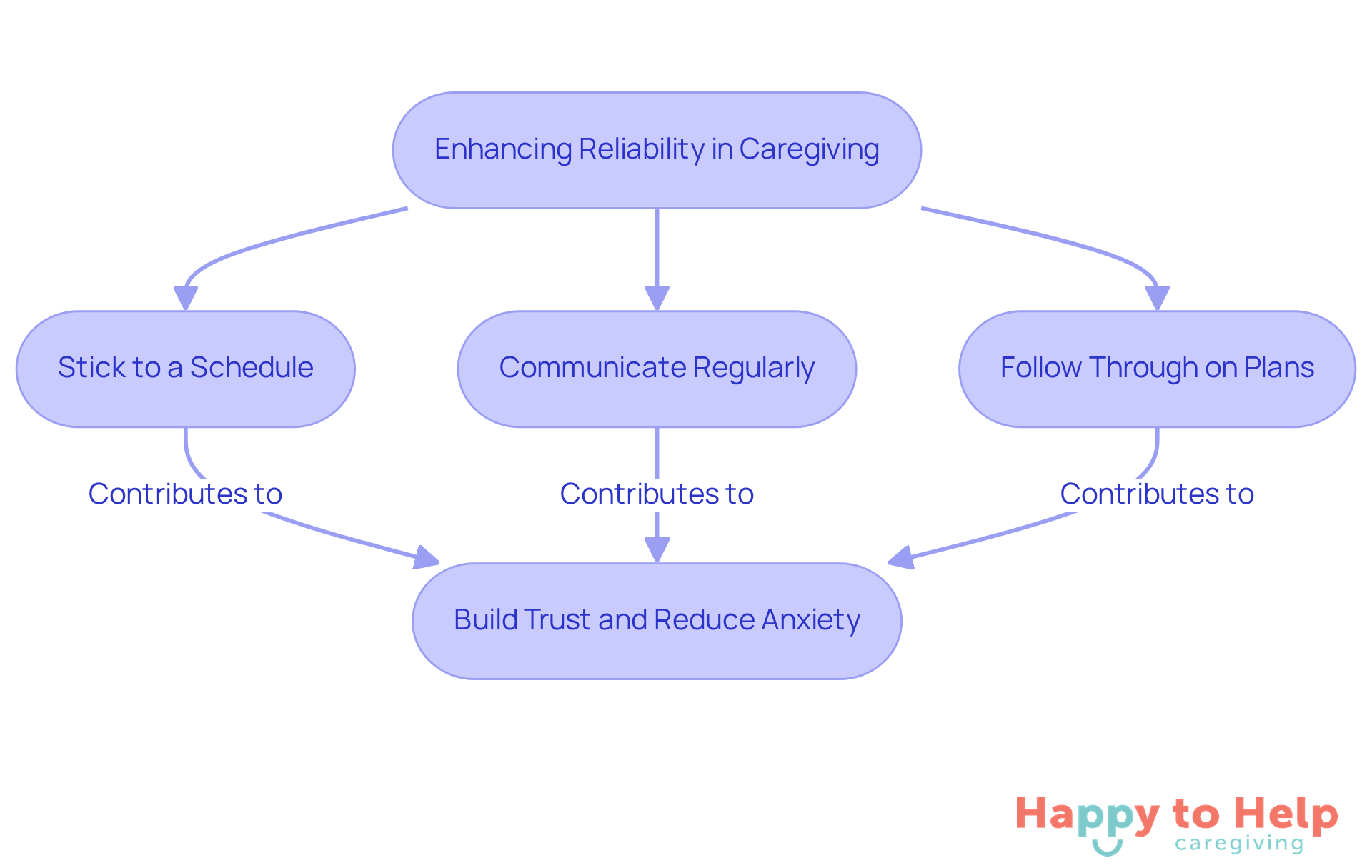
Problem: Reliability in caregiving is crucial. When homecare givers are inconsistent, it creates uncertainty for those they assist. This inconsistency can lead to anxiety for family members, who worry about the well-being of their loved ones and the effectiveness of homecare givers.
Families often feel stressed when homecare givers do not adhere to scheduled appointments or support plans. This lack of dependability in homecare givers can erode trust, making individuals feel insecure about the assistance they receive. For instance, families have expressed appreciation for homecare givers who maintain consistent communication and provide updates on their loved ones' status, reinforcing the peace of mind that comes from reliable support.
To enhance reliability, homecare givers should prioritize dependability in their services. Here are some actionable tips:
- Stick to a Schedule: Always adhere to scheduled appointments to build trust.
- Communicate Regularly: Keep families informed about their loved ones' well-being.
- Follow Through on Plans: Ensure that support plans are consistently implemented.
By emphasizing these practices, homecare givers can significantly improve the efficiency of in-home support services, leading to increased client satisfaction. Research shows that dependable homecare givers contribute to a more favorable support experience, with families expressing greater confidence in the care provided. As one family noted, having homecare givers who consistently arrive and follow support plans made a significant difference during challenging times, highlighting the importance of dependability in caregiving.
Training and Experience: Ensuring Quality Care
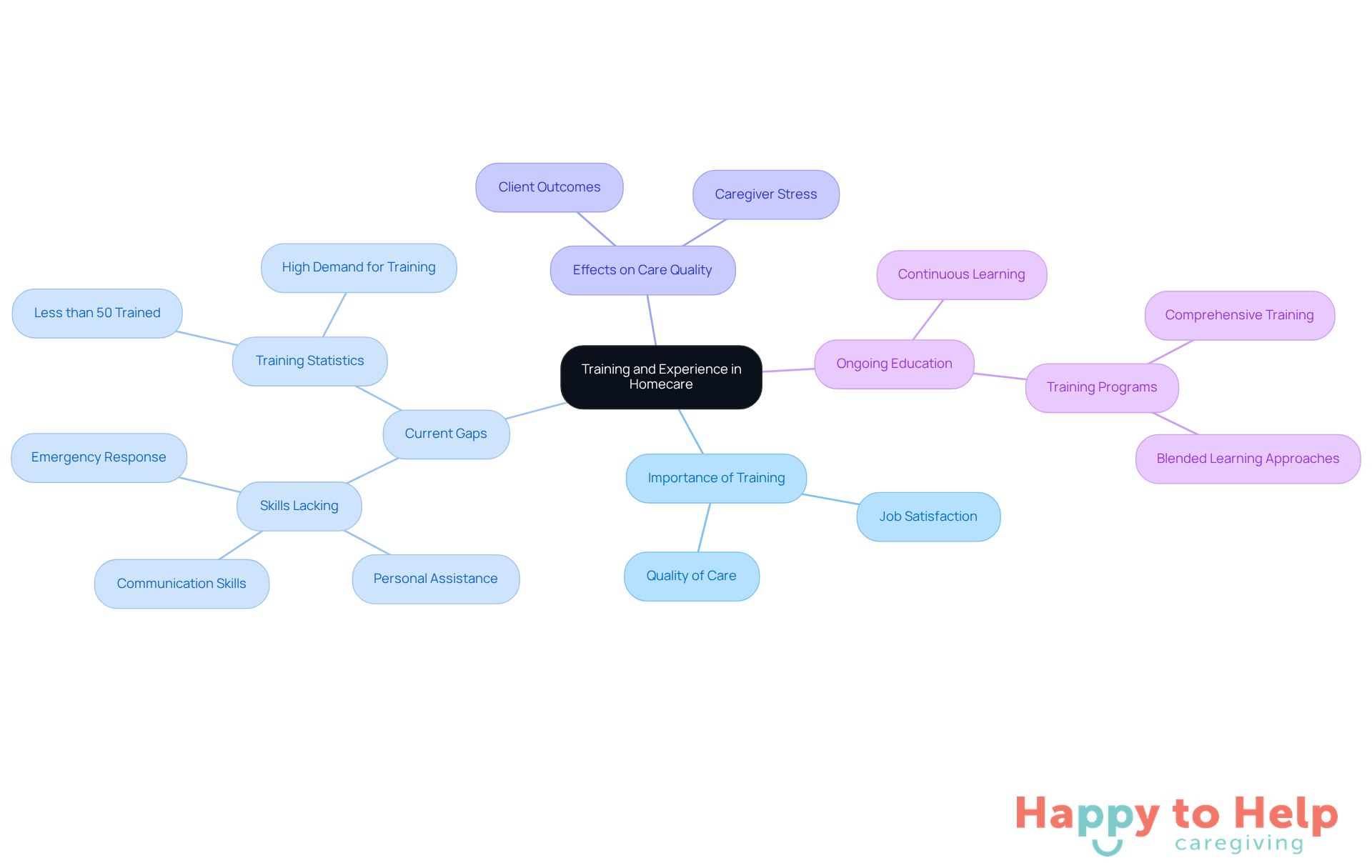
Training and experience are critical components for homecare givers to provide effective caregiving. Unfortunately, many homecare givers lack adequate training, which can result in subpar care and decreased job satisfaction. Research indicates that fewer than half of homecare givers have received formal training, emphasizing a significant gap in the field.
This lack of education not only affects the caregivers but also the individuals they assist. Without proper training in essential skills like personal assistance, communication, and emergency response, homecare givers may struggle to meet the varied needs of those they care for. This can result in poorer outcomes for clients and increased stress for homecare givers.
To address this pressing issue, ongoing education is essential. Happy to Help Caregiving prioritizes comprehensive training programs that equip homecare givers with the necessary skills and knowledge. By focusing on continuous learning, homecare givers can stay updated on best practices and new techniques, ultimately enhancing the quality of care they provide.
Moreover, research shows that homecare givers who engage in ongoing training report greater job satisfaction and provide better care. This commitment to education not only benefits homecare givers but also strengthens the overall community of caregivers. By ensuring that all homecare givers are well-equipped, Happy to Help Caregiving reinforces its dedication to providing compassionate and efficient support.
Flexibility: Adapting to Client Schedules and Needs
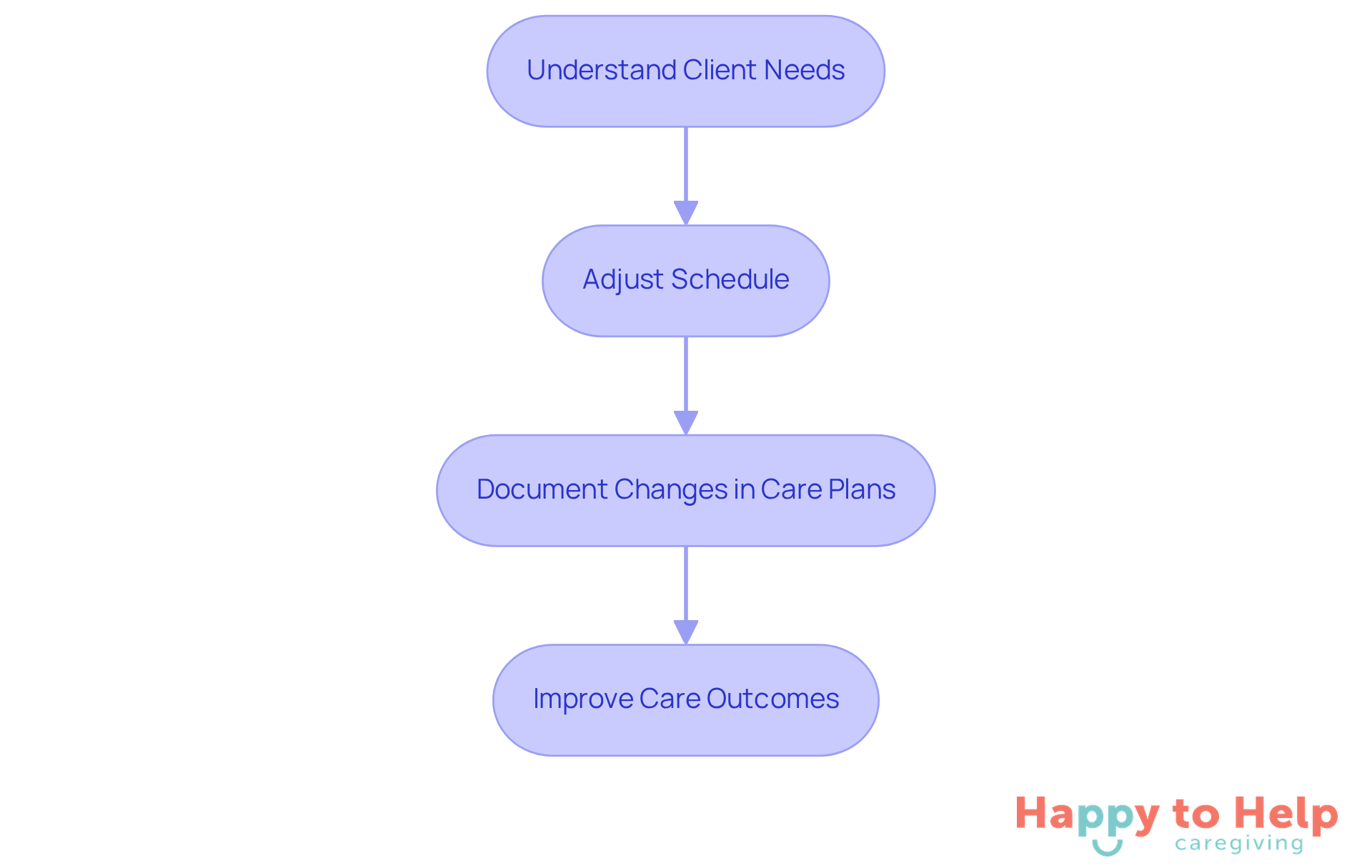
Flexibility is a significant challenge for homecare givers. As individuals' needs can change frequently, homecare givers often find it challenging to keep up with these demands. When homecare givers are unable to adjust their schedules or care plans, it can lead to dissatisfaction among clients and hinder the quality of care provided.
To address this issue, homecare givers should be prepared to adjust their visit times and the type of assistance they provide. This adaptability not only boosts customer satisfaction but also fosters a collaborative relationship between providers and clients. By being responsive to individual circumstances, homecare givers can ensure that individuals receive the most suitable and prompt support.
Here are some actionable tips for caregivers to enhance flexibility:
- Communicate regularly with clients to understand their evolving needs.
- Create a dynamic schedule that allows for adjustments as required.
- Document changes in care plans to maintain clarity and consistency.
By implementing these strategies, homecare givers can better meet the needs of those they serve, ultimately leading to improved care outcomes.
Companionship: Alleviating Loneliness and Enhancing Well-Being
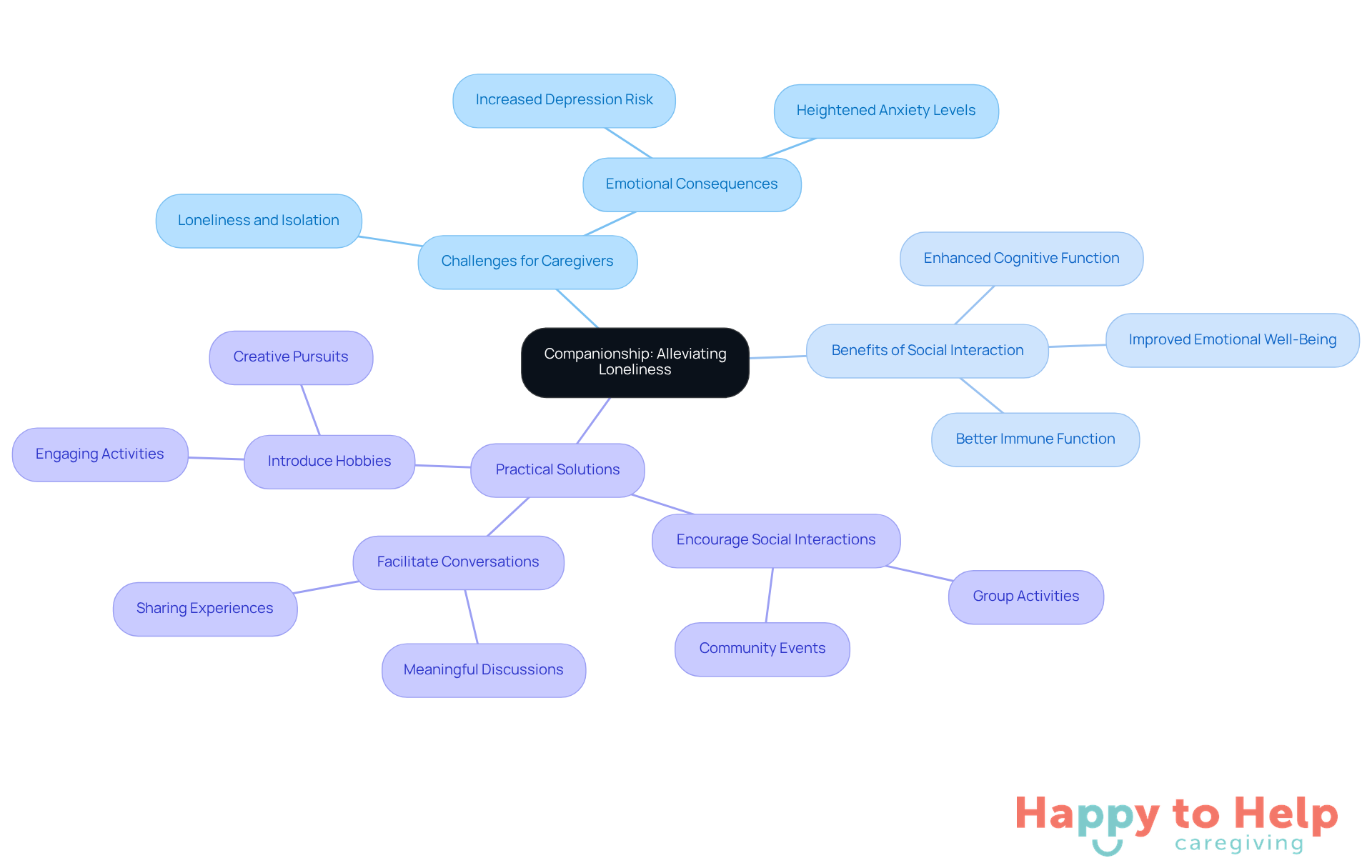
Companionship is a significant challenge for homecare givers, particularly when caring for seniors who often face loneliness and isolation. This issue can lead to serious emotional consequences, including increased risks of depression and anxiety. Homecare givers must recognize the importance of addressing this problem to enhance the well-being of their clients.
Research shows that regular social interaction can significantly lower these risks while providing cognitive stimulation. By engaging seniors in meaningful conversations, activities, and social interactions, homecare givers can effectively promote emotional well-being. This approach not only helps clients maintain a sense of purpose but also strengthens their connection to the world around them.
Moreover, studies indicate that socially active seniors enjoy better immune function and overall mental health outcomes. For instance, case studies reveal that those who regularly interact with caregivers experience enhanced emotional stability and a greater sense of belonging.
To combat loneliness, caregivers can implement several practical solutions:
- Encourage regular social interactions through group activities or community events.
- Facilitate meaningful conversations that allow seniors to share their experiences and feelings.
- Introduce hobbies or interests that promote engagement and connection.
Ultimately, companionship is not just an added benefit; it is a vital component of caregiving that enriches the lives of seniors, ensuring they feel valued and understood.
Cultural Competence: Supporting Diverse Client Backgrounds
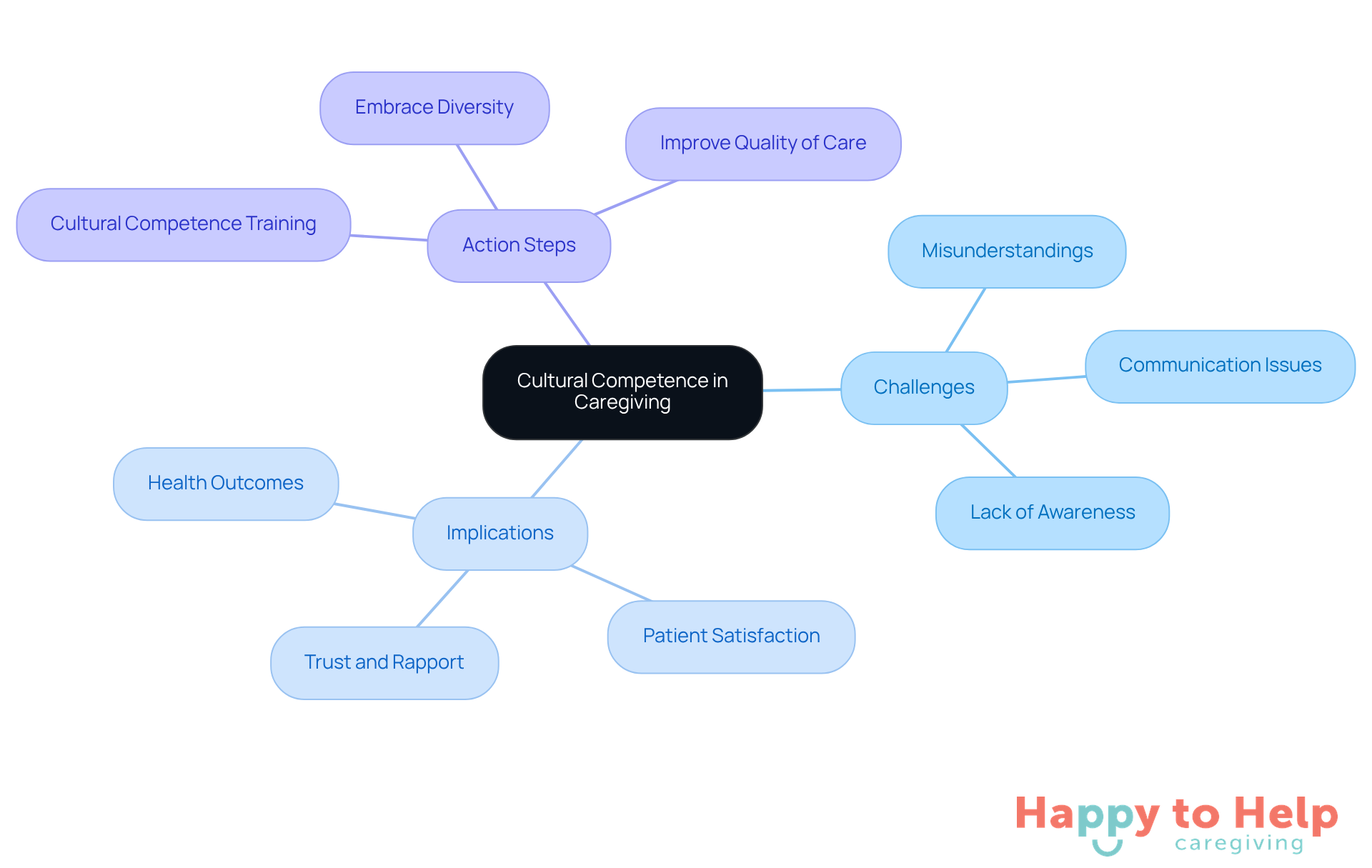
Cultural competence in caregiving presents a significant challenge. Caregivers often struggle to understand and honor the diverse backgrounds of the individuals they serve. This lack of awareness can lead to misunderstandings, impacting communication methods, values, and beliefs essential for effective and respectful assistance.
The implications of inadequate cultural competence are profound. Without this understanding, trust and rapport may falter, leaving individuals feeling uneasy and misunderstood in their caregiving environment. Studies show that caregivers who are attuned to the cultural nuances of those they assist report higher satisfaction levels and better health outcomes. As one caregiver noted, respecting diverse backgrounds not only enhances the caregiving experience but also honors the dignity of those served.
To address this pressing issue, caregivers are encouraged to:
- Seek out cultural competence training and resources.
- Embrace cultural diversity to tailor their methods to meet the distinct needs of each individual.
- Improve the quality of care delivered.
This dedication to cultural awareness is not just beneficial; it is essential for effective homecare givers, fostering improved relationships and outcomes.
With the number of LGBTQ+ adults over 65 expected to double by 2060, the need for cultural competence in support is more urgent than ever. Caregivers must prioritize their education in this area to better assist those they serve and enhance their caregiving skills.
Patience: Managing Challenges in Client Interactions
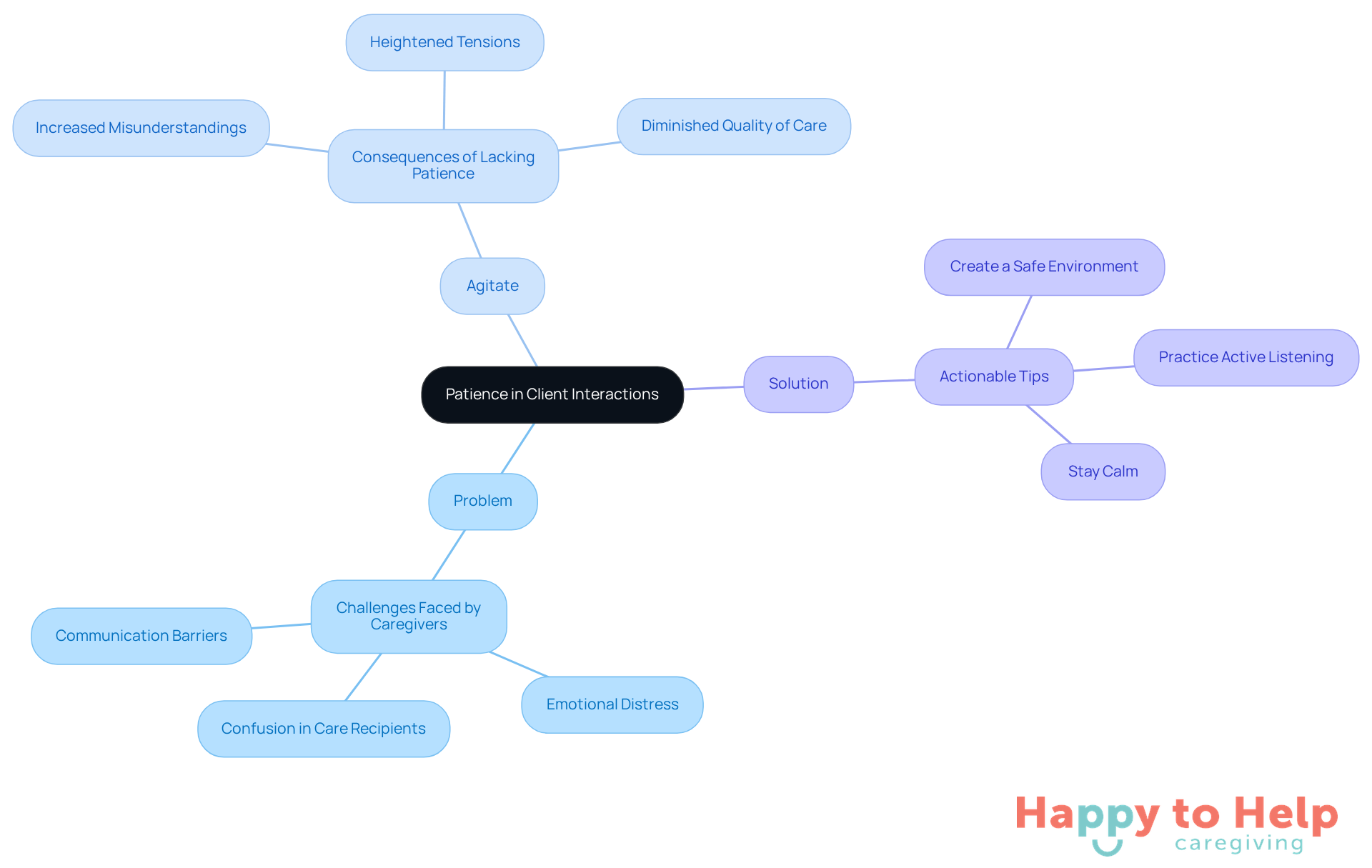
Homecare givers often encounter significant challenges when supporting individuals with cognitive impairments or emotional difficulties. These situations can be frustrating and overwhelming, particularly when effective communication is hindered by confusion or emotional distress.
Agitate: Without patience, caregivers may struggle to connect with those they support, leading to misunderstandings and heightened tensions. This can exacerbate feelings of confusion or paranoia in individuals with conditions like dementia, making it even more difficult for them to express their needs and emotions. The lack of a calm and reassuring presence can diminish the quality of care and emotional well-being for both the caregiver and the individual.
Solution: To address these challenges, homecare givers should prioritize patience in their interactions. Approaching each situation with a calm demeanor allows individuals to express themselves at their own pace, which is crucial for effective communication. Here are some actionable tips:
- Create a Safe Environment: Foster a nurturing atmosphere that encourages open communication.
- Practice Active Listening: Show genuine interest in what the individual is saying, validating their feelings and experiences.
- Stay Calm: Manage your own emotions to provide a reassuring presence, which can help alleviate the individual’s anxiety.
Studies indicate that individuals receiving support from attentive providers are more likely to achieve favorable outcomes and quicker recovery. This highlights the significant impact of patience in caregiving. Furthermore, case studies reveal that caregivers who emphasize patience often report higher satisfaction in their roles, finding fulfillment in assisting individuals with dignity and respect.
Positive Attitude: Enhancing the Client Experience
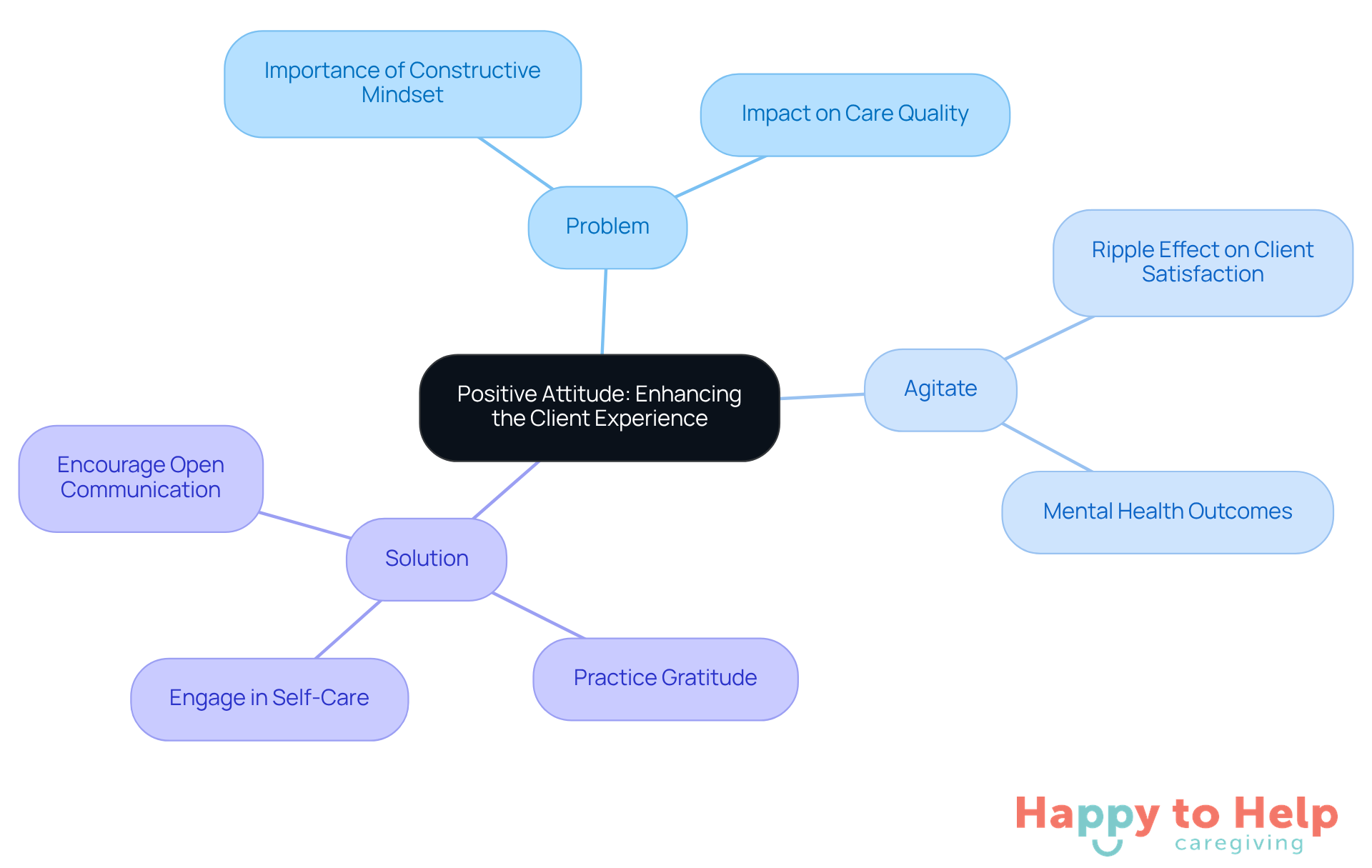
A constructive mindset is crucial in caregiving, yet many homecare givers struggle to maintain positivity, especially in challenging situations. This negativity can hinder the quality of care provided and impact the well-being of both the caregiver and the individual receiving assistance.
Agitate: When caregivers lack an optimistic outlook, it can create a ripple effect, leading to a less supportive environment. This not only diminishes client satisfaction but can also contribute to poorer mental health outcomes for both parties involved. The emotional state of caregivers directly influences the experience of those they care for, making it essential to address this issue.
Solution: Caregivers should strive to maintain an optimistic outlook, even when faced with difficulties. By approaching each day with enthusiasm and encouragement, they can foster a positive atmosphere that enhances the individual's experience. Here are some actionable tips:
- Practice gratitude: Reflect on positive aspects of caregiving daily.
- Engage in self-care: Prioritize personal well-being to sustain a positive mindset.
- Encourage open communication: Foster a supportive dialogue with clients to build trust.
By implementing these strategies, caregivers can create a nurturing environment that not only improves client satisfaction but also contributes to better mental health outcomes.
Your Path Forward
Effective homecare givers face a significant challenge: providing quality care that truly meets the needs of seniors. Many caregivers struggle with understanding the unique requirements of each individual, which can lead to feelings of frustration and inadequacy. This lack of personalized care can negatively impact the emotional and physical well-being of seniors, making it crucial to address these issues head-on.
To tackle this problem, caregivers must focus on several essential qualities.
- Personalized care plans are vital; they ensure that each senior receives tailored support that respects their individual preferences and needs.
- Empathy and effective communication foster trust, allowing caregivers to connect with their clients on a deeper level.
- Additionally, reliability and flexibility are key traits that enable caregivers to adapt to the evolving circumstances of those in their care.
Moreover, the importance of training cannot be overstated. Caregivers equipped with the right skills can better navigate the complexities of senior care, leading to improved outcomes.
- Companionship and cultural competence further enrich the caregiving experience, ensuring that seniors feel valued and understood.
Ultimately, the role of homecare givers extends beyond mere assistance; it embodies a holistic approach that prioritizes dignity, respect, and emotional well-being. As the demand for quality homecare continues to rise, embracing these essential qualities not only enhances the lives of seniors but also elevates the caregiving profession itself. By prioritizing these traits, caregivers can profoundly impact their clients, ensuring that every individual feels valued, understood, and supported in their journey.
https://iframe.tely.ai/cta/eyJhcnRpY2xlX2lkIjogIjY5MjRmMWViZWM0Y2FiOGU3NGVjMDBmMSIsICJjb21wYW55X2lkIjogIjY4ZWU1ZGNhNzMxNzYyNTU3ZjNjOTVjMSIsICJpbmRleCI6IG51bGwsICJ0eXBlIjogImFydGljbGUifQ==Frequently Asked Questions
What is the main issue addressed by Happy to Help Caregiving?
Happy to Help Caregiving addresses the lack of tailored support for seniors, which can lead to anxiety and loneliness due to generic care plans that do not consider their unique needs.
What are the implications of inadequate support for seniors?
Inadequate support can lead to struggles with daily routines, a diminished sense of independence, and increased worry for families about their loved ones' safety and happiness.
How do individualized support plans benefit seniors?
Individualized support plans enhance the quality of life for seniors by promoting independence, fostering a sense of safety and trust, and allowing families to focus on meaningful interactions instead of logistical concerns.
What evidence supports the effectiveness of personalized support plans?
Agencies that adopt personalized support plans report higher client satisfaction and retention rates. A case study illustrates how personalized assistance allows seniors to maintain control over their lives while receiving necessary help.
What is the projected demand for homecare givers by 2031?
The US Bureau of Labor Statistics projects a demand for over 800,000 additional homecare givers by 2031, indicating a growing need for individualized care.
Why is empathy important in homecare giving?
Empathy is crucial for building trust and rapport with clients, which are essential for delivering high-quality care. Without empathy, caregivers may struggle to fully understand clients' needs, leading to poorer patient outcomes.
What strategies can homecare givers use to enhance empathy?
Homecare givers can enhance empathy by practicing active listening, showing genuine concern through small gestures, and utilizing resources like the Virtual Empathy Museum for skill improvement.
How does effective communication impact client care?
Effective communication helps caregivers accurately assess and address the diverse needs of clients, reducing feelings of isolation and dissatisfaction, particularly among seniors.
What practices can caregivers implement to improve communication?
Caregivers should practice active listening, ask clarifying questions, deliver information clearly and empathetically, and conduct regular check-ins to maintain open lines of communication.
What are the benefits of prioritizing effective communication in caregiving?
Prioritizing effective communication enhances patient satisfaction and overall well-being, alleviating feelings of loneliness and strengthening the trust between providers and patients.
List of Sources
- Happy to Help Caregiving: Personalized Care Plans for Individual Needs
- Mid-Year Check-In: 7 Key Trends Shaping Non-Medical Home Care for the Rest of 2025 | Aaniie, formerly Smartcare Software (https://aaniie.com/news/key-trends-shaping-non-medical-home-care-for-the-rest-of-2025)
- Importance of Personalized Senior Home Care in Burlington NC (https://wisdomseniorcare.com/the-importance-of-personalized-care-plans-for-seniors)
- The Future of Private Home Care: What to Expect in 2025 (https://anodyne-services.com/2024/08/14/the-future-of-private-home-care-what-to-expect-in-2025)
- State of home care in 2025 (https://mcknightshomecare.com/state-of-home-care-in-2025)
- Customized Care at Home: The Benefits of Personalized Care Plans - VNA Health Group (https://vnahg.org/customized-care-at-home-the-benefits-of-personalized-care-plans)
- Empathy: Building Trust and Rapport with Clients
- Caregiver Quotes: 50+ Inspiring Encouragement Quotes for Strength (https://h2hhc.com/blog/inspiring-caregiver-quotes)
- How Empathy Transforms the Care Experience (https://ayiconnection.com/blog/how-empathy-transforms-the-care-experience)
- Enhancing and examining the empathy skills of healthcare students and clinicians | University of Technology Sydney (https://uts.edu.au/case-studies/enhancing-and-examining-empathy-skills-healthcare-students-and-clinicians)
- Compassion in Home Care (https://homeinstead.com/home-care/usa/la/carencro/347/news-and-media/compassion-in-home-care)
- The Importance of Empathy and Compassion in Bedside Care (https://breezehospiceservices.com/resources/the-importance-of-empathy-and-compassion-in-bedside-care)
- Effective Communication: Understanding Client Needs
- The Importance of Communication in Home Care Services - Anodyne (https://anodyne-services.com/2023/07/31/the-importance-of-communication-in-home-care-services)
- The Importance of Communication in Home Health Care Relationships (https://h2hhc.com/blog/the-importance-of-communication-in-home-health-care-relationships)
- Effective communication with caregivers to prevent unintentional injuries in children under seven years. A systematic review (https://sciencedirect.com/science/article/pii/S0738399122001896)
- Effective Communication as a Caregiver | Always Caring of CT (https://alwayscaringct.com/news/effective-communication-as-a-caregiver)
- The Importance of Effective Communication in Home Care (https://blog.nevvon.com/the-importance-of-effective-communication-in-home-care)
- Reliability: Consistent Support for Clients
- Home Care Clients Like Their Caregivers More Than Their Provider, Data Shows (https://homehealthcarenews.com/2024/08/home-care-clients-like-their-caregivers-more-than-their-provider-data-shows)
- When Care Becomes Comfort: Real Stories. Real Impact. - Cornerstone Caregiving (https://cornerstonecaregiving.com/blog/when-care-becomes-comfort-real-stories-real-impact)
- Is Your In-Home Care Reliable? Why It Matters More Than Ever - Riverdale Health Group LLC (https://rhgcares.com/is-your-in-home-care-reliable-why-it-matters-more-than-ever)
- 2025 Home Care Statistics: Trends & Insights To Know (https://premierhcinc.com/blog/home-care-statistics)
- Caregiver Statistics: Demographics (https://caregiver.org/resource/caregiver-statistics-demographics)
- Training and Experience: Ensuring Quality Care
- The importance of proper training in home care (https://alayacare.com/blog/the-importance-of-proper-training-in-home-care)
- New Research Highlights Critical Role of Training in Caregiver Retention (https://careacademy.com/blog/role-of-training-in-caregiver-retention)
- Home-Based Care Companies Improve Outcomes By Training Family Caregivers (https://homehealthcarenews.com/2025/10/home-based-care-companies-improve-outcomes-by-training-family-caregivers)
- The Importance of Caregiver Education and Training (https://corecubed.com/blog/critical-value-of-caregiver-education)
- Home Helpers Launches Home Health Aide Training Program To Build The Next Wave Of Caregivers (https://homehealthcarenews.com/2025/07/home-helpers-launches-home-health-aide-training-program-to-build-the-next-wave-of-caregivers)
- Flexibility: Adapting to Client Schedules and Needs
- (https://privatenursingcareinc.com/blog/the-role-of-flexibility-in-home-health-care)
- Flexible Care Models Give Home Care Clients ‘What They Want When They Want It’ (https://homehealthcarenews.com/2025/10/flexible-care-models-give-home-care-clients-what-they-want-when-they-want-it)
- Flexible Private Caregiving for Evolving Daily Needs (https://phoenixhomehc.com/news/how-does-private-duty-caregiving-adapt-to-my-loved-ones-needs)
- The Benefits of Flexible Scheduling in Home Care Plans (https://regencyhcs.com/blog/the-benefits-of-flexible-scheduling-in-home-care-plans)
- How in-home care adapts to changing health needs (https://humancareny.com/blog/how-in-home-care-adapts-to-changing-health-needs)
- Companionship: Alleviating Loneliness and Enhancing Well-Being
- The Emotional Benefits of Companion Care for Seniors (https://comfortkeepers.com/offices/texas/round-rock/resources/news/the-emotional-benefits-of-companion-care-for-seniors)
- Combat Loneliness: The Benefits of Companion Care for Seniors (https://allheartcare.com/more-than-just-company-the-vital-role-of-companion-care-for-seniors)
- The Power of Companionship for Seniors: A Key Ingredient to Quality Aging (https://homecarepgh.com/blog-posts/companionship-in-old-age)
- Why Home Care Providers Are Increasingly Offering Companion Care Services for Seniors | Aaniie, formerly Smartcare Software (https://aaniie.com/news/why-home-care-providers-are-increasingly-offering-companion-care-services-for-seniors)
- Creating Safe Living Environment for Seniors: Tips & Practices (https://peacevillage.org/news/why-companionship-is-key-to-happy-aging-elderly-well-being)
- Cultural Competence: Supporting Diverse Client Backgrounds
- The Importance Of Cultural Competence In Home-Based Care (https://homehealthcarenews.com/2024/09/the-importance-of-cultural-competence-in-home-based-care)
- CaringBridge (https://caringbridge.org/resources/inspirational-quotes-on-caregiving)
- 25+ Inspirational Quotes for Caregivers (https://caringseniorservice.com/blog/quotes-for-caregiver-inspiration)
- Cultural Diversity Impacts Caregiving Experiences: A Comprehensive Exploration of Differences in Caregiver Burdens, Needs, and Outcomes - PMC (https://pmc.ncbi.nlm.nih.gov/articles/PMC10625452)
- Cultural competence among nursing students and nurses working in acute care settings: a cross-sectional study - BMC Health Services Research (https://bmchealthservres.biomedcentral.com/articles/10.1186/s12913-023-09103-5)
- Patience: Managing Challenges in Client Interactions
- 9 Rewards of Caregiving (https://health.usnews.com/health-news/best-assisted-living/slideshows/rewards-of-caregiving)
- Use patience, compassion to navigate a loved one’s dementia | opinion (https://metrowestdailynews.com/story/opinion/columns/2025/11/22/patience-is-key-in-navigating-loved-ones-dementia-opinion/87360948007)
- Family caregivers emphasise patience and personal growth: a qualitative analysis from the Caregiving Transitions Study - PMC (https://pmc.ncbi.nlm.nih.gov/articles/PMC8826045)
- The Role of Patience in Quality Healthcare Workers - LD Network (https://ldnetwork.org/blog/the-role-of-patience-in-quality-healthcare-workers)
- Positive Attitude: Enhancing the Client Experience
- Inspirational Quotes to Lift Up Caregivers (https://h2hhc.com/blog/inspirational-quotes-for-caregivers)
- Positive Aspects of Caregiving (https://apa.org/pi/about/publications/caregivers/faq/positive-aspects)
- Inspiring Quotes for Caregivers (https://regencyhcs.com/blog/inspiring-quotes-for-caregivers?25b4f686\_page=17&4393cdce\_page=16)
- 27 Inspirational Quotes for Caregivers (https://ultimatecareny.com/resources/27-quotes-for-caregivers)
- Caregivers: Be Realistic, Think Positive (https://heart.org/en/health-topics/caregiver-support/caregivers-be-realistic-think-positive)