Qualities of Elderly Home Sitters for at a Glance
This article highlights the essential qualities that families should seek in elderly home sitters. Key attributes such as:
- Certifications
- Experience
- Communication skills
- Emotional support capabilities
are vital. These qualities are not just about ensuring competent and safe care; they also play a crucial role in fostering emotional well-being and companionship for seniors. By focusing on these aspects, families can enhance the overall quality of life for their loved ones, creating a nurturing environment that truly cares for their needs.
Understanding Qualities of Elderly Home Sitters for
Selecting the right elderly home sitter can feel overwhelming for families navigating the complexities of caregiving. It's a journey filled with emotional challenges, and the stress can often lead to feelings of burnout. As the need for personalized in-home support grows, understanding the essential qualities that define effective caregivers becomes crucial. This article explores ten key attributes that not only enhance the quality of care provided but also ensure that elderly individuals feel valued, secure, and connected in their own homes.
How can families identify these vital traits to make informed decisions that significantly impact their loved ones' well-being? Together, we can find the compassionate care that brings peace of mind.
Happy to Help Caregiving: Personalized In-Home Care for Seniors
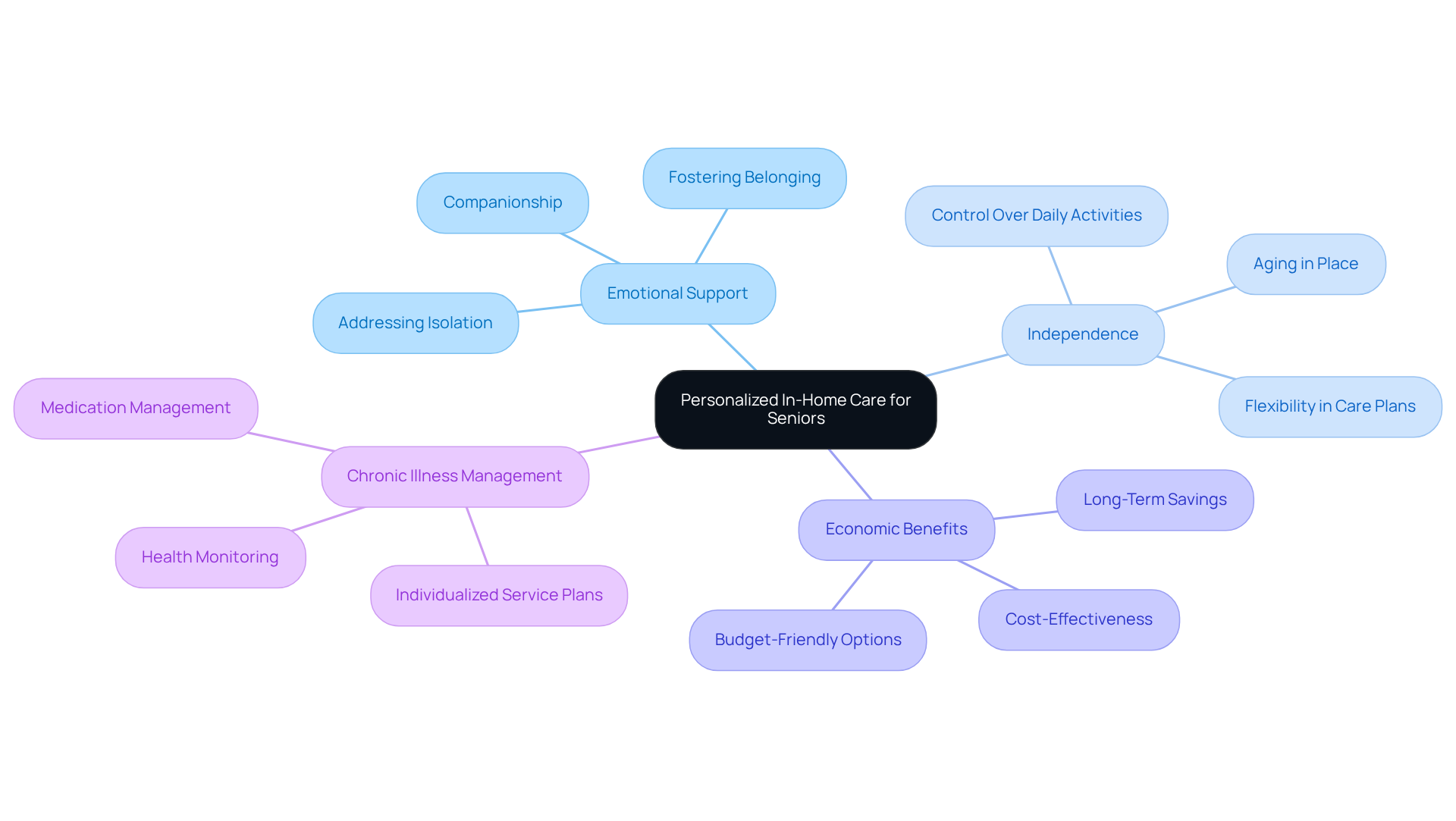
At Happy to Help Caregiving, we understand the emotional challenges that come with caregiving. Our customized in-home assistance, offered by elderly home sitters, is designed specifically for older adults, focusing on enhancing their overall quality of life. Each service is thoughtfully crafted to meet the unique needs of our clients, ensuring they receive compassionate support in the comfort of their own homes.
This individualized approach not only fosters independence but also significantly boosts emotional well-being. It becomes a vital choice for families seeking dependable caregiving solutions through elderly home sitters for their loved ones. By concentrating on the specific needs of each elder, elderly home sitters effectively nurture a sense of belonging and security—elements essential for sustaining a high quality of life.
Emotional support from our caregivers addresses the isolation that many seniors experience. In fact, one in three adults aged 50-80 reports feeling isolated at least some of the time. We are here to change that narrative. Furthermore, in-home assistance often proves to be more economical than institutional services, providing families with a budget-friendly option that guarantees quality support.
As experts in geriatric care emphasize, individualized service plans that consider unique health conditions and preferences lead to better management of chronic illnesses and enhance overall well-being. We are committed to being a source of comfort and support with our elderly home sitters, ensuring that every elder feels valued and cared for in their own home.
Proper Certifications and Training: Ensuring Qualified Caregivers
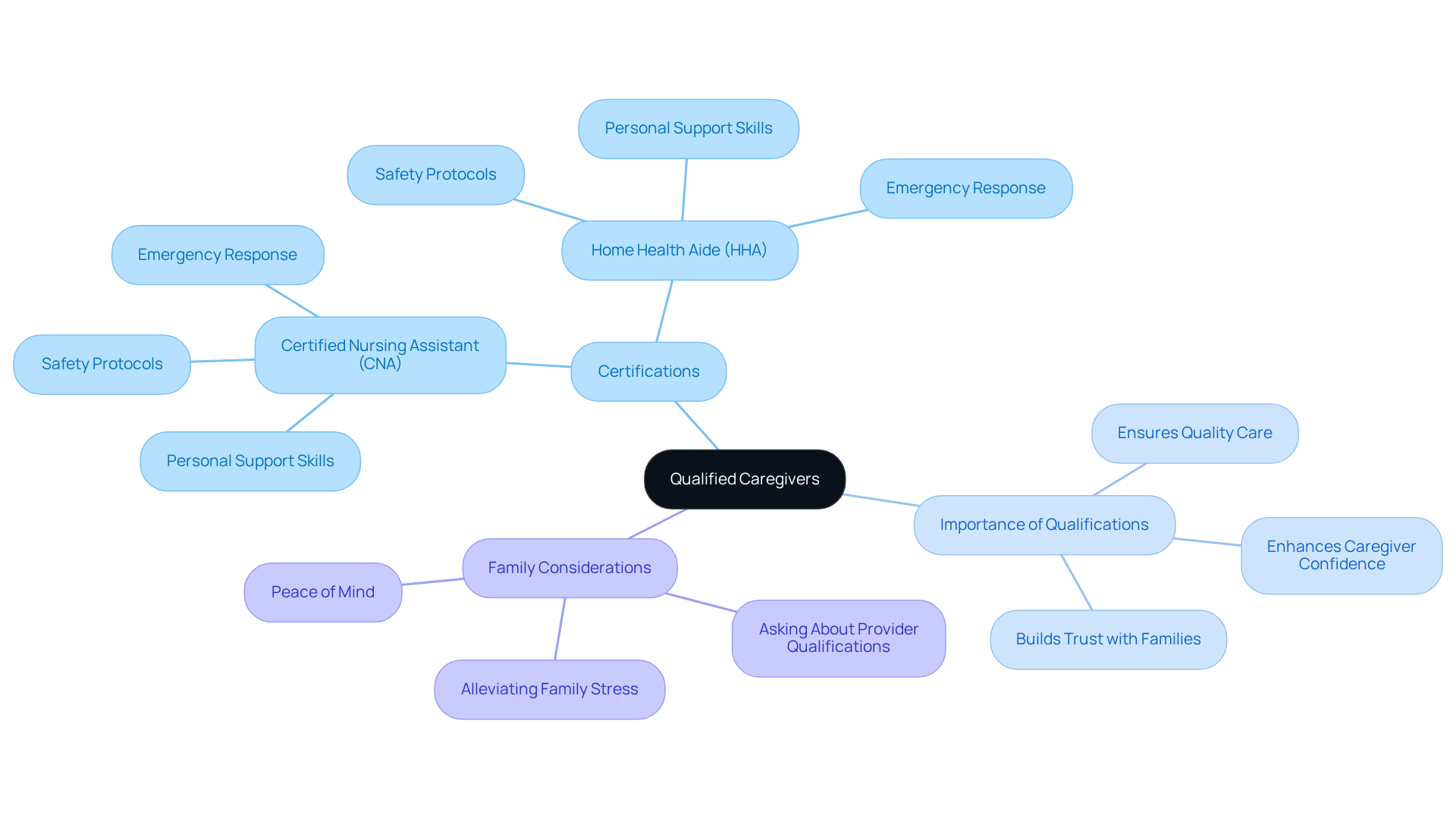
Elderly home sitters play a vital role in the lives of elderly clients, making it essential for them to possess the relevant certifications and training. This ensures that elderly home sitters are fully equipped to meet the unique needs of the individuals they care for. Certifications such as Certified Nursing Assistant (CNA) or Home Health Aide (HHA) provide caregivers with crucial skills in personal support, safety protocols, and emergency response.
Families are encouraged to ask about a provider's qualifications. This simple step helps ensure that they are hiring someone who meets industry standards and can deliver the high-quality assistance their loved ones deserve. Remember, finding the right elderly home sitters can alleviate stress and provide peace of mind, knowing that your family member is in capable hands.
Relevant Experience and Expertise: Key to Effective Elderly Care
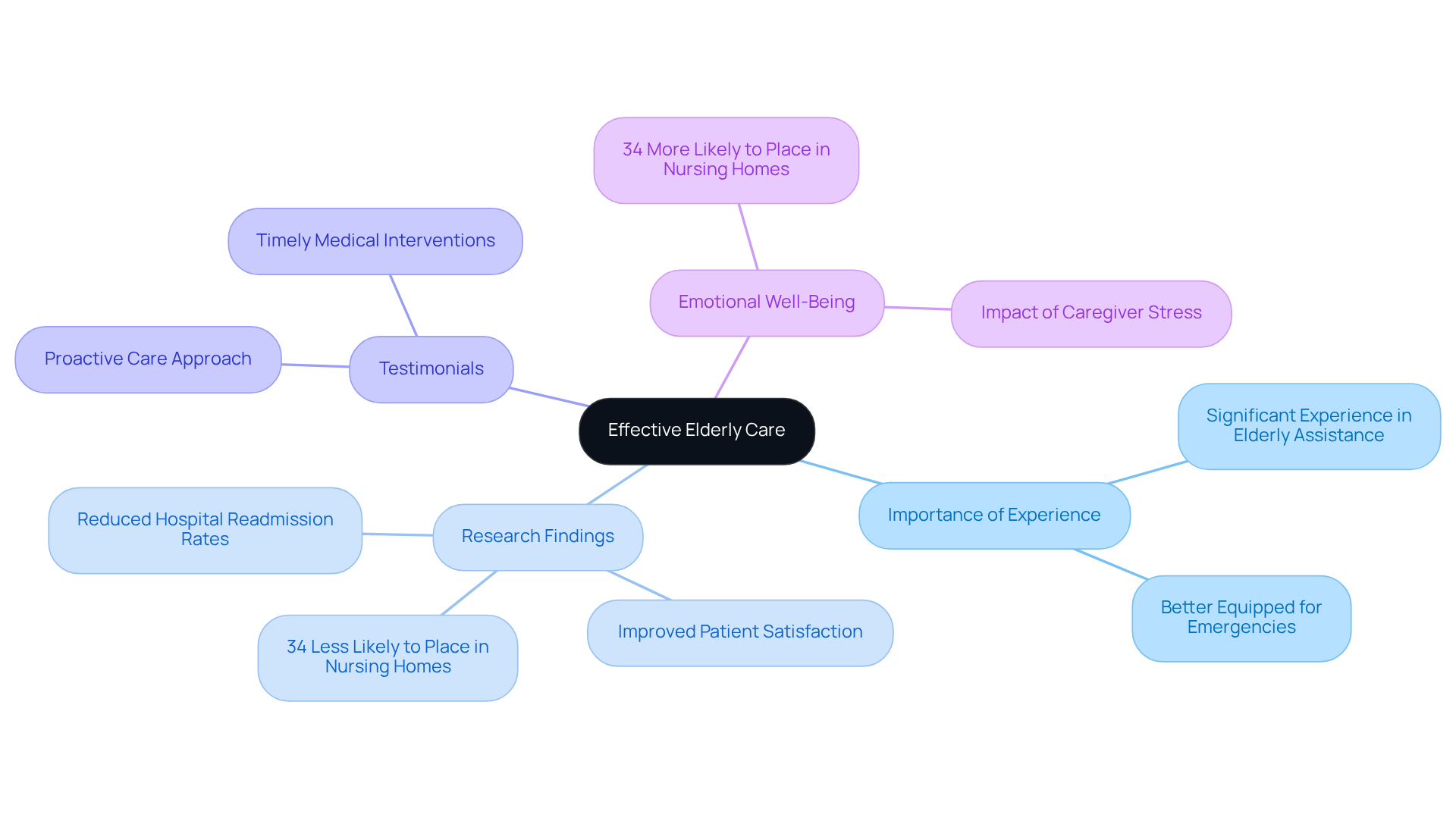
When selecting a caregiver, families often face emotional challenges, so it’s crucial to prioritize elderly home sitters who have significant experience in elderly assistance. Care providers who focus on geriatric support or have worked with clients facing similar challenges are typically better equipped to offer effective care. Their knowledge allows them to foresee needs, manage health issues, and respond swiftly to emergencies, ensuring a higher level of support for seniors.
Research underscores the importance of provider experience in enhancing care outcomes. For example, caregivers with over a year of experience are associated with improved patient satisfaction and reduced hospital readmission rates. A study revealed that well-trained and experienced caregivers were 34% less likely to have their clients placed in nursing homes, highlighting the vital role of expertise in maintaining seniors' independence.
Moreover, testimonials from families demonstrate the significance of skilled support providers. One family shared how their caregiver’s nursing experience enabled her to notice subtle changes in their loved one’s health, leading to timely medical interventions. This proactive approach not only elevated the standard of care but also provided peace of mind to the family. Dr. Nathan M. Stall emphasizes that the emotional well-being of caregivers can greatly affect outcomes, noting that stressed caregivers were 34% more likely to place recipients in nursing homes.
In conclusion, choosing elderly home sitters with relevant experience is essential for effective elderly care. Their expertise directly correlates with better health outcomes and overall satisfaction for both seniors and their families. Families are encouraged to ask about specific experiences and training during the selection process, ensuring they find the best support for their loved ones.
Thorough Background Checks and References: Building Trust with Families
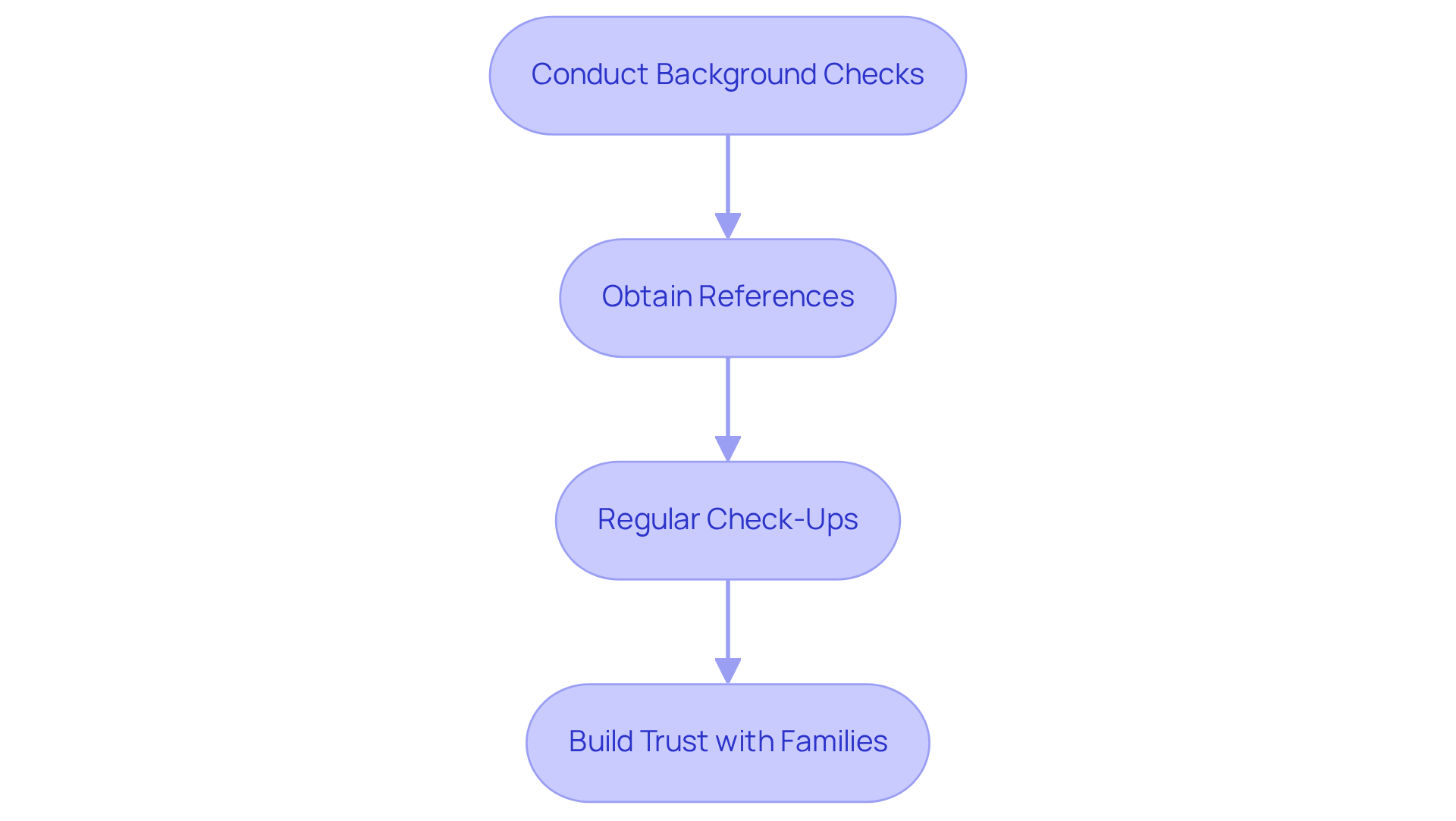
Conducting thorough background checks and obtaining references are vital steps in the hiring process for home assistants. Families deserve to feel secure, and confirming that the agency performs comprehensive screenings—like criminal history checks and verification of previous employment—can bring peace of mind. In fact, studies show that around 70% of households prioritize these checks to protect their loved ones.
Speaking with references offers valuable insights into a provider's reliability, professionalism, and ability to connect with clients. A case study on effective reference checking highlighted that individuals with strong references often demonstrate better performance and alignment with households. This process not only aids in making informed decisions but also fosters trust, which is essential for those seeking care for their loved ones. As one relative who provides support shared, 'Selecting the appropriate in-home assistant for your loved one is among the most crucial choices you’ll encounter.'
Additionally, regular check-ups by another agency representative can confirm client safety, further ensuring that families feel reassured. By prioritizing these steps, households can embrace the comfort of knowing they have made a thoughtful choice in their support provider, creating a nurturing environment for their loved ones.
Strong Communication Skills: Facilitating Better Care Relationships
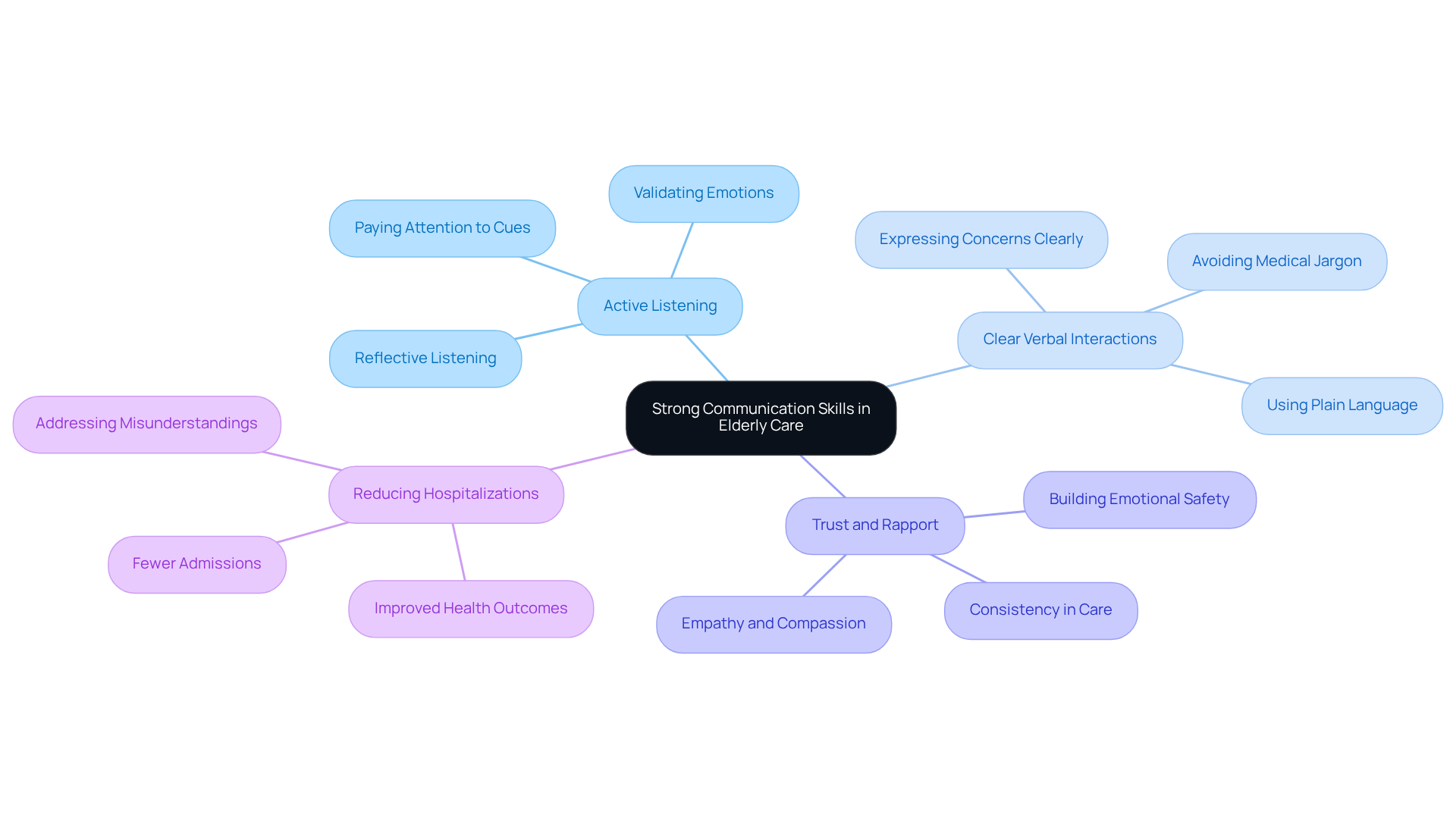
Effective communication is essential for elderly home sitters, allowing them to connect meaningfully with seniors and their families. This involves active listening, clear verbal interactions, and the ability to share vital information about health and support plans. Care providers who excel in communication foster trust and rapport, which are crucial for addressing concerns and adapting support strategies as necessary.
Research indicates that effective communication can significantly reduce the likelihood of avoidable hospitalizations among older adults. Misunderstandings often lead to complications, and a case study titled 'Better Communication Prevents Hospitalizations' highlights this. It shows that when primary health providers actively listen and use straightforward language, the risks of hospitalization diminish, resulting in fewer admissions and better health outcomes.
Moreover, caregivers who engage in active listening not only validate the emotions of elderly individuals but also enhance their overall experience. By creating an environment where older adults feel acknowledged and valued, caregivers can improve health outcomes and strengthen the caregiver-client bond. As healthcare professionals remind us, 'Good care starts with listening.' This underscores the critical role communication skills play in delivering high-quality care by elderly home sitters.
Furthermore, ensuring emotional safety through respectful communication enables seniors to voice their thoughts and concerns without fear of judgment. This approach not only enriches the caregiving relationship but also nurtures a sense of trust and understanding, ultimately benefiting both caregivers and those they care for.
Compatible Personality and Approach: Enhancing Client Comfort
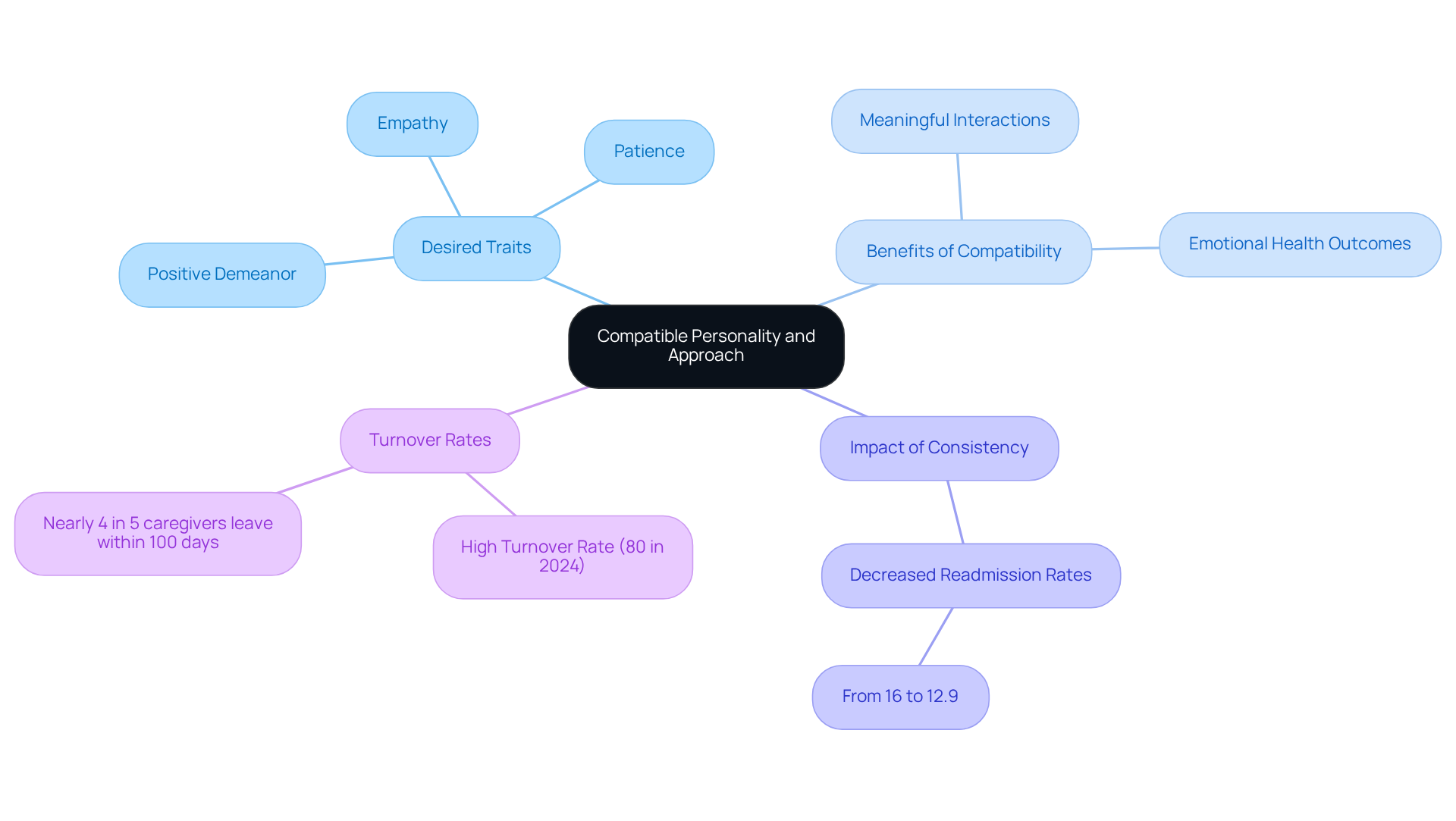
The character and method of a provider are vital in ensuring the comfort and emotional well-being of elderly home sitters. Families should prioritize elderly home sitters who demonstrate empathy, patience, and a positive demeanor. These traits create a supportive atmosphere where elderly home sitters help older adults feel encouraged to express their needs and preferences, significantly enhancing their quality of life. Research shows that when elderly home sitters are matched with clients based on compatible personality traits, it results in more meaningful interactions and improved emotional health outcomes.
This alignment not only fosters a sense of security for seniors but also encourages elderly home sitters to engage more actively in their health, ultimately contributing to greater overall satisfaction and well-being. Moreover, studies indicate that consistency in support staff assignments, such as elderly home sitters, can lead to a decrease in readmission rates, dropping from 16% to 12.9% within one month when continuity strategies are implemented. As CareVoyant states, 'The compatibility of caregivers, such as elderly home sitters, fosters trust, improves patient comfort, and enhances adherence to care plans — all of which contribute to better outcomes.'
Families should also be mindful of the high turnover rates among elderly home sitters, which hover near 80% in 2024. This highlights the importance of nurturing consistent support worker-client relationships, especially for elderly home sitters. To assist in the selection process, households are encouraged to ask potential elderly home sitters about their communication styles and how they adapt their approach to meet individual client needs.
Flexible Scheduling Options: Adapting to Family Needs
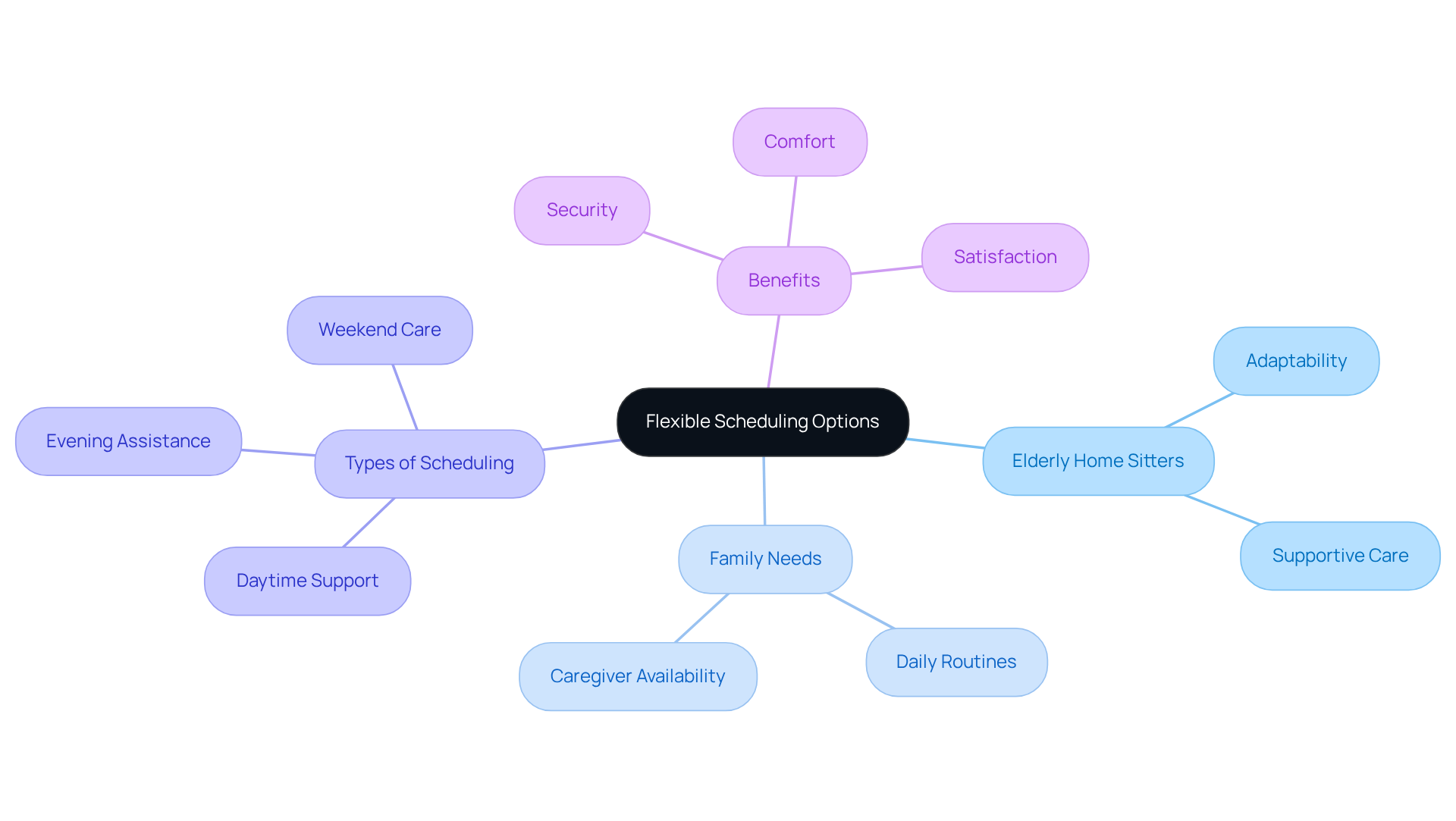
Adaptable scheduling choices are essential for families seeking elderly home sitters to assist their loved ones at home. Elderly home sitters must be prepared to adjust their hours to meet the unique needs of each household, whether that means offering help during the day, in the evenings, or on weekends. This flexibility not only allows families to maintain their daily routines but also ensures that their loved ones receive the crucial support they need from elderly home sitters.
As a result, the caregiving experience becomes more manageable and significantly less stressful. Families have shared how this adaptability fosters a sense of security and comfort, enabling them to focus on their own responsibilities while knowing their loved ones are well cared for by elderly home sitters. The ability to tailor care schedules to fit family dynamics enhances overall satisfaction, making it a vital aspect of effective in-home caregiving.
Emotional Support: Combating Loneliness in Elderly Care
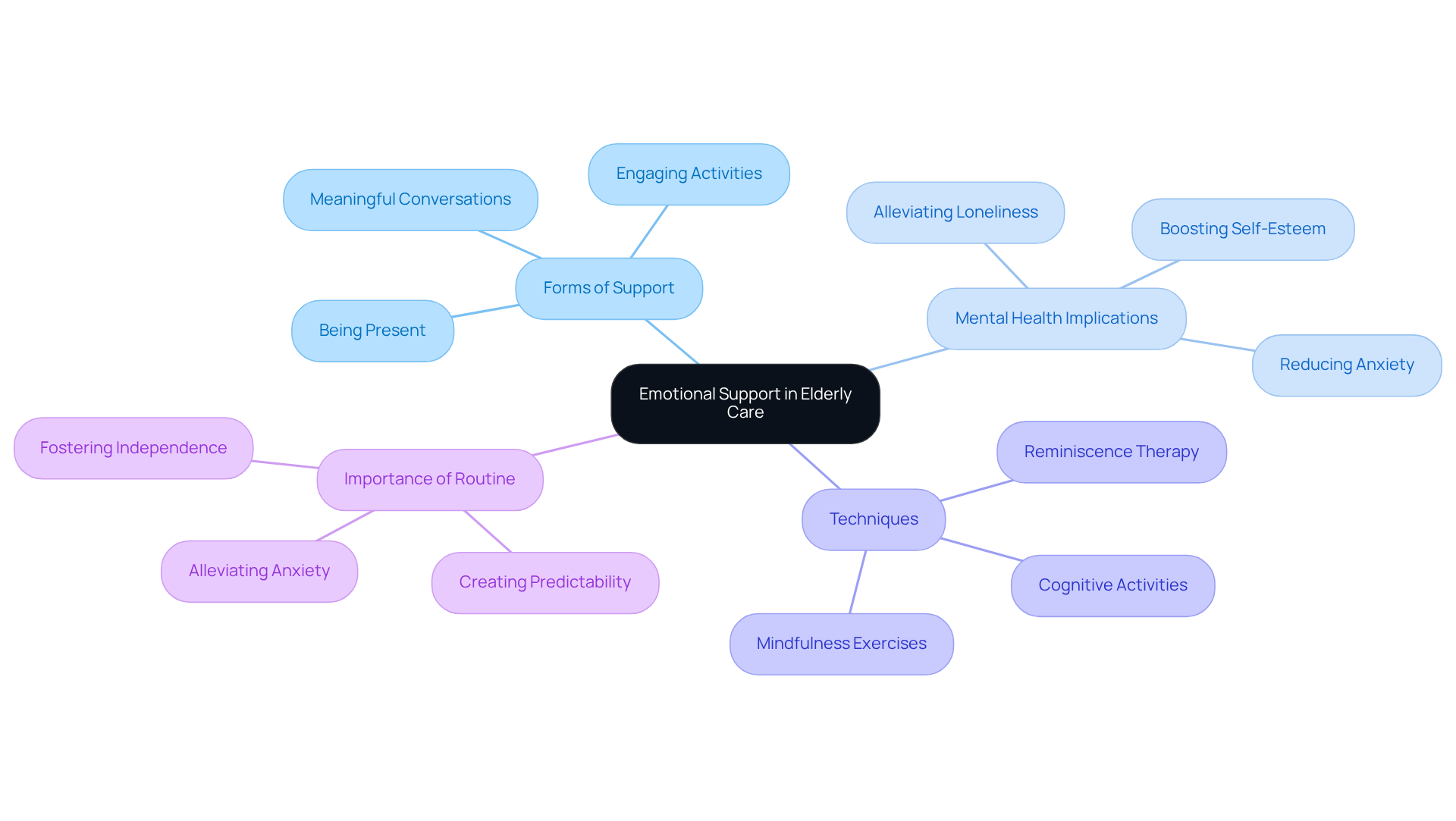
Elderly home sitters play a vital role in providing emotional support to elderly individuals, addressing feelings of loneliness and isolation with compassion. This support takes many forms, such as engaging in meaningful conversations, participating in enjoyable activities, and simply being present to listen. By nurturing these emotional bonds, elderly home sitters significantly enhance their clients' overall well-being, creating a more enriching support experience.
Mental health experts emphasize that a helper's attentive presence can alleviate loneliness and bolster an elderly individual's sense of value and connection. Dr. Colleen Richardson poignantly notes, "The lack of social interaction may also exacerbate existing health conditions," underscoring the broader health implications of emotional support.
Establishing a consistent routine with elderly home sitters can alleviate anxiety and foster a reassuring sense of predictability. Moreover, elderly home sitters providing support actively combat loneliness by promoting social interactions, encouraging community involvement, and introducing engaging hobbies. Techniques like reminiscence therapy help older adults reconnect with their identity and enhance their self-esteem.
This holistic approach not only addresses the emotional needs of elderly individuals but also promotes their mental health, which elderly home sitters can support to help them enjoy a fulfilling and emotionally rich life in their golden years. Notably, 24 percent of community-dwelling Americans aged 65 and older are considered socially isolated, highlighting the critical role caregivers play in addressing this pressing issue.
Companionship Care: Enhancing Quality of Life for Seniors
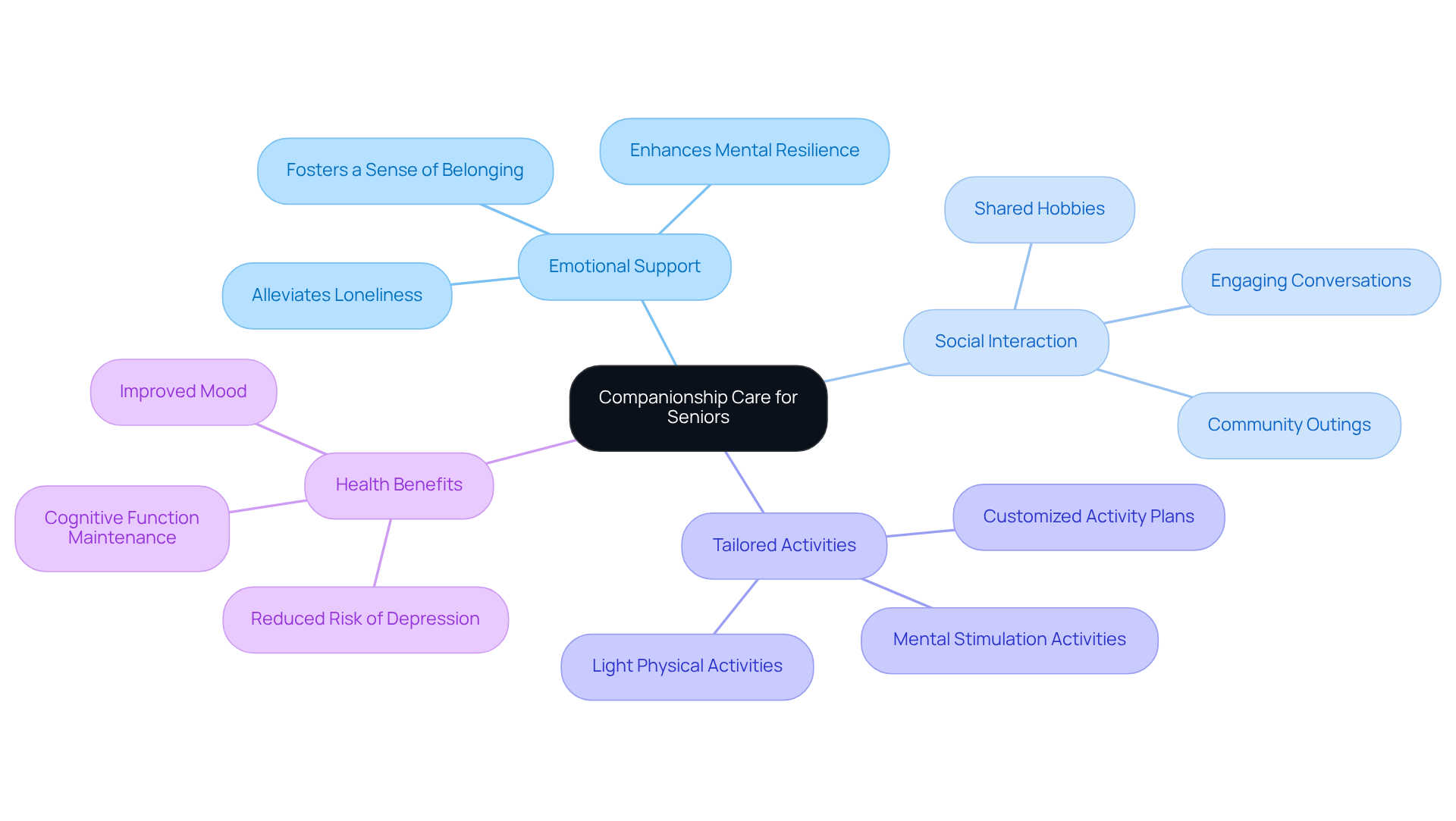
Elderly home sitters provide companionship support, which is a vital service that significantly enhances the quality of life for elderly individuals. Caregivers who provide companionship engage clients in activities they cherish, encourage social interaction, and help maintain a sense of normalcy in their daily lives. The care provided by elderly home sitters alleviates feelings of loneliness and nurtures mental and emotional well-being, making it an essential aspect of in-home caregiving. Research indicates that consistent social engagement can lower the likelihood of depression and anxiety, with one in three elderly individuals experiencing feelings of isolation that can adversely affect their health (Wilson Care Group). By offering companionship, elderly home sitters provide support that helps elderly individuals feel valued and connected, which is crucial for their overall happiness.
For instance, case studies reveal that older adults receiving companionship care report improved mood and cognitive function, as engaging conversations and shared hobbies stimulate mental activity (Supporting Mental Health Through Connection). Caregivers often tailor activities to align with an elderly person's interests, further enhancing their emotional resilience and sense of purpose. The impact of companionship transcends mere interaction; it fosters a nurturing environment where older adults can thrive, ultimately leading to an enriched quality of life.
Experts in elderly support emphasize that companionship from elderly home sitters entails more than just assistance; it’s about cultivating meaningful connections that enhance the lives of older adults (USA Home Health). This holistic approach to caregiving, involving elderly home sitters, ensures that emotional and social needs are met, allowing seniors to uphold their independence while feeling secure and cared for in their own homes.
Ongoing Training and Development: Ensuring High-Quality Care
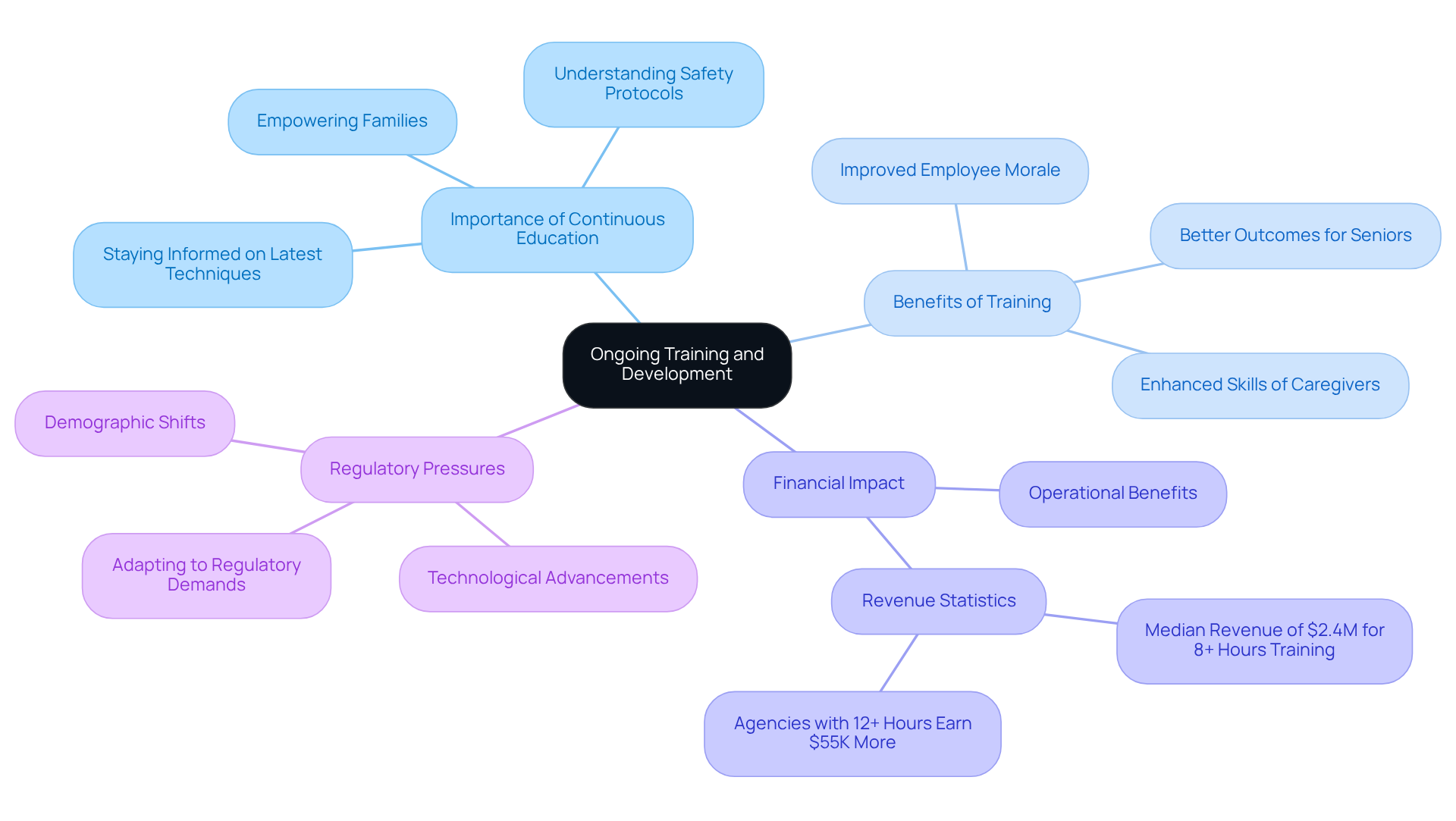
Continuous education and professional growth are essential for providers to maintain a high quality of service. It’s important to stay informed about the latest techniques, safety protocols, and health regulations. Families should feel empowered to ask about the training programs that support staff, ensuring that their loved ones receive care from knowledgeable and skilled professionals. Research shows that agencies offering more than eight hours of orientation training report a median revenue of $2.4 million. This highlights the financial and operational benefits of investing in education for support staff.
Ongoing education not only enhances the skills of elderly home sitters but also leads to better outcomes for seniors, fostering a safer and more supportive environment. As the home care landscape evolves—facing pressures like regulatory demands and technological advancements—prioritizing caregiver training becomes crucial. By doing so, we can deliver quality care that meets the diverse needs of clients and their families. Remember, investing in education is not just about compliance; it’s about creating a nurturing atmosphere where caregivers can thrive and clients feel secure.
Making the Right Choice
Elderly home sitters play a crucial role in enhancing the lives of seniors. They provide not only physical support but also emotional companionship and personalized care. The qualities that define effective elderly home sitters—such as proper training, relevant experience, strong communication skills, and a compassionate approach—are vital for ensuring that seniors receive the best possible care in the comfort of their own homes. By focusing on these essential traits, families can make informed decisions that significantly improve their loved ones' quality of life.
Throughout the article, we have highlighted the importance of certifications, background checks, and ongoing training for caregivers. The insights shared about the necessity of emotional support and companionship further emphasize the profound impact that elderly home sitters can have on combating loneliness and fostering meaningful connections. Additionally, the flexibility in scheduling and the compatibility of caregivers with seniors are critical factors that contribute to a positive caregiving experience.
Ultimately, investing time in selecting the right elderly home sitter is not just a choice; it is a commitment to enhancing the well-being of seniors. Families are encouraged to prioritize these essential qualities in their search for caregivers. By ensuring that their loved ones receive the compassionate, skilled, and personalized care they deserve, they can create a nurturing environment that allows seniors to thrive emotionally and physically. This support not only fosters independence but also enriches their lives in profound ways.
https://iframe.tely.ai/cta/eyJhcnRpY2xlX2lkIjogIjY4ZjU4MmYzMjNjM2ZmZWIyNTlmM2RjMCIsICJjb21wYW55X2lkIjogIjY4ZWU1ZGNhNzMxNzYyNTU3ZjNjOTVjMSIsICJpbmRleCI6IG51bGwsICJ0eXBlIjogImFydGljbGUifQ==Frequently Asked Questions
What services does Happy to Help Caregiving offer for seniors?
Happy to Help Caregiving provides personalized in-home assistance tailored specifically for older adults, focusing on enhancing their quality of life through compassionate support from elderly home sitters.
How does in-home care benefit seniors emotionally?
In-home care fosters independence and significantly boosts emotional well-being, helping to alleviate feelings of isolation that many seniors experience.
What is the economic advantage of choosing in-home care over institutional services?
In-home assistance is often more economical than institutional services, offering families a budget-friendly option that ensures quality support for their loved ones.
Why is it important for elderly home sitters to have certifications and training?
Certifications such as Certified Nursing Assistant (CNA) or Home Health Aide (HHA) equip caregivers with essential skills in personal support, safety protocols, and emergency response, ensuring they can meet the unique needs of their clients.
What should families consider when selecting elderly home sitters?
Families should inquire about the caregiver's qualifications and relevant experience to ensure they are hiring someone who meets industry standards and can provide high-quality assistance.
How does caregiver experience impact the quality of elderly care?
Caregivers with significant experience in elderly assistance are better equipped to foresee needs, manage health issues, and respond to emergencies, leading to improved care outcomes and higher patient satisfaction.
What research supports the importance of caregiver experience?
Studies show that caregivers with over a year of experience are associated with improved patient satisfaction and reduced hospital readmission rates, and they are less likely to have clients placed in nursing homes.
How can families ensure they find the best support for their loved ones?
Families are encouraged to ask about specific experiences and training of potential caregivers during the selection process to ensure they find qualified and experienced elderly home sitters.