Why Qualities of Home Caregivers in Santa Matters
As the population of seniors in Santa Clarita continues to grow, the demand for skilled home caregivers is more pressing than ever. This situation presents a significant challenge: how can we ensure that older adults receive the personalized support they need? Caregivers play a pivotal role in enhancing the quality of life for seniors, addressing not only their physical needs but also fostering emotional well-being.
However, what truly sets exceptional caregivers apart? This article delves into the ten essential qualities that make home caregivers effective. By exploring traits like empathy, reliability, and flexibility, we can uncover how these characteristics transform the caregiving experience and empower seniors to thrive in their own homes.
Happy to Help Caregiving: Personalized In-Home Support for Seniors
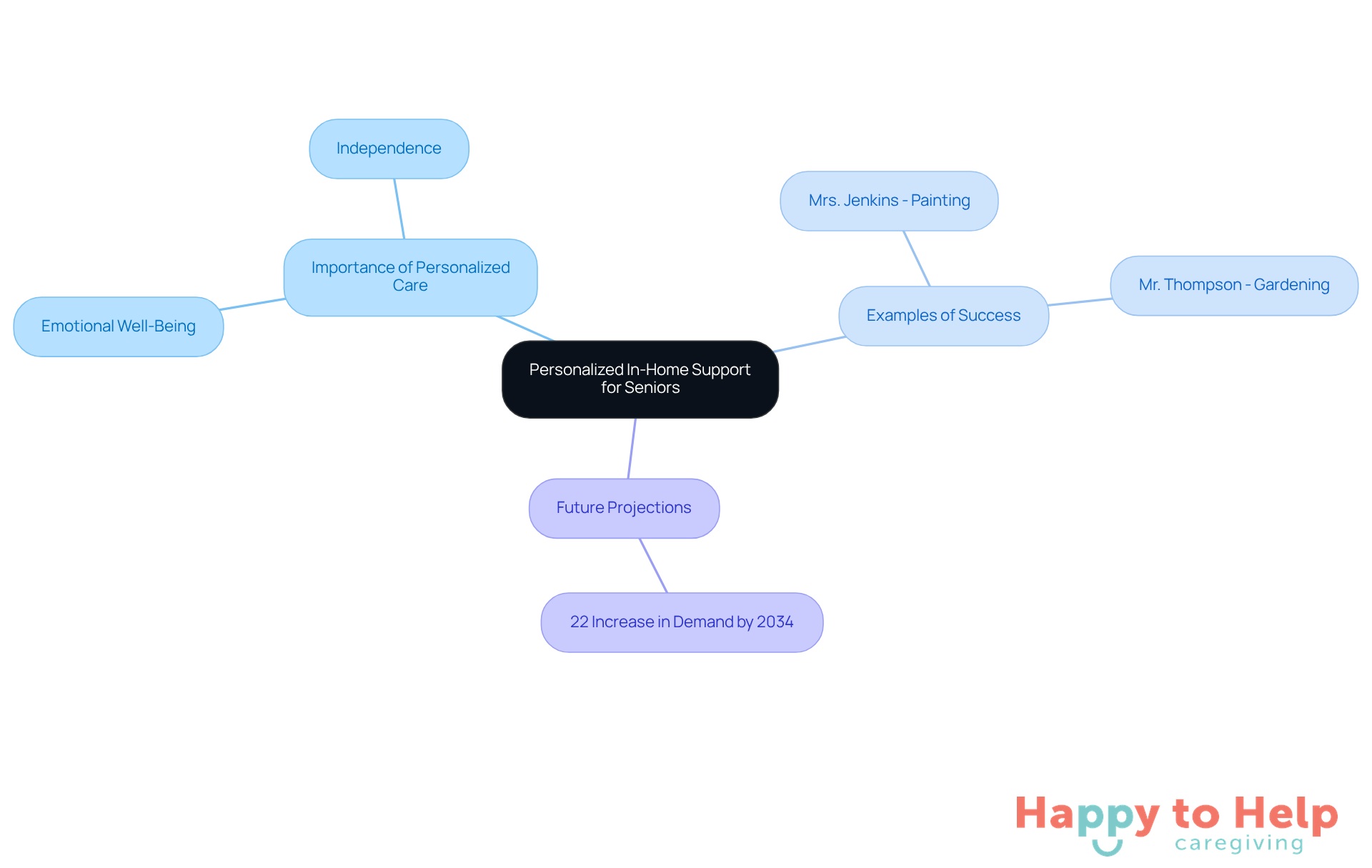
Happy to Help Caregiving addresses a significant challenge faced by older adults: the risk of isolation and diminished emotional well-being. As the demand for home caregivers in Santa Clarita grows, it becomes increasingly vital to provide personalized support that fosters independence and enhances quality of life.
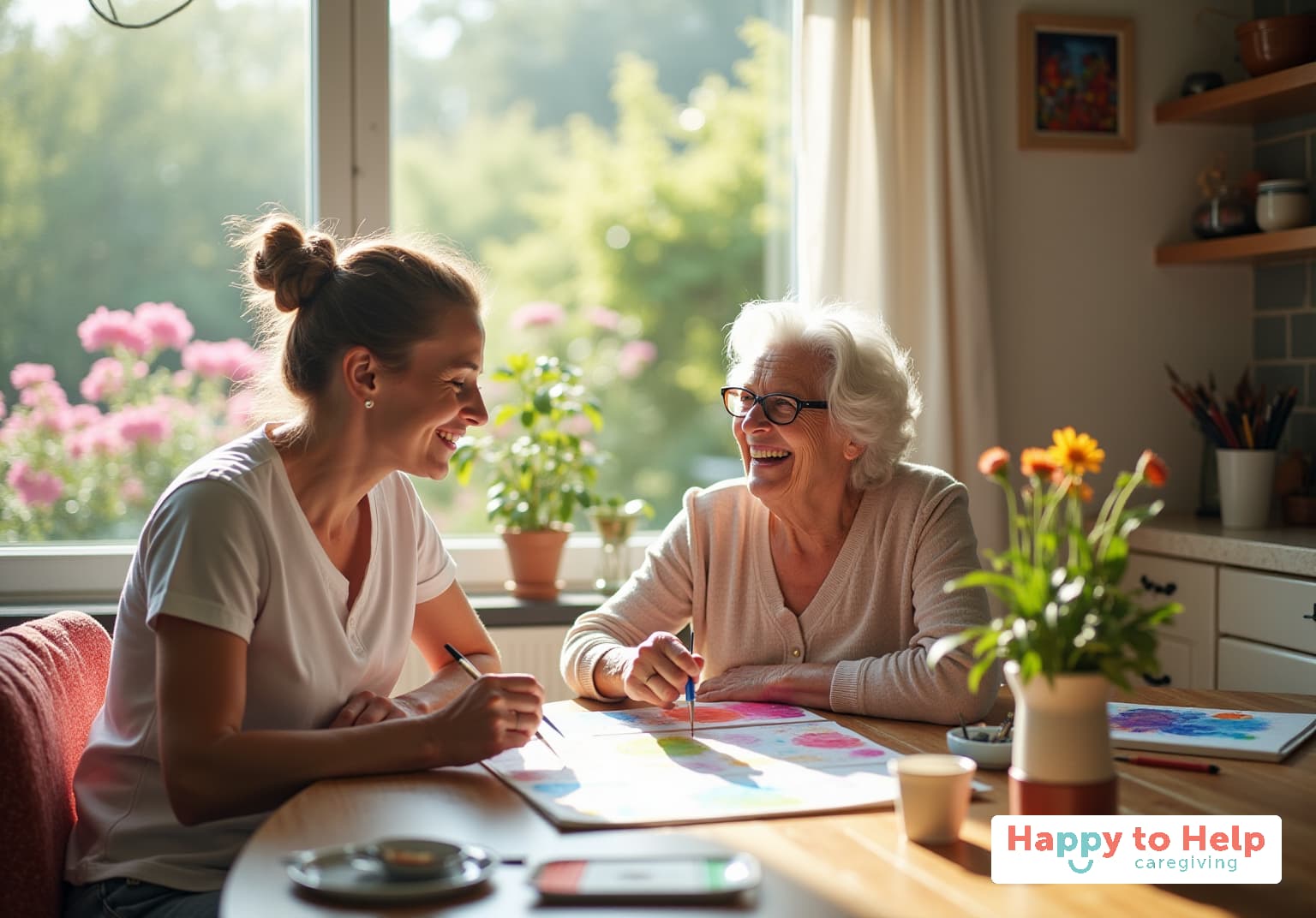
Studies indicate that tailored support plans can lead to improved emotional health and a stronger sense of autonomy among seniors. For instance, Mrs. Jenkins thrived when her support team integrated her passion for painting into her daily routine, boosting her mood and cognitive function. Similarly, Mr. Thompson remarked, "After a personalized plan was implemented, focusing on my love for gardening, I regained my enthusiasm for life." These examples underscore the importance of engaging older adults in activities they cherish, a fundamental principle of Happy to Help Caregiving's approach.
With projections showing a 22% increase in the need for home caregivers in Santa Clarita by 2034, the necessity for personalized care is clear. By focusing on the unique needs of each individual, Happy to Help Caregiving not only enhances the quality of life for older adults but also fosters a supportive environment that strengthens emotional connections and reduces feelings of loneliness. This dedication to personalized care allows seniors to flourish in familiar settings, preserving their dignity and independence.
Empathy: Understanding and Connecting with Clients' Needs
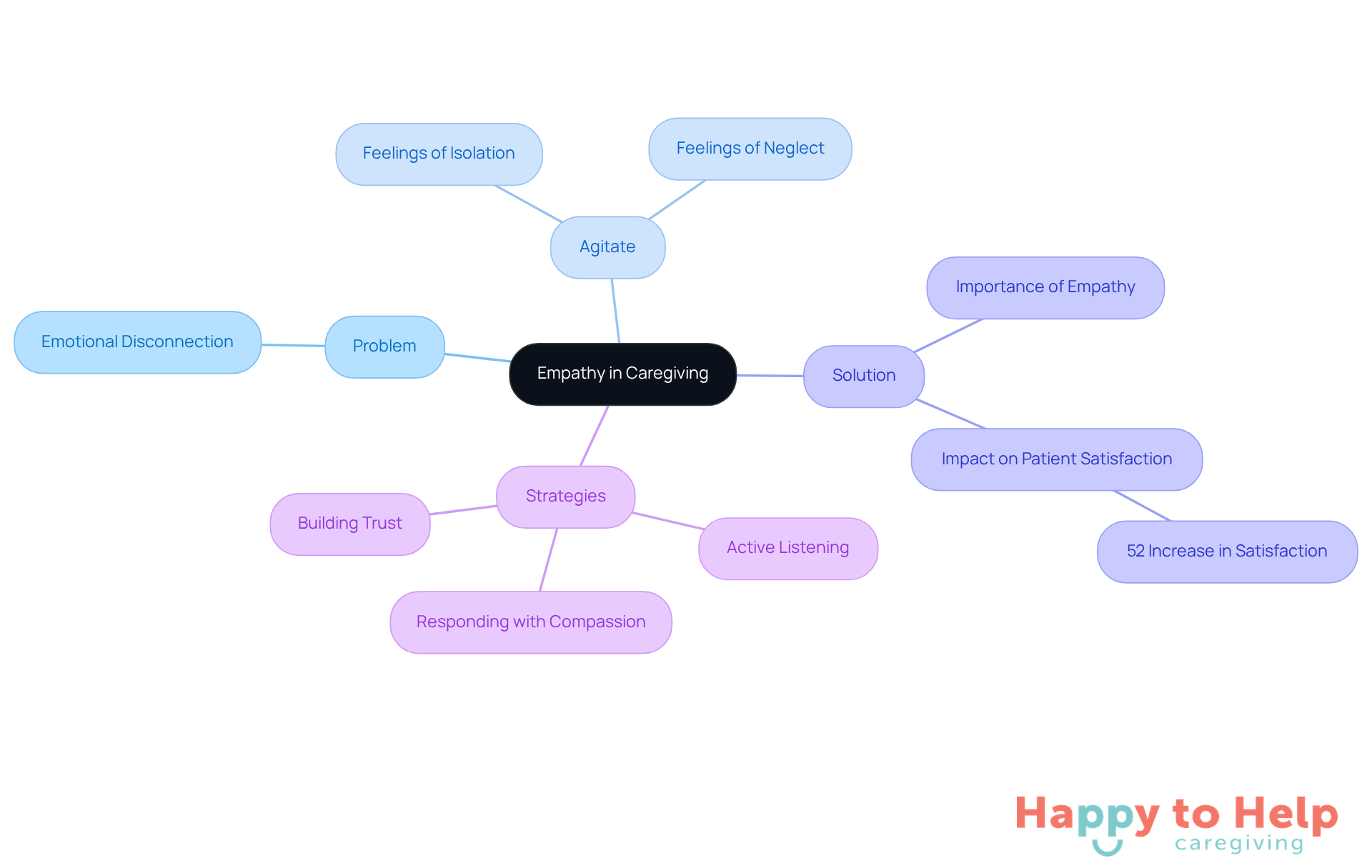
Problem: Caregivers often struggle to connect emotionally with those they assist, which can hinder effective support.
Agitate: This lack of empathy can lead to feelings of isolation and neglect among individuals receiving care. When caregivers fail to understand the emotions and experiences of their clients, it not only affects immediate needs but also diminishes the sense of security and belonging that is crucial for their well-being.
Solution: By prioritizing empathy, caregivers can transform their approach. Actively listening and responding with compassion fosters a supportive atmosphere that encourages open communication. Recent studies show that empathetic interactions can boost patient satisfaction by 52%, highlighting the critical role of emotional engagement in caregiving. Furthermore, caregivers who exhibit compassion significantly enhance the quality of support, leading to better outcomes for the elderly.
To implement this, caregivers should:
- Practice active listening: Focus fully on the individual, acknowledging their feelings and experiences.
- Respond with compassion: Validate their emotions and provide reassurance.
- Build trust: Establish strong connections that empower individuals, making them feel valued and understood.
By embracing these strategies, support providers can create a more enriching experience for those they care for.
Reliability: Ensuring Consistent and Trustworthy Care
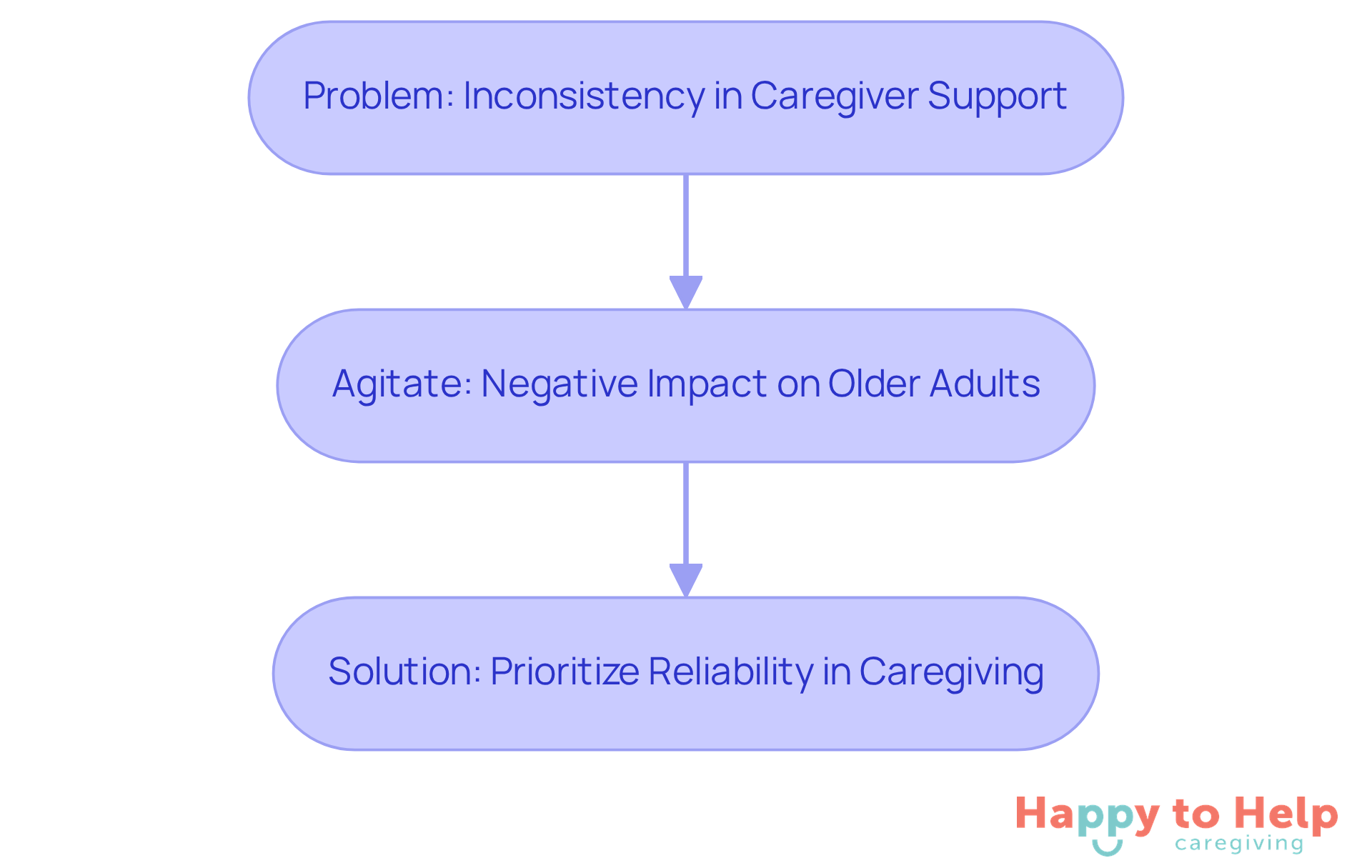
Problem: Dependability in providing assistance is a significant challenge for caregivers. Timeliness, dedication to support plans, and a steady presence are essential for older adults, especially those facing health changes or new living circumstances.
Agitate: When support providers are inconsistent, it undermines the confidence of both clients and their families. This inconsistency can lead to feelings of anxiety and isolation among older adults, negatively impacting their emotional wellness. Studies show that those without reliable support experience poorer health outcomes. In fact, predictable routines are crucial for seniors, particularly for those with cognitive challenges.
Solution: Caregivers can prioritize reliability by ensuring that support providers maintain consistent routines. This approach not only enhances trust levels but also promotes a sense of stability and security. As Eric Thomas noted, the connection between home caregivers in Santa Clarita and an elderly individual is vital for providing effective in-home assistance. By focusing on dependable support, families can help their loved ones thrive at home with the help of home caregivers Santa Clarita, ensuring they receive the compassionate care they need.
Communication Skills: Facilitating Clear and Compassionate Interactions
Effective communication poses a significant challenge for caregivers, impacting their ability to connect with individuals and their families. When communication falters, it can lead to misunderstandings and increased anxiety for family members regarding their loved ones' well-being.
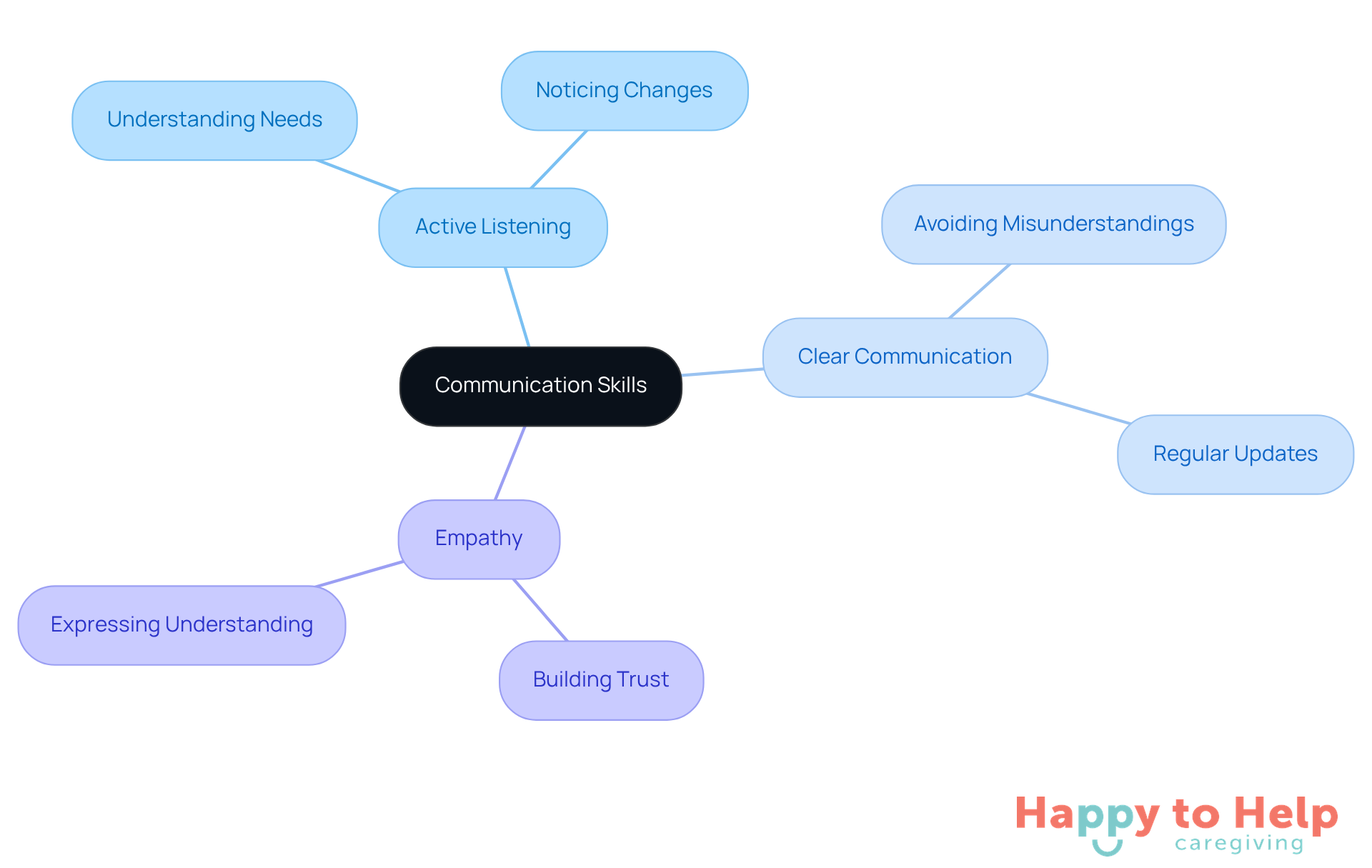
This lack of clarity can exacerbate worries, making it essential for caregivers to adopt strategies that foster better interactions. Active listening is a crucial skill that allows caregivers to fully grasp the needs and preferences of those they support. Coupled with clear verbal communication, this approach ensures that vital information is conveyed without ambiguity.
Moreover, empathy plays a pivotal role in these interactions. By expressing understanding through tone and body language, caregivers can build trust and rapport with families. Research indicates that caregivers who engage in open communication significantly alleviate family concerns, leading to more tailored and effective assistance.
For instance, caregivers who maintain regular communication with families about their relatives' experiences report higher satisfaction levels among both the individuals receiving care and their families. Additionally, studies show that those who practice active listening are more adept at noticing subtle changes in their clients' conditions, ultimately enhancing the quality of care provided.
To improve communication, caregivers should prioritize these strategies:
- Practice active listening to understand individual needs better.
- Communicate clearly to avoid misunderstandings.
- Express empathy through both verbal and non-verbal cues.
By focusing on effective communication, support providers not only enrich the caregiving experience but also contribute positively to the emotional and psychological well-being of those they assist.
Flexibility: Adapting Care to Fit Clients' Unique Schedules
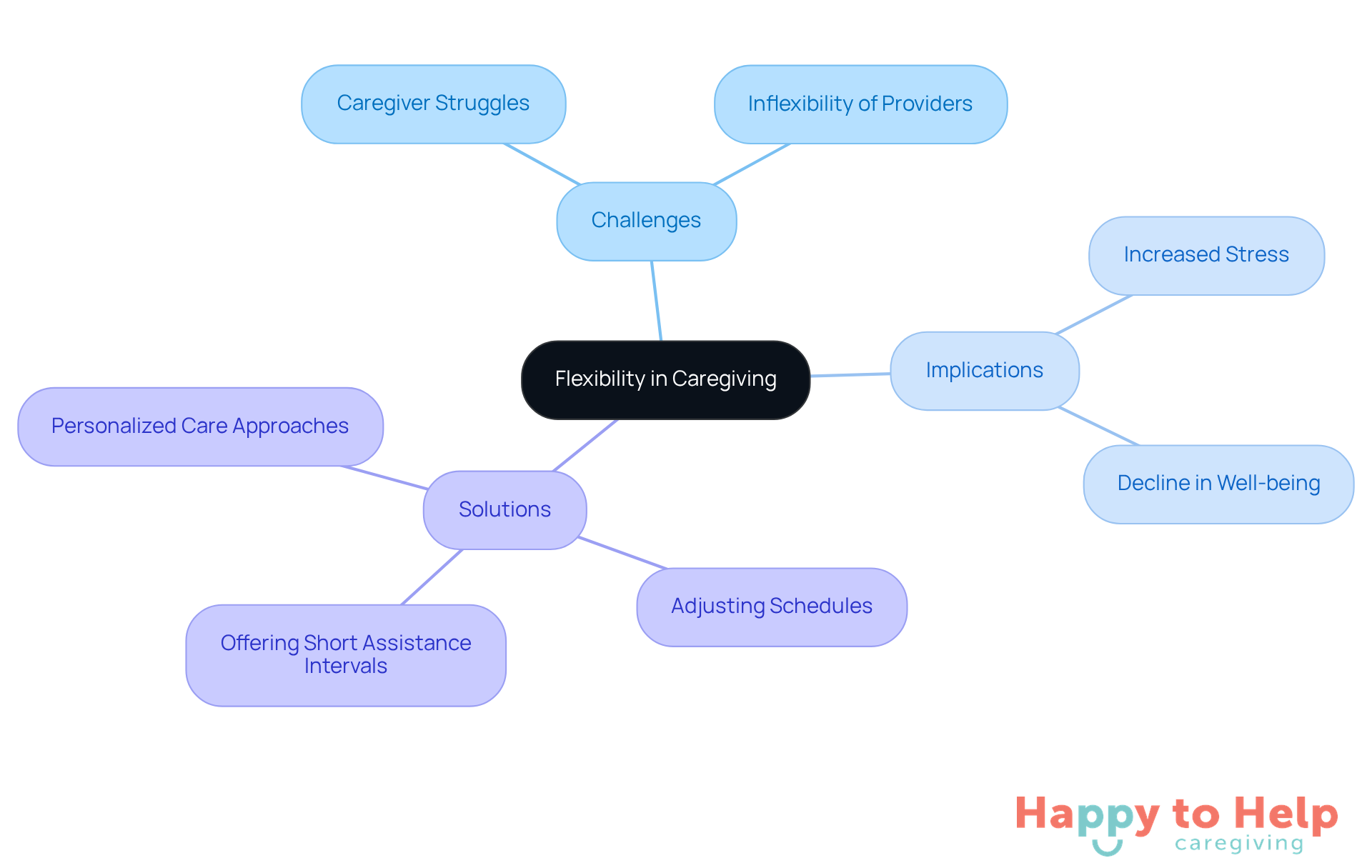
Adaptability in caregiving presents a significant challenge. Caregivers often struggle to meet the changing requirements of individuals, which can lead to frustration and a diminished quality of care. When providers are inflexible, it can leave individuals feeling powerless and overwhelmed by their circumstances.
The implications of this inflexibility are profound. Individuals may miss out on essential support, leading to increased stress and a decline in their overall well-being. Recent trends indicate a growing demand for services that prioritize flexibility, highlighting the need for caregivers to adapt their approaches.
To address this issue, caregivers can implement practical solutions:
- Flexible providers can adjust their schedules and support methods to accommodate last-minute requests or changes in a person's daily routine.
- For instance, offering assistance in as little as 15-minute intervals ensures that individuals receive the support they need without feeling overwhelmed.
This model not only enhances customer satisfaction but also fosters a more personalized caregiving experience.
By focusing on flexible support, caregivers can significantly improve the overall well-being of seniors. This approach helps individuals manage daily challenges with greater ease and comfort, empowering them to maintain a sense of control over their lives.
Companionship: Fostering Emotional Support and Connection
Companionship is a crucial aspect of in-home care, which home caregivers in Santa Clarita provide to address a significant problem: loneliness and isolation among seniors. These feelings can lead to a diminished quality of life, making it essential for caregivers to recognize their role in fostering emotional support.
By engaging in meaningful conversations and sharing activities, home caregivers Santa Clarita can foster a sense of connection that significantly enhances the living environment for their clients. This emotional support not only alleviates feelings of loneliness but also promotes a more positive and fulfilling experience for seniors.
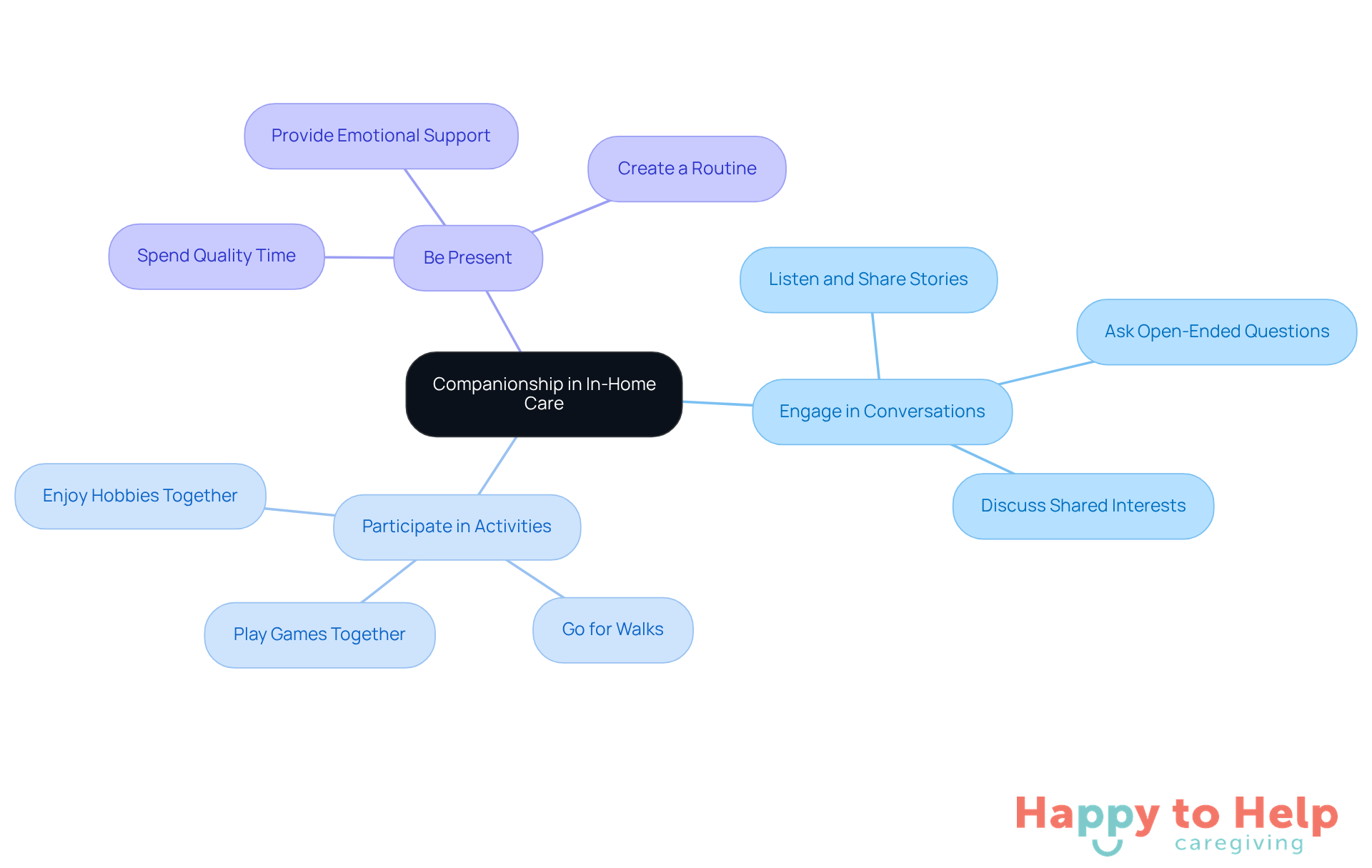
To effectively combat loneliness, caregivers can implement several practical strategies:
- Engage in regular conversations: Take time to listen and share stories, which can help build rapport.
- Participate in activities together: Whether it’s playing games, going for walks, or enjoying hobbies, shared experiences can strengthen bonds.
- Be present: Simply spending time with clients can make a world of difference in their emotional well-being.
By prioritizing companionship, home caregivers Santa Clarita can significantly improve the quality of life for seniors, creating a nurturing and supportive atmosphere.
Training and Experience: Ensuring Competent and Skilled Care
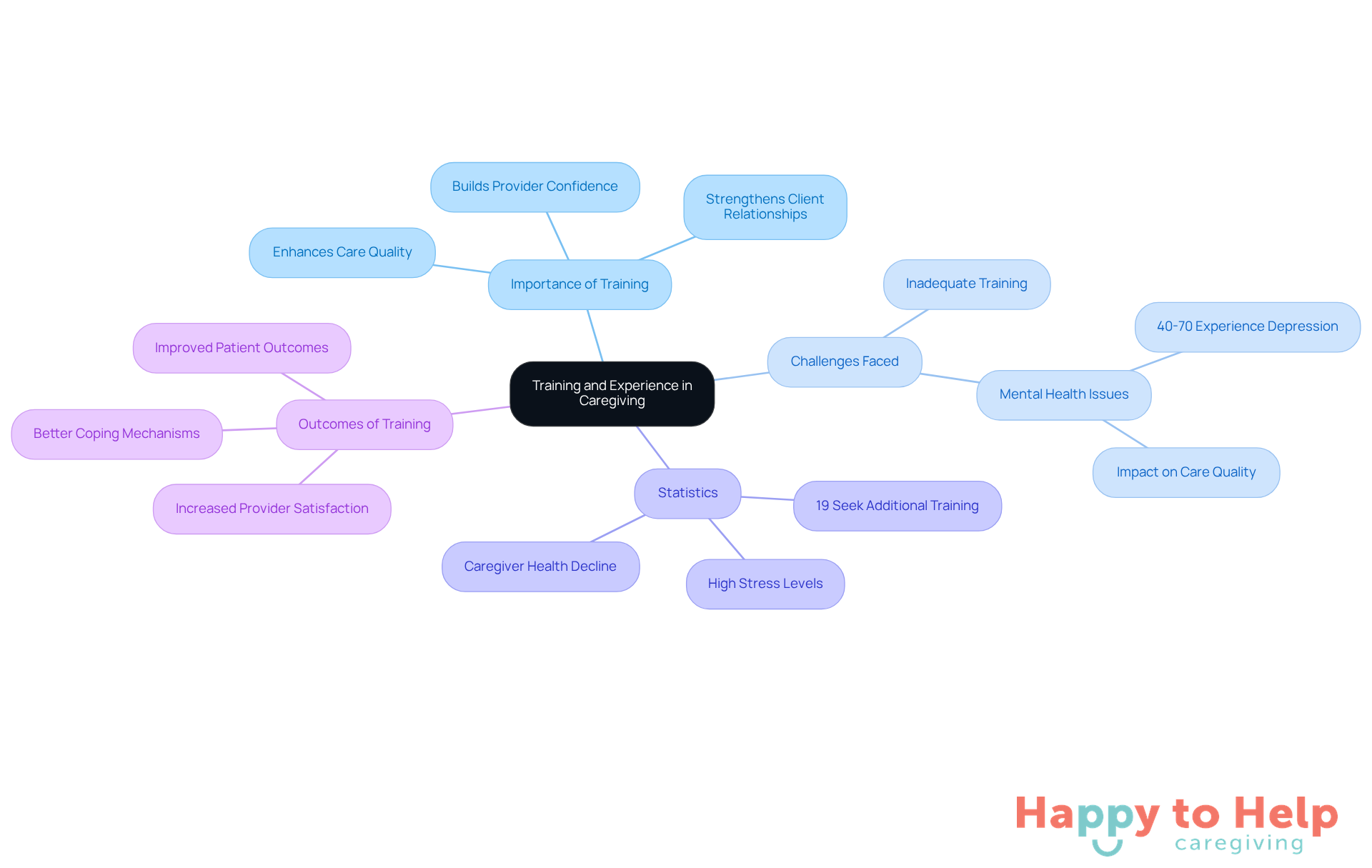
A solid basis of training and experience is crucial for those providing competent and compassionate support. However, many caregivers face significant challenges due to inadequate training. Research shows that 40% to 70% of family support providers experience clinically significant symptoms of depression, highlighting the mental health challenges they encounter. This situation not only affects their well-being but also the quality of care they provide.
To address these issues, continuous training opportunities are essential. These programs keep providers updated on best practices and enhance their skills, leading to better assistance for individuals. For instance, specialized training programs for dementia support have demonstrated substantial improvements in provider confidence and patient outcomes. Expert opinions emphasize that caregivers with robust training not only perform better but also cultivate stronger relationships with clients, enhancing the overall caregiving experience.
Moreover, statistics reveal that 19% of caregivers have received training but still seek additional resources, indicating a gap in education that needs to be addressed. Investing in comprehensive training programs is crucial for ensuring high-quality aid for individuals in need. Dr. David Reuben underscores that provider satisfaction is a vital element in delivering high-quality care, further emphasizing the necessity for ongoing education and support.
Patience: Managing Challenges with Calm and Understanding
Patience is a crucial trait for caregivers, particularly when they encounter individuals who may experience confusion, frustration, or physical limitations. The challenge lies in the fact that without patience, caregivers may struggle to provide the necessary support, leading to increased tension and dissatisfaction.
When caregivers approach these situations with calmness and understanding, they foster a supportive atmosphere that helps individuals feel more at ease. This not only enhances the caregiving experience but also promotes a positive environment, resulting in greater satisfaction among those receiving care.
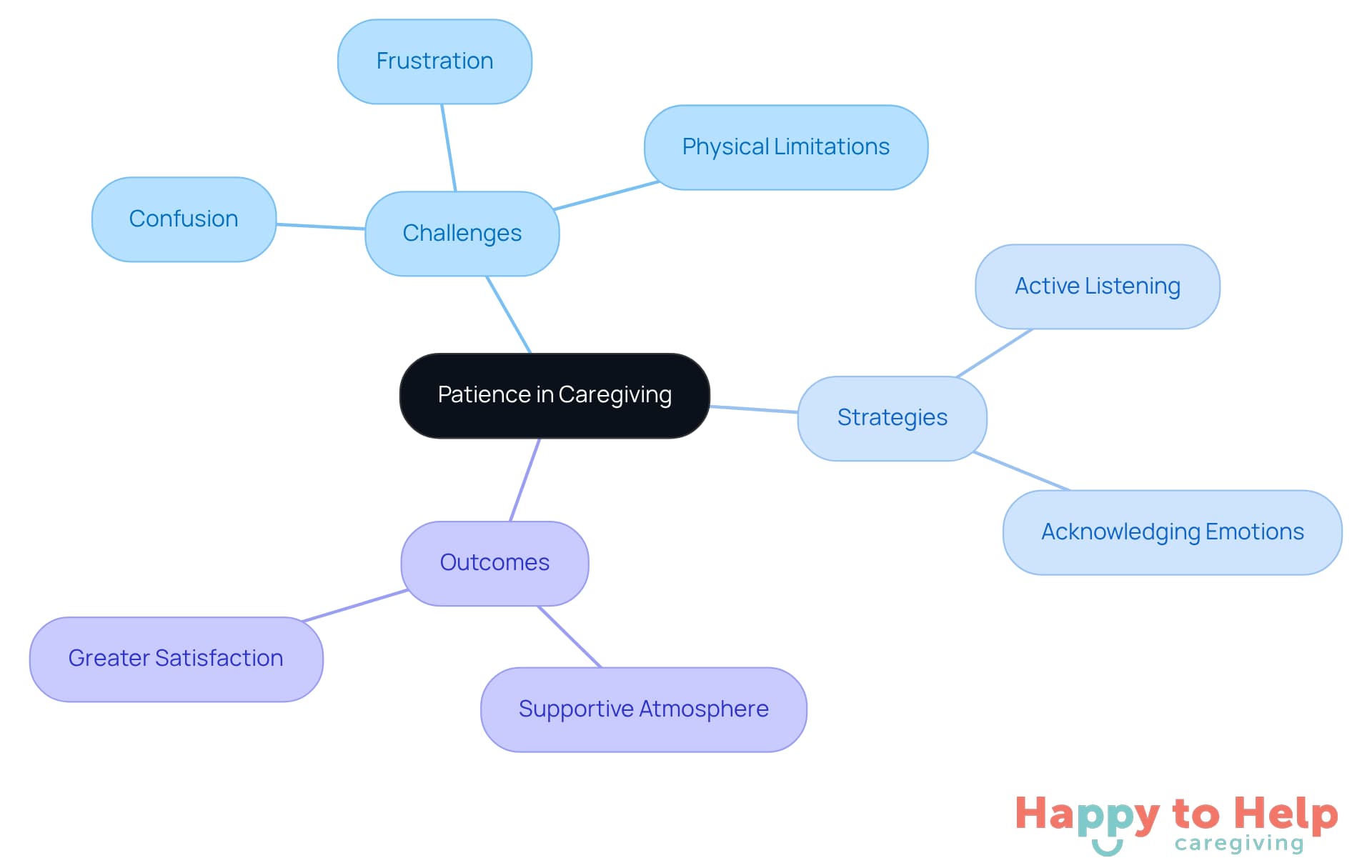
To effectively manage difficult behaviors, caregivers can implement strategies such as:
- Active listening
- Acknowledging emotions
These methods can significantly reduce tension and create a more harmonious interaction. Expert insights suggest that maintaining a patient demeanor allows providers to navigate challenging interactions more effectively, ultimately fostering respect and dignity for individuals.
By recognizing the unique difficulties each individual faces, caregivers can adapt their approaches, ensuring that assistance is both empathetic and tailored to personal needs. This adaptability is key to enhancing the overall caregiving experience.
Independence: Encouraging Clients to Maintain Their Autonomy
Promoting independence in caregiving is essential, yet many caregivers face challenges in encouraging older adults to participate in daily activities. This lack of engagement can lead to feelings of powerlessness and diminished self-esteem among seniors, impacting their overall quality of life.
To address this issue, caregivers must prioritize fostering a sense of control for their clients. Empowering individuals to make choices about their care not only enhances their self-esteem but also instills a sense of purpose and fulfillment. By respecting clients' autonomy, caregivers help them feel valued and respected, which is crucial for mental well-being.
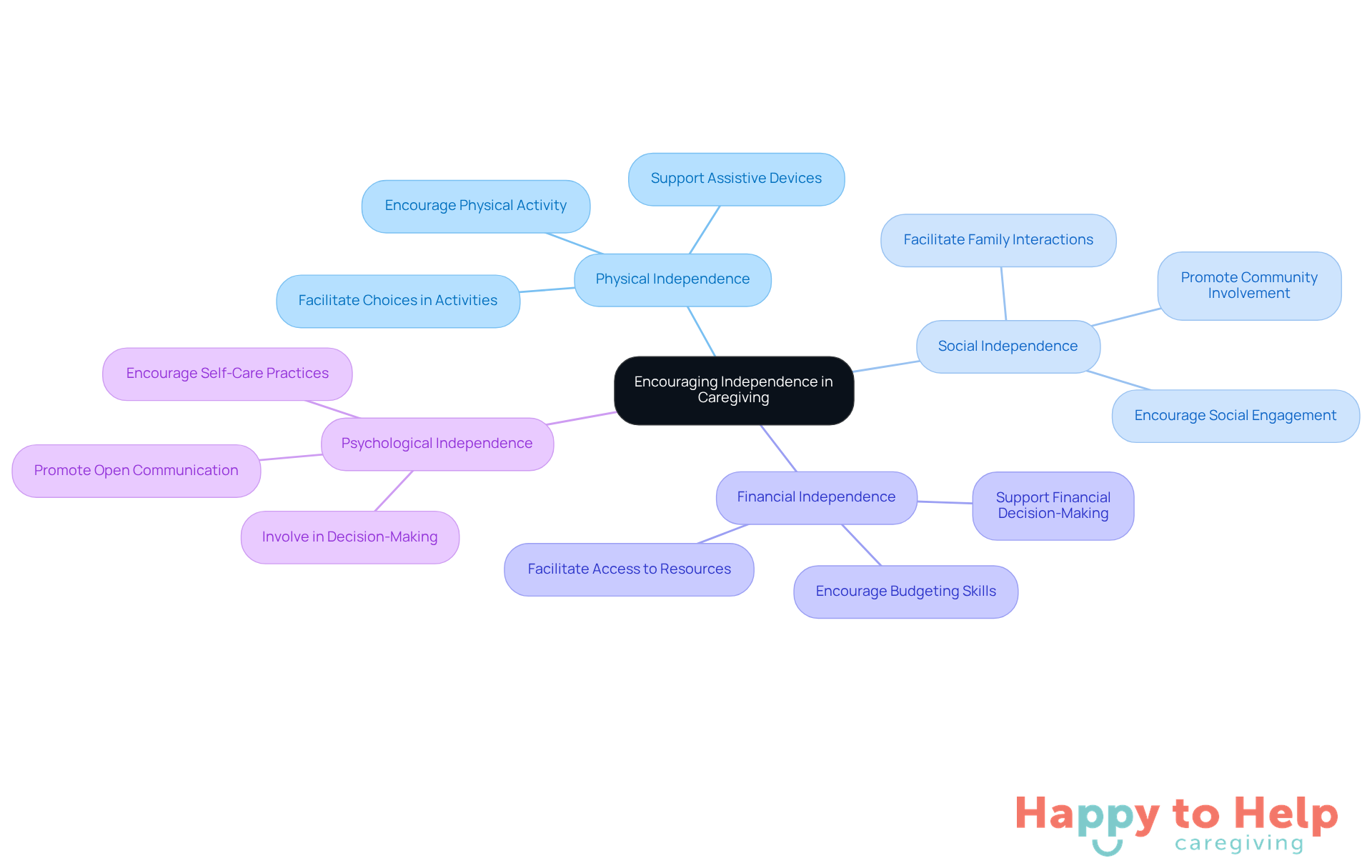
Independence encompasses various dimensions - physical, social, financial, and psychological - all contributing to an older adult's overall quality of life. Recent trends in caregiving emphasize the importance of open communication and teamwork. Caregivers can facilitate this by encouraging older adults to express their preferences regarding daily routines.
Here are some actionable solutions for caregivers:
- Facilitate choices in activities and hobbies.
- Support the use of assistive devices that promote mobility and confidence.
- Actively involve seniors in decision-making processes.
- Encourage them to set their own schedules and engage socially.
By implementing these strategies, caregivers can significantly boost self-esteem and reduce feelings of helplessness in older adults. Such practices not only enhance the quality of assistance but also contribute to the overall happiness and contentment of seniors, reinforcing the notion that independence is vital for aging gracefully.
Specialized Care: Tailoring Support to Meet Individual Health Needs
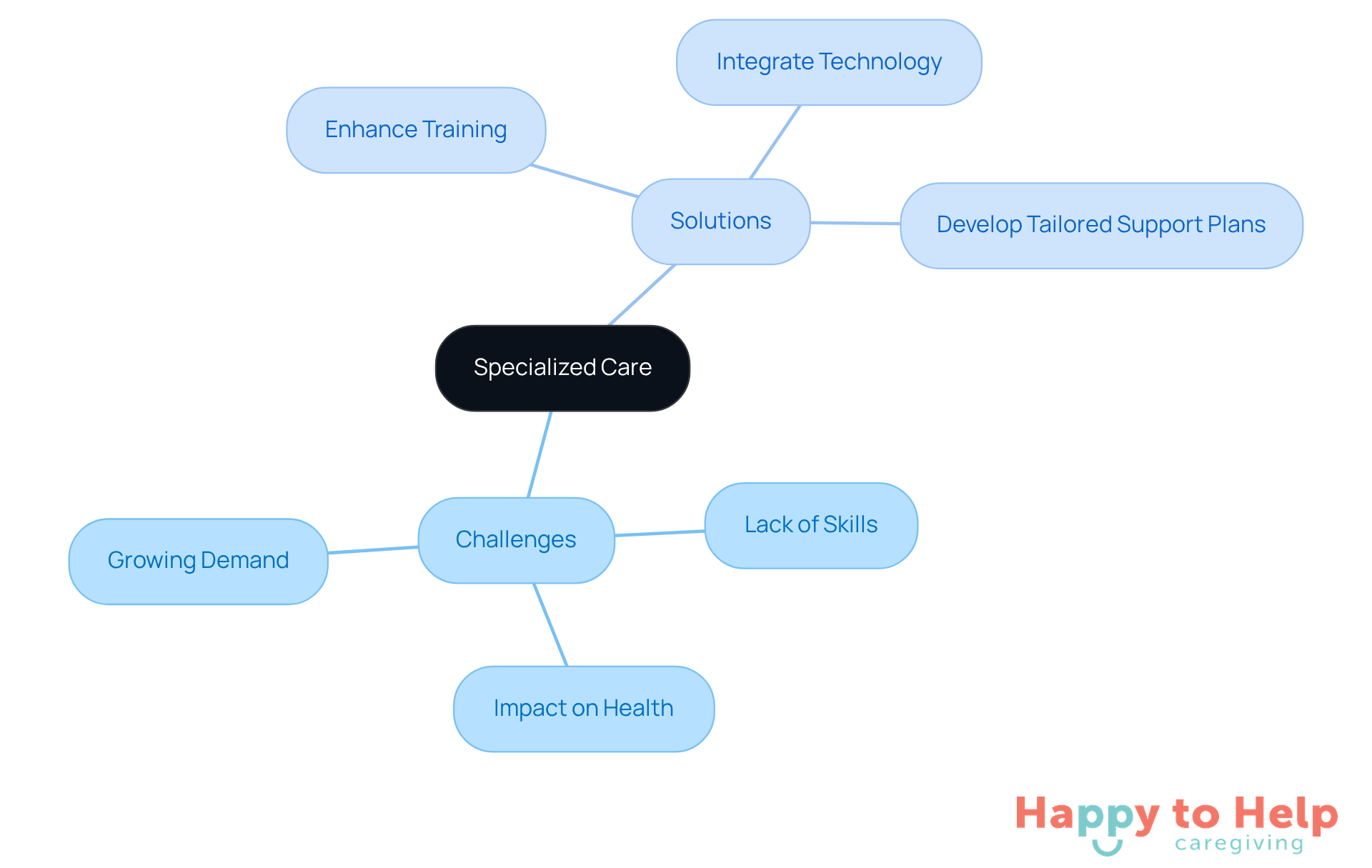
Specialized assistance is crucial in home support, particularly for home caregivers Santa Clarita who customize help for individuals with unique health needs. The problem arises when caregivers lack the necessary skills to manage chronic conditions, aid recovery from surgery, and assist with daily activities effectively. This gap can lead to inadequate care, impacting the health and well-being of clients.
Research shows that specialized support can significantly improve health outcomes and enhance the overall quality of life for clients. For instance, caregivers trained in dementia support are better equipped to handle the challenges associated with Alzheimer's, which can lead to improved safety and emotional wellness. As the elderly population grows, projected to reach 24% of Americans over 65 by 2060, the demand for home caregivers in Santa Clarita to offer tailored support in managing chronic conditions will only increase.
To address these challenges, caregivers must adapt and evolve their practices. Here are some actionable solutions:
- Enhance Training: Invest in specialized training programs that focus on specific health concerns.
- Integrate Technology: Utilize technology to streamline caregiving processes and improve communication.
- Develop Tailored Support Plans: Create individualized care plans that address the unique needs of each client.
By implementing these strategies, caregivers can provide more effective and responsive support, ultimately leading to better health outcomes for those they care for.
Key Takeaways for Caregivers
The essential qualities of home caregivers in Santa Clarita are crucial for ensuring that seniors receive the personalized support they need to thrive. However, many caregivers may lack the necessary traits, which can hinder the emotional well-being and quality of life for older adults. This gap in caregiver qualities presents a significant challenge that needs addressing.
Empathy, reliability, effective communication, flexibility, companionship, training, patience, independence, and specialized care are vital traits that caregivers must possess. Without these qualities, caregivers may struggle to connect emotionally with their clients, leading to a lack of trust and stability. Effective communication is essential for keeping caregivers and families aligned, while flexibility is necessary to meet the unique needs of each individual. Companionship is key to combating loneliness, and ongoing training equips caregivers with the skills needed for competent care. Patience is crucial for managing challenging situations, and promoting independence encourages seniors to engage actively in their own lives. Specialized care tailors support to meet specific health needs, enhancing the overall caregiving experience.
As the demand for home caregivers continues to rise in Santa Clarita, the significance of these qualities cannot be overstated. Investing in caregiver training and emphasizing these essential traits will not only improve individual experiences but also contribute to a more compassionate and effective caregiving community. By prioritizing these qualities, caregivers can truly make a difference in the lives of seniors, promoting a healthier, happier, and more fulfilling aging process.
https://iframe.tely.ai/cta/eyJhcnRpY2xlX2lkIjogIjY5MjY0Mzc1MDBmNGUzMjBmNzc3ZTdkNyIsICJjb21wYW55X2lkIjogIjY4ZWU1ZGNhNzMxNzYyNTU3ZjNjOTVjMSIsICJpbmRleCI6IG51bGwsICJ0eXBlIjogImFydGljbGUifQ==Frequently Asked Questions
What is the main focus of Happy to Help Caregiving?
Happy to Help Caregiving focuses on providing personalized in-home support for seniors, addressing challenges such as isolation and diminished emotional well-being, while enhancing their quality of life and fostering independence.
How does personalized support benefit seniors?
Tailored support plans improve emotional health and autonomy among seniors. Engaging them in activities they cherish, such as painting or gardening, can boost their mood and cognitive function.
What is the projected demand for home caregivers in Santa Clarita?
There is a projected 22% increase in the need for home caregivers in Santa Clarita by 2034, highlighting the necessity for personalized care.
Why is empathy important in caregiving?
Empathy is crucial because it helps caregivers connect emotionally with clients, reducing feelings of isolation and neglect, and enhancing the overall quality of support provided.
What strategies can caregivers use to demonstrate empathy?
Caregivers can practice active listening, respond with compassion, and build trust to create supportive and open communication with those they assist.
What challenges do caregivers face regarding reliability?
Caregivers often struggle with providing consistent and dependable assistance, which is essential for the emotional wellness and security of older adults.
How does inconsistency in caregiving affect seniors?
Inconsistent support can lead to anxiety and feelings of isolation among seniors, negatively impacting their emotional well-being and health outcomes.
What can caregivers do to ensure reliability in their support?
Caregivers can prioritize maintaining consistent routines and dependable support to enhance trust and promote a sense of stability and security for the seniors in their care.
List of Sources
- Happy to Help Caregiving: Personalized In-Home Support for Seniors
- Evolving trends in the senior home care industry (https://mcknightshomecare.com/evolving-trends-in-the-senior-home-care-industry)
- Trends and Innovations in Senior Care | Amada Blog (https://amadaseniorcare.com/2025/01/trends-and-innovations-in-senior-care)
- Compassion in Action: How Personalized Senior Care Enhances Quality of Life - Miss Bell (https://missbellcares.com/compassion-in-action-personalized-senior-care)
- Home Care Trends 2026: Preparing for Senior Care - Assisting Hands Centennial (https://assistinghands.com/77/colorado/centennial/blog/home-care-trends-2026-preparing-for-senior-care)
- Home Care Industry Trends to Watch in 2025 (https://firstlighthomecare.com/blog/home-care-industry-trends)
- Empathy: Understanding and Connecting with Clients' Needs
- Empathy in Action: Marie's Dedication to Caregivers | United Way Worldwide (https://unitedway.org/news/empathy-in-action-maries-dedication-to-caregivers)
- The Importance of Empathy and Compassion in Bedside Care (https://breezehospiceservices.com/resources/the-importance-of-empathy-and-compassion-in-bedside-care)
- Enhancing and examining the empathy skills of healthcare students and clinicians | University of Technology Sydney (https://uts.edu.au/case-studies/enhancing-and-examining-empathy-skills-healthcare-students-and-clinicians)
- Empathy in Action: Why Your Aging Parent Deserves a Caregiver - WorldHealth.net (https://worldhealth.net/news/why-your-aging-parent-deserves-a-caregiver)
- Why Empathy is Important in Healthcare | Innovare Medical Media (https://innovaremedia.com/2024/12/why-empathy-is-important-in-healthcare)
- Reliability: Ensuring Consistent and Trustworthy Care
- Is Your In-Home Care Reliable? Why It Matters More Than Ever - Riverdale Health Group LLC (https://rhgcares.com/is-your-in-home-care-reliable-why-it-matters-more-than-ever)
- The Importance of Caregiver-Client Relationships in Senior Well-Being (https://homeinstead.com/home-care/usa/in/goshen/588/news-and-media/the-importance-of-caregiver-client-relationships-in-senior-well-being)
- New Report Shows Nearly Half of U.S. States Are on the Threshold of a Caregiving Emergency | Otsuka US (https://otsuka-us.com/news/new-report-shows-nearly-half-us-states-are-threshold-caregiving-emergency)
- Changes in Health Indicators Among Caregivers... (https://cdc.gov/mmwr/volumes/73/wr/mm7334a2.htm)
- New Report Reveals Crisis Point for America’s 63 million Family Caregivers (https://press.aarp.org/2025-07-24-New-Report-Reveals-Crisis-Point-for-Americas-63-million-Family-Caregivers)
- Communication Skills: Facilitating Clear and Compassionate Interactions
- Improving Healthcare Communication for Caregivers: A Pilot Study - PMC (https://pmc.ncbi.nlm.nih.gov/articles/PMC6113114)
- Caregiving’s Mental Health Crisis (https://forbes.com/sites/otsuka/2025/10/02/caregivings-mental-health-crisis)
- IGNITE the Communication with Caregivers (https://gotrkc.org/news/details/ignite-the-communication-with-caregivers)
- Communication tips for caregivers of elders (https://uhc.com/news-articles/healthy-living/communication-tips-for-caregivers-of-elderly-parents)
- Flexibility: Adapting Care to Fit Clients' Unique Schedules
- Flexibility beats pay as a top 2025 nurse satisfaction driver (https://staffingindustry.com/news/global-daily-news/flexibility-beats-pay-as-a-top-2025-nurse-satisfaction-driver)
- Workplace flexibility is the most used, wanted benefit among caregivers: AARP (https://thehill.com/homenews/4668936-aarp-workplace-flexibility-most-used-wanted-benefit-caregivers)
- Understanding the use of Flexible Work Arrangements Among Older New Zealand Caregivers - PMC (https://pmc.ncbi.nlm.nih.gov/articles/PMC10088344)
- Caregiving While Working Calls for Workplace Flexibility (https://aarp.org/pri/topics/work-finances-retirement/employers-workforce/employer-caregiving-survey)
- Flexible Care Models Give Home Care Clients ‘What They Want When They Want It’ (https://homehealthcarenews.com/2025/10/flexible-care-models-give-home-care-clients-what-they-want-when-they-want-it)
- Companionship: Fostering Emotional Support and Connection
- The Importance of Companionship for Seniors (https://veteranshomecare.com/importance-of-companionship-for-seniors)
- Older adults find support through health care companions (https://news-medical.net/news/20250924/Older-adults-find-support-through-health-care-companions.aspx)
- 1 in 3 older adults still experience loneliness and isolation (https://michiganmedicine.org/health-lab/1-3-older-adults-still-experience-loneliness-and-isolation)
- Trends in Loneliness Among Older Adults from 2018-2023 (https://ihpi.umich.edu/national-poll-healthy-aging/reports-and-resources/trends-loneliness-among-older-adults-2018-2023)
- The Power of Companionship for Seniors: A Key Ingredient to Quality Aging (https://homecarepgh.com/blog-posts/companionship-in-old-age)
- Training and Experience: Ensuring Competent and Skilled Care
- Family Caregivers Deserve to be a Valued Part of the Healthcare Continuum - MedCity News (https://medcitynews.com/2024/11/family-caregivers-deserve-to-be-a-valued-part-of-the-healthcare-continuum)
- Caregiver Statistics: Health, Technology, and Caregiving Resources (https://caregiver.org/resource/caregiver-statistics-health-technology-and-caregiving-resources)
- Home-Based Care Companies Improve Outcomes By Training Family Caregivers (https://homehealthcarenews.com/2025/10/home-based-care-companies-improve-outcomes-by-training-family-caregivers)
- D-CARE study finds caregiver satisfaction higher with dementia care programs than usual care (https://uclahealth.org/news/release/d-care-study-finds-caregiver-satisfaction-higher-with)
- Booker Introduces Legislation to Support Unpaid Family Caregivers | U.S. Senator Cory Booker of New Jersey (https://booker.senate.gov/news/press/-booker-introduces-legislation-to-support-unpaid-family-caregivers)
- Patience: Managing Challenges with Calm and Understanding
- Family caregivers emphasise patience and personal growth: a qualitative analysis from the Caregiving Transitions Study - PMC (https://pmc.ncbi.nlm.nih.gov/articles/PMC8826045)
- Family Caregivers Deserve to be a Valued Part of the Healthcare Continuum - MedCity News (https://medcitynews.com/2024/11/family-caregivers-deserve-to-be-a-valued-part-of-the-healthcare-continuum)
- Family Caregiving Collaborative Seeks Better Ways to Care for the Caregivers (https://uofuhealth.utah.edu/newsroom/news/2024/11/family-caregiving-collaborative-seeks-better-ways-care-caregivers)
- Use patience, compassion to navigate a loved one’s dementia | opinion (https://metrowestdailynews.com/story/opinion/columns/2025/11/22/patience-is-key-in-navigating-loved-ones-dementia-opinion/87360948007)
- Independence: Encouraging Clients to Maintain Their Autonomy
- Tech tools promote independence, seniors say (https://mcknightsseniorliving.com/news/tech-tools-promote-independence-seniors-say)
- Promoting Independence and Autonomy Through Live in Care (https://thegoodcaregroup.com/care-advice/promoting-independence-and-autonomy-through-live-in-care)
- Independence and older adults: Importance and promoting it (https://medicalnewstoday.com/articles/independence-and-the-elderly)
- Promoting Independence through In-Home Care (https://visitingangels.com/npr/news-info/promoting-independence-through-in-home-care/24383)
- CDC Grand Rounds: Promoting Well-Being and Independence in Older ... (https://cdc.gov/mmwr/volumes/67/wr/mm6737a4.htm)
- Specialized Care: Tailoring Support to Meet Individual Health Needs
- Service Line Specialization Differentiates Home Care Providers, Drives Referrals And Investment (https://homehealthcarenews.com/2025/04/how-specialization-differentiates-home-care-providers-drives-referrals-and-investment)
- Family Caregiver Support, Education Needs Growing (https://hospicenews.com/2025/11/11/family-caregiver-support-education-needs-growing)
- 28 Senior Care Statistics: In-Home & Assisted Living | Shortlister (https://myshortlister.com/insights/senior-care-statistics)
- New program reduces burnout in dementia caregivers, novel research evaluation proves (https://publichealth.gmu.edu/news/2025-10/new-program-reduces-burnout-dementia-caregivers-novel-research-evaluation-proves)