Understanding Your Options
The article titled "10 Essential Qualities of Senior Home Companions You Need to Know" highlights the vital attributes that make senior home companions truly effective in their caregiving roles. It’s essential to recognize the emotional challenges caregivers face, often feeling overwhelmed and stressed. In these moments, understanding the qualities that foster trust and comfort can make all the difference.
Empathy, reliability, flexibility, and cultural sensitivity stand out as crucial traits. These qualities not only enhance the emotional and physical well-being of seniors but also create a nurturing environment where personalized support thrives. When caregivers embody these attributes, they build strong relationships that allow seniors to feel safe and valued.
Imagine a caregiver who listens intently, adapting to the unique needs of each individual. This flexibility can ease the burden on families, providing them with peace of mind. It’s heartwarming to see how a compassionate approach can transform the caregiving experience, fostering a sense of belonging and connection.
As we explore these essential qualities, let’s remember that the journey of caregiving is not just about tasks; it’s about creating meaningful moments. Each interaction is an opportunity to uplift and support, reminding us that we’re all in this together. By prioritizing these qualities, we can ensure that seniors receive the care they deserve, filled with warmth and understanding.
In conclusion, embracing these attributes in senior home companions not only alleviates the stress caregivers may feel but also enriches the lives of those they care for. Together, we can create a compassionate community that values and supports our seniors, ensuring they live their lives with dignity and joy.
The Importance of Qualities of Senior Home Companions
Understanding the essential qualities of senior home companions is vital for families who want the best care for their loved ones. These caregivers do more than just assist; they provide companionship and emotional support, playing a pivotal role in enhancing the well-being of older adults. As the need for personalized care grows, families may wonder: what specific traits should they prioritize to ensure their elderly relatives receive the highest quality of care?
This article explores ten vital qualities that define exceptional senior home companions. By focusing on these traits, families can make informed decisions that significantly impact the lives of seniors and their loved ones. Together, let’s delve into what makes a caregiver truly special.
Happy to Help Caregiving: Personalized Care Approach
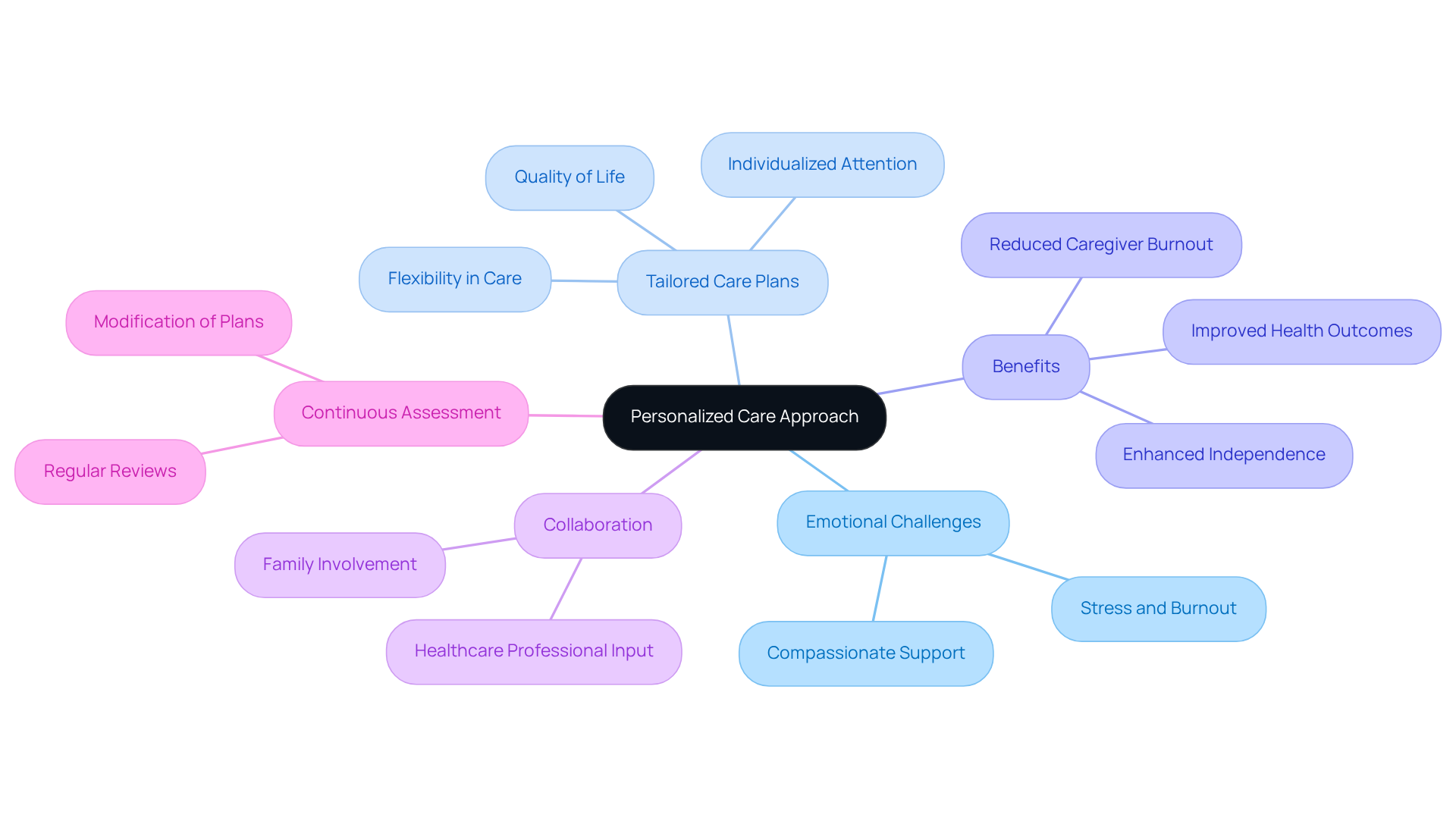
At Happy to Help Caregiving, we truly understand the emotional challenges caregivers face. The stress and burnout can feel overwhelming, but we’re here to offer compassionate support. Our steadfast dedication to individualized care means that each person receives a tailored care plan that reflects their unique needs and preferences. This approach fosters comfort and security in their own homes, allowing them to thrive in familiar surroundings.
Imagine the peace of mind that comes from knowing your loved one is receiving care designed just for them. This personalized approach not only enhances the quality of life for seniors but also provides support for their independence through senior home companions. Our expertly trained caregivers are attuned to the changing needs of each individual, ensuring that support remains relevant and effective.
Research shows that personalized strategies lead to improved symptom management and a healthier quality of life. Studies reveal that when assistance is customized to individual needs, satisfaction ratings soar compared to generic institutional support. We believe that collaboration is key; creating these tailored support plans involves working closely with family members and healthcare experts to ensure every aspect of an individual’s well-being is considered.
Continuous assessment and modification of care plans are essential for ongoing improvement. This highlights the profound importance of personalized care from senior home companions in promoting the well-being of the elderly. We’re here to reassure you that with our compassionate approach, your loved ones can flourish, surrounded by the care they deserve.
Companionship: Building Meaningful Relationships
Companionship is essential in in-home caregiving, which is often provided by senior home companions. At Happy to Help Caregiving, our senior home companions provide more than just physical assistance; they engage individuals in meaningful conversations and activities. This relationship-building is crucial, as it helps alleviate feelings of isolation and loneliness that many seniors experience, and senior home companions can significantly contribute to this effort.
By nurturing these connections, we can significantly enhance the emotional well-being of our clients. They feel valued and understood, which is so important. Caregiving can be a challenging journey, filled with stress and burnout, but it doesn’t have to be faced alone. Our compassionate senior home companions are dedicated to providing not just support, but also companionship that makes a real difference.
Imagine sharing a laugh over a favorite memory or enjoying a quiet moment together. These small yet impactful interactions can transform a day. We believe that every individual deserves to feel connected and cared for, and that’s what our senior home companions strive to provide.
Let us help you or your loved ones find comfort in companionship. Together, we can create a nurturing environment that fosters emotional connections, ensuring that no one feels alone on this journey.
https://iframe.tely.ai/cta/eyJhcnRpY2xlX2lkIjogIjY5MGU4ODY3ZDg0YTA5OThiNjRlNTMyMyIsICJjb21wYW55X2lkIjogIjY4ZWU1ZGNhNzMxNzYyNTU3ZjNjOTVjMSIsICJpbmRleCI6IDEsICJ0eXBlIjogImFydGljbGUifQ==Experience and Training: Ensuring Quality Care
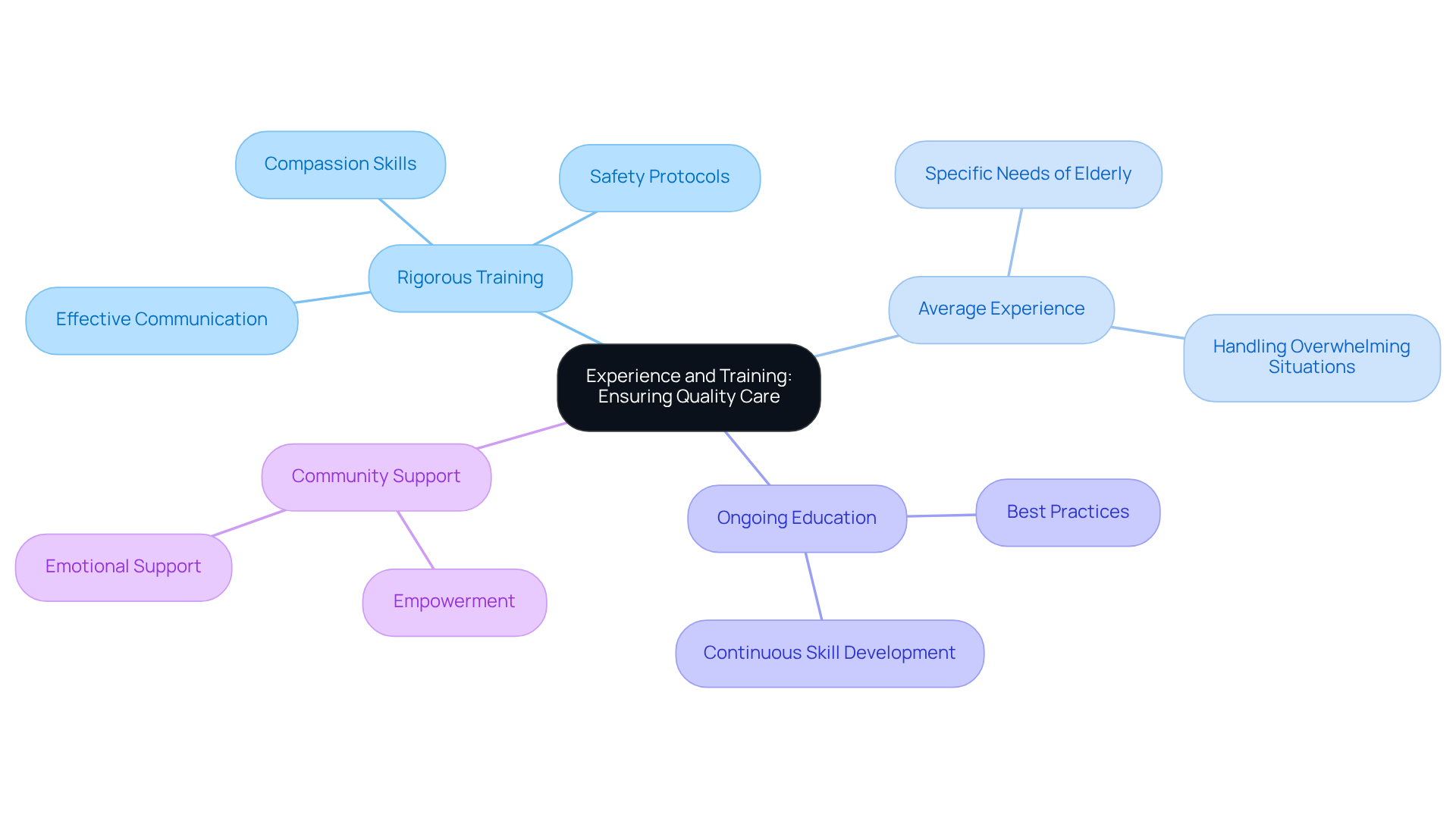
At Happy to Help Caregiving, we truly understand the emotional challenges caregivers face. Our support providers undergo rigorous training, ensuring they’re not just equipped with skills but also with the compassion needed to deliver high-quality assistance.
With an average experience of one year, our team is well-versed in the specific needs of elderly individuals. We recognize that caregiving can be overwhelming, and that’s why our ongoing training programs focus on best practices, safety protocols, and effective communication. This way, our caregivers are prepared to handle various situations with confidence and a nurturing touch.
We believe that every caregiver deserves support. That’s why we’re committed to fostering an environment where our team feels empowered and valued. Our training isn’t just about techniques; it’s about building a community of compassionate caregivers who can truly connect with those they serve.
We’re here to provide not just assistance, but also emotional support. You’re not alone in this journey. Together, we can navigate the challenges of caregiving with understanding and care.
Communication Skills: Understanding Senior Needs
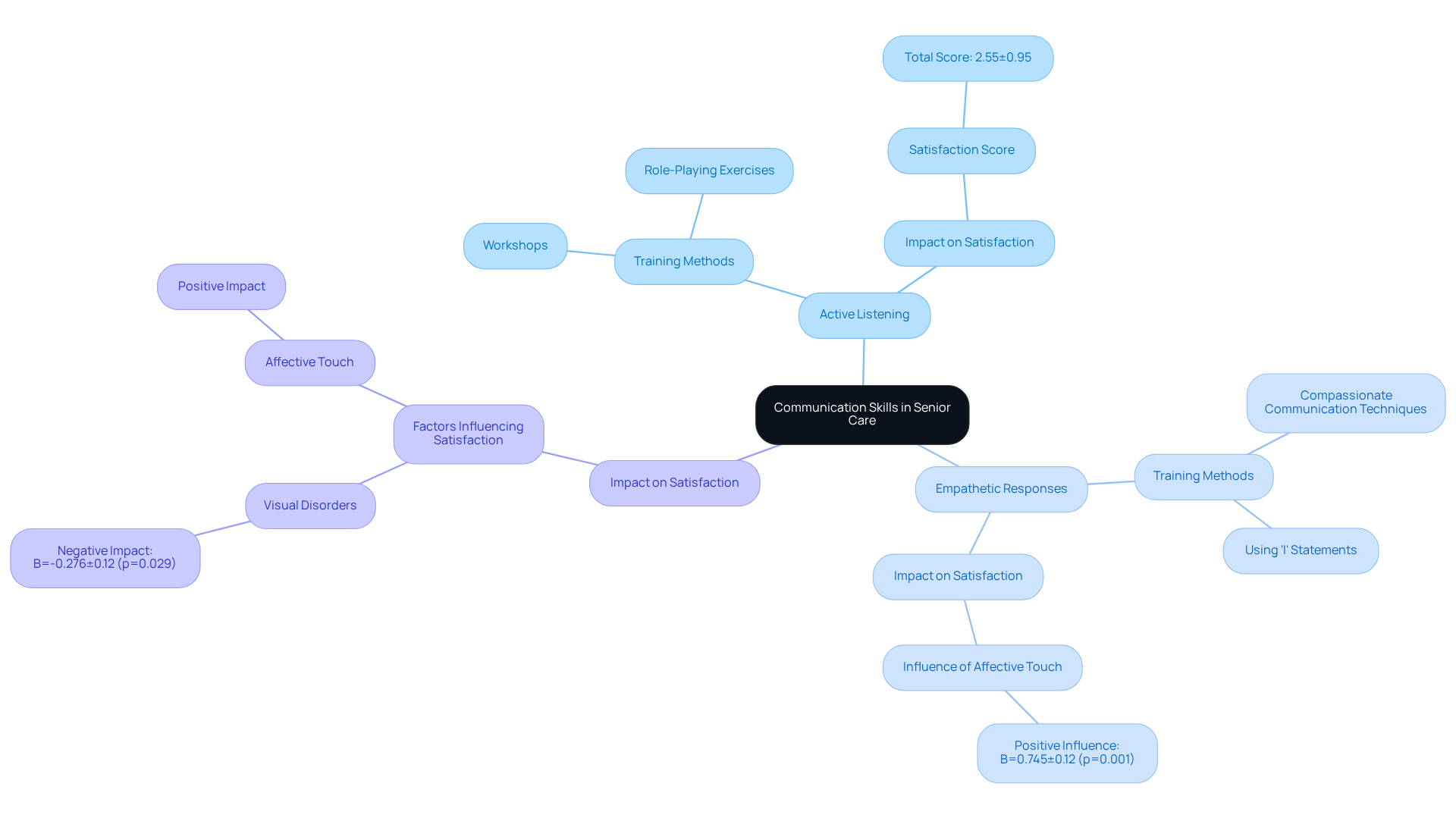
Effective communication is vital for senior home companions to truly understand and meet the unique needs of seniors. At Happy to Help Caregiving, our support providers are trained in active listening and empathetic responses. This training creates a safe space where clients feel comfortable expressing their needs and concerns. Such open communication not only builds trust but also significantly enhances the quality of care we provide.
Research shows that older adults who engage in effective communication with their support providers report higher satisfaction levels, with a total satisfaction score of 2.55±0.95. Moreover, studies indicate that receiving affective touch from caregivers can greatly boost satisfaction scores, with a positive influence quantified at B=0.745±0.12 (p=0.001). By prioritizing clear and compassionate communication, senior home companions can navigate the complexities of elderly assistance more effectively, ensuring that each individual receives personalized support that aligns with their preferences and lifestyle.
We understand that caregiving can be overwhelming at times. It’s essential to remember that you’re not alone in this journey. By fostering an environment of open dialogue and emotional connection with senior home companions, we can work together to provide the best care possible for our seniors.
Flexibility: Adapting to Individual Schedules
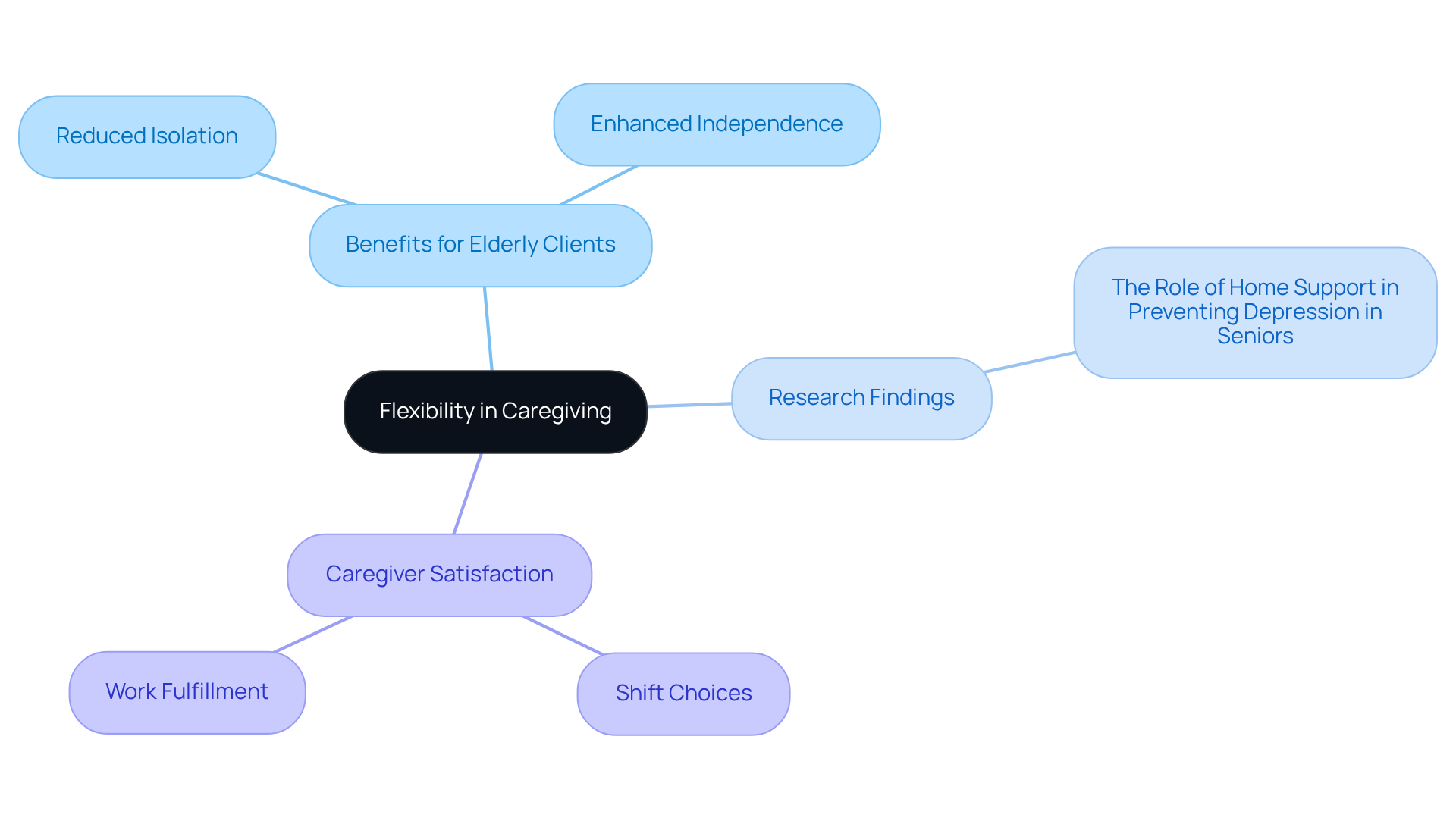
Flexibility is truly at the heart of what we do at Happy to Help Caregiving. Our caregivers are available around the clock, ready to adjust their schedules to meet the unique needs of clients and their families. Whether it’s during the day or late at night, this ability to adapt ensures that elderly individuals receive the support they need when it matters most.
Research shows that regular companionship from senior home companions can lead to better health outcomes. In fact, evidence indicates that senior home companions significantly boost the emotional well-being of older adults, helping to ease feelings of isolation and sadness. For instance, a study titled 'The Role of Home Support in Preventing Depression in Seniors' highlights how senior home companions can effectively reduce feelings of loneliness.
Moreover, flexible scheduling not only benefits older adults but also enhances caregiver satisfaction and retention. Our staff can choose shifts that fit their personal commitments, creating a more fulfilling work environment. By prioritizing this flexibility, Happy to Help Caregiving nurtures an atmosphere that empowers older adults to maintain their independence while receiving the compassionate care from senior home companions they deserve.
Empathy: Connecting on a Personal Level
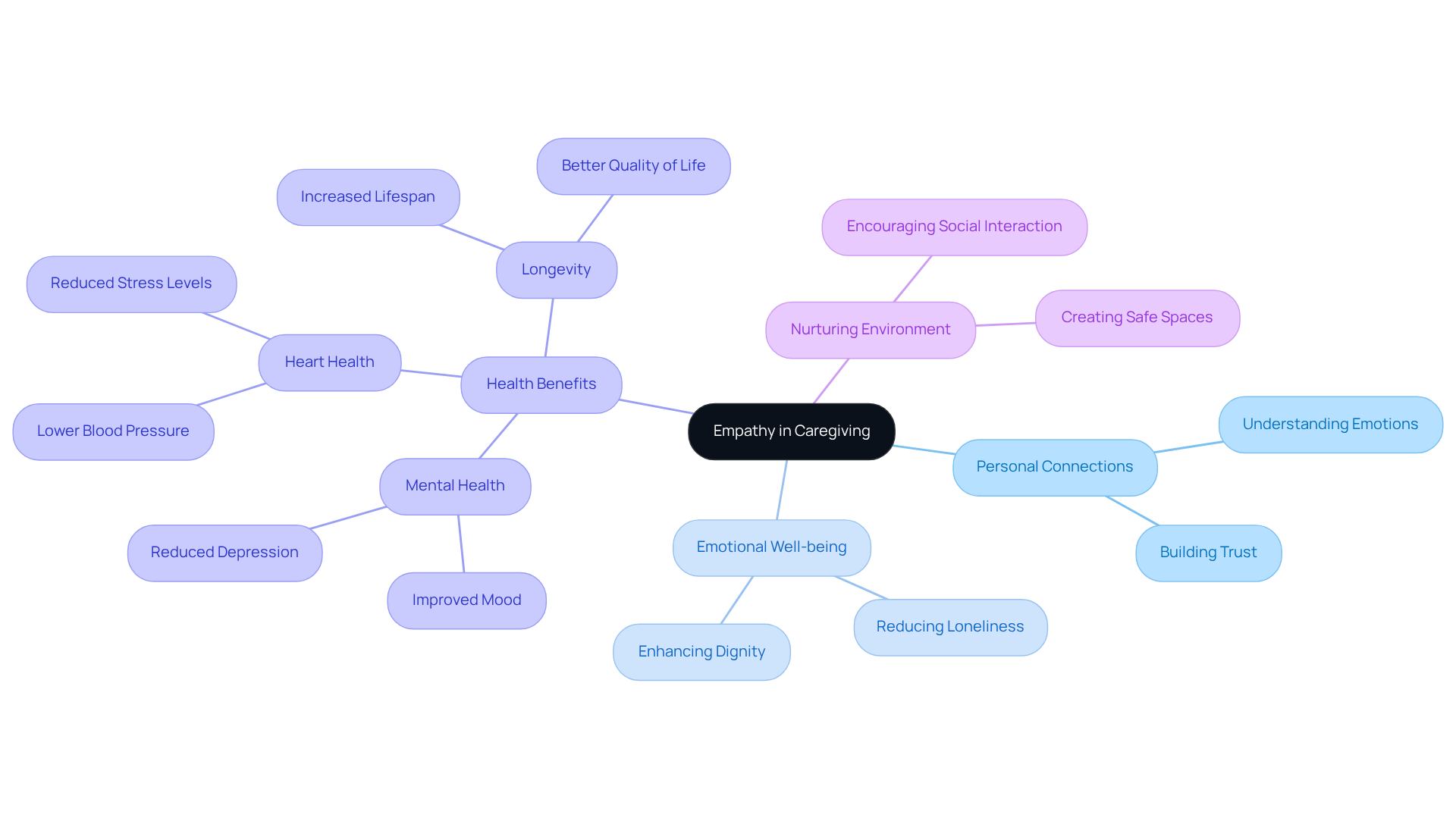
Empathy is at the heart of caregiving, especially at Happy to Help Caregiving. Here, our staff is thoughtfully trained to forge personal connections with clients. This compassionate approach enables senior home companions to truly understand and relate to the emotions and experiences of older adults. It fosters a sense of worth and respect that is essential for their emotional well-being.
Research shows that strong emotional bonds can greatly enhance mental health, heart health, and even longevity among older adults. With about one in three older adults experiencing loneliness, the need for senior home companions and empathy becomes even more critical. Loneliness is linked to various health issues, making it vital for caregivers to prioritize emotional connections.
By focusing on empathy, senior home companions not only strengthen their relationships with clients but also create an environment where elderly individuals feel seen and heard. This nurturing atmosphere leads to better emotional health outcomes. As April Ibarra beautifully states, "Strong connections can improve mental health, heart health, and even longevity."
Our commitment to compassionate care transforms the caregiving experience, making it more meaningful and impactful for both individuals and their families. We understand the emotional challenges caregivers face, and we’re here to provide the support you need. Together, we can foster connections that truly matter.
Safety Awareness: Prioritizing Senior Well-being
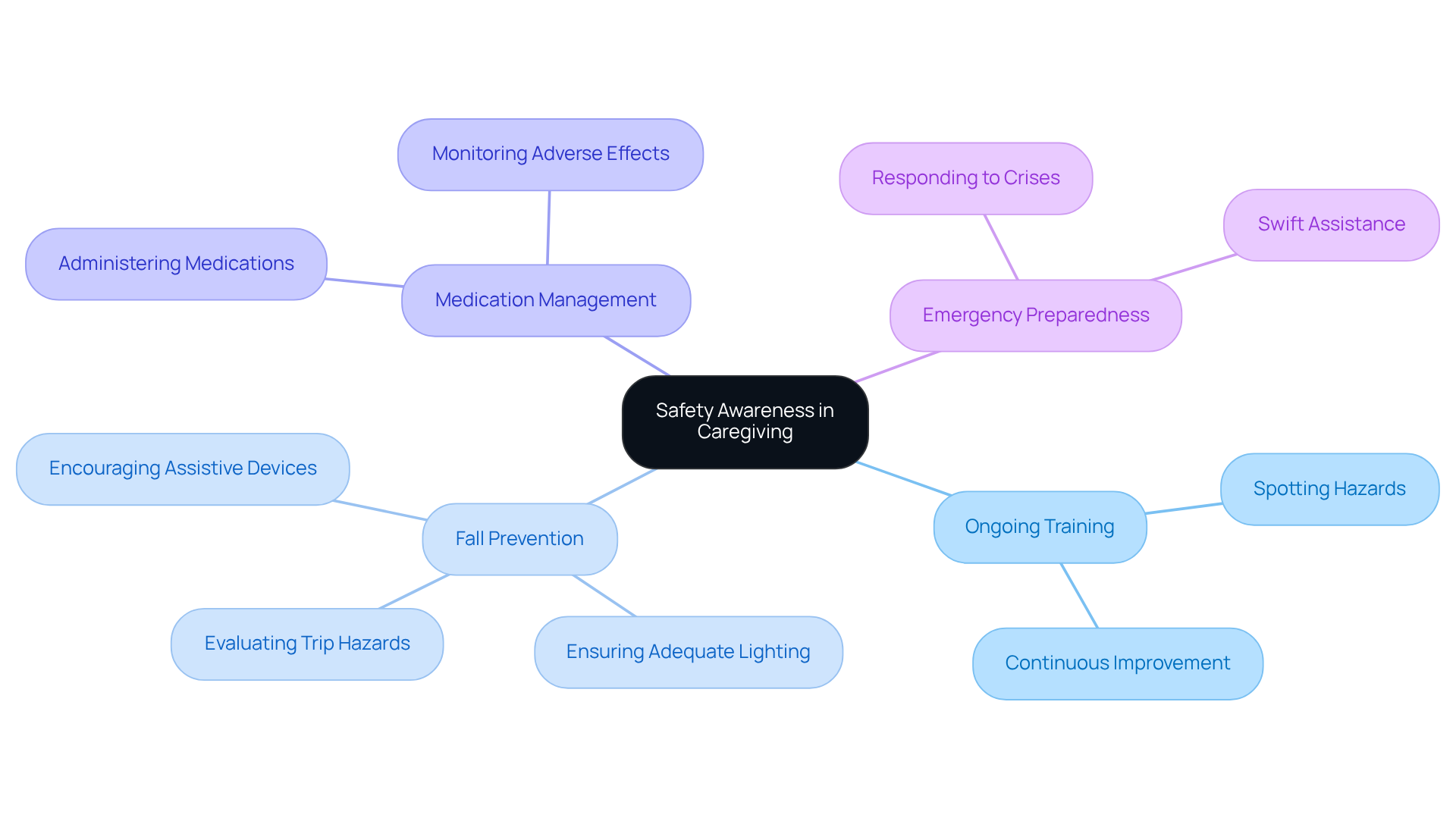
Safety awareness is crucial in caregiving, especially for seniors who may face greater risks of accidents and health issues. At Happy to Help Caregiving, our caregivers receive ongoing training in safety protocols. This training empowers them to spot potential hazards in the home and take proactive steps to reduce risks. Not only does this enhance the care provided, but it also fosters a culture of safety that is essential for our clients' well-being.
One of the key strategies we focus on is fall prevention. Falls are a leading cause of injury among older adults, so our caregivers are trained to evaluate the home for trip hazards, ensure adequate lighting, and encourage the use of assistive devices when needed. Medication management is another vital aspect of safety. Our caregivers are equipped to administer medications accurately and monitor for any adverse effects, helping to prevent health complications.
Emergency preparedness is a cornerstone of our training. Caregivers learn to respond swiftly and effectively in crisis situations, ensuring that elderly individuals receive prompt assistance when necessary. This proactive approach not only safeguards physical health but also nurtures emotional well-being, instilling a sense of security for both individuals and their families.
By incorporating these safety measures, we significantly enhance the quality of life for elderly individuals who are supported by senior home companions at home. They can maintain their independence while feeling secure in their surroundings. At Happy to Help Caregiving, prioritizing safety means creating an environment where individuals can truly thrive, with the assistance of senior home companions providing care and protection.
Activity Engagement: Promoting Active Lifestyles
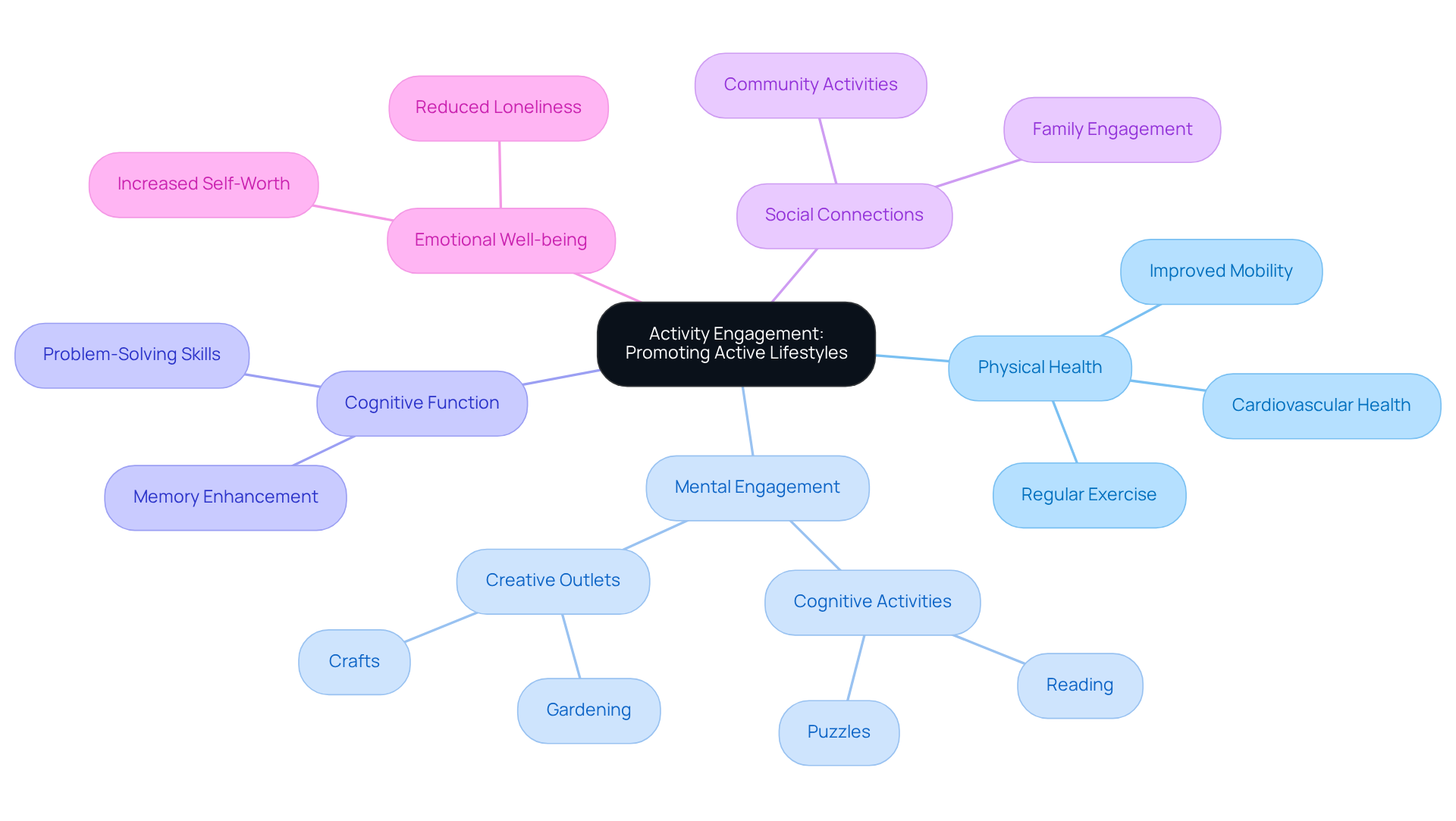
Engaging in activities is vital for promoting an active lifestyle among older adults. At Happy to Help Caregiving, our senior home companions encourage clients to engage in activities they love—be it gardening, playing games, or enjoying walks. This not only supports physical health but also sparks mental engagement, helping to alleviate feelings of boredom and isolation.
Staying mentally active is crucial. It can significantly lower the risk of cognitive decline and age-related diseases like dementia and Alzheimer’s. Regular participation in activities has been shown to enhance cognitive function, improve mobility, and uplift emotional well-being. This enables older adults to maintain a sense of purpose and connection in their lives.
By nurturing social connections and promoting involvement in community activities, our supporters help older adults forge meaningful relationships, ultimately enhancing their quality of life. This holistic approach to caregiving highlights the important role that personalized activities, guided by senior home companions, play in the overall well-being of older adults, ensuring their safety while maximizing the benefits they receive.
Reliability: Consistent Support for Seniors
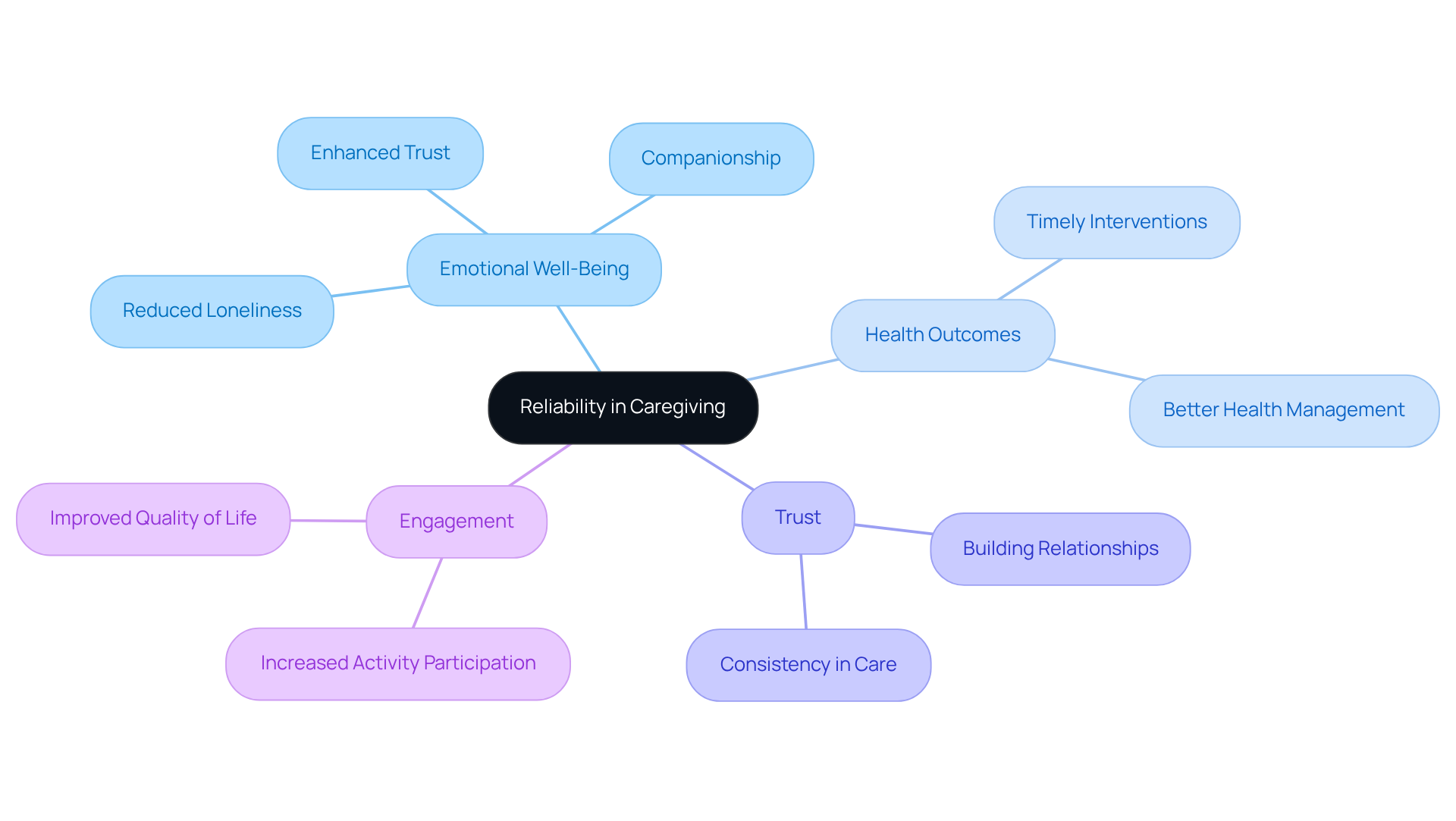
Reliability is a cornerstone of the caregiving experience, especially for our elderly loved ones who benefit from senior home companions. At Happy to Help Caregiving, we understand how crucial it is to provide dependable assistance with our senior home companions. We ensure that individuals are matched with familiar support providers who truly understand their unique needs. This continuity fosters trust and significantly enhances the emotional well-being of seniors through the support of senior home companions. When senior home companions are consistent in their support, they can better grasp the preferences and routines of those they assist, which is vital for maintaining a sense of security and comfort in their daily lives.
Research shows that stable support relationships can lead to better health outcomes for the elderly. Seniors who have senior home companions for consistent support are less likely to feel lonely or isolated—common challenges in this demographic. Moreover, caregivers who know their clients well can notice changes in health or behavior, allowing for timely interventions that can prevent complications.
Experts emphasize the importance of building trust with senior home companions through consistent support. When older adults feel secure in their caregiving relationships with senior home companions, they’re more likely to engage in activities that boost their physical and mental well-being. This engagement is essential for maintaining independence and improving overall quality of life.
In summary, the impact of reliable caregiver support, such as senior home companions, goes beyond just helping with daily tasks; it plays a crucial role in the holistic well-being of seniors. By prioritizing consistency in caregiving, families can ensure that their loved ones receive the compassionate and individualized support they deserve from senior home companions, which leads to a healthier and happier life at home.
Cultural Sensitivity: Respecting Diversity in Care
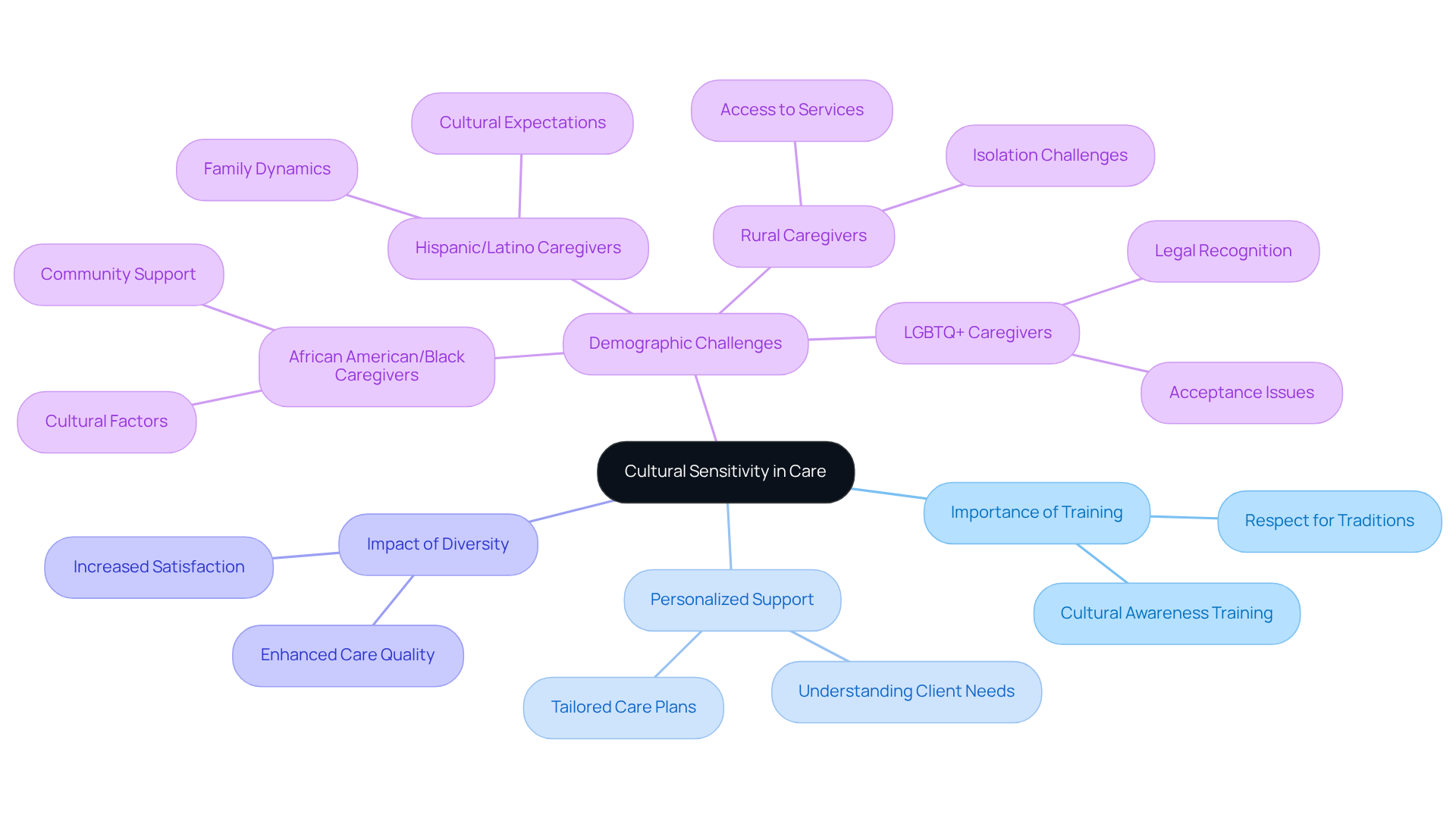
Cultural sensitivity is vital for providing effective care in our diverse society. At Happy to Help Caregiving, our caregivers are trained to honor and respect the unique backgrounds of those they assist. They recognize cultural preferences, traditions, and values, which allows them to offer personalized and meaningful support. This understanding fosters a deeper connection with those they serve.
Embracing cultural diversity not only enriches the caregiving experience but also creates an inclusive atmosphere where individuals feel valued and understood. Studies show that honoring diversity in senior care significantly impacts the quality of services provided, leading to greater satisfaction and better outcomes for individuals.
As the demographic landscape of support providers and recipients evolves, our commitment to cultural awareness remains a cornerstone of effective care practices. According to the AARP and National Alliance for Caregiving, the 2025 edition of 'Caregiving in the US' reveals that there are now 63 million family support providers, underscoring the growing need for culturally aware assistance.
Understanding the unique challenges faced by various demographic groups, such as Hispanic/Latino and African American/Black caregivers, is crucial. This knowledge enables us to provide tailored support that meets the diverse needs of our clients. Together, we can navigate these challenges, ensuring that every individual receives the compassionate care they deserve.
Your Path Forward
The essential qualities of senior home companions truly enhance the lives of elderly individuals. By focusing on personalized care, companionship, and the unique needs of seniors, caregivers create a nurturing environment that promotes both physical and emotional well-being. This comprehensive approach not only fosters independence but also builds trust and meaningful relationships, which are vital for mental health.
Key attributes include:
- Empathy
- Effective communication
- Flexibility
- Cultural sensitivity
These qualities are fundamental to providing quality care. They ensure that caregivers are equipped to handle practical aspects while being attuned to the emotional and social needs of their clients. Reliability and ongoing training further reinforce the commitment to delivering compassionate and responsive care.
Investing in senior home companions who embody these essential qualities is paramount for families seeking the best support for their loved ones. As society increasingly recognizes the significance of individualized care, prioritizing these qualities in caregiving becomes essential. By doing so, families can ensure that their elderly loved ones receive the compassionate, respectful, and effective care they deserve, allowing them to truly thrive in their golden years.
https://iframe.tely.ai/cta/eyJhcnRpY2xlX2lkIjogIjY5MGU4ODY3ZDg0YTA5OThiNjRlNTMyMyIsICJjb21wYW55X2lkIjogIjY4ZWU1ZGNhNzMxNzYyNTU3ZjNjOTVjMSIsICJpbmRleCI6IG51bGwsICJ0eXBlIjogImFydGljbGUifQ==Frequently Asked Questions
What is the personalized care approach at Happy to Help Caregiving?
The personalized care approach at Happy to Help Caregiving involves creating tailored care plans that reflect the unique needs and preferences of each individual. This approach fosters comfort and security for seniors in their own homes and enhances their quality of life.
How does Happy to Help Caregiving support emotional well-being for seniors?
Happy to Help Caregiving provides companionship through senior home companions who engage individuals in meaningful conversations and activities. This relationship-building helps alleviate feelings of isolation and loneliness, significantly enhancing the emotional well-being of clients.
What kind of training do caregivers at Happy to Help Caregiving receive?
Caregivers at Happy to Help Caregiving undergo rigorous training that focuses on best practices, safety protocols, and effective communication. They also receive ongoing training to ensure they are equipped with both skills and compassion to deliver high-quality assistance.
How does Happy to Help Caregiving ensure continuous improvement of care plans?
Continuous assessment and modification of care plans are essential at Happy to Help Caregiving. They work closely with family members and healthcare experts to ensure that every aspect of an individual’s well-being is considered and that support remains relevant and effective.
What role does companionship play in in-home caregiving?
Companionship is crucial in in-home caregiving as it helps alleviate feelings of isolation and loneliness. Senior home companions at Happy to Help Caregiving provide not just physical assistance, but also emotional support and meaningful interactions that enhance the overall well-being of seniors.
How does Happy to Help Caregiving address the emotional challenges faced by caregivers?
Happy to Help Caregiving recognizes the emotional challenges caregivers face and provides support for them. They foster an environment where caregivers feel empowered and valued, focusing on both the skills needed for caregiving and the emotional support necessary for their well-being.