
For families in our service areas
For families in our service areas, this guide explains dementia care and how non-medical in-home caregiving can support care planning in East Idaho, Treasure Valley & Magic Valley, Northern Wasatch, North Central West Virginia, and Northeast Ohio.
What You Need to Know About Questions About Dementia Every
Understanding dementia is crucial for caregivers navigating the complexities of a condition that affects millions worldwide. The problem lies in the overwhelming amount of misinformation and stigma surrounding cognitive decline. This not only complicates the caregiving process but also impacts the quality of support caregivers can provide.
Caregivers often find themselves grappling with conflicting information, which can lead to confusion and frustration. How can they effectively discern fact from fiction while addressing the unique needs of those they care for? This challenge is significant, as accurate knowledge is essential for delivering the best possible care.
To tackle this issue, caregivers can take several actionable steps:
- They should seek out reputable sources of information, such as healthcare professionals and established organizations dedicated to dementia care.
- Engaging with support groups can also provide valuable insights and shared experiences.
Additionally, caregivers should prioritize open communication with their loved ones, fostering an environment where questions and concerns can be addressed. By staying informed and connected, caregivers can enhance their approach to care, ensuring they provide the best support for their loved ones.
What is Dementia?
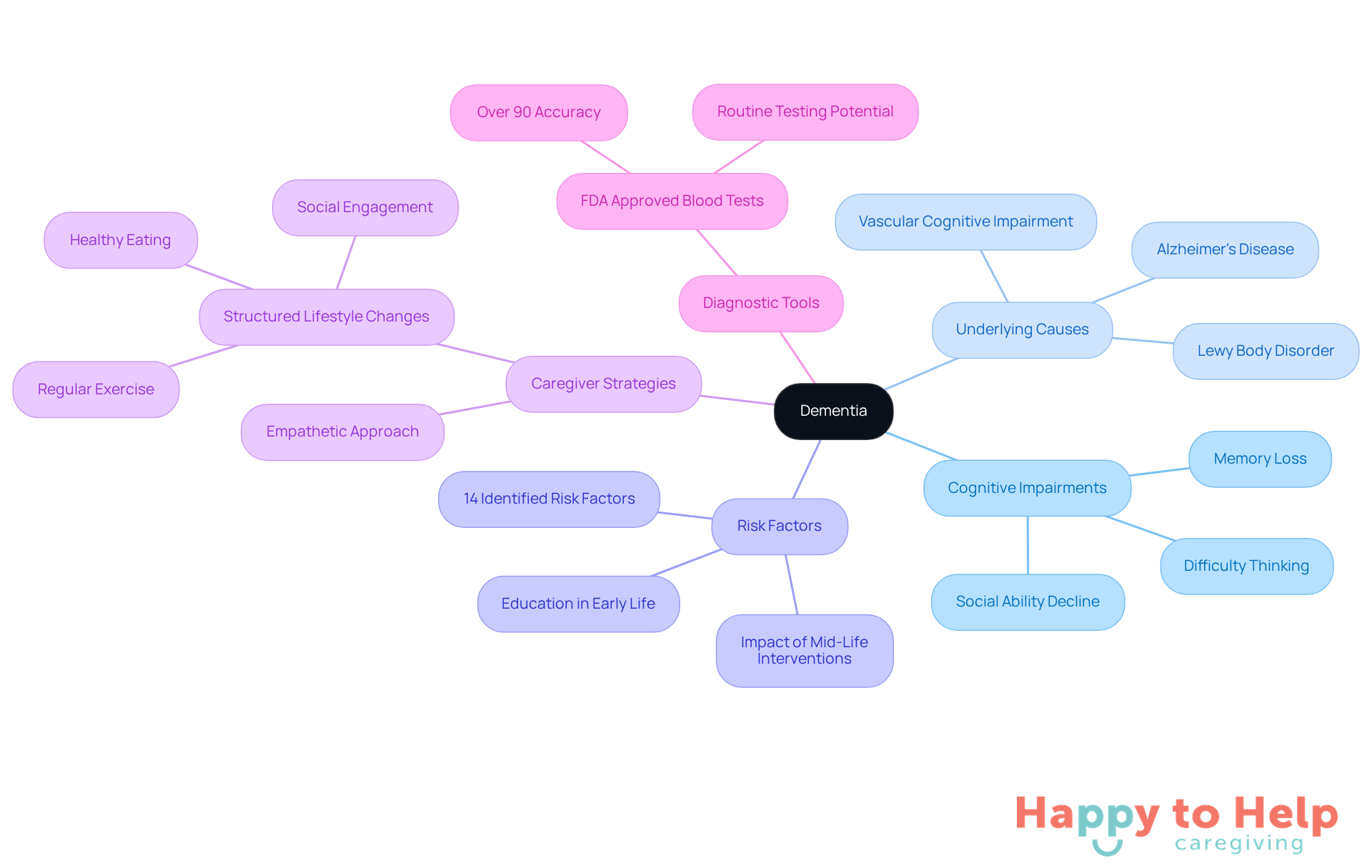
Caregivers often face significant challenges when they encounter questions about dementia, which encompass a range of cognitive impairments that severely affect memory, thinking, and social abilities. This condition is not a singular illness but rather a collection of symptoms stemming from various underlying issues, such as Alzheimer's disease, vascular cognitive impairment, and Lewy body disorder. Understanding this distinction is crucial for caregivers, especially when they have questions about dementia, as it allows them to tailor their approach to meet each individual's unique needs.
The implications of cognitive decline are profound. Recent studies have identified 14 risk factors that can lead to cognitive decline, highlighting the importance of addressing these factors during mid-life. By doing so, caregivers can significantly delay or even prevent the onset of dementia. Neurologists emphasize that addressing questions about dementia is crucial, as it is important to view cognitive decline as a set of symptoms rather than a single diagnosis for effective management and support.
To combat these challenges, caregivers can implement structured lifestyle changes. For example, the POINTER study has demonstrated that such changes can significantly protect cognitive skills in older adults at risk of cognitive decline. By recognizing the essential traits of this condition, caregivers can manage the complexities involved more effectively, ensuring their approach is both empathetic and knowledgeable.
Additionally, with the recent FDA authorizations of blood tests for Alzheimer's in May and October 2025, caregivers now have access to advanced diagnostic tools. These instruments can aid in understanding and managing cognitive decline, providing further support to those affected.
What Are the Symptoms of Dementia?
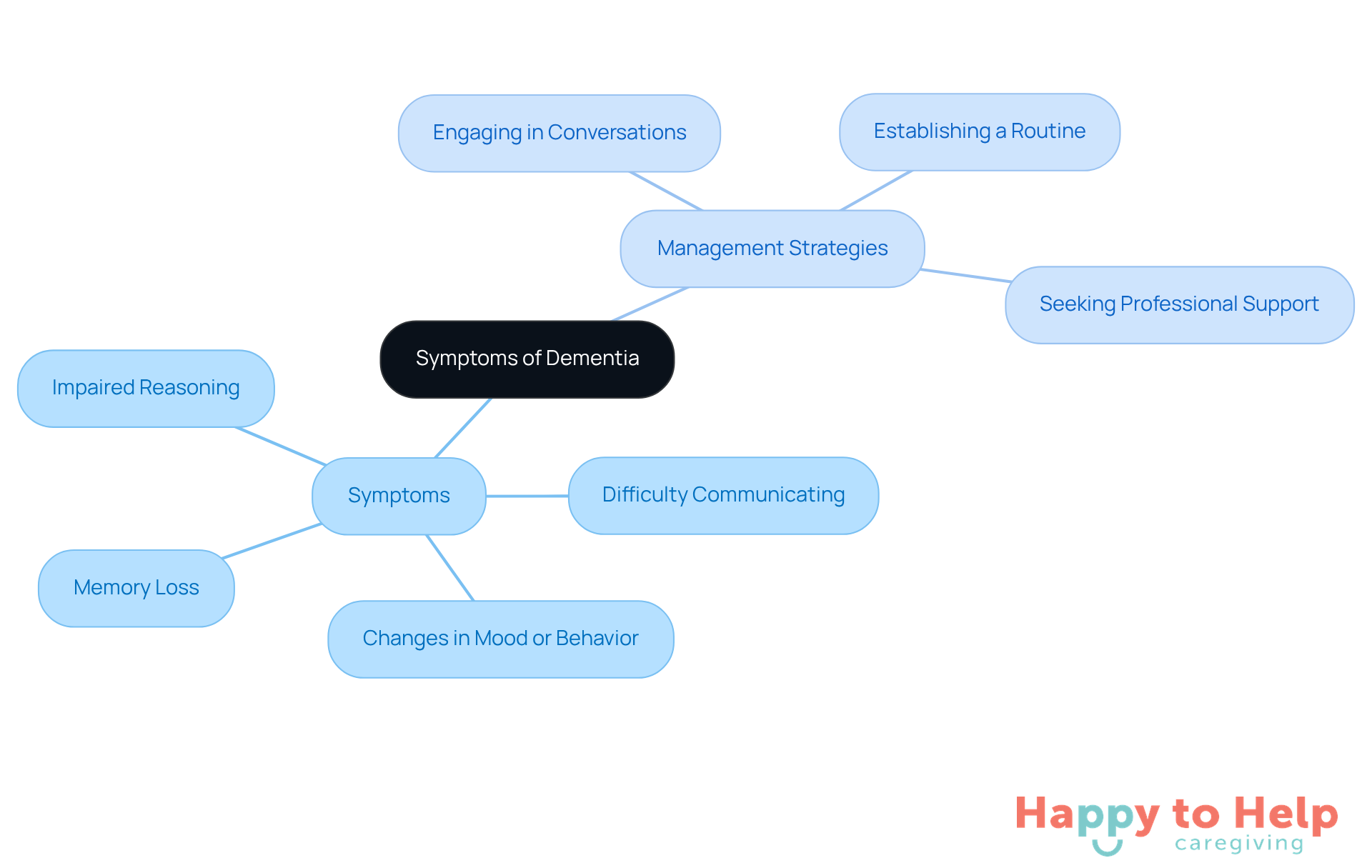
Cognitive decline presents significant questions about dementia for caregivers. Common symptoms include memory loss, difficulty communicating, impaired reasoning, and changes in mood or behavior, which often lead to questions about dementia. These issues related to questions about dementia can lead to increased stress and confusion for both the caregiver and the individual affected.
Caregivers should be vigilant for specific signs of cognitive decline, especially when responding to questions about dementia. Look for indicators such as:
- Forgetting recent events
- Struggling to complete familiar tasks
- Exhibiting confusion about time or place
Recognizing these symptoms early is crucial, as it can lead to timely medical evaluation and support.
To effectively manage these challenges, caregivers can implement several practical strategies:
- Regularly engaging in conversations about recent events can help stimulate memory.
- Establishing a consistent daily routine can also provide structure and reduce confusion.
- Additionally, seeking support from healthcare professionals can offer valuable resources and guidance.
What Causes Dementia?
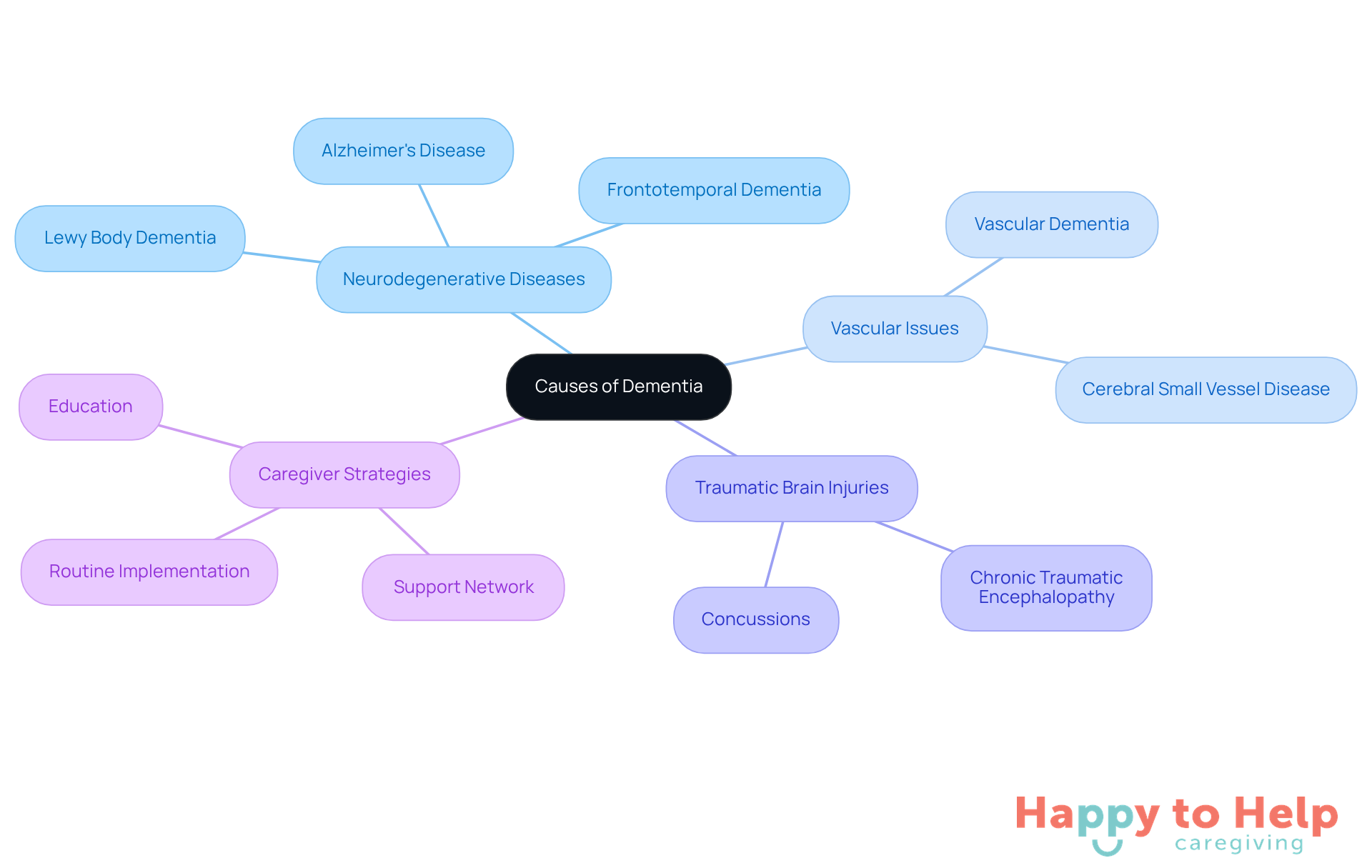
Dementia presents a significant challenge for caregivers, stemming from various causes such as neurodegenerative diseases like Alzheimer's, vascular issues, and traumatic brain injuries. These conditions not only affect the individual but also place a heavy burden on those providing care.
Understanding the implications of these causes is crucial. Caregivers may face difficulties in managing symptoms and adapting to the changing needs of their loved ones. Chronic illnesses, genetic predispositions, and lifestyle choices can further complicate caregiving, making it essential for caregivers to be prepared.
To effectively navigate these challenges, caregivers can adopt several strategies:
- Educate themselves about the specific type of dementia affecting their loved one.
- Develop a support network that includes healthcare professionals and other caregivers.
- Implement routine to provide structure and predictability for the individual with dementia.
By recognizing the causes of dementia and understanding their impact, caregivers can better anticipate challenges and adapt their strategies accordingly.
How is Dementia Diagnosed?
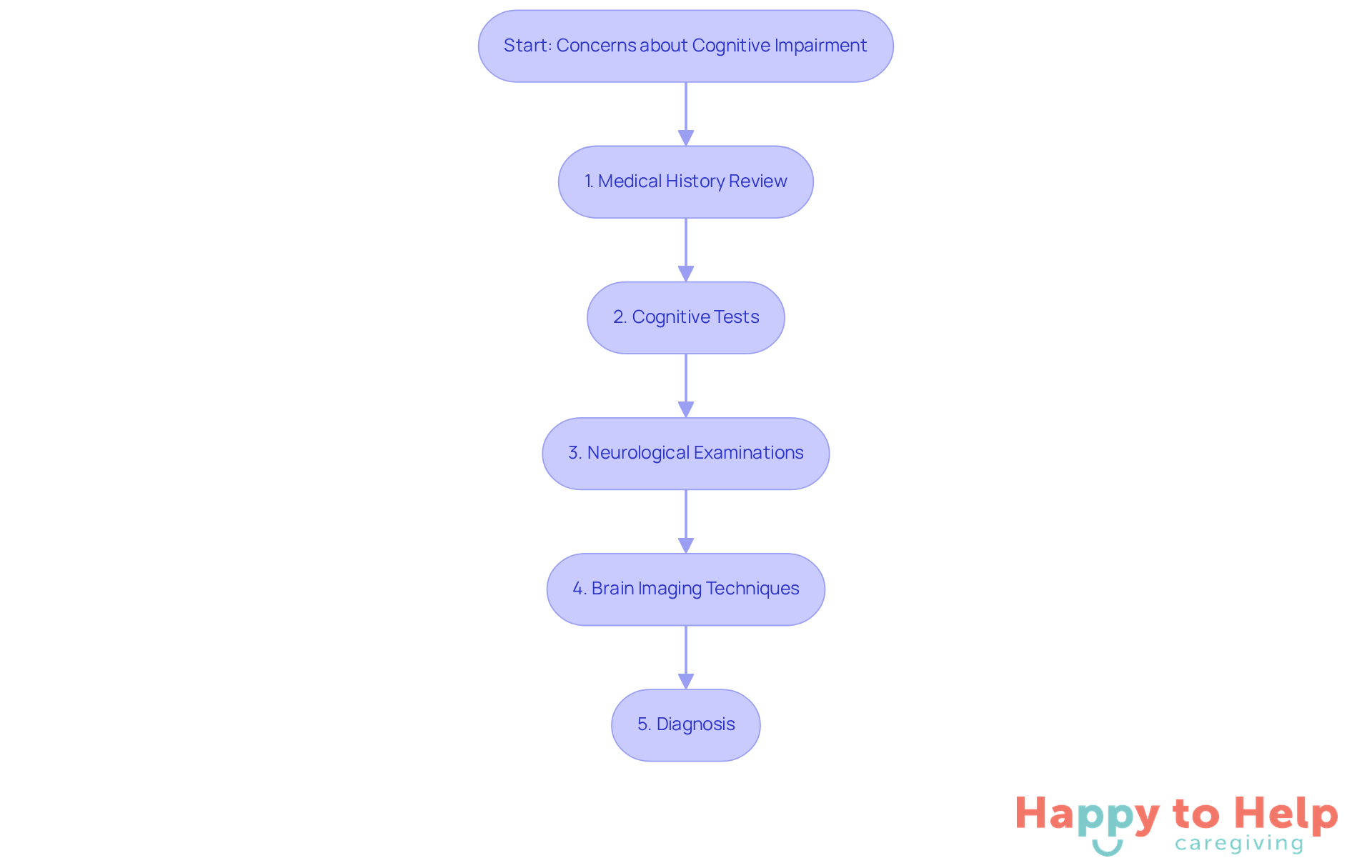
Diagnosing cognitive impairment often raises questions about dementia, presenting a significant challenge for caregivers and requiring a thorough assessment that includes:
- Medical history reviews
- Cognitive tests
- Neurological examinations
- Brain imaging techniques
Caregivers are essential in this process, as they provide healthcare professionals with detailed insights into the person's symptoms and behaviors, which can greatly assist in addressing questions about dementia and achieving an accurate diagnosis.
The implications of delayed diagnoses can be profound, with some individuals waiting up to two and a half years for a definitive answer. This highlights the need for vigilant observation and proactive communication with healthcare providers. Caregivers have reported that their observations of daily activities and behavioral changes are crucial in helping medical professionals reach timely diagnoses.
Fortunately, recent advancements in diagnostic techniques offer promising solutions. For example, the PrecivityAD2 blood test, developed through NIH-funded research, boasts an impressive accuracy rate of 88% to 92% in predicting Alzheimer's diagnoses, making it a valuable tool for early detection. Additionally, innovative MRI techniques enhance the reliability of brain imaging, allowing for quicker and more comfortable scans that can potentially double the number of scans performed in a day.
Healthcare experts stress that caregiver input is invaluable in addressing questions about dementia during the diagnostic process. As one professional noted, "Understanding the nuances of a patient's behavior can lead to more tailored and effective care strategies." This collaborative approach not only aids in diagnosis but also fosters a supportive environment for individuals experiencing cognitive decline.
How is Dementia Treated?
Cognitive decline poses a significant challenge for caregivers, as there is currently no cure. This condition can lead to increased stress and uncertainty, making it essential for caregivers to find effective ways to manage symptoms.
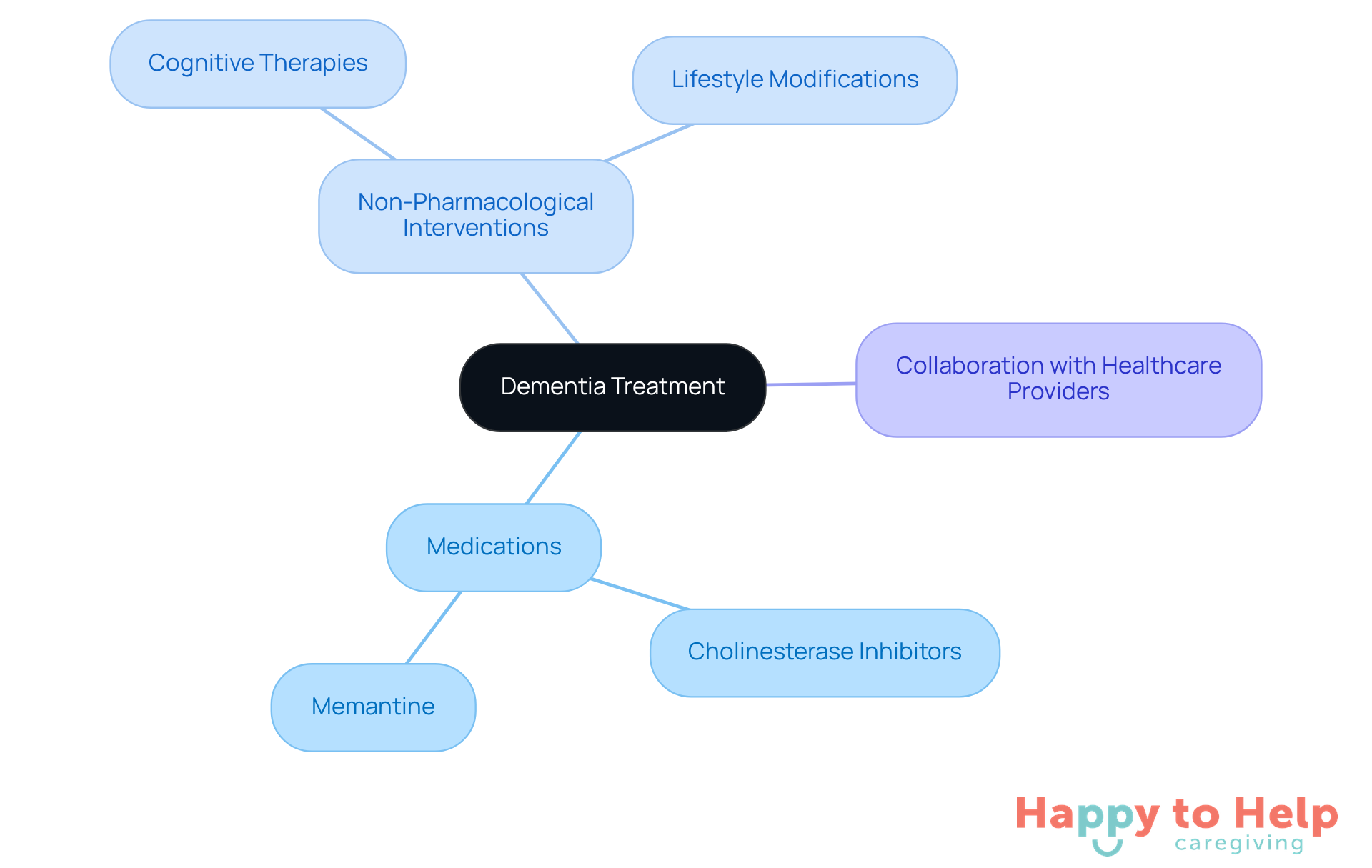
Fortunately, various treatment options can help alleviate some of these challenges. Medications like cholinesterase inhibitors and memantine can improve cognitive function and slow progression. Additionally, non-pharmacological interventions, such as cognitive therapies and lifestyle modifications, can also provide substantial benefits.
To create a comprehensive treatment plan, caregivers should collaborate closely with healthcare providers. This partnership can ensure that all aspects of care are addressed, leading to better outcomes for both caregivers and those they support.
What Are the Risk Factors for Dementia?
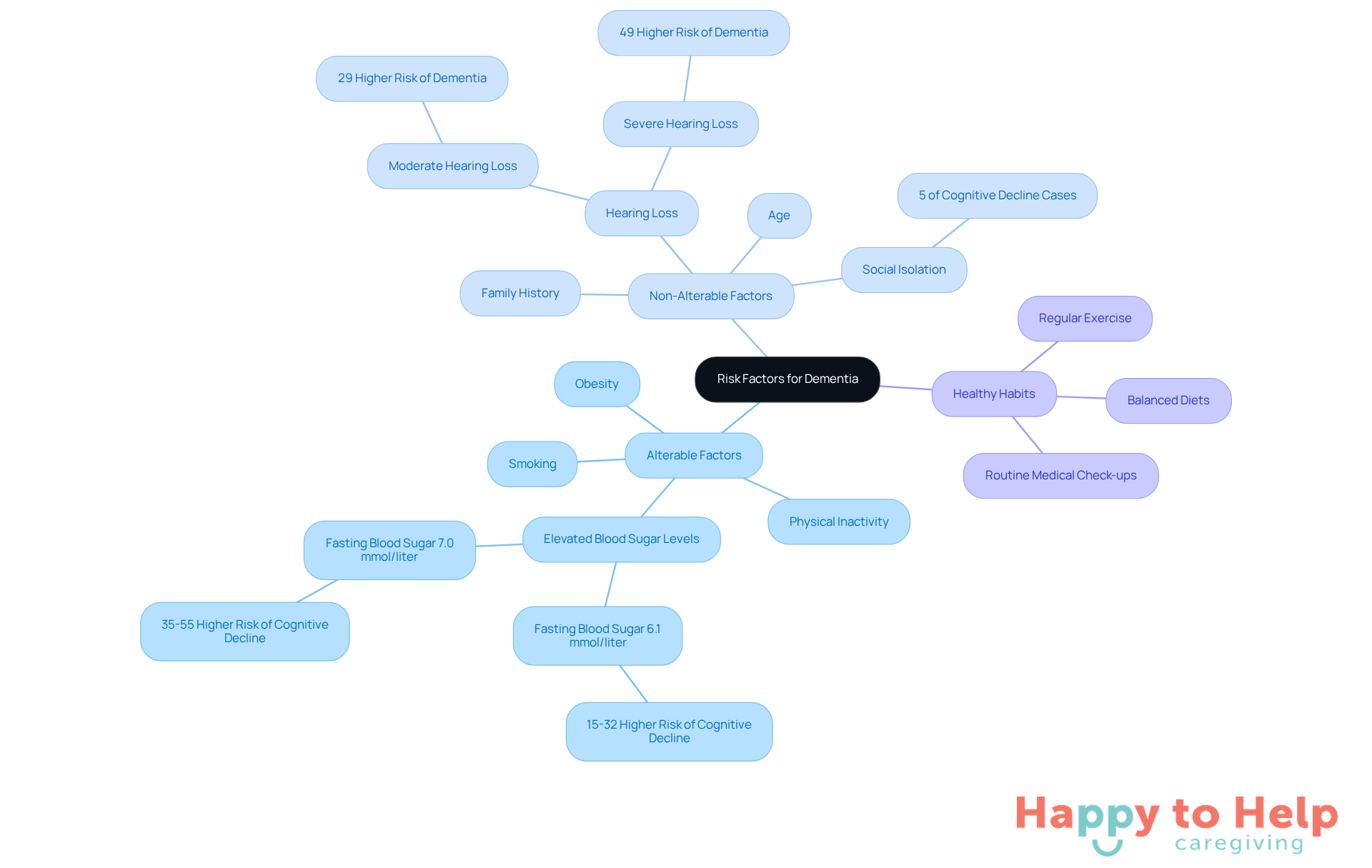
Dementia poses significant risks, influenced by factors such as age, family history, cardiovascular health, and lifestyle choices like diet and exercise. Caregivers must recognize that alterable factors - smoking, obesity, and physical inactivity - play a crucial role in cognitive decline. For instance, individuals with elevated blood sugar levels face a notably higher risk; those with a fasting blood sugar of 6.1 mmol/liter are 15 to 32 percent more likely to experience cognitive decline compared to those with normal levels.
Moreover, managing hearing loss is essential. Research indicates that wearing hearing aids can reduce cognitive decline by 48 percent over three years for those at risk. Hearing loss and reduced educational achievement contribute to 7% of cognitive decline cases. Additionally, caregivers should be aware that social isolation accounts for 5% of cognitive decline cases, underscoring the importance of maintaining connections.
To combat these risks, caregivers are encouraged to promote healthy habits, including:
- Regular exercise
- Balanced diets
- Routine medical check-ups
Following the three rules for good brain health from Alzheimer's Research UK - love your heart, stay sharp, and keep connected - can also help mitigate these risks. By implementing these proactive measures, caregivers can significantly reduce the chances of developing cognitive decline, emphasizing the critical role of lifestyle choices in maintaining brain health.
Does Dementia Reduce Life Expectancy?
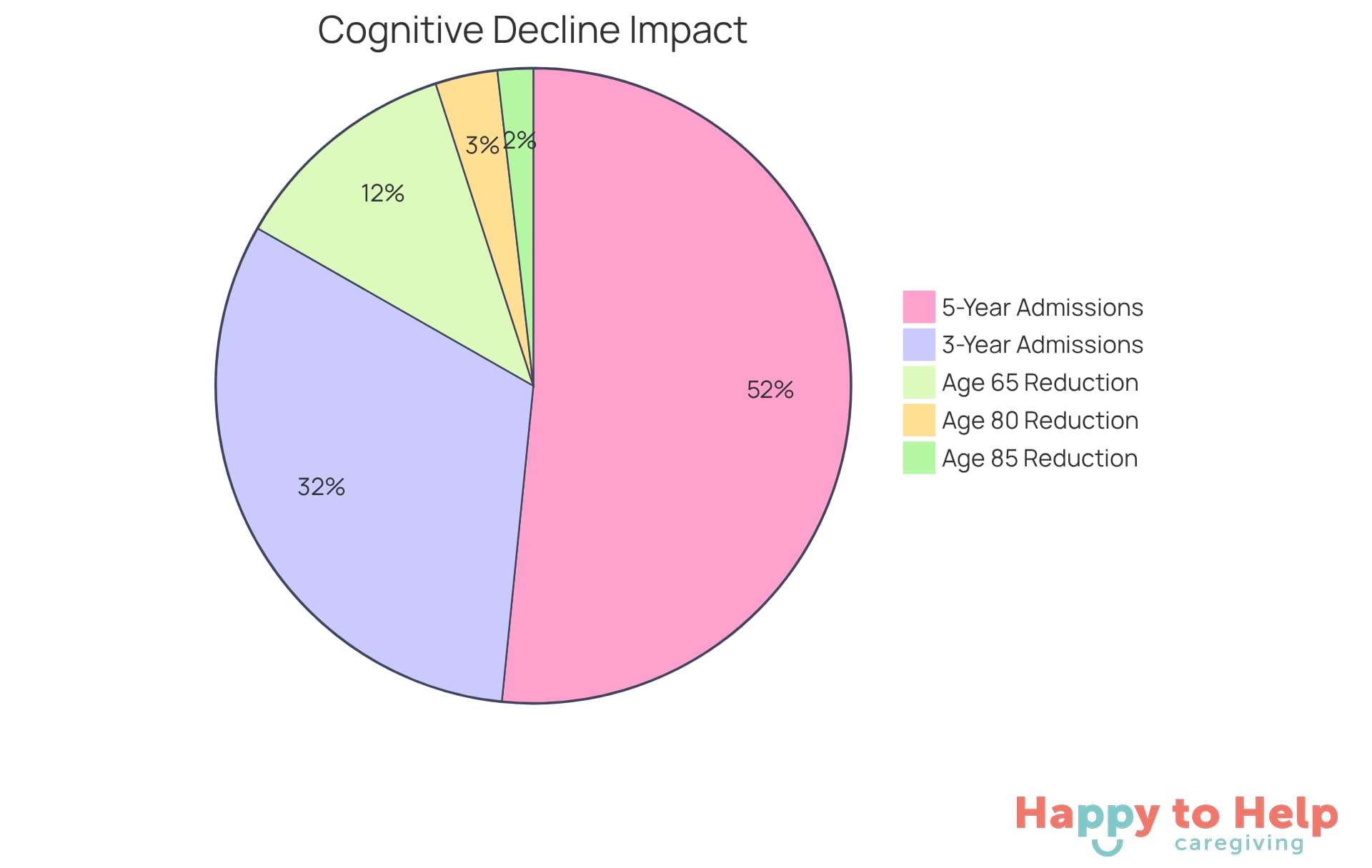
Cognitive decline poses a significant problem, considerably affecting longevity. Individuals typically survive between 2 to 9 years after diagnosis, with survival influenced by age, general health, and the specific type of cognitive impairment. For instance, life expectancy decreases by about:
- 2 years for those diagnosed at age 85
- 3-4 years at age 80
- Up to 13 years at age 65
This variability underscores the necessity for caregivers to be aware of these statistics to effectively plan for future care needs.
The implications of cognitive decline are profound. Families often struggle with the complexities of managing care for those with cognitive impairments, which raises many questions about dementia. Alarmingly, the percentage of individuals diagnosed with this condition who are admitted to nursing homes rises to:
- 35% within three years
- 57% at five years post-diagnosis
This highlights the critical need for personalized care strategies that cater to the unique circumstances of each patient.
To address these challenges, palliative care experts emphasize the importance of understanding the outlook of cognitive decline. Chiara C Brück notes, "Future studies on individualized prognosis should ideally include patients at time of diagnosis, accounting for personal factors, social factors, disease stage, and comorbidity, while assessing relevant functional outcome measures above and beyond survival alone." By grasping the potential effects of cognitive decline on life expectancy, caregivers can better support their loved ones and make informed decisions regarding their care.
What Types of Dementia Exist?
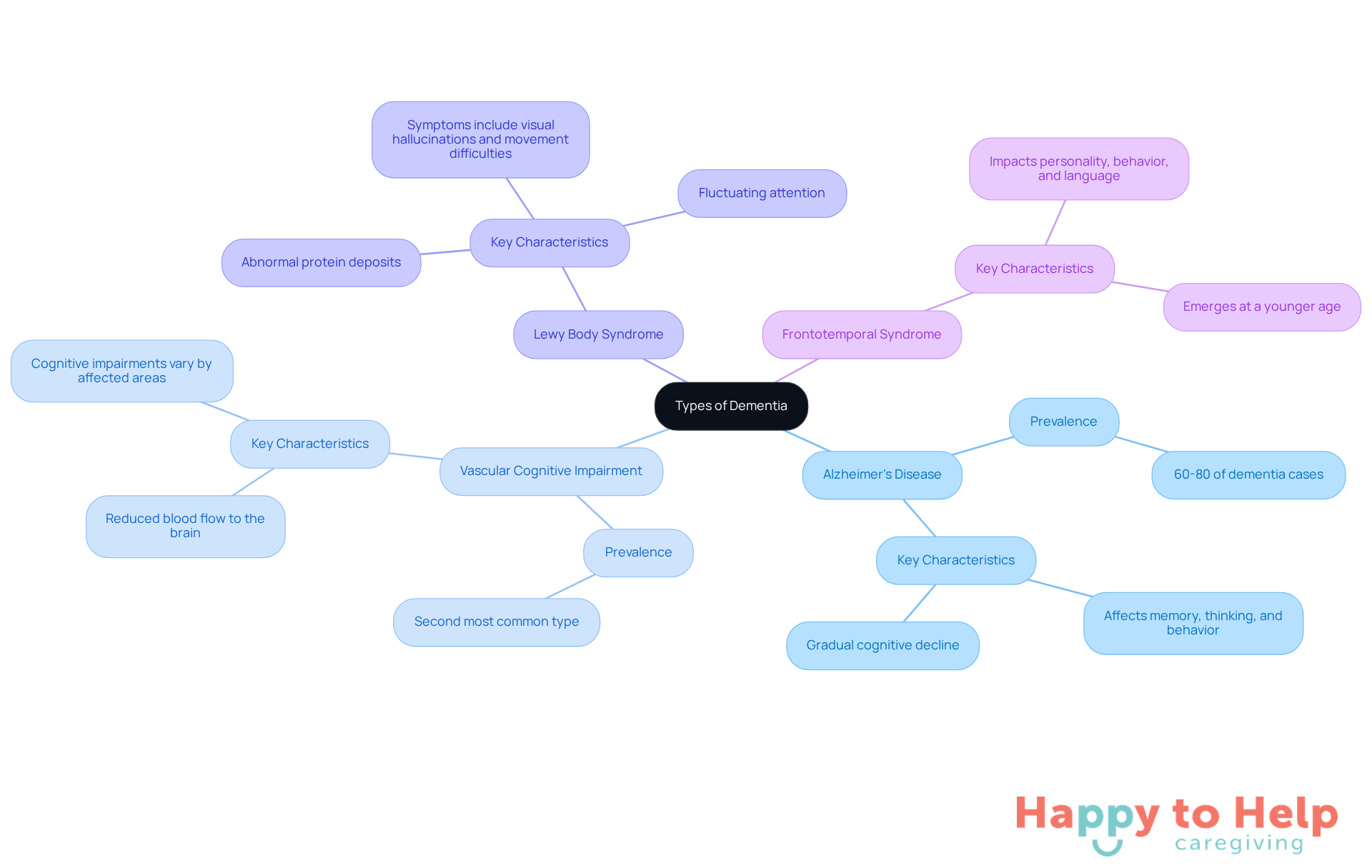
Dementia encompasses a range of disorders, with Alzheimer's disease, vascular conditions, Lewy body disorders, and frontotemporal conditions being the most prevalent. Understanding these differences is crucial for caregivers who have questions about dementia, as each type presents unique symptoms and progression patterns that can significantly impact care.
Alzheimer's disease is the most common form of cognitive decline, accounting for about 60-80% of cases. It primarily affects memory, thinking, and behavior, leading to a gradual decline in cognitive function. In contrast, vascular cognitive impairment arises from reduced blood flow to the brain, often following strokes or damage to smaller blood vessels. This type can lead to varying cognitive impairments depending on the affected brain areas.
Lewy body syndrome features abnormal protein deposits in the brain, resulting in symptoms like visual hallucinations, fluctuating attention, and movement difficulties. While it can be mistaken for Alzheimer's due to overlapping symptoms, its progression is typically different. Frontotemporal syndrome, on the other hand, primarily impacts personality, behavior, and language, often emerging at a younger age than other forms of cognitive decline.
Recent research underscores the importance of early and accurate diagnosis in answering questions about dementia management. For instance, Mayo Clinic researchers developed an AI tool called StateViewer, capable of identifying brain activity patterns linked to nine types of cognitive decline, including Alzheimer's, with an impressive accuracy rate of 88%. This innovation addresses a critical challenge in cognitive decline care: the need for precise identification of the illness at an early stage, even amidst various conditions.
Statistics reveal a troubling trend: over 50 million people worldwide are living with cognitive decline, with projections suggesting this number could nearly triple by 2050. Understanding the distinct symptoms and progression of each type of cognitive decline not only enables caregivers to provide tailored support but also enhances the overall quality of care for those affected by these complex disorders.
How Can You Care for Someone with Dementia?
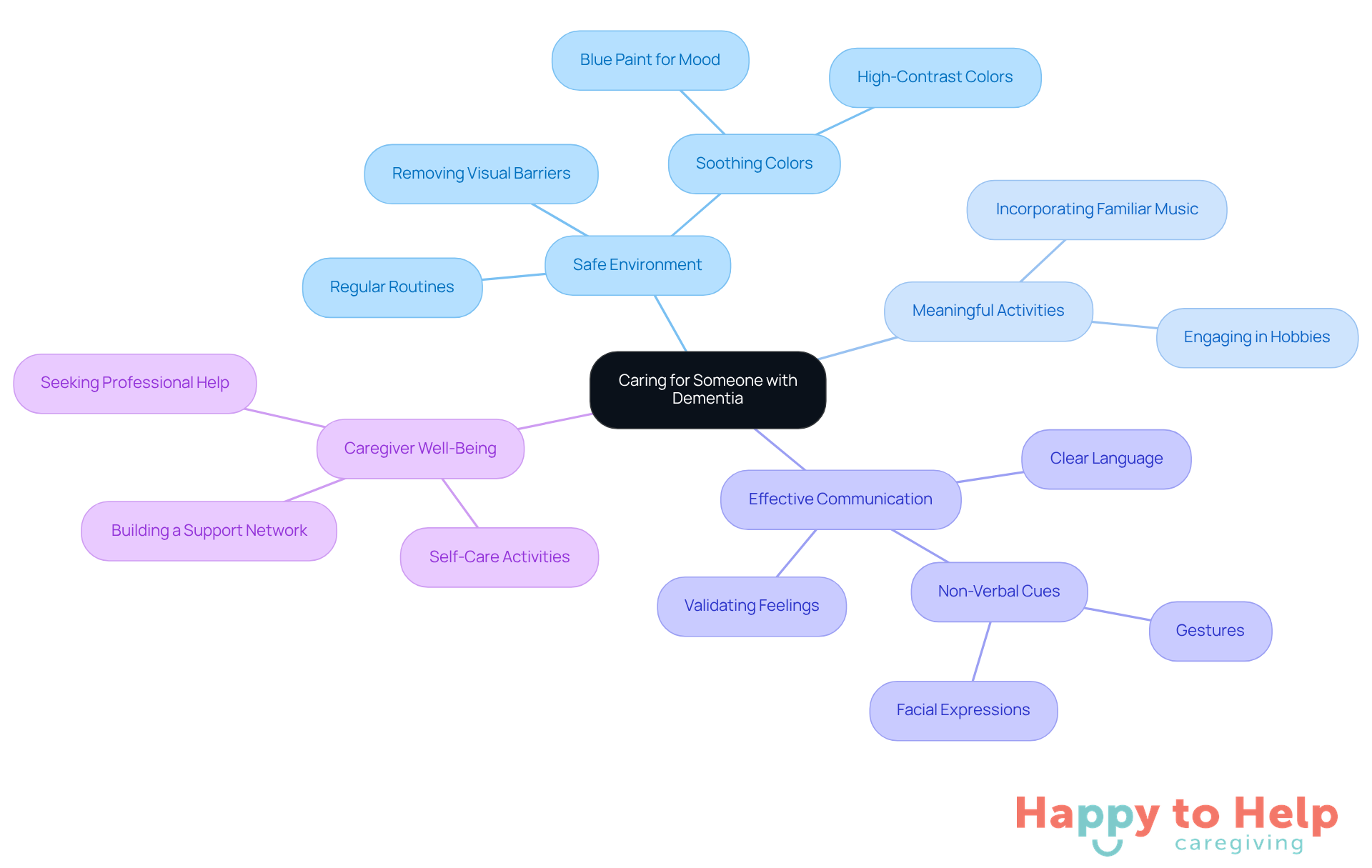
Caring for someone with cognitive decline often leads to many questions about dementia for caregivers. The need for a safe and supportive environment is paramount, as individuals with cognitive impairments often struggle with stability and predictability in their daily lives. This lack of structure can lead to increased anxiety and frustration, making it essential for caregivers to implement regular routines that enhance the quality of life.
To address these challenges, caregivers can engage individuals in meaningful activities tailored to their interests. For example, incorporating familiar music or hobbies can evoke positive memories and encourage participation, fostering joy while also helping to maintain cognitive function. These strategies not only improve emotional well-being but also create a sense of normalcy.
Effective communication is another critical aspect of caregiving. Caregivers should prioritize using clear, simple language and maintaining eye contact to ensure understanding. Non-verbal cues, such as gestures and facial expressions, can further aid in conveying messages. Experts recommend validating the feelings of dementia patients and answering their questions about dementia instead of insisting on factual accuracy, as this approach fosters a comforting atmosphere, helping patients feel safe and understood.
Real-life examples highlight the effectiveness of these strategies. One caregiver noted that painting their home in soothing blue shades significantly improved their loved one's mood. Another emphasized the importance of removing visual barriers to enhance spatial awareness and reduce the risk of falls. These adjustments not only promote safety but also contribute to a more dementia-friendly environment.
Moreover, caregivers must not overlook their own well-being. Engaging in self-care activities, such as taking breaks and seeking support from friends or local groups, is essential to prevent burnout. Caregiving specialists stress the importance of allowing oneself to enjoy life without guilt, as this is crucial for maintaining the energy and emotional strength needed for caregiving. Diane Chew underscores the value of establishing a support network early on, which can help caregivers cope with the emotional stress, fatigue, and isolation that often accompany their responsibilities. By nurturing a supportive atmosphere and employing effective communication, caregivers can significantly enhance the quality of life for individuals affected by cognitive decline.
What Are Common Misconceptions About Dementia?
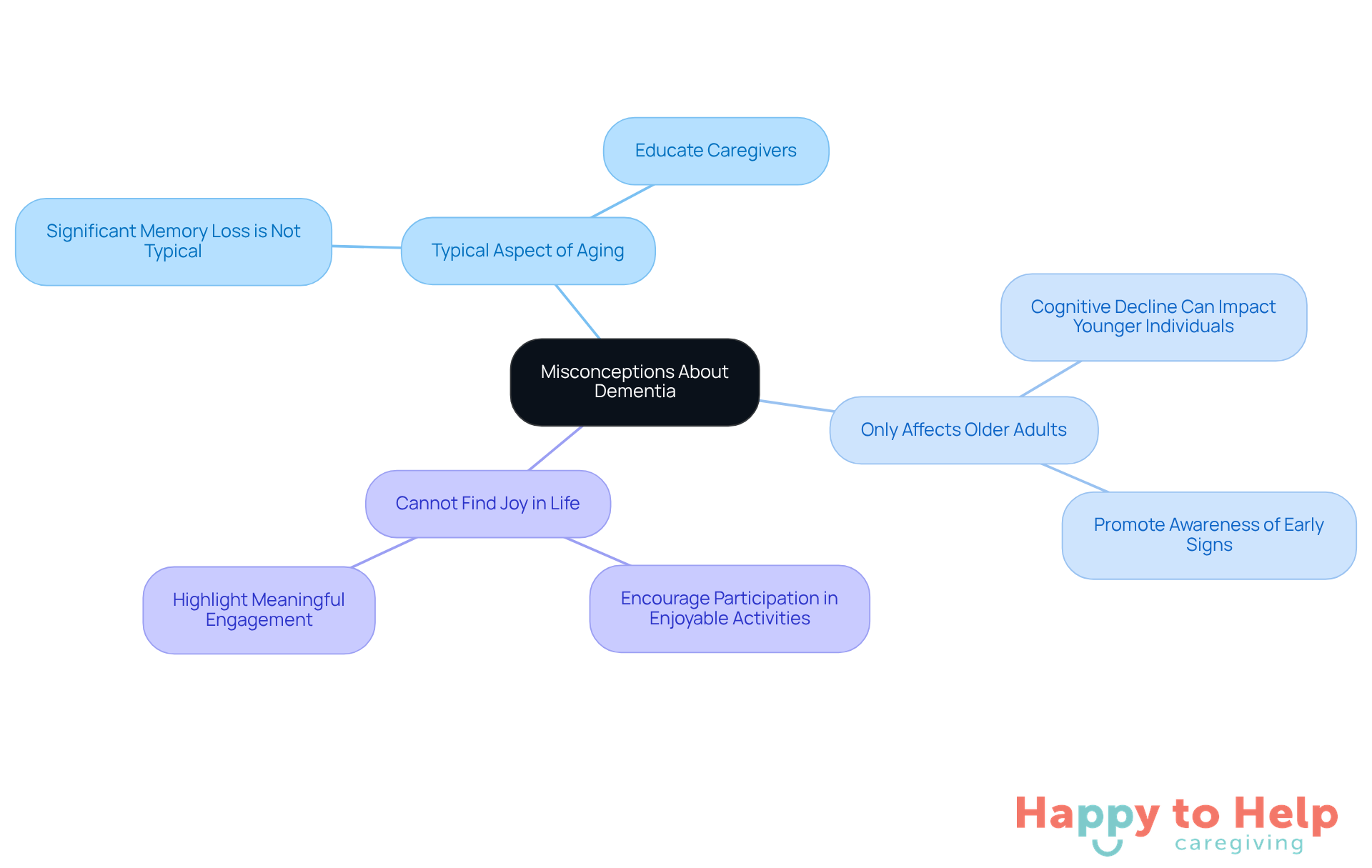
Widespread misunderstandings about cognitive decline contribute to significant questions about dementia. Many believe it is a typical aspect of aging, that it only affects older adults, and that those with cognitive impairment cannot find joy in life. In reality, cognitive decline can impact younger individuals, and many can still engage in enjoyable activities. Research shows that over 55 million individuals worldwide are affected, highlighting the need to address these misconceptions.
These misunderstandings can have serious implications for caregivers and those living with cognitive decline, especially when there are questions about dementia. Acknowledging this complex condition, rather than viewing it as a simple result of aging, is crucial for reducing stigma and fostering understanding. Dr. Vinit Banga points out that while some forgetfulness may occur with aging, significant memory loss that disrupts daily activities is not typical and should be addressed promptly. Furthermore, the belief that people with cognitive impairment cannot find joy is another harmful misconception. Many individuals with cognitive impairment can still engage in meaningful activities and maintain relationships.
To combat these misconceptions, caregivers should educate themselves and others about questions about dementia. Here are some actionable solutions:
- Educate: Share accurate information about cognitive decline to foster understanding.
- Support: Encourage participation in enjoyable activities to enhance quality of life.
- Empathize: Provide customized assistance and show empathy towards those affected.
By actively debunking these myths, caregivers can help address questions about dementia, creating a more informed and compassionate community that ultimately improves the lives of those living with dementia.
Taking the Next Steps
Understanding dementia and its complexities poses a significant challenge for caregivers, who play a crucial role in supporting those affected by this condition. Dementia is not a singular illness; rather, it encompasses a collection of cognitive impairments that require tailored approaches to care. By grasping the nuances of dementia, caregivers can provide more effective support, ensuring they address the unique needs of each individual.
Recognizing symptoms, understanding the causes, and knowing the available treatment options are essential for caregivers. Educating themselves on the types of dementia, utilizing diagnostic tools, and implementing lifestyle changes can help mitigate risk factors. Effective communication and creating a supportive environment are also vital strategies for enhancing the quality of life for those experiencing cognitive decline.
Ultimately, fostering a compassionate and informed caregiving approach is essential in navigating the challenges posed by dementia. By debunking common misconceptions and promoting awareness, caregivers can create a more understanding community, ultimately improving the lives of those affected. Embracing these insights and implementing best practices will not only benefit caregivers but also empower individuals living with dementia to maintain dignity and joy in their lives.
https://iframe.tely.ai/cta/eyJhcnRpY2xlX2lkIjogIjY5NDFmMzQzMDNjMTJkY2ZiNTk2MGFkMSIsICJjb21wYW55X2lkIjogIjY4ZWU1ZGNhNzMxNzYyNTU3ZjNjOTVjMSIsICJpbmRleCI6IG51bGwsICJ0eXBlIjogImFydGljbGUifQ==Frequently Asked Questions
What is dementia?
Dementia is a collection of symptoms that severely affect memory, thinking, and social abilities, rather than a singular illness. It can stem from various underlying issues, including Alzheimer's disease, vascular cognitive impairment, and Lewy body disorder.
What are the implications of cognitive decline related to dementia?
Cognitive decline has profound implications, with 14 identified risk factors that can lead to dementia. Addressing these factors during mid-life can significantly delay or prevent the onset of dementia, making it crucial for caregivers to understand and manage cognitive decline as a set of symptoms.
How can caregivers support individuals with dementia?
Caregivers can support individuals with dementia by implementing structured lifestyle changes, recognizing essential traits of the condition, and using advanced diagnostic tools, such as newly authorized blood tests for Alzheimer's.
What are the common symptoms of dementia?
Common symptoms of dementia include memory loss, difficulty communicating, impaired reasoning, and changes in mood or behavior. Caregivers should be vigilant for signs such as forgetting recent events, struggling to complete familiar tasks, and confusion about time or place.
Why is early recognition of dementia symptoms important?
Early recognition of dementia symptoms is crucial as it can lead to timely medical evaluation and support, helping to manage the condition more effectively.
What strategies can caregivers use to manage dementia-related challenges?
Caregivers can manage challenges by regularly engaging in conversations about recent events to stimulate memory, establishing a consistent daily routine to provide structure, and seeking support from healthcare professionals for valuable resources and guidance.
What causes dementia?
Dementia can be caused by various factors, including neurodegenerative diseases like Alzheimer's, vascular issues, and traumatic brain injuries. Chronic illnesses, genetic predispositions, and lifestyle choices can further complicate the caregiving process.
How can caregivers prepare for the challenges of dementia?
Caregivers can prepare by educating themselves about the specific type of dementia affecting their loved one, developing a support network that includes healthcare professionals and other caregivers, and implementing routines to provide structure and predictability for the individual with dementia.
List of Sources
- What is Dementia?
- ADI - Lancet Commission identifies two new risk factors for dementia and suggests 45% of cases could be delayed or reduced (https://alzint.org/news-events/news/lancet-commission-identifies-two-new-risk-factors-for-dementia-and-suggests-45-of-cases-could-be-delayed-or-reduced)
- All of a sudden, dementia treatment is becoming very exciting (https://statnews.com/2025/10/27/dementia-stigma-biomarker-based-therapeutics-treatment)
- Five Reasons to Feel Hopeful About Dementia in 2025 - Alden Estates of Orland Park (https://aldenestatesoforlandpark.com/five-reasons-to-feel-hopeful-about-dementia-in-2025)
- Alzheimer’s & Dementia News Roundup (October 2025) - Alzheimer's Orange County (https://alzoc.org/alzheimers-dementia-news-roundup-october-2025)
- What Are the Symptoms of Dementia?
- Dementia Often Misdiagnosed As Normal Aging For 3.5 Years, New Study Finds (https://healthcare.msu.edu/news/2025-08-13-Dementia-Often-Misdiagnosed-As-Normal-Aging-For-Over-3-Years-New-Study-Finds.html)
- This Is The Most Commonly Missed Warning Sign Of Dementia (https://huffpost.com/entry/signs-dementia-symptoms-goog\_l\_690cc915e4b027afb3225b8c)
- Scientists reveal six middle age early warning signs of dementia (https://newsweek.com/dementia-early-warning-signs-middle-age-depression-11219192)
- Beware these 6 symptoms in midlife that can predict dementia later in life: new study (https://nypost.com/2025/12/15/health/6-symptoms-in-midlife-can-predict-dementia-later-in-life-study)
- 8 Early Dementia Signs Hiding in Everyday Behavior (https://creators.yahoo.com/lifestyle/story/8-early-dementia-signs-hiding-in-everyday-behavior-141600350.html)
- What Causes Dementia?
- ADI - Lancet Commission identifies two new risk factors for dementia and suggests 45% of cases could be delayed or reduced (https://alzint.org/news-events/news/lancet-commission-identifies-two-new-risk-factors-for-dementia-and-suggests-45-of-cases-could-be-delayed-or-reduced)
- 2025 NIH Alzheimer’s Disease and Related Dementias Research Progress Report: Advances and Achievements (https://nia.nih.gov/about/2025-nih-dementia-research-progress-report)
- ‘A tipping point’: An update from the frontiers of Alzheimer’s disease research (https://news.yale.edu/2025/08/08/tipping-point-update-frontiers-alzheimers-disease-research)
- USC study finds new evidence linking dementia to problems with the brain’s waste clearance system (https://keck.usc.edu/news/usc-study-finds-new-evidence-linking-dementia-to-problems-with-the-brains-waste-clearance-system)
- Scientists find hidden brain damage behind dementia (https://sciencedaily.com/releases/2025/10/251005085637.htm)
- How is Dementia Diagnosed?
- Five Reasons to Feel Hopeful About Dementia in 2025 - The Alden Network (https://alden.com/five-reasons-to-feel-hopeful-about-dementia-in-2025)
- 2025 NIH Alzheimer’s Disease and Related Dementias Research Progress Report: Advances and Achievements (https://nia.nih.gov/about/2025-nih-dementia-research-progress-report)
- Faster MRI scans offer new hope for dementia diagnosis (https://ucl.ac.uk/news/2025/oct/faster-mri-scans-offer-new-hope-dementia-diagnosis)
- Dementia diagnosis revolutionised by AI and new blood tests (https://bbc.com/news/articles/c62e5n8jlldo)
- New AI models detect dementia with high accuracy using EEG signals (https://news-medical.net/news/20251127/New-AI-models-detect-dementia-with-high-accuracy-using-EEG-signals.aspx)
- How is Dementia Treated?
- 8 recent breakthroughs in the fight against Alzheimer’s disease (https://weforum.org/stories/2025/06/recent-breakthroughs-fight-against-alzheimers-disease)
- All of a sudden, dementia treatment is becoming very exciting (https://statnews.com/2025/10/27/dementia-stigma-biomarker-based-therapeutics-treatment)
- Researching new drugs for Alzheimer’s disease (https://alzheimers.org.uk/what-we-do/researchers/news/researching-new-drugs-alzheimers-disease)
- FDA approves treatment for adults with Alzheimer’s disease (https://fda.gov/drugs/news-events-human-drugs/fda-approves-treatment-adults-alzheimers-disease)
- Lecanemab Approved for Treatment of Early Alzheimer’s | alz.org (https://alz.org/alzheimers-dementia/treatments/lecanemab-leqembi)
- What Are the Risk Factors for Dementia?
- New Analysis Finds Dementia Caregivers More Likely to Report Modifiable Risk Factors that Increase Their Own Risk for Dementia (https://alz.org/news/2025/dementia-caregivers-modifiable-risk-factor-analysis)
- AARP and Leading Research Organizations Reveal Top Dementia Risk Factors, Pointing to Powerful Prevention Opportunities (https://healthdata.org/news-events/newsroom/news-releases/aarp-and-leading-research-organizations-reveal-top-dementia-risk)
- ADI - Lancet Commission identifies two new risk factors for dementia and suggests 45% of cases could be delayed or reduced (https://alzint.org/news-events/news/lancet-commission-identifies-two-new-risk-factors-for-dementia-and-suggests-45-of-cases-could-be-delayed-or-reduced)
- Addressing 14 health and lifestyle factors could prevent nearly half of global dementia cases - Alzheimer's Research UK (https://alzheimersresearchuk.org/news/nearly-half-of-global-dementia-cases-could-be-prevented-or-delayed-by-addressing-14-health-and-lifestyle-factors-says-new-report)
- The Big Risk Factors for Dementia to Avoid (https://aarp.org/health/conditions-treatments/modifiable-risk-factors-of-dementia)
- Does Dementia Reduce Life Expectancy?
- Review Reveals Average Life Expectancy After Dementia Diagnosis (https://neurologyadvisor.com/news/review-reveals-average-life-expectancy-after-dementia-diagnosis)
- Dementia Diagnosis Cuts Life Expectancy by Up to 13 Years (https://scitechdaily.com/dementia-diagnosis-cuts-life-expectancy-by-up-to-13-years)
- Study sheds more light on life expectancy after a dementia diagnosis (https://eurekalert.org/news-releases/1069548)
- Can Doctors Estimate Life Expectancy After a Dementia Diagnosis? (https://usnews.com/news/health-news/articles/2025-01-10/can-doctors-estimate-life-expectancy-after-a-dementia-diagnosis)
- Study Identifies Average Life Expectancy After Dementia Diagnosis (https://jamanetwork.com/journals/jama/fullarticle/2830577)
- What Types of Dementia Exist?
- Mayo Clinic's AI tool identifies 9 dementia types, including Alzheimer's, with one scan - Mayo Clinic News Network (https://newsnetwork.mayoclinic.org/discussion/mayo-clinics-ai-tool-identifies-9-dementia-types-including-alzheimers-with-one-scan)
- 2025 NIH Alzheimer’s Disease and Related Dementias Research Progress Report: Advances and Achievements (https://nia.nih.gov/about/2025-nih-dementia-research-progress-report)
- Dementia Comes in Many Forms. Alzheimer’s Is Just One. (https://nytimes.com/2025/12/01/well/mind/dementia-types-symptoms.html)
- Worldwide dementia cases to triple by 2050 - Alzheimer's Research UK (https://alzheimersresearchuk.org/news/worldwide-dementia-cases-to-triple-by-2050)
- Dementia Statistics & Facts (https://mastermindbehavior.com/post/dementia-statistics-facts)
- How Can You Care for Someone with Dementia?
- Nine Essential Tips Dementia Caregivers Need to Know | Blog | Independent Lens (https://pbs.org/independentlens/blog/nine-essential-tips-dementia-caregivers-need-to-know)
- New Analysis Finds Dementia Caregivers More Likely to Report Modifiable Risk Factors that Increase Their Own Risk for Dementia (https://alz.org/news/2025/dementia-caregivers-modifiable-risk-factor-analysis)
- Inside the Hidden Strain of Dementia Caregiving | Docwire News (https://docwirenews.com/post/inside-the-hidden-strain-of-dementia-caregiving)
- Digital tools can improve dementia care – for people with dementia aging in place and their caregivers (https://publichealth.gmu.edu/news/2025-12/digital-tools-can-improve-dementia-care-people-dementia-aging-place-and-their)
- What Are Common Misconceptions About Dementia?
- What Causes Dementia? Debunking Four Myths - Charter Research (https://charterresearch.com/news/debunking-dementia-myths)
- In The News: 10 Myths About Dementia Care | Traditions Management (https://traditionsmgmt.net/news/in-the-news-10-myths-about-dementia-care)
- World Alzheimer’s Day: Busting the Myths About Alzheimer’s Disease (https://cbs42.com/business/press-releases/ein-presswire/850366259/world-alzheimers-day-busting-the-myths-about-alzheimers-disease)
- Debunking Some of the Biggest Myths About Dementia - Traditions of Hilliard (https://traditionsofhilliard.com/news/debunking-some-of-the-biggest-myths-about-dementia)
- World Alzheimer's Day 2025: Doctor Busts Myths, Explains Why Early Detection Truly Matters (https://ndtv.com/health/world-alzheimers-day-2025-doctor-busts-myths-explains-why-early-detection-truly-matters-9307321)