For families in our service areas
For families in our service areas, this guide explains dementia care and how non-medical in-home caregiving can support care planning in East Idaho, Treasure Valley & Magic Valley, Northern Wasatch, North Central West Virginia, and Northeast Ohio.
The Importance of Questions to Ask People with Dementia
Navigating the world of dementia care presents significant challenges, particularly in bridging communication gaps with individuals experiencing cognitive decline. Caregivers often find themselves in emotionally charged situations where meaningful connections can feel elusive. This emotional landscape can lead to frustration and isolation for both caregivers and their loved ones.
To address these challenges, caregivers can utilize thoughtful questions as a powerful tool to foster dialogue and enhance emotional well-being. What essential inquiries can spark meaningful conversations and promote reminiscence? This article explores ten crucial questions designed to enrich interactions and create a more supportive environment for caregivers and those they care for.
What Are Your Favorite Memories?
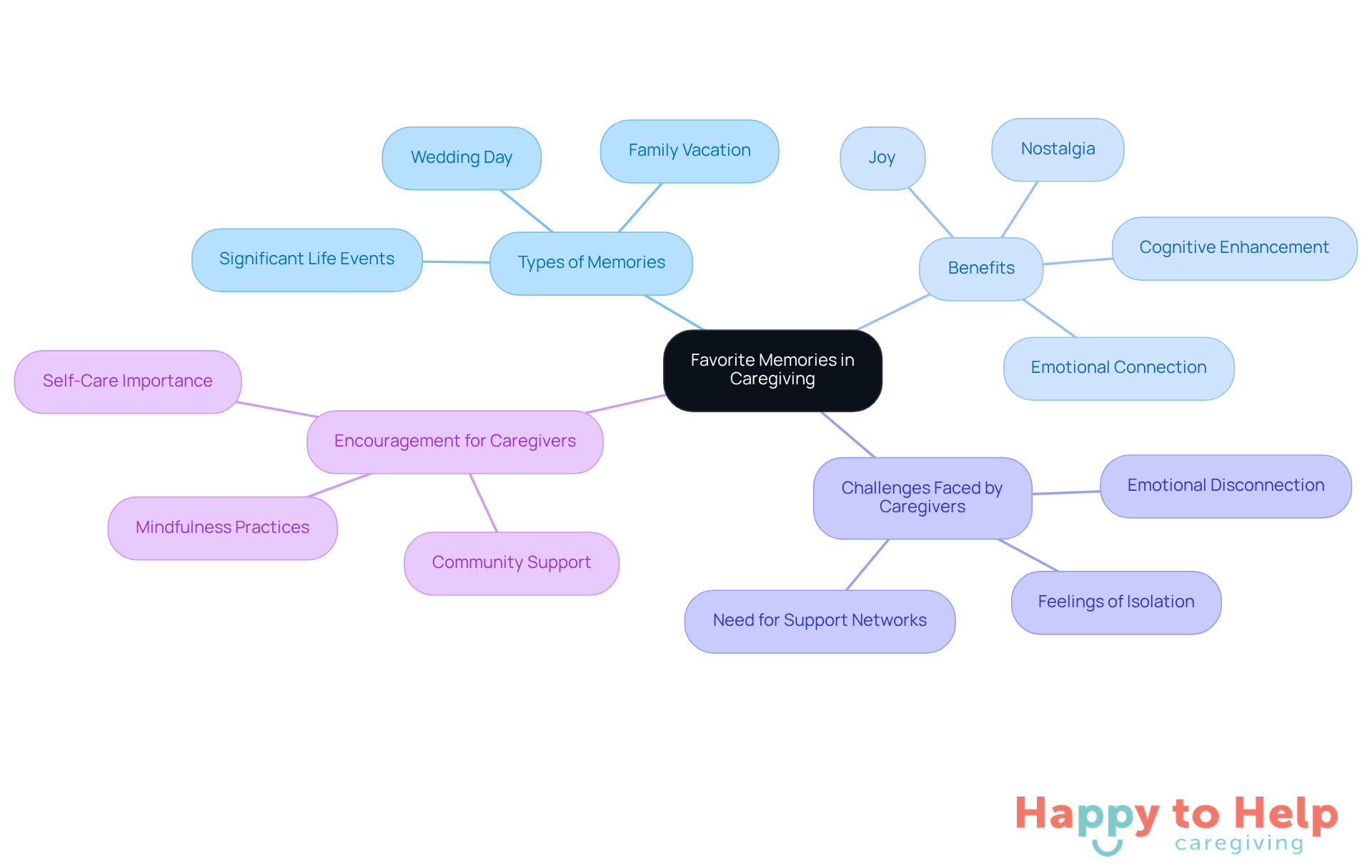
Caregivers often face the challenge of emotional disconnection with those they care for. This disconnection can lead to feelings of isolation and hinder the development of meaningful relationships. To address this issue, using questions to ask people with dementia about their favorite memories can be a powerful tool.
Encouraging individuals to share stories about significant life events - like their wedding day or a memorable family vacation - can evoke feelings of joy and nostalgia. This practice not only enhances cognitive abilities but also strengthens emotional connections between caregivers and those they support. By fostering these conversations, caregivers can create a more engaging and supportive environment by using questions to ask people with dementia.
How Are You Feeling Today?
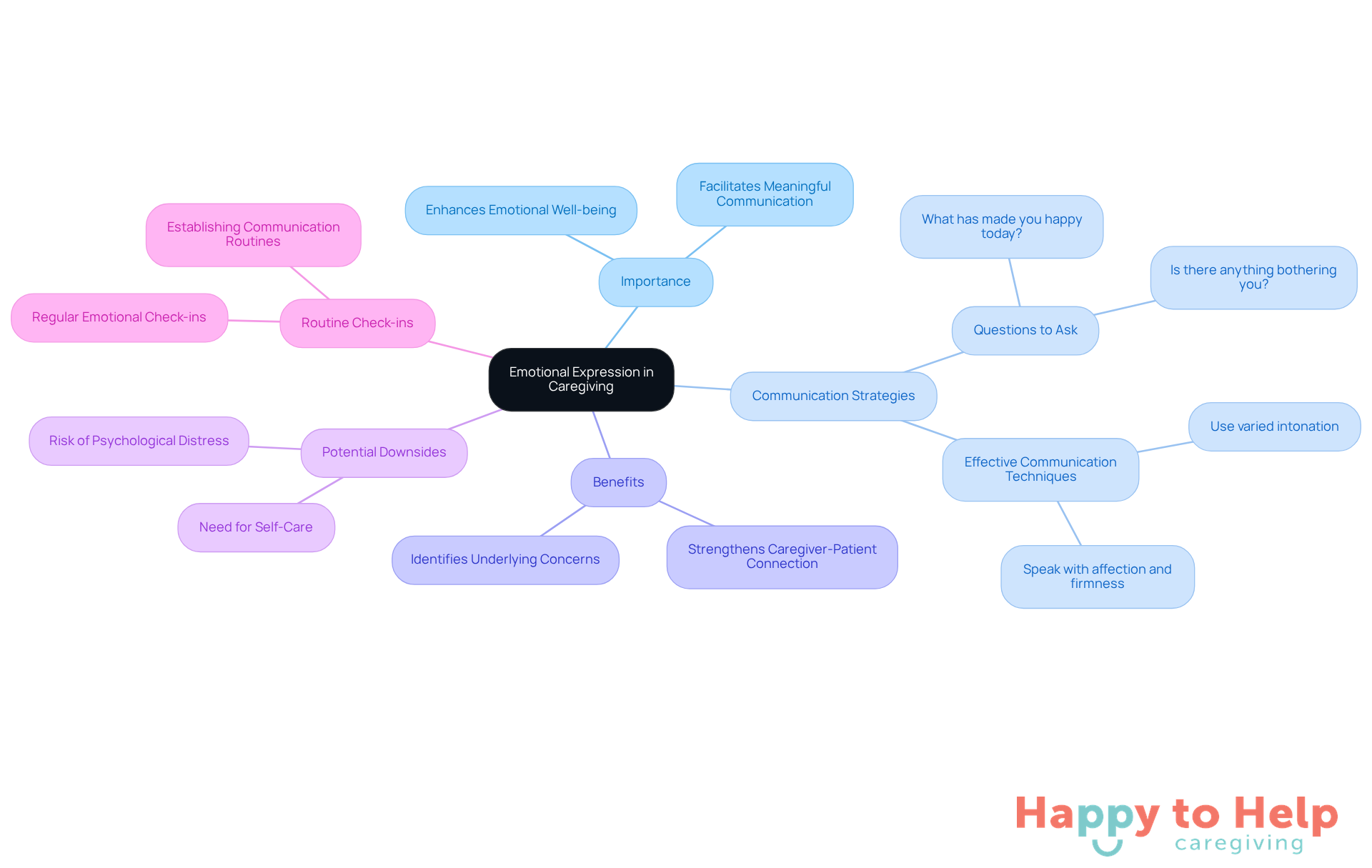
Promoting emotional expression is crucial in the care of individuals experiencing cognitive decline. Caregivers often face the challenge of facilitating meaningful communication, which can significantly impact the emotional well-being of those they support.
To address this issue, caregivers can use questions to ask people with dementia, such as:
- "What has made you happy today?"
- "Is there anything bothering you?"
The questions to ask people with dementia not only encourage individuals with memory impairments to share their feelings but also help caregivers identify and address any underlying concerns. Psychologists emphasize that such communication strategies enhance emotional involvement, allowing caregivers to connect more deeply with their loved ones.
However, it's important to recognize the potential downsides of affective empathy, which can lead to psychological distress if not managed properly. Caregivers must balance their emotional engagement with self-care to avoid burnout.
To foster an environment where feelings can be openly shared, caregivers should regularly check in with their loved ones about their emotions. Establishing a routine that prioritizes emotional communication can greatly enhance the quality of interactions and overall well-being for individuals living with cognitive impairments. By implementing these strategies, caregivers can create a supportive atmosphere that nurtures emotional expression and strengthens connections.
What Does Your Daily Routine Look Like?
Understanding the daily habits of individuals with cognitive decline is crucial for effective caregiving. Caregivers often face the challenge of adapting their support to meet the unique needs of these individuals. This can lead to frustration and uncertainty, impacting both the caregiver and the person receiving care.
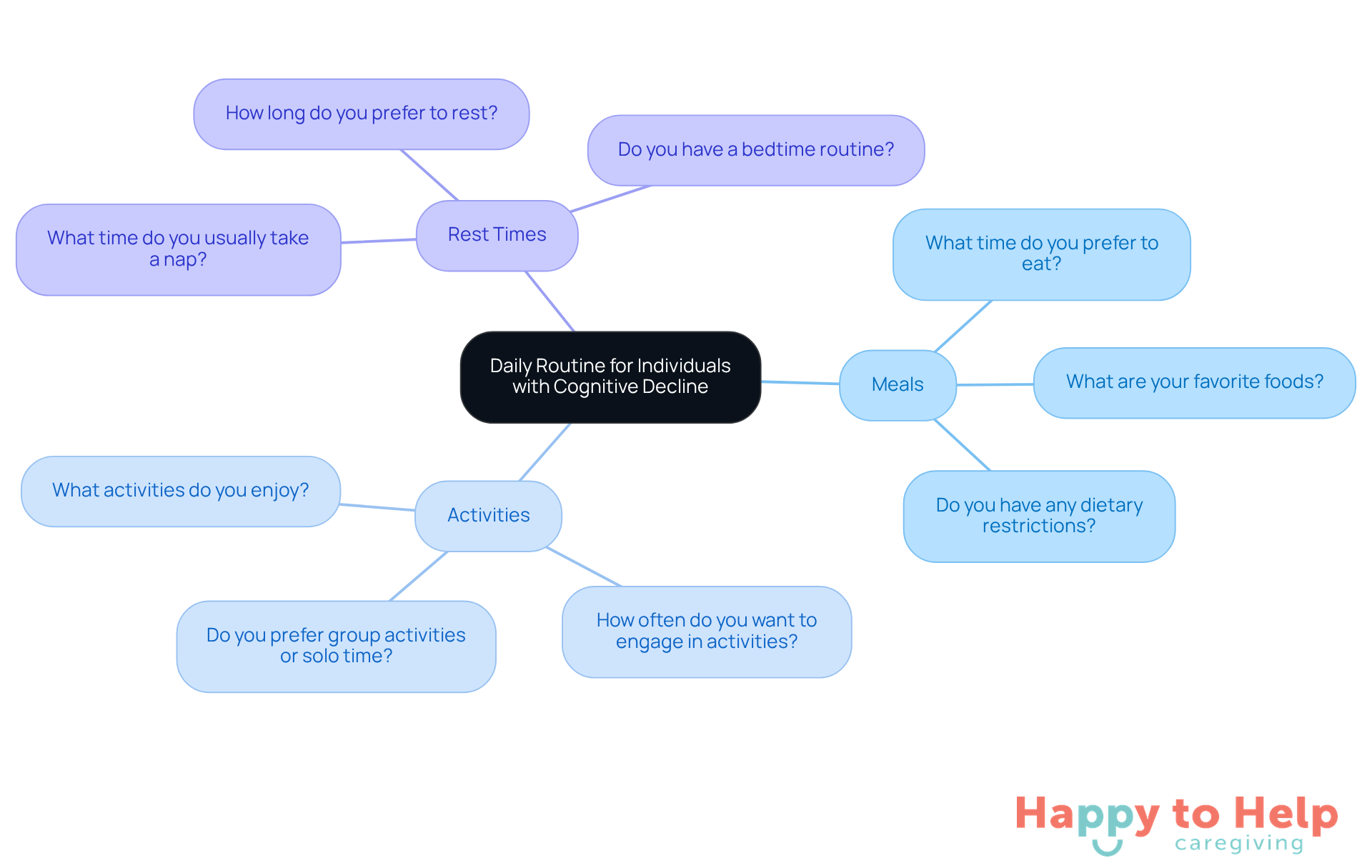
To address this issue, caregivers should consider questions to ask people with dementia about their typical day, including:
- Meals
- Activities
- Rest times
This practice provides valuable insights that can help tailor support to align with the individual's preferences and requirements. By personalizing care and considering the questions to ask people with dementia, caregivers can create a smoother caregiving experience and significantly enhance the quality of life for dementia patients.
Research shows that predictable schedules and familiar activities offer stability and comfort, which are essential for reducing anxiety and agitation. As noted by The Bristal, "Routine serves as an anchor in the storm of memory loss." Implementing these routines into care strategies can greatly improve the emotional and psychological well-being of clients. Lower stress levels often lead to better sleep patterns and improved appetite.
By recognizing the importance of daily tasks, caregivers can foster a nurturing environment that honors a person's history and current situation. This approach not only promotes dignity but also leads to a more satisfying life for those affected by cognitive decline.
What Activities Do You Enjoy?
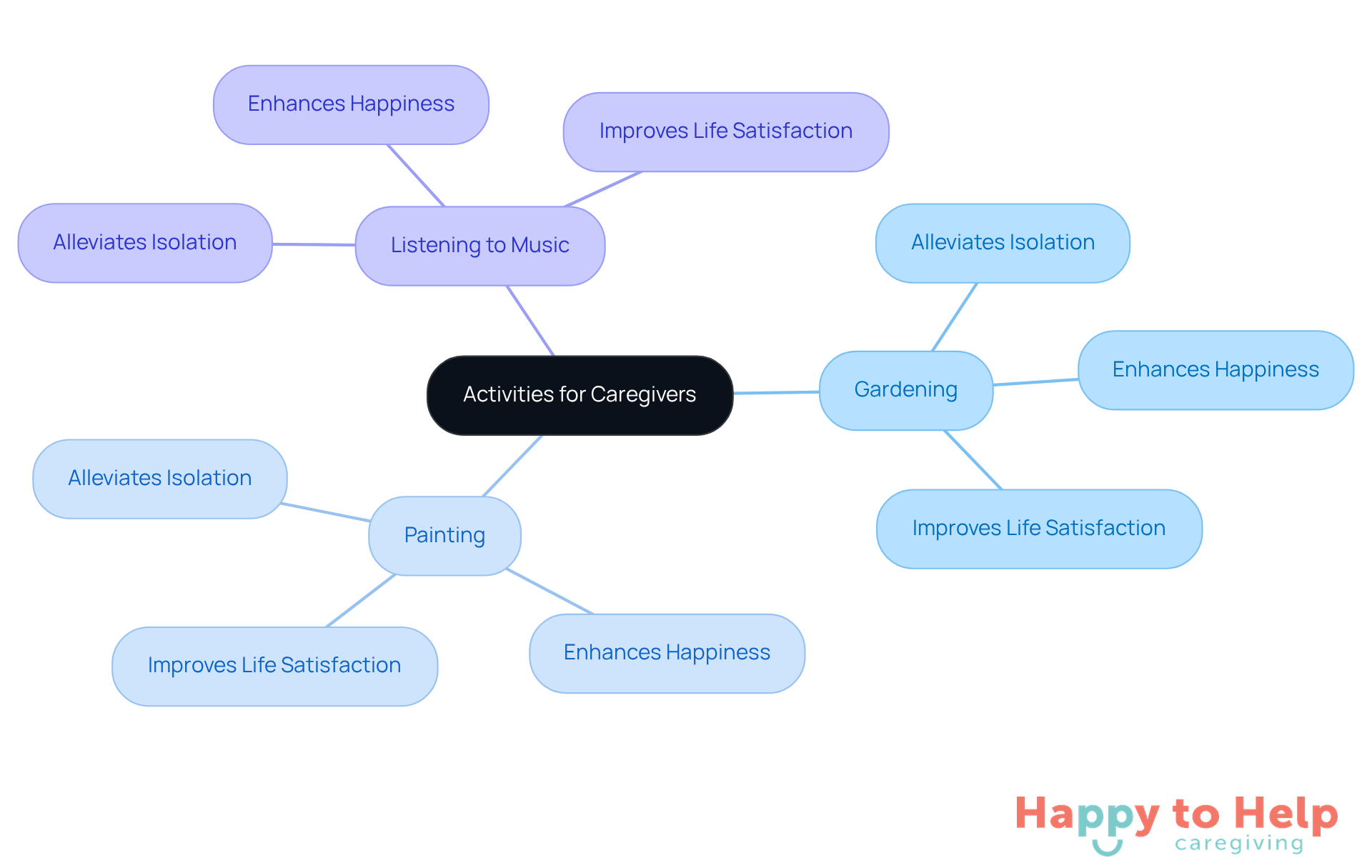
Many caregivers face the challenge of helping individuals with memory impairments combat feelings of isolation and boredom. Activities like gardening, painting, or listening to music can significantly alleviate these feelings, fostering a sense of normalcy. Research shows that engaging in hobbies is linked to lower depressive symptoms (pooled coefficient = -0.10) and higher levels of happiness (pooled coefficient = 0.09) and life satisfaction among older adults.
Occupational therapists, such as John Ferris, highlight the importance of facilitating hobbies for cognitive health. He states, "It’s very much about being playful and experimental, but it’s also allowing people to express themselves and feel heard." To effectively facilitate these hobbies, caregivers should understand individual preferences and create an encouraging environment for participation. This approach not only enhances the quality of life for those with cognitive decline but also helps preserve their sense of purpose and connection to their history, which is vital for overall mental well-being.
Moreover, the relationship between hobby engagement and mental health is bidirectional. Increased participation in hobbies can lead to improved mental health, which in turn encourages further engagement in these activities. By prioritizing these enriching pastimes, caregivers can make a meaningful difference in the lives of those they support.
How Would You Like to Be Supported?
Involving individuals with cognitive decline in discussions about their treatment choices is crucial. Many caregivers face the challenge of not knowing the right questions to ask people with dementia to engage these patients effectively. This lack of communication can lead to care that doesn’t align with the patient’s wishes, ultimately affecting their quality of life, highlighting the importance of understanding the questions to ask people with dementia.
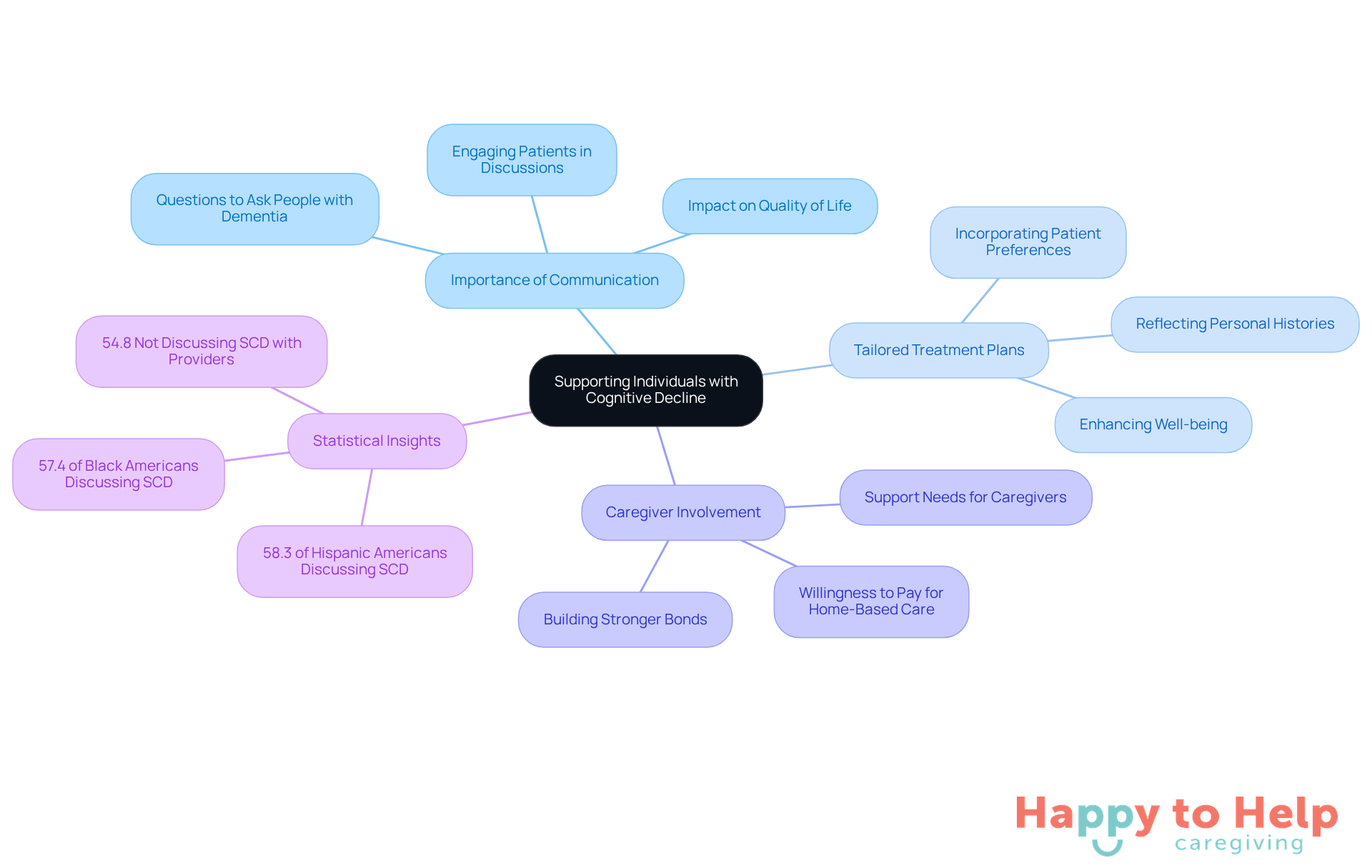
Studies indicate that tailored treatment plans significantly enhance the well-being of those with cognitive impairment. These plans should reflect personal histories, interests, and values, ensuring that care is both respectful and effective. By understanding patient preferences and incorporating questions to ask people with dementia, health providers can create strategies that promote dignity and comfort, leading to better outcomes for both caregivers and patients.
Data shows that actively involving patients in decision-making correlates with higher satisfaction levels. For instance, caregivers are often willing to spend an average of $51.81 daily for home-based support that respects patient preferences. This highlights the importance of prioritizing patient voices in caregiving, as it fosters better health outcomes and encourages the use of questions to ask people with dementia, resulting in a more rewarding experience for caregivers.
Moreover, it’s concerning that 54.8% of adults aged 45 and older experiencing subjective cognitive decline (SCD) have not discussed these challenges with a healthcare provider. This underscores the urgent need for open communication. By fostering dialogue about support needs, caregivers can empower patients and strengthen their bond, making the caregiving journey more fulfilling for everyone involved.
Who Are Your Closest Friends or Family?
Memory impairment can significantly hinder social interactions, leaving individuals feeling isolated and disconnected. Caregivers often face the challenge of encouraging meaningful conversations by using questions to ask people with dementia, which can enhance emotional well-being. To address this, caregivers can use questions to ask people with dementia, such as, 'Who do you enjoy spending time with?' or "What activities do you like to do with your friends?" The questions to ask people with dementia not only stimulate dialogue but also help caregivers facilitate visits or phone calls, reinforcing vital social bonds.
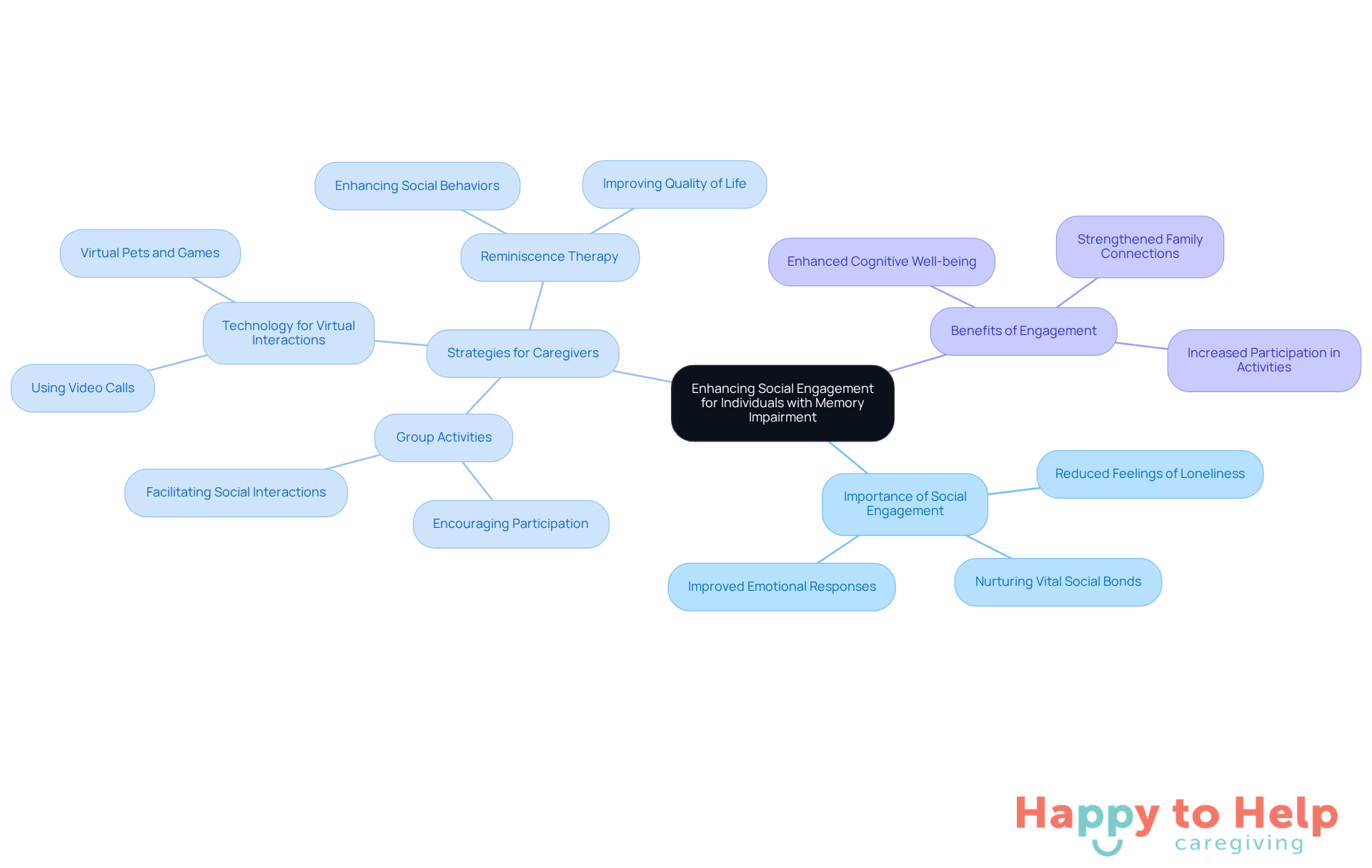
Research indicates that social engagement is crucial for the well-being of those with cognitive impairment. It can lead to improved emotional responses and reduced feelings of loneliness. Gerontologists stress the importance of support providers in nurturing these connections, suggesting that regular family interactions and community involvement can help mitigate the risks associated with loneliness and cognitive decline.
To foster social engagement, caregivers can implement several effective strategies:
- Organize group activities that encourage participation.
- Utilize technology for virtual interactions, making it easier to connect with loved ones.
- Create opportunities for reminiscence therapy, which has been shown to enhance social behaviors and improve overall quality of life.
By actively promoting these social exchanges, caregivers can significantly enhance the emotional and cognitive well-being of individuals with memory impairment.
What Worries You the Most?
Caregivers often face significant worries related to health, family, or daily life. These concerns can create stress and hinder their ability to provide effective care. Recognizing these worries is crucial, as it allows providers to offer focused support and reassurance.
By addressing caregivers' concerns, we promote a sense of safety and well-being. This not only helps caregivers feel more secure but also enhances their capacity to care for others. Engaging in open conversations about these worries can lead to actionable solutions that improve both caregiver and recipient experiences.
How Do You Prefer to Communicate?
Recognizing a person's preferred communication style is essential in cognitive impairment care. Caregivers often face the challenge of effectively engaging with individuals who may struggle to communicate, which makes it essential to know the right questions to ask people with dementia. This can lead to feelings of frustration and isolation for both the caregiver and the patient. As Angie Nunez Merryman states, "Although your loved one may not remember you or might do things that frustrate you, this is the time when he or she needs you the most."
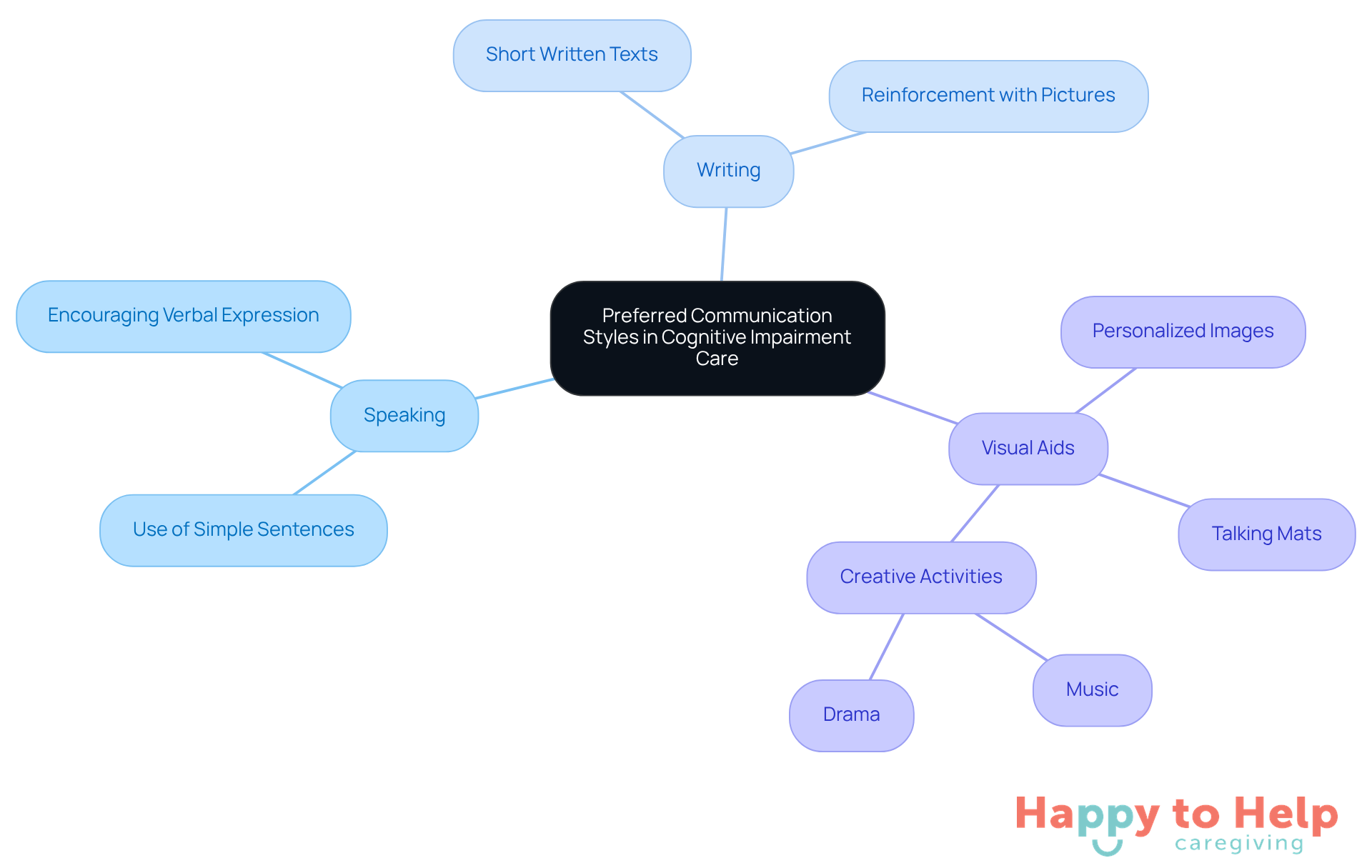
To address these challenges, caregivers should consider the questions to ask people with dementia regarding whether the person prefers speaking, writing, or using visual aids. Modifying communication techniques to match these preferences can greatly enhance interactions. For instance, using personalized images or visual aids can lower cognitive effort and facilitate understanding. Speech therapists emphasize that this tailored approach not only promotes effective engagement but also strengthens the emotional bond between the provider and patient.
Furthermore, caregivers should recognize the emotional backdrop of interactions. Upholding a compassionate manner can ease feelings of frustration or isolation for individuals with cognitive impairment. With around fifty million individuals affected by cognitive decline globally, expected to increase to 152 million by 2050, emphasizing these strategies is crucial. By utilizing effective resources such as Talking Mats, supporters can establish a nurturing atmosphere that honors the distinct communication requirements of every person.
What Has Your Experience with Care Been Like?
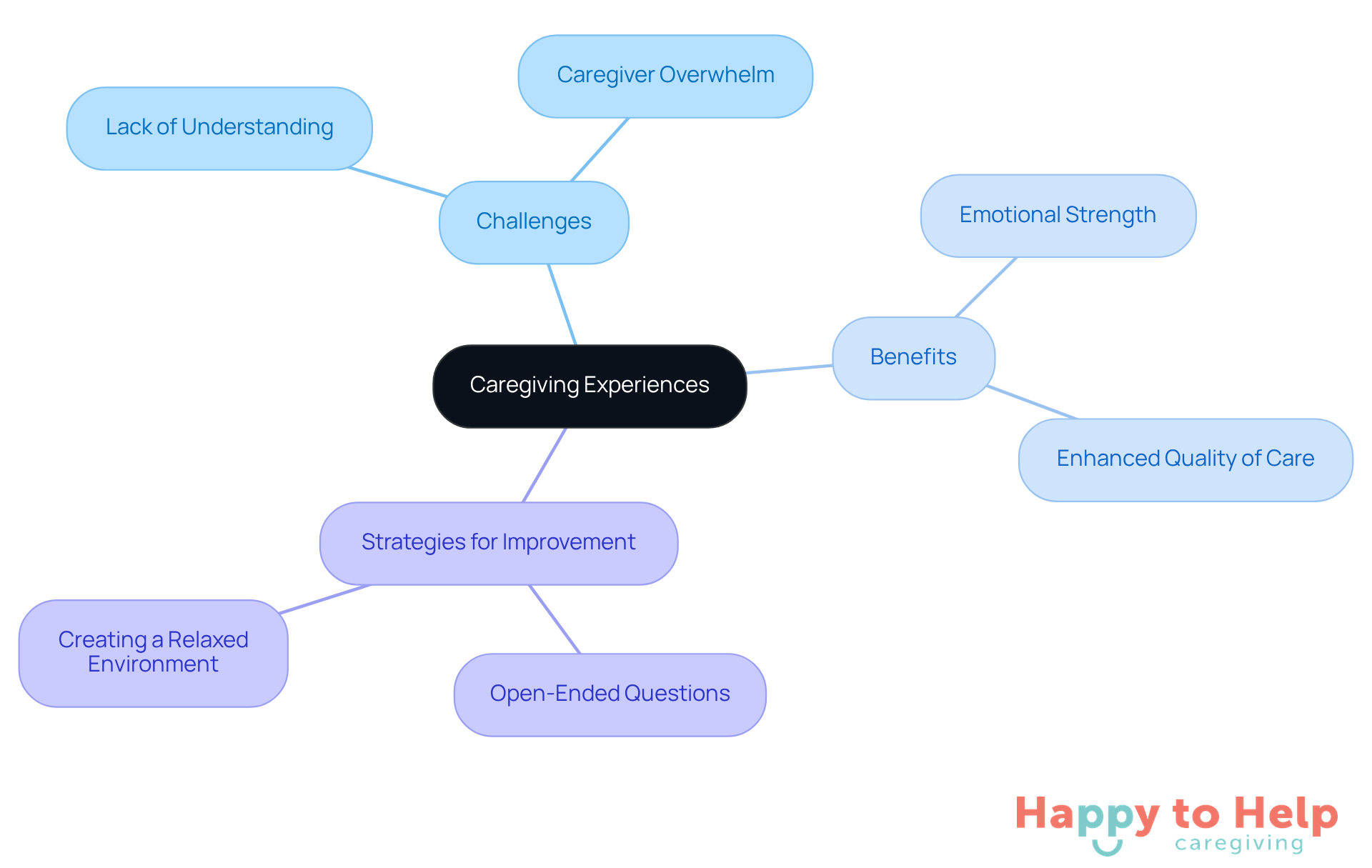
Encouraging people with dementia to share their past caregiving experiences presents a significant challenge. Many caregivers may not fully grasp the preferences and needs of those they support, which can lead to ineffective care. This lack of understanding not only affects the quality of support provided but can also leave caregivers feeling unprepared and overwhelmed.
However, by actively inquiring about what individuals appreciated or found unappealing in their previous support, caregivers can gain valuable insights. This feedback is crucial for customizing support strategies that align with the individual's unique preferences. Studies indicate that those who seek and integrate patient input can significantly enhance the quality of care offered. For instance, provider satisfaction with assistance was notably higher in both health-system and community-based support methods compared to standard treatment over an 18-month period.
Understanding previous experiences allows caregivers to make meaningful adjustments, ensuring that support is both effective and compassionate. Notably, 47% of respondents reported that their past experiences made them emotionally stronger in helping others cope with death and dying, underscoring the emotional benefits of sharing these experiences.
To foster this dialogue, support providers are encouraged to create a relaxed environment. Posing open-ended questions to ask people with dementia about their previous support experiences can cultivate a more supportive atmosphere, ultimately enhancing the overall well-being of individuals with dementia.
What Would You Like to Change About Your Care?
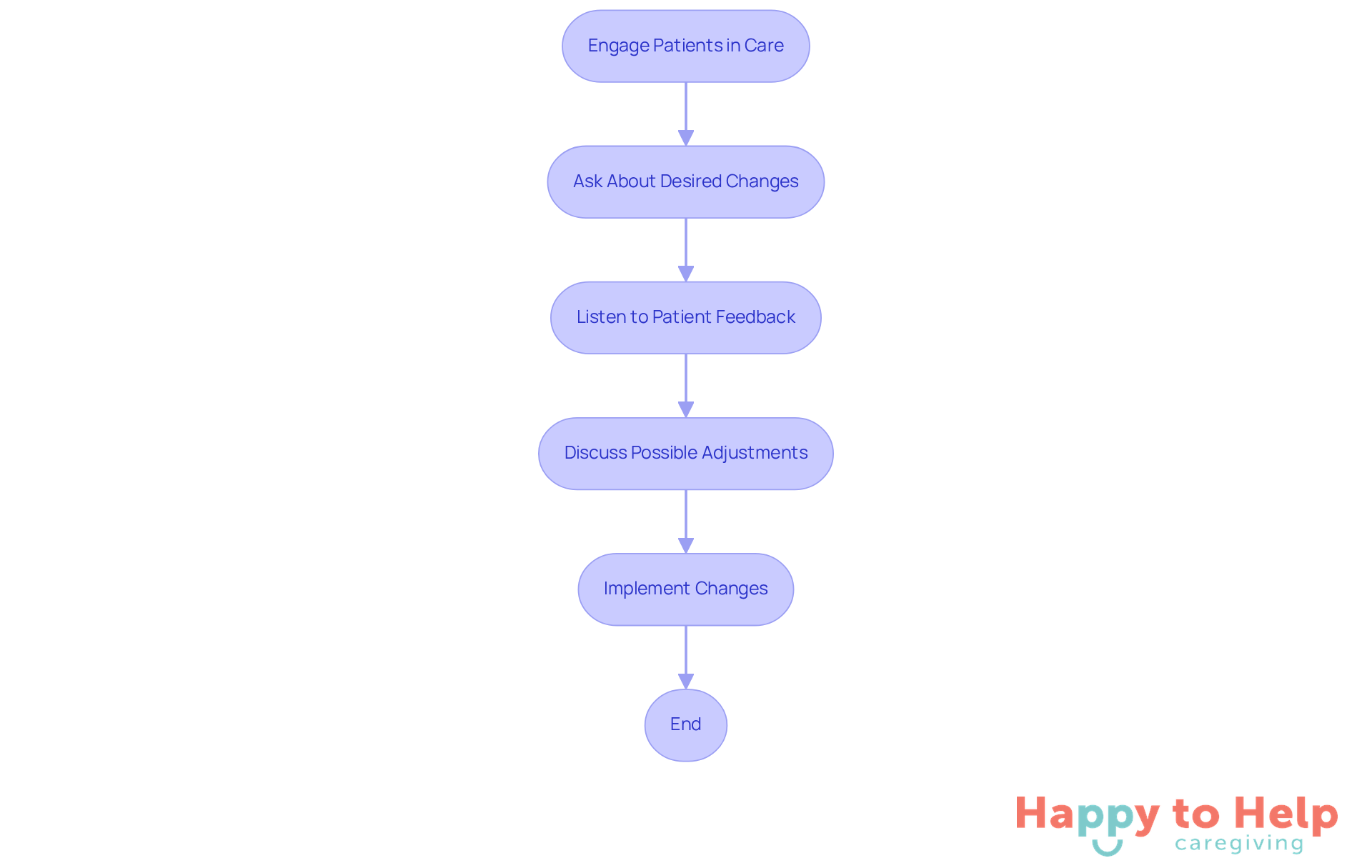
Caregivers often face challenges when it comes to determining the right questions to ask people with dementia to involve them in their treatment plans. Without active participation, patients may feel a lack of control over their care, leading to decreased satisfaction and autonomy. This can create a disconnect between caregivers and those they care for, ultimately affecting the quality of care provided.
To address this issue, caregivers should actively inquire about the modifications patients would prefer in their treatment. This could include adjustments in daily routines, types of activities, or levels of assistance. By engaging patients in discussions about their care plans, caregivers can foster a sense of ownership and satisfaction in their treatment journey by incorporating questions to ask people with dementia.
Incorporating patient preferences not only enhances their experience but also promotes better outcomes. Caregivers can implement this by regularly checking in with patients and encouraging open dialogue about their needs and desires. This approach not only empowers patients but also strengthens the caregiver-patient relationship.
Moving Forward with Questions to Ask People with Dementia
Engaging with individuals experiencing dementia through thoughtful questions presents a significant challenge for caregivers. The emotional well-being of these individuals often suffers, leading to feelings of isolation and disconnection. This situation not only affects those with cognitive decline but also places a burden on caregivers, who strive to provide meaningful support.
To address this issue, caregivers can focus on inquiries that tap into memories, feelings, daily routines, and personal preferences. By fostering deeper connections through these questions, caregivers can create a more supportive environment. This approach enriches the lives of those with dementia and empowers caregivers to deliver more tailored and compassionate care.
Key strategies include:
- The importance of reminiscence
- Emotional expression
- Understanding daily habits
- Facilitating social connections
Each of these elements plays a crucial role in improving the quality of life for individuals with dementia. By actively listening and responding to their needs, caregivers can help reduce feelings of isolation and enhance overall satisfaction in the caregiving experience.
Ultimately, the journey of caring for someone with dementia thrives on communication and understanding. By implementing the essential questions discussed, caregivers can support the emotional and cognitive health of their loved ones while creating a more fulfilling caregiving relationship. Embracing these strategies can lead to a brighter, more connected future for both caregivers and those they care for.
https://iframe.tely.ai/cta/eyJhcnRpY2xlX2lkIjogIjY5MjI0ZjYyNGZjYWRhOTUwOGRlNDNlMSIsICJjb21wYW55X2lkIjogIjY4ZWU1ZGNhNzMxNzYyNTU3ZjNjOTVjMSIsICJpbmRleCI6IG51bGwsICJ0eXBlIjogImFydGljbGUifQ==Frequently Asked Questions
What challenges do caregivers face when caring for individuals with dementia?
Caregivers often experience emotional disconnection with those they care for, leading to feelings of isolation and hindering the development of meaningful relationships.
How can caregivers encourage emotional connection with individuals who have dementia?
Caregivers can use questions to ask individuals about their favorite memories, such as significant life events like weddings or family vacations, which can evoke joy and nostalgia.
What types of questions can caregivers ask to promote emotional expression?
Caregivers can ask questions like 'What has made you happy today?' or 'Is there anything bothering you?' to encourage individuals with memory impairments to share their feelings.
Why is emotional communication important in caregiving?
Emotional communication enhances emotional involvement, allowing caregivers to connect more deeply with those they support, which can improve the emotional well-being of individuals experiencing cognitive decline.
What should caregivers be cautious about when engaging emotionally with those they care for?
Caregivers should recognize the potential downsides of affective empathy, which can lead to psychological distress if not managed properly, and they must balance emotional engagement with self-care to avoid burnout.
How can caregivers understand the daily routines of individuals with cognitive decline?
Caregivers can ask questions about daily habits, including meals, activities, and rest times, to tailor support to the individual's preferences and needs.
What benefits do predictable schedules and familiar activities provide for individuals with dementia?
Predictable schedules and familiar activities offer stability and comfort, which are essential for reducing anxiety and agitation, leading to better emotional and psychological well-being.
How can recognizing daily tasks impact the caregiving experience?
Recognizing the importance of daily tasks fosters a nurturing environment that honors a person's history and current situation, promoting dignity and leading to a more satisfying life for those affected by cognitive decline.
List of Sources
- What Are Your Favorite Memories?
- Top List of Inspirational Dementia Quotes for Caregivers (https://rochesterlawcenter.com/dementia-resources/dementia-quotes)
- 4 Inspiring Quotes for Caring for a Loved One With Alzheimer’s | myALZteam (https://myalzteam.com/resources/inspiring-quotes-for-caring-for-a-loved-one-with-alzheimers)
- Inspirational Quotes about Dementia | CareYaya (https://careyaya.org/resources/blog/inspirational-quotes-about-dementia)
- Dunblane dementia friendly group brings hope and friendship during COVID-19 - Health and Social Care Alliance Scotland (https://alliance-scotland.org.uk/blog/case\_studies/dunblane-dementia-friendly-group-brings-hope-and-friendship-during-covid-19)
- (https://belleviecare.co.uk/support-advice/dementia-quotes-to-lift-your-spirits)
- How Are You Feeling Today?
- Communication and engagement with people living with dementia (https://dementia.org.au/news/communication-and-engagement-people-living-dementia)
- Empathy and mental health distress in informal caregivers of dementia and stroke patients: a cross-sectional study - Scientific Reports (https://nature.com/articles/s41598-025-07024-3)
- Empathy’s Influence: Dementia Patients Supporting Caregivers (https://caes.ucdavis.edu/news/empathys-influence-dementia-patients-supporting-caregivers)
- Alzheimer's Disease Facts and Figures (https://alz.org/alzheimers-dementia/facts-figures)
- Most effective way to communicate with Alzheimer's patients identified (https://medicalxpress.com/news/2024-11-effective-communicate-alzheimer-patients.html)
- What Does Your Daily Routine Look Like?
- The Importance of Routine for Seniors with Alzheimer’s and Dementia (https://blog.thebristal.com/importance-routine-seniors-alzheimers-dementia)
- Alzheimer’s Care: Tips for Families and Caregivers to Manage Daily Challenges: Kenneth K Wogensen, MD: Neurologist (https://wogensenneurology.com/blog/alzheimers-care-tips-for-families-and-caregivers-to-manage-daily-challenges)
- ADI - Dementia statistics (https://alzint.org/about/dementia-facts-figures/dementia-statistics)
- New Alzheimer’s Association Report Reveals Top Stressors for Caregivers and Lack of Care Navigation Support and Resources (https://alz.org/news/2024/new-alzheimers-association-report-reveals-top-stressors-caregivers)
- Fact Sheet: U.S. Dementia Trends (https://prb.org/resources/fact-sheet-u-s-dementia-trends)
- What Activities Do You Enjoy?
- Making Waves – Chris Myles - Health and Social Care Alliance Scotland (https://alliance-scotland.org.uk/blog/case\_studies/10475)
- Caregiver Dementia Quotes (Encouragement For Dementia Caregivers) (https://optoceutics.com/caregiver-dementia-quotes-encouragement-dementia-caregivers?srsltid=AfmBOoqB4hjCwjHvMg1lZ9t9P5LkmDRSkf0snlbBXBYIP19SMqlXu5uA)
- Hobby engagement and mental wellbeing among people aged 65 years and older in 16 countries - PMC (https://pmc.ncbi.nlm.nih.gov/articles/PMC10504079)
- Evaluation of the ‘Ladder to the Moon, Culture Change Studio Engagement Programme’ staff training: Two quasi-experimental case studies | Request PDF (https://researchgate.net/publication/313538369\_Evaluation\_of\_the\_'Ladder\_to\_the\_Moon\_Culture\_Change\_Studio\_Engagement\_Programme'\_staff\_training\_Two\_quasi-experimental\_case\_studies)
- Engaging in hobbies boosts mental well-being for seniors, study finds (https://news-medical.net/news/20230913/Engaging-in-hobbies-boosts-mental-well-being-for-seniors-study-finds.aspx)
- How Would You Like to Be Supported?
- How to Stay Connected with a Loved One with Alzheimer’s Disease (https://yalemedicine.org/news/alzheimers-disease-dementia-care)
- Preferences for Postacute Care at Home vs Facilities - PMC (https://pmc.ncbi.nlm.nih.gov/articles/PMC11065156)
- Data, Assessment, and Analysis | Alzheimer's Association (https://alz.org/professionals/public-health/public-health-topics/data-assessment-analysis)
- The Importance of a Personalised Dementia Care Plan (https://rubislawpark.com/news-events/the-importance-of-a-personalised-dementia-care-plan)
- The Importance of Patient-Centered Care for People Living with Dementia and Their Caregivers (https://forhealthconsulting.umassmed.edu/the-importance-of-patient-centered-care-for-people-living-with-dementia-and-their-caregivers)
- Who Are Your Closest Friends or Family?
- Social connections as determinants of cognitive health and as targets for social interventions in persons with or at risk of Alzheimer’s disease and related disorders: a scoping review - PMC (https://pmc.ncbi.nlm.nih.gov/articles/PMC11058077)
- New Studies Suggest Social Isolation Is a Risk Factor for Dementia in Older Adults, Point to Ways to Reduce Risk (https://hopkinsmedicine.org/news/newsroom/news-releases/2023/01/new-studies-suggest-social-isolation-is-a-risk-factor-for-dementia-in-older-adults-point-to-ways-to-reduce-risk)
- ‘Virtual’ Socializing Greatly Eases Isolation in Seniors with Dementia (https://fau.edu/newsdesk/articles/virtual-socialization-dementia-study.php)
- The Impact of Loneliness and Social Isolation on Cognitive Aging: A Narrative Review - PMC (https://pmc.ncbi.nlm.nih.gov/articles/PMC10357115)
- How Do You Prefer to Communicate?
- Study offers guidance for communicating with loved ones living with dementia (https://news-medical.net/news/20250827/Study-offers-guidance-for-communicating-with-loved-ones-living-with-dementia.aspx)
- Top List of Inspirational Dementia Quotes for Caregivers (https://rochesterlawcenter.com/dementia-resources/dementia-quotes)
- Methods and approaches for enhancing communication with people with moderate-to-severe dementia that can facilitate their inclusion in research and service evaluation: Findings from the IDEAL programme - PMC (https://pmc.ncbi.nlm.nih.gov/articles/PMC9109550)
- 27 Inspirational Quotes for Caregivers (https://ultimatecareny.com/resources/27-quotes-for-caregivers)
- (https://belleviecare.co.uk/support-advice/dementia-quotes-to-lift-your-spirits)
- What Has Your Experience with Care Been Like?
- D-CARE study finds caregiver satisfaction higher with dementia care programs than usual care (https://uclahealth.org/news/release/d-care-study-finds-caregiver-satisfaction-higher-with)
- Citizens with a caregiving experience in the past year are more likely to participate in neighbourhood activities regarding serious illness, death or loss: a cross-sectional survey study (https://tandfonline.com/doi/full/10.1080/13576275.2024.2441176)
- Patient Experience, Satisfaction and Billing Statistics | CallMiner (https://callminer.com/blog/101-statistics-on-patient-experience-satisfaction-billing-and-more)
- Number of Family Caregivers Supporting Older Adults Increased Nearly One-Third Between 2011 and 2022 | Johns Hopkins Bloomberg School of Public Health (https://publichealth.jhu.edu/2025/number-of-family-caregivers-supporting-older-adults-increased-nearly-one-third-between-2011-and-2022)
- (https://belleviecare.co.uk/support-advice/dementia-quotes-to-lift-your-spirits)
- What Would You Like to Change About Your Care?
- Top List of Inspirational Dementia Quotes for Caregivers (https://rochesterlawcenter.com/dementia-resources/dementia-quotes)
- Caregiver Quotes and Words of Strength | Luxe Homecare (https://luxehomecare.com/caregivers-quotes)
- GUIDE (Guiding an Improved Dementia Experience) Model | CMS (https://cms.gov/priorities/innovation/innovation-models/guide)
- Case Studies (https://savvyseniorshousing.com/Case\_Studies.html)