

For families in our service areas
For families in our service areas, this guide explains veteran home care and how non-medical in-home caregiving can support care planning in East Idaho, Treasure Valley & Magic Valley, Northern Wasatch, North Central West Virginia, and Northeast Ohio.
The Importance of Resources for Veteran Senior Living
Navigating the complexities of senior living presents a significant challenge for veterans, who often encounter unique obstacles in accessing the support they require. Many veterans face financial burdens, difficulties in healthcare access, and concerns about emotional well-being. These issues can severely impact their quality of life and dignity.
This article highlights ten essential resources aimed at empowering former service members. Each resource offers tailored assistance that addresses their specific needs, providing actionable solutions to enhance their overall well-being. As we explore these resources, we will discuss how veterans can effectively leverage them to improve their lives.
Happy to Help Caregiving: Personalized In-Home Support for Veterans
Former service members often face unique challenges when it comes to receiving care. Many struggle with adapting to new support requirements, which can lead to feelings of isolation and uncertainty. This situation is compounded by the need for empathetic attention that truly understands their specific needs.
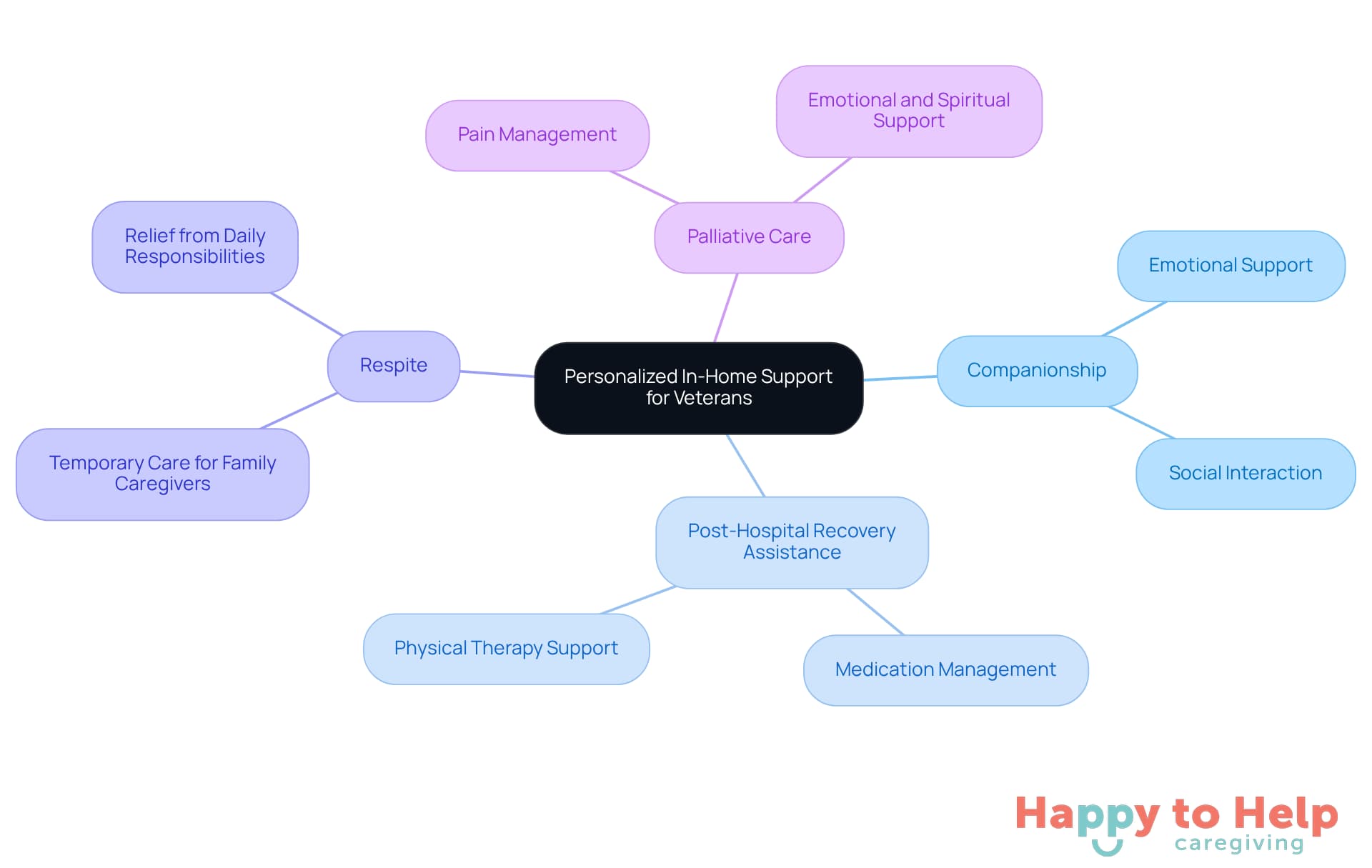
Happy to Help Caregiving addresses these challenges by providing individualized in-home assistance tailored to the needs of veteran senior living. Their services include:
- Companionship
- Post-hospital recovery assistance
- Respite
- Palliative care
This customized approach not only promotes autonomy but also fosters a sense of safety and comfort in familiar environments.
By ensuring that care is delivered with empathy and understanding, Happy to Help Caregiving assists with veteran senior living by helping former service members navigate their new support needs effectively. This not only enhances their quality of life but also allows them to maintain a sense of dignity and independence.
Aid and Attendance Benefit: Additional Financial Support for Daily Living
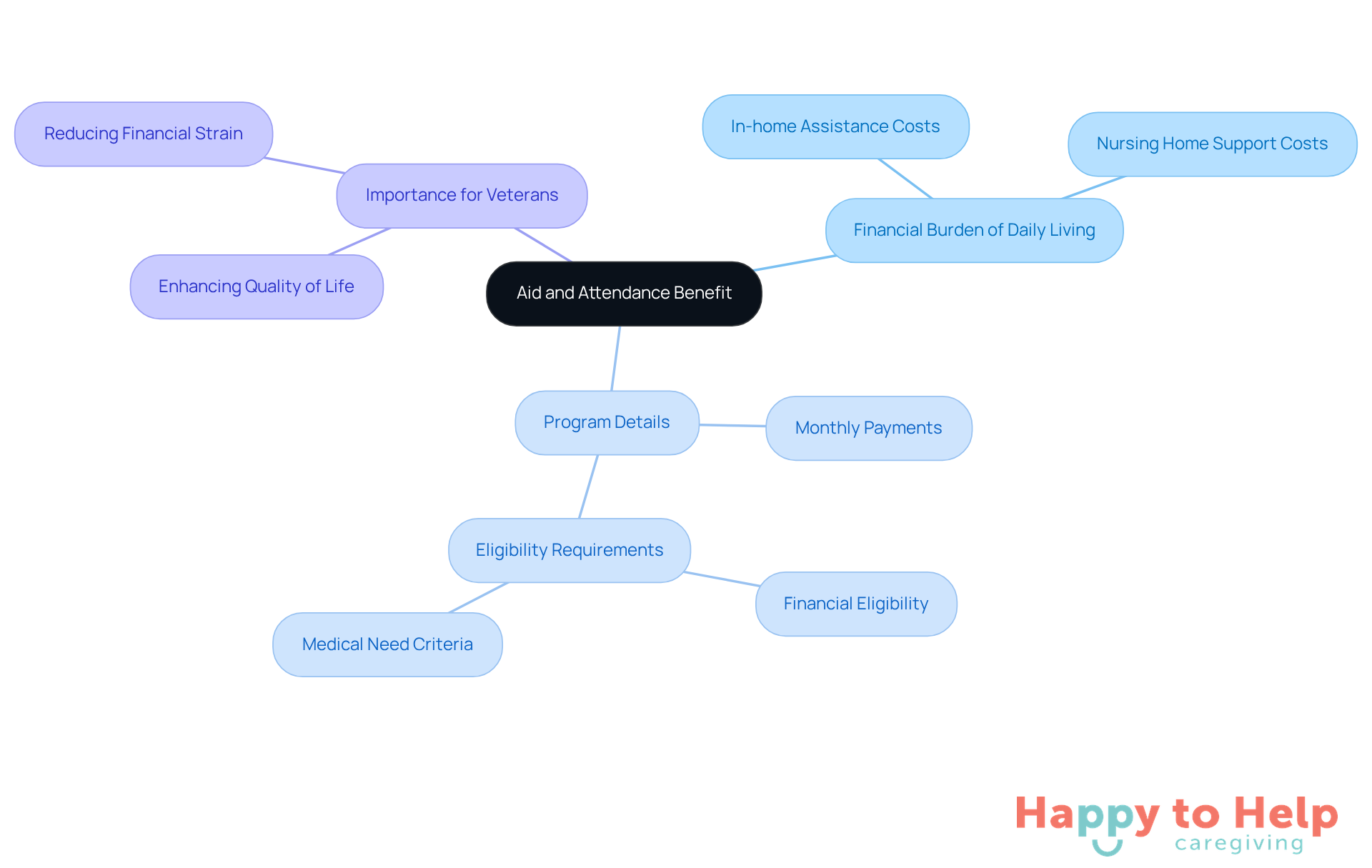
Many former service members face a significant challenge in veteran senior living: the financial burden of daily living tasks. This issue can become overwhelming, especially when considering the costs associated with long-term care, such as in-home assistance or nursing home support.
Fortunately, the Aid and Attendance program offers a solution. This program provides extra financial assistance to qualified former service members, enhancing their current VA pension. With monthly payments, individuals can better manage expenses related to their care needs.
This support is crucial for those in veteran senior living who may struggle with the costs of long-term care, ensuring that they receive the help they need without the added stress of financial strain.
Veteran Pension Programs: Financial Assistance for Low-Income Veterans
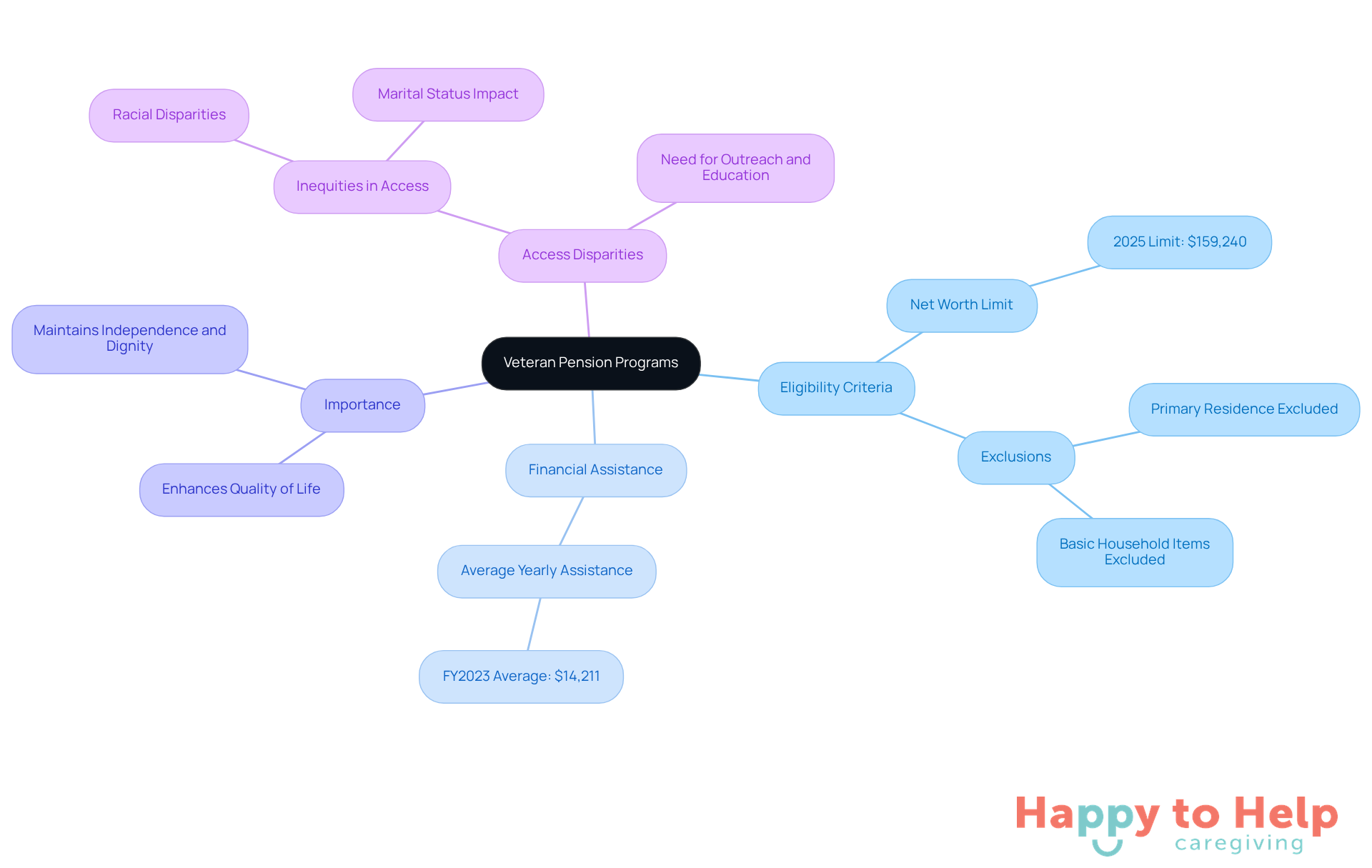
Senior pension programs play a vital role in providing financial assistance to low-income service members, offering monthly payments that help cover essential living expenses. However, many former service members may not be aware of their eligibility for these pensions, which are specifically designed for those who served during wartime and meet defined income and asset criteria.
In 2025, the net worth limit for eligibility is set at $159,240, which includes assets and annual income but excludes primary residences and basic household items. This financial assistance is not just a lifeline; it significantly enhances the quality of life for former service members and their families, allowing them to maintain independence and dignity in their daily lives.
Statistics reveal that in FY2023, the average yearly assistance for former service members receiving pensions was around $14,211. This highlights the importance of these programs in alleviating financial pressure. Moreover, those who utilize these resources often report improved well-being and reduced anxiety related to financial instability. Financial advisors stress the need for understanding and accessing these pension programs, as they can provide crucial support during tough times.
To navigate their options effectively, former service members should be informed about the availability and eligibility requirements of these aids. As KST noted, "As an entitlement, guaranteed access to information and application assistance is VA’s responsibility and should not be at the discretion of individual providers or medical centers." This underscores the necessity for former service members and their families to be aware of their rights and available resources.
Additionally, a case study on "Inequities in Access to Aid and Attendance Assistance" reveals disparities in support access among former service members. Addressing these inequalities is essential to ensure that all qualified individuals receive the assistance they need. With the recent 2.5% COLA increase for 2025, former service members can anticipate their benefits adjusting accordingly, further bolstering their financial stability.
VA Healthcare for Seniors: Comprehensive Medical Care Options
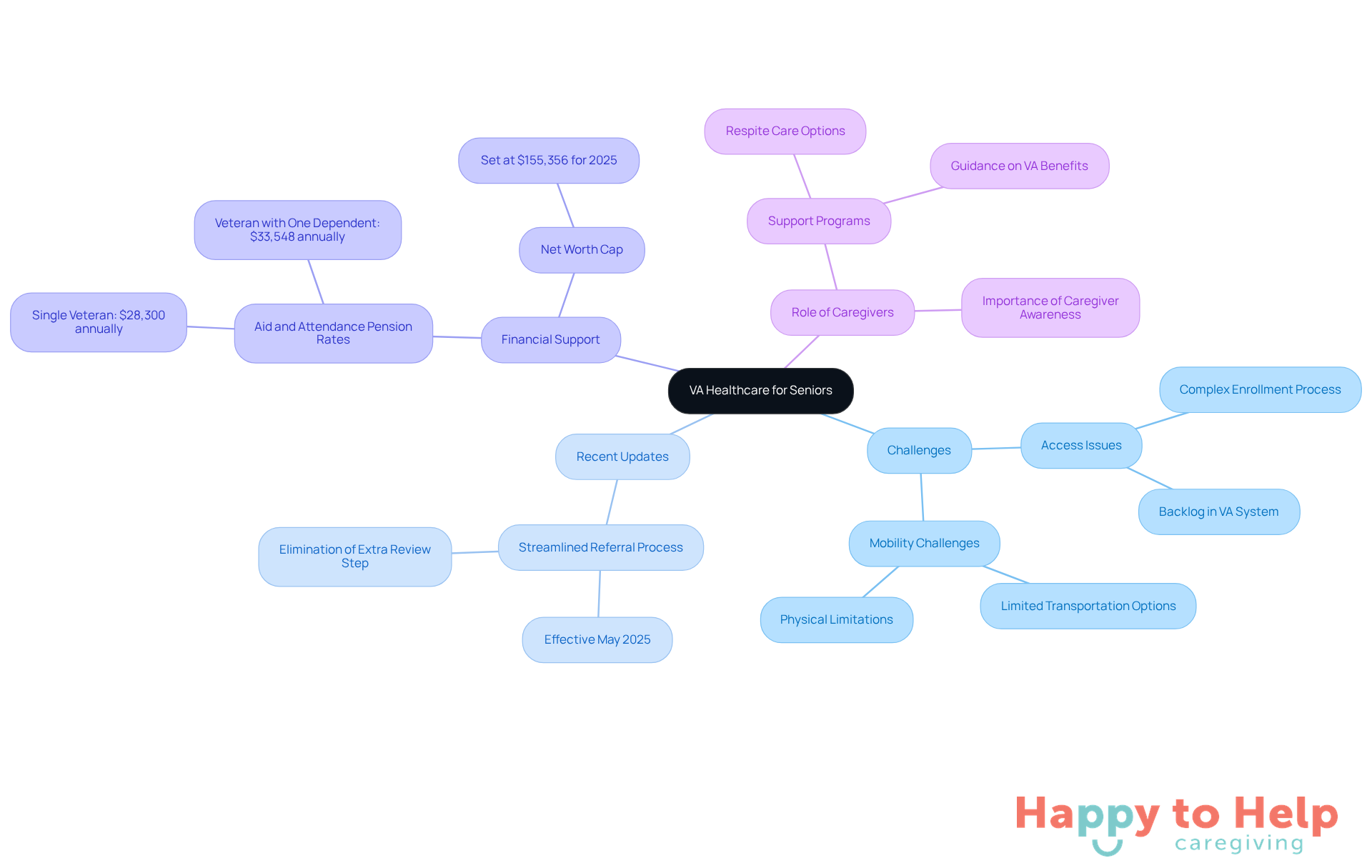
VA healthcare for seniors presents a significant challenge for many service members in veteran senior living. Accessing the right services can be daunting, especially for older individuals living in veteran senior living who may face mobility issues or require specialized care. This complexity can lead to delays in treatment and a lack of necessary support, impacting their overall well-being.
The implications of these challenges are profound. Without timely access to healthcare, veterans in senior living may experience deteriorating health conditions, which can diminish their quality of life. With approximately 18 million former service members in the U.S. and 9 million eligible for VA assistance, it is crucial to ensure these individuals can effectively navigate the healthcare system related to veteran senior living. As President Biden noted regarding the PACT Act, "This is a step forward, historically expanding eligibility for VA care and increasing access to it."
Fortunately, recent updates to VA healthcare services have simplified access for former military personnel, especially in the context of veteran senior living community support settings. Changes effective in May 2025 streamline the referral process, making it easier for seniors to receive prompt and appropriate treatment. This is especially beneficial for those who may struggle with mobility or need services not available at VA facilities.
To further assist caregivers, it’s essential to explore the available VA healthcare options. The Aid and Attendance Pension Rates for 2025 are set at $28,300 annually for individuals and $33,548 for those with one dependent, providing crucial financial support. Additionally, understanding the net worth cap of $155,356 for 2025 is vital for determining financial eligibility for benefits.
As the VA continues to evolve and expand its offerings, former service members and their families can feel more confident in obtaining the support they deserve. Caregivers play a critical role in this process, and by staying informed about VA healthcare options, they can ensure their loved ones receive the comprehensive assistance they need.
VA Nursing Homes and Community Living Centers: Specialized Care for Veterans
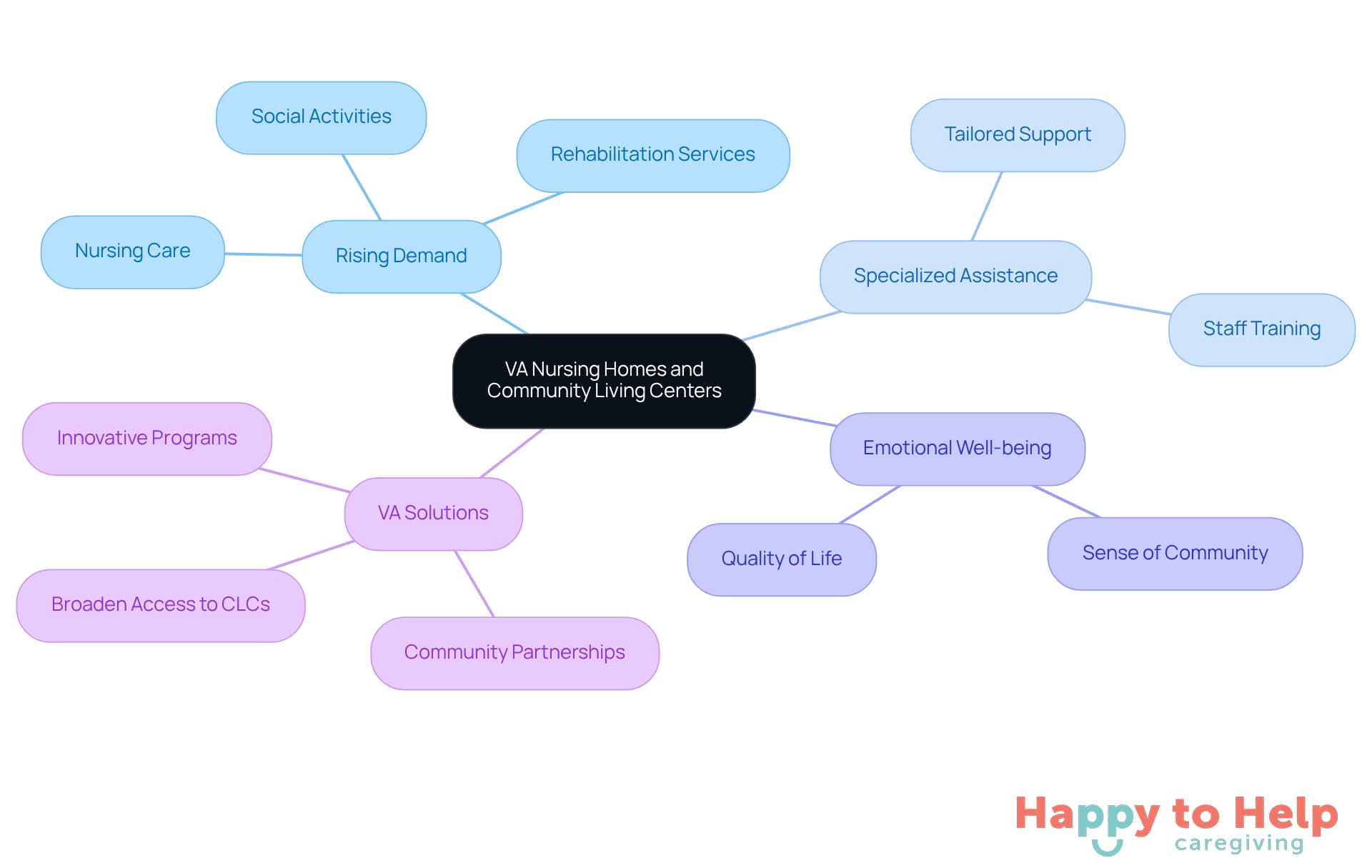
VA nursing homes and community living centers face a significant challenge: the rising demand for specialized assistance for former service members requiring intensive support. With over 13,000 veterans residing in these facilities, the need for round-the-clock nursing care, rehabilitation services, and tailored social activities is critical. This situation not only affects the medical needs of these individuals but also their emotional well-being, as a sense of community and belonging is essential for improving their quality of life.
Providers emphasize the importance of this specialized assistance. Ronald Cook, a VA Ambassador, notes, "The facility is clean, the meals are great, and the staff is top-notch. They’re very helpful and cooperative with all the residents." Such dedication to understanding the unique experiences and challenges faced by former service members is vital for enhancing their overall health and happiness.
To address these challenges, the VA is actively broadening access to community living centers for veteran senior living, ensuring that service members receive the support they deserve in a nurturing environment. However, the VA continues to encounter difficulties in meeting the increasing demand for long-term support services, a need that is expected to grow as the military population ages. By focusing on these solutions, we can work towards improving the lives of those who have served our country.
Caregiver Support Program: Resources for Family Caregivers of Veterans
Caregivers of former military personnel face significant challenges, both physically and emotionally. These challenges can lead to stress and burnout, making it difficult for them to provide the best support for their loved ones.
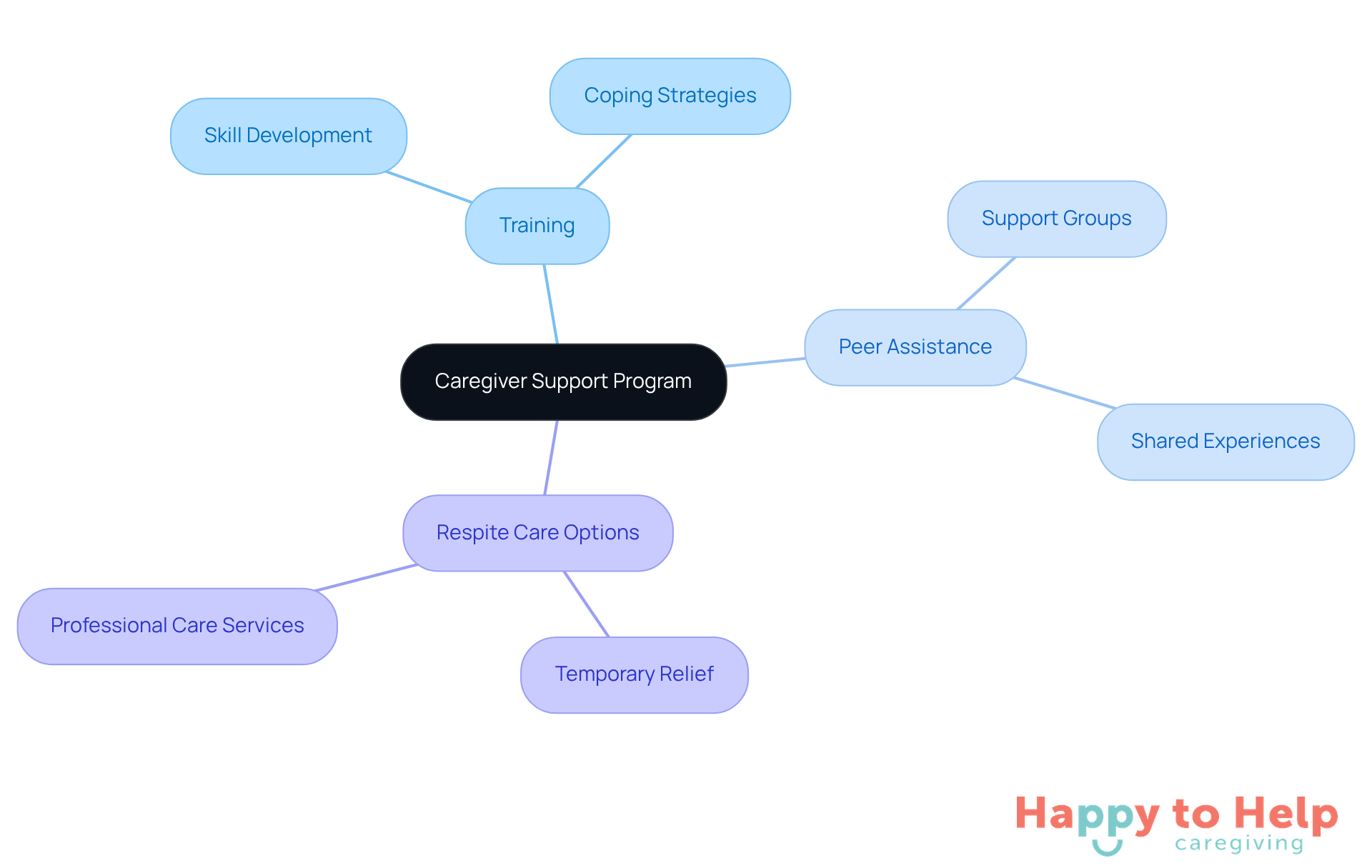
The Caregiver Assistance Program addresses these issues by offering a variety of resources designed specifically for family caregivers. These include:
- Training
- Peer assistance
- Respite care options
All aimed at alleviating the burdens caregivers often experience.
By utilizing these resources, caregivers can enhance their own well-being while ensuring that they are equipped to support their cherished loved ones effectively. Engaging with these programs not only improves the quality of life for caregivers but also positively impacts the lives of former service members.
Home Loans and Housing Assistance: Securing Suitable Housing for Veterans
Former service members often face challenges in securing stable and affordable veteran senior living options. This issue can lead to significant stress and instability, impacting their overall well-being.
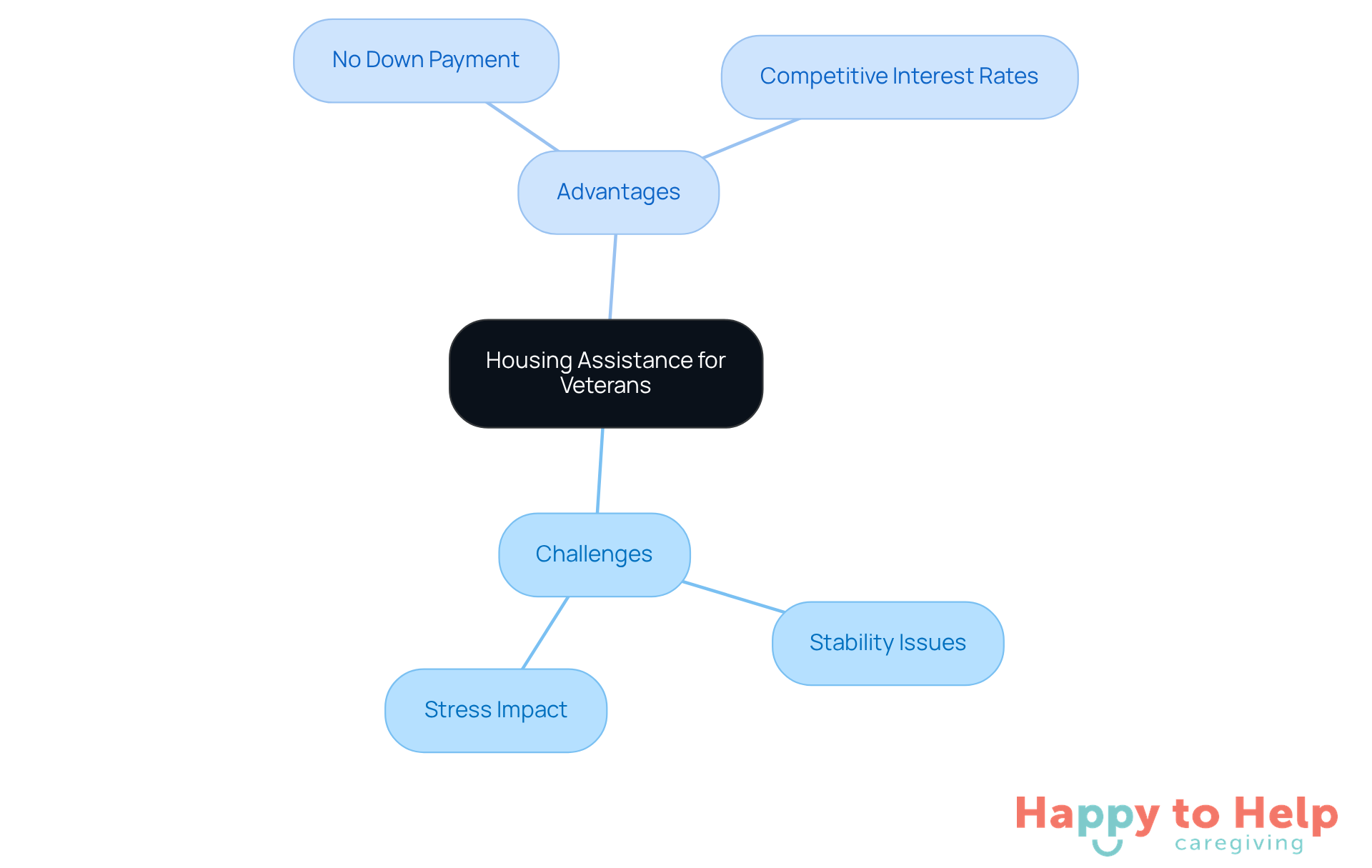
Fortunately, VA home loans and housing assistance programs are designed to address these challenges. These programs offer several advantages, including:
- No down payment
- Competitive interest rates
By taking advantage of these resources, former service members can achieve the stability they need. Ensuring a safe living environment is crucial for their mental and emotional health, and veteran senior living programs provide a pathway to that goal.
Eligibility Criteria: Understanding Access to Veterans Benefits
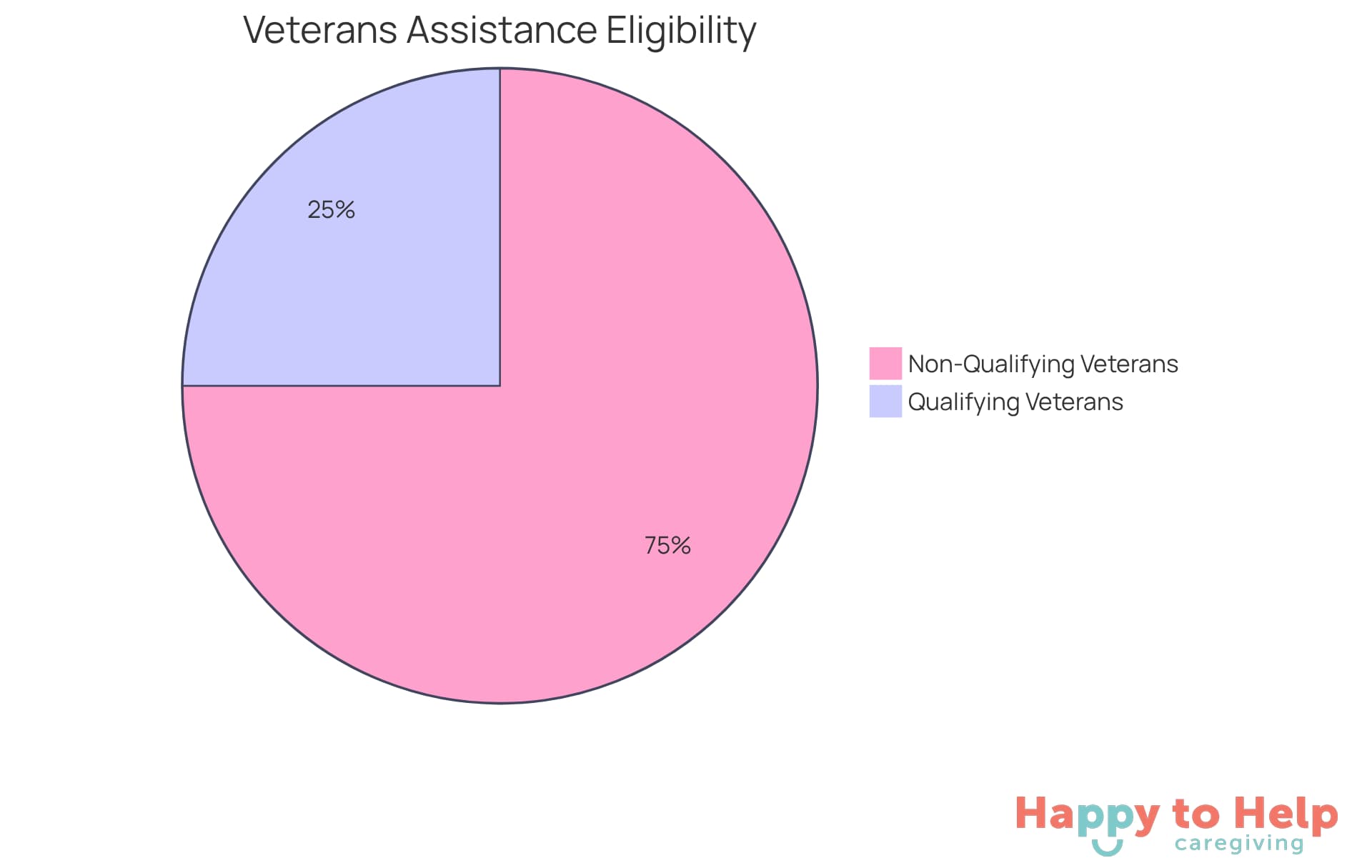
Eligibility for military personnel's assistance presents a significant challenge. Many former service members struggle to navigate the complex requirements, which can lead to confusion and missed opportunities for support. Currently, only about 25% of former service members qualify for various types of assistance, underscoring the importance of understanding these eligibility criteria.
To qualify for most assistance programs, individuals typically need to have served a minimum period and received an honorable discharge. For instance, those assessed at 100% disability can receive $3,737.85 each month, highlighting the financial impact of these benefits. However, without a clear understanding of eligibility, many may not access the support they deserve.
Fortunately, recent updates, such as the VA’s new online portal for real-time claim tracking, have streamlined the process. This resource makes it easier for eligible individuals to receive assistance. Experts emphasize that a thorough comprehension of eligibility not only empowers former service members but also significantly increases their chances of obtaining the benefits that enhance their quality of life.
Navigating the Application Process: Guidance for Veterans and Families
Navigating the application process for military benefits can be a daunting task. Many veterans face challenges due to the complexity of the steps involved, which can lead to frustration and delays. Without proper guidance, the process can feel overwhelming, making it crucial for veterans to understand what is needed to succeed.
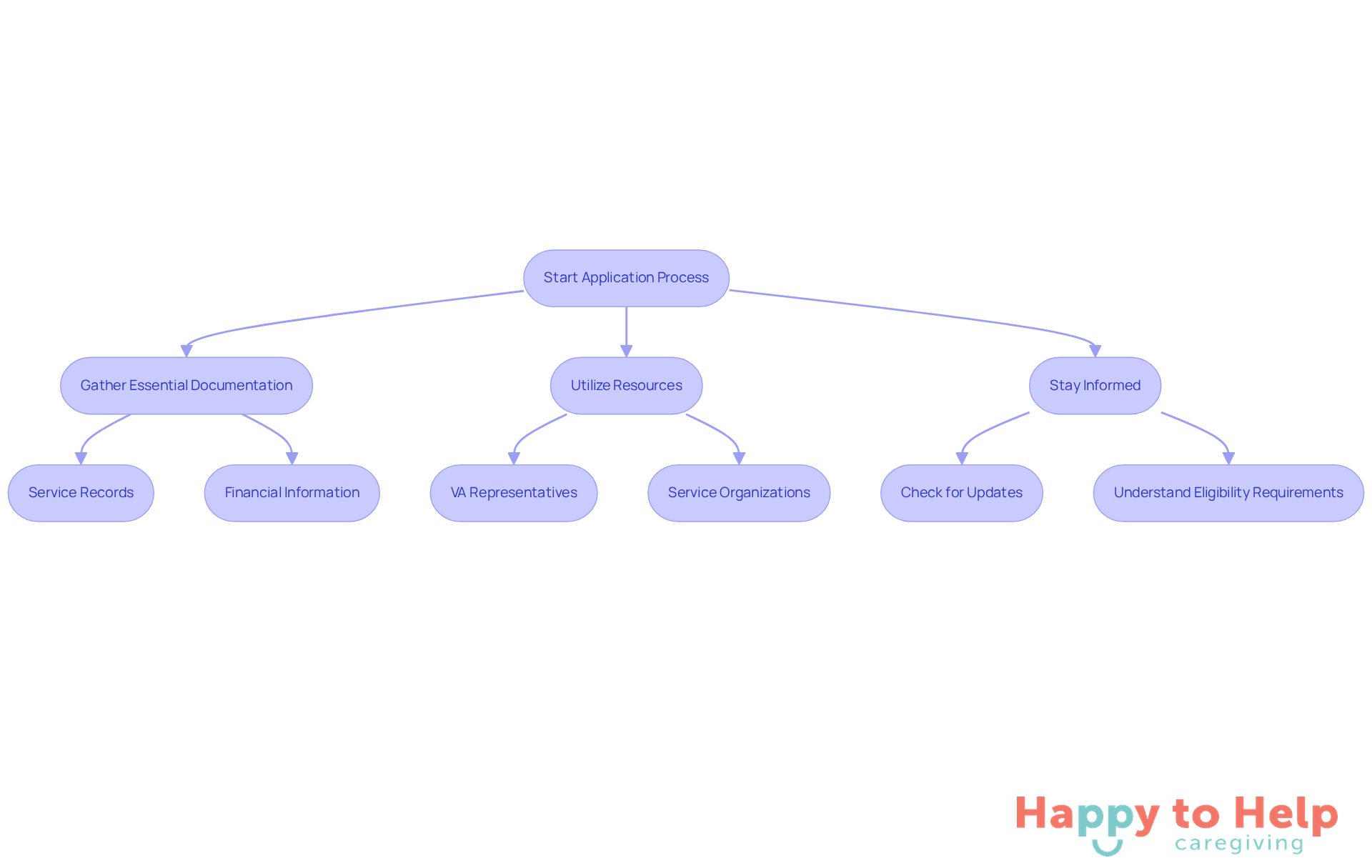
To simplify this journey, veterans should start by gathering essential documentation, such as:
- Service records
- Financial information
Utilizing resources like VA representatives or service organizations can provide invaluable support and guidance throughout the application process. In fact, studies show that individuals who seek help from these resources often experience a smoother application process and higher success rates.
While the typical processing duration for military personnel's applications has improved, it can still take several months. Therefore, staying informed about any changes in the application procedure is vital. Regularly checking for updates on eligibility requirements and application procedures can significantly enhance the chances of a favorable outcome.
By leveraging accessible assistance networks and remaining proactive, former service members can navigate the intricacies of the benefits application process more efficiently.
Housebound Allowance: Financial Support for Homebound Veterans
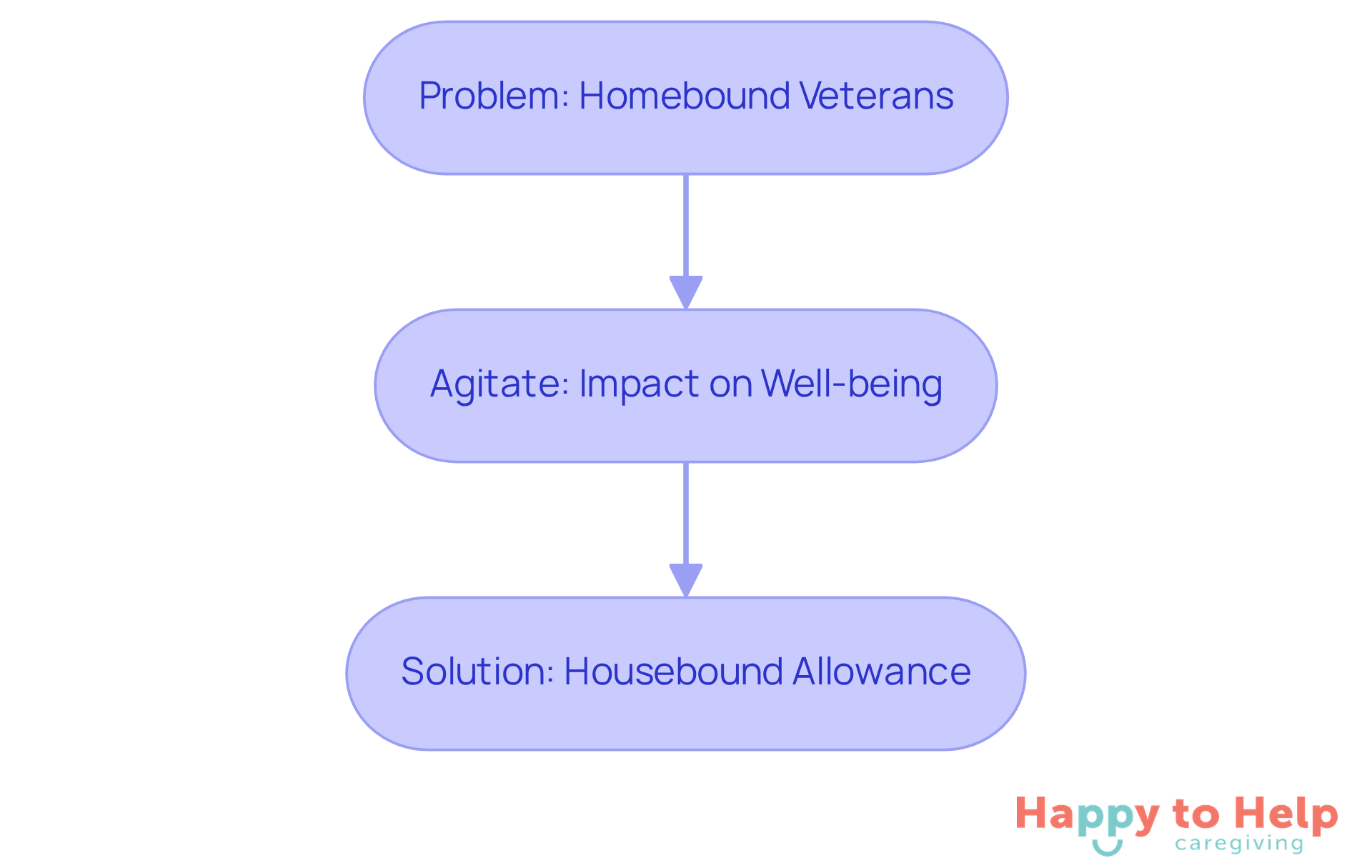
Problem: Many veterans are permanently confined to their homes due to service-related disabilities, which can lead to significant challenges in accessing necessary care and support.
Agitate: This situation not only affects their physical well-being but also impacts their mental health and overall quality of life. Caregivers often struggle to provide adequate support without additional financial resources, making it difficult to ensure that these veterans receive the care they need.
Solution: The Housebound Allowance offers crucial financial assistance to help cover the costs of in-home care and other essential services. By utilizing this allowance, caregivers can better support homebound veterans, ensuring they maintain a higher quality of life. This allowance is a vital resource that can alleviate some of the financial burdens associated with caregiving.
Taking the Next Steps
Veteran senior living support resources are crucial in tackling the unique challenges that former service members encounter. These challenges can significantly impact their quality of life, making it essential to provide tailored assistance and financial aid. By addressing these needs, veterans can maintain their independence and dignity while navigating the complexities of aging and care requirements.
Key insights reveal various support options available to veterans:
- Personalized in-home care
- Financial assistance through the Aid and Attendance Benefit and veteran pension programs
- Comprehensive healthcare services
- Specialized care in VA nursing homes
- Caregiver support
- Housing assistance
Understanding and utilizing these resources can lead to improved well-being for both veterans and their families. It’s crucial for former service members and their caregivers to stay informed about available support services and eligibility requirements. This knowledge empowers them to access the assistance they need. By advocating for awareness and access to these vital resources, the community can help ensure that those who have served our country receive the comprehensive care and support they rightfully deserve.
https://iframe.tely.ai/cta/eyJhcnRpY2xlX2lkIjogIjY5MjRmMjA1ZWM0Y2FiOGU3NGVjMDEwNSIsICJjb21wYW55X2lkIjogIjY4ZWU1ZGNhNzMxNzYyNTU3ZjNjOTVjMSIsICJpbmRleCI6IG51bGwsICJ0eXBlIjogImFydGljbGUifQ==Frequently Asked Questions
What challenges do former service members face in receiving care?
Former service members often struggle with adapting to new support requirements, which can lead to feelings of isolation and uncertainty. They require empathetic attention that understands their specific needs.
How does Happy to Help Caregiving support veterans?
Happy to Help Caregiving provides individualized in-home assistance tailored to the needs of veteran senior living, including companionship, post-hospital recovery assistance, respite care, and palliative care. This approach promotes autonomy and fosters a sense of safety and comfort.
What is the Aid and Attendance program?
The Aid and Attendance program offers additional financial assistance to qualified former service members, enhancing their current VA pension. This support helps them manage expenses related to in-home assistance or nursing home care.
Who is eligible for veteran pension programs?
Veteran pension programs provide financial assistance to low-income service members who served during wartime and meet defined income and asset criteria. In 2025, the net worth limit for eligibility is set at $159,240, excluding primary residences and basic household items.
How much financial assistance can veterans expect from pension programs?
In FY2023, the average yearly assistance for former service members receiving pensions was around $14,211, significantly enhancing their quality of life and helping them maintain independence.
Why is it important for veterans to understand their eligibility for financial assistance?
Many former service members may not be aware of their eligibility for pension programs, which can provide crucial support during tough times. Understanding these resources can alleviate financial pressure and improve well-being.
What recent changes have been made to financial assistance for veterans?
A recent 2.5% cost-of-living adjustment (COLA) increase for 2025 will adjust benefits accordingly, further bolstering the financial stability of former service members.
What disparities exist in access to Aid and Attendance assistance?
There are inequities in support access among former service members, which need to be addressed to ensure that all qualified individuals receive the assistance they need.
List of Sources
- Happy to Help Caregiving: Personalized In-Home Support for Veterans
- Serving older Veterans every step of the way - VA News (https://news.va.gov/142743/serving-older-veterans-every-step-of-the-way)
- Honoring Our Heroes: Home Instead Supports Veterans with VA Benefits (https://homeinstead.com/home-care/usa/co/colorado-springs/861/news-and-media/honoring-our-heroes-how-home-instead-supports-veterans-with-va-benefits)
- Cornerstone Caregiving and Disabled American Veterans join forces to strengthen support of veterans and caregivers (https://dav.org/learn-more/news/2025/cornerstone-caregiving-and-disabled-american-veterans-join-forces-to-strengthen-support-of-veterans-and-caregivers)
- Salute to Service: How Veterans Can Access In-Home Care - Cornerstone Caregiving (https://cornerstonecaregiving.com/blog/salute-to-service-how-veterans-can-access-in-home-care)
- Caregivers and Family Support (https://hsrd.research.va.gov/research\_topics/caregiving.cfm)
- Aid and Attendance Benefit: Additional Financial Support for Daily Living
- VA Benefits 2025: What Every Veteran Family Should Know | Operation Family Fund (https://operationfamilyfund.org/va-benefits-2025-update-what-every-veteran-family-should-know)
- New 2025 Updates to Veterans Benefits for Assisted Living (https://floridaseniorconsulting.com/updated-veterans-aid-and-attendance-benefits-for-assisted-living)
- VA Aid & Attendance Benefits [2025 Rates] | Mesothelioma Guide (https://mesotheliomaguide.com/veterans/va-benefits/va-aid-attendance-benefits)
- Upcoming Changes to Veterans Aid and Attendance Pension | KWGD (https://kwgd.com/news/upcoming-changes-to-veterans-aid-and-attendance-pension)
- Veterans Benefits Administration (VBA): Pension Programs (https://congress.gov/crs-product/R46511)
- Veteran Pension Programs: Financial Assistance for Low-Income Veterans
- Veterans benefits increase 2.5% in 2025 (https://dav.org/learn-more/news/2025/veterans-benefits-increase-2-5-in-2025)
- Inequities in access to VA’S aid and attendance enhanced pension benefit to help Veterans pay for long‐term care - PMC (https://pmc.ncbi.nlm.nih.gov/articles/PMC8143693)
- 2025 Veterans Pension Rates (https://valoannetwork.com/2025-veterans-pension-rates)
- Nonprofits raise concerns about rising demand for help from low-income and disabled veterans (https://stripes.com/veterans/2025-11-04/low-income-disabled-veterans-demand-for-help-19651893.html)
- Veterans Benefits Administration (VBA): Pension Programs (https://congress.gov/crs-product/R46511)
- VA Healthcare for Seniors: Comprehensive Medical Care Options
- VA improves access for veterans using community care (https://dav.org/learn-more/news/2025/va-improves-access-for-veterans-using-community-care)
- Unseen battles: The harsh realities of veterans' access to health care (https://statnews.com/2024/04/29/veterans-difficulties-accessing-health-care)
- New 2025 Updates to Veterans Benefits for Assisted Living (https://floridaseniorconsulting.com/updated-veterans-aid-and-attendance-benefits-for-assisted-living)
- Four VA Improvements in 2025 – Behind Friendly Lines | VA Sheridan health care | Veterans Affairs (https://va.gov/sheridan-health-care/stories/four-va-improvements-in-2025-behind-friendly-lines)
- VA Nursing Homes and Community Living Centers: Specialized Care for Veterans
- Long-term care facilities enhance lives of Veterans - VA News (https://news.va.gov/137567/long-term-facilities-enhance-lives-of-veterans)
- 42 inspirational quotes for caregivers (https://care.com/c/40-inspirational-caregiver-quotes)
- New Community Residential Care Housing Program to support aging Veterans - VA News (https://news.va.gov/142726/community-residential-care-housing-program)
- VA Health Care: Veterans' Use of Long-Term Care Is Increasing, and VA Faces Challenges in Meeting the Demand (https://gao.gov/products/gao-20-284)
- Identifying potential long-stay residents in veterans health administration nursing homes - PMC (https://pmc.ncbi.nlm.nih.gov/articles/PMC9477184)
- Caregiver Support Program: Resources for Family Caregivers of Veterans
- Caregivers and Family Support (https://hsrd.research.va.gov/research\_topics/caregiving.cfm)
- The National Alliance for Caregiving and AARP Release Caregiving Report - CAPC - News Bites (https://capc.org/blog/new-data-on-family-caregivers-in-the-us)
- Caregiving in the US 2025 (https://aarp.org/pri/topics/ltss/family-caregiving/caregiving-in-the-us-2025)
- VA extends caregiver support program eligibility for “legacy” Veterans, caregivers (https://news.va.gov/press-room/va-extends-caregiver-support-program-eligibility-for-legacy-veterans-caregivers)
- Home Loans and Housing Assistance: Securing Suitable Housing for Veterans
- Statistics Show Most Veterans Aren’t Using VA Loan Benefits – NLC Loans (https://nlcloans.com/trd\_post/statistics-show-most-veterans-arent-using-va-loan-benefits)
- Loan Statistics (2025) (https://wallethub.com/edu/loan-statistics/143448)
- VA Loans 101: Qualifications, Benefits, and How to Apply for Veteran Homebuyers (https://coast2coastmortgage.com/blog/va-loans-101-qualifications-benefits-and-how-to-apply-for-veteran-homebuyers)
- New Data Shows VA Loans Slash the Wait for Homeownership by Over 4 Years - BAM (https://nowbam.com/new-data-shows-va-loans-slash-the-wait-for-homeownership-by-over-4-years)
- New Legion-backed law helps thousands of veterans with delinquent mortgages avoid foreclosure (https://legion.org/information-center/news/veterans-benefits/2025/july/new-legion-backed-law-helps-thousands-of-veterans-with-delinquent-mortgages-avoid-foreclosure)
- Eligibility Criteria: Understanding Access to Veterans Benefits
- VA.gov | Veterans Affairs (https://benefits.va.gov/reports/detailed\_claims\_data.asp)
- VA Benefits 2025: What Every Veteran Family Should Know | Operation Family Fund (https://operationfamilyfund.org/va-benefits-2025-update-what-every-veteran-family-should-know)
- VA.gov | Veterans Affairs (https://va.gov/vetdata)
- Navigating the Application Process: Guidance for Veterans and Families
- VA.gov | Veterans Affairs (https://benefits.va.gov/reports/detailed\_claims\_data.asp)
- VA Benefits 2025: What Every Veteran Family Should Know | Operation Family Fund (https://operationfamilyfund.org/va-benefits-2025-update-what-every-veteran-family-should-know)
- Spread the word: The 2025 Veterans Benefits Guide is now available - VA News (https://news.va.gov/137659/spread-the-word-the-2025-veterans-benefits-guide-is-now-available)
- Legion offers up recommended reforms to VA claims process (https://legion.org/information-center/news/legislative/2025/october/legion-offers-up-recommended-reforms-to-va-claims-process)
- Some Veterans Express Worry About Services Amid Federal Staffing Cuts, Government Shutdown (https://news.wttw.com/2025/11/11/veterans-benefits-face-uncertain-future-federal-cuts-take-effect)