10 Essential Respite Care Resources for Family Caregivers

For families in our service areas
For families in our service areas, this guide explains respite care and how non-medical in-home caregiving can support care planning in East Idaho, Treasure Valley & Magic Valley, Northern Wasatch, North Central West Virginia & Southwestern Pennsylvania, and Northeast Ohio.
What You Need to Know About Respite Care Resources
Family caregivers face a dual challenge: their role is both rewarding and demanding, often resulting in overwhelming stress and burnout. This situation can lead to significant emotional and physical strain, making it crucial for caregivers to seek support. As the demand for respite care services increases, many caregivers are realizing the importance of finding reliable resources to recharge and maintain their well-being.
However, navigating the vast array of available options can be daunting. Caregivers may find themselves asking: how can they effectively access the essential respite care they need to thrive? This article delves into ten vital respite care resources designed to empower caregivers, alleviate their burdens, and ultimately enhance the quality of care they provide to their loved ones.
Happy to Help Caregiving: Personalized Respite Care Services
Caregivers face significant challenges, particularly as the demand for in-home relief services continues to rise. With forecasts suggesting a 25% increase in home health services by 2030, many caregivers find themselves overwhelmed and in need of support. This situation can lead to stress and burnout, impacting both the caregivers and those they assist.
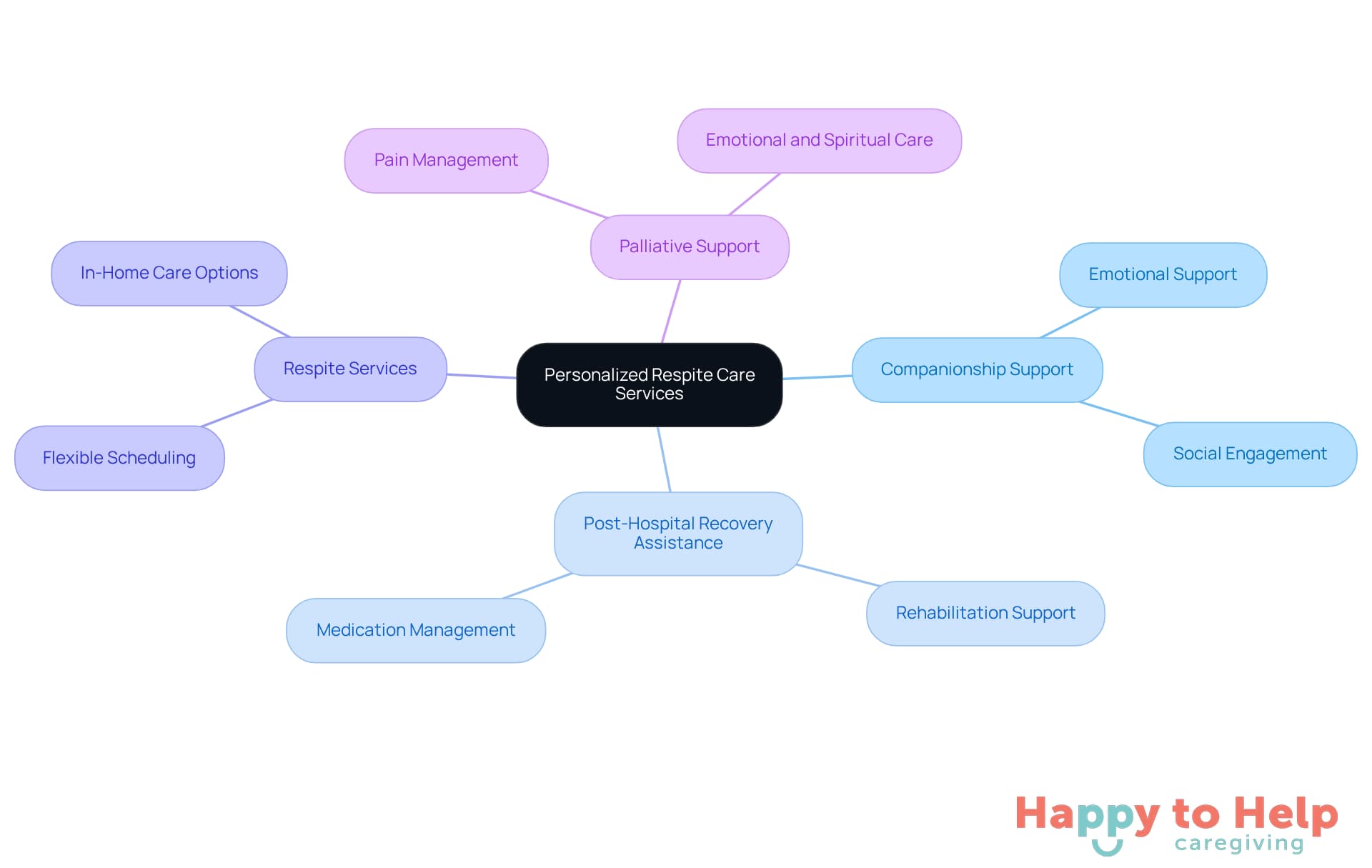
Happy to Help Caregiving addresses these challenges by providing a variety of customized respite care resources designed to meet the unique needs of each client. Their services include:
- Companionship support
- Post-hospital recovery assistance
- Respite services
- Palliative support
All designed to enhance independence and well-being. By providing assistance in the comfort of clients' homes, the agency ensures that caregivers can take essential breaks, knowing their loved ones are in skilled hands.
The agency's services are available around the clock, with flexible scheduling options that allow caregivers to feel confident in the care their loved ones receive. This flexibility is crucial, especially as the sector anticipates a need for an additional 1.2 million direct support workers. Customized respite care resources not only alleviate stress for caregivers but also significantly boost client satisfaction, fostering a sense of security and comfort within households.
As noted by Samantha Wolfe, a Direct Support Professional, "Respite assistance is there to give relatives who provide support," underscoring its vital role in maintaining the well-being of caregivers and enhancing the quality of care provided to their loved ones.
Circle of Care: Understanding the Importance of Respite Care
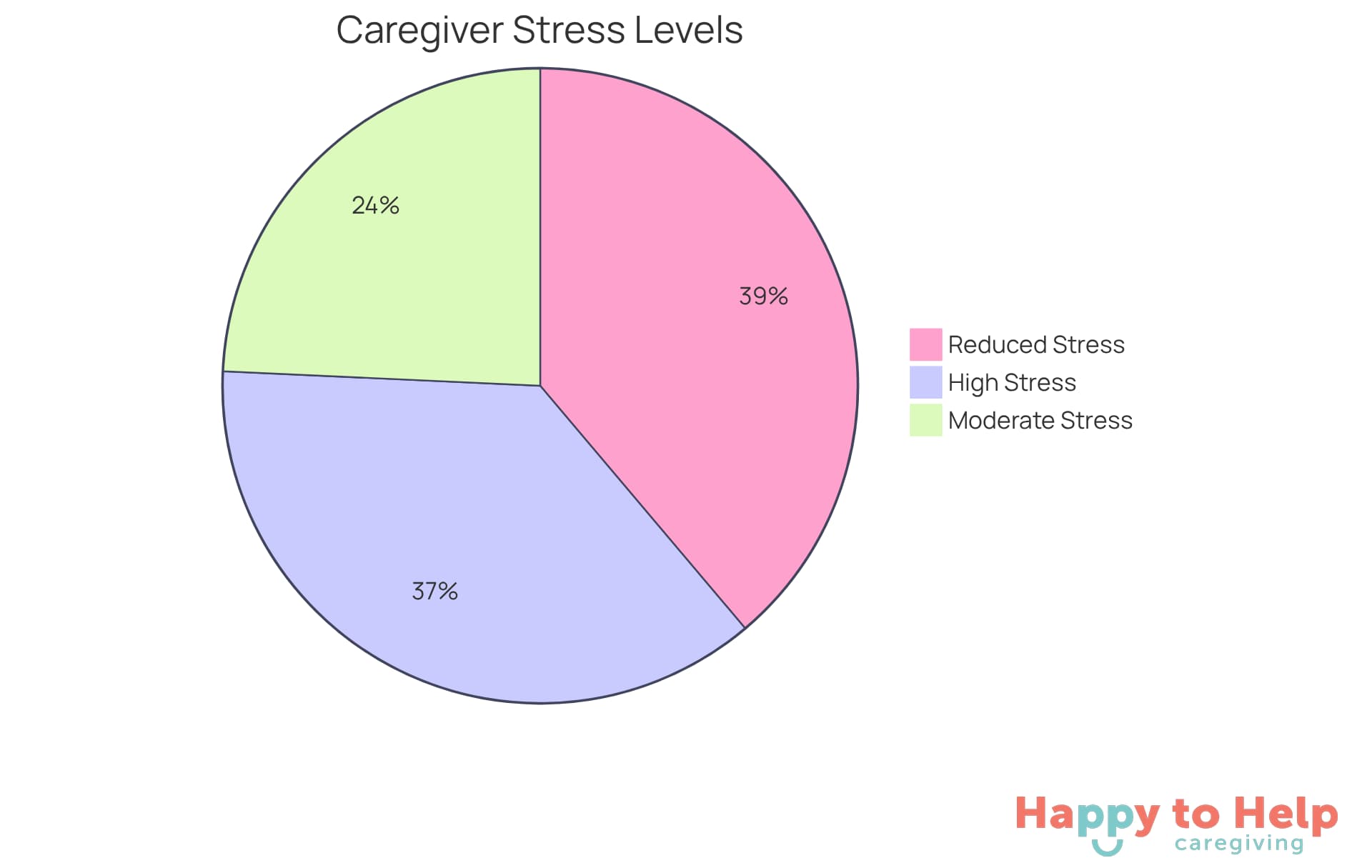
Respite care resources are essential for family caregivers, as they provide crucial temporary relief from their demanding responsibilities. Caregiving can lead to significant stress, with around 38% of caregivers reporting high stress levels and another 25% indicating moderate stress. This situation not only affects their well-being but also increases the risk of burnout.
By taking time for themselves, caregivers can recharge and enhance their ability to offer quality assistance, ultimately benefiting their loved ones. Research indicates that those who utilize respite care resources experience enhanced physical and emotional well-being. Notably, 40% report a reduction in stress, while 74% feel more effective in their caregiving roles. Furthermore, 40% of family caregivers have acquired assistive technology for those they support, highlighting available resources to help alleviate stress.
Respite care resources ensure that recipients receive essential support in a safe environment, which provides peace of mind for caregivers. Understanding the importance of respite care resources allows caregivers to prioritize their well-being, fostering a healthier support dynamic that meets both their needs and those of their loved ones. As Kim Whitmore from the ARCH National Respite Network states, "Regardless of the age or condition of the individual who is providing support, short-term relief services are among the most frequently requested assistance for those who help others."
Despite this need, it's crucial to recognize that 86% of adult caregivers do not receive relief services, underscoring the necessity for increased awareness and accessibility of these vital resources.
National Institute on Aging: Comprehensive Guide to Respite Care
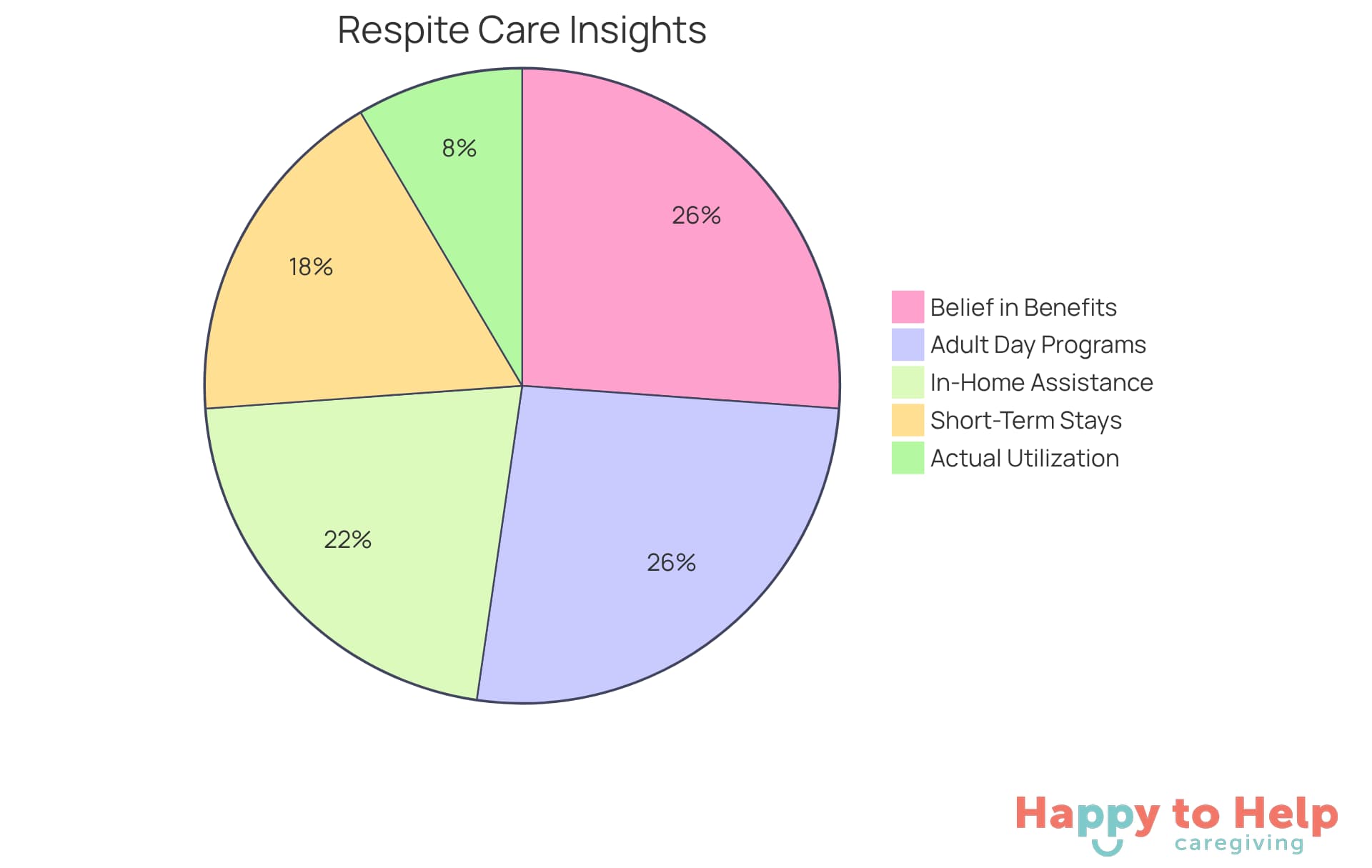
The National Institute on Aging highlights a significant challenge for family caregivers: the lack of awareness and utilization of respite care resources. While nearly 40 percent of caregivers believe that these services would be beneficial, only 13 percent actually take advantage of them. This gap underscores the difficulties caregivers face in accessing the help they need.
The demand for relief services is on the rise, with family supporters increasing from 18.2 million in 2011 to 24.1 million in 2022. This growing need is compounded by the fact that 70% of individuals aged 18 to 64 are juggling caregiving roles alongside their professional responsibilities. The implications are clear: caregivers are often overwhelmed, and without proper support, their well-being-and the quality of care they provide-can suffer.
To address these challenges, the National Institute on Aging offers a comprehensive guide that outlines various respite care resources as temporary support options. These include:
- in-home assistance
- adult day programs
- short-term stays in residential facilities
Caregivers can access essential respite care resources that provide information about eligibility requirements, funding alternatives, and local support service providers. Utilizing these resources is crucial for maintaining caregiver well-being and ensuring quality assistance for their loved ones.
Recent policy initiatives, such as the National Strategy to Support Family Caregivers launched in 2022, further emphasize the importance of these services. By bridging the gap between belief and action, caregivers can find the support they need to thrive in their dual roles.
Ontario.ca: Types of Respite Care Available for Families
Caregivers often face significant challenges, particularly the need for respite services to alleviate their responsibilities. The stress of caregiving can take a toll on both the caregiver and the individual receiving care, making it essential to find effective support options.
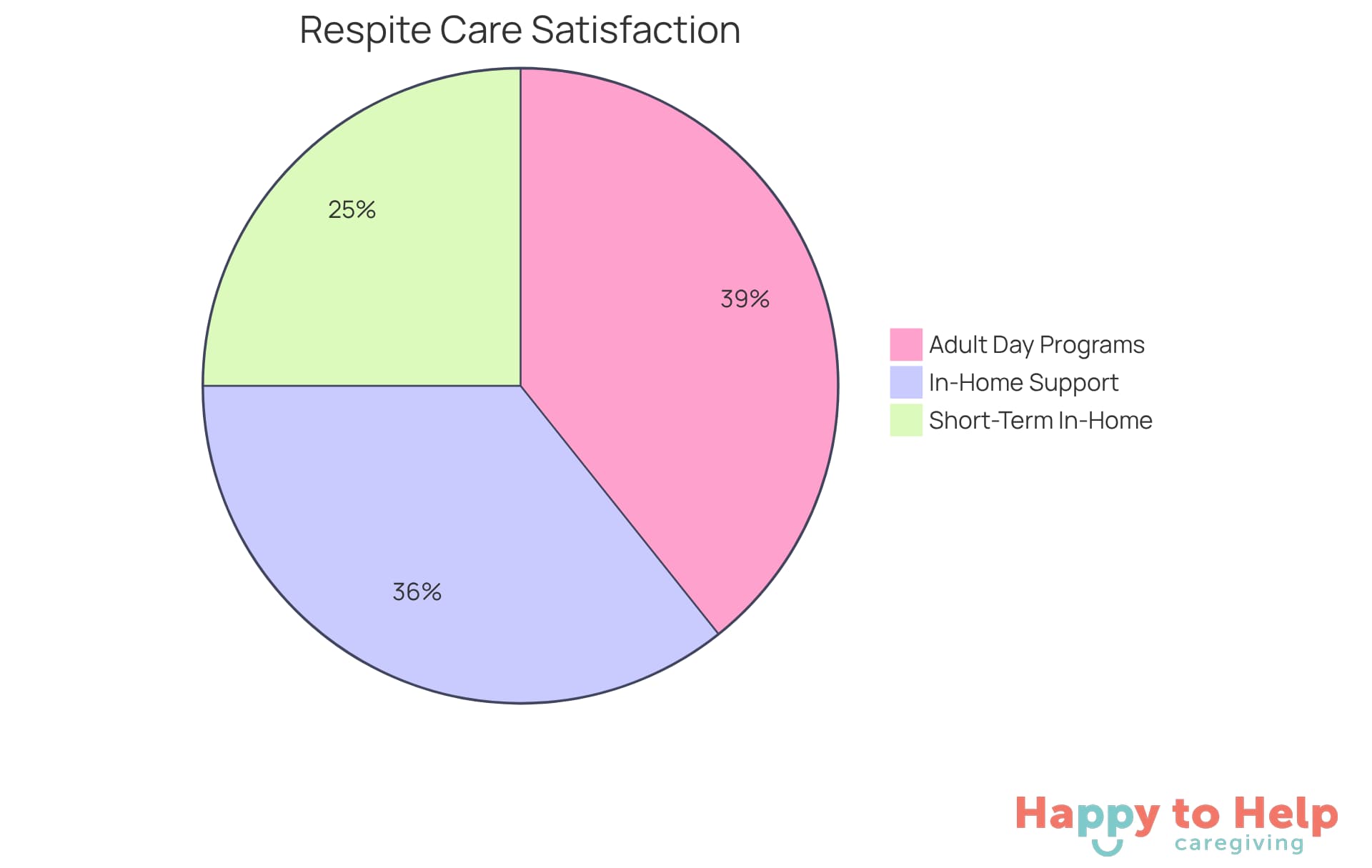
Ontario.ca offers a comprehensive overview of respite services tailored for households. These include:
- in-home support
- adult day programs
- short-term stays in long-term residential facilities
Each option caters to diverse needs, allowing families to choose the most suitable arrangement for their loved ones. For instance, satisfaction rates reveal that 80% of participants using in-home services and 88% utilizing adult day programs reported being satisfied with the services provided.
Recent trends indicate a growing preference for in-home support services. Over 56% of individuals providing assistance prefer short-term in-home support due to its convenience and comfort. This shift highlights the need for accessible and effective relief options for caregivers.
Understanding these choices is crucial for families seeking temporary respite from caregiving duties while ensuring their relatives receive high-quality support. By selecting the right relief support, caregivers can reduce stress and enhance their well-being, as well as that of the individual receiving assistance.
As National Family Caregivers Month approaches on October 14, 2025, families are encouraged to explore temporary assistance options to support their caregiving journey. Taking proactive steps now can lead to a more manageable and fulfilling caregiving experience.
Caregiver's Handbook: Strategies for Effective Respite Care Management
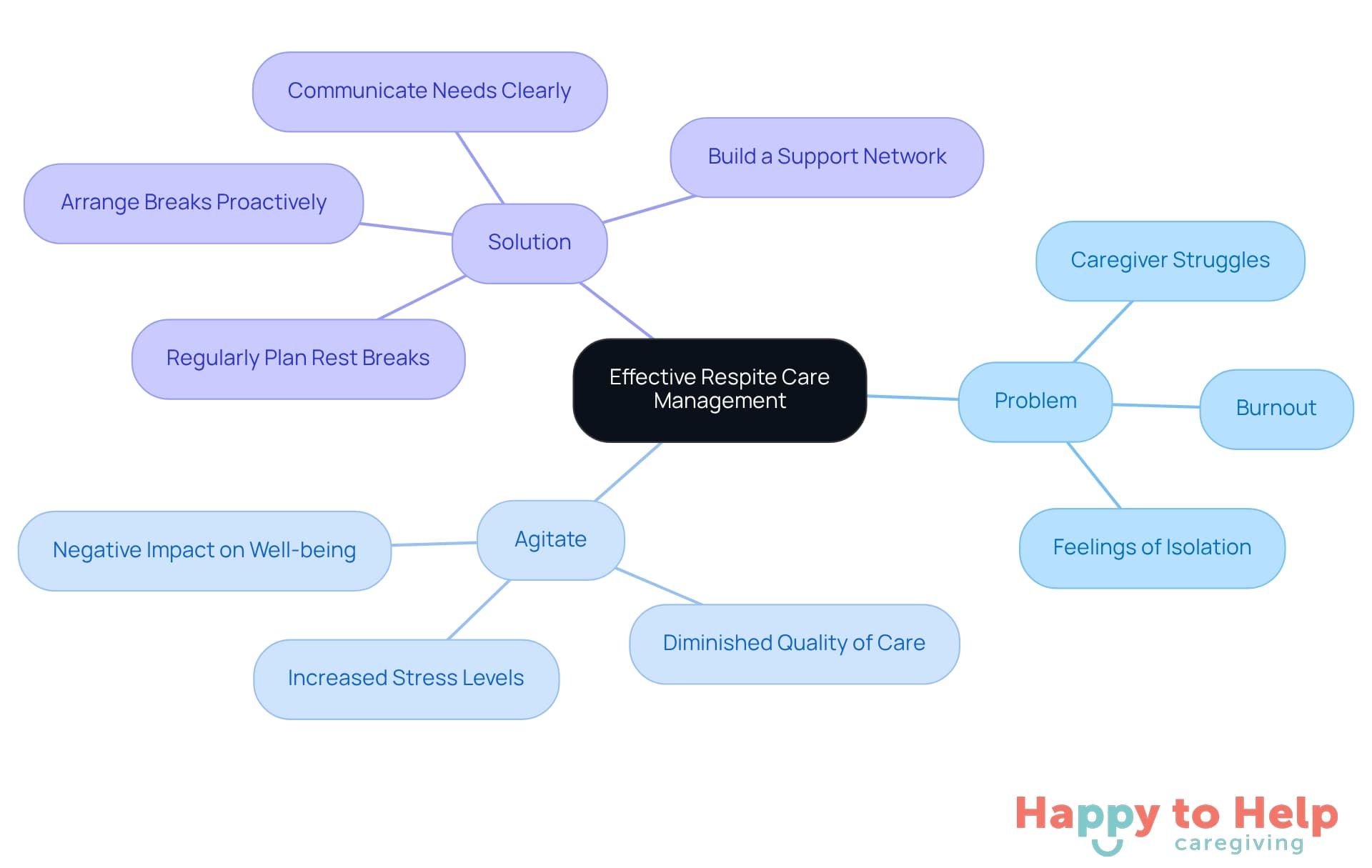
Problem: Caregivers often struggle with managing their breaks effectively, which can lead to burnout and feelings of isolation.
Agitate: Without proper break management, caregivers may find themselves overwhelmed, negatively impacting their well-being and the quality of care they provide. Research shows that caregivers who lack support report higher levels of stress and diminished health.
Solution: To combat these challenges, caregivers should proactively arrange their breaks and communicate their specific needs clearly with care providers. Building a strong support network is essential; it can significantly enhance the efficiency of relief care. Regularly planning rest breaks is crucial for maintaining overall health and well-being. By implementing these strategies, caregivers can create a balanced approach that benefits both themselves and their loved ones, leading to a more sustainable support experience.
Circle of Care: Overcoming Guilt About Taking Respite Breaks
Many caregivers experience guilt when considering temporary relief, feeling as though they are abandoning their loved ones. This guilt can be overwhelming, leading to burnout and decreased effectiveness in providing care.
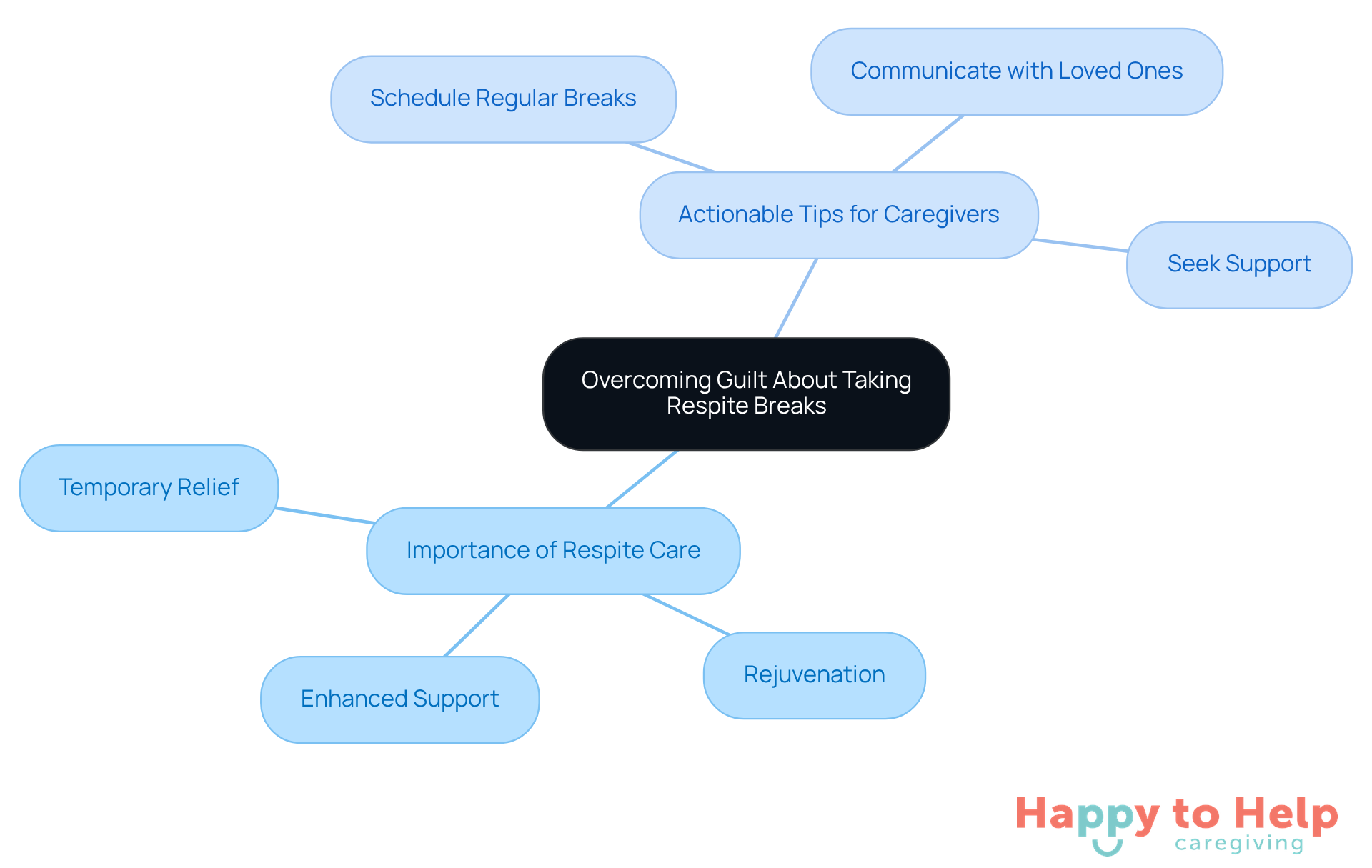
However, it’s essential to understand that taking breaks, including using respite care resources, is not only acceptable but necessary. The Circle of Care emphasizes that respite care resources provide temporary relief, enabling caregivers to rejuvenate and ultimately enhancing their ability to support others.
To overcome this guilt, caregivers should shift their perspective and recognize that self-care is vital. By embracing the idea that breaks can improve their caregiving capacity, they can welcome the benefits of respite care resources during these periods of rest.
Actionable Tips for Caregivers:
- Schedule regular breaks to recharge.
- Communicate with loved ones about the importance of self-care.
- Seek support from fellow caregivers or professionals.
By implementing these strategies, caregivers can alleviate feelings of guilt and ensure they are at their best for those they care for.
Ontario.ca: How to Qualify for Respite Care Services
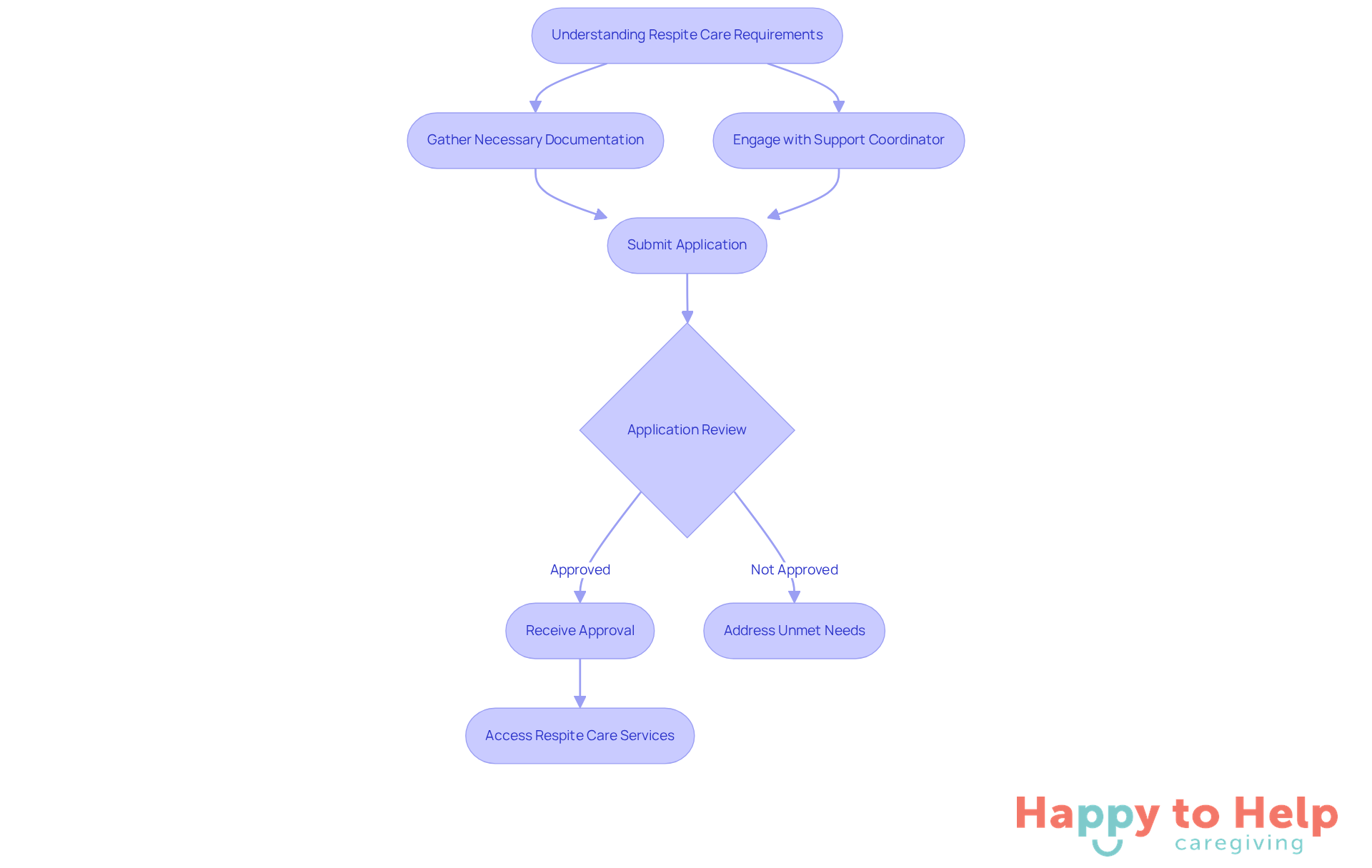
Many households face significant challenges in qualifying for respite care resources in Ontario. Caregivers often struggle to navigate the application process for respite care resources, which requires demonstrating that the recipient needs assistance with daily living tasks and that the main caregiver requires temporary relief. This complexity can lead to frustration and confusion, especially when families are already under stress.
Research indicates that 8.8% of children with special health requirements reported needing temporary relief in the past year, yet many do not receive it. This gap underscores the importance of clear communication and support regarding respite care resources throughout the application process. Households that are well-informed about the requirements tend to experience a smoother journey in obtaining temporary support, alleviating some of the burdens associated with caregiving.
To enhance access to these vital services, families should focus on understanding the qualification criteria and gathering the necessary documentation. Engaging with a support coordinator can also provide valuable guidance. As highlighted by the Administration for Community Living, improving access to temporary support can significantly enhance caregivers' well-being. By utilizing respite care resources and seeking assistance, families can better navigate the qualification process and secure the relief they need.
National Institute on Aging: Understanding Respite Care Costs
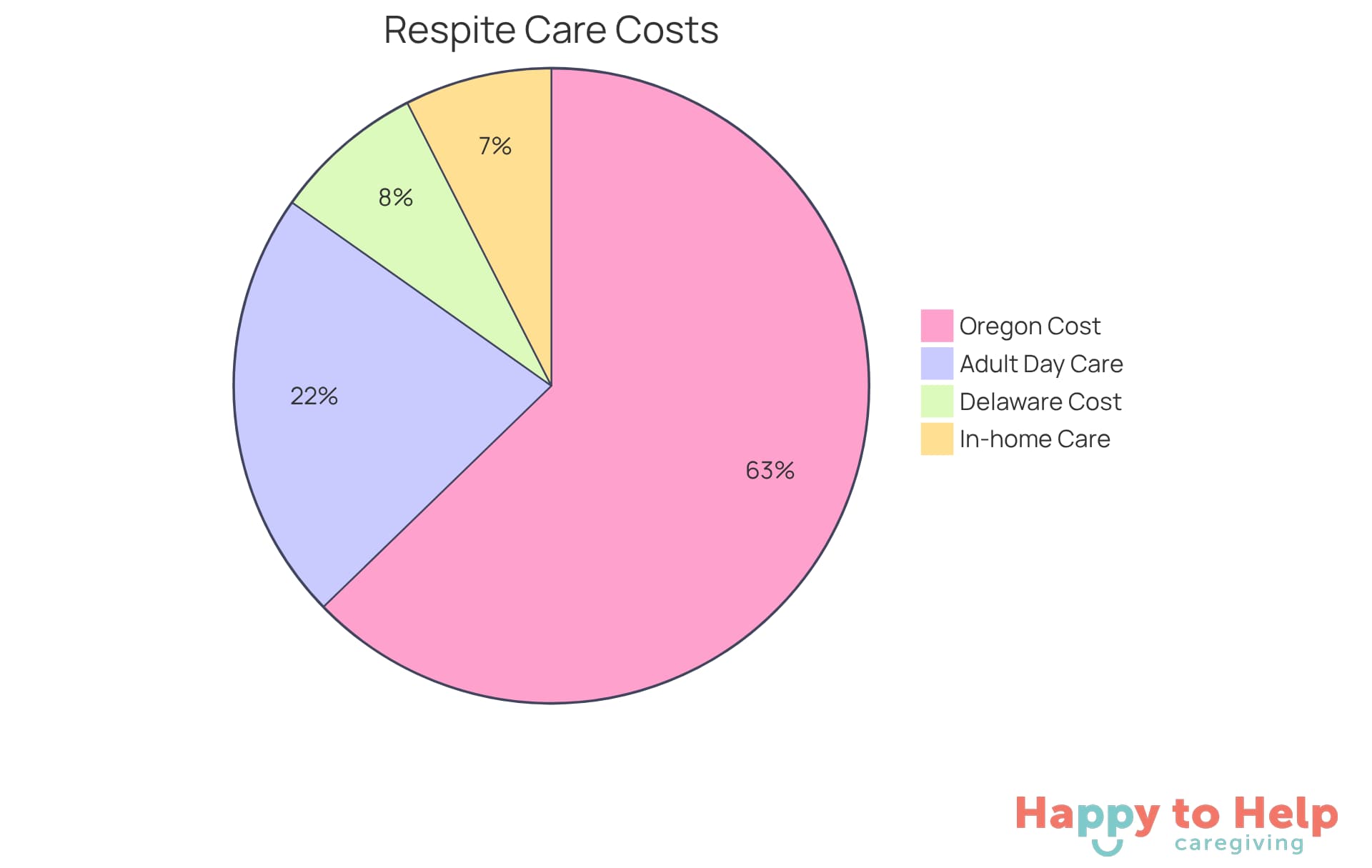
Respite services costs can pose a significant challenge for caregivers, as they vary widely based on the type of service and geographical location. For instance, in-home respite care typically ranges from $20 to $50 per hour. Adult day care services average around $103 per day in 2025, with costs fluctuating dramatically from $36 in Delaware to $293 in Oregon. Understanding these expenses is crucial for households aiming to create effective budgets and explore funding options.
The financial burden of these services can be overwhelming. Many families find themselves struggling to manage these costs, which can lead to stress and uncertainty. Fortunately, there are solutions available. Households often turn to Medicaid or state assistance programs to alleviate some of the financial pressures. Additionally, adult day services costs are generally tax-deductible, offering further financial relief.
Moreover, the dependent support credit allows families to claim up to $3,000 for one dependent or $6,000 for two dependents. This can provide essential assistance in managing relief service costs. By carefully evaluating their unique circumstances and exploring various funding options, families can better navigate the expenses associated with respite care resources. This ensures they receive the necessary support without compromising their financial stability.
Circle of Care: Finding Respite Care Options for Immediate Support
Finding relief options for prompt support can be a significant challenge for caregivers. This difficulty can lead to increased stress and feelings of isolation, making it harder to manage caregiving responsibilities effectively.
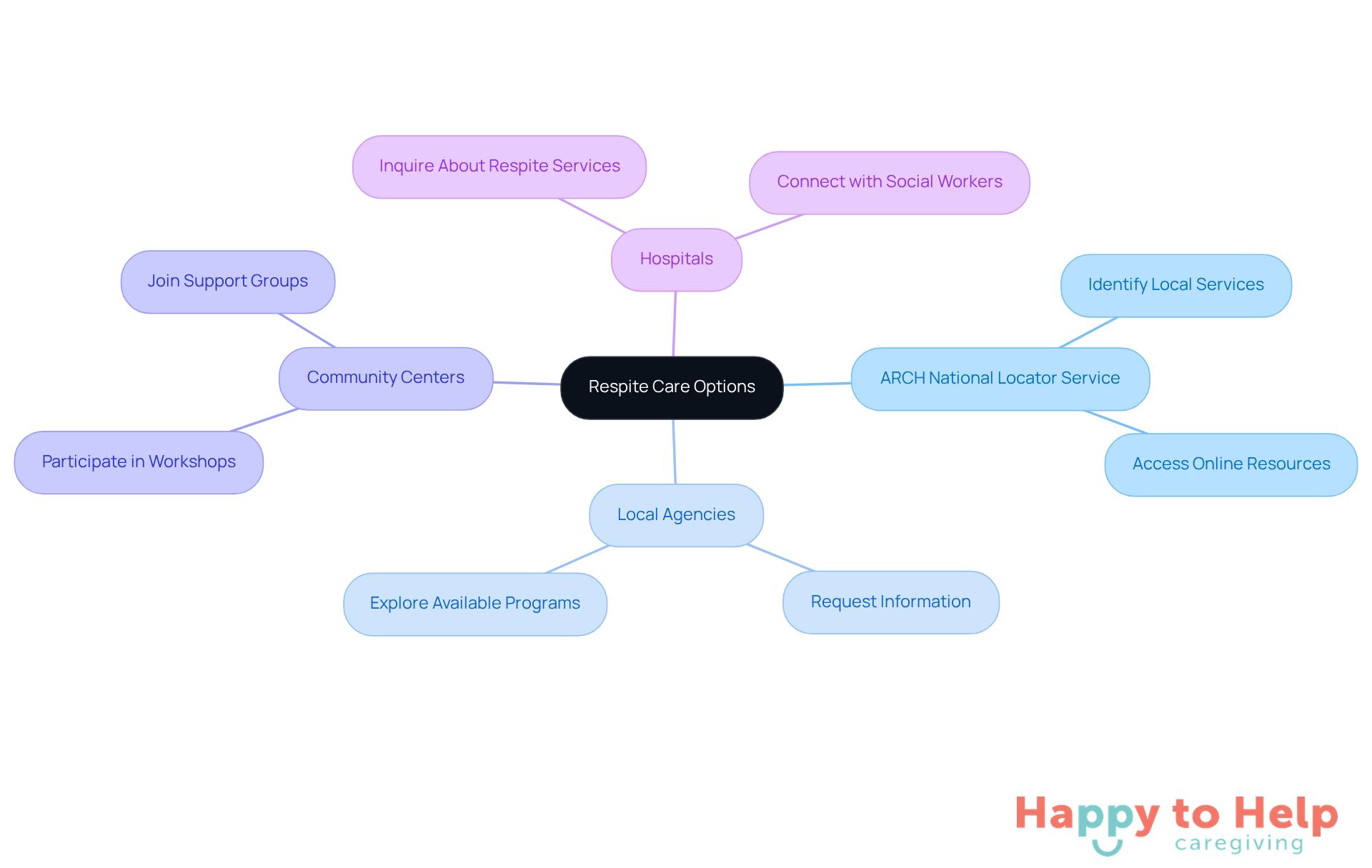
Fortunately, respite care resources such as the ARCH National Locator Service can help individuals quickly identify available services in their area. Caregivers should also consider reaching out to local agencies, community centers, and hospitals for respite care resources and recommendations. By utilizing respite care resources, caregivers can secure the necessary support to manage their responsibilities more effectively.
Ontario.ca: Steps to Apply for Respite Care Services
Caregivers often face significant challenges in managing their responsibilities, leading to potential burnout. With an average of 27 hours spent per week providing care, the need for support becomes critical. Caregivers may struggle to maintain their well-being without adequate respite care resources, which can affect both them and those they care for.
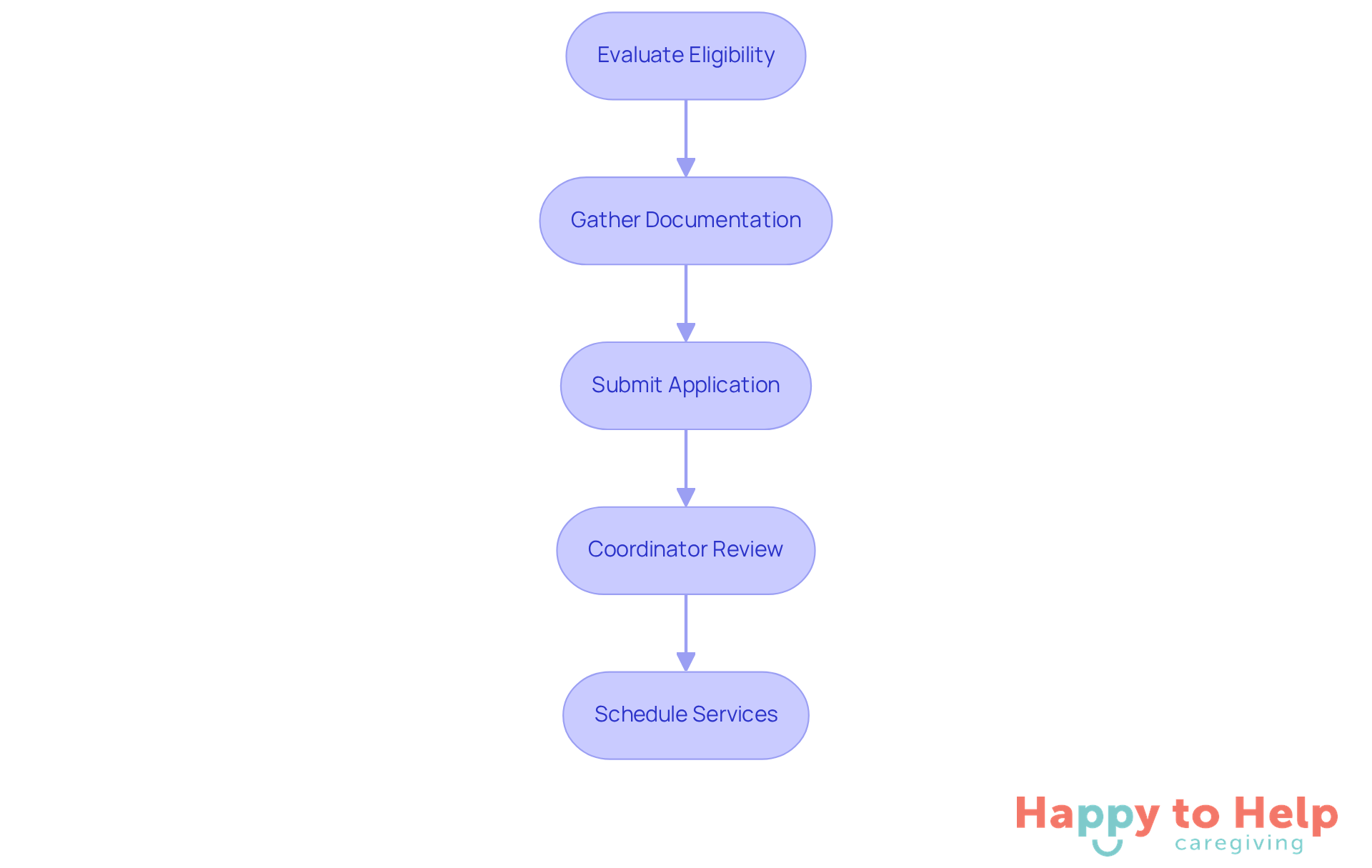
To address this issue, families can request temporary support services through Ontario.ca. The first step is to evaluate eligibility, which depends on the specific needs of the recipient and the circumstances of the primary caregiver. Caregivers must be away for more than one day, and the recipient must have a valid Ontario health card to qualify for respite assistance.
Once eligibility is confirmed, it’s essential to gather all necessary documentation, such as health records and personal identification. The application form can be submitted online or in person, providing convenience for families. After submission, a coordinator will review qualifications, arrange assessments, assist with applications, and schedule services if approved.
By following these steps, families can streamline the application process and gain access to the support services they need. Utilizing respite care resources not only helps prevent caregiver burnout but also enhances overall well-being.
Taking the Next Steps
Respite care is crucial for family caregivers, yet its significance is often overlooked. As caregiving demands escalate, the need for effective support systems becomes increasingly urgent. Caregivers face emotional and physical exhaustion, which can compromise their ability to provide care. Without adequate relief, they risk burnout, impacting both their well-being and the quality of care for their loved ones.
Many caregivers remain unaware of the benefits of respite care, with a significant percentage not accessing the support available to them. This lack of awareness can lead to feelings of guilt and isolation. Understanding the financial implications and exploring funding options can help alleviate some of the burdens associated with these services, making respite care more accessible.
To foster a healthier caregiving dynamic, caregivers must prioritize their own well-being. Here are some actionable steps:
- Seek out respite care resources: Research local services that offer temporary relief.
- Connect with support groups: Engage with other caregivers to share experiences and advice.
- Explore funding options: Investigate financial assistance programs that can help cover respite care costs.
By integrating respite care into their routines, caregivers not only enhance their capacity to provide care but also contribute to a more sustainable and fulfilling caregiving experience for themselves and their loved ones.
https://iframe.tely.ai/cta/eyJhcnRpY2xlX2lkIjogIjY5MmY5MTkxY2E4MDg5MWIwMmZiMDBkYSIsICJjb21wYW55X2lkIjogIjY4ZWU1ZGNhNzMxNzYyNTU3ZjNjOTVjMSIsICJpbmRleCI6IG51bGwsICJ0eXBlIjogImFydGljbGUifQ==Frequently Asked Questions
What challenges do caregivers face?
Caregivers often experience significant challenges, including stress and burnout, particularly as the demand for in-home relief services rises. This situation can impact both their well-being and the quality of care they provide.
What services does Happy to Help Caregiving provide?
Happy to Help Caregiving offers a variety of customized respite care resources, including companionship support, post-hospital recovery assistance, respite services, and palliative support, all designed to enhance independence and well-being.
How does respite care benefit caregivers?
Respite care provides temporary relief for family caregivers, allowing them to recharge and reduce stress. Research shows that caregivers who utilize respite care experience enhanced physical and emotional well-being, with many reporting a reduction in stress and feeling more effective in their roles.
What is the availability of Happy to Help Caregiving’s services?
The services provided by Happy to Help Caregiving are available around the clock, with flexible scheduling options to ensure caregivers can take essential breaks while knowing their loved ones are in skilled hands.
What is the current state of respite care utilization among caregivers?
Despite the recognized need for respite care, 86% of adult caregivers do not receive relief services. This highlights a significant gap in awareness and accessibility of these vital resources.
What types of respite care resources are available according to the National Institute on Aging?
The National Institute on Aging outlines several respite care resources, including in-home assistance, adult day programs, and short-term stays in residential facilities, which can provide essential support for caregivers.
What recent initiatives have been introduced to support family caregivers?
The National Strategy to Support Family Caregivers, launched in 2022, emphasizes the importance of respite care services and aims to bridge the gap between caregivers' beliefs about the benefits of these services and their actual utilization.
How has the number of family caregivers changed in recent years?
The number of family caregivers has increased significantly, rising from 18.2 million in 2011 to 24.1 million in 2022, indicating a growing need for support among those who provide care.
List of Sources
- Happy to Help Caregiving: Personalized Respite Care Services
- Understanding the Major Trends Influencing Home Care in 2025 (https://learn2care.us/blog/predictions-for-caregiving-trends-in-2025)
- Respite Care Services: Essential Support for Caregivers (https://esoregon.com/the-benefits-of-respite-care-services-for-caregiver-relief)
- 2025 Home Care Statistics: Trends & Insights To Know (https://premierhcinc.com/blog/home-care-statistics)
- 10 Essential Insights into Respite Care for Family Caregivers - Happy To Help (https://happytohelpcaregiving.com/10-essential-insights-into-respite-care-for-family-caregivers)
- How Respite Services Support Caregivers and Families (https://finehomesandliving.com/health_wellness/how-respite-services-support-caregivers-and-families/article_41026bb7-1ba2-4bb7-9783-1a1dd33d1a61.html)
- Circle of Care: Understanding the Importance of Respite Care
- As Family Caregiving Grows, So Does the Need for Reform - Medicare Rights Center (https://medicarerights.org/medicare-watch/2025/08/14/as-family-caregiving-grows-so-does-the-need-for-reform)
- Improving Support for Family Caregivers (https://nationalacademies.org/news/2025/07/improving-support-for-family-caregivers)
- National Family Caregivers Month 2025 (https://johnahartford.org/resources/view/national-family-caregivers-month-2025)
- Caregiver Statistics: Health, Technology, and Caregiving Resources (https://caregiver.org/resource/caregiver-statistics-health-technology-and-caregiving-resources)
- Congressman Nick Langworthy Introduces Bill to Support the Wellbeing of Family Caregivers (https://langworthy.house.gov/media/press-releases/congressman-nick-langworthy-introduces-bill-support-wellbeing-family)
- National Institute on Aging: Comprehensive Guide to Respite Care
- Caregiver Statistics: One in Four Americans Are Now Caregivers, According to New Report (https://caregivingkinetics.com/caregiver-statistics)
- News & Updates | ARCH National Respite Network & Resource Center (https://archrespite.org/news)
- Stats, Facts and Things to Know About Respite Care (https://bethesdaseniorliving.com/senior-resources/stats-facts-and-things-to-know-about-respite-care)
- The Number Of Family Caregivers Helping Older US Adults Increased From 18 Million To 24 Million, 2011–22 | Health Affairs Journal (https://healthaffairs.org/doi/10.1377/hlthaff.2024.00978)
- Number of Family Caregivers Supporting Older Adults Increased Nearly One-Third Between 2011 and 2022 | Johns Hopkins Bloomberg School of Public Health (https://publichealth.jhu.edu/2025/number-of-family-caregivers-supporting-older-adults-increased-nearly-one-third-between-2011-and-2022)
- Ontario.ca: Types of Respite Care Available for Families
- Respite Facts and Talking Points | ARCH National Respite Network & Resource Center (https://archrespite.org/policy/respite-facts-and-talking-points)
- 40 Inspirational Quotes for Caregivers - Care Options for Kids (https://careoptionsforkids.com/blog/inspirational-quotes-for-caregivers)
- Stats, Facts and Things to Know About Respite Care (https://bethesdaseniorliving.com/senior-resources/stats-facts-and-things-to-know-about-respite-care)
- FastStats (https://cdc.gov/nchs/fastats/adsc.htm)
- Respite care: Lessons from a controlled design study - PMC (https://pmc.ncbi.nlm.nih.gov/articles/PMC4195132)
- Caregiver's Handbook: Strategies for Effective Respite Care Management
- Respite Facts and Talking Points | ARCH National Respite Network & Resource Center (https://archrespite.org/policy/respite-facts-and-talking-points)
- Improving Support for Family Caregivers (https://nationalacademies.org/news/2025/07/improving-support-for-family-caregivers)
- New Resources Available for Improving Respite Care Services for Caregivers | ACL Administration for Community Living (https://acl.gov/news-and-events/announcements/new-resources-available-improving-respite-care-services-caregivers)
- State Innovations to Advance Respite Care: Policy Strategies Shared at the State-Federal Respite Summit - NASHP (https://nashp.org/state-innovations-to-advance-respite-care-policy-strategies-shared-at-the-state-federal-respite-summit)
- Stats, Facts and Things to Know About Respite Care (https://bethesdaseniorliving.com/senior-resources/stats-facts-and-things-to-know-about-respite-care)
- Circle of Care: Overcoming Guilt About Taking Respite Breaks
- Self-Care for Caregivers: Why It’s Critical to Give Yourself a Break | Mindglow Health (https://mindglowhealth.com/self-care-for-caregivers-why-its-critical-to-give-yourself-a-break)
- Managing Family Caregiver Guilt & Stress | Gig Harbor Court (https://pegasusseniorliving.com/gig-harbor-court/blog/2025/08/05/caregiver-guilt-and-stress-relief)
- New Report Reveals Crisis Point for America’s 63 million Family Caregivers (https://press.aarp.org/2025-07-24-New-Report-Reveals-Crisis-Point-for-Americas-63-million-Family-Caregivers)
- Taking a Break: Daily Respite Effects of Adult Day Services as Objective and Subjective Time Away From Caregiving - PMC (https://pmc.ncbi.nlm.nih.gov/articles/PMC8679007)
- Facebook (https://newsroom.clevelandclinic.org/2025/11/19/importance-of-self-care-for-family-caregivers)
- Ontario.ca: How to Qualify for Respite Care Services
- Respite Facts and Talking Points | ARCH National Respite Network & Resource Center (https://archrespite.org/policy/respite-facts-and-talking-points)
- Respite Care for Children With Special Health Care Needs (https://jamanetwork.com/journals/jamapediatrics/fullarticle/380722)
- VA proposes rule to expand access to its Program of Comprehensive Assistance for Family Caregivers | VA Wilmington health care | Veterans Affairs (https://va.gov/wilmington-health-care/news-releases/va-proposes-rule-to-expand-access-to-its-program-of-comprehensive-assistance-for-family-caregivers)
- Laying Legislative Groundwork for Sustainable Pediatric Respite, Hospice Care (https://hospicenews.com/2025/05/23/laying-legislative-groundwork-for-sustainable-pediatric-respite-hospice-care)
- National Institute on Aging: Understanding Respite Care Costs
- Adult Day Care Costs: Average Cost Data for 2025 (https://seniorliving.org/adult-day-care/costs)
- Who Pays For Respite Care? [Payment Options & FAQs] (https://alwaysbestcare.com/resources/who-pays-for-respite-care)
- Respite Care Costs | How Much Does it Cost for Respite Care in 2025? (https://seniorliving.org/respite/costs)
- Understanding Respite Care Costs: Key Factors and Payment Options - Happy To Help (https://happytohelpcaregiving.com/understanding-respite-care-costs-key-factors-and-payment-options)
- Federal budget committee greenlights millions in spending for family caregivers, respite services (https://mcknightshomecare.com/news/federal-budget-committee-greenlights-millions-in-spending-for-family-caregivers-respite-services)
- Circle of Care: Finding Respite Care Options for Immediate Support
- Stats, Facts and Things to Know About Respite Care (https://bethesdaseniorliving.com/senior-resources/stats-facts-and-things-to-know-about-respite-care)
- Respite Facts and Talking Points | ARCH National Respite Network & Resource Center (https://archrespite.org/policy/respite-facts-and-talking-points)
- News & Updates | ARCH National Respite Network & Resource Center (https://archrespite.org/news)
- Funding Opportunity: National Lifespan Respite Care Program State Program Enhancement Grants | ACL Administration for Community Living (https://acl.gov/news-and-events/announcements/national-lifespan-respite-care-program-state-program-enhancement)
- New Resources Available for Improving Respite Care Services for Caregivers | ACL Administration for Community Living (https://acl.gov/news-and-events/announcements/new-resources-available-improving-respite-care-services-caregivers)
- Ontario.ca: Steps to Apply for Respite Care Services
- Stats, Facts and Things to Know About Respite Care (https://bethesdaseniorliving.com/senior-resources/stats-facts-and-things-to-know-about-respite-care)
- National Alliance for Caregiving: Caregiving in the US 2025 Report (https://johnahartford.org/resources/view/national-alliance-for-caregiving-caregiving-in-the-us-2025-report)
- 2025-2026 Services delivered: respite supports children in-home supports | 2025–2026 MCCSS Service objectives — Community services (https://ontario.ca/document/2025-2026-mccss-service-objectives-community-services/2025-2026-services-delivered-respite)
- Respite care (https://ontario.ca/page/respite-care)
- 42 inspirational quotes for caregivers (https://care.com/c/40-inspirational-caregiver-quotes)