10 Essential Roles of a Caregiver to a Patient You Should Know

For families in our service areas
For families in our service areas, this guide explains caregiver support and how non-medical in-home caregiving can support care planning in East Idaho, Treasure Valley & Magic Valley, Northern Wasatch, North Central West Virginia, and Northeast Ohio.
Understanding Roles of a Caregiver to a Patient
Understanding the multifaceted roles of caregivers presents a significant challenge in today’s healthcare landscape. As the demand for personalized patient care rises, caregivers are tasked with balancing numerous responsibilities. They not only provide physical assistance but also enhance emotional well-being, ensure safety, and facilitate smooth transitions during recovery.
This complexity raises an important question: how can caregivers effectively manage these diverse roles while addressing the unique needs of each patient? The implications of this challenge are profound, as the quality of patient care and recovery can hinge on the caregiver's ability to navigate these responsibilities.
In this article, we will explore ten essential roles of a caregiver, shedding light on their importance and the significant impact they have on patient care and recovery. By understanding these roles, caregivers can implement practical strategies to enhance their effectiveness and improve patient outcomes.
Happy to Help Caregiving: Companionship Care for Emotional Support
Companionship care addresses a significant problem: the loneliness and depression that many elderly patients experience. These feelings can severely impact their quality of life, leading to a decline in emotional well-being.
At Happy to Help Caregiving, caregivers are trained to combat these issues by fostering meaningful interactions. Through shared meals, interactive games, and heartfelt conversations, they create an environment that promotes connection and joy. This approach not only enriches the daily lives of seniors but also enhances their overall emotional health, allowing them to thrive in the comfort of their own homes.
Research shows that regular social interaction can boost mood and increase feelings of happiness. Therefore, understanding the roles of a caregiver to a patient is a crucial component of effective caregiving. By prioritizing emotional support and engaging activities, caregivers can significantly improve the lives of elderly patients, showcasing the essential roles of a caregiver to a patient.
Post-Hospital Recovery Assistance: Facilitating Smooth Transitions
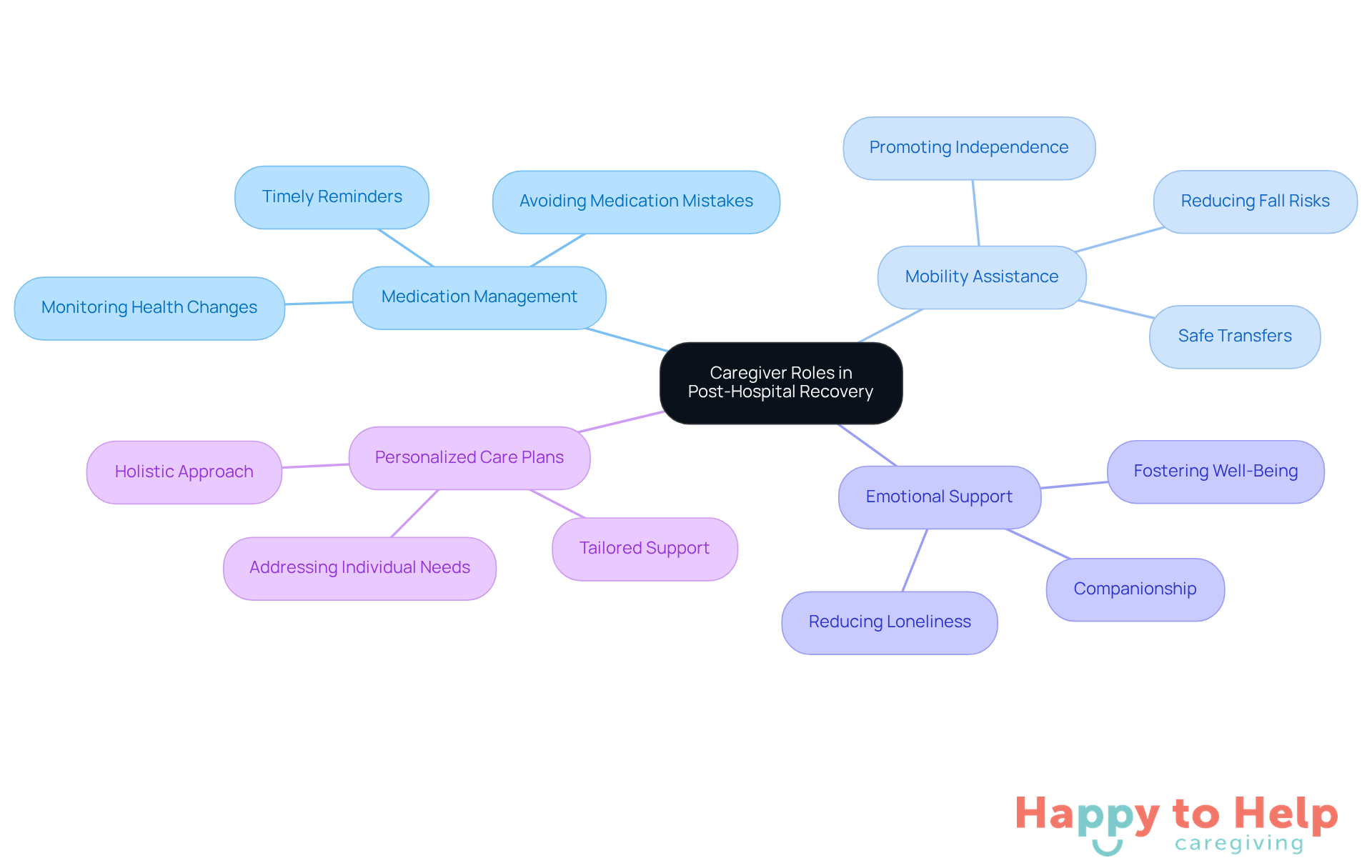
During the post-hospital recovery phase, the roles of a caregiver to a patient come with significant challenges. Patients often struggle with medication management, mobility, and daily activities, which can hinder their recovery. This situation not only affects physical health but also creates emotional stress for both patients and their families.
Research from the National Institutes of Health highlights that seniors receiving home care services experience lower hospital readmission rates. This underscores the critical need for effective medication management and adherence to treatment plans. The roles of a caregiver to a patient are vital in preventing medication mistakes by providing timely reminders, which are essential for maintaining health and avoiding complications.
Additionally, caregivers assist with mobility, reducing fall risks and promoting independence - especially important for seniors recovering from surgery or illness. Personalized care plans tailored to individual needs can lead to improved recovery outcomes, demonstrating the roles of a caregiver to a patient in bridging hospital discharge and complete recovery.
The roles of a caregiver to a patient enhance the quality of care and foster a sense of security and well-being for patients during this vulnerable time. As emphasized by the Centers for Medicare & Medicaid Services, attentive medical support at home is crucial for successful recovery.
Respite Care: Providing Family Caregivers Much-Needed Breaks
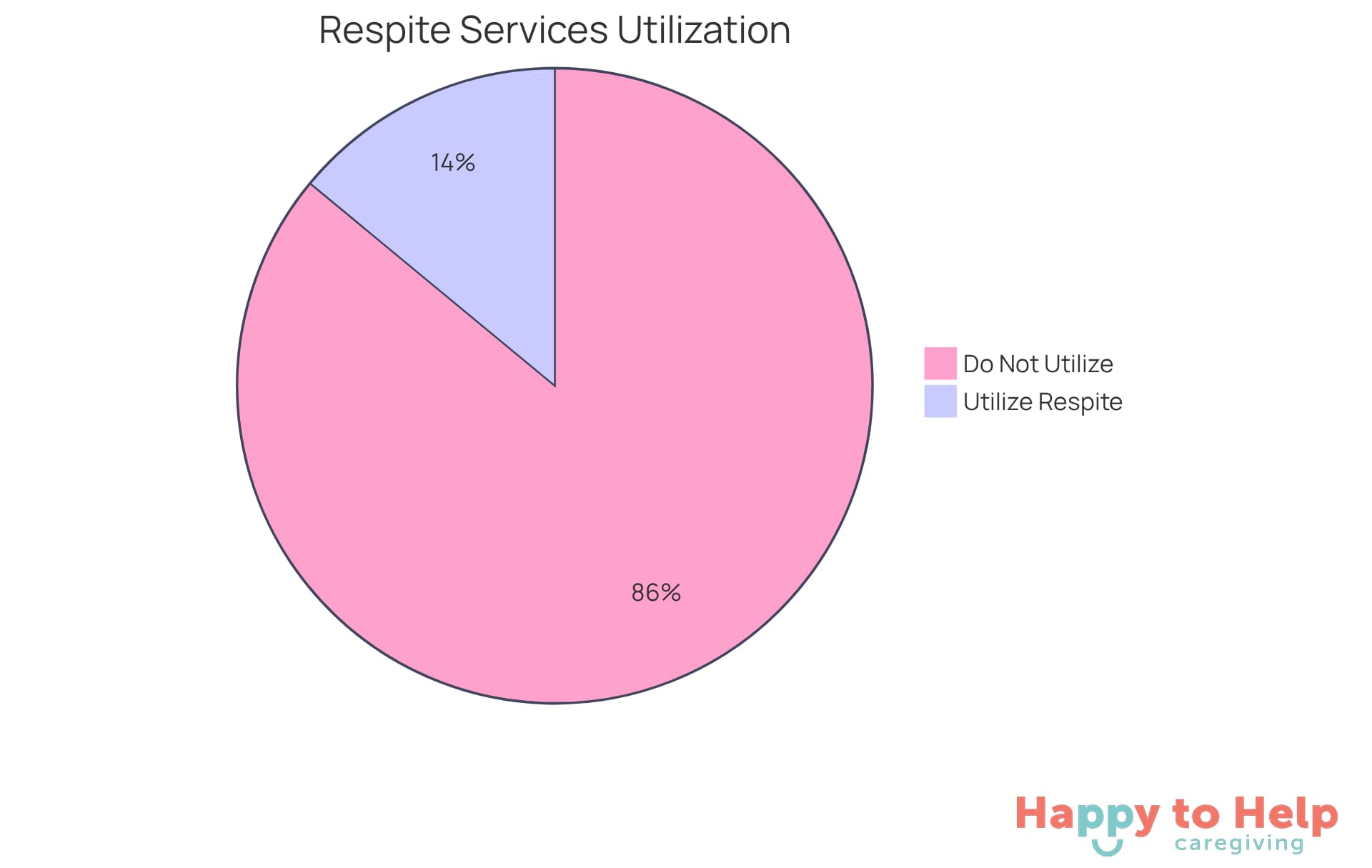
The roles of a caregiver to a patient involve facing significant challenges that often lead to burnout and feelings of isolation. With over 48 million individuals providing care in the U.S., many express fatigue and stress, highlighting the urgent need for support. Alarmingly, only 14 percent of family assistants utilize respite services, revealing a considerable gap in assistance.
Respite support serves as a vital resource, offering temporary relief that allows caregivers to recharge while ensuring their loved ones receive consistent, high-quality attention. This service can be tailored to fit various needs, ranging from a few hours to several days, depending on the family's circumstances. By facilitating these breaks, Happy to Help Caregiving plays a crucial role in preventing burnout among caregivers.
Research shows that those who utilize respite services experience lower stress levels and improved mental health, fostering healthier family relationships. As Samantha Wolfe aptly states, "You need to know that looking after yourself is just as important as looking after your loved one."
Moreover, respite care can be covered by private insurance, Medicaid, or Medicare, making it a more accessible option for families. The total expenditure on long-term services and assistance (LTSS) in the U.S. reached $400 billion in 2021, underscoring the economic importance of caregiving and respite services.
In summary, respite support not only alleviates the burdens faced by caregivers but also enhances the overall well-being of both providers and their loved ones, highlighting the important roles of a caregiver to a patient. As Kim Cantor observes, caregiving can be isolating and tiring, but respite care offers essential assistance to help caregivers thrive.
Palliative Support Care: Enhancing Quality of Life for Patients
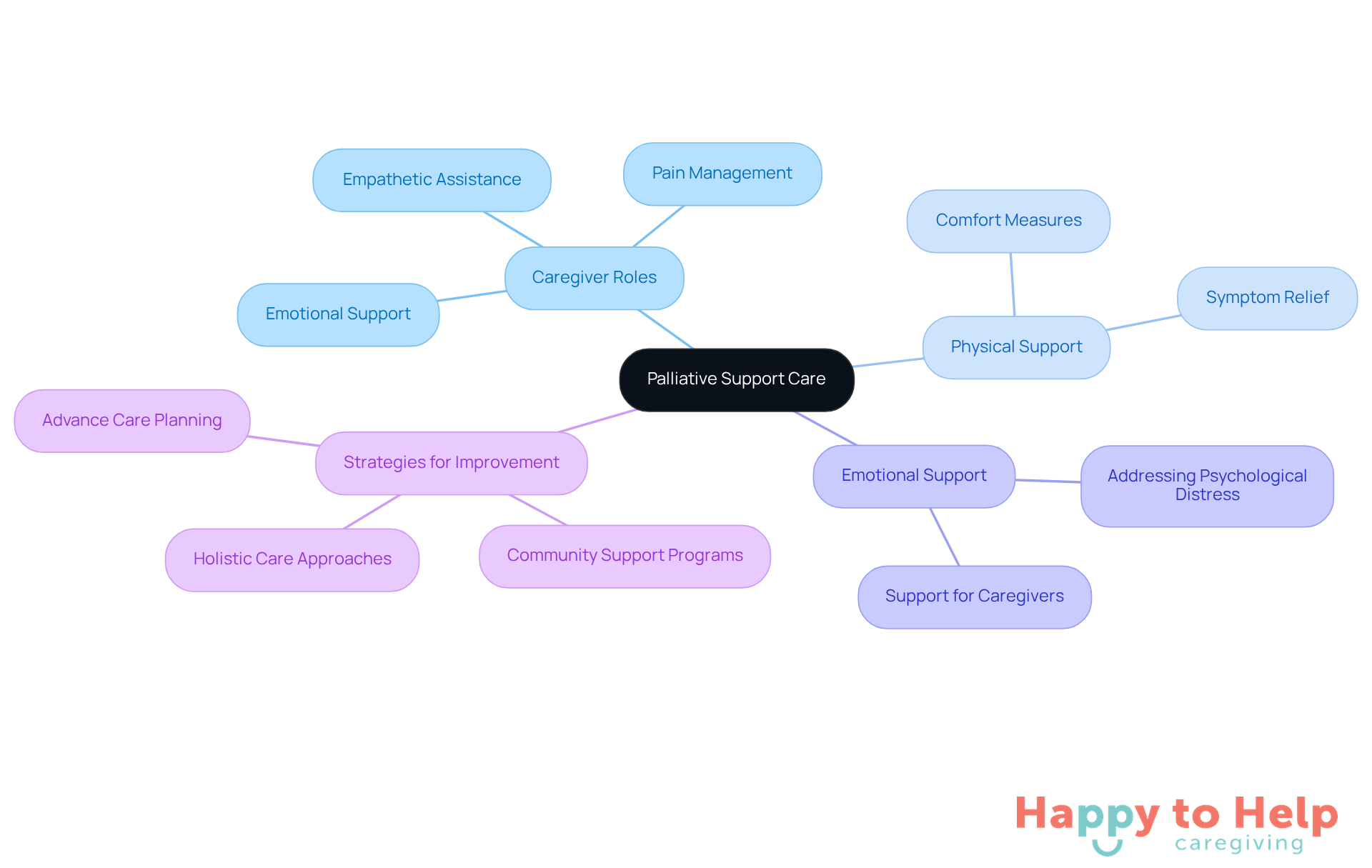
Palliative care addresses a critical problem: individuals facing significant health challenges often endure debilitating symptoms that diminish their quality of life. This situation can lead to not only physical pain but also emotional and psychological distress, impacting both patients and their caregivers.
To tackle these challenges, the roles of a caregiver to a patient are vital as they provide empathetic assistance. They help manage pain and discomfort while also addressing the emotional needs of patients. This holistic approach ensures that individuals feel valued and cared for, ultimately enhancing their overall well-being.
By focusing on both physical and emotional support, caregivers can enhance the roles of a caregiver to a patient by implementing practical strategies that improve the quality of life for those they care for. This commitment to comprehensive care is essential in fostering a supportive environment for patients.
Meal Preparation: Ensuring Proper Nutrition for Patients
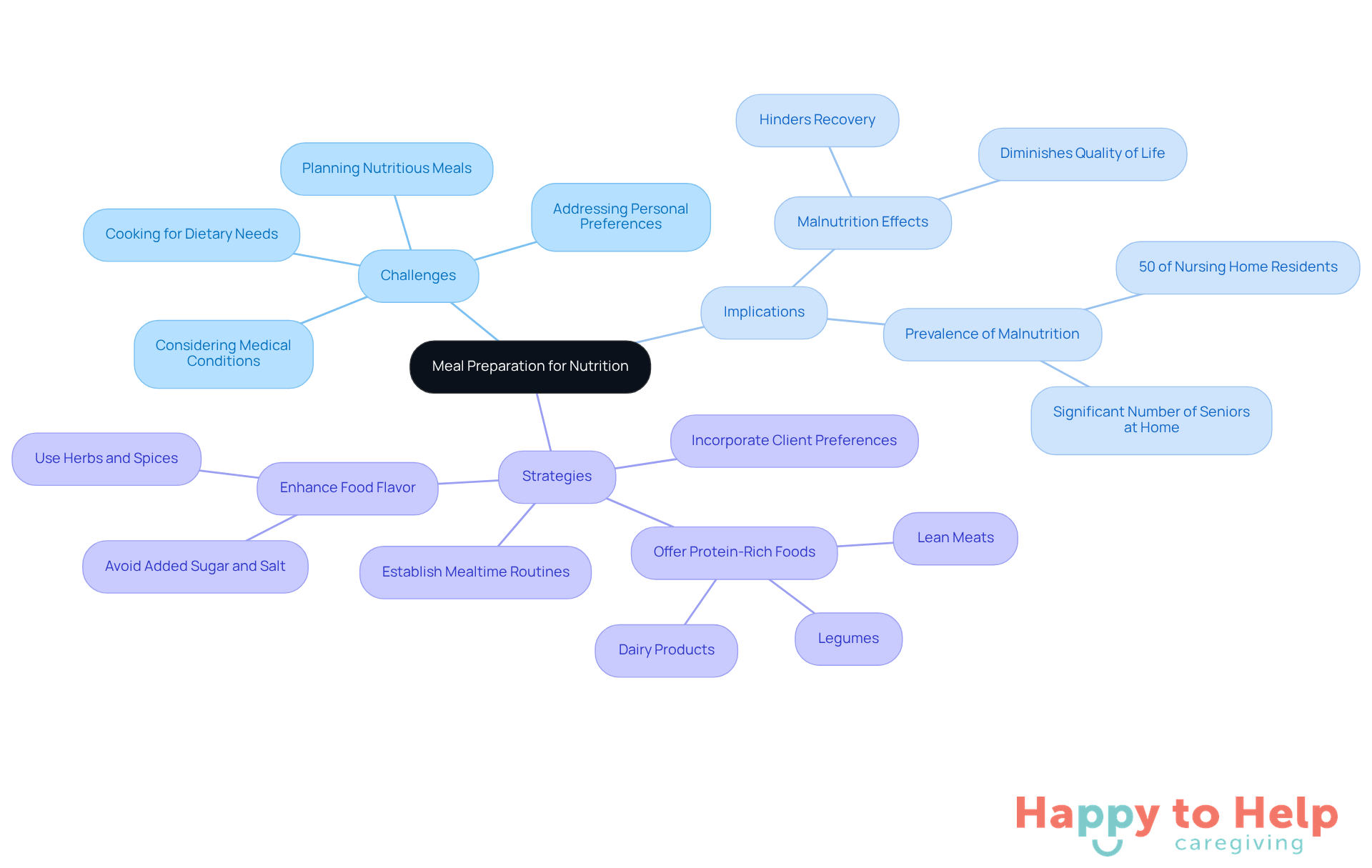
Caregivers face a significant challenge in meal preparation, as they must meticulously plan and cook nutritious meals that cater to the specific dietary needs of their clients. This responsibility includes considering medical conditions, personal preferences, and nutritional requirements. For instance, older adults often require increased protein intake-around 1 to 1.2 grams per kilogram of body weight daily-to combat muscle loss and promote overall well-being.
The implications of inadequate nutrition are serious. Malnutrition affects nearly half of nursing home residents and a substantial number of seniors living at home. This not only hinders recovery but also diminishes quality of life. By providing balanced meals, caregivers demonstrate essential roles of a caregiver to a patient, which enhance their clients' well-being and recovery while significantly reducing the risks associated with malnutrition.
To address these challenges, caregivers can implement practical strategies:
- Offering a variety of protein-rich foods, such as lean meats, dairy, and legumes, can help meet the dietary needs of older adults.
- Meal planning that incorporates clients' preferences can make nutritious eating more enjoyable.
As one dietitian emphasizes, ensuring that a loved one is well-fed with nourishing food is essential, as it directly influences their health outcomes. Thus, through thoughtful meal planning and preparation, caregivers can effectively perform the roles of a caregiver to a patient, fostering health and well-being.
Personal Care: Supporting Daily Living Activities for Comfort
Many individuals face challenges with daily living activities like bathing, dressing, and grooming. This struggle can stem from age or health conditions, leading to a loss of dignity and comfort.
The roles of a caregiver to a patient are vital in addressing these issues. They are trained to assist with sensitivity and respect, ensuring that individuals maintain their dignity while receiving the necessary support. This assistance goes beyond completing tasks; it focuses on the roles of a caregiver to a patient in enhancing the quality of life for those who need it most.
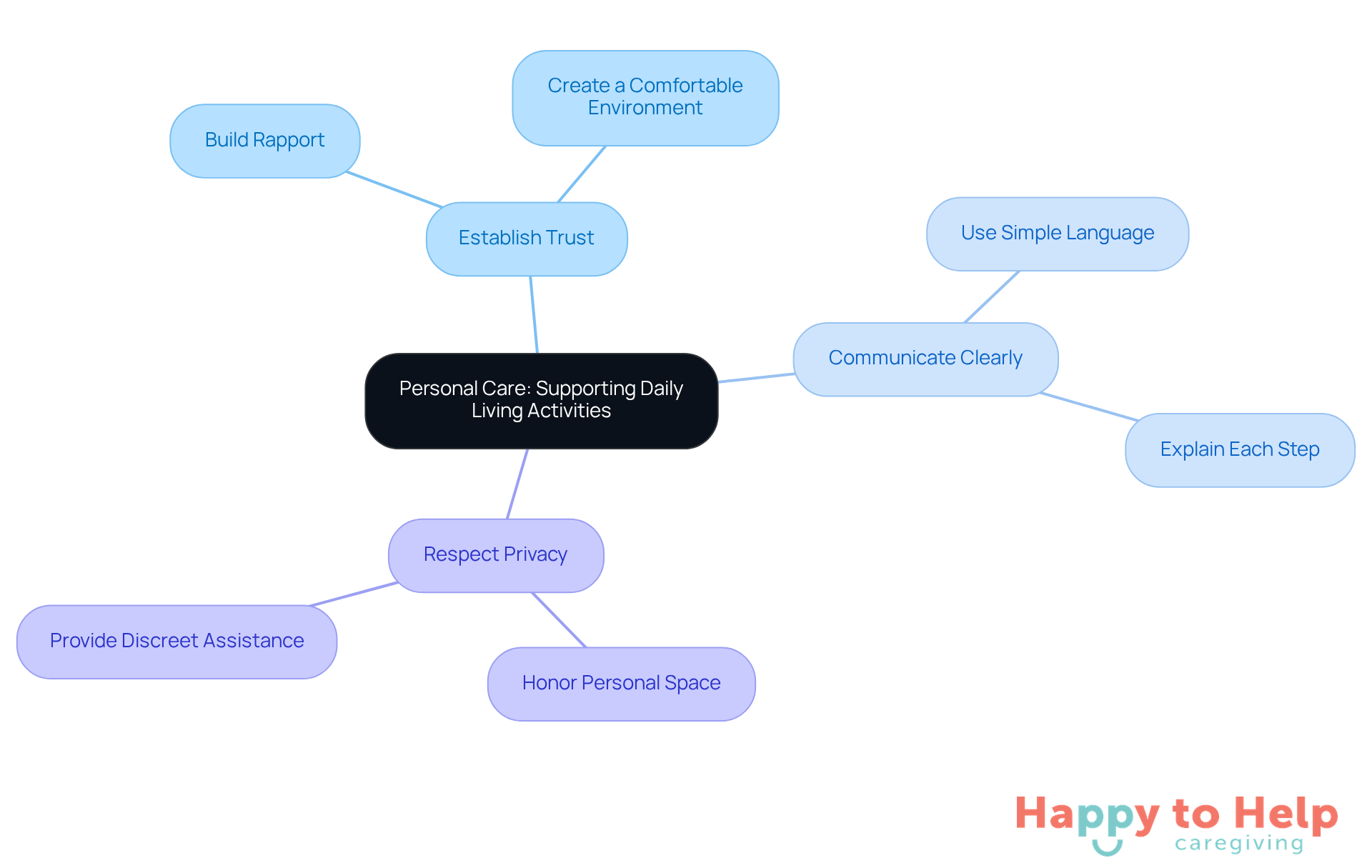
To effectively provide personal care, caregivers can implement several practical strategies:
- Establish Trust: Build a rapport with the individual to make them feel comfortable.
- Communicate Clearly: Use simple language and explain each step of the process to alleviate anxiety.
- Respect Privacy: Always ensure that personal space is honored during assistance.
By focusing on these key areas, caregivers can significantly improve the experience for those they assist, ensuring that their dignity and comfort are prioritized.
Communication Management: Coordinating Care with Healthcare Providers
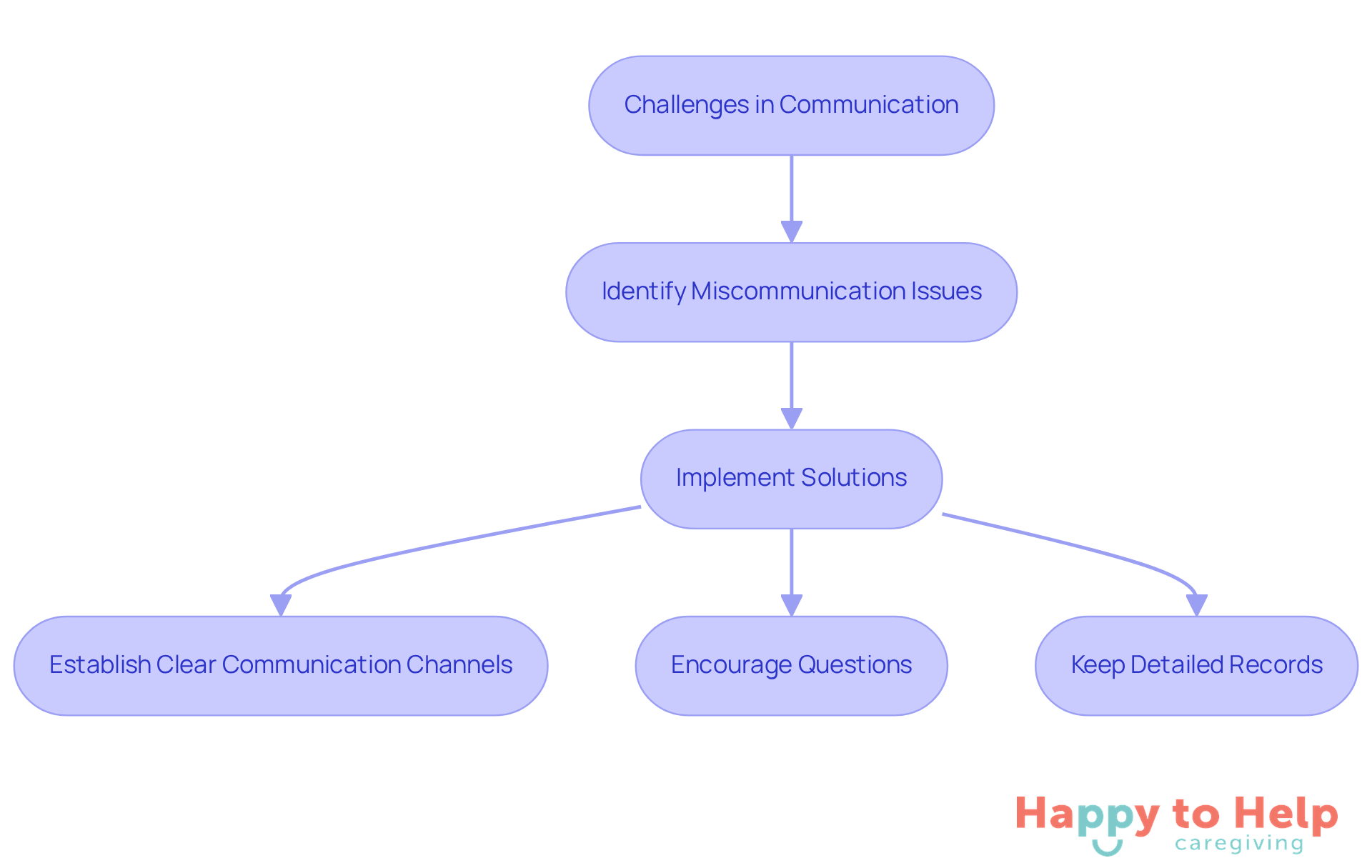
The roles of a caregiver to a patient involve facing significant challenges in facilitating effective communication between individuals and their healthcare providers. Miscommunication can lead to misunderstandings about a person's condition, treatment plans, and medication, ultimately affecting the quality of care they receive.
To address this issue, it is essential that the roles of a caregiver to a patient include ensuring that vital information is accurately conveyed. This coordination is essential for preventing errors and ensuring that individuals receive the best possible care, which reflects the important roles of a caregiver to a patient.
Here are some actionable solutions caregivers can implement:
- Establish clear communication channels with healthcare providers.
- Encourage individuals to ask questions about their treatment and care.
- Keep detailed records of medical information to share with providers.
By taking these steps, caregivers can significantly improve the communication process, leading to better health outcomes for those they support.
Home Safety Oversight: Creating a Secure Environment for Patients
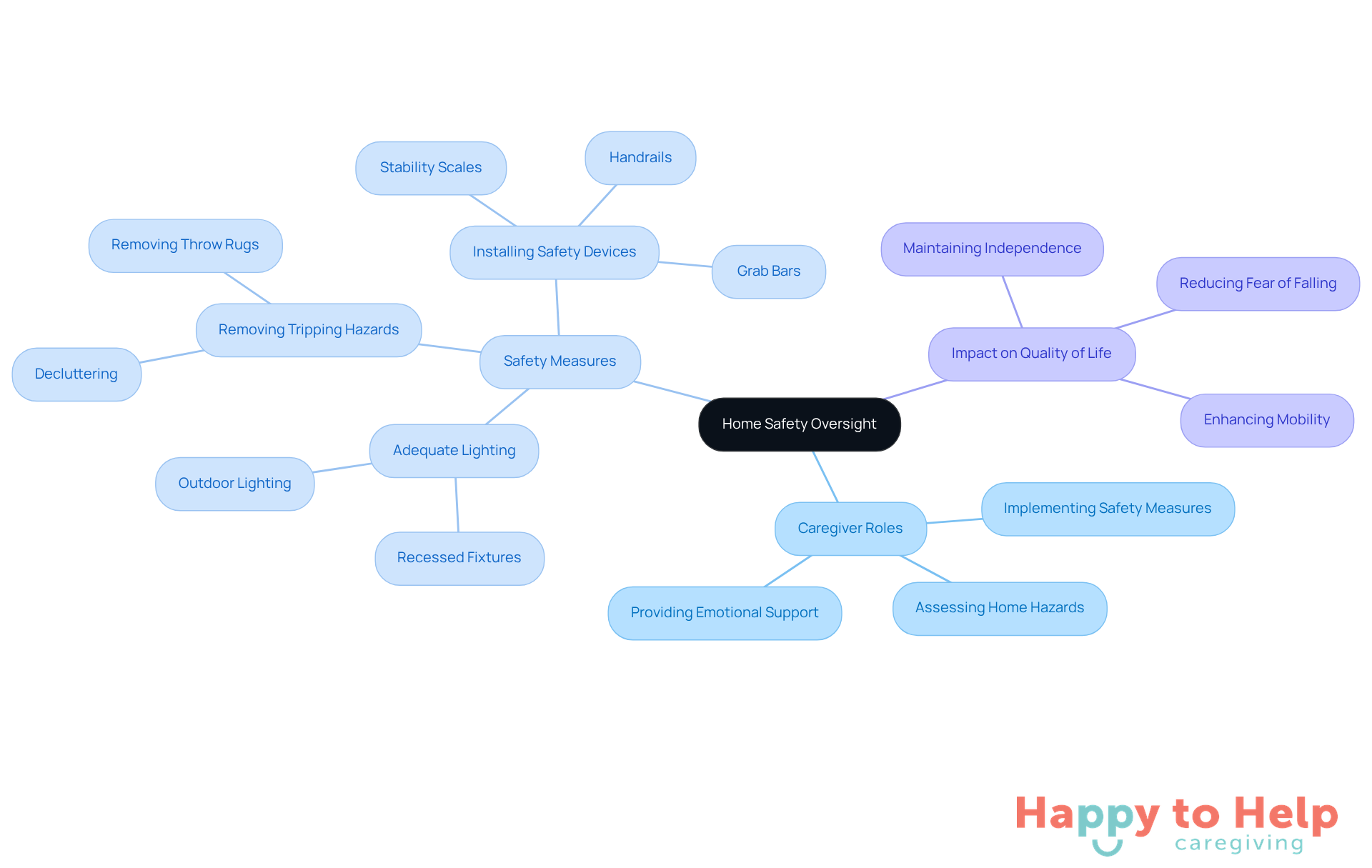
Caregivers face a significant challenge in ensuring the safety of home environments for older adults. Falls are the leading cause of injury-related deaths among this population, with over 36,000 fatalities reported in 2021 alone. This alarming statistic highlights the urgent need to understand the roles of a caregiver to a patient in assessing and mitigating potential hazards in the home.
To address this issue, it is essential for caregivers to understand the roles of a caregiver to a patient while focusing on key safety measures. Ensuring adequate lighting, removing tripping hazards like throw rugs, and installing essential safety devices such as grab bars and handrails are crucial steps. A survey of emergency room doctors underscores the necessity of regular home safety assessments, which can significantly reduce the risk of falls and related injuries. For example, improved lighting and decluttering can create clear pathways, enhancing mobility and minimizing fall risks.
Moreover, the impact of these safety modifications extends beyond mere accident prevention. By addressing safety concerns, the roles of a caregiver to a patient empower seniors to maintain their independence and confidence, ultimately improving their quality of life. Each year, nearly 319,000 older adults are hospitalized for hip fractures, many of which could have been prevented with proactive safety measures. This proactive approach not only safeguards physical health but also alleviates the emotional burden of fear associated with falling, allowing older adults to engage more fully in their daily activities.
Nurturing Relationships: Alleviating Isolation for Patients
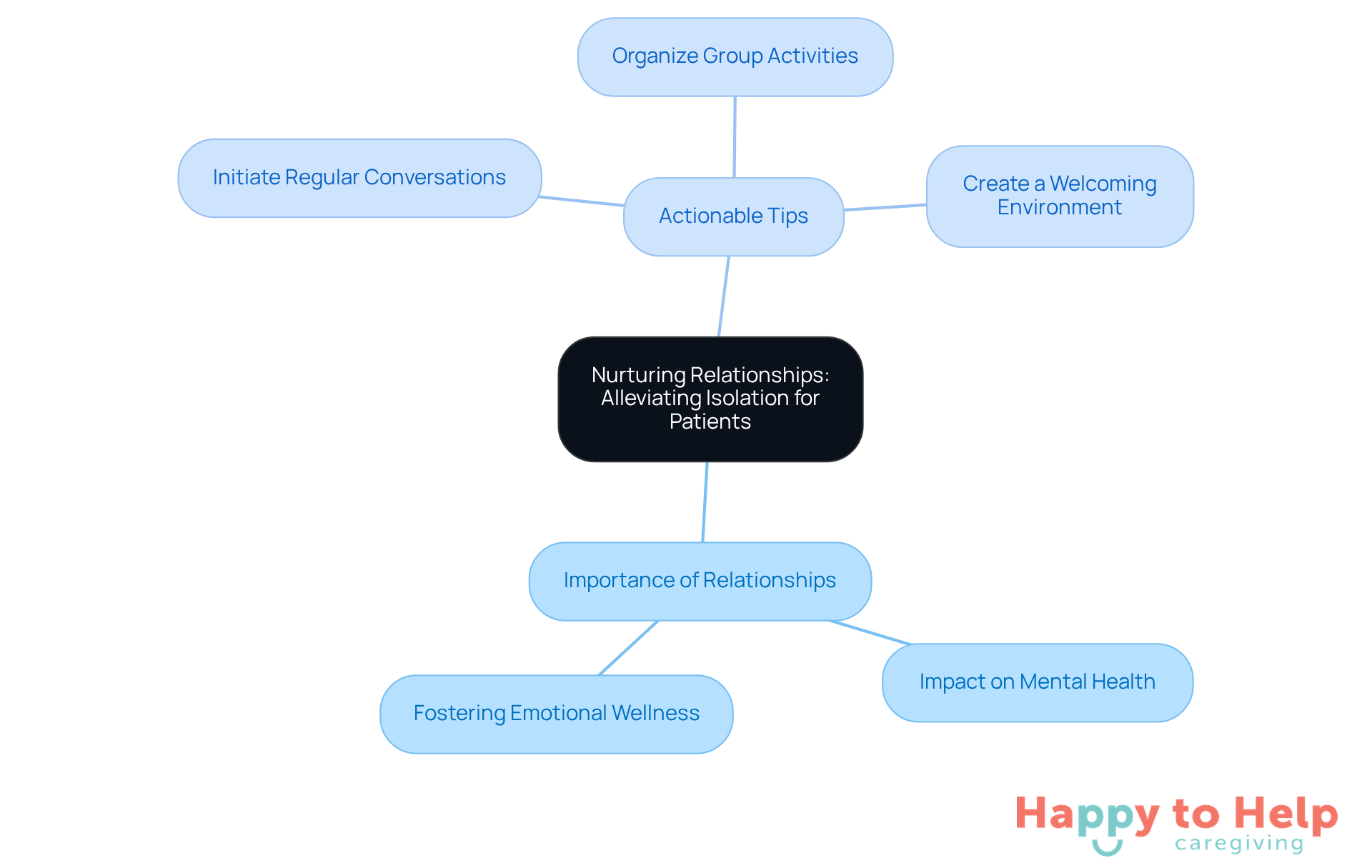
Caregivers face a significant challenge: many seniors experience feelings of isolation and loneliness. These emotions can severely impact their mental and emotional wellness, making it crucial to understand the roles of a caregiver to a patient in addressing this issue.
To combat these feelings, caregivers can actively nurture relationships with their clients. Engaging them in meaningful conversations and activities fosters social interaction, which is essential for emotional health.
Here are some actionable tips for caregivers:
- Initiate regular conversations to build rapport.
- Organize group activities that encourage participation.
- Create a welcoming environment that promotes openness.
By implementing these strategies, caregivers can enhance the emotional and mental wellness of those in their care, which emphasizes the crucial roles of a caregiver to a patient and ultimately leads to a more fulfilling experience for both parties.
Emotional Support: Enhancing Mental Well-Being for Patients
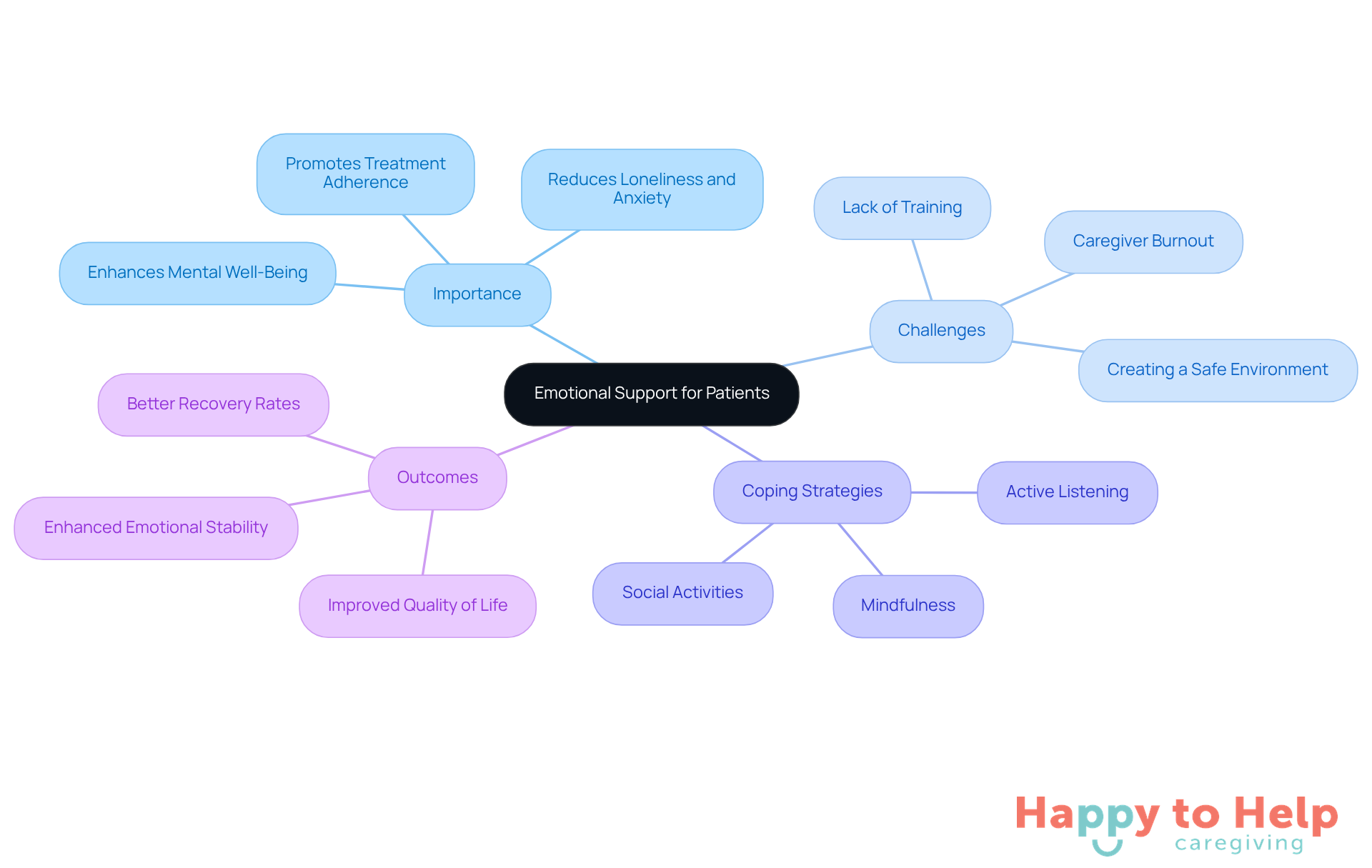
Providing emotional support to individuals dealing with chronic illnesses or recovering from medical procedures is one of the crucial roles of a caregiver to a patient that presents a significant challenge. This emotional support is crucial for enhancing mental well-being, yet many caregivers struggle to create an environment where individuals feel safe to express their feelings. Without this support, individuals may experience increased loneliness and anxiety, which can hinder their recovery and overall quality of life.
To address this issue, caregivers can adopt effective coping strategies. Mental wellness experts suggest that practices like mindfulness and structured routines can greatly improve emotional well-being outcomes. By actively listening to concerns and offering reassurance, caregivers can effectively demonstrate the roles of a caregiver to a patient, fostering resilience and emotional stability in those they support. Additionally, encouraging involvement in social activities helps maintain connections, which is vital for combating isolation.
Moreover, the emotional assistance provided by caregivers, as part of their roles of a caregiver to a patient, not only enhances the quality of life for individuals but also promotes adherence to treatment plans. This, in turn, leads to better wellness outcomes. By prioritizing emotional well-being, caregivers demonstrate the roles of a caregiver to a patient, empowering them to navigate their health journeys with confidence and dignity. Implementing these strategies can make a significant difference in the lives of both caregivers and those they care for.
Moving Forward with Roles of a Caregiver to a Patient
Caregivers play a vital role in enhancing the quality of life for patients, yet they face numerous challenges in fulfilling their responsibilities. These challenges include not only providing physical assistance but also addressing emotional needs, which can significantly impact a patient's sense of security and well-being.
The implications of these challenges are profound. Patients often struggle with loneliness, depression, and the need for proper nutrition and safety. Caregivers must navigate these issues while ensuring that their patients feel valued and supported. Effective communication and nurturing relationships are essential for fostering better health outcomes and emotional well-being.
To address these challenges, caregivers can implement several practical solutions:
- Encouraging the use of respite services allows caregivers to recharge while ensuring that patients continue to receive the care they need.
- Implementing safety measures at home can prevent accidents and promote a secure environment.
- Prioritizing emotional support through companionship and open communication can make a significant difference in the lives of both caregivers and patients.
By actively engaging in these essential roles, caregivers not only improve the health and happiness of those they assist but also empower them to navigate their health journeys with dignity and confidence. Recognizing the importance of caregivers in patient care is crucial for fostering a supportive environment that promotes recovery and enhances overall quality of life.
https://iframe.tely.ai/cta/eyJhcnRpY2xlX2lkIjogIjY5Mjc5NGVhMTRjODUwNzI1NGI4N2M1OCIsICJjb21wYW55X2lkIjogIjY4ZWU1ZGNhNzMxNzYyNTU3ZjNjOTVjMSIsICJpbmRleCI6IG51bGwsICJ0eXBlIjogImFydGljbGUifQ==Frequently Asked Questions
What is companionship care and why is it important?
Companionship care addresses loneliness and depression in elderly patients, significantly impacting their quality of life. It promotes emotional well-being through meaningful interactions, such as shared meals, games, and conversations, enhancing seniors' overall emotional health.
How do caregivers enhance the emotional health of elderly patients?
Caregivers foster emotional health by prioritizing social interaction and engaging activities, which can boost mood and happiness. This approach enriches the daily lives of seniors, allowing them to thrive in their own homes.
What challenges do caregivers face during a patient's post-hospital recovery?
Caregivers encounter challenges such as medication management, mobility assistance, and support with daily activities. These challenges can affect both the physical health of patients and create emotional stress for families.
How does caregiver support impact hospital readmission rates for seniors?
Research indicates that seniors receiving home care services have lower hospital readmission rates, highlighting the importance of effective medication management and adherence to treatment plans provided by caregivers.
What role do caregivers play in ensuring patient safety during recovery?
Caregivers assist with mobility to reduce fall risks and promote independence, particularly for seniors recovering from surgery or illness. They also create personalized care plans to improve recovery outcomes.
What is respite care and why is it necessary for family caregivers?
Respite care provides temporary relief for family caregivers, allowing them to recharge while ensuring their loved ones receive quality care. It is essential in preventing caregiver burnout and reducing feelings of isolation.
How can respite care benefit both caregivers and their loved ones?
Those who utilize respite services report lower stress levels and improved mental health, which fosters healthier family relationships. It allows caregivers to take necessary breaks while maintaining consistent care for their loved ones.
Is respite care financially accessible for families?
Yes, respite care can be covered by private insurance, Medicaid, or Medicare, making it a more accessible option for families in need of support.
What is the economic significance of caregiving and respite services in the U.S.?
The total expenditure on long-term services and assistance (LTSS) in the U.S. reached $400 billion in 2021, underscoring the economic importance of caregiving and respite services.
List of Sources
- Happy to Help Caregiving: Companionship Care for Emotional Support
- Navigating Loss: How Companion Care at Home Supports Seniors During Grief Awareness Month (https://ahelpinghandga.com/navigating-loss-how-companion-care-at-home-supports-seniors-during-grief-awareness-month)
- The Emotional Benefits of Companion Care for Seniors (https://comfortkeepers.com/offices/texas/round-rock/resources/news/the-emotional-benefits-of-companion-care-for-seniors)
- Home Care Agency in Plantation, FL Near You | Skilled Nursing and Senior Home Care Services Serving Broward and Palm Beach Counties | Home Health Aide | Free Consult | 24-7 | Trust USA Home Health (https://trustusahomehealth.com/?p=2378)
- The Unbeatable Benefits of Companion Care for Seniors (https://comforcare.com/massachusetts/canton/resources/blog/the-unbeatable-benefits-of-companion-care-for-seniors)
- Companion Care at Home Reduces Loneliness for Seniors During the Holidays (https://lifesathomecare.com/companion-care-at-home-reduces-loneliness-for-seniors-during-the-holidays)
- Post-Hospital Recovery Assistance: Facilitating Smooth Transitions
- Post-Hospital Discharge: Why In-Home Care Improves Recovery for Florida Seniors (https://visitingangels.com/pasco/news-info/post-hospital-discharge-why-in-home-care-improves-recovery/26199)
- After the Hospital: How Home Health Care Supports Recovery at Home - Advanced Nursing & Home Care (https://advancednursing.care/blog/after-the-hospital-how-home-health-care-supports-recovery-at-home)
- The Role of Home Care in Post-Hospital Recovery (https://anodyne-services.com/2024/11/20/the-role-of-home-care-in-post-hospital-recovery)
- 10 Essential Post-Hospital Recovery Assistance Services for Caregivers - Happy To Help (https://happytohelpcaregiving.com/10-essential-post-hospital-recovery-assistance-services-for-caregivers)
- Respite Care: Providing Family Caregivers Much-Needed Breaks
- Respite Care Services: Essential Support for Caregivers (https://esoregon.com/the-benefits-of-respite-care-services-for-caregiver-relief)
- Respite Services: A Critical Support for Family Caregivers (https://ltsschoices.aarp.org/resources-and-practices/respite-services-critical-support-for-family-caregivers)
- National Family Caregivers Month: Recognizing 63 million Americans (https://bio.news/latest-news/national-caregivers-awareness-month-recognizing-63-million-unpaid-carers)
- Caregivers and the Importance of Respite Care (https://benedictineliving.org/resources/news/caregivers-and-the-importance-of-respite-care)
- Palliative Support Care: Enhancing Quality of Life for Patients
- Support for Serious Illness (https://newsinhealth.nih.gov/2025/07/support-serious-illness)
- ‘A good death’: How compassionate care helps people navigate the end of life (https://news.yale.edu/2025/10/13/good-death-how-compassionate-care-helps-people-navigate-end-life)
- Palliative Care News | Living with Serious Illness | Get Palliative Care (https://getpalliativecare.org/news)
- Palliative Care News Archives (https://hospicenews.com/category/palliative-care-news)
- Meal Preparation: Ensuring Proper Nutrition for Patients
- Findings From New Study Reinforce That Home-Delivered Meals Provide Critical Health and Social Benefits to Older Adults and Caregivers (https://mealsonwheelsamerica.org/news/findings-from-new-study-reinforce-that-home-delivered-meals-provide-critical-health-and-social-benefits-to-older-adults-and-caregivers)
- Frontiers | A study on the reasonable dietary trajectory of elderly people in the community and its correlation with body mass index (https://frontiersin.org/journals/nutrition/articles/10.3389/fnut.2024.1429627/full)
- Malnutrition and Food Insecurity in Older Adults | Published in North Carolina Medical Journal (https://ncmedicaljournal.com/article/73010)
- Facts about Senior Hunger in America | Feeding America (https://feedingamerica.org/hunger-in-america/senior-hunger-facts)
- Staying Nourished: A Guide for Caregivers (https://archwellhealth.com/news/staying-nourished-a-guide-for-caregivers)
- Personal Care: Supporting Daily Living Activities for Comfort
- Fact Sheet: Trends in Family Care for Older Americans (https://prb.org/resources/fact-sheet-trends-in-family-care-for-older-americans)
- 28 Senior Care Statistics: In-Home & Assisted Living | Shortlister (https://myshortlister.com/insights/senior-care-statistics)
- What Is the Lifetime Risk of Needing and Receiving Long-Term Services and Supports? (https://aspe.hhs.gov/reports/what-lifetime-risk-needing-receiving-long-term-services-supports-0)
- How Caregivers Help Seniors Maintain Dignity with Personal Care Support - At Home Care Inc (https://at-home-care.com/how-caregivers-help-seniors-maintain-dignity-with-personal-care-support)
- Trends in Senior Care: What to Expect in 2025 (https://agingconnections.org/blog/trends-in-senior-care-what-to-expect-in-2025)
- Communication Management: Coordinating Care with Healthcare Providers
- Caregiver Provider Communication and Caregiver Health (https://aarp.org/pri/topics/ltss/family-caregiving/caregiver-communication-health-care-providers)
- The Big Role of Caregiver-Patient Interactions in Healthcare (https://comforcare.com/massachusetts/canton/resources/blog/the-big-role-of-caregiver-patient-interactions-in-healthcare)
- Communication Between Family Caregivers and Healthcare Providers - New Wave Home Care (https://newwavehomecare.com/communication-between-family-caregivers-and-healthcare-providers)
- Effects of Poor Communication in Healthcare - 2025 Update (https://hipaajournal.com/effects-of-poor-communication-in-healthcare)
- Communication Breakdowns Are a Major Hurdle for Caregivers (https://prnewswire.com/news-releases/communication-breakdowns-are-a-major-hurdle-for-caregivers-302443844.html)
- Home Safety Oversight: Creating a Secure Environment for Patients
- Technology to Prevent Falls for Seniors (https://health.usnews.com/senior-care/articles/technology-to-prevent-falls-for-seniors)
- Facts About Falls (https://cdc.gov/falls/data-research/facts-stats)
- Home Safety for Seniors: Statistics & Proven Safety Solutions (https://agesafeamerica.com/home-safety-hub/articles/home-safety-seniors-statistics-solutions)
- As falling deaths rise for older adults, how home safety can make a difference (https://denver7.com/news/local-news/as-falling-deaths-rise-for-older-adults-how-home-safety-can-make-a-difference)
- Nurturing Relationships: Alleviating Isolation for Patients
- Social isolation, loneliness in older people pose health risks (https://nia.nih.gov/news/social-isolation-loneliness-older-people-pose-health-risks)
- The importance of connections: Ways to live a longer, healthier life | Harvard T.H. Chan School of Public Health (https://hsph.harvard.edu/news/the-importance-of-connections-ways-to-live-a-longer-healthier-life)
- Addressing Social Isolation and Loneliness in Older Adults (https://behavioralhealthnews.org/addressing-social-isolation-and-loneliness-in-older-adults)
- Elderly Isolation: Combating Loneliness Through Home Healthcare - VNA Health Group (https://vnahg.org/elderly-isolation-combating-loneliness-through-home-healthcare)
- Social connection linked to improved health and reduced risk of early death (https://who.int/news/item/30-06-2025-social-connection-linked-to-improved-heath-and-reduced-risk-of-early-death)
- Emotional Support: Enhancing Mental Well-Being for Patients
- The Importance of Emotional Support in Home Health Care (https://h2hhc.com/blog/the-importance-of-emotional-support-in-home-health-care)
- New Report Reveals Crisis Point for America’s 63 million Family Caregivers (https://press.aarp.org/2025-07-24-New-Report-Reveals-Crisis-Point-for-Americas-63-million-Family-Caregivers)
- Boosting Emotional Health: The Impact of Home Care Services | Home Care agency in New York (https://angelcareny.com/boosting-emotional-health-the-impact-of-home-care-services)
- Family Caregiver Support, Education Needs Growing (https://hospicenews.com/2025/11/11/family-caregiver-support-education-needs-growing)
- A Place for Mom Releases Dual Reports on the Future of Family Caregiving, Including a New Talkspace Collaboration Highlighting Caregiver Mental Health (https://businesswire.com/news/home/20251124760580/en/A-Place-for-Mom-Releases-Dual-Reports-on-the-Future-of-Family-Caregiving-Including-a-New-Talkspace-Collaboration-Highlighting-Caregiver-Mental-Health)