
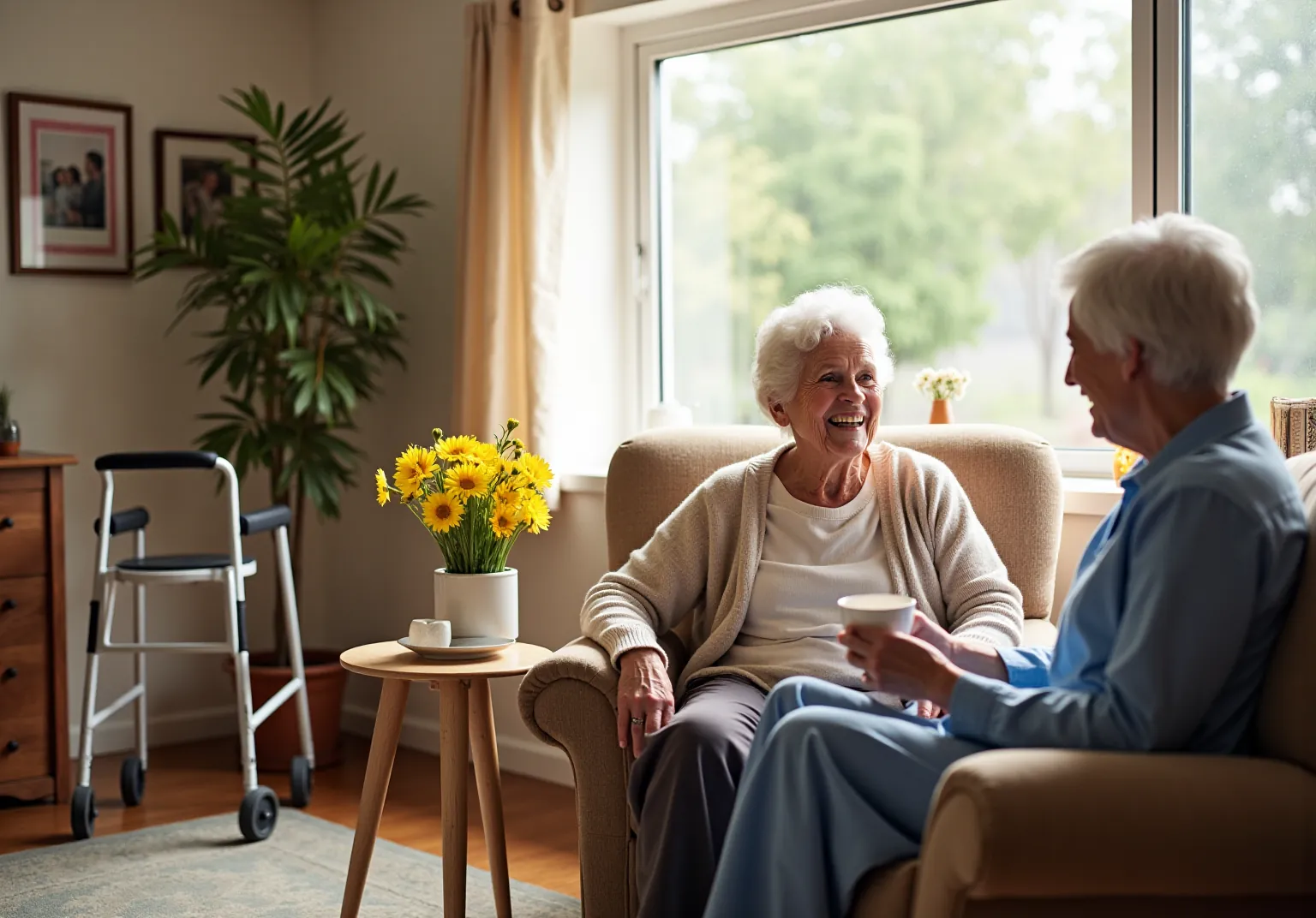
For families in our service areas
For families in our service areas, this guide explains caregiving and how non-medical in-home caregiving can support care planning in East Idaho, Treasure Valley & Magic Valley, Northern Wasatch, North Central West Virginia, and Northeast Ohio.
Why Safety Tips Matters
Seniors often face a complex array of challenges that can jeopardize their safety and well-being at home. With more elderly individuals living independently, it’s crucial for both seniors and their caregivers to understand essential safety tips. These challenges can lead to increased vulnerability, making it imperative to address them effectively.
This article explores practical strategies that not only enhance home security but also promote a sense of independence and peace of mind. How can families effectively safeguard their loved ones while ensuring they maintain their autonomy? By implementing actionable solutions, caregivers can create a safer environment that respects the independence of seniors.
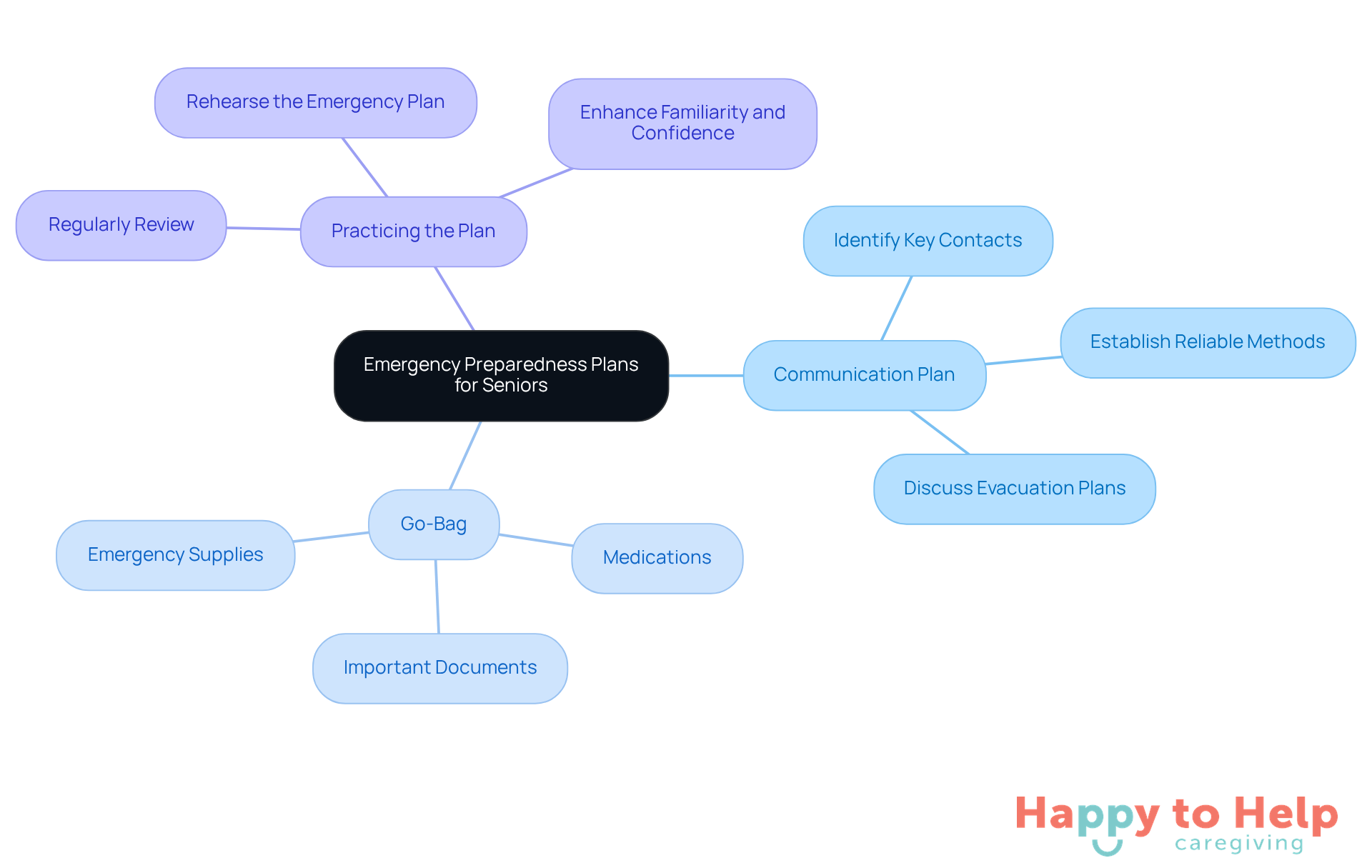
Happy to Help Caregiving: Personalized In-Home Support for Senior Safety
Elderly individuals often face significant challenges when it comes to receiving safe and personalized care at home. Many caregivers struggle to provide the level of attention and security that these individuals require, which can lead to feelings of anxiety and isolation.
Happy to Help Caregiving addresses these issues by offering customized in-home assistance that prioritizes the safety and well-being of elderly clients. With services like companionship care and post-hospital recovery assistance, caregivers are specifically trained to create a secure environment tailored to each individual's needs.
This tailored approach not only fosters a sense of comfort but also significantly enhances the overall security of elderly individuals in their homes. By focusing on personalized care and implementing safety tips for seniors, caregivers can effectively mitigate the risks associated with aging in place, ensuring that their clients feel safe and supported.
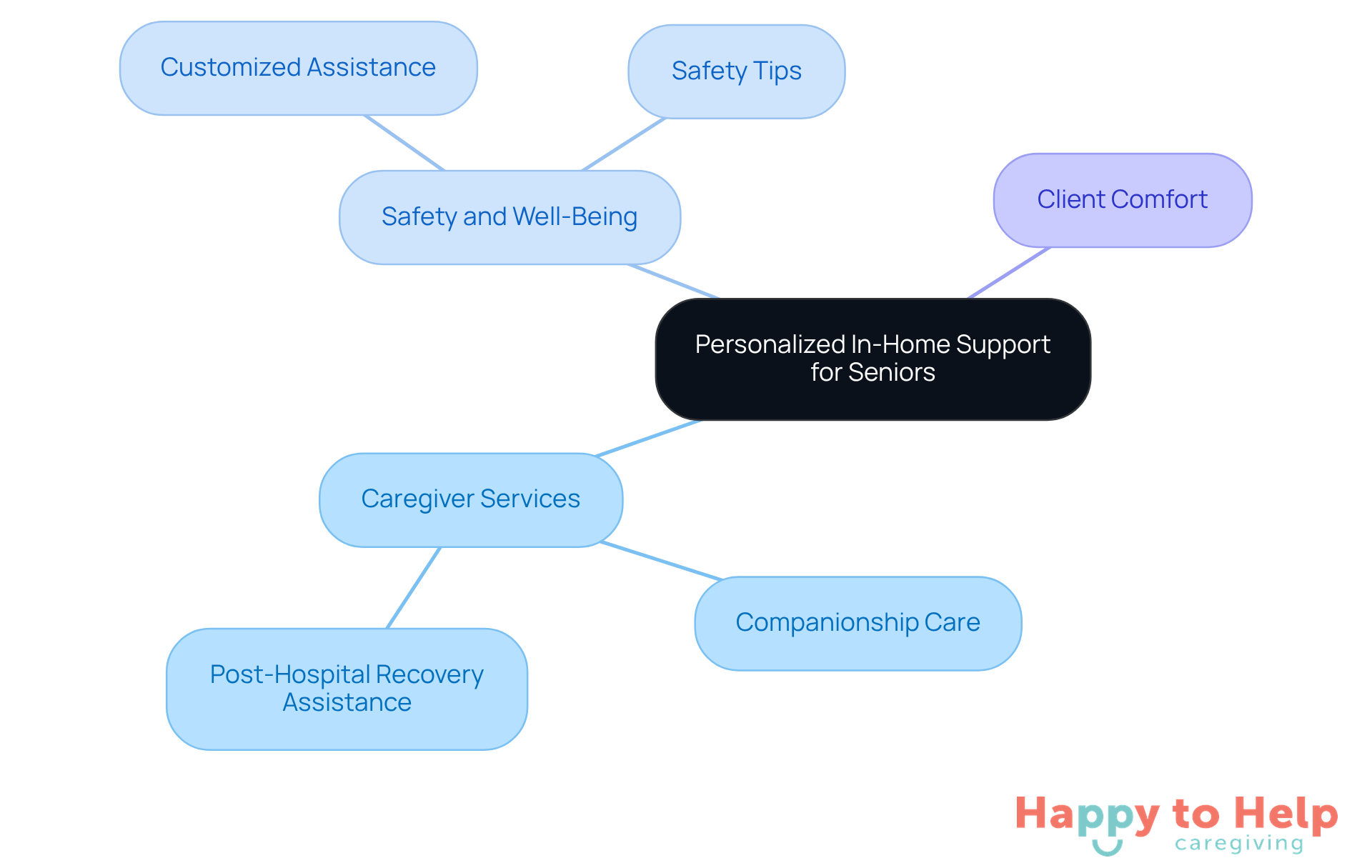
Implement Fall Prevention Strategies: Key Measures to Reduce Risks
Falls among seniors pose a significant risk, with one in four individuals over age 65 experiencing a tumble each year. This alarming statistic highlights the critical need for effective fall prevention strategies. The fall death rate for older adults surged by 41% between 2012 and 2021, underscoring the urgency of addressing this issue.
To combat this problem, caregivers can implement several key strategies:
-
Remove tripping hazards: Clear pathways of clutter, secure loose rugs, and ensure that all areas are well-lit. Inadequate lighting and mess are major factors leading to accidents, making it essential to maintain a tidy environment. One of the important safety tips for seniors is to install grab bars in bathrooms and near stairs to provide essential support. These installations can significantly improve stability in high-risk areas, lowering the chances of accidents. One of the essential safety tips for seniors is to use non-slip mats in moisture-prone areas like bathrooms and kitchens, as they can greatly reduce the risk of slipping. This simple addition can make a substantial difference in maintaining safety.
-
Participate in consistent workouts: Activities that enhance strength, balance, and flexibility, such as Tai Chi, are shown to lower the risk of tumbles. Regular exercise not only builds physical resilience but also boosts confidence in mobility. Consult healthcare providers to receive important safety tips for seniors, as regular check-ups can help identify personal risk factors related to health conditions and medications. Open communication with healthcare professionals is essential for creating tailored prevention strategies. As Amanda Rudderman, Fall Prevention Coordinator for VCU Medical Center, states, "Most incidents are preventable with the right support, education, and small adjustments." Engage in programs for accident prevention, as these safety tips for seniors, such as 'A Matter of Balance' and 'Stepping On', have proven effective in informing older adults about tumble risks and offering practical methods to reduce them. Notably, the 'Stepping On' program has been shown to lower the risk of tumbles by 31%. These evidence-based initiatives empower seniors to take control of their safety.
-
Maintain a clutter-free environment: Regularly assess living spaces for potential hazards. Removing throw rugs, securing loose wires, and ensuring frequently used items are within reach can significantly reduce tripping risks. One of the important safety tips for seniors is to wear appropriate footwear: sturdy shoes with good tread can help maintain balance and prevent slips, both indoors and outdoors. Footwear plays a critical role in overall stability. One of the essential safety tips for seniors is to stay hydrated and manage health conditions, as adequate hydration and controlling conditions such as diabetes or arthritis can help preserve physical stability and lower the risk of tumbling. Regularly reviewing medications with a healthcare provider can also identify potential side effects that may impact coordination.
-
Utilize technology for safety: Establishing an emergency response system can offer reassurance, ensuring assistance is accessible in case of an accident when alone. This proactive measure can enhance the sense of security at home.
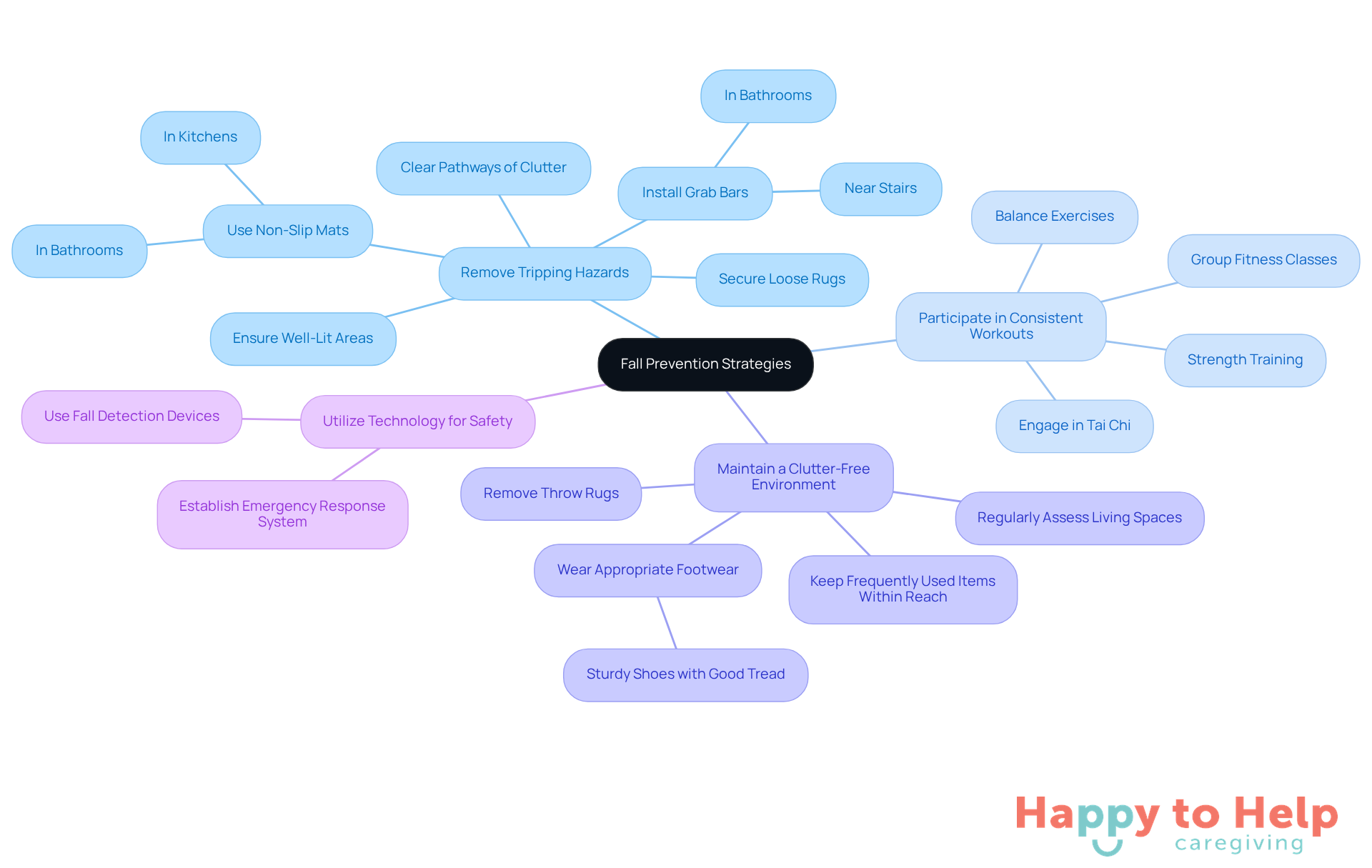
Establish Emergency Preparedness Plans: Essential Steps for Seniors
Seniors face significant challenges when it comes to emergency preparedness, making it essential to follow safety tips for seniors. Without a clear plan, they may struggle to communicate with loved ones or access essential supplies during a crisis. This lack of preparedness can lead to increased stress and vulnerability in emergencies.
To address these issues, seniors should establish a comprehensive emergency preparedness plan that includes several critical components:
- Creating a communication plan: Identify key contacts and establish reliable methods for reaching them during emergencies. This ensures that older individuals can quickly connect with family, friends, or emergency services when necessary. Research indicates that discussing evacuation plans with family or friends correlates with higher levels of emergency preparedness among older adults.
- Developing a go-bag: Prepare a bag containing essential items such as medications, important documents, and emergency supplies. Having these items readily available can significantly reduce stress during a crisis.
- Practicing the plan: Regularly review and rehearse the emergency plan to ensure familiarity and confidence in execution. This practice can enhance response times and effectiveness during actual emergencies.
Emergency management professionals emphasize the importance of situational awareness, communication in crisis response, and providing safety tips for seniors. For instance, Hollie Stark states, "We want you to be two weeks ready," highlighting the need for preparedness. Additionally, studies show that better perceived mental health is linked to higher preparedness among older adults aged 70-80. By implementing these proactive measures, older adults can improve their safety and security within their residences.
Enhance Home Security: Effective Solutions for Senior Safety
Home security is a significant concern for seniors, making it essential to provide safety tips for seniors, as they may be more vulnerable to intruders and accidents. This can lead to increased anxiety for both elderly individuals and their caregivers.
Agitate: The implications of inadequate security can be severe, resulting in not only potential theft but also a loss of independence and peace of mind. Caregivers often feel stressed about their loved ones' safety, which can impact their overall well-being.
Solution: To enhance home security, seniors can consider the following solutions:
-
Install security systems: Utilizing alarm systems and cameras is crucial for monitoring the home. Studies show that residences fitted with security systems are 60% less prone to being targeted by burglars, as numerous offenders will evade properties with apparent security measures.
-
Utilize intelligent dwelling technology: Devices such as smart locks and doorbell cameras not only offer enhanced security but also enable remote monitoring. Smart locks allow older adults to control access without physical keys, improving convenience and safety. According to industry experts, these technologies significantly reduce caregiver stress by enabling two-way communication and monitoring.
-
Ensure good lighting: Well-lit entrances and pathways are essential for deterring intruders and preventing accidents. Intelligent lighting systems can be programmed to turn on at certain times or in reaction to movement, ensuring that older adults navigate their homes safely, particularly during the night.
-
Utilize health monitoring devices: Smart health monitoring devices can track vital signs and medication schedules, offering reassurance for both elderly individuals and their caregivers. These devices enable remote monitoring by healthcare professionals, allowing for timely interventions when necessary.
-
Implement alert systems: Wearable alert systems provide elderly individuals with a direct line of communication for emergencies, ensuring immediate assistance is available when needed. This technology fosters independence while ensuring that help is just a button press away.
-
Engage in community safety programs: Participating in neighborhood watch programs can enhance security through community vigilance. Studies show that active community involvement in crime prevention can significantly reduce property crime rates.
By integrating these solutions, seniors can apply safety tips for seniors to create a safer living environment that promotes independence and peace of mind.

Improve Accessibility: Modifications for Safe Navigation at Home
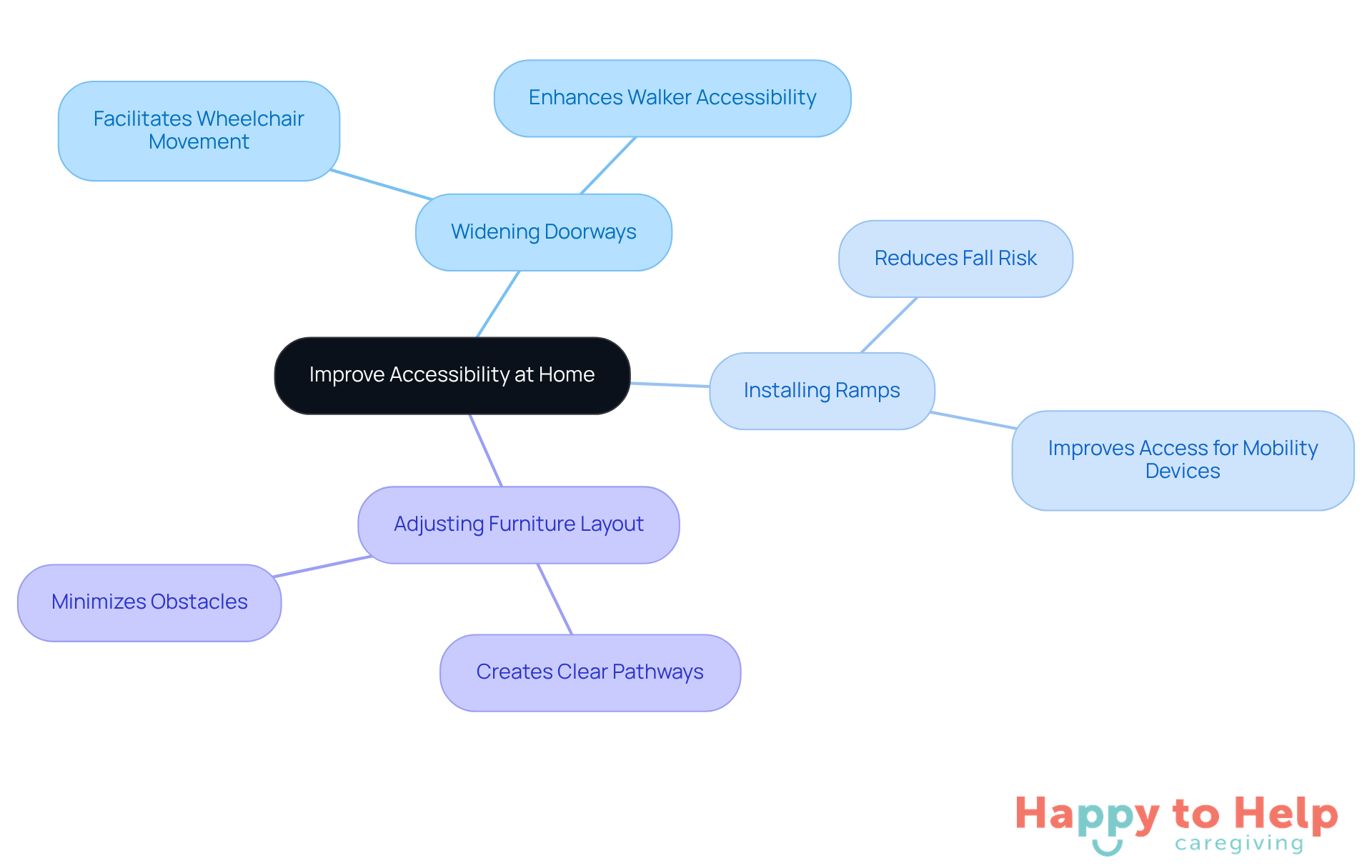
Accessibility in the home is a significant concern for caregivers, as it directly relates to the safety tips for seniors and the comfort of those they care for. When doorways are too narrow, it can hinder mobility for individuals using wheelchairs or walkers, creating unnecessary challenges in daily activities.
To address these issues, consider the following solutions:
- Widening doorways: Ensure doorways are wide enough for wheelchairs or walkers, allowing for easier movement throughout the home.
- Installing ramps: Replace stairs with ramps wherever possible. This modification facilitates easier access and reduces the risk of falls.
- Adjusting furniture layout: Arrange furniture to create clear pathways and minimize obstacles, ensuring safe navigation within the space.
Implementing these changes can significantly enhance accessibility and include essential safety tips for seniors, making daily life smoother for both caregivers and those they assist.
Utilize a Home Safety Checklist: Comprehensive Guide for Families
Families face significant challenges when it comes to ensuring home safety for older adults, highlighting the importance of safety tips for seniors. Hazards like loose wires, uneven flooring, and cluttered pathways can lead to falls, which are a leading cause of both fatal and nonfatal injuries among seniors, accounting for 25% of all hospital admissions.
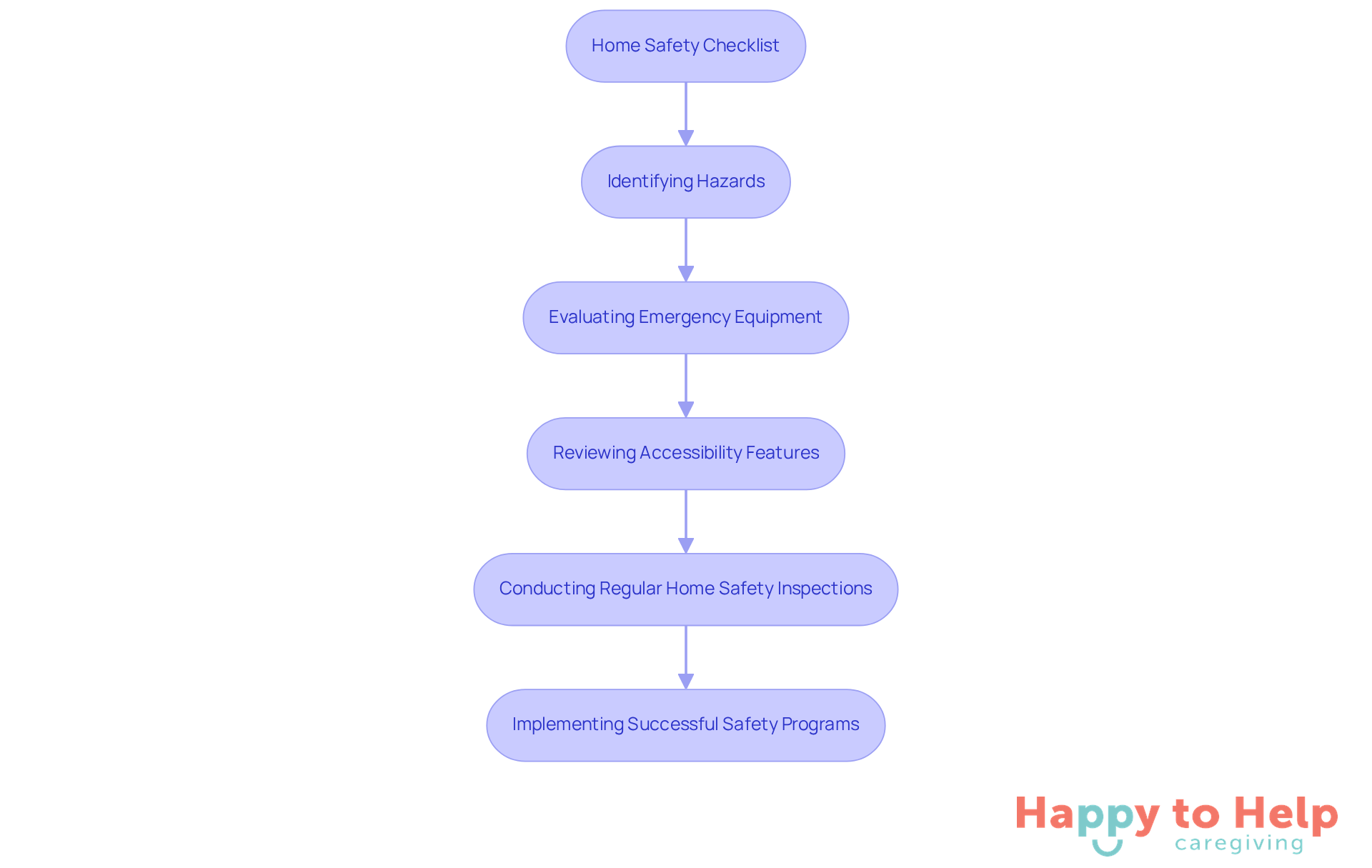
To address these risks, caregivers can implement a comprehensive home safety checklist:
- Identifying Hazards: Conduct regular inspections to uncover potential dangers. These prevalent risks can greatly contribute to tumbles, making it essential to stay vigilant.
- Evaluating Emergency Equipment: Ensure that smoke detectors and carbon monoxide alarms are functional and up to date. Routine evaluations can avert crises and provide reassurance, as all ER physicians agree that these devices are crucial for older adults. An annual Home Safety Assessment is vital for providing safety tips for seniors.
- Reviewing Accessibility Features: Confirm that necessary modifications, such as grab bars in bathrooms and well-lit stairways, are in place and functioning properly. Simple adjustments can drastically reduce fall risks, with studies indicating that effective modifications can lower fall-related injuries by up to 33% over three years.
- Conducting Regular Home Safety Inspections: Schedule annual assessments to identify new hazards and ensure that safety measures remain effective. These inspections are essential for maintaining a safe living environment and serve as important safety tips for seniors, helping families stay informed about potential risks and necessary modifications.
- Implementing Successful Safety Programs: Collaborate with community organizations that provide safety evaluation programs designed for older adults. These programs often include professional evaluations by Certified Aging-in-Place Specialists, who can offer personalized recommendations to enhance home safety and accessibility.
Incorporate Companionship Care: Combat Loneliness for Seniors
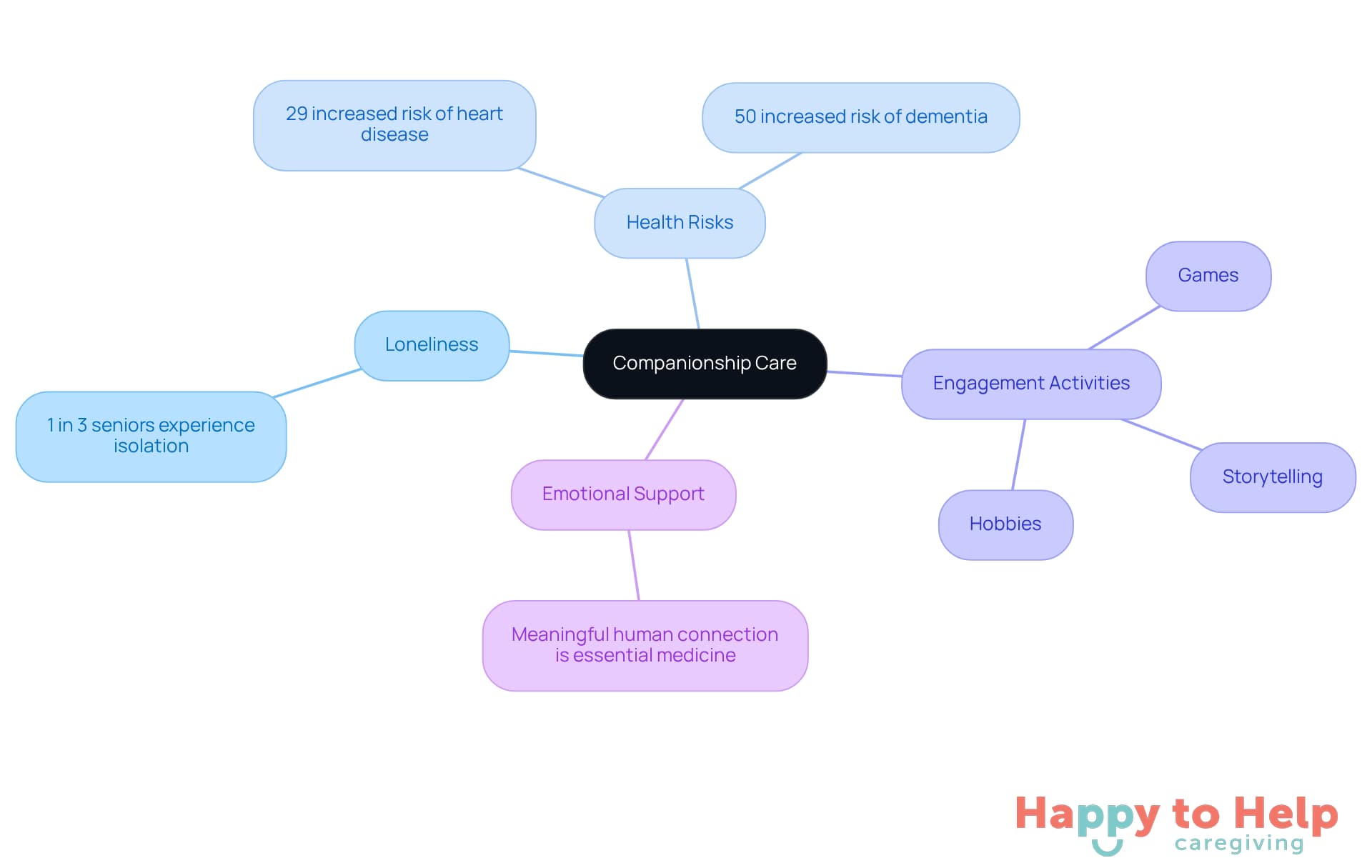
Incorporating companionship care addresses a significant problem faced by seniors: loneliness. One in three seniors experiences feelings of isolation, which can lead to increased risks of depression and anxiety. Chronic loneliness is alarming, as it can raise the risk of heart disease by 29% and dementia by 50%. This highlights the urgent need for effective solutions to combat these feelings.
Companionship care offers a practical solution by providing essential social engagement. Caregivers facilitate regular interactions that help alleviate isolation, ultimately improving overall mental health. They encourage engagement through activities that promote socialization and mental stimulation, such as:
- Games
- Storytelling
- Hobbies
These interactions not only keep older adults active but also stimulate cognitive function, crucial for preventing age-related decline.
Moreover, companionship fosters emotional support, creating a sense of belonging and security. As gerontologists note, "meaningful human connection isn’t a luxury for older adults - it’s essential medicine" that enhances emotional well-being. Caregivers play a vital role in helping elderly individuals preserve their dignity and confidence, ensuring they feel valued and respected in their daily lives.
The impact of companionship care extends beyond mere interaction; it significantly enhances the quality of life for older adults, promotes mental wellness, and reduces the risks associated with loneliness. Families are encouraged to consider companion care services tailored to meet the evolving needs of their loved ones.
Manage Medications Effectively: Ensure Safe Usage for Seniors
To manage medications effectively, seniors face several challenges that can impact their health, highlighting the importance of following safety tips for seniors. One significant issue is the risk of prescription errors, which can arise from not having an updated medication list.
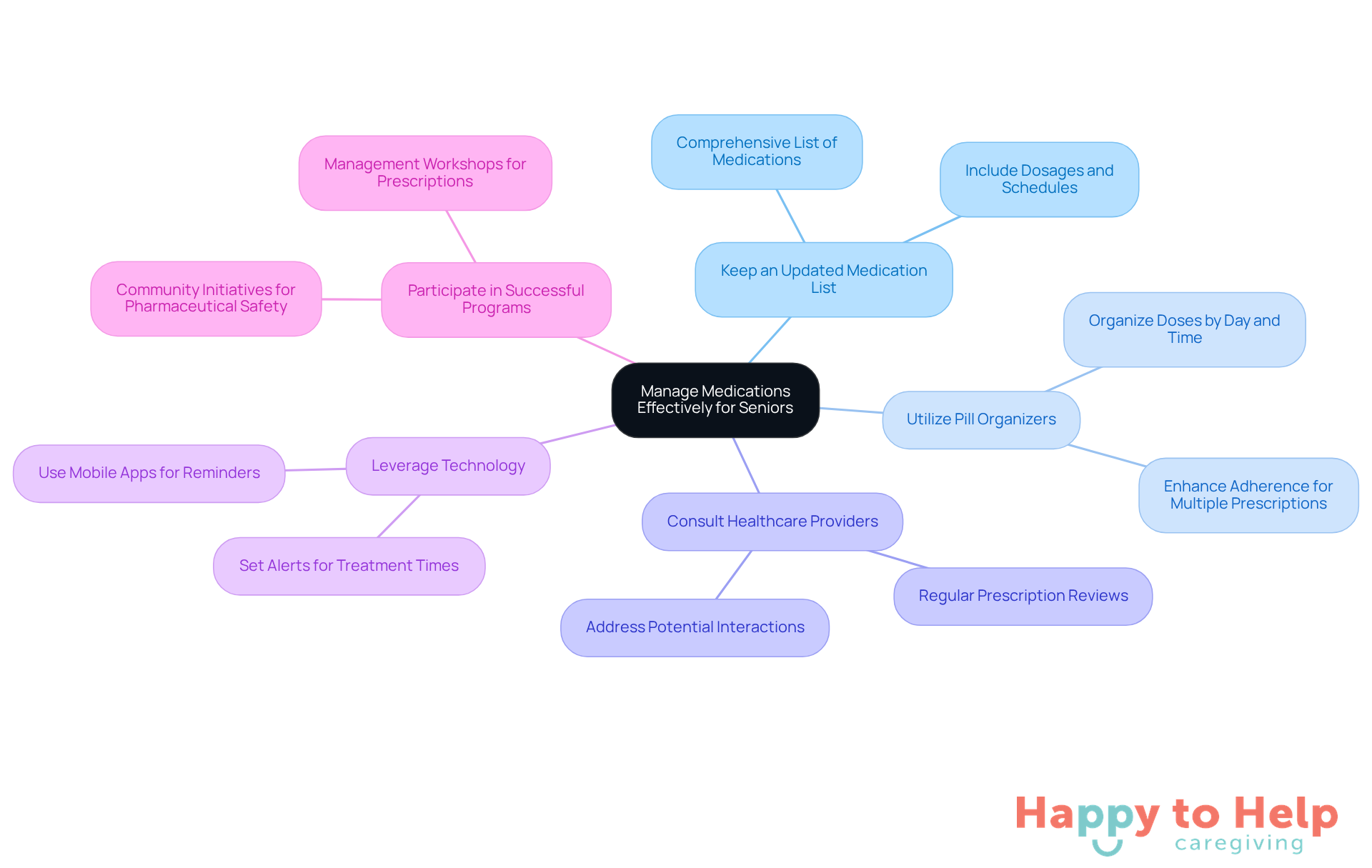
- Keep an updated medication list: Maintaining a comprehensive list of all medications, including dosages and schedules, is crucial. This practice helps prevent errors and ensures that all healthcare providers are informed about the patient's current regimen.
Another challenge for seniors is remembering to take medications as prescribed, which is why following safety tips for seniors is important.
- Utilize pill organizers: Pill organizers can be invaluable tools for seniors, helping them recall when to take their prescriptions. By organizing doses by day and time, these devices significantly enhance adherence, especially for those managing multiple prescriptions.
Consulting healthcare providers regularly is one of the important safety tips for seniors to avoid potential interactions and ensure that treatments remain appropriate.
- Consult healthcare providers: Regularly reviewing prescriptions with healthcare professionals is vital. Considering that 84% of older adults lack awareness of the negative impacts of their prescribed treatments, it is essential to provide safety tips for seniors through proactive communication. As noted by Norhasimah Ismail, "Medication adherence is regarded as one of the most significant challenges older adults face in OECD regions."
Leveraging technology can also play a crucial role in medication management.
- Leverage technology: Utilizing mobile apps and electronic reminders can help seniors stay on track with their prescriptions. These technologies can send alerts for treatment times and provide information on dosages, enhancing adherence rates.
Participating in community initiatives focused on pharmaceutical safety can provide additional support through safety tips for seniors.
- Participate in successful programs: Engaging in community initiatives often includes reviews of prescriptions and educational materials that empower seniors to manage their treatments effectively. Programs offering management workshops for prescriptions can be particularly beneficial.
Current data indicates that treatment adherence rates among older adults are concerning. Studies show that 31% of older patients with comorbidities in Ireland are nonadherent. This emphasizes the necessity for continuous education and assistance in medication management to enhance health outcomes for older adults.
Schedule Regular Home Safety Inspections: Proactive Hazard Identification
Scheduling regular home safety inspections is crucial as they provide important safety tips for seniors at home.
The Problem: Many seniors face significant risks in their living environments. For instance, tumbles are a major issue, with one in four Americans aged 65 and older experiencing a fall each year. Alarmingly, every 11 seconds, an older adult is treated in an emergency room for a fall.
The Implications: These statistics highlight the urgent need for caregivers to identify hazards that may not be immediately apparent, such as loose rugs, inadequate lighting, and other tripping hazards.
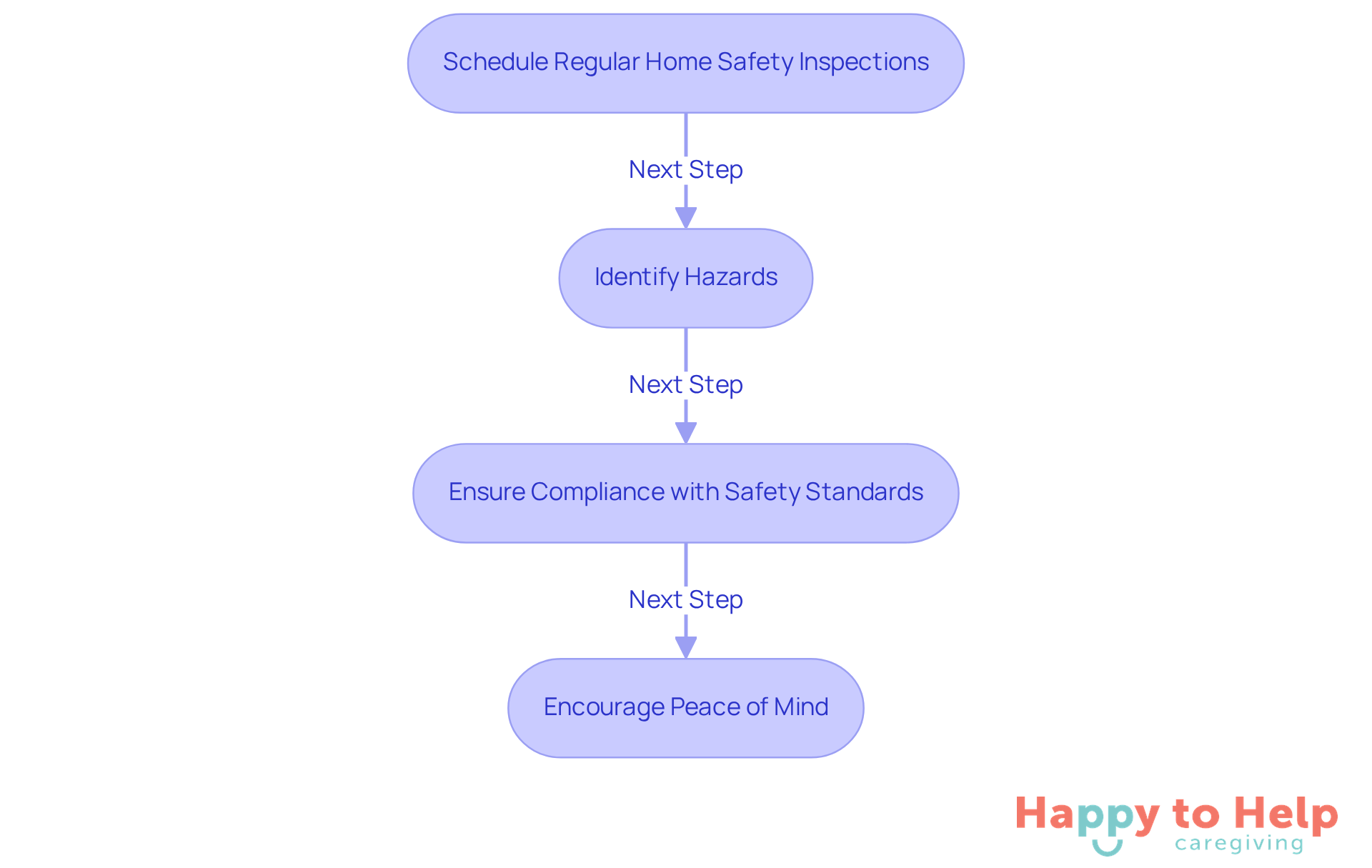
The Solution: Regular home safety inspections can help mitigate these risks. Here are some actionable steps caregivers can take:
- Identify Hazards: Conduct comprehensive inspections to reveal potential risks.
- Ensure Compliance with Safety Standards: Consistent checks help maintain adherence to safety regulations, ensuring that the living environment meets necessary safety standards. Many residences lack fundamental accessibility features, which can heighten the risk of accidents.
- Encourage Peace of Mind: Knowing that the residence is consistently assessed offers comfort to both older adults and their families. Implementing safety tips for seniors promotes a proactive approach to safety that not only reduces the likelihood of accidents but also fosters a sense of security, allowing seniors to maintain their independence in a safe environment.
Experts emphasize the importance of these inspections. As Tony Mariotti states, "Typically an inspector will discover some flaws - significant or minor - with a reported 86% of property inspections identifying something that required attention." Implementing successful residential safety inspection programs tailored for elderly individuals can provide essential safety tips for seniors, leading to safer living conditions and improved quality of life. By following the latest guidelines for home safety inspections, families can ensure that their loved ones are protected from potential hazards, making home a safer place.
Leverage Community Resources: Support Systems for Senior Independence
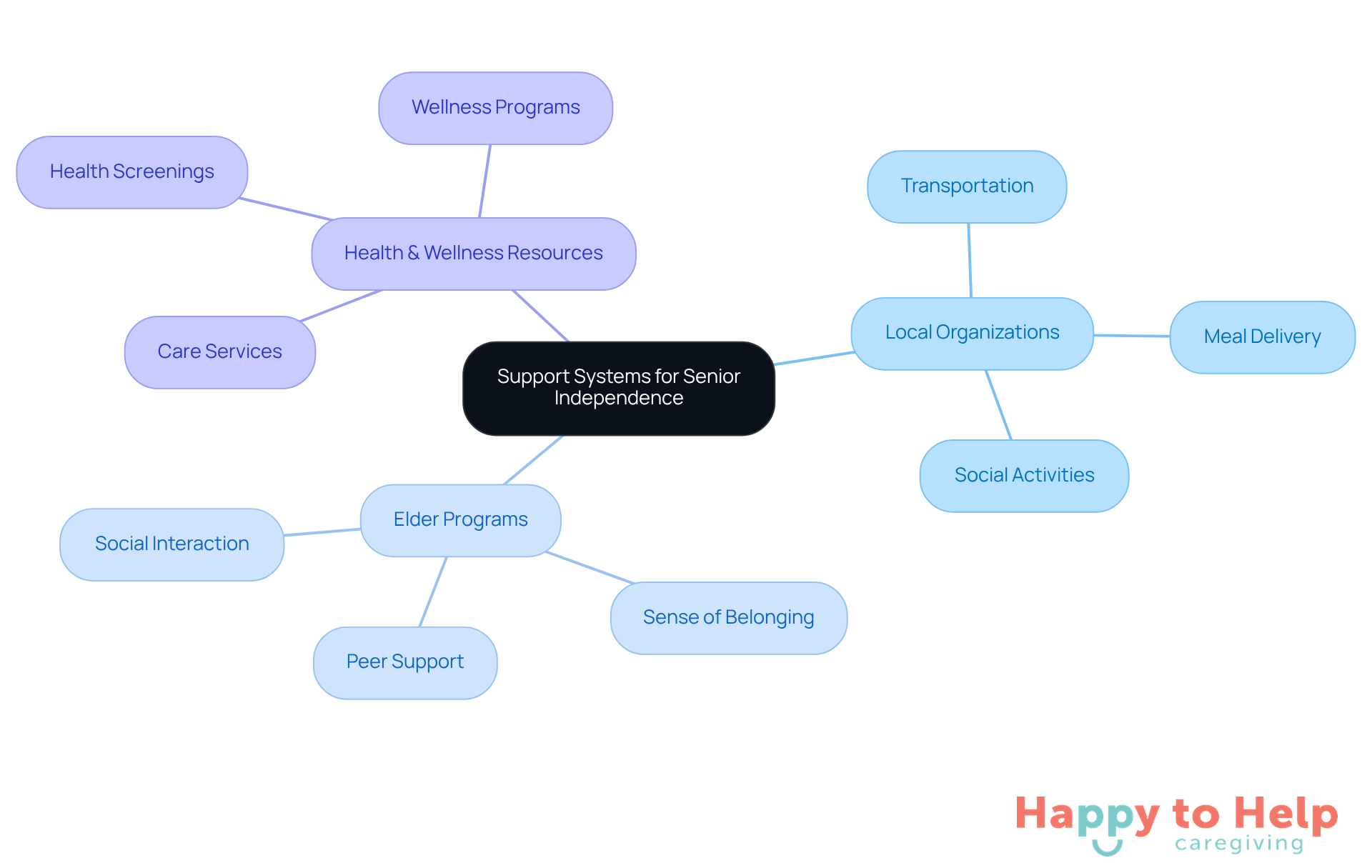
Seniors often face challenges in accessing essential community resources, which can lead to feelings of isolation and a lack of support. Fortunately, there are practical solutions available to help them connect with their communities.
-
Connecting with local organizations: Many communities offer vital services such as transportation, meal delivery, and social activities that can significantly enhance seniors' quality of life.
-
Participating in elder programs: Engaging in local programs not only provides social interaction but also fosters a sense of belonging and support among peers.
-
Accessing health and wellness resources: Numerous communities provide health screenings and wellness programs specifically tailored for seniors, ensuring they receive the care they need.
Taking the Next Steps
Ensuring the safety and security of seniors at home presents a significant challenge for caregivers. This multifaceted responsibility encompasses various aspects of their living environment, and neglecting any of these can lead to serious consequences. Without personalized care and effective safety measures, seniors may face increased risks of falls, emergencies, and feelings of insecurity.
To address these challenges, caregivers can implement several practical solutions:
- Personalized Care: Tailor in-home support services to meet the unique needs of each senior.
- Fall Prevention Strategies: Establish measures to reduce risks, such as removing tripping hazards and installing grab bars.
- Emergency Preparedness: Create comprehensive plans that include emergency contacts and procedures.
- Home Security Enhancements: Utilize technology and community resources to foster a sense of safety and belonging.
- Regular Safety Inspections: Conduct routine checks of the home environment to identify and mitigate potential hazards.
- Medication Management: Ensure that seniors take their medications correctly to avoid health complications.
By adopting these strategies, caregivers can significantly enhance the well-being and independence of seniors, allowing them to thrive in their own homes. Families and caregivers are encouraged to embrace these safety tips and resources, ensuring that their loved ones not only feel secure but also enjoy a higher quality of life. Ultimately, fostering a safe and supportive environment empowers seniors to maintain their independence and dignity as they navigate the complexities of aging.
https://iframe.tely.ai/cta/eyJhcnRpY2xlX2lkIjogIjY5MjNhMGFlMjcyNDliYTNkMmMzZTYwZiIsICJjb21wYW55X2lkIjogIjY4ZWU1ZGNhNzMxNzYyNTU3ZjNjOTVjMSIsICJpbmRleCI6IG51bGwsICJ0eXBlIjogImFydGljbGUifQ==Frequently Asked Questions
What challenges do elderly individuals face when receiving care at home?
Elderly individuals often struggle with feelings of anxiety and isolation due to caregivers' difficulties in providing the necessary level of attention and security.
How does Happy to Help Caregiving address the needs of elderly clients?
Happy to Help Caregiving offers customized in-home assistance that prioritizes safety and well-being, including services like companionship care and post-hospital recovery assistance, tailored to each individual's needs.
What are some key fall prevention strategies for seniors?
Key fall prevention strategies include removing tripping hazards, participating in consistent workouts to enhance strength and balance, maintaining a clutter-free environment, wearing appropriate footwear, staying hydrated, and utilizing technology like emergency response systems.
Why is it important for seniors to maintain a clutter-free environment?
A clutter-free environment significantly reduces tripping risks by removing potential hazards such as throw rugs and loose wires, and by ensuring frequently used items are within reach.
What components should be included in an emergency preparedness plan for seniors?
An emergency preparedness plan should include a communication plan with key contacts, a go-bag with essential items, and regular practice of the plan to ensure familiarity and confidence during emergencies.
How can seniors improve their emergency preparedness?
Seniors can improve their emergency preparedness by discussing evacuation plans with family or friends, preparing a go-bag with medications and important documents, and regularly rehearsing their emergency plans.
What role does regular communication with healthcare providers play in fall prevention?
Regular communication with healthcare providers helps identify personal risk factors related to health conditions and medications, which is essential for creating tailored fall prevention strategies.
List of Sources
- Happy to Help Caregiving: Personalized In-Home Support for Senior Safety
- The Caregiving Landscape: Data & Insights on the Caregiver Experience in the U.S. (https://caregiveraction.org/caregiver-statistics)
- Trends in Senior Care: What to Expect in 2025 (https://agingconnections.org/blog/trends-in-senior-care-what-to-expect-in-2025)
- 2025 Home Care Statistics: Trends & Insights To Know (https://premierhcinc.com/blog/home-care-statistics)
- 28 Senior Care Statistics: In-Home & Assisted Living | Shortlister (https://myshortlister.com/insights/senior-care-statistics)
- The Evolution of Home Care Services: Trends in the USA - Cottage Home Care (https://cottagehomecare.com/blog/trends-in-home-care-new-york)
- Implement Fall Prevention Strategies: Key Measures to Reduce Risks
- Reducing fall risk for aging adults – what works and why | VCU Health (https://vcuhealth.org/news/reducing-fall-risk-for-aging-adults--what-works-and-why)
- As falling deaths rise for older adults, how home safety can make a difference (https://denver7.com/news/local-news/as-falling-deaths-rise-for-older-adults-how-home-safety-can-make-a-difference)
- Preventing Falls: Strategic Advice for Older Adults - Stoughton Health (https://stoughtonhealth.com/preventing-falls-strategic-advice-for-older-adults)
- National Falls Prevention Action Plan Released | ACL Administration for Community Living (https://acl.gov/news-and-events/announcements/national-falls-prevention-action-plan-released)
- Facts About Falls (https://cdc.gov/falls/data-research/facts-stats)
- Establish Emergency Preparedness Plans: Essential Steps for Seniors
- Emergency Preparedness Among Community-Dwelling Older Adults: Risk and Protective Factors (https://tandfonline.com/doi/abs/10.1080/01924788.2024.2336748)
- Disaster planning for older adults: What to know this hurricane and wildfire season (https://heart.org/en/news/2024/07/10/what-to-know-this-hurricane-and-wildfire-season)
- Emergency Preparedness for Seniors | WA Cares Fund (https://wacaresfund.wa.gov/news/emergency-preparedness-seniors)
- Contact Us | Outside US & Canada | Damotech (https://damotech.com/blog/inspirational-quotes-warehouse-safety)
- 22 Workplace Safety Quotes From Leaders and Experts - AlertMedia (https://alertmedia.com/blog/workplace-safety-quotes)
- Enhance Home Security: Effective Solutions for Senior Safety
- Home Safety and Security Stats and Facts | SafeWise (https://safewise.com/resources/security-stats-facts)
- IDES Grove Street, Edinburgh | Home Automation Case Study (https://ides.co.uk/case\_studies/ides-grove-street)
- Here’s Why Smart Home Technology Adoption is Rising Among Seniors | myLifeSite (https://mylifesite.net/blog/post/heres-why-smart-home-technology-adoption-is-rising-among-seniors)
- Pioneering Senior-Friendly Home Automation Systems (https://humancareny.com/blog/senior-friendly-home-automation-systems)
- Home security statistics 2025 (https://consumeraffairs.com/homeowners/home-security-statistics.html)
- Utilize a Home Safety Checklist: Comprehensive Guide for Families
- Comprehensive Guide to Home Safety Assessments for Seniors (https://agesafeamerica.com/home-safety-hub/blog/comprehensive-guide-to-home-safety-assessments-for-seniors)
- Home Safety for Seniors: Statistics & Proven Safety Solutions (https://agesafeamerica.com/home-safety-hub/articles/home-safety-seniors-statistics-solutions)
- Home Safety for the Elderly: Tips and Checklist (https://aplaceformom.com/caregiver-resources/articles/home-safety-tips)
- Home Safety Checklist for Seniors | Loving Homecare (https://lovinghomecareinc.com/blog/home-safety-checklist-for-seniors)
- Top Home Safety Measures to Protect Seniors from Falls (https://auroraathome.com/2025/11/13/home-safety-checklist-how-to-prevent-falls-and-accidents-for-seniors)
- Incorporate Companionship Care: Combat Loneliness for Seniors
- Benefits of Companion Care for Seniors in California - 2025 (https://findinghomecare.net/benefits-of-companion-care-for-seniors)
- Understanding the Benefits of Companion Care for Seniors - Freedom Home Care (https://freedomhomecare.net/2025/08/26/understanding-the-benefits-of-companion-care-for-seniors)
- Combat Loneliness: The Benefits of Companion Care for Seniors (https://allheartcare.com/more-than-just-company-the-vital-role-of-companion-care-for-seniors)
- 10 Benefits of Elderly Companion Care for Your Loved Ones - Happy To Help (https://happytohelpcaregiving.com/10-benefits-of-elderly-companion-care-for-your-loved-ones)
- The Unbeatable Benefits of Companion Care for Seniors (https://comforcare.com/massachusetts/canton/resources/blog/the-unbeatable-benefits-of-companion-care-for-seniors)
- Manage Medications Effectively: Ensure Safe Usage for Seniors
- Polypharmacy and Drug Adherence in Elderly Patients (https://uspharmacist.com/article/polypharmacy-and-drug-adherence-in-elderly-patients)
- Study: Electronic tools help reduce inappropriate med use for older adults in nursing homes (https://mcknights.com/news/study-electronic-tools-help-reduce-inappropriate-med-use-for-older-adults-in-nursing-homes)
- Medication use problems among older adults at a primary care: A narrative of literature review - PMC (https://pmc.ncbi.nlm.nih.gov/articles/PMC9245166)
- Prevalence and trends of polypharmacy in U.S. adults, 1999–2018 - PMC (https://pmc.ncbi.nlm.nih.gov/articles/PMC10337167)
- Reducing the Proportion of Older Adults Who Take Inappropriate Medications: Key Opportunities to Achieve Healthy People 2030 Goals (https://johnahartford.org/blog/view/reducing-the-proportion-of-older-adults-who-take-inappropriate-medications-key-opportunities-to-achieve-healthy-people-2030-goals)
- Schedule Regular Home Safety Inspections: Proactive Hazard Identification
- Home Safety for Seniors: Statistics & Proven Safety Solutions (https://agesafeamerica.com/home-safety-hub/articles/home-safety-seniors-statistics-solutions)
- 40+ Inspiring Safety Quotes for Work to Strengthen Your Safety Culture and Motivate Your Team (https://flowdit.com/workplace-safety-quotes)
- As falling deaths rise for older adults, how home safety can make a difference (https://denver7.com/news/local-news/as-falling-deaths-rise-for-older-adults-how-home-safety-can-make-a-difference)
- New law strengthens oversight of residential care facilities in Oregon (https://katu.com/news/local/new-law-strengthens-oversight-of-residential-care-facilities-in-oregon)
- Home Inspection Statistics (https://rubyhome.com/blog/home-inspection-stats)
- Leverage Community Resources: Support Systems for Senior Independence
- Older adults face financial, accessibility challenges living in suburban Cook County, study finds (https://chicagotribune.com/2025/02/25/older-adults-financial-accessibility-ageoptions)
- Get the Facts on Senior Centers and How They Serve Older Adults (https://ncoa.org/article/get-the-facts-on-senior-centers)
- Taking Care of Elderly Parents Quotes (https://ultimatecareny.com/resources/taking-care-of-elderly-parents-quotes)
- 28 Senior Care Statistics: In-Home & Assisted Living | Shortlister (https://myshortlister.com/insights/senior-care-statistics)
- Stats On The Benefits Of Joining A Older Adult Club (https://fortgreenecouncil.org/single-post/some-facts-about-senior-centers)