10 Essential Senior Aides for Family Caregivers' Peace of Mind

For families in our service areas
For families in our service areas, this guide explains caregiver support and how non-medical in-home caregiving can support care planning in East Idaho, Treasure Valley & Magic Valley, Northern Wasatch, North Central West Virginia & Southwestern Pennsylvania, and Northeast Ohio.
What You Need to Know About Senior Aides
Addressing the multifaceted challenges of caregiving for seniors is crucial in today's society. The emotional and physical well-being of elderly individuals often hangs in the balance, creating a significant problem for family caregivers. They face a daunting task, balancing the needs of their loved ones with their own well-being. This struggle can lead to feelings of isolation and stress.
The implications of this challenge are profound. Caregivers may experience burnout, which not only affects their health but also the quality of care they provide. How can caregivers effectively navigate these complexities while ensuring their loved ones receive the support they truly need?
This article explores ten essential aides that can significantly enhance the caregiving experience. These practical solutions aim to promote peace of mind for families, helping caregivers manage their responsibilities more effectively.
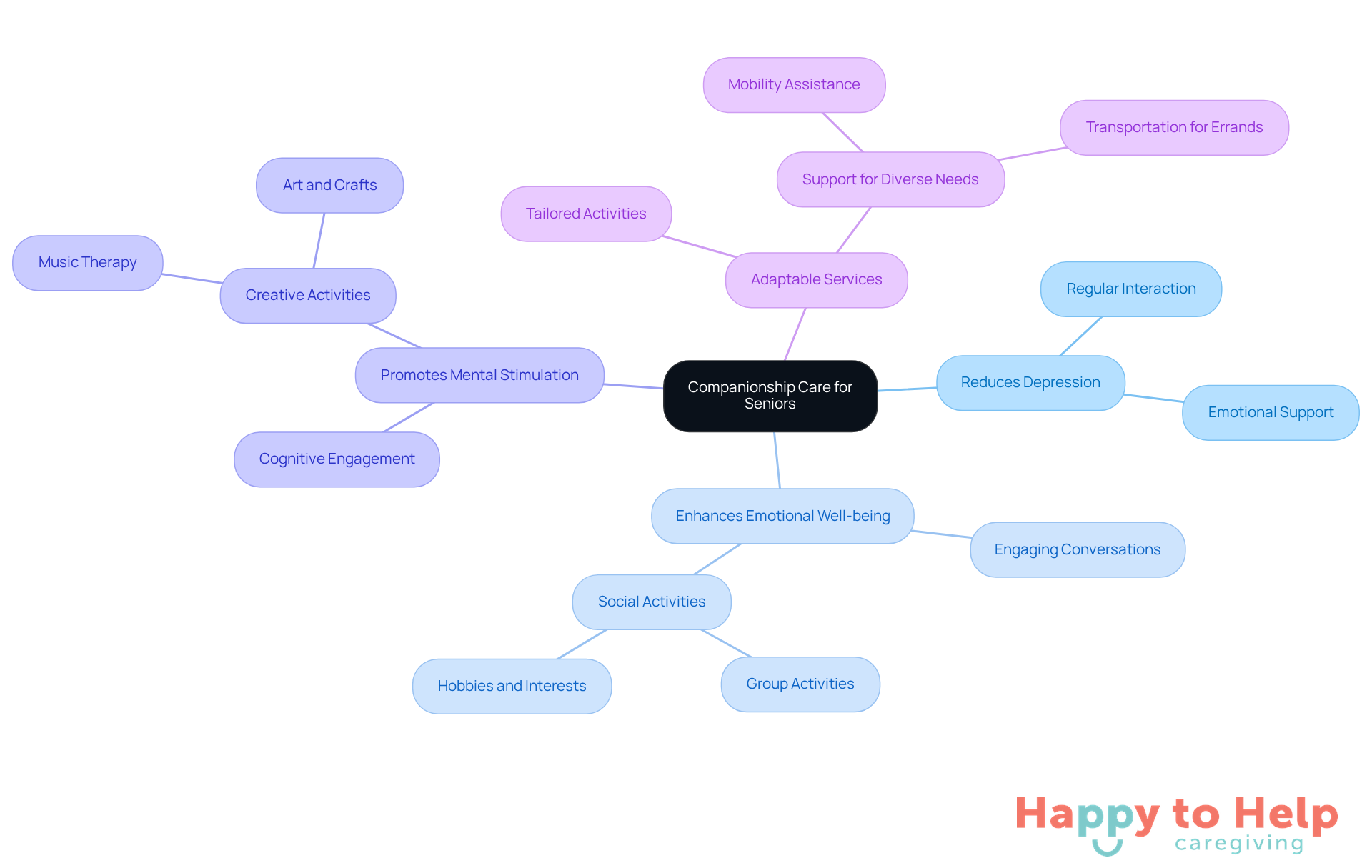
Happy to Help Caregiving: Companionship Care for Seniors
Social isolation among older adults is a pressing issue that can lead to serious health risks, including dementia, depression, and even early death. Studies indicate that the lack of social engagement significantly heightens these risks, making it crucial for caregivers to address this problem effectively.
To combat these challenges, Happy to Help Caregiving offers specialized companionship care that fosters meaningful relationships with older adults. Caregivers actively engage clients in conversations, activities, and hobbies tailored to their interests. This approach not only alleviates feelings of loneliness but also promotes mental stimulation, enhancing emotional well-being and overall joy.
Research shows that seniors receiving companionship support experience reduced rates of depression, underscoring the critical role of companionship in maintaining mental wellness. As gerontologists emphasize, emotional well-being is essential in elderly support, and companionship services are vital in ensuring that older individuals feel supported and involved in their daily activities.
Moreover, companion assistance is adaptable, catering to a broad spectrum of elderly individuals with diverse needs. This flexibility makes it an invaluable service for families looking to improve their loved ones' quality of life. By prioritizing companionship, caregivers can significantly enhance the emotional health of older adults, creating a more fulfilling and connected life.
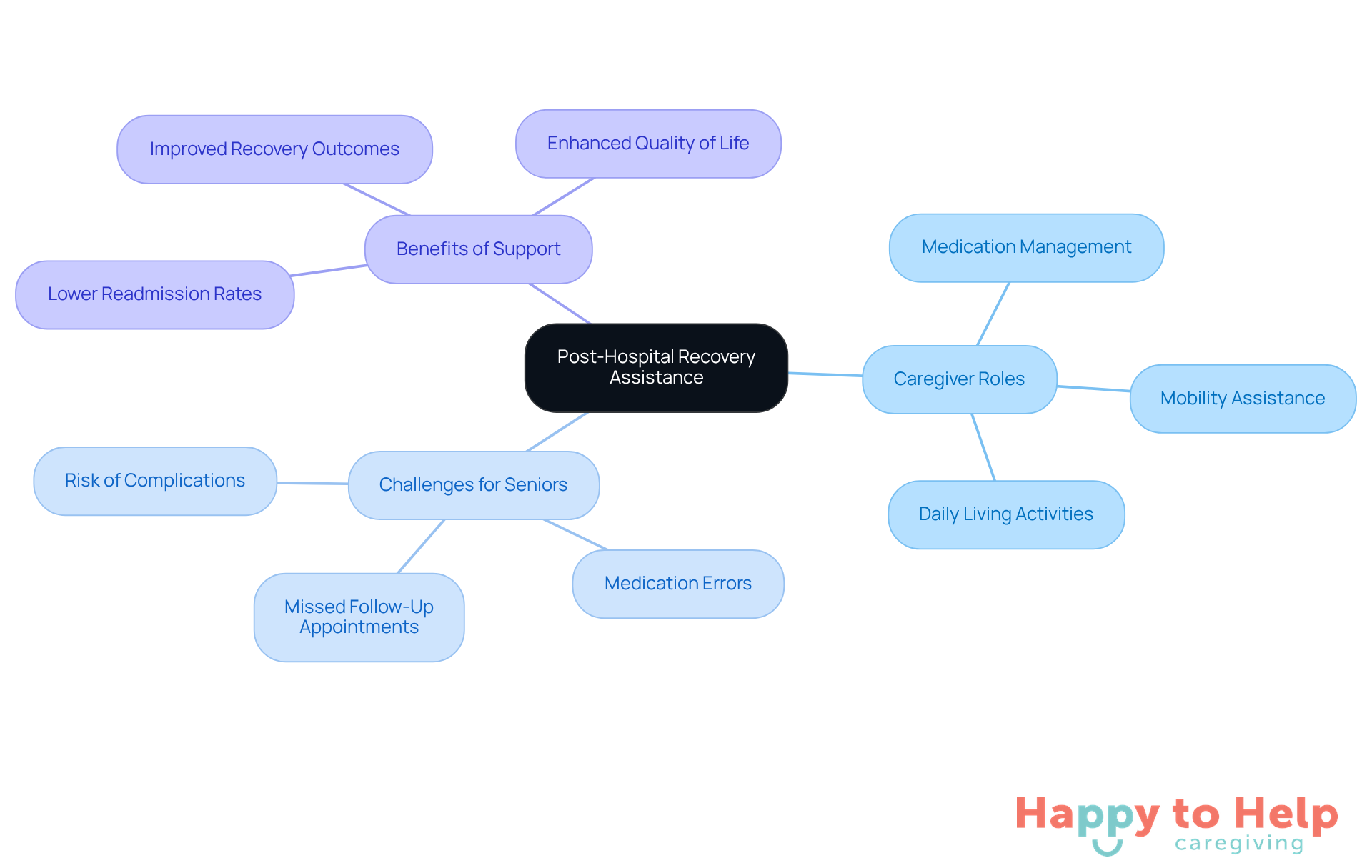
Post-Hospital Recovery Assistance: Ensuring Safe Transitions
Happy to Help
Caregiving plays a vital role in facilitating successful transitions for seniors returning home after hospitalization. The problem is clear: many seniors face significant challenges during this vulnerable period. Without adequate support, they are at a higher risk of complications and readmission. In fact, research shows that almost one in five Medicare patients revisits the hospital within 30 days of discharge, underscoring the importance of effective post-hospital support.
This situation can be alarming for families, as the implications of inadequate care can lead to serious health issues. Caregivers provide comprehensive support that includes:
- Medication management
- Mobility assistance
- Help with daily living activities
By ensuring that medications are taken correctly and on time, caregivers help prevent medication errors that can lead to serious health issues. Moreover, research indicates that home treatment patients experience a 20% lower readmission rate compared to those receiving conventional hospital services. This highlights the effectiveness of individualized support in improving recovery outcomes.
So, what can caregivers do? They can create a structured approach that fosters a safe environment, significantly reducing the risk of falls and complications. Families can rest assured knowing that their loved ones are receiving the necessary assistance to thrive in the comfort of their own homes. This ultimately provides peace of mind during a critical transition.
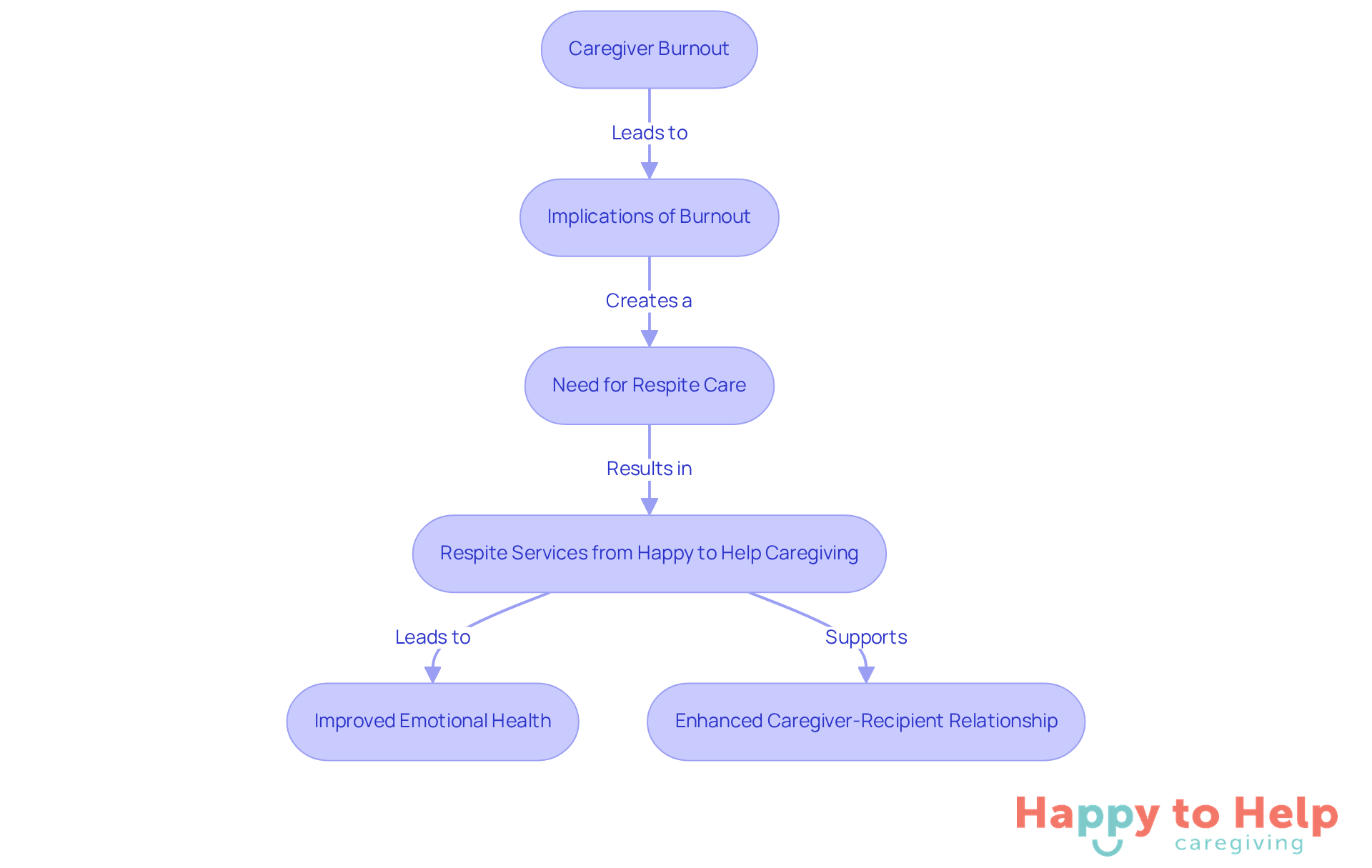
Respite Care: Supporting Family Caregivers
Problem: Caregivers often face significant challenges, including emotional exhaustion and burnout. Research from the Family Caregiver Alliance reveals that many caregivers experience symptoms of depression, underscoring the need for regular breaks. This burnout can lead to reduced patience and compromised care for their loved ones.
Agitate: The implications of caregiver burnout are serious. Without adequate support, caregivers may struggle to maintain their health and well-being, which ultimately affects the quality of care they provide. As the number of family supporters is expected to rise, the demand for effective respite care becomes increasingly critical.
Solution: Respite services from Happy to Help Caregiving offer essential breaks for family supporters, allowing them to rejuvenate and focus on personal issues. By providing temporary assistance for seniors, caregivers can improve their emotional health and resilience, maintaining a more balanced caregiving role. Alexandra Bennewith from United Spinal Association emphasizes the necessity of taking breaks to avoid burnout.
Caregivers can reconnect with friends and family during these breaks, enhancing their emotional well-being and strengthening the caregiver-recipient relationship. Additionally, many respite service expenses can be covered by private insurance or Medicaid, making these vital services more accessible. Prioritizing self-care is essential for caregivers, as it directly impacts their ability to offer compassionate support.
Palliative Support Care: Enhancing Comfort for Seniors
Older adults facing significant health issues often experience profound emotional distress and feelings of isolation. This situation can severely impact their quality of life, making it essential to address not just their physical needs but also their emotional well-being.
Research indicates that emotional support plays a crucial role in enhancing the quality of life for older adults. Many individuals in this demographic struggle with feelings of loneliness during health crises, which can exacerbate their condition.
Happy to Help Caregiving offers a solution by providing palliative support that prioritizes comfort and dignity. Caregivers are specifically trained to manage symptoms effectively, offer emotional support, and facilitate clear communication with healthcare providers. This comprehensive approach ensures that older adults feel appreciated and understood, easing their emotional burdens.
By nurturing a compassionate atmosphere, caregivers help clients navigate their health challenges with dignity and assistance. This customized support model not only addresses physical care but also acknowledges the emotional needs that are vital for overall well-being, ultimately enhancing the quality of life for clients.
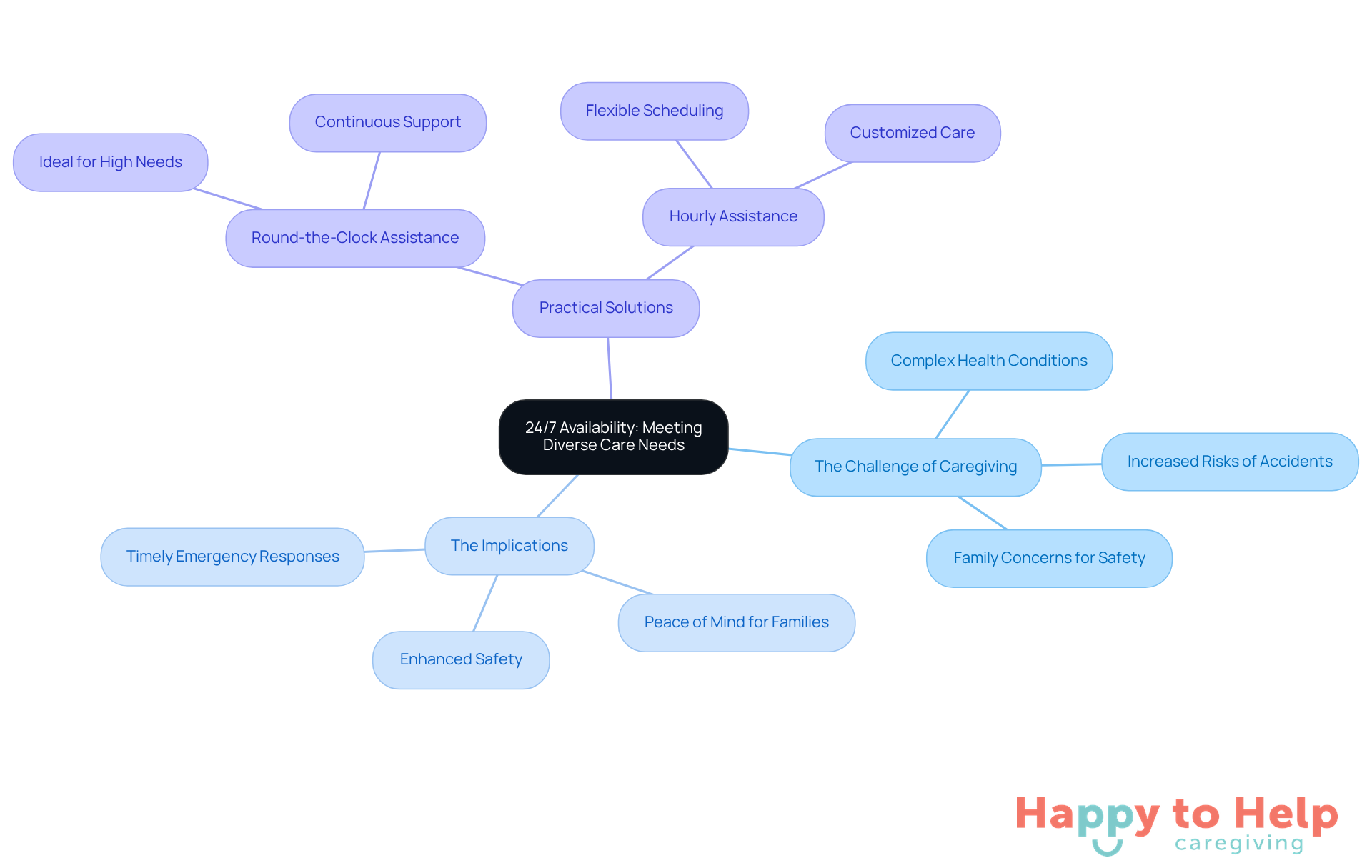
24/7 Availability: Meeting Diverse Care Needs
The Challenge of Caregiving
Elderly individuals often face significant challenges when it comes to receiving the support they need. Many have complex health conditions that require urgent assistance at any hour. This lack of constant support can lead to increased risks of accidents and emergencies, leaving families worried about their loved ones' safety.
The Implications
Research shows that having 24/7 senior assistance can greatly enhance safety and provide peace of mind. With senior aides available around the clock, families can rest easy knowing their loved ones are never alone. This ongoing support is crucial for timely responses to emergencies, significantly reducing the risk of accidents.
Practical Solutions
Families can consider various options to ensure their loved ones receive the necessary care:
- Round-the-clock assistance is ideal for those who require support beyond 8-12 hours each day, making it a sensible choice for many households.
- Hourly assistance offers flexibility, allowing families to customize care based on their loved ones' unique needs.
This approach promotes a sense of security and comfort in their own homes.
As Rita B. Choula notes, understanding the intricacies of caregiving is essential for families navigating these decisions. By exploring these options, caregivers can provide the best possible support for their elderly family members.
Personalized Care Plans: Tailoring Support to Individual Needs
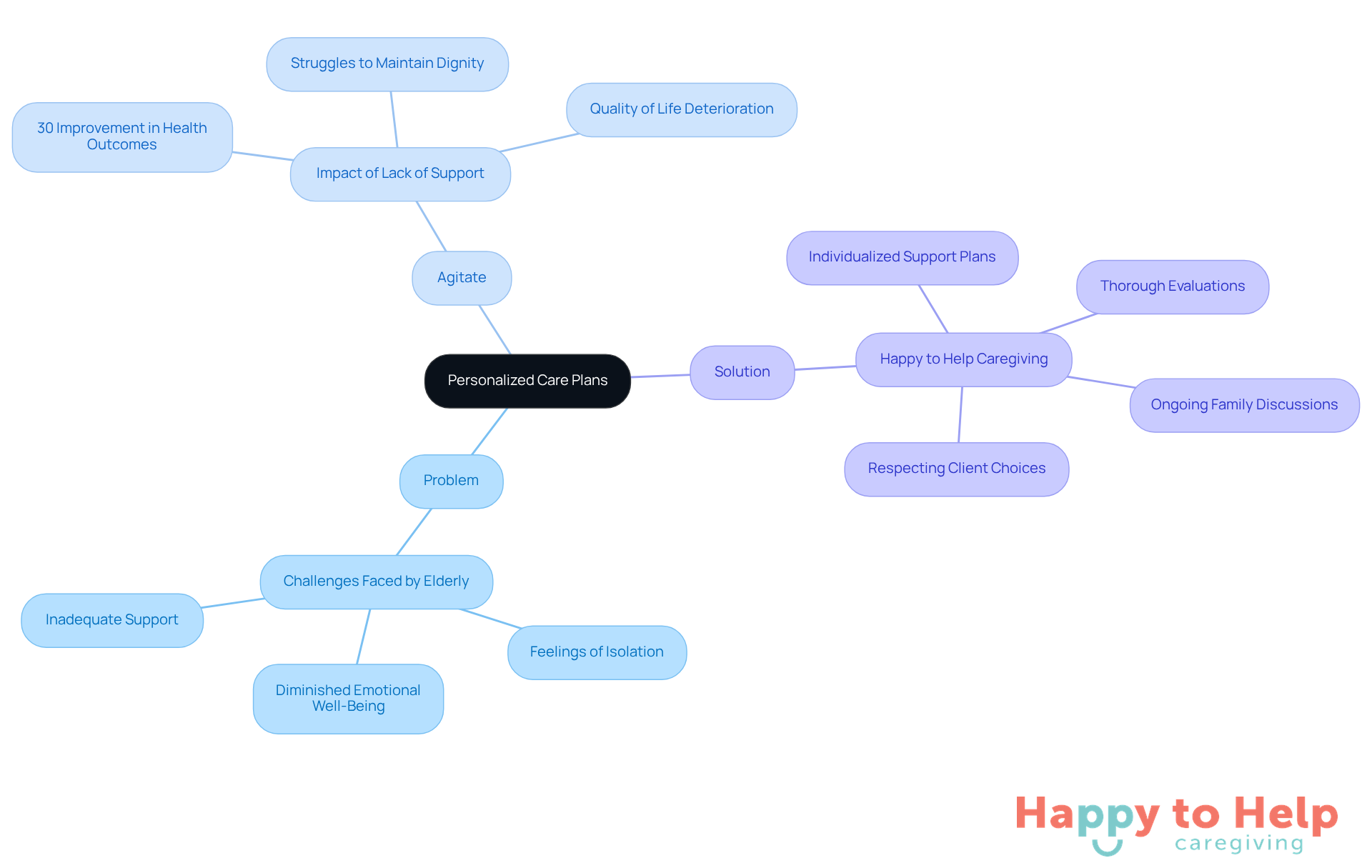
Problem: Many elderly individuals face challenges in receiving adequate support tailored to their unique needs. This lack of personalized care can lead to feelings of isolation and diminished emotional well-being.
Agitate: Research shows that personalized support can enhance health outcomes by 30%, as it aligns with individual lifestyles and preferences. Without such tailored assistance, seniors may struggle to maintain their dignity and quality of life.
Solution: Happy to Help Caregiving addresses these challenges by creating individualized support plans that cater to the distinct requirements and preferences of every client. These plans are developed through thorough evaluations and ongoing discussions with families, ensuring that every aspect of an elder's support is carefully contemplated.
Geriatric support managers emphasize the importance of these personalized plans, stating, "Personalized support plans are crucial for enhancing the quality of life for seniors, as they respect their choices and promote dignity." By focusing on specific services like companionship support and post-hospital recovery aid, Happy to Help Caregiving guarantees that clients receive compassionate and effective assistance that resonates with their personal stories and needs.
This tailored approach not only enhances the effectiveness of care but also promotes a sense of autonomy and dignity, allowing clients to maintain control over their lives.
Emotional Support: Combating Loneliness in Seniors
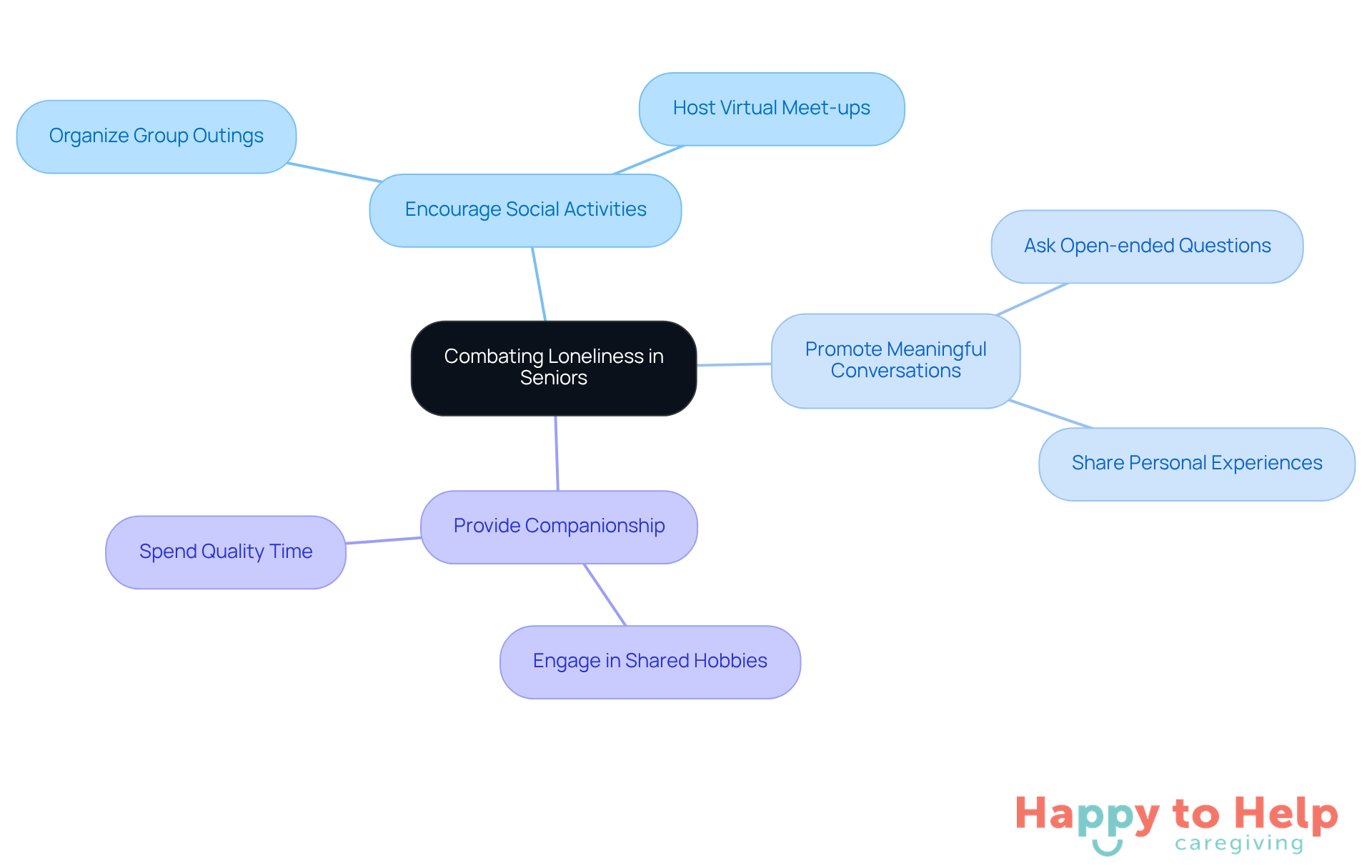
Loneliness among older adults is a significant issue that can severely impact their mental well-being. Many seniors experience feelings of isolation, which can lead to depression and a decline in overall health. Senior aides play a crucial role in addressing this problem by providing emotional support and companionship.
To combat loneliness, caregivers can engage clients in meaningful conversations and activities that promote social interaction. By nurturing relationships and offering companionship, senior aides contribute to enhancing the emotional strength of seniors. This not only improves their mental health but also elevates their overall quality of life.
Here are some actionable tips for caregivers:
- Encourage social activities: Organize group outings or virtual meet-ups to foster connections.
- Promote meaningful conversations: Ask open-ended questions to stimulate dialogue and share experiences.
- Provide companionship: Spend quality time with clients, whether through shared hobbies or simple conversations.
By implementing these strategies, senior aides can significantly enhance the emotional well-being of older adults, helping them feel more connected and valued.
Technology Integration: Enhancing Communication and Care
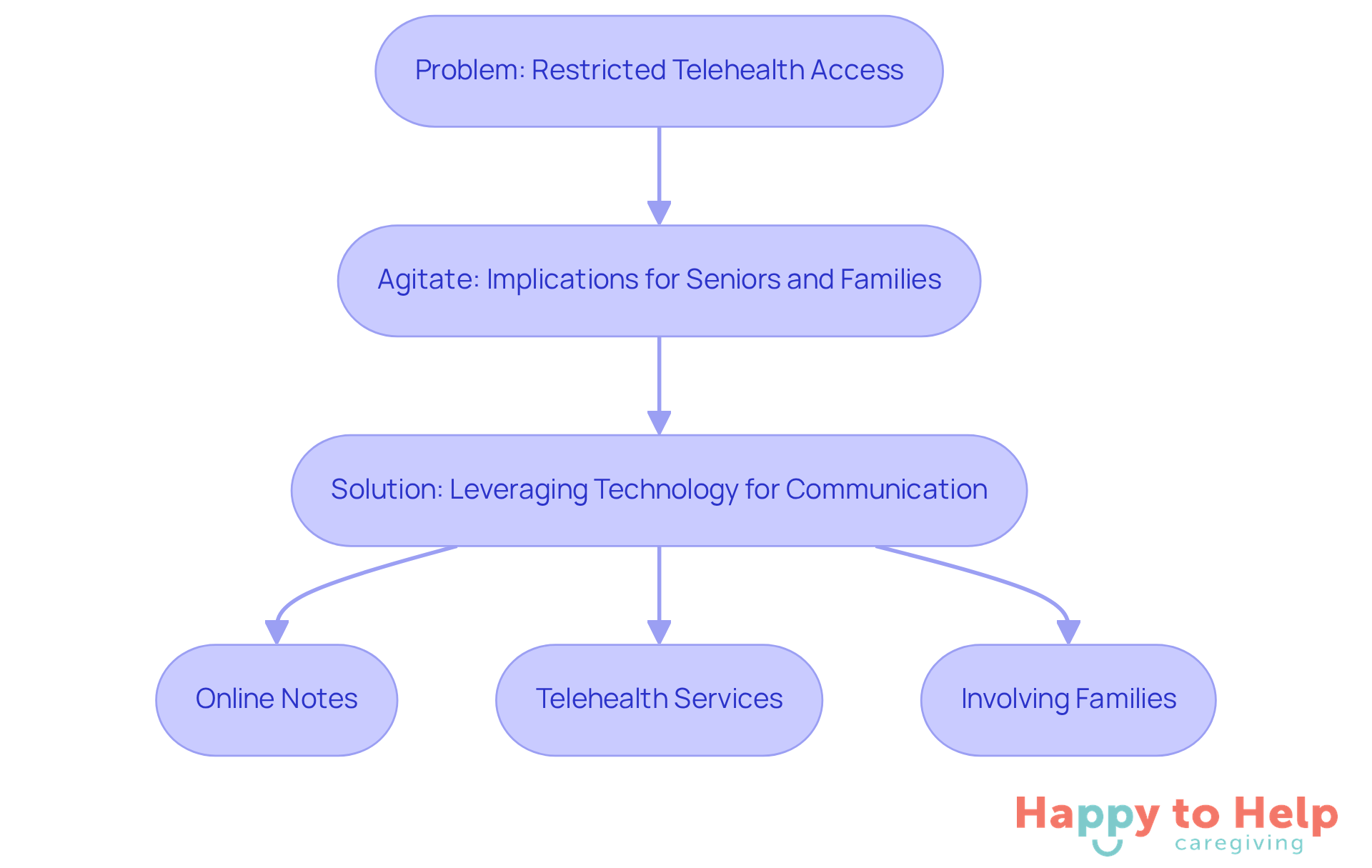
Problem: Many seniors face challenges accessing telehealth services due to recent changes that revert access to pre-pandemic criteria. This limitation can hinder their ability to receive essential healthcare support, leaving families concerned about their loved ones' well-being.
Agitate: The implications of restricted telehealth access are significant. Seniors may struggle to manage chronic conditions or attend routine check-ups, which can lead to deteriorating health. Families often feel anxious, unsure if their loved ones are receiving the necessary care and support.
Solution: To address these challenges, caregivers can leverage technology to enhance communication and support delivery. Here are some actionable tips:
- Utilize online notes for households to keep everyone informed about the client's well-being.
- Engage in telehealth services to facilitate remote check-ups and chronic disease management.
Experts emphasize that effective communication through telehealth can help caregivers organize assistance more efficiently, ensuring that older adults receive timely support. By actively involving families in the decision-making process, they can feel more assured about the care their loved ones are receiving, fostering transparency and trust.
Trained Caregivers: Ensuring Quality and Consistency
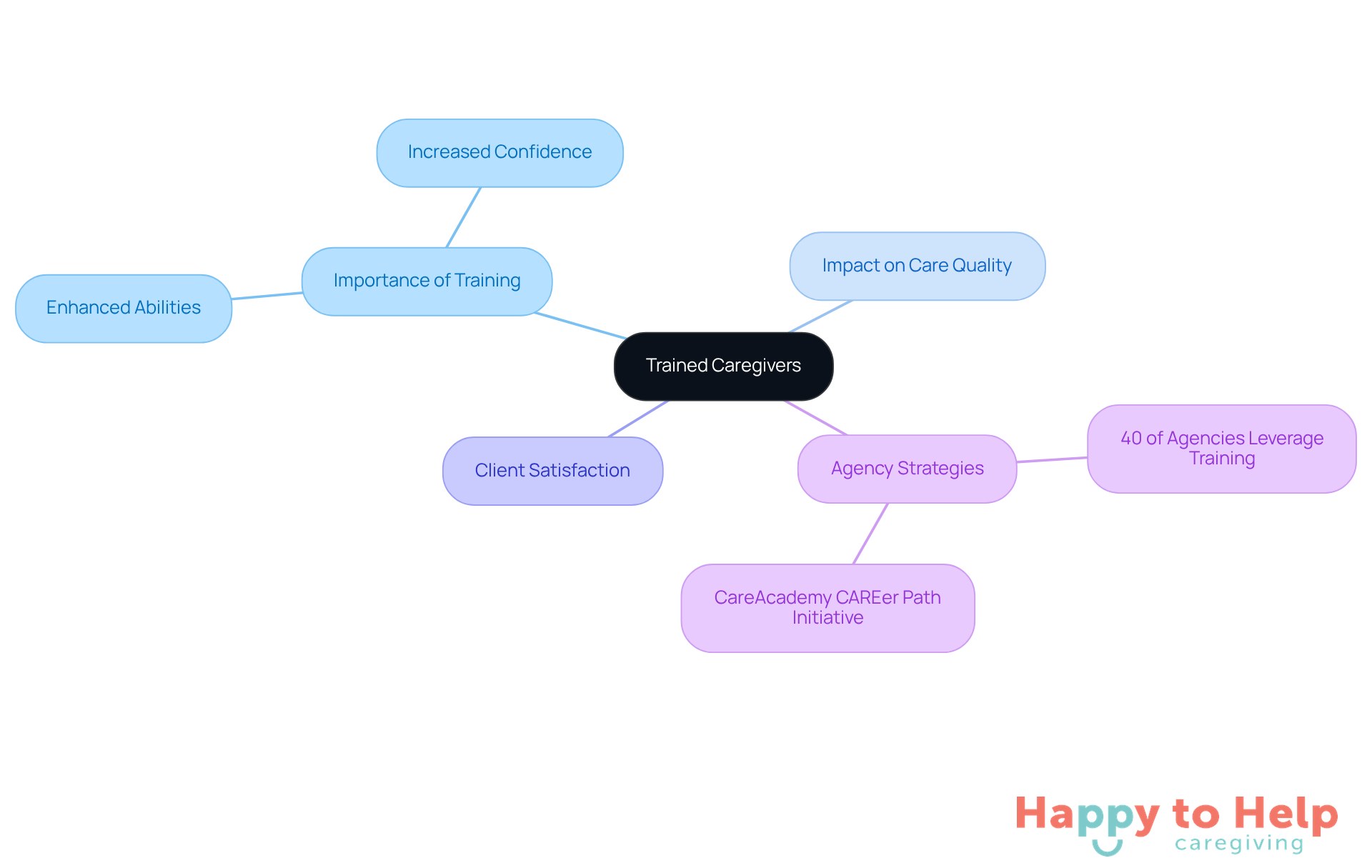
At Happy to Help Caregiving, a significant challenge faced by support providers is the need for extensive training to ensure high-quality and consistent assistance. Without proper training, caregivers may struggle to meet the complex needs of seniors, which can lead to unsatisfactory care outcomes.
Research shows that effective training enhances the abilities and confidence of caregivers, ultimately improving outcomes for seniors. For instance, a study by Jarmin Yeh highlights that caregivers who receive specialized training are better equipped to handle complex health needs. This preparation directly correlates with increased satisfaction rates among clients and their families.
To address these challenges, over 40% of agencies are leveraging training and development to retain staff, tackling the pressing issue of employee turnover. Happy to Help Caregiving prioritizes caregiver development through initiatives like the CareAcademy CAREer Path Initiative, which offers college credit for training certifications. This approach not only meets the unique needs of each client but also fosters a supportive environment that enhances the overall quality of care.
Family Dynamics: Strengthening Relationships Through Care
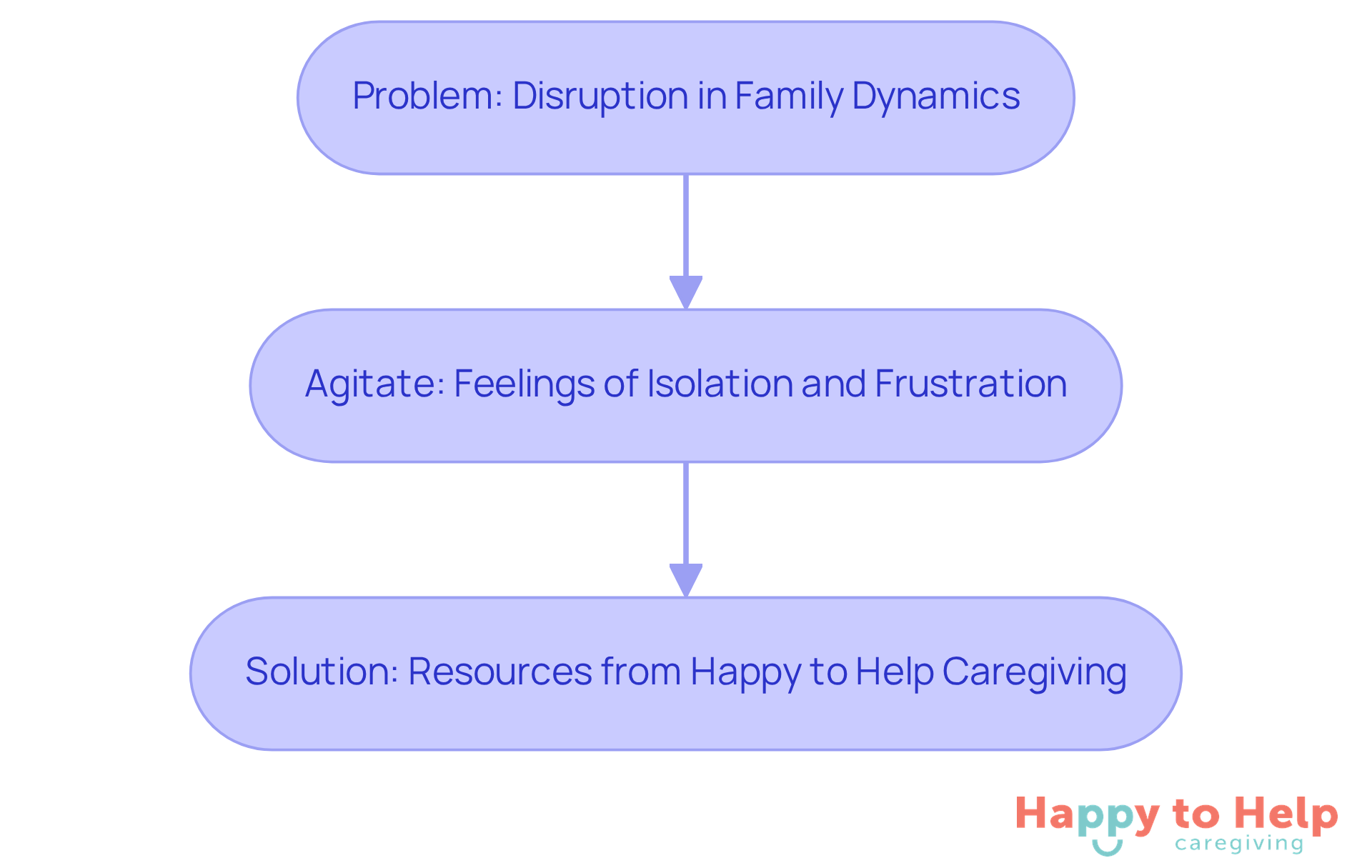
Problem: Caregiving can significantly disrupt household dynamics, leading to stress and misunderstandings among family members.
Agitate: This shift can create feelings of isolation and frustration, making it challenging for everyone involved to communicate effectively. When caregivers feel overwhelmed, it can strain relationships and diminish the quality of care provided.
Solution: Happy to Help Caregiving offers essential resources and assistance to help families navigate these changes. By promoting open communication and collaboration, the agency fosters a supportive environment that strengthens family relationships. Everyone involved feels valued and heard during the caregiving journey, ensuring a more harmonious household.
Key Takeaways for Caregivers
Family caregivers face significant challenges that can impact both their well-being and the quality of life for seniors. The emotional and physical demands of caregiving can lead to feelings of isolation and burnout. This is where essential aides come into play, fostering a supportive environment that enhances the overall experience for both caregivers and seniors.
Companionship care is vital in reducing loneliness and promoting mental health among older adults. Structured post-hospital recovery assistance ensures safe transitions, while respite care is crucial in preventing caregiver burnout. These services not only address physical needs but also focus on emotional well-being, creating a more fulfilling experience.
To effectively support caregivers, personalized care plans and the integration of technology can enhance communication and support. Trained caregivers provide high-quality, consistent assistance, ensuring that seniors receive the care they need. Together, these elements form a comprehensive approach that meets the diverse needs of seniors and their families.
Embracing these essential aides empowers caregivers to provide compassionate support while also taking care of their own well-being. As the demand for effective caregiving resources continues to grow, prioritizing these services can lead to healthier, happier lives for both seniors and their caregivers. Exploring these options now will not only improve individual care experiences but also foster a stronger sense of community among families navigating the challenges of caregiving.
https://iframe.tely.ai/cta/eyJhcnRpY2xlX2lkIjogIjY5MjEwYTkzM2U2YmJiMTQ0ZjI1MTE1MCIsICJjb21wYW55X2lkIjogIjY4ZWU1ZGNhNzMxNzYyNTU3ZjNjOTVjMSIsICJpbmRleCI6IG51bGwsICJ0eXBlIjogImFydGljbGUifQ==Frequently Asked Questions
What is the significance of companionship care for seniors?
Companionship care is crucial for seniors as it addresses social isolation, which can lead to serious health risks like dementia and depression. It fosters meaningful relationships and promotes mental stimulation, enhancing emotional well-being and overall joy.
How does Happy to Help Caregiving's companionship care work?
Caregivers engage clients in conversations, activities, and hobbies tailored to their interests, which alleviates feelings of loneliness and promotes mental stimulation.
What are the benefits of companionship support for seniors?
Seniors receiving companionship support experience reduced rates of depression and improved emotional health, making them feel more supported and involved in daily activities.
How does Happy to Help Caregiving assist seniors after hospitalization?
Happy to Help Caregiving provides vital support during the transition home after hospitalization, including medication management, mobility assistance, and help with daily living activities.
Why is post-hospital recovery assistance important?
Many seniors face challenges during recovery, and without adequate support, they are at higher risk of complications and readmission to the hospital. Effective post-hospital support can significantly lower these risks.
What impact does caregiver support have on hospital readmission rates?
Research indicates that home treatment patients experience a 20% lower readmission rate compared to those receiving conventional hospital services, highlighting the effectiveness of individualized support.
What challenges do family caregivers face?
Family caregivers often experience emotional exhaustion and burnout, which can lead to reduced patience and compromised care for their loved ones.
How does respite care help family caregivers?
Respite care provides essential breaks for family caregivers, allowing them to rejuvenate and focus on personal issues, which helps improve their emotional health and resilience.
What are the financial options for respite care services?
Many respite service expenses can be covered by private insurance or Medicaid, making these vital services more accessible for families.
Why is self-care important for caregivers?
Prioritizing self-care is essential for caregivers as it directly impacts their ability to offer compassionate support to their loved ones.
List of Sources
- Happy to Help Caregiving: Companionship Care for Seniors
- Combat Loneliness: The Benefits of Companion Care for Seniors (https://allheartcare.com/more-than-just-company-the-vital-role-of-companion-care-for-seniors)
- The Incredible Benefits of Home Care, in 7 Amazing Stats - Companions For Seniors (https://companionsforseniors.com/2019/08/benefits-home-care-amazing-stats-trends-reports)
- The Emotional Benefits of Companion Care for Seniors (https://comfortkeepers.com/offices/texas/round-rock/resources/news/the-emotional-benefits-of-companion-care-for-seniors)
- How Companionship Care Helps Seniors Thrive Emotionally | Home Matters (https://homematters.com/blog/how-companionship-care-helps-seniors-thrive-emotionally)
- Companion Care at Home Reduces Loneliness for Seniors During the Holidays (https://lifesathomecare.com/companion-care-at-home-reduces-loneliness-for-seniors-during-the-holidays)
- Post-Hospital Recovery Assistance: Ensuring Safe Transitions
- Home Care Impact on Recovery of Patient (A Statistics Report) (https://lovinghomecareinc.com/home-care-recovery-statistics)
- Smart Homes and Post-Hospital Care: Supporting Seniors Aging in Place (https://hcprosonline.com/smart-homes-and-post-hospital-care-supporting-seniors-aging-in-place)
- How Home Care Boosts Recovery Time (https://humancareny.com/blog/how-home-care-boosts-recovery-time)
- The Impact of Home Care on Recovery Rates: A Comparative Analysis with Hospital Stays (https://patna.athomecare.in/the-impact-of-home-care-on-recovery-rates-a-comparative-analysis-with-hospital-stays)
- Post-Hospital Care for Seniors Supports Healing (https://picseniorcare.com/how-post-hospital-care-for-seniors-makes-recovery-easier)
- Respite Care: Supporting Family Caregivers
- Respite Care Services: Essential Support for Caregivers (https://esoregon.com/the-benefits-of-respite-care-services-for-caregiver-relief)
- Improving Support for Family Caregivers (https://nationalacademies.org/news/2025/07/improving-support-for-family-caregivers)
- Caregivers and the Importance of Respite Care (https://benedictineliving.org/resources/news/caregivers-and-the-importance-of-respite-care)
- Congressman Nick Langworthy Introduces Bill to Support the Wellbeing of Family Caregivers (https://langworthy.house.gov/media/press-releases/congressman-nick-langworthy-introduces-bill-support-wellbeing-family)
- Palliative Support Care: Enhancing Comfort for Seniors
- Palliative care (https://who.int/news-room/fact-sheets/detail/palliative-care)
- Palliative Care & Hospice Care Support News | Carolina Caring (https://carolinacaring.org/news)
- How many people will need palliative care in 2040? Past trends, future projections and implications for services - BMC Medicine (https://bmcmedicine.biomedcentral.com/articles/10.1186/s12916-017-0860-2)
- Palliative Care News Archives (https://hospicenews.com/category/palliative-care-news)
- 24/7 Availability: Meeting Diverse Care Needs
- What Does 24/7 Home Care Look Like? (https://careindeed.com/blogs/what-does-24-7-home-care-look-like)
- Why 24/7 Senior Care Works: Safety, Comfort, and Constant Support - With A Little Help (https://withalittlehelp.com/24-7-senior-care-works)
- Caregiving Crisis: 45% Increase in Americans Providing Care (https://aarp.org/caregiving/basics/caregiving-in-us-survey-2025)
- 24/7 Long-Term Senior Care: What to Expect | Heisinger Bluffs (https://hbrhc.com/blog/what-to-expect-from-24-7-long-term-senior-care)
- 24-Hour Home Care | BrightStar Care | BrightStar Care (https://brightstarcare.com/about-brightstar-care/resources/benefits-of-24-hour-home-care)
- Personalized Care Plans: Tailoring Support to Individual Needs
- Importance of Personalized Senior Home Care in Burlington NC (https://wisdomseniorcare.com/the-importance-of-personalized-care-plans-for-seniors)
- Novel Care Model May Improve Outcomes for Older Adults With Multiple Chronic Conditions (https://consultqd.clevelandclinic.org/novel-care-model-may-improve-outcomes-for-older-adults-with-multiple-chronic-conditions)
- Senior Care in Philadelphia, PA: Key Trends for 2025 and Beyond - AmeriBest Home Care (https://ameribesthomecare.com/recent-news/senior-care-in-philadelphia-pa-key-trends-for-2025-and-beyond)
- Empowering aging: How AI and value-based care are making senior living more personalized and affordable (https://mcknights.com/marketplace/marketplace-experts/empowering-aging-how-ai-and-value-based-care-are-making-senior-living-more-personalized-and-affordable)
- Emotional Support: Combating Loneliness in Seniors
- Study explores effective strategies to combat loneliness in older adults | University of Hawaiʻi System News (https://hawaii.edu/news/2024/11/04/lonliness-in-older-adults)
- Trends in Loneliness Among Older Adults from 2018-2023 (https://ihpi.umich.edu/national-poll-healthy-aging/reports-and-resources/trends-loneliness-among-older-adults-2018-2023)
- New initiative aims to reduce loneliness among older adults in Louisville (https://news.louisville.edu/news/new-initiative-aims-reduce-loneliness-among-older-adults-louisville)
- For seniors: the mental health payoff of staying curious (https://news.ucr.edu/articles/2025/08/06/seniors-mental-health-payoff-staying-curious)
- 1 in 3 older adults still experience loneliness and isolation (https://michiganmedicine.org/health-lab/1-3-older-adults-still-experience-loneliness-and-isolation)
- Technology Integration: Enhancing Communication and Care
- Millions of seniors lose access to telehealth services in wake of shutdown (https://pbs.org/newshour/show/millions-of-seniors-lose-access-to-telehealth-services-in-wake-of-shutdown)
- 10 Insights from Healthcare Innovators: The Best Quotes from the ‘Leader to Leader’ Podcast in 2024 - Healthcare IT Leaders (https://healthcareitleaders.com/blog/insights-from-healthcare-innovators)
- Technology Use Among Older Adults and Their Caregivers: Cross-Sectional Survey Study - PMC (https://pmc.ncbi.nlm.nih.gov/articles/PMC11084119)
- Caregiver Statistics: Health, Technology, and Caregiving Resources (https://caregiver.org/resource/caregiver-statistics-health-technology-and-caregiving-resources)
- 30 Quotes About the Future of Healthcare: Expert Takes (https://deliberatedirections.com/quotes-future-of-healthcare)
- Trained Caregivers: Ensuring Quality and Consistency
- Research: Caregiver Training Improves Skills & Knowledge of Alzheimer's, Study Shows (https://advancecaregivers.org/caregiver-training-improves-skills-knowledge-of-alzheimers-study-shows)
- 2025 home care trends include tightened EVV oversight, investments in caregiver training (https://mcknightshomecare.com/2025-home-care-trends-include-tightened-evv-oversight-investments-in-caregiver-training)
- New Research Highlights Critical Role of Training in Caregiver Retention (https://careacademy.com/blog/role-of-training-in-caregiver-retention)
- HHS Backs AI Innovation for America’s Caregivers | HHS.gov (https://hhs.gov/press-room/hhs-backs-ai-innovation-for-americas-caregivers.html)
- Why Ongoing Caregiver Training Matters More Than Ever in 2025 – Professional Association of Caregivers (https://professionalassociationofcaregivers.org/2025/07/21/why-ongoing-caregiver-training-matters-more-than-ever-in-2025)
- Family Dynamics: Strengthening Relationships Through Care
- It’s Time to Care for Caregivers: Senator Markey Announces Comprehensive Family Caregiving Legislative Agenda | U.S. Senator Ed Markey of Massachusetts (https://markey.senate.gov/news/press-releases/11/20/2025/its-time-to-care-for-caregivers-senator-markey-announces-comprehensive-family-caregiving-legislative-agenda)
- Building a lifeline for family caregivers across the US (https://news.mit.edu/2025/ianacare-builds-lifeline-for-family-caregivers-across-us-0811)
- Caregiving Crisis: 45% Increase in Americans Providing Care (https://aarp.org/caregiving/basics/caregiving-in-us-survey-2025)
- Adult siblings fighting over caregiving: How to split the burden wisely | Human Resources (https://hr.uky.edu/news/2025-10-15/adult-siblings-fighting-over-caregiving-how-split-burden-wisely)
- New Report Reveals Crisis Point for America’s 63 million Family Caregivers (https://press.aarp.org/2025-07-24-New-Report-Reveals-Crisis-Point-for-Americas-63-million-Family-Caregivers)