

Active service-area notice
Happy to Help does not currently list Texas as an active service area. This article is general educational information. For local care availability, browse our active service areas.
Browse active service areasFor families in our service areas
For families in our service areas, this guide explains caregiver support and how non-medical in-home caregiving can support care planning in East Idaho, Treasure Valley & Magic Valley, Northern Wasatch, North Central West Virginia, and Northeast Ohio.
Why Senior Benefits in Texas Matters
Navigating the landscape of senior benefits in Texas can feel overwhelming for family caregivers. The rising demand for support adds to this challenge, making it essential to understand how to access available resources effectively. Caregivers often face the problem of sifting through numerous programs, which can complicate their efforts to ensure the well-being of their elderly loved ones.
This situation not only increases stress for caregivers but can also impact the quality of life for seniors. What are the essential benefits that can significantly ease this caregiving burden? This article explores ten vital senior benefits in Texas that support caregivers and empower older adults to thrive in their own homes.
Happy to Help Caregiving: Personalized In-Home Support for Seniors
Loneliness is a significant challenge faced by many elderly individuals, often leading to feelings of isolation and depression. This emotional burden can hinder their overall well-being and quality of life.
Happy to Help Caregiving addresses this issue by providing personalized in-home assistance that focuses on:
- Companionship
- Post-hospital recovery
- Respite care
- Palliative care
Their trained caregivers not only offer emotional support but also engage clients in enjoyable activities, creating a safe and comfortable environment.
By fostering connections and encouraging independence, Happy to Help Caregiving enables older adults to thrive in their familiar surroundings. This approach not only alleviates loneliness but also promotes a sense of autonomy, allowing seniors to flourish in their own homes.
Medicaid in Texas: Financial Assistance for Senior Healthcare Needs
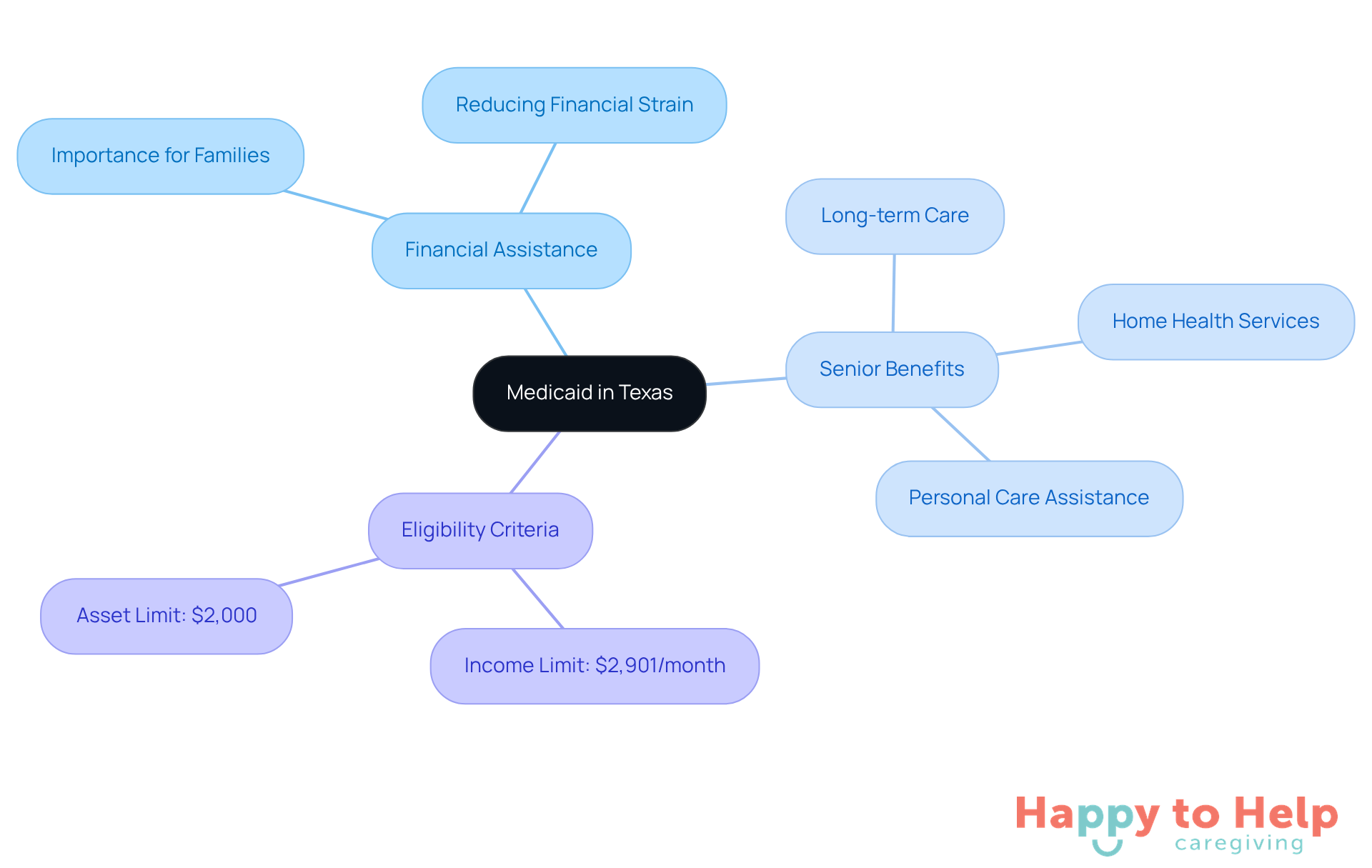
The challenge of Medicaid in the state highlights the importance of understanding senior benefits in Texas for families caring for elderly individuals who require healthcare services. Many caregivers face financial strain when trying to secure necessary care for their loved ones. Without adequate support, the burden can become overwhelming, leading to stress and uncertainty.
Fortunately, Medicaid offers vital financial assistance to eligible individuals, helping them access senior benefits in Texas, including:
- long-term care
- home health services
- personal care assistance
In 2025, the income limit for a single applicant is set at $2,901 per month, with asset limits of $2,000. By exploring Medicaid options, families can ensure their loved ones receive the necessary care without the added financial pressure.
Texas Health and Human Services: Senior Programs and Resources
Caregivers often face significant challenges when it comes to supporting older adults. The demands of caregiving can be overwhelming, leading to stress and burnout. Without proper resources, caregivers may struggle to provide the necessary care that their loved ones deserve.
To address these challenges, Health and Human Services offers a variety of programs tailored to assist older adults and their caregivers in obtaining senior benefits in Texas. These programs provide senior benefits in Texas, including:
- Benefits counseling
- Legal assistance
- Access to community services
The Area Agencies on Aging (AAA) are instrumental in connecting families with resources that meet their specific needs. This ensures that older adults receive the support required for a dignified and fulfilling life.
By utilizing these resources, caregivers can alleviate some of the burdens they face. Engaging with local AAAs can provide valuable information and support, helping caregivers navigate the complexities of caregiving with greater ease.
Supplemental Nutrition Assistance Program (SNAP): Food Security for Seniors
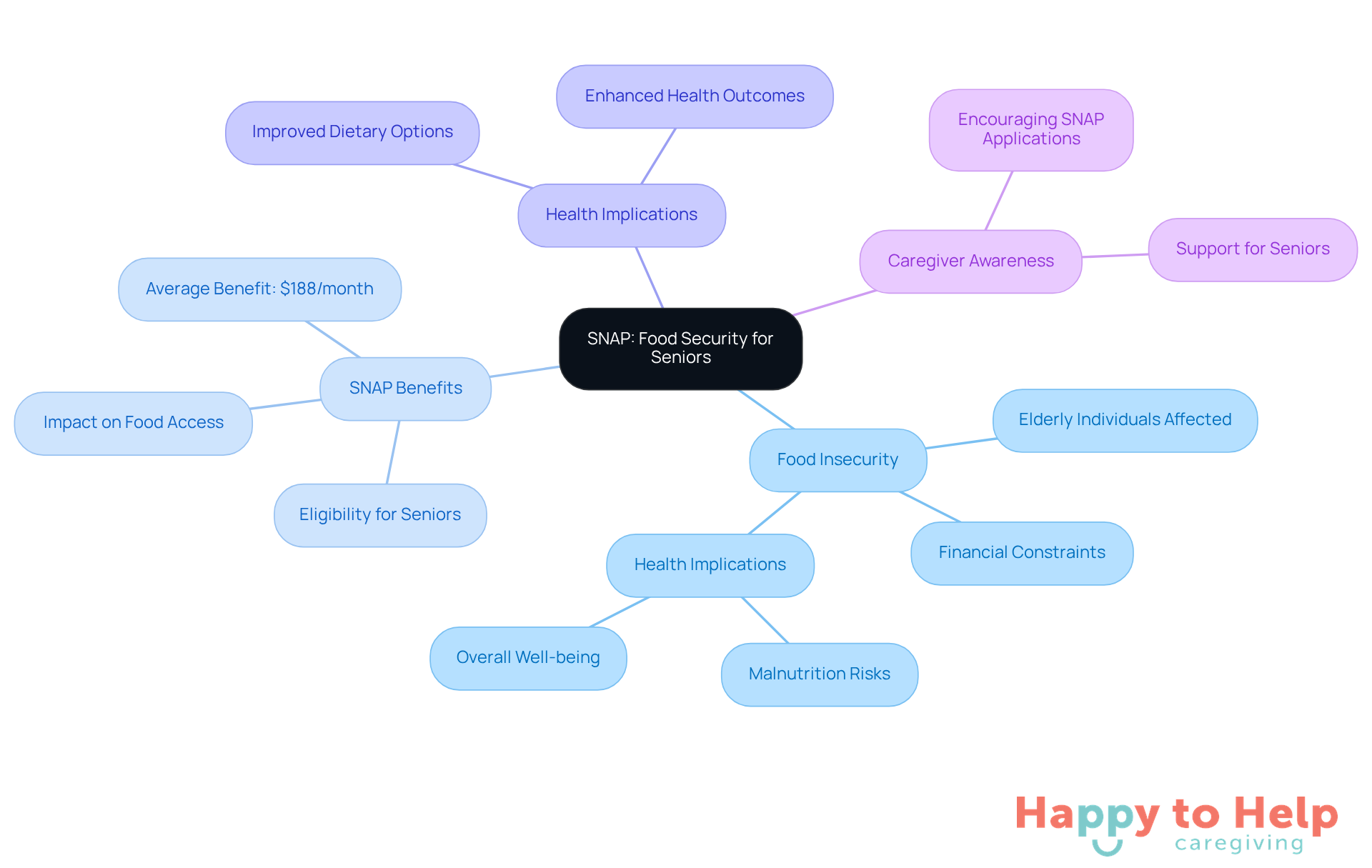
Food insecurity is a pressing issue for many elderly individuals, which can be addressed through senior benefits in Texas. Due to financial constraints, many seniors aged 60 and older, as well as those with disabilities, often struggle to maintain a nutritious diet, even with the senior benefits in Texas. This challenge can lead to serious health implications, affecting their overall well-being.
The Supplemental Nutrition Assistance Program (SNAP) provides a vital solution. In 2025, the average SNAP benefit for older adults is approximately $188 per month. This assistance can significantly alleviate food insecurity, helping seniors access the nutritious food they need to thrive, which is a crucial aspect of senior benefits in Texas.
By participating in SNAP, elderly individuals can improve their dietary options and enhance their health outcomes. It's essential for caregivers to be aware of this program and encourage eligible seniors to apply, ensuring they receive the support necessary for a healthier lifestyle.
Texas Department of Aging and Disability Services: Enhancing Senior Quality of Life
The challenges faced by seniors and their caregivers are significant. Many older adults struggle with maintaining independence and accessing essential services, which can lead to feelings of isolation and decreased quality of life. Caregivers often find themselves overwhelmed, lacking the necessary resources and support to provide effective care.
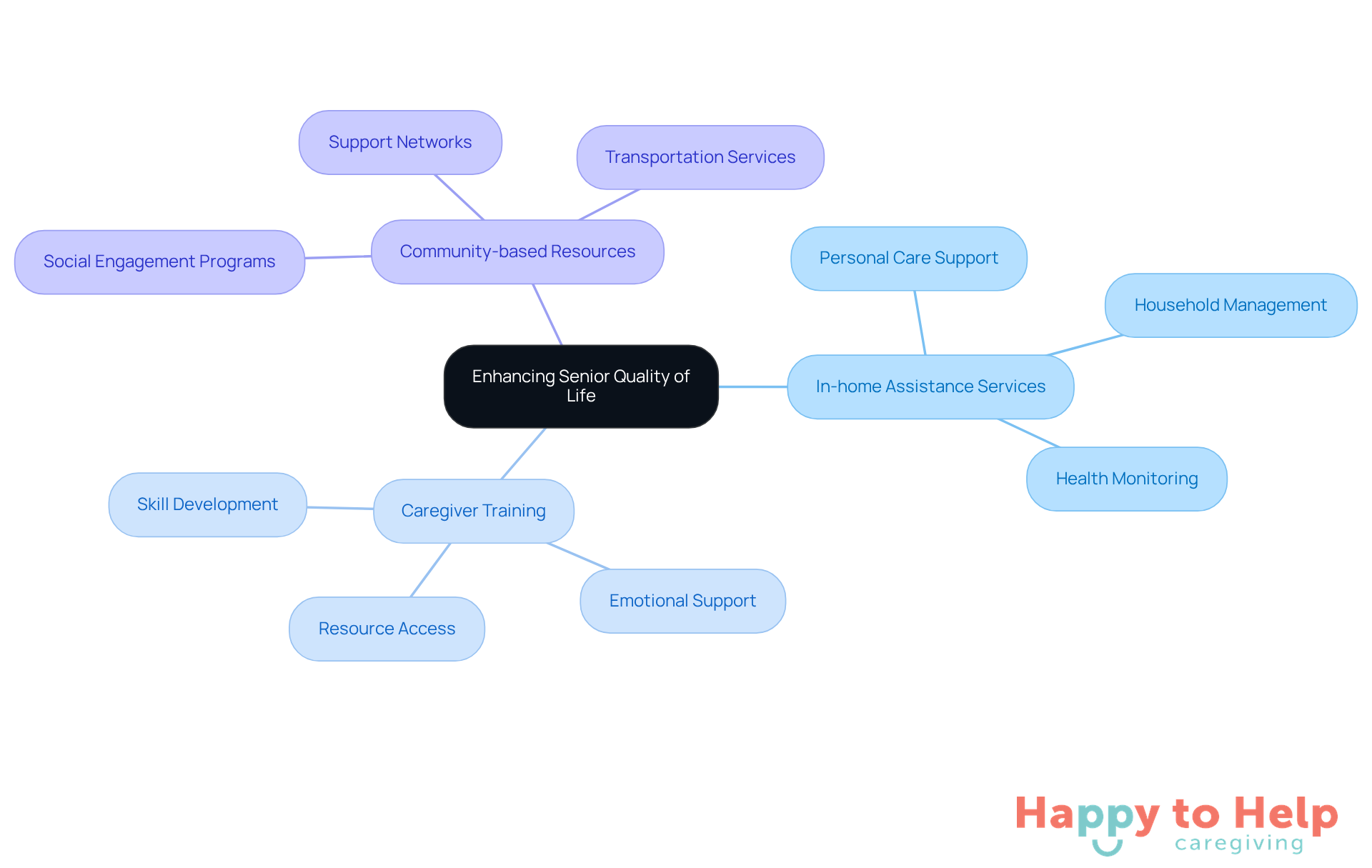
To address these issues, the Department of Aging and Disability Services (DADS) is committed to enhancing the quality of life for seniors by providing senior benefits in Texas through a variety of essential programs. These initiatives include:
- In-home assistance services
- Caregiver training
- Community-based resources aimed at promoting independence and well-being
Recently, a $3 million emergency grant was approved for Aging and Disability Resource Centers (ADRCs) in Texas, which will enhance funding and senior benefits in Texas for these vital services.
By facilitating access to these programs, DADS plays a pivotal role in enabling older adults to lead fulfilling lives while receiving senior benefits in Texas and the necessary assistance. Caregiver training programs provided by DADS equip caregivers with the skills needed to deliver effective support, greatly influencing the overall quality of life for older adults. According to recent surveys, 84% to 99% of respondents reported satisfaction with their residence, underscoring the effectiveness of DADS programs.
Moreover, community resources are essential, as they establish a network of assistance that boosts social involvement and diminishes feelings of isolation among older adults. Caregivers have emphasized the importance of these community-based resources, stating that they provide essential connections and support. This comprehensive approach not only empowers elderly individuals but also offers peace of mind to families, knowing their loved ones are receiving the best possible senior benefits in Texas while being cared for in their own homes.
Texas Senior Property Tax Exemption: Financial Relief for Homeowners
In Texas, many individuals aged 65 and older face a significant financial burden due to property taxes, which underscores the need for senior benefits in Texas. This issue is particularly pressing for those on fixed incomes, who may struggle to keep up with rising costs. Fortunately, there are property tax exemptions available that can provide essential relief and enhance senior benefits in Texas.
These exemptions allow eligible homeowners to exclude a substantial portion of their home's value from taxation, greatly reducing their financial obligations. Additionally, older adults may qualify for a tax limit, which protects them from future tax hikes. This aspect is crucial for seniors who need to manage their budgets carefully.
Recent estimates suggest that over 2 million elderly individuals could save approximately $907 annually thanks to these exemptions. This figure highlights the positive impact of legislative changes, including Proposition 11 and Proposition 13, which raised the homestead exemption to $200,000 for elderly and disabled individuals. Such increases offer a vital lifeline for families navigating the challenges of caregiving.
In summary, property tax relief plays a critical role in enhancing the financial stability of elderly homeowners in Texas, ensuring they can maintain their homes and access senior benefits in Texas without undue stress.
Texas Long-Term Care Services: Comprehensive Support for Seniors
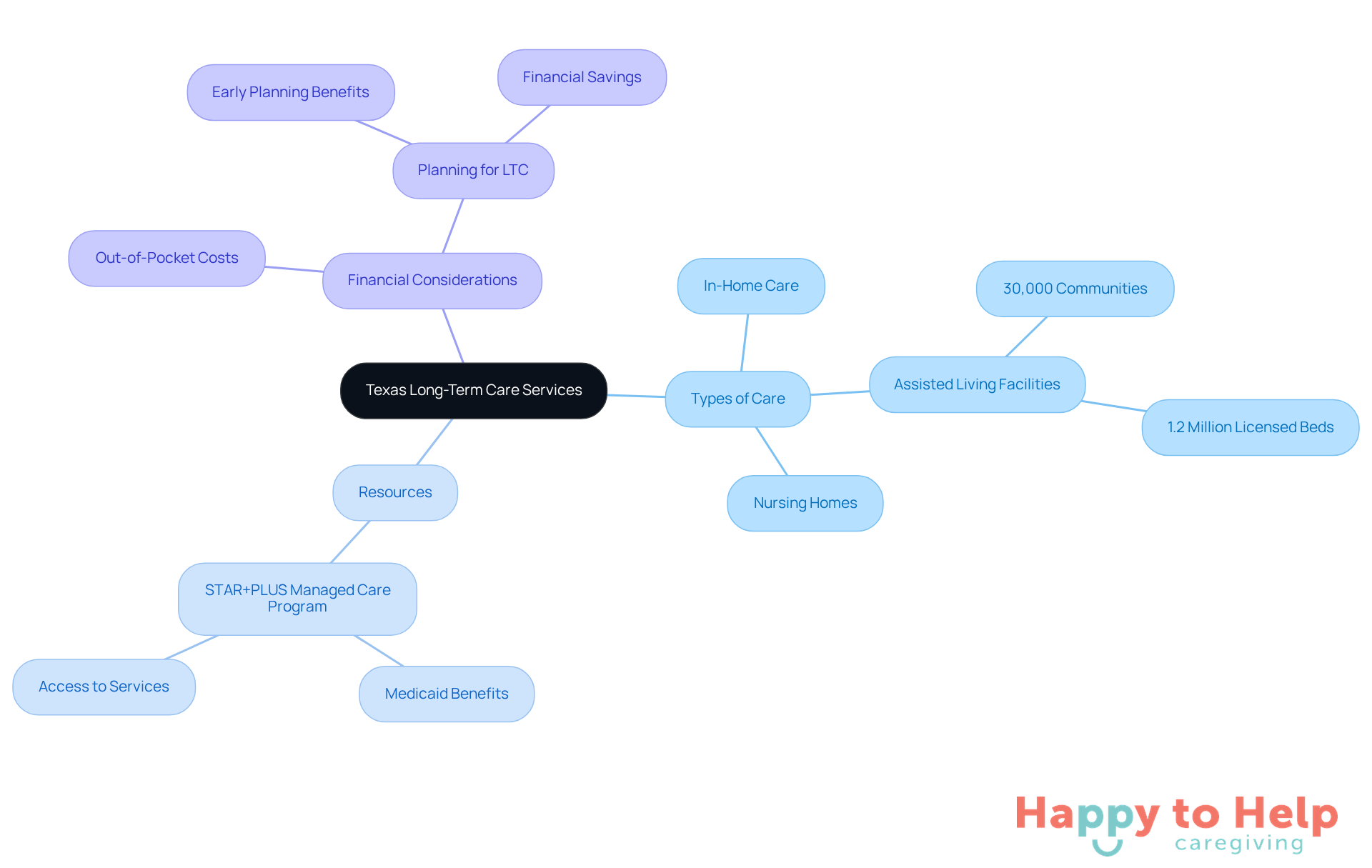
Selecting the right long-term care services for seniors can be a daunting challenge. With options like in-home care, assisted living facilities, and nursing homes, families often struggle to find the best fit for their loved ones' unique needs. This decision is crucial, as it significantly impacts their well-being and quality of life.
One vital resource in Texas that provides senior benefits in Texas is the STAR+PLUS managed care program. This program offers comprehensive support tailored to individual needs, facilitating access to essential services, including senior benefits in Texas, and enhancing the overall quality of care for seniors. Families should thoroughly explore these options to ensure they make informed decisions.
Consider this: there are approximately 30,000 assisted living communities across the U.S., housing around 1.2 million licensed beds. This statistic underscores the importance of careful planning in long-term care. Additionally, families must be aware of the financial implications, as many face substantial out-of-pocket costs. Planning early can provide more flexibility and better choices, ensuring families are prepared for potential expenses associated with long-term care.
Texas Senior Medicare Patrol: Protecting Seniors from Healthcare Fraud
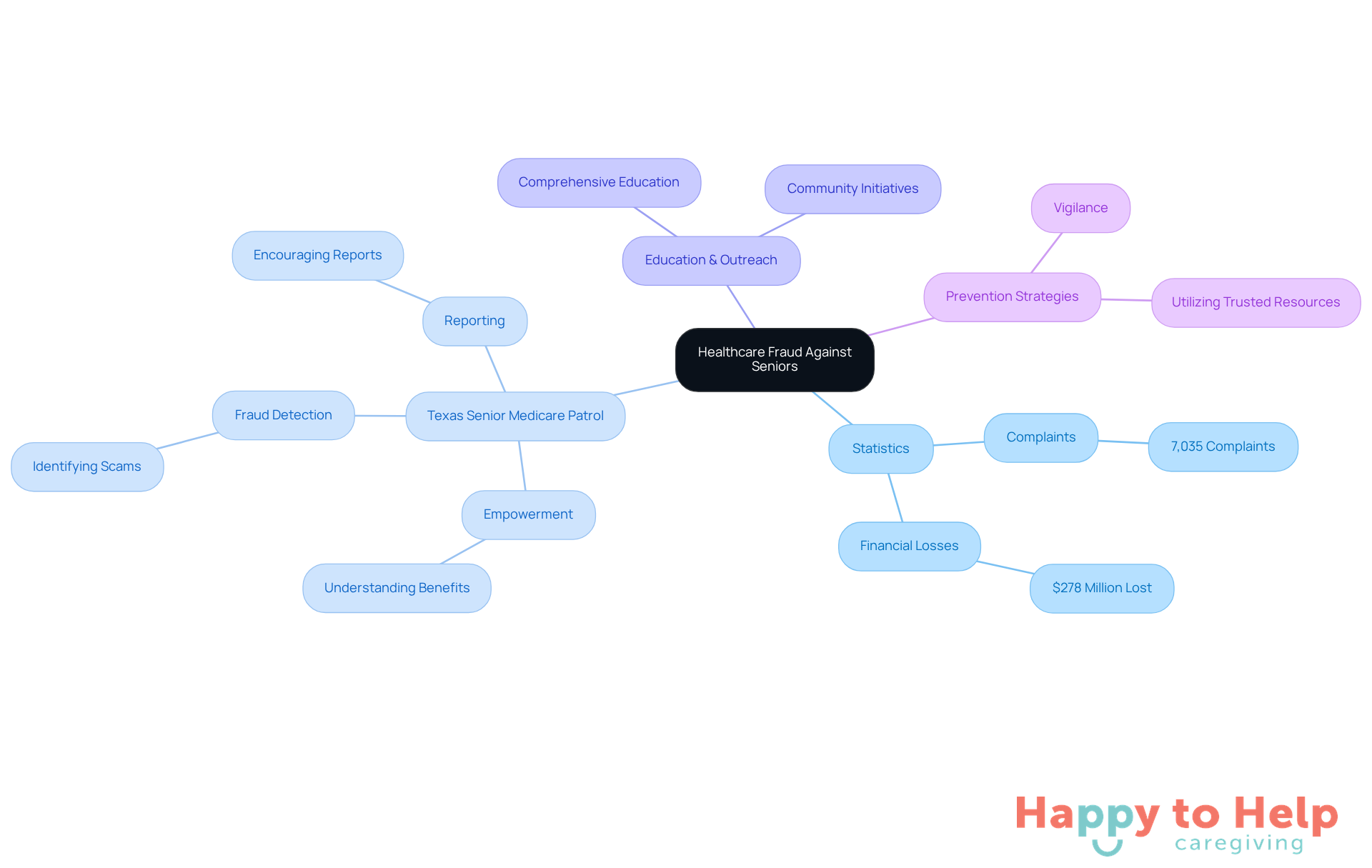
Healthcare fraud poses a serious threat to older adults, particularly in relation to senior benefits in Texas. According to the FBI's 2023 Elder Fraud Report, scams targeting Texans over 60 resulted in 7,035 complaints and losses exceeding $278 million. This alarming trend underscores the urgent need for effective prevention strategies.
The Texas Senior Medicare Patrol (SMP) addresses this issue by empowering seniors to understand their senior benefits in Texas, helping them prevent, detect, and report healthcare fraud. Through comprehensive education and outreach initiatives, the SMP equips older adults with the knowledge to identify fraudulent activities and protect their senior benefits in Texas. Participating in SMP programs not only enhances awareness but also fosters a proactive approach to fraud prevention within households.
Research shows that seniors who engage with SMP educational resources are significantly more aware of potential scams, leading to a marked decrease in fraud incidents. Experts in fraud prevention emphasize the importance of vigilance, advising households to be cautious of unsolicited calls, emails, or visits and to utilize trusted resources.
By leveraging the resources provided by the SMP, families can ensure their elderly relatives are well-informed and safeguarded against the rising tide of healthcare fraud. Regular discussions about potential scams can further enhance awareness and safety, creating a more secure environment for seniors.
Texas Aging and Disability Resource Centers: Navigating Senior Services
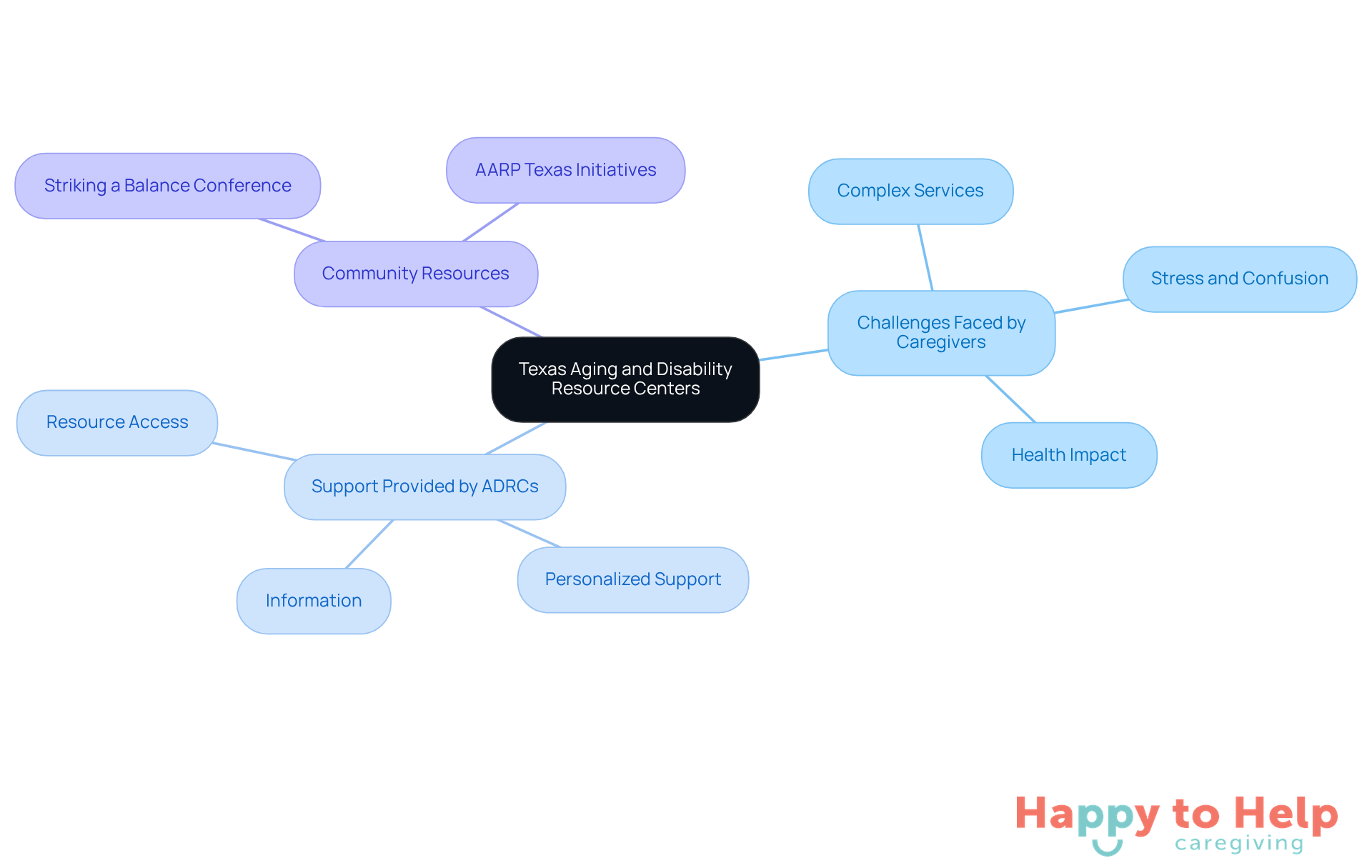
Aging and Disability Resource Centers (ADRCs) play a crucial role in helping older adults and their families navigate senior benefits in Texas. Caregivers often face the daunting challenge of navigating complex services related to healthcare, housing, and financial aid. This complexity can lead to significant stress and confusion for families trying to find the right resources.
The implications of this problem are profound. Many caregivers report feeling overwhelmed, which can negatively impact their health and well-being. In Texas, approximately 3.1 million unpaid family caregivers are providing essential support, valued at around $41 million. This highlights the critical need for effective assistance in managing caregiving responsibilities.
ADRCs offer a solution by simplifying the navigation process for families. These centers provide vital information and personalized support, making it easier for caregivers to understand and access available resources. This assistance is particularly important for those facing the challenges of caregiving, as it alleviates the pressure of locating suitable services.
With the demand for senior benefits in Texas on the rise, ADRCs remain committed to enhancing their outreach and efficiency. They ensure that seniors and their loved ones can thrive in their communities. Additionally, the upcoming 'Striking a Balance' conference aims to equip family caregivers with valuable insights and resources, further emphasizing the community support available for caregivers.
Texas Veterans Benefits: Additional Support for Senior Veterans
Veterans in Texas often face challenges in accessing senior benefits in Texas that are specifically designed to meet their unique needs. The senior benefits in Texas include essential healthcare services, disability compensation, and property tax exemptions. Without proper guidance, navigating these options can be overwhelming, leaving many veterans without the support they deserve.
To address this issue, the Texas Veterans Commission provides valuable resources to help veterans and their families understand and access senior benefits in Texas. By utilizing these resources, families can ensure their loved ones receive the necessary support for a dignified and fulfilling life. It's crucial for families to explore these options thoroughly to maximize the benefits available to them.
Making the Right Choice
Navigating the landscape of senior benefits in Texas can be a daunting task for caregivers. The challenge lies in understanding the plethora of resources available to support elderly individuals and their families. Without this knowledge, caregivers may struggle to improve the quality of life for their loved ones, leading to increased stress and potential burnout.
To address this issue, it’s essential to recognize the critical role of organizations like the Texas Department of Aging and Disability Services and Aging and Disability Resource Centers. These entities provide invaluable support and guidance, helping caregivers access programs such as:
- In-home support services
- Medicaid assistance
- Food security initiatives like SNAP
By engaging with these resources, caregivers can alleviate some of the burdens associated with caregiving.
Moreover, protecting seniors from healthcare fraud is paramount. Programs like the Texas Senior Medicare Patrol highlight the importance of awareness and education in safeguarding benefits. Caregivers must stay informed to ensure their loved ones are not victims of fraud, which can further complicate their care.
In conclusion, exploring the array of senior benefits in Texas is crucial for caregivers aiming to provide the best possible care. By actively engaging with available programs and advocating for their loved ones, families can enhance the quality of life for seniors while fostering a supportive community for caregivers. This proactive approach not only leads to a more secure and fulfilling environment but also contributes to a healthier and happier aging experience.
https://iframe.tely.ai/cta/eyJhcnRpY2xlX2lkIjogIjY5MjRmMWQxZWM0Y2FiOGU3NGVjMDBjMyIsICJjb21wYW55X2lkIjogIjY4ZWU1ZGNhNzMxNzYyNTU3ZjNjOTVjMSIsICJpbmRleCI6IG51bGwsICJ0eXBlIjogImFydGljbGUifQ==Frequently Asked Questions
What is the primary focus of Happy to Help Caregiving?
Happy to Help Caregiving focuses on providing personalized in-home assistance to seniors, addressing issues like loneliness and emotional support through companionship, post-hospital recovery, respite care, and palliative care.
How do caregivers from Happy to Help Caregiving support seniors?
Caregivers offer emotional support and engage clients in enjoyable activities, creating a safe and comfortable environment that fosters connections and encourages independence.
What are the benefits of Happy to Help Caregiving for seniors?
The service alleviates loneliness, promotes a sense of autonomy, and enables older adults to thrive in their familiar surroundings, enhancing their overall well-being and quality of life.
What financial assistance does Medicaid provide for seniors in Texas?
Medicaid offers financial assistance for long-term care, home health services, and personal care assistance to eligible individuals, helping families manage the costs of necessary healthcare services for their loved ones.
What are the income and asset limits for Medicaid eligibility in Texas in 2025?
In 2025, the income limit for a single applicant is set at $2,901 per month, with asset limits of $2,000.
What challenges do caregivers face when supporting older adults?
Caregivers often experience significant stress and burnout due to the overwhelming demands of caregiving, which can hinder their ability to provide the necessary care.
What resources does Texas Health and Human Services offer for caregivers and seniors?
Texas Health and Human Services provides programs including benefits counseling, legal assistance, and access to community services aimed at assisting older adults and their caregivers.
How can Area Agencies on Aging (AAA) help caregivers in Texas?
AAAs connect families with resources tailored to their specific needs, helping caregivers navigate the complexities of caregiving and ensuring older adults receive the support they require for a dignified life.
List of Sources
- Happy to Help Caregiving: Personalized In-Home Support for Seniors
- News from In Home Personal Services (https://ihps.com/news-publications)
- Providing the Best Home Care Service to Aging Adults | Honor (https://honorcare.com)
- Caring Senior Service Banks Growth Goals On New House-Made Technology (https://homehealthcarenews.com/2025/10/caring-senior-service-banks-growth-goals-on-new-house-made-technology)
- Meela Launches Personalized AI Companion to Combat Loneliness Epidemic Among Seniors (https://intelligence360.news/meela-launches-personalized-ai-companion-to-combat-loneliness-epidemic-among-seniors)
- AI must optimize home care, continuity, and early detection for older adults (https://news-medical.net/news/20251007/AI-must-optimize-home-care-continuity-and-early-detection-for-older-adults.aspx)
- Medicaid in Texas: Financial Assistance for Senior Healthcare Needs
- The 89th Texas Legislature: 2025 Healthcare legislative update (https://nortonrosefulbright.com/en/knowledge/publications/fc79928a/the-89th-texas-legislature-2025-healthcare-legislative-update)
- Barnes: The data speaks—how Medicaid cuts could reduce Texans' access to essential health care - Episcopal Health Foundation (https://episcopalhealth.org/enews/barnes-the-data-speaks-how-medicaid-cuts-could-reduce-texans-access-to-essential-health-care)
- TX Groups Warn Congressional Plan for Medicaid Cuts Will Terminate Health Care for Millions of People — Cover Texas Now (https://covertexasnow.org/posts/2025/5/13/tx-groups-warn-congressional-plan-for-medicaid-cuts-will-terminate-health-care-for-millions-of-people)
- Federal Changes May Narrow Certain Medicaid Eligibility Provisions, Boost Others (https://texmed.org/TexasMedicineDetail.aspx?Pageid=46106&id=66794)
- Third Quarter 2025 HCPCS Updates for Texas Medicaid | TMHP (https://tmhp.com/news/2025-10-01-third-quarter-2025-hcpcs-updates-texas-medicaid)
- Texas Health and Human Services: Senior Programs and Resources
- HHSC Offers Topics for Discussions on Aging During National Family Caregivers Month | Texas Health and Human Services (https://hhs.texas.gov/news/2025/11/hhsc-offers-topics-discussions-aging-during-national-family-caregivers-month)
- Search News | Texas Health and Human Services (https://hhs.texas.gov/news)
- Meals On Wheels waiting lists grow as Texas braces for federal funding cuts - The Texas Tribune (https://texastribune.org/2025/06/20/texas-seniors-meals-on-wheels-funding)
- Newsroom | Texas Health and Human Services (https://hhs.texas.gov/newsroom)
- HHSC accepts public comments on state plan on aging ⋆ Capital Area Council of Governments (CAPCOG) (https://capcog.org/news/hhsc-accepts-public-comments-on-state-plan-on-aging)
- Supplemental Nutrition Assistance Program (SNAP): Food Security for Seniors
- Shutdown, SNAP drama reveal how close food insecurity is for many Abilenians (https://reporternews.com/story/news/2025/11/24/shutdown-snap-drama-an-intro-to-food-insecurity-for-many-texans-abilene-texas-newspaper/87356388007)
- Hundreds of Houston-area seniors at risk of food insecurity after federal funding cuts to Meals on Wheels | Houston Public Media (https://houstonpublicmedia.org/articles/arts-culture/food/2025/10/27/534339/houston-food-delivery-government-shutdown-snap-benefits-meals-on-wheels)
- Shutdown, federal cuts threaten county's seniors, food assistance programs across Texas (https://roysecityheraldbanner.com/news/local\_news/shutdown-federal-cuts-threaten-countys-seniors-food-assistance-programs-across-texas/article\_6e0fd26b-2bf1-4d5e-8a5b-8cf154a070a5.html)
- Texans could receive full SNAP benefits soon after USDA order (https://texastribune.org/2025/11/13/texas-snap-benefits-restored-government-shutdown-usda)
- Texas Department of Aging and Disability Services: Enhancing Senior Quality of Life
- CaringBridge (https://caringbridge.org/resources/inspirational-quotes-on-caregiving)
- Governor Abbott, HHSC Announce $3 Million Emergency Grant For Aging, Disability Services (https://cbc-radio.com/local-news-blog/506843?FF\_articleid=api%2Fv1%2Fcontents%2F6719%2Fcontent%3FFFESID%3D6719%26page%3Dfeaturedetails&FF\_uid=food-99999-113181-6719)
- Texas Releases Long-Term Services and Supports Quality Review Report - Nasddds (https://nasddds.org/texas-releases-long-term-services-and-supports-quality-review-report)
- America’s Health Rankings | AHR (https://americashealthrankings.org/learn/reports/2022-senior-report/state-summaries-texas)
- Texas Senior Property Tax Exemption: Financial Relief for Homeowners
- Texas Property Tax Relief: How the New Law Cuts School Taxes by 'Almost 50%' (https://kiplinger.com/taxes/texas-property-tax-relief-what-to-know)
- Texas voters approve tax savings for senior, disabled homeowners (https://fox4news.com/election/texas-homestead-exemption-elderly-disabled-election-sjr85)
- Texas voters approve historic property tax cuts (https://kxan.com/news/texas-politics/how-will-prop-11-and-13-affect-texas-property-taxes)
- New Texas Law Expands Homestead Exemptions for Homeowners - Polunsky Beitel Green (https://mortgagelaw.com/insights/texas-homestead-exemption-increase-2025)
- Governor Abbott Signs Property Tax Relief Laws In Denton (https://gov.texas.gov/news/post/governor-abbott-signs-property-tax-relief-laws-in-denton)
- Texas Long-Term Care Services: Comprehensive Support for Seniors
- SPONSORED What Texans need to know about the STAR+PLUS Medicaid changes (https://axios.com/local/dallas/sponsored/what-texans-need-to-know-about-the-starplus-medicaid-changes)
- Long-term care statistics 2025 (https://singlecare.com/blog/news/long-term-care-statistics)
- El Paso Health awarded STAR+PLUS contract for local Medicaid-managed care (https://kfoxtv.com/news/local/el-paso-health-awarded-starplus-contract-for-local-medicaid-managed-care-texas-health-and-human-services-commission-hudspeth)
- New Texas Energy Package Could Help Older Adults in Long-Term Care Facilities During Extreme Weather | The Daily Yonder (https://dailyyonder.com/new-texas-energy-package-could-help-older-adults-in-long-term-care-facilities-during-extreme-weather/2025/10/20)
- Long-Term Care Costs Increase in Texas, Remain Lower Than National Costs (https://investor.genworth.com/news-events/press-releases/detail/1027/long-term-care-costs-increase-in-texas-remain-lower-than)
- Texas Senior Medicare Patrol: Protecting Seniors from Healthcare Fraud
- 48 Texans charged in nationwide $14.6 billion healthcare fraud takedown (https://fox4news.com/news/48-texans-charged-nationwide-14-6-billion-healthcare-fraud-takedown)
- Scams on Elderly Rise: Texas ranks #3 in the country (https://foxsanantonio.com/news/local/scams-on-elderly-rise-texas-ranks-3-in-the-country-san-antonio-targeting-alarming-losses-id-theft-fraud-forgery-counterfeiting)
- News - Senior Medicare Patrol (https://smpresource.org/news)
- Senior Medicare Patrol warns seniors about Medicare fraud (https://krgv.com/videos/senior-medicare-patrol-warns-seniors-about-medicare-fraud)
- Texas Aging and Disability Resource Centers: Navigating Senior Services
- Caregivers in Texas find support through local resources and upcoming conference (https://cbsaustin.com/features/we-are-austin/caregivers-in-texas-find-support-through-local-resources-and-upcoming-conference)
- HHSC accepts public comments on state plan on aging ⋆ Capital Area Council of Governments (CAPCOG) (https://capcog.org/news/hhsc-accepts-public-comments-on-state-plan-on-aging)
- Building a Better Future for Aging Texans (https://states.aarp.org/texas/building-a-better-future-for-aging-texans)
- Demand for senior services grows in Central Texas as elder population booms (https://kxan.com/news/local/williamson-county/demand-for-senior-services-grows-in-central-texas-as-elder-population-booms)
- Texas Veterans Benefits: Additional Support for Senior Veterans
- Gov. Abbott announces $8.5M in grants to boost veteran services across Central Texas (https://cbsaustin.com/news/local/gov-abbott-announces-85m-in-grants-to-boost-veteran-services-across-central-texas)
- Governor Abbott Announces Over $7.9 Million In Grants To Gulf Coast, Houston Area Veteran Service Organizations (https://gov.texas.gov/news/post/governor-abbott-announces-over-7.9-million-in-grants-to-gulf-coast-houston-area-veteran-service-organizations)
- Increase in Texas homestead exemptions for surviving spouses of veterans approved (https://fox26houston.com/election/texas-proposition-7-election-results-2025)