10 Essential Senior Care Advice Tips for Family Caregivers
For families in our service areas
For families in our service areas, this guide explains caregiver support and how non-medical in-home caregiving can support care planning in East Idaho, Treasure Valley & Magic Valley, Northern Wasatch, North Central West Virginia, and Northeast Ohio.
Understanding Senior Care Advice Tips
Navigating the complexities of senior care can feel overwhelming for family caregivers. They often find themselves balancing emotional and practical challenges while striving to provide the best support for their loved ones. It’s a journey filled with both love and stress.
This article offers essential tips designed to empower caregivers with valuable insights and strategies. These tools can enhance the quality of care they provide, helping to ease some of that burden. But what happens when the demands of caregiving start to overshadow the joys of connection and companionship?
It’s important to recognize these feelings. Caregiving can sometimes feel isolating, but it doesn’t have to be that way. Discover how to transform these challenges into opportunities for meaningful engagement and well-being for both caregivers and seniors alike. Together, we can find ways to nurture those precious moments of connection.
Happy to Help Caregiving: Personalized In-Home Support for Seniors
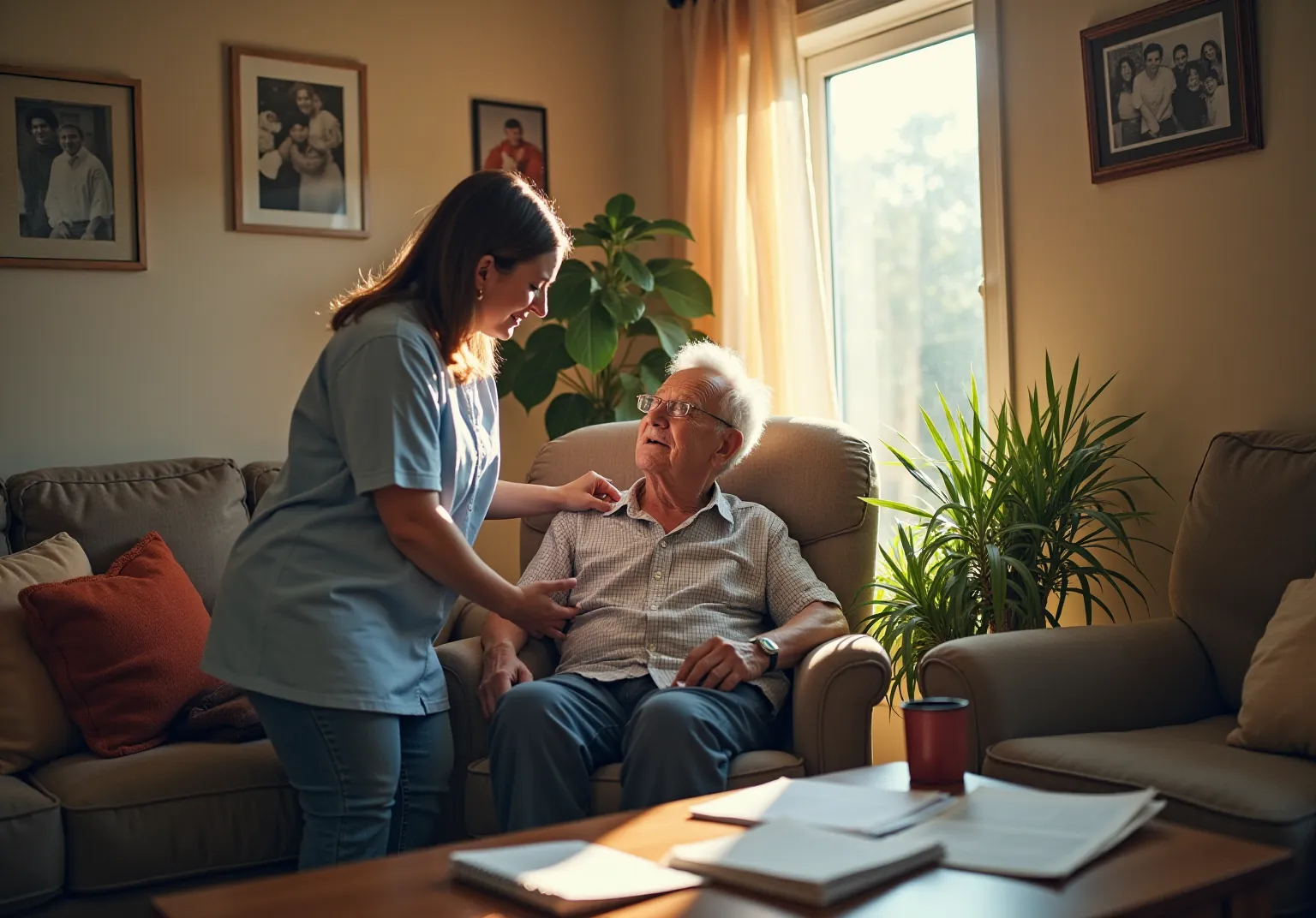
At Happy to Help Caregiving, we understand the emotional challenges that caregivers face. It can be overwhelming to ensure that older adults receive the personalized attention they deserve, as highlighted by senior care advice. Our mission is to provide customized in-home assistance that caters to each client's unique needs, helping to alleviate some of that stress.
Imagine the comfort of knowing your loved one is receiving care in their own home, surrounded by familiar sights and sounds. This not only enhances their quality of life but also fosters a sense of security and peace. Our services include:
- Companionship assistance
- Post-hospital recovery help
- Respite services
- Palliative aid
All designed to promote independence and well-being.
We believe that every moment counts, and our compassionate caregivers are here to support both clients and their families. By offering emotional and practical support, we aim to lighten the load for caregivers, allowing them to focus on what truly matters - spending quality time with their loved ones.
Let us offer you senior care advice to help you navigate this journey with care and understanding. Together, we can create a nurturing environment that prioritizes comfort and connection.
Companionship Care: Combatting Loneliness for Seniors
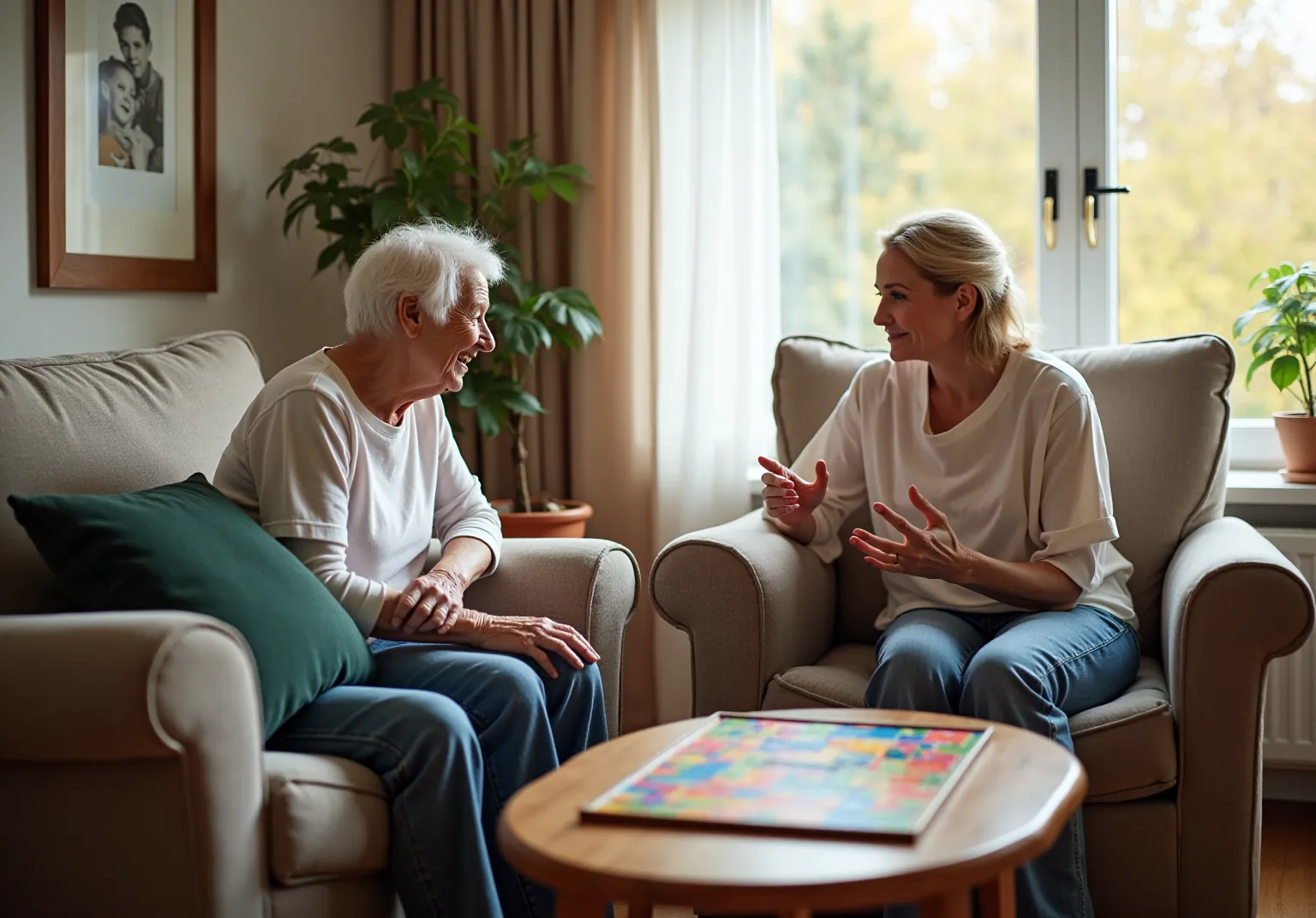
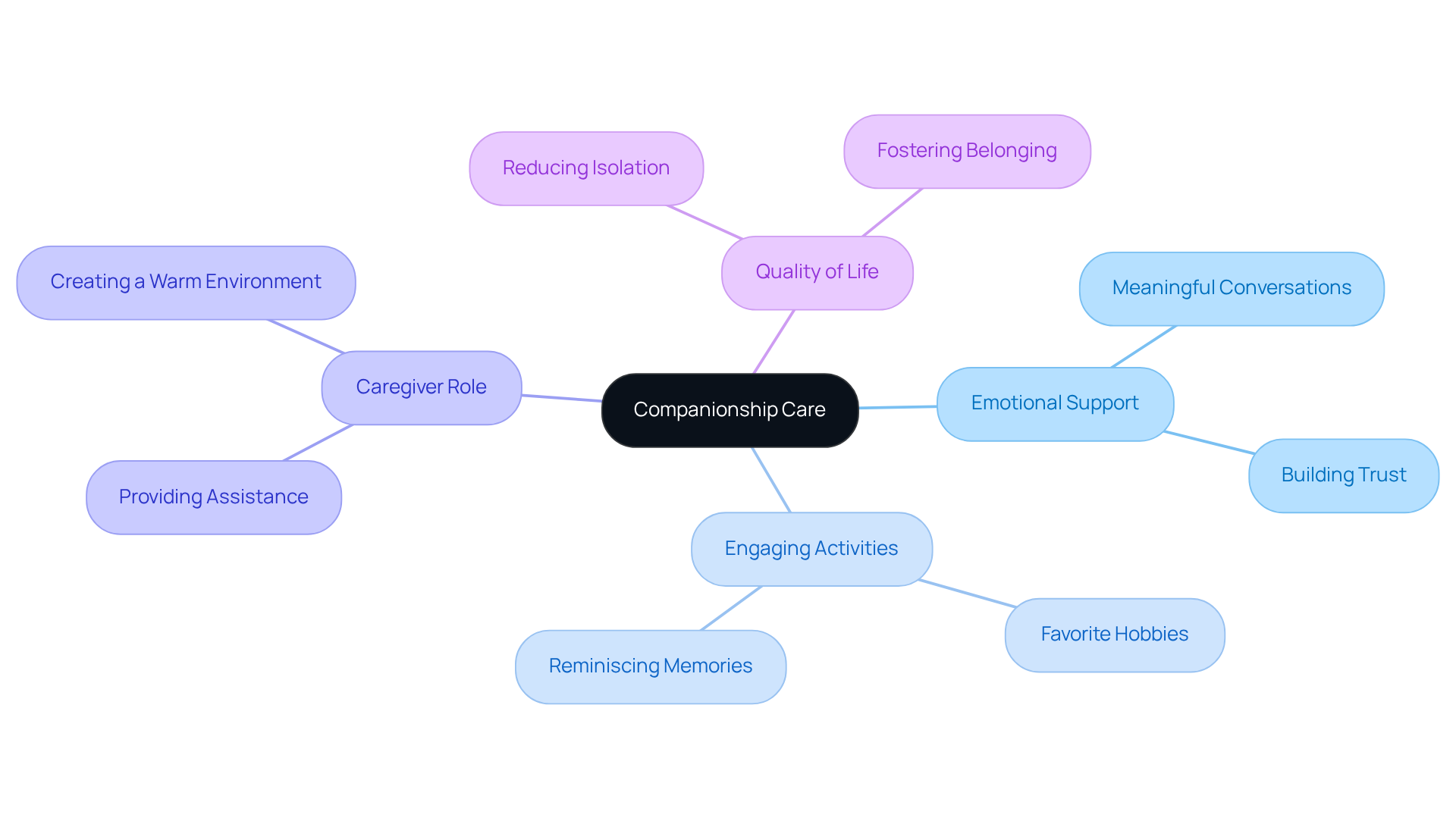
Companionship support plays a vital role in combating loneliness among seniors. Many face the emotional challenge of isolation, which can weigh heavily on their spirits. Caregivers step in to provide not just assistance, but meaningful conversations and engaging activities that truly matter. These interactions offer emotional support and stimulate mental engagement, helping to lift their mood and foster a sense of belonging.
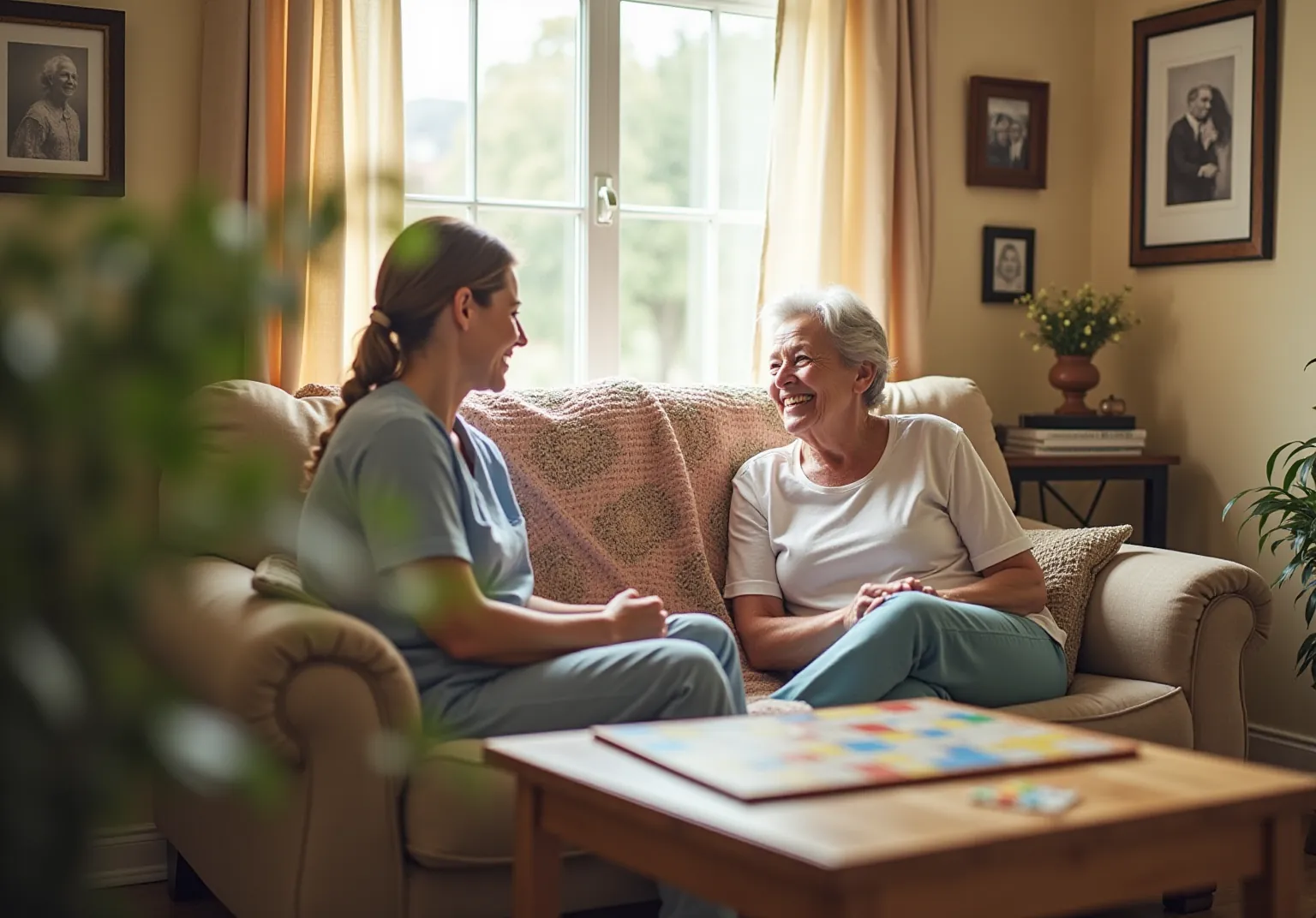
Imagine a caregiver sharing a laugh with a senior over a favorite hobby or reminiscing about cherished memories. These moments are more than just activities; they are lifelines that reduce feelings of isolation. This nurturing care is essential in in-home caregiving, as it serves as senior care advice that enhances the quality of life for seniors, making them feel valued and connected.
It's important to remember that you’re not alone in this journey. The support available includes senior care advice that is designed to address both the emotional and practical needs of seniors, ensuring they feel loved and understood. With companionship support, we can create a warm environment where seniors thrive, surrounded by care and compassion.
Post-Hospital Recovery Assistance: Ensuring Smooth Transitions
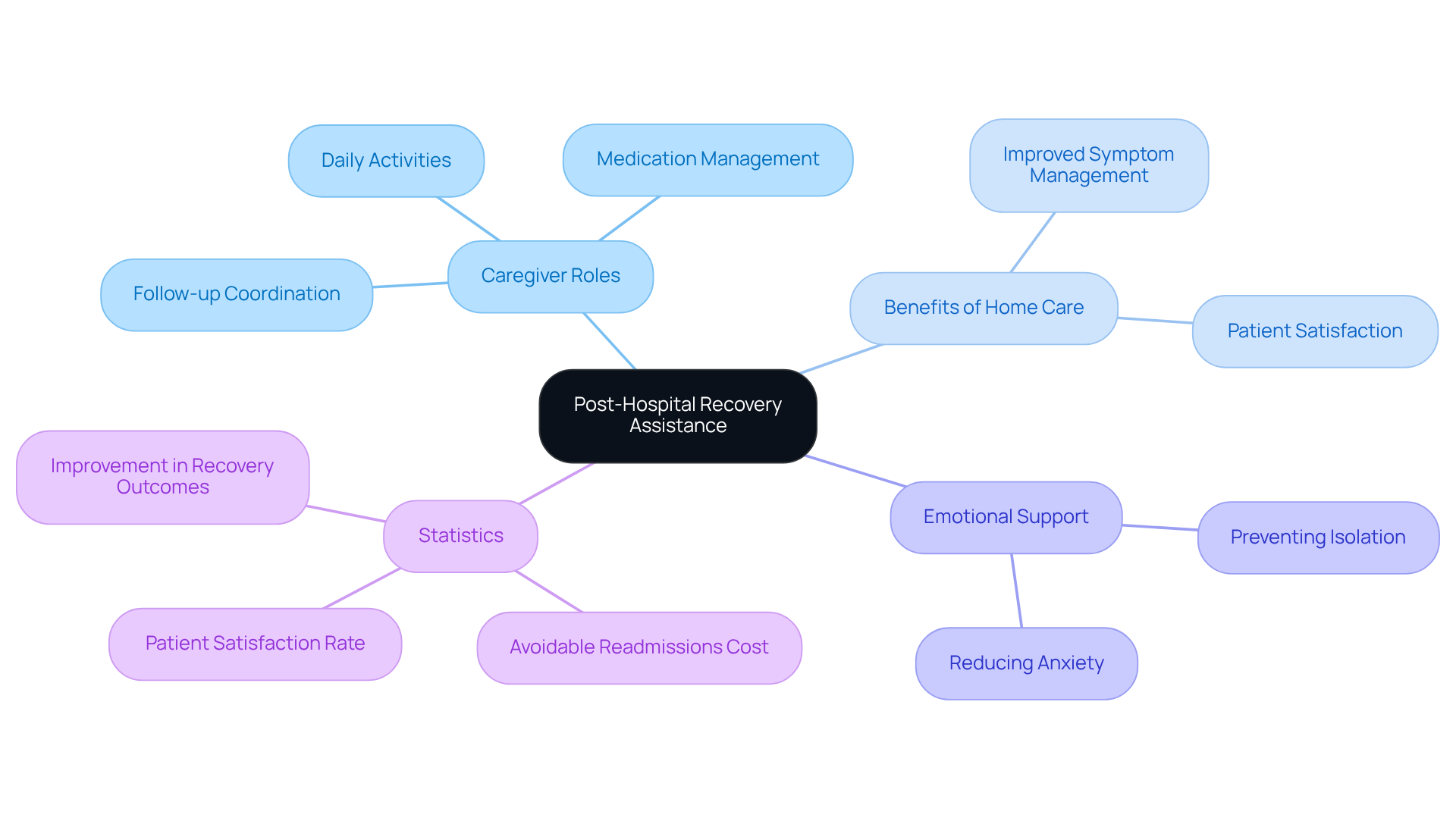
Recovering at home after a hospital stay can be a challenging time for seniors, which is why seeking senior care advice is important. It’s crucial to have support during this transition, and senior care advice emphasizes the vital role that caregivers play in this process. They help with daily activities, manage medications, and coordinate follow-up appointments. This kind of assistance not only helps seniors stick to their recovery plans but also significantly lowers the chances of returning to the hospital. In fact, avoidable readmissions cost the U.S. healthcare system over $17 billion each year.
Research shows that effective home care can lead to a 20% improvement in managing symptoms and physical functioning within just six months. It’s heartening to know that over 90% of patients express satisfaction with their home health care. By creating a nurturing environment, caregivers empower older adults to regain their independence more swiftly, enhancing their overall quality of life.
Moreover, the emotional support provided by caregivers is invaluable when it comes to senior care advice. It helps prevent feelings of isolation and depression, easing anxiety during recovery. As Senator John Hoeven poignantly states, "Caring for the elderly is perhaps the greatest responsibility we have." This highlights just how essential caregiver assistance is during this critical time.
Palliative Support Care: Enhancing Quality of Life for Seniors
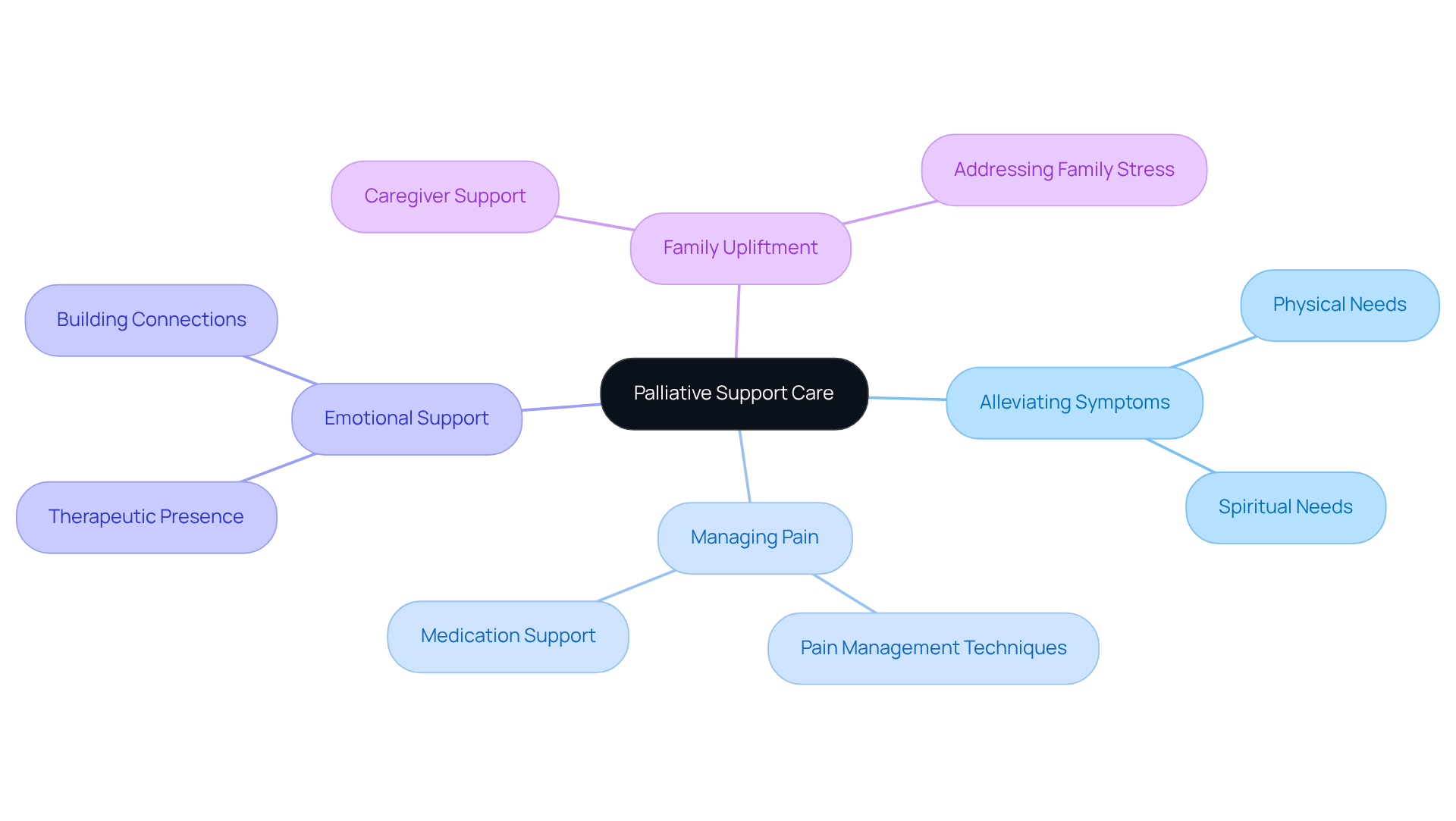
Palliative assistance is designed to enhance the quality of life for elderly individuals facing serious health challenges. It focuses on alleviating symptoms, managing pain, and providing emotional support to both the patient and their family.
Imagine the relief that comes from knowing someone is there to help ease the burden. By addressing the physical, emotional, and spiritual needs of elderly individuals, palliative support nurtures dignity and comfort. It allows people to spend their remaining days in peace and respect, surrounded by love and understanding.
This kind of care not only supports the patient but also uplifts their families, who often experience stress and burnout. Knowing that compassionate assistance is available can make a world of difference.
As one caregiver shared, "It’s about being there, listening, and providing comfort when it’s needed most." Such heartfelt connections foster a deeper emotional bond, reminding us that no one has to face these challenges alone.
In this journey, palliative care stands as a beacon of hope, offering reassurance and encouragement to all involved.
Flexible Scheduling: Adapting to Family Caregiver Needs
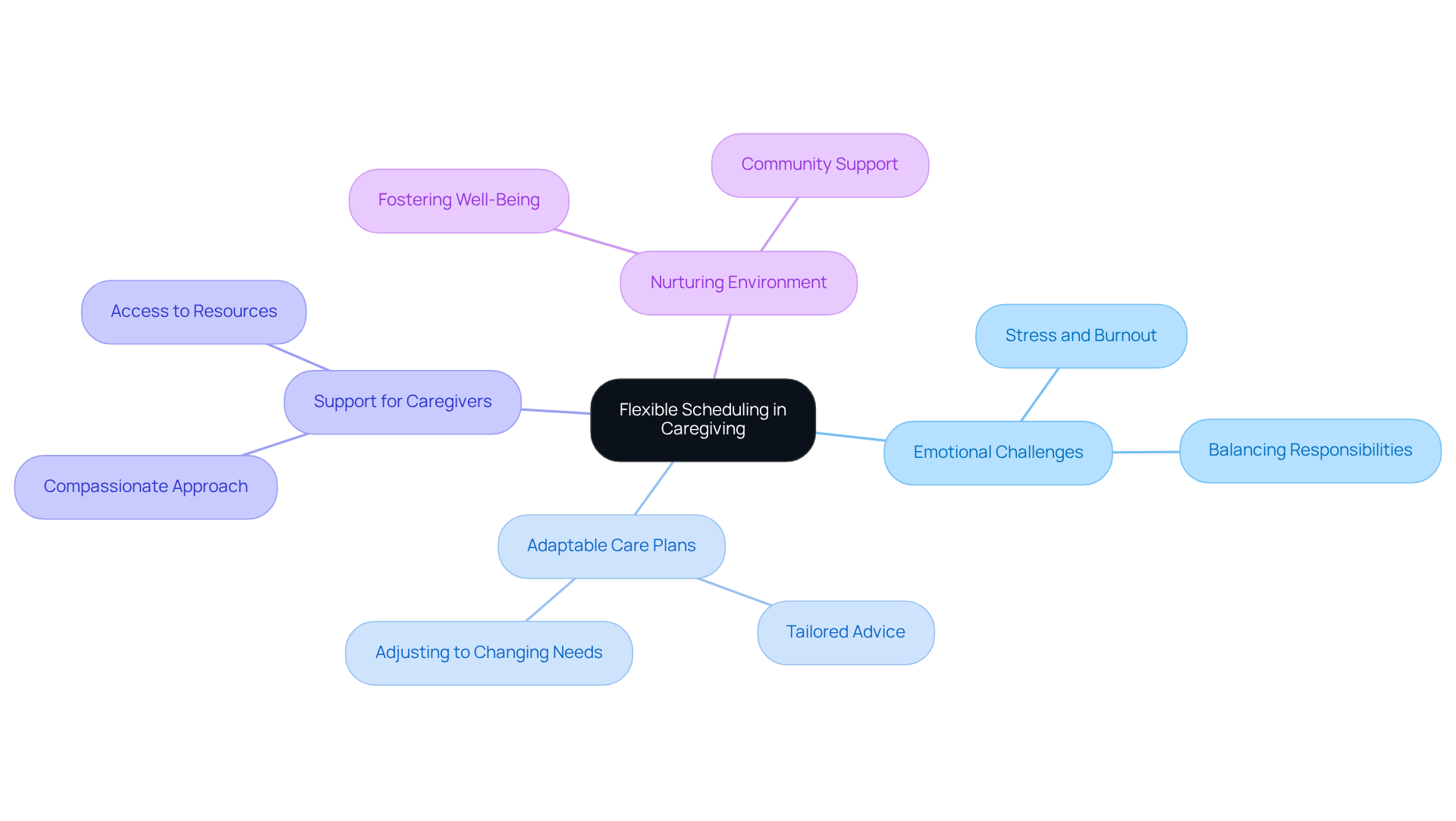
Flexible scheduling is essential for effective caregiving. We understand that caregivers often face emotional challenges, balancing their responsibilities while caring for their loved ones. At Happy to Help Caregiving, we offer senior care advice through adaptable care plans tailored to meet the unique needs of families and the conditions of seniors. This flexibility not only supports the well-being of your loved ones but also helps ease the stress and burnout that caregivers often experience.
Imagine being able to adjust care plans as situations change, allowing you to focus on what truly matters - your family. Our compassionate approach ensures that you’re not alone in this journey. We’re here to provide the necessary support, fostering a more harmonious caring experience for everyone involved.
With our services, you can find a balance that works for you, ensuring that your loved ones receive the care they deserve. Remember, it’s okay to seek help; you’re doing an incredible job. Together, we can create a nurturing environment that promotes well-being for both caregivers and seniors, informed by senior care advice.
Technology Integration: Enhancing Caregiver Communication
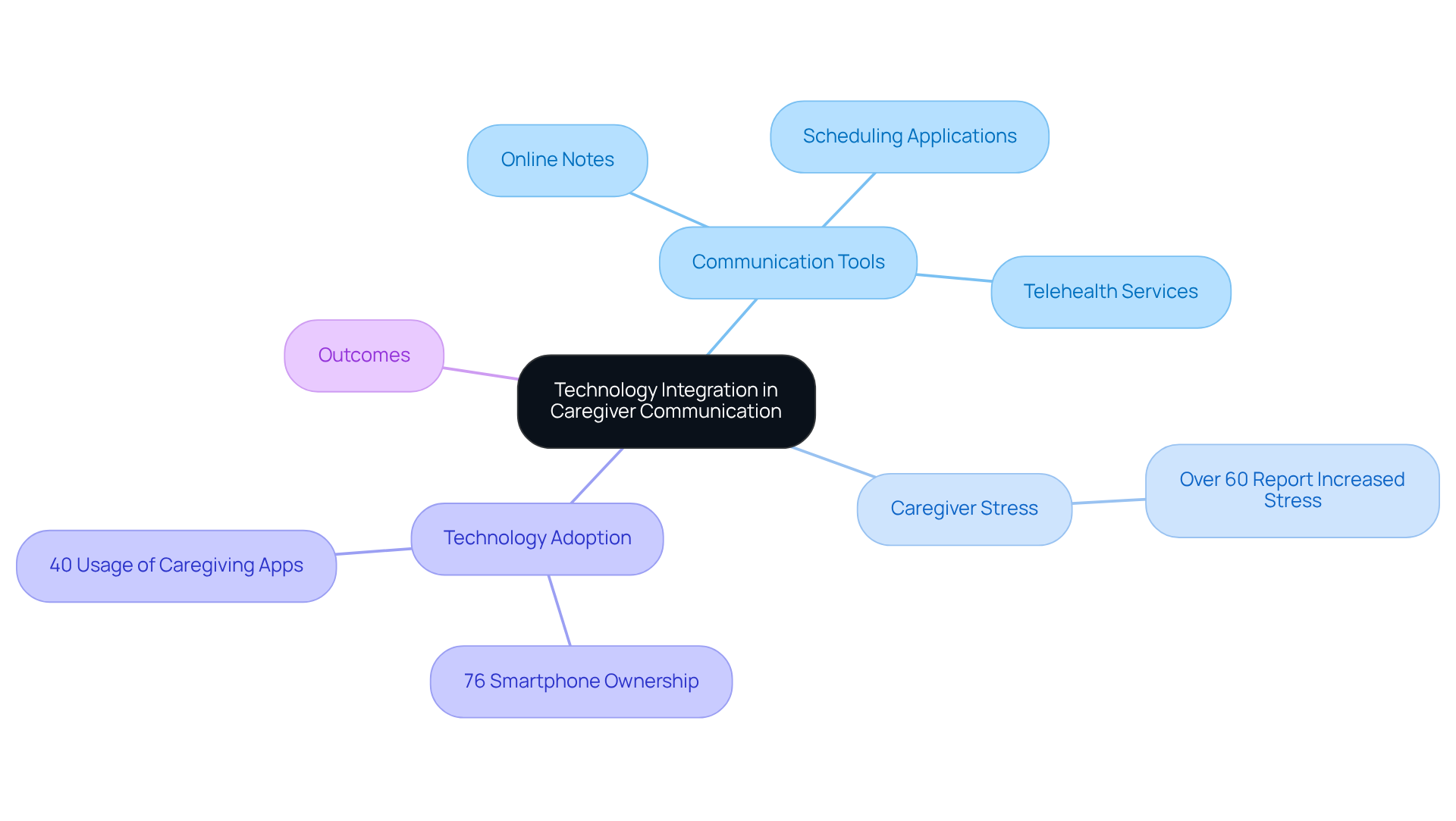
Technology integration is crucial for enhancing communication between caregivers and families. Tools like online notes, scheduling applications, and telehealth services provide real-time updates and coordination of support. This transparency provides senior care advice that keeps family members informed and fosters collaboration, ensuring everyone involved in a senior's care feels connected.
It's important to acknowledge that over 60% of caregivers report increased stress and worry in their roles. This highlights the need for effective communication tools that can alleviate some of that burden. Integrated support provider learning tools also allow agencies to train new aides quickly on a client’s unique needs, further enriching the caregiving experience.
Industry leaders stress that effective communication tools can significantly reduce stress for caregivers and offer essential senior care advice to enhance the overall caregiving experience. For instance, Ian Bongaardt, CEO of Comfort Keepers, shares that tools like wearable sensors and telehealth platforms provide families and support providers with unmatched safety and efficiency. The success of telehealth in senior care advice is evident, enabling timely consultations and follow-ups that are vital for managing health conditions.
However, statistics reveal a gap in technology adoption: while 76% of caregivers own smartphones, only 40% actively use caregiving applications or digital tools. This gap presents an opportunity to enhance communication among caregivers. Digital notes and scheduling applications empower family supporters by offering structured information and reminders, ultimately leading to improved support outcomes and greater satisfaction for both supporters and their loved ones.
Caregiver Training: Ensuring Quality and Compassionate Care
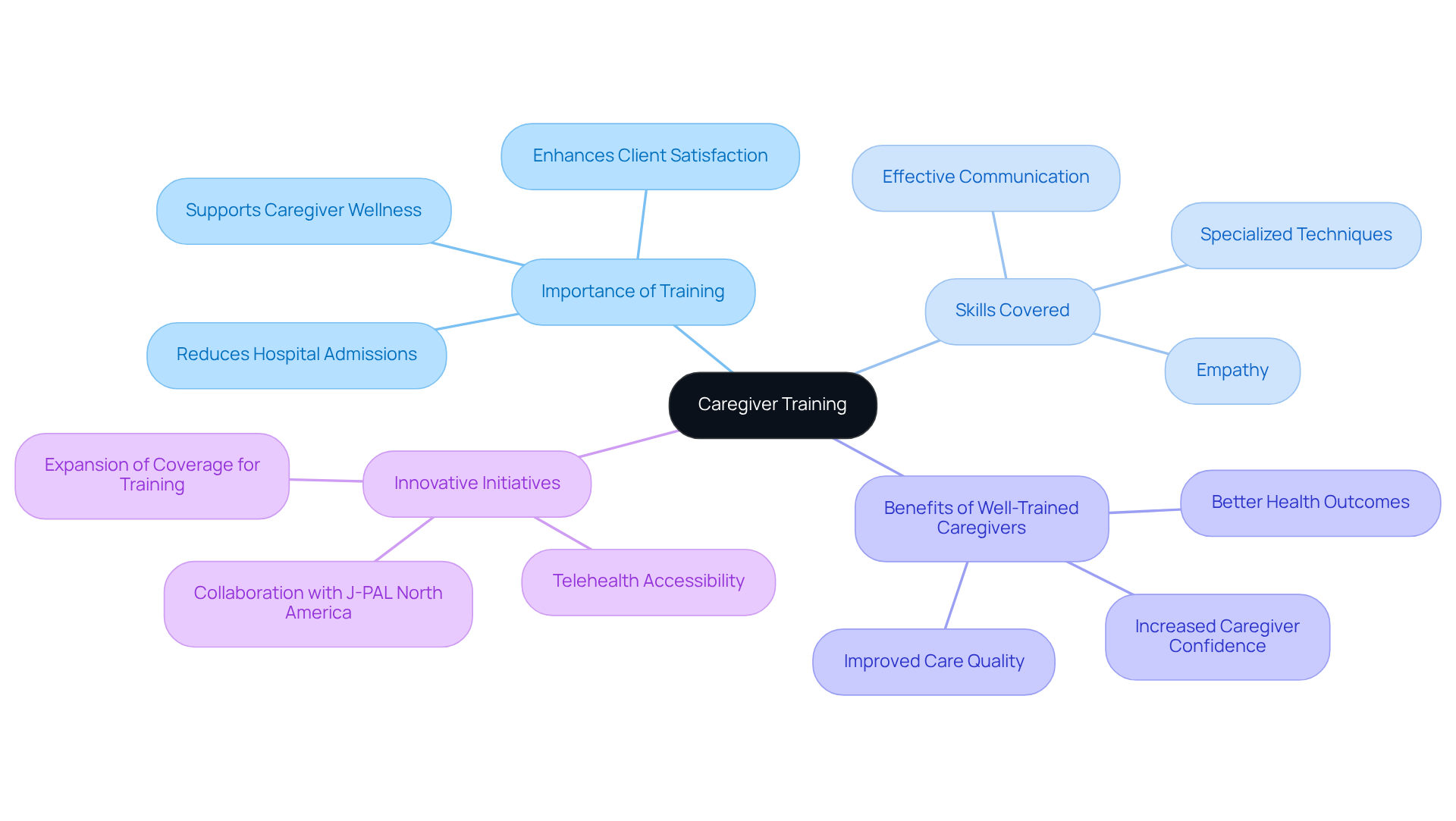
Providing quality and compassionate assistance to seniors requires vital caregiver education and senior care advice. At Happy to Help Caregiving, we understand the emotional challenges caregivers face, and we emphasize thorough training programs that equip providers with essential skills to tackle the unique obstacles of in-home support. Our programs cover crucial topics like effective communication, empathy, and specialized techniques, ensuring that providers are well-prepared to meet the diverse needs of their clients.
Studies reveal that well-trained providers not only enhance client satisfaction but also improve overall outcomes, reducing hospital admissions and fostering a supportive atmosphere. For instance, a study by Jarmin Yeh highlights how training for support providers significantly boosts their skills and knowledge, which is essential for delivering effective assistance.
As the demand for skilled support providers grows, innovative training initiatives are emerging. One such initiative is the collaboration between the Center for Support Provider Advancement and J-PAL North America to evaluate training programs. By investing in caregiver education, Happy to Help Caregiving reaffirms its commitment to providing outstanding support and senior care advice that prioritizes the well-being of both clients and caregivers. We recognize that caregiver wellness is a crucial aspect of quality support, and we are here to help every step of the way.
Personalized Care Plans: Tailoring Support to Individual Needs
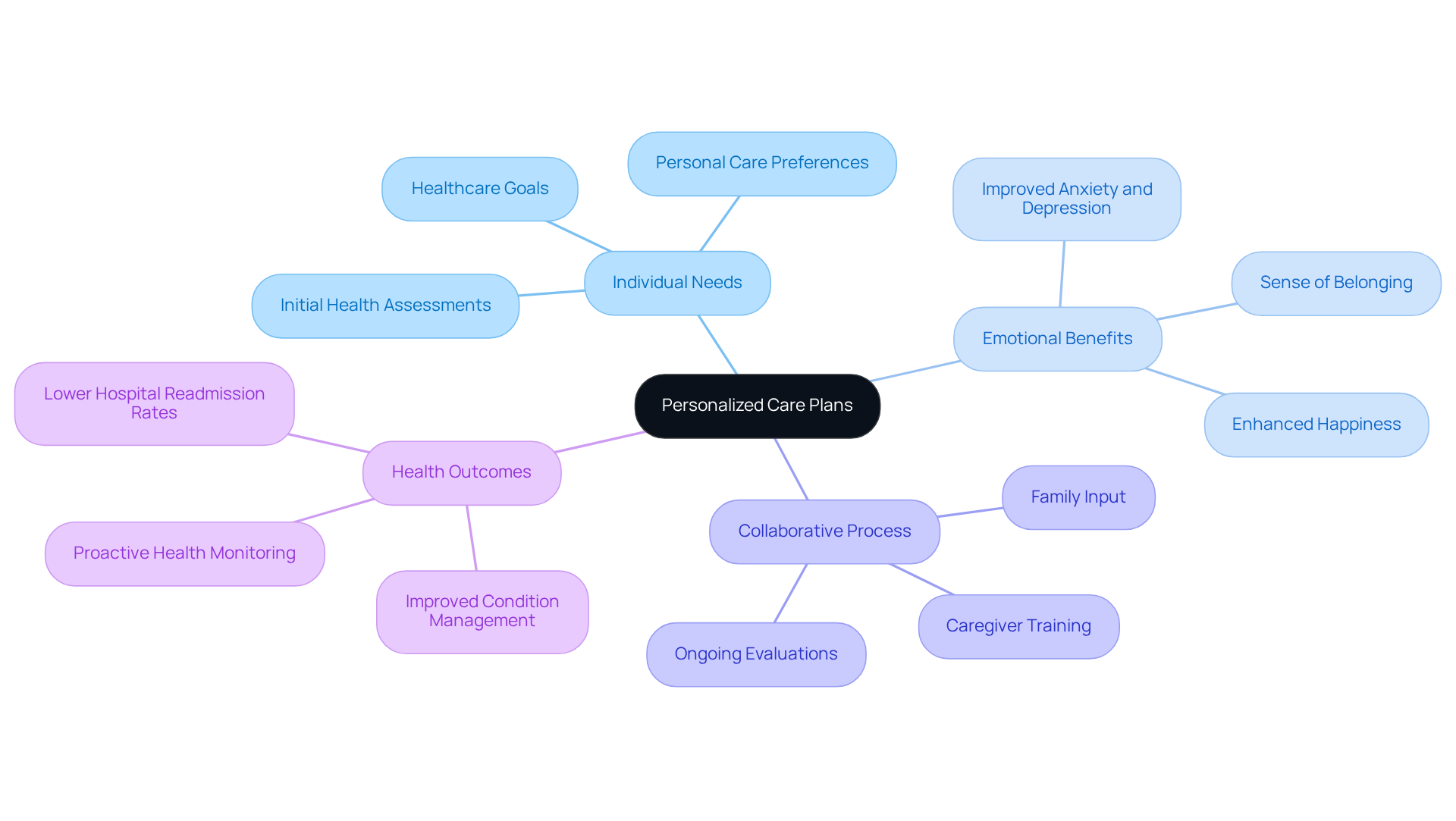
Senior care advice emphasizes that customized support strategies are essential for providing individualized assistance to elderly individuals, ensuring their unique preferences, medical needs, and lifestyles are prioritized. At Happy to Help Caregiving, we offer senior care advice to families to create comprehensive support plans that reflect each client's individuality. This tailored approach not only improves the quality of care but also serves as senior care advice that empowers seniors to maintain their independence and dignity.
Research indicates that patients receiving home assistance services see a 25% improvement in anxiety and depression scores, underscoring the emotional benefits of personalized support. Additionally, those receiving home support have a 15% lower hospital readmission rate compared to those without such assistance, showcasing the effectiveness of customized interventions in managing health outcomes.
Creating effective treatment plans begins with thorough health assessments, ongoing evaluations, and input from family members and medical professionals. As one caregiver noted, "Nursing homes develop individualized support plans by collecting pertinent information and conducting meetings," emphasizing the collaborative nature of this process. This partnership ensures that support strategies adapt to changing needs, fostering a safe environment for elderly individuals. Caregivers are trained to recognize signs of health changes, enabling timely interventions that enhance overall well-being.
The impact of personalized treatment plans, as highlighted by senior care advice, goes beyond physical health; they also promote emotional stability and a sense of belonging. By honoring each person's preferences and priorities, caregivers can help older adults engage in activities they love, leading to greater happiness and improved health outcomes. As geriatric management professionals emphasize, "Effective personalized plans recognize the causes the individual faces particular health risks and highlight strategies that lower risks and avert injuries." This proactive approach is vital in addressing health risks and ensuring that older adults receive the care they need. Ultimately, senior care advice highlights that personalized care is not just about meeting medical needs; it’s about treating clients with the dignity and respect they deserve, enhancing their quality of life.
Emotional Support: Fostering Well-Being for Seniors and Caregivers
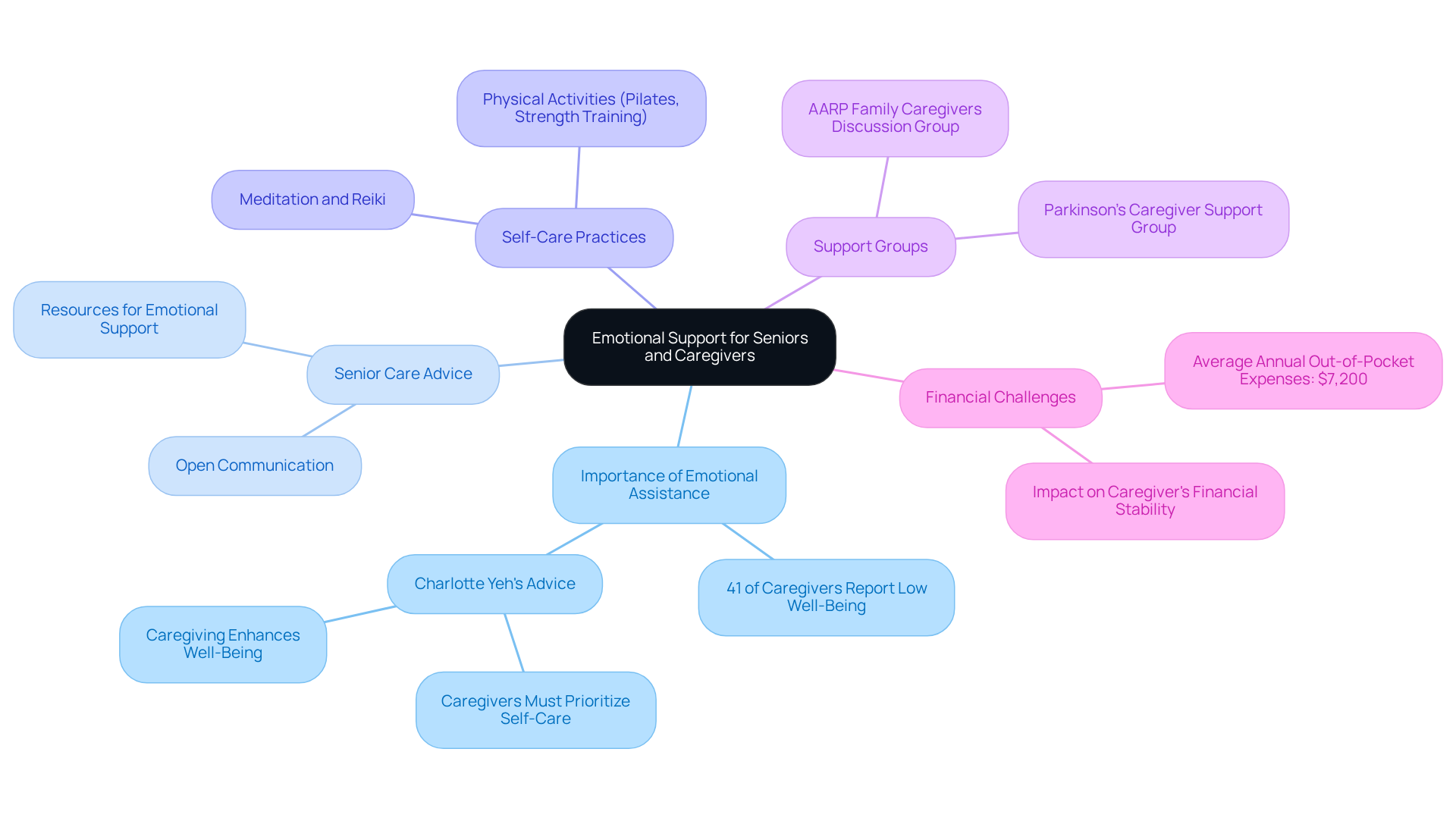
Senior care advice emphasizes that emotional assistance is a vital part of care that nurtures the well-being of both seniors and their caregivers. At Happy to Help Caregiving, we understand the importance of open communication and provide senior care advice along with resources for emotional support. This helps individuals manage stress and prevent burnout, which is crucial when seeking senior care advice.
Research indicates that 41% of caregivers report low overall well-being, which underscores the necessity of senior care advice for emotional assistance. By fostering a nurturing environment and applying senior care advice, caregivers can connect more deeply with their clients, leading to better outcomes for everyone involved.
Engaging in support groups can offer emotional relief, and senior care advice highlights that self-care practices are essential for maintaining emotional health. As Charlotte Yeh, chief medical officer for AARP, wisely states, "Family supporters must learn to attend to themselves first and foremost."
Moreover, caregivers often face significant financial challenges, with the average family member spending around $7,200 annually out of pocket on caregiving expenses. Addressing these burdens is crucial for enhancing the emotional well-being of caregivers. Remember, you’re not alone in this journey; senior care advice highlights that support is available, and taking care of yourself is just as important as caring for others.
Making the Right Choice
At the heart of effective senior care is a commitment to compassionate, personalized support that truly addresses the unique needs of elderly individuals and their families. This article has shared essential tips for family caregivers, highlighting the importance of:
- Companionship
- Post-hospital recovery assistance
- Palliative support
- Flexible scheduling
- Technology integration
- Caregiver training
- Personalized care plans
- Emotional support
Each of these elements plays a crucial role in enhancing the quality of life for seniors while easing the stress often felt by caregivers.
Key insights reveal that companionship not only combats loneliness but also fosters meaningful connections that enrich the lives of both seniors and their caregivers. Tailored support plans are vital, empowering seniors to maintain their independence and dignity. By integrating technology and providing proper training, caregivers can enhance communication and ensure high-quality care, leading to better health outcomes and increased satisfaction for everyone involved.
As the caregiving journey unfolds, it’s essential to remember that support is available and that self-care is equally important. Embracing the advice shared in this article can create a nurturing environment that promotes well-being for both seniors and their caregivers. Taking action on these insights not only improves the caregiving experience but also honors the dignity and respect that every elderly individual deserves.
https://iframe.tely.ai/cta/eyJhcnRpY2xlX2lkIjogIjY5MWU1YWJhYzBkNDJlMTUwMDY1YWNiYSIsICJjb21wYW55X2lkIjogIjY4ZWU1ZGNhNzMxNzYyNTU3ZjNjOTVjMSIsICJpbmRleCI6IG51bGwsICJ0eXBlIjogImFydGljbGUifQ==Frequently Asked Questions
What is the mission of Happy to Help Caregiving?
The mission of Happy to Help Caregiving is to provide customized in-home assistance that caters to each client's unique needs, helping to alleviate the stress that caregivers face.
What services does Happy to Help Caregiving offer?
Happy to Help Caregiving offers companionship assistance, post-hospital recovery help, respite services, and palliative aid, all designed to promote independence and well-being for seniors.
How does companionship support benefit seniors?
Companionship support combats loneliness among seniors by providing meaningful conversations and engaging activities, which help lift their mood and foster a sense of belonging.
Why is post-hospital recovery assistance important for seniors?
Post-hospital recovery assistance is important because it helps seniors manage daily activities, medications, and follow-up appointments, significantly reducing the chances of returning to the hospital.
What impact does effective home care have on seniors' recovery?
Effective home care can lead to a 20% improvement in managing symptoms and physical functioning within just six months, and over 90% of patients express satisfaction with their home health care.
How do caregivers provide emotional support during recovery?
Caregivers provide emotional support by helping to prevent feelings of isolation and depression, easing anxiety during recovery, and creating a nurturing environment that enhances overall quality of life for seniors.