

For families in our service areas
For families in our service areas, this guide explains caregiver support and how non-medical in-home caregiving can support care planning in East Idaho, Treasure Valley & Magic Valley, Northern Wasatch, North Central West Virginia, and Northeast Ohio.
What You Need to Know About Senior Care Planning Services
Navigating the complexities of senior care can feel overwhelming for families. As our loved ones age, their needs change, and it’s natural to feel a mix of emotions. The rising demand for personalized support highlights the importance of understanding the essential services available. This knowledge can significantly impact both the quality of care and the emotional well-being of caregivers.
What happens when the weight of caregiving becomes too much to bear? It’s a question many families face. Ensuring that you’re equipped to handle these challenges while preserving your loved ones' dignity and independence is crucial. This article explores ten vital senior care planning services designed to empower family caregivers and enhance the lives of seniors. Together, we can navigate this journey with compassion and understanding.
Happy to Help Caregiving: Personalized In-Home Care Services
At Happy to Help Caregiving, we understand the unique challenges that caregivers face. It can be overwhelming, and feelings of stress and burnout are all too common. That’s why we specialize in senior care planning services that are customized to meet the distinct needs of every client.
Our offerings include:
- Companionship services
- Post-hospital recovery assistance
- Respite services
- Palliative support
Each service is designed not just to provide help, but to encourage independence and well-being. We want our clients to feel secure and comfortable in their own homes, surrounded by the support they need.
This personalized approach not only enhances the quality of life for seniors but also incorporates senior care planning services that bring peace of mind to their families. Knowing that their loved ones are receiving compassionate care can be a tremendous relief.
Imagine the comfort of having someone there to share a cup of tea, or to assist with daily tasks after a hospital stay. Our caregivers are not just providers; they are companions who genuinely care.
We’re here to help lighten the load, offering emotional and practical support every step of the way. You’re not alone in this journey. Together, we can create a nurturing environment that fosters connection and care.
Companionship Care: Emotional Support for Seniors
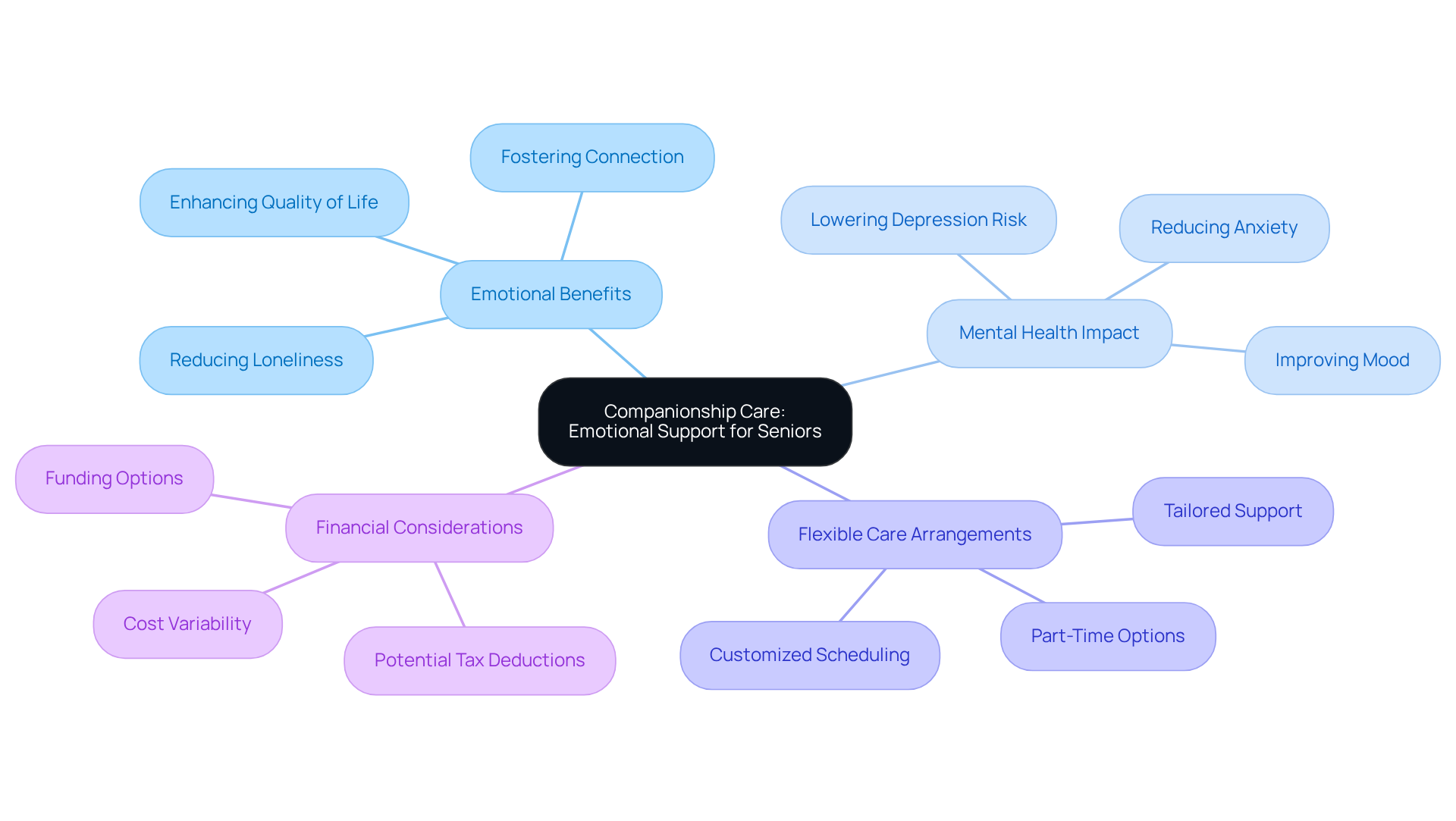
Companionship is vital for providing emotional support to seniors, significantly reducing feelings of loneliness and isolation. Caregivers engage clients through meaningful conversations, enjoyable activities, and shared experiences, fostering a deep sense of connection and belonging. This support is especially crucial for seniors living alone or those who have lost loved ones, as it plays a key role in maintaining their mental and emotional well-being.
Research shows that regular social interaction can lower the risk of depression and anxiety, enhancing overall quality of life. For example, seniors who enjoy consistent companionship often report improved mood and greater happiness in their daily lives. By nurturing these relationships, companionship support not only alleviates loneliness but also empowers seniors to thrive in their familiar environments, reinforcing their independence and dignity.
Moreover, the flexibility of companionship assistance arrangements, supported by senior care planning services, allows families to tailor support to their unique needs, making it a practical choice for managing caregiving responsibilities. Financial considerations, such as potential tax deductions for elder assistance costs, further highlight the importance of investing in companionship services. This ensures that seniors receive the emotional guidance they need while preserving their independence.
Post-Hospital Recovery Assistance: Safe Transitions Home
Recovering from a hospital stay can be a daunting experience for seniors and their families. The emotional challenges are often overwhelming, and the transition back home can feel uncertain. That’s where senior care planning services come in, offering a compassionate hand to guide seniors through this critical time.
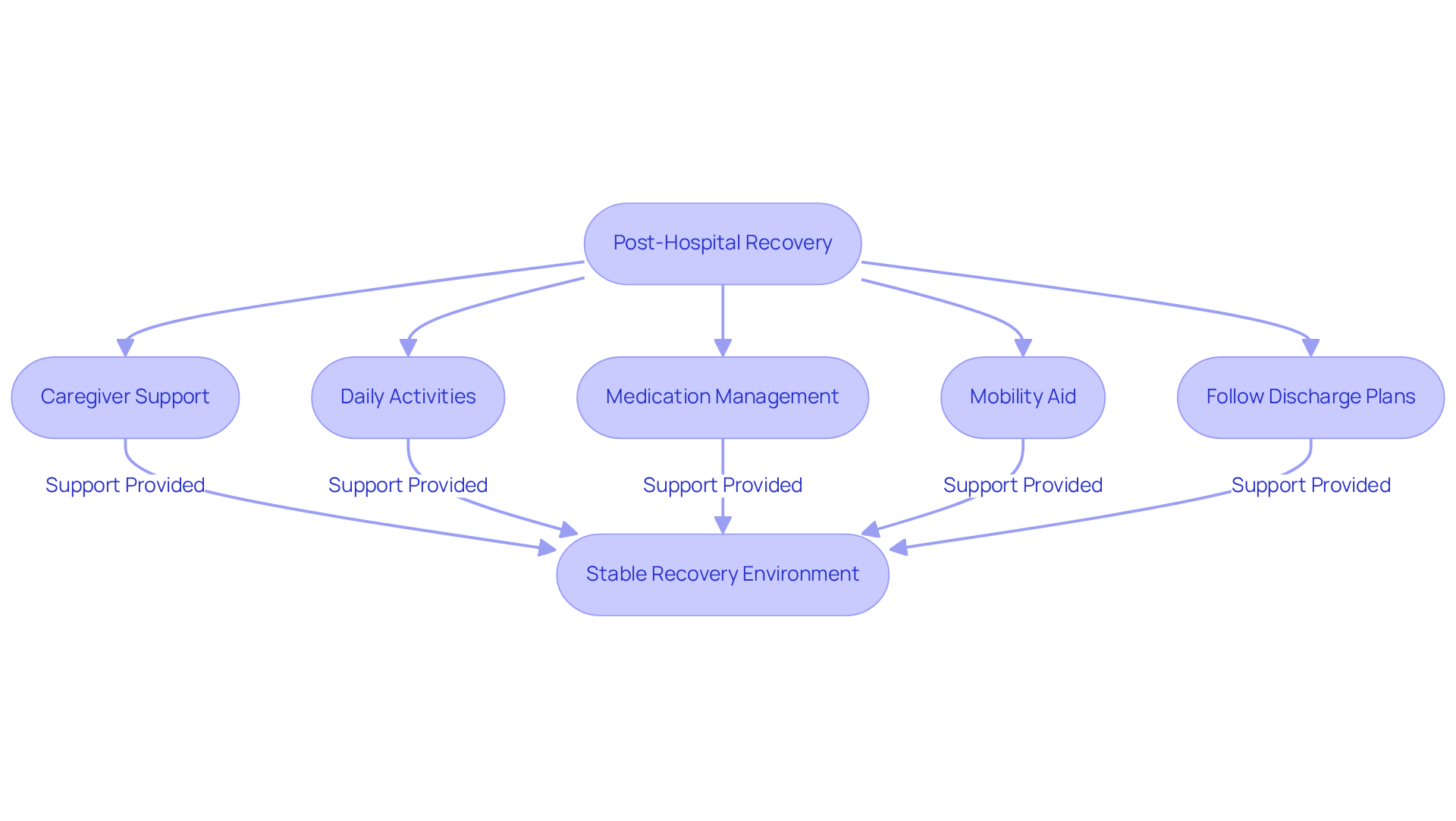
Caregivers play a vital role in this journey, providing support with daily activities, medication management, and mobility aid. They ensure that clients follow their discharge plans, which is essential for a smooth recovery. This assistance not only helps with physical healing but also alleviates the stress and anxiety that can accompany returning home after hospitalization.
Imagine the peace of mind that comes from knowing someone is there to help navigate this transition. With the right support, the risk of readmission to the hospital decreases, creating a more stable and nurturing recovery environment. It’s about fostering a sense of safety and comfort during a vulnerable time.
We understand that caregivers themselves can feel the weight of stress and burnout. That’s why our services are designed not just for seniors but also to support those who care for them. By offering senior care planning services that provide practical and emotional support, we aim to lighten the load for caregivers, allowing them to focus on what truly matters: the well-being of their loved ones.
In this journey, every small step counts. With our assistance, seniors can regain their independence and confidence, knowing they have a caring partner by their side. Together, we can create a path to recovery that feels not only manageable but also hopeful.
Respite Care: Support for Family Caregivers
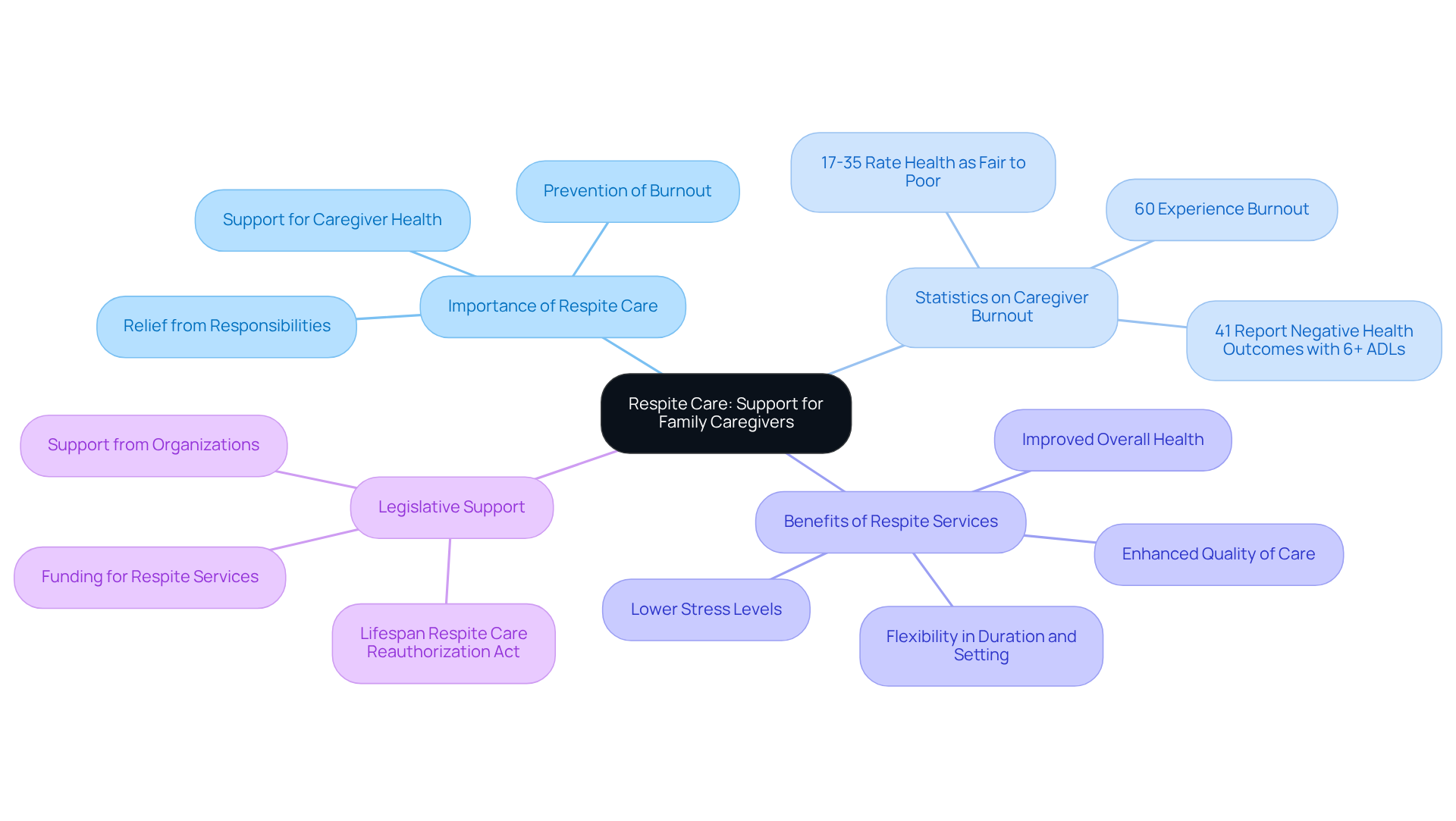
Respite care is a lifeline for those who care for others, providing essential relief from the weight of their responsibilities. It’s a chance for caregivers to take a much-needed break, attend to personal matters, or simply rest-actions that are crucial for avoiding burnout. Research shows that over 60% of caregivers experience signs of burnout, with 17-35% rating their health as fair to poor. This highlights the toll caregiving can take on one’s well-being. By allowing caregivers to recharge, senior care planning services not only enhance their health but also improve the quality of care they provide to seniors. Caregivers who take advantage of these services often return feeling refreshed and better equipped to meet their loved ones' needs, fostering a healthier caregiving environment.
Case studies reveal that caregivers managing six or more activities of daily living (ADLs) often see a significant decline in their health, with 41% reporting negative health outcomes. In contrast, those who engage in respite services report lower stress levels and improved overall health. Experts stress the importance of self-care; as Keith Wargo wisely noted, "Caregivers should prioritize self-care and set boundaries to prevent burnout."
Respite care can vary in duration, lasting from just a few hours to several weeks, and can be offered in various settings, such as adult daycare centers and assisted living communities. This flexibility in senior care planning services addresses the diverse needs of caregivers, especially in high-stress situations, helping them maintain a balance between their responsibilities and personal well-being. Additionally, the Lifespan Respite Care Reauthorization Act aims to support caregivers by providing vital funding for respite services, underscoring the importance of legislative support in today’s caregiving landscape. By recognizing the value of respite assistance, families can ensure that caregivers remain healthy and engaged, ultimately benefiting both the caregiver and the person receiving care.
Palliative Support Care: Enhancing Quality of Life
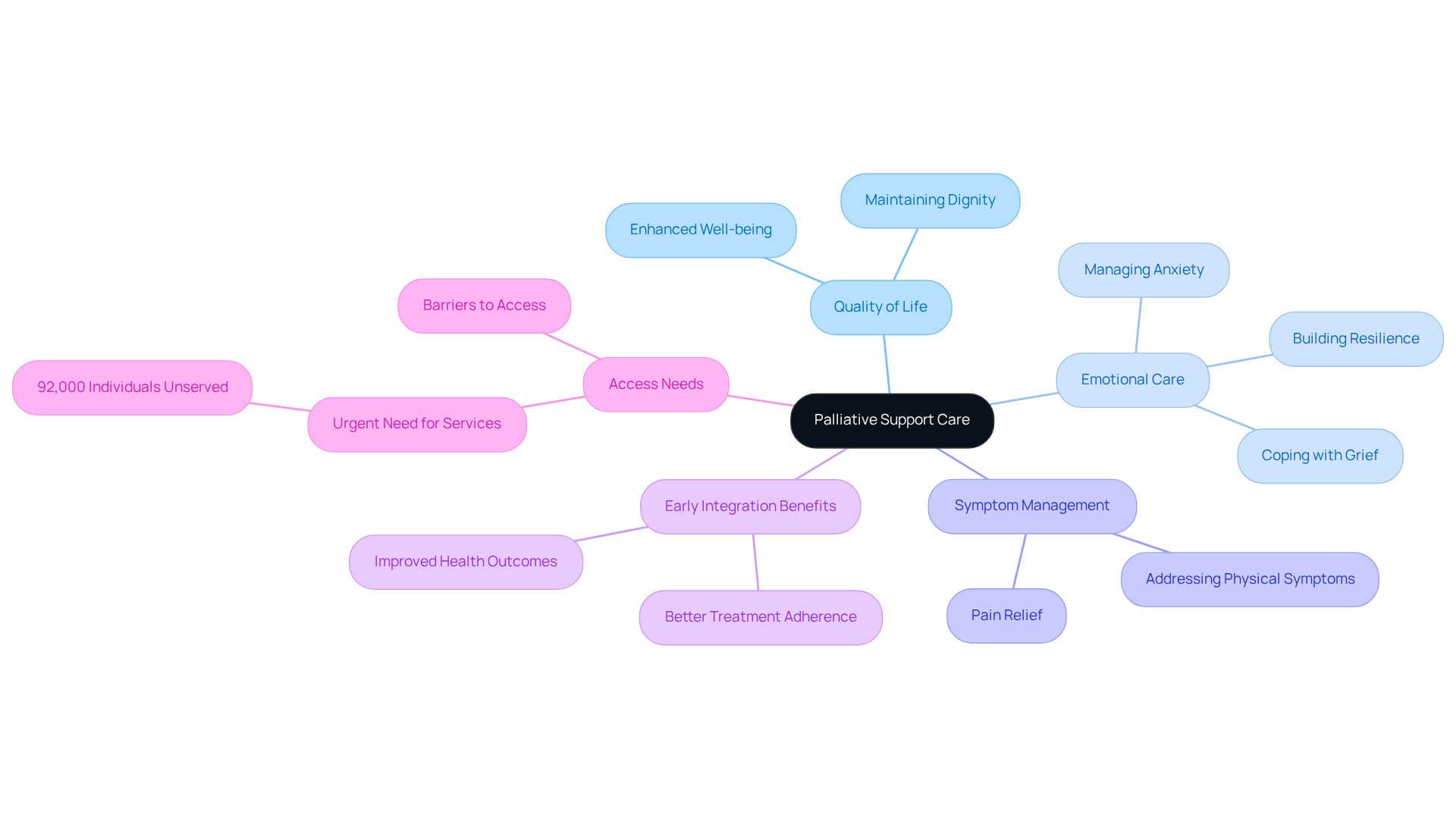
Palliative assistance is fundamentally designed to enhance the quality of life for seniors facing serious illnesses. This specialized support focuses on managing symptoms, relieving pain, and providing emotional care, allowing clients to maintain their dignity and comfort throughout their healthcare journey. By addressing both physical and emotional needs, palliative support empowers clients and their families to navigate the complexities of serious health conditions with greater ease.
Emotional distress, often showing up as anxiety, depression, or grief, can significantly affect treatment adherence and overall well-being. That’s why creating a supportive environment is so crucial for fostering resilience and improving quality of life.
Healthcare professionals emphasize that incorporating palliative support early can lead to better health-related outcomes. Dr. Lori Wiener notes that when palliative care is integrated early on, it enhances health-related quality of life. For example, patients who openly discuss their feelings and maintain social connections through shared activities often report a noticeable improvement in their quality of life. This holistic approach not only alleviates symptoms but also nurtures emotional well-being, allowing families to create precious memories together during challenging times.
It’s important to recognize that around 92,000 individuals each year who need palliative support are not receiving it, highlighting the urgent need for access to these vital services. Ultimately, senior care planning services act as a compassionate resource, ensuring that seniors receive the tailored care they deserve.
Home Safety Modifications: Ensuring Accessibility
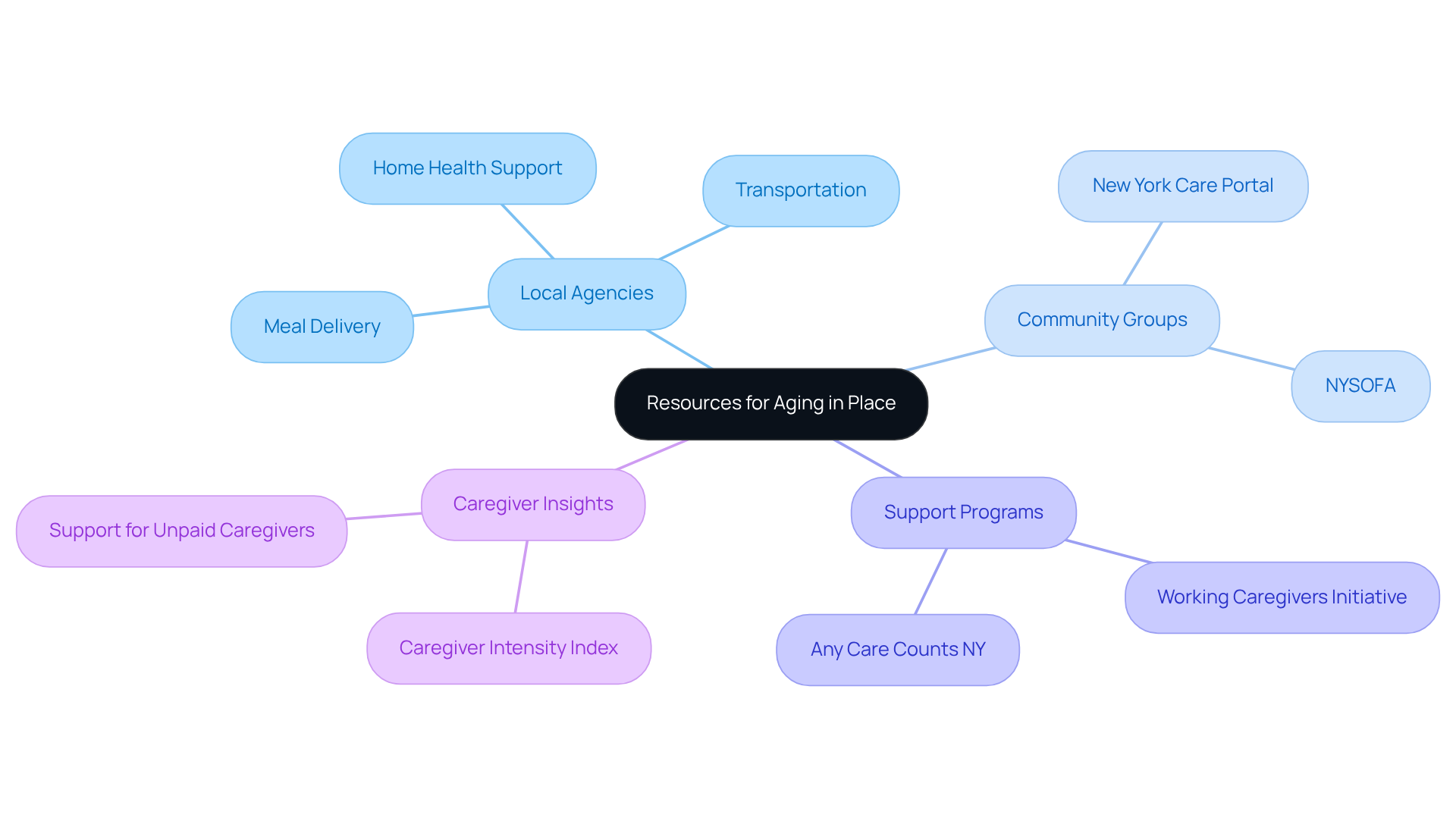
Home safety modifications are vital for helping seniors live safely and independently in their homes. Simple yet effective changes, like installing grab bars in bathrooms, improving lighting, and removing tripping hazards, can significantly reduce the risk of falls - an issue that affects one in four Americans aged 65 and older each year. The CDC highlights that falls are the leading cause of both fatal and nonfatal injuries among older adults, with healthcare costs projected to exceed $101 billion by 2030. Remarkably, up to 40% of falls among older adults can be prevented through straightforward and low-cost home modifications, such as grab bars and handrails.
Making these modifications not only creates a safer environment but also nurtures a sense of independence and peace of mind for seniors and their caregivers, which is a key focus of senior care planning services. For example, case studies reveal that switching to lever handles instead of traditional knobs can greatly assist seniors with arthritis, making it easier for them to navigate their homes. Additionally, organizing living spaces to reduce clutter and enhance accessibility can further lower fall risks, allowing seniors to engage in daily activities with confidence.
Occupational therapists emphasize the importance of accessibility in senior care planning services. They recommend regular assessments within senior care planning services to identify potential hazards and customize modifications to meet individual needs. Simple interventions, like using non-slip mats in kitchens and ensuring essential items are within easy reach, can make a significant difference in maintaining safety and independence. While financial constraints often hinder necessary safety adjustments, resources such as state housing finance agencies and nonprofit organizations can support households in overcoming these challenges.
As Lisa Schneekloth, President & CEO of CICOA, wisely states, "Investing in home accessibility is a highly effective preventative strategy." By prioritizing home safety modifications, families can create an environment that not only protects their loved ones but also nurtures their desire to age in place, ultimately enhancing their quality of life. Regular reassessment of safety needs is crucial as cognitive abilities change, ensuring that the home environment remains supportive of independence and safety.
Cost Considerations: Budgeting for Aging in Place
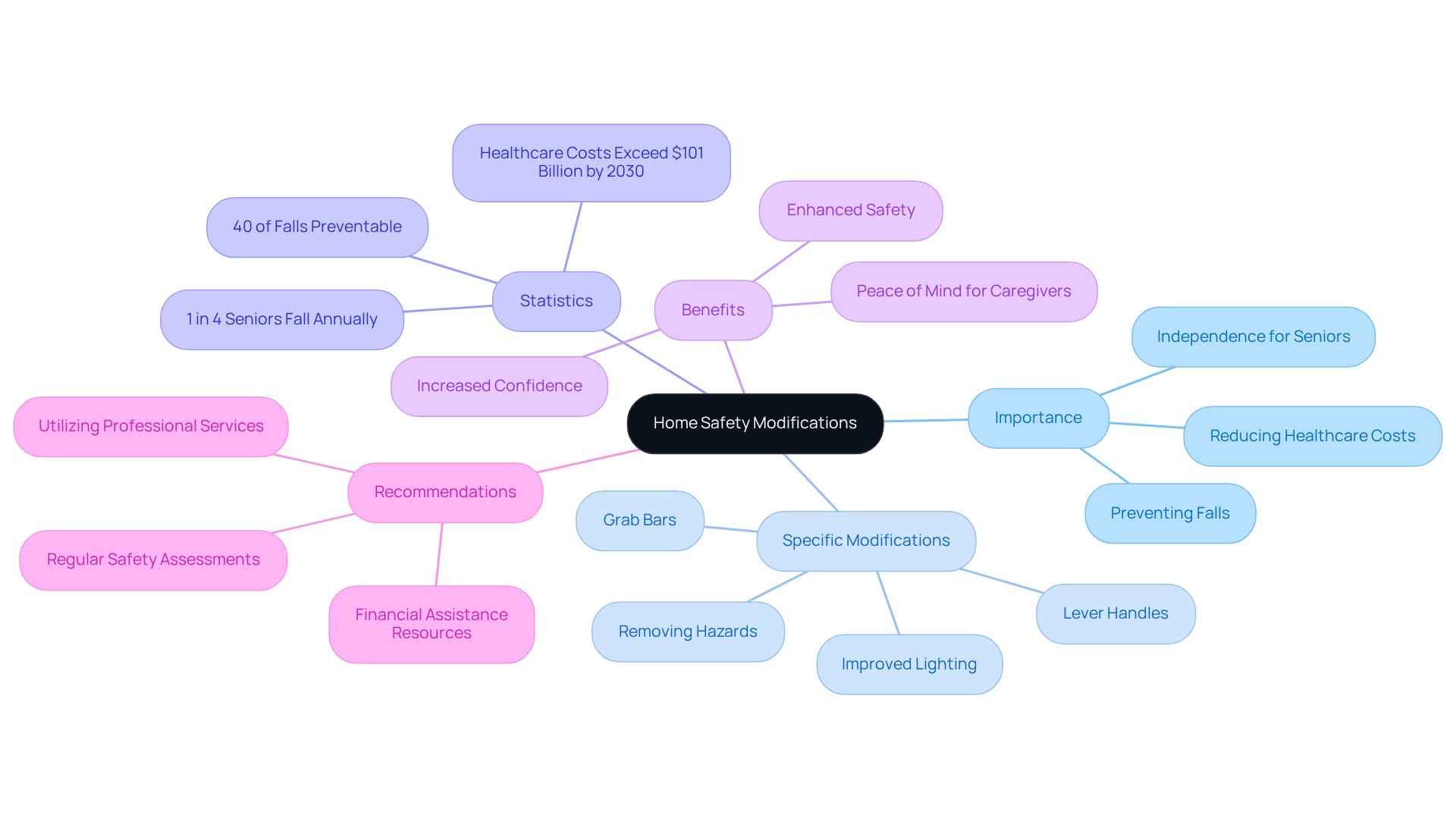
Budgeting for aging in place can feel overwhelming, especially when considering the various expenses tied to in-home assistance services, home modifications, and ongoing support. Families often face costs like caregiver salaries, which can average around $42,000 per year for just 30 hours of weekly support. On top of that, there are medical supplies and potential home renovations to think about. In fact, home assistance expenses can take up to 83 percent of the earnings of a typical older middle-income household, highlighting the financial strain many families experience.
Creating a detailed budget that encompasses these costs is essential for ensuring that loved ones receive the necessary support through senior care planning services, without undue financial burden. Even a small amount of in-home assistance can significantly boost a senior's independence, making it a worthwhile investment. Understanding the financial implications of home modifications - from simple safety features to more extensive renovations - can help families effectively utilize senior care planning services.
Research shows that early financial planning can lead to better long-term insurance options and rates, allowing families to navigate the complexities of aging finances more smoothly. As one financial consultant wisely noted, "Beginning financial planning early permits improved long-term insurance options and rates." This proactive approach not only alleviates stress but also ensures that families are prepared for the evolving needs of their loved ones as they age.
Planning Ahead: Preparing for Future Care Needs
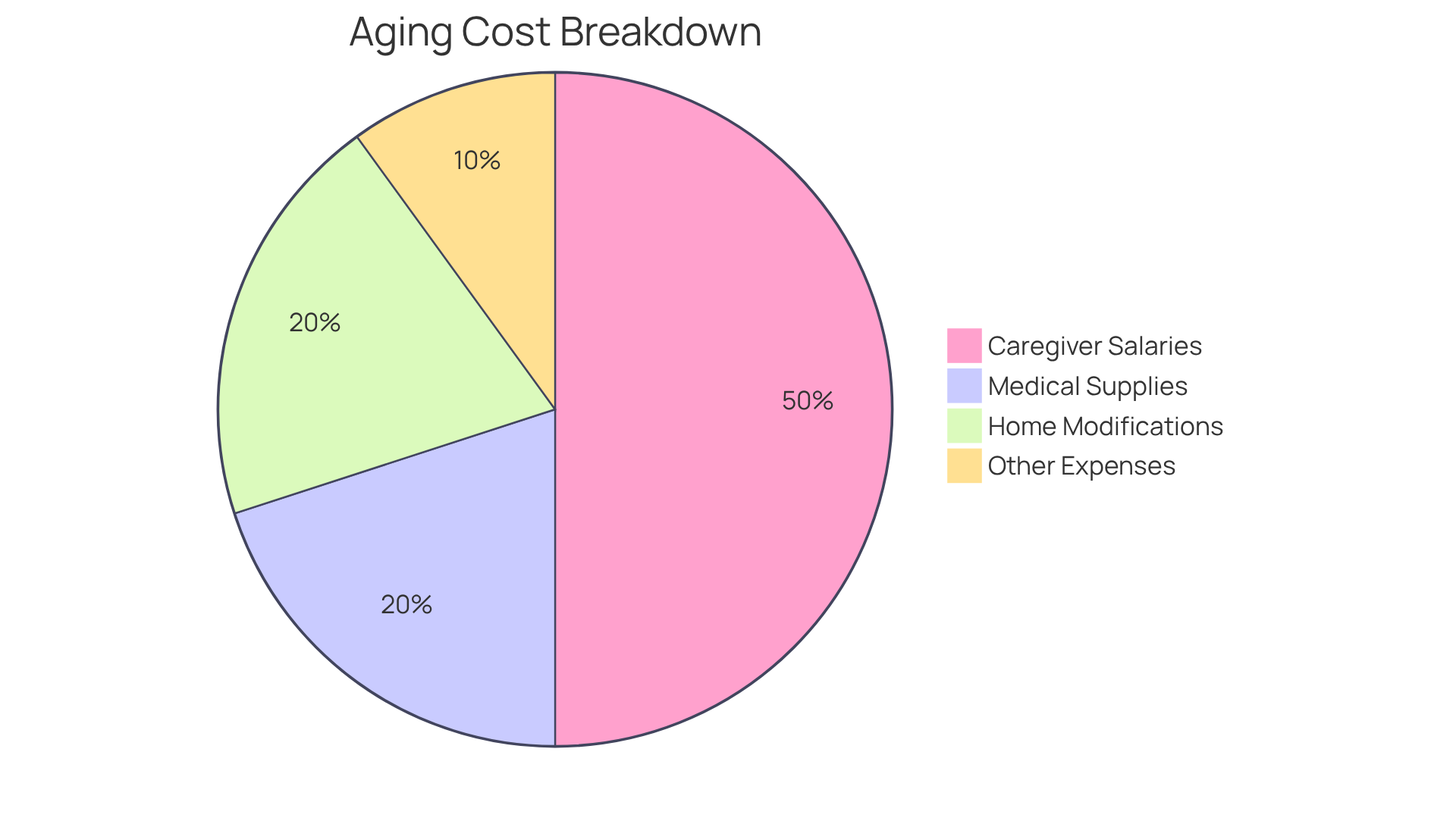
Planning for future support needs is so important for families navigating the complexities of aging, and senior care planning services can provide valuable assistance in this process. It’s crucial to assess potential health changes in seniors, as this helps identify the types of support necessary for senior care planning services. Open conversations about support preferences not only promote understanding but also ensure that our loved ones' wishes are honored. Families should explore available resources, including senior care planning services and long-term support insurance options, which can alleviate some of the financial pressures associated with aging in place. Case studies on Continuing Care Retirement Communities (CCRCs) show that early planning can lead to smoother transitions and greater satisfaction in caregiving journeys.
Legal and financial planning is just as vital, laying the groundwork for a secure future. By addressing these aspects early on, families can utilize senior care planning services to create a comprehensive roadmap that aligns with their loved ones' desires and facilitates a smoother transition when care becomes necessary. Successful case studies highlight the effectiveness of early planning, revealing that those who take proactive steps often experience less stress and greater satisfaction in their caregiving journey. With the number of U.S. adults aged 65 and older expected to surpass the number of children under 18 by 2034, the need for families to prepare in advance has never been more pressing. Additionally, families should be aware of obstacles to aging in place, such as limited access to affordable services and a shortage of qualified health staff, which can complicate planning for assistance. To kick off these important discussions, families might consider addressing support preferences during gatherings, ensuring that everyone is on the same page as they navigate this significant journey together.
Resources for Aging in Place: Finding Support
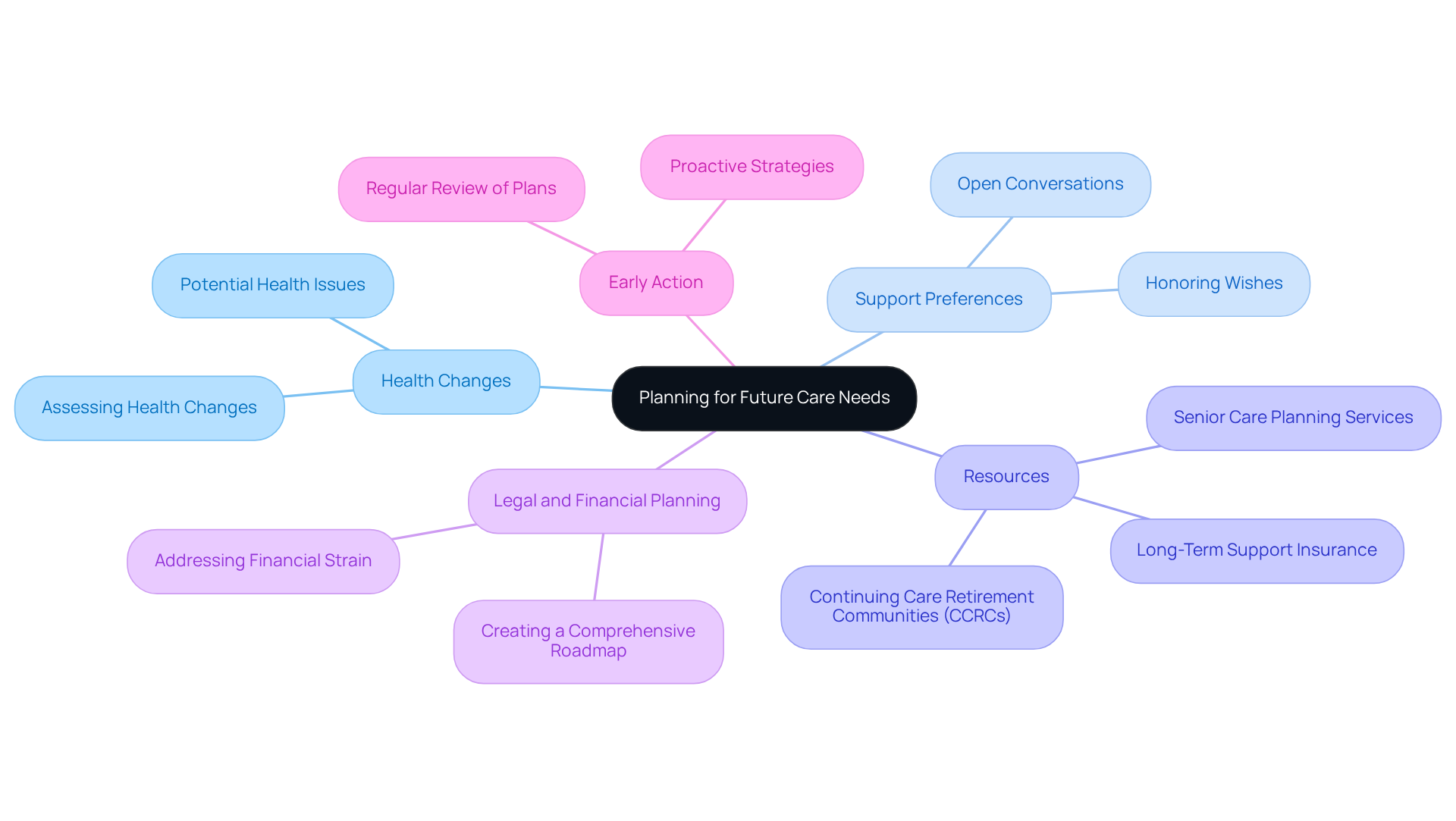
Finding support for aging in place can feel overwhelming for seniors and their families. It’s essential to explore the many resources available to help navigate this journey. Local Area Agencies on Aging are vital in this process, offering services like meal delivery, transportation, and home health support. In New York alone, over 4 million unpaid caregivers are stepping up to provide care, often facing significant challenges such as financial strain and emotional stress.
Community groups, like the New York State Office for the Aging (NYSOFA), are here to help. They provide platforms such as the New York Care Portal, connecting caregivers with training and local resources. This empowers them to manage assistance effectively, easing some of the burdens they carry.
Programs like the Working Caregivers Initiative are designed to address the unique challenges faced by those balancing work and caregiving. This initiative not only evaluates the difficulties caregivers encounter but also offers resources for employers to support their staff in caregiving roles. As Assemblymember Rebecca A. Seawright wisely noted, "Supporting those who provide care is crucial to guarantee they can deliver the best assistance possible while balancing their own lives."
Moreover, the Any Care Counts NY campaign uses a Caregiver Intensity Index to assess caregiver burden, revealing that over 30% of caregivers experience severe stress. This insight has led to focused assistance initiatives aimed at alleviating their struggles.
By tapping into these community resources, families can ensure their loved ones age comfortably and safely at home, nurturing a sense of independence and well-being. Engaging with community organizations not only provides practical help but also connects families to a supportive network of resources, enhancing the overall caregiving experience. Remember, you’re not alone in this journey; there’s a community ready to support you.
Caregiver Support: Managing Burnout and Stress
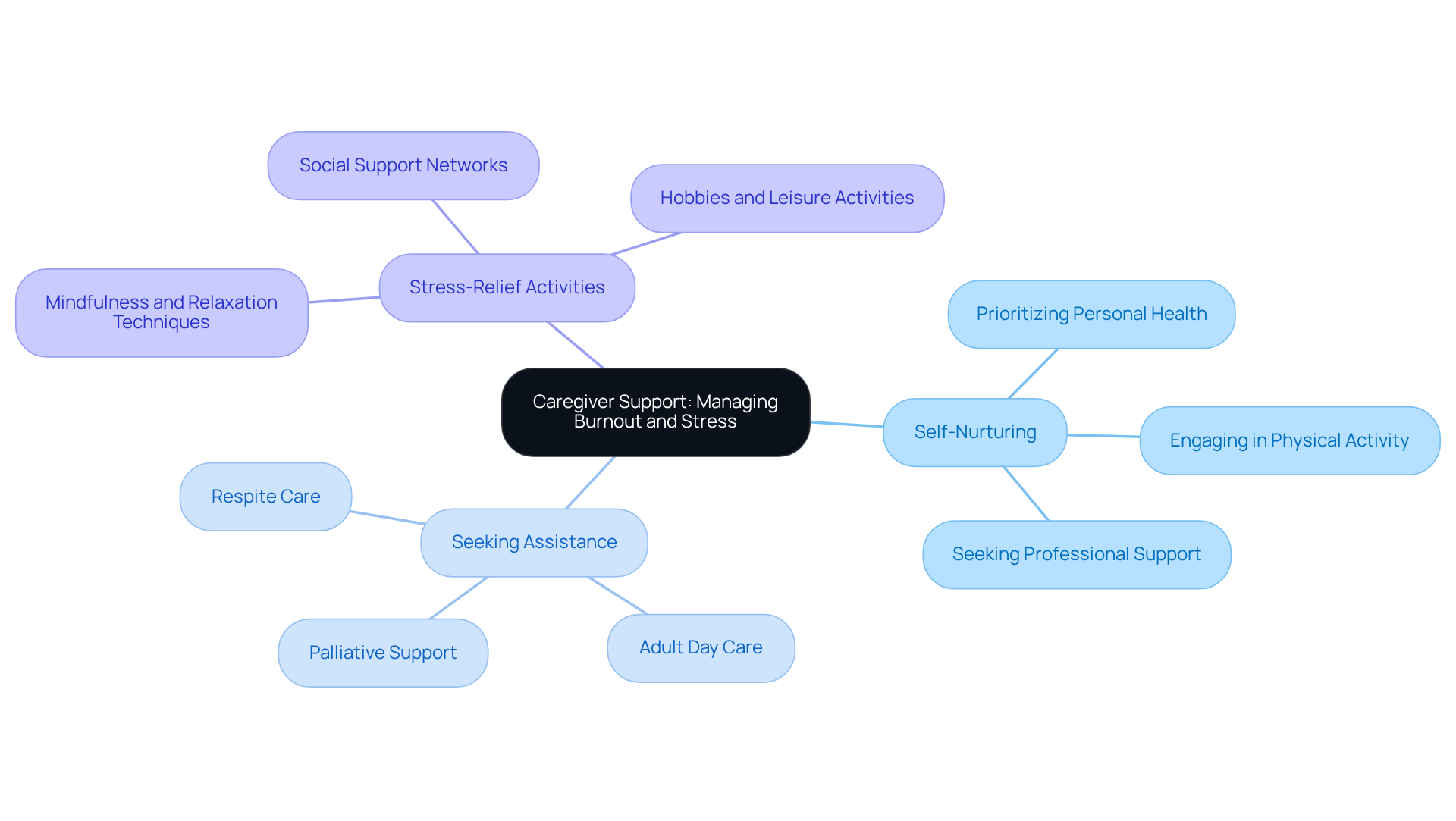
Effectively managing provider burnout and stress is vital for the well-being of those who offer support. Caregivers often face immense emotional and physical pressures, and it’s essential for them to prioritize self-nurturing. Seeking assistance from colleagues, utilizing respite services, and engaging in stress-relief activities can make a significant difference.
With over 63 million family providers in the U.S., many find themselves overwhelmed. It’s crucial to access dedicated resources and assistance systems for senior care planning services. Initiatives that include senior care planning services, such as:
- Respite care
- Adult day care
- Palliative support
have proven beneficial in alleviating the burdens on caregivers. For instance, those who participate in organized assistance programs often report lower stress levels and improved well-being.
Mental health experts emphasize that caregivers should not hesitate to seek help. By prioritizing their own well-being, they can provide better support to their loved ones. Embracing self-care practices not only enhances resilience but also helps maintain a healthier balance in caregiving roles. Remember, taking care of yourself is not just important; it’s essential for the care you provide.
Making the Right Choice
The importance of comprehensive senior care planning services truly cannot be overstated. These services play a vital role in enhancing the quality of life for seniors and their family caregivers alike. By offering tailored support, they address the unique challenges that aging individuals and their loved ones face, ensuring that seniors can maintain their independence, dignity, and well-being in the comfort of their own homes.
Throughout this article, we’ve highlighted key services such as:
- Companionship care
- Post-hospital recovery assistance
- Respite care
- Palliative support
- Home safety modifications
Each of these services contributes to creating a nurturing and safe environment that fosters emotional connections, alleviates stress, and promotes recovery. It’s also essential to understand the financial implications and plan for future needs, as these steps equip families to provide the best care possible.
Ultimately, engaging with senior care planning services goes beyond merely managing tasks; it’s about embracing a holistic approach to caregiving that prioritizes the emotional and physical health of both seniors and caregivers. Families are encouraged to explore available resources, initiate conversations about care preferences, and proactively plan for the future. By doing so, they can create a supportive network that enhances the overall caregiving experience, ensuring that their loved ones age gracefully and comfortably at home.
https://iframe.tely.ai/cta/eyJhcnRpY2xlX2lkIjogIjY5MWU1YWM4YzBkNDJlMTUwMDY1YWNkNSIsICJjb21wYW55X2lkIjogIjY4ZWU1ZGNhNzMxNzYyNTU3ZjNjOTVjMSIsICJpbmRleCI6IG51bGwsICJ0eXBlIjogImFydGljbGUifQ==Frequently Asked Questions
What services does Happy to Help Caregiving offer?
Happy to Help Caregiving offers personalized in-home care services, including companionship services, post-hospital recovery assistance, respite services, and palliative support.
How does companionship care benefit seniors?
Companionship care provides emotional support, reduces feelings of loneliness and isolation, and enhances mental and emotional well-being through meaningful conversations and shared activities.
Why is post-hospital recovery assistance important for seniors?
Post-hospital recovery assistance helps seniors transition safely back home, providing support with daily activities, medication management, and mobility aid to ensure a smooth recovery and reduce the risk of hospital readmission.
How does Happy to Help Caregiving support caregivers?
Happy to Help Caregiving offers services designed to alleviate stress and burnout for caregivers by providing practical and emotional support, allowing them to focus on the well-being of their loved ones.
What is the goal of the personalized approach at Happy to Help Caregiving?
The goal is to enhance the quality of life for seniors while ensuring they feel secure and comfortable in their homes, surrounded by compassionate care that encourages independence and well-being.
How can companionship services affect a senior's quality of life?
Companionship services can improve mood, reduce the risk of depression and anxiety, and empower seniors to thrive in their environments, reinforcing their independence and dignity.
What role do senior care planning services play in caregiving?
Senior care planning services help tailor support to the unique needs of clients and their families, ensuring that seniors receive the emotional and practical assistance they require.