
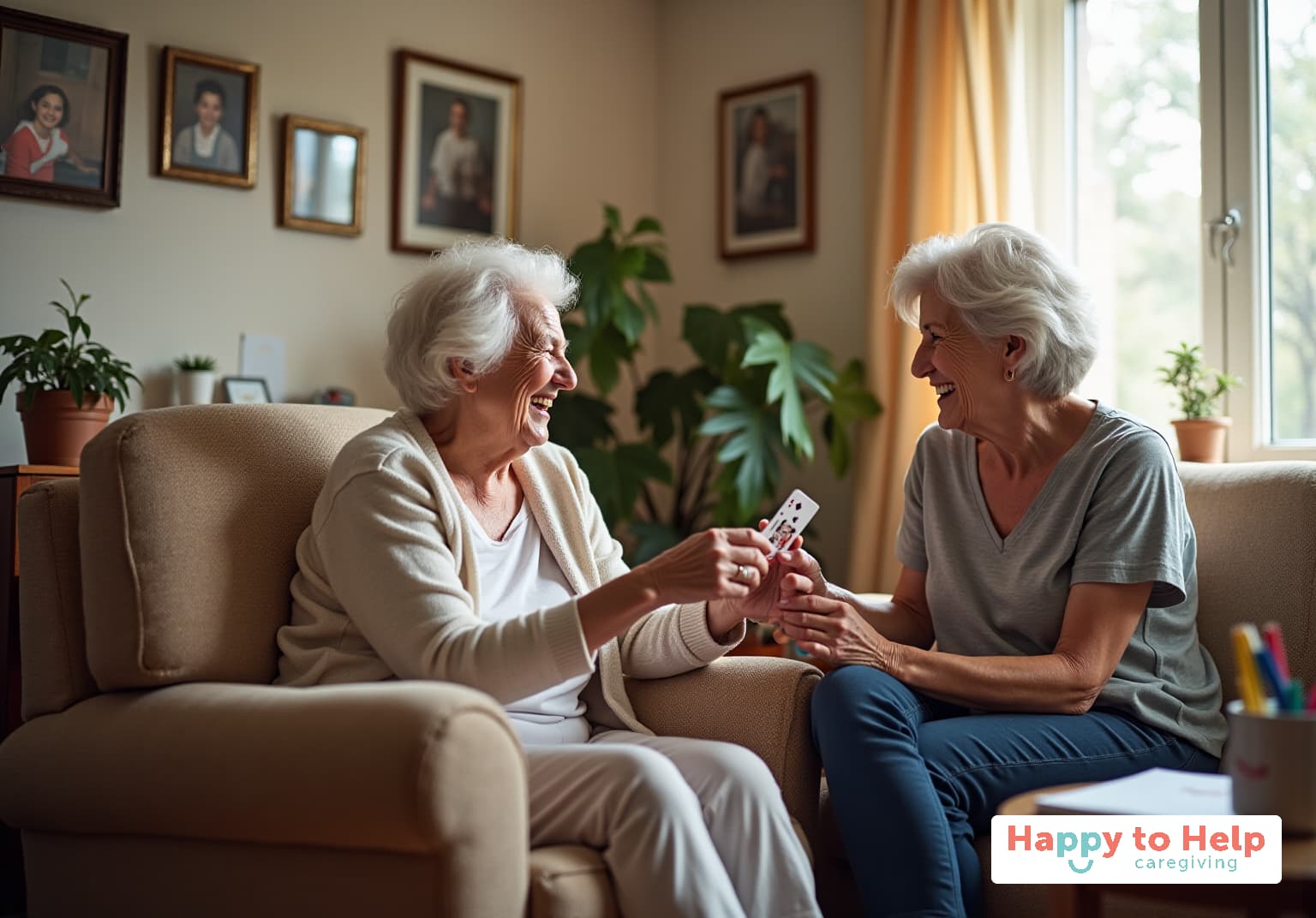
For families in our service areas
For families in our service areas, this guide explains caregiver support and how non-medical in-home caregiving can support care planning in East Idaho, Treasure Valley & Magic Valley, Northern Wasatch, North Central West Virginia, and Northeast Ohio.
The Importance of Senior Care Services at Home
The landscape of senior care is evolving, presenting unique challenges for family caregivers. As the population ages, the demand for essential services that support the well-being of elderly individuals at home has never been greater. This shift creates significant pressure on caregivers, who must navigate complex needs while ensuring their loved ones receive compassionate care.
To address these challenges, this article explores ten vital senior care services. These services not only meet the pressing needs of older adults but also empower family caregivers with the tools they need to provide effective support. How can caregivers navigate these complexities to ensure their loved ones thrive in a safe and nurturing environment? Let's delve into practical solutions that can make a real difference.
Happy to Help Caregiving: Personalized Companionship Care
Problem: Many elderly individuals face feelings of isolation, particularly those who lack regular visitors or family interactions. This isolation can lead to significant emotional distress and cognitive decline.
Agitate: Research shows that regular social interaction is crucial for enhancing cognitive function and emotional well-being. Without it, older adults are at a higher risk of depression and anxiety. Paul Gilbert highlights that falls are the most significant safety threat to older adults at home, underscoring the need for companionship to prevent isolation and its associated risks.
Happy to Help Caregiving addresses these challenges by providing senior care services at home, focusing on personalized companionship care. Caregivers actively engage elderly clients in discussions, activities, and hobbies they value, fostering meaningful relationships. This not only reduces feelings of isolation but also encourages mental engagement, helping seniors maintain a sense of purpose and belonging. By prioritizing these connections, Happy to Help Caregiving enhances senior care services at home, supporting the overall mental well-being of older adults.
Post-Hospital Recovery Assistance: Supporting Safe Transitions Home
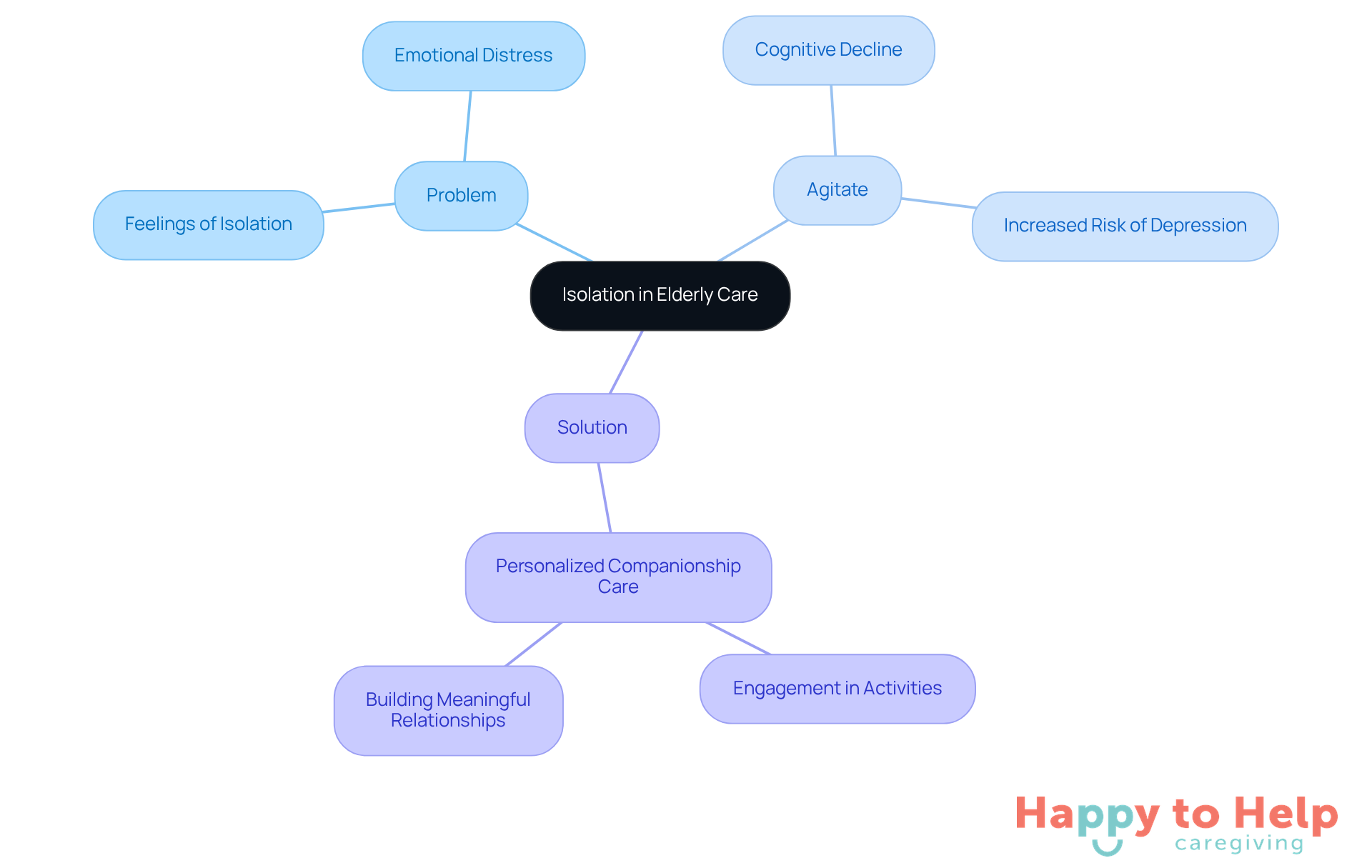
Post-hospital recovery presents significant challenges for seniors and their caregivers. Many older adults struggle with the transition home, facing difficulties in managing daily activities and medications. This can lead to feelings of insecurity and a higher risk of readmission to the hospital.
Research shows that nearly 20% of Medicare patients return to the hospital within 30 days of discharge, highlighting the need for effective support during this critical time. The emotional toll of recovery can be just as impactful as the physical aspects, making it essential for caregivers to provide not only practical assistance but also emotional support.
Happy to Help Caregiving addresses these challenges with senior care services at home by creating personalized care plans tailored to each client's unique needs. Caregivers play a vital role in supporting daily activities, managing medications, and providing mobility assistance. By focusing on these key areas, they offer senior care services at home to help seniors regain their confidence in a familiar environment.
Effective post-hospital care plans include:
- Regular check-ins
- Medication management
- Assistance with daily tasks
These components are crucial for maintaining safety and promoting independence. By concentrating on these elements, Happy to Help Caregiving enhances the overall recovery experience with their senior care services at home, allowing families to feel secure knowing their loved ones are receiving compassionate and thorough support.
Respite Care: Essential Support for Family Caregivers
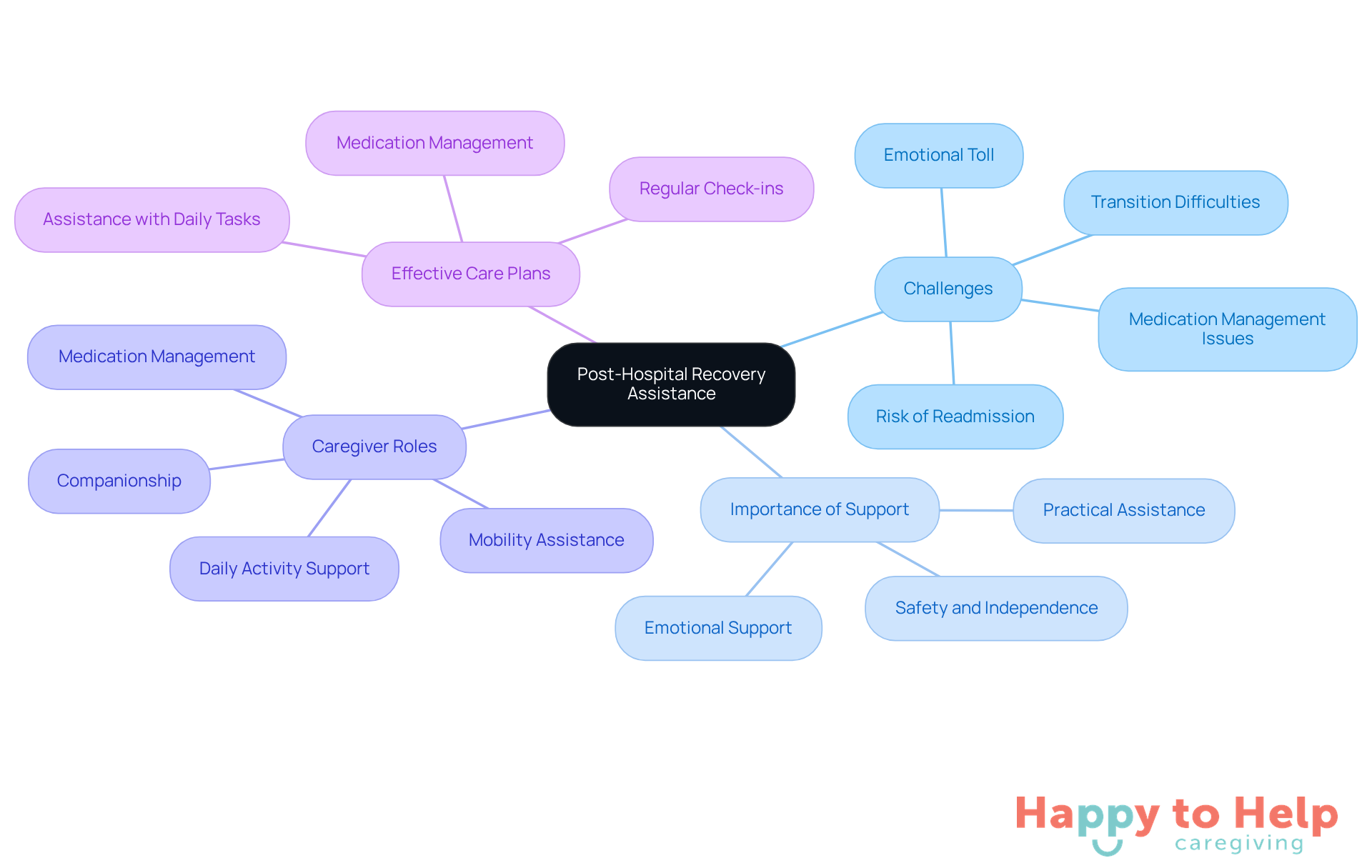
Caregiving can be an overwhelming responsibility, often leading to burnout for those who dedicate themselves to caring for loved ones. This stress can impact not only the caregiver's well-being but also the quality of care they provide.
Respite assistance from Happy to Assist Caregiving is a vital solution offered through senior care services at home. By providing temporary relief, caregivers can take necessary breaks without worrying about their family members. They can rest easy knowing that their loved ones are receiving compassionate care tailored to their specific needs.
This service is essential in preventing caregiver burnout, allowing families to sustain their support for senior care services at home over the long term. With respite assistance, caregivers can recharge, ensuring they remain effective and present in their roles.
Palliative Support Care: Enhancing Quality of Life for Seniors
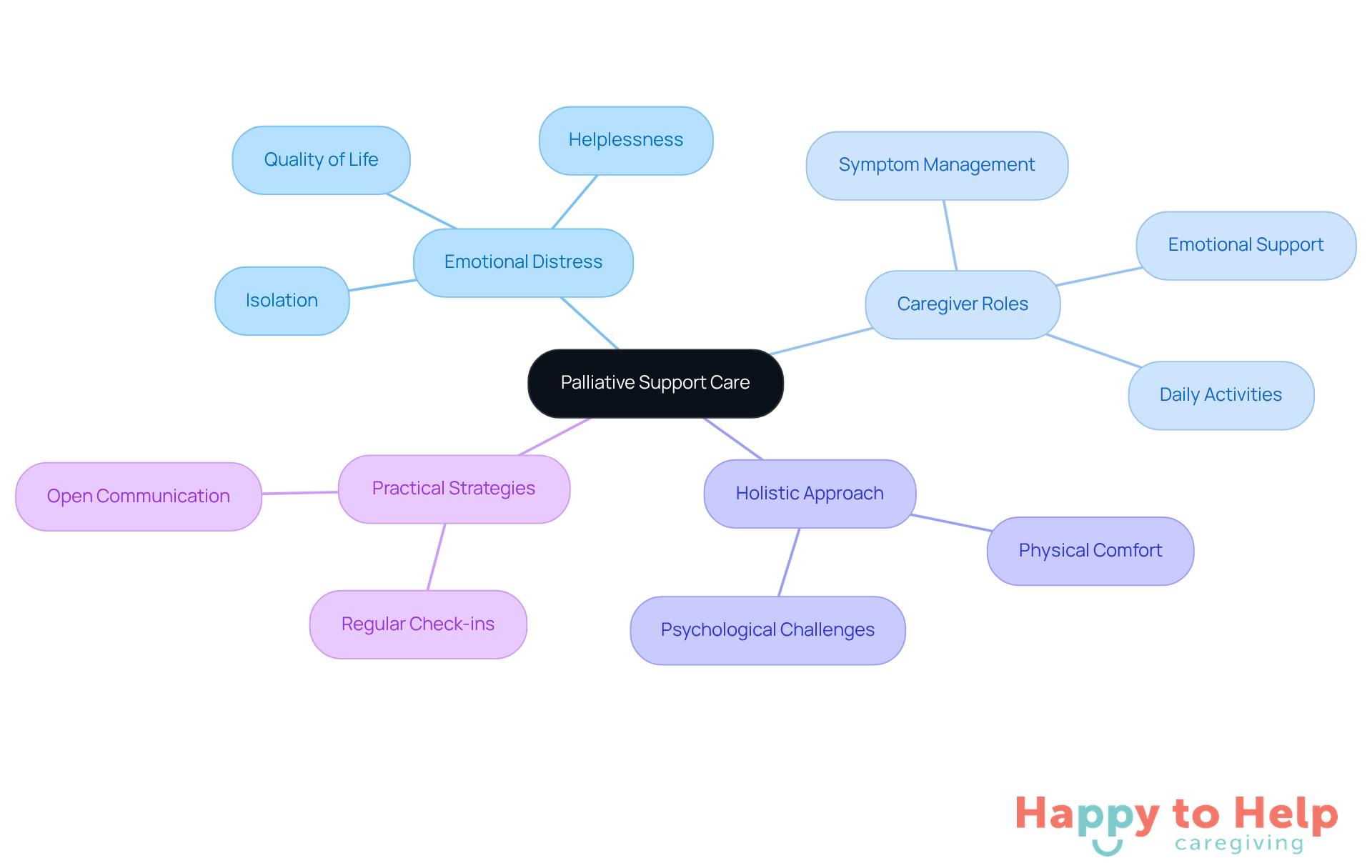
Palliative support care from Happy to Help Caregiving addresses a significant problem: the emotional distress faced by elderly individuals with serious illnesses. Many older adults experience not only physical discomfort but also profound emotional challenges, which can severely impact their quality of life.
This emotional distress is often compounded by the isolation and helplessness that chronic conditions can bring. Caregivers play a crucial role in alleviating this burden by providing essential symptom management, emotional support, and assistance with daily activities. By doing so, they help clients maintain their dignity and comfort, creating a supportive environment where older adults feel acknowledged and appreciated.
The solution lies in a holistic approach to palliative care. This model not only alleviates physical discomfort but also addresses the emotional and psychological challenges associated with chronic conditions. Research shows that tailored support can significantly improve the overall quality of life for elderly patients.
Experts emphasize that effective management of chronic conditions requires a dual focus: addressing symptoms while nurturing a supportive setting. By empowering clients, caregivers can help them navigate their health challenges with greater confidence and peace of mind.
Incorporating practical strategies, such as regular check-ins and open communication, can enhance the caregiving experience. This comprehensive care model ultimately leads to improved well-being for both clients and caregivers.
Home Safety Assessments: Ensuring a Secure Living Environment
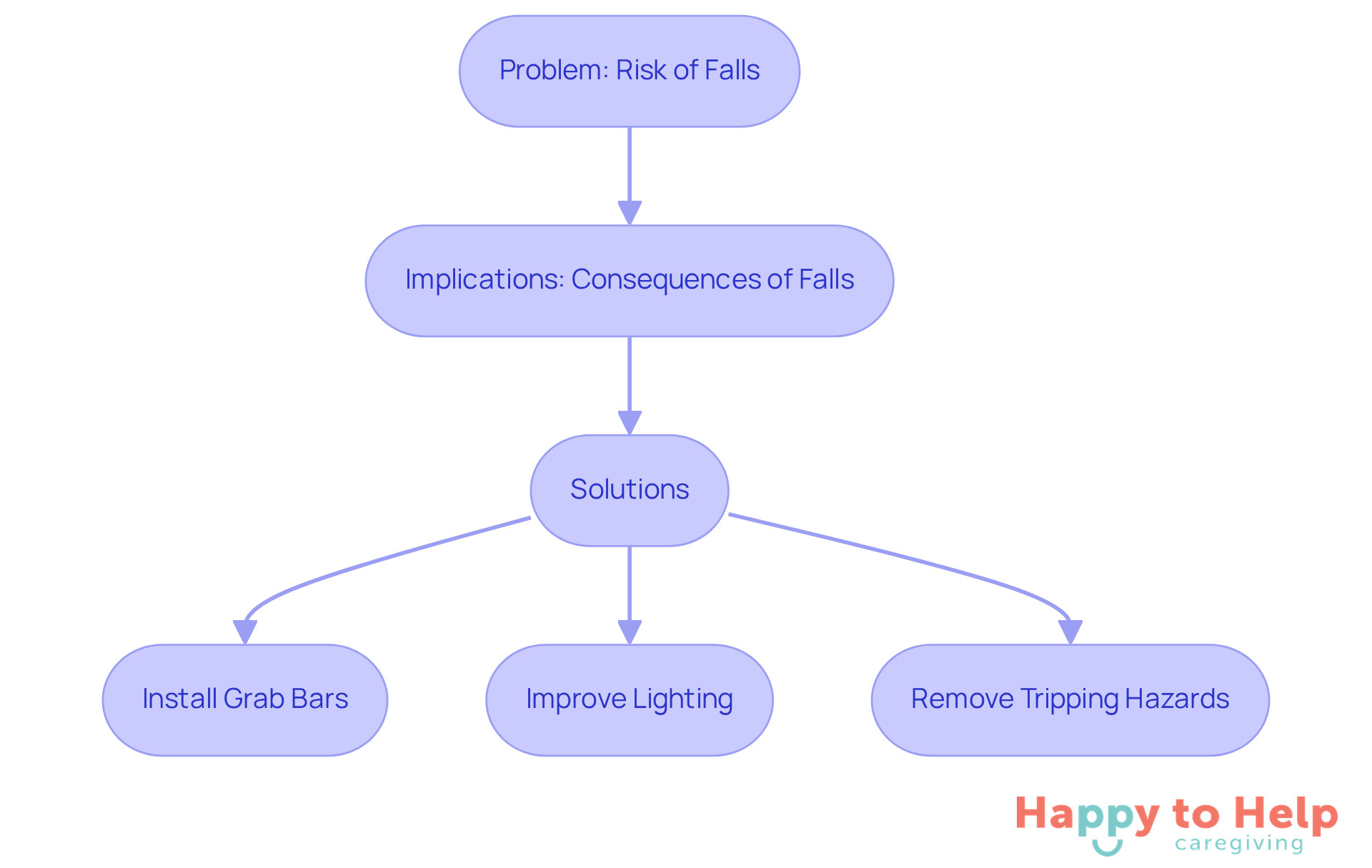
Problem: Every year, nearly 319,000 elderly individuals are hospitalized due to hip fractures, underscoring the serious risk of fall-related injuries. In fact, more than one in four Americans aged 65 and older experiences a fall annually. This alarming trend highlights the urgent need for proactive safety measures in their living environments.
Agitate: The implications of these falls are profound. Common risks such as uneven flooring, inadequate lighting, and cluttered pathways can lead to devastating consequences for older adults. Without addressing these hazards, caregivers may inadvertently compromise their loved ones' safety and independence.
Solution: To combat these risks, caregivers can implement several practical solutions. Recommendations include:
- Installing grab bars in bathrooms
- Improving lighting throughout the home
- Removing tripping hazards like loose rugs or clutter
These modifications not only create a safer living space but also empower older adults to maintain their independence. All ER physicians agree that a yearly Home Safety Evaluation is essential for ensuring the safety of elderly individuals at home. Occupational therapists further emphasize that a well-designed environment fosters dignity and purpose, allowing individuals to engage in daily activities with confidence. By recognizing and addressing dangers in an elderly person's living space, caregivers can significantly enhance their loved ones' safety and quality of life through senior care services at home, ensuring they thrive in the comfort of their own homes.
Meal Preparation Services: Catering to Nutritional Needs
Happy to Help Caregiving's senior care services at home include meal preparation assistance, which addresses a significant problem: many older adults struggle to maintain proper nutrition. This issue can lead to serious health implications, including chronic diseases and mental health challenges.
To combat this, caregivers work closely with clients to create customized meal plans that take into account individual health conditions, preferences, and cultural backgrounds. This tailored approach not only ensures that elderly individuals receive balanced meals but also fosters social interaction during meal times, which is crucial for enhancing their overall quality of life.
Research underscores the importance of nutrition for older adults. Proper dietary habits can reduce the risk of chronic diseases, improve mental health, and promote longevity. In fact, studies show that home-delivered meals can significantly alleviate feelings of loneliness and isolation among seniors. As Ellie Hollander, president and CEO of Meals on Wheels America, aptly states, "Home-delivered meals are far more than just a meal - they are a lifeline."
By ensuring that meals are both nutritious and enjoyable, Happy to Help Caregiving empowers older adults to maintain their independence while enjoying the comforts of home. The focus on nutrition in senior care services at home is increasingly recognized as a vital component in enhancing the quality of life for elderly clients.
Medication Management: Ensuring Safe and Timely Administration
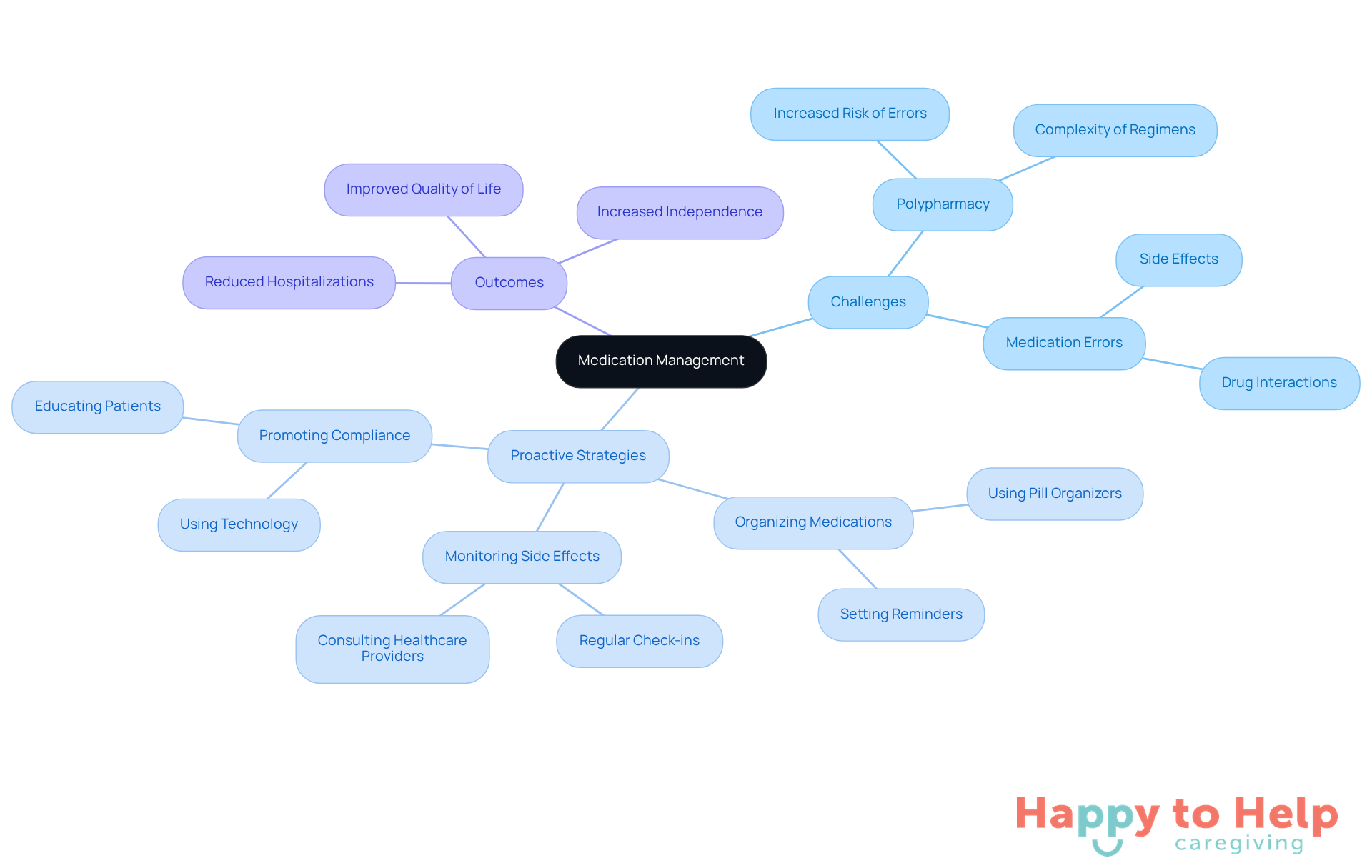
Medication management for elderly individuals is a pressing issue that caregivers face. With nearly 40% of older adults taking five or more medications daily, a situation known as polypharmacy, the risk of medication errors and hospital visits significantly increases. This complexity can lead to serious health consequences, making it essential for caregivers to address these challenges effectively.
To combat the risks associated with polypharmacy, caregivers can implement several proactive strategies:
- Organizing medications and setting reminders can help ensure that elderly individuals take their medications safely and on time.
- Monitoring for potential side effects or interactions is crucial in preventing medication mistakes.
- By promoting compliance with prescribed treatment plans, caregivers can significantly improve health outcomes and overall well-being for older adults.
Effective medication management not only reduces the likelihood of hospitalizations but also fosters independence, allowing older adults to utilize senior care services at home to maintain a higher quality of life. As experts emphasize, transparent communication with physicians and pharmacists is vital in preventing medication errors among the elderly. Therefore, caregivers must navigate the intricacies of medication management to guarantee that older adults receive the best possible care.
Transportation Services: Promoting Independence and Engagement
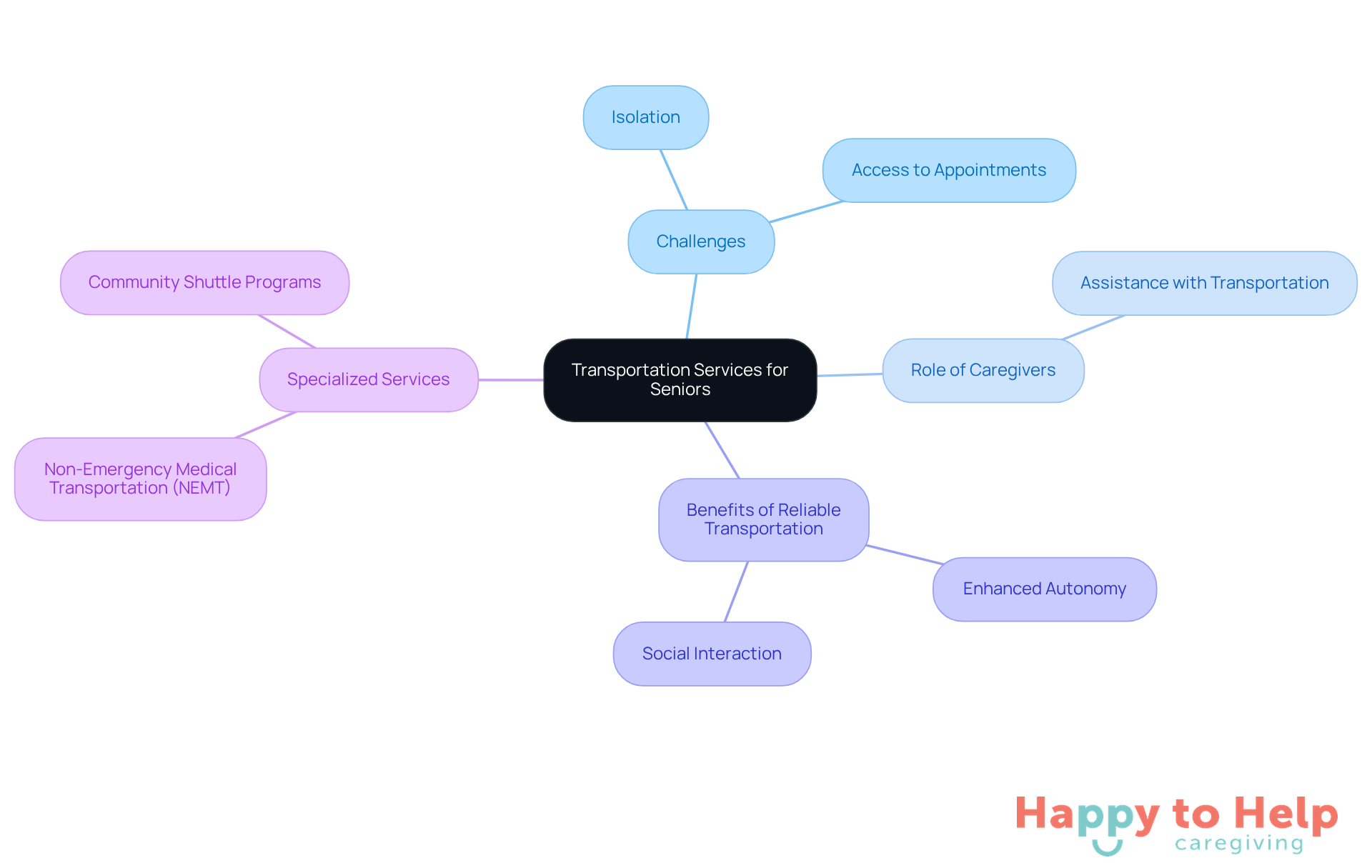
Transportation options are a significant challenge for elderly individuals, impacting their ability to attend medical appointments, social gatherings, and community events. Without reliable transportation, many seniors face isolation, which can adversely affect their emotional and mental well-being. Caregivers play a crucial role in addressing this issue by providing essential assistance with transportation, helping clients maintain their independence and stay connected with loved ones.
Dependable transportation is vital for preventing isolation and promoting active community engagement. According to geriatric care managers, it greatly enhances older adults' autonomy, allowing them to participate in daily activities that contribute to their overall well-being. For instance, a recent program offers individuals over 60 six complimentary rides each month, underscoring the importance of accessible transportation options.
Statistics show that access to reliable transportation not only facilitates attendance at healthcare appointments but also encourages social interactions, which are essential for cognitive health. With projections indicating that by 2050, around 2 billion individuals will be aged 60 and older, the need for effective transportation solutions is more pressing than ever.
These senior care services at home empower elderly clients to lead fulfilling lives while remaining integrated within their communities. Specialized options, such as non-emergency medical transportation (NEMT) and community shuttle programs, cater to their unique needs, ensuring they can engage actively in their surroundings.
Social Engagement Activities: Combating Loneliness Among Seniors
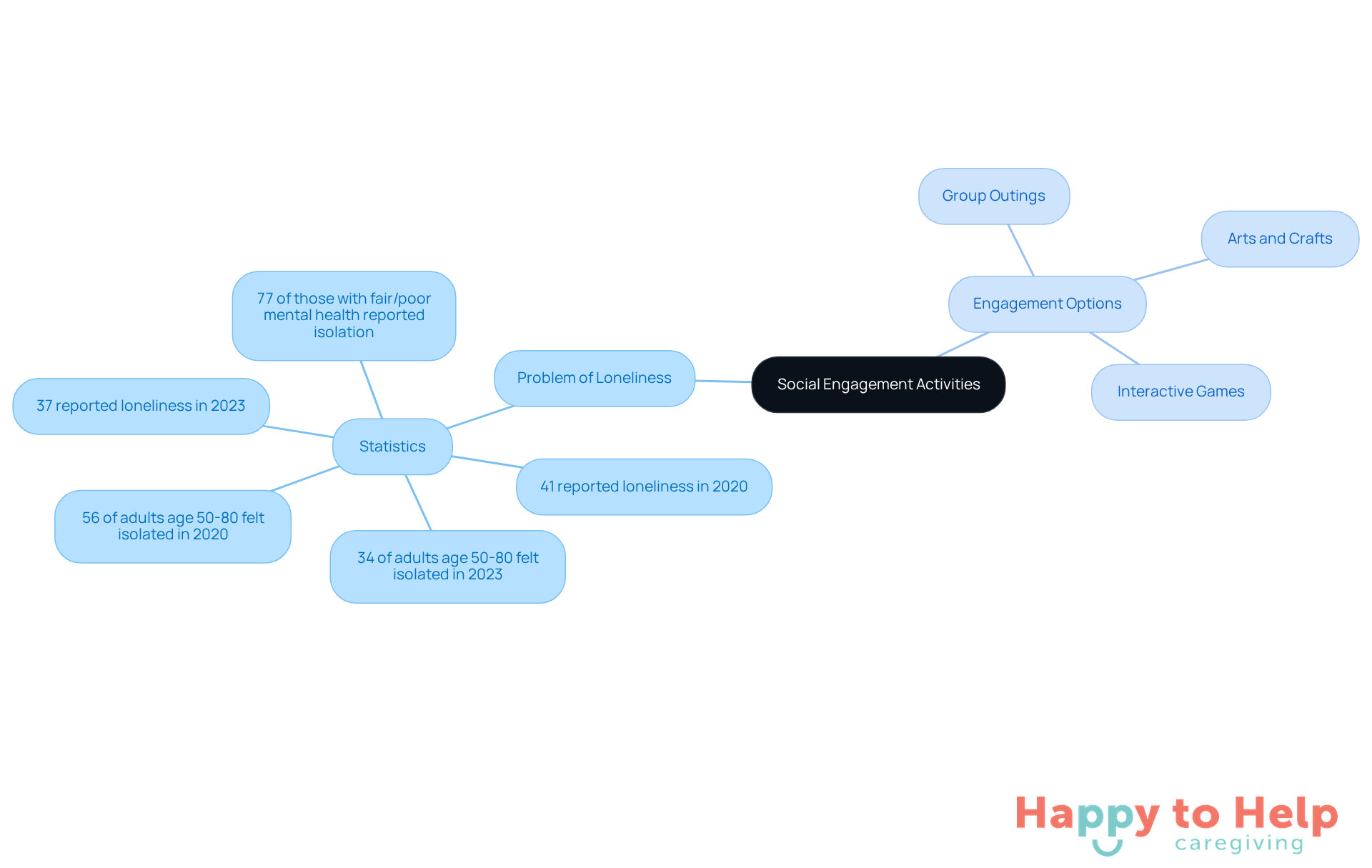
Social isolation among older adults is a pressing issue that can severely impact mental health. Research shows that chronic loneliness can lead to significant cognitive and emotional decline. In fact, in 2023, 37% of older adults reported feeling a lack of companionship, a figure that rose to 41% in 2020. This highlights the urgent need for effective initiatives that foster social interaction.
Happy to Help Caregiving addresses this challenge by offering a variety of social engagement options. These include:
- Group outings
- Arts and crafts
- Interactive games
All designed to cultivate connections and promote meaningful interactions. By participating in these activities, older adults not only strengthen their social ties but also experience improvements in their overall mental well-being and quality of life.
Engaging in social activities is linked to healthier aging, as it helps combat feelings of isolation and fosters a sense of belonging. As Ashraf Abugroun emphasizes, staying socially active is crucial for maintaining health in older age. Therefore, initiatives like those offered by Happy to Help Caregiving, specifically their senior care services at home, play a vital role in enhancing the lives of older adults.
Technology Integration: Enhancing Safety and Family Connectivity
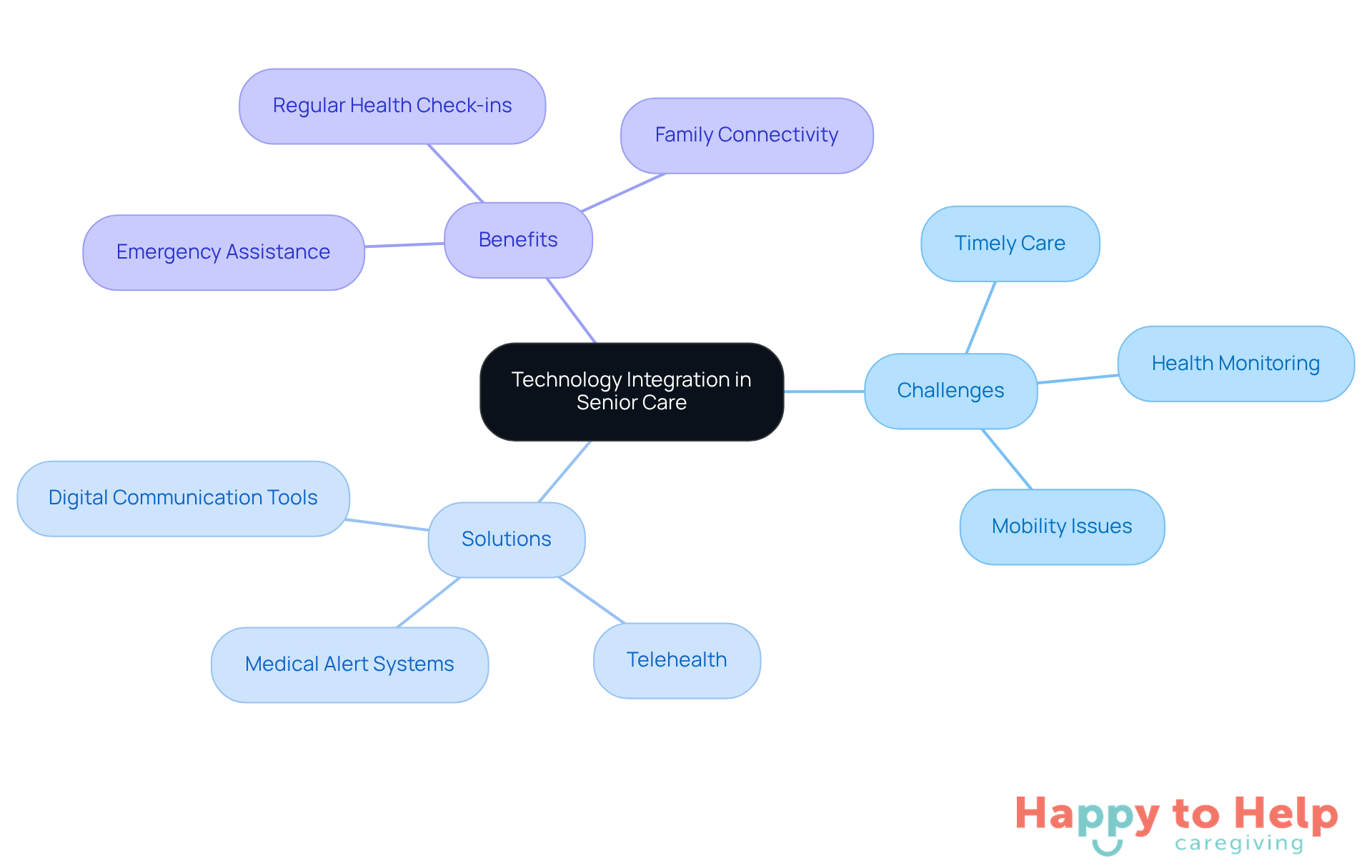
Caregivers face significant challenges in ensuring the safety and well-being of older adults while providing senior care services at home. Traditional methods often fall short in senior care services at home, leading to concerns about timely care and health monitoring.
Agitate: Without effective solutions, older adults may experience delays in receiving help during emergencies or regular health check-ins. This can lead to deteriorating health conditions, especially for those with mobility challenges who struggle to access senior care services at home.
Solution: Happy to Help Caregiving actively integrates technology to address these issues. In the realm of senior care services at home, medical alert systems and telehealth solutions are crucial, allowing caregivers to monitor clients' health effectively. These systems not only provide prompt assistance in emergencies but also facilitate regular health check-ins, ensuring timely senior care services at home for older adults.
Telehealth services enhance healthcare accessibility, similar to senior care services at home, by eliminating transportation barriers and enabling virtual consultations with healthcare providers. This is particularly beneficial for older adults with mobility challenges.
Moreover, technology fosters family connectivity. Caregivers can keep families informed and engaged in their loved ones' care through digital communication tools. Families receive immediate updates on health status and care activities, creating a supportive atmosphere that comforts both elderly individuals and their families.
As technology continues to evolve, its impact on elderly care is expected to grow, making it an essential component of modern caregiving strategies. This integration not only enhances the quality of care but also strengthens the bonds between caregivers and families, ensuring that seniors feel supported and connected in their daily lives.
Making the Right Choice
The importance of comprehensive senior care services at home cannot be overstated, especially as families face the challenges of caregiving. Many caregivers struggle with issues like isolation and the need for recovery support, which can significantly impact both seniors and their families. Without adequate assistance, the well-being of older adults may decline, leading to feelings of neglect and disconnection.
To address these challenges, personalized companionship, post-hospital recovery assistance, and respite care are essential. These services not only enhance the quality of life for seniors but also provide much-needed support for caregivers. By ensuring that older adults feel valued and connected, families can foster a nurturing environment that promotes overall well-being.
Key insights reveal the multifaceted nature of senior care. For instance:
- Meal preparation tailored to nutritional needs
- Medication management to prevent errors
- Transportation services that encourage independence
Each element plays a crucial role in creating a safe and engaging environment for elderly individuals. Moreover, integrating technology can enhance safety and strengthen family connections, enriching the caregiving experience.
As the senior population continues to grow, the demand for effective and compassionate care will only increase. Families and caregivers must recognize the significance of these services and advocate for their loved ones' needs. By prioritizing comprehensive care and actively seeking support, families can create an environment where seniors thrive in their golden years.
https://iframe.tely.ai/cta/eyJhcnRpY2xlX2lkIjogIjY5MjY0Mzc2M2U1ODU0NTE1NmI5MjVlNyIsICJjb21wYW55X2lkIjogIjY4ZWU1ZGNhNzMxNzYyNTU3ZjNjOTVjMSIsICJpbmRleCI6IG51bGwsICJ0eXBlIjogImFydGljbGUifQ==Frequently Asked Questions
What problem does Happy to Help Caregiving address for elderly individuals?
Happy to Help Caregiving addresses the problem of isolation among elderly individuals, which can lead to emotional distress and cognitive decline due to a lack of regular social interaction.
How does social interaction impact older adults' well-being?
Regular social interaction is crucial for enhancing cognitive function and emotional well-being in older adults. Without it, they are at a higher risk of depression and anxiety.
What services does Happy to Help Caregiving provide to combat isolation?
Happy to Help Caregiving provides personalized companionship care, where caregivers engage elderly clients in discussions, activities, and hobbies they value, fostering meaningful relationships and reducing feelings of isolation.
What challenges do seniors face during post-hospital recovery?
Seniors face challenges such as difficulties managing daily activities and medications, leading to feelings of insecurity and a higher risk of readmission to the hospital during post-hospital recovery.
What statistics highlight the need for support during post-hospital recovery?
Research shows that nearly 20% of Medicare patients return to the hospital within 30 days of discharge, indicating the necessity for effective support during recovery.
How does Happy to Help Caregiving assist seniors in their post-hospital recovery?
Happy to Help Caregiving creates personalized care plans tailored to each client's unique needs, providing support with daily activities, medication management, and mobility assistance.
What are the key components of effective post-hospital care plans?
Effective post-hospital care plans include regular check-ins, medication management, and assistance with daily tasks, which are crucial for maintaining safety and promoting independence.
What is respite care and why is it important for family caregivers?
Respite care is temporary relief provided to family caregivers, allowing them to take necessary breaks without worrying about their loved ones. It is important as it helps prevent caregiver burnout and ensures the quality of care remains high.
How does respite assistance benefit family caregivers?
Respite assistance allows caregivers to recharge and maintain their effectiveness in providing care, supporting their long-term ability to care for their loved ones.
List of Sources
- Happy to Help Caregiving: Personalized Companionship Care
- New York’s elderly can now get a ‘virtual companion’ for chats, medication reminders and memory games (https://nypost.com/2025/04/16/health/ai-companion-for-elderly-has-for-chats-medication-reminders-and-games)
- 10 Benefits of Professional Companion Services for Family Caregivers - Happy To Help (https://happytohelpcaregiving.com/10-benefits-of-professional-companion-services-for-family-caregivers)
- AI personal companions offers low-tech way to combat loneliness in senior living residents (https://mcknightsseniorliving.com/news/ai-personal-companions-offers-low-tech-way-to-combat-loneliness-in-senior-living-residents)
- Companion Care at Home Reduces Loneliness for Seniors During the Holidays (https://lifesathomecare.com/companion-care-at-home-reduces-loneliness-for-seniors-during-the-holidays)
- How Companionship in Home Care Boosts Seniors' Mental Health - Care With Love (https://carewithlove.com/how-companionship-in-home-care-boosts-seniors-mental-health)
- Post-Hospital Recovery Assistance: Supporting Safe Transitions Home
- 10 Essential Post-Hospital Recovery Assistance Services for Caregivers - Happy To Help (https://happytohelpcaregiving.com/10-essential-post-hospital-recovery-assistance-services-for-caregivers)
- Smart Homes and Post-Hospital Care: Supporting Seniors Aging in Place (https://hcprosonline.com/smart-homes-and-post-hospital-care-supporting-seniors-aging-in-place)
- A Smooth Transition Home: Post-Hospital Care for Seniors (https://adultalternativecare.com/a-smooth-transition-home-post-hospital-care-services-for-seniors)
- After the hospital, support to help patients thrive at home | Penn Medicine (https://pennmedicine.org/news/after-the-hospital-support-to-help-patients-thrive-at-home)
- Hospital-to-Home Transitions | Foundation for Senior Care (https://foundationforseniorcare.org/hospital-to-home)
- Respite Care: Essential Support for Family Caregivers
- News & Success Stories | Live Well San Diego (https://livewellsd.org/Home/Components/News/News/513/153)
- Family Caregiver Support, Education Needs Growing (https://hospicenews.com/2025/11/11/family-caregiver-support-education-needs-growing)
- As Family Caregiving Grows, So Does the Need for Reform - Medicare Rights Center (https://medicarerights.org/medicare-watch/2025/08/14/as-family-caregiving-grows-so-does-the-need-for-reform)
- Caregivers and the Importance of Respite Care (https://benedictineliving.org/resources/news/caregivers-and-the-importance-of-respite-care)
- The number of family caregivers is surging (https://northcarolinahealthnews.org/2025/07/26/the-number-of-family-caregivers-is-surging)
- Palliative Support Care: Enhancing Quality of Life for Seniors
- Hospice, Palliative Care Services Yield High Quality, Cost Savings (https://hospicenews.com/2025/09/22/hospice-palliative-care-services-yield-high-quality-cost-savings)
- How Early Palliative Care Enhances a Patient's Quality of Life (https://latimes.com/doctors-scientists/medicine/specialists/story/early-palliative-care-patient-quality-life)
- The Effectiveness of Palliative Care Interventions in Long-Term Care Facilities: A Systematic Review - PMC (https://pmc.ncbi.nlm.nih.gov/articles/PMC11277722)
- Quality of Life in Palliative Care: A Systematic Meta-Review of Reviews and Meta-Analyses (https://clinical-practice-and-epidemiology-in-mental-health.com/VOLUME/20/ELOCATOR/e17450179183857/FULLTEXT)
- Home Safety Assessments: Ensuring a Secure Living Environment
- Home Safety for Seniors: Statistics & Proven Safety Solutions (https://agesafeamerica.com/home-safety-hub/articles/home-safety-seniors-statistics-solutions)
- Facts About Falls (https://cdc.gov/falls/data-research/facts-stats)
- As falling deaths rise for older adults, how home safety can make a difference (https://denver7.com/news/local-news/as-falling-deaths-rise-for-older-adults-how-home-safety-can-make-a-difference)
- Home Safety Month, Garbage Cans, and Aging in Place (https://lifework.arizona.edu/news/2025/home-safety-month-garbage-cans-and-aging-place)
- Meal Preparation Services: Catering to Nutritional Needs
- Findings From New Study Reinforce That Home-Delivered Meals Provide Critical Health and Social Benefits to Older Adults and Caregivers (https://mealsonwheelsamerica.org/news/findings-from-new-study-reinforce-that-home-delivered-meals-provide-critical-health-and-social-benefits-to-older-adults-and-caregivers)
- Aging officials warn senior meal programs are strained; home-delivery reliance and rising costs highlighted (https://citizenportal.ai/articles/6131811/Aging-officials-warn-senior-meal-programs-are-strained-home-delivery-reliance-and-rising-costs-highlighted)
- The changing nutritional needs of older adults and how to meet them (https://heart.org/en/news/2024/12/18/the-changing-nutritional-needs-of-older-adults-and-how-to-meet-them)
- Medication Management: Ensuring Safe and Timely Administration
- Senior Medication Management: Safe & Simple Tips (https://healthyuclinics.com/senior-medication-management)
- Inappropriate Use of Medication by Elderly, Polymedicated, or Multipathological Patients with Chronic Diseases - PMC (https://pmc.ncbi.nlm.nih.gov/articles/PMC5858379)
- Medication management guidance for older adults (https://medicalnewstoday.com/articles/elderly-medication-management)
- Reducing the Proportion of Older Adults Who Take Inappropriate Medications: Key Opportunities to Achieve Healthy People 2030 Goals (https://johnahartford.org/blog/view/reducing-the-proportion-of-older-adults-who-take-inappropriate-medications-key-opportunities-to-achieve-healthy-people-2030-goals)
- Why Medication Adherence is Crucial for Older Adults (https://agewellmedical.com/news/why-medication-adherence-is-crucial-for-older-adults)
- Transportation Services: Promoting Independence and Engagement
- News & Updates | GoGoGrandparent (https://gogograndparent.com/news)
- Transportation Services And Fostering Independence Among Seniors (https://thehighpointresidence.com/blog/transportation-services-and-fostering-independence-among-seniors)
- Products - Data Briefs - Number 490 - January 2024 (https://cdc.gov/nchs/products/databriefs/db490.htm)
- Why Reliable Transportation Matters: Impact on Senior Well-being (https://agingwest.org/why-reliable-transportation-matters-impact-on-senior-well-being)
- Epidemiology of Public Transportation Use Among Older Adults in the United States - PMC (https://pmc.ncbi.nlm.nih.gov/articles/PMC9771957)
- Social Engagement Activities: Combating Loneliness Among Seniors
- Trends in Loneliness Among Older Adults from 2018-2023 (https://ihpi.umich.edu/national-poll-healthy-aging/reports-and-resources/trends-loneliness-among-older-adults-2018-2023)
- Social engagement linked to longer lifespan in older adults (https://news-medical.net/news/20250522/Social-engagement-linked-to-longer-lifespan-in-older-adults.aspx)
- Older adults prioritize social activities, inclusiveness in massive survey assessing what matters most to them (https://mcknights.com/news/older-adults-prioritize-social-activities-inclusiveness-in-massive-survey-assessing-what-matters-most-to-them)
- Social engagement helps older adults feel younger, live longer: study (https://mcknightsseniorliving.com/news/social-engagement-helps-older-adults-feel-younger-live-longer-study)
- Residential Care Increases Social Participation But Gaps Remain (https://news.cuanschutz.edu/news-stories/residential-care-increases-social-participation-but-gaps-remain)
- Technology Integration: Enhancing Safety and Family Connectivity
- Modern Tools That Improve Safety and Accountability in Elder Care Settings (https://dcreport.org/2025/11/24/modern-tech-tools-improving-safety-in-elder-care-facilities)
- Innovative Technologies Transforming Senior Care & Living (https://sgmays.org/technologies-transforming-senior-care)
- Older Americans Are Leveraging More Technology (https://aarp.org/pri/topics/technology/internet-media-devices/2025-technology-trends-older-adults)
- Technology use among seniors (https://pewresearch.org/internet/2017/05/17/technology-use-among-seniors)
- 6 Tech Tools Transforming Caregiving for Aging Loved Ones (https://ltcnews.com/articles/tech-tools-transforming-caregiving-aging-loved-ones)