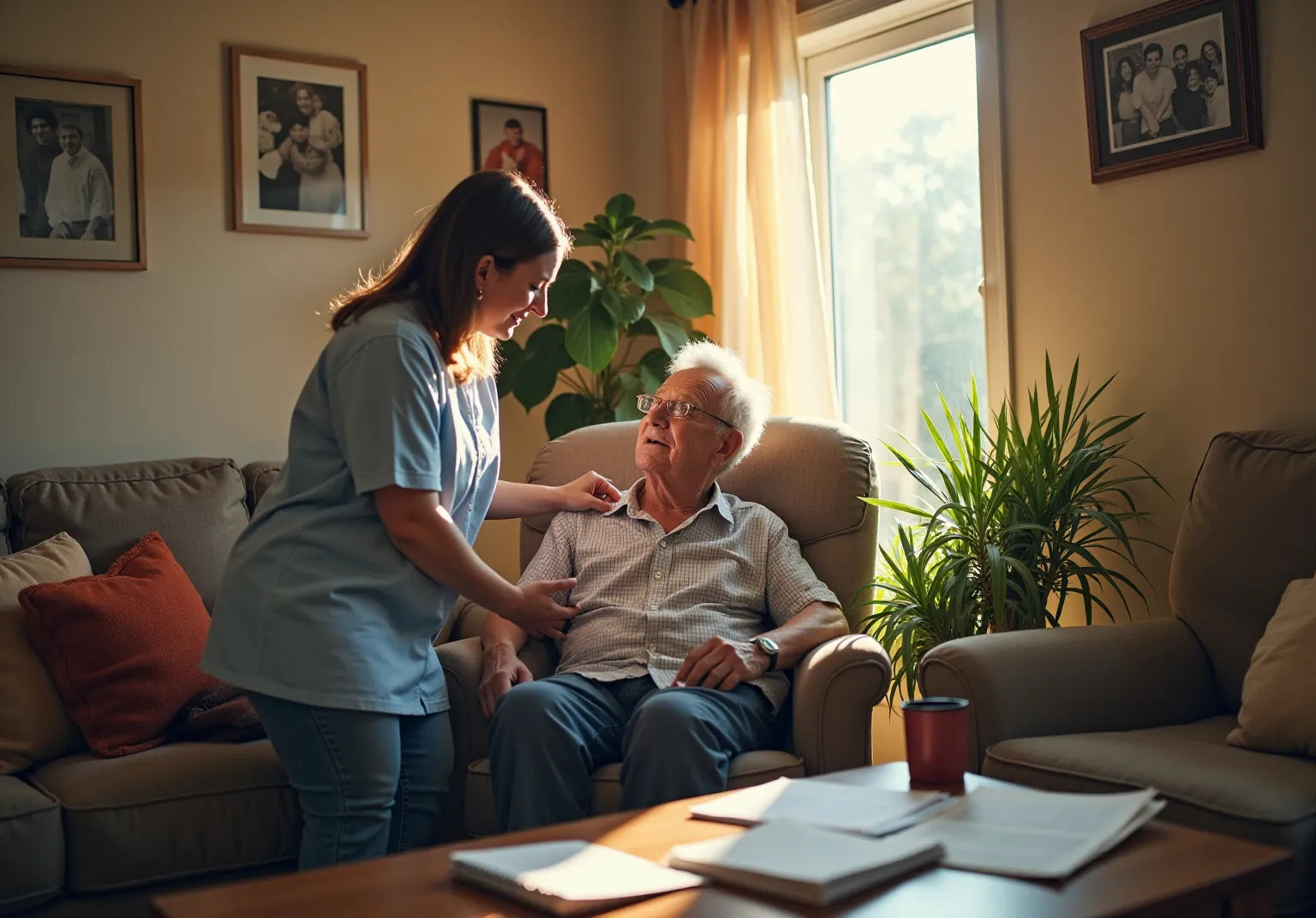
10 Essential Senior Caregiver Responsibilities for Family
For families in our service areas
For families in our service areas, this guide explains caregiver support and how non-medical in-home caregiving can support care planning in East Idaho, Treasure Valley & Magic Valley, Northern Wasatch, North Central West Virginia, and Northeast Ohio.
Why Senior Caregiver Responsibilities Matters
Family caregivers play a pivotal role in the well-being of their elderly loved ones, yet the responsibilities they shoulder can often feel overwhelming. Caregivers face a myriad of challenges, from providing emotional support to managing complex medical needs. This breadth of tasks can leave them questioning how to effectively balance their duties while ensuring the best care possible.
The implications of these challenges are significant. Caregivers may experience stress, burnout, and a sense of isolation, which can impact both their well-being and the quality of care they provide. How can caregivers navigate these challenges and foster a nurturing environment that promotes health and happiness for their loved ones?
This article delves into ten essential responsibilities that every family caregiver should embrace. By offering actionable insights, we aim to enhance their caregiving experience and improve the quality of life for seniors. With the right strategies in place, caregivers can find a balance that allows them to thrive while providing the best care possible.
Happy to Help Caregiving: Companionship Care for Seniors
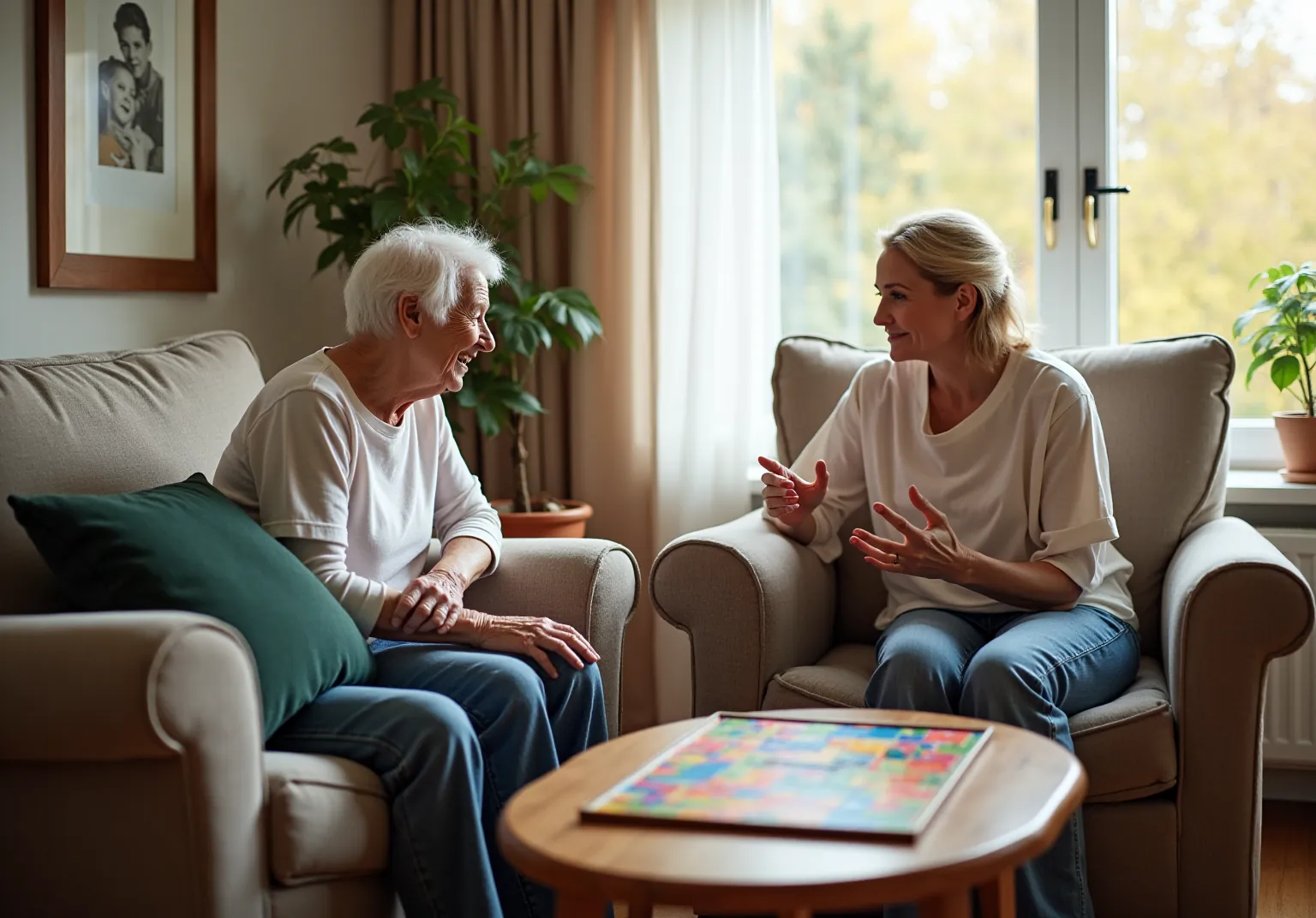
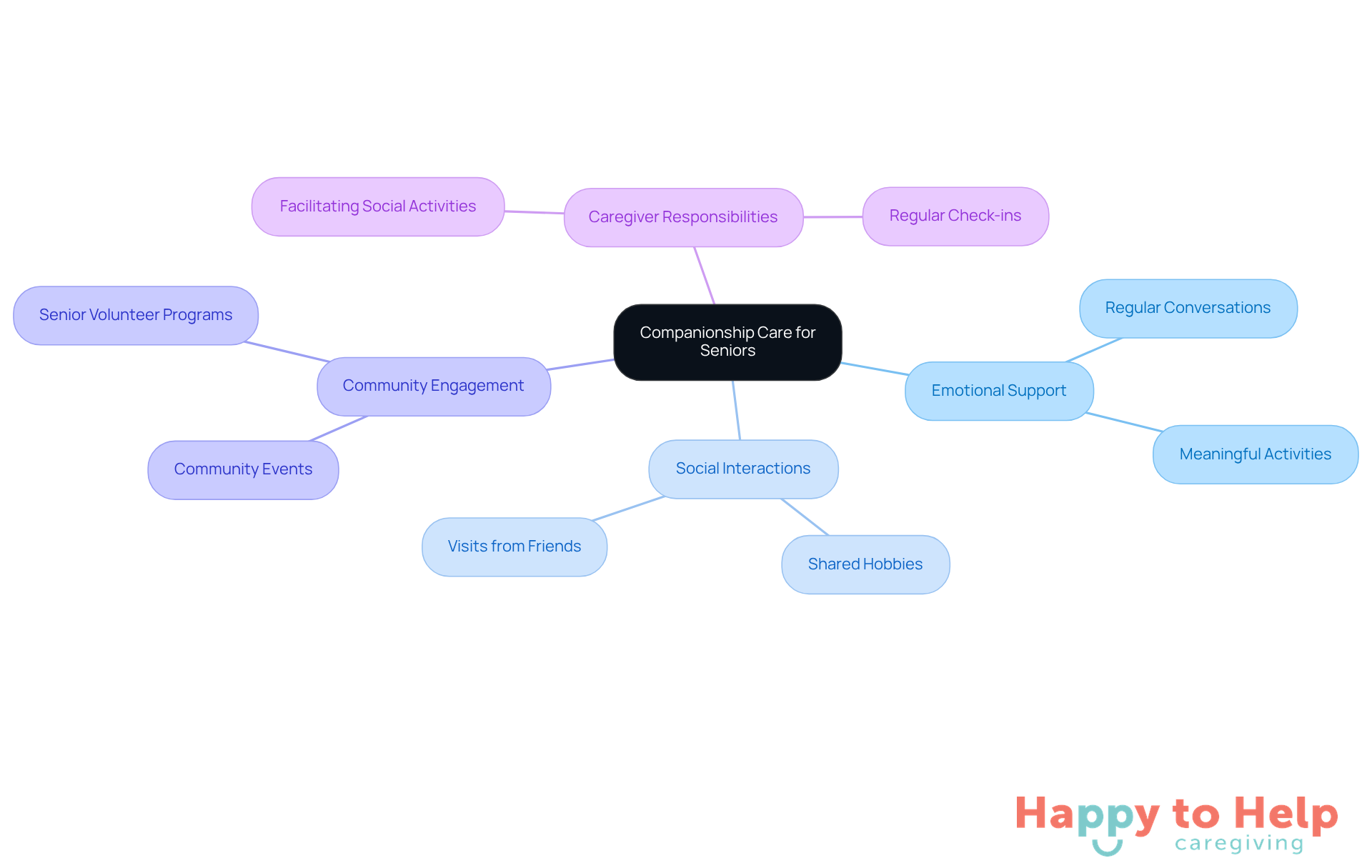
Companionship care is crucial for addressing the emotional support needs of elderly individuals. Loneliness can significantly impact their mental health, leading to feelings of isolation and a diminished sense of purpose.
To combat this issue, family supporters should prioritize regular social interactions. Engaging in conversations, shared hobbies, or outings can foster connections that reduce loneliness and promote a sense of belonging.
Encouraging participation in community events or facilitating visits from friends and family can further strengthen these vital connections. Research shows that regular social engagement is linked to improved mental health outcomes, reducing the risk of depression and cognitive decline among older adults.
As gerontologists emphasize, emotional support is essential for enhancing the quality of life for seniors. Implementing these strategies falls under senior caregiver responsibilities, as they create opportunities for social interaction that help seniors maintain their dignity and emotional health. By doing so, they can significantly enhance the lives of older adults at home.
Post-Hospital Recovery Assistance: Ensuring Safe Transitions
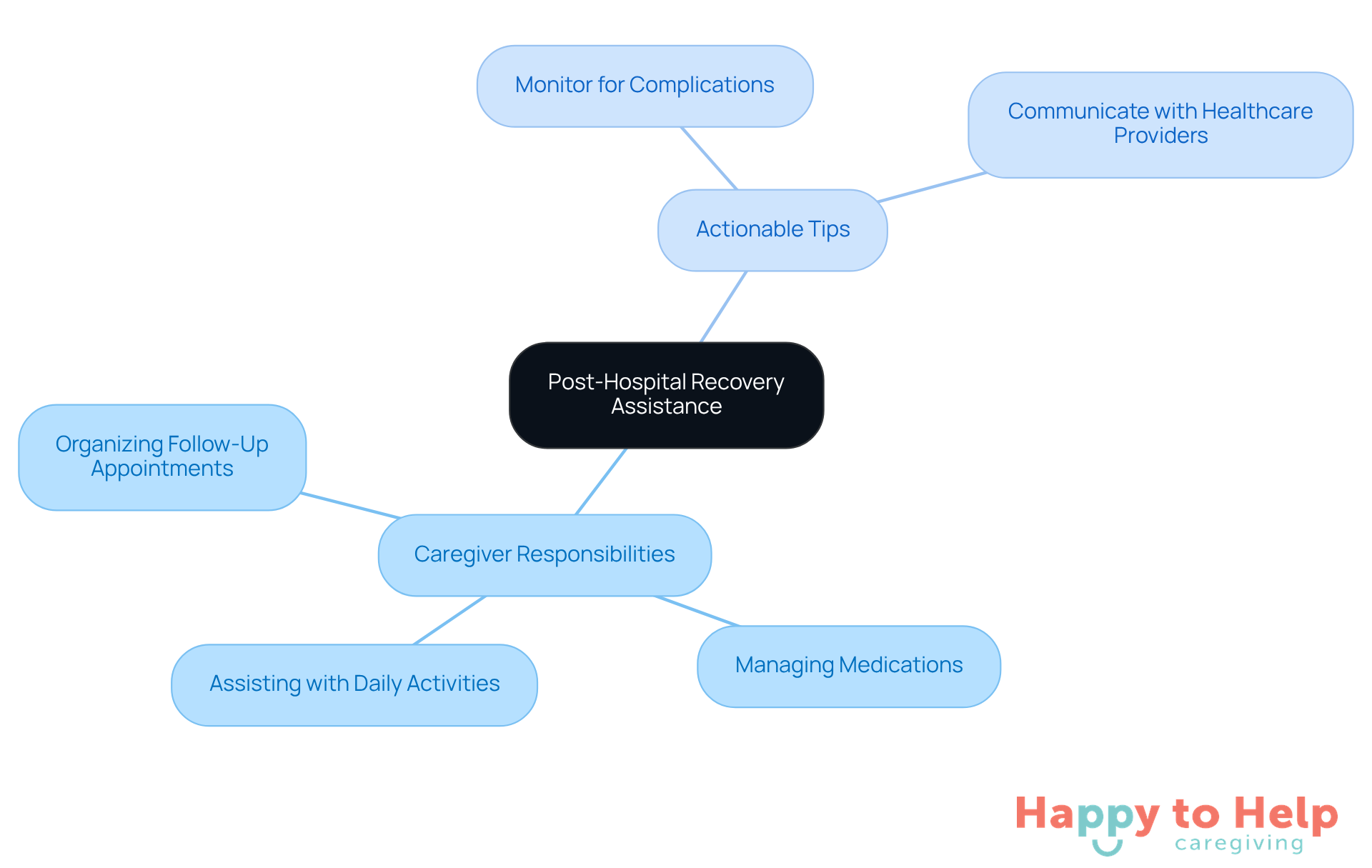
Family caregivers face significant challenges in post-hospital recovery. They must ensure that discharge instructions are followed and that the home environment is safe for recovery. This task can be overwhelming, as it encompasses senior caregiver responsibilities such as organizing follow-up appointments, managing medications, and assisting with daily activities.
To effectively support their loved ones, caregivers should monitor for any signs of complications. Open communication with healthcare providers is crucial to address any concerns promptly. Here are some actionable tips for caregivers:
- Organize follow-up appointments to ensure continuity of care.
- Manage medications carefully, keeping track of dosages and schedules.
- Assist with daily activities to help the patient regain independence.
By taking these steps, caregivers can fulfill their senior caregiver responsibilities and significantly improve the recovery process for their loved ones, ensuring a safer and more supportive environment.
Respite Care: Supporting Family Caregivers
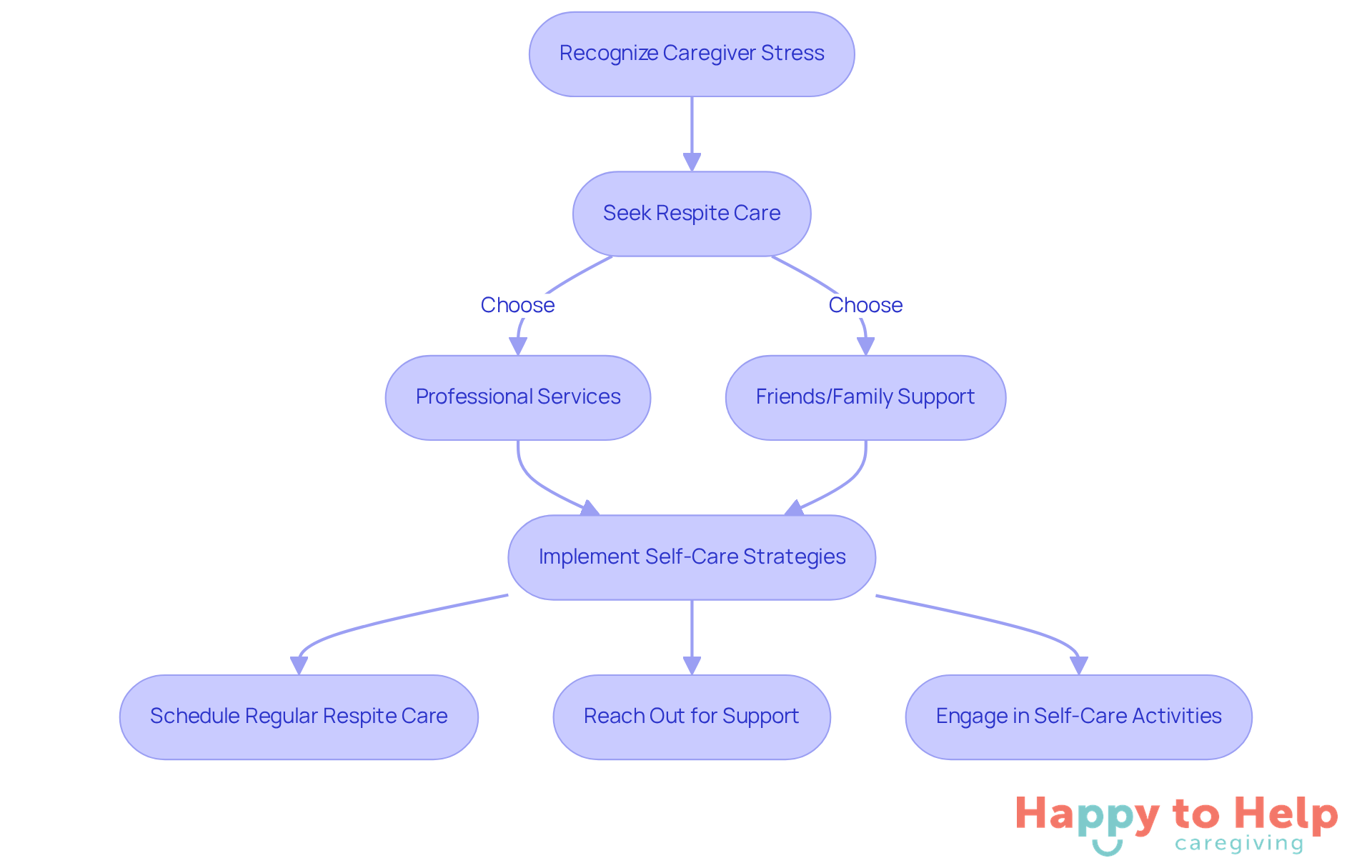
While senior caregiver responsibilities can be a rewarding experience, they often come with significant challenges. Many caregivers face stress and burnout, which can impact their ability to effectively manage senior caregiver responsibilities and provide quality care. Recognizing these signs is crucial for maintaining both their health and fulfilling senior caregiver responsibilities to ensure the well-being of those they care for.
To combat this issue, respite care offers a valuable solution. It provides family supporters with temporary relief from their senior caregiver responsibilities, allowing them to rest and rejuvenate. This support can be arranged through professional services or by enlisting help from friends and family. By prioritizing their own health, caregivers can better uphold their senior caregiver responsibilities and ensure they provide the best care possible.
Taking regular breaks is essential for fulfilling senior caregiver responsibilities. They can lead to improved mental health and a more positive caregiving experience. Here are some actionable tips for caregivers:
- Schedule regular respite care.
- Reach out to friends and family for support.
- Take time for self-care activities.
By implementing these strategies, caregivers can alleviate stress and enhance their overall caregiving experience.
Palliative Support Care: Enhancing Quality of Life
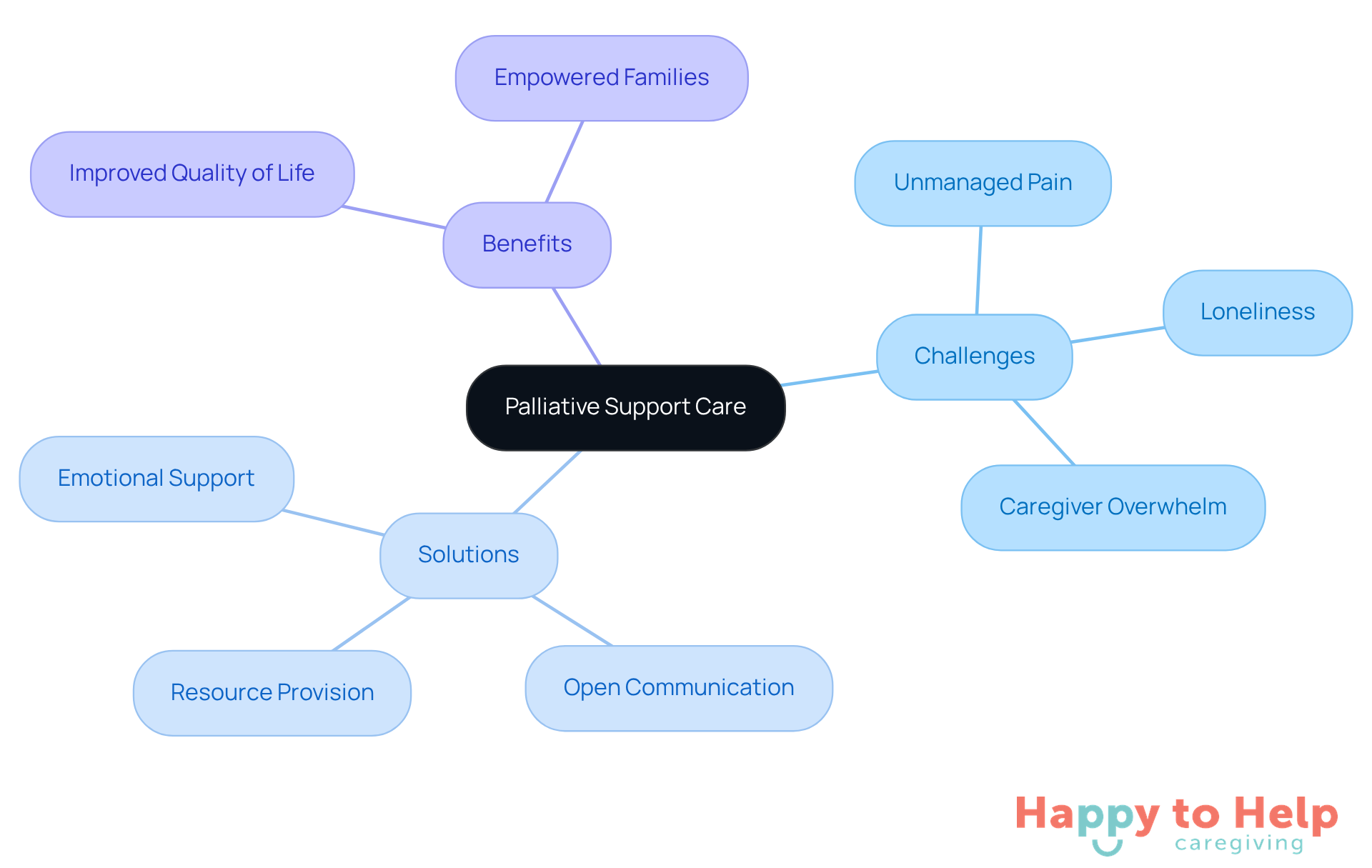
Palliative support care is crucial for addressing the comprehensive needs of older adults facing serious illnesses. The problem lies in the fact that many senior caregiver responsibilities are not met, leading to increased emotional and physical distress for both the elderly and their families.
This challenge is significant. Without proper palliative care, older adults may experience unmanaged pain, loneliness, and anxiety, which can severely impact their quality of life. Family caregivers often feel overwhelmed by the senior caregiver responsibilities, lacking the resources and strategies needed to effectively manage these complex issues.
However, there are actionable solutions. Palliative care encompasses not only physical pain management but also emotional and spiritual support, which are essential for enhancing overall well-being. For instance, early palliative care has been associated with better symptom control and reduced hospitalizations.
Moreover, offering emotional assistance can significantly reduce feelings of loneliness and anxiety, promoting a sense of safety for older adults. Facilitating open communication with healthcare providers ensures that care plans align with the individual’s goals and preferences, ultimately empowering families during challenging times.
By adopting these strategies, caregivers can enhance their senior caregiver responsibilities to improve the quality of life for the elderly while also equipping themselves with the essential resources to manage the challenges of caregiving.
Personal Care Assistance: Daily Living Support
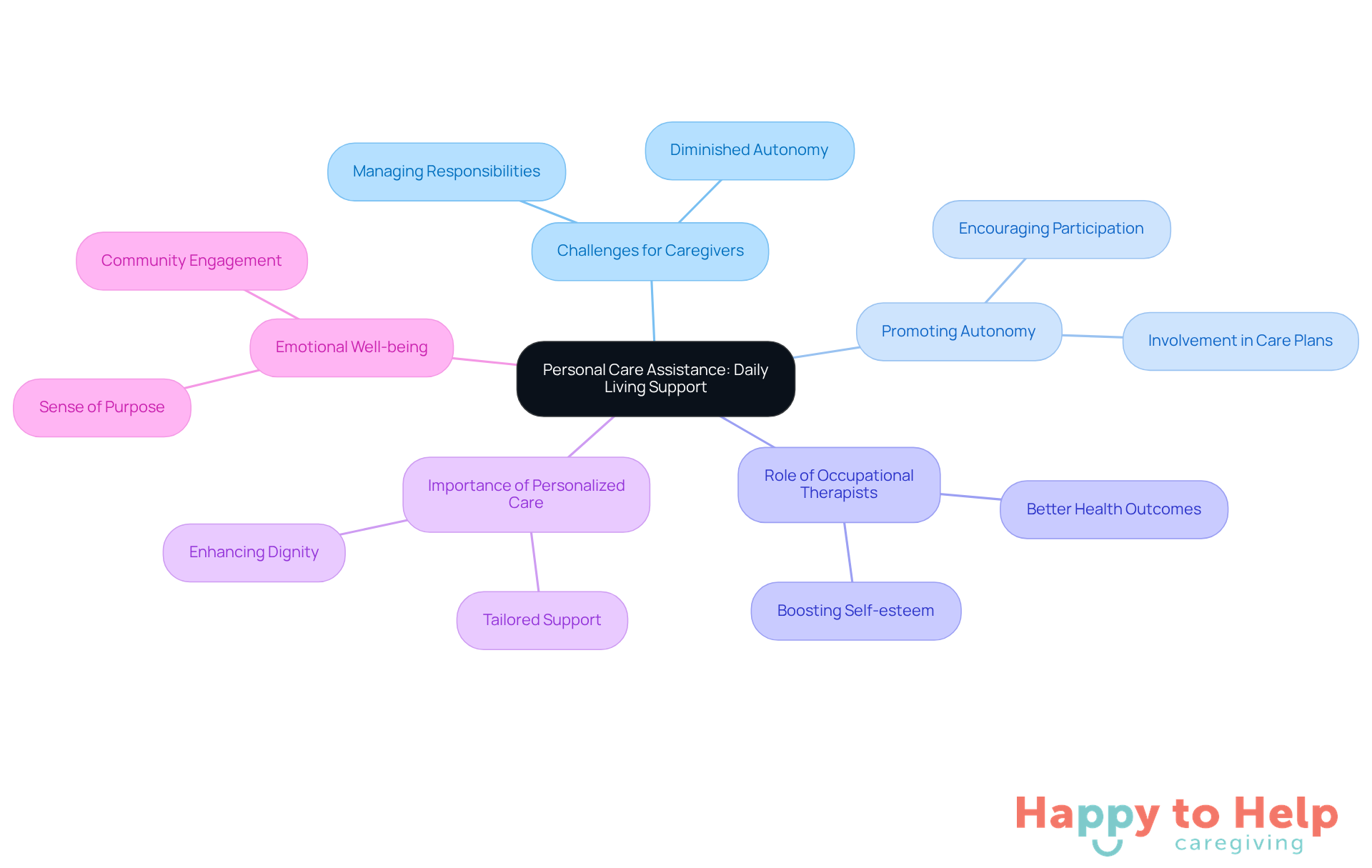
Family supporters face a significant challenge in managing senior caregiver responsibilities while assisting elderly individuals with personal care activities, such as bathing, dressing, grooming, and meal preparation. This reliance can lead to feelings of diminished autonomy among older adults, impacting their emotional well-being and overall health.
To address this issue, senior caregiver responsibilities should involve actively encouraging older adults to participate in these activities. By doing so, they help seniors retain authority over their daily routines, fostering a sense of independence. Studies indicate that when older adults are involved in designing their care plans, they experience a greater sense of autonomy and dignity, which positively influences their emotional health.
Occupational therapists highlight that promoting independence not only boosts self-esteem but also leads to better health outcomes for seniors. Senior caregiver responsibilities involve creating a nurturing atmosphere by honoring personal preferences and encouraging involvement, ensuring safety and comfort while upholding the dignity of elderly individuals.
Furthermore, personalized care that takes individual preferences into account can significantly enhance the dignity and independence of seniors. This underscores the importance of tailored support in caregiving, which aligns with senior caregiver responsibilities, ultimately leading to a more fulfilling experience for both caregivers and the elderly.
Medication Management: Ensuring Health Compliance
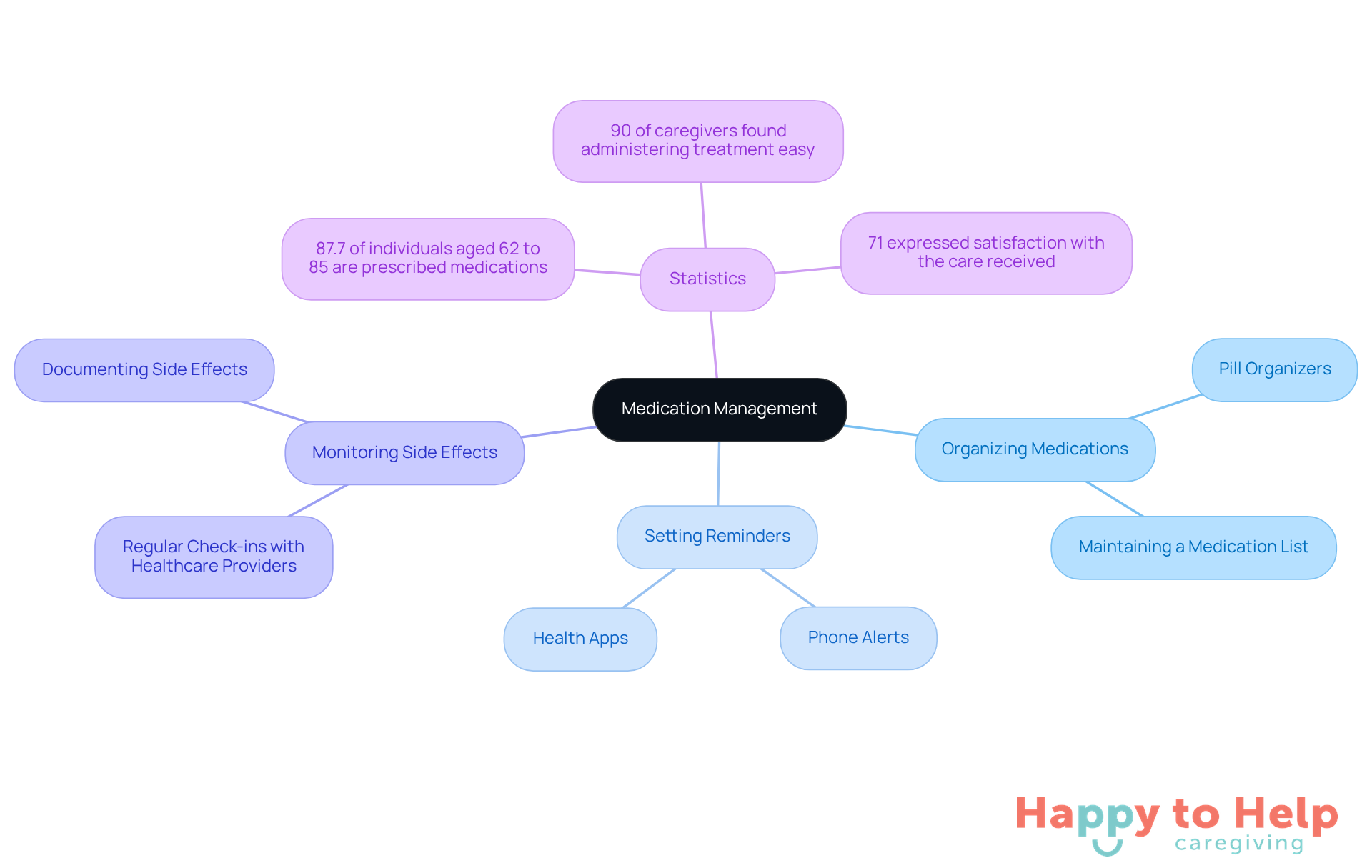
Effective treatment management is crucial for the health and well-being of elderly patients. Family caregivers face the challenge of organizing prescriptions, which can lead to missed doses and potential health risks. Research shows that 87.7% of individuals aged 62 to 85 are prescribed medications, highlighting the need for effective management systems.
To address this issue, it is essential for senior caregiver responsibilities to include implementing a thorough system for managing prescriptions. This includes:
- Organizing medications
- Setting reminders
- Monitoring for side effects
Using pill organizers can significantly reduce the risk of missed doses, while adhering to a regular treatment schedule is essential for compliance.
Communication with healthcare providers is also vital. Caregivers are encouraged to discuss any concerns regarding treatments, as this collaboration can optimize health outcomes. In fact:
- 90% of caregivers found administering treatment easy
- 71% expressed satisfaction with the care received by patients
Additionally, implementing reminder systems, such as phone alerts or health apps, can further support adherence efforts. By emphasizing these strategies, senior caregiver responsibilities can help ensure that elderly individuals receive their essential treatments regularly, ultimately enhancing their quality of life.
Emotional Support and Companionship: Building Connections
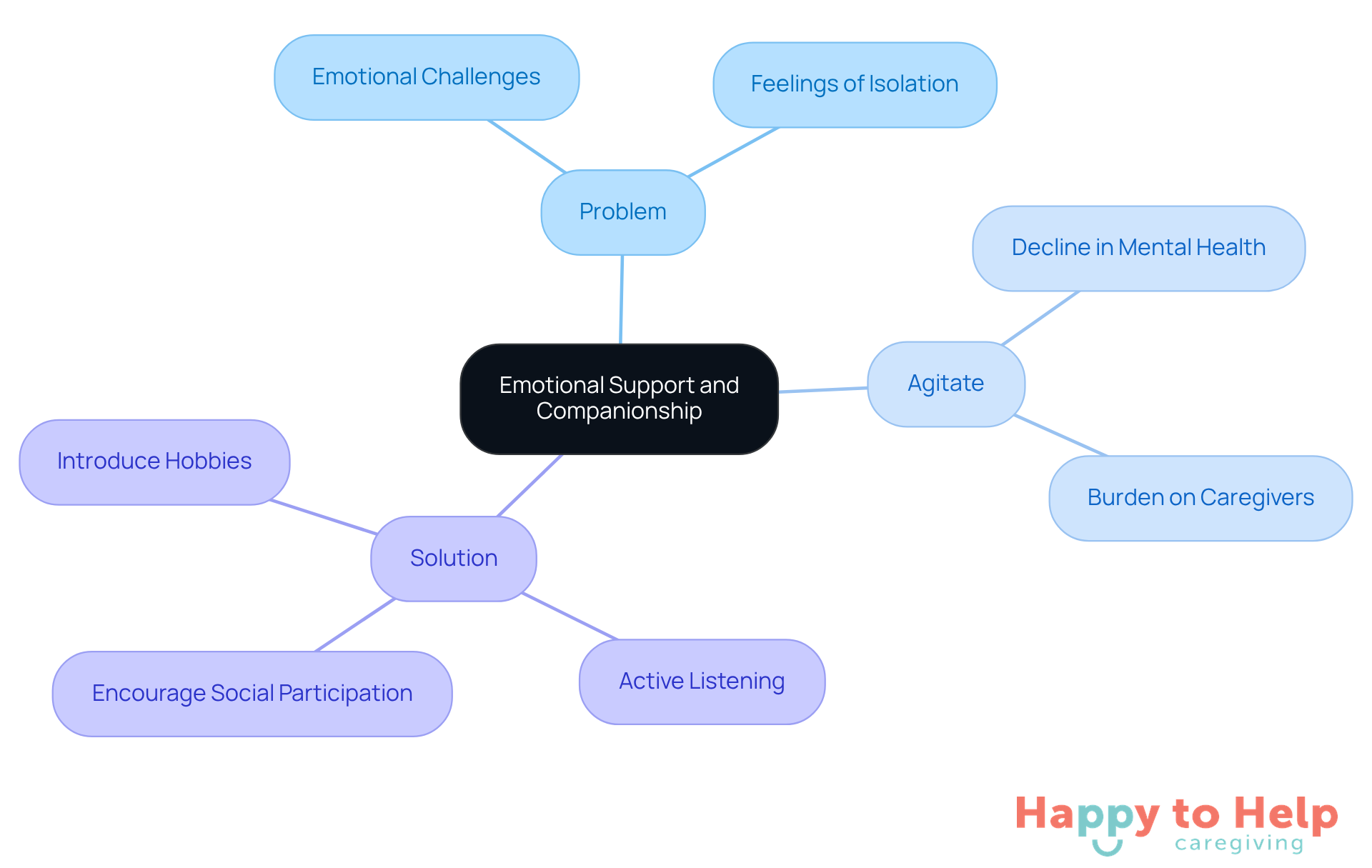
Problem: Many older adults face emotional challenges that can lead to feelings of isolation and loneliness. The senior caregiver responsibilities often include providing the necessary emotional support, and a struggle in this area can exacerbate these issues.
Agitate: When older adults feel unheard or disconnected, their mental health can decline, leading to a diminished quality of life. This situation not only affects the individuals but also places a significant burden on senior caregiver responsibilities, which can leave caregivers feeling overwhelmed and helpless.
Solution: To combat these challenges, family supporters should prioritize emotional assistance. Here are some actionable steps:
- Active Listening: Engage older adults in conversations about their feelings and experiences. This helps them feel valued and understood.
- Encourage Social Participation: Involve them in social activities and foster relationships with family and friends to build a supportive network.
- Introduce Hobbies: Senior caregiver responsibilities involve suggesting hobbies or interests that promote social interaction and emotional fulfillment, enhancing their overall well-being.
Health Monitoring: Keeping Track of Well-Being
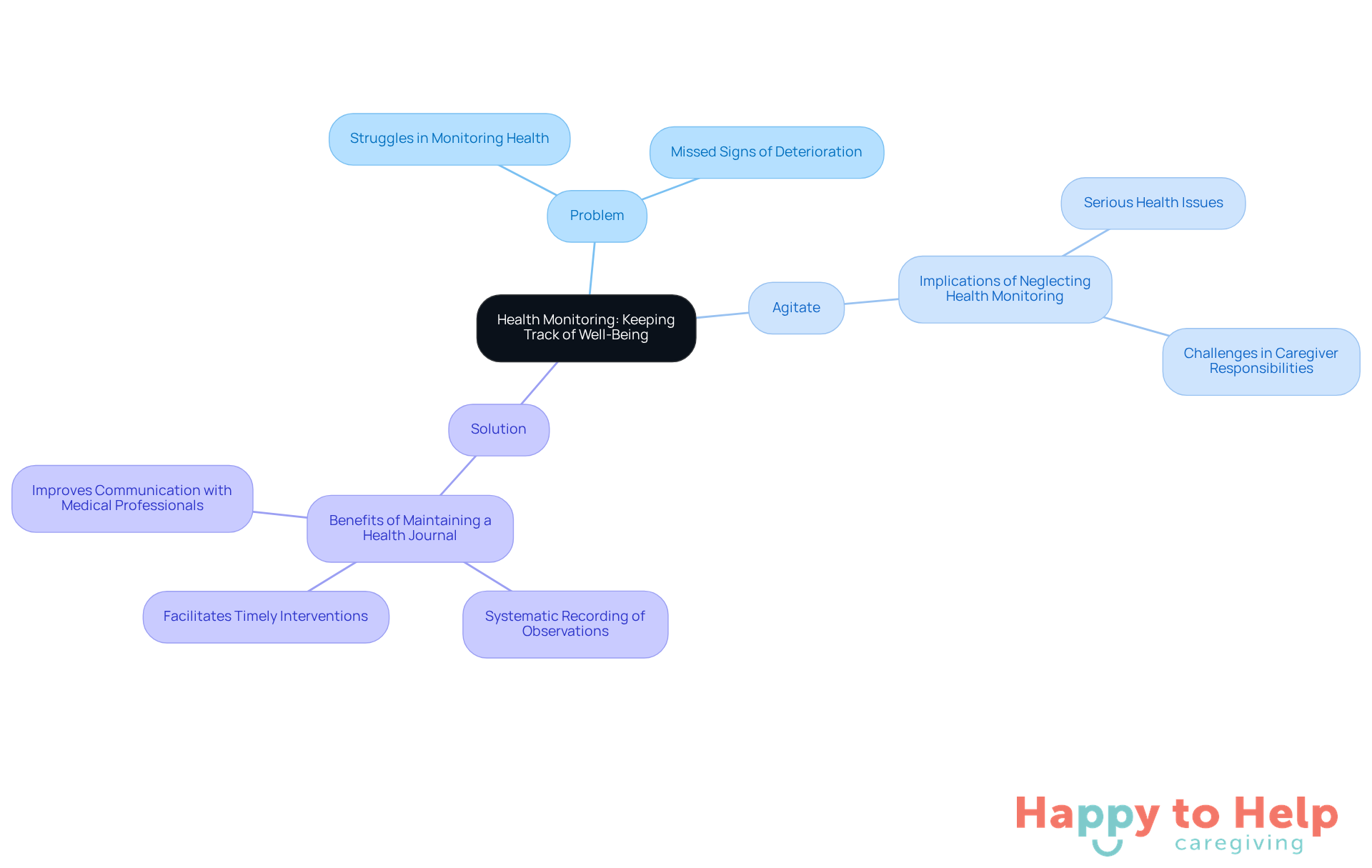
Problem: Family supporters often struggle to monitor the health of elderly individuals effectively. This can lead to missed signs of deterioration, which may result in serious health issues.
Agitate: Without regular observation of vital signs, medication compliance, and changes in behavior or physical condition, fulfilling senior caregiver responsibilities may become challenging. This oversight can have significant implications for the well-being of their loved ones.
Solution: To combat this issue, maintaining a health journal is essential. This tool allows supporters to record observations systematically and share them with medical professionals. By adopting this proactive approach, senior caregiver responsibilities can help facilitate timely interventions and make necessary adjustments to care plans.
Communication with Healthcare Professionals: Facilitating Care
Effective interaction with medical professionals poses a significant challenge for family supporters, directly impacting the quality of assistance older adults receive. Many caregivers struggle to maintain open lines of communication, which can lead to misunderstandings about the senior's condition and specific care needs. This lack of clarity can hinder the overall care process, leaving seniors vulnerable and uninformed.
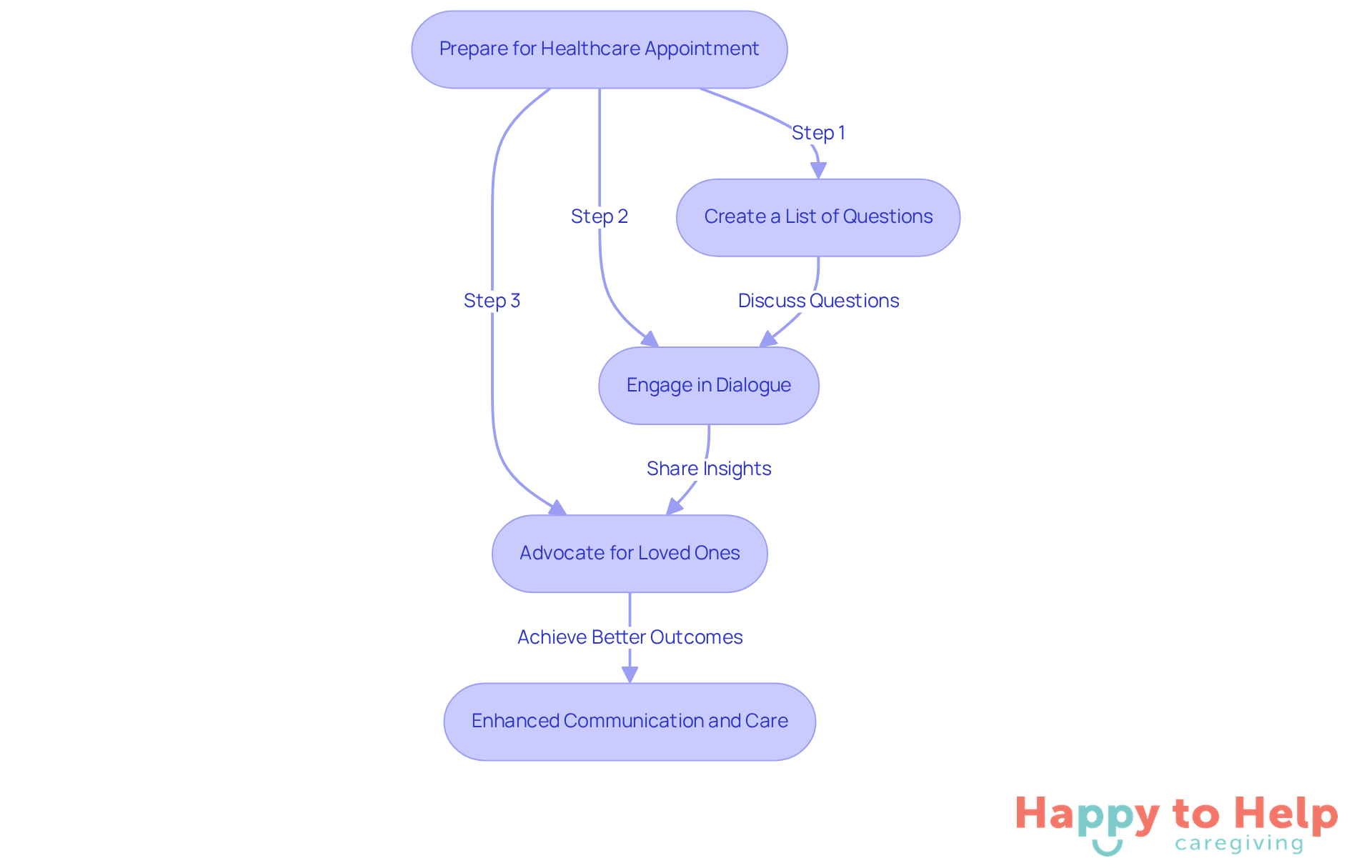
To address this issue, caregivers should prioritize preparation before healthcare appointments. Creating a list of questions and concerns can lead to more productive discussions, ensuring that providers address all relevant issues during consultations. For example, caregivers can inquire about:
- Medication management
- Treatment options
- Follow-up care
This proactive approach not only facilitates a comprehensive dialogue but also empowers caregivers to advocate effectively for their loved ones.
Advocacy is crucial in senior care. Caregivers must champion the preferences and needs of their loved ones to secure the best possible treatment and influence medical outcomes positively. Research shows that effective advocacy can lead to improved patient satisfaction and better adherence to treatment plans. In fact, 87% of caregivers report receiving useful information from medical professionals, underscoring the importance of positive communication. By actively engaging in medical discussions, caregivers can help close communication gaps, ensuring that older adults are fully informed and involved in their care choices.
However, it's important to note that nearly 30% of caregivers experience vague communication from medical professionals, which can obstruct the care process. By preparing thoroughly for healthcare appointments and advocating for their loved ones' needs, senior caregiver responsibilities can significantly enhance a more effective and supportive healthcare experience. This ultimately enhances the well-being of seniors, ensuring they receive the care they deserve.
Home Safety Management: Creating Secure Environments
Family caregivers face significant challenges when it comes to ensuring a safe home environment for their loved ones. Potential hazards can lead to accidents, which not only pose risks to physical health but also create emotional stress for both caregivers and care recipients.
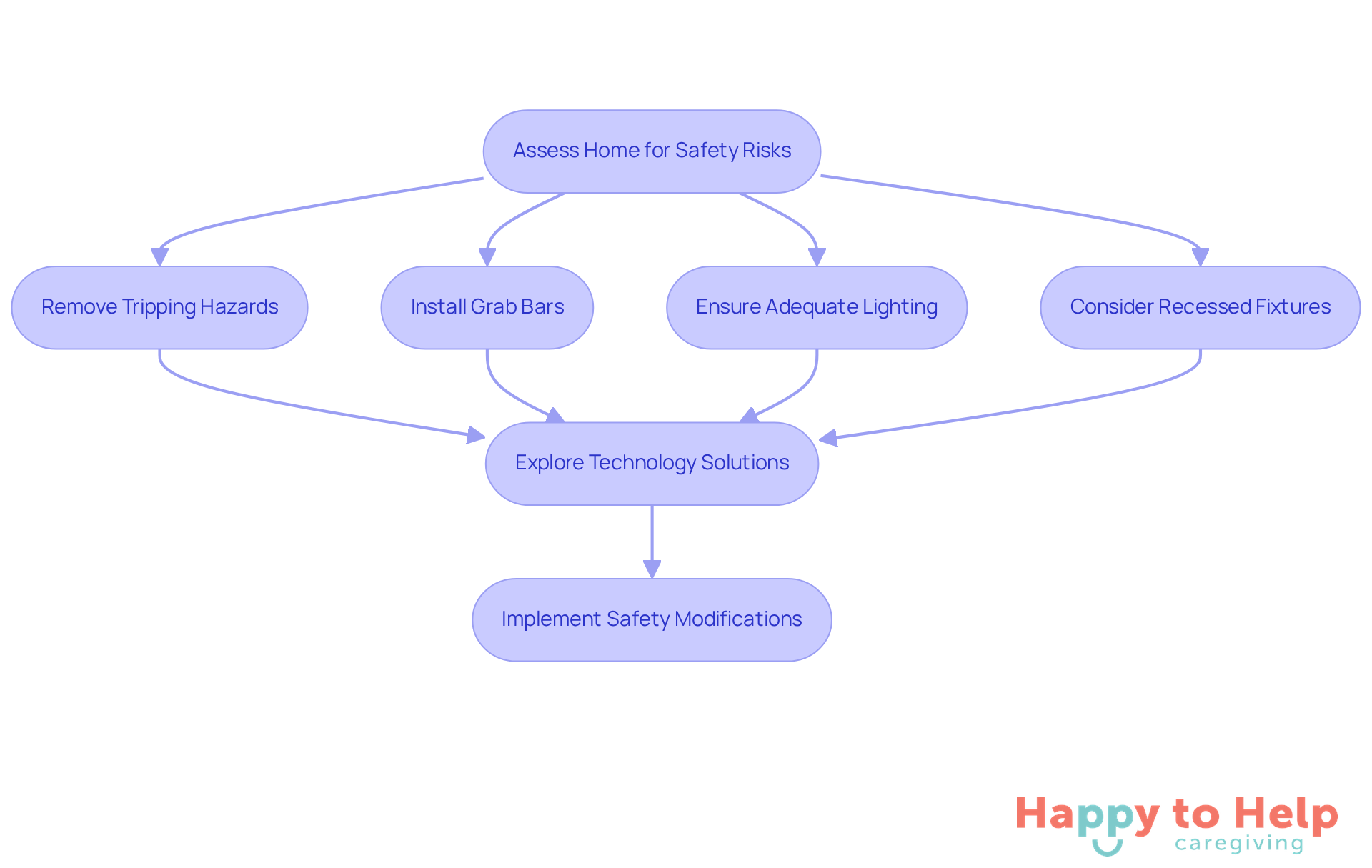
To address these concerns, caregivers should assess their home for safety risks and make necessary modifications. Start by:
- Removing tripping hazards, such as loose rugs or clutter.
- Installing grab bars in bathrooms to provide essential support.
- Ensuring adequate lighting throughout the home for visibility.
- Considering improving illumination with recessed fixtures in hallways and common areas to prevent accidents and promote safer navigation.
Additionally, caregivers should explore the use of technology to enhance safety. Medical alert systems can offer peace of mind, allowing caregivers to respond quickly in case of emergencies. By implementing these practical solutions, caregivers can create a safer living environment that supports the well-being of their loved ones.
Key Takeaways for Caregivers
Family caregivers face significant challenges in ensuring the well-being and quality of life for seniors. These responsibilities can often lead to feelings of isolation and stress, impacting both the caregiver and the senior. By recognizing these challenges, caregivers can take proactive steps to create a nurturing environment that meets the emotional and physical needs of their loved ones.
To combat loneliness, it’s crucial to foster social connections. Engaging seniors in community activities or regular family visits can significantly enhance their emotional well-being. Additionally, managing medications effectively is vital for ensuring compliance and maintaining health. Caregivers should consider using medication management tools or apps to streamline this process.
Home safety is another critical aspect of caregiving. Implementing safety measures, such as removing tripping hazards and installing grab bars, can create a secure environment for seniors. Furthermore, respite care is essential for caregivers, providing them with necessary breaks to recharge and maintain their own health.
Ultimately, the responsibilities of family caregivers are profound. By prioritizing the emotional, physical, and social needs of seniors, caregivers not only improve their loved ones' quality of life but also enhance their own caregiving experience. Embracing these roles and actively seeking resources empowers caregivers to navigate the complexities of caregiving, ensuring that both they and the seniors they care for can thrive.
https://iframe.tely.ai/cta/eyJhcnRpY2xlX2lkIjogIjY5Mjc5NGY4MTE3NGVkN2UzNDc1ZmU1OSIsICJjb21wYW55X2lkIjogIjY4ZWU1ZGNhNzMxNzYyNTU3ZjNjOTVjMSIsICJpbmRleCI6IG51bGwsICJ0eXBlIjogImFydGljbGUifQ==Frequently Asked Questions
What is companionship care and why is it important for seniors?
Companionship care addresses the emotional support needs of elderly individuals, helping to combat loneliness, which can negatively impact their mental health and sense of purpose.
How can family supporters help reduce loneliness in seniors?
Family supporters can reduce loneliness by prioritizing regular social interactions, engaging in conversations, sharing hobbies, and facilitating outings or visits from friends and family.
What are the benefits of regular social engagement for older adults?
Regular social engagement is linked to improved mental health outcomes, reducing the risk of depression and cognitive decline among older adults.
What responsibilities do senior caregivers have in providing emotional support?
Senior caregivers are responsible for creating opportunities for social interaction that help seniors maintain their dignity and emotional health, enhancing their overall quality of life.
What challenges do family caregivers face in post-hospital recovery?
Family caregivers must ensure that discharge instructions are followed, the home environment is safe, and they manage follow-up appointments, medications, and daily activities, which can be overwhelming.
What steps can caregivers take to support their loved ones after hospitalization?
Caregivers can organize follow-up appointments, manage medications carefully, and assist with daily activities to help the patient regain independence.
What is respite care and how does it benefit family caregivers?
Respite care provides temporary relief for family caregivers, allowing them to rest and rejuvenate, which is essential for maintaining their health and fulfilling their caregiving responsibilities.
What signs should caregivers recognize to prevent stress and burnout?
Caregivers should recognize signs of stress and burnout to ensure they can effectively manage their responsibilities and provide quality care.
What strategies can caregivers implement to alleviate stress?
Caregivers can schedule regular respite care, reach out to friends and family for support, and take time for self-care activities to enhance their overall caregiving experience.
List of Sources
- Happy to Help Caregiving: Companionship Care for Seniors
- 10 Benefits of Professional Companion Services for Family Caregivers - Happy To Help (https://happytohelpcaregiving.com/10-benefits-of-professional-companion-services-for-family-caregivers)
- Social connection linked to improved health and reduced risk of early death (https://who.int/news/item/30-06-2025-social-connection-linked-to-improved-heath-and-reduced-risk-of-early-death)
- Companion Care at Home Reduces Loneliness for Seniors During the Holidays (https://lifesathomecare.com/companion-care-at-home-reduces-loneliness-for-seniors-during-the-holidays)
- Navigating Loss: How Companion Care at Home Supports Seniors During Grief Awareness Month (https://ahelpinghandga.com/navigating-loss-how-companion-care-at-home-supports-seniors-during-grief-awareness-month)
- The importance of social connections for seniors in 2025 | Helping Hands (https://helpinghandshomecare.co.uk/care-advice/the-importance-of-social-connections-for-seniors-in-2025)
- Post-Hospital Recovery Assistance: Ensuring Safe Transitions
- How Healing at Home Helps Unclog the Hospital Bed Logjam (https://usnews.com/news/health-news/articles/2025-03-03/how-healing-at-home-helps-unclog-the-hospital-bed-logjam)
- Trends in Receipt of Help at Home After Hospital Discharge Among Older Adults in the US - PMC (https://pmc.ncbi.nlm.nih.gov/articles/PMC8634055)
- Home Care Impact on Recovery of Patient (A Statistics Report) (https://lovinghomecareinc.com/home-care-recovery-statistics)
- Post-Hospital Discharge: Why In-Home Care Improves Recovery for Florida Seniors (https://visitingangels.com/pasco/news-info/post-hospital-discharge-why-in-home-care-improves-recovery/26199)
- Post Hospital Care at Home Prevents Readmissions (https://genuineglobalcare.com/post-hospital-care-at-home-prevents-readmissions)
- Respite Care: Supporting Family Caregivers
- Federal budget committee greenlights millions in spending for family caregivers, respite services (https://mcknightshomecare.com/news/federal-budget-committee-greenlights-millions-in-spending-for-family-caregivers-respite-services)
- How Respite Care Can Improve Mental Health of Caregivers (https://bucknercalderwoods.org/news-blog/how-respite-care-can-improve-mental-health-of-caregivers)
- New Futures | 2025 Caregiver Respite and Senior Volunteer Programs (https://new-futures.org/2025-Caregivers-and-Volunteers)
- News & Success Stories | Live Well San Diego (https://livewellsd.org/Home/Components/News/News/513/153)
- Palliative Support Care: Enhancing Quality of Life
- How Early Palliative Care Enhances a Patient's Quality of Life (https://latimes.com/doctors-scientists/medicine/specialists/story/early-palliative-care-patient-quality-life)
- ‘A good death’: How compassionate care helps people navigate the end of life (https://news.yale.edu/2025/10/13/good-death-how-compassionate-care-helps-people-navigate-end-life)
- Trends in State Palliative Care Legislation Across the U.S. - CAPC - News Bites (https://capc.org/blog/trends-in-state-palliative-care-legislation-across-the-us)
- Palliative care (https://who.int/news-room/fact-sheets/detail/palliative-care)
- Palliative care and hospice poll reveals major gaps (https://ihpi.umich.edu/news-events/news/palliative-care-and-hospice-poll-reveals-major-gaps)
- Personal Care Assistance: Daily Living Support
- California’s Care Crisis: Who Will Care for Our Aging Adults and Those with Disabilities? (https://advancecaregivers.org/californias-care-crisis-who-will-care-for-our-aging-adults-and-those-with-disabilities)
- The Importance of Dignity and Independence in Senior Living (https://carepatrol.com/nw-san-antonio-hill-country/the-importance-of-dignity-and-independence-in-senior-living)
- People with Disabilities Could Lose At-Home Care Due to Medicaid Cuts | County News Center | Office of Communications and Public Affairs | County of Santa Clara (https://news.santaclaracounty.gov/people-disabilities-could-lose-home-care-due-medicaid-cuts)
- Home (https://homehealthcarenews.com)
- News Releases (https://hcaoa.org/news-releases.html)
- Medication Management: Ensuring Health Compliance
- Why Medication Adherence is Crucial for Older Adults (https://agewellmedical.com/news/why-medication-adherence-is-crucial-for-older-adults)
- Effects of medication adherence interventions for older adults with chronic illnesses: a systematic review and meta-analysis (https://ophrp.org/journal/view.php?doi=10.24171/j.phrp.2022.0168)
- Medication use problems among older adults at a primary care: A narrative of literature review - PMC (https://pmc.ncbi.nlm.nih.gov/articles/PMC9245166)
- Role of caregivers on medication adherence management in polymedicated patients with Alzheimer's disease or other types of dementia - PMC (https://pmc.ncbi.nlm.nih.gov/articles/PMC9638151)
- Medication Adherence and Its Associated Determinants in Older Adults with Type 2 Diabetes and Cardiovascular Comorbidities - PMC (https://pmc.ncbi.nlm.nih.gov/articles/PMC10693756)
- Emotional Support and Companionship: Building Connections
- The Importance of Companionship in Later Life - Dale Care Limited (https://dalecare.co.uk/2025/07/03/the-importance-of-companionship-in-later-life)
- The Power of Companionship for Seniors: A Key Ingredient to Quality Aging (https://homecarepgh.com/blog-posts/companionship-in-old-age)
- Lending a hand to close friends boosts daily mood in older adults (https://news.umich.edu/lending-a-hand-to-close-friends-boosts-daily-mood-in-older-adults)
- The Role of Companionship in Elderly Care | Nurturecare (https://nurturecare.com/blog/benefits-of-companionship-in-elderly-care)
- Health Monitoring: Keeping Track of Well-Being
- 30 Inspirational Quotes for Caregivers (https://agingcare.com/articles/caregivers-quotes-inspiration-141133.htm)
- Caregiver Statistics: Health, Technology, and Caregiving Resources (https://caregiver.org/resource/caregiver-statistics-health-technology-and-caregiving-resources)
- The Importance of Health Monitoring for Seniors: Tips from an Internist (https://evansmedicalgroup.com/importance-of-health-monitoring-for-seniors)
- The Caregiving Landscape: Data & Insights on the Caregiver Experience in the U.S. (https://caregiveraction.org/caregiver-statistics)
- The Future of Senior Care: What to Expect in 2025 and Beyond (https://arhomecare.com/the-future-of-senior-care-what-to-expect-in-2025-and-beyond)
- Communication with Healthcare Professionals: Facilitating Care
- Communication Breakdowns Take Toll on Family Caregivers, Especially for Older Adults with Chronic Illness (https://ltcnews.com/articles/communication-breakdowns-toll-family-caregivers-older-adults-chronic-illness)
- National Alliance for Caregiving: Caregiving in the US 2025 Report (https://johnahartford.org/resources/view/national-alliance-for-caregiving-caregiving-in-the-us-2025-report)
- Caregiver Statistics: Demographics (https://caregiver.org/resource/caregiver-statistics-demographics)
- Effects of Poor Communication in Healthcare - 2025 Update (https://hipaajournal.com/effects-of-poor-communication-in-healthcare)
- Caregiver Provider Communication and Caregiver Health (https://aarp.org/pri/topics/ltss/family-caregiving/caregiver-communication-health-care-providers)
- Home Safety Management: Creating Secure Environments
- Home Safety for Seniors: Statistics & Proven Safety Solutions (https://agesafeamerica.com/home-safety-hub/articles/home-safety-seniors-statistics-solutions)
- Facts About Falls (https://cdc.gov/falls/data-research/facts-stats)
- Smart Surveillance Boosts Safety, Connection for Seniors Aging at Home (https://ltcnews.com/articles/smart-surveillance-boosts-safety-seniors-aging-at-home)