
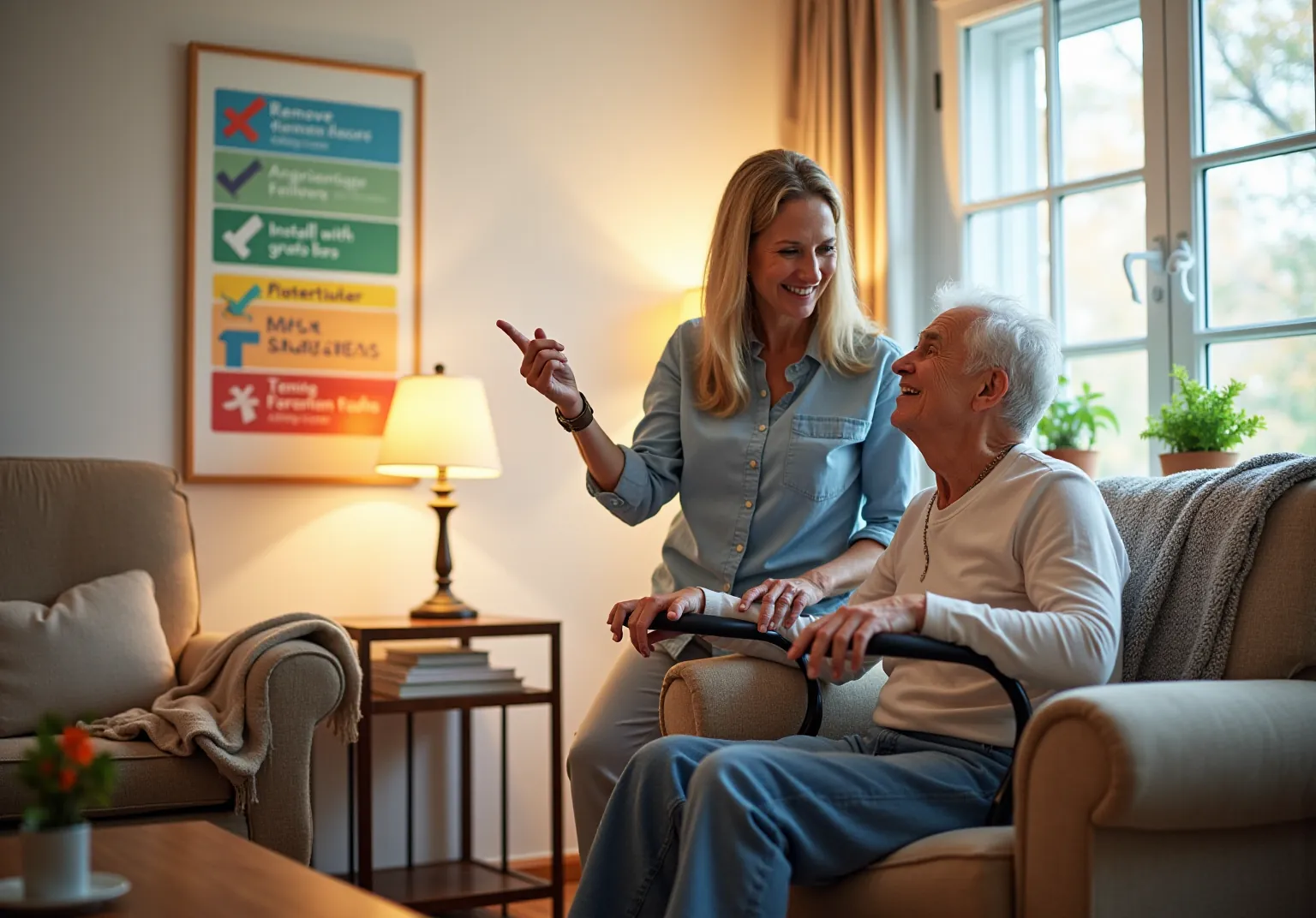
For families in our service areas
For families in our service areas, this guide explains caregiver support and how non-medical in-home caregiving can support care planning in East Idaho, Treasure Valley & Magic Valley, Northern Wasatch, North Central West Virginia, and Northeast Ohio.
What You Need to Know About Senior Home Safety Checklists
Creating a safe and nurturing environment for seniors at home is a heartfelt concern for families and caregivers. With nearly one in four older adults experiencing a fall each year, the stakes feel incredibly high. It’s essential to take proactive measures to ensure their safety. This article explores ten vital senior home safety checklists that not only highlight crucial modifications but also empower caregivers with practical strategies to enhance safety and well-being.
How can caregivers navigate this complex landscape of home safety? It’s a journey filled with challenges, but together, we can ensure our loved ones thrive in a secure environment. Remember, you’re not alone in this; there’s support and guidance available to help you every step of the way.
Happy to Help Caregiving: Personalized In-Home Care for Enhanced Safety
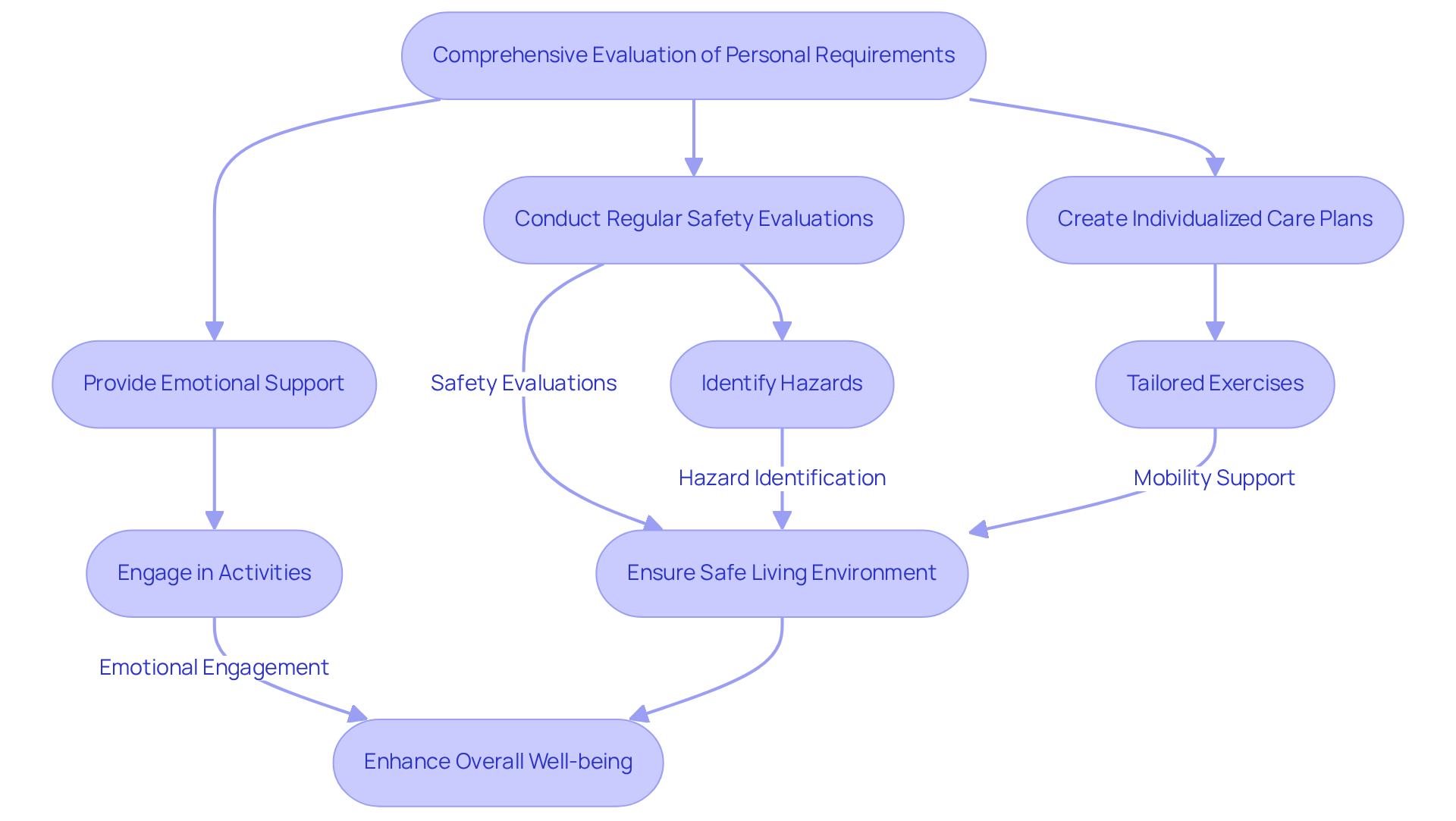
At Happy to Help Caregiving, we truly understand the emotional challenges that come with caring for seniors. It’s not just about their physical needs; it’s about their overall well-being. That’s why we specialize in creating individualized care plans that prioritize the welfare of each senior we serve.
We start by performing comprehensive evaluations of personal requirements and choices. This allows our caregivers to apply focused approaches that significantly enhance home security. Regular safety evaluations are essential for the senior home safety checklist, as they help identify potential hazards and enable timely interventions. For instance, caregivers can address specific risk factors for tumbles, such as poor balance and reduced muscle mass, by providing tailored exercises and mobility support.
But it doesn’t stop there. Our caregivers also offer vital emotional support, engaging clients in activities that promote both physical and mental health. This holistic approach is crucial for reducing the risk of accidents and fostering a sense of connection and joy in their daily lives.
With nearly one in four adults over the age of 65 experiencing a fall each year, the proactive measures taken by our caregivers - like ensuring clear pathways and assisting with daily activities - are instrumental in creating a secure and comfortable living environment. This thorough method not only reduces risks but also nurtures a feeling of safety and autonomy for older adults, which can be achieved through a senior home safety checklist, empowering them to thrive in their own homes.
We believe that every senior deserves to feel secure and valued. Our compassionate care is designed to support not just their physical needs but also their emotional well-being, allowing them to flourish in their living spaces.
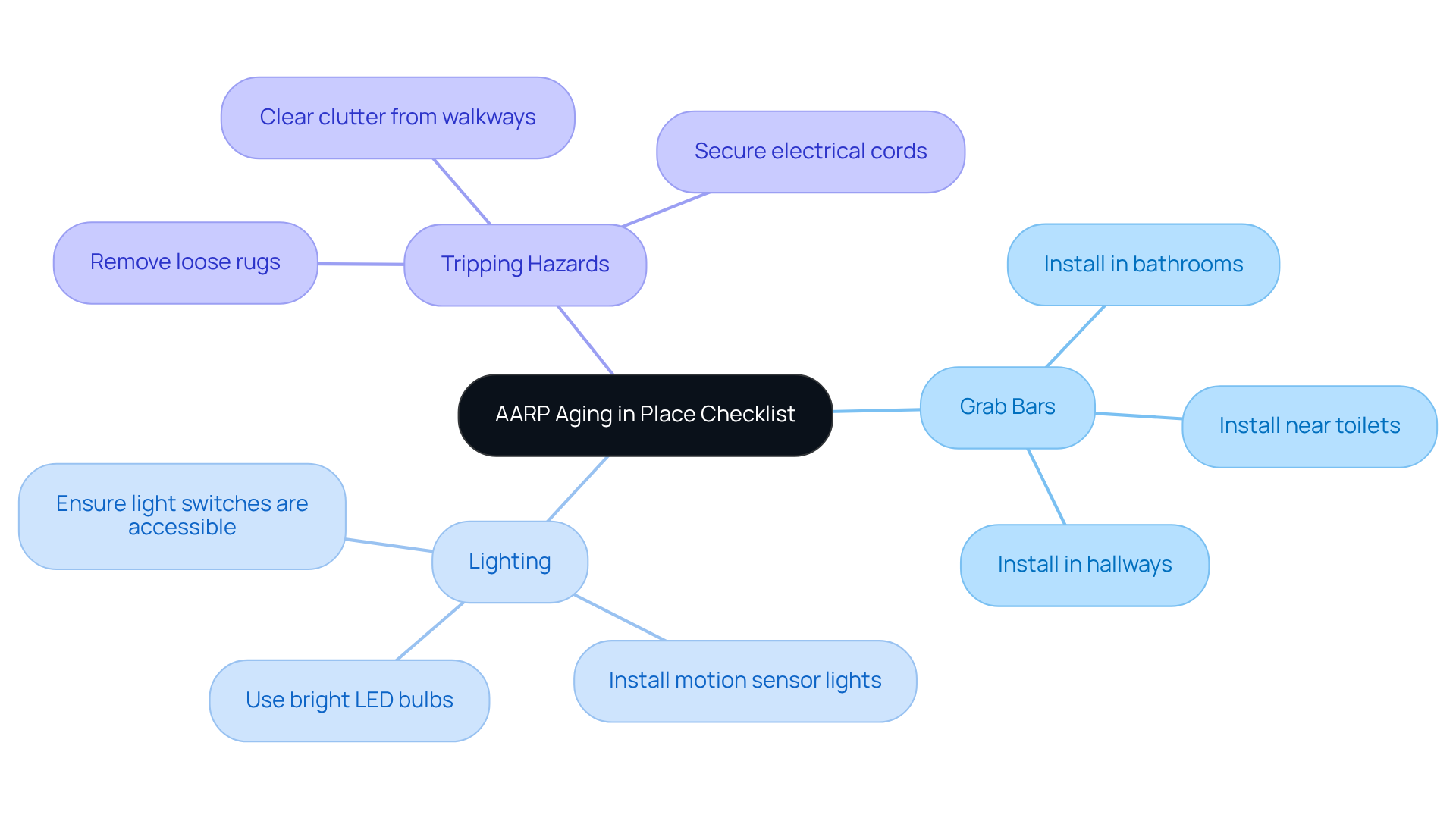
AARP Aging in Place Checklist: Essential Home Modifications for Safety
Caring for our loved ones as they age can be a challenging journey. The AARP Aging in Place Checklist offers essential modifications that can make a world of difference. Using a senior home safety checklist, simple changes like:
- Installing grab bars in bathrooms
- Ensuring ample lighting throughout the home
- Removing tripping hazards such as loose rugs
can significantly enhance safety.
These thoughtful adjustments not only promote safety but also foster a sense of independence. Imagine the relief and confidence seniors feel when they can navigate their homes with ease. It’s about empowering them to move around their residences more freely, allowing them to maintain their dignity and quality of life.
By addressing these concerns, we can alleviate some of the stress and worry that caregivers often experience. Remember, you’re not alone in this journey. There are resources and support available to help you create a safe and nurturing environment for your loved ones by utilizing a senior home safety checklist.
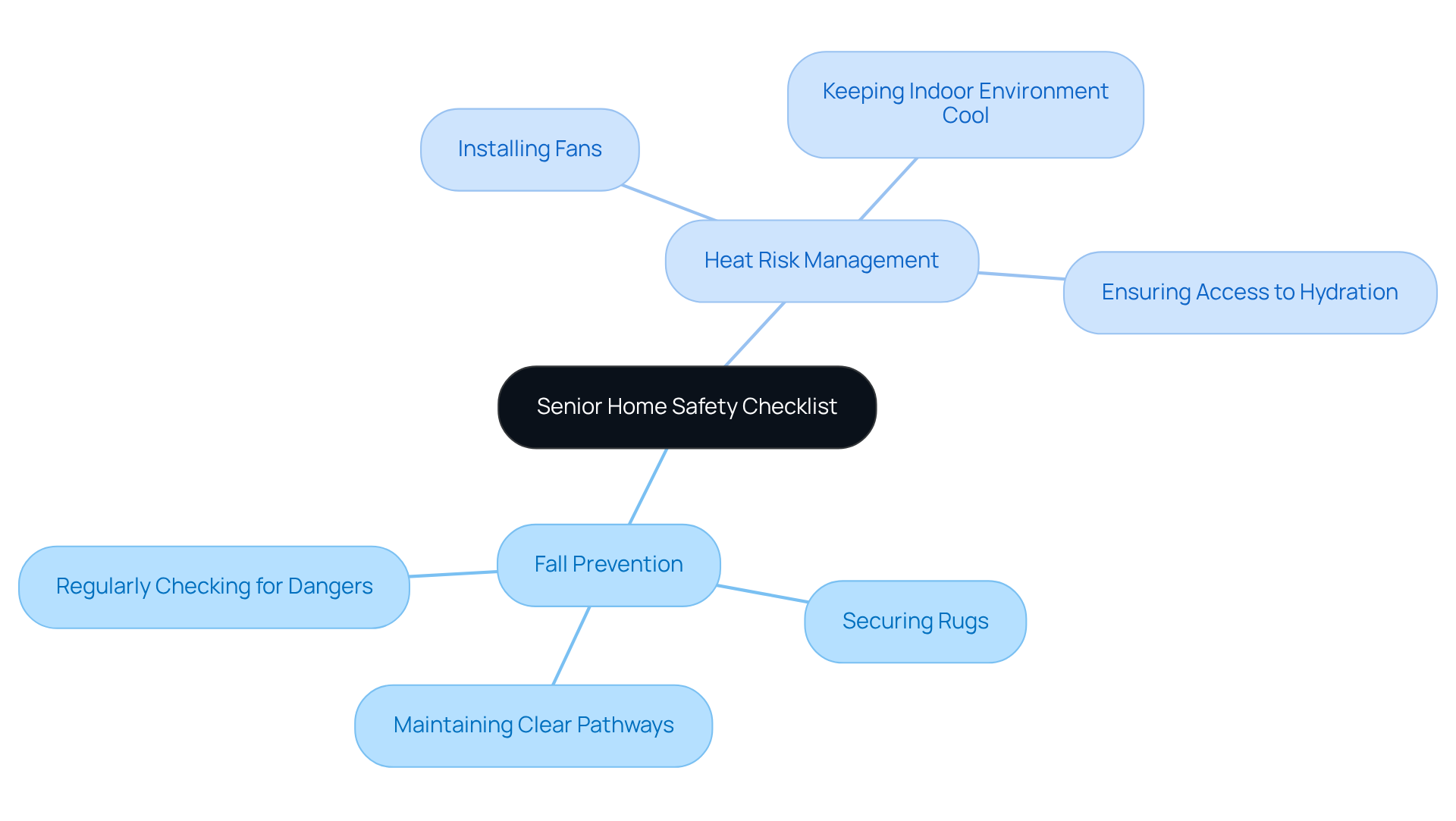
All Thrive 365 Senior Home Safety Checklist: Fall and Heat Risk Prevention
The Senior Home Safety Checklist from All Thrive 365 emphasizes the importance of preventing accidents and managing heat risks for our loved ones. Caregivers, we understand the weight of your responsibility. To ensure the safety of older adults, it's essential to follow a senior home safety checklist that includes:
- Securing rugs
- Maintaining clear pathways
- Regularly checking the home for potential dangers
Did you know that fourteen million Americans aged 65 and older experience a tumble each year? That’s one in four older adults facing this risk annually. This makes proactive measures not just important, but vital.
Heat risks are another serious concern, especially since older adults are particularly vulnerable to extreme temperatures. Simple steps can make a world of difference. Key recommendations include:
- Installing fans
- Keeping the indoor environment cool
- Ensuring easy access to hydration
Regular check-ins can significantly reduce the risk of heat-related illnesses. Just think about Mrs. Garcia, who suffered from heat exhaustion because she didn’t have anyone checking in on her during a heatwave.
Initiatives like Care to Stay Home’s practical heat safety tips for older adults further stress the importance of hydration and cooling strategies. By implementing these thoughtful strategies, caregivers can create a safer and more comfortable living space for their loved ones, ultimately enhancing their quality of life. Remember, a senior home safety checklist can guide you in taking proactive measures to prevent falls and heat-related issues, ensuring the well-being of older adults at home.
Home Instead Home Safety Checklist: Emergency Preparedness and Monitoring
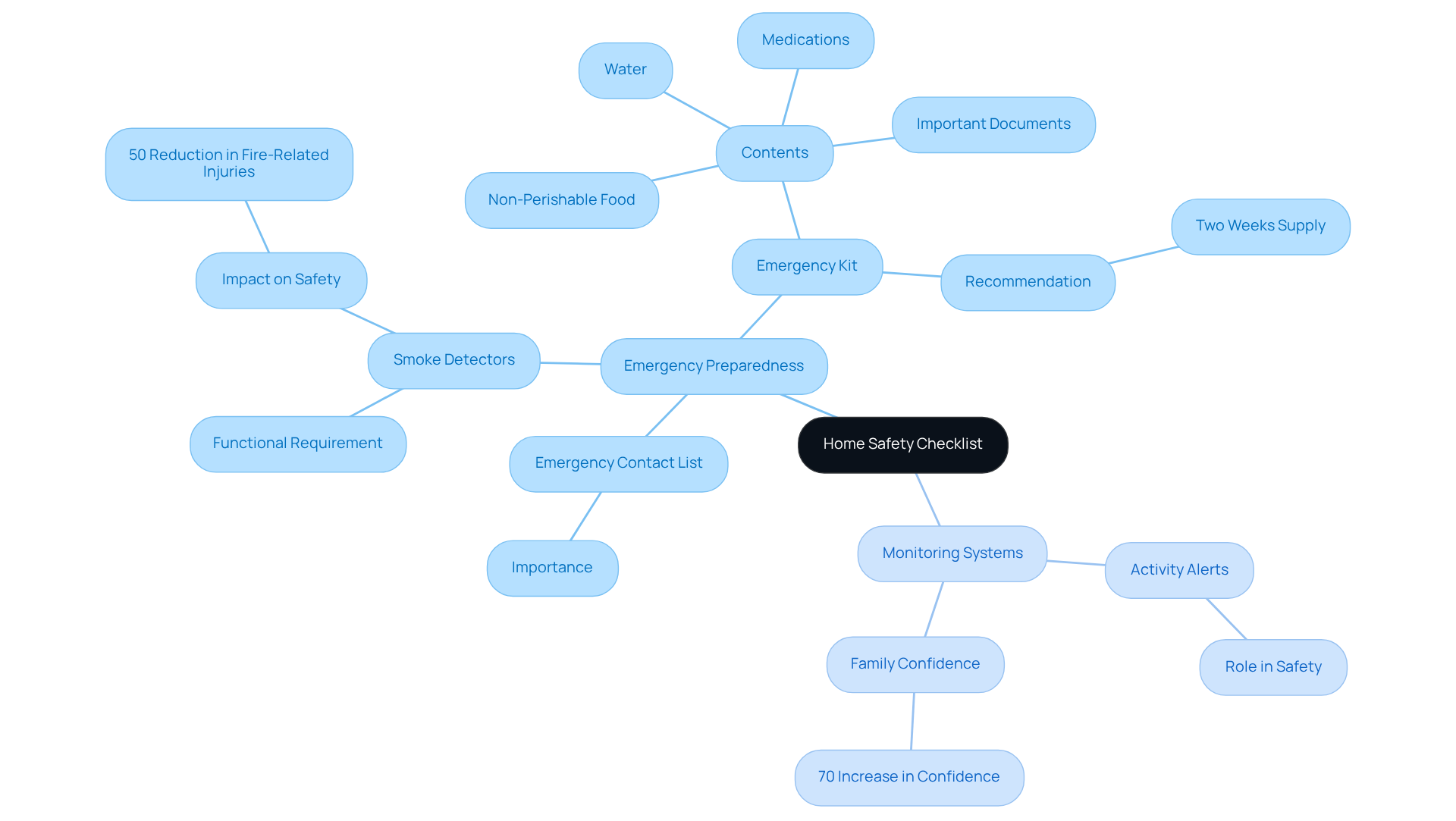
The senior home safety checklist highlights crucial emergency preparedness measures for older adults. It’s essential to create an emergency contact list, ensure smoke detectors are functional, and maintain a well-stocked emergency kit. Recent recommendations suggest that older adults should have emergency kits containing at least two weeks' worth of non-perishable food, water, medications, and important documents. This preparation can significantly reduce risks during disasters.
As the National Fire Protection Association points out, homes equipped with operational smoke detectors can cut the likelihood of fire-related injuries by 50%. Yet, many homes still lack this vital feature, which can be concerning for families.
Monitoring systems play a key role in enhancing the well-being of older adults. These systems can alert caregivers to unusual activity, providing peace of mind and enabling timely interventions. A study by the American Association of Retired Persons (AARP) found that families using these technologies report a 70% increase in confidence regarding their loved ones' safety, especially during emergencies.
As Anslee Wilson, Owner/President of A Helping Hand Home Care, beautifully states, "Emergencies can be especially challenging for the elderly, but with personalized home care, older adults can stay safe, supported, and ready-no matter what comes their way." By implementing these strategies, caregivers can ensure that elderly individuals are better prepared for unexpected situations, as outlined in a senior home safety checklist, fostering a safer living environment.
In these moments of uncertainty, it’s vital to remember that support is available. Together, we can create a nurturing atmosphere where older adults feel secure and cared for.
Mr. Handyman Home Safety Checklist: Room-by-Room Safety Tips
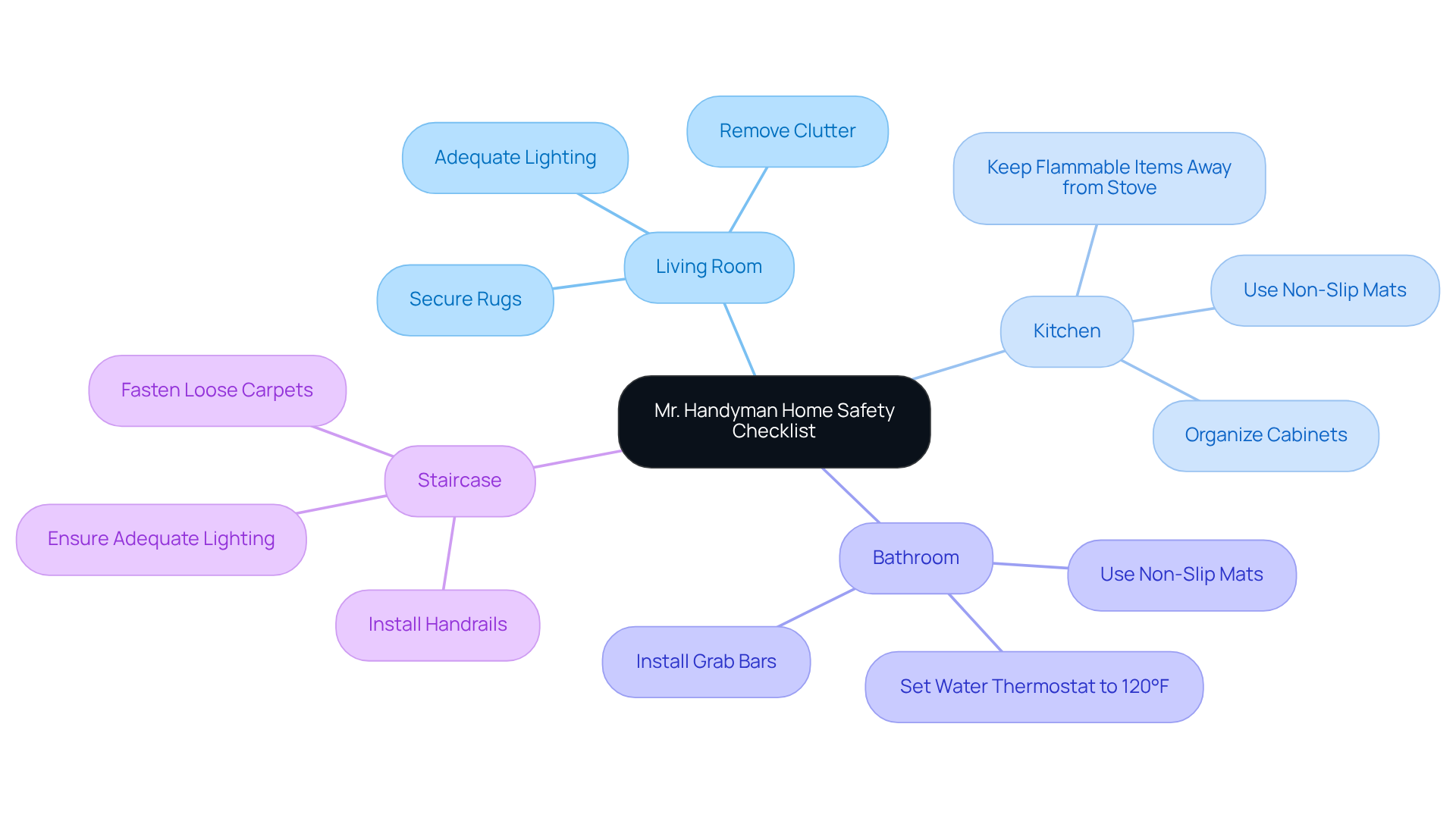
The Mr. Handyman senior home safety checklist provides essential advice tailored for each room, especially emphasizing the importance of well-lit staircases. It’s crucial to ensure adequate lighting, as studies show that older adults may need 2 to 6 times more light than they did when they were younger to navigate safely. Well-lit stairways not only enhance visibility but also reduce the risk of falls, which are a leading cause of injury among older adults - affecting one in four individuals over 65 each year.
Caregivers can take simple steps to create a safer environment:
- Fastening loose carpets and rugs on staircases can help prevent tripping hazards.
- Small carpet tears can be easily mended with glue or staples for added protection.
- Installing handrails on both sides of stairways provides much-needed stability and support for older adults.
As Caring Senior Service wisely states, "Safety is more than preventing accidents; it’s about preserving independence and dignity." Caregivers can significantly enhance the safety and comfort of seniors in their homes by following the senior home safety checklist. This not only fosters a secure living environment but also promotes independence and well-being, allowing seniors to thrive.
Loving Home Care Inc. Ultimate Home Safety Checklist: Key Areas of Focus
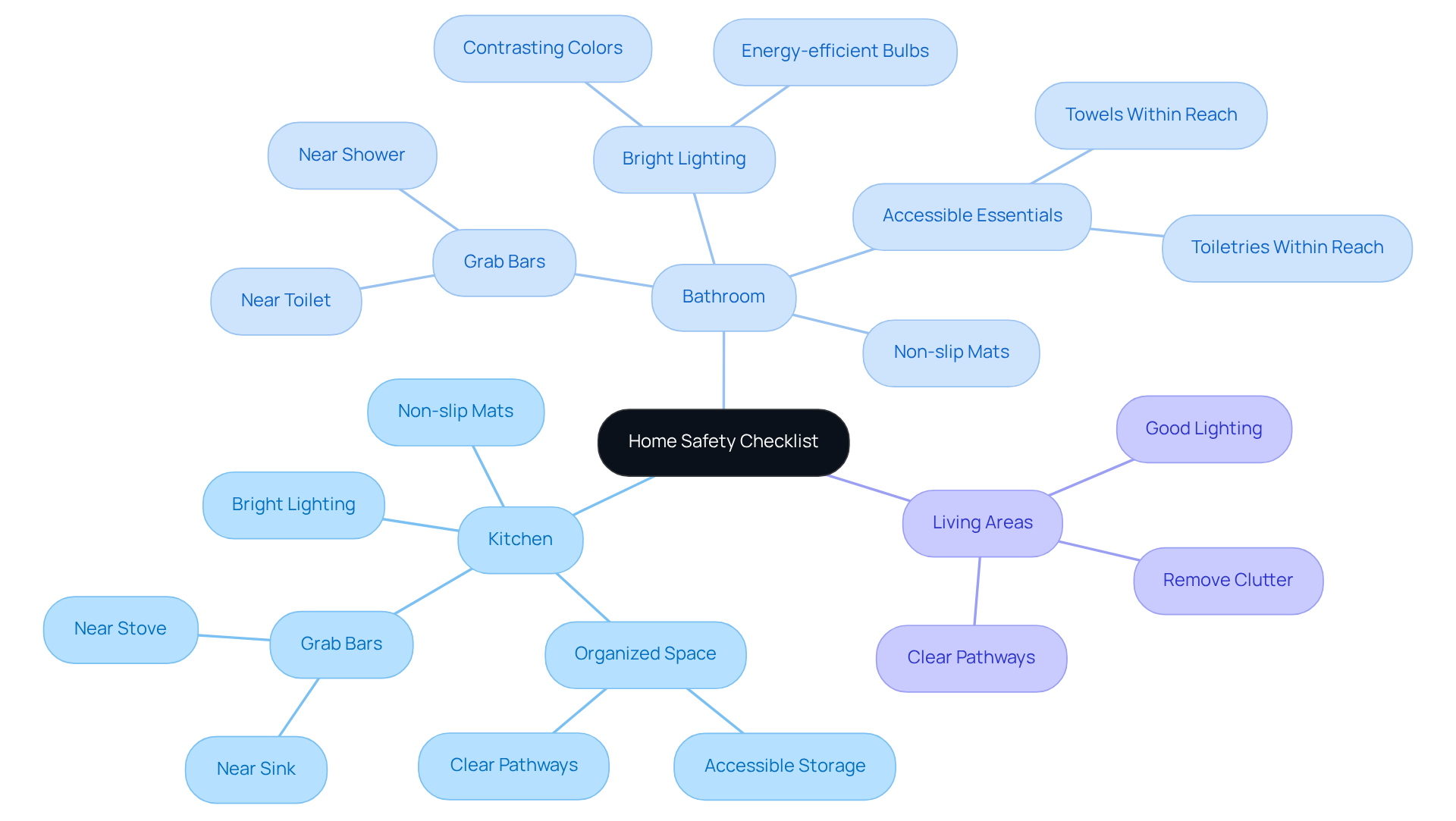
At Loving Home Care Inc., we understand the emotional challenges caregivers face when ensuring the safety of their loved ones. The senior home safety checklist highlights key areas in the home, such as the kitchen, bathroom, and living areas, that need special attention. Simple suggestions, such as placing non-slip mats in the bathroom and ensuring kitchen devices are safe to operate, can make a world of difference. Remember, 1 in 4 older adults (ages 65 and older) experiences a tumble each year, with the bathroom often being a frequent location for these occurrences.
To enhance safety, it’s vital to keep bathroom essentials easily accessible. By ensuring items like towels and toiletries are within arm's reach, we can minimize unnecessary movements that might lead to falls. Experts recommend adding grab bars near the toilet and shower, providing crucial support that makes transitions safer for older adults.
Recent guidelines emphasize the importance of well-lit bathrooms. Utilizing bright, energy-efficient bulbs can significantly improve visibility and reduce hazards. Additionally, using contrasting colors for walls and floors can help those with cognitive impairments navigate the space more safely. A clear and well-lit bathroom is essential for preventing accidents and fostering a sense of security.
Regular evaluations of bathroom safety should be included in a senior home safety checklist. Assessing the effectiveness of installed non-slip mats and other adjustments can help maintain a secure environment. Occupational therapists can offer personalized suggestions to enhance safety, ensuring that the living space promotes the autonomy and health of older adults. By focusing on these essential aspects, family caregivers can greatly enhance the well-being and comfort of their loved ones in their homes.
Mayo Clinic Household Safety Checklist: Comprehensive Safety Assessment
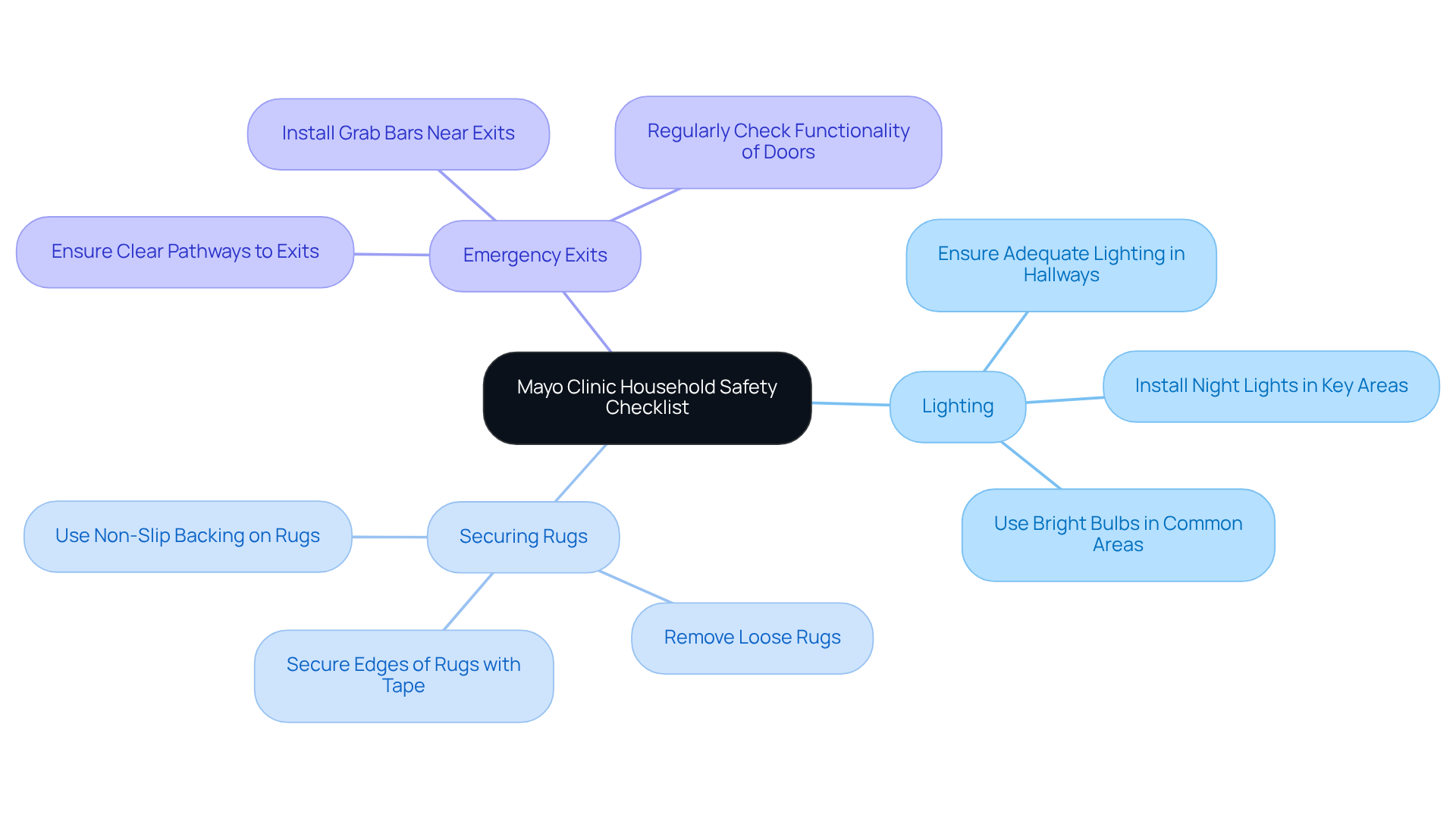
Caring for older adults can be a daunting task, filled with worries about their safety at home, which is why a senior home safety checklist is essential. The senior home safety checklist from the Mayo Clinic serves as a vital resource, helping caregivers assess potential risks in their loved ones' living environments. It covers essential areas like:
- Lighting
- Securing rugs
- Ensuring that emergency exits are easily accessible
Regular safety assessments are crucial to ensure the effectiveness of a senior home safety checklist. They allow caregivers to adapt to the changing needs of their loved ones, providing peace of mind. Healthcare experts emphasize that these evaluations can significantly reduce the risk of accidents. In fact, all ER physicians agree that an annual Safety Assessment is key to keeping the elderly safe in their homes.
Did you know that around 30-50% of falls are linked to environmental factors? Many of these incidents happen right at home. By identifying and addressing hazards, caregivers can create a safer living space by following a senior home safety checklist, which promotes independence and enhances the quality of life for seniors.
Thorough assessments offer practical suggestions and foster a sense of security for families, knowing their loved ones are in a safe environment. Remember, you’re not alone in this journey. Together, we can ensure that our seniors live safely and comfortably at home.
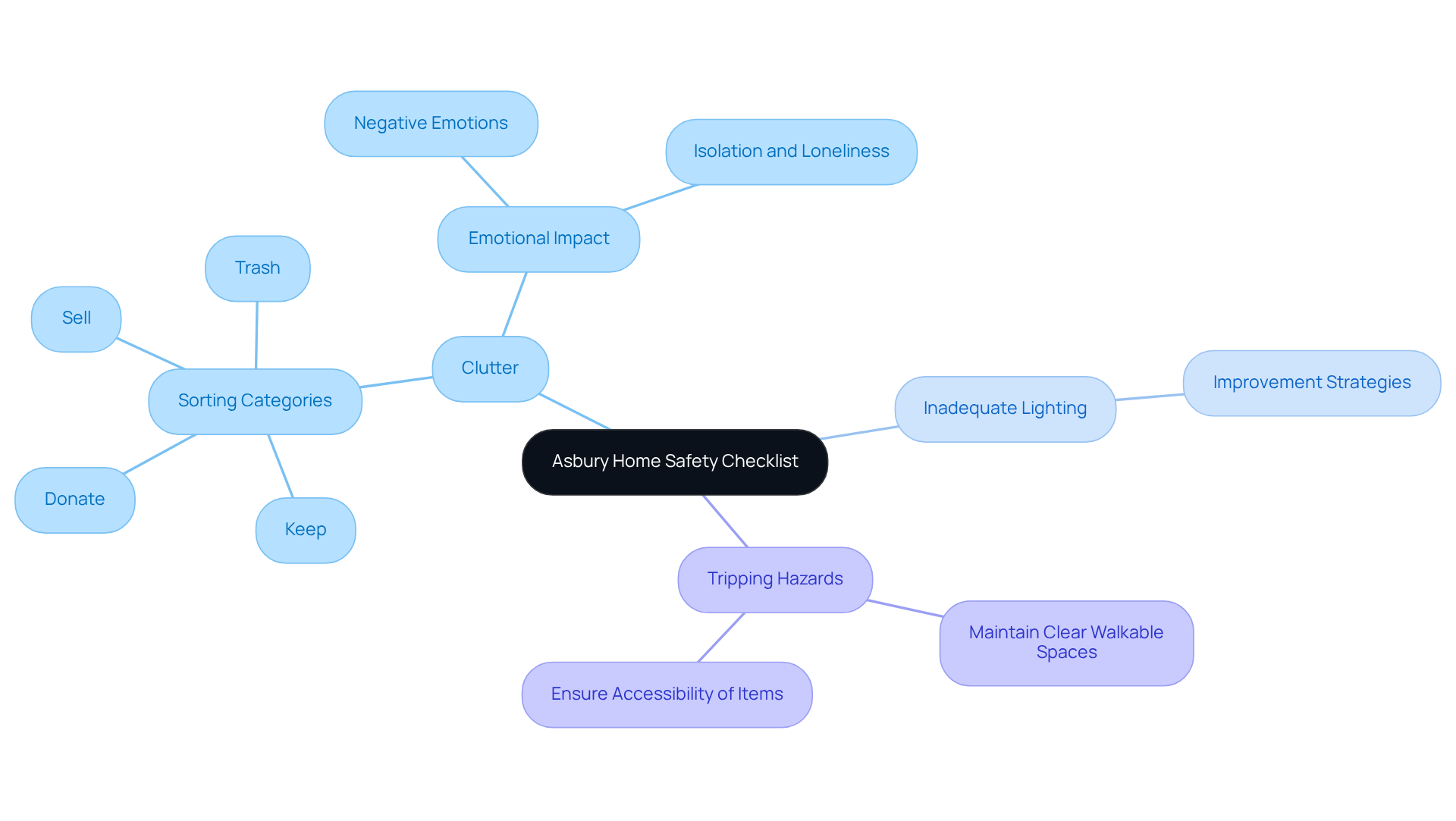
Asbury Home Safety Checklist: Identifying Key Safety Issues
The Asbury Home Safety Checklist is an essential resource for caregivers, addressing critical safety concerns like clutter, inadequate lighting, and tripping hazards. Regularly reviewing the senior home safety checklist is essential to ensure that homes for seniors remain safe and accessible. Clutter, in particular, can create significant risks. Research indicates that a cluttered environment can heighten negative emotions such as confusion, irritability, frustration, and depression, as noted by Julie Rose, CEO of Paladin Life Care. The CDC identifies slips as a leading cause of injury among older adults, with many incidents linked to environmental factors like clutter and poor lighting.
To effectively tackle clutter, caregivers can adopt practical strategies that foster a safer living space. Starting with smaller, less frequently used areas of the home can make the decluttering process feel more manageable. Experts suggest sorting items into four categories:
- Keep
- Sell
- Donate
- Trash
This systematic approach can significantly reduce clutter and create a more inviting environment.
Moreover, maintaining clear walkable spaces of at least three to three and a half feet in hallways and living areas is crucial for preventing falls. Ensuring that frequently used items are easily accessible and that emergency exits remain clear can greatly enhance safety. Safety specialists emphasize that a tidy environment not only reduces physical risks but also boosts emotional well-being, nurturing a sense of dignity and independence for older adults.
Incorporating these strategies into regular home assessments can assist caregivers in developing a senior home safety checklist to create a safer, more manageable living environment for their loved ones. This ultimately promotes their independence and enhances their quality of life.
Aurora at Home Home Safety Checklist: Fall Prevention Strategies
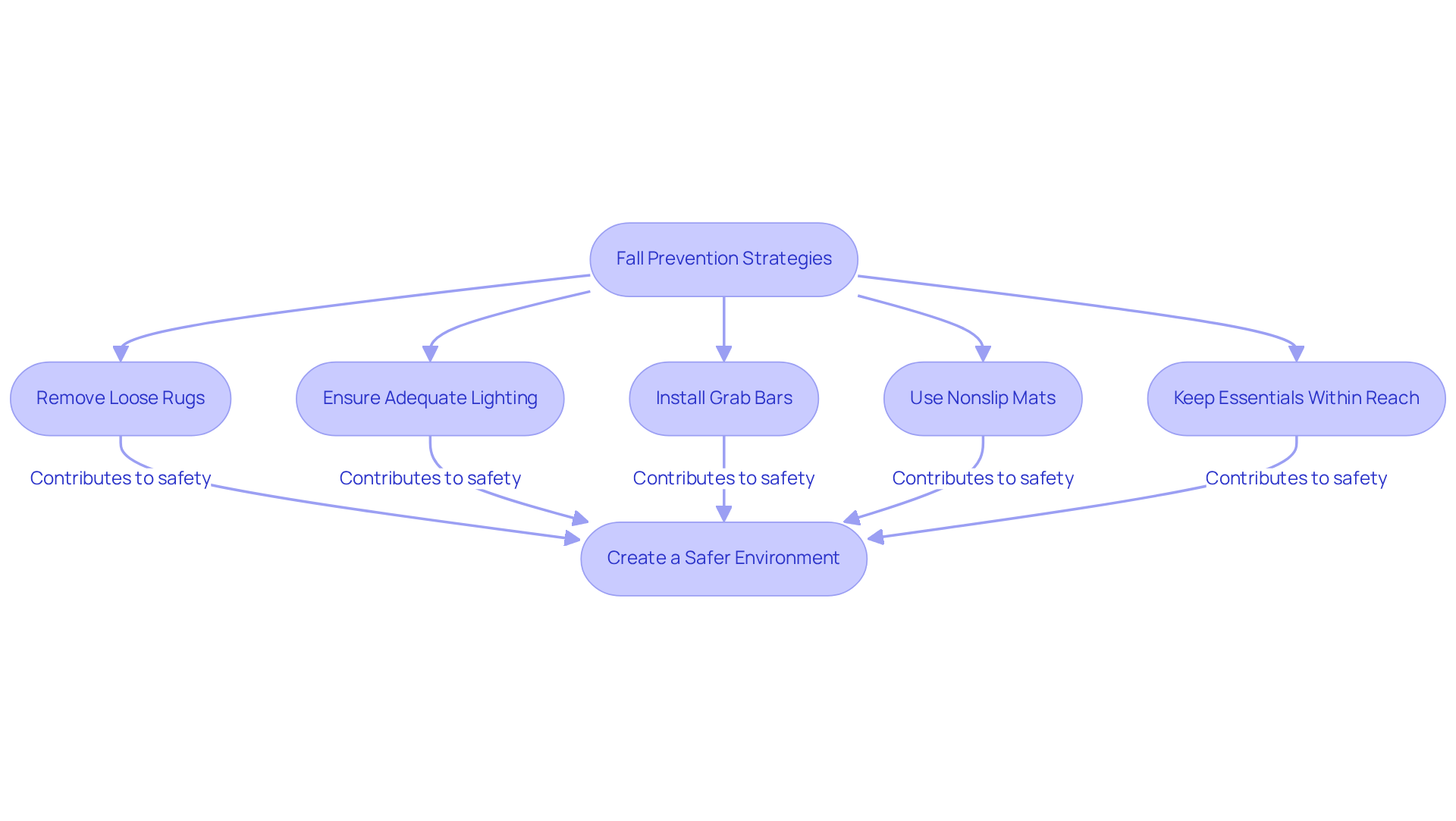
The senior home safety checklist from Aurora at Home highlights essential prevention techniques that are crucial for creating a secure environment for seniors. We understand that the bathroom can be the most hazardous area in the home, and it’s important for caregivers to focus on several key measures:
- Remove Loose Rugs: Loose rugs can easily lead to trips and falls. By securing or eliminating them, you can create a stable walking surface that helps prevent accidents.
- Ensure Adequate Lighting: Good lighting is vital, especially in bathrooms. Bright, well-lit areas can significantly reduce the risk of accidents, particularly during nighttime visits.
- Install Grab Bars: Adding grab bars in showers and near toilets offers essential support for seniors, helping them maintain balance during transitions. Research shows that proper placement of grab bars can greatly decrease the likelihood of accidents, making them an important safety feature.
- Use Nonslip Mats: Placing nonslip mats in the bathroom can help prevent slips on wet surfaces, further enhancing safety.
- Keep Essentials Within Reach: Make sure that frequently used items are easily accessible. This minimizes unnecessary movements that could lead to accidents.
Conducting regular safety assessments is essential and should be included in a senior home safety checklist to evaluate the bathroom and other areas of the home for potential hazards. Making adjustments as needed is key. A risk evaluation from a healthcare expert can also help identify specific hazards and suggest tailored interventions.
By actively engaging in these strategies, caregivers can create a safer living space that reduces the risk of slipping, ultimately supporting the independence and well-being of seniors. The National Council on Aging reminds us that tumbles are a leading cause of injury among older adults, with over one in four experiencing a fall each year. Implementing these recommendations is not just beneficial; it’s essential for maintaining safety at home.
Senior Helpers Home Safety Checklist for Caregivers: Fall Prevention and Emergency Tips
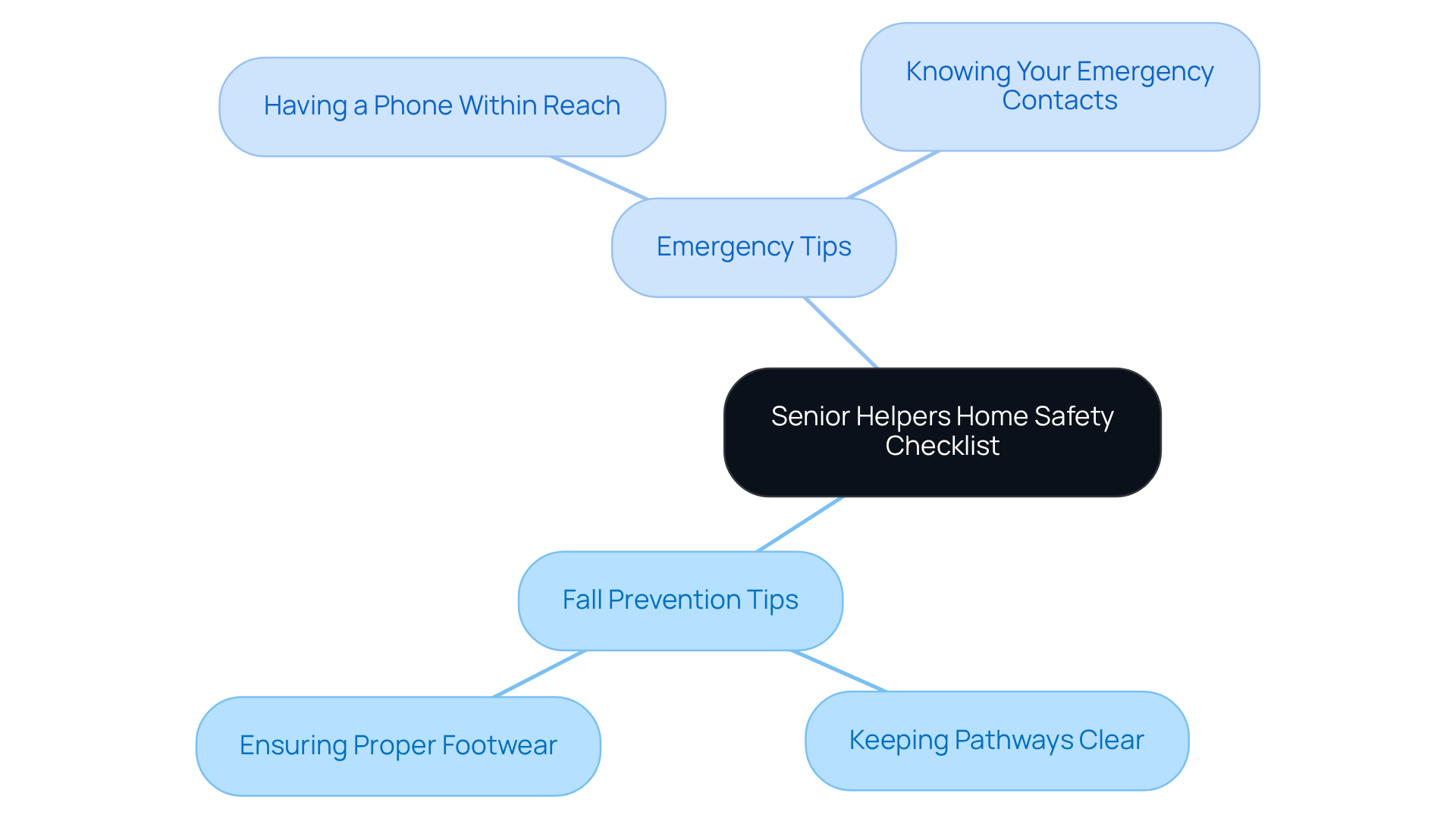
Caring for a loved one can be incredibly rewarding, but it often comes with its own set of challenges. The senior home safety checklist for caregivers is designed to help ease some of that burden. It offers essential tips for preventing falls, like:
- Keeping pathways clear
- Ensuring proper footwear
These small adjustments can make a big difference in creating a safe environment, as highlighted in the senior home safety checklist.
But it doesn’t stop there. The senior home safety checklist includes vital emergency tips, such as:
- Having a phone within reach
- Knowing your emergency contacts
These measures can provide peace of mind, knowing that help is just a call away.
As caregivers, it’s important to regularly review and update these strategies. Our loved ones' needs can change, and staying proactive ensures their safety and well-being. Remember, you’re not alone in this journey. Many caregivers share similar experiences, and it’s okay to seek support when you need it. Together, we can create a nurturing environment that fosters safety and comfort.
Taking the Next Steps
Creating a safe and nurturing environment for seniors is vital for their well-being and independence. It’s important to recognize the emotional challenges caregivers face, often feeling overwhelmed by the responsibility of ensuring safety at home. Utilizing comprehensive senior home safety checklists can be a game-changer, serving as invaluable tools that help caregivers identify and address potential hazards. This proactive approach not only protects loved ones but also allows them to thrive in a secure living space.
These checklists highlight critical areas of focus, such as:
- Fall prevention strategies
- Emergency preparedness
- Essential home modifications
Simple actions like installing grab bars, ensuring adequate lighting, and conducting regular safety assessments can significantly enhance the safety and comfort of older adults. Each recommendation is a step towards creating a more secure environment, underscoring the importance of a holistic approach to caregiving that addresses both physical and emotional needs.
While the responsibility of ensuring safety can feel daunting, caregivers should know they are not alone. By embracing these senior home safety checklists and seeking support, they can foster an environment that promotes dignity, independence, and peace of mind for their loved ones. Taking these proactive steps enriches seniors' lives, allowing them to navigate their homes with confidence and comfort.
Remember, every small effort counts. As one caregiver shared, "Using these checklists made me feel more in control and less anxious about my loved one’s safety." It’s these moments of connection and care that truly make a difference. Together, we can create spaces where seniors feel safe, valued, and cherished.
https://iframe.tely.ai/cta/eyJhcnRpY2xlX2lkIjogIjY5MWU3NDdlYTg0NmUzMjEyY2I2NDY0MSIsICJjb21wYW55X2lkIjogIjY4ZWU1ZGNhNzMxNzYyNTU3ZjNjOTVjMSIsICJpbmRleCI6IG51bGwsICJ0eXBlIjogImFydGljbGUifQ==Frequently Asked Questions
What is Happy to Help Caregiving?
Happy to Help Caregiving specializes in providing personalized in-home care for seniors, focusing on their emotional and physical well-being through individualized care plans.
How does Happy to Help Caregiving enhance home safety for seniors?
They conduct comprehensive evaluations of seniors' personal requirements and choices, allowing caregivers to implement focused approaches that enhance home security and identify potential hazards through regular safety evaluations.
What proactive measures do caregivers take to prevent falls?
Caregivers ensure clear pathways, assist with daily activities, and provide tailored exercises and mobility support to address specific risk factors for falls, such as poor balance and reduced muscle mass.
Why is emotional support important in caregiving?
Emotional support is crucial for fostering a sense of connection and joy in seniors' daily lives, which helps reduce the risk of accidents and promotes overall well-being.
What modifications are suggested in the AARP Aging in Place Checklist?
The checklist recommends installing grab bars in bathrooms, ensuring ample lighting throughout the home, and removing tripping hazards like loose rugs to enhance safety for seniors.
How can simple home modifications empower seniors?
Simple modifications promote safety and foster a sense of independence, allowing seniors to navigate their homes more freely, which enhances their dignity and quality of life.
What does the All Thrive 365 Senior Home Safety Checklist emphasize?
The checklist emphasizes preventing accidents and managing heat risks for older adults by securing rugs, maintaining clear pathways, and regularly checking for potential dangers.
What are some heat risk prevention strategies for seniors?
Key strategies include installing fans, keeping the indoor environment cool, ensuring easy access to hydration, and conducting regular check-ins to reduce the risk of heat-related illnesses.
Why is it important to use a senior home safety checklist?
A senior home safety checklist helps caregivers take proactive measures to prevent falls and heat-related issues, ensuring the safety and well-being of older adults at home.