
For families in our service areas
For families in our service areas, this guide explains caregiving and how non-medical in-home caregiving can support care planning in East Idaho, Treasure Valley & Magic Valley, Northern Wasatch, North Central West Virginia, and Northeast Ohio.
Why Services for Personal Senior Care at Matters
Caring for seniors at home presents a significant challenge for families. They often find themselves navigating the complexities of ensuring their loved ones receive necessary support while also maintaining their independence. This situation can take a substantial emotional and physical toll on caregivers, leading to feelings of isolation and stress for both the caregivers and the seniors they care for.
This article explores ten essential services that can transform personal senior care. These solutions not only enhance the quality of life for seniors but also foster a sense of security. How can families effectively navigate these options to ensure their elderly relatives thrive in the comfort of their own homes?
Happy to Help Caregiving: Comprehensive In-Home Care Solutions
Caring for seniors can be a daunting challenge, especially when it involves personal senior care for individuals with special needs. Many caregivers struggle to provide the necessary support while ensuring their loved ones maintain their independence and quality of life. This lack of adequate assistance can lead to feelings of isolation and stress for both caregivers and clients.
Happy to Help Caregiving addresses these challenges by offering compassionate personal senior care through in-home assistance tailored to individual needs. Their services include:
- Companionship
- Post-hospital recovery assistance
- Respite support
- Palliative care
Each service is designed to enhance the quality of life for clients in the comfort of their own homes.
By focusing on personal senior care to maintain independence and well-being, Happy to Help Caregiving ensures that clients receive the support they need to thrive in familiar surroundings. This approach fosters a sense of security and comfort, allowing both clients and caregivers to feel more at ease.
Home Health Care Services: Medical Support for Seniors
Caring for elderly individuals often presents significant challenges, especially when they require medical assistance. Many seniors face anxiety about hospital visits, which can hinder their recovery from surgery or management of long-term health conditions.
Home medical assistance options, including skilled nursing, physical therapy, and medication management, provide a vital solution. These personal senior care services ensure that seniors receive the necessary medical care in a familiar and comfortable environment, which promotes quicker recovery and reduces stress.
By providing personal senior care at home, caregivers can help their loved ones navigate their health challenges more effectively. This approach not only enhances comfort but also fosters a sense of independence for seniors, allowing them to recuperate without the added pressure of frequent hospital visits.

Respite Care: Temporary Relief for Family Caregivers
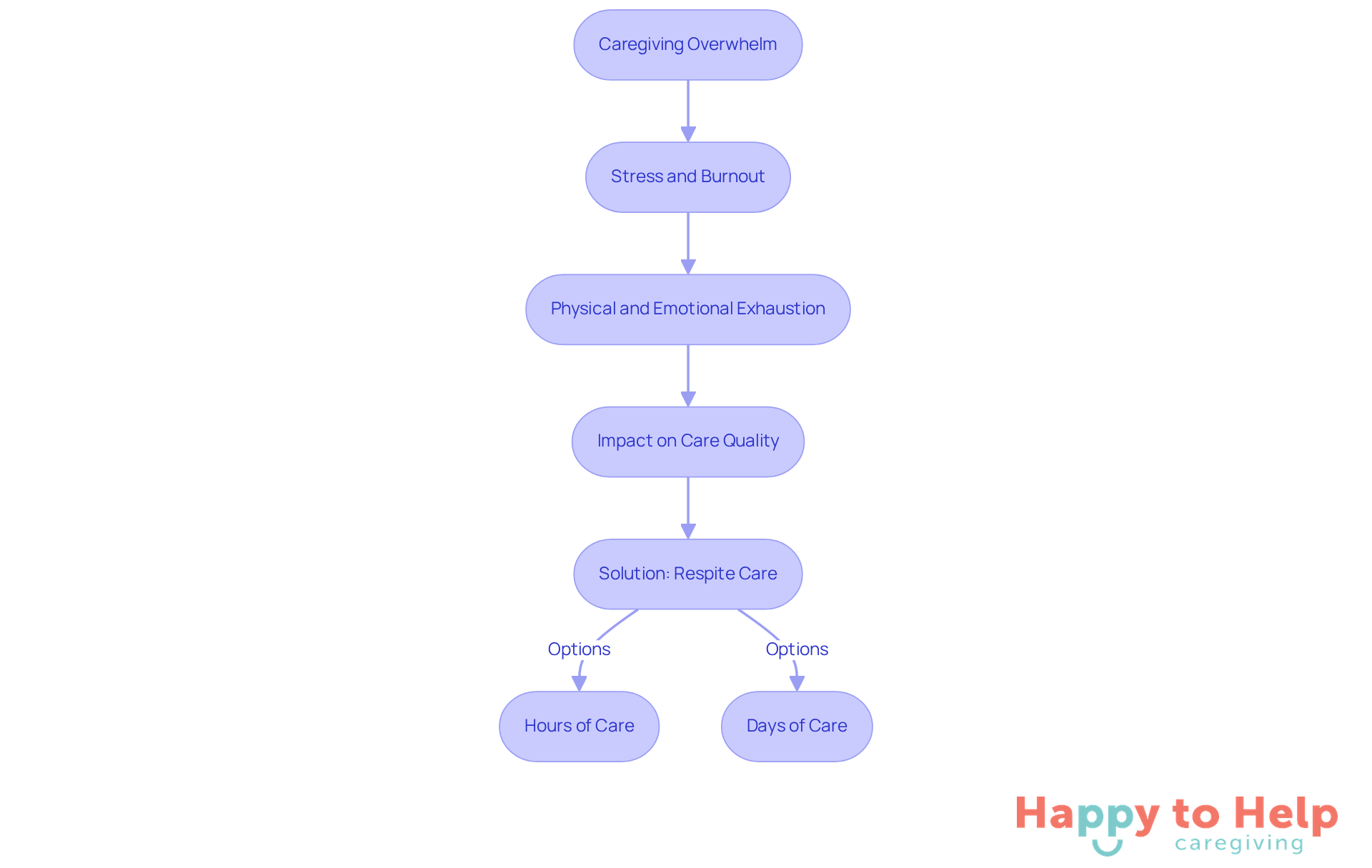
Problem: Caregiving can be overwhelming, leading to significant stress and burnout for family providers. Many caregivers struggle to balance their responsibilities while maintaining their own health.
Agitate: This constant pressure can result in physical and emotional exhaustion, making it difficult for caregivers to provide the best support for their loved ones. Without a break, caregivers may find themselves unable to cope, which can negatively impact both their well-being and the quality of care they offer.
Respite assistance offers a practical solution for personal senior care by providing temporary relief for family providers. This service can be arranged for a few hours or several days, tailored to the family's needs. By utilizing personal senior care services, caregivers can reduce stress and prevent burnout, ensuring they maintain their health while their loved ones receive attentive and compassionate support during their absence.
Companionship Care: Emotional Support for Seniors
Loneliness and isolation are significant challenges faced by older adults, impacting their emotional well-being. Many seniors experience a lack of social interaction, which can lead to feelings of sadness and disconnection from the world around them. This situation not only affects their mental health but also diminishes their quality of life.
Companionship assistance is an important aspect of personal senior care that offers a practical solution to this problem. By providing emotional support, caregivers can help older adults engage in activities they enjoy, fostering meaningful connections. This type of personal senior care encourages seniors to participate in hobbies and social activities, thereby promoting a more fulfilling life.
Caregivers are trained to create these connections, alleviating feelings of loneliness. Through regular interaction and involvement in enjoyable activities, they can significantly enhance the emotional well-being of older adults. By prioritizing companionship, caregivers in personal senior care can make a profound difference in the lives of those they support.

Post-Hospital Recovery Assistance: Smooth Transitions to Home Care
Post-hospital recovery support through personal senior care is essential for older adults transitioning from hospital to home. The challenges faced during this period include:
- Medication management
- Daily activity support
- Coordinating follow-up medical appointments
Studies show that 65% of patients encounter at least one medication discrepancy after discharge, which significantly raises their risk of readmission within 30 days. Moreover, around 25% of patients with dementia are rehospitalized within the same timeframe, highlighting the critical nature of this transition.
To address these issues, caregivers can provide personal senior care through customized assistance that helps older adults regain their independence while reducing the likelihood of complications or rehospitalization. For instance, home health patients experience a 20% lower readmission rate compared to those receiving traditional hospital treatment. Caregivers play a vital role in ensuring that elderly individuals adhere to their medication regimens and attend necessary follow-up appointments, fostering a smoother transition and improving overall health outcomes.
As healthcare professionals emphasize, "smooth transitions from hospital to home are crucial for reducing adverse events and improving patient outcomes." Additionally, home care can lead to approximately 30% in healthcare cost savings compared to conventional care settings, making it a financially viable option for families. It's important to note that one in five older adults experiences an adverse event during the transition from hospital to home, underscoring the need for careful management during this critical period.

Transportation Services: Enabling Mobility for Seniors
Transportation options pose a significant challenge for elderly individuals who can no longer drive. This limitation can hinder access to essential resources such as medical appointments, grocery stores, and social activities. Without reliable transportation, older adults may feel isolated and lose their independence.
The implications of this issue are profound. Geriatric specialists emphasize that mobility is crucial for preserving autonomy and enhancing quality of life in older adults. Current trends show a growing recognition of the need for accessible transportation options, which not only support physical health but also foster social engagement. As the population ages, the demand for innovative mobility solutions continues to rise.
Fortunately, there are several practical solutions available. Caregivers can explore:
- Scheduled rides
- Assistance with public transportation
- Volunteer driver programs
By enabling mobility, these transport options empower older adults to stay connected to their communities and maintain their independence. Incorporating these options into comprehensive personal senior care plans is essential for enhancing the overall well-being of older adults.

Nutrition and Meal Services: Healthy Eating for Seniors
Nutrition and meal programs are essential for personal senior care, addressing a significant problem faced by elderly individuals: access to nutritious, balanced meals tailored to their dietary needs. Many older adults struggle with malnutrition, which can lead to serious health issues and diminished quality of life. Without proper nutrition, their overall well-being is at risk.
These programs offer practical solutions, including:
- Meal delivery
- Grocery shopping assistance
- Nutritional guidance
By ensuring that older adults receive the right nutrients, personal senior care services play a crucial role in promoting health and preventing malnutrition. Caregivers can implement these offerings in personal senior care to support their loved ones, enhancing their quality of life and overall health.
Emergency Medical Alert Systems: Safety and Security for Seniors
Emergency medical alert systems address a critical problem for elderly individuals living alone: the risk of falls and medical emergencies. With over 14 million older adults reporting falls each year, the implications are severe. Falls are the leading cause of both fatal and nonfatal injuries among this population, with approximately 37% of those who fall requiring medical treatment or activity restriction for at least one day. Alarmingly, the age-adjusted fall death rate has surged by 41% from 55.3 per 100,000 elderly individuals in 2012 to 78.0 per 100,000 in 2021, underscoring the urgent need for effective safety measures.
Medical alert systems offer a viable solution in personal senior care, enhancing safety and security for older adults while allowing them to maintain their independence. These systems typically consist of wearable devices that enable users to request help with the push of a button. Experts emphasize that these systems not only facilitate prompt responses to emergencies but also foster a sense of safety for elderly individuals living alone. Features like automatic fall detection and GPS tracking significantly boost their effectiveness, ensuring help is readily available when needed.
Consider these statistics:
- 1 in 10 older individuals relies on medical alert systems.
- 29% of users highlight 24/7 monitoring as a vital feature.
This underscores the importance of ongoing personal senior care for the elderly. As the aging population continues to grow, the role of these systems in promoting safe living conditions for older adults becomes increasingly significant.

Geriatric Care Managers: Coordinating Comprehensive Care
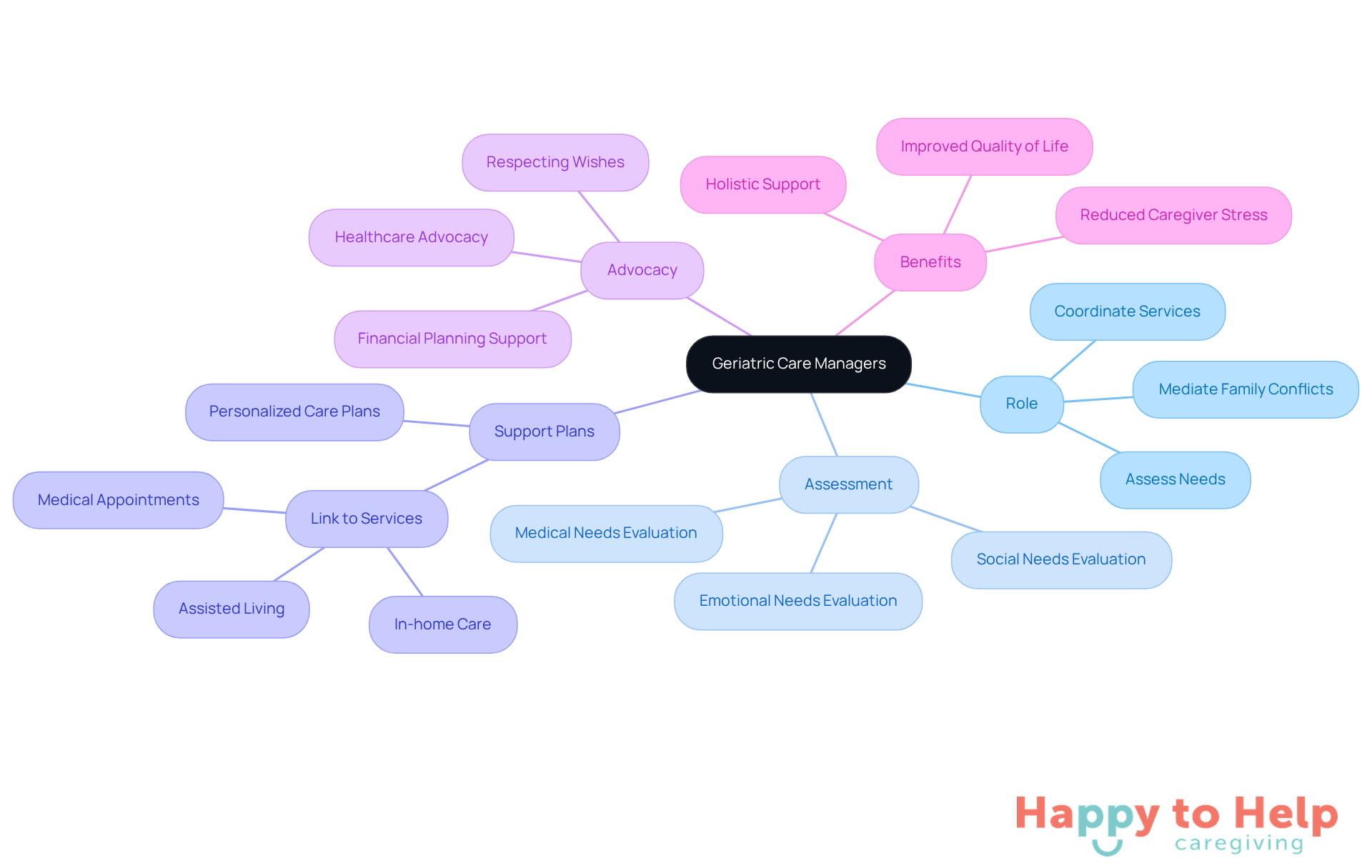
Caring for older adults often requires personal senior care, which can be a daunting task for families. The complexity of navigating various services and support options often leaves caregivers feeling overwhelmed. This is where geriatric management professionals come into play.
These experts specialize in coordinating personal senior care services that are tailored to the needs of older adults. They assess the requirements of both the elderly individuals and their families, crafting comprehensive support plans that link clients with appropriate services. By acting as advocates and guides, geriatric care managers assist families in navigating the intricate landscape of personal senior care.
With their assistance, families can ensure that their loved ones receive the best possible support, alleviating some of the stress associated with caregiving. Engaging with a geriatric care manager can be a practical solution for families seeking clarity and direction in their caregiving journey.
Mental Health Professionals: Supporting Emotional Well-Being in Seniors
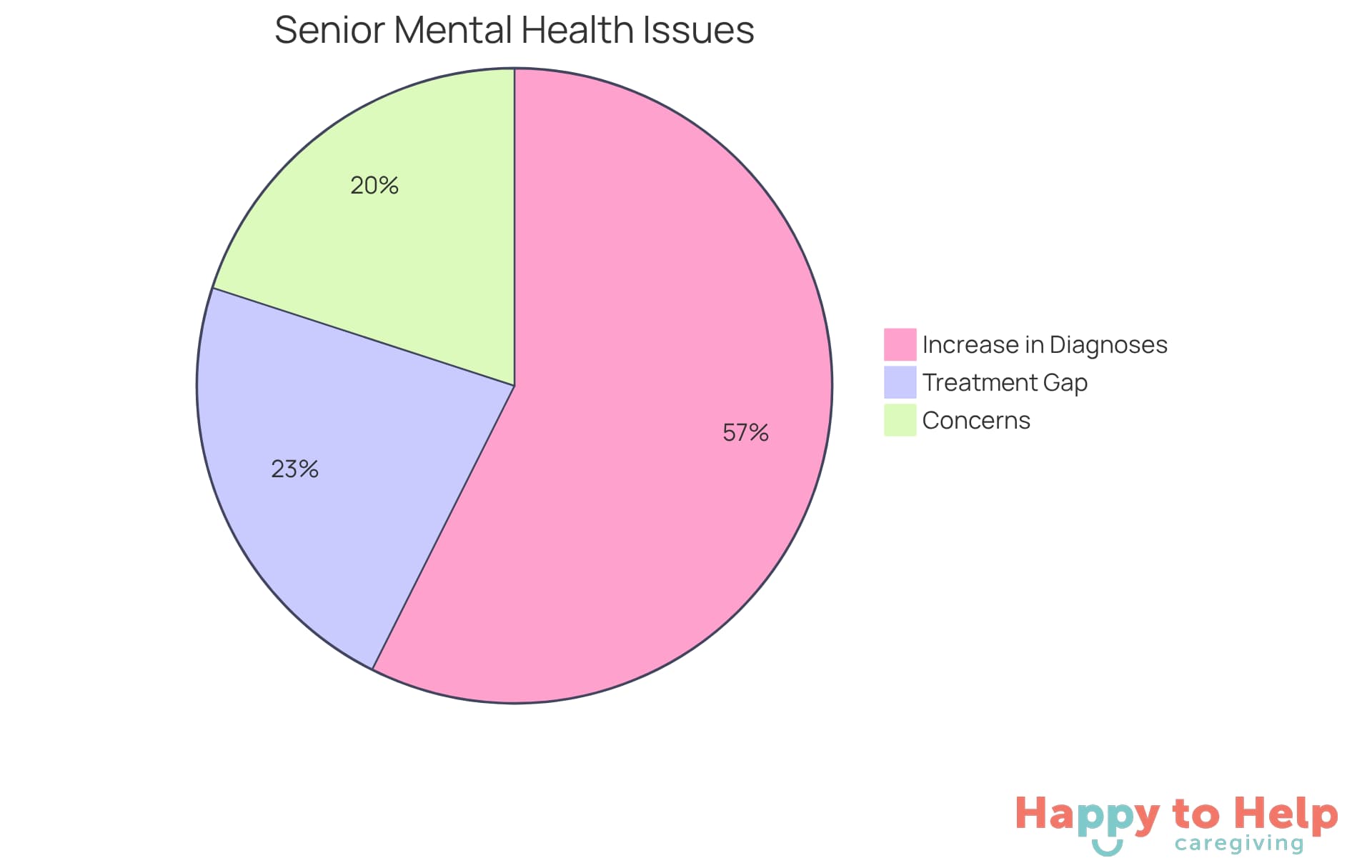
Mental wellness among seniors is a pressing issue, with nearly 20% of individuals aged 55 and older facing mental well-being concerns. This demographic encounters unique challenges, including depression, anxiety, and social isolation. As highlighted, "Older adults should have access to quality mental wellness services that respects their agency and supports their family caregivers."
The implications of these challenges are significant. Current trends show a staggering 57.4% increase in mental well-being diagnoses among older adults from 2019 to 2023. This underscores the urgent need for accessible mental care that prioritizes the emotional needs of seniors. As specialists observe, "The largest increase in mental well-being diagnoses was noted in individuals aged 65 and older, with a 57.4 percent rise."
Despite this alarming trend, fewer than half of older adults with mental well-being and/or substance use issues obtain treatment. This gap in service availability is troubling and highlights the need for improved access to mental health resources. Fostering strong social connections is vital for enhancing resilience and well-being in older adults, as chronically lonely adults aged 50 and older have a 56% higher risk of stroke.
Mental wellness experts play a crucial role in addressing these issues. By providing customized counseling, therapy, and support groups, they assist older adults in developing a positive perspective and improving their overall quality of life. Through effective therapy and support, mental health professionals empower seniors to navigate their emotional landscapes, ultimately leading to a more fulfilling and enriched life.
Key Takeaways for Caregivers
Providing personal senior care at home presents a significant challenge for families striving to enhance the quality of life for elderly individuals. Without tailored assistance, seniors may struggle to maintain their independence, leading to feelings of isolation and decreased well-being.
The implications of inadequate care are profound. Seniors face various challenges, from limited mobility to emotional distress, which can severely impact their overall health. Families often feel overwhelmed, unsure of how to provide the necessary support while balancing their own responsibilities.
To address these challenges, families can implement a range of essential services. Consider the following actionable solutions:
- Companionship: Regular visits can alleviate feelings of loneliness.
- Medical Support: Access to healthcare professionals ensures timely medical attention.
- Respite Care: Temporary relief for family caregivers helps prevent burnout.
- Transportation Services: Facilitating mobility allows seniors to engage with their community.
Each of these services plays a crucial role in creating a holistic care plan. By prioritizing emotional support, safe transitions from hospital to home, and mobility solutions, families can foster a nurturing environment that promotes well-being and emotional security.
Ultimately, these services are vital for promoting a dignified and fulfilling life for older adults. Engaging with professional caregiving solutions not only alleviates the burden on family caregivers but also ensures that seniors receive the compassionate support they deserve. By exploring and implementing these essential services, families can significantly enhance the overall well-being of their loved ones, celebrating their independence and quality of life.
https://iframe.tely.ai/cta/eyJhcnRpY2xlX2lkIjogIjY5MjNhMGMyYzVlZWQyYmRiNTU3YmYyYSIsICJjb21wYW55X2lkIjogIjY4ZWU1ZGNhNzMxNzYyNTU3ZjNjOTVjMSIsICJpbmRleCI6IG51bGwsICJ0eXBlIjogImFydGljbGUifQ==Frequently Asked Questions
What challenges do caregivers face when caring for seniors?
Caregivers often struggle to provide necessary support while ensuring their loved ones maintain independence and quality of life. This can lead to feelings of isolation and stress for both caregivers and clients.
What services does Happy to Help Caregiving offer?
Happy to Help Caregiving offers services including companionship, post-hospital recovery assistance, respite support, and palliative care, all designed to enhance the quality of life for clients in their own homes.
How does in-home care benefit seniors?
In-home care allows seniors to receive support in a familiar and comfortable environment, promoting quicker recovery from health issues and reducing anxiety associated with hospital visits.
What is the purpose of respite care for family caregivers?
Respite care provides temporary relief for family caregivers, helping to reduce stress and prevent burnout. This service can be arranged for varying lengths of time, allowing caregivers to maintain their health while ensuring their loved ones receive quality care.
How does personal senior care support the independence of seniors?
Personal senior care focuses on maintaining the independence and well-being of seniors, allowing them to thrive in familiar surroundings while receiving the necessary support.
List of Sources
- Happy to Help Caregiving: Comprehensive In-Home Care Solutions
- Home Care Industry Trends to Watch in 2025 (https://firstlighthomecare.com/blog/home-care-industry-trends)
- Top healthcare trends of 2026: Aging in place is driving innovation in home-based care and technology (https://definitivehc.com/blog/aging-in-place-driving-innovation)
- Trends and Innovations in Senior Care | Amada Blog (https://amadaseniorcare.com/2025/01/trends-and-innovations-in-senior-care)
- 13 Home Care Trends To Watch For in 2024 (And Thoughts From 11 Experts) | CareAcademy (https://careacademy.com/blog/home-care-trends)
- In-Home Care for Seniors - Caregiving News and Tips (https://aarp.org/caregiving/home-care)
- Home Health Care Services: Medical Support for Seniors
- News Releases (https://hcaoa.org/news-releases.html)
- What’s Next For Home Health As The Industry Faces Its Biggest Test Yet (https://homehealthcarenews.com/2025/10/whats-next-for-home-health-as-the-industry-faces-its-biggest-test-yet)
- Home Care News Brief: September 17, 2025 (https://members.homecarefla.org/news/Details/home-care-news-brief-september-17-2025-289036)
- FastStats (https://cdc.gov/nchs/fastats/home-health-care.htm)
- The senior population is booming. Caregiving is struggling to keep up (https://cnbc.com/2025/11/21/senior-caregiving-labor.html)
- Respite Care: Temporary Relief for Family Caregivers
- Respite Care Services: Essential Support for Caregivers (https://esoregon.com/the-benefits-of-respite-care-services-for-caregiver-relief)
- How Respite Care Can Improve Mental Health of Caregivers (https://bucknercalderwoods.org/news-blog/how-respite-care-can-improve-mental-health-of-caregivers)
- Caregivers and the Importance of Respite Care (https://benedictineliving.org/resources/news/caregivers-and-the-importance-of-respite-care)
- Caregiver Burnout: The Importance of Respite Care - CRT Care Services (https://crtcare.co.uk/2025/09/12/caregiver-burnout-the-importance-of-respite-care)
- Respite Facts and Talking Points | ARCH National Respite Network & Resource Center (https://archrespite.org/policy/respite-facts-and-talking-points)
- Companionship Care: Emotional Support for Seniors
- Benefits of Companion Care for Seniors in California - 2025 (https://findinghomecare.net/benefits-of-companion-care-for-seniors)
- Companion Care Benefits for Seniors (https://careindeed.com/blogs/companion-care-benefits-for-seniors)
- The Role of Companionship in Senior Well-Being (https://anodyne-services.com/2025/01/07/the-role-of-companionship-in-senior-well-being)
- Understanding the Benefits of Companion Care for Seniors - Freedom Home Care (https://freedomhomecare.net/2025/08/26/understanding-the-benefits-of-companion-care-for-seniors)
- The Unbeatable Benefits of Companion Care for Seniors (https://comforcare.com/massachusetts/canton/resources/blog/the-unbeatable-benefits-of-companion-care-for-seniors)
- Post-Hospital Recovery Assistance: Smooth Transitions to Home Care
- Home Care Impact on Recovery of Patient (A Statistics Report) (https://lovinghomecareinc.com/home-care-recovery-statistics)
- New care pathways for supporting transitional care from hospitals to home using AI and personalized digital assistance - Scientific Reports (https://nature.com/articles/s41598-025-03332-w)
- Improving Care Transitions from Hospital to Home | NYP (https://nyp.org/newsletters/prof-adv/geriatrics/improving-care-transitions-from-hospital-to-home)
- Functional Recovery in Older Adults Discharged to Skilled Nursing Facilities, Then Home (https://jamanetwork.com/journals/jamanetworkopen/fullarticle/2795638)
- Transportation Services: Enabling Mobility for Seniors
- Products - Data Briefs - Number 490 - January 2024 (https://cdc.gov/nchs/products/databriefs/db490.htm)
- Millions of Americans Lack Reliable Transportation. It May Affect Their Health. (https://usnews.com/news/health-news/articles/2024-01-11/millions-of-americans-lack-reliable-transportation)
- Public transit use among American older adults: Insights from a nationally representative survey (https://sciencedirect.com/science/article/abs/pii/S2214140525000027)
- Epidemiology of Public Transportation Use Among Older Adults in the United States - PMC (https://pmc.ncbi.nlm.nih.gov/articles/PMC9771957)
- 21 NEMT Trends & Statistics to Know in 2024 - Traumasoft (https://traumasoft.com/nemt/nemt-trends-statistics)
- Nutrition and Meal Services: Healthy Eating for Seniors
- Cutting Older Americans Act funding could cost older Americans their independence (https://sph.brown.edu/news/2025-10-16/older-americans-act)
- New Study Shows Meal Delivery Services Reduce Senior Hospitalizations (https://hcinnovationgroup.com/population-health-management/social-determinants-of-health/news/55242711/new-study-shows-meal-delivery-services-reduce-senior-hospitalizations)
- Key Trends Shaping Senior Nutrition Programs in 2025 (https://triocommunitymeals.com/blog/key-trends-shaping-senior-nutrition-programs-in-2025)
- Findings From New Study Reinforce That Home-Delivered Meals Provide Critical Health and Social Benefits to Older Adults and Caregivers (https://mealsonwheelsamerica.org/news/findings-from-new-study-reinforce-that-home-delivered-meals-provide-critical-health-and-social-benefits-to-older-adults-and-caregivers)
- Emergency Medical Alert Systems: Safety and Security for Seniors
- 7 Innovations In Elderly Alert Systems That Are Changing Senior Care | Fingerlakes1.com (https://fingerlakes1.com/2025/11/07/7-innovations-in-elderly-alert-systems-that-are-changing-senior-care)
- Medical Alert Systems: 2023-2024 Research and Statistics (https://theseniorlist.com/research/medical-alert-device-consumer-usage-study)
- Older Adult Falls Data (https://cdc.gov/falls/data-research)
- What if you fall and can't get up? The fear is driving sales of personal emergency response systems (https://vermontpublic.org/local-news/2025-10-17/what-if-you-fall-and-cant-get-up-the-fear-is-driving-sales-of-personal-emergency-response-systems)
- Beyond the Button: How PERS Support Aging in Place and Lower Healthcare Costs (https://connectamerica.com/insights/how-pers-support-aging-in-place-and-lower-healthcare-costs)
- Geriatric Care Managers: Coordinating Comprehensive Care
- The Role of Geriatric Care Managers in Elder Law: A Vital Partnership (https://mblawfirm.com/insights/the-role-of-geriatric-care-managers-in-elder-law-a-vital-partnership)
- These pros help keep ailing, aging loved ones safe — but it's a costly service (https://npr.org/sections/health-shots/2023/12/11/1218635777/nurses-and-social-workers-increasingly-hired-by-solo-agers)
- The Demographics of Care Management - ASA Generations (https://generations.asaging.org/demographics-care-management)
- Healthcare For Seniors Statistics (https://rosewood-nursing.com/post/healthcare-for-seniors-statistics)
- Teens explore career options | Hartford HealthCare | CT (https://hartfordhealthcare.org/about-us/news-press/news-detail?articleId=35061&publicid=395)
- Mental Health Professionals: Supporting Emotional Well-Being in Seniors
- Mental Health Problems on the Rise in Older Adults (https://aarp.org/health/healthy-living/mental-health-diagnoses-spike)
- It’s never too late: How older adults can restore optimal well-being, according to experts | CNN (https://cnn.com/2025/10/05/health/emotional-well-being-older-adults-wellness)
- How to Better Address Mental Health Needs of Older Adults (https://ncoa.org/article/why-we-must-address-the-rising-mental-health-needs-of-our-growing-older-adult-population)
- 75 Positive Mental Health Quotes to Comfort and Inspire You (https://goodhousekeeping.com/life/a39739060/mental-health-quotes)
- Older Americans Month: Highlighting Challenges and Opportunities (https://psychiatry.org/news-room/apa-blogs/older-americans-month-highlighting-challenges-and)