

For families in our service areas
For families in our service areas, this guide explains caregiving and how non-medical in-home caregiving can support care planning in East Idaho, Treasure Valley & Magic Valley, Northern Wasatch, North Central West Virginia, and Northeast Ohio.
The Importance of Services
Navigating the complexities of senior care at home can be a daunting task for families. Many find themselves overwhelmed by the myriad of services available. From personalized in-home support to essential medical assistance, understanding the best options for elderly care is crucial for enhancing their quality of life.
However, with so many choices and challenges, how can families ensure they are providing the most effective and compassionate care for their loved ones? This article explores ten essential services that address the unique needs of senior citizens. These services empower caregivers to foster a supportive and nurturing environment at home.
Happy to Help Caregiving: Personalized In-Home Care Services
In-home support for elderly individuals often falls short, leaving many caregivers feeling overwhelmed and unsure of how to provide the best care. This lack of tailored assistance can lead to increased stress for both caregivers and their loved ones, impacting their overall quality of life.
Happy to Help Caregiving addresses this pressing issue by offering compassionate, in-home support that is meticulously tailored to the unique needs of senior citizens care. Their extensive services include:
- Companionship
- Post-hospital recovery support
- Respite assistance
- Palliative care
All designed to enhance independence and well-being. By prioritizing empathy and open communication, they foster a sense of security and comfort for clients, significantly improving their quality of life.
This personalized approach is increasingly recognized as a vital component of successful senior citizens care and in-home caregiving models. It ensures that senior citizens care is delivered in the familiar surroundings of their own homes. As the demand for such services grows, families must seek out providers like Happy to Help Caregiving that prioritize senior citizens care, ensuring their loved ones receive the best possible care.
Home Health Care Services: Essential Medical Support for Seniors
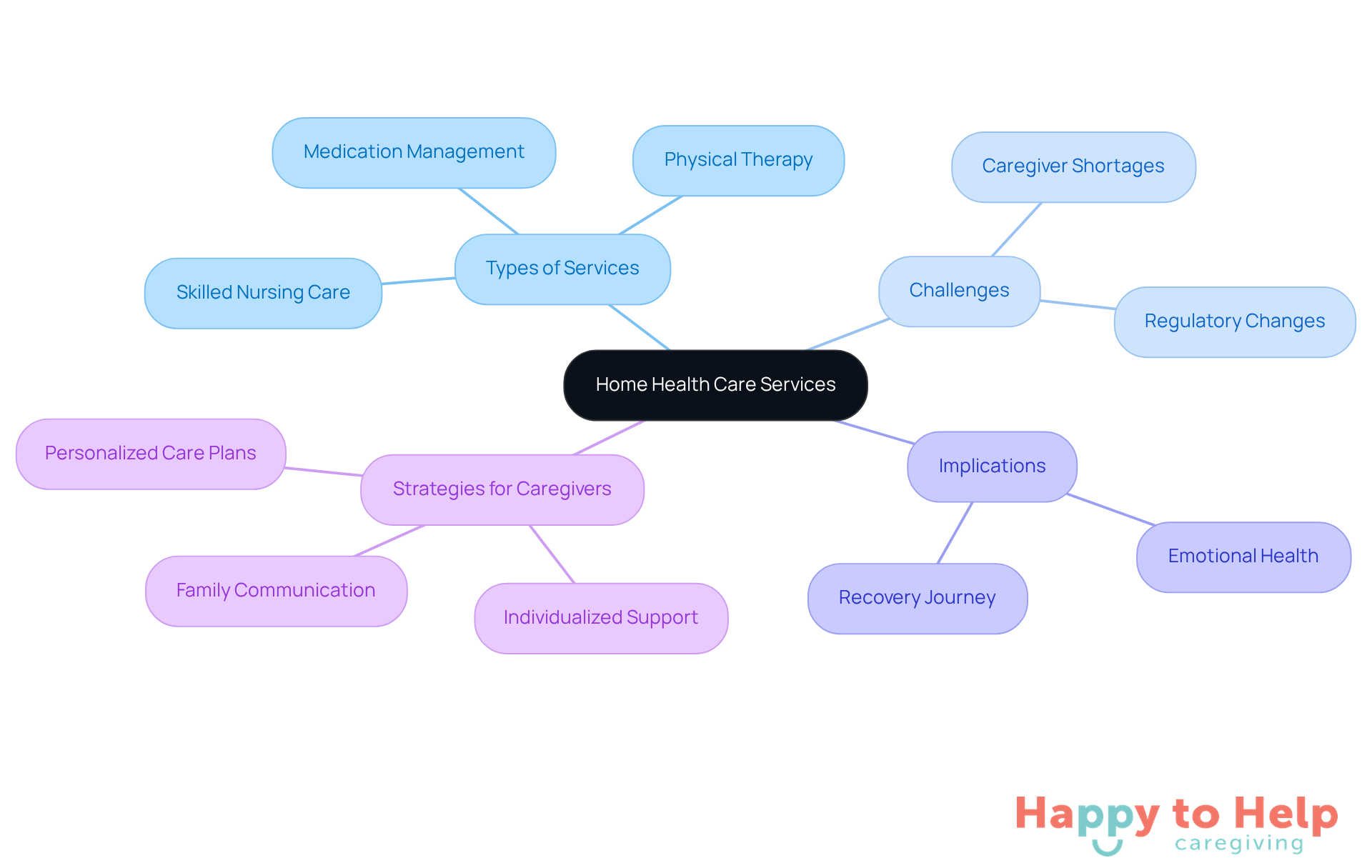
Home health care offerings encompass a range of medical support options, including skilled nursing care, physical therapy, and medication management. However, the sector faces significant challenges, such as caregiver shortages and regulatory changes that can impact the delivery of assistance. These issues can lead to increased anxiety for individuals needing senior citizens care who require continuous medical care or rehabilitation after hospitalization.
The implications of these challenges are profound. The care of senior citizens is crucial, as they may struggle to recuperate in unfamiliar settings, which can hinder their emotional health and overall recovery journey. Healthcare professionals emphasize that familiarity can reduce anxiety and promote a sense of security, crucial for effective healing.
To address these challenges, caregivers can implement individualized support strategies. By interacting with healthcare professionals, family supporters can better understand the specific needs of their loved ones, leading to more efficient treatment approaches and improved recovery outcomes. For instance, the 2024 J.D. Power study shows enhanced family satisfaction with assisted living and memory support services, highlighting the effectiveness of home support.
It's vital for caregivers to remain knowledgeable about the evolving landscape of home health services. By promoting personalized care plans and fostering open communication with healthcare providers, families can ensure that senior citizens care is effectively provided, allowing their loved ones to receive the best possible support in the comfort of their own homes.
Respite Care: Temporary Relief for Family Caregivers
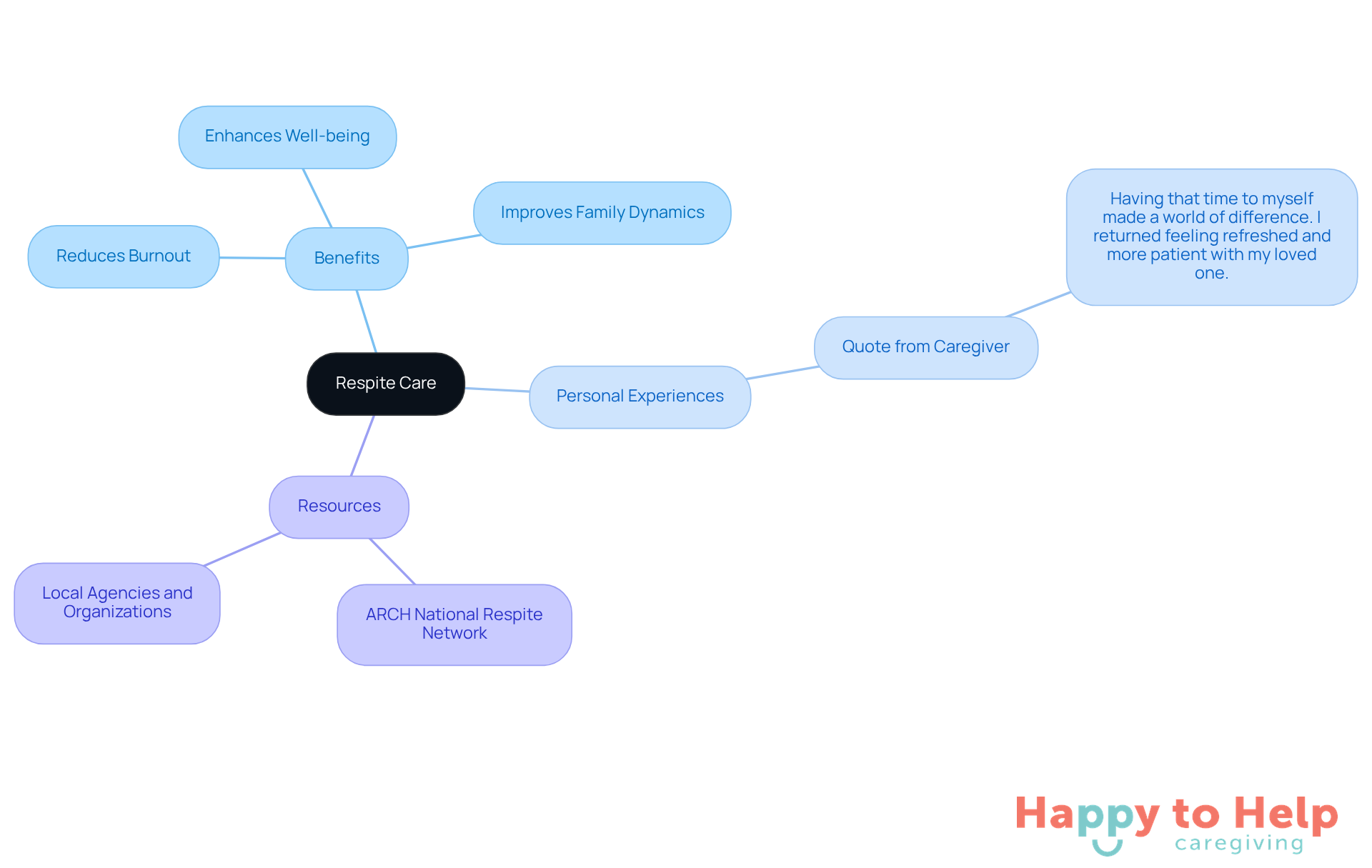
Caregiving can be a rewarding yet challenging role, often leading to significant emotional and physical strain. Family caregivers frequently face the risk of burnout, which can negatively impact their well-being and the quality of care they provide. This is where respite support becomes essential.
Respite support offers vital temporary relief, allowing caregivers to take necessary breaks while ensuring their loved ones receive ongoing, high-quality assistance. This service can be tailored to fit various needs, whether for a few hours or several days, enabling caregivers to recharge and manage their stress levels effectively. By utilizing respite services, caregivers not only reduce the risk of burnout but also enhance their overall well-being, positively affecting both themselves and those they care for.
The advantages of respite support extend beyond individual relief; they also promote healthier family dynamics. Caregivers often report feeling revitalized and better equipped to provide support after a break. For instance, one caregiver shared, "Having that time to myself made a world of difference. I returned feeling refreshed and more patient with my loved one."
Research indicates that nearly one in four caregivers provide over 40 hours of assistance each week, underscoring the importance of support systems like respite services. These services alleviate the emotional toll on caregivers and strengthen family relationships, allowing caregivers to engage more fully with their loved ones upon their return. As State Senator Cordell Cleare remarked, "They looked after us. They managed New New York, and now it's time for them to receive attention."
Ultimately, providing senior citizens care through respite assistance serves as a crucial resource in preserving the well-being and joy of both caregivers and those they support. Caregivers seeking respite care options can reach out to local agencies or organizations such as the ARCH National Respite Network and Resource Center, which recognizes outstanding respite programs nationwide.
Transportation Services: Ensuring Mobility for Seniors
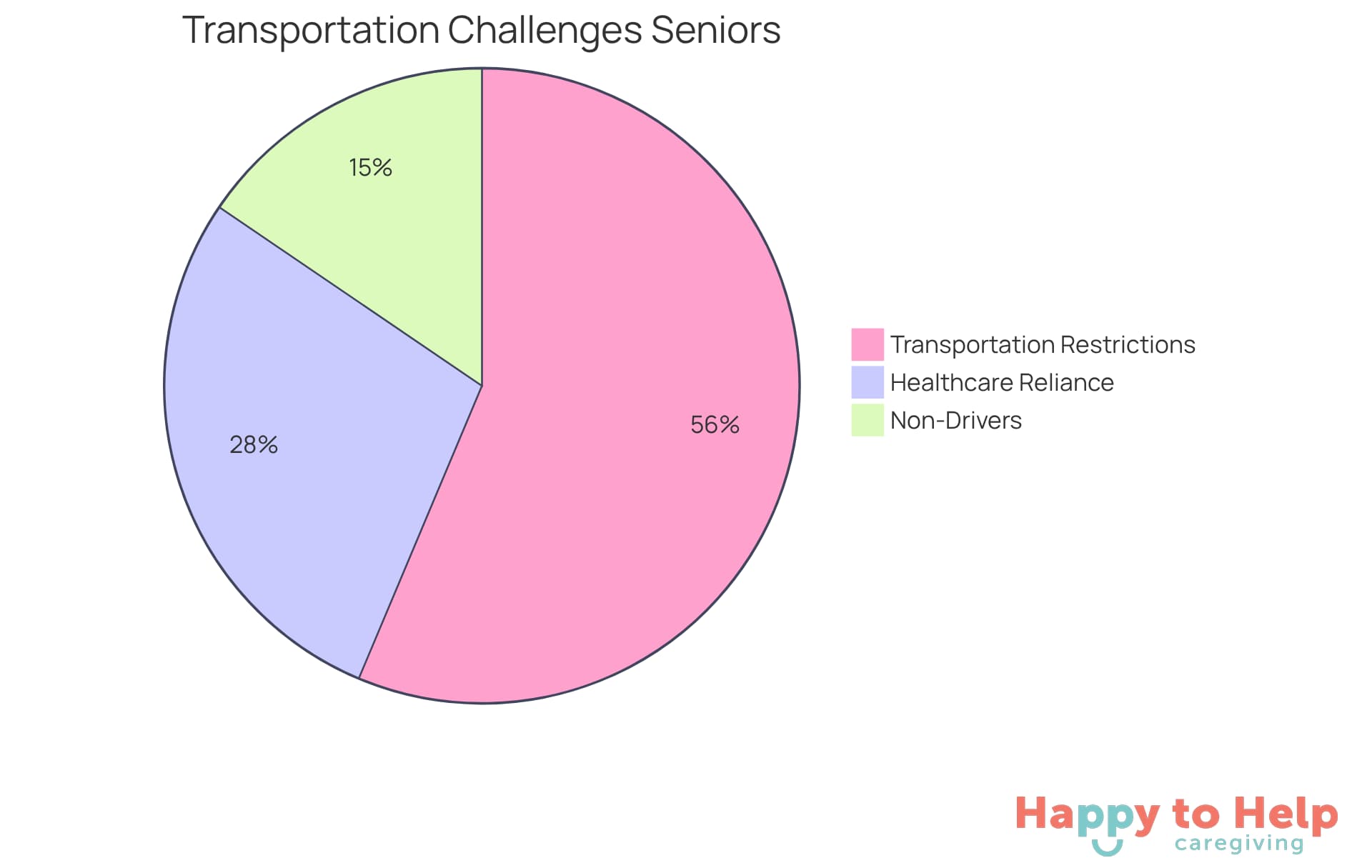
Transportation options present a significant problem for senior citizens care who can no longer drive or face mobility challenges. These barriers limit access to essential activities like medical appointments, grocery shopping, and social events, which are vital for maintaining independence and fostering social connections. As a result, many older adults experience feelings of isolation, which can detract from their quality of life.
Research shows that nearly 11 million older adults in the U.S. are non-drivers, often belonging to racial and ethnic minority groups or socioeconomically disadvantaged backgrounds. This demographic faces unique challenges; transportation-related barriers can hinder their ability to attend healthcare visits and engage in social activities. For instance, over 20% of older public transit users rely on these services to see their regular physician, underscoring the critical need for accessible transport to sustain health and well-being.
Geriatric specialists stress that maintaining mobility is essential for healthy aging in place. One expert noted, "Transportation barriers disproportionately impact the 11 million older adults in the United States who are non-drivers, affecting their ability to engage in meaningful activities and access necessary services." Additionally, 40% of older individuals believe that limited access to public transportation restricts their usage, highlighting the obstacles faced by the elderly.
To address these challenges, improving transportation options can empower senior citizens care to lead more independent lives, ultimately enhancing their mental and physical health. By providing reliable transportation, we can enhance senior citizens care by helping them maintain their independence and strengthen their ties to the community.
In conclusion, transportation options are not just about getting from point A to point B; they are a crucial resource that enables elderly individuals to sustain their independence and community connections.
Nutrition and Meal Services: Supporting Healthy Eating for Seniors
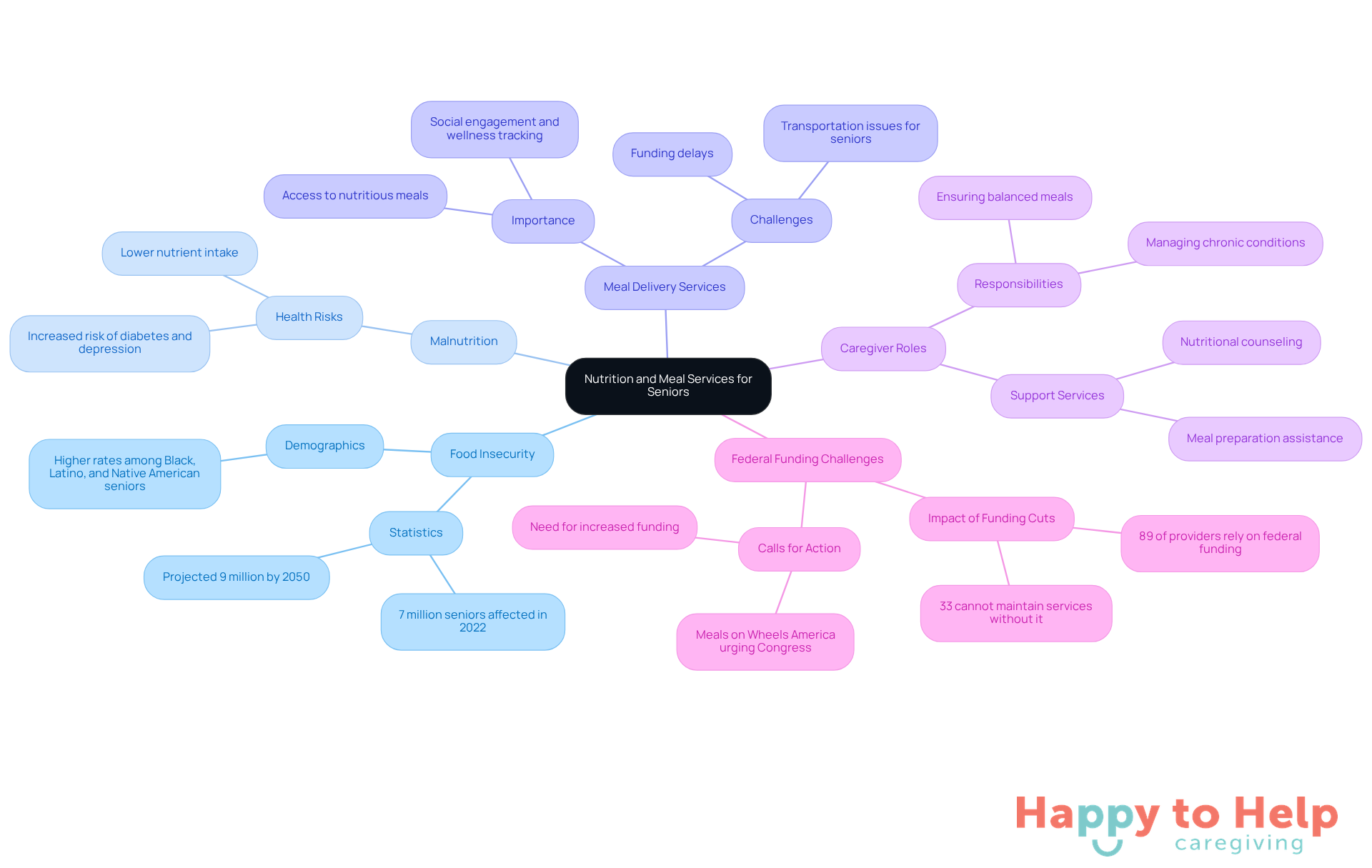
Nutrition and meal programs present a significant challenge for senior citizens care, especially in addressing food insecurity, which affected nearly 7 million elderly individuals in 2022. This issue not only impacts their overall well-being but also increases the risk of malnutrition, a prevalent concern among seniors. Caregivers face the daunting task of ensuring that senior citizens care includes nutritious, balanced meals tailored to their specific dietary needs.
To combat these challenges, meal delivery, preparation, and nutritional counseling services are essential. These services play a crucial role in managing chronic conditions and supporting recovery. By providing access to nutritious meals, caregivers can significantly enhance wellness outcomes, ultimately fostering a better quality of life through senior citizens care for older adults.
Dietitians stress the importance of balanced meals in maintaining energy levels and preventing malnutrition. As Ellie Hollander, president and CEO of Meals on Wheels America, aptly puts it, "the meal itself opens the door to much more; a support that includes a friendly visit, a wellness and safety check, and social connection."
The incorporation of meal delivery options has proven to be a lifeline, offering not just nourishment but also social engagement and wellness tracking, which are vital for emotional and physical health. However, ongoing federal funding challenges threaten the availability of these essential resources.
In summary, senior citizens care is crucial in promoting nutritious eating habits among the elderly, leading to improved well-being and longevity. Caregivers can take actionable steps by utilizing meal programs to ensure that older adults receive the nutrition they need.
Companionship Care: Combating Loneliness in Senior Citizens
Loneliness and isolation are significant challenges faced by seniors, impacting their emotional well-being and mental health. Companionship assistance is essential in addressing these issues, providing the emotional support that senior citizens care about. Caregivers play a crucial role in this process by actively engaging clients in enjoyable activities - such as games, conversations, and hobbies - which helps nurture meaningful connections.
The implications of loneliness are profound. Studies show that social engagement can greatly lower the likelihood of depression and anxiety in older individuals. In fact, older adults with a support companion often report better adherence to medical guidance and feel more comfortable sharing medical information during appointments. This highlights the critical need for caregivers to prioritize companionship in their senior citizens care routines.
To effectively combat loneliness, caregivers can implement several practical solutions. Here are some actionable tips:
- Engage in regular activities: Schedule consistent times for games, hobbies, or simply chatting to foster connection.
- Encourage social interactions: Facilitate opportunities for seniors to connect with peers, whether through group activities or community events.
- Monitor emotional health: Keep an eye on signs of depression or anxiety, and encourage open discussions about feelings.
By focusing on companionship, senior citizens care providers not only enhance the quality of life for older adults but also contribute significantly to their overall mental well-being. Reinforcing the importance of social engagement is vital in ensuring that seniors lead fulfilling lives.
Adult Day Care Services: Structured Support for Seniors
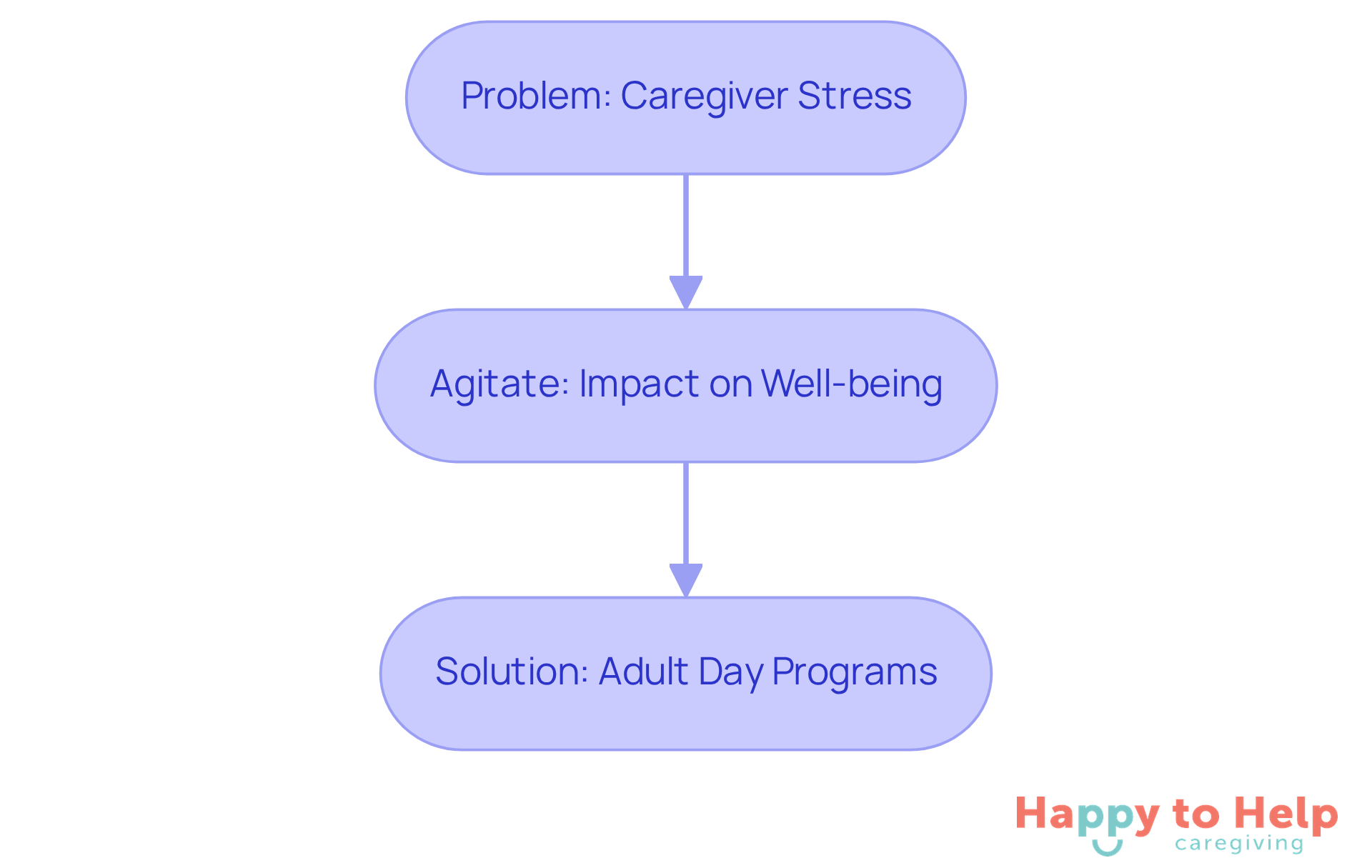
Caregivers often face the challenge of needing to supervise senior citizens care during the day, which can be stressful and limiting. This situation can hinder their ability to work or take necessary breaks, leading to caregiver burnout.
Agitate: Without proper support, caregivers may struggle to balance their responsibilities, which can negatively impact both their well-being and the quality of care provided to their loved ones. The stress of constant supervision can lead to feelings of isolation and exhaustion.
Solution: Adult day programs offer a practical solution by providing organized activities for elderly individuals in a secure setting. These programs not only ensure supervision but also promote socialization, cognitive involvement, and physical activity, which are essential for senior citizens care. Participants benefit from meals and personal assistance, enhancing their overall quality of life while allowing caregivers the freedom to work or rest. By utilizing adult day programs, caregivers can alleviate some of their burdens and improve their own well-being.
Palliative Support Care: Enhancing Quality of Life for Seniors
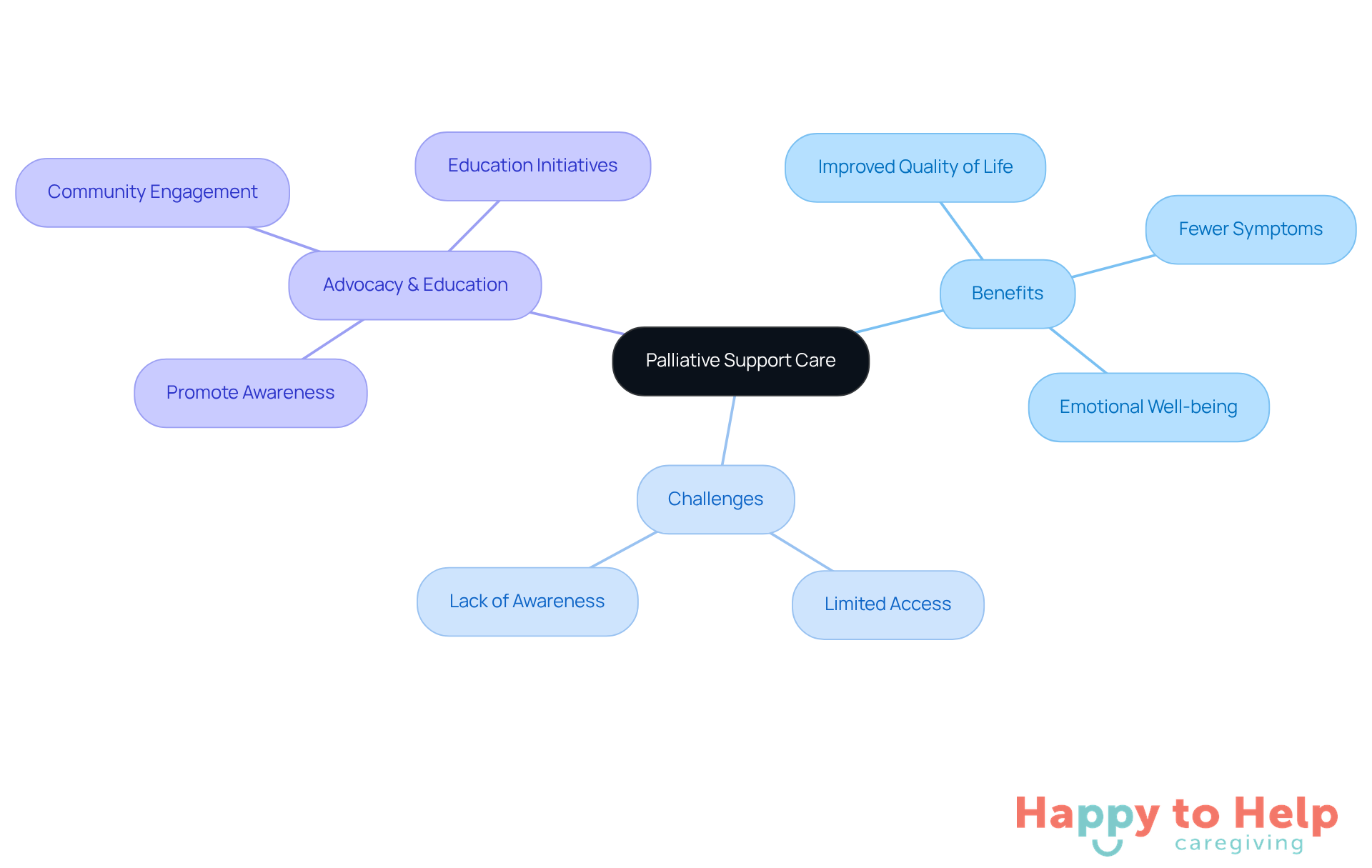
Palliative support services are essential for senior citizens care, significantly enhancing the quality of life for elderly individuals facing serious illnesses. However, many caregivers encounter significant challenges due to limited access and awareness of these services. This lack of understanding can lead to increased emotional distress and unmet spiritual needs for both patients and their families.
Research shows that patients receiving palliative support experience fewer symptoms and report improved emotional well-being. A systematic review of 43 studies involving nearly 13,000 adults highlights the profound impact of this support on quality of life. As Dr. Ramona Rhodes notes, incorporating palliative support early in treatment can significantly enhance a patient's overall experience, ensuring their preferences and needs are prioritized throughout their healthcare journey.
To address these challenges, ongoing advocacy and education are essential. Caregivers can take actionable steps to promote awareness of palliative support services within their communities. This thorough approach fosters a nurturing atmosphere where senior citizens care is prioritized, emphasizing the importance of quality of life in end-of-life care.
In summary, while obstacles to accessing palliative support persist, the commitment to advocacy and education can bridge the gap, ensuring that senior citizens care is provided with the holistic care they deserve.
Geriatric Care Managers: Navigating Senior Care Needs
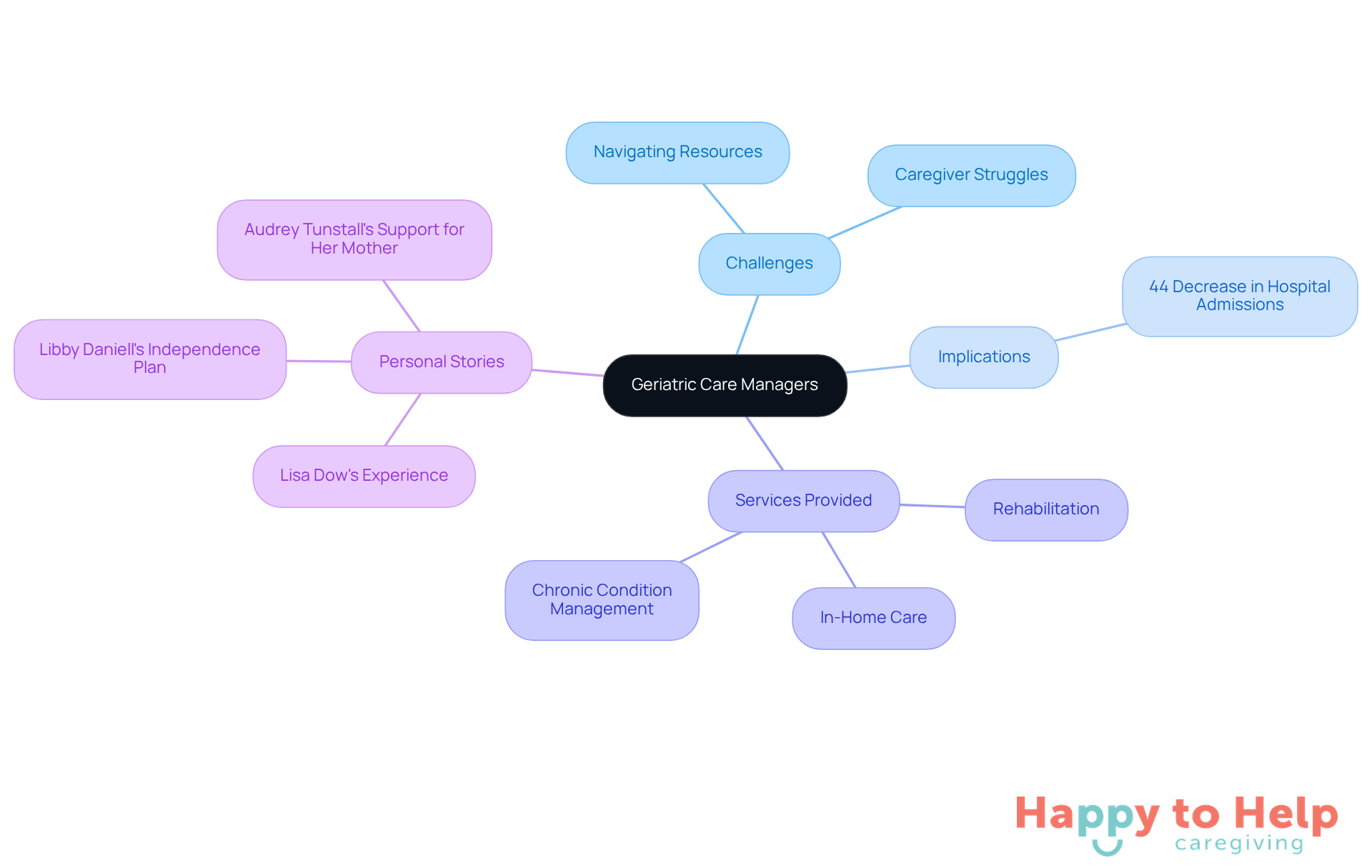
Geriatric management specialists play a crucial role in supporting older adults, but many families face challenges in navigating this complex landscape. Without proper guidance, caregivers may struggle to find the right resources and services, leading to inadequate support for their loved ones.
The implications of this problem are significant. Research indicates that older individuals receiving organized support experience a 44% decrease in hospital admissions compared to similar Medicare patients. This statistic highlights the profound impact that effective management can have on well-being outcomes. Geriatric management professionals not only help families access medical resources but also address social factors affecting health, such as isolation and mobility challenges, which are vital for maintaining independence.
To tackle these challenges, geriatric management specialists provide families with the necessary advice to make informed decisions. They assist in identifying appropriate services for senior citizens care, from in-home care to rehabilitation, ensuring that every aspect of a senior's well-being is considered. This comprehensive approach is especially important for individuals dealing with chronic conditions, as it fosters a supportive environment that promotes better health outcomes.
As Dr. Elizabeth Landsverk, a geriatrician, notes, having a knowledgeable and caring professional can significantly impact the management of complex health issues. Geriatric support managers do more than coordinate services; they empower families and seniors to navigate their wellness journey with confidence and clarity. For example, Lisa Dow sought a support manager for her 88-year-old mother, who was experiencing memory problems. The care manager's assistance not only eased her mother's transition to a safer living environment but also provided peace of mind for the family during a challenging time.
Emergency Medical Alert Systems: Ensuring Safety for Seniors
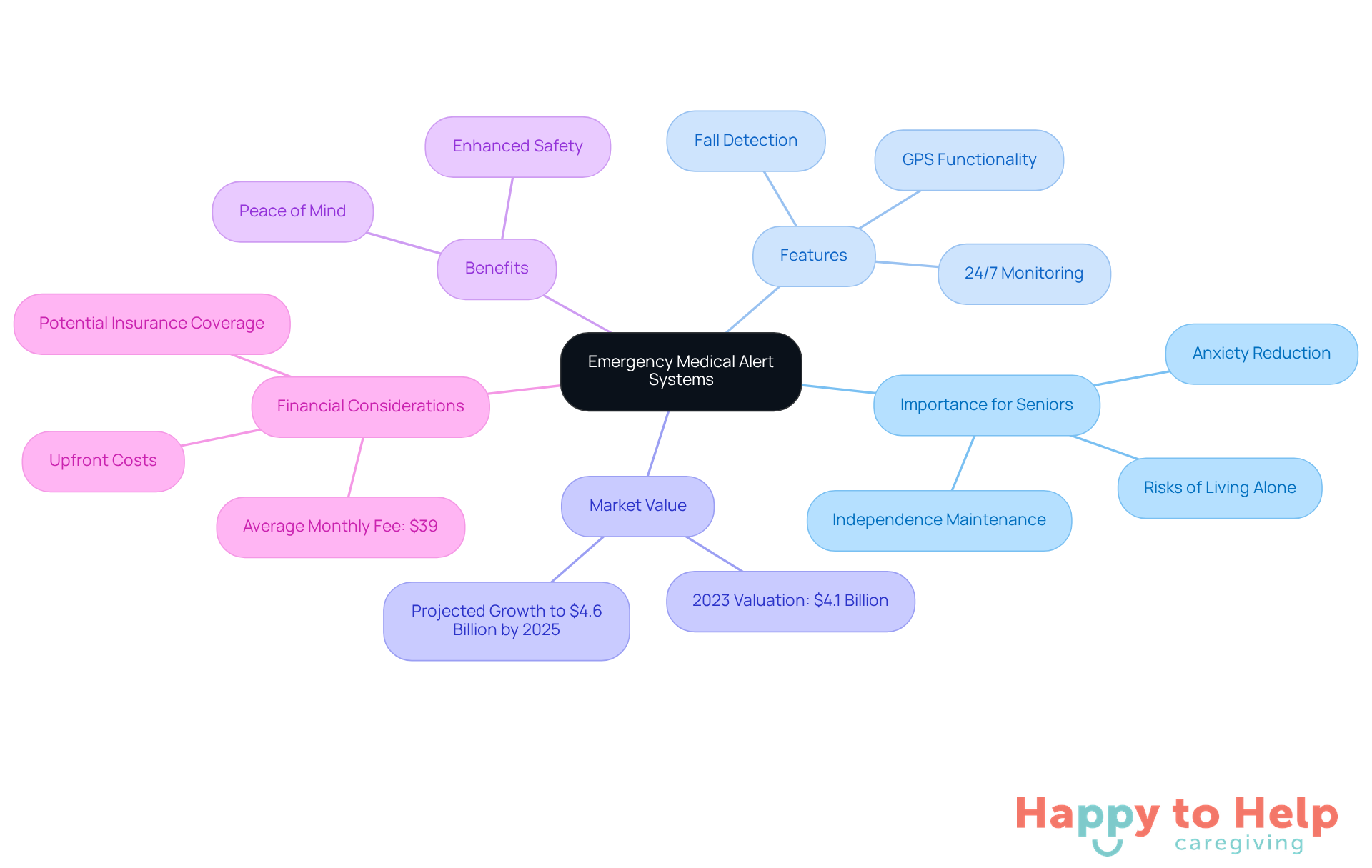
Emergency medical alert systems are essential for senior citizens care, addressing a critical problem for elderly individuals living independently at home. These individuals often face risks, such as falls, that can lead to serious injuries or even fatalities. The anxiety this creates for both seniors and their families is significant, as the fear of being unable to call for help can be overwhelming.
Fortunately, medical alert systems provide a practical solution. With just a simple button press, users can call for assistance, offering peace of mind. These devices, which are essential for senior citizens care, come equipped with features like fall detection and 24/7 monitoring, enhancing independence while ensuring prompt help during emergencies. Experts emphasize that these systems are crucial for senior citizens care, significantly reducing anxiety for older adults and allowing them to maintain their autonomy.
The typical response time for these devices is under a minute, which can be life-saving. Moreover, the average ongoing fee for medical alert systems is just under $39 per month, making them a cost-effective option for families. As the U.S. market for these systems was valued at approximately $4.1 billion in 2023, the demand for such safety solutions continues to grow, highlighting their essential role in long-term planning and the care of senior citizens.
Additionally, the rising number of deaths due to falls can often be prevented by screening for fall risks and addressing them with a physician or caregiver. This underscores the critical need for these systems. Mobile medical alert systems typically include built-in GPS or geofencing features, which help emergency services locate users if an accident occurs while they are out and about. Furthermore, many long-term care insurance policies may cover medical alert systems, providing financial relief for families considering these essential safety measures.
Key Takeaways for Caregivers
In-home care services for senior citizens address a critical problem: the challenge of ensuring adequate support for their unique needs. As the population ages, many families struggle to provide the necessary care, which can lead to feelings of isolation and decreased quality of life for seniors.
The implications of inadequate care are significant. Without proper assistance, seniors may face health risks, emotional distress, and a loss of independence. This situation not only affects the individuals but also places a burden on families and caregivers who may feel overwhelmed by the demands of caregiving.
Fortunately, in-home care services offer a viable solution. These services include:
- Personalized in-home care
- Home health care
- Respite care
- Transportation assistance
- Nutrition programs
- Companionship services
- Adult day care
- Palliative support
- Geriatric care management
- Emergency medical alert systems
Each service plays a vital role in enhancing the independence and overall well-being of seniors, allowing them to receive the care they need in the comfort of their homes.
As the demand for senior care continues to rise, families must explore these essential services. By prioritizing personalized care options and fostering open communication with caregivers and healthcare providers, families can ensure their loved ones enjoy a fulfilling and dignified life. Embracing these services not only enhances the quality of care but also reinforces the importance of community and support for our aging population.
https://iframe.tely.ai/cta/eyJhcnRpY2xlX2lkIjogIjY5MjI0Zjg5ZmViYTIxODdjZTM2NWJmMiIsICJjb21wYW55X2lkIjogIjY4ZWU1ZGNhNzMxNzYyNTU3ZjNjOTVjMSIsICJpbmRleCI6IG51bGwsICJ0eXBlIjogImFydGljbGUifQ==Frequently Asked Questions
What services does Happy to Help Caregiving offer for elderly individuals?
Happy to Help Caregiving offers personalized in-home support services including companionship, post-hospital recovery support, respite assistance, and palliative care, all designed to enhance independence and well-being for senior citizens.
How does Happy to Help Caregiving improve the quality of life for seniors?
By prioritizing empathy and open communication, Happy to Help Caregiving fosters a sense of security and comfort for clients, significantly improving their overall quality of life.
Why is personalized in-home care important for senior citizens?
Personalized in-home care ensures that senior citizens receive assistance tailored to their unique needs in the familiar surroundings of their own homes, which is crucial for their emotional health and overall recovery.
What challenges does the home health care sector face?
The home health care sector faces challenges such as caregiver shortages and regulatory changes, which can impact the delivery of medical support to individuals requiring continuous care or rehabilitation.
How can caregivers address the challenges in home health care?
Caregivers can implement individualized support strategies by interacting with healthcare professionals to better understand the specific needs of their loved ones, leading to more efficient treatment approaches and improved recovery outcomes.
What is respite care and why is it important for family caregivers?
Respite care offers temporary relief for family caregivers, allowing them to take necessary breaks while ensuring their loved ones receive ongoing assistance. It is important as it helps prevent caregiver burnout and promotes overall well-being.
How does using respite services benefit caregivers?
Utilizing respite services allows caregivers to recharge and manage their stress levels, leading to improved emotional health and a better quality of care for their loved ones.
What impact does respite care have on family dynamics?
Respite care promotes healthier family dynamics by revitalizing caregivers, allowing them to engage more fully with their loved ones after taking a break.
Where can caregivers find respite care options?
Caregivers seeking respite care options can reach out to local agencies or organizations such as the ARCH National Respite Network and Resource Center, which recognizes outstanding respite programs nationwide.
List of Sources
- Happy to Help Caregiving: Personalized In-Home Care Services
- In-Home Care for Seniors - Caregiving News and Tips (https://aarp.org/caregiving/home-care)
- Family caregiving can be a gift, but it takes support : NPR - STAR 101.5 FM (https://starfm.ng/2025/11/20/family-caregiving-can-be-a-gift-but-it-takes-support-npr)
- Executive Home Care Honors Family Caregivers During National Family Caregivers Month (https://kfor.com/business/press-releases/cision/20251117LA25356/executive-home-care-honors-family-caregivers-during-national-family-caregivers-month)
- Home-Based Care Companies Improve Outcomes By Training Family Caregivers (https://homehealthcarenews.com/2025/10/home-based-care-companies-improve-outcomes-by-training-family-caregivers)
- News - Happy To Help (https://happytohelpcaregiving.com/news)
- Home Health Care Services: Essential Medical Support for Seniors
- State of home care in 2025 (https://mcknightshomecare.com/state-of-home-care-in-2025)
- The senior population is booming. Caregiving is struggling to keep up (https://cnbc.com/2025/11/21/senior-caregiving-labor.html)
- Governor Hochul Announces Next Steps in Plans to Strengthen Home Care Services for New Yorkers (https://governor.ny.gov/news/governor-hochul-announces-next-steps-plans-strengthen-home-care-services-new-yorkers)
- Some telehealth and home care frozen by shutdown (https://axios.com/2025/10/01/telehealth-services-seniors-shutdown)
- Respite Care: Temporary Relief for Family Caregivers
- News & Updates | ARCH National Respite Network & Resource Center (https://archrespite.org/news)
- New Report Reveals Crisis Point for America’s 63 million Family Caregivers (https://press.aarp.org/2025-07-24-New-Report-Reveals-Crisis-Point-for-Americas-63-million-Family-Caregivers)
- A bill in Congress would return $5,000 to millions of family caregivers every year, but will it pass? (https://cbsnews.com/newyork/news/credit-for-caring-act-family-caregiver-tax-credit)
- It’s Time to Care for Caregivers: Senator Markey Announces Comprehensive Family Caregiving Legislative Agenda | U.S. Senator Ed Markey of Massachusetts (https://markey.senate.gov/news/press-releases/11/20/2025/its-time-to-care-for-caregivers-senator-markey-announces-comprehensive-family-caregiving-legislative-agenda)
- Transportation Services: Ensuring Mobility for Seniors
- News & Updates | GoGoGrandparent (https://gogograndparent.com/news)
- Public transit use among American older adults: Insights from a nationally representative survey (https://sciencedirect.com/science/article/abs/pii/S2214140525000027)
- Epidemiology of Public Transportation Use Among Older Adults in the United States - PMC (https://pmc.ncbi.nlm.nih.gov/articles/PMC9771957)
- Blog | Chambers Home Care Agency (https://chambershca.org/article.cfm?ArticleNumber=20)
- Media Room - NADTC (https://nadtc.org/news/media-room)
- Nutrition and Meal Services: Supporting Healthy Eating for Seniors
- Facts about Senior Hunger in America | Feeding America (https://feedingamerica.org/hunger-in-america/senior-hunger-facts)
- Findings From New Study Reinforce That Home-Delivered Meals Provide Critical Health and Social Benefits to Older Adults and Caregivers (https://mealsonwheelsamerica.org/news/findings-from-new-study-reinforce-that-home-delivered-meals-provide-critical-health-and-social-benefits-to-older-adults-and-caregivers)
- Meals on Wheels America Urges an End to the Government Shutdown That Prioritizes Seniors as Community Need Soars and Funding for Senior Nutrition Programs Runs Out (https://mealsonwheelsamerica.org/news/meals-on-wheels-america-urges-an-end-to-the-government-shutdown-that-prioritizes-seniors-as-community-need-soars-and-funding-for-senior-nutrition-programs-runs-out)
- Get the Facts on SNAP and Senior Hunger (https://ncoa.org/article/get-the-facts-on-snap-and-senior-hunger)
- Companionship Care: Combating Loneliness in Senior Citizens
- AI Care Companions for Seniors (https://health.usnews.com/senior-care/articles/ai-care-companions-for-seniors)
- AI personal companions offers low-tech way to combat loneliness in senior living residents (https://mcknightsseniorliving.com/news/ai-personal-companions-offers-low-tech-way-to-combat-loneliness-in-senior-living-residents)
- Older adults find support through health care companions (https://news-medical.net/news/20250924/Older-adults-find-support-through-health-care-companions.aspx)
- Lonely Seniors Are Turning To AI Bots For Companionship (https://forbes.com/sites/rashishrivastava/2025/10/18/lonely-seniors-are-turning-to-ai-bots-for-companionship)
- Adult Day Care Services: Structured Support for Seniors
- 20 Inspirational Senior Care Quotes (https://1plus1cares.com/20-inspirational-senior-care-quotes)
- FastStats (https://cdc.gov/nchs/fastats/adsc.htm)
- Adult day services provide stimulation for older Americans, and respite for full-time caregivers (https://apnews.com/article/adult-day-care-long-term-older-americans-a64fd581f2a5cfe7c1e943341d69cb10)
- Adult Day Services Supply (https://ltsschoices.aarp.org/scorecard-report/2023/dimensions-and-indicators/adult-day-services-supply)
- (https://belleviecare.co.uk/support-advice/60-elderly-care-quotes-to-lift-your-spirits)
- Palliative Support Care: Enhancing Quality of Life for Seniors
- Oncologists: Palliative Care Plays ‘Critical Role’ in Improving Quality, Health Equity (https://hospicenews.com/2025/01/03/oncologists-palliative-care-plays-critical-role-in-improving-quality-health-equity)
- Palliative Care Improves Quality of Life (https://newsinhealth.nih.gov/2017/01/palliative-care-improves-quality-life)
- ‘A good death’: How compassionate care helps people navigate the end of life (https://news.yale.edu/2025/10/13/good-death-how-compassionate-care-helps-people-navigate-end-life)
- Importance of Palliative Care - A PBS News Hour “Brief but Spectacular” Series (https://cambiahealthfoundation.org/posts/blog/2021-05-11/importance-of-palliative-care---a-pbs-news-hour-brief-b.html)
- Palliative Care News Archives (https://hospicenews.com/category/palliative-care-news)
- Geriatric Care Managers: Navigating Senior Care Needs
- Elderly Care Statistics (https://rosewood-nursing.com/post/elderly-care-statistics)
- CVS Health is shaping a more connected care experience for older adults (https://cvshealth.com/news/health-equity/cvs-health-is-shaping-a-more-connected-care-experience-for-older-adults.html)
- What Is a Geriatric Care Manager and When to Hire One (https://health.usnews.com/senior-care/articles/what-is-a-geriatric-care-manager)
- These pros help keep ailing, aging loved ones safe — but it's a costly service (https://npr.org/sections/health-shots/2023/12/11/1218635777/nurses-and-social-workers-increasingly-hired-by-solo-agers)
- The Demographics of Care Management - ASA Generations (https://generations.asaging.org/demographics-care-management)
- Emergency Medical Alert Systems: Ensuring Safety for Seniors
- Are medical alerts worth it for seniors? Here's what experts say (https://cbsnews.com/news/are-medical-alerts-worth-it-for-seniors-what-experts-say)
- Mobile Medical Alert Systems: A Lifeline for Senior Safety and Independence (https://ltcnews.com/articles/mobile-medical-alert-system-senior-safety-independence)
- Medical Alert Statistics 2025 (https://consumeraffairs.com/medical-alert-systems/medical-alert-statistics.html)
- Medical Alert Systems: 2023-2024 Research and Statistics (https://theseniorlist.com/research/medical-alert-device-consumer-usage-study)
- What if you fall and can't get up? The fear is driving sales of personal emergency response systems (https://vermontpublic.org/local-news/2025-10-17/what-if-you-fall-and-cant-get-up-the-fear-is-driving-sales-of-personal-emergency-response-systems)