

For families in our service areas
For families in our service areas, this guide explains home care and how non-medical in-home caregiving can support care planning in East Idaho, Treasure Valley & Magic Valley, Northern Wasatch, North Central West Virginia, and Northeast Ohio.
What You Need to Know About Services
As the population of seniors continues to grow, the demand for comprehensive home care services becomes increasingly critical. Many older adults wish to age in place, yet they often encounter challenges that can diminish their quality of life and independence. These challenges can lead to feelings of isolation and frustration, impacting both their emotional well-being and overall health.
This article delves into ten essential services that can significantly enhance senior home care. By offering personalized support, these services can transform the lives of elderly individuals, addressing not only their immediate needs but also fostering a sense of community. What are the key services that caregivers can implement to ensure that seniors not only receive the care they need but also thrive in their own homes?
Happy to Help Caregiving: Personalized In-Home Care Services
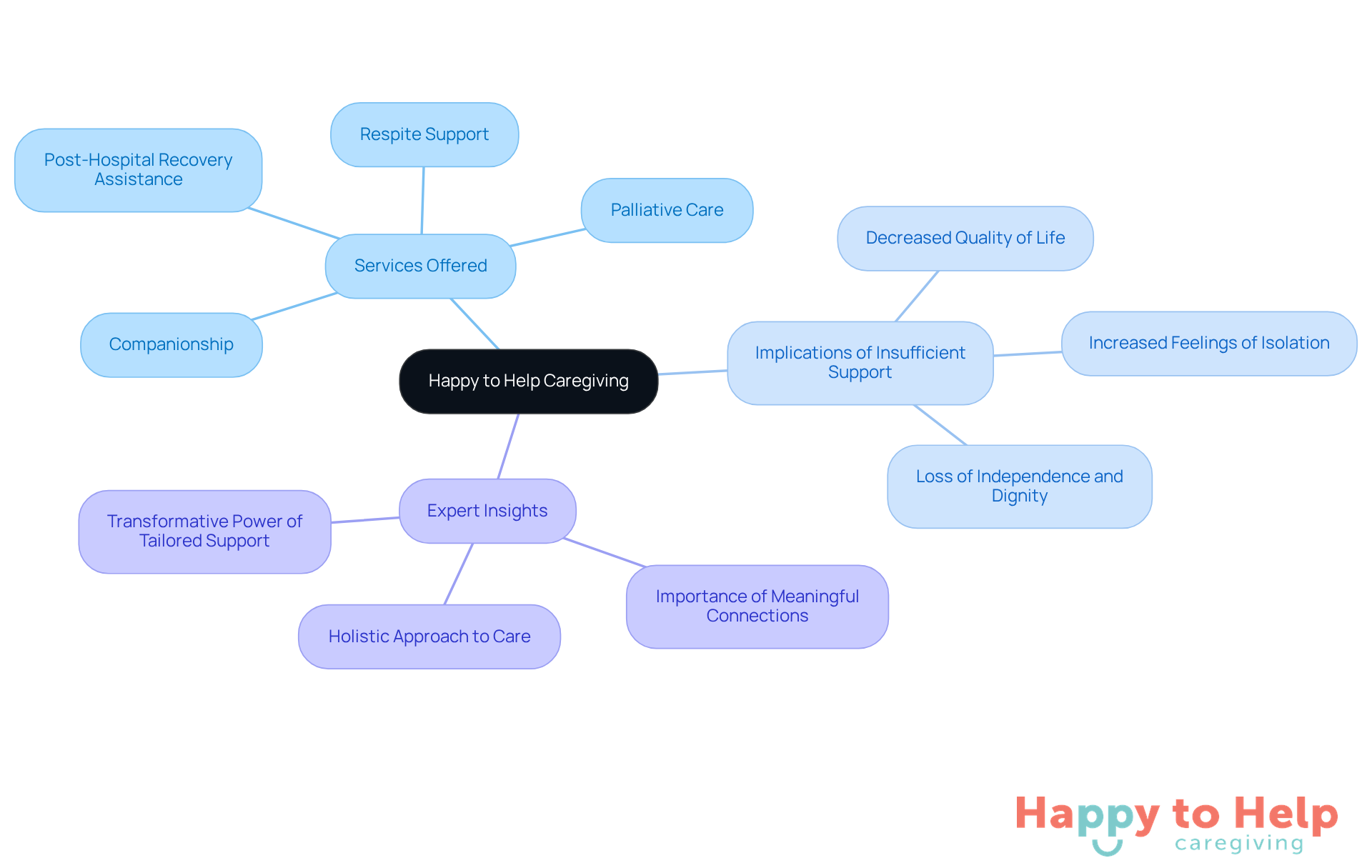
Happy to Help Caregiving addresses a significant problem by offering services for senior home care, as many seniors and individuals with special needs lack adequate in-home support. This gap in care can lead to decreased quality of life and increased feelings of isolation. Studies indicate that about 75% of older adults prefer to stay at home if possible, highlighting the need for personalized support that enhances their well-being.
The implications of insufficient support are profound. Without tailored assistance, seniors may struggle with daily activities, leading to a loss of independence and dignity. This is where Happy to Help Caregiving steps in, offering a range of services designed to meet the unique needs of each client. Their services for senior home care encompass:
- Companionship
- Post-hospital recovery assistance
- Respite support
- Palliative care
All aimed at promoting independence and well-being in the comfort of home.
Experts like Justin McAdoo stress that effective caregiving transcends basic help; it’s about fostering meaningful connections and engaging clients in enjoyable activities. This holistic approach not only combats loneliness but also enhances emotional and social health, which are crucial for the overall well-being of older adults.
Successful personalized caregiving programs demonstrate the transformative power of tailored support. By focusing on the specific needs of each client, Happy to Help Caregiving ensures that elderly individuals can thrive in familiar environments. This ultimately leads to a more fulfilling and dignified life, reinforcing the importance of individualized care plans that respect each client's preferences and health conditions.
Companionship Care: Emotional Support for Seniors
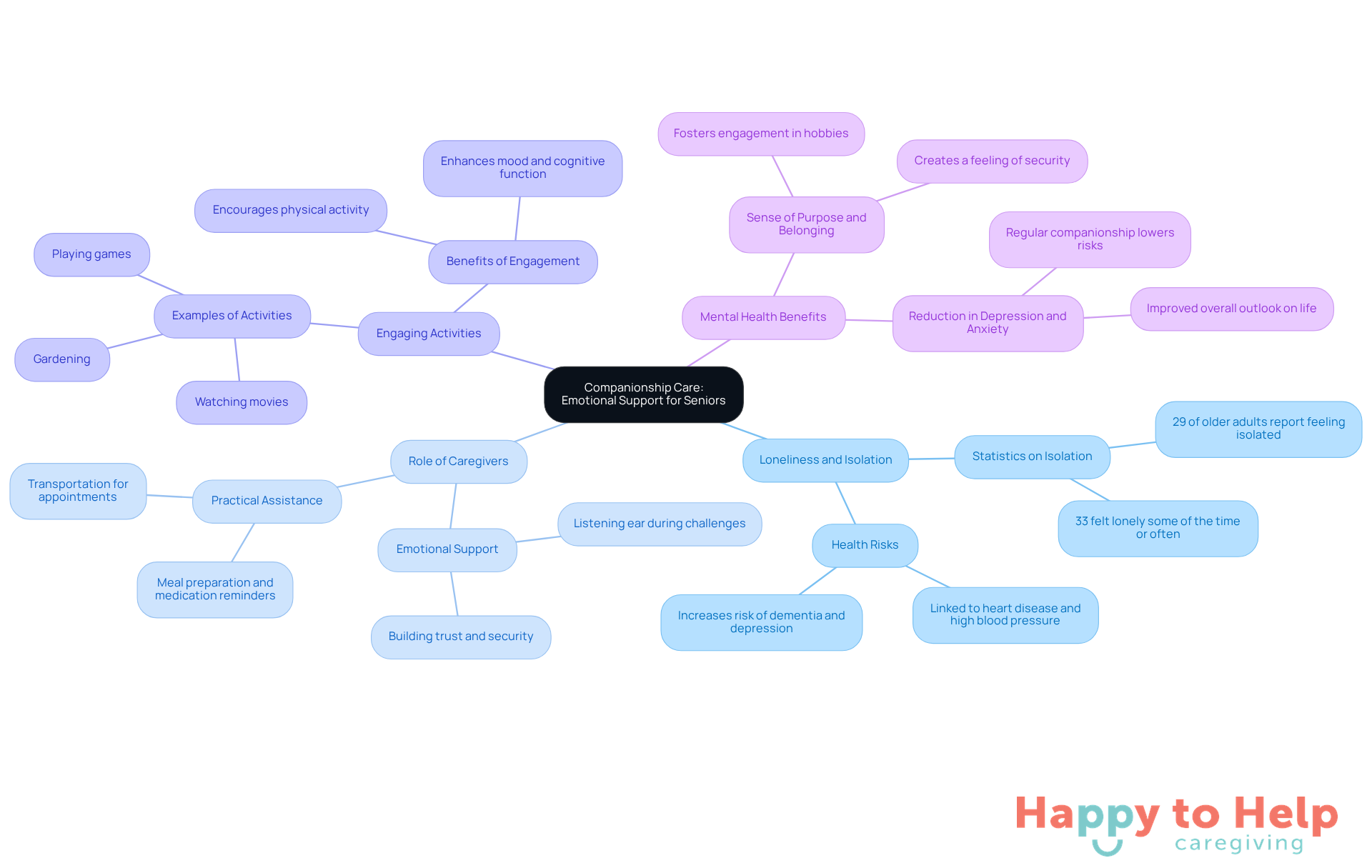
Companionship assistance addresses a significant problem: the loneliness and isolation many elderly individuals face. This issue can lead to serious emotional and mental health challenges, including depression and anxiety. In fact, studies reveal that 29% of older adults report feeling isolated at times, highlighting the urgent need for effective companionship care.
To combat these feelings, caregivers can actively engage clients in meaningful conversations and enjoyable activities. This not only fosters a sense of connection but also motivates older adults to remain active and involved in their daily lives, which is crucial for sustaining overall health. Regular companionship has been shown to significantly reduce the risk of depression and anxiety, leading to improved mental health outcomes.
Involving older adults in activities like gardening or playing games enhances their mood and stimulates cognitive function, contributing to a more fulfilling life. Case studies indicate that consistent companionship leads to a greater sense of security and belonging, essential for emotional stability. Moreover, companionship encourages engagement in hobbies and interests, enhancing the joy of daily activities.
Overall, services for senior home care play a vital role in improving the lives of older adults by ensuring they feel valued and supported in their own homes. By implementing these strategies, caregivers can make a meaningful difference in the emotional well-being of those they care for.
Post-Hospital Recovery Assistance: Safe Transition to Home
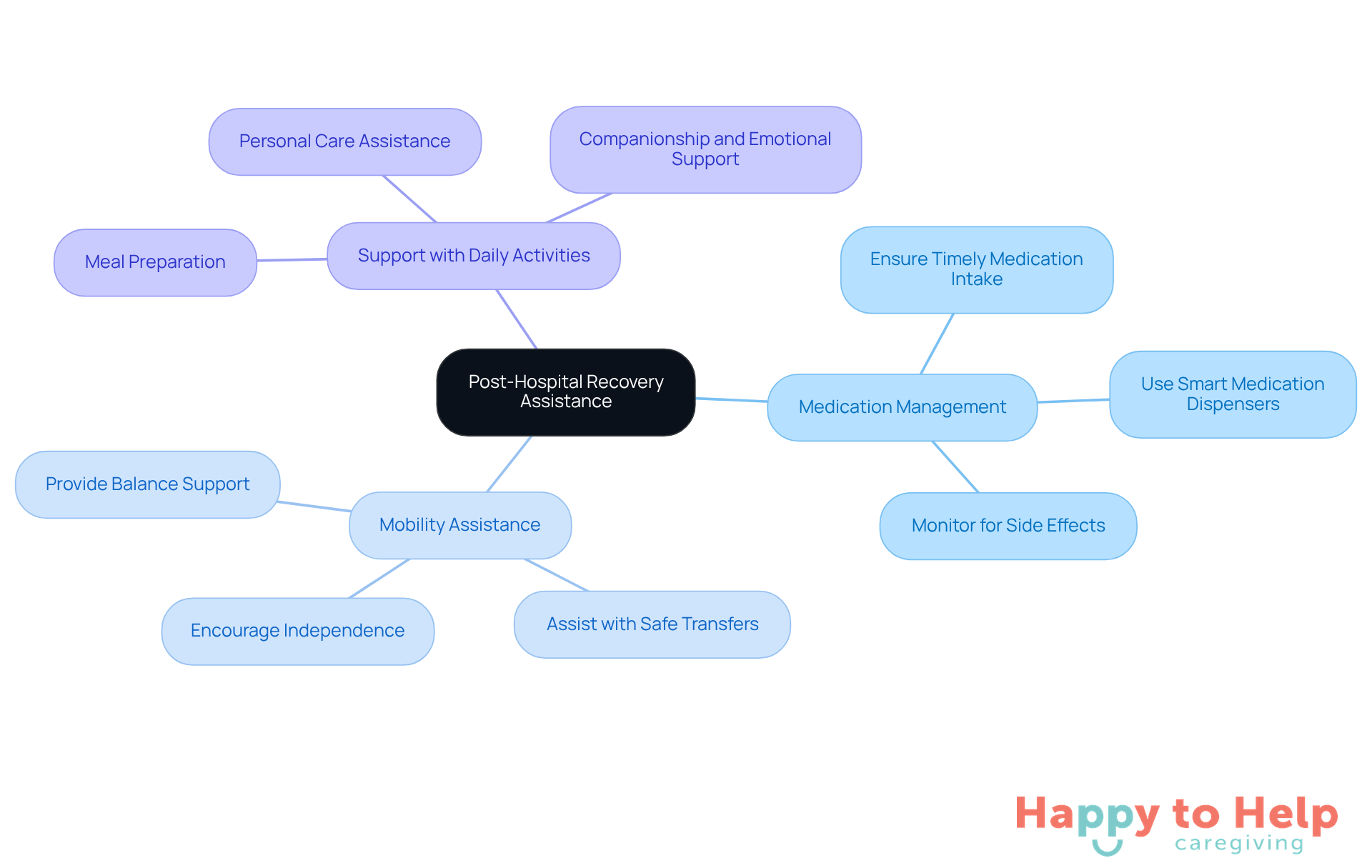
Post-hospital recovery assistance presents a significant challenge for older adults returning home after a hospital stay. Without proper support, these individuals may face difficulties that can hinder their recovery and lead to readmissions. Caregivers play a crucial role in this process, providing essential services that ensure a safe transition back to their familiar environment.
To address these challenges, caregivers can implement several practical solutions:
- Medication management is vital; ensuring that seniors take their medications as prescribed can prevent complications.
- Mobility assistance helps older adults regain their independence, reducing the risk of falls.
- Support with daily activities, such as meal preparation and personal care, can significantly enhance their comfort and recovery.
By focusing on these areas, caregivers can create a supportive environment that fosters healing and well-being. This proactive approach not only aids in recovery but also helps prevent unnecessary hospital readmissions, allowing seniors to thrive in their own homes.
Respite Care: Support for Family Caregivers
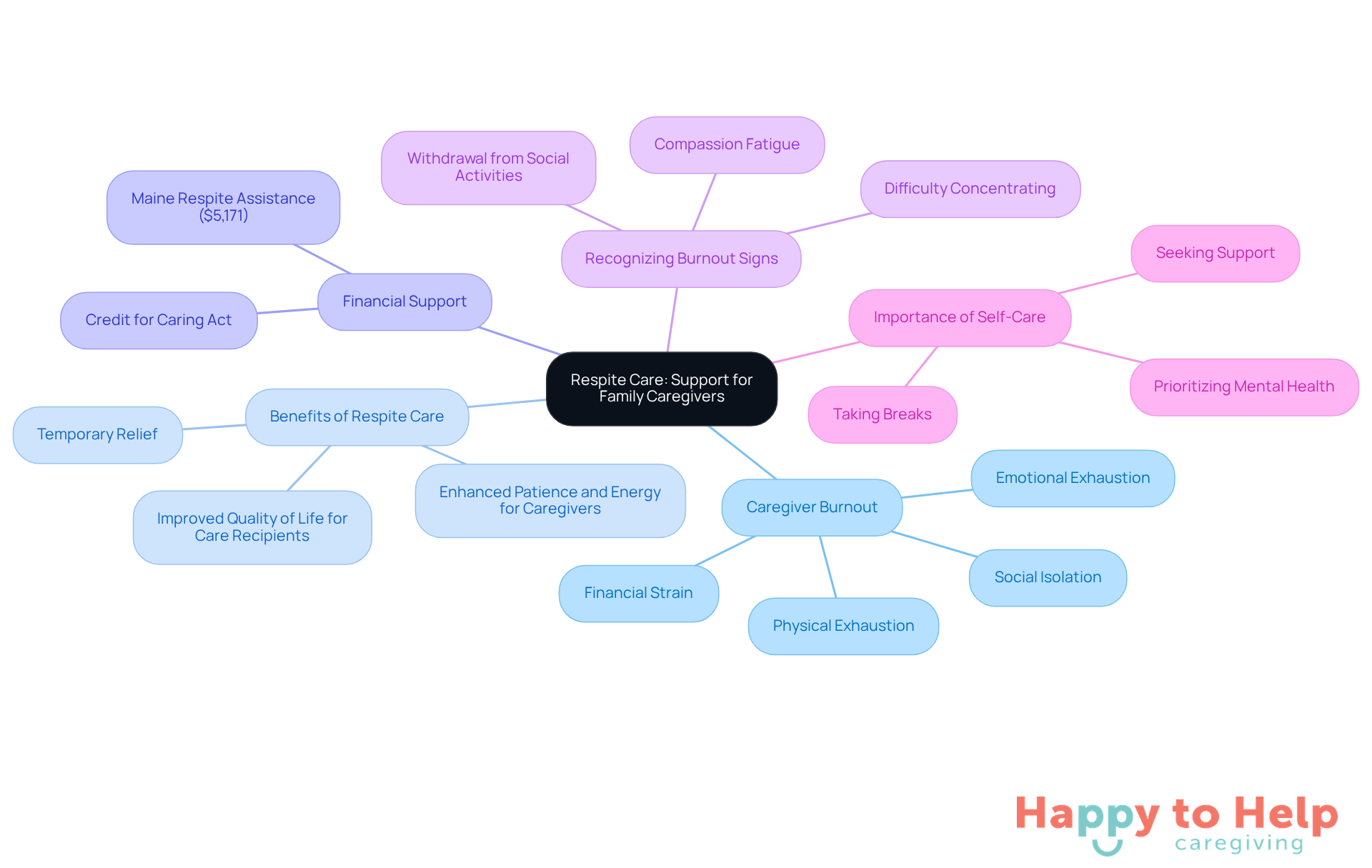
Caregiver burnout is a significant issue that affects many family supporters, leading to emotional and physical exhaustion. This problem not only impacts the caregivers but also the quality of care provided to their loved ones. Without proper support, caregivers may struggle to maintain a healthy balance between their responsibilities and personal well-being.
Respite support provides essential services for senior home care by offering short-term relief for family supporters. These services for senior home care allow caregivers to take necessary breaks while ensuring their loved ones receive consistent, high-quality assistance. Studies show that individuals who utilize respite services feel more patient and revitalized, which helps them sustain a healthier equilibrium between their caregiving duties and personal wellness. In Maine, qualified individuals can access up to $5,171 for relief assistance and other services, highlighting the support available to those in need.
By employing skilled assistants during these breaks, families can rest assured that their loved ones are in capable hands. Research indicates that respite care not only benefits caregivers but also enhances the overall quality of life for care recipients. This dual impact emphasizes the importance of respite services in the caregiving landscape.
Experts stress that prioritizing self-care is essential for those providing care. As the AMHC states, "Learn to recognize the warning signs of burnout in those providing care, including compassion fatigue, social isolation, and financial strain." Recognizing these signs is vital for maintaining mental health. Respite support serves as a proactive strategy, enabling caregivers to recharge and return to their roles with renewed energy and focus. Ultimately, investing in services for senior home care is an investment in the well-being of both caregivers and the seniors they support.
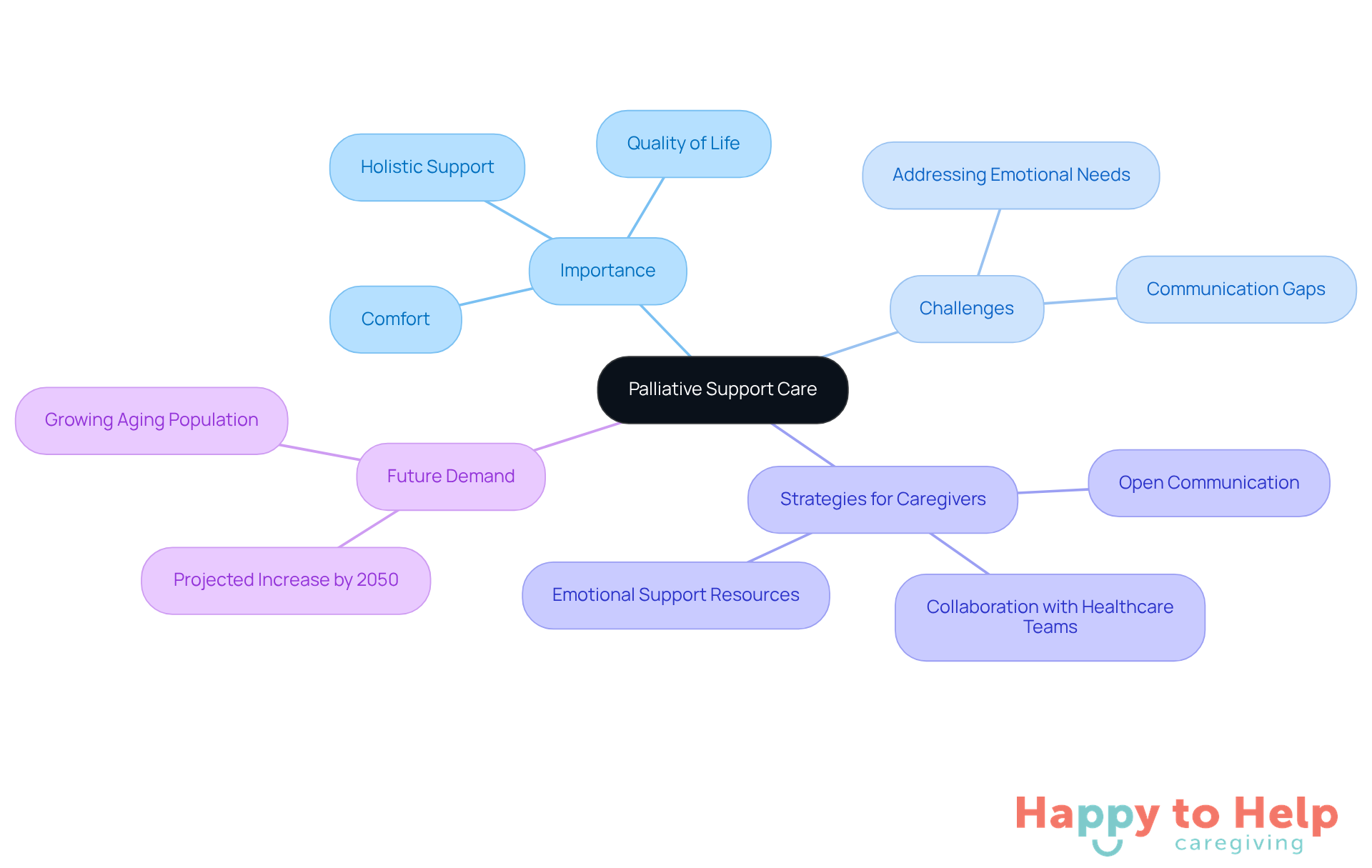
Palliative Support Care: Enhancing Comfort and Quality of Life
Palliative support plays a crucial role in enhancing the comfort and quality of life for individuals facing serious illnesses. However, many caregivers struggle to address not just the physical symptoms but also the emotional and spiritual needs of their clients. This gap in support can lead to increased distress for both patients and their families.
Research shows that approximately 12 million adults in the U.S. are currently living with serious illnesses, and many could benefit from palliative assistance. Early incorporation of this support has been linked to reduced hospitalizations and improved health outcomes. By focusing on both physical discomfort and the psychological challenges that arise, caregivers can provide a more comprehensive approach to care.
Healthcare professionals emphasize the importance of holistic support in palliative care. Addressing emotional and spiritual needs is essential for effective treatment. As Barbara Bush wisely noted, "At the end of your life, you will never regret not having passed one more test... You will regret time not spent with a husband, a friend, a child, or a parent." This highlights the need for caregivers to create a nurturing environment that respects clients' preferences and values.
To effectively implement palliative support, caregivers can:
- Foster open communication with clients and families to understand their needs.
- Collaborate with healthcare teams to ensure a comprehensive care plan.
- Provide resources for emotional and spiritual support, such as counseling or support groups.
This dedication to comprehensive support is vital for nurturing a sense of tranquility and satisfaction, particularly through services for senior home care, for older adults facing the uncertainties of aging and health issues. Furthermore, with the demand for palliative support projected to double by 2050, it’s clear that this vital service will only become more relevant.
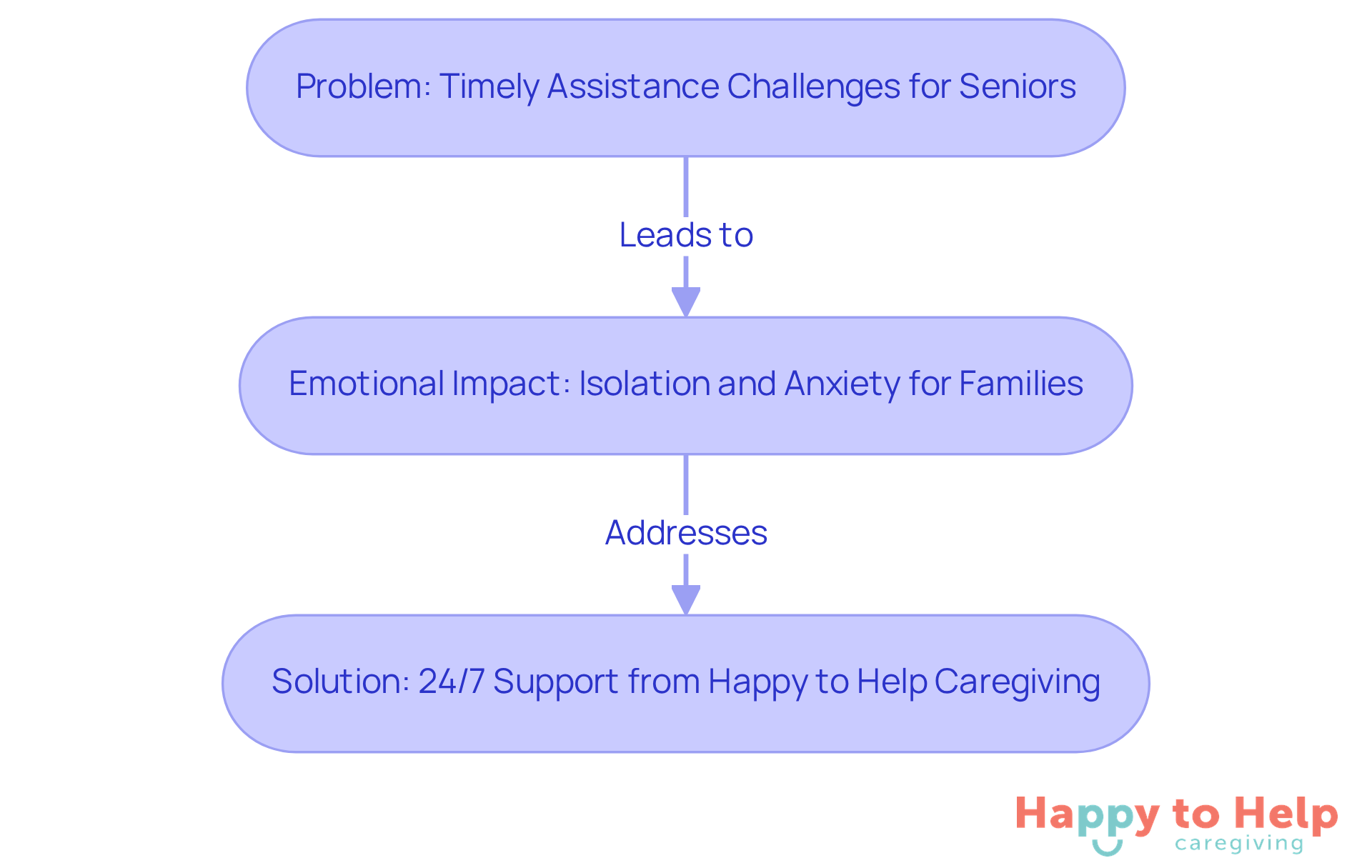
24/7 Availability: Continuous Support for Seniors
Problem: Many older adults face challenges in receiving timely assistance, especially those with chronic conditions or recovering from surgery. This can lead to feelings of isolation and anxiety for both the individuals and their families.
Agitate: Families often worry about their loved ones being alone during emergencies or pressing situations. The uncertainty of not knowing if help is readily available can be distressing, adding to the emotional burden of caregiving.
Happy to Help Caregiving addresses these concerns by offering services for senior home care with round-the-clock availability. This ongoing care model ensures that older adults have access to assistance whenever they need it, offering reassurance to families that their loved ones are never alone. With prompt help available, families can feel more secure knowing that their loved ones are supported, particularly beneficial for those with chronic conditions or recovering from surgery.
Flexible Scheduling: Tailored Care for Individual Needs
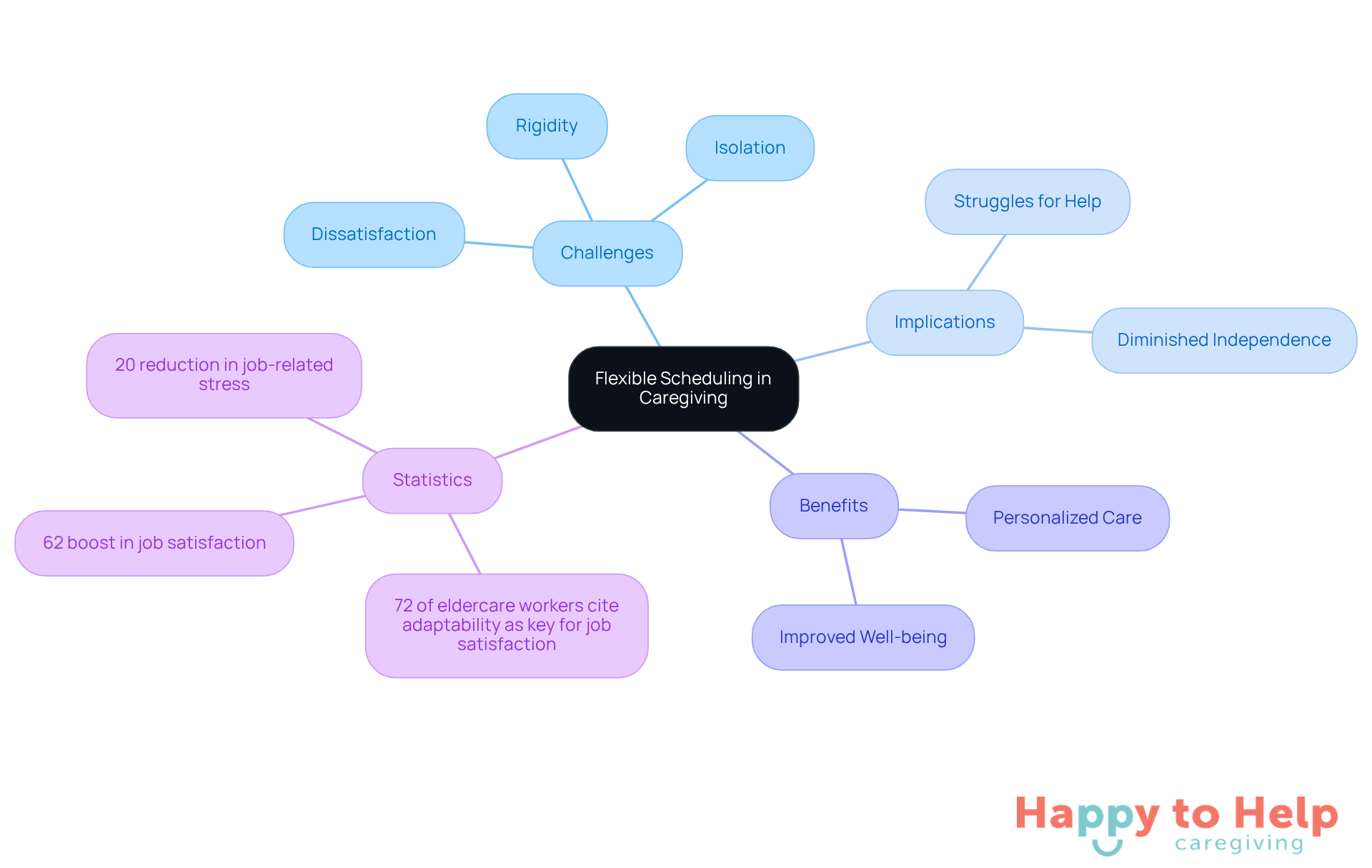
Flexible scheduling presents a significant challenge in caregiving, often leading to dissatisfaction among both caregivers and clients. When support providers cannot tailor their services to meet the distinct needs of older adults, it can result in feelings of isolation and frustration. This rigidity not only affects the quality of care but also impacts the well-being of those receiving assistance.
The implications of inflexible scheduling are profound. Older adults may struggle to receive help when they need it most-whether during the day, in the evenings, or on weekends. This lack of alignment with individual preferences can diminish their sense of independence and ease in daily activities. Studies indicate that personalized assistance greatly enhances elderly satisfaction, as it fosters a feeling of control over their lives.
Fortunately, flexible scheduling offers a practical solution. By allowing caregivers to adapt their services to fit the unique requirements of each client, a more personalized and effective caregiving experience can be achieved. Caregiving professionals emphasize that when older adults feel their specific needs are met by services for senior home care, their overall well-being improves, leading to a more fulfilling life at home.
Consider these compelling statistics:
- 72% of eldercare workers cite adaptable scheduling as a primary factor for job satisfaction.
- Recent studies reveal that implementing a flexible timetable can boost job satisfaction by 62% and reduce job-related stress by 20%.
This approach not only alleviates feelings of isolation but also fosters a stronger bond between caregivers and clients, enriching the caregiving experience for everyone involved.
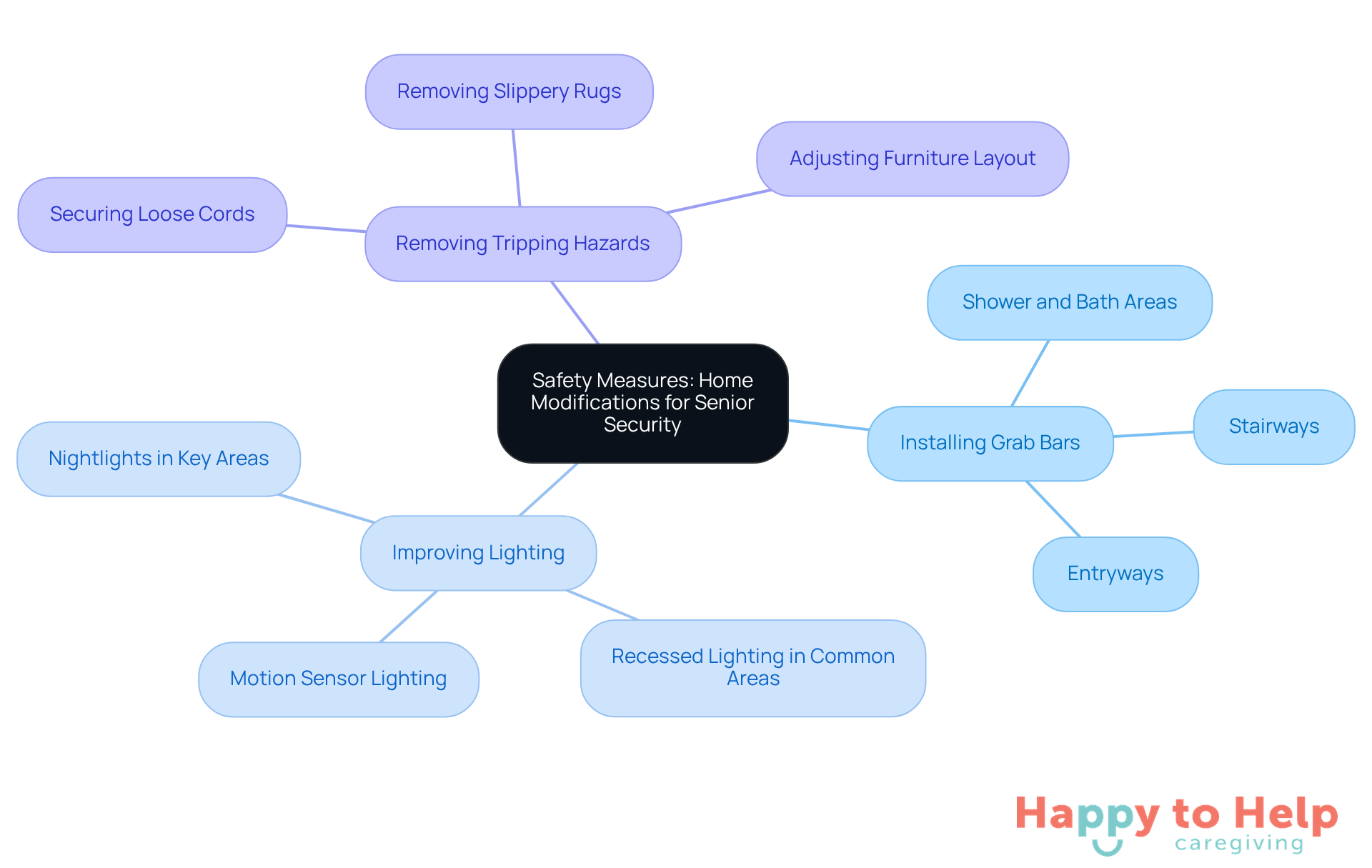
Safety Measures: Home Modifications for Senior Security
Safety risks for elderly individuals living at home are a significant concern. Falls and accidents can lead to serious injuries, impacting their independence and quality of life. Caregivers face the challenge of ensuring a safe environment for their loved ones, which can be daunting without proper guidance.
To address these risks, simple home modifications can make a world of difference. The following are effective strategies that significantly reduce the likelihood of falls:
- Installing grab bars
- Improving lighting
- Removing tripping hazards
By working closely with families, caregivers can assess the home environment and implement these necessary changes, promoting both safety and independence for elderly individuals.
Nutrition and Meal Services: Supporting Healthy Eating
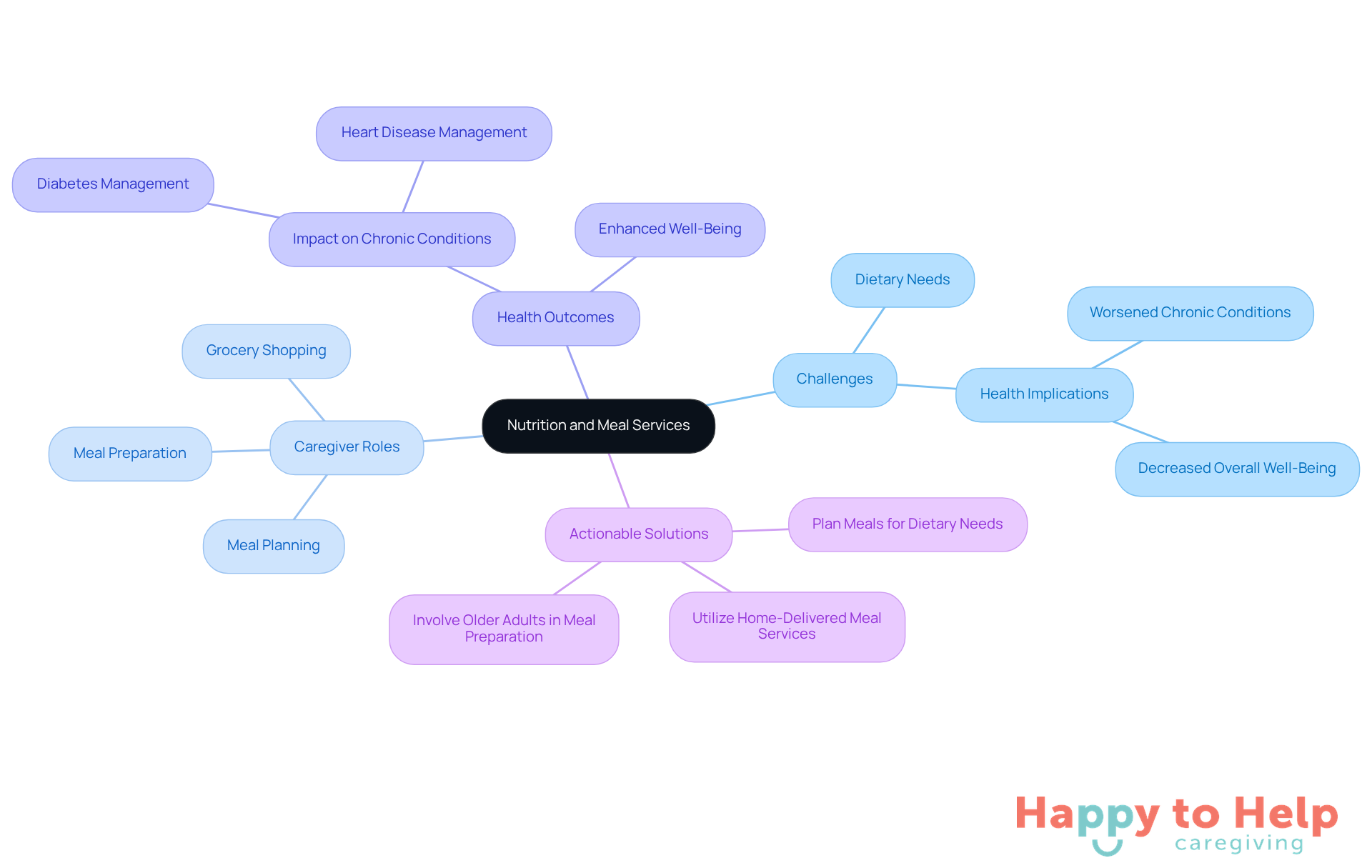
Nutrition and meal services pose a significant challenge in elderly care, as many older adults struggle to maintain balanced, nutritious diets tailored to their specific dietary needs. This issue can lead to serious health implications, including worsened chronic conditions and decreased overall well-being.
Caregivers are essential in addressing this problem. They assist with meal planning, preparation, and grocery shopping, which simplifies the maintenance of healthy eating habits for older adults. Research shows that proper nutrition significantly impacts health outcomes; older adults receiving home-delivered meals often experience improved physical health and enhanced well-being.
Dietitians emphasize that a well-structured diet can help manage chronic conditions common among older adults, such as diabetes and heart disease. By fostering healthy eating practices, caregivers not only support physical health but also contribute to a higher quality of life, reducing feelings of isolation and promoting social engagement during meal times.
To effectively implement these solutions, caregivers can:
- Plan meals that meet specific dietary needs.
- Involve older adults in meal preparation to encourage participation.
- Utilize home-delivered meal services to ensure consistent access to nutritious food.
This comprehensive approach to nutrition underscores the importance of meal services for senior home care in improving the lives of older adults, making it a crucial element of in-home caregiving.
Technology Integration: Enhancing Communication and Care Monitoring
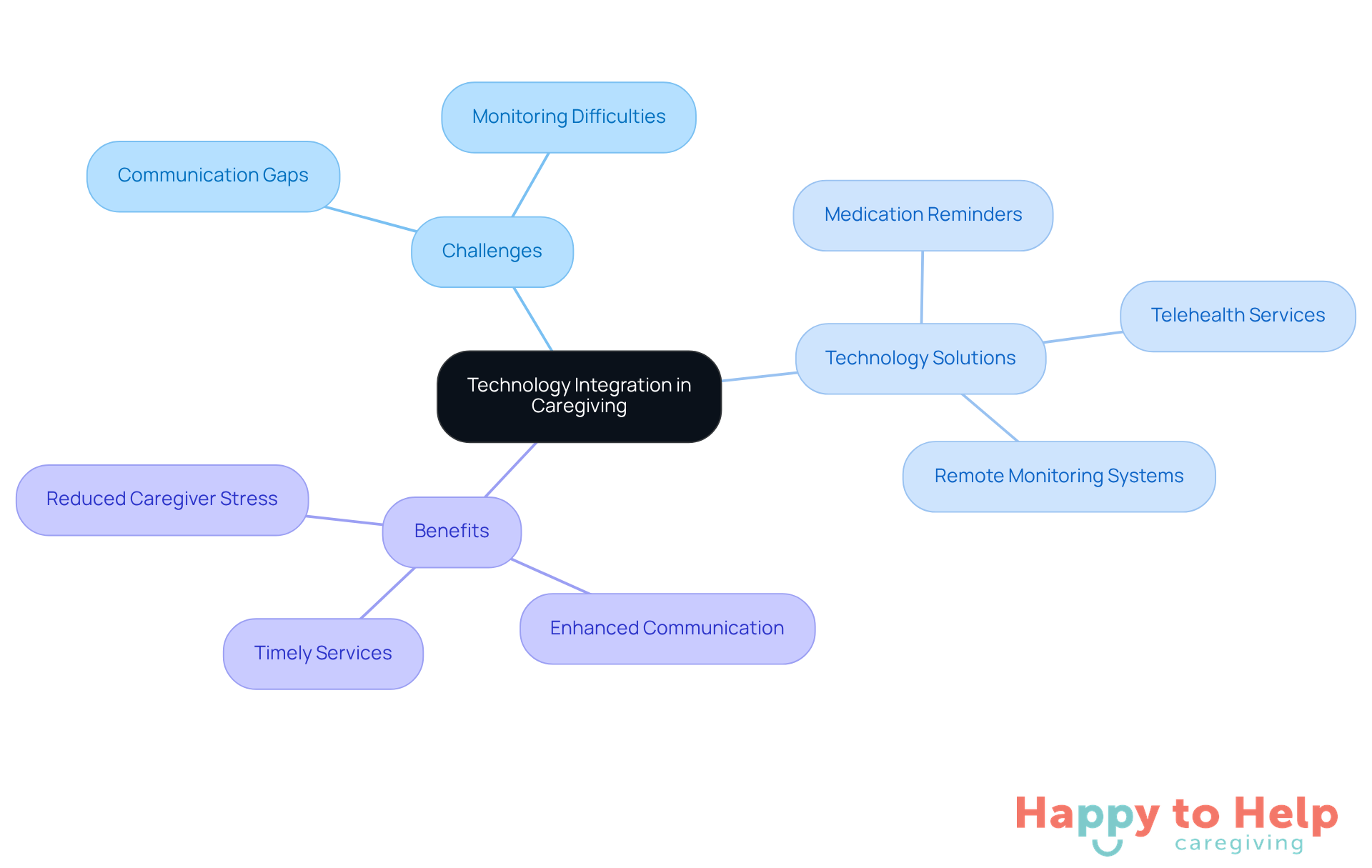
Caregivers often face significant challenges in maintaining communication and monitoring the well-being of their elderly loved ones. This disconnect can lead to feelings of anxiety and helplessness for both seniors and their families.
To address these issues, technology offers practical solutions that can bridge the gap. Tools like telehealth services, medication reminders, and remote monitoring systems not only enhance communication but also provide essential support for caregivers.
By incorporating these technologies, Happy to Help Caregiving guarantees that clients receive timely services for senior home care while keeping families informed about their loved ones' health and well-being. This proactive approach helps alleviate the stress associated with caregiving, fostering a stronger connection between families and seniors.
Moving Forward with Services
The significance of personalized in-home care services for seniors is profound. Many elderly individuals face unique challenges, such as loneliness and health management, which can severely impact their quality of life. Tailored support not only enhances their well-being but also addresses these critical issues head-on.
Consider the following key services:
- Companionship: Helps combat loneliness and fosters emotional connections.
- Post-hospital recovery assistance: Ensures a safe transition back home, promoting independence.
- Palliative care: Focuses on comfort and quality of life, addressing complex health needs.
These services collectively create a supportive environment for seniors, addressing their emotional and physical needs. Flexible scheduling, 24/7 availability, and safety measures are essential components that contribute to improved outcomes for both seniors and their caregivers.
Families and caregivers must recognize the value of investing in comprehensive home care services. By prioritizing personalized approaches, they can enhance the emotional and physical well-being of older adults. Moreover, caregivers themselves can find the support they need to maintain their health and balance.
Embracing these essential services is a vital step toward ensuring that seniors can enjoy a dignified and fulfilling life in the comfort of their own homes.
https://iframe.tely.ai/cta/eyJhcnRpY2xlX2lkIjogIjY5Mjc5NTE2MTRjODUwNzI1NGI4N2M2OSIsICJjb21wYW55X2lkIjogIjY4ZWU1ZGNhNzMxNzYyNTU3ZjNjOTVjMSIsICJpbmRleCI6IG51bGwsICJ0eXBlIjogImFydGljbGUifQ==Frequently Asked Questions
What services does Happy to Help Caregiving provide for senior home care?
Happy to Help Caregiving offers a range of services including companionship, post-hospital recovery assistance, respite support, and palliative care, all aimed at promoting independence and well-being in the comfort of home.
Why is personalized in-home care important for seniors?
Personalized in-home care is important because many seniors prefer to stay at home, and without tailored assistance, they may struggle with daily activities, leading to a loss of independence and dignity.
How does companionship care benefit elderly individuals?
Companionship care helps combat loneliness and isolation, which can lead to emotional and mental health challenges. Engaging in meaningful conversations and activities reduces the risk of depression and anxiety, enhancing overall mental health.
What role do caregivers play in post-hospital recovery assistance?
Caregivers provide essential support during post-hospital recovery by managing medications, assisting with mobility, and helping with daily activities, which fosters healing and prevents unnecessary hospital readmissions.
What is the impact of companionship on the emotional well-being of older adults?
Regular companionship leads to a greater sense of security and belonging, encourages engagement in hobbies, and enhances mood and cognitive function, contributing to improved emotional stability and overall quality of life.
How does Happy to Help Caregiving ensure that care is tailored to individual needs?
Happy to Help Caregiving focuses on the specific needs of each client by implementing individualized care plans that respect their preferences and health conditions, ensuring that elderly individuals can thrive in familiar environments.
List of Sources
- Happy to Help Caregiving: Personalized In-Home Care Services
- Home Care Industry Trends to Watch in 2025 (https://firstlighthomecare.com/blog/home-care-industry-trends)
- The impact of personalized home care on elderly quality of life (https://humancareny.com/blog/the-impact-of-personalized-home-care-on-elderly-quality-of-life)
- Caring Senior Service Banks Growth Goals On New House-Made Technology (https://homehealthcarenews.com/2025/10/caring-senior-service-banks-growth-goals-on-new-house-made-technology)
- A Look Into the Future of Home Care (https://seniorhelpers.com/ca/montclair/resources/blogs/2025-11-15)
- Trends and Innovations in Senior Care | Amada Blog (https://amadaseniorcare.com/2025/01/trends-and-innovations-in-senior-care)
- Companionship Care: Emotional Support for Seniors
- Understanding the Benefits of Companion Care for Seniors - Freedom Home Care (https://freedomhomecare.net/2025/08/26/understanding-the-benefits-of-companion-care-for-seniors)
- Companion Care Benefits for Seniors (https://careindeed.com/blogs/companion-care-benefits-for-seniors)
- The Value of Companion Care for Seniors- Home Care Powered By AUAF (https://homecare-aid.com/the-value-of-companion-care-for-seniors)
- The Importance of Companionship for Seniors and How It Improves Well-being | Luxe Homecare (https://luxehomecare.com/the-importance-of-companionship-for-seniors-and-how-it-improves-well-being)
- Combat Loneliness: The Benefits of Companion Care for Seniors (https://allheartcare.com/more-than-just-company-the-vital-role-of-companion-care-for-seniors)
- Post-Hospital Recovery Assistance: Safe Transition to Home
- Sent Home To Heal, Patients Avoid Wait for Rehab Home Beds - KFF Health News (https://kffhealthnews.org/news/article/patients-rehab-at-home-unclog-hospital-bed-nursing-home-waiting-list)
- Smart Homes and Post-Hospital Care: Supporting Seniors Aging in Place (https://hcprosonline.com/smart-homes-and-post-hospital-care-supporting-seniors-aging-in-place)
- Post-Hospital Discharge: Why In-Home Care Improves Recovery for Florida Seniors (https://visitingangels.com/tampafl/news-info/post-hospital-discharge-why-in-home-care-improves-recovery-for-florida-seniors/26196)
- Post-Hospital Home Care: The Key to a Smoother, Safer Recovery (https://heavenathomecare.com/how-post-hospital-home-care-helps-seniors-recover)
- Post-Hospital Care for Seniors Supports Healing (https://picseniorcare.com/how-post-hospital-care-for-seniors-makes-recovery-easier)
- Respite Care: Support for Family Caregivers
- Improving Support for Family Caregivers (https://nationalacademies.org/news/2025/07/improving-support-for-family-caregivers)
- A bill in Congress would return $5,000 to millions of family caregivers every year, but will it pass? (https://cbsnews.com/newyork/news/credit-for-caring-act-family-caregiver-tax-credit)
- Caring For the Caregiver: Preventing Burnout - AMHC (https://amhc.org/news/caregiver)
- Caregivers and the Importance of Respite Care (https://benedictineliving.org/resources/news/caregivers-and-the-importance-of-respite-care)
- Palliative Support Care: Enhancing Comfort and Quality of Life
- Center to Advance Palliative Care Facts and Stats - Tuesday Health (https://tuesdayhealth.com/palliative-care-facts-and-stats)
- Palliative care (https://who.int/news-room/fact-sheets/detail/palliative-care)
- Here are 11 Inspiring Quotes to Help You Rethink End of Life Care (https://easylivingfl.com/assisted-living/11-inspiring-quotes-to-help-you-rethink-end-of-life-care)
- Trends in State Palliative Care Legislation Across the U.S. - CAPC - News Bites (https://capc.org/blog/trends-in-state-palliative-care-legislation-across-the-us)
- Exploring Hospice Care Innovations - Top News Stories, August 2025 (https://teleioscn.org/tcntalkspodcast/exploring-hospice-care-innovations-top-news-stories-august-2025)
- 24/7 Availability: Continuous Support for Seniors
- 10 Benefits of Care Around the Clock for Your Loved Ones - Happy To Help (https://happytohelpcaregiving.com/10-benefits-of-care-around-the-clock-for-your-loved-ones)
- 24/7 In-Home Care Costs in 2025 - Assisted Living Magazine (https://assistedlivingmagazine.com/24-7-in-home-care-costs-in-2025)
- Caregivers Can Now Call 211 for Help in 10 New States | United Way Worldwide (https://unitedway.org/news/caregivers-can-now-call-211-for-help-in-10-new-states)
- Caregiving Crisis: 45% Increase in Americans Providing Care (https://aarp.org/caregiving/basics/caregiving-in-us-survey-2025)
- Without support, seniors aging in place may elect facility-based care, study finds (https://mcknights.com/news/without-support-seniors-aging-in-place-may-elect-facility-based-care-study-finds)
- Flexible Scheduling: Tailored Care for Individual Needs
- Exploring the Rising Demand for Flexible Work in Healthcare (https://healthecareers.com/career-resources/nurse-career/rising-demand-for-flexible-work-in-healthcare)
- Key Senior Living Priorities for Providers in 2025 (https://adagemarketinggroup.com/key-senior-living-priorities-for-providers-in-2025-setting-the-stage-for-success)
- Flexible scheduling, enhanced communication, technology can help address workforce challenges (https://mcknightsseniorliving.com/news/flexible-scheduling-enhanced-communication-technology-can-help-address-workforce-challenges)
- Embracing Flexible Scheduling Models in Aging Services: A Path Toward Workforce Stability (https://leadingage.org/embracing-flexible-scheduling-models-in-aging-services-a-path-toward-workforce-stability)
- Safety Measures: Home Modifications for Senior Security
- As falling deaths rise for older adults, how home safety can make a difference (https://denver7.com/news/local-news/as-falling-deaths-rise-for-older-adults-how-home-safety-can-make-a-difference)
- Aging in Place Home Modifications Guide 2025 | Senior Safety Tips (https://agesafeamerica.com/home-safety-hub/articles/top-home-safety-modifications)
- Building Foundations for Home Safety & Fall Prevention (https://cicoa.org/home-modifications-as-a-fall-prevention-strategy)
- Home Safety for Seniors: Statistics & Proven Safety Solutions (https://agesafeamerica.com/home-safety-hub/articles/home-safety-seniors-statistics-solutions)
- Nutrition and Meal Services: Supporting Healthy Eating
- New study confirms: Home-delivered meals a ‘lifeline’ for older adults (https://mcknightshomecare.com/news/new-study-confirms-home-delivered-meals-a-lifeline-for-older-adults)
- MEALS ON WHEELS AMERICA URGES AN END TO THE GOVERNMENT SHUTDOWN THAT PRIORITIZES SENIORS AS COMMUNITY NEED SOARS AND FUNDING FOR SENIOR NUTRITION PROGRAMS RUNS OUT (https://prnewswire.com/news-releases/meals-on-wheels-america-urges-an-end-to-the-government-shutdown-that-prioritizes-seniors-as-community-need-soars-and-funding-for-senior-nutrition-programs-runs-out-302598944.html)
- Senior Nutrition Programs in the News | ACL Administration for Community Living (https://acl.gov/senior-nutrition/senior-nutrition-programs-news)
- Data & Reports | ACL Administration for Community Living (https://acl.gov/senior-nutrition/data-and-reports)
- Findings From New Study Reinforce That Home-Delivered Meals Provide Critical Health and Social Benefits to Older Adults and Caregivers (https://mealsonwheelsamerica.org/news/findings-from-new-study-reinforce-that-home-delivered-meals-provide-critical-health-and-social-benefits-to-older-adults-and-caregivers)
- Technology Integration: Enhancing Communication and Care Monitoring
- Medicare Telehealth Waivers Expire With Potential ‘Big Impact’ for Senior Living Operators (https://seniorhousingnews.com/2025/10/01/medicare-telehealth-waivers-expire-with-potential-big-impact-for-senior-living-operators)
- How Technology will Transform Senior Care in 2025 (https://thecareconcierges.com/how-technology-will-transform-senior-care-in-2025)
- Millions of seniors could lose access to telehealth without deal in Congress (https://washingtonpost.com/health/2025/09/30/shutdown-threatens-senior-telehealth)
- Millions of seniors lose access to telehealth services in wake of shutdown (https://pbs.org/newshour/show/millions-of-seniors-lose-access-to-telehealth-services-in-wake-of-shutdown)
- Modern Tools That Improve Safety and Accountability in Elder Care Settings (https://dcreport.org/2025/11/24/modern-tech-tools-improving-safety-in-elder-care-facilities)