10 Essential Services for Seniors to Support Family Caregivers

For families in our service areas
For families in our service areas, this guide explains caregiver support and how non-medical in-home caregiving can support care planning in East Idaho, Treasure Valley & Magic Valley, Northern Wasatch, North Central West Virginia, and Northeast Ohio.
Understanding Services
As the population of seniors continues to grow, family caregivers face increasingly complex challenges. Balancing the needs of aging loved ones with their own responsibilities can lead to overwhelming stress and uncertainty. This situation not only affects caregivers' well-being but also impacts the quality of care they can provide.
To address these issues, this article explores ten essential services designed to support both seniors and their caregivers. These solutions aim to enhance quality of life and alleviate burdens, providing practical resources that empower caregivers. What key resources are available to improve the well-being of elderly family members and support their caregivers?
Happy to Help Caregiving: Personalized In-Home Care Services
Caregivers often face the challenge of providing adequate support to seniors and individuals with special needs. This can lead to feelings of overwhelm and stress, not just for the caregivers but also for the families involved. The lack of personalized care can hinder the quality of life for clients, making it essential to find effective solutions.
Happy to Help Caregiving addresses these issues by offering tailored in-home care services designed to meet the unique needs of each individual. Their comprehensive offerings include:
- Companionship care
- Post-hospital recovery assistance
- Respite care
- Palliative care
Each service is meticulously crafted to foster independence and well-being, ensuring clients receive the necessary support within the comfort of their own homes. This personalized approach significantly enhances the quality of life for clients by incorporating services for seniors, as evidenced by the growing trend towards customized care plans that focus on older adults' specific preferences and health conditions.
Moreover, personalized support not only benefits clients but also alleviates the strain on family members. By enabling families to focus on their loved ones' emotional and social needs, Happy to Help Caregiving offers vital services for seniors, fostering a sense of safety for older adults while enhancing family relationships. As families increasingly seek assistance from home care agencies, the testimonials from caregivers highlight the transformative effects of personalized support. This approach fosters deeper connections and understanding within families, ultimately leading to a more harmonious caregiving experience.
Ontario Drug Benefit Program: Financial Support for Prescription Medications
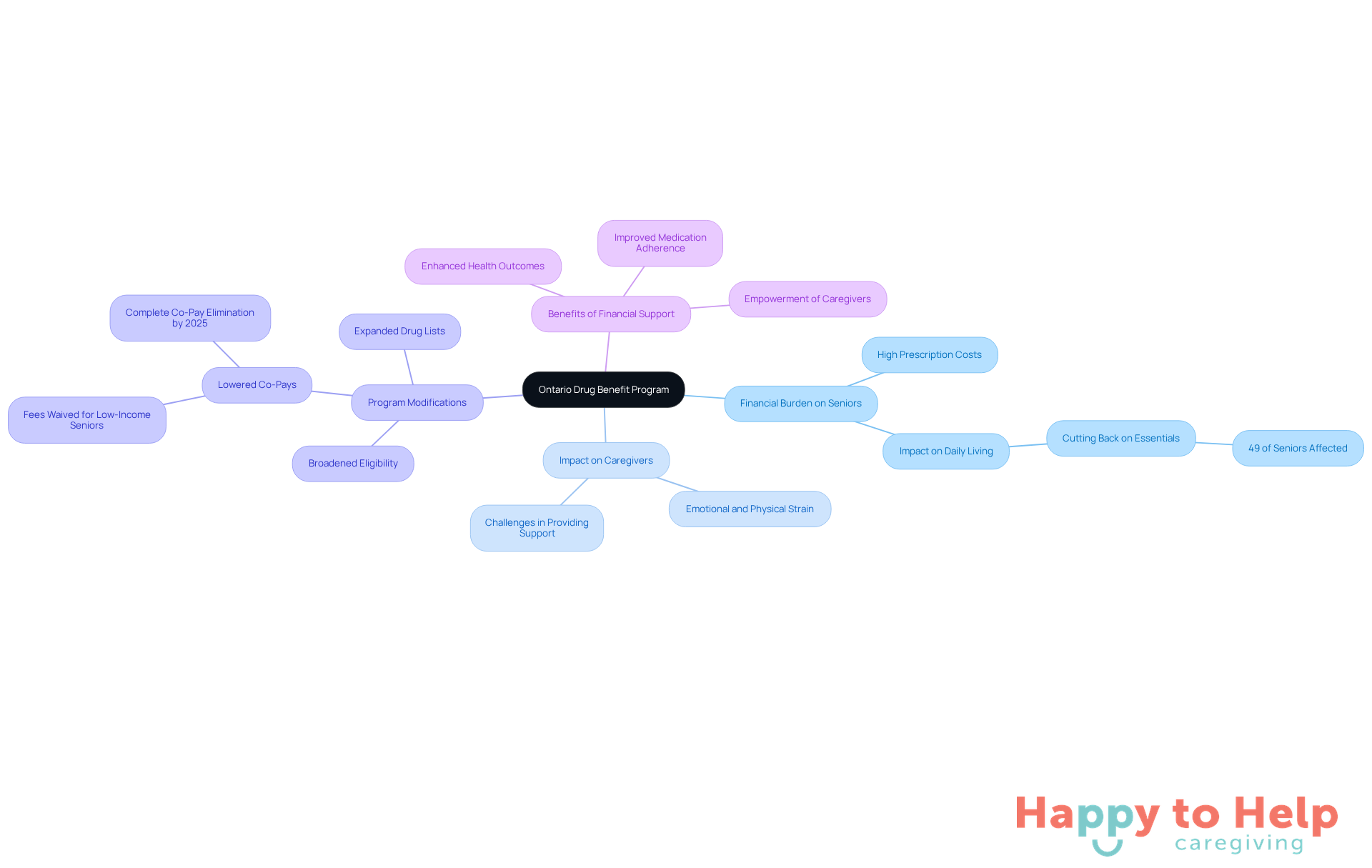
The Ontario Drug Benefit Program offers vital services for seniors by addressing a significant problem: the high costs of prescription medications for individuals aged 65 and above. This financial burden can be particularly challenging for family members who support older adults with chronic conditions. When caregivers face these pressures, it can detract from their ability to provide emotional and physical assistance.
The implications of these costs are serious. Many older adults are forced to make difficult choices, often sacrificing essential purchases like groceries or transportation. In fact, studies indicate that 49 percent of older adults have had to cut back on these necessities due to high drug costs. This situation not only affects their health but also places additional strain on caregivers, who want to provide the best support possible.
Fortunately, recent modifications to the Ontario Drug Benefit Program offer practical services for seniors. The program has broadened eligibility and lowered co-pays for low-income elderly individuals, allowing more people to access this essential support. For instance, low-income seniors can apply to have fees waived under the Seniors Program, with many expected to have their co-pays eliminated entirely by 2025. Additionally, expanded drug lists and revised co-pay regulations will further enhance access to necessary medications, enabling older individuals to maintain their health without compromising their financial stability.
Healthcare professionals emphasize the importance of such financial assistance. Lower out-of-pocket expenses can lead to better adherence to prescribed treatments, which is crucial for the well-being of older adults. By alleviating these financial burdens, the Ontario Drug Benefit Program not only supports the health of older adults but also enhances services for seniors, empowering family caregivers to provide the best possible assistance without the added strain of financial limitations.
Ontario Seniors Dental Care Program: Access to Essential Dental Services
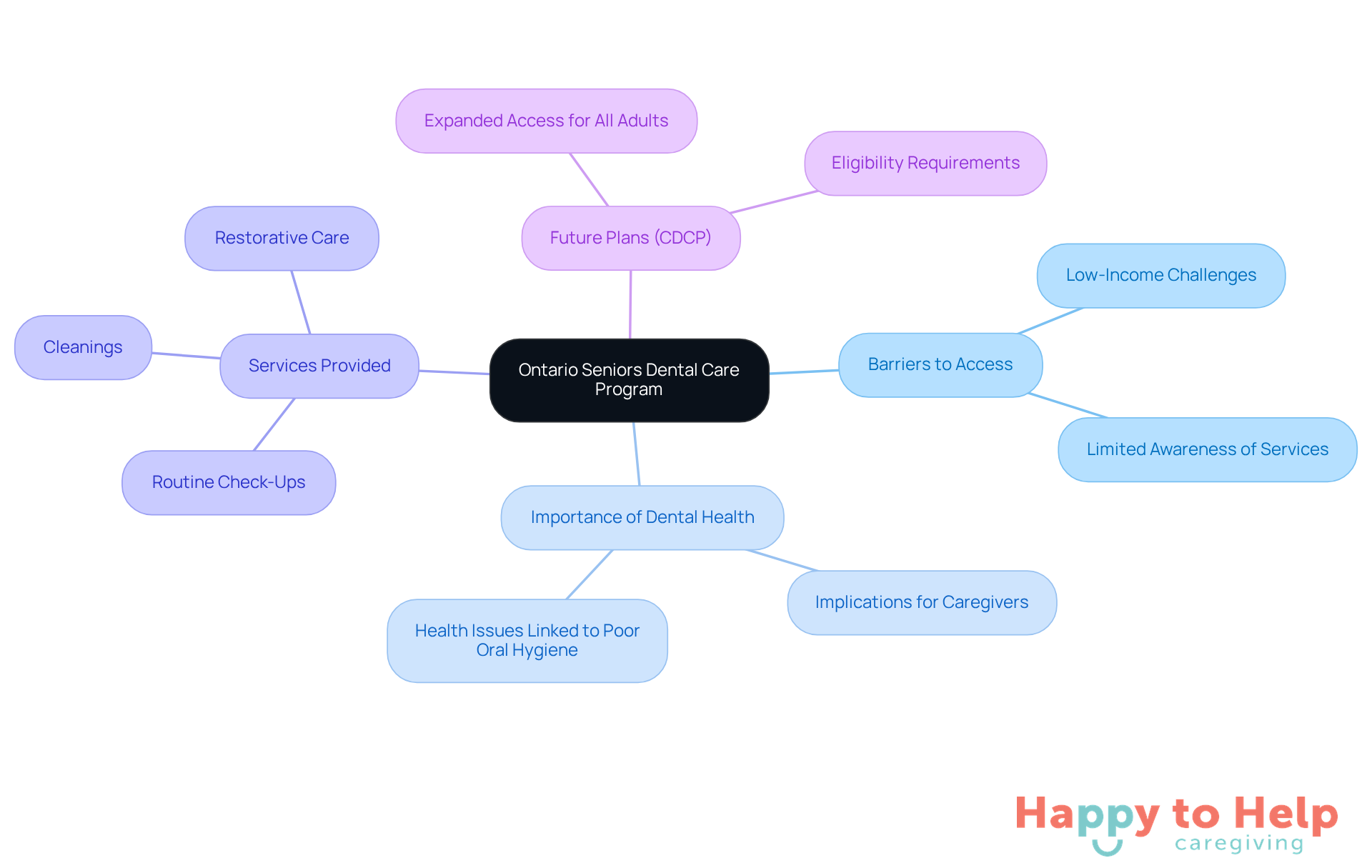
Many low-income seniors face significant barriers to accessing services for seniors, including dental care, which can lead to poor oral health and overall wellness.
Agitate: For family caregivers, understanding the implications of inadequate dental services is crucial. Poor oral hygiene is closely linked to various health issues, making it essential to prioritize dental care for elderly loved ones. As Dr. Ahferom Gebremedhin, a dedicated dentist, states, "Oral health is a vital aspect of overall health, particularly for older adults." Without proper dental care services for seniors, they may not only experience discomfort but also a decline in their quality of life.
The Ontario Dental Care Program for the elderly provides essential dental services for seniors free of charge to individuals aged 65 and over who are low-income. This program covers vital services, including routine check-ups, cleanings, and restorative care. By utilizing this program, caregivers can ensure their loved ones receive necessary dental care services for seniors, alleviating financial burdens and enhancing their overall well-being.
Furthermore, with the rollout of the Canadian Dental Care Plan (CDCP) in 2025, all adults who meet the requirements will have access to help with their dental care. Understanding these available benefits is crucial for caregivers aiming to support their loved ones' health.
ConnexOntario: Mental Health and Addiction Support Services
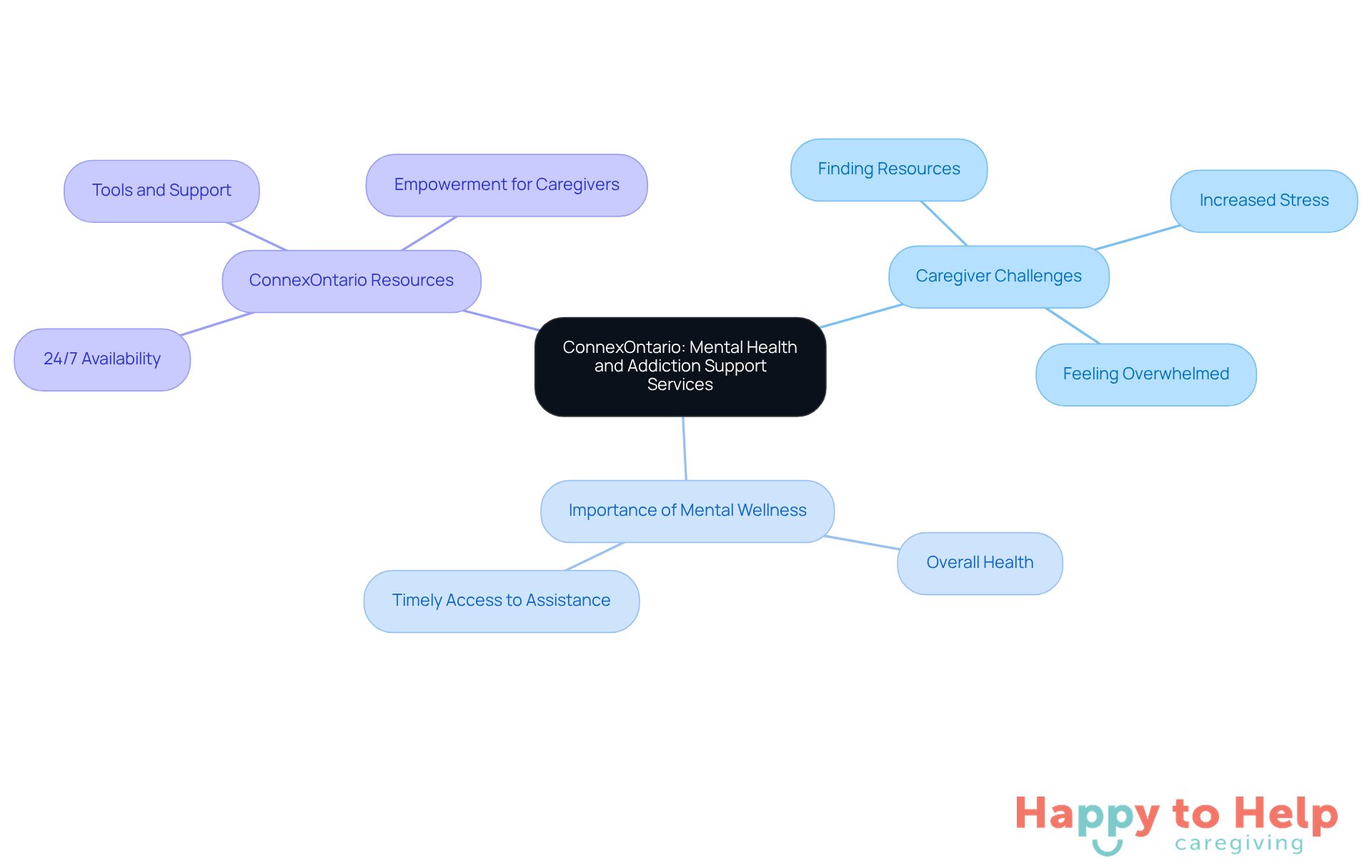
Caregivers often struggle to find the right resources to support older adults facing mental wellness challenges. This difficulty can lead to increased stress for both caregivers and their loved ones, as mental well-being is crucial for overall health. Without timely access to assistance, caregivers may feel overwhelmed and unsure of how to help.
ConnexOntario addresses this issue by providing a valuable resource that connects individuals with mental wellness and addiction assistance services for seniors across Ontario. Available 24/7, it offers caregivers prompt access to tools and support, ensuring that services for seniors provide the necessary help to maintain their mental well-being. By utilizing ConnexOntario, caregivers can feel more empowered and equipped to manage the mental health needs of their family members.
Assistive Devices Program: Equipment for Enhanced Independence
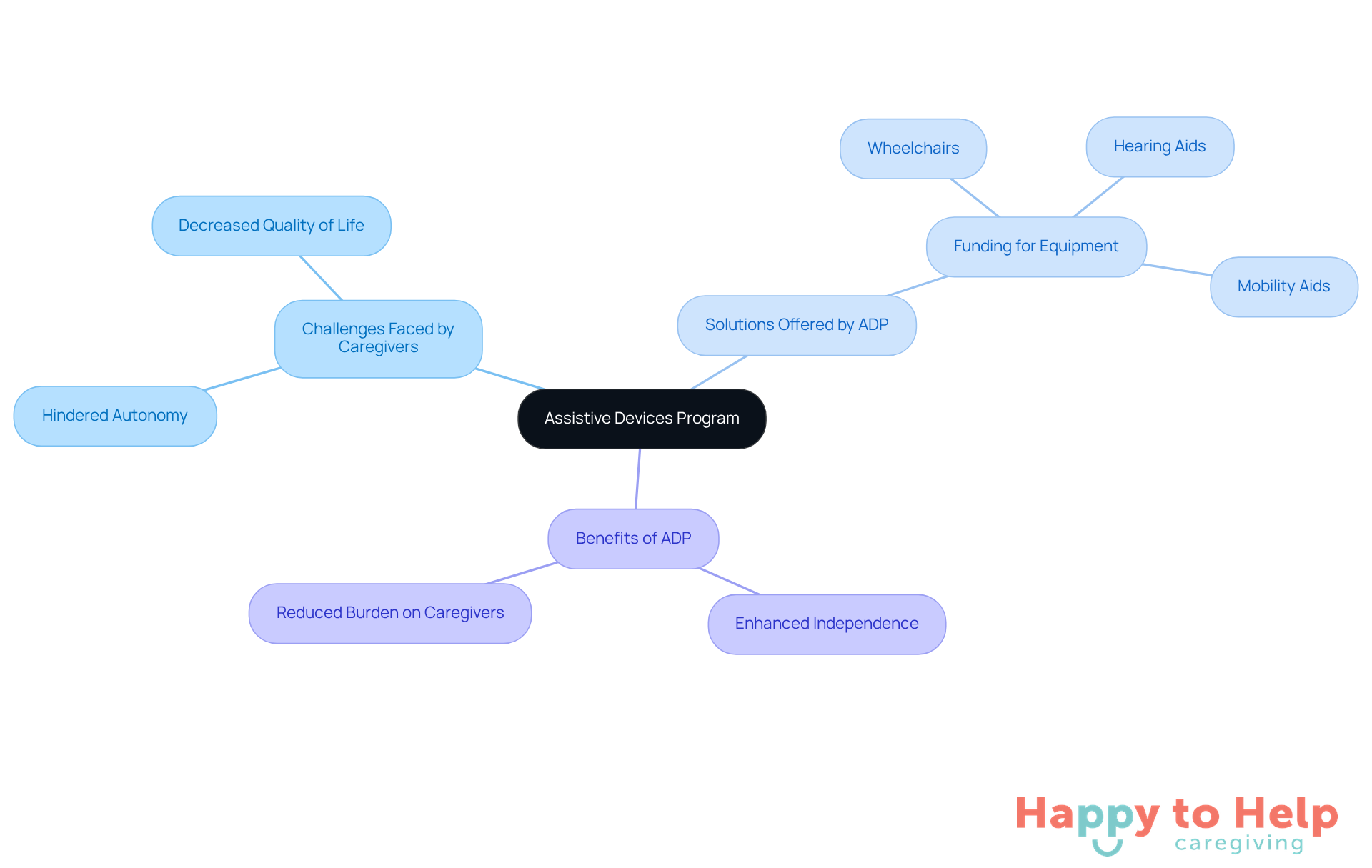
Caregivers often face significant challenges when supporting individuals with long-term physical disabilities. These challenges can hinder the autonomy of older adults, making daily tasks more difficult and less manageable.
The implications of these difficulties are profound. Without the right support, individuals may struggle to [maintain their independence](https://who.int/news/item/16-05-2022-almost-one-billion-children-and-adults-with-disabilities-and-older-persons-in-need-of-assistive-technology-denied-access--according to-new-report), leading to frustration and a decreased quality of life.
Fortunately, the Assistive Devices Program (ADP) in Ontario offers a solution. This program provides funding for essential equipment, such as wheelchairs, hearing aids, and mobility aids, enabling caregivers to assist their loved ones in living more comfortably and safely at home.
By utilizing the ADP, family supporters can help older adults preserve their autonomy and carry out daily tasks with increased ease. This not only enhances the quality of life for those they care for but also alleviates some of the burdens faced by caregivers.
In summary, the ADP is a vital resource that empowers caregivers to provide better support, ensuring that individuals with disabilities can enjoy greater independence and comfort in their daily lives.
Public Health Initiatives: Immunizations and Disease Prevention for Seniors
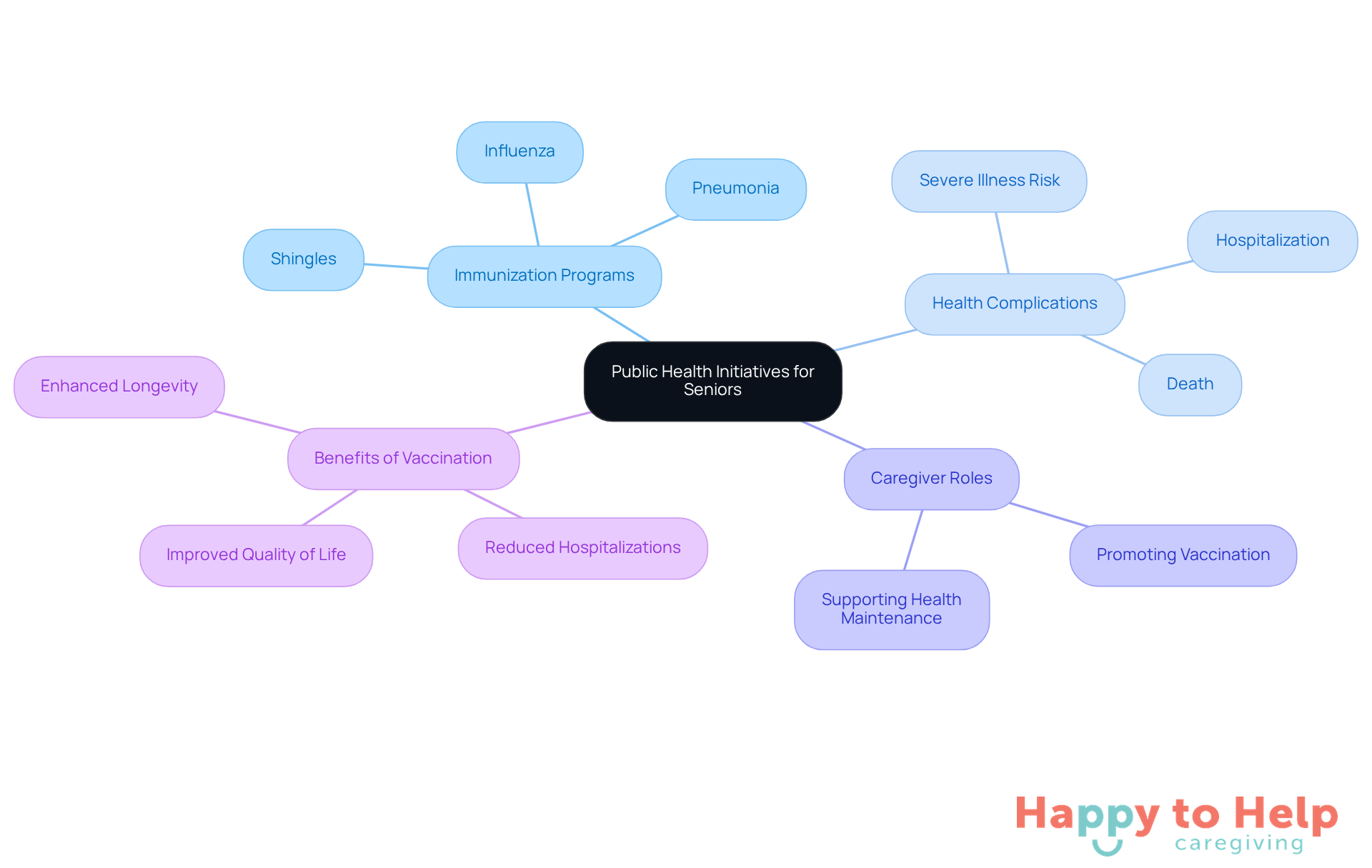
Public welfare initiatives, particularly immunization programs, face a significant challenge: many seniors remain unprotected against preventable illnesses. This lack of vaccination can lead to severe health complications, especially for older adults with weakened immune systems. For instance, diseases like influenza, pneumonia, and shingles can result in hospitalization and even death.
The implications are serious. Studies show that vaccinations significantly reduce the risk of severe illness and complications from these diseases. Family supporters must prioritize ensuring their loved ones are up-to-date with vaccinations. This proactive approach not only enhances overall well-being but also contributes to longevity.
So, what can caregivers do? Public health officials emphasize the importance of maintaining health through immunization. By doing so, caregivers can alleviate the burden on healthcare systems, preventing unnecessary hospitalizations and reducing the prevalence of chronic conditions. Actively supporting vaccination efforts is crucial. Caregivers play a vital role in promoting the well-being of their loved ones and enhancing their quality of life.
Veterans Independence Program: Specialized Support for Senior Veterans
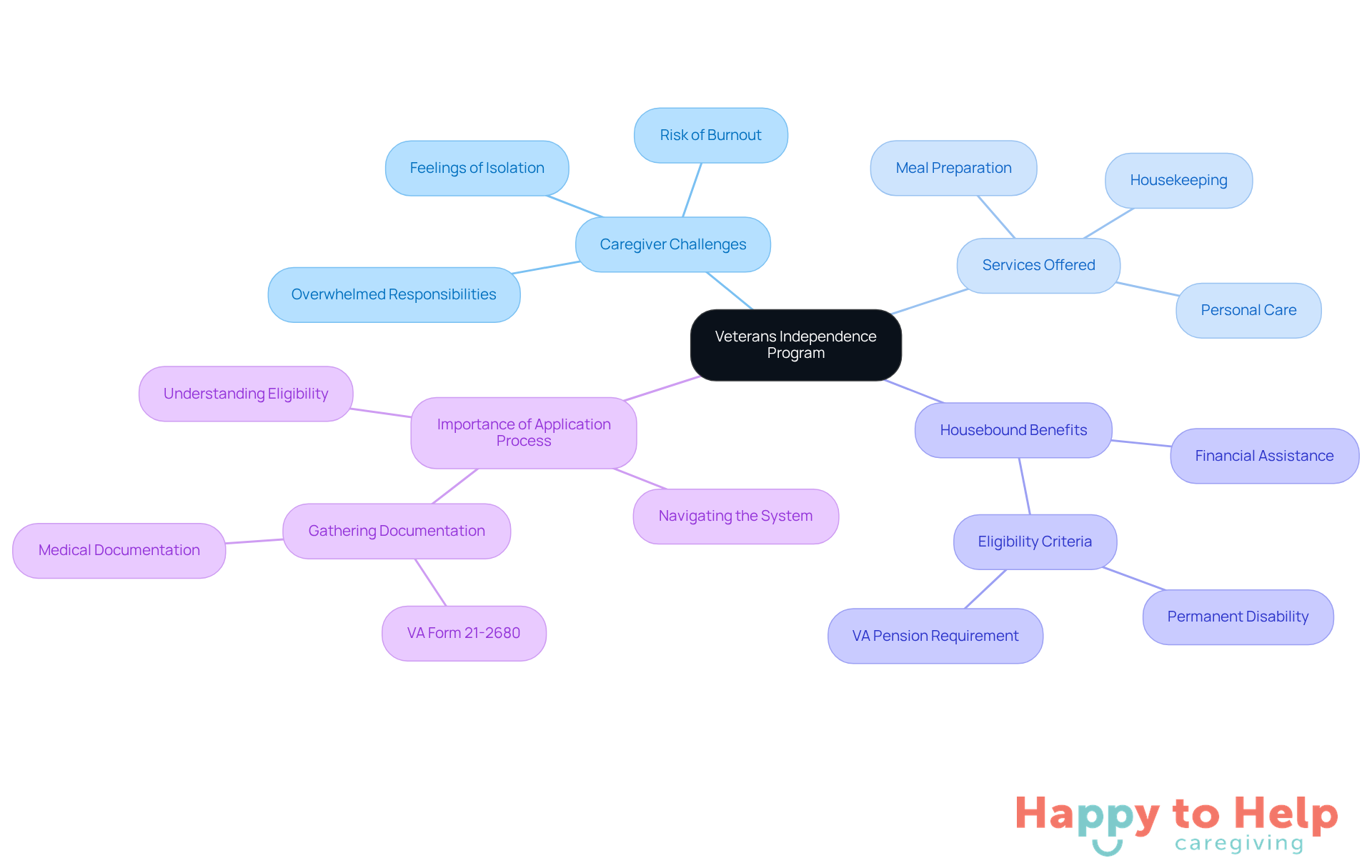
The Veterans Independence Program (VIP) addresses a significant challenge for caregivers of senior veterans: the struggle to provide adequate support while managing caregiving duties. Many caregivers find themselves overwhelmed, juggling various responsibilities that can lead to burnout and stress.
Without the right support, caregivers may feel isolated and unable to meet the needs of their veteran relatives. This is where the VIP comes into play, offering essential services like housekeeping, meal preparation, and personal care that promote independence for veterans. According to the National Aging and Disability Transportation Center, many veterans qualify for housebound benefits, which can provide financial assistance to those largely confined to their homes.
By utilizing the VIP, caregivers can significantly lessen their responsibilities, allowing them to focus on emotional support and companionship-elements that are just as vital in the caregiving experience. As veteran advocate Vaughn Young states, "Our veterans have given so much for our country; it's only right that they receive the care they need in their golden years."
Understanding the application process for housebound benefits is crucial for caregivers. This knowledge enables them to navigate the system effectively and access the support available through the VIP, ultimately improving the overall quality of life for their veteran relatives.
Mental Health Services at Hospitals: Critical Care for Seniors
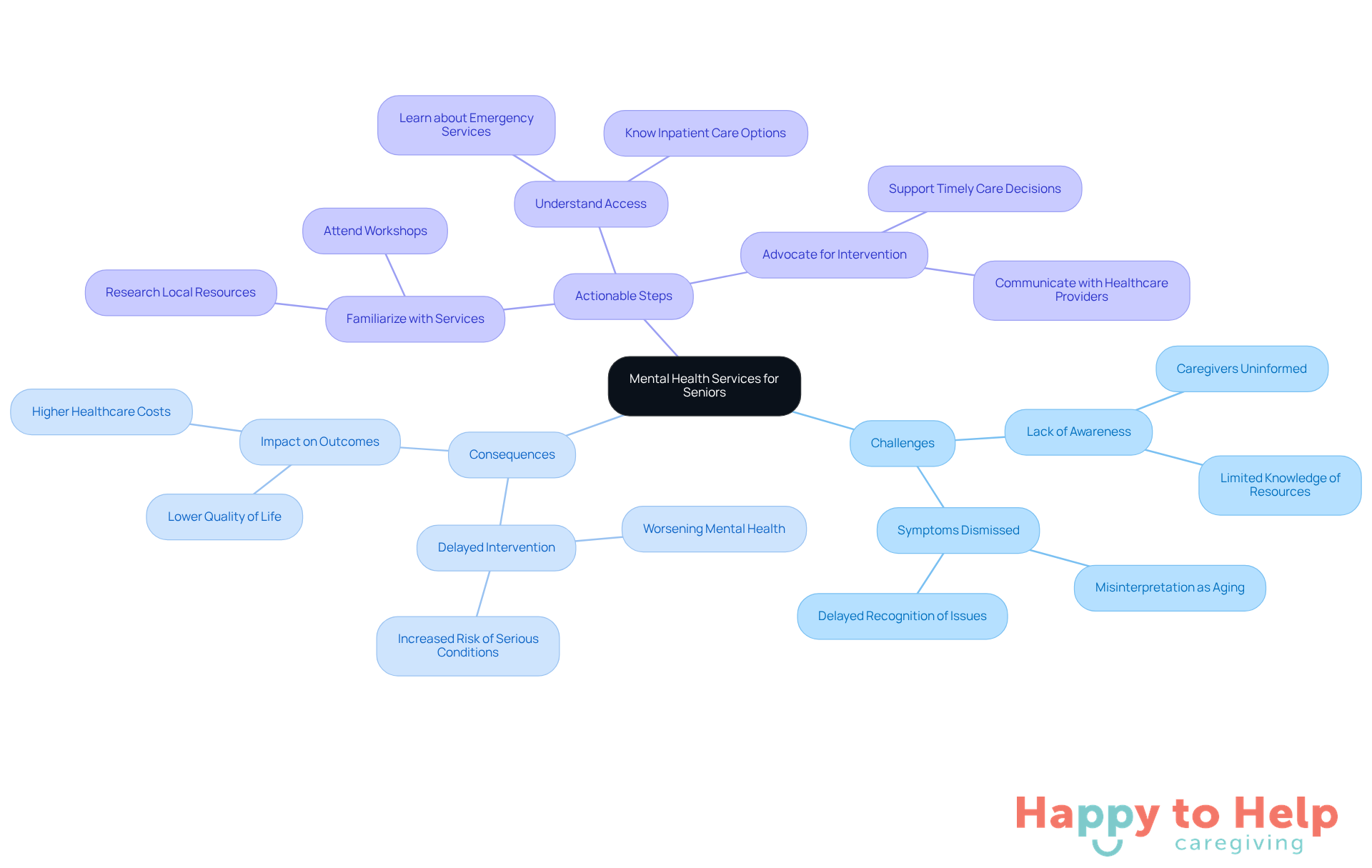
Services for seniors in hospitals are crucial for elderly individuals facing acute crises, such as severe depression or anxiety. Unfortunately, many caregivers are unaware of the mental wellness resources available in local hospitals, which include emergency psychiatric services and inpatient care. This lack of knowledge can lead to delayed intervention, significantly impacting outcomes for elderly patients.
Research indicates that two-thirds of older adults with mental health challenges do not receive the necessary care, often because their symptoms are dismissed as mere signs of aging. This situation underscores the need for caregivers to advocate for their loved ones, ensuring they receive appropriate assistance during critical times. Mental wellness experts emphasize that prompt attention can prevent serious medical issues, making it essential for caregivers to be proactive in seeking help when needed.
As the number of elderly individuals with mental disorders is expected to double by 2030, caregivers must stay informed about services for seniors available to them. Here are some actionable steps:
- Familiarize yourself with local hospital mental wellness services.
- Understand how to access emergency psychiatric services and inpatient care.
- Advocate for timely intervention to improve outcomes for your loved ones.
By being attentive and knowledgeable, caregivers can effectively support their loved ones during challenging times.
Canadian Mental Health Association: Resources for Senior Mental Health
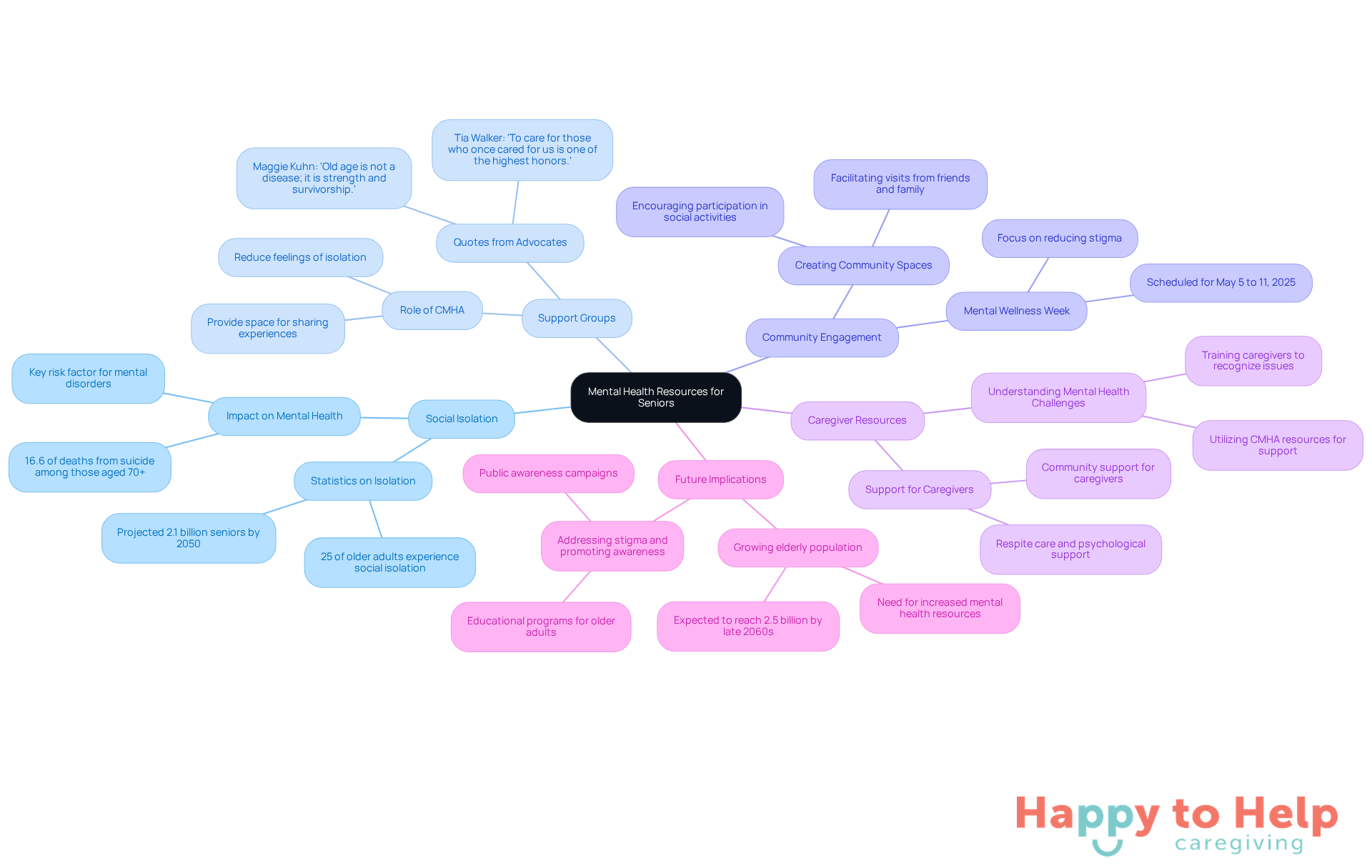
The Canadian Mental Wellness Association (CMHA) addresses a pressing issue: social isolation and loneliness among seniors. Studies indicate that around 25% of older individuals experience these feelings, which are significant risk factors for mental disorders. This isolation can lead to a decline in mental well-being, making it crucial for family caregivers to seek effective solutions.
Support groups offered by CMHA play a vital role in combating these challenges. They provide a space for older adults to share their experiences, reduce feelings of isolation, and foster meaningful connections. As mental wellness advocate Maggie Kuhn noted, "Old age is not a disease; it is strength and survivorship." This perspective underscores the resilience of seniors and the importance of community support.
Moreover, CMHA's initiatives aim to reduce the stigma surrounding mental wellness. By fostering open conversations and raising awareness, they empower both supporters and seniors. Mental Wellness Week, scheduled for May 5 to 11, 2025, presents an opportunity for communities to engage in discussions about mental well-being.
Family caregivers can utilize CMHA's resources to better understand the mental health challenges their loved ones may face. This understanding leads to improved care and support. Incorporating CMHA's services for seniors into caregiving practices not only enhances the quality of life for older adults but also helps families navigate the complexities of aging with confidence and compassion.
With the global population of individuals aged 60 and older expected to nearly double to 2.1 billion by 2050, addressing mental well-being support for this demographic is more critical than ever. By leveraging CMHA's resources, caregivers can create a nurturing environment that promotes mental health and combats the risks associated with social isolation.
Health811: Health Advice and Information for Seniors
Caregivers face significant challenges when it comes to managing wellness issues and accessing reliable information. This can lead to stress and uncertainty, making it difficult for them to make informed decisions about their loved ones' healthcare.
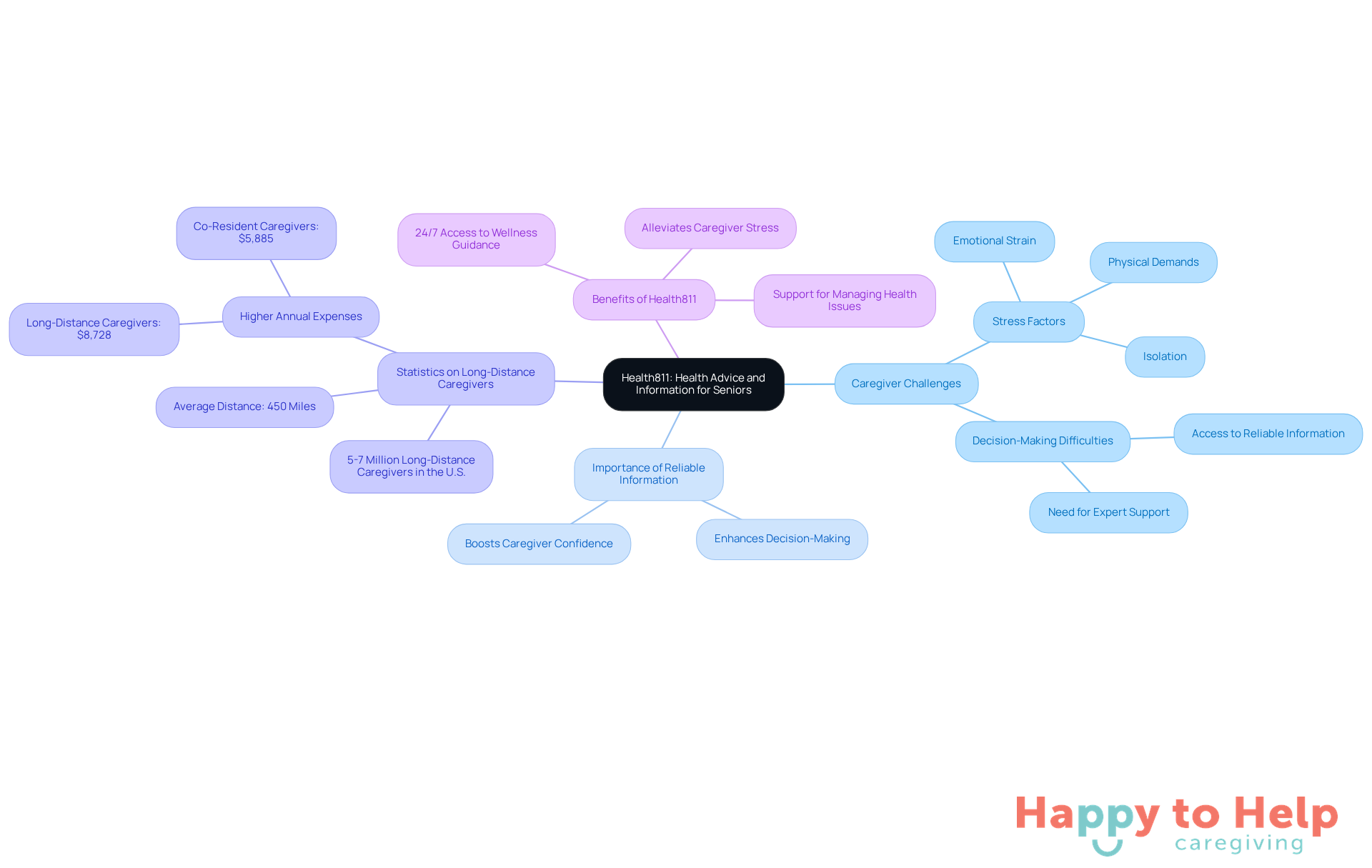
Health811 serves as a crucial resource in this context. By providing round-the-clock access to wellness guidance, it empowers caregivers to handle various health-related issues effectively. Medical experts emphasize that having access to accurate medical information is essential for caregivers, as it enhances their decision-making abilities and boosts their confidence in the support they provide.
Consider this: approximately 5-7 million individuals in the U.S. are long-distance caregivers. This highlights the pressing need for services for seniors, such as Health811, which can assist those facing unique challenges in caregiving. Knowing when to seek expert support is vital for maintaining mental well-being, and Health811 can guide caregivers in this regard.
By leveraging Health811, caregivers can ensure they have access to services for seniors that provide the necessary support and information to navigate the complexities of healthcare for their loved ones. This service not only alleviates stress but also fosters a more informed approach to caregiving.
Making the Right Choice
The article underscores a pressing issue: the growing aging population and the challenges it poses for family caregivers. As caregivers navigate the complexities of supporting seniors, the need for tailored assistance becomes increasingly critical. Without adequate resources, caregivers may struggle to provide the best care, impacting both their well-being and that of their loved ones.
To address these challenges, various programs offer invaluable support. For instance:
- The Ontario Drug Benefit Program
- The Ontario Seniors Dental Care Program
- ConnexOntario, which provides essential mental health resources
- The Assistive Devices Program
- Public health initiatives that empower seniors to maintain their independence and health
- The Veterans Independence Program, which caters specifically to the unique needs of senior veterans
Caregivers are encouraged to explore these resources actively. By engaging with programs that promote health, independence, and dignity for seniors, caregivers can create a nurturing environment. This proactive approach not only enhances the lives of seniors but also allows caregivers to focus on emotional support and building meaningful connections.
In conclusion, the significance of these support services cannot be overstated. Caregivers should take advantage of the available resources to ensure their loved ones receive the best care possible. By advocating for and utilizing these programs, caregivers can foster a more harmonious caregiving experience, ultimately benefiting both themselves and the seniors they care for.
https://iframe.tely.ai/cta/eyJhcnRpY2xlX2lkIjogIjY5MmY5MWI5ZGM0MTVjZWNlZTQ2NmM5MyIsICJjb21wYW55X2lkIjogIjY4ZWU1ZGNhNzMxNzYyNTU3ZjNjOTVjMSIsICJpbmRleCI6IG51bGwsICJ0eXBlIjogImFydGljbGUifQ==Frequently Asked Questions
What challenges do caregivers face when providing support to seniors and individuals with special needs?
Caregivers often experience feelings of overwhelm and stress due to the challenges of providing adequate support, which can also affect the families involved.
What services does Happy to Help Caregiving offer?
Happy to Help Caregiving provides personalized in-home care services, including companionship care, post-hospital recovery assistance, respite care, and palliative care.
How does personalized in-home care benefit clients?
Personalized in-home care fosters independence and well-being, significantly enhancing the quality of life for clients by addressing their unique needs and preferences.
What impact does personalized support have on family members?
Personalized support alleviates the strain on family members, allowing them to focus on their loved ones' emotional and social needs, which fosters a sense of safety for older adults and enhances family relationships.
How does the Ontario Drug Benefit Program assist seniors?
The Ontario Drug Benefit Program helps seniors by addressing the high costs of prescription medications, lowering co-pays for low-income elderly individuals, and broadening eligibility for essential support.
What changes have been made to the Ontario Drug Benefit Program recently?
Recent modifications include waiving fees for low-income seniors under the Seniors Program, eliminating co-pays for many by 2025, and expanding drug lists and co-pay regulations to enhance access to medications.
Why is dental care important for low-income seniors?
Access to dental care is crucial for low-income seniors as poor oral hygiene is linked to various health issues, affecting their overall wellness and quality of life.
What does the Ontario Dental Care Program provide?
The Ontario Dental Care Program offers essential dental services free of charge to low-income individuals aged 65 and over, including routine check-ups, cleanings, and restorative care.
What future program will expand access to dental care for adults?
The Canadian Dental Care Plan (CDCP) will roll out in 2025, providing dental care assistance to all adults who meet the requirements.
List of Sources
- Happy to Help Caregiving: Personalized In-Home Care Services
- A Look Into the Future of Home Care (https://seniorhelpers.com/ca/montclair/resources/blogs/2025-11-15)
- Trends and Innovations in Senior Care | Amada Blog (https://amadaseniorcare.com/2025/01/trends-and-innovations-in-senior-care)
- New Report Reveals U.S. Family Caregivers Perform Equivalent of a Staggering $873.5 Billion Worth of Labor, Would Surpass Revenue of Top Global Companies | Otsuka US (https://otsuka-us.com/news/new-report-reveals-us-family-caregivers-perform-equivalent-staggering-8735-billion-worth-labor)
- Family caregivers prefer in-home care over senior living, new industry report finds (https://mcknightshomecare.com/news/family-caregivers-prefer-in-home-care-over-senior-living-new-industry-report-finds)
- Home Care Industry Trends to Watch in 2025 (https://firstlighthomecare.com/blog/home-care-industry-trends)
- Ontario Drug Benefit Program: Financial Support for Prescription Medications
- Ontario’s 2025 Drug Coverage Expansion: 7 Big Changes Every Family Should Know (https://cksaksens.com/global/en-ca/ontarios-2025-drug-coverage-expansion-7-big-changes-every-family-should-know)
- Dexcom G7 Now Covered Under Ontario Drug Benefit (ODB) Program | Dexcom (https://ca.provider.dexcom.com/articles/dexcom-g7-now-covered-under-ontario-drug-benefit-odb-program)
- New survey shows seniors are making difficult financial choices at the start of the year to afford their medications - PAN Foundation (https://panfoundation.org/new-survey-shows-seniors-are-making-difficult-financial-choices-at-the-start-of-the-year-to-afford-their-medications)
- Ontario Drug Benefit Program (ODB) (https://hivclinic.ca/patient-information/medication-payment-assistance-in-ontario/ontario-drug-benefit-program-odb)
- Study Finds Older Adults Skipping Medications Due to Cost - Medicare Rights Center (https://medicarerights.org/medicare-watch/2023/05/25/study-finds-older-adults-skipping-medications-due-to-cost)
- Ontario Seniors Dental Care Program: Access to Essential Dental Services
- Government Dental Plan for Seniors in Canada: Benefits Guide (https://torontodentaloffice.ca/gov-dental-plan-for-seniors-canada)
- 53 Best Dental Quotes to Brighten Your Smile! (https://drmichaels.com/blog/best-dental-quotes)
- Canadian Dental Care Plan: Full Guide (for 2024) - 4th Floor Dental (https://4thfloordental.com/canadian-dental-care-plan-full-guide)
- Voices from 2024: 11 Quotes about Changes and Challenges in Oral Health (https://carequest.org/about/blog-post/voices-2024-11-quotes-about-changes-and-challenges-oral-health)
- ConnexOntario: Mental Health and Addiction Support Services
- Mental disorders and access to mental health care (https://www150.statcan.gc.ca/n1/pub/75-006-x/2023001/article/00011-eng.htm)
- 28 Inspiring Mental Health Quotes That Will Empower You (https://positivepsychology.com/mental-health-quotes)
- 101 Inspiring Mental Health Quotes - Mental Health Match (https://mentalhealthmatch.com/articles/inspiring-mental-health-quotes)
- 50 Quotes About Mental Health - Embrace Health (https://embracehealth.com/blog/50-quotes-about-mental-health)
- World Mental Health Day: 5 powerful quotes on mental health (https://weforum.org/stories/2020/10/mental-health-quotes-prince-william-obama-ardern)
- Assistive Devices Program: Equipment for Enhanced Independence
- Almost one billion children and adults with disabilities and older persons in need of assistive technology denied access, according to new report (https://who.int/news/item/16-05-2022-almost-one-billion-children-and-adults-with-disabilities-and-older-persons-in-need-of-assistive-technology-denied-access--according-to-new-report)
- Assistive Technology Statistics and Facts (2025) (https://media.market.us/assistive-technology-statistics)
- Survey: Older Americans see tech tools as independence extenders (https://mcknightsseniorliving.com/news/survey-older-americans-see-tech-tools-as-independence-extenders)
- Empowering Aging: How Technology Enhances Independence and Safety for Older Adults - Summit Professional Education (https://summit-education.com/blog/general/empowering-aging-how-technology-enhances-independence-and-safety-for-older-adults)
- "Assistive Technology: Empowering Health and Independence" - ATAP (https://ataporg.org/news/assistive-technology-empowering-health-and-independence)
- Public Health Initiatives: Immunizations and Disease Prevention for Seniors
- Aging Matters: Vaccine debate continues among seniors (https://mainstreetdailynews.com/local-living/aging-matters-vaccine-debate-seniors)
- The essential role of vaccines in healthy ageing - VaccinesToday (https://vaccinestoday.eu/stories/the-essential-role-of-vaccines-in-healthy-ageing)
- Why Vaccinations Are Vital for Older Adults - NFID (https://nfid.org/why-vaccinations-are-vital-for-older-adults)
- Prevention Quotes - 37 quotes on Prevention Science Quotes - Dictionary of Science Quotations and Scientist Quotes (https://todayinsci.com/QuotationsCategories/P\_Cat/Prevention-Quotations.htm)
- Five Powerful Public Health Quotes (https://onlinedegrees.kent.edu/college-of-public-health/community/five-powerful-public-health-quotes)
- Veterans Independence Program: Specialized Support for Senior Veterans
- Serving older Veterans every step of the way - VA News (https://news.va.gov/142743/serving-older-veterans-every-step-of-the-way)
- Essential Guide to Veterans Assistance for Assisted Living Benefits (https://mortonelderlaw.com/top-veterans-assistance-for-assisted-living-benefits-explained)
- Ultimate Guide to Unlocking Veterans Benefits for Seniors - Senior Care (https://angelseniorcare.com/blog-posts/ultimate-guide-to-unlocking-veterans-benefits-for-seniors)
- 50 Inspirational Veteran Quotes That Honor Strength, Service, and Sacrifice (https://refuelagency.com/blog/inspirational-veterans-quotes)
- News - Quality of Life Foundation (https://woundedveteranfamilycare.org/inthenews)
- Mental Health Services at Hospitals: Critical Care for Seniors
- Supporting the Behavioral Health of Older Americans | AHA News (https://aha.org/news/blog/2023-05-16-supporting-behavioral-health-older-americans)
- (https://belleviecare.co.uk/support-advice/60-elderly-care-quotes-to-lift-your-spirits)
- The Essential Role of Mental Health in Senior Care (https://providermagazine.com/Articles/Pages/The-Essential-Role-of-Mental-Health-in-Senior-Care.aspx)
- 20 Inspirational Senior Care Quotes (https://1plus1cares.com/20-inspirational-senior-care-quotes)
- 27 Inspirational Quotes for Caregivers (https://ultimatecareny.com/resources/27-quotes-for-caregivers)
- Canadian Mental Health Association: Resources for Senior Mental Health
- Mental health of older adults (https://who.int/news-room/fact-sheets/detail/mental-health-of-older-adults)
- Mental Health Week 2025 - ESS Support Services (https://esssupportservices.ca/mental-health-week)
- (https://belleviecare.co.uk/support-advice/60-elderly-care-quotes-to-lift-your-spirits)
- The Importance of Mental Health Support for Aging Adults (https://chenmed.com/blog/importance-mental-health-support-aging-adults)
- Understanding the Importance of Mental Health in Older Adults (https://agewellmedical.com/news/how-to-prioritize-older-adults-mental-health-in-2025)
- Health811: Health Advice and Information for Seniors
- The Importance of Community for Caregivers: Building Your Support Network (https://momsinmotion.net/the-importance-of-community-for-caregivers-building-your-support-network)
- Number of Family Caregivers Supporting Older Adults Increased Nearly One-Third Between 2011 and 2022 | Johns Hopkins Bloomberg School of Public Health (https://publichealth.jhu.edu/2025/number-of-family-caregivers-supporting-older-adults-increased-nearly-one-third-between-2011-and-2022)
- Caregiver Statistics: Demographics (https://caregiver.org/resource/caregiver-statistics-demographics)
- Telehealth policy updates (https://telehealth.hhs.gov/providers/telehealth-policy/telehealth-policy-updates)
- Medicare Telehealth Waivers Expire With Potential ‘Big Impact’ for Senior Living Operators (https://seniorhousingnews.com/2025/10/01/medicare-telehealth-waivers-expire-with-potential-big-impact-for-senior-living-operators)