

For families in our service areas
For families in our service areas, this guide explains caregiving and how non-medical in-home caregiving can support care planning in East Idaho, Treasure Valley & Magic Valley, Northern Wasatch, North Central West Virginia, and Northeast Ohio.
Services from Top Elderly Care at a Glance
This article shines a light on ten essential services offered by leading elderly care companies, each thoughtfully designed to support seniors and their caregivers. These services include:
- Companionship care
- Post-hospital recovery assistance
- Respite care
- Palliative support
- Meal preparation
- Mobility assistance
- Emotional support
- Coordinated transportation
- Customized care plans
- Consistent communication
Each service not only addresses specific needs but also promotes the well-being, independence, and quality of life of our beloved seniors.
As caregivers, it’s common to face emotional challenges, including feelings of stress and burnout. Knowing that there are compassionate services available can bring a sense of relief. For instance, companionship care can alleviate loneliness, while respite care allows caregivers a much-needed break, ensuring they can recharge.
Throughout the article, various statistics and expert insights underscore the importance of these services. They are not just practical solutions; they represent a nurturing approach to care. By providing emotional support and customized care plans, these services foster a deeper connection between caregivers and seniors, enhancing their overall experience.
We understand the journey can be overwhelming, but remember, you are not alone. With the right support, you can ensure that your loved ones receive the compassionate care they deserve, allowing both you and them to thrive. Together, we can navigate this path with empathy and understanding.
Understanding Services from Top Elderly Care
Elderly care has become a vital part of our modern society, addressing the unique needs of our aging population. Families looking for support for their loved ones can explore a range of essential services offered by leading elderly care companies. These services not only enhance the quality of life for seniors but also provide peace of mind for caregivers.
However, with so many options available, families may wonder how to determine which services will best meet their needs and ensure their loved ones receive the compassionate care they truly deserve. This article delves into ten vital services that can transform elderly care, revealing the benefits and opportunities each one presents.
Happy to Help Caregiving: Companionship Care for Seniors
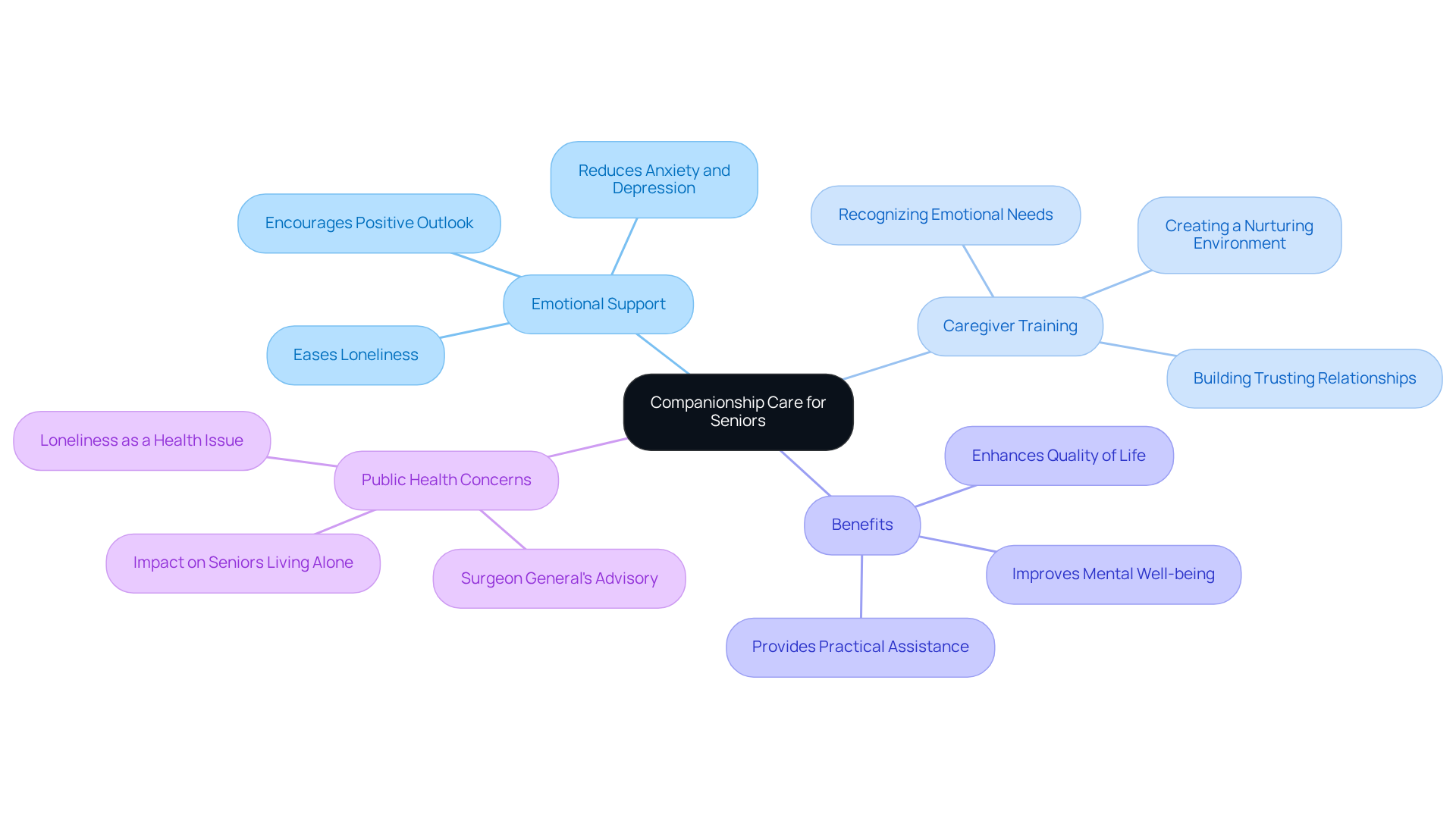
Elderly care companies understand that companionship care is essential in providing emotional support and social interaction for older adults, effectively easing feelings of loneliness and isolation. Caregivers engage clients in enjoyable activities, nurturing a sense of connection and belonging that is crucial for their emotional well-being. This service provided by elderly care companies is especially beneficial for elderly individuals living alone, as it not only lifts their spirits but also significantly enhances their overall quality of life.
At Happy to Help Caregiving, we prioritize training caregivers to recognize and respond to the emotional needs of their clients. This training fosters a nurturing environment that reflects the warmth of family, allowing seniors to flourish in the comfort of their own homes. Research indicates that consistent companionship can lead to improved mental well-being, reducing anxiety and depression while encouraging a more positive outlook on life.
According to the May 2023 advisory by U.S. Surgeon General Vivek Murthy, loneliness and social isolation among older adults are pressing public health concerns, underscoring the critical need for companionship. By emphasizing emotional support, Happy to Help Caregiving illustrates the transformative power of companionship care that elderly care companies provide in the lives of elderly individuals.
Post-Hospital Recovery Assistance: Ensuring Safe Transitions Home
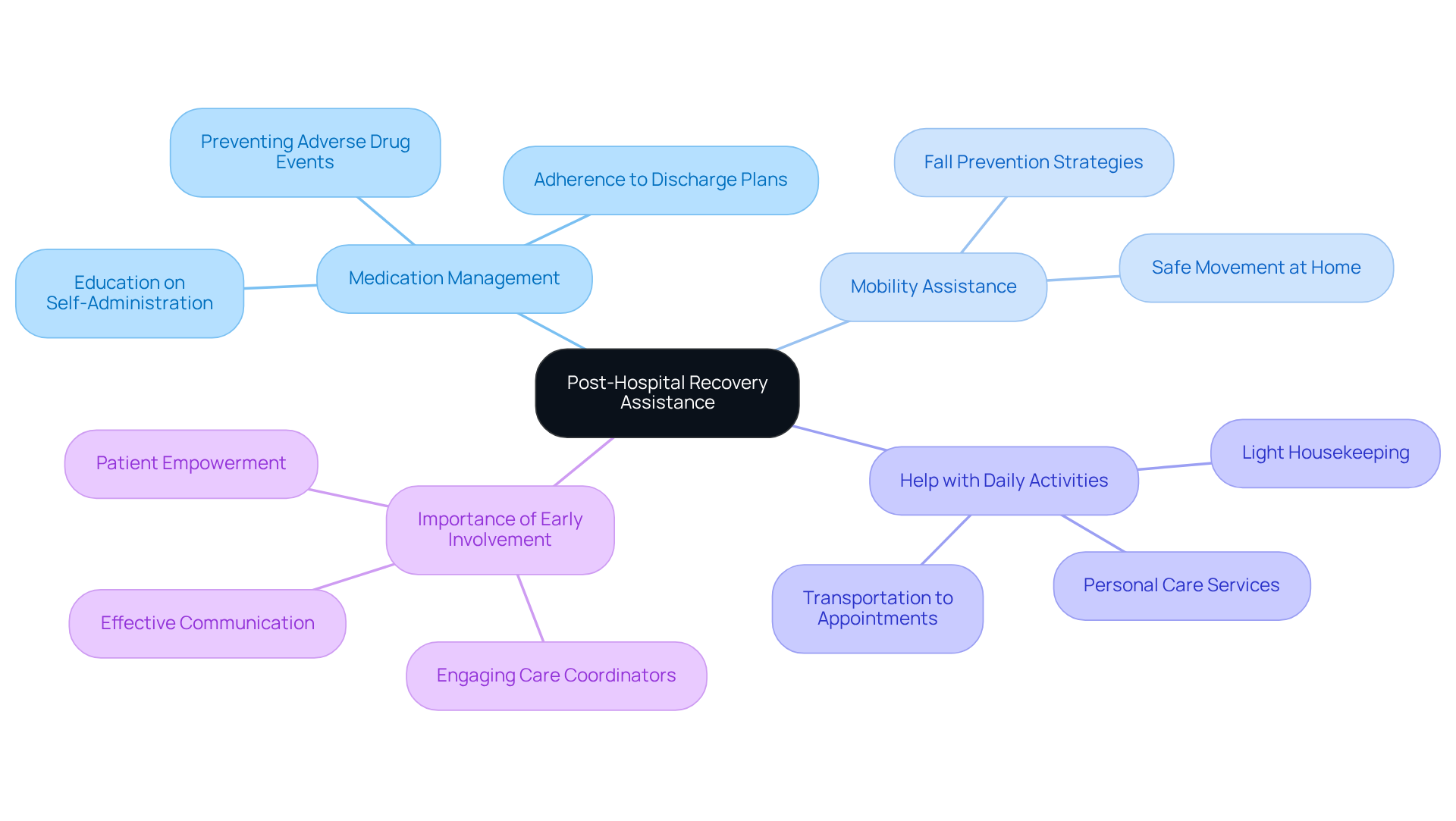
Post-hospital recovery assistance encompasses a variety of services designed to support seniors as they transition back home after a hospital stay. This includes essential elements such as:
- Medication management
- Mobility assistance
- Help with daily activities
At Happy to Help Caregiving, our caregivers are specifically trained to follow discharge plans meticulously. This ensures that clients adhere to medical advice and effectively manage their medications.
This proactive approach is vital. Studies show that nearly 20% of patients experience adverse drug events post-discharge, often due to mismanagement of medications. By providing this comprehensive support, families can find peace of mind, knowing their loved ones are safe and well-cared for during their recovery. This significantly reduces the risk of complications and hospital readmissions.
Involving support providers early in the discharge process not only promotes smoother transitions but also empowers patients to take charge of their health. This fosters confidence in managing their recovery at home. As Rebecca Doyle, a Safety Investigator at HSSIB, emphasizes, "Improving information flow and patient support at discharge is not just an administrative task — it’s a matter of patient safety." This highlights the critical role of effective communication among healthcare providers in ensuring safe transitions.
Respite Care: Supporting Family Caregivers and Their Loved Ones
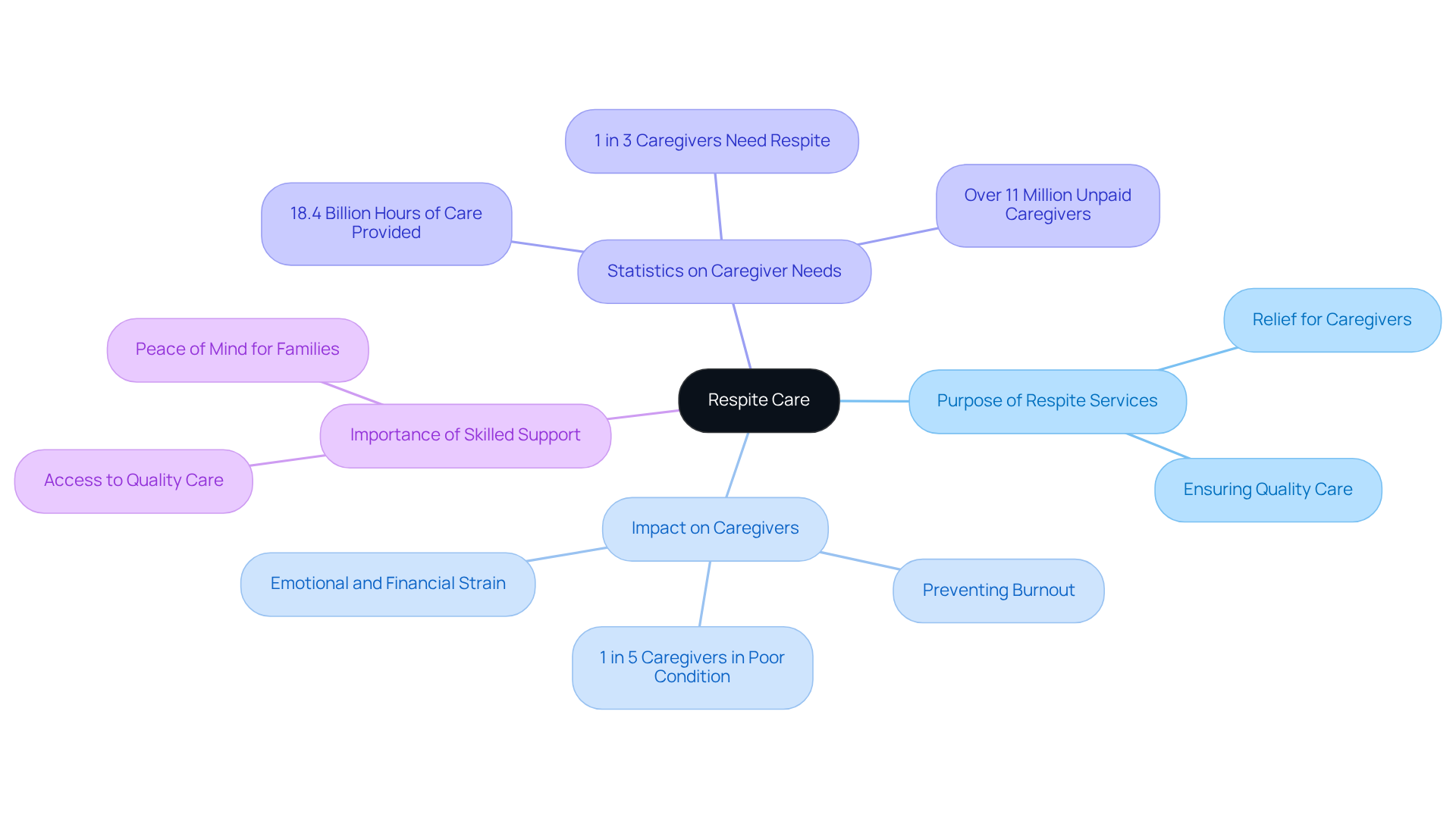
Respite services offer vital short-term relief for family supporters, allowing them to rejuvenate while ensuring their loved ones receive high-quality assistance. At Happy to Help Caregiving, we provide adaptable respite options, enabling caregivers to take essential breaks without compromising the safety and well-being of their loved ones.
This service is crucial in preventing burnout among caregivers, a challenge that affects nearly 1 in 5 individuals who report being in fair or poor condition due to their responsibilities. In fact, over 1 in 3 individuals providing support identify respite services as their primary need, highlighting the essential nature of this assistance.
By assigning skilled support providers to step in, families can feel confident that their loved ones are in capable hands. This not only encourages peace of mind but also enhances the overall well-being of both the supporter and the recipient of care.
Effective respite support programs, such as the National Lifespan Respite Support Program, have demonstrated significant benefits. Many individuals note that access to these services alleviates emotional strain and improves their ability to provide long-term support. As Congressman Nick Langworthy expressed, "Respite support aids in alleviating mental strain and physical ailments that family caregivers might face, ensuring their well-being and families remain whole.
Palliative Support Care: Enhancing Comfort for Seniors with Serious Illnesses
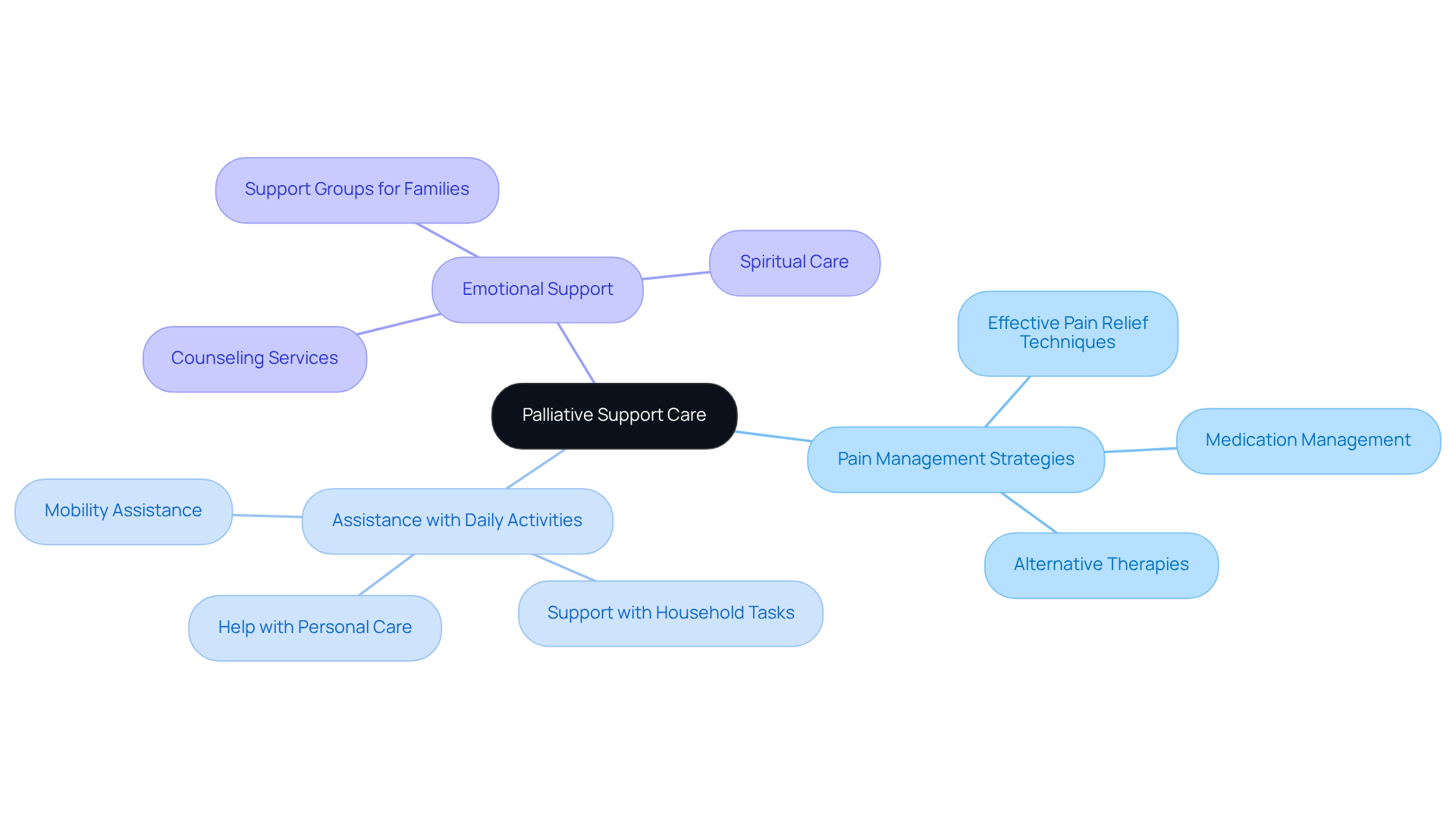
Palliative support is essential for alleviating the symptoms and stress that often accompany serious illnesses, significantly enhancing the quality of life for older adults. At Happy to Help Caregiving, our caregivers are specially trained to provide compassionate support that meets both physical and emotional needs. This service includes:
- Effective pain management strategies
- Assistance with daily activities
- Emotional support for clients and their families
By prioritizing comfort and dignity, palliative support empowers older adults to navigate their health challenges with grace. It ensures they receive the necessary assistance to maintain their well-being during difficult times. The focus on personalized care not only alleviates discomfort but also fosters a sense of security and peace, allowing families to feel confident in the care their loved ones receive.
Meal Preparation and Nutrition: Fueling Senior Health
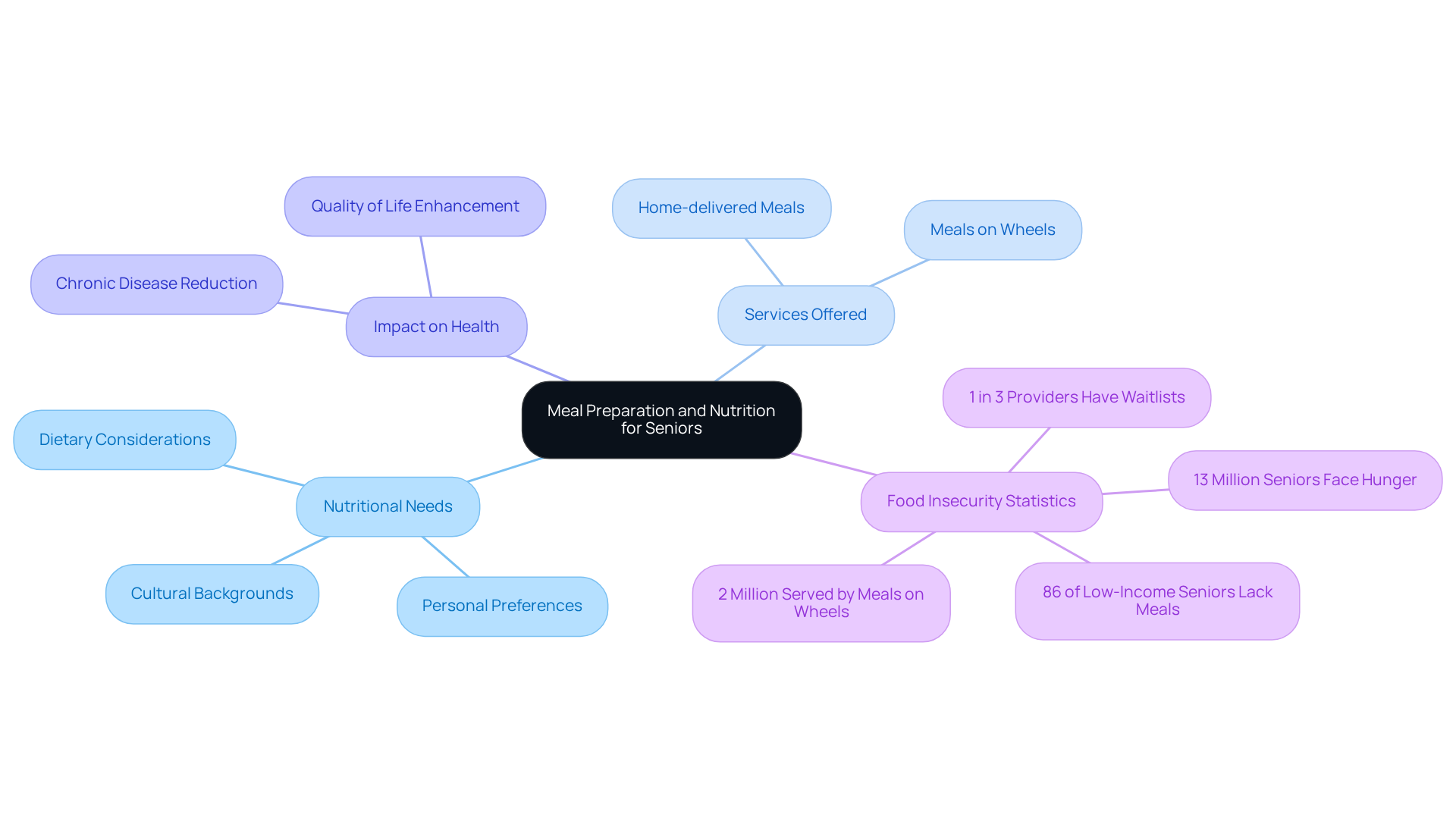
Meal preparation and nutrition services play a crucial role in ensuring that seniors receive balanced, nutritious meals tailored to their unique dietary needs. At Happy to Help Caregiving, our skilled individuals are dedicated to preparing meals that consider various medical conditions, personal preferences, and cultural backgrounds. This service not only promotes physical health but also nurtures social interaction during mealtimes, enriching the overall dining experience.
By prioritizing nutrition, caregivers empower seniors to maintain their strength and vitality, essential for sustaining their independence. It's heart-wrenching to note that nearly 13 million older Americans face hunger, and a staggering 86% of low-income, food-insecure older adults do not receive home-delivered meals. Proper nutrition can significantly reduce the risk of chronic diseases and enhance overall well-being, making it a cornerstone of effective services offered by elderly care companies.
Initiatives like Meals on Wheels serve over 2 million senior citizens each year, illustrating how home-delivered meals can alleviate hunger and foster social ties. This ultimately leads to improved well-being for older adults. As specialists emphasize, investing in customized meal preparation is not only beneficial for health; it is a vital measure in enhancing the quality of life for older adults. Together, we can ensure that our seniors feel cared for and nourished, bringing comfort and joy to their lives.
Mobility Assistance and Fall Prevention: Ensuring Safety and Independence
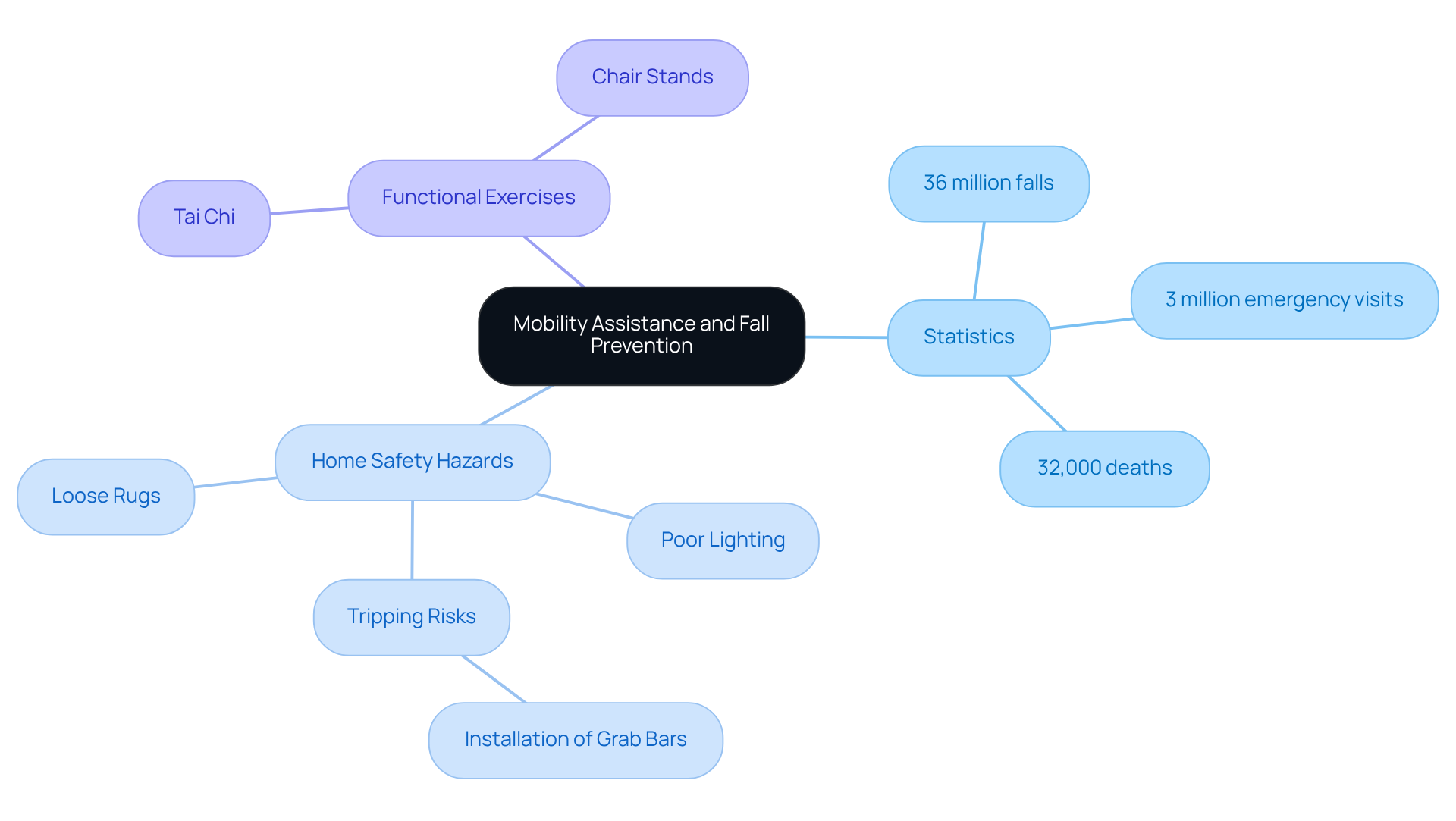
Mobility assistance and fall prevention services are essential for helping older adults maintain their independence while ensuring their safety at home. Caregivers from Happy to Help Caregiving provide compassionate support with walking, transferring, and using mobility aids, which significantly lowers the risk of falls.
It's important to recognize that falls are the leading cause of injury-related fatalities among those aged 65 and older, with around 36 million falls reported among older adults in 2024. This alarming statistic led to over 3 million emergency department visits and 32,000 deaths. To address this concern, caregivers conduct thorough home safety evaluations to identify and reduce potential hazards, such as:
- Loose rugs
- Poor lighting
- Tripping risks, including the installation of grab bars
By promoting safe mobility, caregivers empower older adults to engage in daily activities with confidence, enhancing their overall quality of life. Successful fall prevention programs highlight the significance of functional exercises that challenge balance, such as:
- Tai chi
- Chair stands
These exercises have proven to be more effective than traditional walking or resistance training alone. As Dr. Ganz wisely observes, "For the average person age 65 and older, it needs to be exercise that challenges your balance." This proactive approach not only helps prevent falls but also fosters a sense of safety and autonomy among older adults, allowing them to thrive in their cherished environments.
Emotional Support and Companionship: Combating Loneliness in Seniors
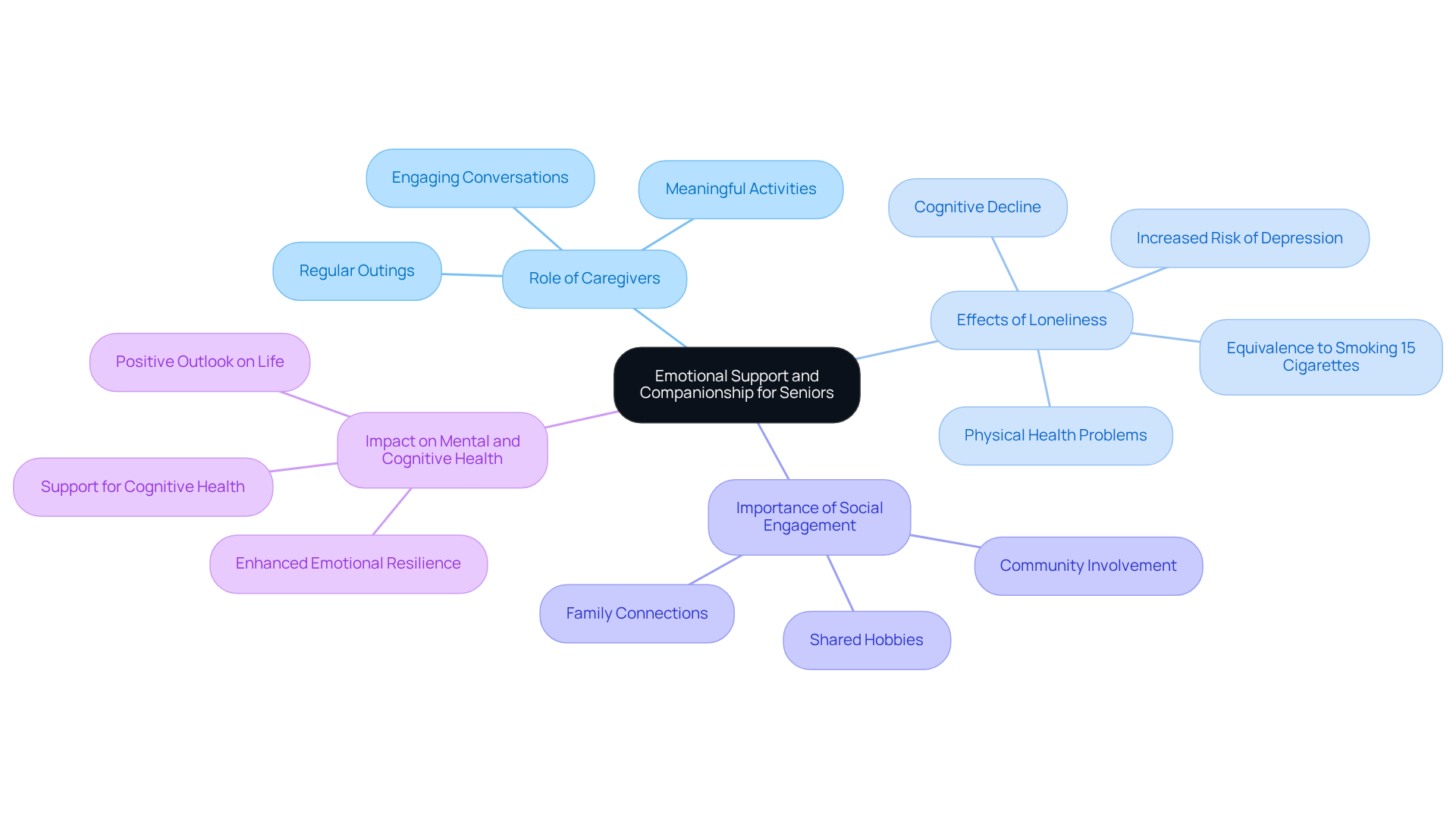
Emotional support and companionship services play a vital role in addressing loneliness among older adults. At Happy to Help Caregiving, caregivers engage clients through meaningful conversations, enjoyable activities, and outings, fostering connections that significantly enhance emotional well-being. This service is especially crucial for older adults who may experience isolation, as regular interaction has been shown to alleviate feelings of depression and anxiety.
Research indicates that prolonged loneliness can be as detrimental to well-being as smoking 15 cigarettes daily, underscoring the importance of companionship in improving mental health. By providing consistent companionship, caregivers empower older adults to maintain a positive outlook on life, which is essential for their overall well-being and quality of life.
Programs that promote social engagement, such as shared hobbies and community involvement, further combat loneliness and nurture a sense of belonging. Mental wellness experts emphasize that companionship not only enhances emotional resilience but also supports cognitive health, making it a fundamental element for elderly care companies.
Coordinated Transportation Services: Promoting Independence for Seniors
Coordinated transportation services from elderly care companies are vital for elderly individuals, allowing them to maintain their independence. Reliable access to medical appointments, grocery shopping, and social activities is essential for their well-being. At Happy to Help Caregiving, we offer tailored transportation assistance, ensuring our clients can attend necessary visits without depending on family members. This service not only facilitates access to healthcare, promoting physical health, but also enhances social engagement, which is crucial for emotional well-being.
By providing safe and reliable transportation, elderly care companies empower elderly individuals to stay connected to their communities. This connection helps diminish feelings of isolation and fosters a sense of purpose. Elderly care companies find that integrating dependable transportation options is essential for improving the quality of life for older adults, enabling them to participate in recreational activities and maintain important social connections. We understand the emotional challenges faced by caregivers and the elderly, and we are here to help every step of the way.
https://iframe.tely.ai/cta/eyJhcnRpY2xlX2lkIjogIjY4ZjU4MmY1ODJjYjBiNjZlN2M0MDQyNSIsICJjb21wYW55X2lkIjogIjY4ZWU1ZGNhNzMxNzYyNTU3ZjNjOTVjMSIsICJpbmRleCI6IDcsICJ0eXBlIjogImFydGljbGUifQ==Customized Care Plans: Tailoring Support to Individual Needs
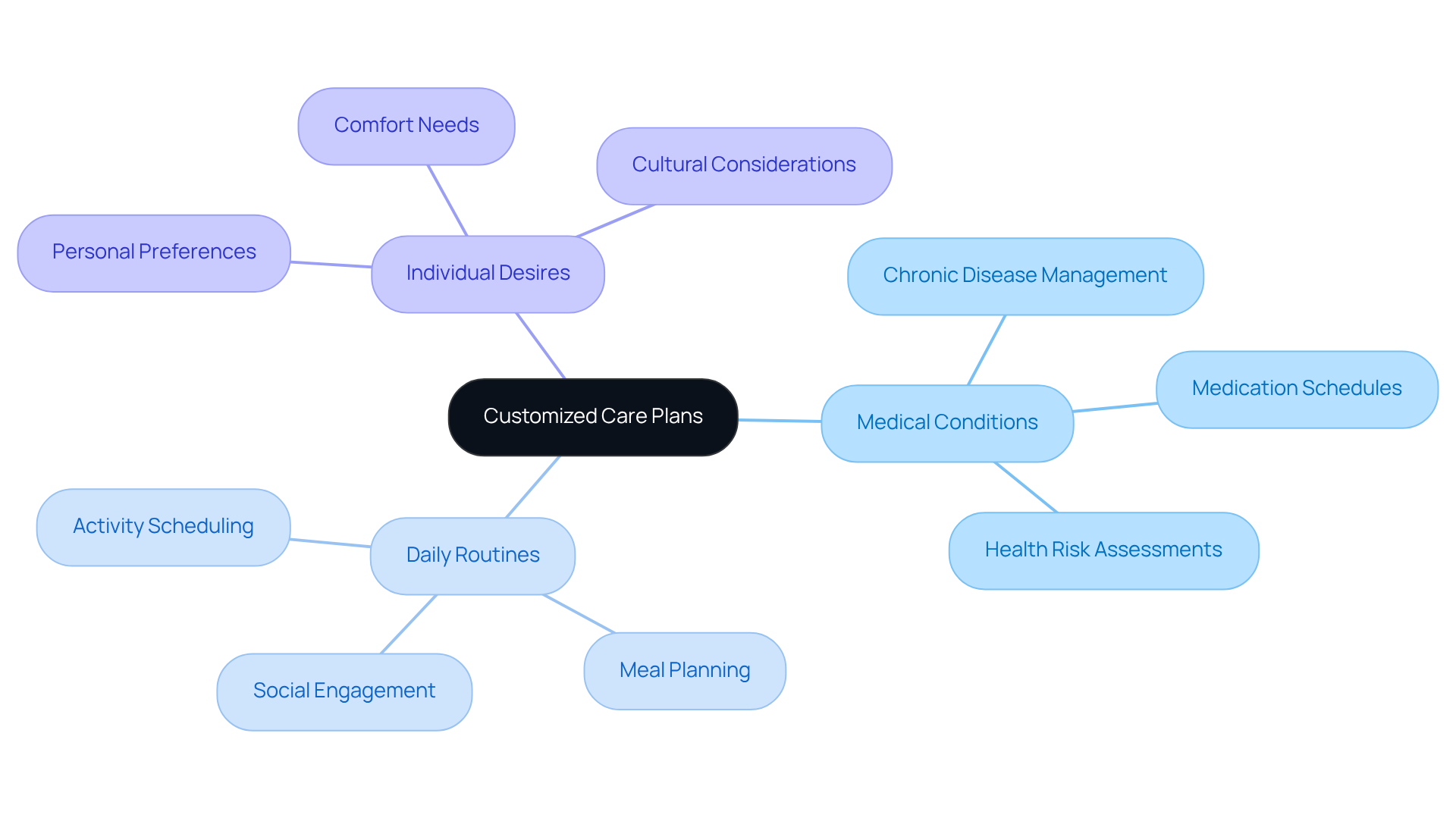
Tailored support plans are essential for addressing the unique needs and preferences of every senior. At Happy to Help Caregiving, we work closely with families to develop these personalized plans, taking into account medical conditions, daily routines, and individual desires. This thoughtful approach not only ensures that clients receive the right level of support but also enhances their comfort and independence.
By focusing on the special aspects of each client's life, caregivers can offer more effective and compassionate assistance, leading to improved health outcomes. Our commitment to individualized support creates a nurturing environment where seniors feel valued and understood. This significantly contributes to their overall well-being, fostering a sense of belonging and care in their daily lives.
Consistent Communication in Home Healthcare: Building Trust with Families
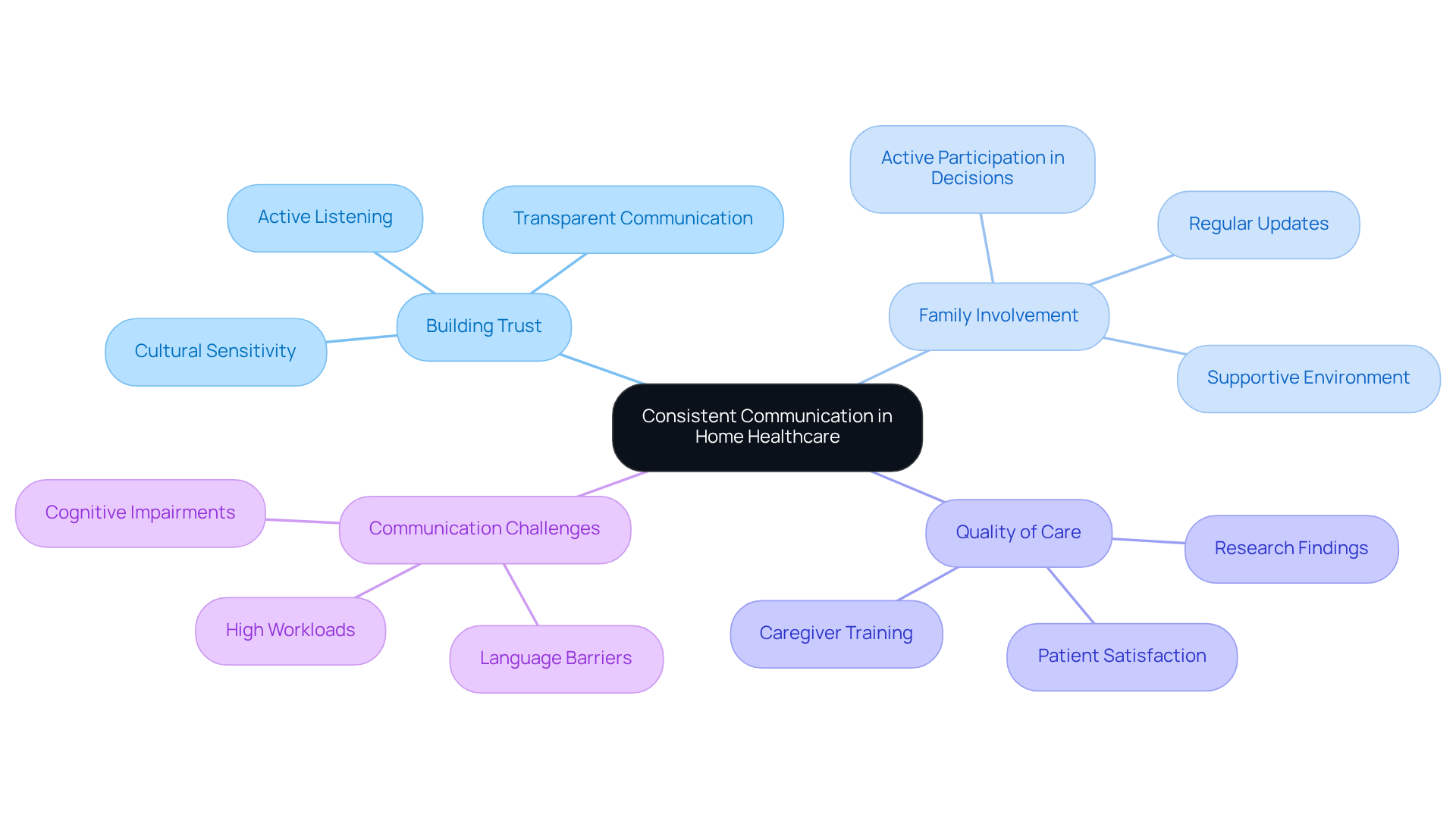
In home healthcare, consistent communication is vital for building trust and keeping families informed about their loved ones' treatment. Happy to Help Caregiving emphasizes the importance of open communication, providing regular updates and actively involving family members in decisions regarding support. This collaborative approach enriches the caregiving experience and ensures that any changes in a client's condition are promptly addressed.
Research shows that when families feel engaged and informed, their trust in the care process increases, significantly enhancing the overall quality of care provided. A study reveals that patients who feel heard and understood are more likely to participate in their treatment plans, highlighting the essential role of effective communication.
As CareOne states, "Trust is not only built between individuals—it is shaped by the culture of the community itself," emphasizing the need to foster a supportive environment for both caregivers and families.
Your Path Forward
Elderly care services are vital in enhancing the quality of life for seniors and their families. They provide essential support, including:
- Companionship care
- Post-hospital recovery assistance
- Respite care
- Tailored care plans
These services address the diverse needs of older adults. With a focus on emotional well-being, safety, and personalized care, they empower seniors to maintain their independence while receiving the necessary assistance to thrive in their daily lives.
Key insights throughout the article highlight:
- The significance of companionship in combating loneliness
- The importance of effective communication in home healthcare
- The critical nature of nutrition and mobility assistance
Each service is designed to empower seniors, providing them with the tools and support needed to navigate the challenges of aging with dignity and grace. Moreover, the emphasis on family involvement and tailored care plans fosters a collaborative environment, enhancing trust and satisfaction among caregivers and families alike.
Ultimately, the message is clear: investing in quality elderly care services is not just a necessity but a profound way to honor and support the lives of older adults. By prioritizing their emotional and physical needs, families can ensure their loved ones enjoy a fulfilling and enriched life. As communities continue to evolve, embracing these essential services will be crucial in creating a supportive environment where seniors can thrive and feel valued.
https://iframe.tely.ai/cta/eyJhcnRpY2xlX2lkIjogIjY4ZjU4MmY1ODJjYjBiNjZlN2M0MDQyNSIsICJjb21wYW55X2lkIjogIjY4ZWU1ZGNhNzMxNzYyNTU3ZjNjOTVjMSIsICJpbmRleCI6IG51bGwsICJ0eXBlIjogImFydGljbGUifQ==Frequently Asked Questions
What is companionship care for seniors?
Companionship care is a service provided by elderly care companies that offers emotional support and social interaction for older adults, helping to alleviate feelings of loneliness and isolation.
Why is companionship care important for elderly individuals?
It is essential for enhancing emotional well-being, reducing feelings of loneliness, and improving overall quality of life, especially for seniors living alone.
How does Happy to Help Caregiving prepare its caregivers for companionship care?
Happy to Help Caregiving prioritizes training caregivers to recognize and respond to the emotional needs of their clients, fostering a nurturing environment that promotes comfort and connection.
What are the benefits of companionship according to research?
Consistent companionship can lead to improved mental well-being, reducing anxiety and depression, and encouraging a more positive outlook on life.
What is post-hospital recovery assistance?
Post-hospital recovery assistance includes services that help seniors transition back home after a hospital stay, such as medication management, mobility assistance, and help with daily activities.
How does Happy to Help Caregiving ensure safe transitions home for seniors?
Caregivers are trained to follow discharge plans meticulously, ensuring clients adhere to medical advice and manage their medications effectively, which reduces the risk of complications and hospital readmissions.
What are the risks associated with post-discharge medication management?
Nearly 20% of patients experience adverse drug events post-discharge, often due to mismanagement of medications.
What is respite care and why is it necessary?
Respite care provides short-term relief for family caregivers, allowing them to rejuvenate while ensuring their loved ones receive high-quality assistance, which is crucial in preventing caregiver burnout.
How does respite care benefit both caregivers and recipients of care?
It provides peace of mind for families knowing their loved ones are in capable hands, while also enhancing the well-being of both the caregiver and the care recipient.
What evidence supports the effectiveness of respite care programs?
Programs like the National Lifespan Respite Support Program have shown significant benefits, alleviating emotional strain and improving caregivers' ability to provide long-term support.