

For families in our service areas
For families in our service areas, this guide explains caregiving and how non-medical in-home caregiving can support care planning in East Idaho, Treasure Valley & Magic Valley, Northern Wasatch, North Central West Virginia, and Northeast Ohio.
Why Services from Your Local Area Aging Matters
As we navigate the complexities of aging, families often face a significant challenge: how to find the right support for their elderly loved ones. Local area aging agencies serve as vital lifelines, offering essential services that can greatly enhance the quality of life for seniors. However, the process of accessing these resources can be daunting. Families may wonder, how can they ensure they are getting the right help to meet their unique needs?
This article explores ten essential services provided by local aging agencies. These services not only empower seniors to live fulfilling and independent lives but also alleviate the stress that families experience in caregiving. By understanding the available options, families can make informed decisions that positively impact their loved ones' well-being.
Happy to Help Caregiving: Personalized In-Home Care Services
Caregiving can be a challenging journey, especially for families managing the needs of seniors and individuals with special requirements. The complexities of caregiving often lead to feelings of overwhelm and uncertainty, making it crucial to find reliable support.
Happy to Help Caregiving addresses these challenges by offering customized in-home support tailored to the unique needs of each client. Their services include:
- Companionship services
- Post-hospital recovery assistance
- Respite support
- Palliative assistance
Each program is designed to promote independence and enhance the quality of life, ensuring clients receive the necessary support in the comfort of their own homes. By focusing on empathy and effective communication, Happy to Help Caregiving stands out as a trusted partner for families navigating the intricacies of caregiving.
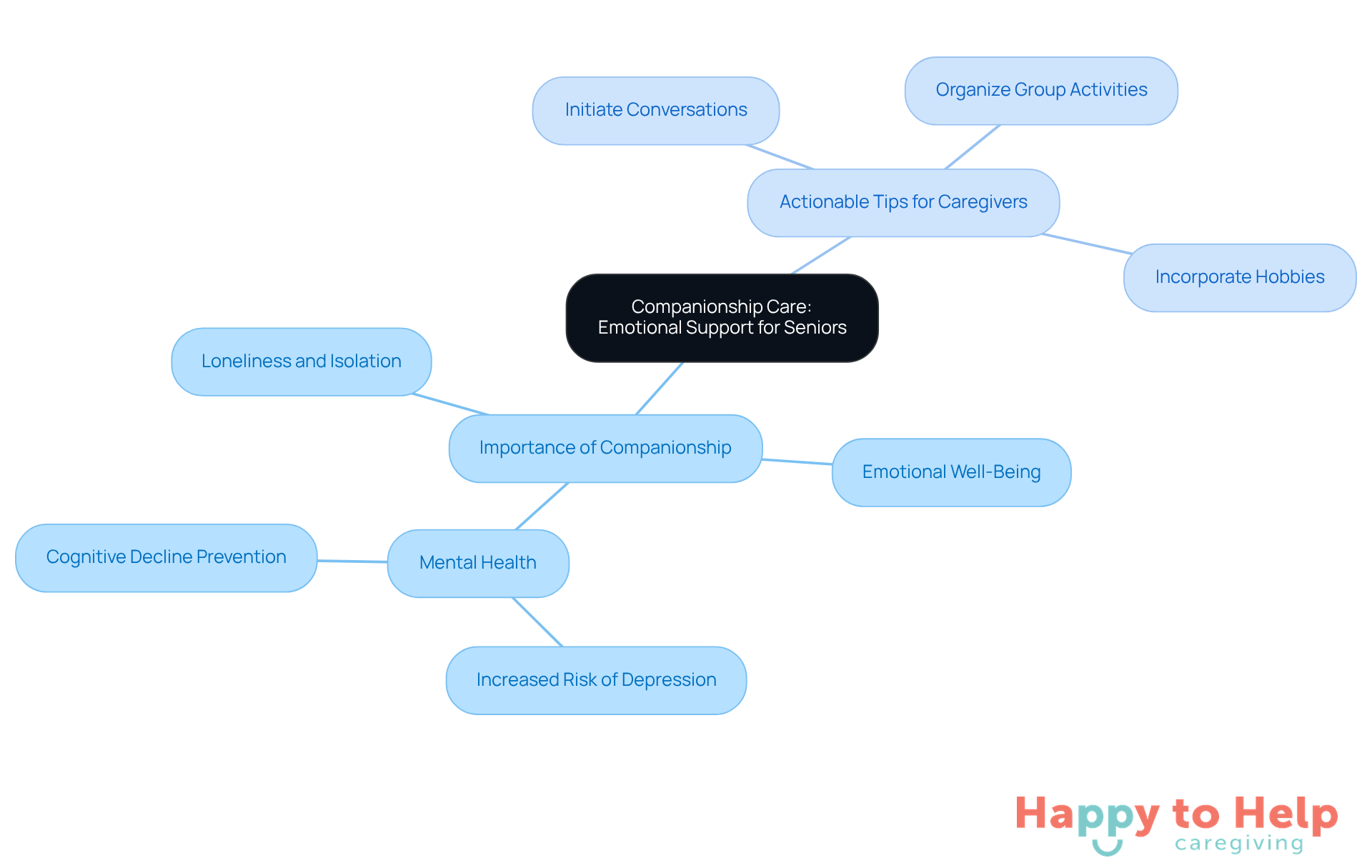
Companionship Care: Emotional Support for Seniors
Loneliness and isolation are significant challenges faced by elderly individuals, impacting their emotional and mental health. These feelings can lead to a decline in overall well-being, making it essential for caregivers to address this issue effectively.
Companionship assistance offers a vital solution by providing crucial emotional support. Caregivers engage clients in meaningful conversations, activities, and outings, fostering a sense of connection and belonging. This support not only enhances the emotional well-being of older adults but also plays a critical role in improving their mental health.
To implement this solution, caregivers can focus on creating opportunities for social interaction. Here are some actionable tips:
- Initiate regular conversations to understand clients' interests and preferences.
- Organize group activities or outings that encourage socialization.
- Incorporate hobbies and interests into daily routines to promote engagement.
By prioritizing companionship assistance, caregivers can significantly improve the quality of life for elderly individuals, making it an essential part of in-home care options.
Post-Hospital Recovery Assistance: Safe Transitions Home
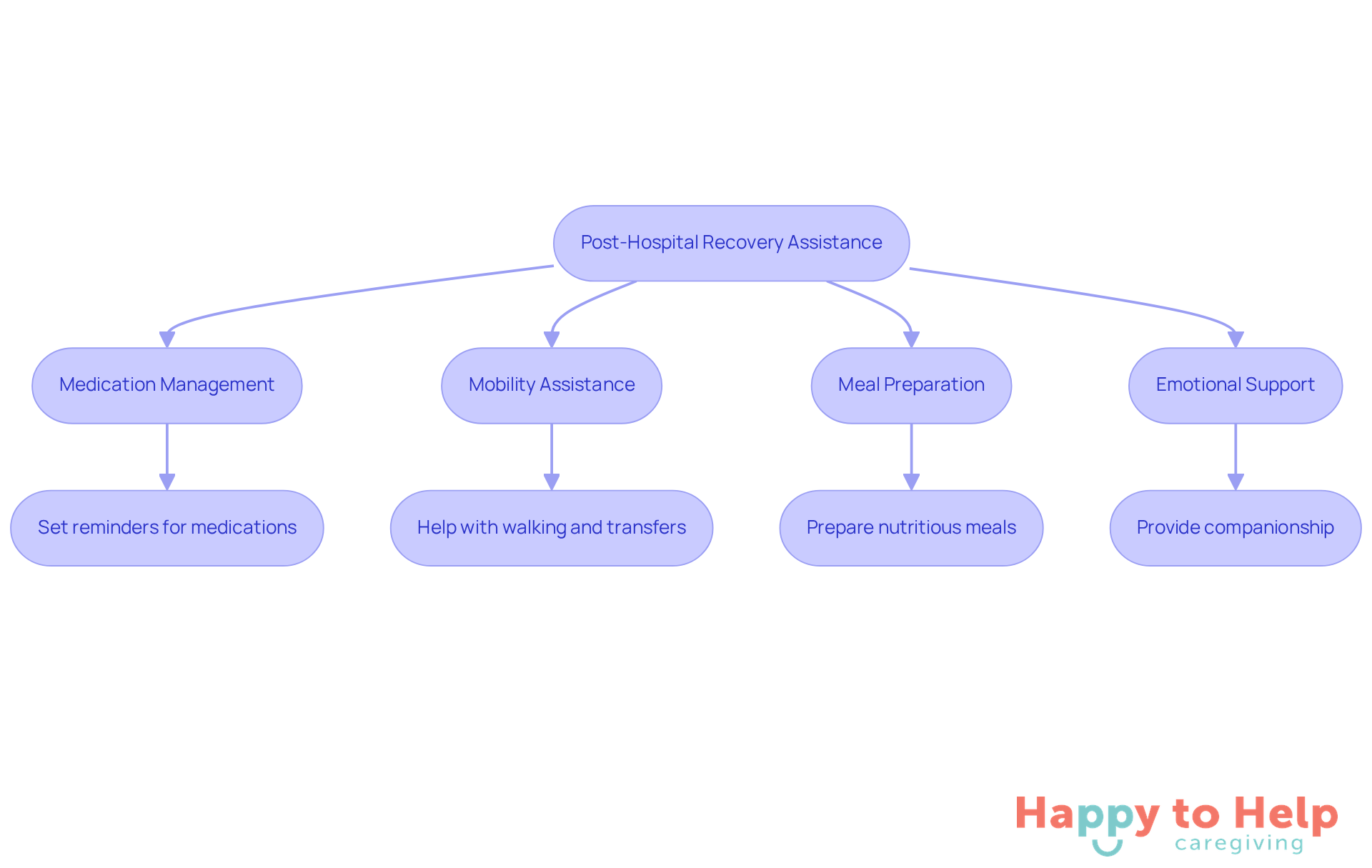
Post-hospital recovery support is crucial for older adults transitioning back home after a hospital stay. Without adequate assistance, these individuals face significant risks, including complications and readmissions. Caregivers, particularly Personal Care Aides (PCAs), are essential in mitigating these challenges by providing support with daily activities such as medication management, mobility assistance, and meal preparation.
The implications of insufficient support can be severe. Current data shows that the share of prescriptions filled in-house has surged from about 9% to over 60% in the last five years, underscoring the effectiveness of transition programs. Healthcare professionals stress that "the first weeks at home after hospitalization are essential for healing and reducing the risk of setbacks." This highlights the critical need for effective support during this vulnerable period.
To foster a safe and familiar environment, caregivers should focus on addressing both the physical and emotional needs of seniors. By doing so, they help elderly individuals regain their independence with confidence. Implementing structured post-hospital recovery assistance not only ensures comfort but also significantly reduces the likelihood of complications.
Respite Care: Support for Family Caregivers
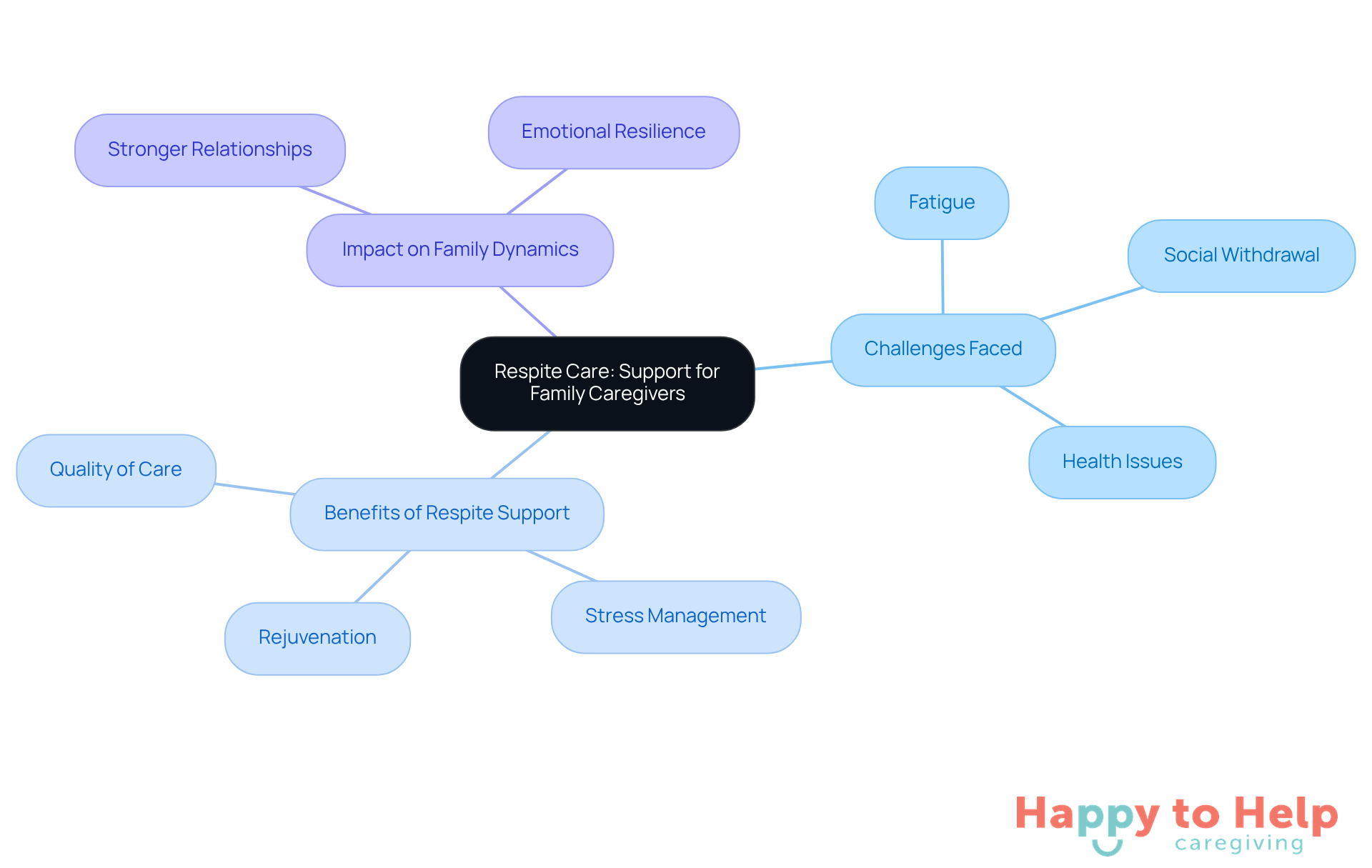
Caregivers face significant challenges, often leading to emotional and physical burnout. Over 60% of these individuals experience fatigue, social withdrawal, and various health issues due to the demands of their roles. This situation not only affects their well-being but also the quality of care they provide to their loved ones.
Respite support offers a vital solution. By providing temporary relief, it allows caregivers to rejuvenate and address personal needs. This service ensures that loved ones continue to receive high-quality support while caregivers take necessary breaks. Those who utilize respite services are better equipped to manage stress and maintain their emotional health, ultimately enhancing their capacity to assist others.
Moreover, respite support fosters healthier dynamics within families. Caregivers who take time for self-care return rejuvenated and more patient, which can strengthen their relationships with those they care for. Experts emphasize that respite support is not merely a luxury; it is essential for sustaining the well-being of caregivers.
Engaging in respite services also provides caregivers with opportunities to reconnect with friends and family, which is crucial for long-term emotional resilience. Prioritizing self-care through these services can significantly enhance the quality of life for both caregivers and their loved ones, making respite support an indispensable aspect of effective caregiving.
Palliative Support Care: Enhancing Quality of Life
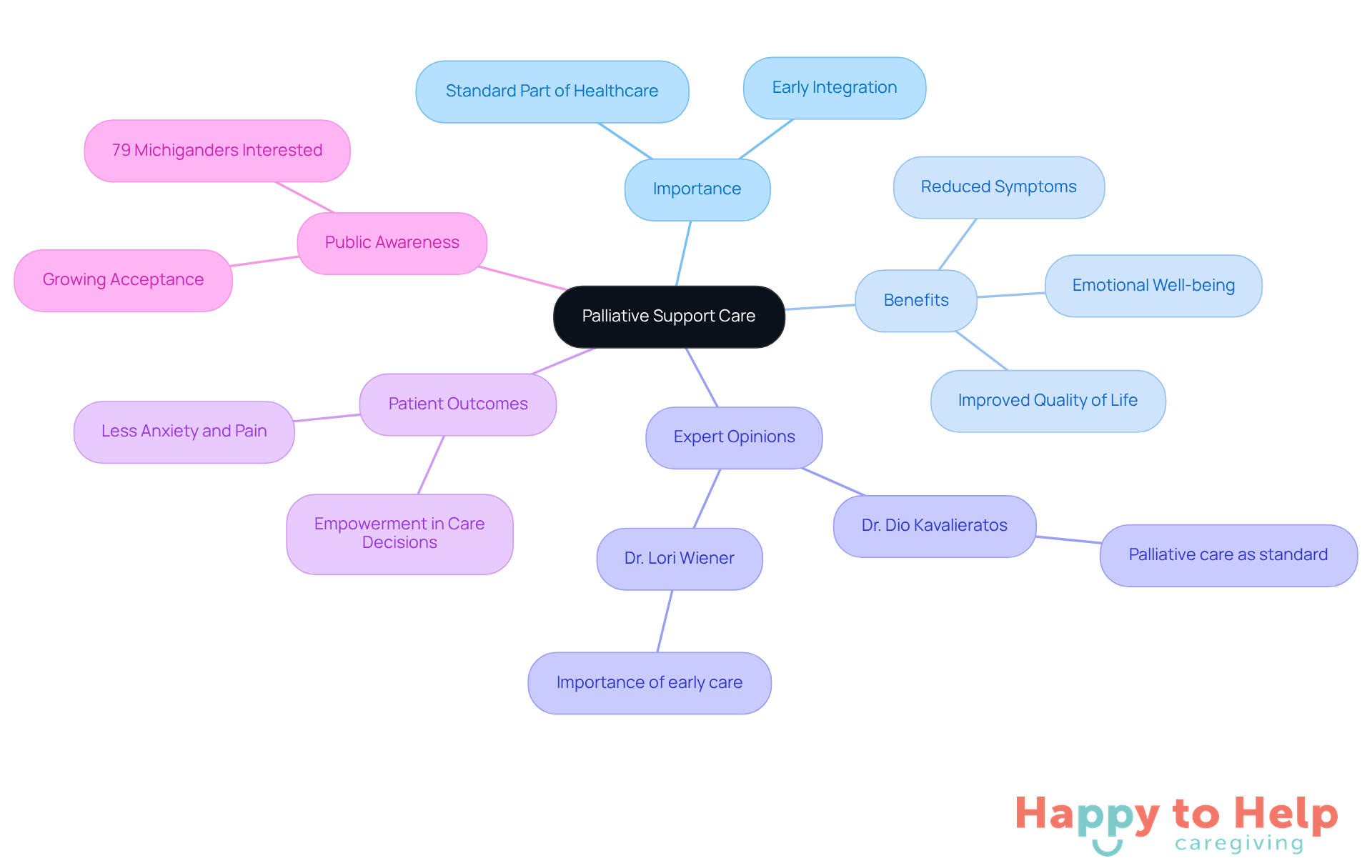
Palliative support is crucial for individuals facing serious illnesses, yet many do not receive it early enough. This lack of support can lead to increased discomfort and emotional distress for both patients and their families. Research shows that patients who receive palliative care report fewer symptoms and improved emotional well-being, significantly enhancing their overall quality of life.
Dr. Dio Kavalieratos emphasizes that palliative support should be a standard part of healthcare for those with serious illnesses, not a luxury. By integrating this specialized treatment early in the process, healthcare providers can ensure that patients receive comprehensive support tailored to their unique needs. Dr. Lori Wiener also highlights the importance of early palliative care in improving quality of life.
Successful palliative support programs have demonstrated significant improvements in patient outcomes. For example, patients with metastatic prostate cancer who engaged in palliative care reported notable relief from anxiety and pain, leading to a better quality of life. By focusing on the comprehensive needs of individuals, palliative assistance not only enhances comfort but also empowers patients and their families to navigate the complexities of severe illness with greater confidence.
Statistics reveal a growing awareness of palliative care; 79% of Michiganders expressed interest in obtaining palliative support if faced with a serious illness after learning about its benefits. This reflects an increasing acceptance of these vital services, underscoring the need for healthcare professionals to prioritize palliative support in treatment plans.
Meal Preparation Assistance: Nutritious Options for Seniors
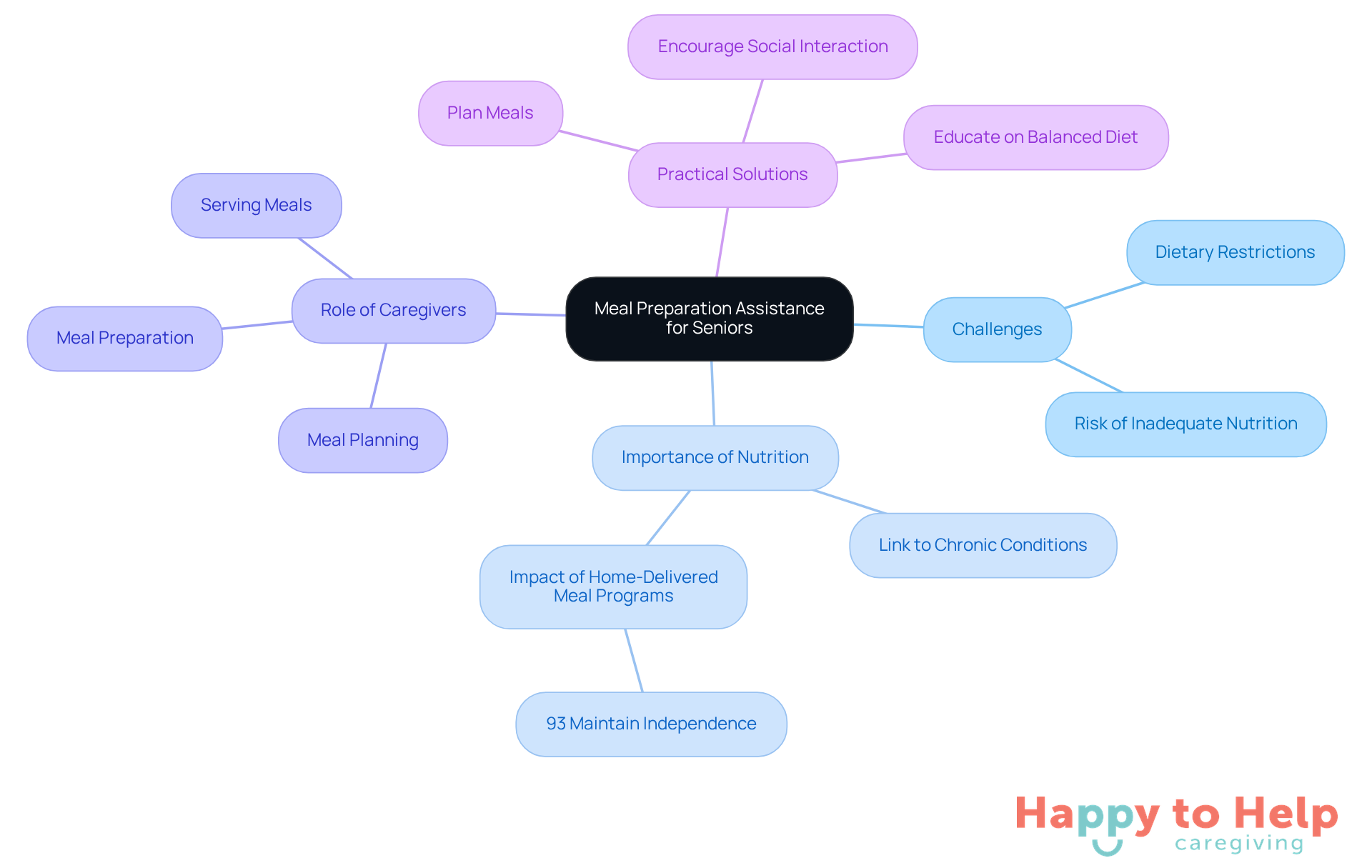
Meal preparation support is a significant challenge for older adults, who often face dietary restrictions and preferences that complicate their nutrition. Without proper meal planning, these individuals risk inadequate nutrition, which can lead to serious health issues. Caregivers are essential in addressing this problem by planning, preparing, and serving meals that cater to the unique needs of their clients.
Research indicates that proper nutrition is vital for reducing the risk of chronic conditions such as diabetes, high blood pressure, and osteoporosis, which are common among older adults. In fact, 93% of participants in home-delivered meal programs believe these services help them maintain their independence. This highlights the critical role of meal preparation assistance in promoting health and social engagement among seniors.
To effectively support older adults, caregivers can implement several practical solutions:
- Plan meals that align with dietary preferences and restrictions.
- Encourage social interaction during meal times to enhance the dining experience.
- Educate clients on the importance of a balanced diet, which is crucial for maintaining health and cognitive function.
As nutrition experts emphasize, "A balanced diet is crucial for older adults to maintain their health and independence, as it directly impacts their cognitive function and overall well-being." By prioritizing meal preparation, caregivers can significantly improve the quality of life for older adults.
Caregiver Support Services: Managing Responsibilities
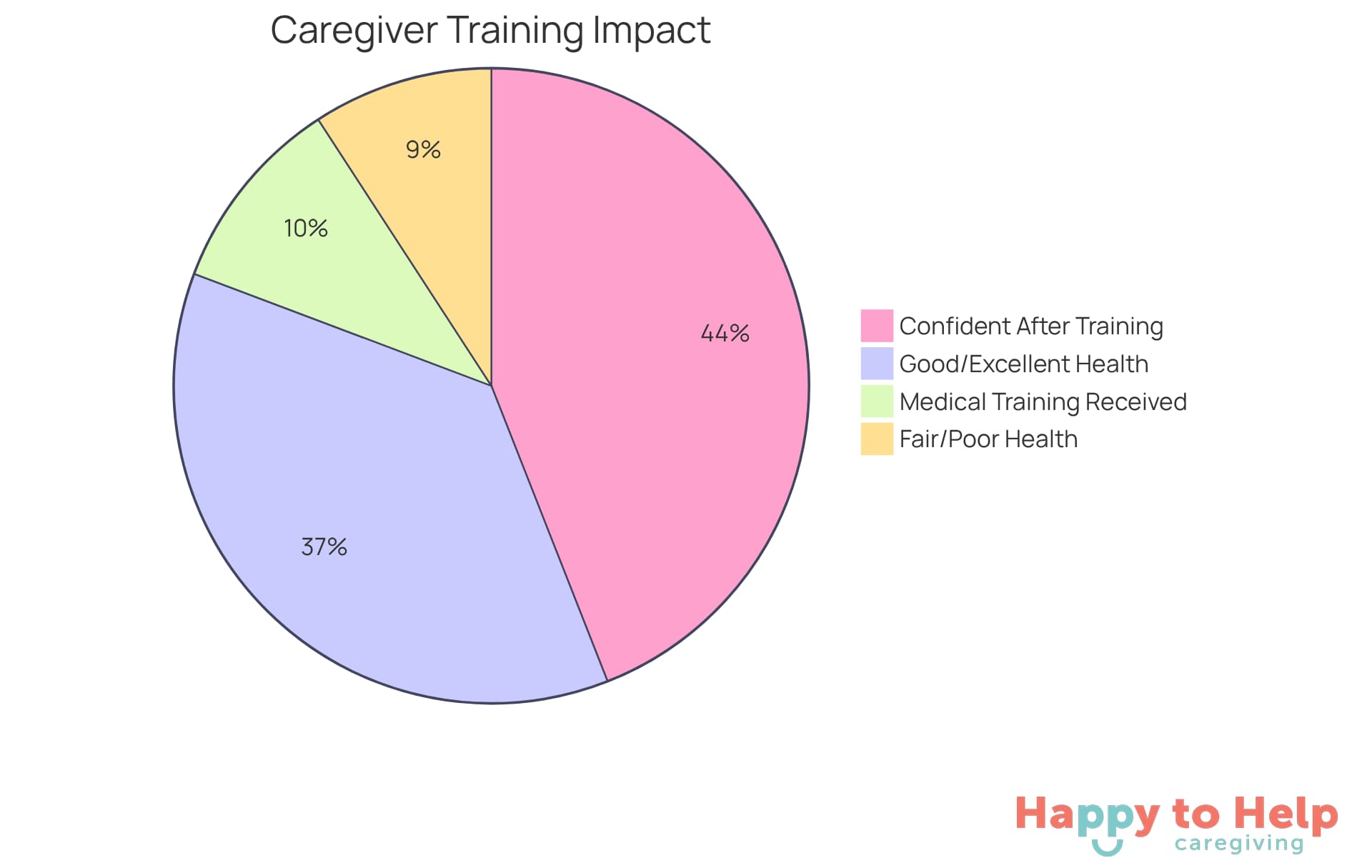
Support programs for family members who provide care face significant challenges. Many caregivers lack essential training, which can hinder their ability to manage responsibilities effectively. Research indicates that while 96% of caregivers who received training feel confident in their roles, only 22% have been trained for medical or nursing tasks. This gap in preparation can lead to increased stress and feelings of inadequacy.
The implications of inadequate training are profound. Nearly half of caregivers report negative impacts on their mental well-being, with one in five indicating they have fair or poor health. This situation highlights the immense pressure caregivers face, as they often provide an average of 27 hours of unpaid assistance each week. Such dedication, while commendable, can take a toll on their overall health and quality of life.
To address these challenges, it is crucial to nurture a supportive atmosphere through accessible resources. Educational workshops, support groups, and respite care can equip caregivers with the necessary tools and knowledge. By investing in these programs, we not only enhance the quality of care provided to older adults but also empower caregivers, ensuring they feel valued and supported in their vital roles.
Tax Preparation Assistance: Navigating Financial Complexities
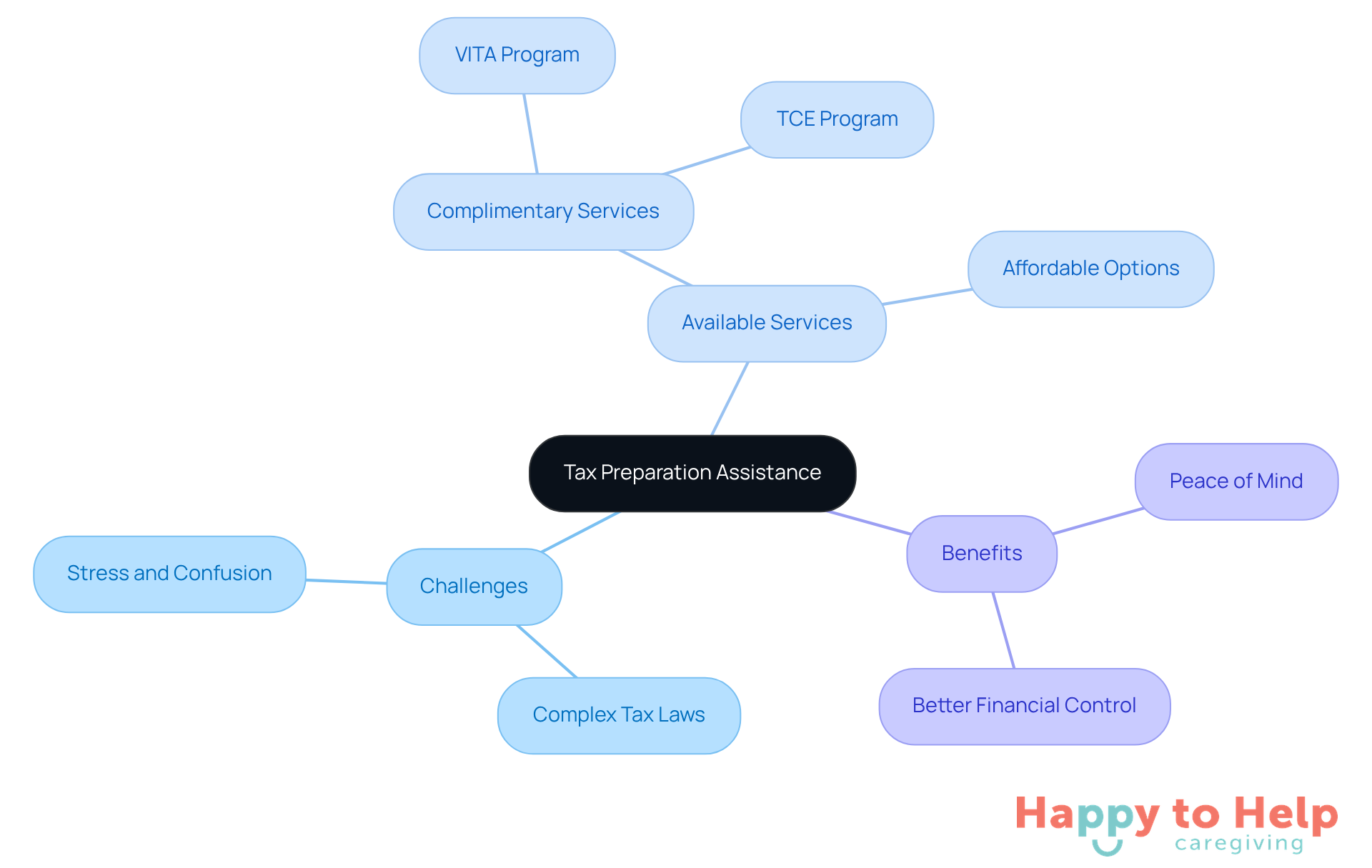
Navigating the complexities of tax laws and filing requirements can be a significant challenge for older adults. This problem often leads to stress and confusion, making it difficult for them to manage their finances effectively.
Fortunately, many local area aging agencies near me provide complimentary or affordable tax preparation services. These resources ensure that elderly individuals can take advantage of available deductions and credits, alleviating some of the burdens associated with tax season. By utilizing these services, older adults can gain peace of mind and better control over their financial situations.
Scams & Fraud Prevention Education: Protecting Seniors
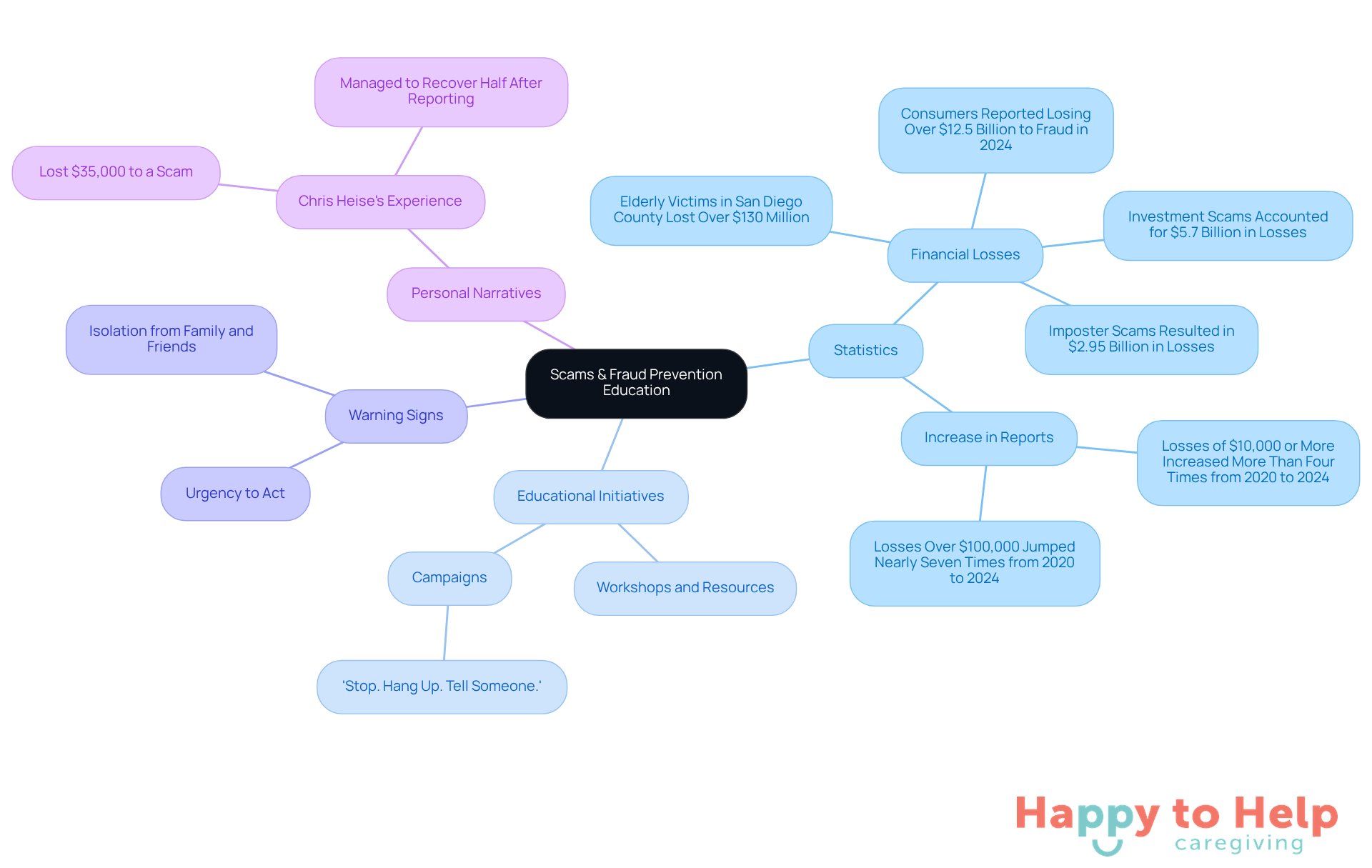
Scams and fraud prevention education are crucial for protecting older adults from financial exploitation. The problem is significant: elderly victims in San Diego County lost over $130 million to scams last year. This alarming statistic highlights the urgency of the issue, especially as the number of older adults reporting losses of $10,000 or more has increased more than four times from 2020 to 2024.
An area aging agency near me plays a vital role in addressing this problem by offering workshops and resources that educate older adults about prevalent scams and effective recognition strategies. These initiatives not only raise awareness but also equip older adults with practical tips to safeguard their finances and personal information. Law enforcement officials, including FBI representatives, emphasize that urgency and isolation are major warning signs in scams targeting older adults. Mark Dargis, FBI Special Agent-in-Charge, states, "The urgency to act and isolation from family and friends are very bright red flags everyone should be aware of."
To combat these threats, programs designed to educate older adults have proven successful, fostering a more informed community that can better resist fraudulent schemes. By prioritizing fraud prevention education, the area aging agency near me empowers older adults to navigate the complexities of financial safety. Campaigns urging older adults to 'Stop. Hang Up. Tell Someone.' serve as actionable tips for individuals to protect themselves.
The personal narrative of Chris Heise, who lost $35,000 to a scam, illustrates the real-world impact of these threats and underscores the importance of awareness. This proactive approach is essential in a landscape where the number of older adults reporting substantial financial losses has surged dramatically in recent years.
Senior Centers: Community Hubs for Engagement and Resources
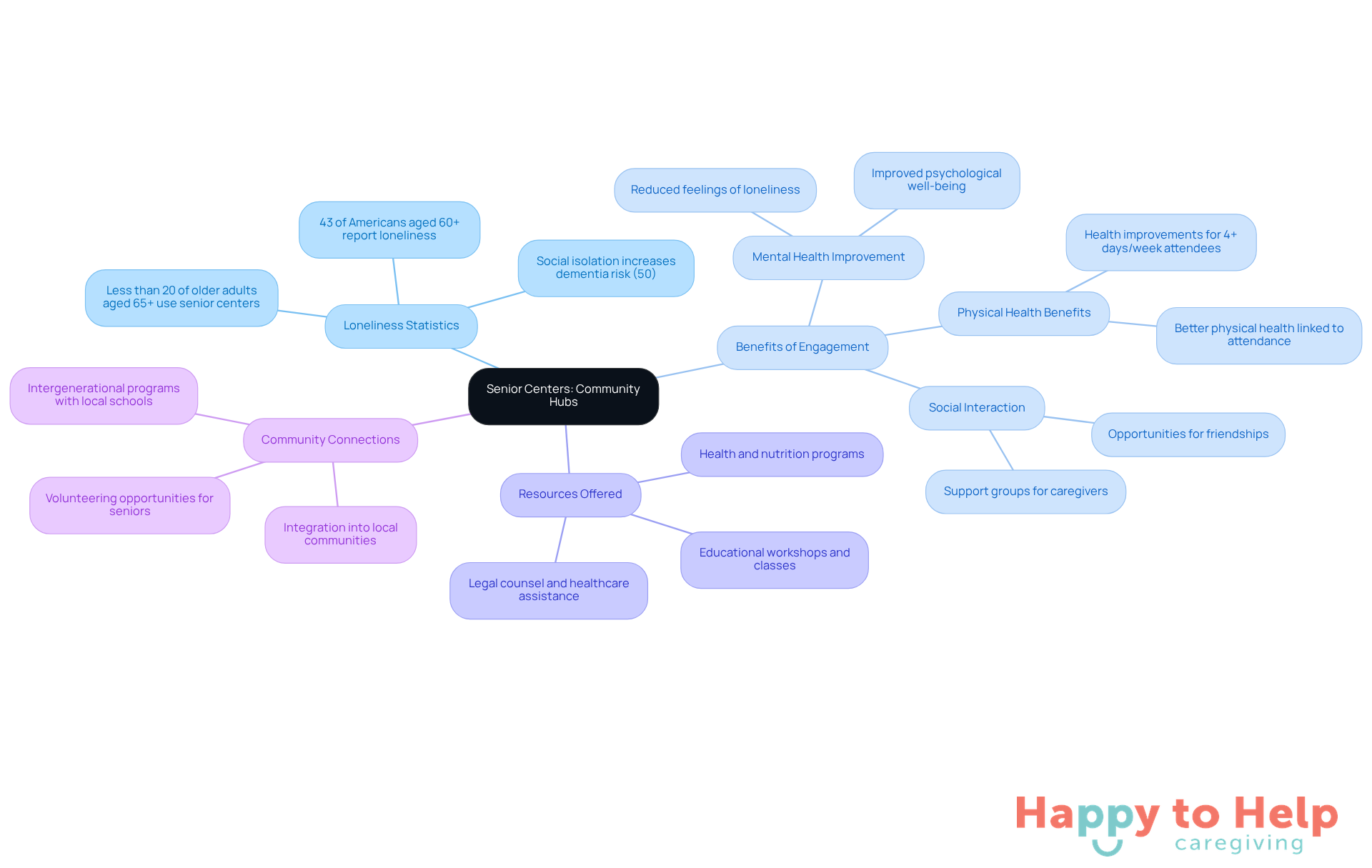
Senior centers play a crucial role in addressing a significant problem: loneliness among older adults. With 43% of Americans aged 60 and older reporting feelings of loneliness, the need for community support is more pressing than ever. These centers serve as essential hubs, offering a wealth of resources and opportunities for social engagement that can combat isolation and enhance well-being.
The implications of loneliness are profound. Research shows that involvement in activities at senior centers - like exercise classes, educational workshops, and social events - can significantly improve mental health outcomes and reduce feelings of isolation. Community leaders emphasize that area aging agency near me centers are essential for connecting older adults with necessary services, such as legal counsel and healthcare assistance, thereby promoting their independence and quality of life.
So, what can be done? Engaging in regular social activities at senior centers not only fosters a sense of purpose and belonging but also leads to measurable improvements in physical health and psychological well-being. By creating a friendly atmosphere for social interaction, these centers help older adults maintain their independence and thrive in their later years.
As David Navazio, CEO of Gentell Inc., highlights, elder centers provide essential socialization opportunities crucial for healthy aging. The theme for the 2022 National Senior Center Month, 'Strengthening Community Connections,' underscores the importance of these centers in enhancing the quality of life for seniors. By supporting and promoting these community hubs, we can help ensure that older adults remain connected and engaged.
Key Takeaways for Caregivers
The services provided by local area aging agencies are crucial for addressing the challenges faced by seniors and their caregivers. Many families struggle with ensuring their loved ones receive adequate support, which can lead to feelings of isolation and neglect. This situation not only affects the emotional well-being of seniors but also places a significant burden on caregivers, who often juggle multiple responsibilities.
To combat these issues, local aging agencies offer a comprehensive range of services designed to enhance the quality of life for older adults. From personalized in-home care and companionship to respite services and educational resources, these agencies empower both caregivers and seniors. By focusing on critical areas such as emotional well-being, safe recovery post-hospitalization, and nutritional needs, these services foster independence and improve overall health for the elderly.
Key services highlighted include:
- Companionship care that combats loneliness
- Post-hospital recovery assistance ensuring safe transitions home
- Meal preparation support addressing dietary challenges
- Respite care essential for family caregivers, helping them manage stress and maintain their own well-being
- Tax preparation assistance and fraud prevention education vital for navigating financial complexities and protecting seniors from exploitation
Each of these services contributes to a holistic approach to elder care, emphasizing the importance of community support.
In conclusion, engaging with local area aging agencies is a proactive step families can take to ensure their loved ones receive the care, support, and resources they need to thrive. By encouraging community connections and participation in available programs, families not only enhance the lives of seniors but also create a supportive environment for caregivers. Prioritizing these services promotes healthy aging and safeguards the well-being of older adults in our communities.
https://iframe.tely.ai/cta/eyJhcnRpY2xlX2lkIjogIjY5MjY2NjFjNWYwOGRhZjJjOGIyMWRmMSIsICJjb21wYW55X2lkIjogIjY4ZWU1ZGNhNzMxNzYyNTU3ZjNjOTVjMSIsICJpbmRleCI6IG51bGwsICJ0eXBlIjogImFydGljbGUifQ==Frequently Asked Questions
What services does Happy to Help Caregiving provide?
Happy to Help Caregiving offers personalized in-home support services, including companionship services, post-hospital recovery assistance, respite support, and palliative assistance.
How does Happy to Help Caregiving promote independence for clients?
The services provided are tailored to the unique needs of each client, ensuring they receive necessary support in the comfort of their own homes, which enhances their quality of life and promotes independence.
What is the importance of companionship care for seniors?
Companionship care addresses loneliness and isolation in elderly individuals, which can negatively impact their emotional and mental health. It provides emotional support through meaningful conversations, activities, and outings, fostering a sense of connection and belonging.
What are some ways caregivers can enhance social interaction for seniors?
Caregivers can enhance social interaction by initiating regular conversations to understand clients' interests, organizing group activities or outings, and incorporating hobbies into daily routines to promote engagement.
Why is post-hospital recovery assistance important for older adults?
Post-hospital recovery assistance is crucial as it helps older adults transition safely back home after a hospital stay. It mitigates risks such as complications and readmissions by providing support with daily activities like medication management, mobility assistance, and meal preparation.
What are the consequences of insufficient support during post-hospital recovery?
Insufficient support can lead to significant risks, including complications and readmissions, as the initial weeks at home are critical for healing and reducing the likelihood of setbacks.
How can caregivers create a safe environment for seniors after hospitalization?
Caregivers can foster a safe environment by addressing both the physical and emotional needs of seniors, helping them regain their independence with confidence and ensuring comfort during their recovery.
List of Sources
- Happy to Help Caregiving: Personalized In-Home Care Services
- Home Care Industry Trends to Watch in 2025 (https://firstlighthomecare.com/blog/home-care-industry-trends)
- How Personalized In-Home Care can Improve Seniors Quality of Life - Freedom Home Care (https://freedomhomecare.net/2024/11/21/how-personalized-in-home-care-can-improve-seniors-quality-of-life)
- Growing Trend of Private Pay Home Care for Elderly (https://regencyhcs.com/blog/growing-trend-of-private-pay-home-care-for-elderly)
- Trends in Senior Care: What to Expect in 2025 (https://agingconnections.org/blog/trends-in-senior-care-what-to-expect-in-2025)
- Caring Senior Service Banks Growth Goals On New House-Made Technology (https://homehealthcarenews.com/2025/10/caring-senior-service-banks-growth-goals-on-new-house-made-technology)
- Companionship Care: Emotional Support for Seniors
- How Companion Care Can Help Combat Senior Isolation and Loneliness | HealthMax Home Health Care (https://healthmaxmn.com/blog/how-companion-care-can-help-combat-senior-isolation-and-loneliness)
- Companion Care Benefits for Seniors (https://careindeed.com/blogs/companion-care-benefits-for-seniors)
- The Unbeatable Benefits of Companion Care for Seniors (https://comforcare.com/massachusetts/canton/resources/blog/the-unbeatable-benefits-of-companion-care-for-seniors)
- Combat Loneliness: The Benefits of Companion Care for Seniors (https://allheartcare.com/more-than-just-company-the-vital-role-of-companion-care-for-seniors)
- 10 Ways Companion Caregivers Enhance Seniors' Quality of Life - Happy To Help (https://happytohelpcaregiving.com/10-ways-companion-caregivers-enhance-seniors-quality-of-life)
- Post-Hospital Recovery Assistance: Safe Transitions Home
- Post-Hospital Home Care: The Key to a Smoother, Safer Recovery (https://heavenathomecare.com/how-post-hospital-home-care-helps-seniors-recover)
- A Safer Transition from Hospital to Home: Pharmacy Program Helps Discharged Patients with Medications-ASHP (https://news.ashp.org/News/ashp-news/2025/09/09/a-safer-transition-from-hospital-to-home-pharmacy-program-helps-discharged-patients-with-medications)
- Post-Hospital Care for Seniors Supports Healing (https://picseniorcare.com/how-post-hospital-care-for-seniors-makes-recovery-easier)
- Navigating The Transition: From Hospital To Home Care: What Families Should Know - New York Health Care (https://nyhc.com/navigating-the-transition-from-hospital-to-home-care-what-families-should-know)
- After the Hospital: How Home Health Care Supports Recovery at Home - Advanced Nursing & Home Care (https://advancednursing.care/blog/after-the-hospital-how-home-health-care-supports-recovery-at-home)
- Respite Care: Support for Family Caregivers
- Caregivers and the Importance of Respite Care (https://benedictineliving.org/resources/news/caregivers-and-the-importance-of-respite-care)
- Improving Support for Family Caregivers (https://nationalacademies.org/news/2025/07/improving-support-for-family-caregivers)
- Preventing Caregiver Burnout with Respite Care | The Herrick House (https://theherrickhouse.org/news-stories/all-news-stories/stories/2025/04/preventing-caregiver-burnout-with-respite-care)
- New Report Reveals Crisis Point for America’s 63 million Family Caregivers (https://press.aarp.org/2025-07-24-New-Report-Reveals-Crisis-Point-for-Americas-63-million-Family-Caregivers)
- Supporting the Mental Health of Family Caregivers (https://psychiatry.org/News-room/APA-Blogs/Supporting-the-Mental-Health-of-Family-Caregivers)
- Palliative Support Care: Enhancing Quality of Life
- Palliative care and hospice poll reveals major gaps (https://ihpi.umich.edu/news-events/news/palliative-care-and-hospice-poll-reveals-major-gaps)
- Support for Serious Illness (https://newsinhealth.nih.gov/2025/07/support-serious-illness)
- Palliative Care Improves Quality of Life (https://newsinhealth.nih.gov/2017/01/palliative-care-improves-quality-life)
- ‘A good death’: How compassionate care helps people navigate the end of life (https://news.yale.edu/2025/10/13/good-death-how-compassionate-care-helps-people-navigate-end-life)
- Palliative Care News | Living with Serious Illness | Get Palliative Care (https://getpalliativecare.org/news)
- Meal Preparation Assistance: Nutritious Options for Seniors
- Nutrition (https://mealsonwheelsamerica.org/our-work/nutrition)
- The Importance of Balanced Nutrition as You Age (https://bucknercalderwoods.org/news-blog/the-importance-of-balanced-nutrition-as-you-age)
- This National Nutrition Month®, Let’s Promote Healthy Eating for Older Adults - News & Events | odphp.health.gov (https://odphp.health.gov/news/202503/national-nutrition-monthr-lets-promote-healthy-eating-older-adults)
- Nutrition Services | ACL Administration for Community Living (https://acl.gov/programs/health-wellness/nutrition-services)
- AltaMed PACE: Proper nutrition helps seniors stay healthy and independent | AltaMed (https://altamed.org/news/altamed-pace-proper-nutrition-helps-seniors-stay-healthy-and-independent)
- Caregiver Support Services: Managing Responsibilities
- Improving Support for Family Caregivers (https://nationalacademies.org/news/2025/07/improving-support-for-family-caregivers)
- Family Caregiver Support, Education Needs Growing (https://hospicenews.com/2025/11/11/family-caregiver-support-education-needs-growing)
- National Family Caregivers Month 2025 (https://johnahartford.org/resources/view/national-family-caregivers-month-2025)
- HHS Backs AI Innovation for America’s Caregivers | HHS.gov (https://hhs.gov/press-room/hhs-backs-ai-innovation-for-americas-caregivers.html)
- Building a lifeline for family caregivers across the US (https://news.mit.edu/2025/ianacare-builds-lifeline-for-family-caregivers-across-us-0811)
- Tax Preparation Assistance: Navigating Financial Complexities
- AARP Foundation Tax-Aide Sites Open Nationwide, Providing Free Tax Prep to Millions of Older Adults (https://press.aarp.org/2025-2-3-AARP-Foundation-Tax-Aide-Sites-Open-Nationwide-Free-Tax-Prep-Older-Adults)
- Free tax return preparation for qualifying taxpayers | Internal Revenue Service (https://irs.gov/individuals/free-tax-return-preparation-for-qualifying-taxpayers)
- Free tax help for seniors (https://countrymeadows.com/resources/free-tax-help-for-seniors)
- IRS announces 2025 grants for the Tax Counseling for the Elderly and Volunteer Income Tax Assistance Program | Internal Revenue Service (https://irs.gov/newsroom/irs-announces-2025-grants-for-the-tax-counseling-for-the-elderly-and-volunteer-income-tax-assistance-program)
- Scams & Fraud Prevention Education: Protecting Seniors
- Chris Heise's cautionary tale: $35K scam loss (https://cbs8.com/article/news/local/san-diego-senior-scammed-out-of-35000/509-eaa063ba-06da-4ae3-b6f5-d9bb04071cad)
- New Social Security scam uses 'high pressure' scare tactics. What to watch for (https://cnbc.com/2025/11/18/new-social-security-scam.html)
- Senior Scam Alert (https://justice.gov/elderjustice/senior-scam-alert)
- False alarm, real scam: how scammers are stealing older adults’ life savings (https://ftc.gov/news-events/data-visualizations/data-spotlight/2025/08/false-alarm-real-scam-how-scammers-are-stealing-older-adults-life-savings)
- Senior Centers: Community Hubs for Engagement and Resources
- Celebrating Senior Centers: Strengthening Community Connections | ACL Administration for Community Living (https://acl.gov/news-and-events/acl-blog/celebrating-senior-centers-strengthening-community-connections)
- Senior Centers Promote Healthy Aging (https://health.usnews.com/senior-care/articles/senior-centers-benefits-for-healthy-aging)
- Association between Senior Center Attendance and Older Adults’ Health - PMC (https://pmc.ncbi.nlm.nih.gov/articles/PMC12435386)
- More Americans are living longer. Here’s a place that helps people thrive (https://npr.org/sections/shots-health-news/2024/06/24/nx-s1-4976240/retirement-annenberg-genspace-los-angeles)
- The Importance of Senior Centers — Rowan County, Kentucky (https://rcky.us/news/importance-of-senior-centers)