

For families in our service areas
For families in our service areas, this guide explains caregiving and how non-medical in-home caregiving can support care planning in East Idaho, Treasure Valley & Magic Valley, Northern Wasatch, North Central West Virginia, and Northeast Ohio.
What You Need to Know About Services Offered by Live In Carers for
The growing need for personalized care solutions has truly brought live-in carers to the forefront of family support services. These dedicated professionals provide a wide array of essential services that not only enhance the quality of life for seniors but also offer peace of mind for their families. As caregiving becomes more complex, families often find themselves feeling overwhelmed. How can they ensure they’re making the most of these invaluable services?
By exploring the ten critical services that live-in carers provide, we can uncover not just the depth of their support but also the profound impact they have on emotional well-being, daily routines, and overall health. This journey into understanding their role can be a source of reassurance and encouragement for families navigating these challenges.
Happy to Help Caregiving: Companionship Care for Emotional Support
Companionship care plays a crucial role in providing emotional support and enhancing the quality of life for seniors. Caregivers, trained in active listening and creative engagement, are there to recognize signs of loneliness and offer meaningful companionship that fosters a sense of belonging. This service is especially important for elderly individuals who may have lost friends or family, as it helps ease feelings of isolation and supports mental health.
Engaging activities - like playing games, taking walks, or sharing stories - do more than just stimulate cognitive function; they also uplift the emotional well-being of clients. Research shows that consistent social engagement can lead to improved mood, reduced anxiety, and a stronger sense of purpose. This makes companionship assistance a vital part of effective elderly support.
Moreover, companionship support helps seniors maintain their daily routines and cope with grief, providing the emotional stability they need during tough times. As one caregiver shared, "Being there for someone can make all the difference; it’s about creating moments of joy and connection." This highlights the compassionate care that truly nurtures the spirit.
Personal Care: Ensuring Hygiene and Comfort for Clients
Personal care services provide essential support with bathing, grooming, dressing, and toileting - key aspects that help seniors maintain their hygiene and comfort. These practices are not just about cleanliness; they play a vital role in preventing infections, especially in elderly individuals who face a heightened risk.
Seniors who receive assistance with activities of daily living (ADLs) often report a better quality of life, which significantly contributes to their overall well-being. Establishing a regular routine can make individuals feel clean and refreshed, boosting their self-esteem and dignity. Caregivers approach these tasks with sensitivity and respect, ensuring that clients feel comfortable and valued.
Healthcare specialists emphasize that preserving dignity through personal assistance is crucial, as it directly impacts the mental and emotional health of seniors. As the demand for personalized support grows, innovative methods such as live-in carers are being embraced to enhance the quality of care, allowing seniors to enjoy a dignified and comfortable lifestyle in their own homes.
Moreover, personal support services significantly reduce hospital readmissions, underscoring their effectiveness in preventing health issues. This compassionate care not only addresses physical needs but also nurtures emotional connections, fostering a sense of security and belonging for those we serve.
Meal Preparation: Providing Nutritious and Enjoyable Meals
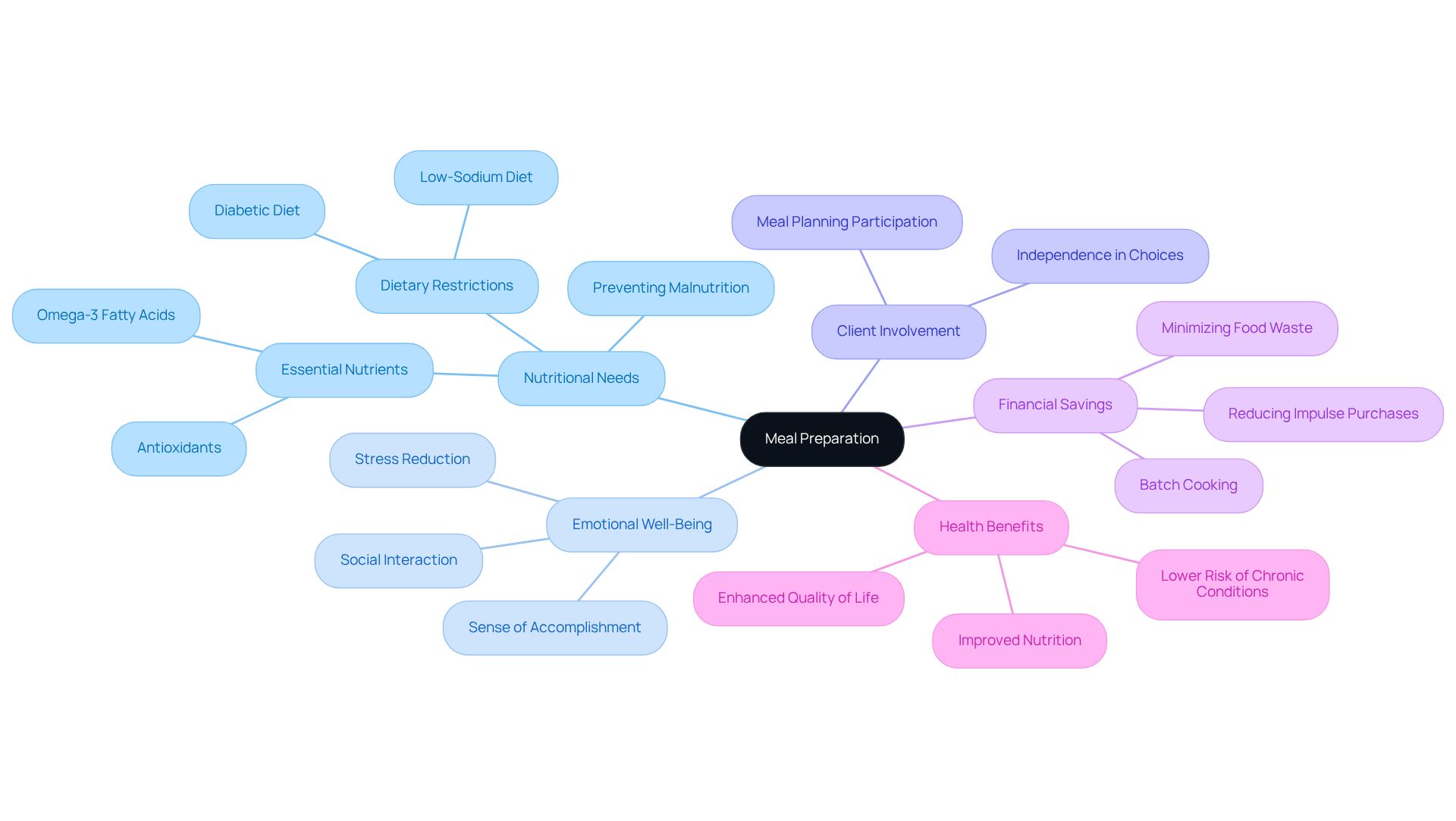
Meal preparation is a vital part of caregiving, encompassing the planning, cooking, and serving of nutritious meals tailored to the dietary needs of elderly individuals. Caregivers play a crucial role in accommodating specific dietary restrictions, like low-sodium or diabetic diets, ensuring that meals are not only healthy but also enjoyable. Involving clients in the meal planning process fosters a sense of independence, allowing them to express their preferences and actively participate in their care. This engagement transforms mealtime into a more enjoyable experience, promoting better nutrition and overall well-being.
Research shows that effective meal planning can significantly improve the well-being of seniors by providing essential nutrients that combat malnutrition and chronic conditions. For instance, including foods high in antioxidants and omega-3 fatty acids can reduce the risk of various medical problems. Additionally, structured meal plans alleviate the stress of daily cooking decisions, enabling seniors to focus on hobbies and social interactions, which are crucial for mental and emotional health. Meal planning also helps seniors save money on groceries by minimizing impulse buys, making it a financially wise option for family members.
With more than 2 million seniors served each year by Meals on Wheels, the significance of meal preparation in supporting the elderly is clear. By prioritizing meal preparation, caregivers not only support the physical wellness of those they assist but also contribute to their emotional and social well-being, making it a cornerstone of quality in-home care. As Keri Lipperini aptly states, it is essential to pave the path to good well-being, nutrition, and wellness as we age.
Medication Management: Ensuring Safe and Timely Administration
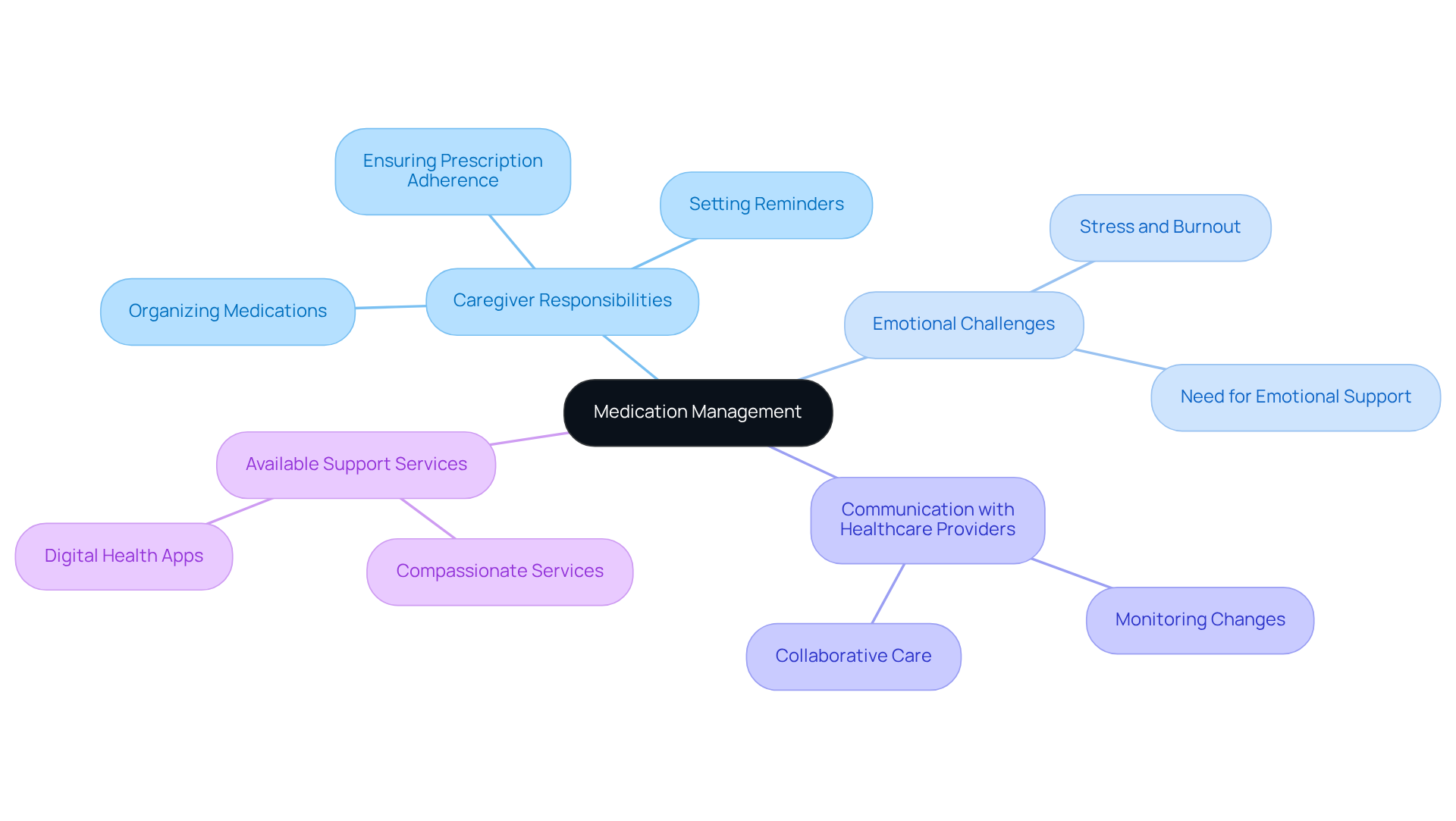
Caregivers play a vital role in supporting individuals with medication management. They help organize medications, set reminders, and ensure that prescriptions are taken as instructed. This support is crucial in preventing missed doses or medication errors, which can lead to serious health complications.
We understand that the responsibility of managing medications can be overwhelming. Caregivers often face stress and burnout as they juggle multiple tasks. It’s essential to recognize these emotional challenges and provide the necessary support.
In addition to managing medications, caregivers communicate with healthcare providers to monitor any changes. This collaboration ensures that individuals receive the best possible care tailored to their needs. Knowing that someone is looking out for their well-being can bring immense relief to both caregivers and those they care for.
Remember, you’re not alone in this journey. There are compassionate services available to help lighten the load. Together, we can navigate the complexities of medication management, ensuring safety and peace of mind for everyone involved.
Household Tasks: Maintaining a Clean and Organized Home
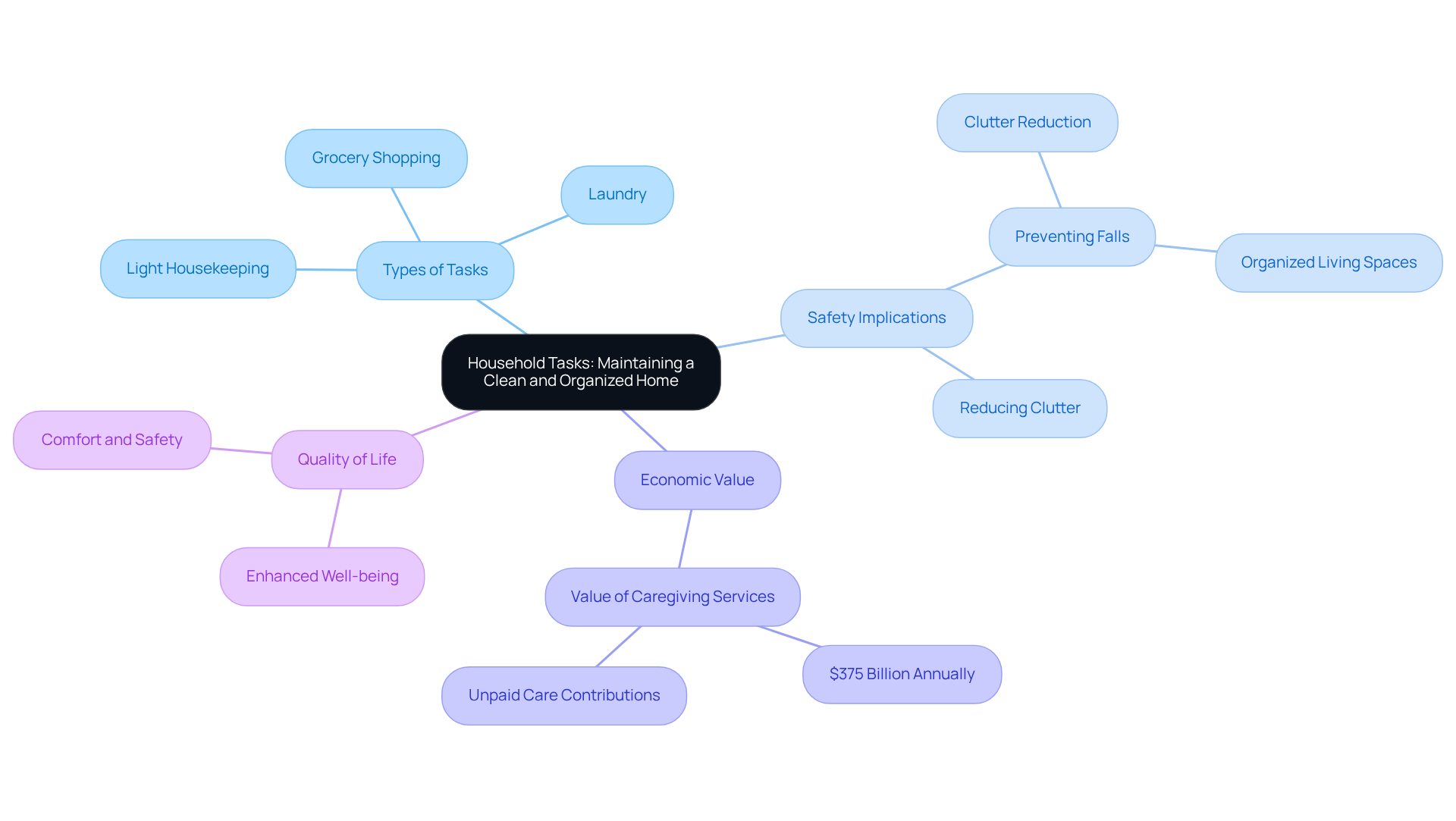
Live in carers truly make a difference in the lives of those they assist by helping with essential household tasks like light housekeeping, laundry, and grocery shopping. A clean and organized home is vital for preventing accidents, especially since nearly one in four older adults experience falls each year, often due to clutter and disorganization. It's alarming to think that around 3 million older adults visit the emergency room annually because of fall-related injuries. This highlights just how serious this issue is.
By keeping living spaces tidy, live in carers create an environment in which clients can feel safe and comfortable. They also help arrange personal belongings and manage household supplies, allowing seniors to focus on their health rather than routine chores. Reducing clutter not only lowers the risk of falls but also enhances the quality of life for seniors. The support provided by live in carers plays a significant role in their overall well-being and happiness.
It's heartening to know that the economic value of caregiving services is estimated at $375 billion a year, reflecting the profound impact caregivers have on the lives of those they serve. The essence of nurturing support is truly embodied in the compassionate care provided by live in carers.
Emotional Support: Alleviating Loneliness Through Companionship
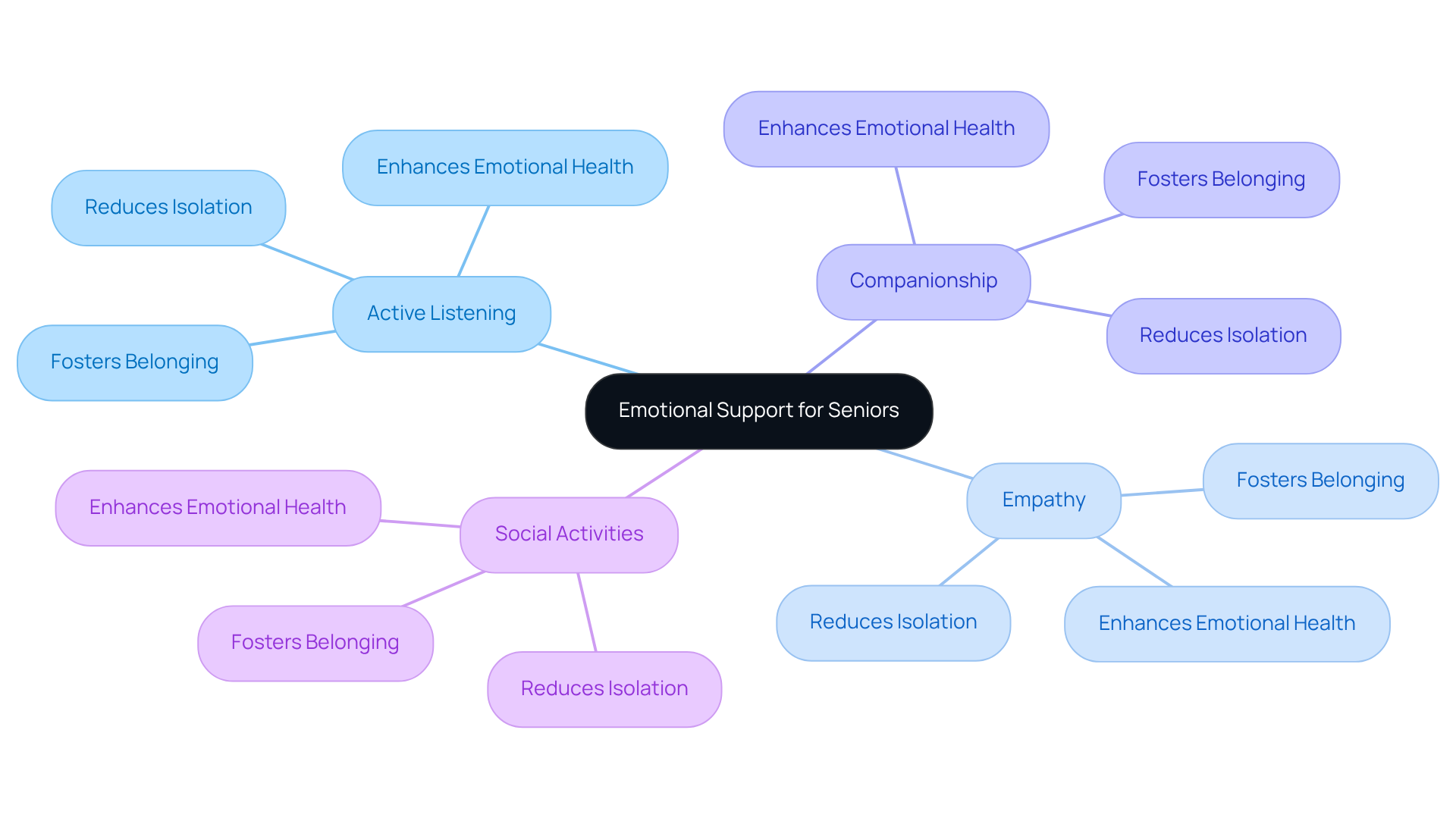
Emotional support from caregivers is so much more than just a service; it’s about active listening, empathy, and companionship. These elements are crucial in tackling the widespread issue of loneliness among seniors. Did you know that over 70% of older adults who report fair or poor mental well-being also feel socially isolated? This statistic underscores just how vital companionship is in fighting loneliness.
Caregivers engage seniors in meaningful conversations about their feelings and experiences, which can significantly reduce feelings of isolation and anxiety. This connection fosters a sense of belonging, essential for emotional well-being. Moreover, caregivers encourage participation in social activities, which can greatly enhance clients' emotional health.
The World Health Organization has identified loneliness as a major risk factor for mental health issues in older adults, further emphasizing the importance of companionship in elder support. By providing consistent emotional assistance, caregivers not only uplift the mental well-being of seniors but also contribute positively to their physical health and overall quality of life. This highlights just how significant these services are in home environments, offering a nurturing touch that every senior deserves.
Post-Hospital Recovery Assistance: Supporting Smooth Transitions
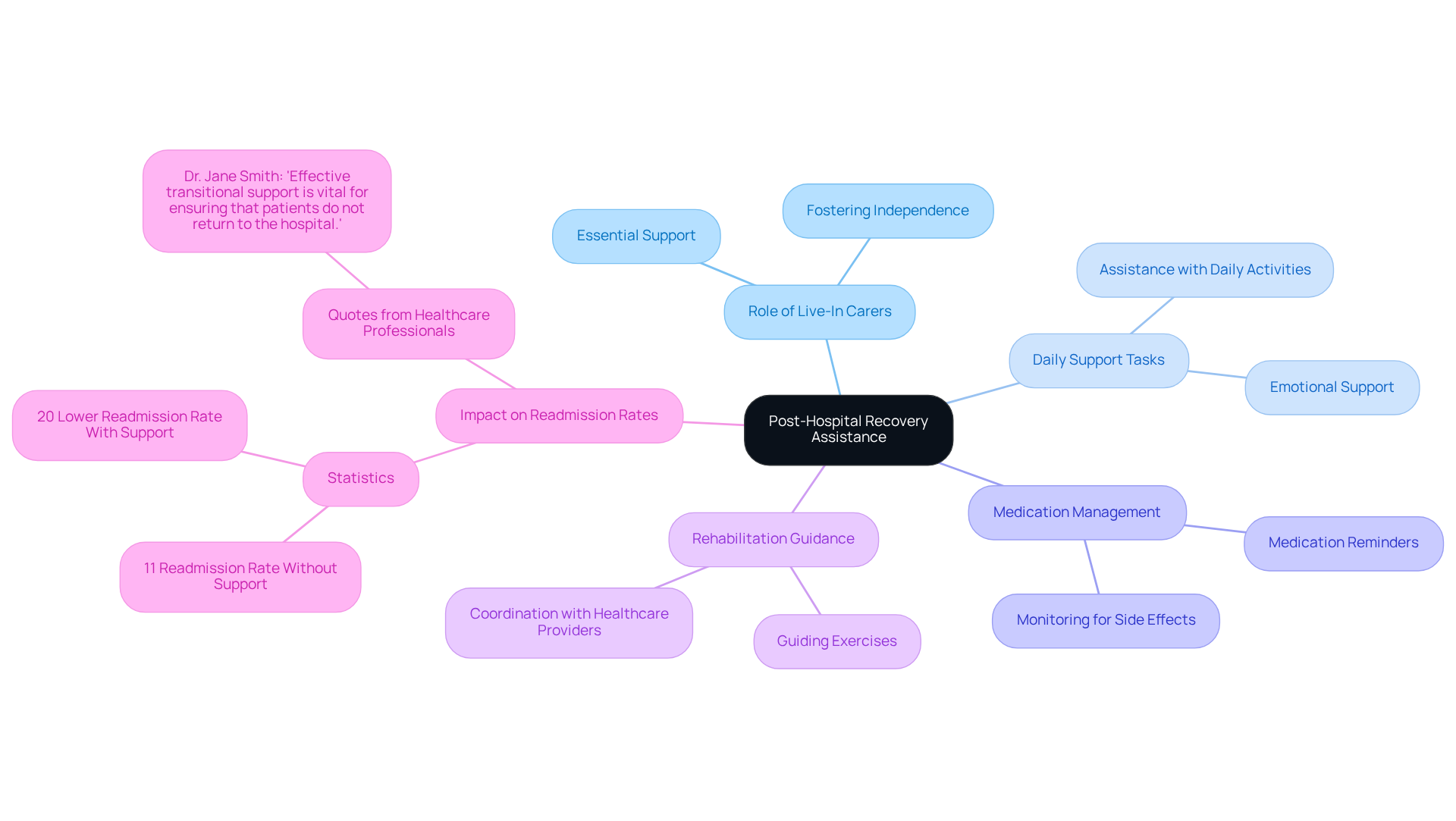
Live in carers play a crucial role in the post-hospital recovery phase by offering essential support that profoundly affects patient outcomes. Live in carers assist individuals with daily tasks, manage medications, and guide rehabilitation exercises, ensuring they adhere to discharge instructions and have the necessary supplies at home. This support is vital in preventing complications and reducing readmission rates, which can be as high as 11% for cases that could be avoided with proper coordination and the assistance of live in carers.
By fostering a comfortable recovery in familiar surroundings, live in carers assist clients in regaining their independence and confidence, ultimately enhancing their overall well-being. Studies reveal that patients receiving home support experience a 20% lower readmission rate compared to those who do not, particularly among individuals with chronic conditions. This underscores the importance of live in carers in providing transitional assistance.
As Dr. Jane Smith, a dedicated healthcare professional, shares, "Effective transitional support is vital for ensuring that patients do not return to the hospital, and those providing assistance play a crucial role in this process." This sentiment reflects the heart of caregiving - nurturing individuals through their recovery journey.
Respite Care: Providing Temporary Relief for Family Caregivers
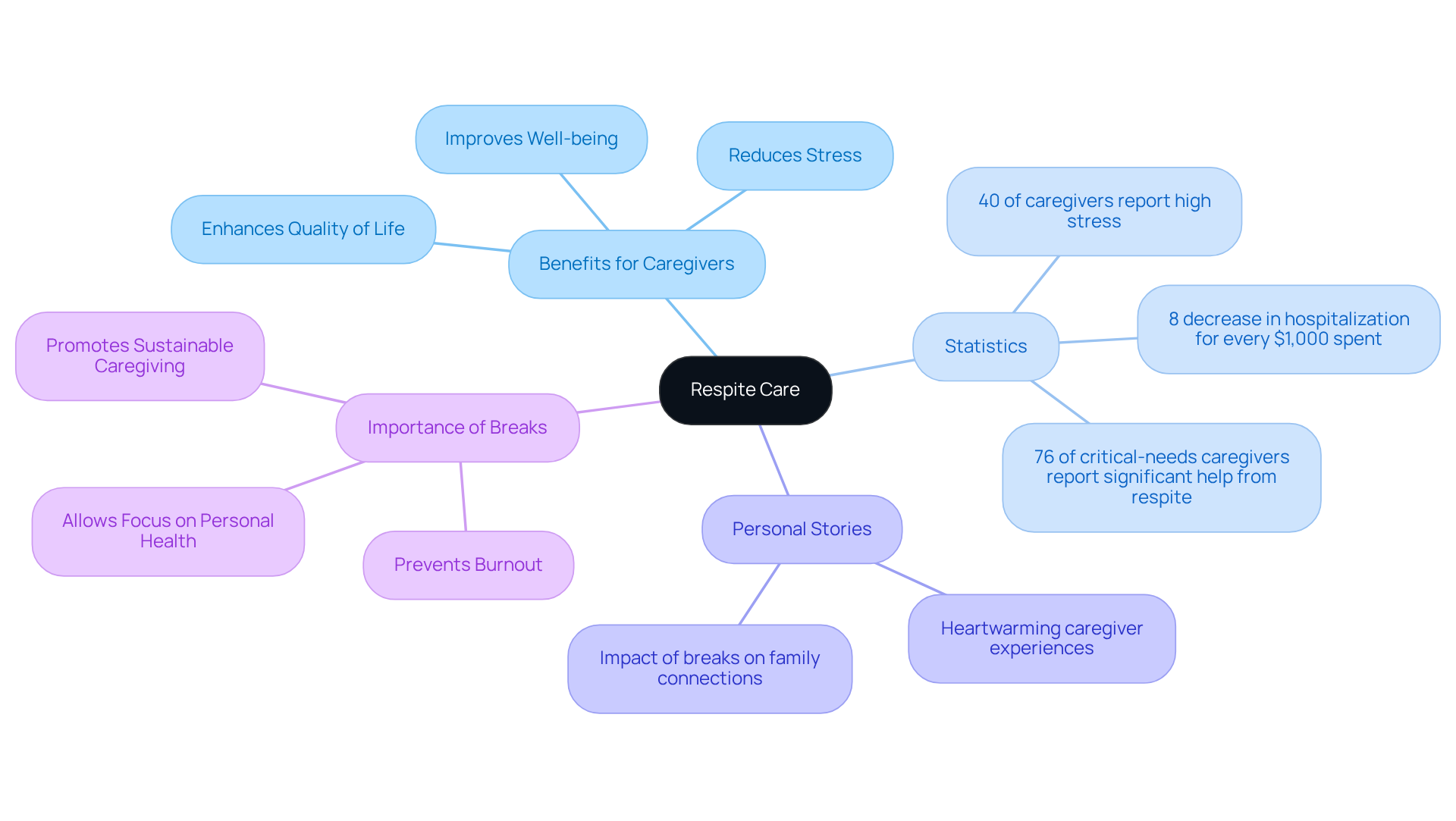
Caring for a loved one can be incredibly rewarding, but it often comes with its own set of emotional challenges. Family providers frequently experience stress and burnout, which can take a toll on their well-being. That’s where respite services come in, offering essential support that allows caregivers to take a much-needed break. These services provide temporary relief, enabling caregivers to rejuvenate while ensuring their loved ones continue to receive high-quality assistance.
Respite services can be tailored to fit various needs, whether it’s just a few hours or several days, depending on the family’s circumstances. Mental wellness experts emphasize that regular breaks are crucial for preventing burnout, impacting nearly 40% of caregivers who report high levels of stress and emotional turmoil, according to the National Alliance for Caregiving and AARP. By allowing caregivers the chance to focus on their own health and well-being, respite assistance not only enhances their quality of life but also improves the overall caregiving experience.
Caregivers who utilize respite services often share heartwarming stories of how these breaks have helped them recharge and reconnect with their loved ones. Studies show that those who take advantage of respite report significant reductions in stress and an increased ability to manage their responsibilities effectively. For instance, research indicates that for every $1,000 spent on respite services, there is an 8 percent decrease in the odds of hospitalization. This underscores the importance of incorporating respite support into caregiving strategies, promoting a healthier balance between caregiving duties and personal wellness.
In the end, it’s about finding that equilibrium. Caregivers deserve the opportunity to care for themselves, just as they care for others. Embracing respite services can lead to a more fulfilling and sustainable caregiving journey.
Palliative Support Care: Ensuring Comfort for Serious Illnesses
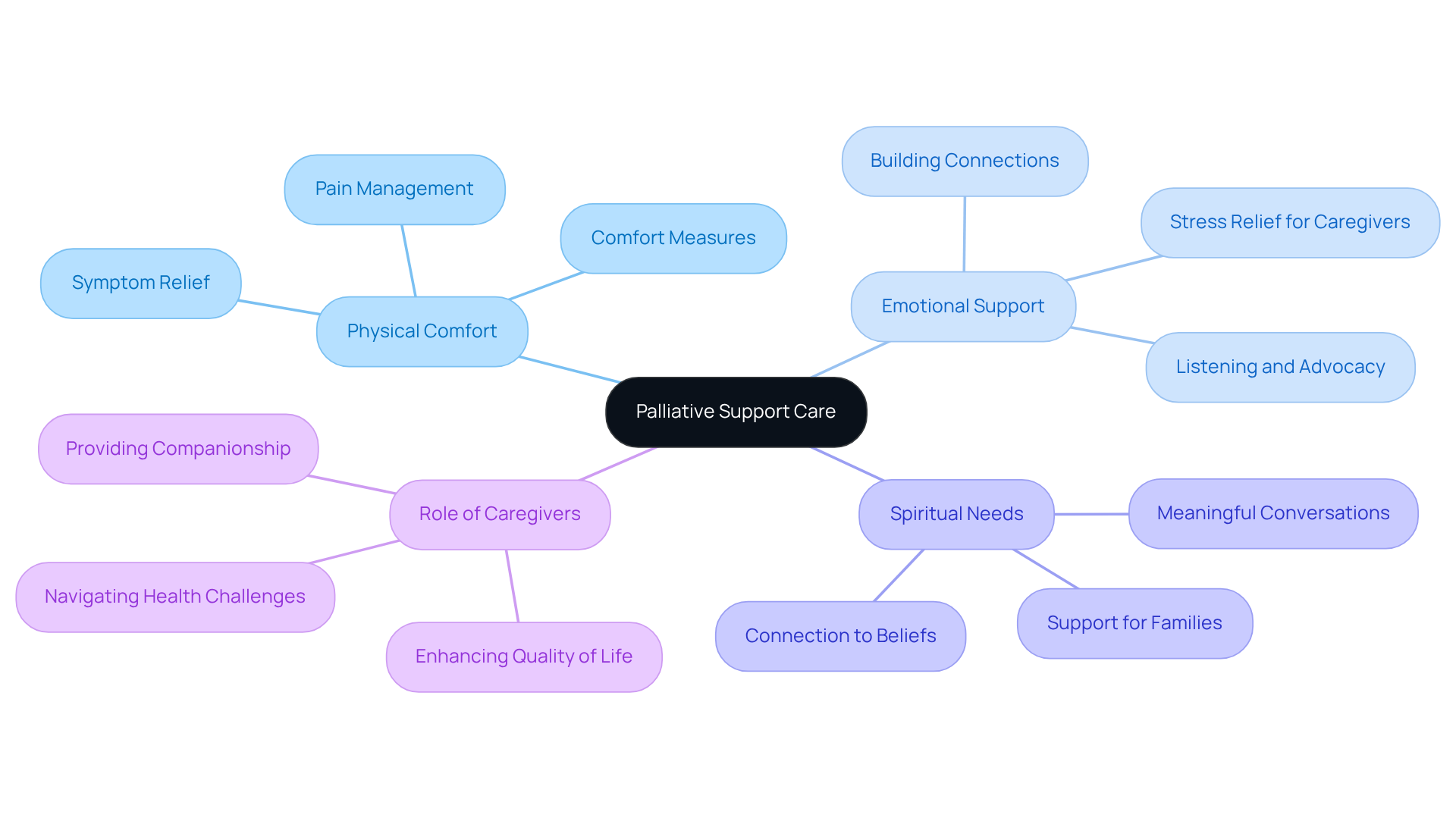
Palliative support is all about providing relief from the symptoms and stress that come with serious illnesses. Caregivers work hand in hand with healthcare professionals to manage pain and other symptoms, ensuring that individuals feel as comfortable as possible.
But it’s not just about physical comfort. This type of care also reaches into emotional and spiritual needs, offering support for both individuals and their families during these challenging times.
Caregivers truly play a vital role in enhancing the quality of life for those facing serious health challenges. They understand the weight of stress and burnout that can accompany caregiving, and they are there to help lighten that load.
Imagine a caregiver sharing, "Being there for my loved one during their toughest moments has been both a challenge and a privilege. I’ve learned to find strength in the small victories we share each day."
This compassionate care not only addresses immediate needs but also fosters a sense of hope and connection. It’s about creating a nurturing environment where individuals can find peace, even amidst the storm of illness.
In these moments, caregivers remind us that we’re not alone. Together, we can navigate the complexities of serious health challenges, finding comfort and support along the way.
Flexible Scheduling: Adapting to Clients' Unique Needs
Adaptable scheduling is a lifeline for many caregivers, allowing providers to tailor their services to meet the unique needs of each individual. This flexibility is crucial, whether someone needs help during specific hours or requires support around the clock. By creating personalized schedules, support providers help maintain clients' routines, ensuring they receive the essential assistance when it matters most.
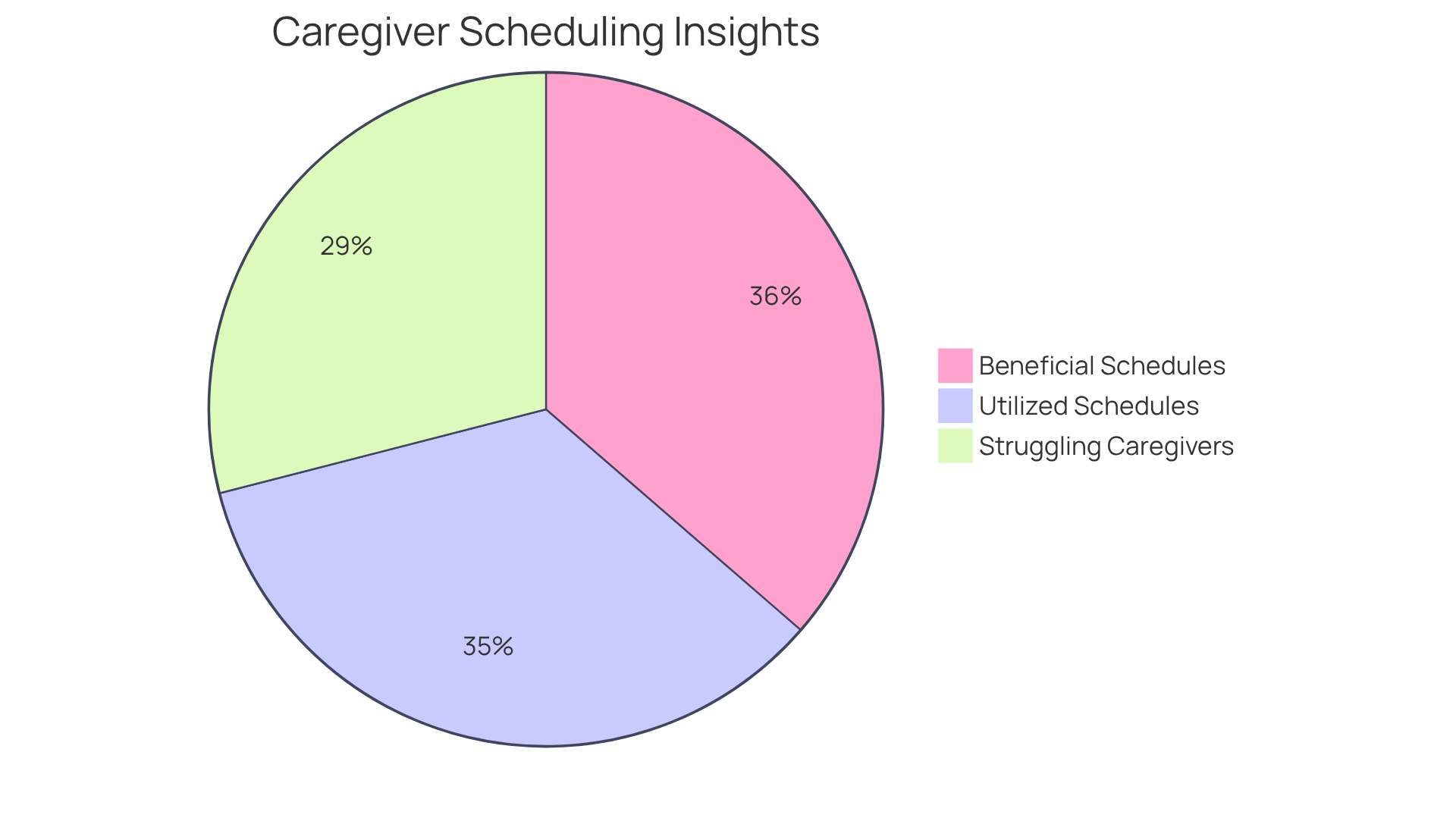
Families truly value the ability to customize support plans that fit their loved ones' lifestyles, leading to greater satisfaction all around. Recent trends reveal that:
- 84 percent of individuals in caregiving roles find flexible work schedules beneficial.
- 80 percent of those with such schedules actively utilize them.
Care coordinators emphasize that this flexibility not only boosts client satisfaction but also fosters a more supportive environment for both caregivers and clients, ultimately leading to better outcomes in home assistance.
As Tom Cobbe insightfully points out, "If anything, the positive shift toward flexible work schedules suggests that employees and employers are having conversations about caregiving needs." This conversation is vital, especially considering that 67 percent of family caregivers struggle to balance their jobs with caregiving responsibilities. The need for adaptable care solutions, including live in carers, has never been clearer, and it’s heartening to see the growing recognition of this essential support.
Making the Right Choice
The services offered by live-in carers are truly invaluable for families seeking comprehensive support for their loved ones. These caregivers provide not just practical assistance but also nurture emotional connections, ensuring that seniors enjoy dignity, comfort, and companionship in their daily lives. By addressing a wide range of needs - from personal care and meal preparation to medication management and emotional support - live-in carers play a vital role in enhancing the overall quality of life for elderly individuals.
As we reflect on these essential services, it’s clear that every aspect of caregiving significantly contributes to the well-being of seniors.
- Companionship care helps alleviate loneliness
- Personal care maintains hygiene and dignity
- Meal preparation promotes nutrition
- Effective medication management ensures safety
- Household tasks create a safe living environment
- Palliative support addresses the complexities of serious illnesses
- Flexible scheduling allows for personalized care that meets the unique needs of each client, making a world of difference.
Ultimately, we cannot overstate the importance of live-in carers. Their multifaceted support uplifts the lives of seniors and provides much-needed relief to family caregivers, fostering a healthier balance between caregiving responsibilities and personal well-being. Embracing these essential services cultivates a nurturing environment where seniors can truly thrive, reinforcing the idea that compassionate care lies at the heart of effective elder support. Families are encouraged to consider the profound benefits of live-in care, ensuring their loved ones receive the quality assistance they deserve.
https://iframe.tely.ai/cta/eyJhcnRpY2xlX2lkIjogIjY5MWU1YWI0YzBkNDJlMTUwMDY1YWNhYyIsICJjb21wYW55X2lkIjogIjY4ZWU1ZGNhNzMxNzYyNTU3ZjNjOTVjMSIsICJpbmRleCI6IG51bGwsICJ0eXBlIjogImFydGljbGUifQ==Frequently Asked Questions
What is companionship care and why is it important for seniors?
Companionship care provides emotional support and enhances the quality of life for seniors by recognizing signs of loneliness and offering meaningful companionship, which helps ease feelings of isolation and supports mental health.
What activities are involved in companionship care?
Engaging activities in companionship care include playing games, taking walks, and sharing stories, all of which stimulate cognitive function and uplift emotional well-being.
How does companionship care affect seniors' mental health?
Consistent social engagement through companionship care can lead to improved mood, reduced anxiety, and a stronger sense of purpose, making it a vital part of effective elderly support.
What role does personal care play in the lives of seniors?
Personal care services assist seniors with bathing, grooming, dressing, and toileting, helping them maintain hygiene and comfort while preventing infections and boosting self-esteem.
Why is preserving dignity important in personal care?
Preserving dignity through personal assistance is crucial as it directly impacts the mental and emotional health of seniors, contributing to their overall well-being.
How does personal care reduce hospital readmissions?
Personal support services help address physical needs and prevent health issues, significantly reducing the likelihood of hospital readmissions for seniors.
What does meal preparation involve in the context of caregiving?
Meal preparation includes planning, cooking, and serving nutritious meals tailored to the dietary needs of elderly individuals, accommodating specific dietary restrictions.
How does meal planning benefit seniors?
Effective meal planning improves well-being by providing essential nutrients, reducing the risk of malnutrition and chronic conditions, and transforming mealtime into a more enjoyable experience.
What are the financial benefits of meal preparation for seniors?
Structured meal plans help seniors save money on groceries by minimizing impulse buys and alleviating the stress of daily cooking decisions.
How does meal preparation contribute to the emotional and social well-being of seniors?
By prioritizing meal preparation, caregivers support not only the physical wellness of seniors but also their emotional and social well-being, making it a cornerstone of quality in-home care.