

For families in our service areas
For families in our service areas, this guide explains caregiving and how non-medical in-home caregiving can support care planning in East Idaho, Treasure Valley & Magic Valley, Northern Wasatch, North Central West Virginia, and Northeast Ohio.
What You Need to Know About Skills Every Caring Assistant Should
Caring assistants are truly at the heart of support for individuals in need. However, the emotional and practical demands of this role can often feel overwhelming. It’s important to recognize that mastering essential skills not only enhances the quality of care provided but also addresses the profound loneliness many seniors experience - an issue that affects one in three older adults.
How can caregivers effectively navigate these challenges? It’s about fostering meaningful connections and ensuring holistic well-being for their clients. This article delves into ten crucial skills every caring assistant should master, offering insights and strategies to elevate their caregiving journey. Together, we can explore ways to bring comfort and companionship to those we serve.
Happy to Help Caregiving: Mastering Companionship Skills for Effective Care
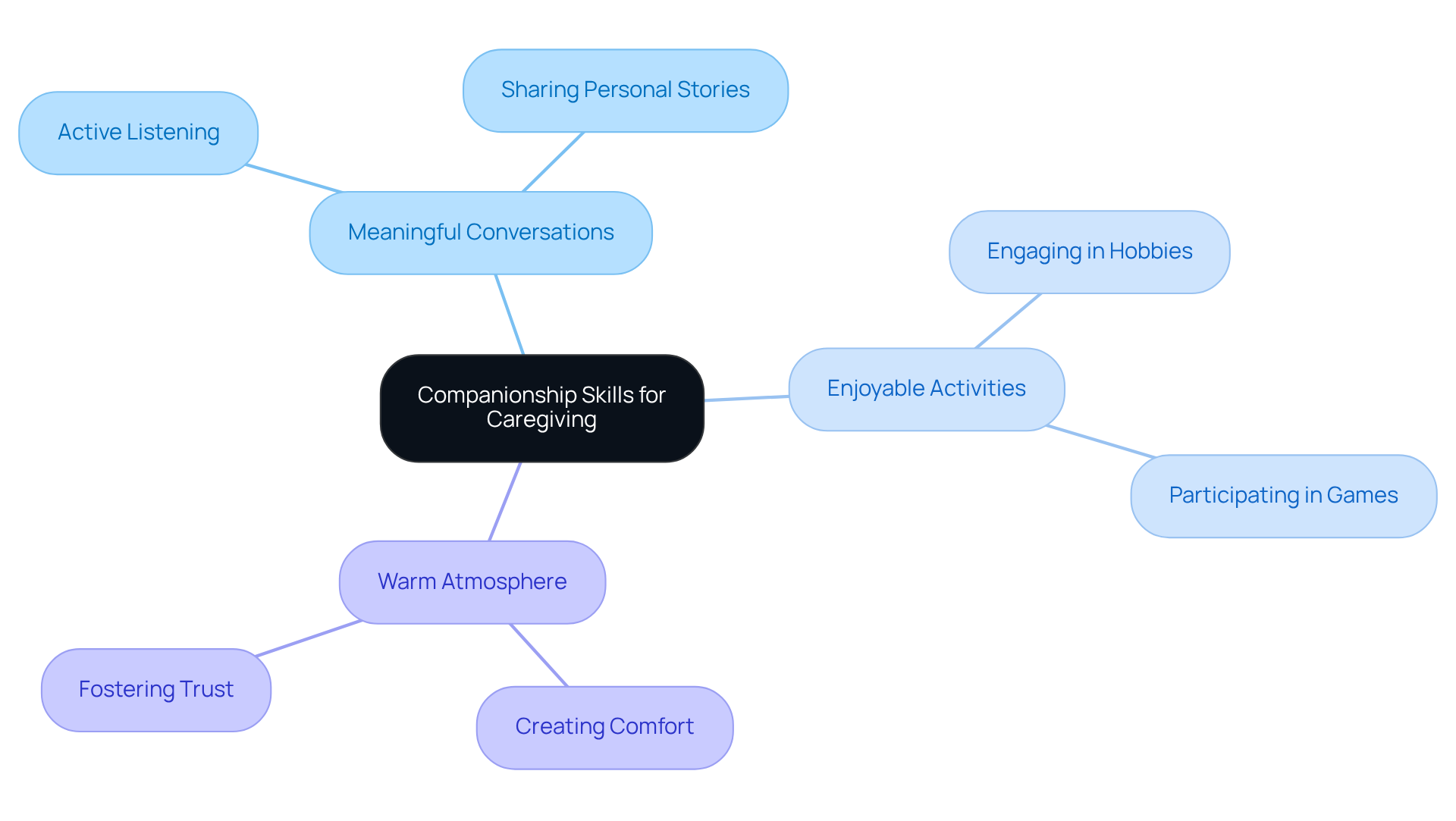
Caring assistants need vital companionship skills, focusing on actively engaging with individuals to provide emotional support. Caregivers should:
- Start meaningful conversations
- Join in enjoyable activities
- Create a warm, inviting atmosphere
This approach not only eases feelings of isolation but also builds trust and rapport, which are crucial for effective caregiving.
Techniques like active listening and sharing personal stories can greatly enrich the companionship experience, making clients feel valued and understood. It's heartbreaking to note that one in three older adults report feeling lonely, which can negatively impact their mental health and overall quality of life. This loneliness can lead to increased rates of depression, anxiety, and cognitive decline.
By prioritizing emotional support, caring assistants can help alleviate loneliness and foster mental wellness, ultimately leading to better health outcomes for seniors. As we look ahead to 2025, the emphasis on emotional assistance in home support is set to grow, underscoring its importance in nurturing a sense of community and well-being among elderly individuals. This is especially significant considering that an estimated 20% of older adults struggle with a mental health disorder.
Personal Care Skills: Ensuring Client Hygiene and Comfort
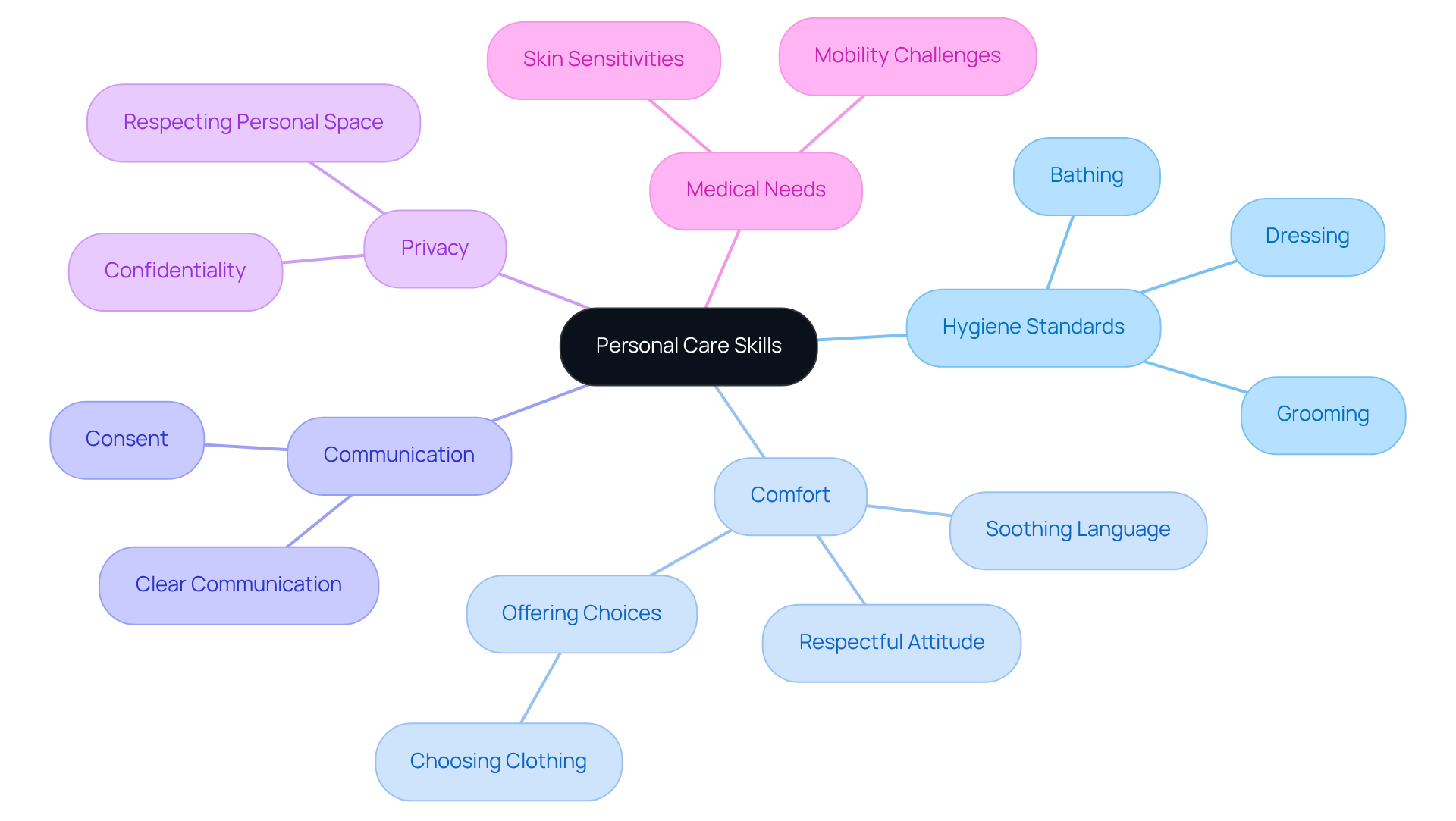
Caring assistants play a vital role in providing personal assistance, especially for fundamental activities like bathing, grooming, and dressing. Caring assistants play a crucial role in ensuring patient hygiene, adhering to established hygiene standards that help prevent infections and promote overall well-being. It's essential to create an environment that prioritizes comfort. Using soothing language, maintaining a respectful attitude, and offering choices during personal routines can make a significant difference. For instance, allowing individuals to choose their clothing can greatly enhance their sense of autonomy and dignity.
Understanding specific medical needs is equally important. Caregivers should be attentive to issues like skin sensitivities or mobility challenges that may impact personal care methods. Privacy is another key aspect; respecting personal space and confidentiality is vital. Clear communication and consent can strengthen this respect. By focusing on these elements, caring assistants can create a supportive environment that not only meets hygiene requirements but also nurtures comfort and trust. This approach ultimately enhances the experience of caring assistants, making it a more compassionate and fulfilling journey for both them and those they support.
Communication Skills: Building Trust and Understanding with Clients
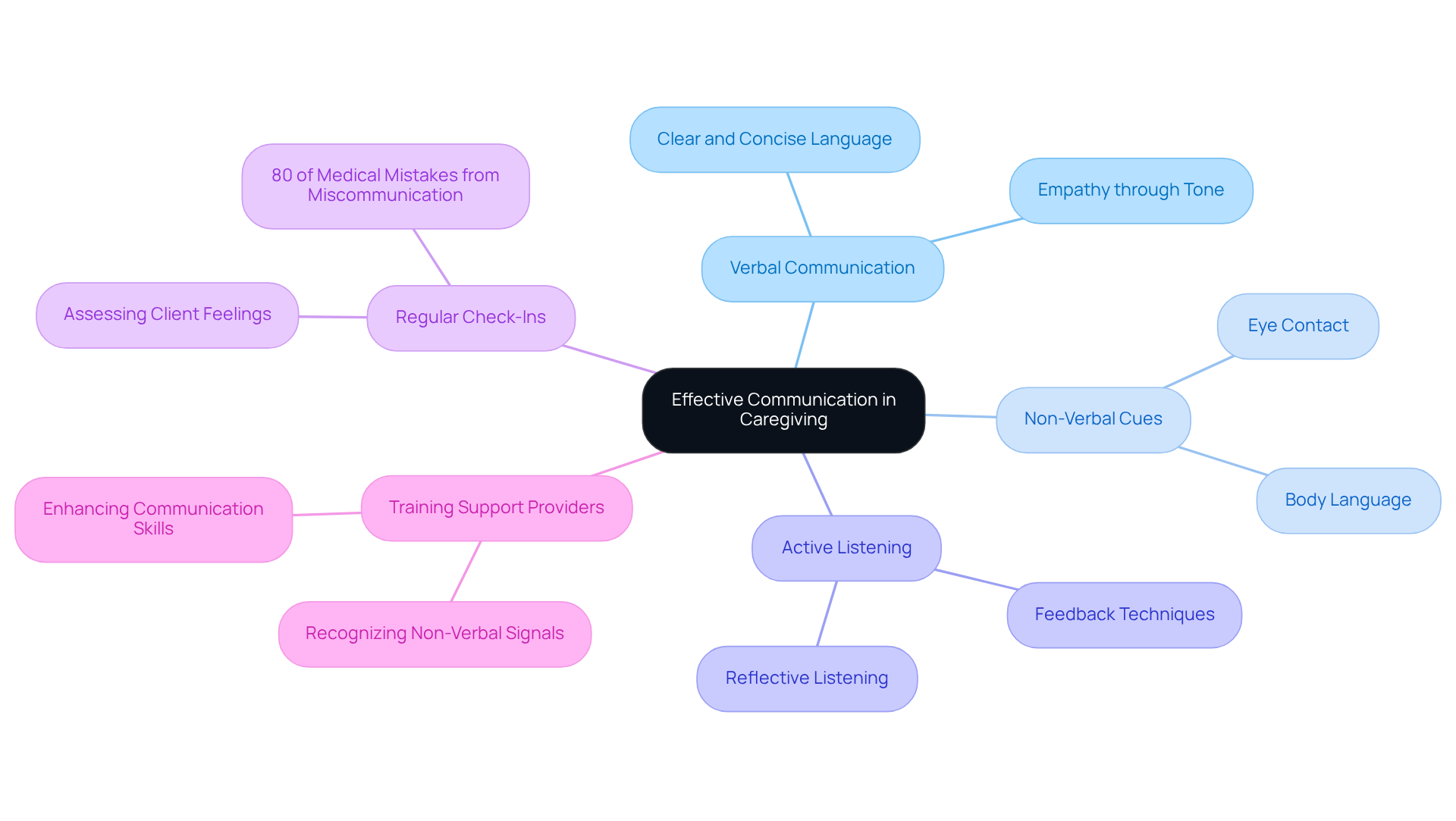
Effective communication in caregiving goes beyond just words. It includes non-verbal cues and the art of active listening. Caregivers need to focus on clear and concise communication, using simple language and maintaining eye contact to show empathy. Regular check-ins with clients about their feelings and preferences are vital. This not only helps in adapting approaches but also builds trust.
Training support providers to recognize and interpret non-verbal signals is crucial, especially for those who struggle to express their needs verbally. Research shows that non-verbal communication significantly impacts service quality. Studies indicate that those who engage effectively in non-verbal interactions can enhance client satisfaction and emotional wellness.
As the MHC Team points out, "communicating clearly and consistently with patients is an ongoing challenge for healthcare providers." This highlights the importance of support staff refining their communication strategies. Moreover, statistics reveal that 80% of major medical mistakes stem from miscommunication during provider transitions. This underscores the critical role of effective communication in ensuring safety and quality service.
By mastering these communication strategies, providers can cultivate stronger, more trusting relationships with their clients. This ultimately enriches the overall caregiving experience, fostering a nurturing environment where everyone feels valued and understood.
Time Management Skills: Balancing Care Duties Efficiently
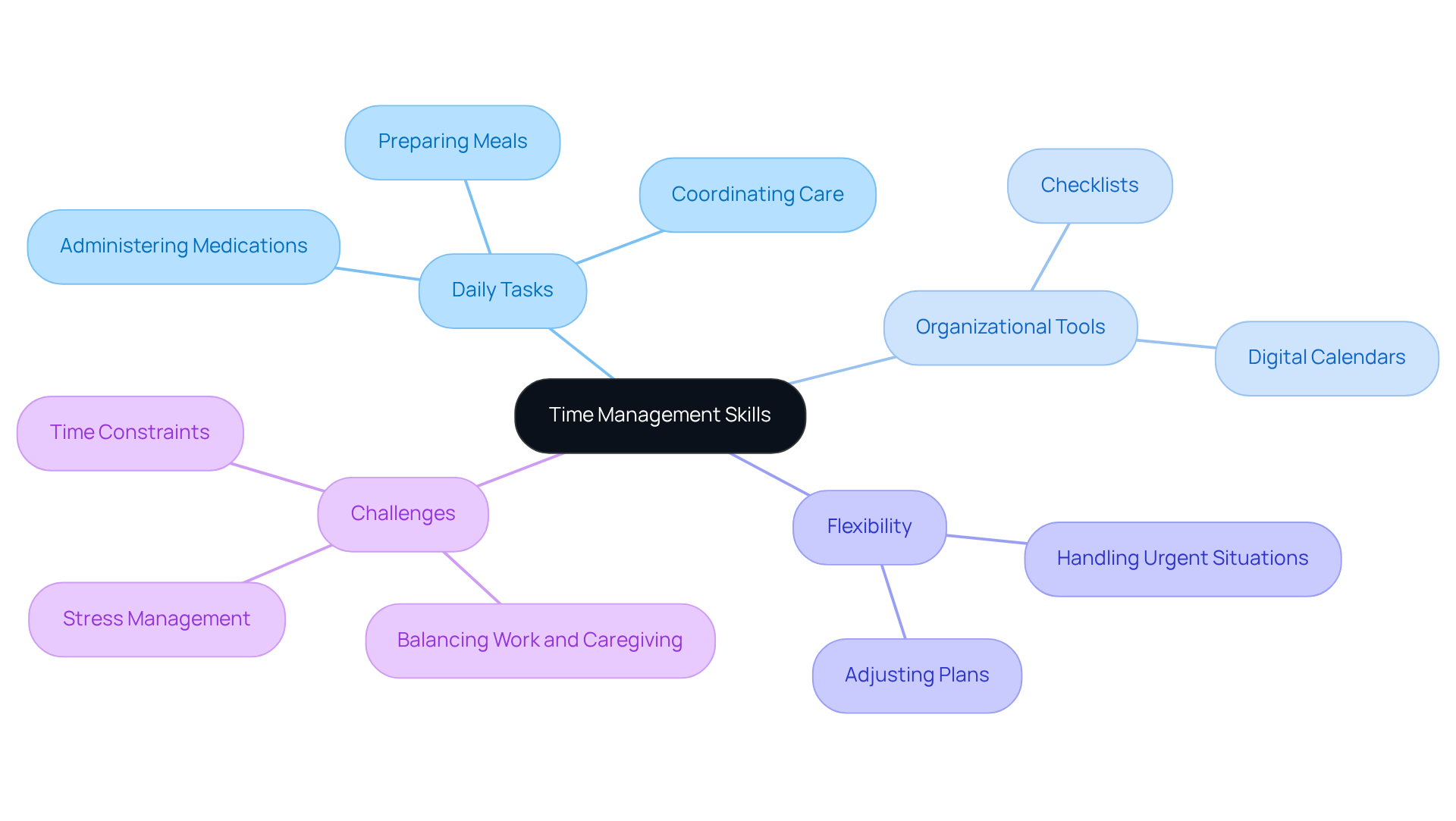
Efficient time management is crucial for caring assistants who provide support. It helps them organize and prioritize daily activities to meet the diverse needs of the individuals they assist. Family supporters dedicate an average of 24.4 hours each week to offering assistance. This highlights the importance of creating structured daily schedules that clearly outline essential tasks, such as:
- Administering medications
- Preparing meals
- Coordinating with caring assistants to manage personal care routines
Using organizational tools like checklists and digital calendars can greatly enhance focus and efficiency. For instance, apps like CareZone can help caregivers manage medications and appointments effectively, making their day a bit easier.
For caring assistants, flexibility is just as important. Caring assistants must be prepared to adjust their plans as client needs evolve throughout the day. This adaptability ensures that urgent situations are handled promptly, preserving the quality of care. It's also important to recognize that 67% of caregivers struggle to balance work and caregiving responsibilities, which underscores the challenges they face daily.
By implementing these strategies, caring assistants can improve their time management, reduce stress, and enhance the overall caregiving experience for both themselves and those they support. Remember, you’re not alone in this journey; there are resources and communities ready to help you navigate these challenges.
Empathy: Connecting Emotionally with Clients for Better Care
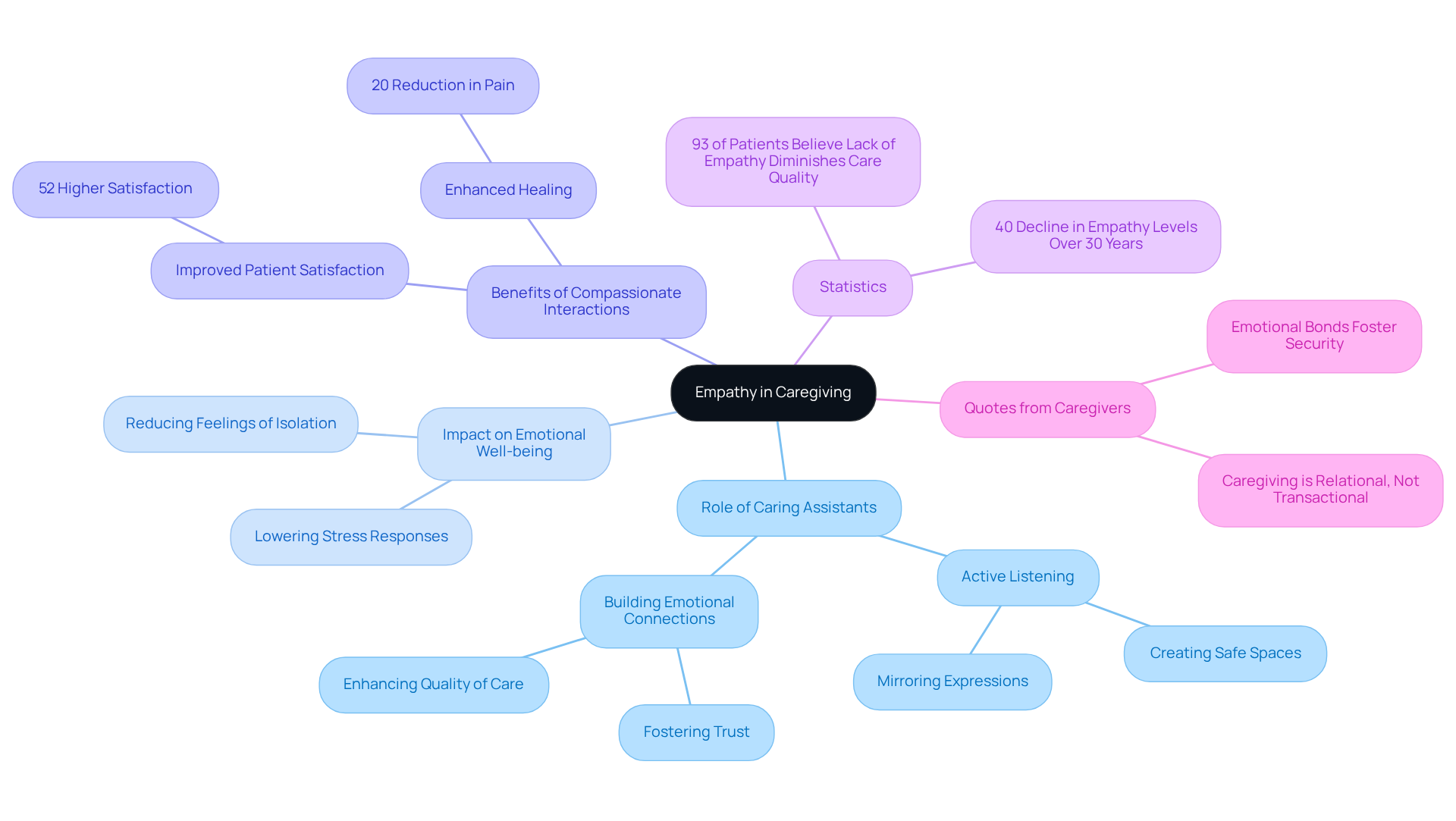
Caring assistants embody empathy at the heart of caregiving. It’s about truly acknowledging and affirming the feelings of those we care for, supported by caring assistants, which can significantly uplift their emotional well-being. Caring assistants should prioritize active listening and create a safe space for individuals to express their thoughts and feelings without hesitation.
When caring assistants mirror what individuals express and demonstrate genuine care, it fosters a deeper emotional connection. Research indicates that compassionate interactions can ease feelings of isolation and sadness, especially in older adults. In fact, a staggering 93% of patients believe that a lack of empathy diminishes the quality of care they receive.
By understanding patients' perspectives, caring assistants can tailor their support to address both physical and emotional needs, resulting in a more personalized experience. As one caregiver beautifully put it, "the connection between a provider and an elderly client is more than transactional; it’s relational and often becomes a vital part of effective in-home assistance."
This approach not only elevates the quality of care but also nurtures a sense of security and trust. Empathy can lower stress responses and cortisol levels, which aids in healing and promotes overall well-being. In this nurturing environment, both caregivers and those they care for can thrive.
Problem-Solving Skills: Navigating Challenges in Caregiving
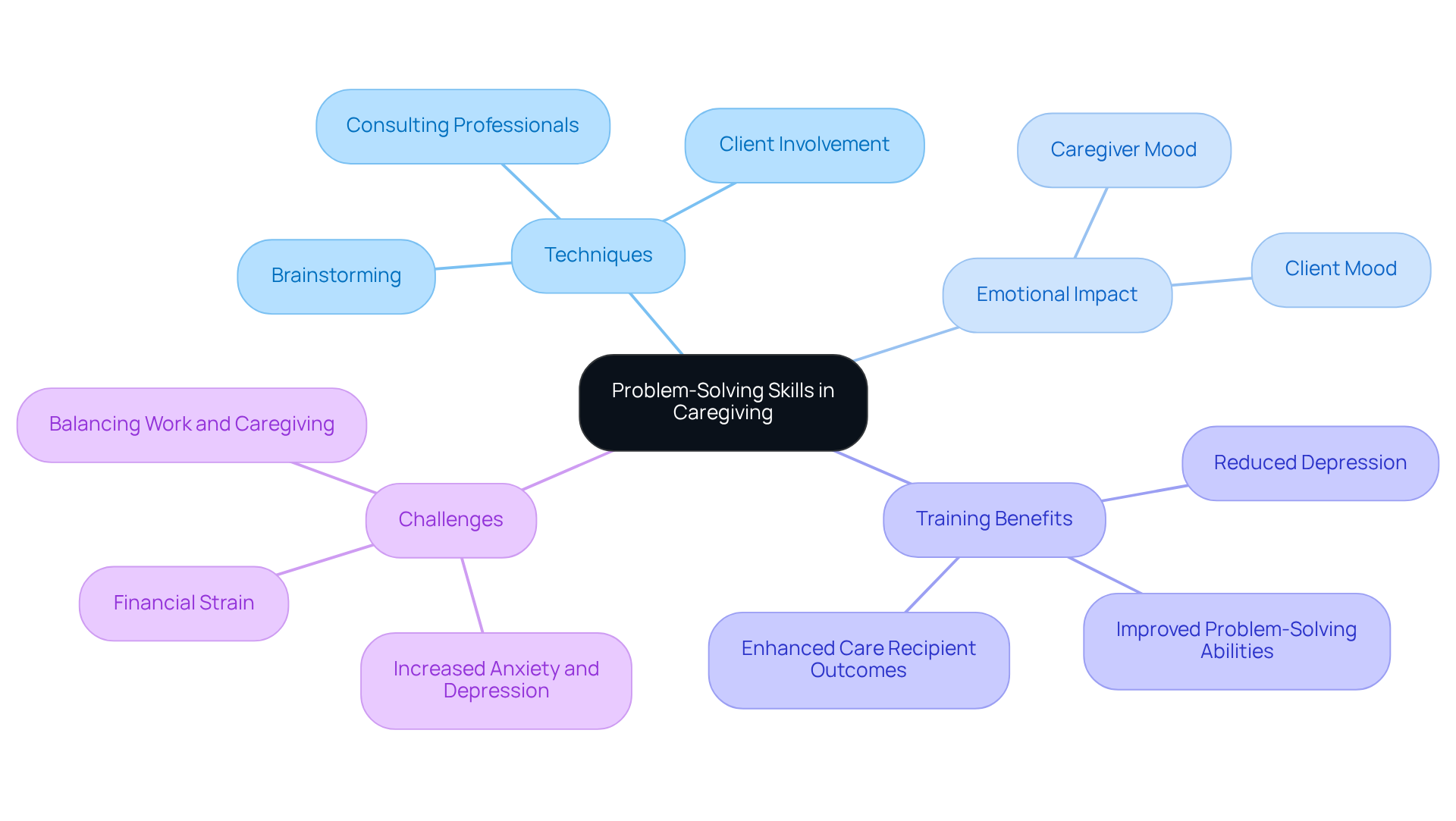
Problem-solving abilities are vital for caregivers, enabling them to assess situations, identify potential challenges, and develop effective solutions. It's essential for caregivers to be trained in recognizing common issues, like mobility challenges or changes in health status, and to respond with compassion and understanding.
Techniques such as brainstorming solutions, consulting with healthcare professionals, and involving clients in decision-making empower caregivers to navigate these challenges with confidence. Maintaining a positive attitude and being open to feedback can significantly enhance their problem-solving skills, fostering a nurturing environment for those they assist.
Studies show that caregivers who engage in effective problem-solving not only improve their own well-being but also positively influence the health outcomes of those they support. Alarmingly, 47% of caregivers have reported increased anxiety, depression, or other mental health concerns in the past year. This highlights the urgent need for strong problem-solving skills to help alleviate these burdens.
Myechia Minter-Jordan emphasizes that family supporters form the backbone of our health and long-term support systems, underscoring the importance of equipping them with essential skills. Furthermore, research indicates that caregivers who receive problem-solving training (PST) experience significant reductions in depression and improvements in their problem-solving abilities.
By nurturing these skills, caregivers can more effectively manage the complexities of in-home support, ensuring a caring atmosphere for those they assist. The emotional congruence mechanism reveals that the mood of caregivers directly impacts the mood of care recipients, further illustrating the profound implications of effective problem-solving in caregiving.
Physical Assistance Skills: Supporting Mobility and Daily Activities
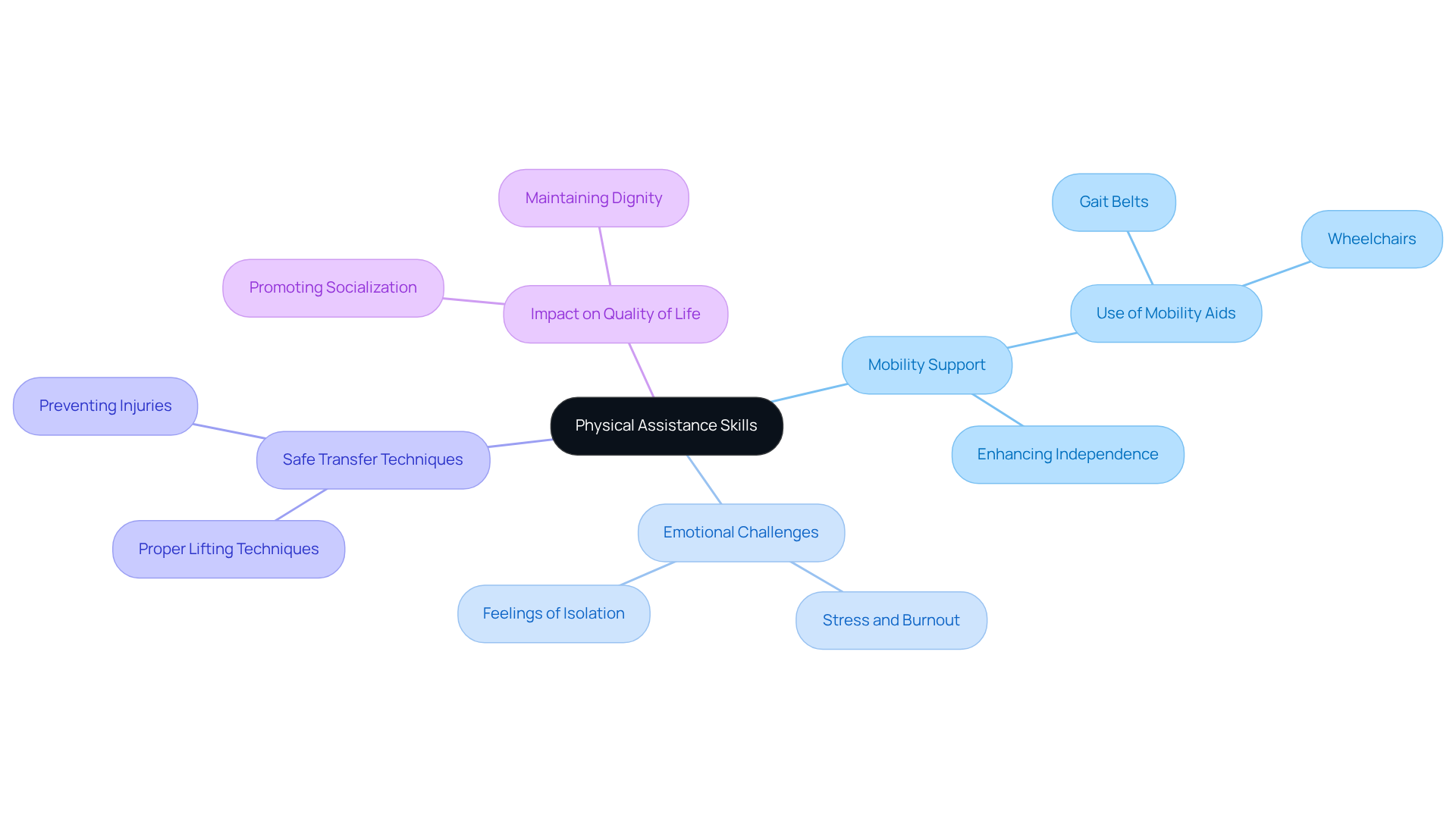
Caring assistants must possess essential physical assistance skills to provide crucial support for individual mobility, safe transfers, and daily activities like dressing and bathing. It's important to recognize the emotional challenges caregivers face, including stress and burnout. Proper training in safe lifting techniques can help prevent injuries, and studies show that effective lifting practices significantly reduce the risk of caregiver strain for caring assistants.
Caring assistants should feel empowered to utilize mobility aids and techniques, such as gait belts, during transfers. This not only ensures safety but also promotes comfort for those receiving assistance. Encouraging individuals to actively participate in their treatment fosters independence and enhances their self-worth, which is vital for overall health. Verbal cues can further enrich the experience, offering reassurance and guidance during physical assistance tasks.
Caring assistants provide mobility support that goes beyond just physical movement; it plays a critical role in enhancing the quality of life for seniors, helping them maintain their dignity and independence. Additionally, research indicates that caring assistants in home care services significantly improve mobility and independence for seniors, combating feelings of isolation and promoting socialization.
As William James wisely stated, 'Act as if what you do makes a difference. It does.' This quote beautifully encapsulates the profound impact that caring assistants have on the lives of those they support. By understanding the emotional and practical support available, caregivers can find reassurance and encouragement in their vital roles.
Patience: Essential for Managing Diverse Client Needs
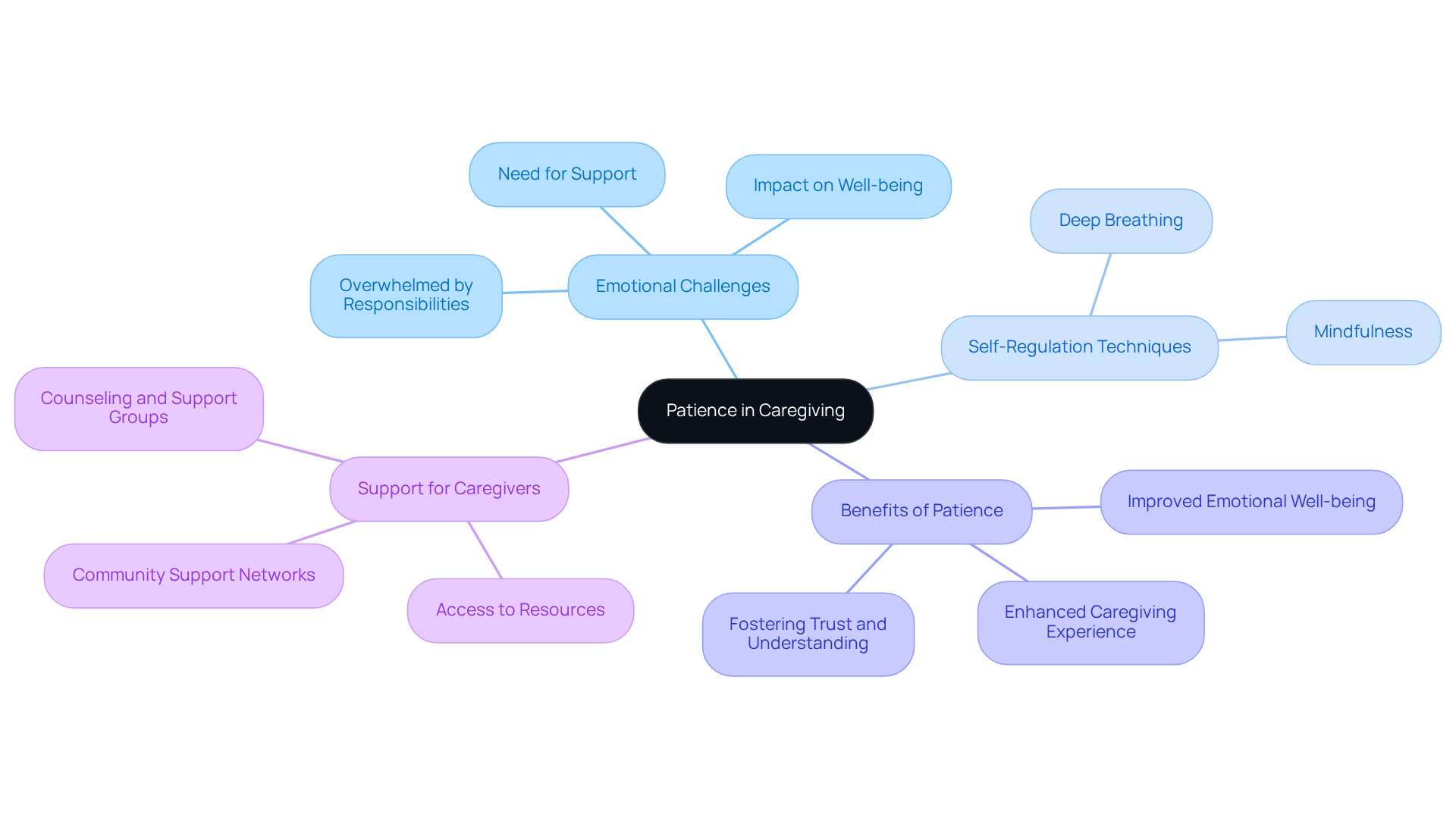
Patience is an essential quality for caregivers, allowing them to respond thoughtfully to the varied needs and behaviors of those they assist. It’s important to recognize the emotional challenges caregivers face, as many report feeling overwhelmed by their responsibilities. This stress can take a toll on their well-being.
To nurture patience, caregivers can turn to self-regulation techniques like deep breathing and mindfulness. These practices help maintain composure during tough interactions, making it easier to adapt to each individual’s unique preferences and pace. By embracing these differences, caregivers not only enhance the caregiving experience but also create a supportive environment.
Imagine a caregiver who takes a moment to breathe deeply before responding to a challenging situation. This small act can transform the interaction, fostering trust and understanding. By embodying patience, caregivers significantly enhance the emotional well-being of those they assist.
Given that 40% of caregivers report their responsibilities negatively impact their stress levels, these techniques can be particularly beneficial. Recognizing the emotional burden of caregiving underscores the importance of patience and flexibility in meeting various needs. Remember, it’s okay to seek support and take a moment for yourself. You’re not alone in this journey.
Organizational Skills: Keeping Care Plans and Schedules on Track
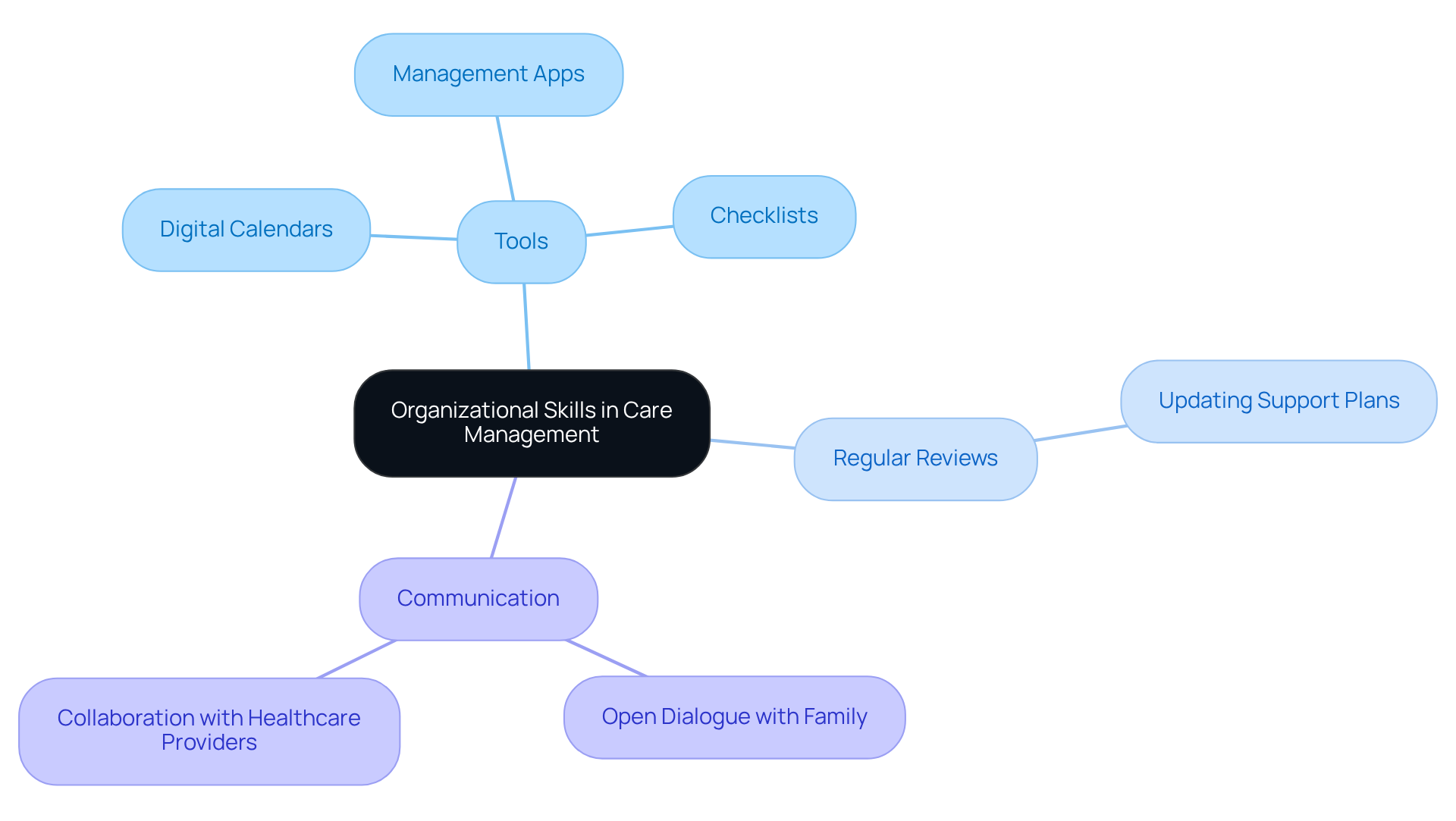
Caring assistants can find that caring for others can be overwhelming. Keeping precise records, managing schedules, and ensuring treatment plans are followed can feel like a heavy burden. It’s important to remember that there are caring assistants who will support you on this journey. Supporters can turn to caring assistants such as digital calendars, management apps, and checklists to keep track of appointments, medications, and individual preferences.
Regularly reviewing and updating support plans can make a world of difference. It helps providers stay in tune with the changing needs of their clients, ensuring that care remains relevant and effective.
Moreover, open communication with family members, healthcare providers, and caring assistants is essential. It fosters a unified approach to support, creating a network of care that can alleviate some of the stress you may feel. Remember, it’s okay to seek help and lean on others. Together, we can navigate these challenges with compassion and understanding.
Continuous Learning: Adapting to Evolving Care Needs and Practices
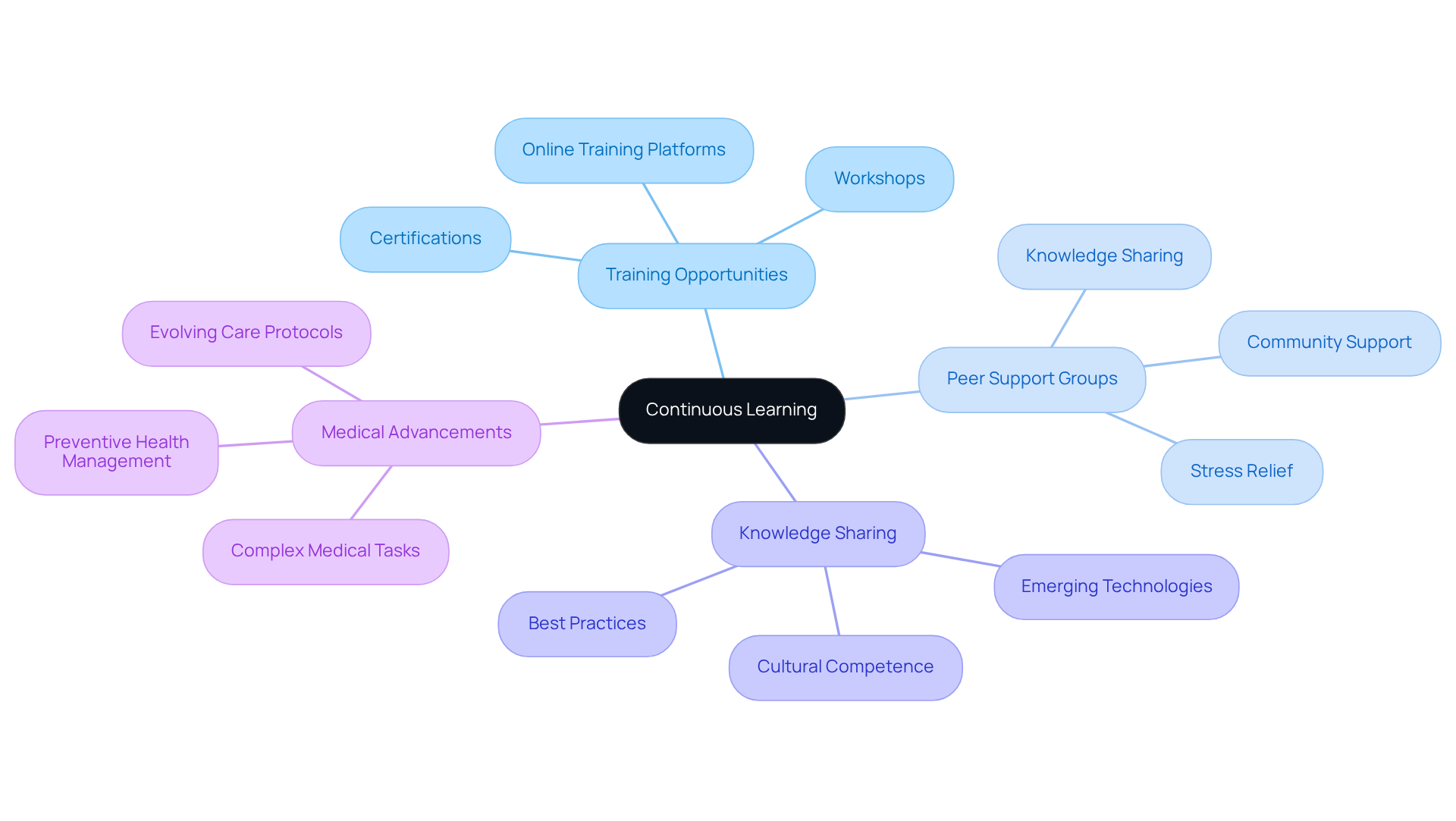
Ongoing education is vital for caring assistants who deliver care. It’s not just about training opportunities or workshops; it’s about staying connected to the latest advancements in care practices. We understand that caring assistants often experience stress and burnout, and engaging in certifications and joining peer support groups can be a lifeline. These connections foster knowledge sharing and community support, which are essential for both personal and professional growth.
Staying updated on medical advancements and evolving care protocols can significantly enhance the quality of care that caring assistants provide. Research shows that caregivers who participate in ongoing education feel more prepared to handle complex medical tasks and adapt to the varied needs of their clients. Effective training programs, like those offered by Learn2Care, focus on practical abilities and cultural awareness, ensuring that you’re ready for the challenges that come your way.
By nurturing a culture of continuous learning, you not only improve your skills but also contribute to better health outcomes for those you serve. Remember, you’re not alone on this journey. Together, we can create a supportive environment that uplifts everyone involved.
Your Path Forward
Caring assistants truly make a difference in the lives of those they support. Mastering essential skills is vital for effective caregiving. This article highlights ten crucial skills - from companionship and personal care to communication, time management, empathy, problem-solving, and continuous learning - that empower caregivers to provide compassionate, efficient, and personalized care.
Throughout our discussion, we’ve seen how emotional support plays a significant role in alleviating loneliness among seniors. Clear communication builds trust, while strong organizational skills help manage care effectively. Each of these skills contributes uniquely to creating a nurturing environment that meets not just the physical needs of clients but also their emotional well-being.
The journey of caregiving is both rewarding and challenging. It reminds us of the importance of continuous growth and adaptation. By committing to developing these essential skills, caregivers can enhance their effectiveness and improve the overall experience for those they assist. Embracing ongoing education and support networks can further enrich this journey, ensuring caregivers are well-equipped to meet the evolving needs of their clients.
The impact of skilled caregiving goes beyond individual clients; it fosters a stronger, more compassionate community that values the well-being of all its members. Together, we can create a world where every caregiver feels supported and every client feels cherished.
https://iframe.tely.ai/cta/eyJhcnRpY2xlX2lkIjogIjY5MTdjMjgzNjZiY2Q1MDgwYmVjMDU3MyIsICJjb21wYW55X2lkIjogIjY4ZWU1ZGNhNzMxNzYyNTU3ZjNjOTVjMSIsICJpbmRleCI6IG51bGwsICJ0eXBlIjogImFydGljbGUifQ==Frequently Asked Questions
What are the key companionship skills needed for caregivers?
Caregivers need to start meaningful conversations, join in enjoyable activities, and create a warm, inviting atmosphere to provide effective emotional support.
Why is companionship important in caregiving?
Companionship helps ease feelings of isolation, builds trust and rapport, and can alleviate loneliness, which is crucial for the mental health and well-being of older adults.
What techniques can enhance the companionship experience for clients?
Techniques such as active listening and sharing personal stories can enrich the companionship experience, making clients feel valued and understood.
What impact does loneliness have on older adults?
Loneliness can negatively affect mental health, leading to increased rates of depression, anxiety, and cognitive decline.
How can caregivers ensure client hygiene and comfort?
Caregivers should adhere to hygiene standards, use soothing language, maintain a respectful attitude, offer choices during personal routines, and be attentive to clients' specific medical needs.
Why is privacy important in personal care?
Respecting personal space and confidentiality is vital for building trust and ensuring clients feel comfortable during personal care routines.
What role does effective communication play in caregiving?
Effective communication, including non-verbal cues and active listening, is essential for building trust, understanding client needs, and ensuring safety in caregiving.
How can caregivers improve their communication skills?
Caregivers can improve communication by using clear and concise language, maintaining eye contact, checking in regularly with clients about their feelings, and training to recognize non-verbal signals.
What are the consequences of miscommunication in caregiving?
Miscommunication can lead to major medical mistakes, with statistics indicating that 80% of such errors stem from communication issues during provider transitions.