10 Essential Skills for a Caregiver to Enhance Quality Care

For families in our service areas
For families in our service areas, this guide explains caregiver support and how non-medical in-home caregiving can support care planning in East Idaho, Treasure Valley & Magic Valley, Northern Wasatch, North Central West Virginia, and Northeast Ohio.
Understanding Skills for a Caregiver to Enhance
In the realm of caregiving, the demand for personalized and effective support has never been more critical. Caregivers face the challenge of navigating the complexities of health and well-being, which requires them to equip themselves with a diverse set of essential skills. This need is not just about meeting basic requirements; it’s about enriching the lives of those they support through tailored assistance.
As individuals seek compassionate care, caregivers must foster better relationships with their clients. This article explores ten vital skills that address the unique challenges faced in delivering this level of care. By developing these skills, caregivers can ensure they are not only meeting the basic needs of those they support but also enhancing their overall quality of life. How can caregivers effectively achieve this? Let's delve into the solutions.
Happy to Help Caregiving: Personalized In-Home Support for Caregivers
Use english for answers
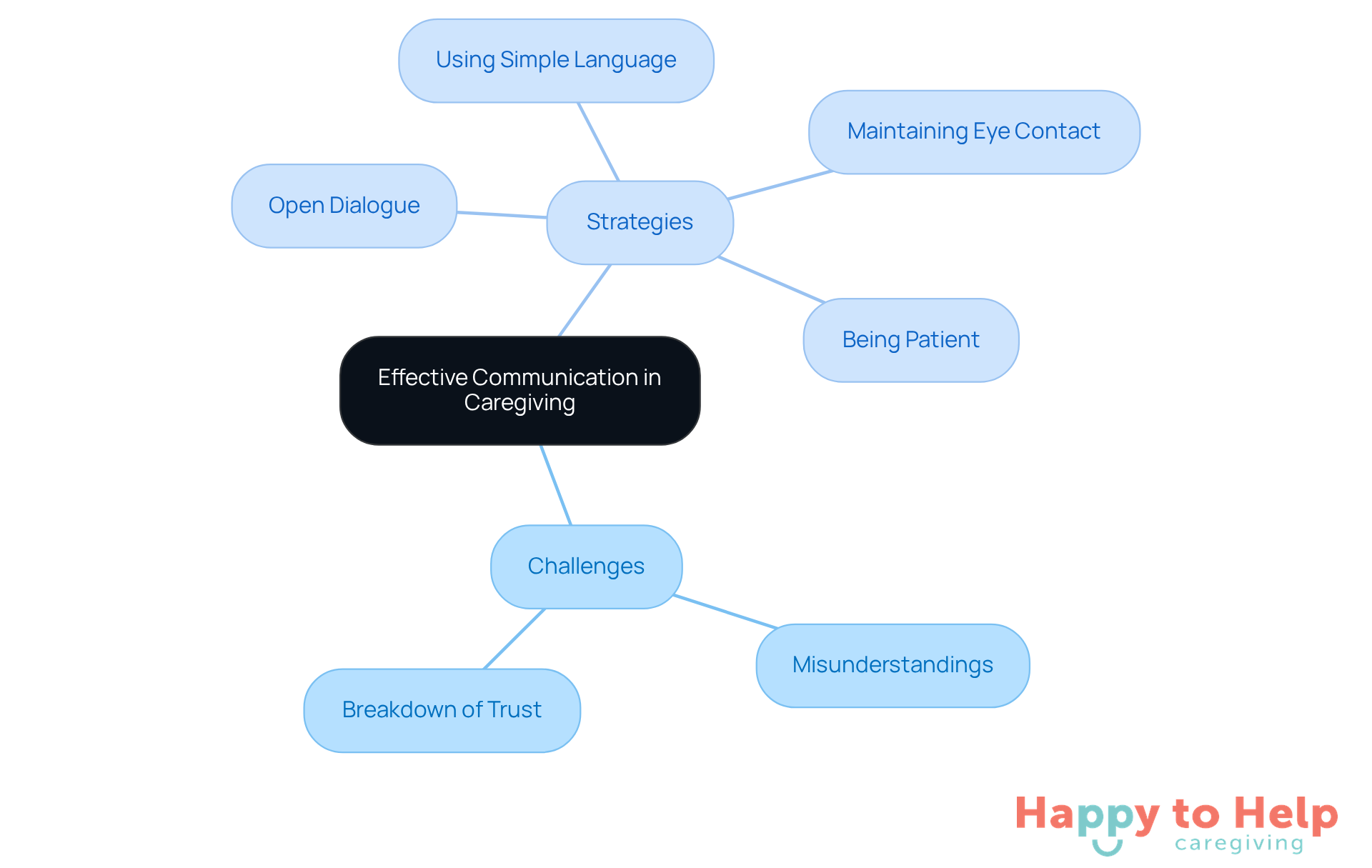
The Problem of Inadequate Personalized Care
In-home assistance often falls short when it comes to meeting the unique needs of individuals. This lack of tailored support can lead to feelings of insecurity and discomfort, especially for those in familiar environments. Caregivers may struggle to apply the skills for a caregiver that provide the necessary assistance promoting autonomy and well-being, ultimately hindering individuals from thriving at home.
The Implications of Generic Support
Industry experts emphasize that customized care plans are crucial for enhancing customer satisfaction. When treatment plans are not tailored to the specific preferences and health objectives of seniors, engagement and adherence to therapy can significantly decline. For instance, reports indicate that personalized support plans can lead to a 30% increase in customer satisfaction, showcasing the tangible benefits of a personalized approach. This individualized attention not only strengthens the bond between caregivers and those they support but also enhances the skills for a caregiver, contributing to improved health outcomes.
The Solution: Embracing Customized Assistance
Happy to Help Caregiving addresses these challenges by focusing on personalized support. This approach ensures that individuals feel valued and understood, which enhances their overall quality of life. Additionally, advancements in technology, such as Electronic Health Records and telemedicine, empower caregivers to efficiently create and implement customized care plans. By prioritizing personalized assistance, caregivers can provide the best possible support, ultimately benefiting both individuals and their families.
Effective Communication: Building Trust and Understanding
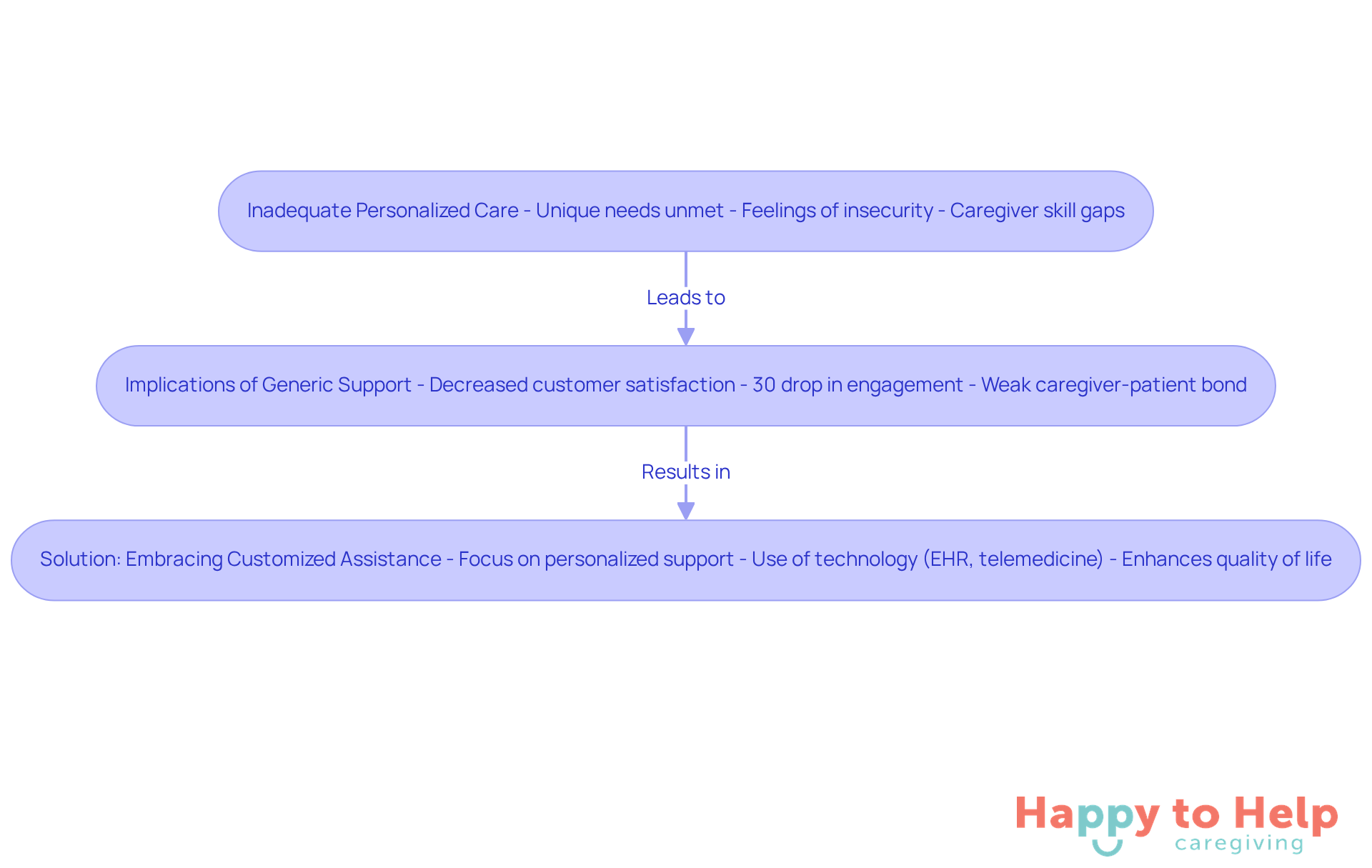
The skills for a caregiver include effective communication, which is a significant challenge. The skills for a caregiver often include the ability to transmit information clearly while also ensuring that individuals and their families feel heard. This lack of effective communication can lead to misunderstandings and a breakdown of trust, which is essential for a successful caregiving relationship.
To address this issue, caregivers can implement several practical strategies that develop their skills for a caregiver. First, practicing open dialogue is crucial; it allows individuals to express their thoughts and feelings, fostering a sense of understanding. Techniques such as:
- Using simple language
- Maintaining eye contact
- Being patient
can significantly enhance communication. These approaches not only clarify information but also build trust between caregivers and those they support.
Empathy and Compassion: Connecting with Clients on a Personal Level
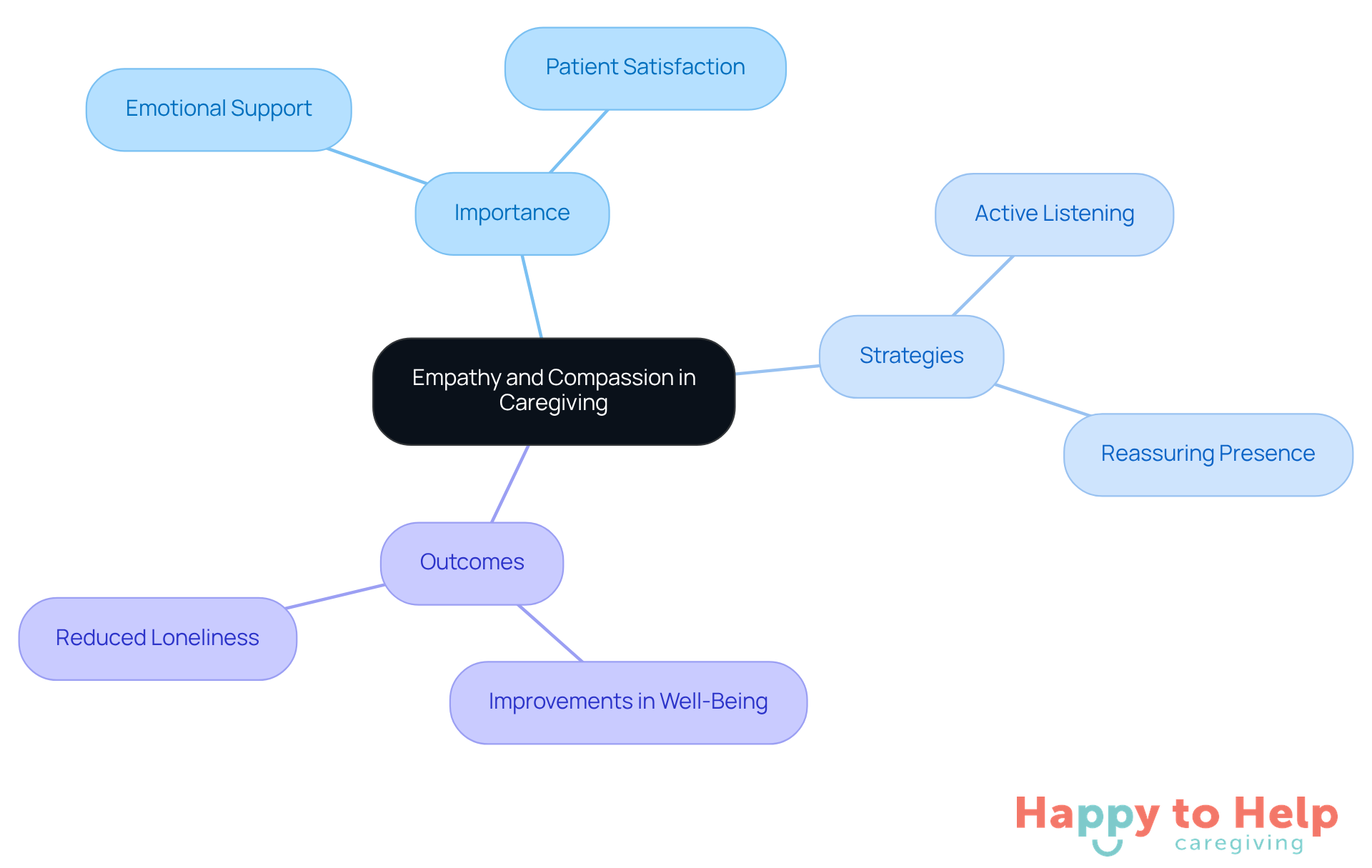
Empathy and compassion are among the essential skills for a caregiver, as they face the challenge of forming meaningful connections with those they serve. Without these qualities, caregivers may struggle to provide the emotional support that significantly enhances an individual's quality of life.
Research shows that home care patients whose caregivers exhibit compassion report higher satisfaction levels and improved overall well-being. This highlights the importance of emotional assistance in caregiving. Simple acts of kindness, like a comforting touch or a listening ear, can profoundly impact an individual's daily experience, creating a nurturing environment that reduces feelings of loneliness and isolation.
To address this issue, caregivers can implement practical strategies to foster empathy in their interactions. For instance:
- Taking a moment to listen actively
- Offering a reassuring presence
Such empathetic interactions not only uplift individuals but also cultivate a sense of safety and comfort in their home environment.
Experts emphasize that the presence of empathy as one of the essential skills for a caregiver correlates with measurable improvements in patient outcomes. This reinforces the idea that compassion is not just an emotional response; it is a vital component of effective care. By prioritizing empathy, caregivers can cultivate important skills for a caregiver that enhance the quality of care they provide, ultimately leading to better health outcomes for their patients.
Observation and Attention to Detail: Ensuring Quality Care
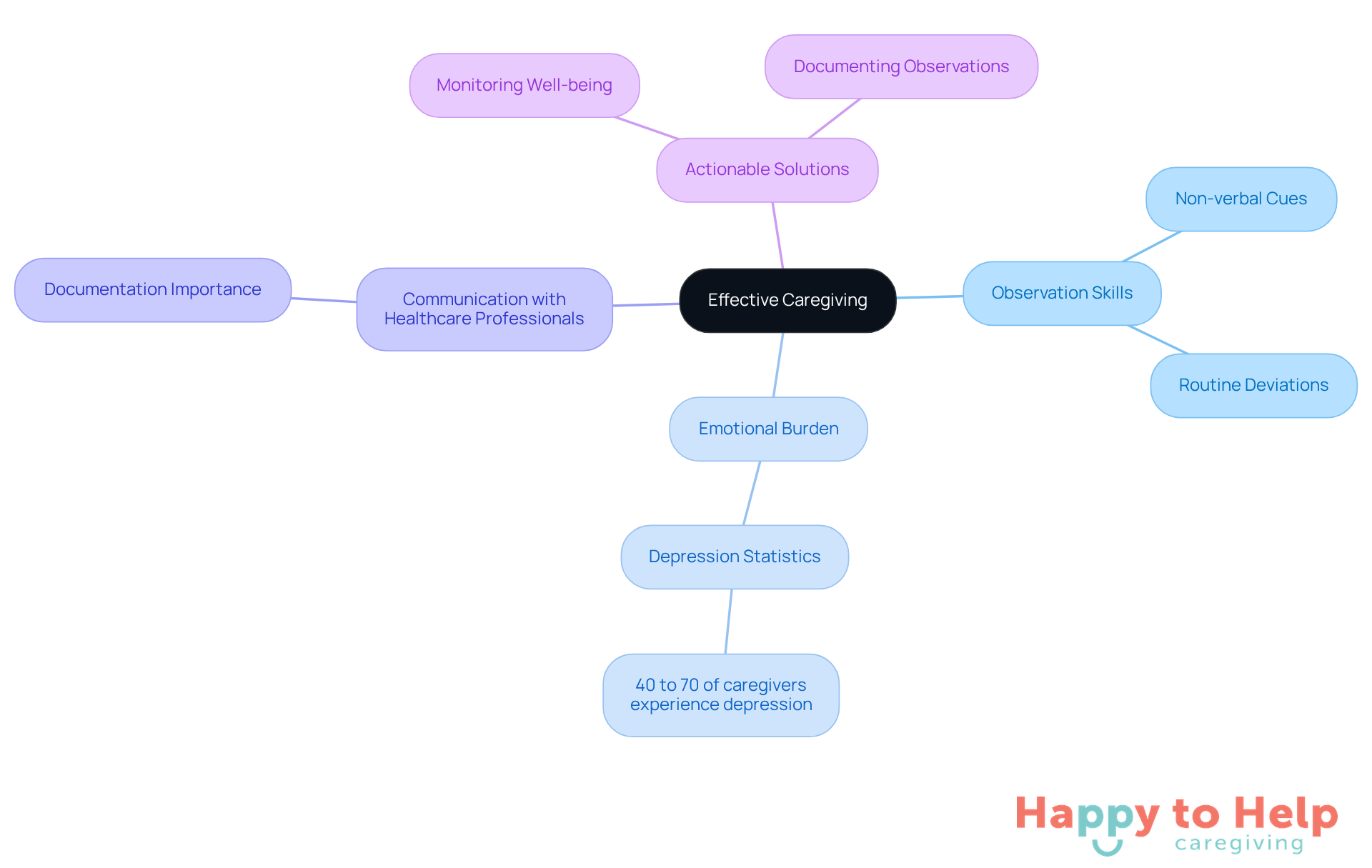
Effective caregiving hinges on the ability to observe and respond to subtle changes in an individual's health or behavior. Caregivers face the challenge of cultivating the skills for a caregiver, which involves paying close attention to non-verbal cues and deviations from established routines. This problem is significant; a support person's capacity to detect even minor shifts in mobility or mood can be crucial for early recognition of potential health concerns.
The implications of this challenge are profound. Statistics reveal that 40% to 70% of family supporters experience clinically significant symptoms of depression, underscoring the emotional burden that caregiving can impose. Furthermore, effective communication with healthcare professionals is essential. Documenting observations not only facilitates clear dialogue but also ensures timely adjustments to care plans, ultimately impacting health outcomes.
To address these challenges, caregivers can implement several actionable solutions.
- Actively overseeing the well-being of those they support can lead to significant improvements in health outcomes. For instance, efficiently monitoring medication compliance and communicating any side effects can help avoid complications, enhancing the quality of life for care recipients.
- Caregivers should document their observations meticulously, as this practice fosters better communication with healthcare providers.
Moreover, statistics indicate that 59% of supporters report using at least one type of assistance on behalf of their care recipients, highlighting the collaborative nature of caregiving. This proactive strategy not only promotes a safer environment but also empowers support providers to advocate for their clients' needs, reinforcing their essential role in the healthcare continuum. By understanding these dynamics, caregivers can appreciate that sharp observation and effective communication are crucial skills for a caregiver in managing both patient health and their own well-being.
Patience and Understanding: Navigating Challenges with Grace
Patience is a significant challenge in caregiving. Individuals often require more time to complete tasks or may struggle with communication. This can lead to frustration for both caregivers and clients, potentially straining their relationship.
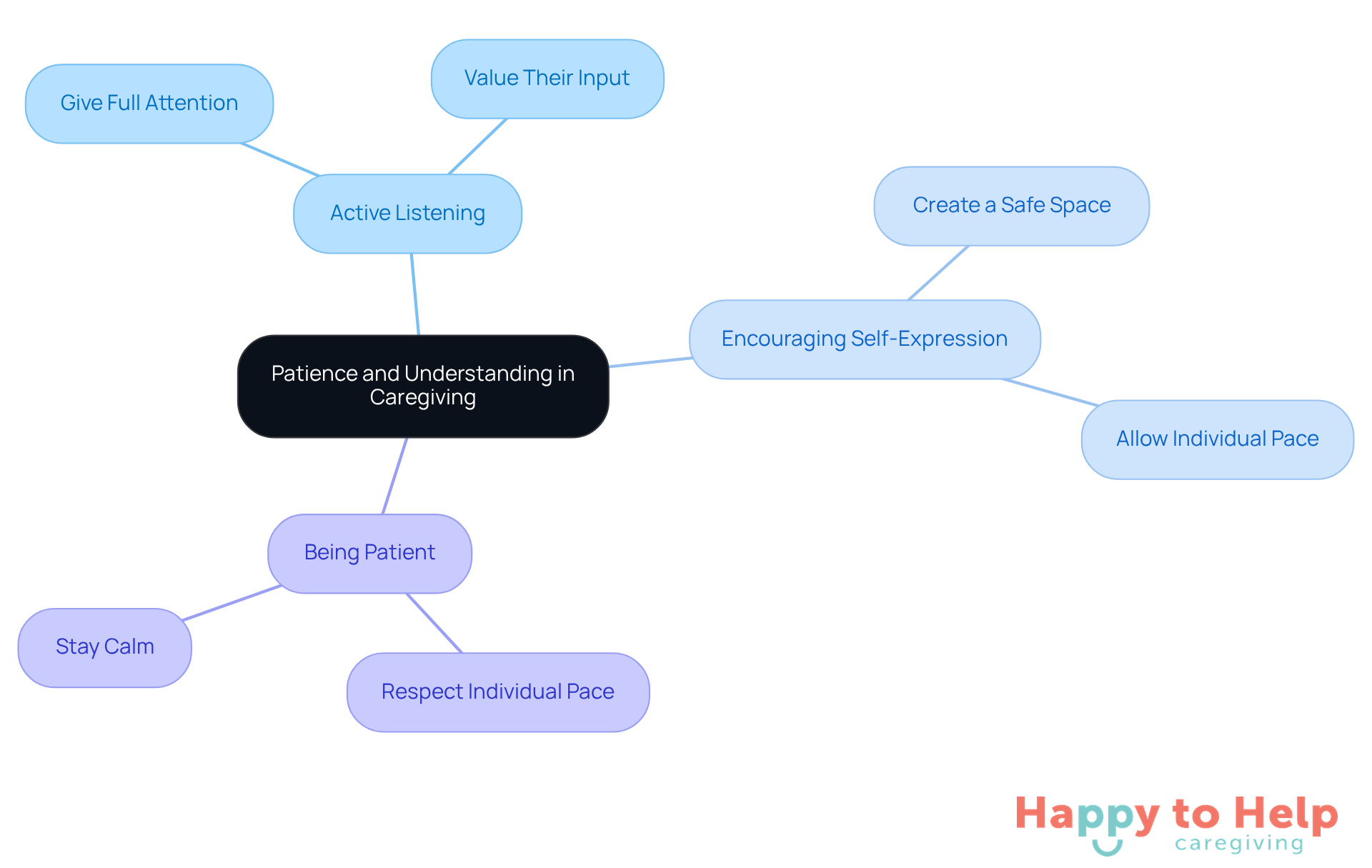
To address this issue, caregivers should utilize the skills for a caregiver to approach these situations with understanding. Allowing individuals to express themselves at their own pace not only fosters a supportive environment but also strengthens the caregiver-client relationship.
Here are some actionable tips for caregivers:
- Practice active listening: Give your full attention and show that you value their input.
- Encourage self-expression: Create a safe space for individuals to share their thoughts and feelings.
- Be patient: Recognize that everyone has their own pace, and it's essential to respect that.
By implementing these strategies, caregivers can enhance their effectiveness and develop essential skills for a caregiver to build stronger connections with those they support.
Physical Stamina and Strength: Meeting the Demands of Caregiving
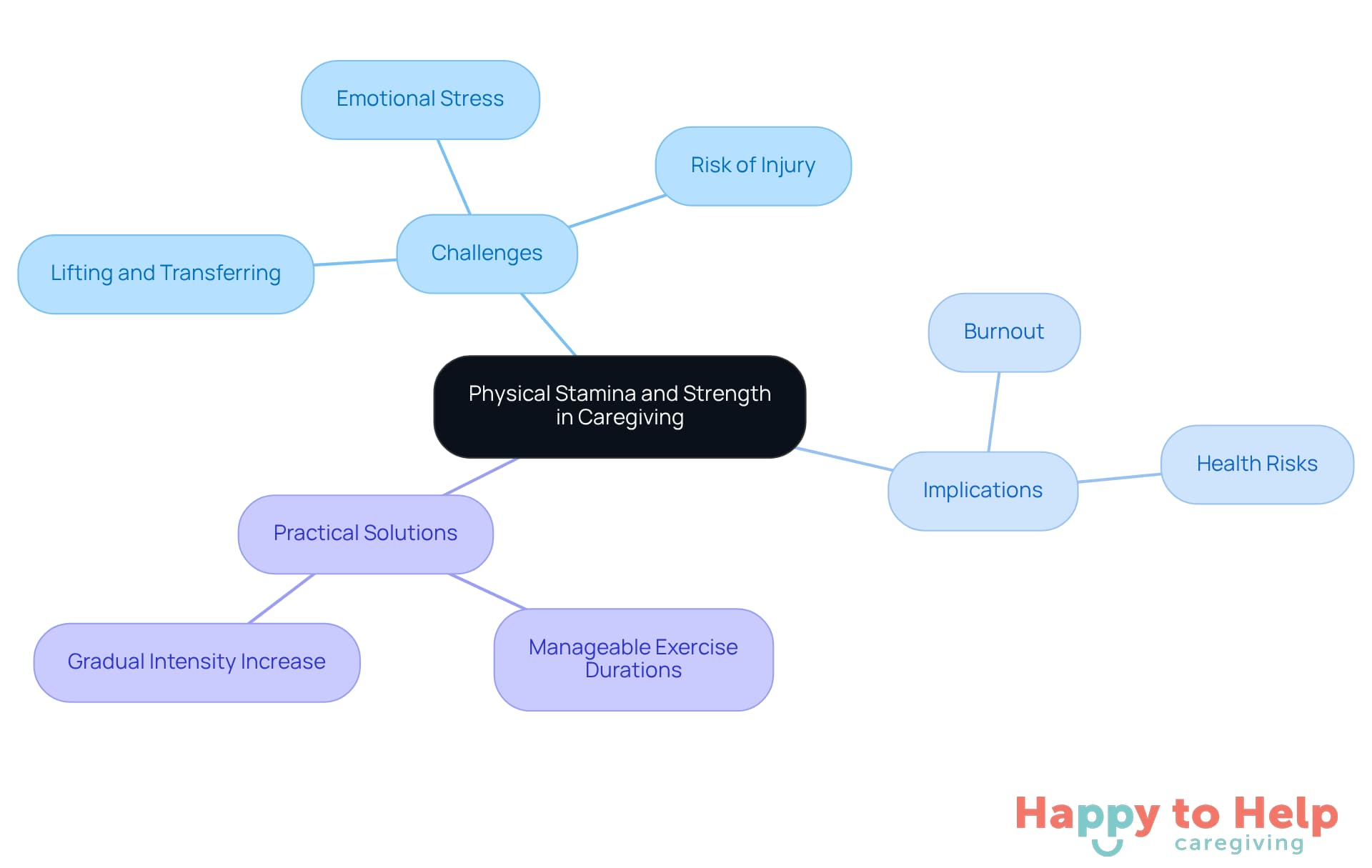
Maintaining physical fitness is one of the essential skills for a caregiver, as they face significant challenges in managing the demands of their job. Lifting, transferring, and assisting clients with mobility can take a toll on their bodies. Moreover, statistics reveal that nearly two-thirds of caregivers report moderate to high emotional stress, making it essential to address these issues.
The implications of neglecting physical fitness can be severe. Without proper fitness, caregivers risk injuries that can jeopardize their health and the necessary skills for a caregiver. This stress can lead to burnout, affecting both caregivers and those they support. Therefore, prioritizing physical fitness is not just beneficial; it’s necessary for sustaining overall well-being.
To combat these challenges, caregivers can implement practical solutions. Experts recommend:
- Starting with manageable durations of exercise, such as 10-15 minutes of brisk walking or stretching.
- Gradually increasing intensity over time to foster physical resilience.
This approach not only helps in avoiding injuries but also promotes a healthier, more balanced caregiving experience. By integrating consistent physical activity and utilizing appropriate body mechanics, caregivers can develop the necessary skills for a caregiver to ensure they remain fit and capable of providing the best support possible.
Time Management and Organization: Balancing Care Responsibilities
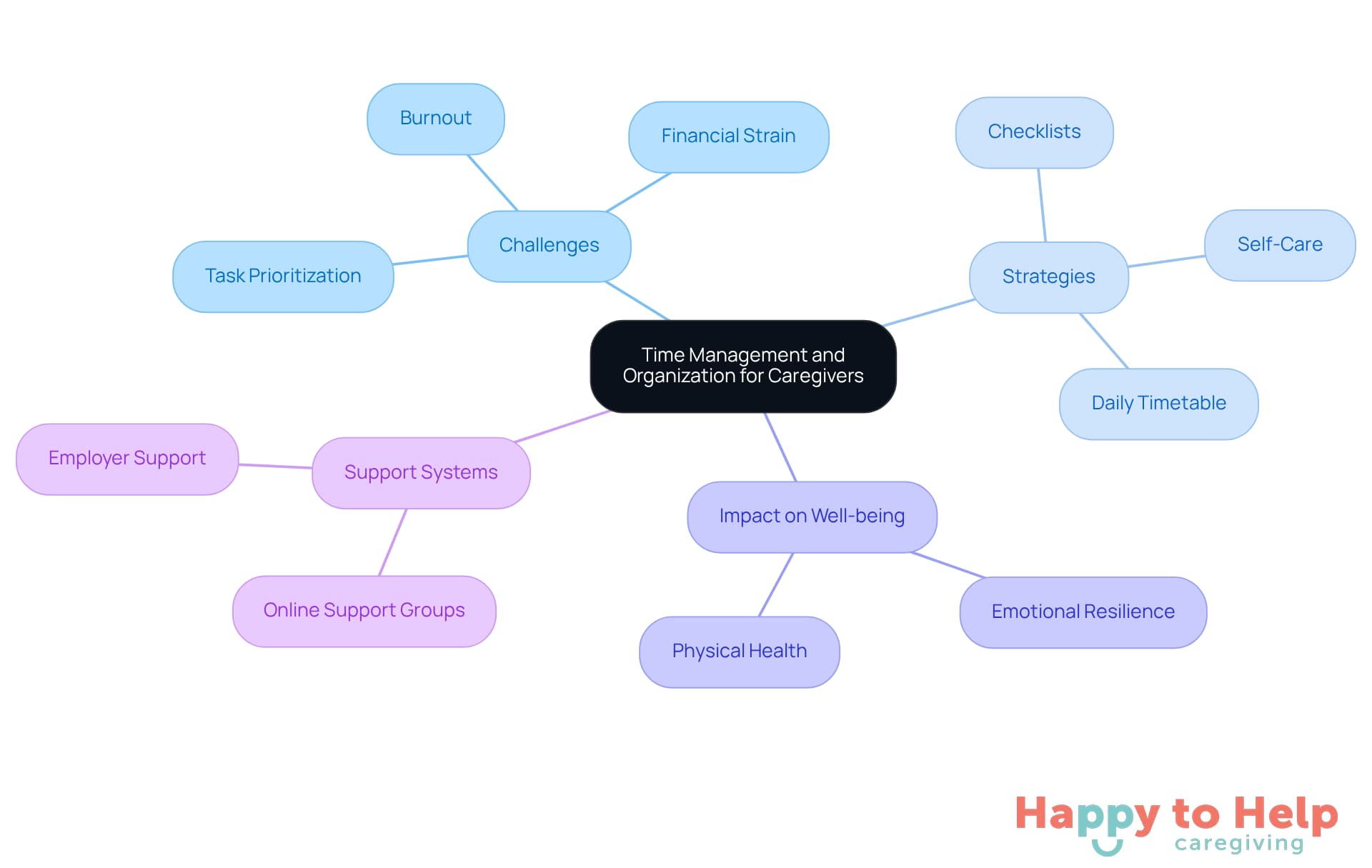
Effective time management poses a significant challenge for caregivers, which impacts the skills for a caregiver needed to balance responsibilities and deliver quality care. Many caregivers struggle to prioritize tasks, leading to stress and potential burnout. Research indicates that nearly 50% of caregivers experience financial strain due to their responsibilities, highlighting the urgent need for effective organization to alleviate stress.
To address these challenges, caregivers can implement practical solutions that develop their skills for a caregiver. Establishing an organized daily timetable and prioritizing tasks can greatly enhance the skills for a caregiver. Utilizing tools such as calendars, checklists, and reminders can enhance the skills for a caregiver, helping them stay organized and ensure that all client needs are met. For instance, those who dedicate an average of 27 hours per week to caregiving often find that setting specific times for personal care and breaks is crucial in avoiding burnout and maintaining well-being.
Moreover, balancing caregiving duties with employment is common, as 70% of working-age caregivers remain employed while managing their responsibilities at home. This dual role can be overwhelming, but effective organizational tactics can enhance the skills for a caregiver, enabling them to navigate their complex responsibilities more efficiently.
Engagement in online support groups has also surged, reflecting the growing demand for emotional assistance among caregivers. Participants in these groups report increased emotional resilience, often due to shared strategies for effective organization. By cultivating a routine that includes time for self-care, caregivers can improve their skills for a caregiver and ensure they provide the best possible support to their clients.
As Susan Reinhard from the AARP Public Policy Institute states, "Family supporters need and deserve greater assistance from their own employers." This underscores the importance of organizational strategies and the skills for a caregiver in caregiving. To implement effective time management, caregivers should allocate specific periods for personal attention and breaks, ensuring they maintain their well-being while delivering quality support.
Problem-Solving and Critical Thinking: Overcoming Care Challenges
Effective caregiving faces significant challenges, primarily due to the complex nature of daily tasks. Caregivers often struggle with issues like managing medication schedules and responding to sudden health changes. These challenges can lead to increased stress and decreased satisfaction in caregiving roles.
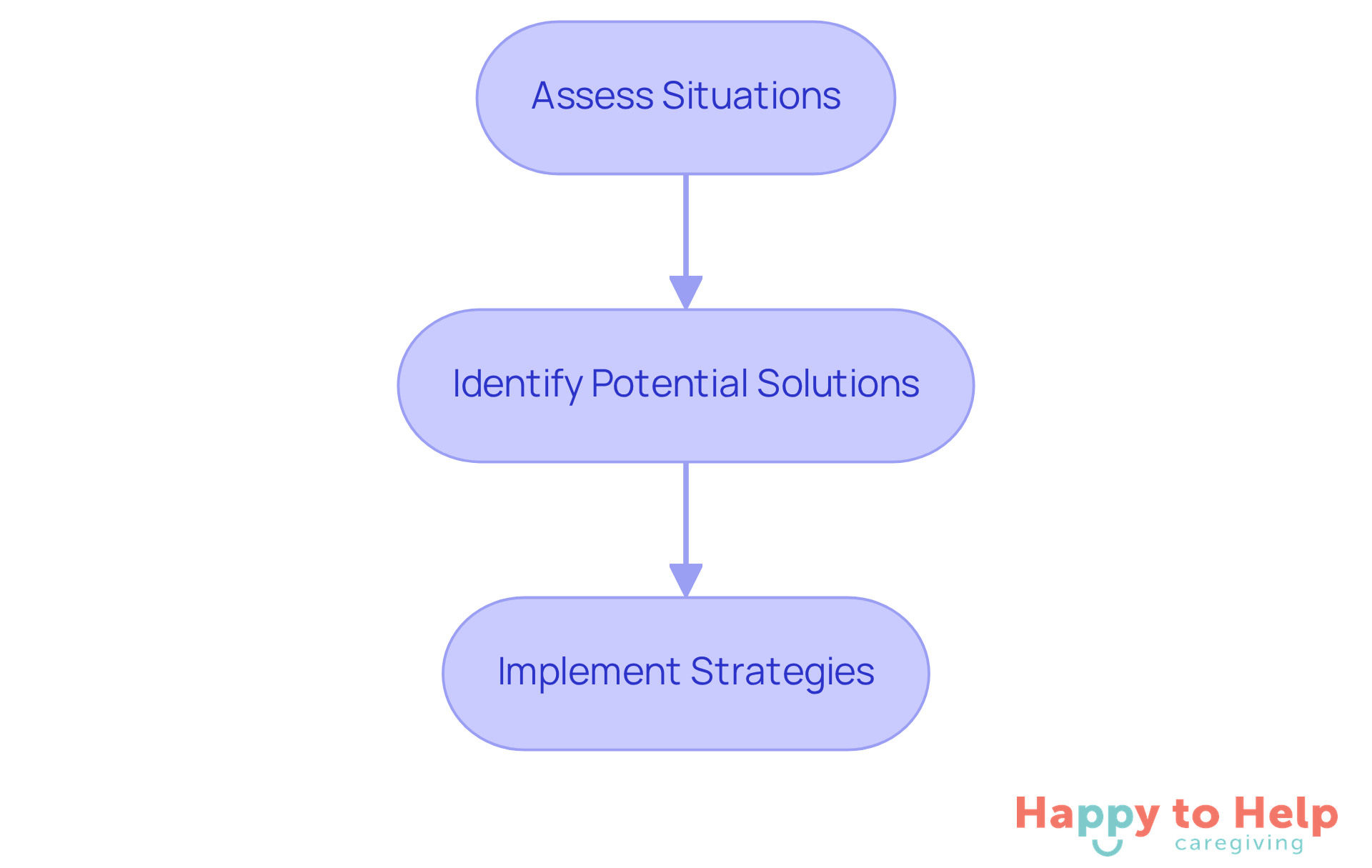
To address these issues, caregivers must develop strong skills for a caregiver, particularly in problem-solving. A systematic approach is essential:
- Assess situations
- Identify potential solutions
- Implement strategies tailored to the care recipient's needs
For instance, critical thinking allows caregivers to prioritize tasks effectively, ensuring urgent needs are met while maintaining overall well-being.
Collaboration is another vital aspect of enhancing problem-solving capabilities. Caregivers should actively seek support from colleagues or supervisors when faced with intricate issues. Research shows that those who engage in collaborative problem-solving report higher satisfaction and lower stress levels. In fact, family supporters contribute an average of 27 hours of unpaid assistance weekly, highlighting the significant time commitment involved and the necessity for effective problem-solving skills.
Real-world examples underscore the impact of critical thinking on caregiving outcomes. A support worker managing a patient with chronic conditions may use critical thinking to prioritize tasks, ensuring urgent needs are addressed. Such proactive strategies not only improve care quality but also boost the confidence and effectiveness of caregivers. Additionally, participants in Problem-Solving Therapy (PST) groups have reported significant decreases in depression scores over time, emphasizing the importance of problem-solving training.
Ultimately, developing strong problem-solving and critical thinking skills for a caregiver is essential. These competencies represent vital skills for a caregiver, enabling them to tackle daily challenges effectively and leading to improved outcomes for both supporters and those they assist. As D'Zurilla noted, effective problem-solving involves examining factors contributing to challenges, significantly enhancing the caregiving experience.
Cultural Competency and Respect: Providing Inclusive Care
Acquiring skills for a caregiver includes understanding the cultural backgrounds of individuals. When providers overlook these elements, they risk misaligning with patients' personal preferences and needs. This gap can lead to misunderstandings and dissatisfaction in care.
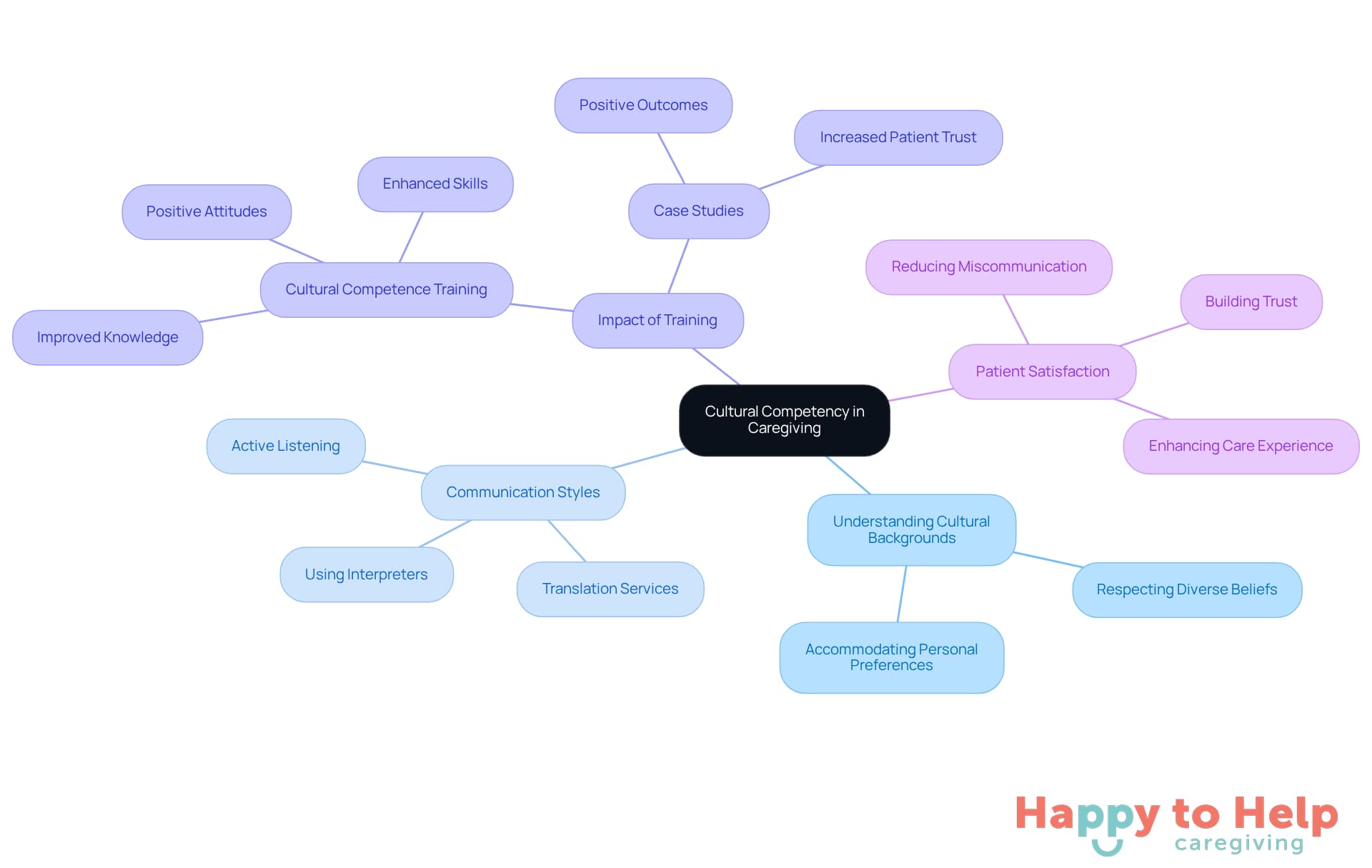
Cultural norms, values, and communication styles can differ significantly among populations. By acknowledging and respecting these differences, caregivers can create a more inclusive and supportive environment. This not only enhances patient satisfaction but also fosters trust.
For instance, utilizing interpreters and translation services can bridge communication gaps. This ensures that patients fully understand their treatment plans and feel comfortable expressing their needs. Such practices reduce miscommunication and build trust between providers and patients, ultimately leading to better health outcomes.
Moreover, case studies reveal that culturally competent care significantly enhances service quality. In fact, 17 out of 19 studies showed a positive impact on healthcare professionals' understanding through cultural competence training. By respecting and accommodating clients' cultural backgrounds, caregivers can enhance their skills for a caregiver to effectively address unique needs, resulting in higher satisfaction rates and a more positive care experience.
As Aaron Cawthorn noted, "Cultural competence plays a critical role in delivering patients the best possible support." Emphasizing cultural awareness in caregiving enriches the client-caregiver relationship and contributes to a more equitable healthcare environment.
Achieving Certification: Cementing Your Steps to Excellence
Caregivers often face the challenge of lacking formal certification, which can hinder their professional growth and limit opportunities in the field. Without proper validation of their skills, they may struggle to meet industry standards and provide the best care possible.
To address this issue, obtaining certification as a support provider is crucial. Various certification programs are available that focus on the essential skills for a caregiver, ethics, and best practices. Engaging in continuous education helps caregivers improve their skills for a caregiver, ensuring they stay updated on industry standards and enhancing their ability to provide high-quality care.
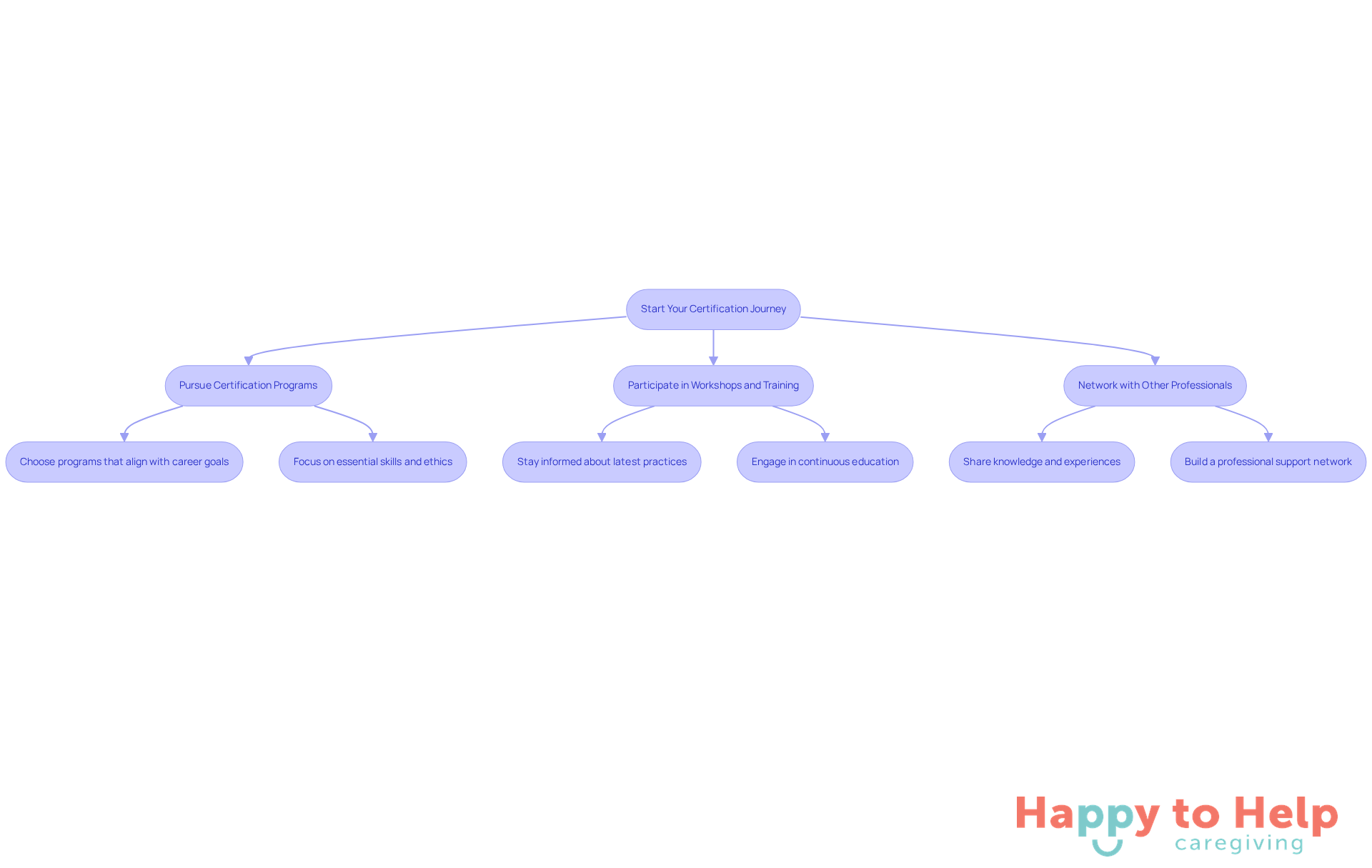
Here are some actionable steps caregivers can take:
- Pursue certification programs that align with your career goals.
- Participate in workshops and training to stay informed about the latest caregiving practices.
- Network with other professionals to share knowledge and experiences.
By taking these steps, caregivers can validate their skills, open doors to new opportunities, and ultimately improve the quality of care they provide.
Key Takeaways for Caregivers
The essence of caregiving is rooted in the ability to provide personalized, compassionate, and effective support to individuals in need. However, the growing demand for quality caregiving presents a significant challenge. Caregivers often face the pressure of meeting diverse client needs while ensuring high standards of care.
This challenge can lead to feelings of overwhelm and burnout. Without the right skills, caregivers may struggle to foster trust and understanding, which are crucial for creating a supportive environment. To combat these issues, caregivers must hone essential skills such as:
- Effective communication
- Empathy
- Observation
- Problem-solving
By doing so, they can significantly enhance the quality of care they deliver.
To address these challenges, caregivers are encouraged to embrace continuous learning and pursue certification. Implementing practical strategies, such as:
- Developing tailored care plans
- Enhancing cultural competency
can also make a substantial difference. Additionally, maintaining physical stamina is vital for sustaining the energy needed in this demanding field.
Investing in the development of these essential caregiver skills is more important than ever. As caregivers strive to meet the unique needs of their clients, they contribute to a more compassionate and effective healthcare system. Taking actionable steps towards personal and professional growth will ultimately lead to better outcomes for both caregivers and the individuals they serve.
https://iframe.tely.ai/cta/eyJhcnRpY2xlX2lkIjogIjY5MjUwZmEzZmMyYzViZjY3YzM0Nzc3MCIsICJjb21wYW55X2lkIjogIjY4ZWU1ZGNhNzMxNzYyNTU3ZjNjOTVjMSIsICJpbmRleCI6IG51bGwsICJ0eXBlIjogImFydGljbGUifQ==Frequently Asked Questions
What is the main problem with in-home assistance for caregivers?
In-home assistance often lacks personalized care, which can lead to feelings of insecurity and discomfort for individuals. This inadequacy can hinder caregivers from promoting autonomy and well-being, preventing individuals from thriving in their home environments.
Why is personalized care important in caregiving?
Personalized care is crucial because it enhances customer satisfaction and engagement with treatment plans. Reports indicate that tailored support plans can lead to a 30% increase in customer satisfaction, which strengthens the bond between caregivers and those they support, ultimately improving health outcomes.
How does Happy to Help Caregiving address the challenges of inadequate personalized care?
Happy to Help Caregiving focuses on providing personalized support to ensure individuals feel valued and understood. They utilize advancements in technology, such as Electronic Health Records and telemedicine, to create and implement customized care plans, benefiting both individuals and their families.
What role does effective communication play in caregiving?
Effective communication is essential for building trust and understanding between caregivers and those they support. It helps prevent misunderstandings and fosters a successful caregiving relationship.
What strategies can caregivers use to improve their communication skills?
Caregivers can enhance their communication skills by practicing open dialogue, using simple language, maintaining eye contact, and being patient. These techniques help clarify information and build trust.
Why are empathy and compassion important skills for caregivers?
Empathy and compassion are vital for forming meaningful connections with clients. Caregivers who exhibit these qualities provide essential emotional support, leading to higher satisfaction levels and improved well-being for home care patients.
What practical strategies can caregivers implement to foster empathy?
Caregivers can foster empathy by actively listening to clients and offering a reassuring presence. These interactions create a nurturing environment that reduces feelings of loneliness and isolation.
How does the presence of empathy correlate with patient outcomes?
Research shows that the presence of empathy among caregivers correlates with measurable improvements in patient outcomes, reinforcing the idea that compassion is a critical component of effective care.
List of Sources
- Happy to Help Caregiving: Personalized In-Home Support for Caregivers
- What’s Coming in the Future of Home Health Care? - Alora Health (https://alorahealth.com/blog-future-homecare-trends)
- The Future of Private Home Care: What to Expect in 2025 (https://anodyne-services.com/2024/08/14/the-future-of-private-home-care-what-to-expect-in-2025)
- Home Care Industry Trends to Watch in 2025 (https://firstlighthomecare.com/blog/home-care-industry-trends)
- How Personalized Health Care Is Changing The Role Of Home Care Providers (https://homehealthcarenews.com/2024/03/how-personalized-health-care-is-changing-the-role-of-home-care-providers)
- Caregiving in the US 2025 (https://aarp.org/pri/topics/ltss/family-caregiving/caregiving-in-the-us-2025)
- Effective Communication: Building Trust and Understanding
- The Importance of Effective Communication in Caregiving (https://familycaregiversonline.net/the-importance-of-effective-communication-in-caregiving)
- Fostering Relationships Between Caregivers and Clients (https://texasangelshomecare.com/post/fostering-strong-relationships-between-caregivers-and-clients-a-guide)
- The Importance of Caregiver-Client Relationships in Senior Well-Being (https://homeinstead.com/home-care/usa/in/goshen/588/news-and-media/the-importance-of-caregiver-client-relationships-in-senior-well-being)
- Effective Communication as a Caregiver | Always Caring of CT (https://alwayscaringct.com/news/effective-communication-as-a-caregiver)
- Effective communication with caregivers to prevent unintentional injuries in children under seven years. A systematic review (https://sciencedirect.com/science/article/pii/S0738399122001896)
- Empathy and Compassion: Connecting with Clients on a Personal Level
- Compassion in Home Care (https://homeinstead.com/home-care/usa/la/carencro/347/news-and-media/compassion-in-home-care)
- Enhancing and examining the empathy skills of healthcare students and clinicians | University of Technology Sydney (https://uts.edu.au/case-studies/enhancing-and-examining-empathy-skills-healthcare-students-and-clinicians)
- The Heart of Homecare is Built on the Unshakeable Compassion and Dedication of Caregivers | Healthcare IT Today (https://healthcareittoday.com/2024/09/25/the-heart-of-homecare-is-built-on-the-unshakeable-compassion-and-dedication-of-caregivers)
- 27 Inspirational Quotes for Caregivers (https://ultimatecareny.com/resources/27-quotes-for-caregivers)
- The Importance of Empathy and Compassion in Bedside Care (https://breezehospiceservices.com/resources/the-importance-of-empathy-and-compassion-in-bedside-care)
- Observation and Attention to Detail: Ensuring Quality Care
- 42 inspirational quotes for caregivers (https://care.com/c/40-inspirational-caregiver-quotes)
- From ‘Simple Things’ To AI: What Innovation Means For 3 At-Home Care Providers (https://homehealthcarenews.com/2025/08/from-simple-things-to-ai-what-innovation-means-for-3-at-home-care-providers)
- Caregiver Statistics: Health, Technology, and Caregiving Resources (https://caregiver.org/resource/caregiver-statistics-health-technology-and-caregiving-resources)
- Changes in Health Indicators Among Caregivers... (https://cdc.gov/mmwr/volumes/73/wr/mm7334a2.htm)
- 8 Essential Caregiver Skills You Need To Succeed - NCCDP (https://nccdp.org/8-essential-caregiver-skills-you-need-to-succeed)
- Patience and Understanding: Navigating Challenges with Grace
- Caregiving Statistics US 2025: Insights for Family Caregivers (https://zencaregiving.org/caregiving-statistics-us-2025)
- Use patience, compassion to navigate a loved one’s dementia | opinion (https://metrowestdailynews.com/story/opinion/columns/2025/11/22/patience-is-key-in-navigating-loved-ones-dementia-opinion/87360948007)
- 9 Rewards of Caregiving (https://health.usnews.com/health-news/best-assisted-living/slideshows/rewards-of-caregiving)
- Caregiver Statistics: Demographics (https://caregiver.org/resource/caregiver-statistics-demographics)
- Family caregivers emphasise patience and personal growth: a qualitative analysis from the Caregiving Transitions Study - PMC (https://pmc.ncbi.nlm.nih.gov/articles/PMC8826045)
- Physical Stamina and Strength: Meeting the Demands of Caregiving
- Exercise supports healthy aging — and more older adults need to get moving, report says (https://mcknights.com/news/exercise-supports-healthy-aging-and-more-older-adults-need-to-get-moving-report-says)
- Caregiver Statistics: One in Four Americans Are Now Caregivers, According to New Report (https://caregivingkinetics.com/caregiver-statistics)
- Caregiver Statistics: Demographics (https://caregiver.org/resource/caregiver-statistics-demographics)
- Helping Caregivers Stay Fit to Provide Better Care (https://masscarelink.org/helping-caregivers-stay-fit)
- Frontiers | Effects of physical exercise in reducing caregivers burden: a systematic review (https://frontiersin.org/journals/public-health/articles/10.3389/fpubh.2025.1474913/full)
- Time Management and Organization: Balancing Care Responsibilities
- Caregiving Statistics US 2025: Insights for Family Caregivers (https://zencaregiving.org/caregiving-statistics-us-2025)
- Balancing act: Caregivers reminded to focus on own well-being (https://wgem.com/2025/11/18/officials-remind-caregivers-take-care-themselves)
- New U.S. Workforce Report: Nearly 70% of Family Caregivers Report Difficulty Balancing Career and Caregiving Responsibilities, Spurring Long-Term Impacts to U.S. Economy (https://press.aarp.org/2024-5-16-US-Workforce-Report-70-Caregivers-Difficulty-Balancing-Career-Caregiving-Responsibilities)
- The Caregiving Landscape: Data & Insights on the Caregiver Experience in the U.S. (https://caregiveraction.org/caregiver-statistics)
- The National Alliance for Caregiving and AARP Release Caregiving Report - CAPC - News Bites (https://capc.org/blog/new-data-on-family-caregivers-in-the-us)
- Problem-Solving and Critical Thinking: Overcoming Care Challenges
- Family Caregiver Support, Education Needs Growing (https://hospicenews.com/2025/11/11/family-caregiver-support-education-needs-growing)
- Problem-Solving Dimensions among Caregivers of People with Cancer Receiving Outpatient Palliative Care - PMC (https://pmc.ncbi.nlm.nih.gov/articles/PMC9998336)
- Does Problem-Solving Training for Family Caregivers Benefit Their Care Recipients With Severe Disabilities? A Latent Growth Model of the Project CLUES Randomized Clinical Trial - PMC (https://pmc.ncbi.nlm.nih.gov/articles/PMC3401541)
- Problem-Solving Training for Family Caregivers of Persons With Traumatic Brain Injuries: A Randomized Controlled Trial - PMC (https://pmc.ncbi.nlm.nih.gov/articles/PMC2518069)
- Opinion | America’s Caregivers Are in Crisis (https://nytimes.com/2025/11/24/opinion/caregiving-crisis.html)
- Cultural Competency and Respect: Providing Inclusive Care
- The Importance Of Cultural Competence In Home-Based Care (https://homehealthcarenews.com/2024/09/the-importance-of-cultural-competence-in-home-based-care)
- The Impact of Cultural Competence on Patient Outcomes (https://indwes.edu/articles/2025/01/the-impact-of-cultural-competence-on-patient-outcomes)
- Cultural Competency: A Systematic Review of Health Care Provider Educational Interventions - PMC (https://pmc.ncbi.nlm.nih.gov/articles/PMC3137284)
- Cultural Competence and Nursing Work Environment: Impact on Culturally Congruent Care in Portuguese Multicultural Healthcare Units - PMC (https://pmc.ncbi.nlm.nih.gov/articles/PMC11641412)
- Achieving Certification: Cementing Your Steps to Excellence
- Family Caregiver Support, Education Needs Growing (https://hospicenews.com/2025/11/11/family-caregiver-support-education-needs-growing)
- Caregiver Statistics: Health, Technology, and Caregiving Resources (https://caregiver.org/resource/caregiver-statistics-health-technology-and-caregiving-resources)
- As Family Caregiving Grows, So Does the Need for Reform - Medicare Rights Center (https://medicarerights.org/medicare-watch/2025/08/14/as-family-caregiving-grows-so-does-the-need-for-reform)
- The senior population is booming. Caregiving is struggling to keep up (https://cnbc.com/2025/11/21/senior-caregiving-labor.html)
- New Report Shows Nearly Half of U.S. States Are on the Threshold of a Caregiving Emergency | Otsuka US (https://otsuka-us.com/news/new-report-shows-nearly-half-us-states-are-threshold-caregiving-emergency)