

For families in our service areas
For families in our service areas, this guide explains dementia care and how non-medical in-home caregiving can support care planning in East Idaho, Treasure Valley & Magic Valley, Northern Wasatch, North Central West Virginia, and Northeast Ohio.
Why Strategies for Managing Dementia Night Matters
Memory impairment, especially in dementia patients, presents a significant challenge for caregivers, often resulting in distressing night wandering. This behavior not only raises safety concerns but also affects the emotional well-being of both the individual and their loved ones. Caregivers find themselves in a difficult position, needing to ensure safety while also respecting the dignity and independence of those they care for.
How can caregivers effectively balance these competing needs? This article explores essential strategies that address the safety issues associated with wandering while enhancing the quality of life for individuals with dementia. By implementing practical techniques, families can create a supportive environment that fosters confidence and peace of mind for both caregivers and those affected by dementia.
Happy to Help Caregiving: Personalized Care Plans for Dementia Management
Memory impairment presents significant challenges for caregivers, often leading to feelings of frustration and helplessness. Caregivers must navigate the complexities of providing effective support while ensuring the dignity of those they care for. This situation can create anxiety for both the caregiver and the individual receiving care.
To address these challenges, Happy to Help Caregiving focuses on developing customized care plans tailored to the specific needs of individuals with memory impairment. These plans take into account the client's medical history, daily routines, and personal preferences. By engaging relatives in the planning process, caregivers can foster a nurturing atmosphere that promotes independence and alleviates anxiety associated with memory care.
This tailored approach is essential for effectively managing the complexities associated with dementia night wandering. It allows caregivers to anticipate and respond to the unique needs of their clients, ensuring that care is not only effective but also respectful of the individual's dignity. By implementing these strategies, caregivers can create a supportive environment that enhances the quality of life for those with memory impairment.
Develop a Wandering Safety Plan: Key Strategies for Families
Wandering at night due to dementia night wandering is a significant concern for families caring for individuals with dementia. Approximately 20% of community-dwelling people with dementia night wandering are reported to wander, which highlights the urgency of addressing this issue. Caregivers face the challenge of ensuring safety while maintaining the dignity and independence of their loved ones.
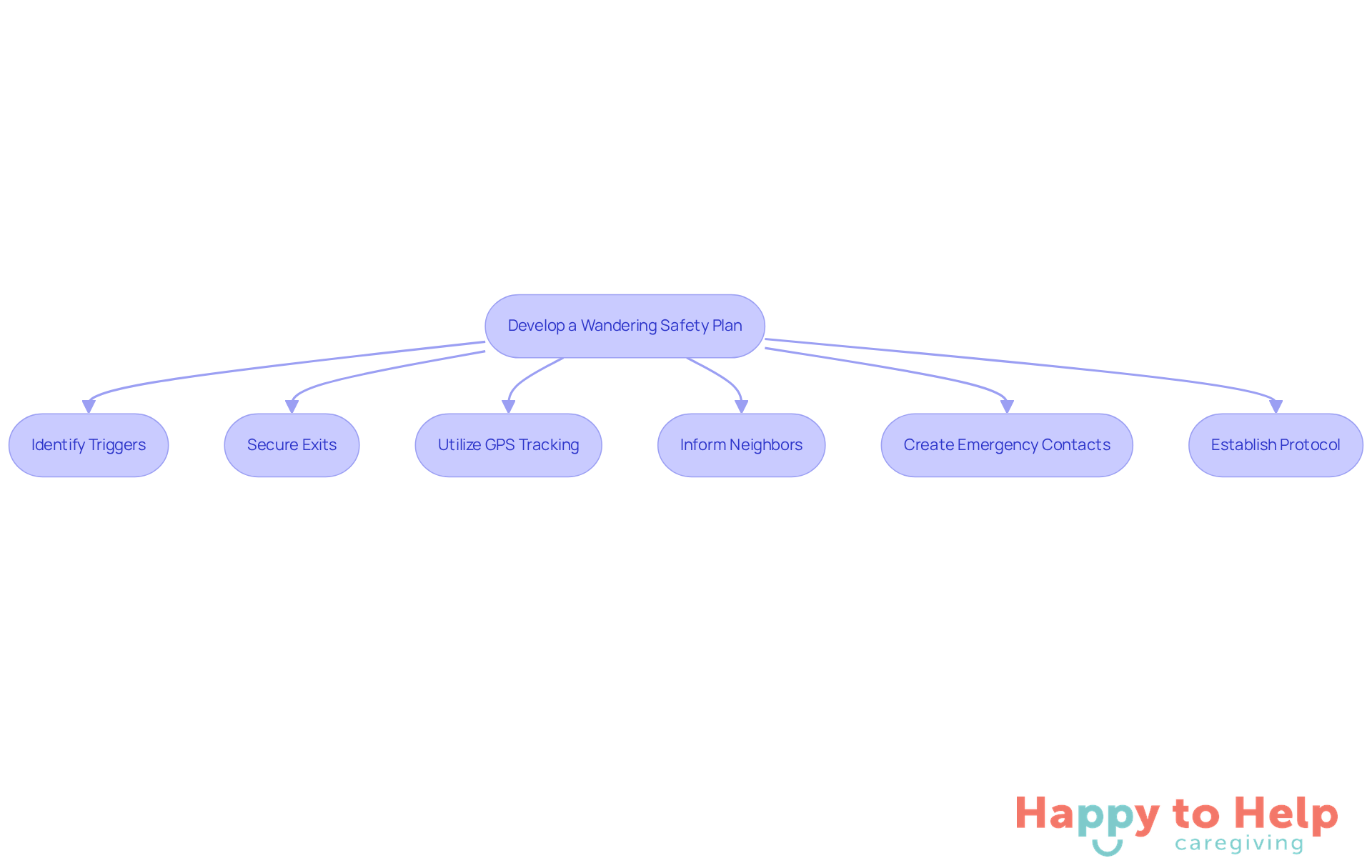
To tackle this problem, families should develop a comprehensive safety plan for dementia night wandering. This plan should include identifying potential triggers for wandering, such as specific times of day or activities. Key strategies to prevent dementia night wandering involve:
- Securing exits with locks or alarms
- Utilizing GPS tracking devices
- Informing neighbors and local authorities about the person's tendency to wander
Additionally, creating a list of emergency contacts and establishing a protocol for what to do if their loved one goes missing can provide peace of mind.
Identification is crucial. People with Alzheimer's should wear identification bracelets that include their name, address, and emergency contact details. This simple measure can facilitate a quicker and safer return if they stray. Engaging individuals in activities related to their interests can also help reduce restlessness and decrease aimless behavior.
It's essential to consistently review and revise the safety plan to ensure its effectiveness as a person's condition changes. As Amy Goyer, AARP's family and caregiving expert, states, "Preventive measures are well worth it when it comes to protecting our loved ones." By implementing these strategies, families can create a safer environment for their loved ones and mitigate the risks associated with dementia night wandering.
Implement Screening for Wandering: Identify Triggers and Patterns
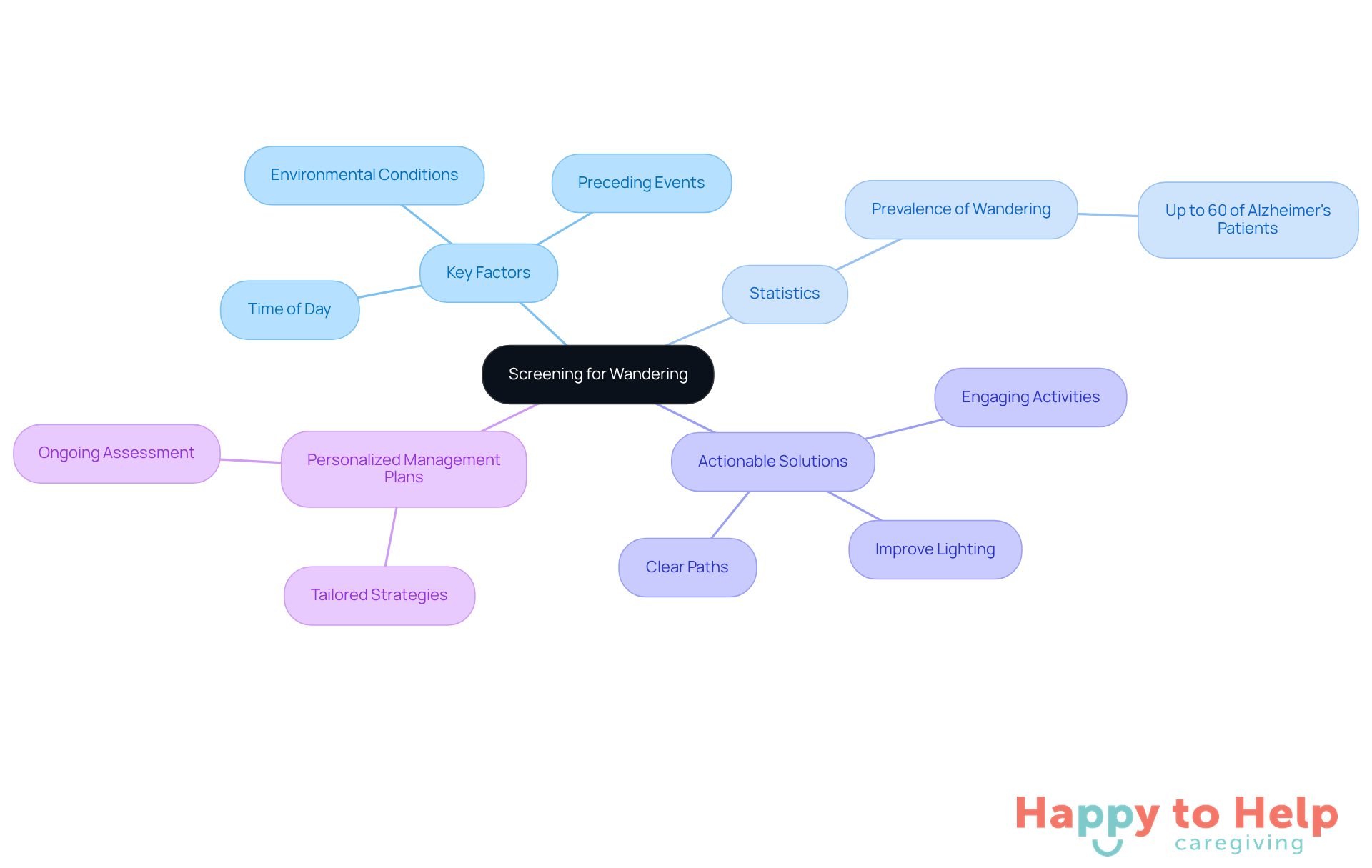
Establishing a screening procedure for behaviors related to dementia night wandering presents a significant challenge for caregivers. Thorough monitoring of individuals in various environments is essential, with caregivers diligently recording occurrences of dementia night wandering. Key factors to consider include the time of day, environmental conditions, and any preceding events that may have triggered the behavior.
Research shows that dementia night wandering often increases during specific times, particularly in the evening, or following certain activities - a phenomenon linked to the 'sundowning' effect. Alarmingly, up to 60% of individuals with Alzheimer's disease will engage in dementia night wandering at some point, underscoring the prevalence of this behavior among dementia patients. By identifying these patterns, caregivers can make informed modifications to routines and surroundings.
Actionable Solutions:
- Improve lighting in areas where wandering occurs.
- Offer engaging activities to redirect focus.
- Create clear paths and dementia-friendly signage to enhance navigation.
Environmental modifications have been shown to significantly improve navigation for residents, promoting safer wandering experiences. Behavioral specialists emphasize that understanding the reasons behind dementia night wandering - whether stemming from curiosity, a desire for independence, or emotional needs - can help caregivers develop effective strategies to support those with cognitive decline. As one specialist noted, "Wandering can often be a reflection of a person's need for exploration and connection to their environment."
This comprehensive approach not only enhances safety but also respects the independence and dignity of those affected by cognitive decline. Caregivers should also be aware of the potential outcomes of wandering, including increased risks of falls, injuries, and distress for both individuals and their supporters. Personalized management plans are crucial, as they allow caregivers to tailor strategies to meet the unique needs of each individual with cognitive impairment.
Understand the Consequences of Wandering: Risks and Implications
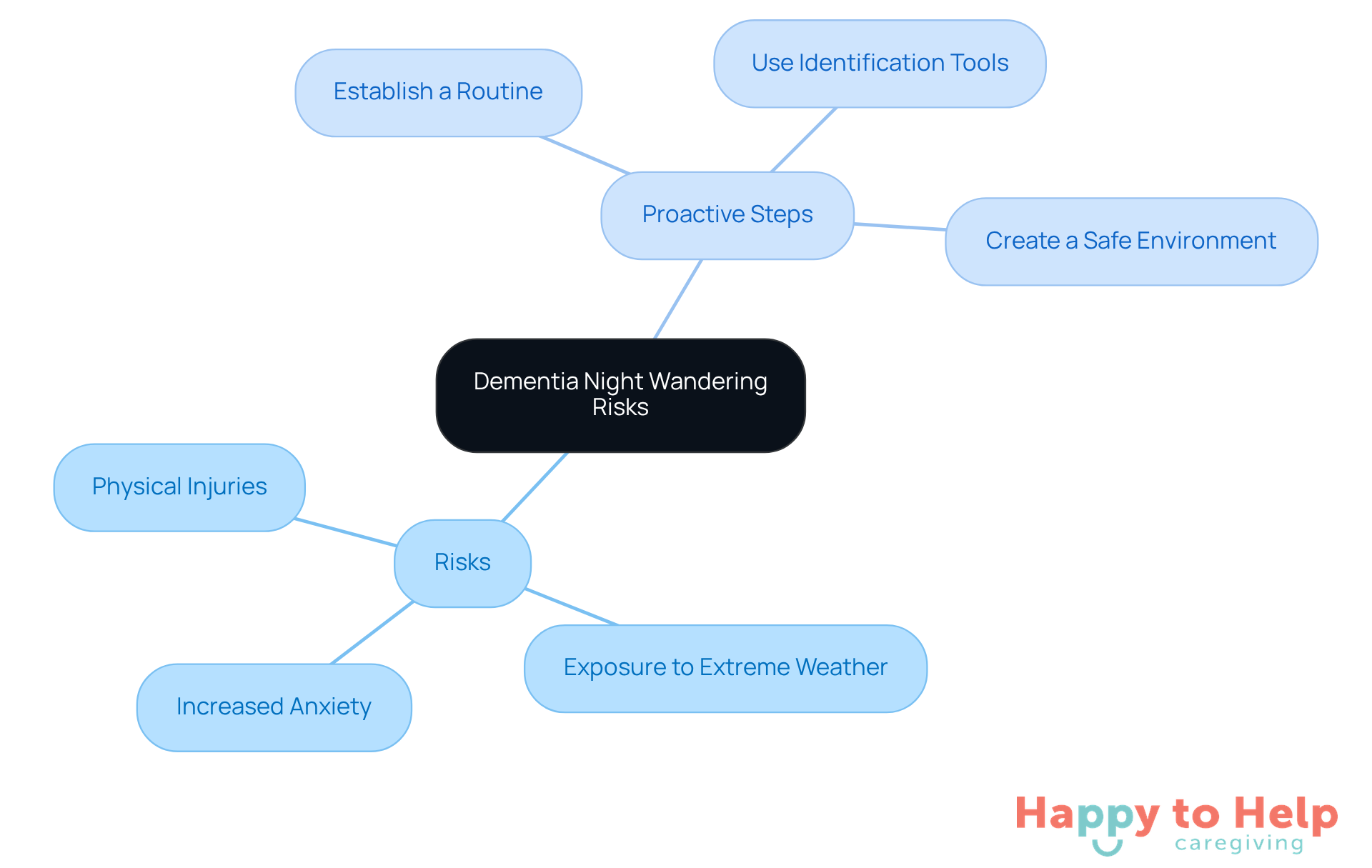
Dementia night wandering poses significant risks for individuals with dementia, leading to serious outcomes such as physical injuries, exposure to extreme weather, and increased anxiety for both the individual and their caregivers. When disoriented, these individuals may engage in dementia night wandering, struggling to find their way home and creating dangerous situations that can escalate quickly.
Understanding these risks is essential for caregivers. It highlights the need for implementing safety measures and maintaining constant vigilance. Families must be educated about the potential dangers associated with dementia night wandering. Here are some proactive steps they can take to mitigate these risks:
- Establish a routine: Consistent daily schedules can help reduce confusion.
- Use identification tools: Consider GPS tracking devices or ID bracelets to assist in locating individuals if they wander.
- Create a safe environment: Secure exits and minimize hazards at home to prevent wandering.
By taking these steps, caregivers can significantly enhance the safety and well-being of individuals with dementia.
Manage Wandering Behaviors: Practical Tips for Caregivers
Dementia night wandering behaviors can pose significant challenges for caregivers. These behaviors often lead to increased restlessness and anxiety in individuals, particularly those experiencing dementia night wandering, making it crucial for caregivers to address them effectively.
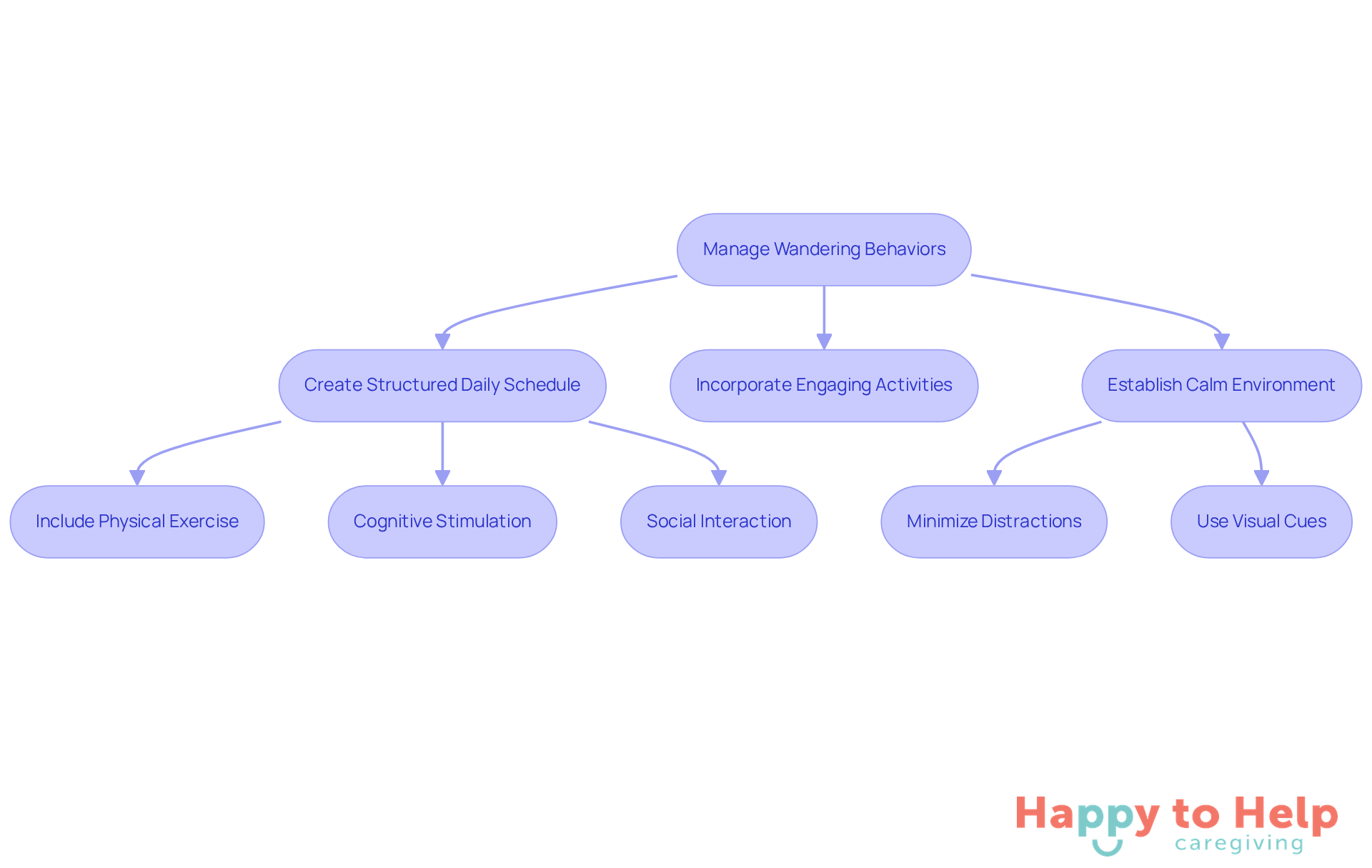
To mitigate these issues, caregivers can create a structured daily schedule filled with engaging activities. Incorporating physical exercise, cognitive stimulation, and social interaction can significantly reduce the likelihood of dementia night wandering. These activities not only keep individuals engaged but also promote overall well-being.
Additionally, establishing a calm and familiar environment is essential. Caregivers should minimize distractions and potential triggers for anxiety, creating a safe space for those they support. Utilizing visual cues, such as signs or labels, can further assist individuals in navigating their surroundings safely, enhancing their confidence and independence.
Utilize Acute Management Strategies: Immediate Responses to Wandering
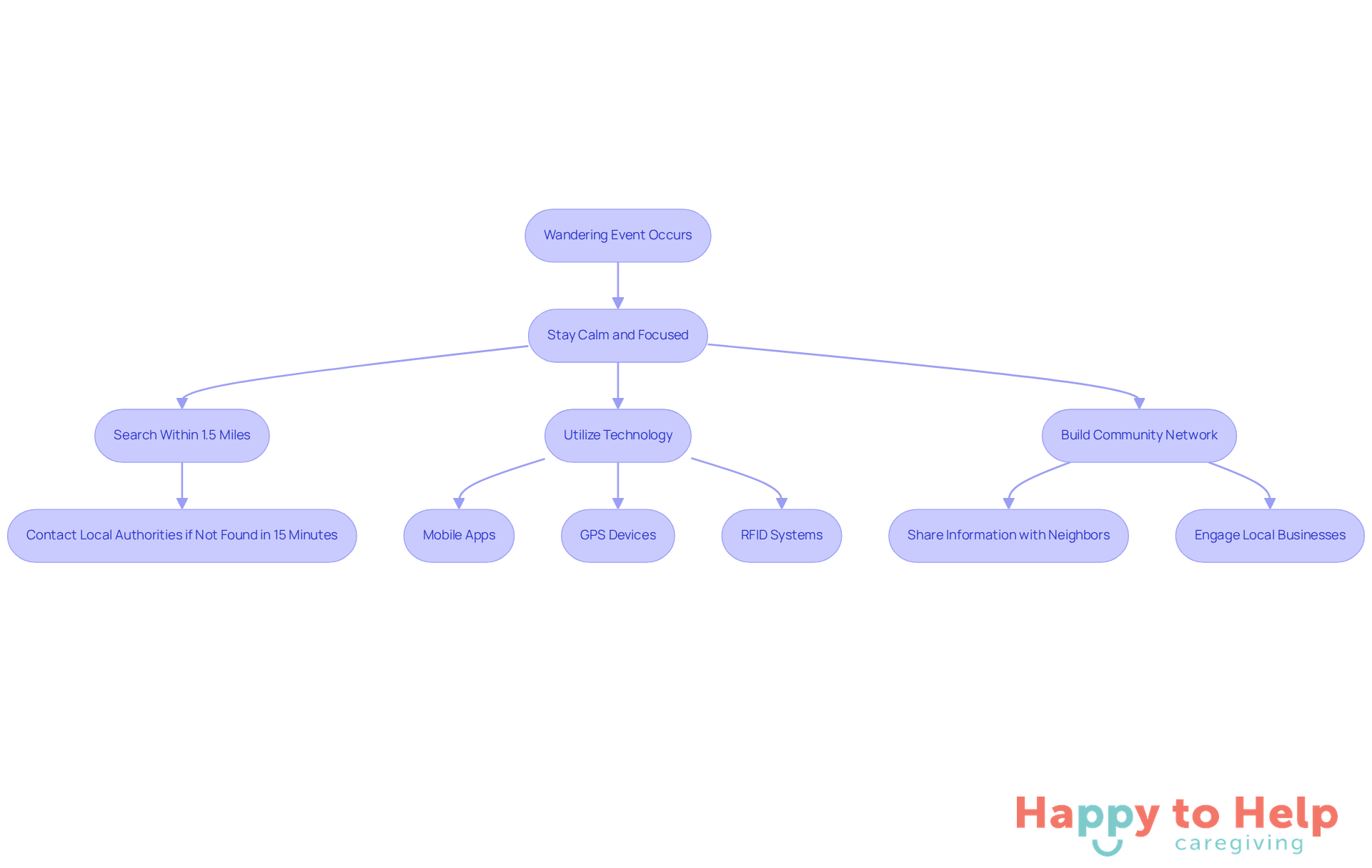
When faced with a wandering event, caregivers encounter a significant challenge. The Alzheimer's Association reports that 6 out of 10 individuals with dementia experience dementia night wandering, highlighting the critical need for preparedness. Many lost patients are found within a mile and a half of their last known location, making swift action essential. If the person isn't located quickly, it's crucial to inform local authorities; emergency response experts recommend contacting law enforcement within 15 minutes of a reported missing incident.
Staying calm and focused is vital, as panic can impede effective action. Utilizing technology, such as mobile apps or GPS devices, can greatly enhance the chances of locating the individual promptly. Additionally, RFID systems and access control technologies can establish virtual boundaries that trigger alarms when at-risk patients approach exits, adding another layer of safety.
Building a communication network with neighbors and local businesses fosters community awareness and support. Engaging the community not only aids in the search but also creates a safer environment for those prone to wandering. By preparing in advance and leveraging available resources, caregivers can effectively manage incidents of dementia night wandering and safeguard their loved ones. Preparation is key; consider sharing your loved one's photo and details with local businesses to boost community vigilance.
Adopt Preventive Management Techniques: Proactive Measures Against Wandering
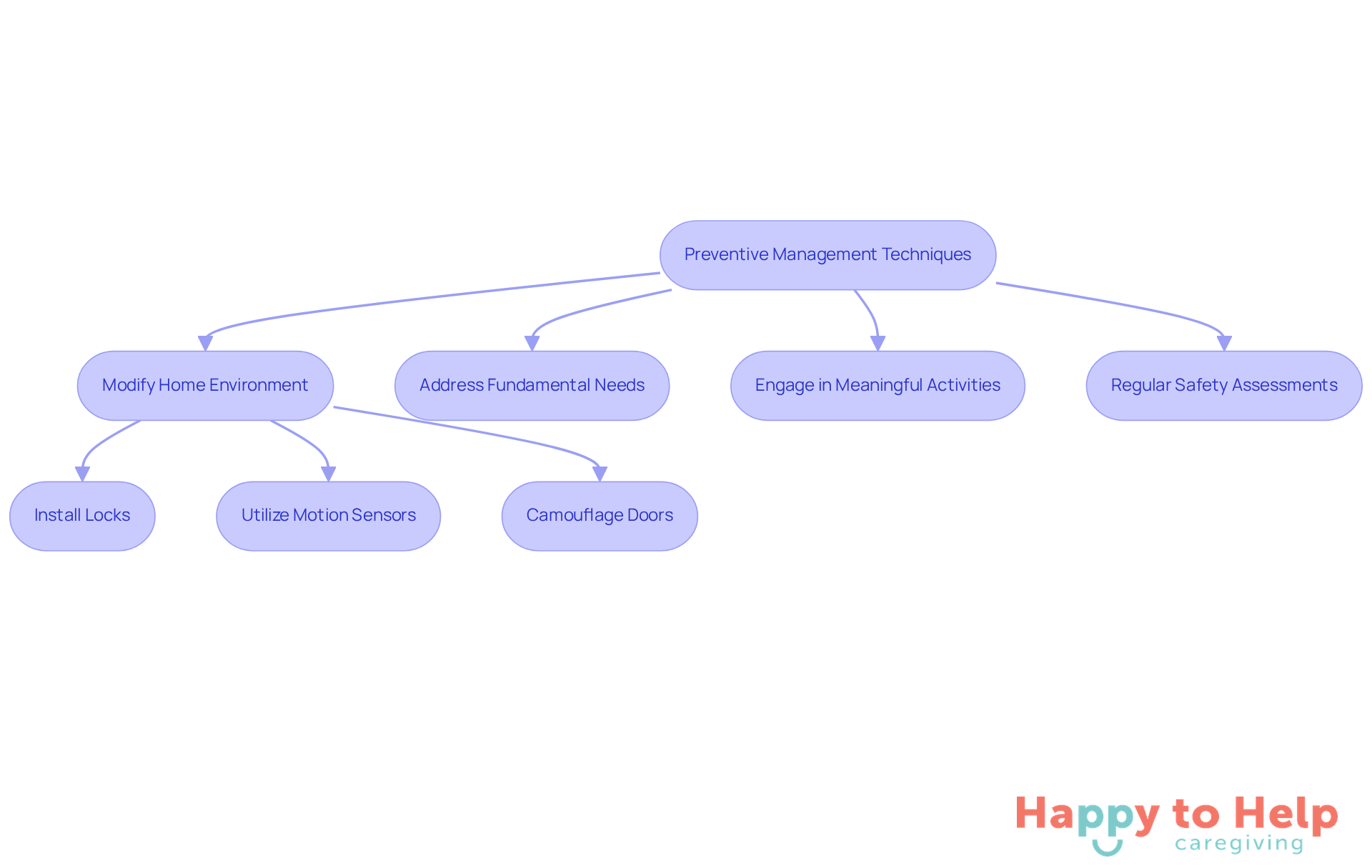
Preventive management strategies are essential for minimizing the risks of disorientation in individuals with dementia. This issue poses significant challenges for caregivers, as dementia night wandering can lead to dangerous situations. Modifying the home environment is a crucial step in addressing this problem.
Effective strategies include:
- Installing locks on doors and windows
- Utilizing motion sensors
- Creating safe outdoor areas for monitored exploration
For instance, placing locks out of sight can discourage individuals from leaving unnoticed. Additionally, motion sensor lights can assist with safe navigation during nighttime. Caregivers should also prioritize addressing fundamental needs such as sufficient nutrition, hydration, and rest, as unmet needs can provoke roaming behaviors.
Engaging individuals in meaningful activities, like gardening or arts and crafts, can redirect their energy positively and reduce the urge to roam. Specialists emphasize that maintaining a structured routine and ensuring regular caregiver presence can further enhance safety and comfort, ultimately reducing the dangers associated with dementia night wandering.
Statistics reveal that 60% of individuals with cognitive decline engage in dementia night wandering at least once, underscoring the necessity of adopting preventive measures. Alicia Seaver highlights the effectiveness of camouflaging doors to deter wandering, noting that making doors less noticeable can serve as a useful deterrent.
Regular formal safety assessments should occur every 3-6 months to ensure that safety measures remain effective. It's important to note that falls occur three times more frequently in people with dementia than in the general senior population. Caregivers are also encouraged to install pressure-sensitive alarm mats at doors or bedsides to alert them of movement, providing an extra layer of safety.
Monitor Wandering Frequency: Track Patterns for Better Care
Caregivers often face the challenge of managing dementia night wandering incidents, which can lead to safety concerns and increased stress. Keeping track of these incidents is crucial. By noting the date, time, duration, and context of each occurrence, caregivers can identify patterns that may indicate heightened dementia night wandering during specific times of day or after certain activities.
Recognizing these patterns is essential for effective caregiving. For instance, if a person shows signs of dementia night wandering more after meals or during the evening, caregivers can adjust daily routines accordingly. This proactive approach not only enhances safety but also helps in creating a more comfortable environment for the individual.
To implement this solution, caregivers should maintain a detailed record of roaming incidents. Analyzing this data allows for informed modifications to daily routines and surroundings, ultimately reducing the frequency of dementia night wandering. By taking these steps, caregivers can better meet the needs of those they care for, ensuring a safer and more supportive environment.

Foster Communication and Support: Collaborate for Effective Care
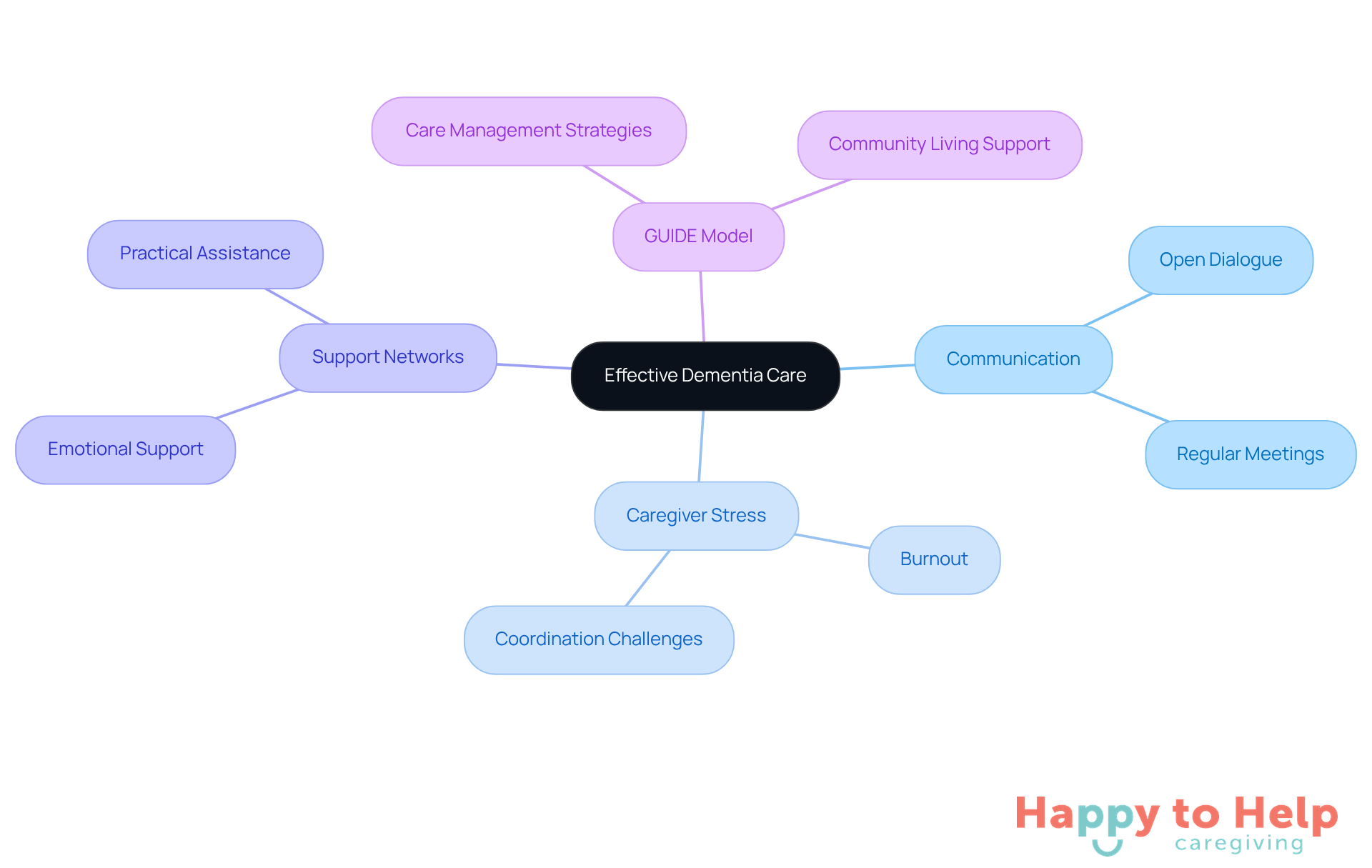
Effective dementia care hinges on encouraging open dialogue among support individuals, family members, and healthcare professionals. Caregivers often face the problem of coordinating care, which can be stressful. In fact, 70% of caregivers report that this coordination is a significant source of stress. This highlights the need for collaboration and communication.
The implications of this stress are profound, as it can lead to caregiver burnout and negatively impact the quality of care provided. Regular meetings or check-ins can help ensure that everyone involved is aligned on the individual’s care plan and any changes in behavior. Caregivers should actively encourage family members to share their observations and insights, as this information can be invaluable in adjusting care strategies.
To address these challenges, establishing a supportive network is essential. This network not only provides practical assistance but also emotional support for caregivers, helping to reduce stress and prevent burnout. As Sam Fazio, Ph.D., emphasizes, it’s crucial for patients and their families to understand how to navigate care resources related to cognitive decline to enhance health outcomes.
One practical solution is to implement the GUIDE model, which focuses on enhancing dementia care management through collaborative strategies. Caregivers should consider scheduling regular family meetings or check-ins to foster ongoing communication and support. By doing so, they can create a more cohesive care environment that benefits both the caregiver and the individual receiving care.
Key Takeaways for Caregivers
Dementia night wandering poses significant challenges for caregivers, creating a pressing need for effective strategies that ensure safety while maintaining the dignity of those affected. This issue not only impacts the immediate safety of individuals but also their overall well-being and independence. Caregivers must navigate the complexities of wandering behaviors, which can lead to distressing situations if not managed properly.
To address these challenges, caregivers can implement personalized care plans that include comprehensive safety measures. Recognizing patterns in wandering behavior is crucial; by understanding these patterns, caregivers can develop proactive strategies that minimize risks. Engaging individuals in meaningful activities and maintaining a structured routine can significantly reduce the likelihood of wandering. Additionally, community involvement can provide essential support during emergencies, ensuring that help is readily available when needed.
Effective communication among caregivers and family members is vital for creating a cohesive care environment. By fostering open dialogue, caregivers can better address the evolving needs of those with cognitive decline. This collaborative approach not only enhances the caregiving experience but also reinforces the importance of compassion and understanding in dementia care.
In conclusion, managing dementia night wandering requires a multifaceted approach that prioritizes both safety and the individual's autonomy. By adopting these strategies and remaining vigilant, caregivers can create a safer, more supportive atmosphere. This proactive approach not only mitigates potential dangers but also enriches the quality of life for individuals with dementia, highlighting the critical role of empathy in caregiving.
https://iframe.tely.ai/cta/eyJhcnRpY2xlX2lkIjogIjY5MjRmMWNlZWM0Y2FiOGU3NGVjMDBiYiIsICJjb21wYW55X2lkIjogIjY4ZWU1ZGNhNzMxNzYyNTU3ZjNjOTVjMSIsICJpbmRleCI6IG51bGwsICJ0eXBlIjogImFydGljbGUifQ==Frequently Asked Questions
What challenges do caregivers face when caring for individuals with dementia?
Caregivers often experience frustration and helplessness due to memory impairment, which creates anxiety for both them and the individuals receiving care. They must navigate the complexities of providing effective support while ensuring the dignity of those they care for.
How does Happy to Help Caregiving support caregivers?
Happy to Help Caregiving develops customized care plans tailored to the specific needs of individuals with memory impairment, considering their medical history, daily routines, and personal preferences. Engaging relatives in the planning process fosters a nurturing atmosphere that promotes independence and alleviates anxiety.
Why is a tailored approach important in dementia care?
A tailored approach is essential for managing complexities associated with dementia, such as night wandering. It allows caregivers to anticipate and respond to the unique needs of their clients, ensuring care is effective and respectful of individuals' dignity.
What is the significance of developing a wandering safety plan for families?
A wandering safety plan is crucial for ensuring the safety of individuals with dementia who may wander at night. It helps families identify potential triggers for wandering and implement strategies to prevent it while maintaining the dignity and independence of their loved ones.
What key strategies should be included in a wandering safety plan?
Key strategies include securing exits with locks or alarms, utilizing GPS tracking devices, informing neighbors and local authorities about wandering tendencies, creating a list of emergency contacts, and establishing a protocol for what to do if the individual goes missing.
How can identification help individuals with dementia who wander?
Wearing identification bracelets that include the person's name, address, and emergency contact details can facilitate a quicker and safer return if they wander away.
What should caregivers monitor to address dementia night wandering?
Caregivers should monitor behaviors related to wandering by recording occurrences, considering factors such as the time of day, environmental conditions, and any preceding events that may trigger the behavior.
What modifications can improve safety for individuals who wander?
Modifications include improving lighting in areas where wandering occurs, offering engaging activities to redirect focus, and creating clear paths and dementia-friendly signage to enhance navigation.
What is the 'sundowning' effect in relation to dementia night wandering?
The 'sundowning' effect refers to an increase in wandering behavior that often occurs in the evening or following certain activities, affecting many individuals with dementia.
Why are personalized management plans important for caregivers?
Personalized management plans allow caregivers to tailor strategies to meet the unique needs of each individual with cognitive impairment, enhancing safety and respecting their independence and dignity.
List of Sources
- Develop a Wandering Safety Plan: Key Strategies for Families
- 7 Ways to Prevent Someone With Dementia From Getting Lost or Hurt (https://aarp.org/caregiving/home-care/prevent-dementia-patients-wandering)
- Strategies for Preventing Wandering in Individuals with Alzheimer's (https://radfieldhomecare.co.uk/242/news/strategies-for-preventing-wandering-in-individuals-with-alzheimers)
- Dementia and Wandering: Prevention and Protection are Key (https://blog.providence.org/healthcalling/dementia-and-wandering-prevention-and-protection-are-key)
- 5 Summer Safety Tips to Protect Individuals with Dementia from Wandering | Alzheimer's Foundation of America (https://alzfdn.org/5-summer-safety-tips-to-protect-individuals-with-dementia-from-wandering)
- Wandering & Sundowning in Dementia (https://practicalneurology.com/diseases-diagnoses/alzheimer-disease-dementias/wandering-sundowning-in-dementia/31912)
- Implement Screening for Wandering: Identify Triggers and Patterns
- Approach to Management of Wandering in Dementia: Ethical and Legal Issue - PMC (https://pmc.ncbi.nlm.nih.gov/articles/PMC8543604)
- Exploring the impact of care home environments and culture on supporting residents to ‘wander’ safely (https://tandfonline.com/doi/full/10.1080/13607863.2024.2338204)
- The Mysteries of Dementia-Driven Wandering (https://npr.org/2009/06/29/105895470/the-mysteries-of-dementia-driven-wandering)
- Dementia Wandering: Causes, Risks, and How to Prevent It - Alzheimer's San Diego (https://alzsd.org/dementia-wandering-causes-risks)
- Dementia missing incidents research could boost safety measures (https://ualberta.ca/en/folio/2025/01/dementia-missing-incidents-research-could-boost-safety-measures.html)
- Understand the Consequences of Wandering: Risks and Implications
- Wandering Big Risk for those with Dementia (https://newsroom.clevelandclinic.org/2022/09/20/wandering-big-risk-for-those-with-dementia)
- Pan-Canadian estimates of the prevalence and risks associated with critical wandering among home care clients - PubMed (https://pubmed.ncbi.nlm.nih.gov/39175391)
- Dementia-related wandering claims four lives around metro Atlanta | How to combat it (https://fox5atlanta.com/news/dementia-alzheimers-missing-dead-wandering)
- Shocking Elopement Statistics: How to Keep Wandering Residents Safe (https://tangramins.com/news-insights/shocking-elopement-statistics-how-to-keep-wandering-residents-safe)
- Manage Wandering Behaviors: Practical Tips for Caregivers
- SD Learning For Caregivers: How To Reduce Wandering (https://trualta.com/resources/blog/sd-learning-for-caregivers-how-to-reduce-wandering)
- Wandering Tendencies in Patients with Alzheimer's Disease and Dementia (https://upmc.com/services/seniors/resources-for-caregivers/wandering-tendencies-patients-alzheimers-dementia)
- Managing Wandering Behaviors in Dementia: Useful Tips (https://hbrhc.com/blog/managing-wandering-behaviors-in-dementia)
- Strategies for Preventing Wandering in Individuals with Alzheimer's (https://radfieldhomecare.co.uk/242/news/strategies-for-preventing-wandering-in-individuals-with-alzheimers)
- Understanding Wandering and Exit Seeking in Dementia: What Caregivers Need to Know - NCCDP (https://nccdp.org/understanding-wandering-and-exit-seeking-in-dementia-what-caregivers-need-to-know)
- Utilize Acute Management Strategies: Immediate Responses to Wandering
- Responding to Elderly Patient Elopement and Wandering: Part 2 (https://campussafetymagazine.com/news/elderly-patient-elopement-wandering/51336)
- Dozens of assisted-living residents died after wandering away unnoticed (https://washingtonpost.com/business/interactive/2023/assisted-living-wander-patient-deaths)
- New Toolkit Addresses Elder Safety Crisis in Native Communities (https://nativenewsonline.net/health/new-toolkit-addresses-elder-safety-crisis-in-native-communities)
- Dementia-related wandering claims four lives around metro Atlanta | How to combat it (https://fox5atlanta.com/news/dementia-alzheimers-missing-dead-wandering)
- Adopt Preventive Management Techniques: Proactive Measures Against Wandering
- Dementia Wandering: Safety Tools Every Caregiver Should Know (https://trualta.com/resources/blog/dementia-wandering-safety-tools-every-caregiver-should-know)
- Dementia Wandering Solutions | Bridges® by EPOCH (https://bridgesbyepoch.com/2025/04/03/dementia-wandering-solutions)
- Alzheimer's and dementia: Understand wandering and how to address it - Mayo Clinic News Network (https://newsnetwork.mayoclinic.org/discussion/alzheimers-and-dementia-understand-wandering-and-how-to-address-it)
- Dementia Home Safety: Modifications for Every Stage | Visiting Angels (https://visitingangels.com/fremont/articles/dementia-home-safety/26952)
- Expert advice on preventing wandering in Alzheimer's patients with innovative solutions (https://cbs12.com/news/local/expert-advice-on-preventing-wandering-in-alzheimers-patients-with-innovative-solutions-south-florida-health-news-june-18-2025)
- Monitor Wandering Frequency: Track Patterns for Better Care
- AOL is part of the Yahoo family of brands. (https://aol.com/dementia-related-wandering-caregivers-know-175700039.html)
- Reduce wandering risk with real-time resident location monitoring (https://mcknightsseniorliving.com/home/columns/marketplace-columns/reduce-wandering-risk-with-real-time-resident-location-monitoring)
- Pan‐Canadian estimates of the prevalence and risks associated with critical wandering among home care clients (https://alz-journals.onlinelibrary.wiley.com/doi/10.1002/alz.14195)
- ‘Wandering’ is a danger for those with Alzheimer’s. There are ways to reduce the risk (https://wusf.org/health-news-florida/2024-11-02/wandering-a-danger-those-with-alzheimers-ways-to-reduce-risk)
- Dementia Patient Wandering: Risks, Causes, and How to Prevent It (https://airistaflow.com/resources/dementia-patient-wandering)
- Foster Communication and Support: Collaborate for Effective Care
- Care managers say ED program improves communication for assisted living residents with dementia (https://mcknights.com/news/care-managers-say-ed-program-improves-communication-for-assisted-living-residents-with-dementia)
- Research Highlights Importance of Support Reciprocity During Early-Stage Dementia Care (https://ucdavis.edu/news/research-highlights-importance-support-reciprocity-during-early-stage-dementia-care)
- New Alzheimer’s Association Report Finds Patient-Physician Communication About Cognitive Concerns Needs Improvement as New Treatments Become Available (https://alz.org/news/2023/new-alzheimer-s-association-report-finds-patient-physician-communication-about-cognitive-concerns-ne)
- JAMA Neurology editorial calls for interdisciplinary team-based care during new therapeutic era for dementia (https://kumc.edu/about/news/news-archive/interdisciplinary-dementia-care.html)
- New Alzheimer’s Association Report Reveals Top Stressors for Caregivers and Lack of Care Navigation Support and Resources (https://alz.org/news/2024/new-alzheimers-association-report-reveals-top-stressors-caregivers)