

For families in our service areas
For families in our service areas, this guide explains alzheimer's care and how non-medical in-home caregiving can support care planning in East Idaho, Treasure Valley & Magic Valley, Northern Wasatch, North Central West Virginia, and Northeast Ohio.
Why Tips for Alzheimer Matters
Navigating the complexities of Alzheimer's home care presents a significant challenge for caregivers. The emotional and practical demands can be overwhelming, impacting both the patient and the caregiver's quality of life. With the increasing need for skilled assistance in this area, it’s crucial to understand how to manage care effectively.
This article explores ten essential tips designed to empower families and caregivers. By creating a nurturing environment, addressing individual needs, and fostering collaboration, caregivers can transform their experience. How can caregivers balance these emotional and practical challenges while ensuring their loved ones receive the best support possible? Let's delve into actionable solutions that can make a real difference.
Happy to Help Caregiving: Personalized In-Home Support for Alzheimer's Patients
Caring for individuals with Alzheimer's disease through Alzheimer's home care presents significant challenges, particularly feelings of isolation and the need for consistent support. Caregivers often struggle to provide the companionship and assistance required for their loved ones, which can lead to increased stress and emotional strain.
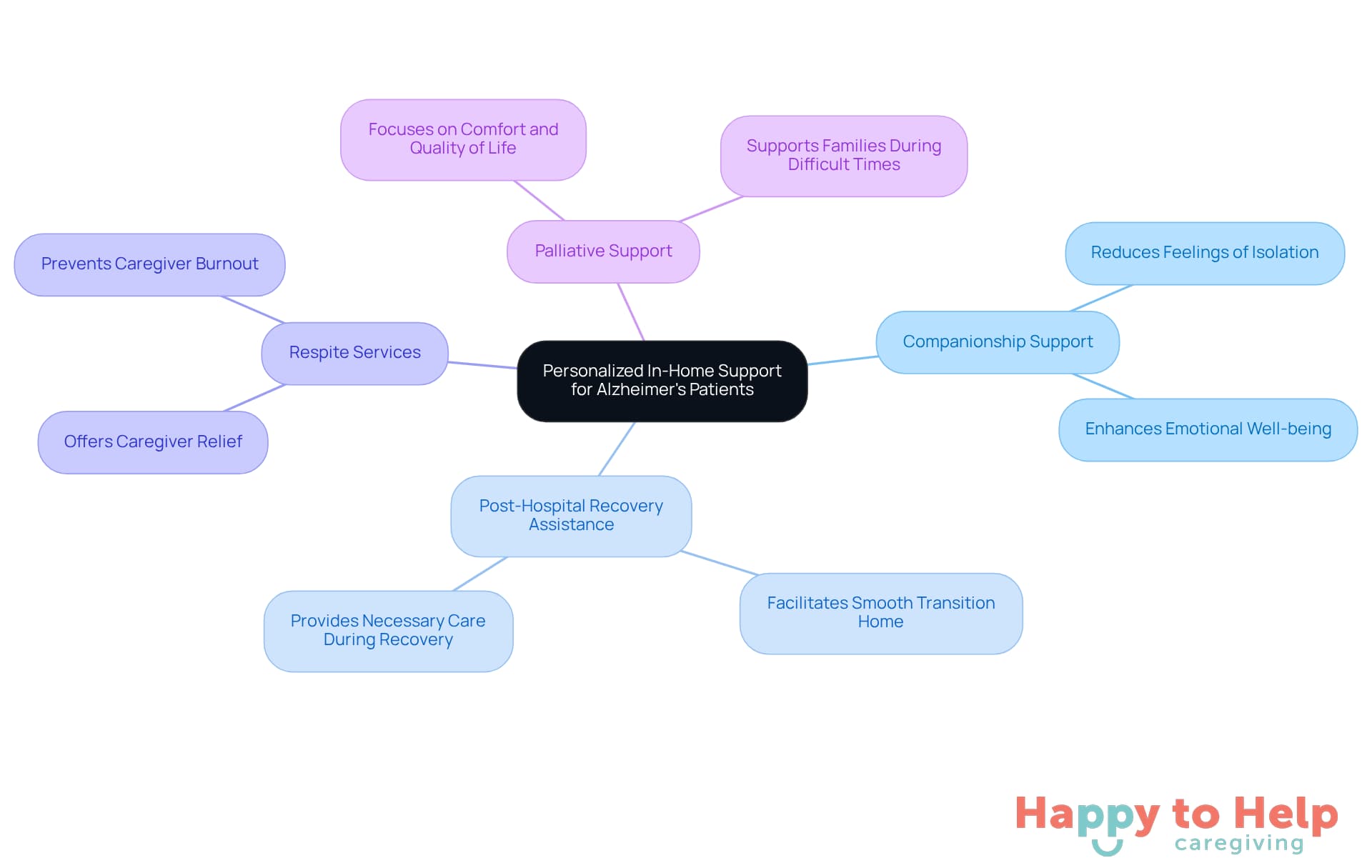
Happy to Help Caregiving addresses these challenges by offering personalized Alzheimer's home care and in-home support tailored to the unique needs of each client. Their services include:
- Companionship support
- Post-hospital recovery assistance
- Respite services
- Palliative support
Each service is designed to enhance the quality of life for clients, ensuring they receive compassionate care through Alzheimer's home care in the comfort of their own homes.
The trained attendants at Happy to Help Caregiving actively involve clients in meaningful activities, which helps reduce feelings of isolation and fosters a sense of safety and ease. By providing this level of support, caregivers can find relief, knowing their loved ones are receiving the care they need.
Evaluate Caregiver Qualifications: Ensure Expertise in Alzheimer's Care
Choosing the right support person is crucial for effective Alzheimer's home care. The problem lies in the increasing demand for skilled professionals in dementia support, with an anticipated need for 900,000 more direct care workers by 2032. This growing demand highlights the challenges caregivers face in finding qualified individuals who can provide effective assistance.
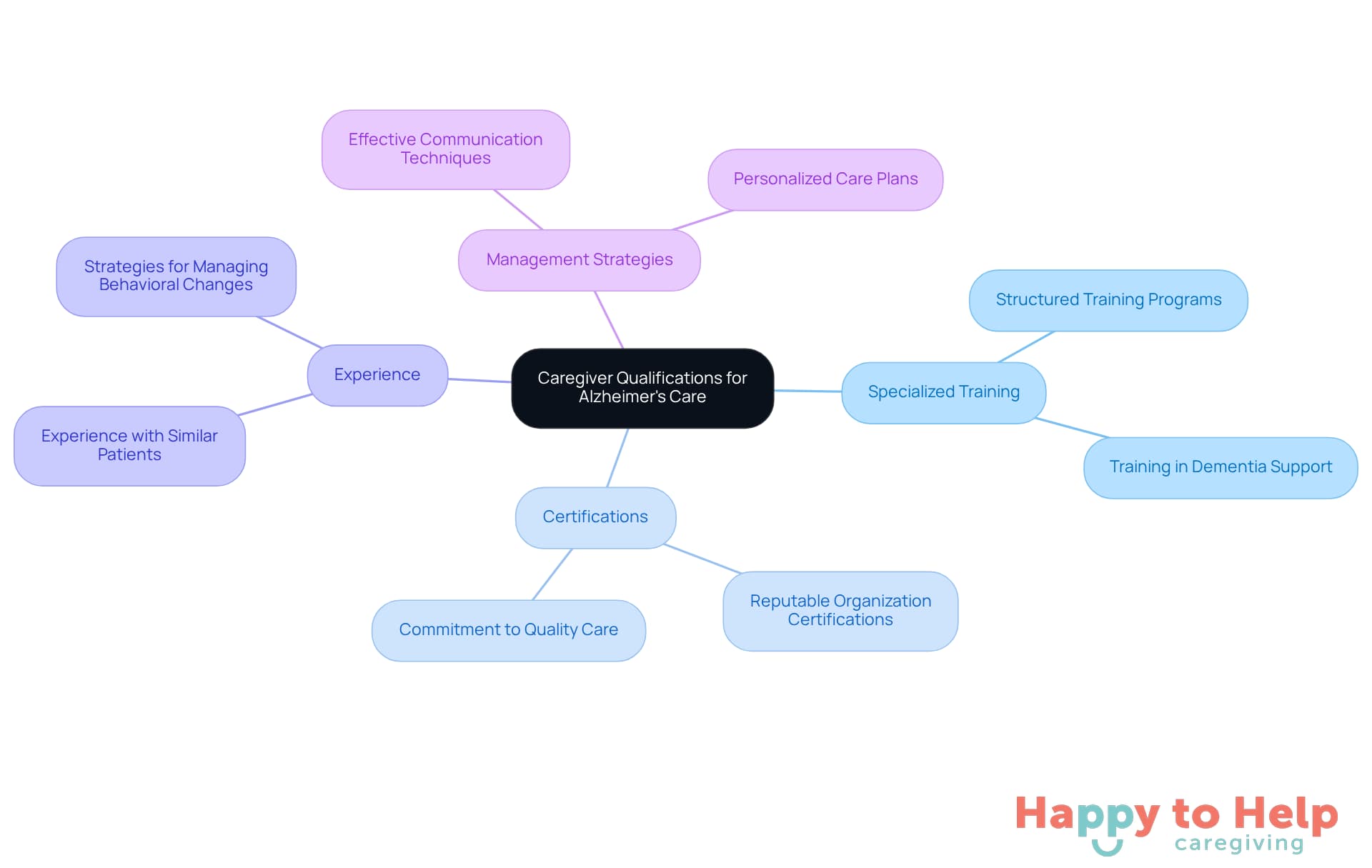
To address this issue, it's essential to assess the qualifications of potential caregivers. Look for individuals with specialized training in Alzheimer's home care, as they understand the unique challenges associated with dementia support. Certifications from reputable organizations can indicate a provider's commitment to delivering high-quality care. Additionally, inquire about their experience with similar patients and their strategies for managing behavioral changes.
Expert Jarmin Yeh emphasizes that structured training programs significantly enhance the knowledge and skills of caregivers, which is vital for effective support. Caregivers can also benefit from referencing successful training programs for Alzheimer's home care, providing concrete examples of how they can improve their skills and knowledge. By focusing on these actionable solutions, caregivers can ensure they are well-equipped to support their loved ones.
Develop a Customized Care Plan: Address Individual Needs and Preferences
Creating a tailored support plan is crucial for individuals facing health challenges. Without a well-structured plan, caregivers may struggle to meet the unique needs of their loved ones, leading to increased stress and potential neglect of essential care aspects.
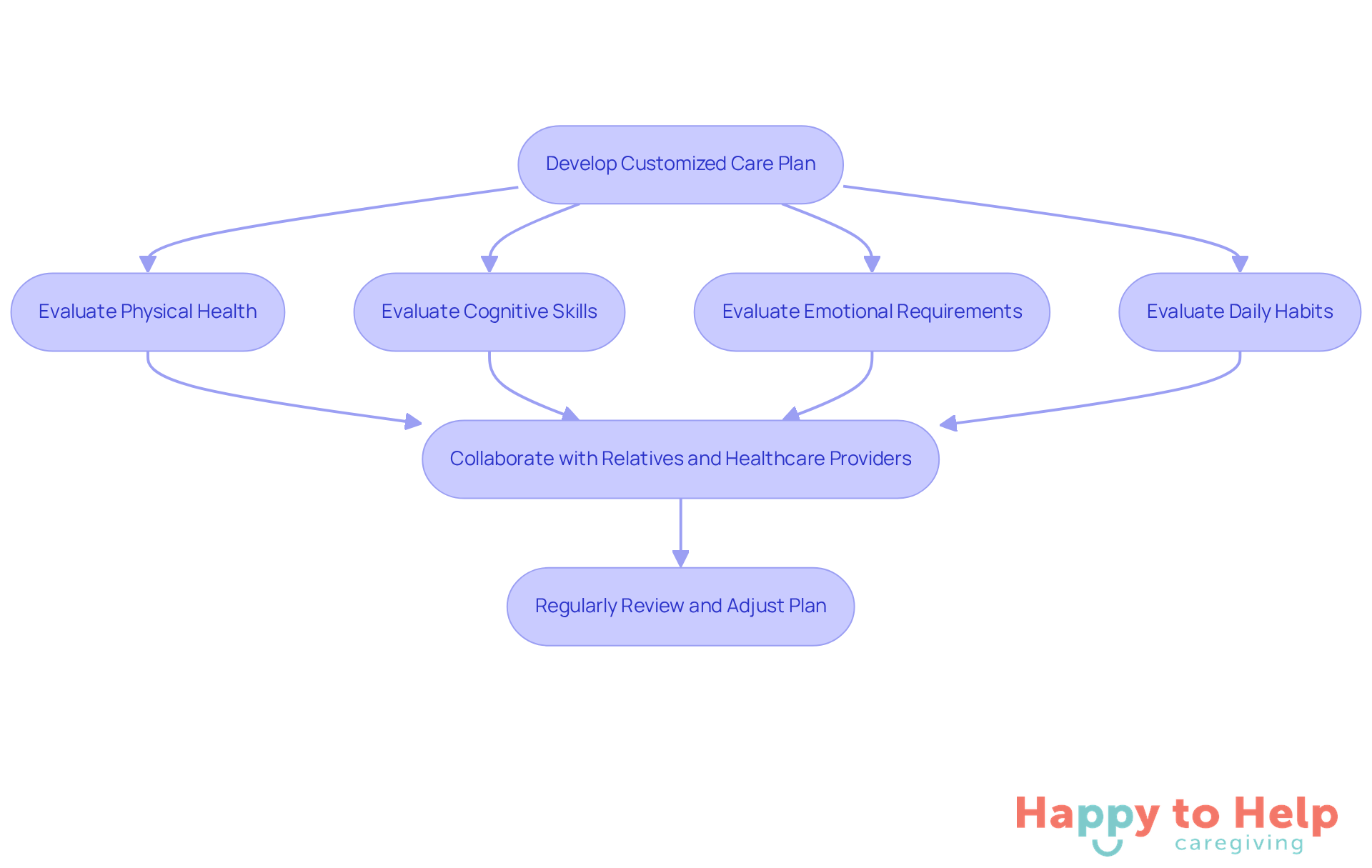
To address this issue, it’s important to evaluate the person's:
- Physical health
- Cognitive skills
- Emotional requirements
- Daily habits
Collaborating with relatives and healthcare providers can help develop a plan that aligns with the individual's preferences and lifestyle. Regularly reviewing and adjusting the plan as the disease progresses ensures it remains relevant and effective, ultimately improving the quality of care.
Establish Open Communication: Foster Collaboration Between Family and Caregivers
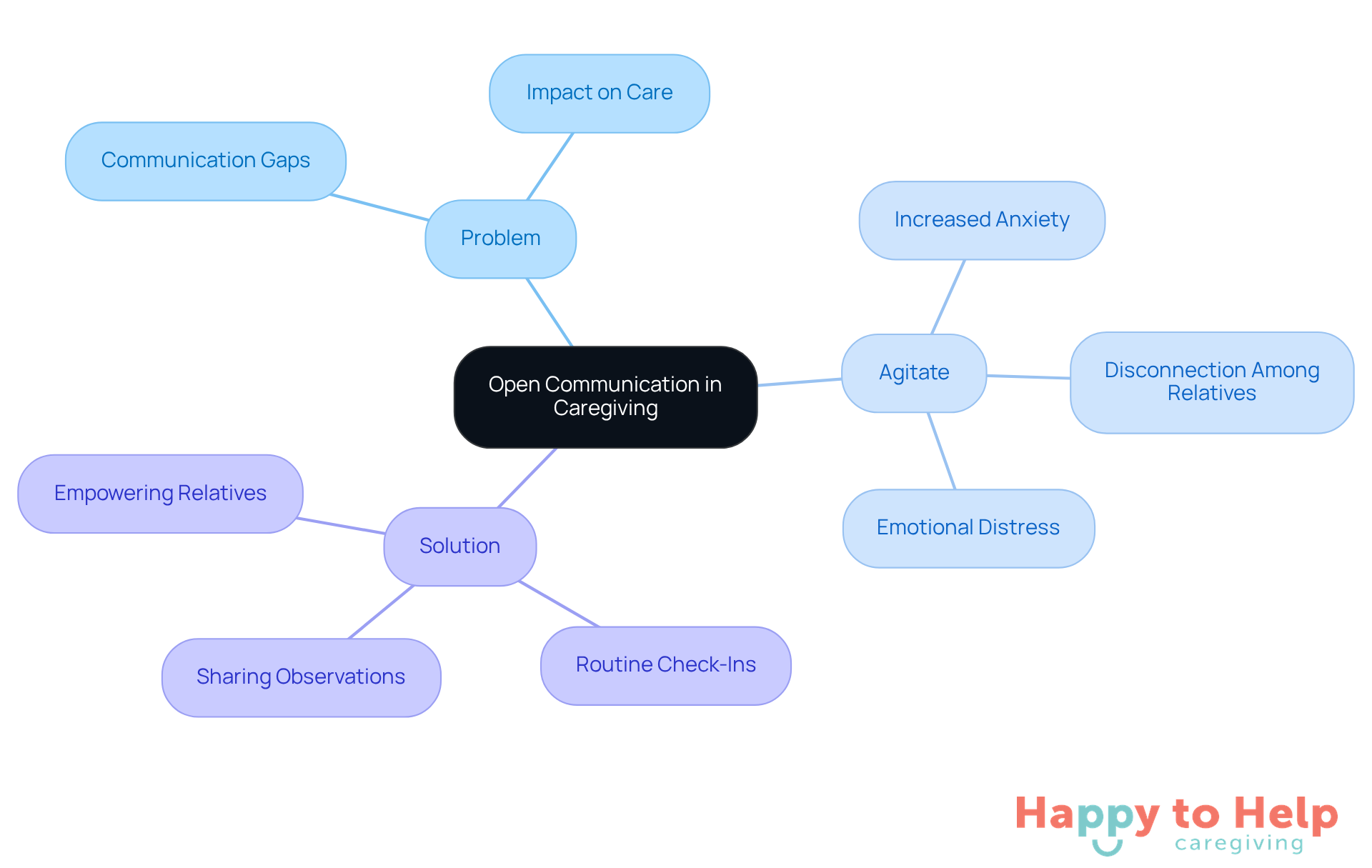
Problem: Communication gaps between relatives and caregivers can hinder effective support for Alzheimer's patients. Without regular updates and discussions, caregivers may miss important changes in the patient's condition, leading to inadequate care.
Agitate: This lack of communication can result in increased anxiety and depression for both caregivers and patients. When relatives feel disconnected, they may struggle to voice their concerns or suggestions, which can further complicate the caregiving process. Studies indicate that households actively involved in the support process experience lower levels of stress, underscoring the critical need for open dialogue.
Solution: To foster better communication, caregivers should arrange routine check-ins to discuss the patient's progress and any necessary adjustments to the treatment plan. Caregivers are encouraged to share their observations, while relatives should feel empowered to express their thoughts. This collaborative approach not only enhances the quality of support but also builds trust and emotional resilience among all parties involved. As one supporter noted, "When we collaborate, it feels like we are all on the same team, and that creates a significant impact for my loved one." By prioritizing communication, families can cultivate a supportive environment that greatly enhances the overall care experience.
Conduct Home Safety Assessments: Create a Secure Environment for Care
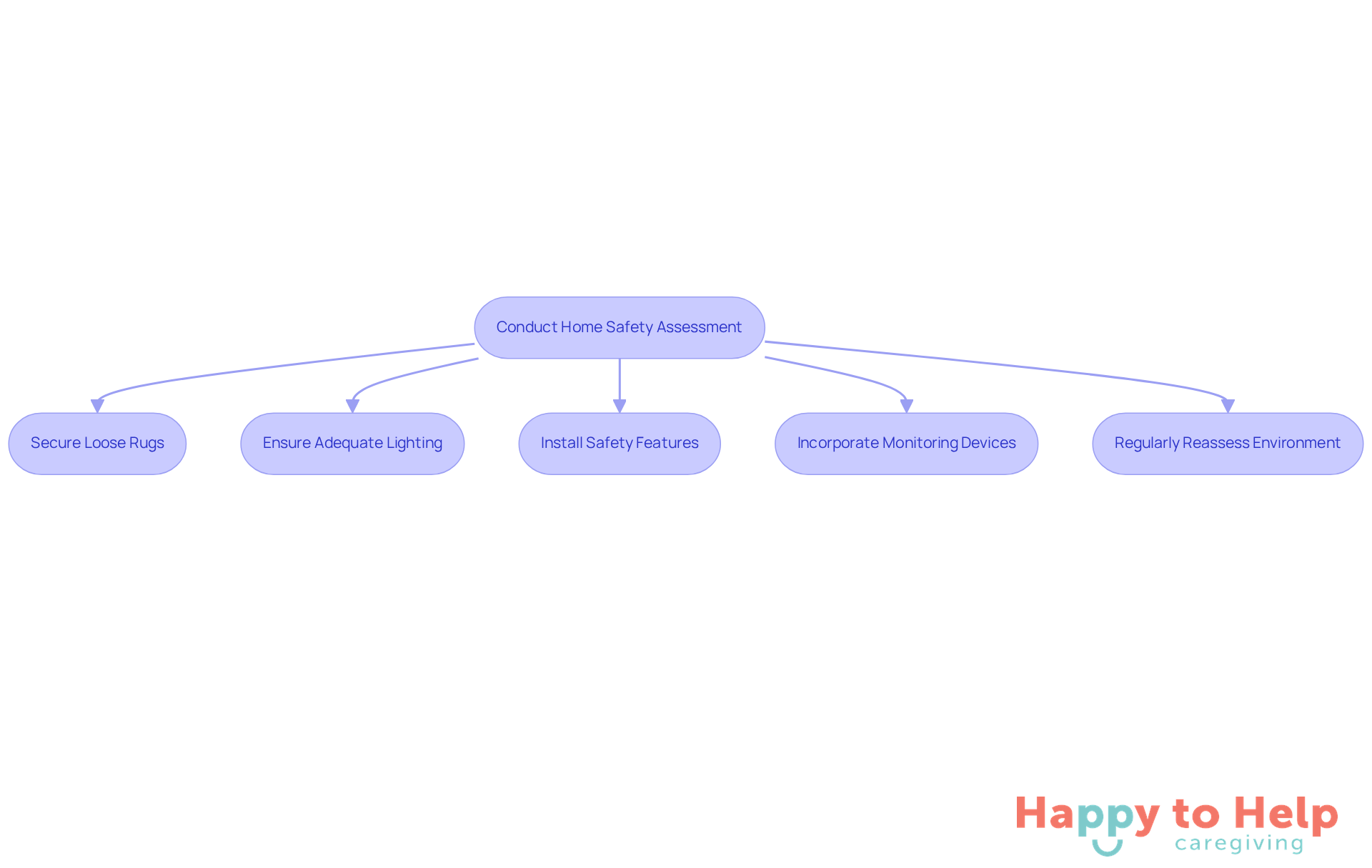
Conducting a comprehensive home safety assessment is crucial for creating a secure environment for individuals with Alzheimer's. The problem is clear: many older people with dementia face safety incidents at home, often due to hazards like clutter that obstructs movement and increases the risk of falls. Statistics highlight the urgency of this issue, underscoring the need for vigilance.
To address these concerns, start by evaluating the living space for potential hazards:
- Secure loose rugs.
- Ensure that all areas are well-lit, particularly in hallways and staircases, to prevent accidents.
- Install safety features like grab bars in bathrooms and non-slip mats to significantly enhance safety.
- Consider incorporating monitoring devices that alert caregivers to falls or emergencies, providing peace of mind.
It's essential to regularly reassess the home environment, adapting to the changing needs of the patient to maintain a safe and supportive living space. As safety expert Guo Yin points out, "The risk factors for home support safety for older individuals with dementia are intricate," emphasizing the importance of continuous vigilance and proactive measures in home environments.
Understand Care Costs: Explore Financial Options and Assistance Programs
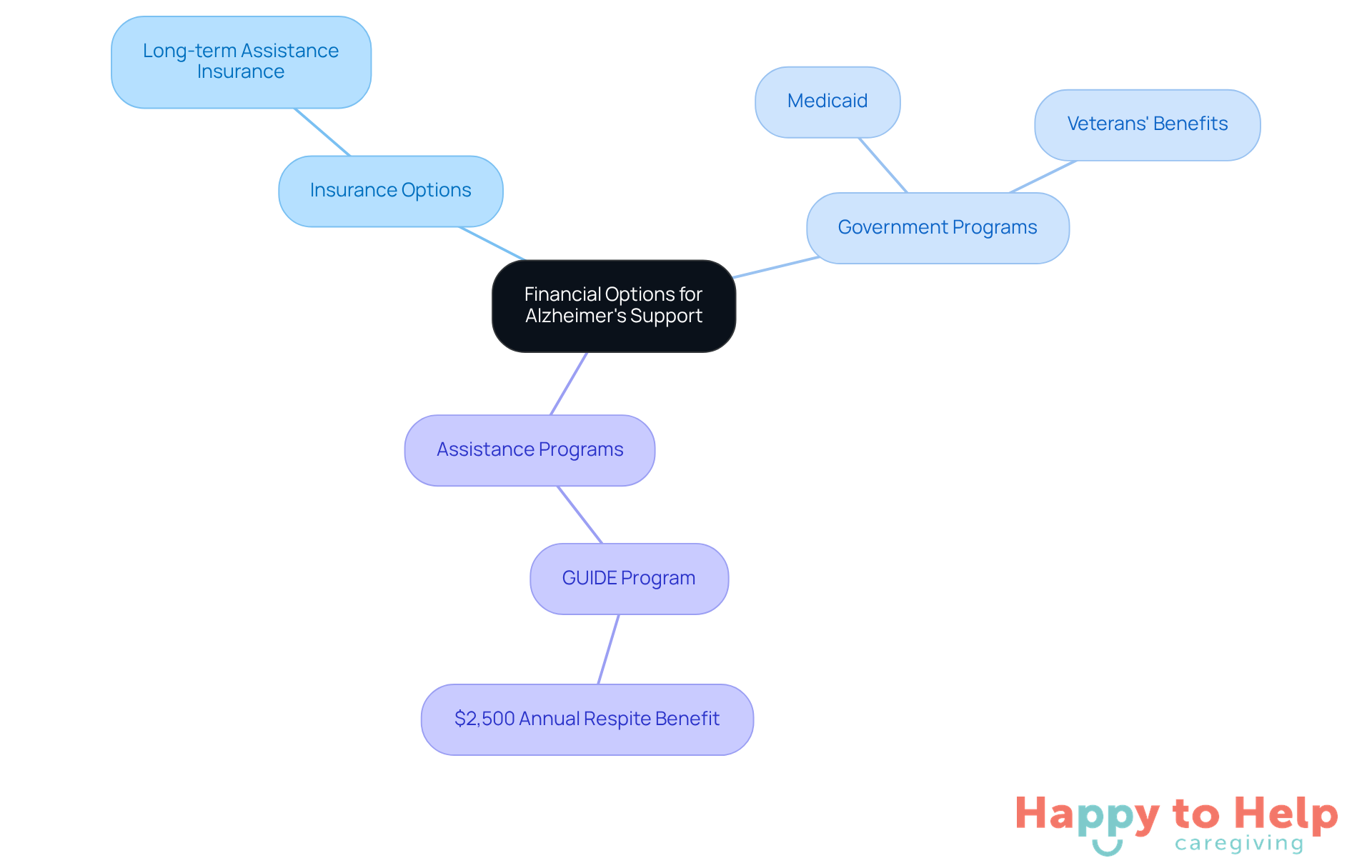
Understanding the financial implications of Alzheimer's support is crucial for families facing this challenging journey. The costs associated with in-home assistance can be significant. In fact, forecasts indicate that health and long-term support expenses for individuals with dementia could reach a staggering $384 billion by 2025.
Families must explore various financial options to alleviate this burden:
- Long-term assistance insurance
- Medicaid
- Veterans' benefits
These options can provide essential support. Additionally, many organizations offer assistance programs designed to ease the financial strain of Alzheimer's home care services. For instance, the GUIDE program provides up to $2,500 annually for respite benefits, allowing caregivers to take necessary breaks while ensuring their loved ones receive quality care.
Consulting with financial advisors who specialize in elder support can help families identify available resources and create a sustainable budget tailored to their unique needs. With nearly 12 million Americans currently providing unpaid care for individuals with Alzheimer's, understanding these financial options is vital for ensuring the well-being of patients and the stability of their caregivers.
Check References and Reviews: Assess Quality of Care Services
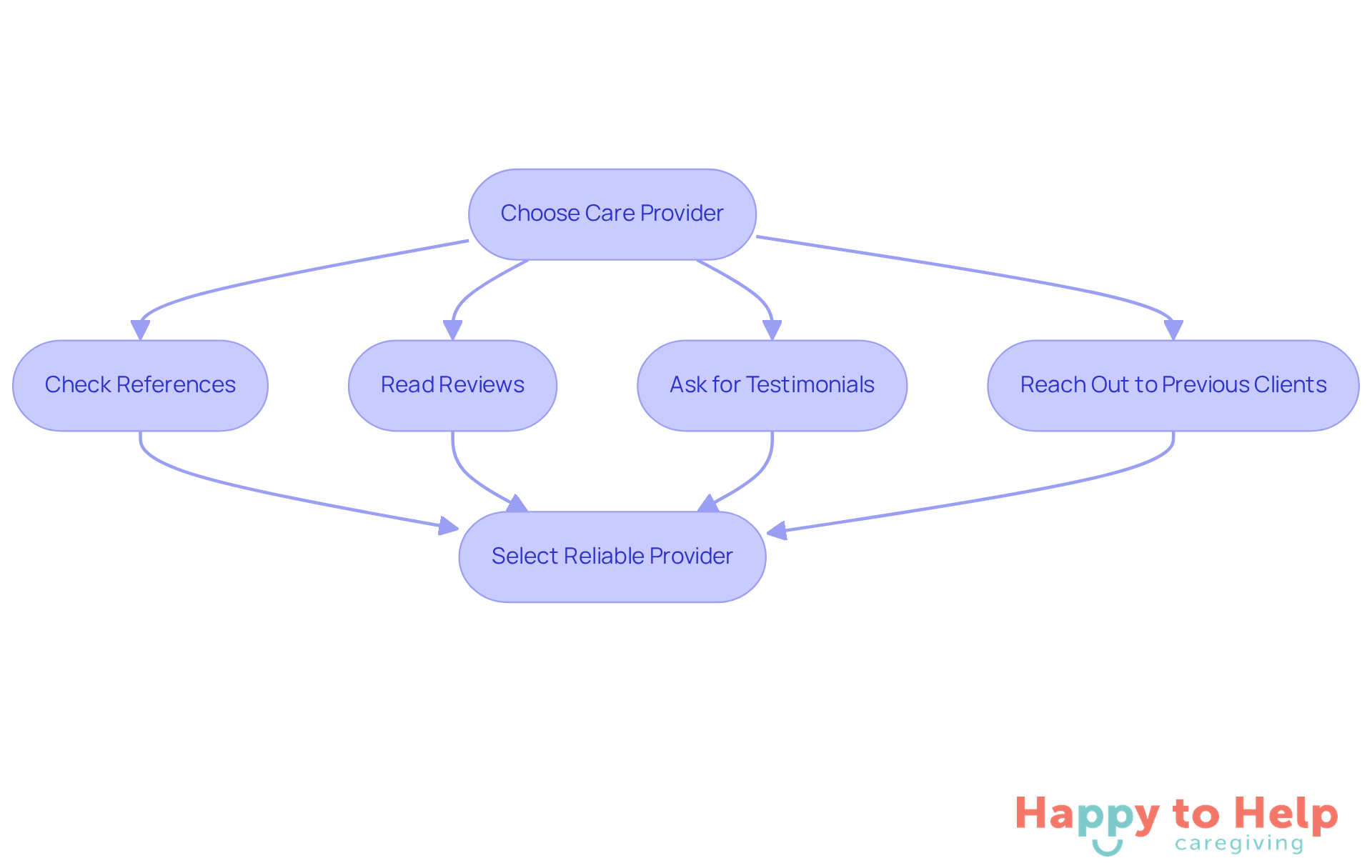
Choosing the right provider or agency can be a daunting task for caregivers. Without proper research, you risk selecting someone who may not meet your needs or expectations. This can lead to stress and dissatisfaction, impacting both you and your loved ones.
To avoid these pitfalls, it’s crucial to check references and read reviews from other families. Ask for testimonials and reach out to previous clients to learn about their experiences. Look for agencies that boast positive ratings and a strong reputation within the community. This due diligence not only helps you find a reliable provider but also ensures that you receive high-quality support.
Prioritize Flexible Scheduling: Adapt Care to Changing Needs
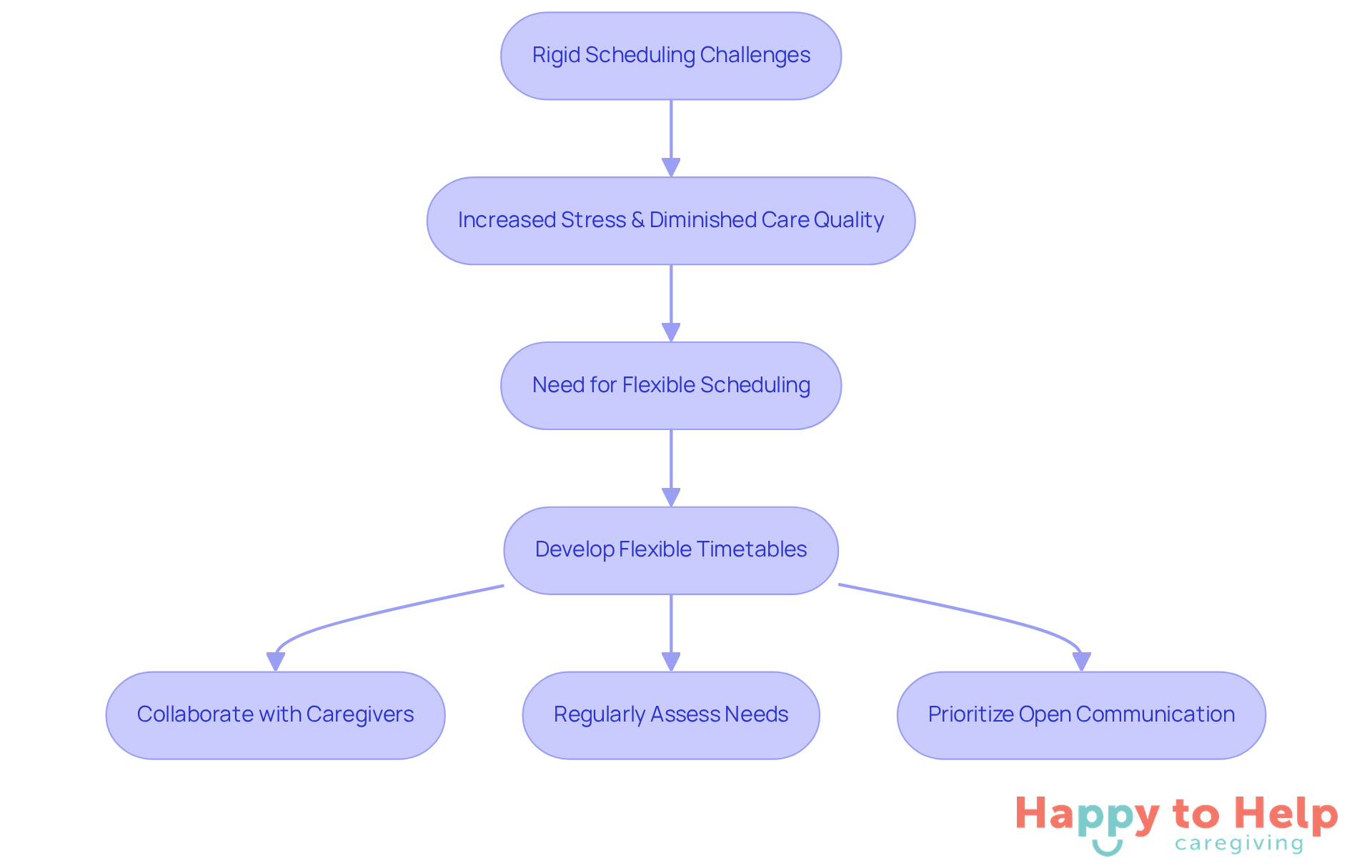
Caregivers for individuals receiving Alzheimer's home care often face the challenge of rigid scheduling, which can hinder their ability to provide effective support. As the disease progresses, the needs of individuals can change throughout the day, requiring varying levels of assistance.
Agitate: This lack of flexibility can lead to increased stress for caregivers and a diminished quality of care for those they support. When caregivers cannot adjust their schedules, it may result in unmet needs, leaving both the individual and their family feeling unsafe and unsupported.
Solution: Developing a flexible timetable in collaboration with caregivers is essential. This approach ensures that support aligns with the individual's condition and personal preferences. By embracing flexibility, caregivers can offer more personalized support, ultimately enhancing the caregiving experience.
Incorporating this adaptability not only improves service quality but also fosters a sense of safety for both individuals receiving care and their families. Caregivers frequently report that the ability to adjust their schedules allows them to respond more effectively to the unique challenges faced by dementia patients.
Key Takeaways:
- Collaborate with caregivers to create flexible schedules.
- Regularly assess the individual's needs throughout the day.
- Prioritize open communication with families to ensure everyone is informed and involved.
By implementing these strategies, caregivers can create successful adaptive support models that truly address the complexities of Alzheimer's home care for individuals.
Leverage Technology: Utilize Tools for Better Care Coordination
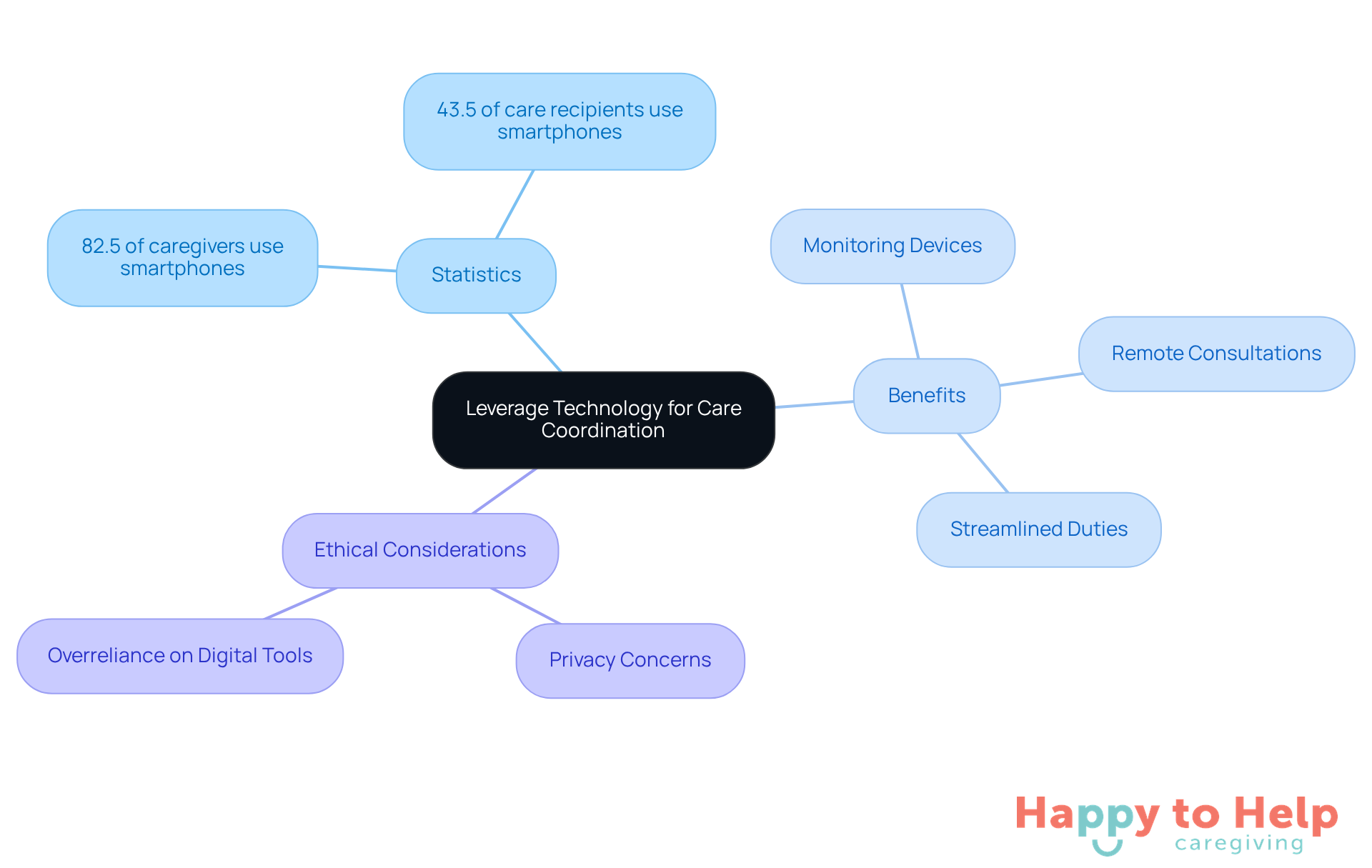
Coordinating Alzheimer's home care services for individuals with Alzheimer's disease is a significant challenge for caregivers. Many struggle to keep track of updates, appointments, and communication with support providers. This difficulty is underscored by the fact that while 82.5% of caregivers use smartphones, only 43.5% of care recipients do. This gap highlights a crucial opportunity for technology to bridge the divide.
Monitoring devices that track safety and health metrics can provide invaluable support, offering peace of mind to those concerned about their loved ones' well-being. Additionally, technology facilitates remote consultations with healthcare professionals, ensuring families have timely access to expert advice. By integrating these tools, caregivers can streamline their duties and foster a supportive atmosphere for both providers and individuals receiving assistance, ultimately enhancing the quality of care.
However, it's essential to consider the ethical implications of technology use, such as privacy concerns and the risk of overreliance on digital tools. As researchers note, "Digital technology interventions might focus on warning signs and future planning for both parties," emphasizing the need for a balanced approach in utilizing technology for caregiving.
Ensure Ongoing Caregiver Training: Stay Informed on Alzheimer's Care Best Practices
Caregivers of individuals with Alzheimer's require continuous education to provide high-quality support, which is a significant challenge in Alzheimer's home care. Without up-to-date knowledge, caregivers may struggle to manage the complexities of dementia care, which can result in inadequate Alzheimer's home care for patients and their families.
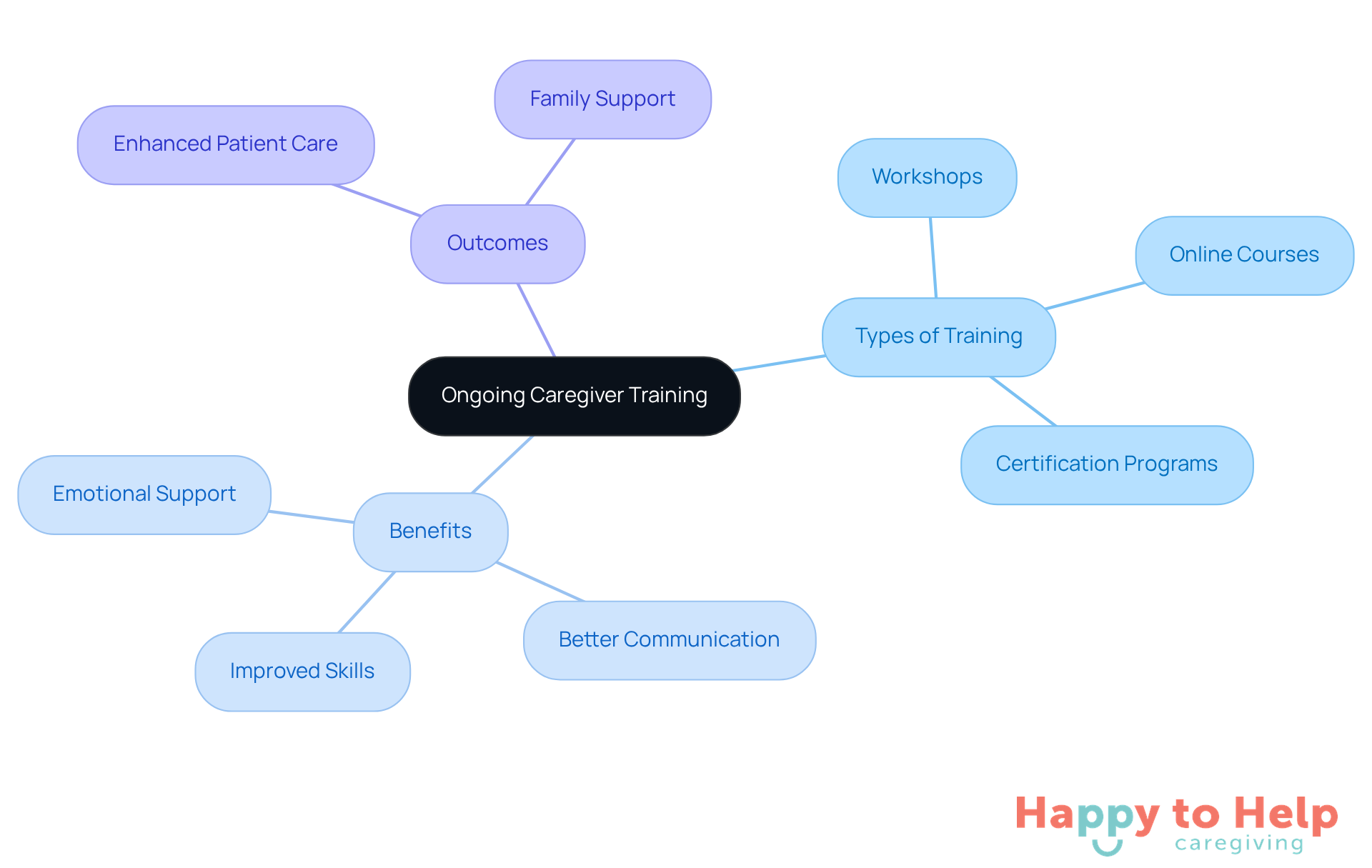
To address this issue, it's crucial to encourage caregivers to engage in ongoing training. Participating in workshops, online courses, and certification programs focused on the latest developments in dementia care can significantly enhance their skills. Regular training sessions equip caregivers with the tools to manage challenging behaviors, improve communication, and offer emotional support effectively.
By prioritizing education, caregivers can ensure they are well-prepared to meet the needs of those they care for in Alzheimer's home care, ultimately leading to better outcomes for patients and their families.
Making the Right Choice
Caring for individuals with Alzheimer's disease presents significant challenges for families and caregivers. The complexities of this condition require a multifaceted approach that prioritizes personalized support and effective communication. Without tailored care plans, caregivers may struggle to meet the unique needs of each patient, which can lead to frustration and diminished quality of life.
To address these challenges, it’s essential to:
- Assess caregiver qualifications
- Conduct home safety evaluations
Open communication between families and care providers is crucial for ensuring that everyone is on the same page. Additionally, leveraging technology and providing ongoing training for caregivers can significantly improve care coordination and outcomes. These strategies work together to create a more effective and compassionate caregiving experience.
As the challenges of Alzheimer's disease continue to grow, families and caregivers must remain proactive in seeking out resources and support. Embracing these essential tips not only enhances the caregiving journey but also empowers individuals with Alzheimer's to maintain their dignity and quality of life. By implementing these strategies, caregivers can navigate the intricacies of Alzheimer's home care with confidence and compassion, ensuring that their loved ones receive the best possible support.
https://iframe.tely.ai/cta/eyJhcnRpY2xlX2lkIjogIjY5MjNhMGExZTUyZmU2NjM2Njg4NjcyMCIsICJjb21wYW55X2lkIjogIjY4ZWU1ZGNhNzMxNzYyNTU3ZjNjOTVjMSIsICJpbmRleCI6IG51bGwsICJ0eXBlIjogImFydGljbGUifQ==Frequently Asked Questions
What challenges do caregivers face when caring for individuals with Alzheimer's disease?
Caregivers often experience feelings of isolation and struggle to provide the companionship and assistance required for their loved ones, leading to increased stress and emotional strain.
What services does Happy to Help Caregiving offer for Alzheimer's home care?
Happy to Help Caregiving provides personalized Alzheimer's home care services, including companionship support, post-hospital recovery assistance, respite services, and palliative support.
How do the services provided by Happy to Help Caregiving enhance the quality of life for clients?
Their services are designed to ensure clients receive compassionate care in the comfort of their own homes, actively involving them in meaningful activities to reduce feelings of isolation and foster a sense of safety and ease.
Why is it important to evaluate caregiver qualifications for Alzheimer's care?
Assessing caregiver qualifications is crucial because there is a growing demand for skilled professionals in dementia support, making it challenging to find qualified individuals who can provide effective assistance.
What qualifications should be looked for in potential caregivers for Alzheimer's home care?
Look for caregivers with specialized training in Alzheimer's home care, certifications from reputable organizations, experience with similar patients, and effective strategies for managing behavioral changes.
How can caregivers improve their skills and knowledge in Alzheimer's care?
Caregivers can benefit from structured training programs that enhance their knowledge and skills, as well as referencing successful training programs for Alzheimer's home care.
Why is developing a customized care plan important for individuals with Alzheimer's?
A tailored support plan is essential to meet the unique needs of individuals facing health challenges, preventing increased stress and potential neglect of essential care aspects.
What factors should be evaluated when creating a customized care plan?
The person's physical health, cognitive skills, emotional requirements, and daily habits should be evaluated to develop a plan that aligns with their preferences and lifestyle.
How can caregivers ensure that the customized care plan remains effective over time?
Regularly reviewing and adjusting the care plan as the disease progresses helps ensure it remains relevant and effective, ultimately improving the quality of care.
List of Sources
- Happy to Help Caregiving: Personalized In-Home Support for Alzheimer's Patients
- Home Care News | Senior Care News | Right at Home (https://rightathome.net/news)
- New Medicare program offers much-needed relief for caregivers of dementia patients (https://finance.yahoo.com/news/new-medicare-program-offers-much-needed-relief-for-caregivers-of-dementia-patients-203450020.html)
- It’s Time to Care for Caregivers: Senator Markey Announces Comprehensive Family Caregiving Legislative Agenda | U.S. Senator Ed Markey of Massachusetts (https://markey.senate.gov/news/press-releases/11/20/2025/its-time-to-care-for-caregivers-senator-markey-announces-comprehensive-family-caregiving-legislative-agenda)
- Alzheimer's Disease Facts and Figures (https://alz.org/alzheimers-dementia/facts-figures)
- Medicare covers at-home nursing care for dementia patients for the first time this year (https://tampabay.com/news/health/2025/08/14/medicare-covers-at-home-nursing-care-dementia-patients-first-time-this-year)
- Evaluate Caregiver Qualifications: Ensure Expertise in Alzheimer's Care
- Caring for the Caregivers: An Alzheimer’s Disease Research Center Call to Action - PMC (https://pmc.ncbi.nlm.nih.gov/articles/PMC9047452)
- Alzheimer's Disease Facts and Figures (https://alz.org/alzheimers-dementia/facts-figures)
- 27 Inspirational Quotes for Caregivers (https://ultimatecareny.com/resources/27-quotes-for-caregivers)
- Research: Caregiver Training Improves Skills & Knowledge of Alzheimer's, Study Shows (https://advancecaregivers.org/caregiver-training-improves-skills-knowledge-of-alzheimers-study-shows)
- Dementia care programs help, if caregivers can find them (https://cbsnews.com/news/alzheimers-dementia-care-programs-help-if-caregivers-can-find-them)
- Establish Open Communication: Foster Collaboration Between Family and Caregivers
- The Importance of Open Communication Between Families and Care Teams (https://regencyhcs.com/blog/the-importance-of-open-communication-between-families-and-care-teams-bab59)
- Communication Breakdowns Take Toll on Family Caregivers, Especially for Older Adults with Chronic Illness (https://ltcnews.com/articles/communication-breakdowns-toll-family-caregivers-older-adults-chronic-illness)
- Nurses' Experiences of Communicating With Families in Municipal Home Health Care - PMC (https://pmc.ncbi.nlm.nih.gov/articles/PMC11623226)
- New Alzheimer’s Association Report Reveals Top Stressors for Caregivers and Lack of Care Navigation Support and Resources (https://alz.org/news/2024/new-alzheimers-association-report-reveals-top-stressors-caregivers)
- The Importance of Effective Communication in Caregiving (https://familycaregiversonline.net/the-importance-of-effective-communication-in-caregiving)
- Conduct Home Safety Assessments: Create a Secure Environment for Care
- 27 Inspirational Quotes for Caregivers (https://ultimatecareny.com/resources/27-quotes-for-caregivers)
- (https://belleviecare.co.uk/support-advice/60-elderly-care-quotes-to-lift-your-spirits)
- Risk factors associated with home care safety for older people with dementia: family caregivers’ perspectives - PMC (https://pmc.ncbi.nlm.nih.gov/articles/PMC10082513)
- Dementia housing without locked wards? It's a small but growing movement (https://npr.org/sections/shots-health-news/2025/11/17/nx-s1-5600877/dementia-alzheimers-care-housing-senior-living-inclusion-segregation)
- Improving the diagnosis of dementia in care homes with DeAR-GP - The Health Innovation Network (https://thehealthinnovationnetwork.co.uk/case\_studies/improving-the-diagnosis-of-dementia-in-care-homes-with-dear-gp)
- Understand Care Costs: Explore Financial Options and Assistance Programs
- Alzheimer’s Association Honors the Nearly 12 Million Americans Who Serve as Dementia Caregivers and Shares New Resources to Help Them Thrive (https://alz.org/news/2025/november-national-family-caregivers-alzheimers-disease-awareness-month)
- Financial Steps To Prepare For Alzheimer’s & Dementia (https://waynedalenews.com/2025/11/financial-steps-to-prepare-for-alzheimers-dementia)
- Alzheimer's Disease Facts and Figures (https://alz.org/alzheimers-dementia/facts-figures)
- New Medicare program offers much-needed relief for caregivers of dementia patients (https://finance.yahoo.com/news/new-medicare-program-offers-much-needed-relief-for-caregivers-of-dementia-patients-203450020.html)
- Pa., N.J. and Del.families can now enroll in a new Medicare dementia program (https://whyy.org/articles/medicare-dementia-guide-program-pennsylvania-new-jersey-delaware)
- Check References and Reviews: Assess Quality of Care Services
- How online reviews are reshaping patient-provider relationships in 2025 (https://consumeraffairs.com/news/how-online-reviews-are-reshaping-patient-provider-relationships-in-2025-110725.html)
- The Caregiving Landscape: Data & Insights on the Caregiver Experience in the U.S. (https://caregiveraction.org/caregiver-statistics)
- Caregiver Statistics: Demographics (https://caregiver.org/resource/caregiver-statistics-demographics)
- Online reviews are becoming more important to patients in choosing their care: How to manage your online reputation in health care | Medical Economics (https://medicaleconomics.com/view/online-reviews-are-becoming-more-important-to-patients-in-choosing-their-care-how-to-manage-your-online-reputation-in-health-care)
- Topic: Home care in the U.S. (https://statista.com/topics/4049/home-care-in-the-us?srsltid=AfmBOoqUhQ-ihcZwPb4eqFLb-zk7aKCWrIhqIvWXGxrxYT3CcLR4rWPS)
- Prioritize Flexible Scheduling: Adapt Care to Changing Needs
- Flexible scheduling, enhanced communication, technology can help address workforce challenges (https://mcknightsseniorliving.com/news/flexible-scheduling-enhanced-communication-technology-can-help-address-workforce-challenges)
- The Critical Role of Flexibility in Home Care Scheduling for Family Peace of Mind (https://relevar.com/the-critical-role-of-flexibility-in-home-care-scheduling-for-family-peace-of-mind)
- Understanding the use of Flexible Work Arrangements Among Older New Zealand Caregivers - PMC (https://pmc.ncbi.nlm.nih.gov/articles/PMC10088344)
- Senior Living Operators Embrace More Flexible Scheduling Practices to Improve Staffing (https://seniorhousingnews.com/2024/08/06/senior-living-operators-embrace-more-flexible-scheduling-practices-to-improve-staffing)
- 9 Ways to Find Caregivers With Flexible Scheduling Options - MedCity News (https://medcitynews.com/2025/05/9-ways-to-find-caregivers-with-flexible-scheduling-options)
- Leverage Technology: Utilize Tools for Better Care Coordination
- Technology Use Among Older Adults and Their Caregivers: Cross-Sectional Survey Study - PMC (https://pmc.ncbi.nlm.nih.gov/articles/PMC11084119)
- Technology that CARES: Enhancing dementia care through everyday technologies - PMC (https://pmc.ncbi.nlm.nih.gov/articles/PMC11667529)
- Caregiver Statistics: Health, Technology, and Caregiving Resources (https://caregiver.org/resource/caregiver-statistics-health-technology-and-caregiving-resources)
- Advanced Wearable Technology Improves Support For People With Dementia And Their Caregivers (https://stories.tamu.edu/news/2025/02/18/advanced-wearable-technology-improves-support-for-people-with-dementia-and-their-caregivers)
- Ensure Ongoing Caregiver Training: Stay Informed on Alzheimer's Care Best Practices
- Virtual dementia training benefits caregivers (https://alz.org/co/news/virtual-dementia-training-benefits-caregivers)
- New Report Recommends Innovative Training Programs to Address Rise in Dementia Needs (https://caregiver.org/news/new-report-recommends-innovative-training-programs-to-address-rise-in-dementia-needs)
- Dementia care programs help, if caregivers can find them (https://cbsnews.com/news/alzheimers-dementia-care-programs-help-if-caregivers-can-find-them)
- Factors associated with receipt of caregiver training among family and unpaid caregivers of people living with dementia (https://sciencedirect.com/science/article/pii/S2667032125000186)