Why Tips for Caring Matters
Caring for seniors with dementia can be incredibly challenging, both emotionally and practically. As more individuals face cognitive decline, the need for effective caregiving strategies becomes even more urgent. This article shares ten essential tips aimed at empowering caregivers with practical tools and insights. These strategies not only help in providing compassionate support but also in maintaining the caregiver's own well-being.
How can caregivers navigate the emotional landscape of dementia care while ensuring their loved ones receive the best possible support? The answers lie within these invaluable strategies, designed to foster understanding and connection. Together, we can explore ways to ease the burden and enhance the caregiving experience.
Happy to Help Caregiving: Personalized In-Home Support for Seniors with Dementia
At Happy to Help Caregiving, we truly understand the emotional challenges that come with caring for seniors with dementia. Our personalized in-home assistance is designed to provide not just support, but companionship and comfort during a difficult time. We offer a range of services, including:
- Companionship support
- Post-hospital recovery assistance
- Respite services
- Palliative care
All aimed at significantly enhancing the quality of life for our clients.
Imagine the peace of mind that comes from knowing your loved one is in a safe and nurturing environment. Our caregivers are specially trained to engage clients in enjoyable activities, promoting emotional well-being and alleviating feelings of isolation. This approach aligns with best practices in memory support, emphasizing the importance of maintaining a routine that nurtures cognitive function and emotional health.
We believe that every individual deserves care tailored to their unique needs. That’s why we create individualized assistance plans that address each client’s distinct requirements and preferences. This commitment to personalized care is essential in caring for seniors with dementia, as it not only helps manage the symptoms of cognitive decline but also empowers families, giving them confidence in the support we provide.
As the landscape of memory care evolves, we remain dedicated to adapting our services to meet the latest developments. Our goal is to continuously enhance the care we offer, ensuring that both clients and their families feel supported and understood. Together, we can navigate this journey with compassion and hope.
Teepa Snow Approach: Transformative Techniques for Dementia Care
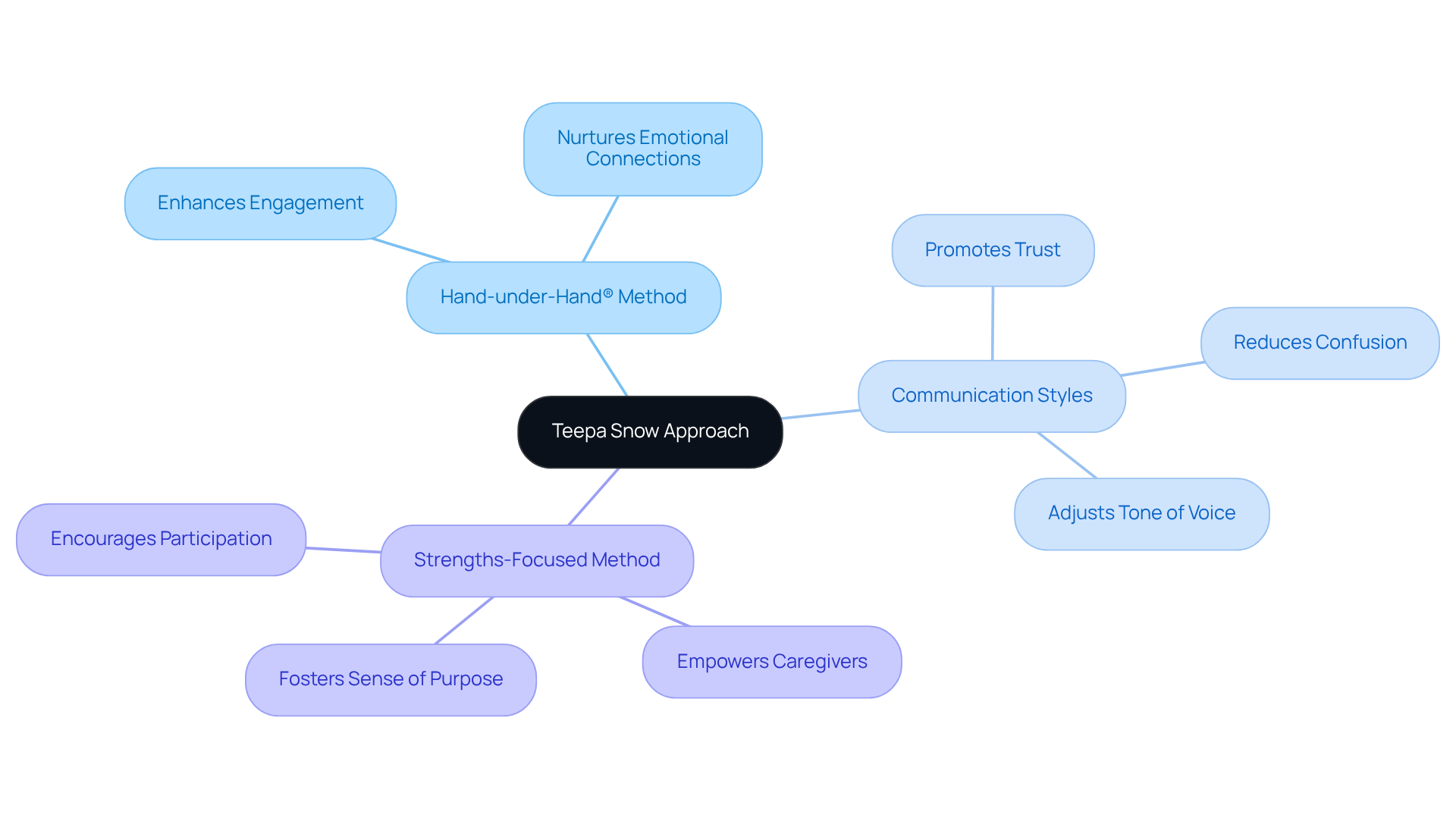
The Teepa Snow Approach focuses on caring for seniors with dementia by fostering positive interactions and recognizing their unique needs and preferences. At the heart of this approach lies the Hand-under-Hand® method, which encourages supporters to engage clients gently and supportively, promoting comfort and participation. This technique not only enhances physical engagement but also nurtures emotional connections, allowing individuals to feel truly valued and respected.
Caregivers are trained to adapt their communication styles, using nonverbal cues and adjusting their tone of voice to ease confusion and frustration. This training is vital, as it equips providers with the skills needed for caring for seniors with dementia, while creating a nurturing atmosphere that honors dignity and respect, significantly improving the quality of care provided. Recent studies underscore the effectiveness of these communication methods, revealing that they foster deeper relationships between providers and those they support, ultimately enriching the overall caregiving experience.
Moreover, the strengths-focused method embedded in the Teepa Snow Approach instills a sense of purpose and assurance in individuals with memory impairment, empowering both supporters and clients alike. Statistics indicate that between 54% and 80% of nursing home residents are experiencing cognitive decline, highlighting the importance of effective caregiving methods in caring for seniors with dementia, like those championed by Teepa Snow. As she beautifully states, "The Positive Approach to Care not only assists those with cognitive impairments but also empowers those who provide support," showcasing the transformative power of understanding and empathy in care.
Caregiver.org: Understanding Dementia Behaviors for Effective Care
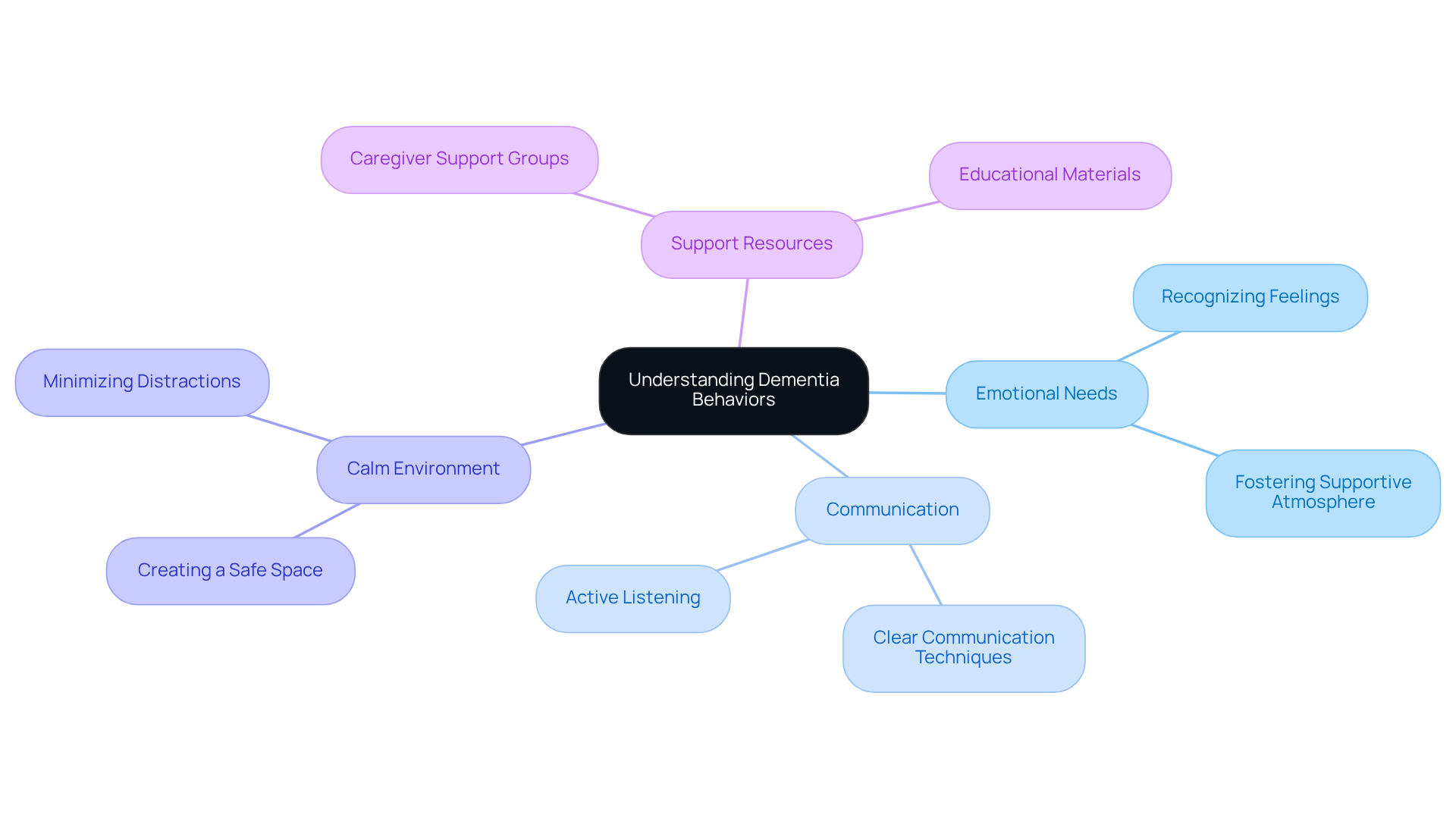
Caring for seniors with dementia can be incredibly challenging. It’s common for caregivers to feel overwhelmed by confusion, agitation, and repetitive behaviors. Recognizing these feelings is the first step toward responding with patience and empathy.
Creating a calm environment is essential. Clear communication can make a world of difference, helping both the caregiver and the person with dementia feel more at ease. It’s also important to be attentive to their emotional needs, as this understanding fosters a supportive atmosphere that promotes well-being.
Remember, you’re not alone in this journey. Many caregivers share similar experiences, and there are resources available to help you navigate these challenges. By embracing these strategies, you can cultivate a nurturing space that supports caring for seniors with dementia while also helping you find moments of peace and connection.
Bethesda Health: Four Steps to Support Seniors with Memory Loss
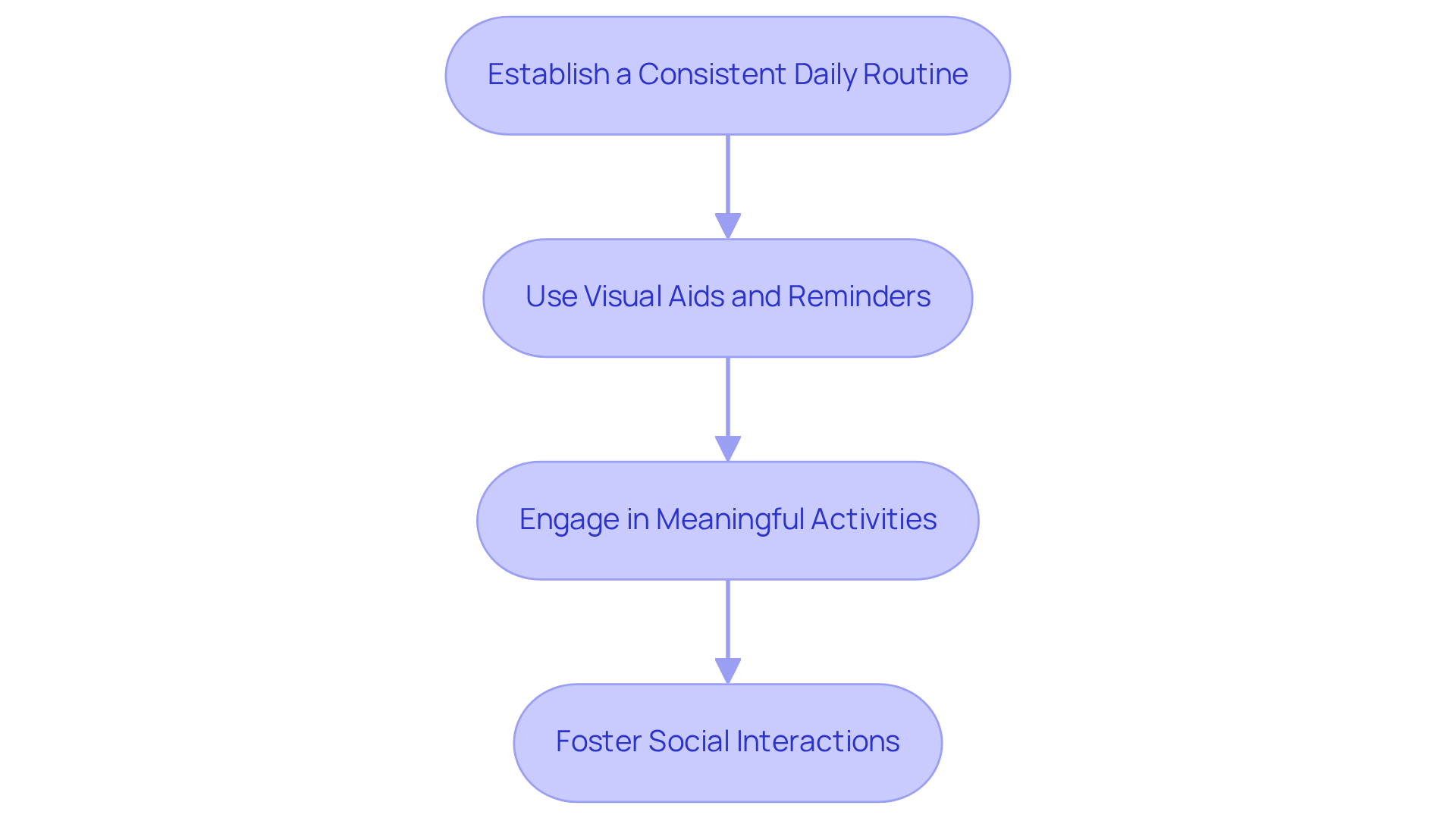
Caring for seniors with dementia can be an emotional journey, filled with challenges that often weigh heavily on caregivers. It’s important to recognize these feelings of stress and burnout, and to know that there are ways to ease this burden. Bethesda Health recommends four essential steps that can truly make a difference:
-
Establish a consistent daily routine to provide structure. This helps create a sense of security and predictability.
-
Use visual aids and reminders to assist with memory. These tools can serve as gentle prompts, guiding seniors through their day.
-
Engage in meaningful activities that stimulate cognitive function. Finding joy in activities can spark connections and enhance mental engagement.
-
Foster social interactions to reduce feelings of isolation. Connecting with others is vital for emotional well-being.
Implementing these steps can significantly enhance the quality of life for seniors, particularly in the context of caring for seniors with dementia, while also easing the caregiving process. Remember, you’re not alone in this journey. With compassion and support, we can navigate these challenges together.
Weatherly Inn: Creating a Safe Environment for Dementia Care
At Weatherly Inn, we truly understand the emotional challenges faced by caregivers involved in caring for seniors with dementia. Creating a safe environment is not just a necessity; it’s a heartfelt commitment to ensuring comfort and security. By removing tripping hazards, ensuring adequate lighting, and using clear signage, we aim to alleviate the anxiety and confusion that often accompany this journey.
Imagine walking into a space that feels familiar and welcoming. These thoughtful modifications can make all the difference, allowing individuals to feel more secure in their surroundings. It’s about more than just safety; it’s about nurturing a sense of belonging and peace.
We believe that establishing such an environment can significantly ease the emotional burden on both patients and caregivers involved in caring for seniors with dementia. Our goal is to provide not only practical support but also emotional reassurance, fostering a community where everyone feels valued and cared for. Together, we can navigate this journey with compassion and understanding.
Senior Living Specialists: Navigating Care Options for Alzheimer's Patients
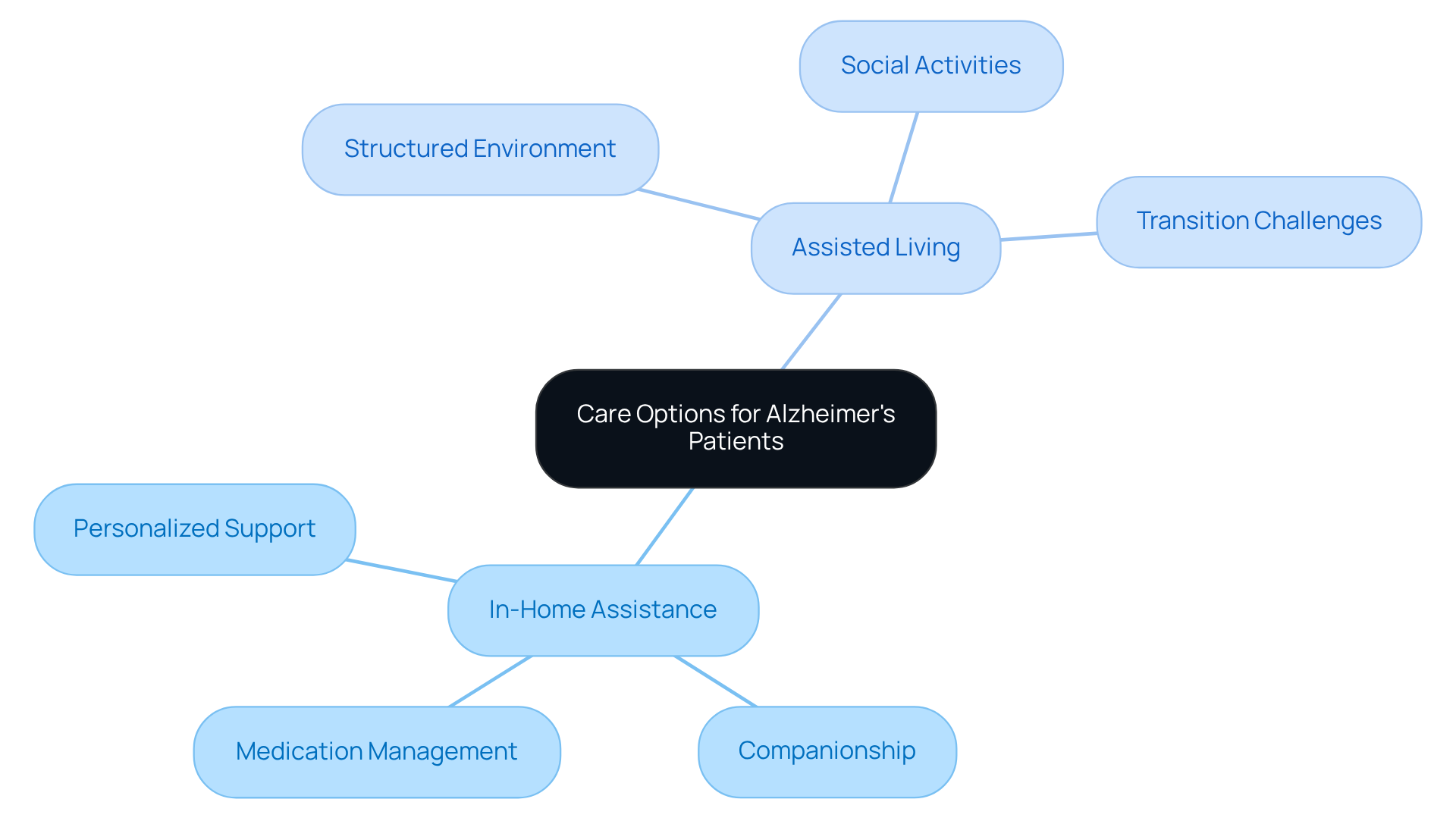
Navigating support options for people with Alzheimer's disease can be overwhelming. It’s essential to carefully evaluate their specific needs and preferences. Senior Living Specialists emphasize the importance of understanding the benefits and challenges associated with various support environments, such as in-home assistance, assisted living, and memory support facilities.
In-home assistance offers personalized support in a familiar setting, allowing individuals to maintain their independence while receiving help with daily tasks. This option is especially beneficial for those who feel most comfortable in their own homes. Caregivers provide companionship, assist with medication management, and offer personal support tailored to each person's unique needs.
Conversely, assisted living facilities provide a structured environment with 24/7 assistance, which can be crucial for individuals requiring more intensive support or supervision. These facilities often feature social activities and communal living, helping to reduce feelings of isolation. However, transitioning to assisted living can be a significant challenge for some, as it means leaving the home they cherish.
Recent trends show a growing preference for in-home assistance among families. This shift is driven by the desire for personalized, compassionate support that aligns with the patient’s lifestyle. Real-life stories illustrate this change: families report that in-home support not only meets their loved ones' medical needs but also enhances their overall quality of life by allowing them to engage in familiar routines and activities.
The 4Ms of Age-Friendly Health Systems - What Matters, Medication, Mind, and Mobility - serve as a guiding framework for planning and communication with healthcare providers. This approach ensures that care is comprehensive and centered around the patient’s needs and preferences.
Moreover, caregivers of individuals with Alzheimer's face unique emotional and mental health challenges, often experiencing heightened levels of anxiety and depression. It’s vital for caregivers to prioritize their own health and well-being. Remember, self-care is not selfish; it’s essential for providing effective support.
Statistics reveal that about 80% of adults with Alzheimer's disease receive assistance at home, highlighting the crucial role of family caregivers in the support continuum. By discussing wishes and preferences early after diagnosis, families can ensure that support aligns with the patient’s values, making the caregiving journey smoother.
Ultimately, the decision between in-home assistance and assisted living should stem from a thorough assessment of the person’s condition, preferences, and the level of support required for caring for seniors with dementia. By taking a thoughtful approach, families can ensure their loved ones receive the most suitable support, fostering a sense of safety and wellness as they navigate the challenges of cognitive care.
CareHomeCare: Comprehensive Guide for Dementia Caregivers
Caring for seniors with dementia can be incredibly challenging. Caregivers often face emotional hurdles that can lead to feelings of stress and burnout. It’s essential to recognize these feelings and find ways to navigate them effectively. Here are some heartfelt tips for dementia caregivers to enhance their caregiving experience:
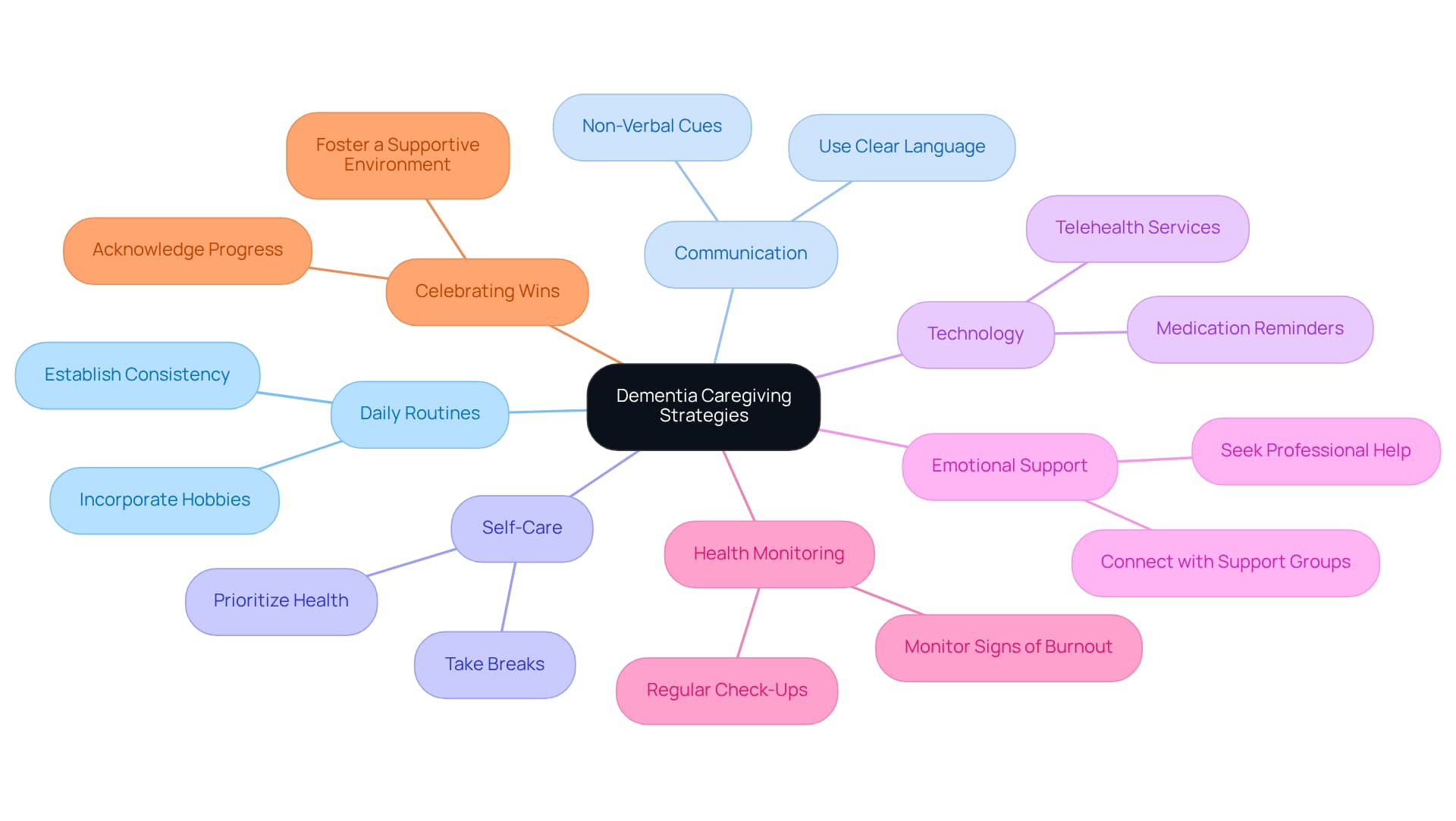
- Establish Daily Routines: Consistency is vital for those with dementia. Creating structured daily routines that include regular meal times, activities, and rest periods can help minimize confusion and anxiety for both the caregiver and the patient involved in caring for seniors with dementia.
Incorporate hobbies and interests into daily care routines while focusing on caring for seniors with dementia. Activities like gardening, music, or art can stimulate cognitive function and bring joy, fostering a sense of accomplishment.
Prioritize communication when caring for seniors with dementia by using clear, simple language and maintaining eye contact to enhance understanding. Non-verbal cues, such as gestures and facial expressions, can also aid communication, making interactions more effective and meaningful.
Caregivers must prioritize their own health and well-being when they are involved in caring for seniors with dementia. Regular exercise, a balanced diet, and adequate sleep are crucial for managing stress. Remember, taking breaks-even short ones-is vital for recharging.
Seeking emotional support by connecting with support groups or speaking with a therapist can provide caregivers, particularly those caring for seniors with dementia, with a safe space to share their experiences and feelings. This emotional support is essential for alleviating feelings of isolation and stress.
- Utilize Technology: Leverage tools like medication reminders and telehealth services to streamline caregiving tasks. Technology can enhance efficiency, allowing caregivers to focus more on personal interactions with their loved ones.
Staying informed about the latest studies and materials related to caring for seniors with dementia can empower caregivers. Understanding the evolving nature of dementia enables them to adjust their strategies effectively.
Delegating responsibilities, including sharing caregiving duties with family members or hiring professional help when needed, is important for those caring for seniors with dementia to alleviate stress and prevent burnout. This ensures that the patient receives comprehensive support.
Monitoring health is essential, especially when caring for seniors with dementia, as regular health check-ups for both caregivers and patients are crucial. This helps identify any emerging health issues early, allowing for timely intervention. Caregivers should also be aware of signs of burnout, such as increased irritability and fatigue, and seek help when needed.
- Celebrate Small Wins: Acknowledge and celebrate progress, no matter how small. This positive reinforcement can boost morale for both caregivers and patients, fostering a supportive environment.
By applying these strategies, caregivers can improve their ability to offer compassionate assistance while also taking care of their own well-being.
Alzheimers.org.uk: Practical Resources for Dementia Caregivers
Caring for seniors with dementia can be incredibly challenging. Many caregivers experience feelings of stress and burnout as they navigate the journey of caring for seniors with dementia. At Alzheimers.org.uk, we understand these emotional challenges and are here to help.
We offer a wealth of resources designed specifically for caregivers. From training materials to support groups and informative articles, these tools are crafted to provide the emotional and practical support you need. By utilizing these resources, you can enhance your confidence and competence in your caregiving role, especially when it comes to caring for seniors with dementia.
Imagine feeling more equipped to handle the daily challenges. Picture yourself connecting with others who share similar experiences, finding solace in their stories. Our community is here to reassure you that you are not alone.
Remember, it’s okay to seek help. Embracing these resources can make a significant difference in your caregiving journey. You have the strength to provide compassionate care, and with the right support, you can thrive in the role of caring for seniors with dementia.
Grandoaksdc.org: Daily Care Tips for Seniors with Dementia
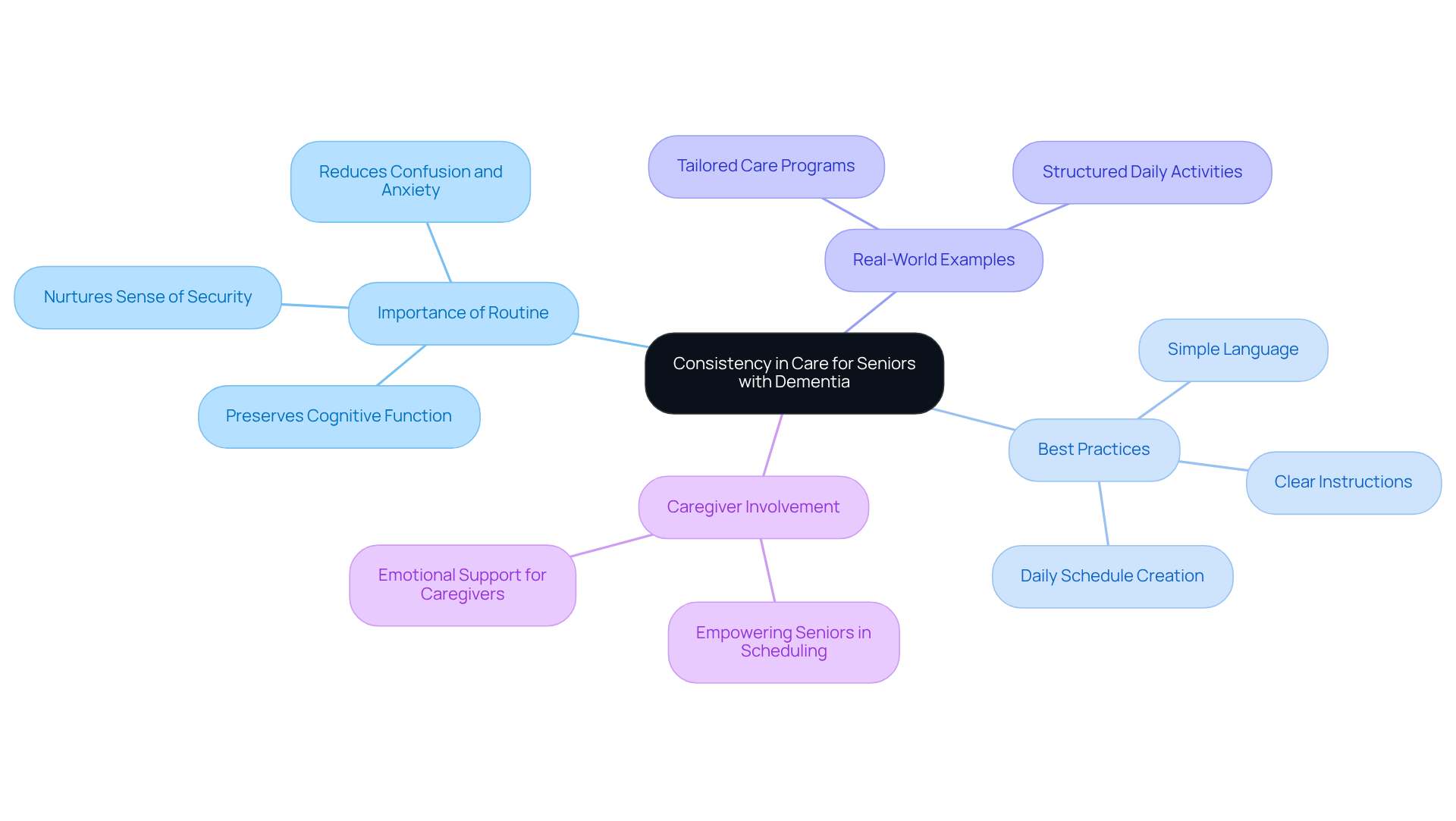
Establishing consistency in cognitive impairment support is crucial for enhancing the quality of life for our seniors. It’s heartening to know that studies reveal how maintaining consistent schedules - like regular meal times and familiar activities - can significantly reduce confusion and anxiety for those facing cognitive challenges. Engaging in predictable daily routines not only nurtures a sense of security but also helps preserve cognitive function by reinforcing memory through repetition. In fact, nearly 12 million Americans are providing unpaid care for individuals with Alzheimer's or other dementias, underscoring the urgent need for effective caregiving strategies.
To ensure consistency, caregivers can adopt best practices such as:
- Using simple language during communication
- Offering clear, step-by-step instructions
This thoughtful approach minimizes misunderstandings and fosters a calm atmosphere. For example, caregivers might create a daily schedule that outlines activities, meals, and rest periods, allowing seniors to anticipate what comes next - an essential aspect of their emotional well-being. As Vicki A Freedman notes, caregivers often face significant emotional challenges, making structured routines even more vital.
Real-world examples of successful consistency in routines can be found in programs that implement structured daily activities tailored to individual preferences. These initiatives often show improved emotional well-being for both caregivers and those receiving care, highlighting the profound impact of routine on managing cognitive decline. Jim Rudolph emphasizes that bringing comfort and joy to those we assist is paramount. By focusing on consistency, support providers can create a stable and nurturing environment that greatly enhances the overall experience for caring for seniors with dementia.
To further support caregivers, consider a simple yet powerful tip: involve seniors in crafting their daily schedule. This not only empowers them but also encourages their participation in their care routine, fostering a sense of ownership and stability.
CareOptionsForKids: Importance of Structure in Dementia Care Routines
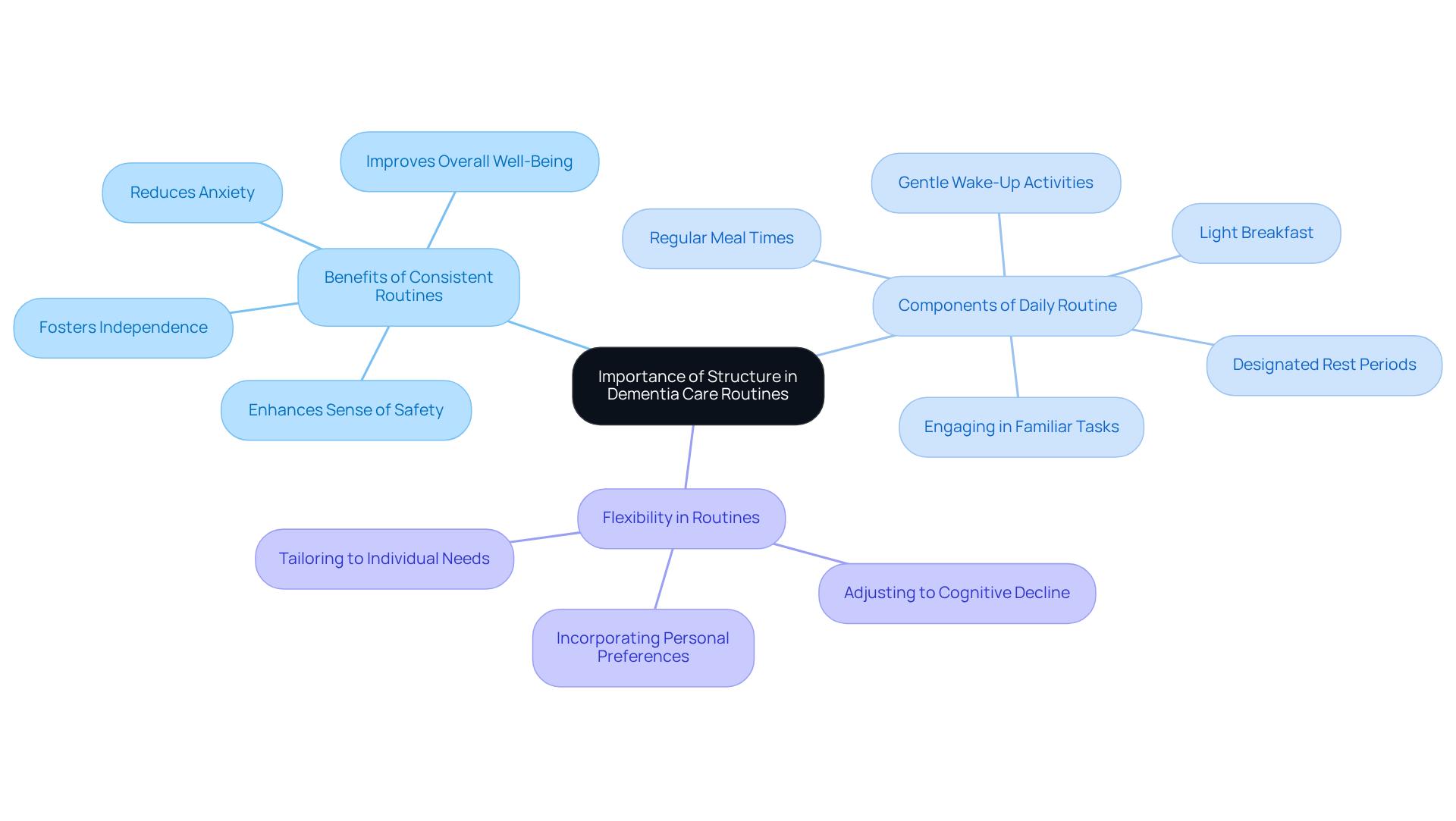
Creating a consistent daily routine is vital when caring for seniors with dementia who are facing memory difficulties. It not only enhances their sense of safety but also helps reduce anxiety. By establishing structured routines that include regular activities, meal times, and designated rest periods, caregivers can make a significant difference in caring for seniors with dementia. Research shows that consistent routines in caring for seniors with dementia can lead to fewer outbursts or moments of distress, ultimately improving their overall well-being. For example, a thoughtfully planned morning routine might feature:
- Gentle wake-up activities
- A light breakfast
- Engaging in familiar tasks
This approach reinforces remaining abilities and fosters a sense of accomplishment while caring for seniors with dementia.
Real-life stories highlight the power of predictable schedules. Many memory support communities use daily routine charts that visually outline activities, which aids in caring for seniors with dementia by helping residents anticipate what comes next. This method not only provides clarity but also promotes independence, allowing individuals to participate in their care at their own pace. Visual aids significantly enhance comprehension for those with cognitive impairments, breaking down communication barriers. Furthermore, studies indicate that maintaining regular meal times supports physical health and boosts emotional well-being through social connections during shared meals.
Recent insights emphasize the importance of flexibility within these routines. As cognitive decline progresses, adjusting routines to meet evolving needs becomes crucial. Daily routines are essential in caring for seniors with dementia as they protect the dignity and self-esteem of patients with cognitive impairments by encouraging independence and offering emotional security. By focusing on individuals' capabilities rather than their limitations, caregivers can cultivate an environment that nurtures confidence and dignity. Ultimately, a structured daily routine acts as a lifeline in caring for seniors with dementia, providing stability and comfort to those navigating the challenges of the condition.
Taking the Next Steps
Caring for seniors with dementia can be incredibly challenging, often leaving caregivers feeling overwhelmed and stressed. It’s essential to approach this journey with compassion and understanding. Personalized care is not just a strategy; it’s a lifeline that can significantly improve the quality of life for both seniors and their caregivers. By truly understanding the emotional and physical needs of those affected, caregivers can create environments that promote dignity, safety, and connection.
Key strategies can make a world of difference:
- Establishing consistent routines helps provide a sense of stability.
- Effective communication techniques foster understanding.
- The Teepa Snow Approach is particularly valuable, nurturing positive interactions that can brighten a senior's day.
- A structured environment that minimizes confusion and encourages engagement is crucial.
These practices not only help manage the symptoms of dementia but also empower caregivers, enabling them to offer more compassionate support.
The journey of caring for seniors with dementia requires patience and a commitment to learning. It’s a path filled with challenges, but also with opportunities for connection and growth. By embracing these essential tips and resources, caregivers can cultivate an atmosphere of hope and resilience. Thoughtful, personalized care goes beyond mere assistance; it fosters meaningful connections and enhances the overall well-being of both caregivers and those they support. Remember, you’re not alone in this journey - there’s a community of support ready to help you every step of the way.
https://iframe.tely.ai/cta/eyJhcnRpY2xlX2lkIjogIjY5MWZkYzU1NDE0OGNiZGNlMjRmMzkzMiIsICJjb21wYW55X2lkIjogIjY4ZWU1ZGNhNzMxNzYyNTU3ZjNjOTVjMSIsICJpbmRleCI6IG51bGwsICJ0eXBlIjogImFydGljbGUifQ==Frequently Asked Questions
What services does Happy to Help Caregiving offer for seniors with dementia?
Happy to Help Caregiving offers a range of services, including companionship support, post-hospital recovery assistance, respite services, and palliative care, all aimed at enhancing the quality of life for clients.
How does Happy to Help Caregiving ensure personalized care for seniors with dementia?
They create individualized assistance plans tailored to each client's unique needs and preferences, which helps manage symptoms of cognitive decline and empowers families.
What is the Hand-under-Hand® method in the Teepa Snow Approach?
The Hand-under-Hand® method encourages gentle and supportive engagement with clients, promoting comfort and participation, while enhancing emotional connections.
How do caregivers trained in the Teepa Snow Approach communicate with seniors with dementia?
Caregivers adapt their communication styles by using nonverbal cues and adjusting their tone of voice to ease confusion and frustration, creating a nurturing atmosphere that honors dignity and respect.
Why is creating a calm environment important when caring for seniors with dementia?
A calm environment facilitates clear communication and helps both the caregiver and the person with dementia feel more at ease, promoting well-being.
What should caregivers do when feeling overwhelmed by dementia behaviors?
Caregivers should recognize their feelings, respond with patience and empathy, and seek support from resources available for caregivers.
What is the significance of the strengths-focused method in dementia care?
The strengths-focused method empowers individuals with memory impairment, instilling a sense of purpose and assurance in both clients and their supporters.
How prevalent is cognitive decline among nursing home residents?
Statistics indicate that between 54% and 80% of nursing home residents experience cognitive decline, highlighting the need for effective caregiving methods.