10 Essential Tips for Choosing a Sitter for Elderly Care

For families in our service areas
For families in our service areas, this guide explains caregiving and how non-medical in-home caregiving can support care planning in East Idaho, Treasure Valley & Magic Valley, Northern Wasatch, North Central West Virginia, and Northeast Ohio.
Why Tips for Choosing a Sitter for Elderly Matters
Choosing the right caregiver for elderly loved ones presents a significant challenge, filled with emotional weight and practical implications. Nearly half of seniors require assistance with daily activities, which means families must ensure their loved ones receive not just any care, but compassionate and competent support. This situation can be overwhelming, as families navigate the complexities of finding a caregiver who meets their loved one's needs while also fostering a trusting and supportive relationship.
In this article, we will explore ten essential tips that simplify the selection process. These tips will highlight key qualities to look for in a caregiver, providing actionable solutions to help families make informed decisions. By understanding the challenges and knowing what to seek in a caregiver, families can find the right fit for their loved ones.
Happy to Help Caregiving: Personalized In-Home Care Services
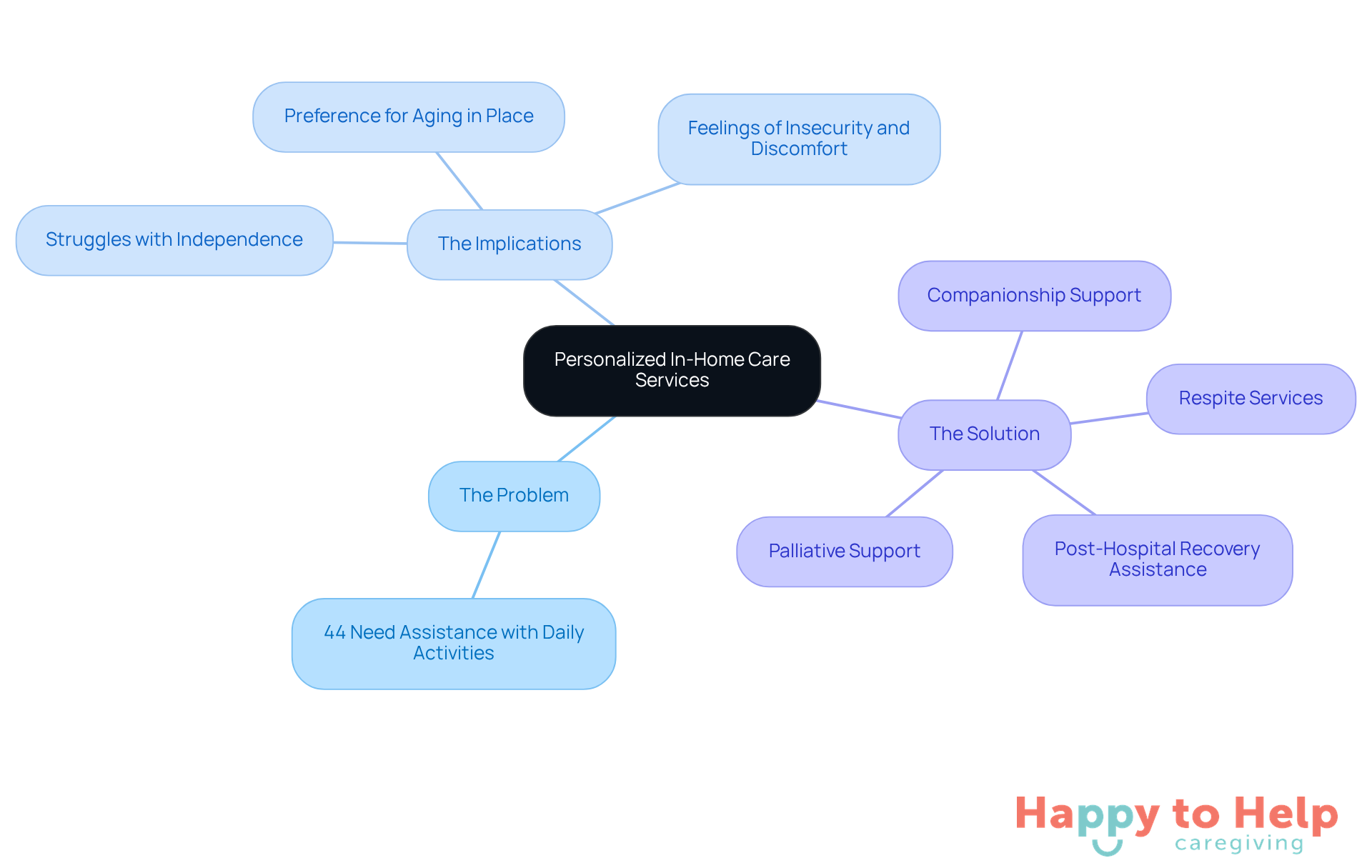
The Problem: Many seniors and individuals with special needs face challenges in daily living activities. Recent statistics reveal that about 44% of home service recipients require assistance with at least one daily activity. This highlights a significant issue: the need for tailored support to enhance their quality of life.
The Implications: Without proper assistance, seniors may struggle with maintaining their independence, leading to feelings of insecurity and discomfort. The ability to age in place safely and comfortably has become a significant preference among seniors, as noted by the U.S. Department of Health and Human Services. This underscores the critical role of compassionate caregiving services, including a sitter for elderly individuals.
The Solution: Happy to Help Caregiving excels in providing customized in-home assistance with a sitter for elderly clients, designed to meet the unique requirements of each individual. Their comprehensive services include:
- Companionship support
- Post-hospital recovery assistance
- Respite services
- Palliative support
These services are available 24/7 with flexible scheduling options, ensuring that clients receive the necessary support precisely when they need it. By allowing seniors to remain in a familiar environment, these services foster a sense of security and comfort, significantly enhancing their overall well-being.
Verify Caregiver Qualifications: Ensure Proper Training and Experience
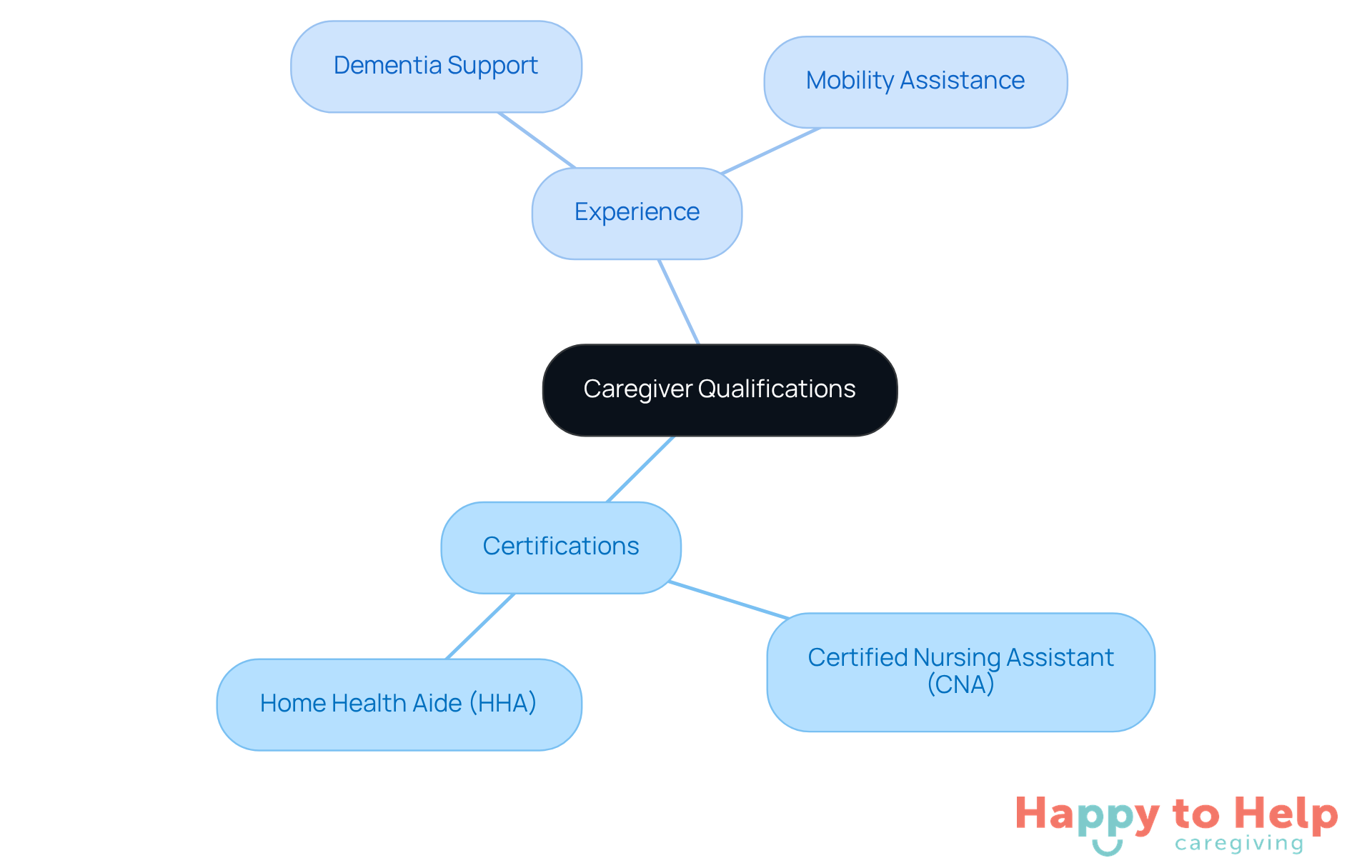
Choosing a caretaker can be daunting, especially when it comes to confirming their qualifications. Many families face the challenge of ensuring that their loved ones receive the best care possible with the help of a sitter for elderly. Without proper credentials, the risk of inadequate support increases, which can lead to negative outcomes for those in need of assistance.
To mitigate this issue, look for certifications such as:
- Certified Nursing Assistant (CNA)
- Home Health Aide (HHA)
These credentials indicate that the caretaker has undergone specific training relevant to caregiving. Additionally, inquire about their experience in areas that are crucial for your family member's needs, such as:
- Dementia support
- Mobility assistance
A well-trained sitter for elderly individuals will not only provide physical assistance but also understand the emotional and psychological aspects of caregiving, ensuring a holistic approach to care.
Establish Clear Communication: Discuss Care Plans and Expectations
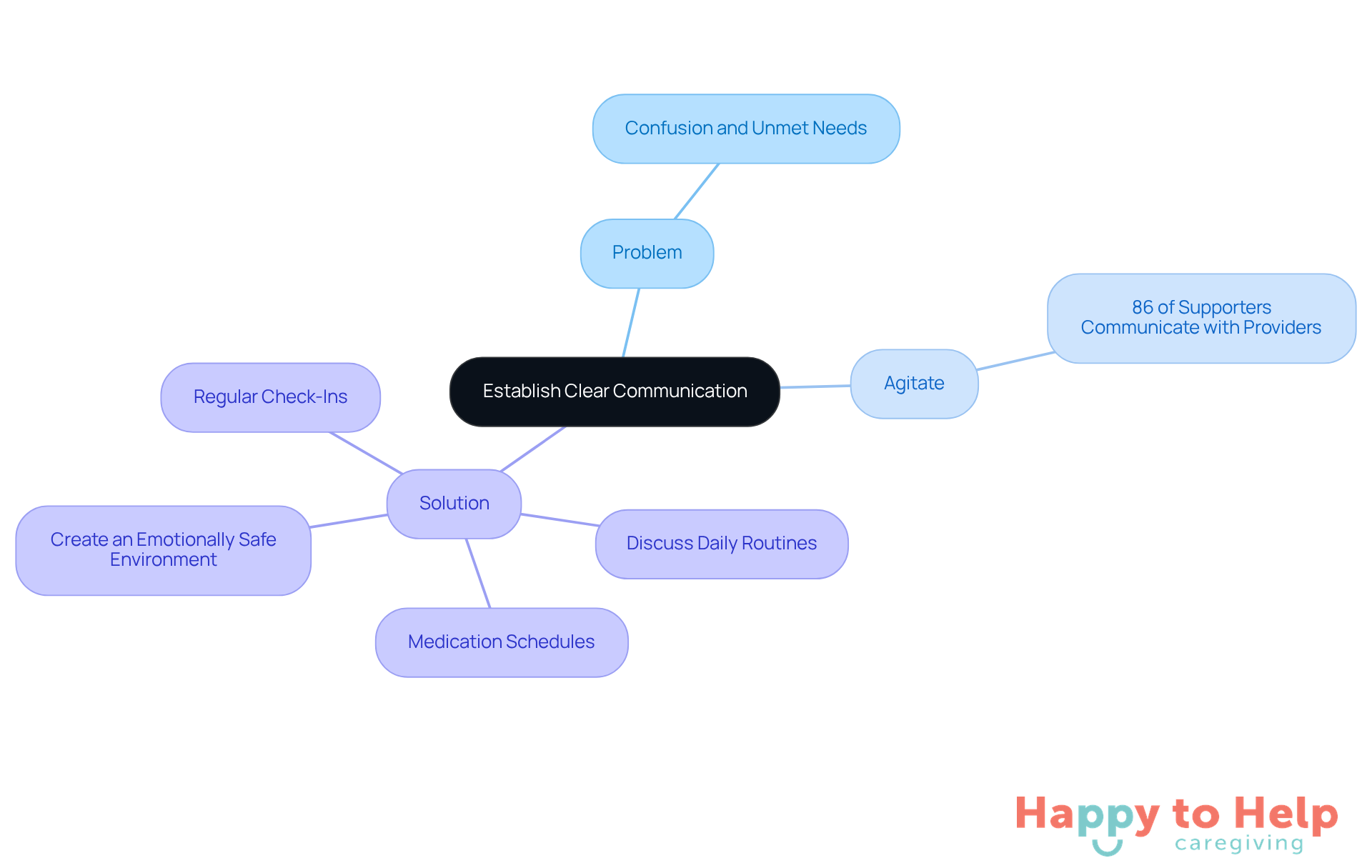
Problem: Establishing clear communication with your support person is vital for ensuring the best possible assistance for your family member. Without effective communication, caregivers may struggle to provide the necessary support, leading to confusion and unmet needs.
Agitate: Studies show that 86% of supporters communicate with health care providers regarding their role in aiding with daily activities. This statistic highlights the significance of family participation in health decisions. When communication falters, it can hinder the quality of care and create unnecessary stress for both caregivers and their loved ones.
Solution: Start by discussing the support plan in detail. Cover daily routines, medication schedules, and any specific preferences your loved one may have. Participating in regular check-ins enables the prompt resolution of issues and modifications to the support plan as required. This proactive method encourages a cooperative atmosphere and emphasizes the importance of creating a routine. Consistent supporters develop predictable schedules that minimize confusion.
Additionally, creating an emotionally safe environment is crucial; seniors should feel comfortable expressing their thoughts and concerns. By maintaining open channels of communication, families can ensure that providers are well-informed and aligned with the unique needs of their relatives, ultimately leading to enhanced outcomes.
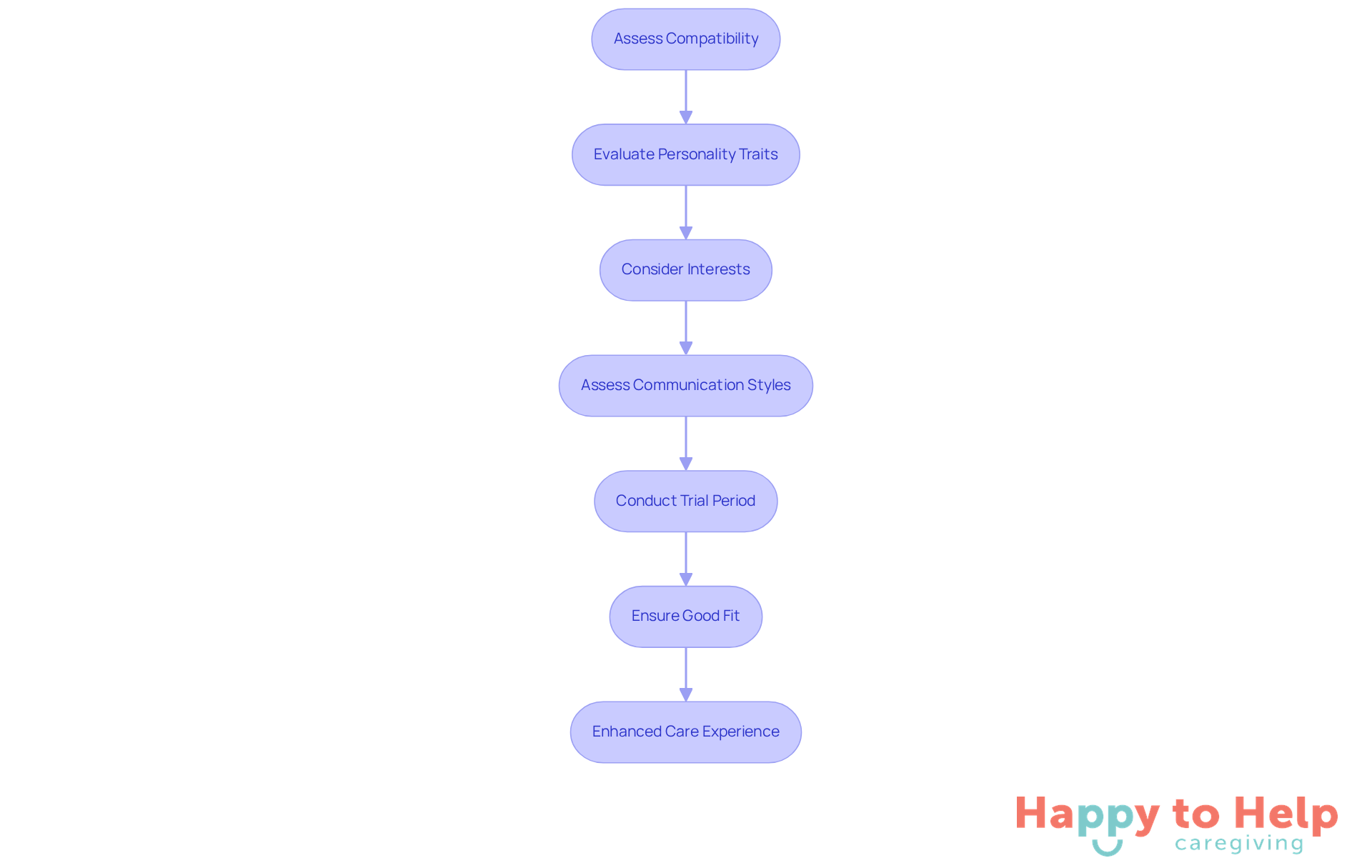
Assess Compatibility: Match Caregiver Personality with Elderly Needs
Evaluating the compatibility between the sitter for elderly and your family member is crucial for effective in-home care. The problem arises when personality traits, interests, and communication styles do not align, leading to potential misunderstandings and dissatisfaction. For instance, if your loved one enjoys storytelling, pairing them with a caregiver who is a good listener and shares similar interests can foster a more engaging and supportive environment.
Research shows that caregivers who consistently work with the same seniors develop a keen understanding of their needs and preferences. This familiarity enhances the overall caregiving experience, making it essential to prioritize compatibility when choosing a sitter for elderly. Conducting a trial period is a practical solution to assess the caregiver-client relationship. This approach allows both parties to gauge comfort levels and compatibility, ensuring a better fit.
Effective matching procedures for a sitter for elderly often involve thorough evaluations of the senior's character and preferences. This guarantees that caregivers are not only skilled but also emotionally and socially compatible. Geriatric support experts emphasize that strong connections between providers and seniors can significantly improve service outcomes, leading to enhanced emotional resilience and overall wellness.
Ultimately, prioritizing compatibility among caregivers can create a more positive support experience. This reduces anxiety and fosters trust, which is especially important for seniors facing cognitive challenges. By focusing on these elements, families can elevate the quality of care their loved ones receive.
Understand Costs: Evaluate Pricing and Payment Options
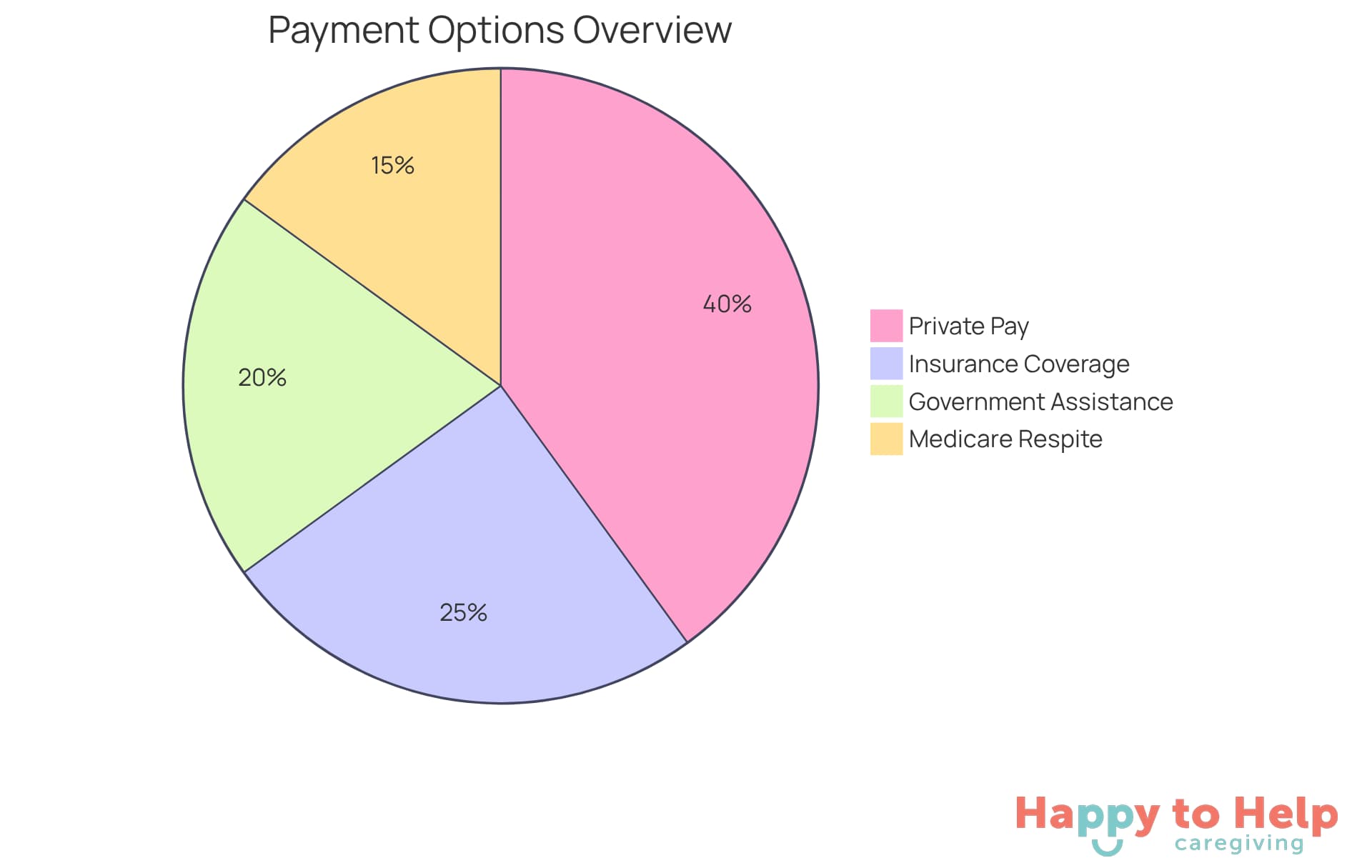
Understanding the costs associated with hiring a support worker is a significant challenge for families. In-home assistance services can vary widely in price, influenced by factors such as geographic location, the level of support required, and the caregiver's qualifications. For example, the national median cost for non-medical in-home assistance in 2025 is around $33 per hour, with rates ranging from $24 to $43 per hour depending on the state.
This variability can create financial strain for families, making it crucial to explore different payment options. Families should consider:
- Private pay
- Insurance coverage
- Government assistance programs like Medicaid, which can help reduce costs for eligible individuals
Additionally, some Medicare recipients with dementia may qualify for up to $2,500 annually for respite services, underscoring the importance of understanding available financial resources.
It's also essential to note that Medicare provides limited coverage for home health services, requiring an evaluation by a medical provider. Clear communication about financial expectations with the agency or support provider can prevent misunderstandings and ensure families are prepared for the financial commitment involved in securing quality care for their loved ones.
Check References: Review Feedback from Previous Clients
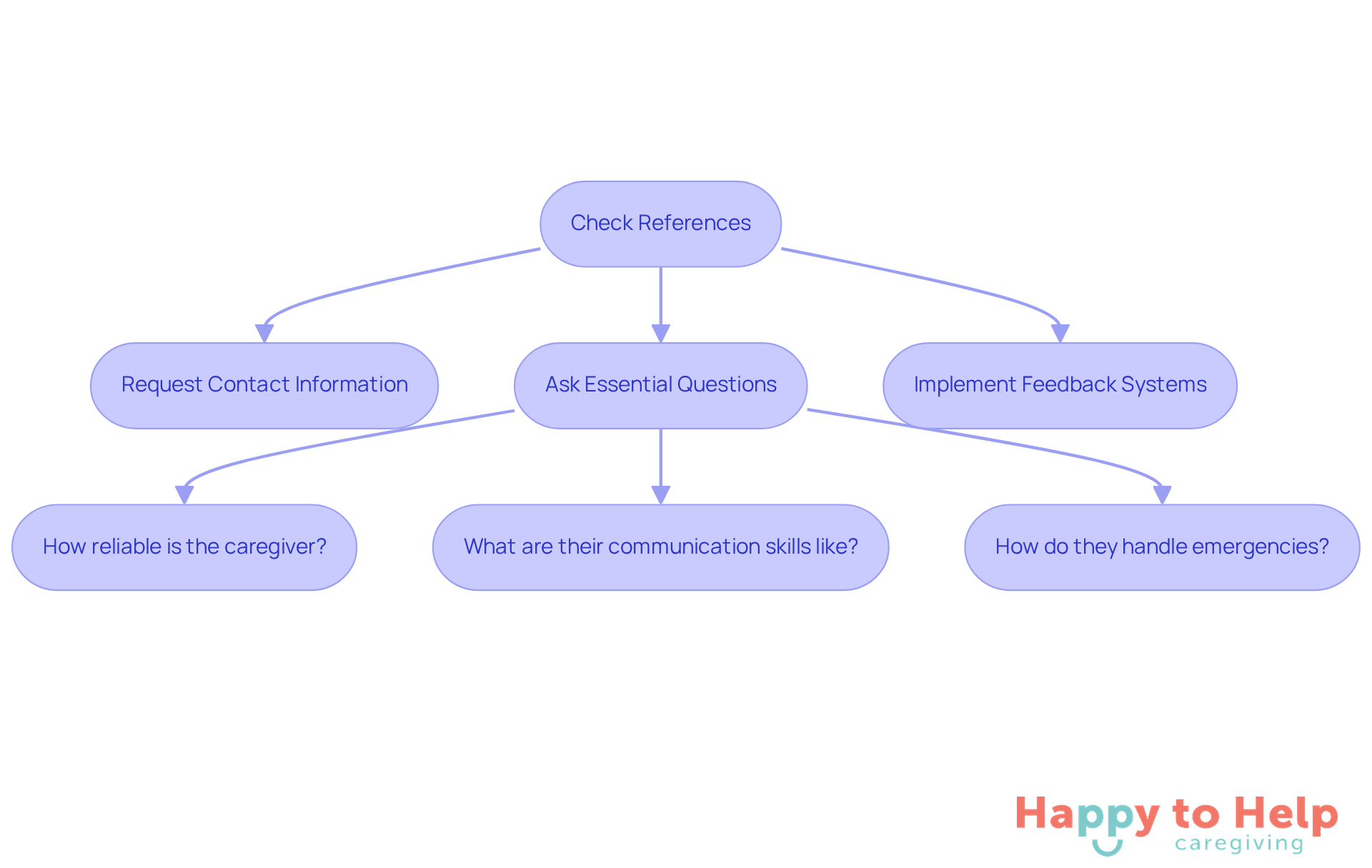
Verifying references is a crucial step in hiring a personal support worker. The challenge lies in ensuring that the caregiver is reliable and capable of meeting your loved one's unique needs. To address this, request contact information from previous clients or employers and ask about their experiences. Essential questions to consider include:
- How reliable is the caregiver?
- What are their communication skills like?
- How do they handle emergencies?
These inquiries can provide valuable insights into the provider's suitability. Additionally, implementing feedback systems like regular check-ins and performance evaluations can further ensure provider reliability and client satisfaction.
Recent trends indicate that thorough background checks are becoming standard practice among agencies, with 55.8% conducting federal criminal background checks. Interacting with former clients not only aids in evaluating a provider's qualifications but also promotes a sense of assurance in the assistance offered. Moreover, 91.0% of employee-based agencies oversee their staff, emphasizing the significance of supervision in upholding high standards of assistance.
Ensure Flexible Scheduling: Adapt to Changing Care Needs
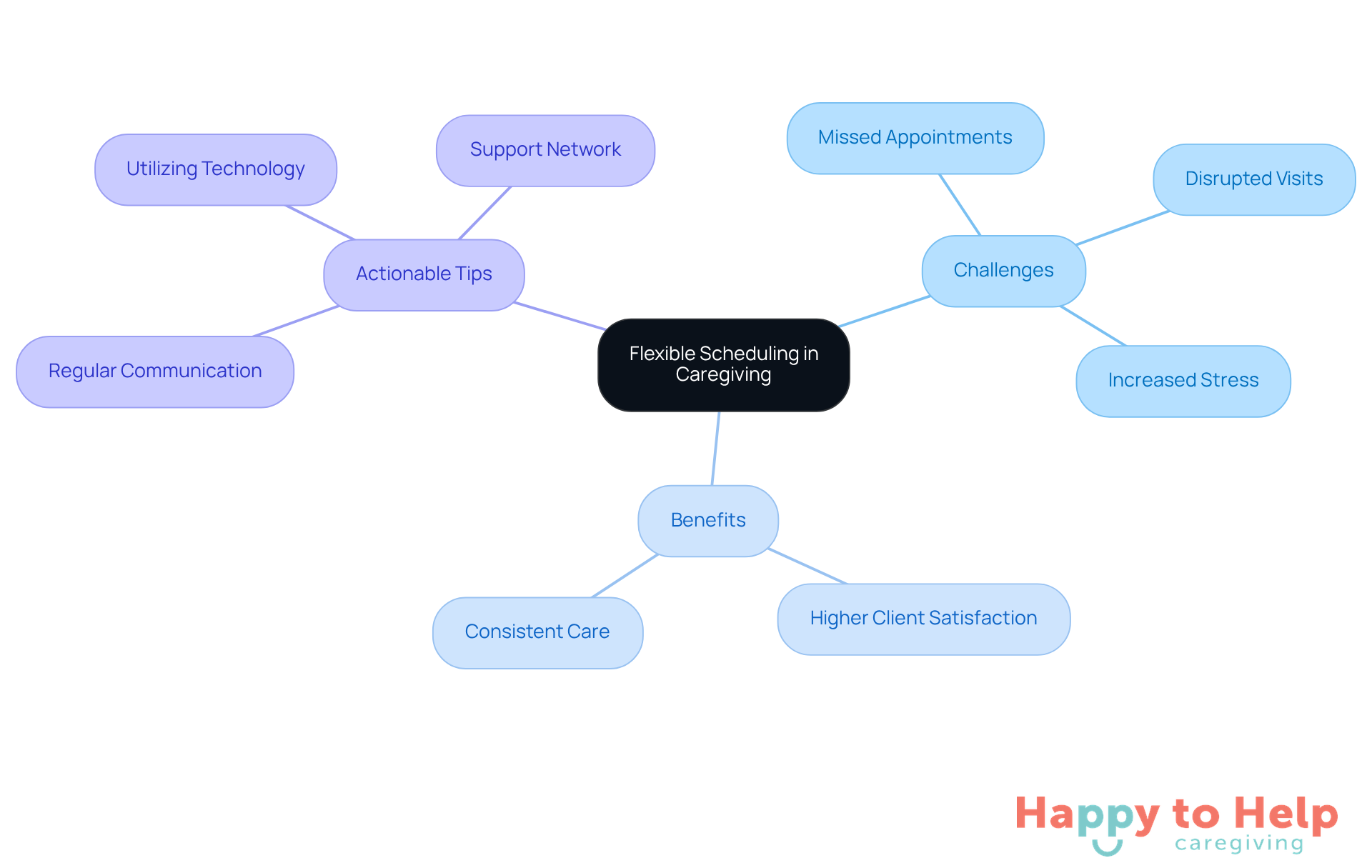
Flexibility in scheduling poses a significant challenge for caregivers, particularly as family members' needs evolve. When caregivers struggle to adjust their hours, it can lead to missed medical appointments, disrupted family visits, and increased stress due to fluctuations in health status. This rigidity not only undermines the stability and comfort that seniors require but can also negatively impact their overall well-being.
To address this issue, caregivers must prioritize adaptable scheduling. By being prepared to modify their hours, they can accommodate essential medical appointments and family interactions, ultimately fostering a supportive environment for seniors. Research indicates that providers who offer flexible services tend to achieve higher client satisfaction, as families appreciate the ability to tailor support around their loved ones' specific needs.
Experts in the field highlight that a responsive caregiving approach significantly alleviates stress for both clients and their families. This adaptability ensures that care remains consistent and effective, which is crucial for maintaining the quality of life for seniors.
Here are some actionable tips for caregivers to enhance flexibility in their scheduling:
- Communicate regularly with family members to understand their changing needs.
- Utilize technology to manage appointments and reminders efficiently.
- Establish a network of support among other caregivers to share responsibilities when necessary.
By embracing flexible scheduling, caregivers can better meet the dynamic needs of those they serve, leading to a more positive caregiving experience.
Prioritize Ongoing Training: Keep Caregivers Informed and Skilled
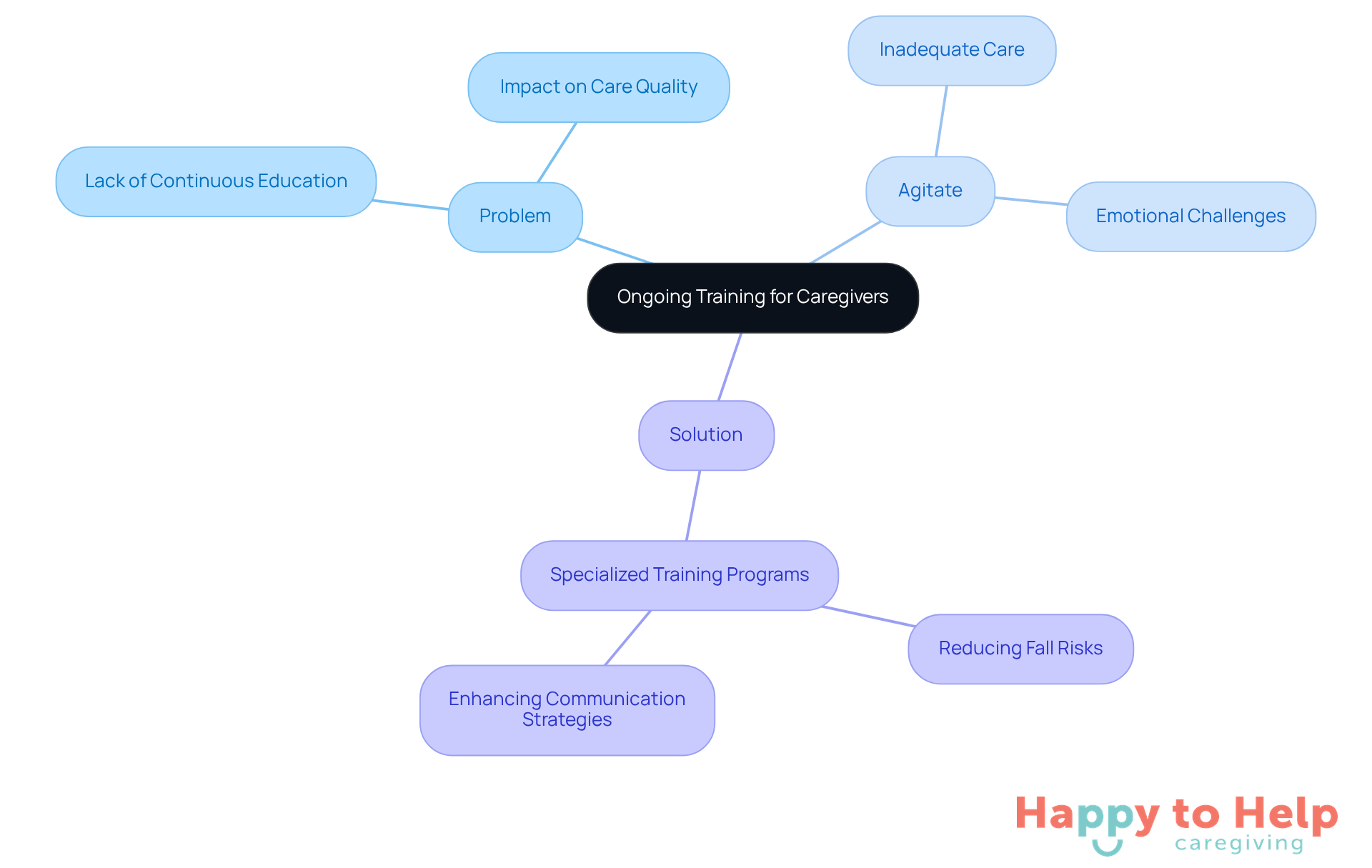
Problem: Caregivers often lack continuous education, which can hinder their ability to provide the best support. With the caregiving landscape constantly evolving, staying updated on the latest techniques and best practices is essential.
Agitate: This gap in training can lead to inadequate care, increased risks for clients, and emotional challenges for caregivers themselves. For instance, without proper training in areas like first aid or dementia support, caregivers may struggle to meet the needs of those they assist. As the number of individuals needing support is projected to reach 63 million in the U.S. by 2025, the urgency for well-trained providers is more critical than ever.
Solution: Organizations like Senior Helpers are addressing this issue by offering specialized training programs. These include courses on:
- Reducing fall risks
- Enhancing communication strategies
By investing in education, agencies not only improve service quality but also help alleviate feelings of isolation among caregivers. Empowering caregivers through education is vital for delivering high-quality, person-centered support. Providing them with the necessary skills ensures that clients receive optimal care, ultimately enhancing their overall well-being.
Prepare for Emergencies: Ensure Caregivers Have a Plan
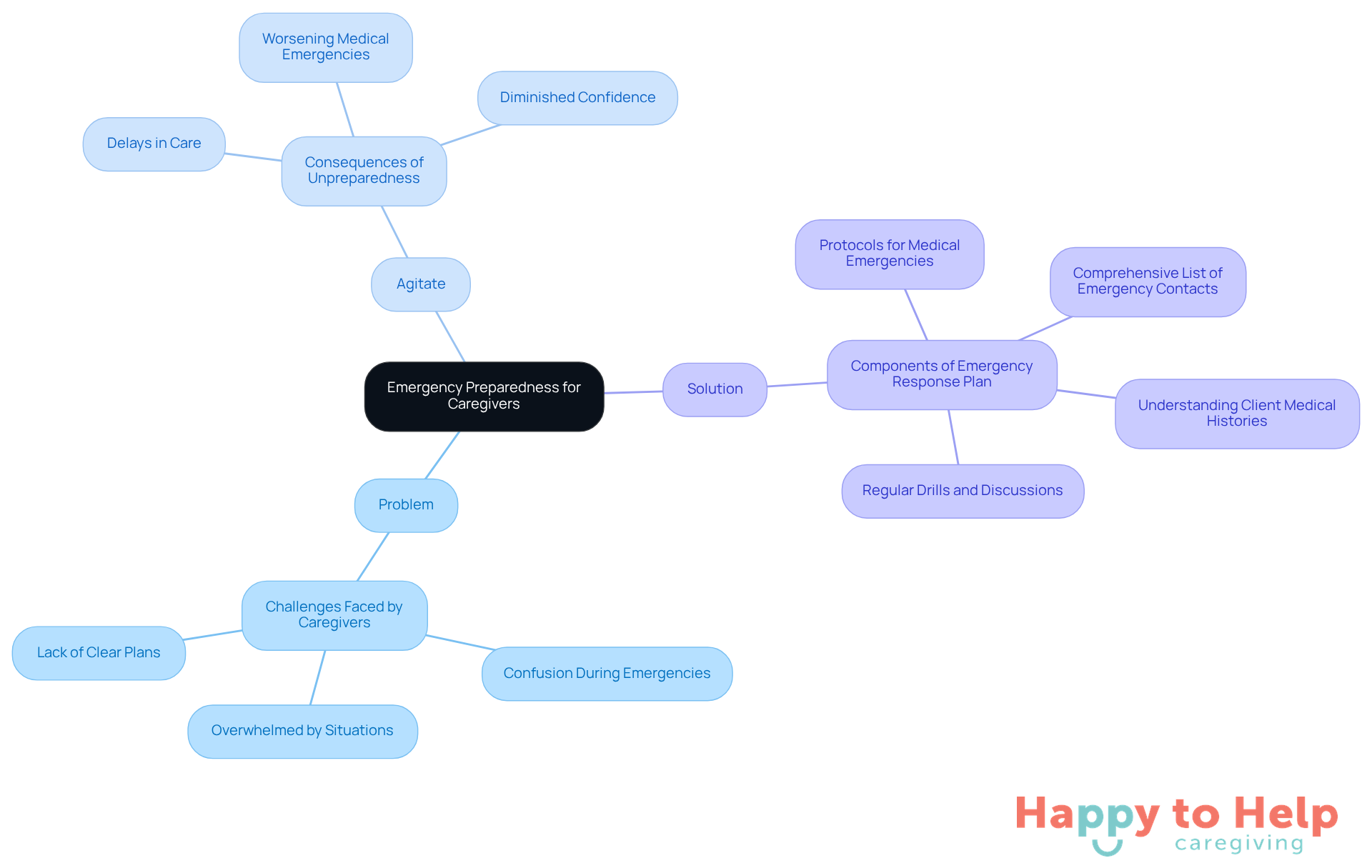
Problem: Caregivers often face challenges when it comes to emergency preparedness. Without a clear plan, they may struggle to respond effectively during critical situations, which can jeopardize client safety.
Agitate: This lack of preparedness can lead to confusion and delays in care, potentially worsening medical emergencies. Caregivers may feel overwhelmed and unsure of how to act, which can diminish their confidence and effectiveness in crisis management.
Solution: To combat these issues, it is essential to establish a clear and actionable emergency response plan. This plan should include:
- Protocols for medical emergencies
- A comprehensive list of emergency contacts
- A thorough understanding of each client’s medical history
Regularly conducting drills and engaging in discussions about emergency protocols can significantly boost caregivers' confidence and skills. Healthcare professionals emphasize that a structured emergency response plan not only enhances provider readiness but also improves overall client safety and well-being. By fostering clear communication and ensuring access to necessary resources, caregivers can navigate crises effectively, delivering the best possible support during challenging times.
Foster Comfort and Support: Build Trust Between Family and Caregiver
Establishing trust between families and providers is a significant challenge that can impact the quality of care. Families often struggle to communicate effectively with support providers, which can lead to feelings of isolation and frustration. In fact, 57% of family supporters report experiencing clinically significant levels of stress, anxiety, or depression. This highlights the urgent need for open dialogue and mutual support.
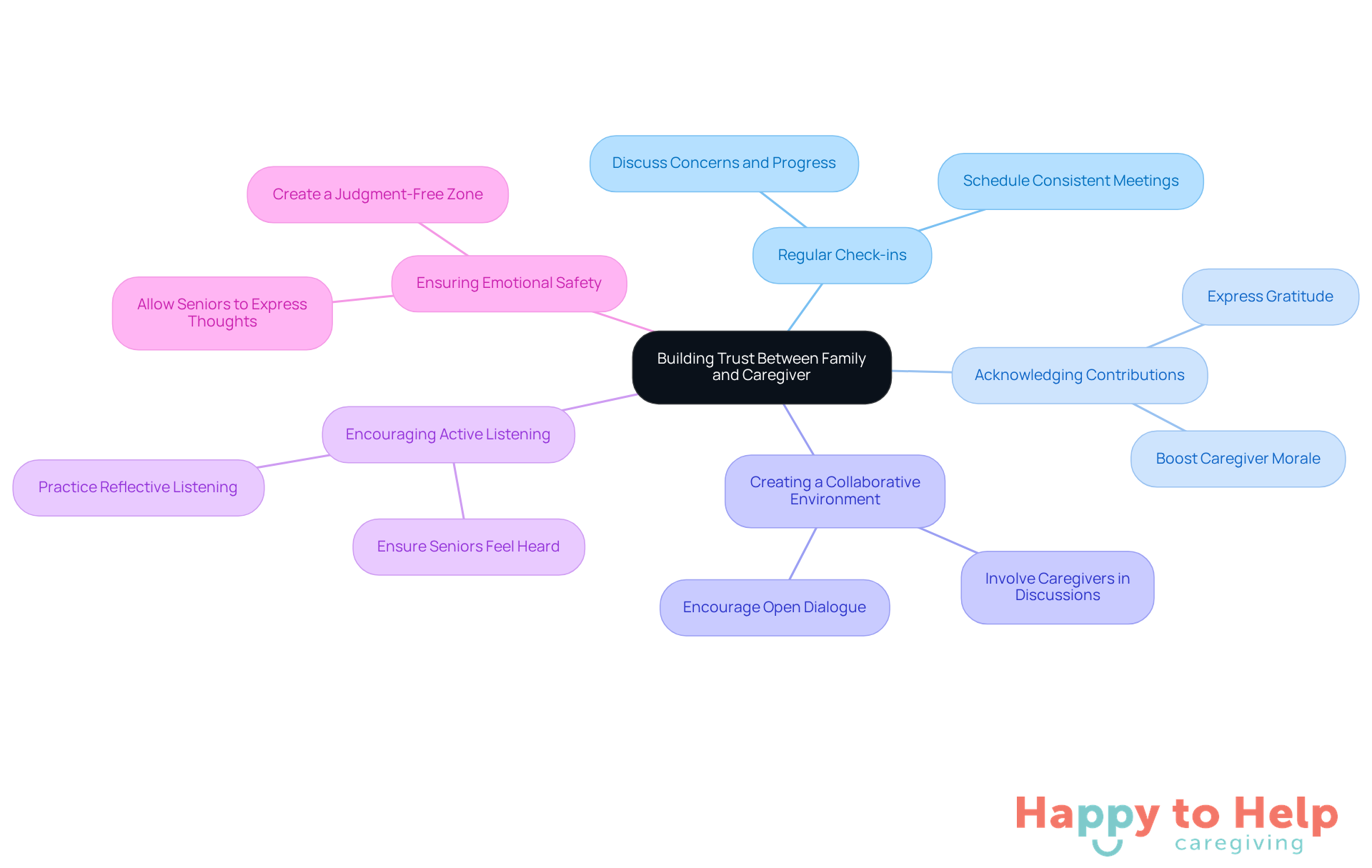
To address these issues, families should encourage support providers to share their perspectives and actively involve them in discussions about treatment strategies. Expressing gratitude for their efforts not only boosts morale but also enhances the overall quality of care. When caregivers feel valued and trusted, they are more likely to provide compassionate and attentive assistance, ultimately benefiting the well-being of your loved one.
Effective strategies for fostering this trust include:
- Regular check-ins with caregivers to discuss concerns and progress.
- Acknowledging the contributions of those who provide care.
- Creating a collaborative environment where everyone feels heard and respected.
Additionally, encouraging caregivers to practice active listening and ensuring emotional safety can strengthen these relationships. Allowing seniors to express their thoughts without judgment is crucial. This approach not only enhances trust but also promotes a positive caregiving experience.
Your Path Forward
Choosing the right sitter for elderly care presents a significant challenge that can greatly affect the well-being and quality of life of seniors. Families often struggle with the complexities of selecting a caregiver, which can lead to feelings of uncertainty and concern about their loved ones' care. This decision is crucial, as it impacts not only comfort but also the independence of elderly individuals.
To address these challenges, families must prioritize:
- Verifying caregiver qualifications
- Establishing clear communication
- Assessing compatibility
- Understanding the financial aspects of care
Ongoing training for caregivers, flexible scheduling, and emergency preparedness are essential components that contribute to a supportive environment tailored to the unique needs of seniors. By focusing on these elements, families can enhance care outcomes and ensure their loved ones receive the compassionate assistance they deserve.
Taking a proactive approach in selecting a caregiver is vital. Conducting thorough evaluations, fostering open communication, and prioritizing compatibility can strengthen the caregiver-client relationship. This not only improves the quality of care but also builds trust and comfort for both seniors and their families. Investing time and effort into these aspects of caregiving leads to a more fulfilling and secure experience for elderly individuals as they navigate their daily lives.
https://iframe.tely.ai/cta/eyJhcnRpY2xlX2lkIjogIjY5MjBmZDYyY2E3OGI5ZDliYTJkYTRmMSIsICJjb21wYW55X2lkIjogIjY4ZWU1ZGNhNzMxNzYyNTU3ZjNjOTVjMSIsICJpbmRleCI6IG51bGwsICJ0eXBlIjogImFydGljbGUifQ==Frequently Asked Questions
What challenges do seniors and individuals with special needs face in daily living activities?
Many seniors and individuals with special needs face challenges in daily living activities, with about 44% of home service recipients requiring assistance with at least one daily activity.
Why is personalized in-home care important for seniors?
Personalized in-home care is important as it helps seniors maintain their independence and enhances their quality of life, allowing them to age in place safely and comfortably.
What services does Happy to Help Caregiving provide?
Happy to Help Caregiving provides customized in-home assistance, including companionship support, post-hospital recovery assistance, respite services, and palliative support, available 24/7 with flexible scheduling options.
What qualifications should families look for when choosing a caregiver?
Families should look for certifications such as Certified Nursing Assistant (CNA) or Home Health Aide (HHA) to ensure the caregiver has undergone relevant training.
What experience should a caregiver have to effectively assist seniors?
A caregiver should have experience in areas crucial for the family member's needs, such as dementia support and mobility assistance, to provide both physical and emotional support.
Why is clear communication important in caregiving?
Clear communication is vital to ensure caregivers can provide the necessary support, preventing confusion and unmet needs, which can negatively impact the quality of care.
How can families establish effective communication with caregivers?
Families can establish effective communication by discussing the support plan in detail, covering daily routines, medication schedules, and preferences, and participating in regular check-ins to address any issues.
What role does family participation play in caregiving?
Family participation is significant as it helps ensure caregivers are well-informed about the unique needs of their relatives, leading to enhanced outcomes in care.
List of Sources
- Happy to Help Caregiving: Personalized In-Home Care Services
- The Evolution of Home Care Services: Trends in the USA - Cottage Home Care (https://cottagehomecare.com/blog/trends-in-home-care-new-york)
- Home Care Industry Trends to Watch in 2025 (https://firstlighthomecare.com/blog/home-care-industry-trends)
- 2025 Home Care Statistics: Trends & Insights To Know (https://premierhcinc.com/blog/home-care-statistics)
- Top healthcare trends of 2026: Aging in place is driving innovation in home-based care and technology (https://definitivehc.com/blog/aging-in-place-driving-innovation)
- She cares for her aging parents full time. That requires taking care of herself, too (https://wgbh.org/news/2025-11-20/she-cares-for-her-aging-parents-full-time-that-requires-taking-care-of-herself-too)
- Verify Caregiver Qualifications: Ensure Proper Training and Experience
- Improving Outcomes & Empowering Family Caregiver (https://nursing.duke.edu/news/improving-outcomes-empowering-family-caregiver)
- US News & World Report Highlights CCA's Caregiver Training (https://advancecaregivers.org/report-us-news-world-report-highlights-ccas-caregiver-training)
- 27 Inspirational Quotes for Caregivers (https://ultimatecareny.com/resources/27-quotes-for-caregivers)
- Dementia training program significantly improves home care worker skills, study finds (https://mcknights.com/news/dementia-training-program-significantly-improves-home-care-worker-skills-study-finds)
- Establish Clear Communication: Discuss Care Plans and Expectations
- The Importance of Caregiver-Client Relationships in Senior Well-Being (https://homeinstead.com/home-care/usa/in/goshen/588/news-and-media/the-importance-of-caregiver-client-relationships-in-senior-well-being)
- Caregiver Provider Communication and Caregiver Health (https://aarp.org/pri/topics/ltss/family-caregiving/caregiver-communication-health-care-providers)
- Clearer Conversations, Better Care: New Guide Highlights Best Practices for Communicating with Older Adults (https://geron.org/News-Events/GSA-News/Press-Room/Press-Releases/clearer-conversations-better-care-new-guide-highlights-best-practices-for-communicating-with-older-adults)
- Effective Communication as a Caregiver | Always Caring of CT (https://alwayscaringct.com/news/effective-communication-as-a-caregiver)
- Assess Compatibility: Match Caregiver Personality with Elderly Needs
- The Importance of Caregiver-Client Relationships in Senior Well-Being (https://homeinstead.com/home-care/usa/in/goshen/588/news-and-media/the-importance-of-caregiver-client-relationships-in-senior-well-being)
- Caregiver Statistics: Demographics (https://caregiver.org/resource/caregiver-statistics-demographics)
- Home Care Clients Like Their Caregivers More Than Their Provider, Data Shows (https://homehealthcarenews.com/2024/08/home-care-clients-like-their-caregivers-more-than-their-provider-data-shows)
- Finding the Right Caregiver Match | Active Day (https://activeday.com/news/finding-the-right-caregiver-match)
- Understand Costs: Evaluate Pricing and Payment Options
- How to Pay for a Home Care Worker (https://aarp.org/caregiving/financial-legal/afford-a-homecare-worker)
- Disruption Redefines Home-Based Care: Providers Confront Challenges, Seize New Opportunities (https://homehealthcarenews.com/2025/10/disruption-redefines-home-based-care-providers-confront-challenges-seize-new-opportunities)
- Home Care Costs in 2025: A State-by-State Guide (https://aplaceformom.com/caregiver-resources/articles/in-home-care-costs)
- In-home elder care cost is rising more than three times faster than inflation (https://axios.com/2025/10/30/trump-immigration-elder-care)
- States’ Management of Medicaid Home Care Spending Ahead of H.R. 1 Effects | KFF (https://kff.org/medicaid/states-management-of-medicaid-home-care-spending-ahead-of-h-r-1-effects)
- Check References: Review Feedback from Previous Clients
- 25+ Inspirational Quotes for Caregivers (https://caringseniorservice.com/blog/quotes-for-caregiver-inspiration)
- CaringBridge (https://caringbridge.org/resources/inspirational-quotes-on-caregiving)
- 27 Inspirational Quotes for Caregivers (https://ultimatecareny.com/resources/27-quotes-for-caregivers)
- Hiring and Screening Practices of Agencies Supplying Paid Caregivers to Older Adults - PMC (https://pmc.ncbi.nlm.nih.gov/articles/PMC3396775)
- 20 Caregiver Quotes That Will Inspire You - MD Home Health (https://mdhomehealth.com/2018/06/10/20-caregiver-quotes-that-will-inspire-you)
- Ensure Flexible Scheduling: Adapt to Changing Care Needs
- Caregiver Statistics: Work and Caregiving (https://caregiver.org/resource/caregiver-statistics-work-and-caregiving)
- Workplace flexibility is the most used, wanted benefit among caregivers: AARP (https://thehill.com/homenews/4668936-aarp-workplace-flexibility-most-used-wanted-benefit-caregivers)
- Caregiving While Working Calls for Workplace Flexibility (https://aarp.org/pri/topics/work-finances-retirement/employers-workforce/employer-caregiving-survey)
- The Future of Flexibility: Supporting Caregivers in Deskless Roles (https://shrm.org/enterprise-solutions/insights/future-of-flexibility-supporting-caregivers-deskless-roles)
- Prioritize Ongoing Training: Keep Caregivers Informed and Skilled
- Why Ongoing Caregiver Training Matters More Than Ever in 2025 – Professional Association of Caregivers (https://professionalassociationofcaregivers.org/2025/07/21/why-ongoing-caregiver-training-matters-more-than-ever-in-2025)
- New Research Highlights Critical Role of Training in Caregiver Retention (https://careacademy.com/blog/role-of-training-in-caregiver-retention)
- Home-Based Care Companies Improve Outcomes By Training Family Caregivers (https://homehealthcarenews.com/2025/10/home-based-care-companies-improve-outcomes-by-training-family-caregivers)
- HHS Backs AI Innovation for America’s Caregivers | HHS.gov (https://hhs.gov/press-room/hhs-backs-ai-innovation-for-americas-caregivers.html)
- Discover the Value of Continuous Caregiver Education (https://affordablemedical.com/the-importance-of-ongoing-caregiver-education-and-support)
- Prepare for Emergencies: Ensure Caregivers Have a Plan
- Somleng | Case Studies (https://somleng.org/case\_studies.html)
- Nursing Homes Reported Wide-Ranging Challenges Preparing for Public Health Emergencies and Natural Disasters (https://oig.hhs.gov/reports/all/2023/nursing-homes-reported-wide-ranging-challenges-preparing-for-public-health-emergencies-and-natural-disasters)
- 70 Quotes About Crisis Management and Leadership (https://deliberatedirections.com/crisis-management-quotes)
- Breath of Life Emergency Training Center LLC - Case Studies (https://breathoflifeetc.com/about\_us/case\_studies)
- Foster Comfort and Support: Build Trust Between Family and Caregiver
- Changes in Health Indicators Among Caregivers... (https://cdc.gov/mmwr/volumes/73/wr/mm7334a2.htm)
- The Importance of Caregiver-Client Relationships in Senior Well-Being (https://homeinstead.com/home-care/usa/in/goshen/588/news-and-media/the-importance-of-caregiver-client-relationships-in-senior-well-being)
- 2023 Caregiver Statistics (https://ourparents.com/senior-health/2023-caregiver-statistics)
- Caregiver Statistics: Health, Technology, and Caregiving Resources (https://caregiver.org/resource/caregiver-statistics-health-technology-and-caregiving-resources)