
Tips for Choosing Elderly Home Services at a Glance
Choosing elderly home services can be an emotional journey for families, filled with concerns about their loved ones' well-being. It's crucial to find care that is not only effective but also deeply personal. This article offers essential tips to help navigate this process, highlighting the significance of:
- Personalized care
- Qualified caregivers
- Flexible scheduling
As you assess the individual needs of your loved one, consider the different service offerings available. Understanding these options is key to ensuring that the care provided aligns with their unique requirements. Additionally, implementing safety measures can provide peace of mind, knowing that your loved one is in a secure environment.
By focusing on these vital aspects, families can select the most suitable and compassionate care options for their loved ones. Remember, you are not alone in this journey; there are resources and support systems available to help you every step of the way.
Understanding Tips for Choosing Elderly Home Services
Choosing the right elderly home services can feel like navigating a complex maze, especially when the well-being of a loved one is at stake. Families often face the daunting task of ensuring that their elderly relatives receive not just adequate care, but personalized support that aligns with their unique needs. It’s understandable to feel overwhelmed in such a critical situation.
This article delves into ten essential tips designed to empower families to make informed decisions about elderly home services. From evaluating caregiver qualifications to understanding service offerings, we aim to provide clarity and support. What are the key factors that can turn a stressful decision into a confident choice for quality care? Let’s explore together, as you deserve to feel assured in your choices.
Happy to Help Caregiving: Personalized In-Home Care Services
At Happy to Help Caregiving, we understand the emotional challenges that caregivers often face. The stress and burnout can be overwhelming, but we are here to help. Our focus is on delivering customized elderly home service options that are tailored to the unique requirements of seniors and individuals with special needs.
Our core offerings include:
- Companionship care
- Post-hospital recovery assistance
- Respite care
- Palliative support care
Each of these elderly home services is thoughtfully crafted to encourage autonomy and wellness, ensuring that clients receive the assistance they need in the comfort of their own homes.
This personalized approach enhances the quality of life for our clients while fostering a sense of security and comfort for both them and their families. We believe that everyone deserves compassionate care, and we are dedicated to providing just that. Together, we can navigate the challenges of caregiving, bringing peace of mind and support to your loved ones.
https://iframe.tely.ai/cta/eyJhcnRpY2xlX2lkIjogIjY4ZjJkOTBkOGY1ZDliZmRjMTBhYzNiZCIsICJjb21wYW55X2lkIjogIjY4ZWU1ZGNhNzMxNzYyNTU3ZjNjOTVjMSIsICJpbmRleCI6IDAsICJ0eXBlIjogImFydGljbGUifQ==Evaluate Individual Needs: Tailor Services to Unique Requirements
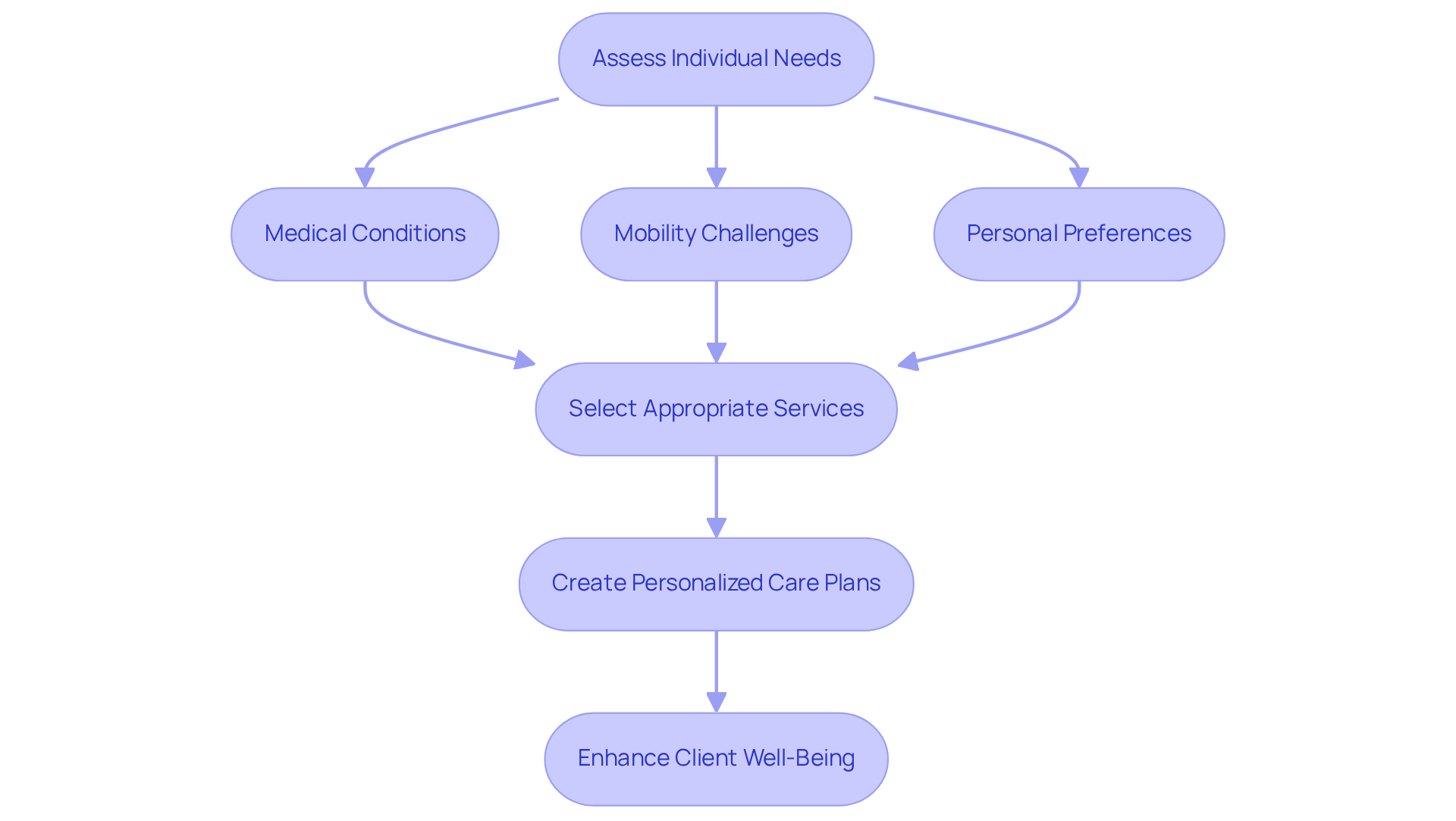
Assessing the unique needs of individuals requiring elderly home service is essential for effective caregiving. It's important to consider factors such as medical conditions, mobility challenges, and personal preferences. A thorough evaluation not only aids in selecting appropriate elderly home services but also ensures that the assistance aligns with the client's lifestyle, enhancing their overall well-being.
For instance, seniors with conditions like dementia or those needing help with multiple self-care activities often require specialized support. Research shows that individuals providing assistance for three or more self-care needs dedicate an average of 253 hours each month to these roles, underscoring the intensity of their responsibilities. At Happy to Help Caregiving, we excel in creating personalized care plans that meet these unique requirements, making the transition to in-home care smoother for families.
By focusing on personalized evaluations, care providers can offer the most suitable assistance through elderly home service, fostering a sense of safety and comfort for clients in their own homes. It's also crucial to recognize the emotional impacts of caregiving; those who provide support often face stress and emotional challenges. Customized assistance not only benefits the recipient but also helps caregivers manage their own well-being.
Check Caregiver Qualifications: Ensure Proper Training and Experience
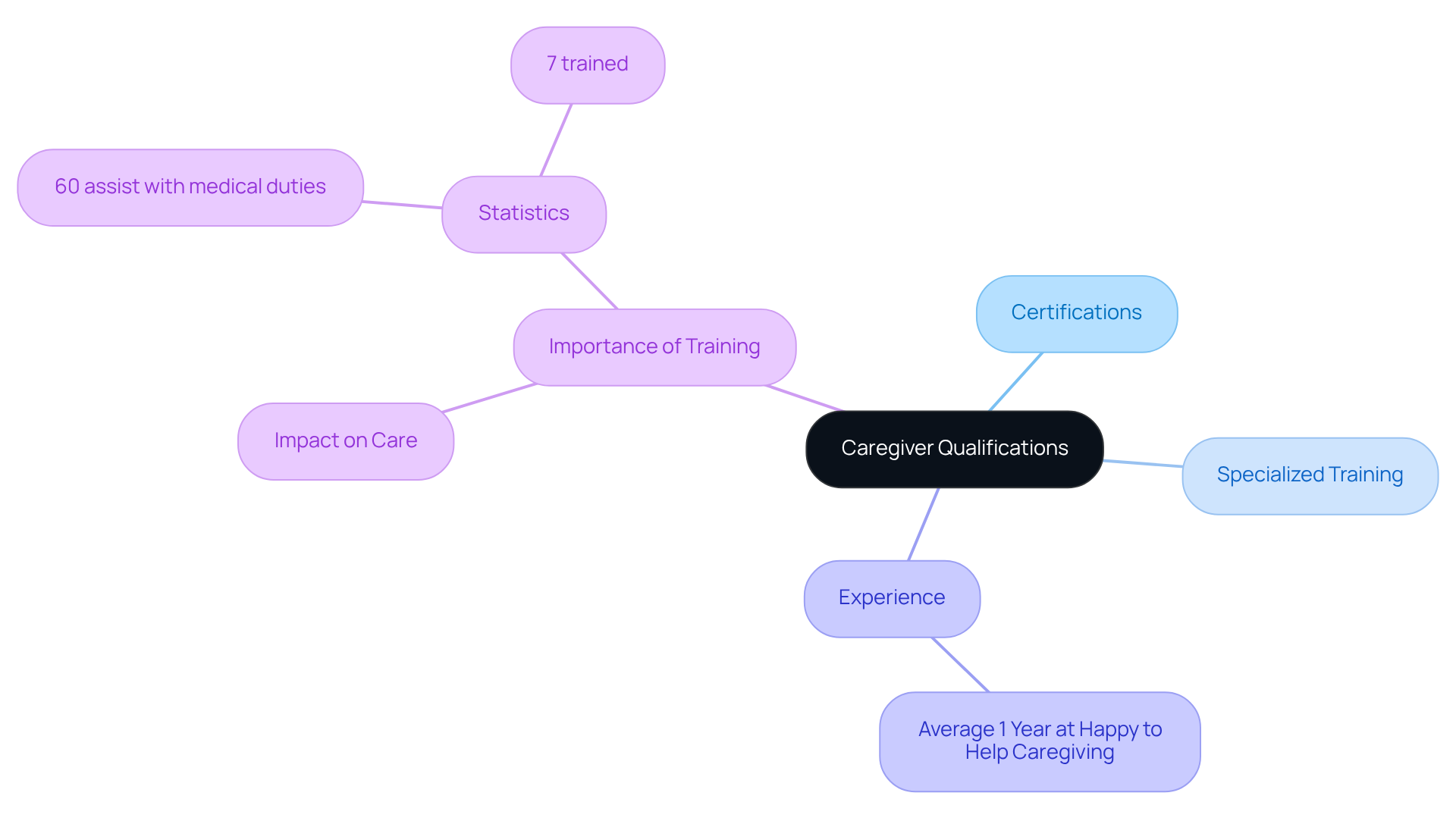
Choosing an elderly home service can feel overwhelming, especially when you’re concerned about the well-being of your loved one. It’s essential to confirm the qualifications of the staff, as this can significantly impact the level of care provided. Look for certifications, specialized training, and relevant experience in senior support. At Happy to Help Caregiving, we pride ourselves on our compassionate approach, with staff averaging one year of experience. This equips them to handle various situations effectively, ensuring that your loved ones receive the personalized support they deserve.
This focus on recruiting skilled professionals not only guarantees customized care but also reflects a broader movement in the sector. Efficient training initiatives are essential for improving worker performance, which ultimately benefits clients and their families. It’s concerning to note that studies show nearly 60% of relatives providing support assist with medical duties, yet only 7% of those caring for older individuals report having received training for their tasks. By prioritizing the qualifications of caregivers in elderly home service, families can feel reassured that their loved ones are in capable hands, receiving optimal support tailored to their unique needs.
To verify caregiver qualifications, families should feel empowered to ask about specific training programs and certifications that caregivers have completed. Remember, you are not alone in this journey; seeking the right support can make all the difference in ensuring your loved ones thrive.
Understand Service Offerings: Explore Available Care Options
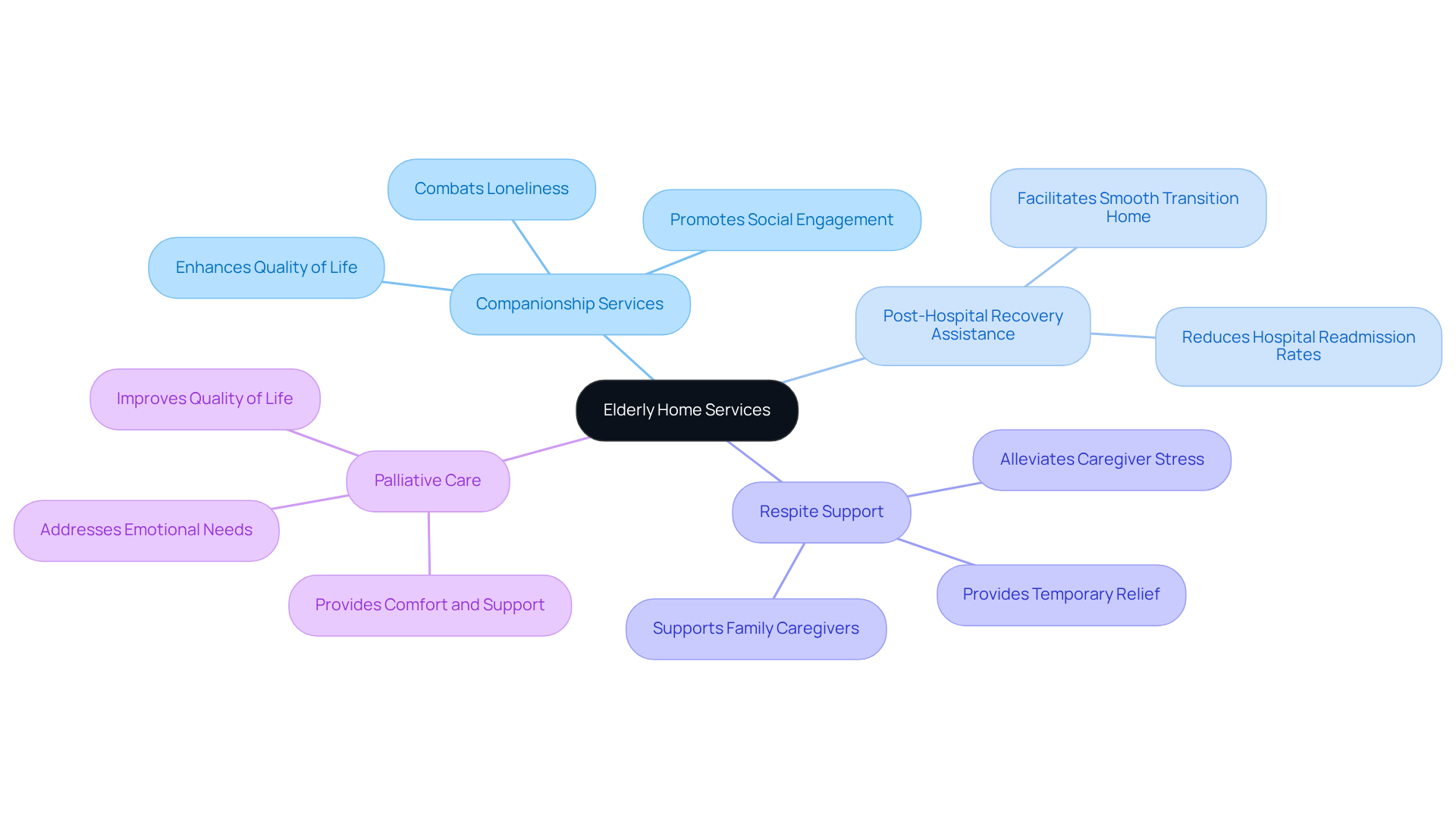
Understanding the range of elderly home service options available is crucial when selecting elderly home support. At Happy to Help Caregiving, we offer a comprehensive array of services tailored to meet the unique needs of seniors. These include:
- Companionship services
- Post-hospital recovery assistance
- Respite support
- Palliative care
Each service is thoughtfully designed to enhance the quality of life for our clients, ensuring they receive personalized support that aligns with their lifestyle and preferences.
The need for companionship support is particularly significant. Research indicates that loneliness and isolation can lead to serious health issues among seniors. In fact, nearly 27% of individuals aged 60 and above live independently, with only 6% of Americans 60+ residing in multi-generational households. This underscores the importance of programs that provide social engagement and emotional support. Additionally, respite support has emerged as a vital resource for family caregivers, with almost 4 in 10 identifying it as their most pressing service need. This type of assistance not only alleviates caregiver stress but also enhances the overall well-being of seniors, allowing them to maintain their independence in a familiar environment. Quality elderly home service can significantly improve the lives of aging adults, making it essential for families to explore these services.
By exploring these diverse support alternatives, families can make informed decisions about the care their loved ones will receive, ensuring they are well cared for in the comfort of their own homes.
Assess Costs: Evaluate Pricing and Payment Flexibility
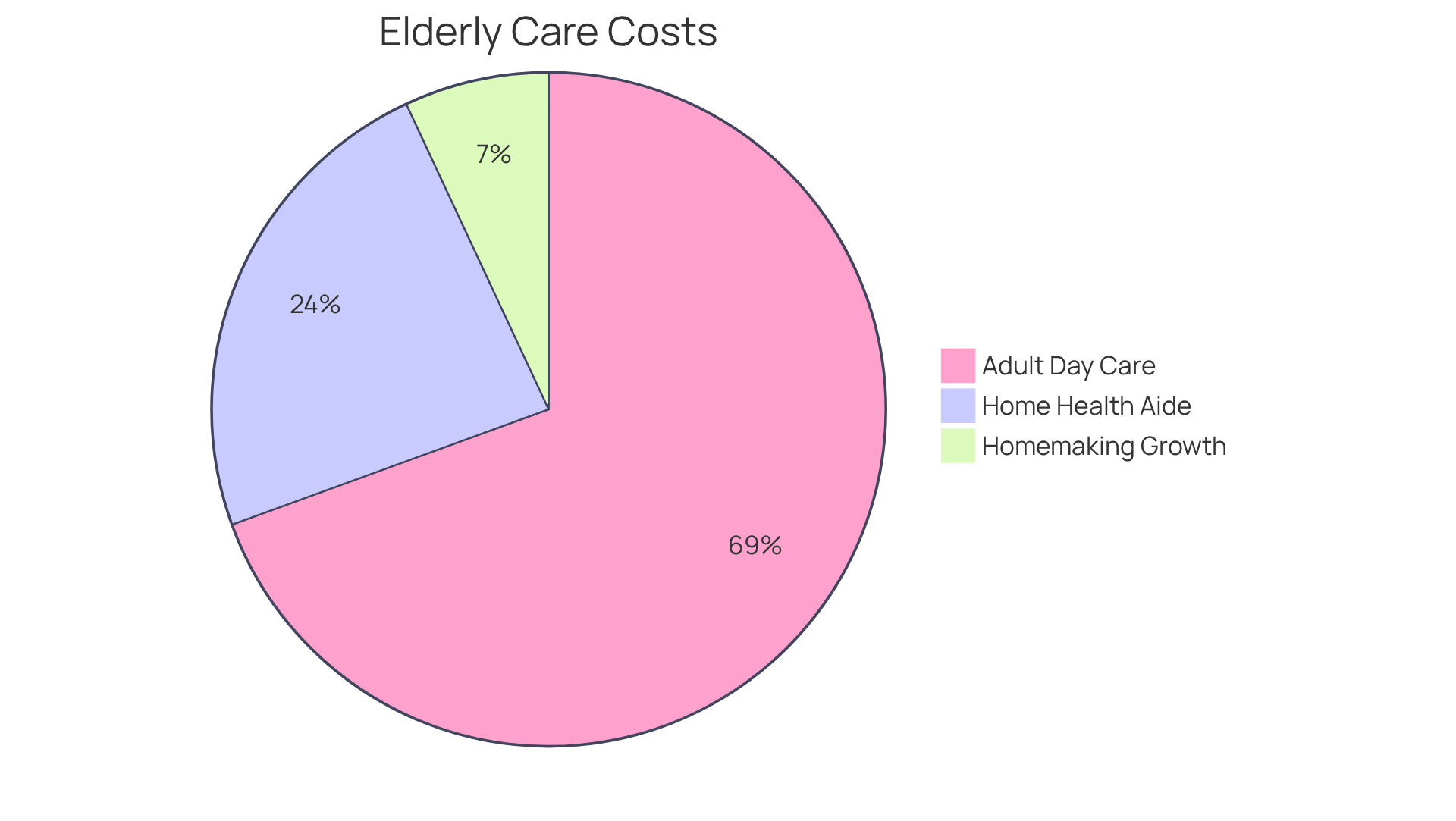
Assessing the expenses related to elderly home service options is crucial for households exploring caregiving alternatives. It's essential to understand the pricing structures of various caregiving agencies, which typically include hourly rates and potential additional fees, especially when looking into elderly home service. For instance, the national median expense for home health aides is anticipated to be around $34 per hour in 2024. Additionally, the 2023 national median expense for adult day health assistance was $95 per day, reflecting an increasing demand for these services.
At 'Happy to Help Caregiving,' we distinguish ourselves by offering adaptable payment choices, like autopay, which can significantly ease the financial strain on families. Grasping these expenses in advance empowers households to make informed choices regarding elderly home service, ensuring they select options that align with their budget and support needs. Furthermore, with 7 out of 10 individuals expected to require long-term assistance in their lifetime, understanding pricing structures is more essential than ever.
The annual growth of 10% for homemaking assistance further highlights the rising costs in caregiving, making it vital for families to stay informed. Increasingly, caregiving organizations providing elderly home service are embracing flexible payment alternatives, such as sliding fee structures and adjustable payment arrangements, to accommodate various financial circumstances. This shift enhances the accessibility of quality support, ensuring that every family can find the care they need.
Read Reviews: Gather Insights from Other Families
Examining feedback from other households offers valuable insights into the quality of care provided by a caregiving organization. It's important to seek testimonials that highlight the experiences of clients and their families. Happy to Help Caregiving has received heartwarming feedback that underscores the compassionate approach of its support providers and the transformative impact of their services. Gathering this feedback not only informs but also helps families feel more confident in their choice of elderly home service.
https://iframe.tely.ai/cta/eyJhcnRpY2xlX2lkIjogIjY4ZjJkOTBkOGY1ZDliZmRjMTBhYzNiZCIsICJjb21wYW55X2lkIjogIjY4ZWU1ZGNhNzMxNzYyNTU3ZjNjOTVjMSIsICJpbmRleCI6IDUsICJ0eXBlIjogImFydGljbGUifQ==Prioritize Communication: Foster Open Dialogue with Caregivers
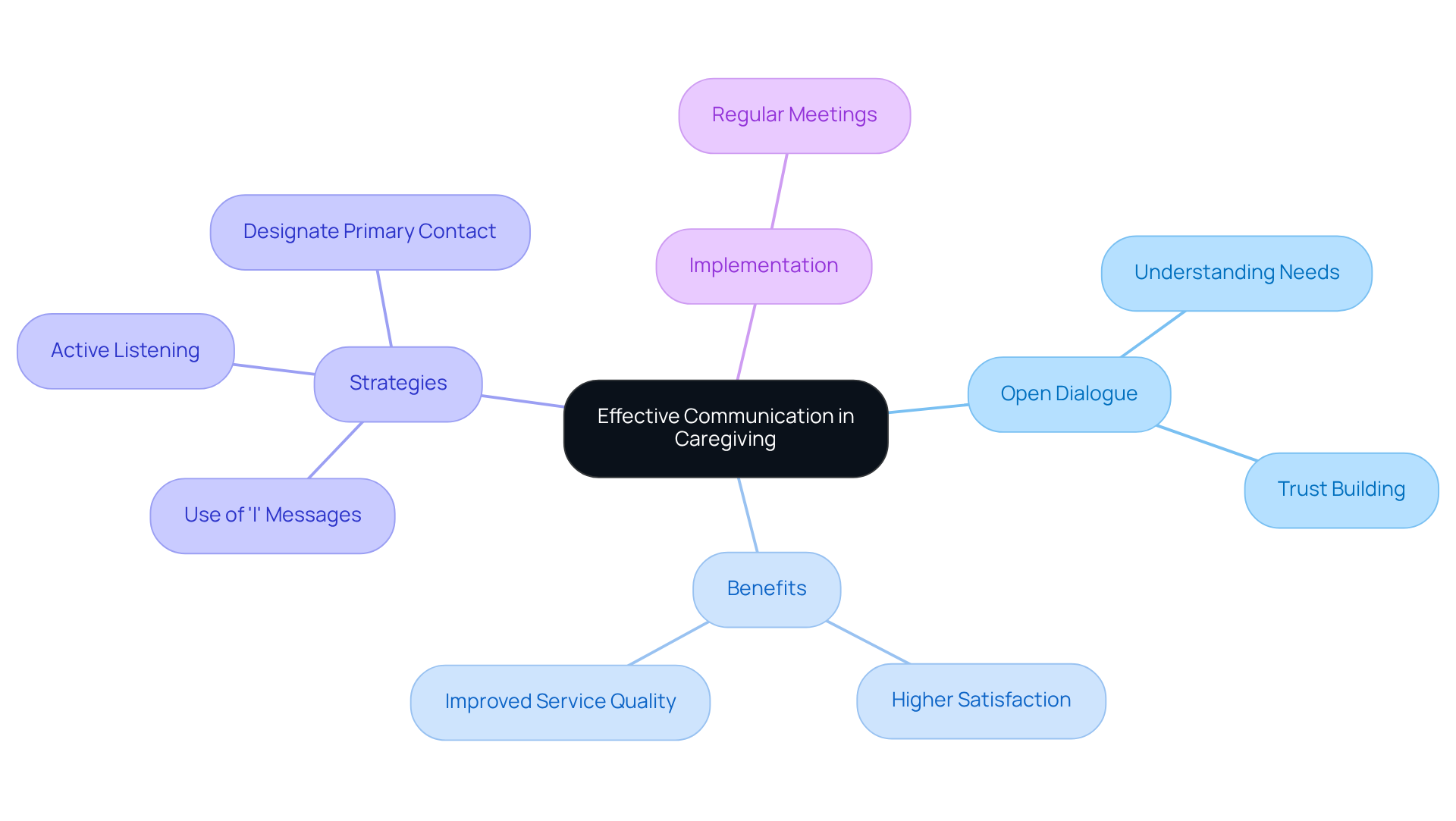
Effective communication is vital when collaborating with those who provide care. By fostering an open dialogue, caregivers can truly understand the unique needs and preferences of their clients. 'Happy to Help Caregiving emphasizes the significance of this communication, ensuring that family members stay informed about their loved ones' support. Regular updates and discussions not only build trust but also enrich the overall caregiving experience for everyone involved.
Research indicates that caregivers who maintain clear dialogue with relatives report higher satisfaction levels, which directly correlates with improved service quality. For example, using 'I' messages allows individuals to express their feelings without assigning blame, nurturing a more constructive conversation. Moreover, being a good listener plays an essential role in this process, as it fosters understanding and empathy.
Designating one relative as the primary contact for health-related communication can streamline interactions and reduce confusion. This approach also acknowledges and validates the emotions of all family members, especially in the aftermath of a medical emergency. By prioritizing these strategies, families can cultivate a supportive environment that empowers caregivers and enhances the well-being of their loved ones.
Effective communication alleviates stress and conflict by proactively addressing concerns. To implement these strategies, families might consider organizing regular meetings to discuss support needs and ensure everyone is on the same page.
Ensure Flexibility: Adapt Scheduling to Client Needs
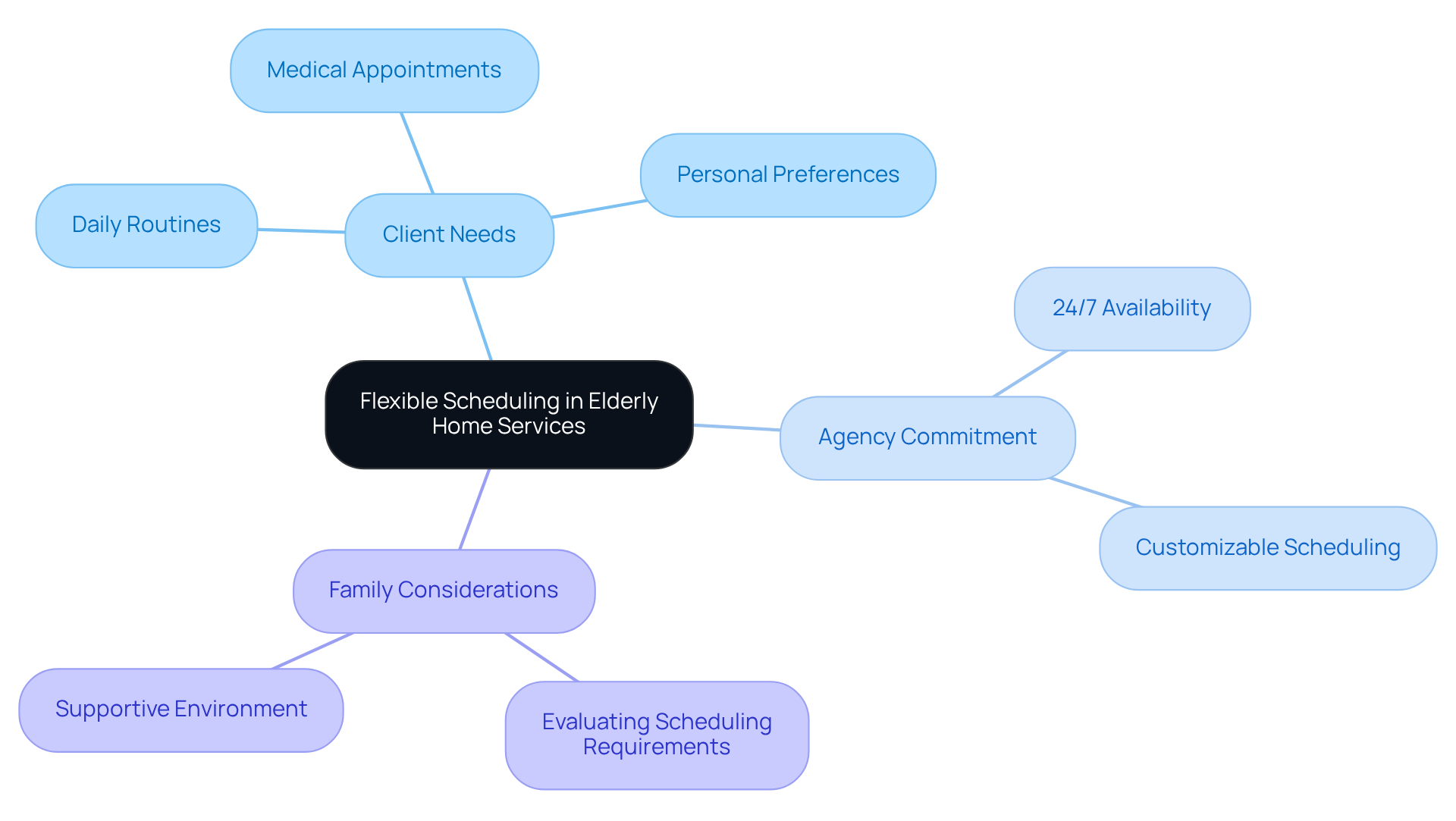
When choosing an elderly home service, it is essential to prioritize agencies that offer flexible scheduling options. Clients often face varied needs that require adjustments in scheduling. Happy to Help Caregiving exemplifies this commitment to elderly home service with its 24/7 availability and customizable scheduling, ensuring that each client's unique requirements are met. This adaptability enhances the caregiving experience in elderly home service and significantly boosts client satisfaction.
Research indicates that clients who receive elderly home service tailored to their schedules report higher levels of contentment and well-being. For instance, the demand for home health support and personal assistance aides is projected to increase by 34% from 2019 to 2029. This trend highlights the rising significance of adaptable scheduling in addressing the needs of clients in elderly home service.
As caregiving specialist Tia Walker observes, adjusting support to fulfill individual requirements is a significant privilege. This demonstrates the agency's commitment to providing tailored service. Moreover, Jim Rohn emphasizes that one individual showing concern for another represents life's greatest value, underscoring the importance of individualized attention.
To effectively evaluate scheduling requirements for elderly home service, families should consider elements such as:
- Daily routines
- Medical appointments
- Personal preferences
This thoughtful approach ensures that support is provided at the most advantageous times, fostering a supportive environment where clients can thrive. Ultimately, it reinforces the importance of flexibility in home care.
Implement Safety Measures: Create a Secure Home Environment
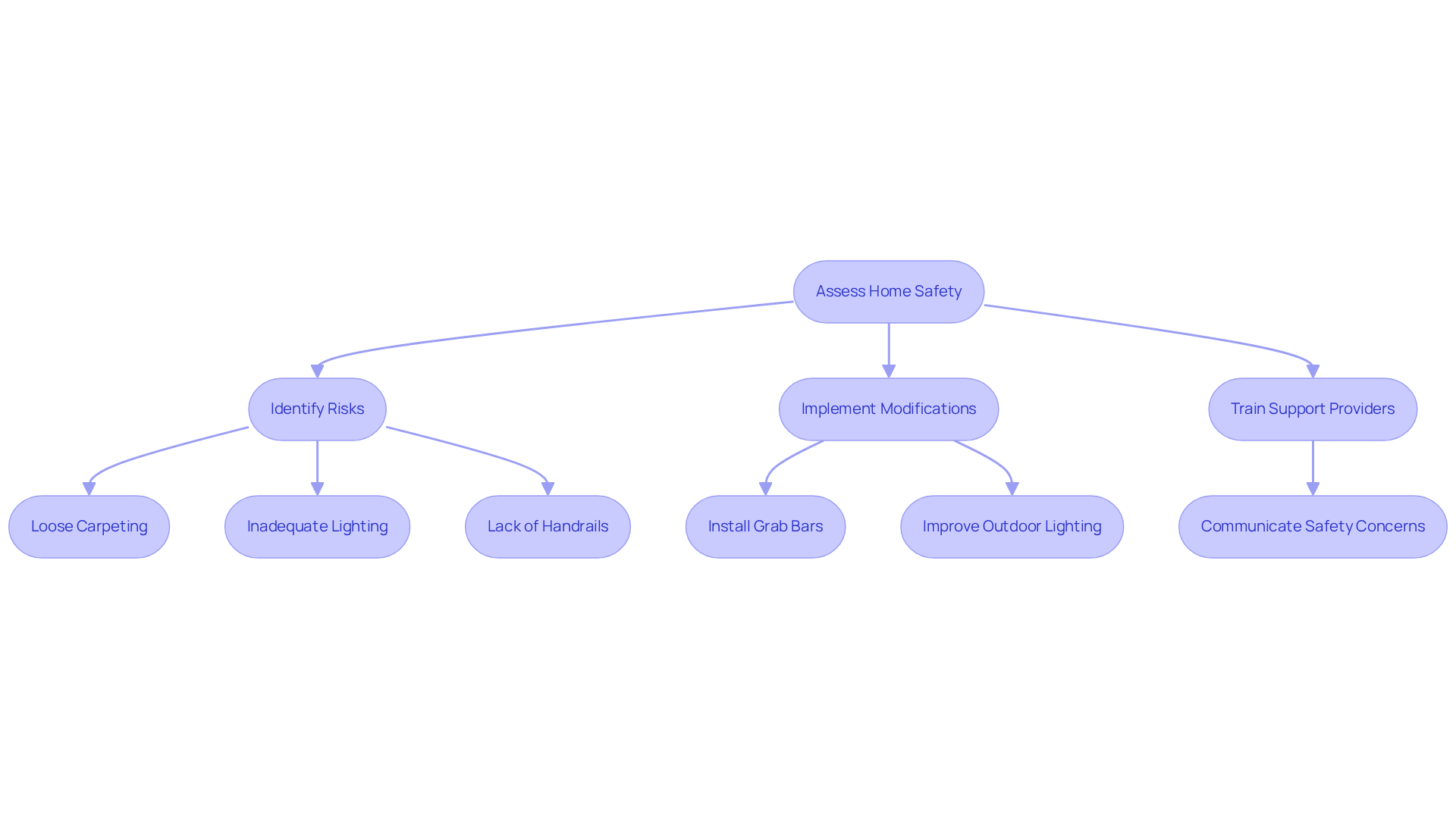
Ensuring a safe living environment is essential for the well-being of those who utilize elderly home service. It’s heartbreaking to think about the hazards that can lead to falls, which affect more than 25% of older adults annually, according to the CDC. Regular home safety assessments can help identify common risks, such as:
- Loose carpeting
- Inadequate lighting
- Lack of handrails
Simple modifications, like installing grab bars in bathrooms and improving outdoor lighting, can significantly reduce these risks.
At Happy to Help Caregiving, we prioritize safety in our elderly home service by training our support providers to recognize and address these concerns. We believe in fostering a secure atmosphere where clients can truly thrive. This proactive strategy not only helps in avoiding accidents but also brings reassurance to loved ones, knowing that their relatives are in a secure and supportive setting.
Establishing safe living environments requires both physical alterations and continuous communication with support providers. It’s vital to track any changes in the client's needs to ensure their safety. To enhance safety, consider scheduling an elderly home service assessment with Happy to Help Caregiving. Together, we can identify specific hazards and implement tailored solutions that reflect your loved one’s unique circumstances.
Consider Trial Periods: Evaluate Services Before Commitment
Trial periods before committing to a caregiving option can greatly assist households navigating the often overwhelming decision-making process. This approach allows families to evaluate the quality of support and the compatibility between the caregiver and their loved one in the context of elderly home service. Happy to Help Caregiving offers trial periods within their elderly home service, providing an opportunity for families to assess the services and make necessary adjustments, such as changing support routines or caregiver assignments based on their observations. This strategy fosters trust in the selected elderly home service provider, ensuring that families can make informed choices regarding the long-term care of their loved ones.
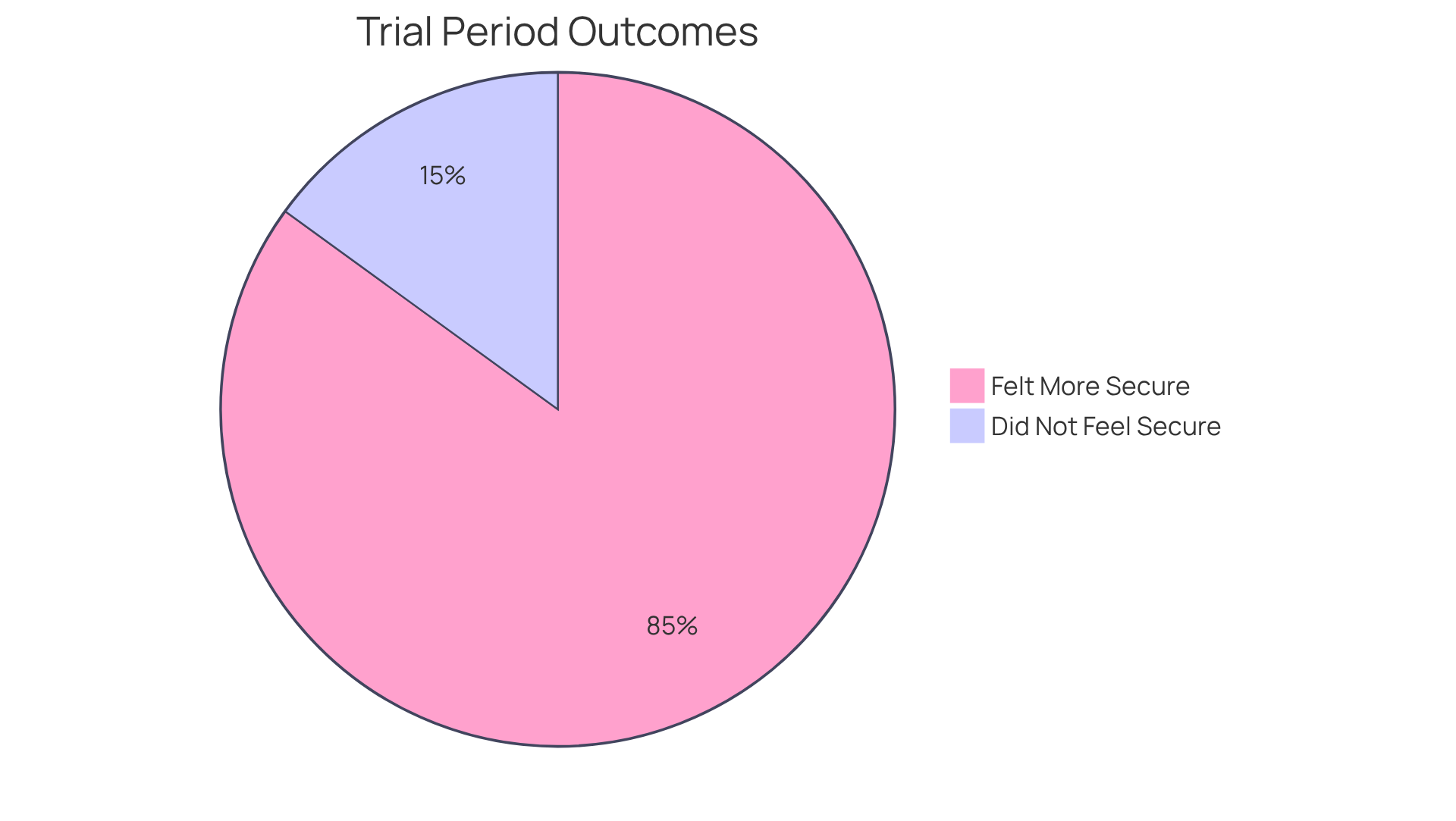
Data suggests that families who utilize trial periods report higher satisfaction levels. Studies indicate that 85% of households felt more secure in their choice after experiencing a trial period. Testimonials from families often highlight the peace of mind gained through this evaluation process. One family shared, 'The trial period allowed us to see how well the caregiver connected with our mother, which made all the difference in our decision.' This underscores the importance of finding the right fit in caregiving, as emotional support and companionship are vital components of the caregiver-client relationship. By prioritizing these connections, families can ensure their loved ones receive the compassionate care they deserve.
Moving Forward with Tips for Choosing Elderly Home Services
Choosing the right elderly home service is a crucial decision that profoundly affects the well-being of your loved ones and brings peace of mind to families. It’s essential to recognize the emotional weight of this choice. Personalized care, tailored to individual needs, ensures that seniors receive the support they need to flourish in their own homes. By prioritizing customized services, families can cultivate a sense of security and significantly enhance the quality of life for their cherished ones.
Key aspects to consider include:
- Evaluating individual needs
- Verifying caregiver qualifications
- Understanding the variety of service offerings available
- Assessing costs
- Reading reviews
- Prioritizing communication
- Ensuring flexibility
- Implementing safety measures
- Considering trial periods
Each of these elements contributes to a comprehensive approach that addresses the practicalities of caregiving while acknowledging the emotional challenges families experience.
As you embark on the journey to find the right elderly home service, it’s important to approach the process with care and diligence. Families are encouraged to take proactive steps—conduct thorough evaluations, engage in open dialogue with caregivers, and explore flexible options—to ensure their loved ones receive the compassionate and personalized care they truly deserve. By focusing on these strategies, families can create a nurturing environment that not only meets the immediate needs of seniors but also fosters their overall well-being.
https://iframe.tely.ai/cta/eyJhcnRpY2xlX2lkIjogIjY4ZjJkOTBkOGY1ZDliZmRjMTBhYzNiZCIsICJjb21wYW55X2lkIjogIjY4ZWU1ZGNhNzMxNzYyNTU3ZjNjOTVjMSIsICJpbmRleCI6IG51bGwsICJ0eXBlIjogImFydGljbGUifQ==Frequently Asked Questions
What services does Happy to Help Caregiving offer?
Happy to Help Caregiving offers personalized in-home care services, including companionship care, post-hospital recovery assistance, respite care, and palliative support care.
How does Happy to Help Caregiving tailor its services to individual needs?
The organization assesses unique factors such as medical conditions, mobility challenges, and personal preferences to create personalized care plans that align with clients' lifestyles, enhancing their overall well-being.
Why is it important to evaluate individual needs for elderly home services?
Evaluating individual needs is essential to ensure that the assistance provided aligns with the client's lifestyle and enhances their overall well-being, especially for seniors with specific conditions like dementia or those needing help with multiple self-care activities.
What qualifications should families look for in caregivers?
Families should look for certifications, specialized training, and relevant experience in senior support when choosing caregivers, as these qualifications significantly impact the level of care provided.
What is the average experience level of caregivers at Happy to Help Caregiving?
Caregivers at Happy to Help Caregiving average one year of experience, equipping them to handle various situations effectively and provide personalized support.
How can families verify caregiver qualifications?
Families can verify caregiver qualifications by asking about specific training programs and certifications that caregivers have completed to ensure their loved ones receive optimal support.
What emotional challenges do caregivers often face, and how does customized assistance help?
Caregivers often face stress and emotional challenges. Customized assistance benefits both the recipient and the caregiver by improving the caregiver's well-being and providing necessary support to the individual in need.