

For families in our service areas
For families in our service areas, this guide explains home care and how non-medical in-home caregiving can support care planning in East Idaho, Treasure Valley & Magic Valley, Northern Wasatch, North Central West Virginia, and Northeast Ohio.
Quick Guide to Tips for Choosing Home Care Senior Care
Choosing home care senior care services can be a daunting task, filled with emotional challenges. It’s essential to consider factors like caregiver qualifications, service flexibility, and safety protocols. You want to ensure your loved ones receive the best care possible, and that can feel overwhelming at times.
Start by verifying caregiver credentials. This step is crucial in ensuring that your loved ones are in capable hands. Assess the range of services offered, too. It’s important to find a service that can adapt to the unique needs of your family member. And don’t forget to check for proper licensing and emergency measures. These elements are vital for peace of mind, knowing that safety is a priority.
Remember, you’re not alone in this journey. Many families face similar concerns, and there are compassionate services ready to support you. By taking these steps, you can find high-quality, nurturing care tailored to your loved one’s needs. It’s all about ensuring they receive the love and attention they deserve.
Why Tips for Choosing Home Care Senior Care Matters
Navigating the world of home care senior services can feel overwhelming for families trying to find the best support for their loved ones. It’s a journey filled with emotional challenges, and the pressure to make the right choice can lead to feelings of stress and uncertainty. With the growing demand for personalized care, understanding the essential factors in selecting the right service becomes even more important.
This article explores ten vital tips designed to simplify your decision-making process. These insights not only help you find the right fit but also ensure that seniors receive the tailored, compassionate care they truly deserve. How can families balance quality, affordability, and emotional support when choosing a home care provider? Together, we’ll navigate these concerns, offering reassurance and encouragement along the way.
Happy to Help Caregiving: Tailored In-Home Support for Seniors
Caring for a loved one can be incredibly challenging. Many caregivers experience feelings of stress and burnout as they navigate the complexities of providing support. Happy to Help Caregiving understands these emotional hurdles and is here to help.
As a leading provider of home care senior care, they focus on individualized support that truly enhances quality of life. Their services—ranging from companionship to post-hospital recovery assistance and palliative support—are thoughtfully designed to meet the unique needs of each client. This personalized approach not only promotes autonomy but also ensures that seniors feel safe and comfortable in their own homes with home care senior care.
Imagine the peace of mind that comes from knowing your loved one is receiving compassionate care tailored just for them. Happy to Help Caregiving stands as a model for others, demonstrating how nurturing support can transform the caregiving experience.
With their dedicated team, you can rest assured that your loved one is in caring hands. They are committed to fostering an environment where seniors can thrive, allowing families to focus on what truly matters—spending quality time together.
https://iframe.tely.ai/cta/eyJhcnRpY2xlX2lkIjogIjY5MDY5ZmM2NTYxOTQyOGI4OGM3YTVhNCIsICJjb21wYW55X2lkIjogIjY4ZWU1ZGNhNzMxNzYyNTU3ZjNjOTVjMSIsICJpbmRleCI6IDAsICJ0eXBlIjogImFydGljbGUifQ==Verify Caregiver Qualifications and Experience
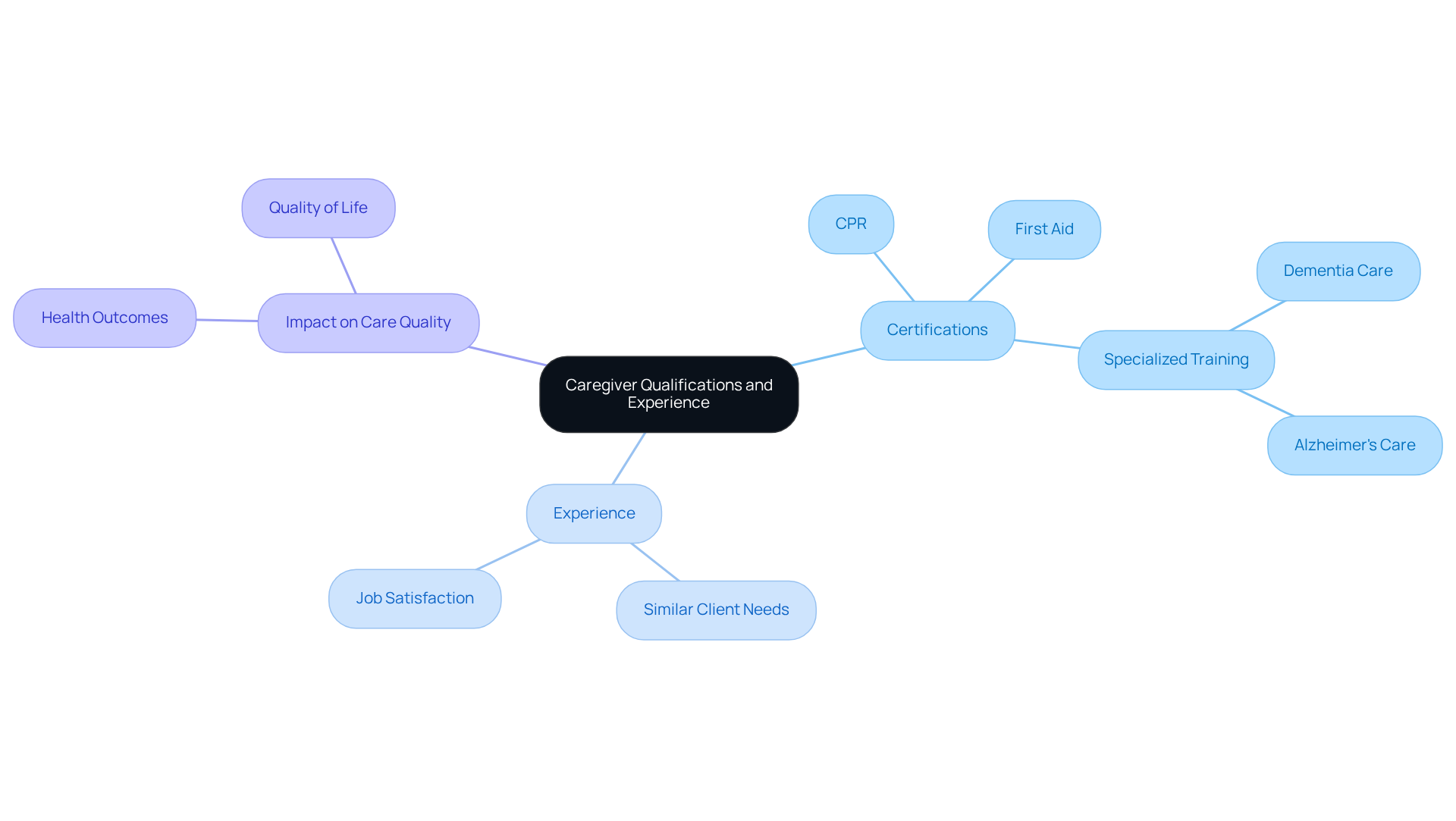
Choosing a home care senior care service can feel overwhelming, and it’s crucial to find the right support for your loved ones. Start by looking closely at the qualifications and experience of potential caregivers. Certifications in essential areas like CPR, first aid, and specialized training in senior support—especially for conditions like dementia and Alzheimer's—are vital. These credentials not only reflect a caregiver's commitment but also ensure they possess the necessary skills to provide high-quality assistance.
For instance, organizations that prioritize strong training programs often see better caregiver retention and improved service quality. In fact, over 40% of home support agencies recognize that effective training and development are key to attracting and keeping skilled professionals. These programs can also serve as powerful marketing tools, showcasing a commitment to excellence.
It’s also important to ask about the caregiver’s experience, particularly with clients who have similar needs to your loved one. Research indicates that caregivers with specialized training and experience tend to deliver better support and report higher job satisfaction. This is especially relevant as the demand for in-home assistance continues to rise. By 2028, an estimated 1.3 million new positions are expected to be created in the direct support workforce, with a total of 7.4 million job vacancies projected by 2029.
By ensuring that caregivers are well-trained and experienced in home care senior care, families can feel more confident in the support their loved ones receive. This not only leads to better health outcomes but also enhances the overall quality of life for those in need of care. Remember, you’re not alone in this journey—finding the right support can make all the difference.
Consider Flexible Scheduling Options for Care Services
Home care senior care services should provide flexible scheduling options to meet the unique needs of each client. We understand that whether you require full-time home care senior care, part-time help, or just occasional relief, it’s essential to find a service that can adapt to your schedule. This flexibility not only aids in managing daily routines but also ensures that home care senior care services can provide support precisely when it’s needed most.
Imagine the peace of mind that comes with knowing help is available on your terms. It’s about more than just convenience; in home care senior care, it’s about feeling supported and understood during challenging times. Caregivers often face stress and burnout, and utilizing home care senior care services that adjust to your needs can make all the difference.
We’re here to reassure you that compassionate care is within reach. By selecting a home care senior care service that prioritizes your schedule, you’re taking a significant step toward a more balanced and fulfilling daily life. Remember, you’re not alone in this journey; support is just a call away.
https://iframe.tely.ai/cta/eyJhcnRpY2xlX2lkIjogIjY5MDY5ZmM2NTYxOTQyOGI4OGM3YTVhNCIsICJjb21wYW55X2lkIjogIjY4ZWU1ZGNhNzMxNzYyNTU3ZjNjOTVjMSIsICJpbmRleCI6IDIsICJ0eXBlIjogImFydGljbGUifQ==Evaluate the Range of Services Provided by Home Care Agencies
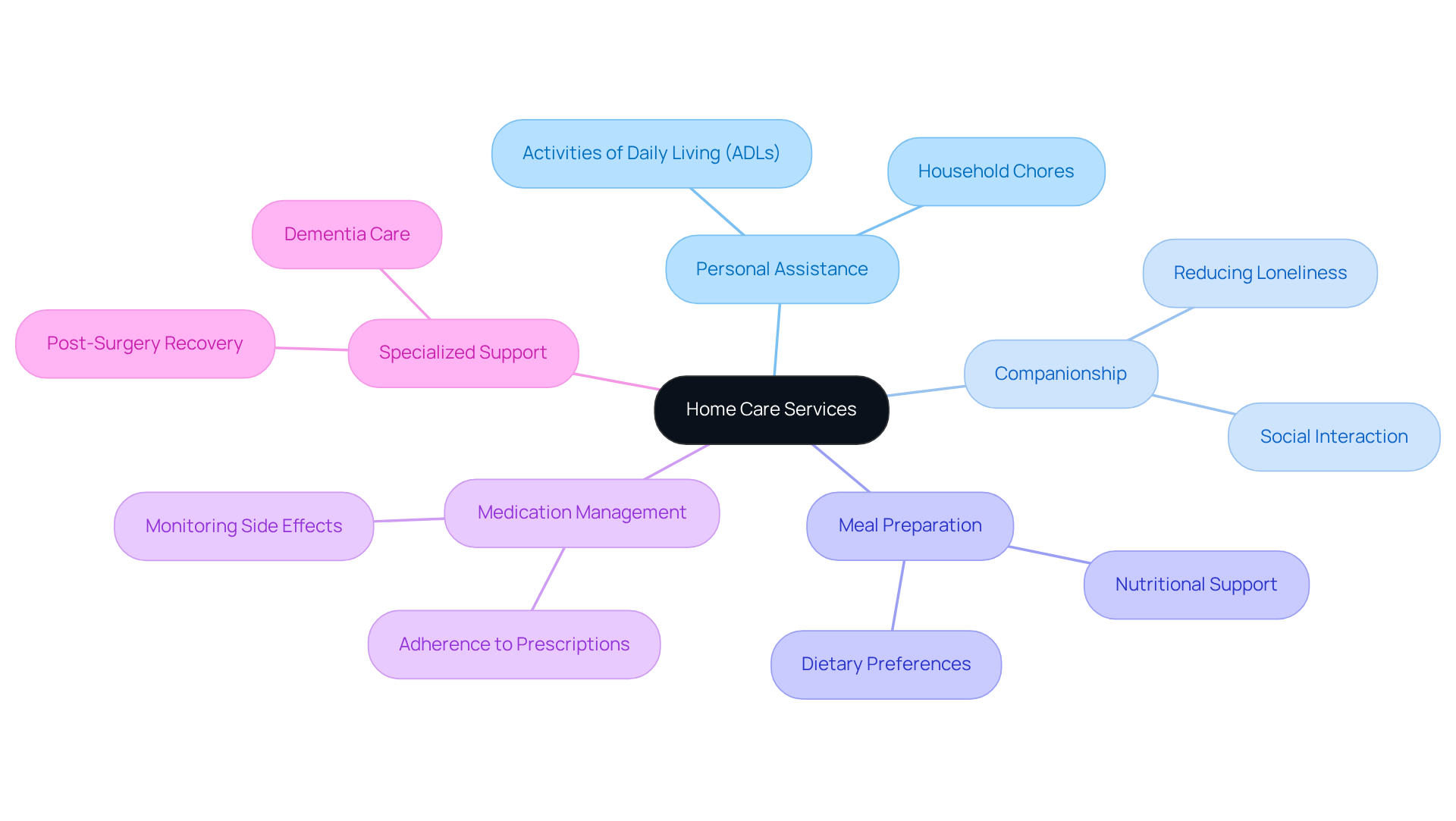
Choosing a home care senior care provider can feel overwhelming, especially when you’re concerned about your loved one’s well-being. It’s crucial to look for organizations that provide a wide range of home care senior care services. Think about:
- Personal assistance
- Companionship
- Meal preparation
- Medication management
- Specialized support for conditions like dementia or recovery after surgery
Having a diverse array of services not only meets the various needs of your loved one but also enhances their quality of life. It promotes independence and emotional well-being. For instance, agencies that provide companionship can significantly reduce feelings of loneliness, a common concern for many seniors.
Moreover, individualized support plans that adapt to the changing needs of clients ensure they receive the right assistance at the right time. This comprehensive approach to care has been shown to improve overall satisfaction and health outcomes for seniors. Many families report positive experiences when their loved ones receive personalized, multifaceted support.
By prioritizing organizations that offer a broad range of home care senior care services, you can ensure that every aspect of your loved one’s well-being is thoughtfully addressed. Remember, you’re not alone in this journey; there are compassionate providers ready to support you and your family.
Ensure Regular Communication and Updates from Caregivers
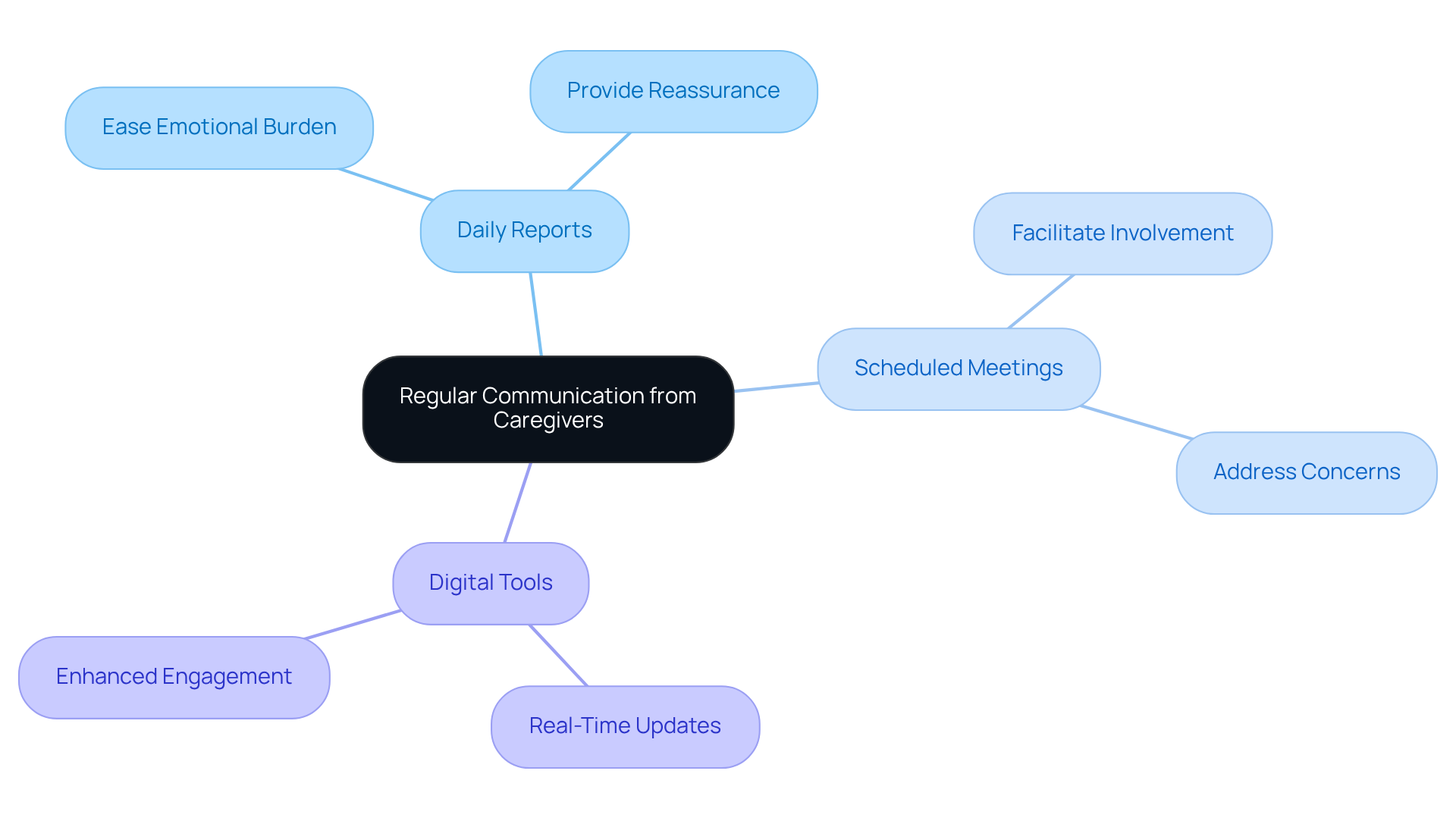
Effective communication between caregivers and family members is essential for providing the best home support. It's important to choose an agency that prioritizes regular updates about your loved one's condition and treatment. This could mean:
- Daily reports
- Scheduled meetings
- Digital tools that help family members stay informed and involved in the care process
When caregivers feel connected and informed, it can ease the emotional burden they often carry. Knowing that you’re kept in the loop can bring a sense of relief and comfort. Imagine receiving a quick message or a call that reassures you about your loved one’s well-being. It’s these small gestures that can make a big difference.
Remember, you’re not alone in this journey. The right support can help you navigate the challenges of caregiving with confidence. By fostering open lines of communication, you can ensure that everyone involved feels valued and engaged, creating a nurturing environment for your loved one.
Understand Costs and Payment Options for Home Care Services
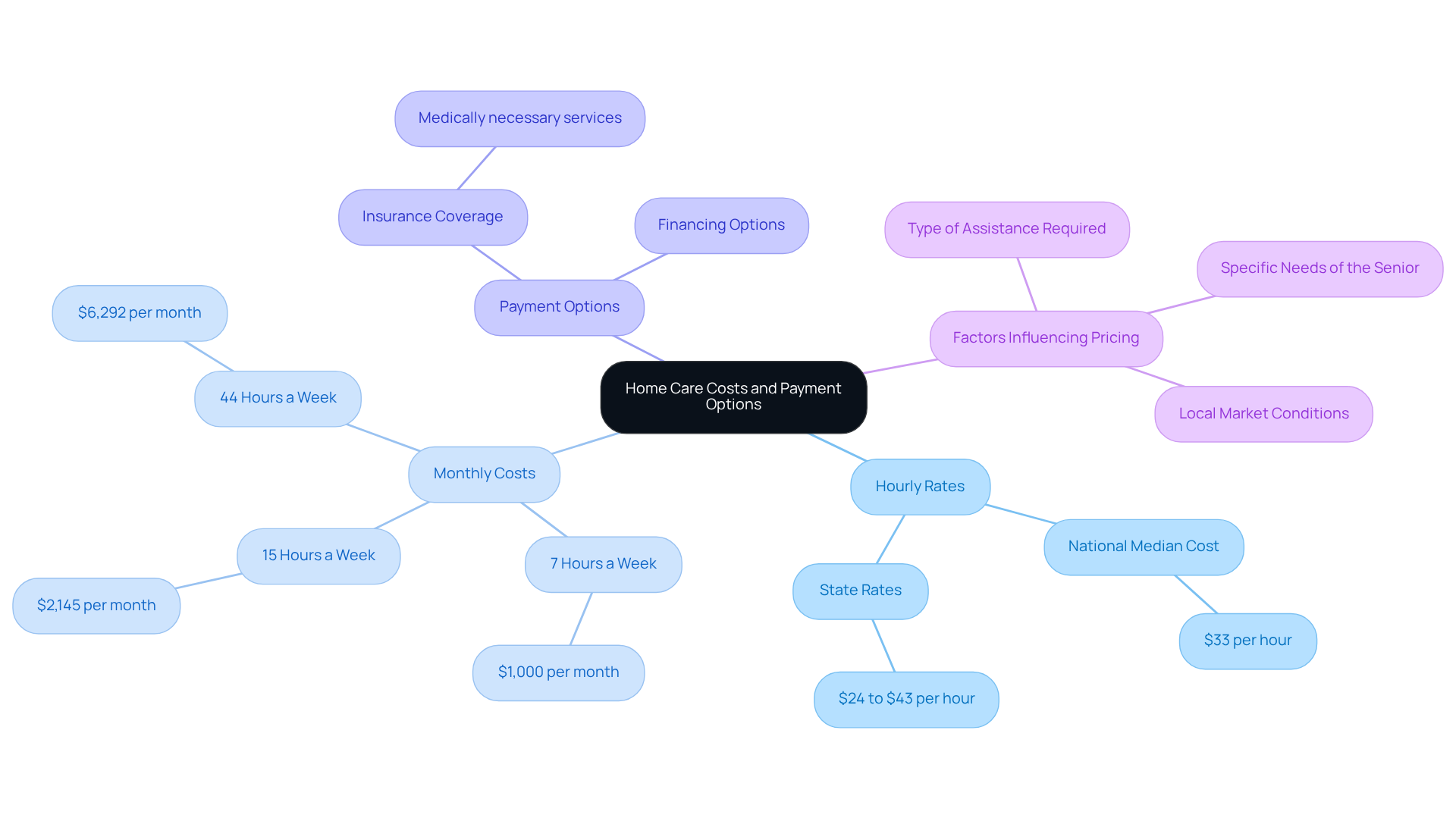
Understanding the costs associated with residential support services is crucial for families considering home care senior care for their loved ones. It can be overwhelming, but you’re not alone in this journey. In 2025, the national median cost for nonmedical in-home care is expected to be around $33 per hour, with state rates ranging from $24 to $43 per hour. Additionally, the median annual cost for a home health aide is approximately $75,504. This context can help families budget more effectively.
When exploring options, it’s important to ask about:
- Hourly rates
- Package deals
- Whether the agency accepts insurance or offers financing
For instance, assistance for 7 hours a week typically costs about $1,000 per month. If you need support for 15 hours a week, that can reach around $2,145 monthly, and for 44 hours a week, it may amount to about $6,292. This variability underscores the need for open communication about costs upfront, allowing families to plan and avoid unexpected expenses.
Moreover, understanding the factors that influence pricing—like the type of assistance required, the specific needs of your loved one, and local market conditions—can empower families to make informed decisions. Home support agencies often conduct background checks and provide training, ensuring the reliability of the services offered.
Engaging with financial consultants can also provide valuable insights into budgeting for residential support, helping families prepare for the financial commitment involved. Additionally, it’s worth noting that medical costs for home care senior care assistance might be tax-deductible if they exceed 7.5% of adjusted gross income.
By proactively discussing these aspects, families can navigate the complexities of home support with greater confidence. Remember, you’re taking a significant step in ensuring the well-being of your loved ones, and there are resources available to support you every step of the way.
Research Reviews and Testimonials from Other Families
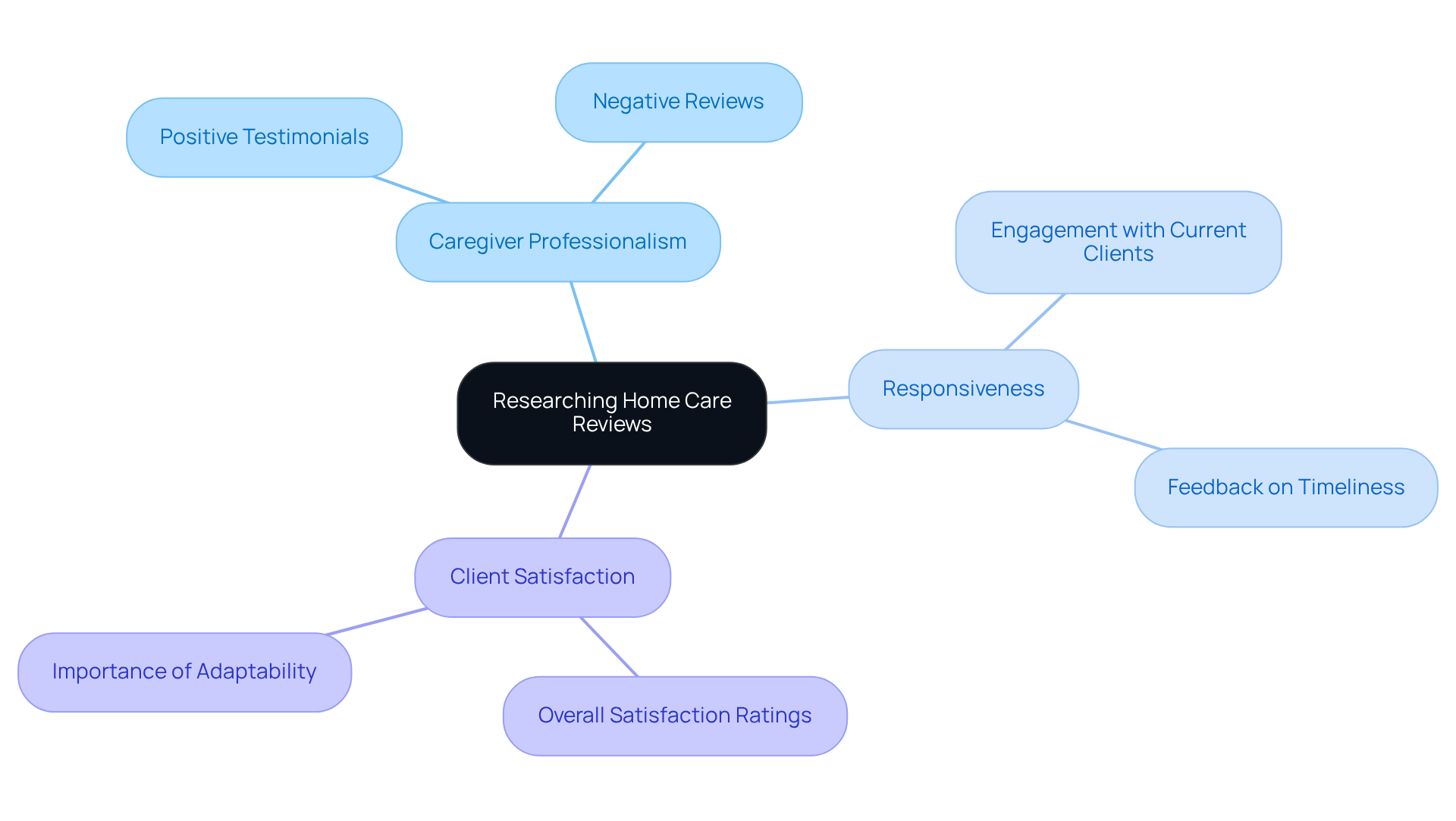
Researching reviews and testimonials from other families can truly shed light on the quality of care a home care service provides. It’s important to look for feedback on:
- Caregiver professionalism
- Responsiveness
- Overall client satisfaction
Positive testimonials often indicate a trustworthy organization, while negative reviews might raise some concerns worth considering.
Engaging with current clients can also be incredibly helpful. Scheduling a visit or a phone call to discuss their experiences can give you a clearer picture of the agency's performance. In 2024, the national median monthly expense for in-home assistance was reported at $6,292 for homemaker services. This highlights just how crucial it is to make an informed choice to ensure you’re getting value for your investment.
Case studies reveal that selecting a comprehensive support provider can significantly enhance quality of life and reduce hospitalizations. As Amy Prentzler, a Registered Nurse with over 30 years of experience, wisely states, "Selecting the appropriate provider for in-home assistance can significantly impact your life." Families should prioritize organizations that not only meet high-quality standards but also adapt their services as support needs evolve.
Request a Trial Period or Initial Assessment for Compatibility
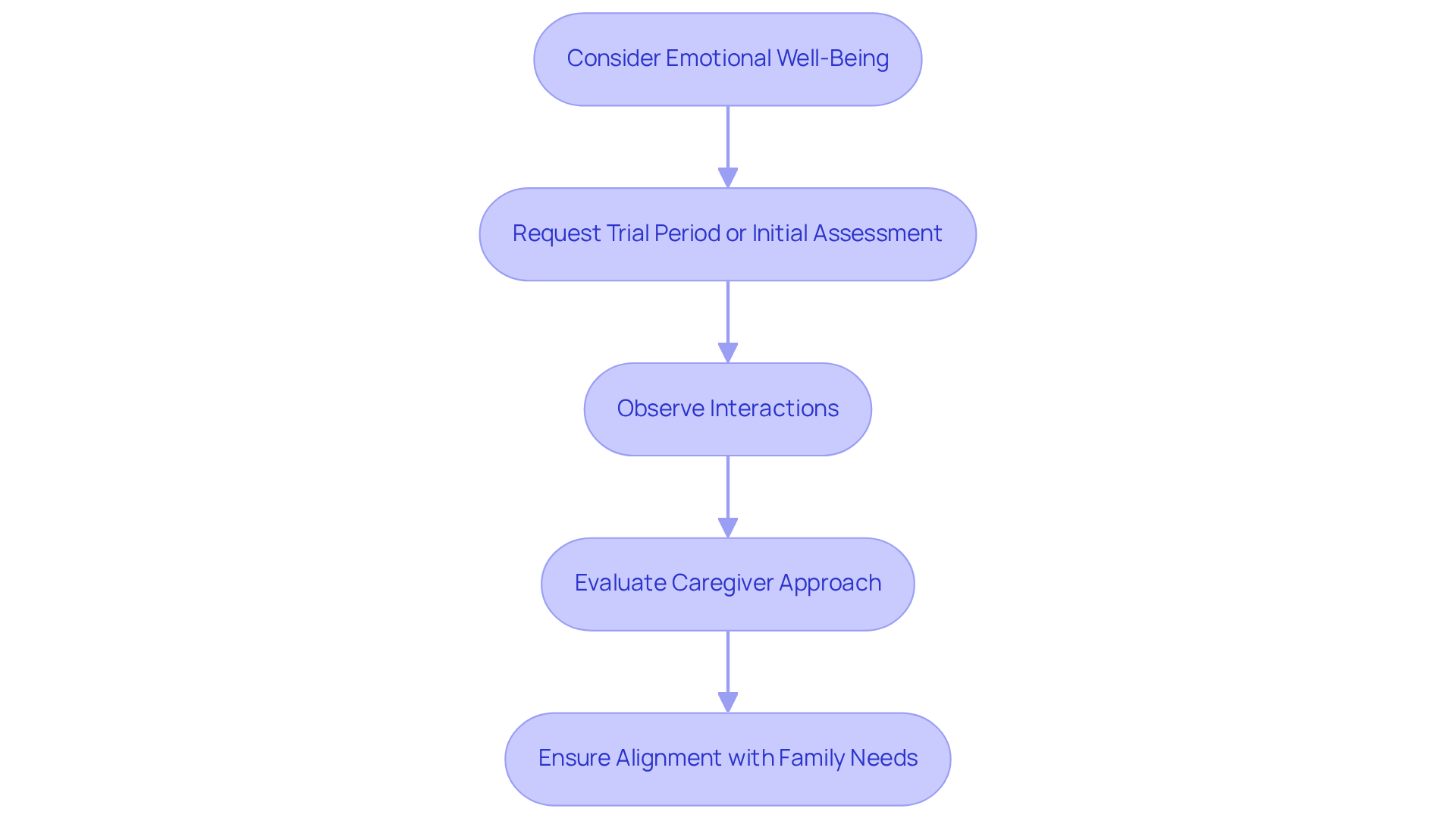
When considering a domestic assistance service, it’s important to prioritize the emotional well-being of your loved one. Asking for a trial period or a preliminary evaluation can be a great first step. This allows you to observe the interactions between your loved one and the caregiver, ensuring that their approach aligns with your family’s needs and preferences.
Finding the right match can truly make a difference in the caregiving experience. It’s not just about the tasks at hand; it’s about creating a connection that fosters comfort and trust. By taking this step, you’re not only looking out for practical needs but also nurturing the emotional landscape of your loved one’s care. Remember, a good fit can lead to a more positive and fulfilling experience for everyone involved.
Confirm Licensing and Insurance of Home Care Agencies
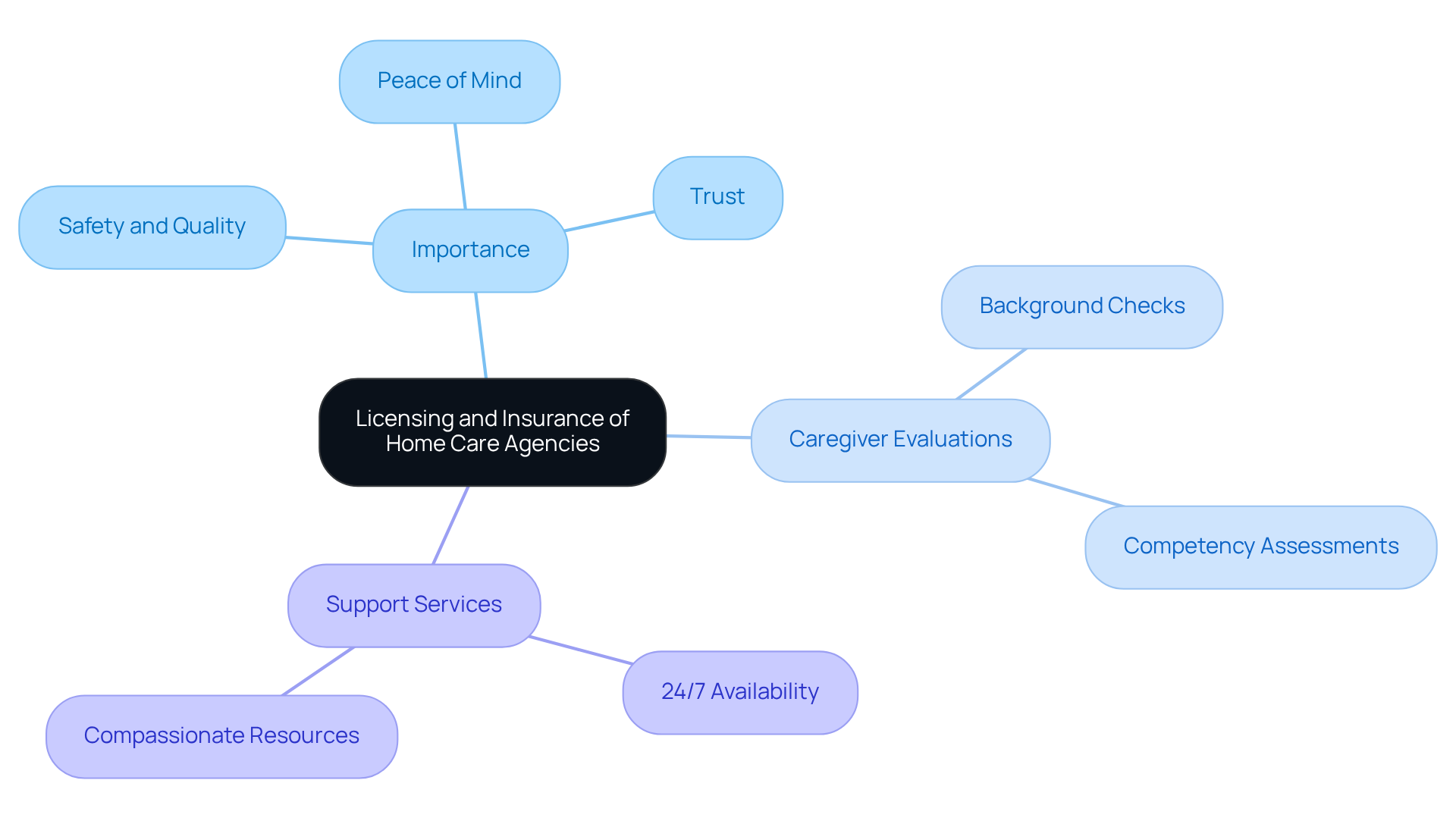
Finding the right support for your loved ones in home care senior care can be overwhelming. It’s crucial to ensure that any organization providing home care senior care you consider is properly licensed and insured. This isn’t just about paperwork in home care senior care; it’s about peace of mind. Licensing means the organization meets state regulations designed to protect the safety and quality of home care senior care. Insurance acts as a safety net for both clients and caregivers in home care senior care, covering any unexpected incidents that might arise during the process.
When you verify these credentials, you’re not just safeguarding your loved one’s well-being in home care senior care; you’re also fostering trust in the organization’s commitment to high-quality service. It’s a foundational step in your decision-making process concerning home care senior care that can make all the difference.
Moreover, it’s essential for organizations to conduct thorough evaluations of their caregivers in the context of home care senior care. This includes:
- Background checks
- Competency assessments
to ensure they meet the necessary standards in home care senior care. Accreditation from respected bodies like The Joint Commission further assures families that the organization adheres to high patient service standards in home care senior care, thereby boosting your confidence in their care.
Lastly, consider the availability of support services for home care senior care. Knowing that home care senior care is accessible around the clock can provide tremendous relief when urgent health needs arise. Remember, you’re not alone in this journey; there are compassionate resources for home care senior care that are ready to support you and your loved ones.
Assess Emergency Protocols and Safety Measures in Place
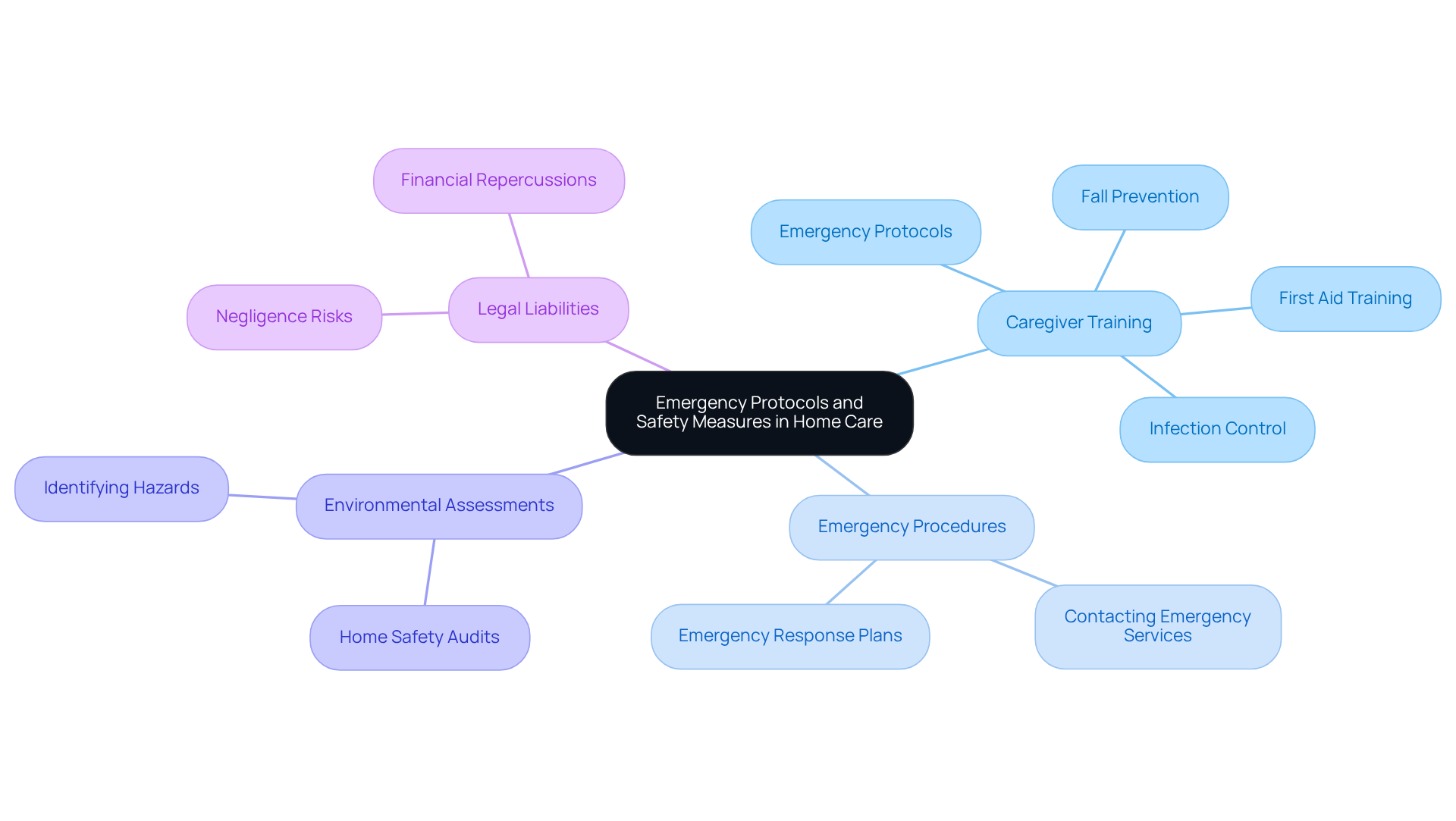
Choosing a home care senior care provider can feel overwhelming, especially when it comes to ensuring the safety of your loved ones. It’s crucial to look into the emergency protocols and safety measures that these providers have in place. Understanding how caregivers are trained to handle emergencies, the availability of first aid supplies, and the procedures for contacting emergency services can bring peace of mind. A well-prepared organization not only enhances the safety of its clients but also significantly eases the worries of families.
Many patients receiving home care senior care are elderly or have chronic illnesses, which makes them particularly vulnerable to accidents. This is why agencies that prioritize thorough training in emergency response and safety protocols—like infection control, fall prevention, and medication safety—can truly make a difference in minimizing risks. For instance, case studies, such as the one on the 'Importance of Patient Safety in Homecare,' highlight how using standardized communication tools and conducting routine safety audits can improve care coordination and build trust between relatives and caregivers.
It’s also important for home care providers to be aware of the legal liabilities and financial repercussions that can arise from negligence. This underscores the necessity of implementing thorough safety measures. Additionally, assessing environmental hazards in patients' homes, like poor lighting and slippery floors, is vital to ensuring a safe living environment.
Ultimately, families can find comfort in knowing that their loved ones are in capable hands, supported by an agency that provides dedicated home care senior care, genuinely committed to their safety and well-being. Your loved ones deserve compassionate care, and with the right provider, you can feel reassured that they are receiving the best support possible.
Moving Forward with Tips for Choosing Home Care Senior Care
Choosing the right home care senior services is a deeply personal decision that can greatly affect the well-being of your loved ones. It’s essential to understand the unique needs of seniors and find a provider that offers the support they truly deserve. By focusing on personalized care, families can ensure their loved ones receive the compassion and attention they need, allowing them to thrive in the comfort of their own homes.
In this article, we’ve highlighted key considerations that can help you in this journey:
- Verifying caregiver qualifications
- Exploring flexible scheduling options
- Evaluating the range of services offered
- Emphasizing the importance of effective communication
- Understanding costs
- Necessity of trial assessments to ensure compatibility with caregivers
Each of these factors plays a vital role in securing high-quality care that aligns with the specific needs of seniors.
Ultimately, choosing home care services is more than just a logistical decision; it’s about creating a nurturing environment that promotes safety, independence, and emotional well-being. We encourage families to take proactive steps in researching and selecting a service that resonates with their values and expectations. By doing so, you can build a supportive network that not only enhances the quality of life for seniors but also eases the burdens of caregiving. This way, everyone involved can focus on what truly matters—cherishing the precious time spent together.
https://iframe.tely.ai/cta/eyJhcnRpY2xlX2lkIjogIjY5MDY5ZmM2NTYxOTQyOGI4OGM3YTVhNCIsICJjb21wYW55X2lkIjogIjY4ZWU1ZGNhNzMxNzYyNTU3ZjNjOTVjMSIsICJpbmRleCI6IG51bGwsICJ0eXBlIjogImFydGljbGUifQ==Frequently Asked Questions
What is Happy to Help Caregiving?
Happy to Help Caregiving is a leading provider of in-home support services for seniors, focusing on individualized care that enhances quality of life. Their services include companionship, post-hospital recovery assistance, and palliative support.
How does Happy to Help Caregiving support caregivers?
Happy to Help Caregiving understands the emotional challenges caregivers face and provides tailored support to alleviate stress and burnout, allowing families to spend quality time together.
What qualifications should caregivers have?
Caregivers should have certifications in essential areas like CPR and first aid, along with specialized training in senior support for conditions such as dementia and Alzheimer's. This ensures they have the necessary skills to provide high-quality assistance.
Why is caregiver experience important?
Caregiver experience is crucial as it impacts the quality of support provided. Caregivers with specialized training and experience tend to deliver better care and report higher job satisfaction, which can lead to improved health outcomes for clients.
What should families look for in a home care service?
Families should look for home care services that offer flexible scheduling options to meet their unique needs, whether full-time, part-time, or occasional assistance. This flexibility helps manage daily routines and provides support when it's needed most.
How can flexible scheduling benefit caregivers and clients?
Flexible scheduling allows caregivers to provide support in a way that fits the client's routine, reducing stress and burnout for both caregivers and clients. It promotes a more balanced and fulfilling daily life.
What is the projected demand for in-home assistance?
By 2028, an estimated 1.3 million new positions are expected to be created in the direct support workforce, with a total of 7.4 million job vacancies projected by 2029, indicating a rising demand for in-home assistance.