
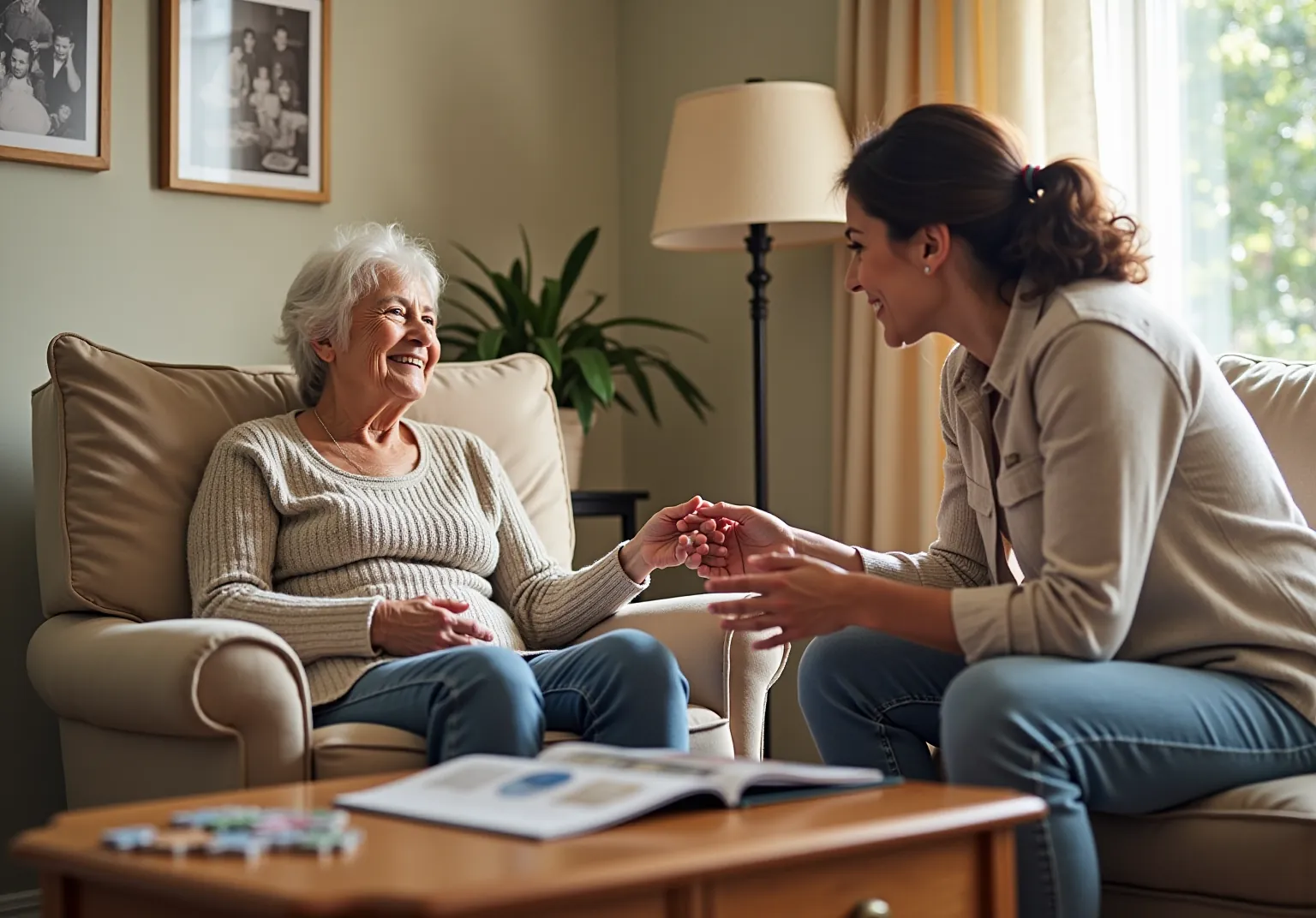
For families in our service areas
For families in our service areas, this guide explains dementia care and how non-medical in-home caregiving can support care planning in East Idaho, Treasure Valley & Magic Valley, Northern Wasatch, North Central West Virginia, and Northeast Ohio.
What You Need to Know About Tips for Dementia Carers to Enhance
Dementia caregiving presents a significant challenge, often overwhelming those dedicated to supporting loved ones experiencing cognitive decline. The emotional and physical demands can be immense, leading to caregiver burnout and stress. As these pressures mount, the need for effective strategies becomes increasingly important.
This article explores ten essential tips designed to empower dementia caregivers. These strategies not only enhance the caregiving experience but also promote better well-being for caregivers themselves. By implementing these actionable solutions, caregivers can navigate the complexities of their role while ensuring that both their loved ones and their own needs are met.
How can caregivers effectively manage this intricate landscape?
Happy to Help Caregiving: Companionship Care for Dementia Patients
Loneliness and cognitive decline are significant challenges faced by individuals with memory impairments. These issues can lead to feelings of isolation and a diminished sense of identity, which are detrimental to emotional well-being. Research indicates that companionship is crucial for preserving connections to the past, making it essential for those affected by memory disorders.
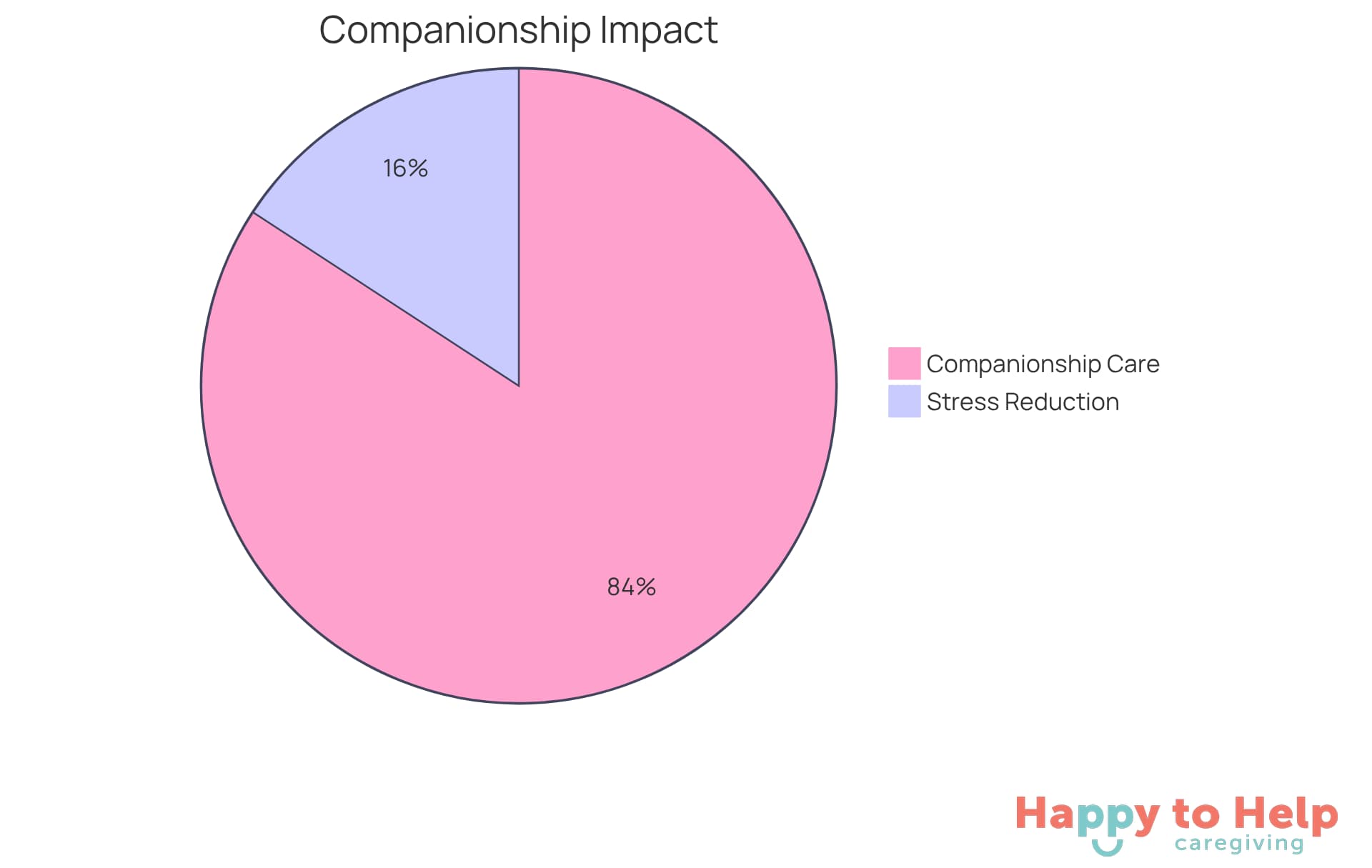
Around 80% of adults with Alzheimer's disease and similar cognitive impairments receive assistance from dementia carers in their homes. This statistic underscores the importance of companionship support in familiar environments. Effective companionship initiatives, such as the Mason CARES program, demonstrate that consistent social engagement can enhance mood and reduce anxiety. In fact, studies show a 15% decrease in stress levels among dementia carers who provide this support.
To address these challenges, dementia carers can concentrate on fostering meaningful interactions. Engaging clients in conversations and activities not only alleviates loneliness but also stimulates cognitive function. By creating a supportive environment where clients feel valued and understood, dementia carers can significantly improve their overall well-being. Emphasizing companionship is a practical solution that improves the quality of life for individuals experiencing cognitive decline.
Caring for a Person with Dementia: A Practical Guide
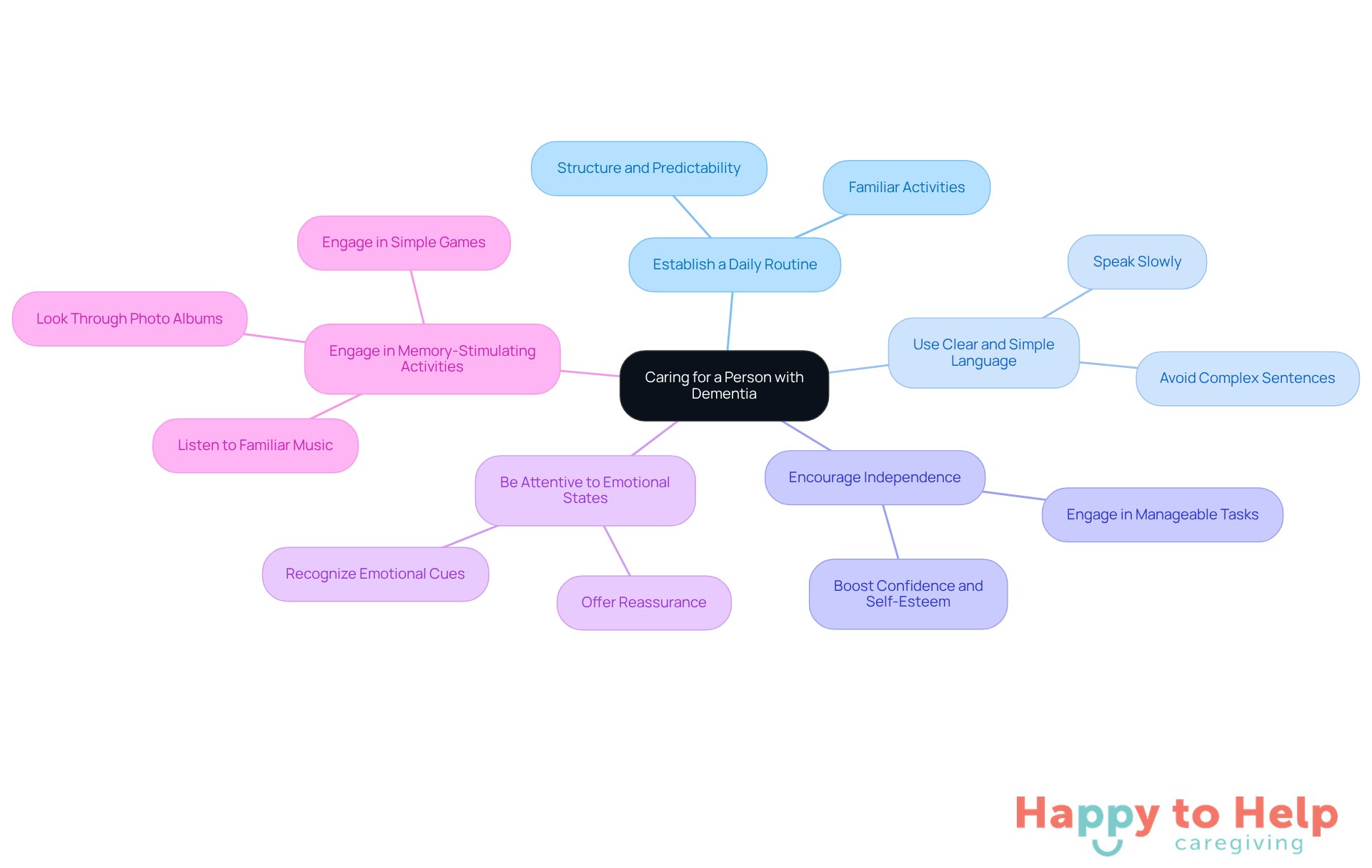
Caring for someone with cognitive decline presents significant challenges for caregivers. The emotional and physical demands can lead to feelings of frustration and helplessness. However, implementing effective strategies can greatly improve the caregiving experience.
-
Establish a Daily Routine: A consistent daily schedule offers structure and predictability, helping to reduce anxiety for individuals with dementia. Incorporating familiar activities at the same time each day fosters a sense of security.
-
Use Clear and Simple Language: Effective communication is crucial. Speak slowly and use straightforward language to ensure understanding. Avoid complex sentences and jargon, which can lead to confusion.
-
Encourage Independence: Allow the person to engage in tasks they can manage, promoting a sense of autonomy. Simple activities like dressing or setting the table can boost their confidence and self-esteem.
-
Be Attentive to Emotional States: Recognizing and responding to emotional cues is vital. Offer reassurance and comfort during moments of confusion or distress, helping to create a supportive environment.
-
Engage in Memory-Stimulating Activities: Activities that stimulate memory can be beneficial. Consider looking through photo albums, listening to familiar music, or engaging in simple games that encourage reminiscence. These interactions not only enhance cognitive function but also strengthen emotional bonds.
By applying these strategies, caregivers can significantly enhance the quality of life for both themselves and those they assist, fostering a more positive support experience.
Caregiver's Guide to Understanding Dementia Behaviors
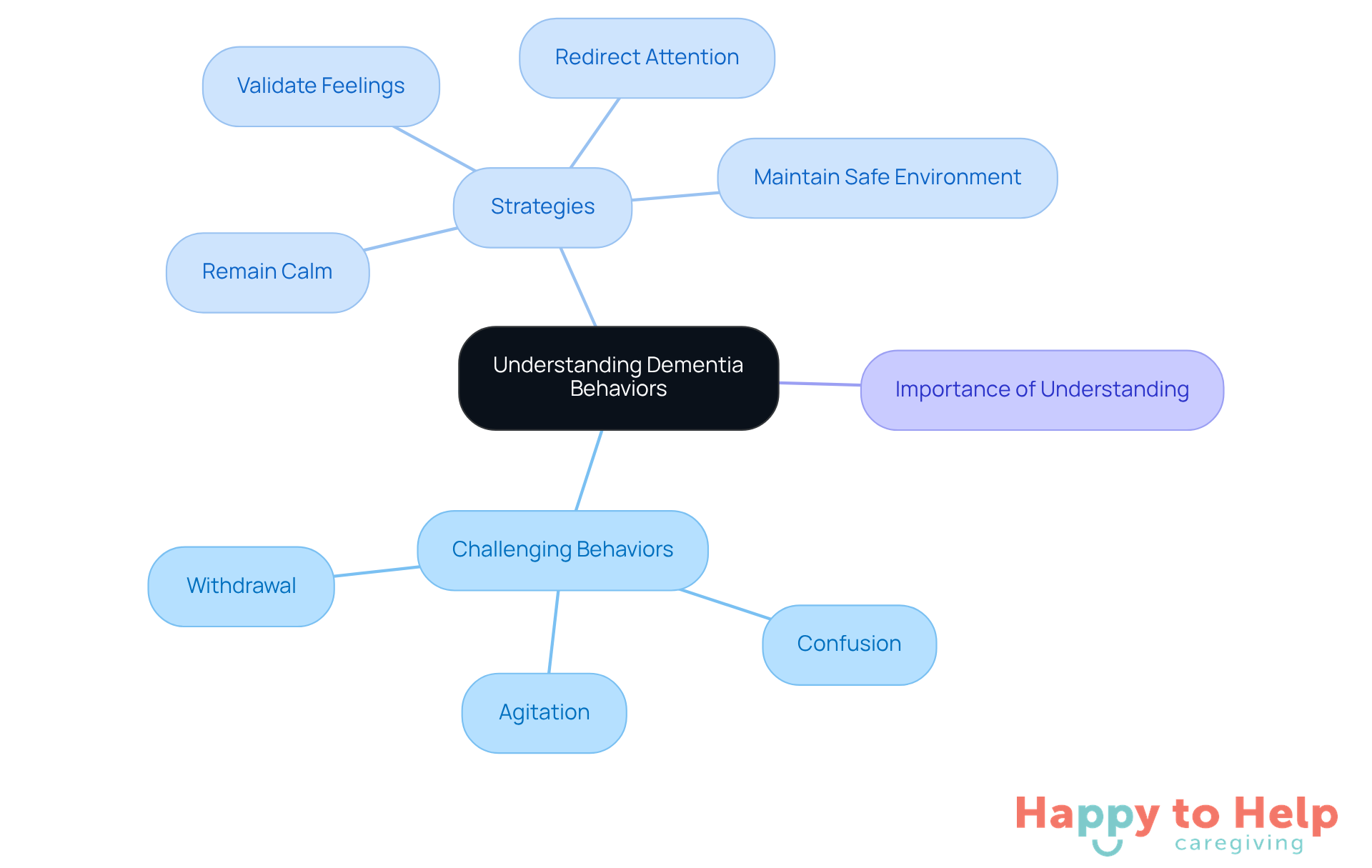
Dementia can lead to a variety of challenging behaviors, such as confusion, agitation, and withdrawal. These behaviors often signal unmet needs or reactions to the environment, creating significant challenges for dementia carers.
To effectively address these issues, caregivers can implement the following strategies:
- Remain calm and patient: Your demeanor can greatly influence the patient's behavior.
- Validate their feelings: Providing reassurance can help ease their distress.
- Redirect attention: If agitation occurs, gently guide them to a different activity.
- Maintain a safe environment: A familiar setting can minimize confusion and anxiety.
Understanding these behaviors is crucial for dementia carers, as it enables them to offer more effective and compassionate support.
Teepa Snow's Positive Approach to Care: Transforming Dementia Care
Caring for individuals experiencing cognitive decline presents significant challenges for caregivers. The emotional toll can be profound, as caregivers often struggle to connect with those they care for, leading to feelings of frustration and helplessness. Understanding the unique perspectives of these individuals is crucial for fostering meaningful interactions.
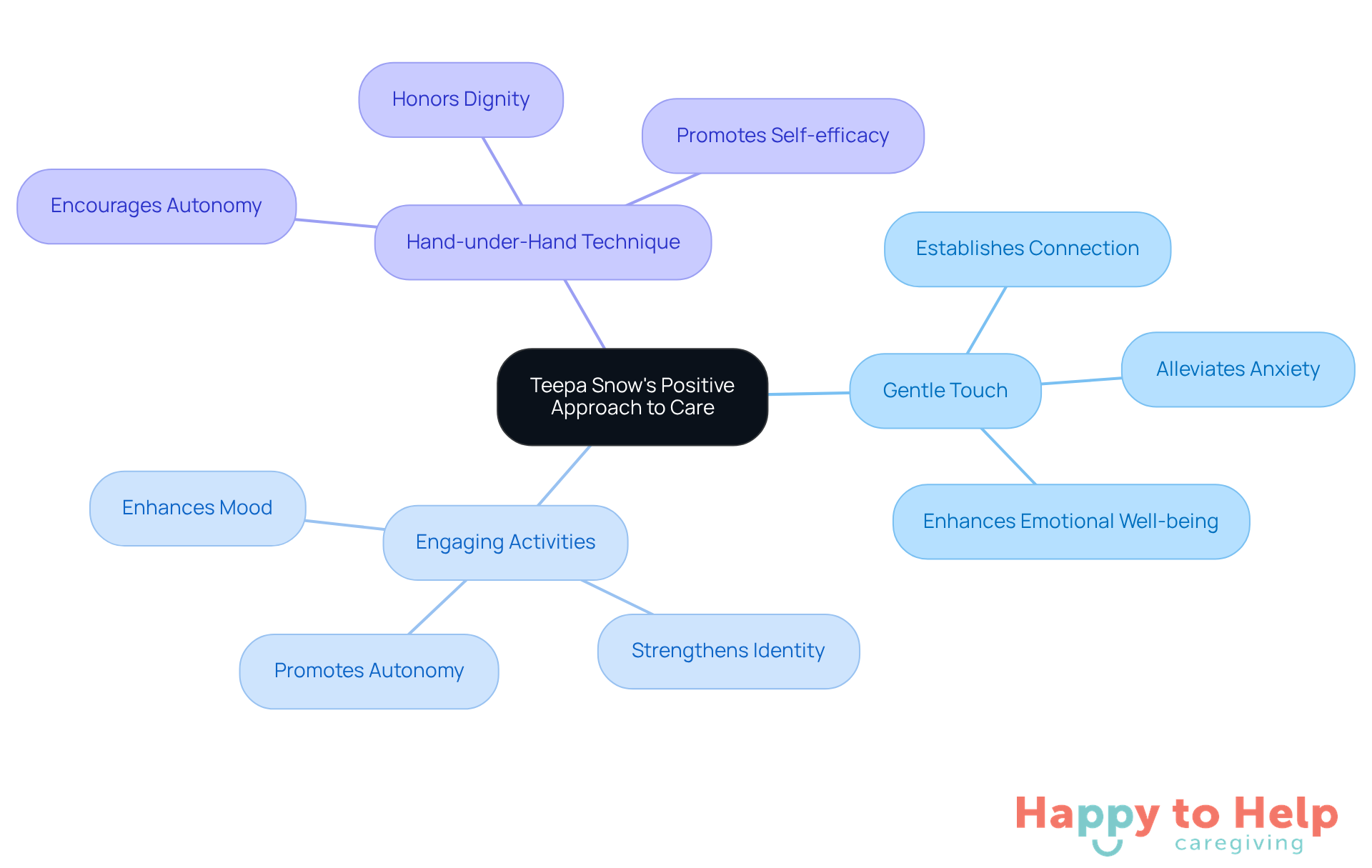
To address these challenges, Teepa Snow's Positive Approach to Care offers several effective strategies:
-
Gentle Touch: Utilizing gentle touch helps establish a meaningful connection, fostering trust and comfort between caregivers and individuals receiving care. Research indicates that such touch can alleviate anxiety and agitation, enhancing emotional well-being. Evidence suggests that massage and touch therapies may act as effective, low-risk options for managing these conditions in individuals with cognitive decline.
-
Engaging Activities: Caregivers are encouraged to involve individuals with dementia in activities they enjoy. This can significantly enhance mood and foster positive interactions. Customizing activities to personal preferences not only enhances the caregiving experience but also strengthens the individual's sense of identity and autonomy.
-
Hand-under-Hand Technique: This method enables supporters to assist individuals with tasks while encouraging their autonomy. By gently guiding the individual's hands, supporters can help them engage in activities without dominating, thus honoring their dignity and promoting self-efficacy.
By applying these strategies, caregivers can create a supportive and interactive atmosphere that respects the uniqueness of dementia patients, ultimately improving their quality of life. However, it is important to note that further research is needed to fully understand the long-term benefits of these interventions, as highlighted in recent studies.
Managing Caregiver Burnout: Strategies for Emotional Resilience
Caregiver burnout is a significant issue that can greatly diminish the quality of care provided and lead to emotional distress. This problem not only affects the caregivers but also impacts the well-being of those they care for. Statistics reveal that 59% of dementia carers caring for individuals with cognitive decline report significant emotional stress, while 38% experience high physical stress due to their caregiving duties. These figures highlight the urgent need for effective strategies to combat burnout.
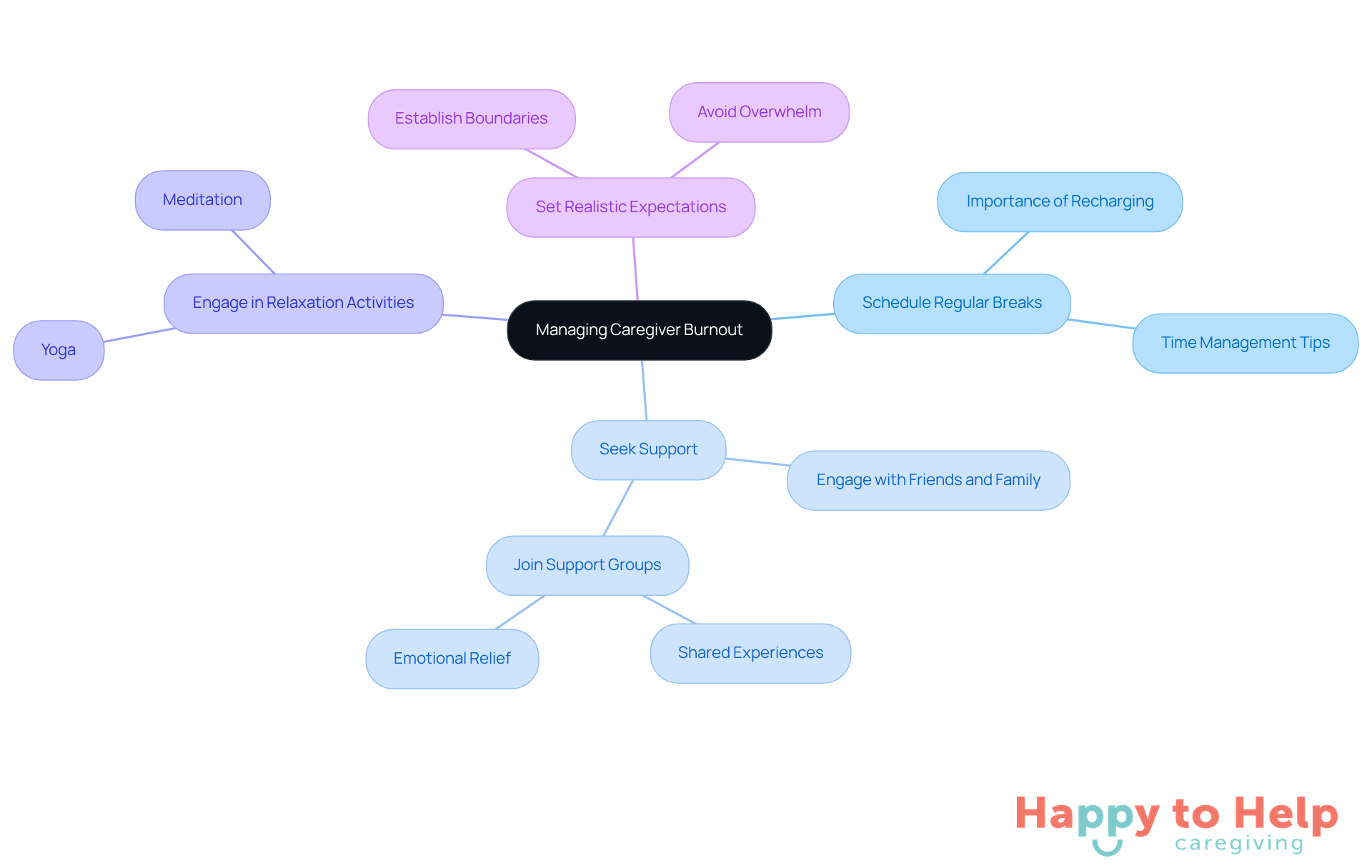
To address this challenge, caregivers can adopt several key strategies:
- Schedule Regular Breaks: Taking time to recharge is essential for maintaining energy and focus.
- Seek Support: Engaging with friends, family, or support groups can provide emotional relief and practical advice. Support groups, in particular, play a vital role by offering a space for shared experiences and strategies that bolster emotional strength.
- Engage in Relaxation Activities: Practices such as yoga or meditation can help alleviate stress and promote mental clarity.
- Set Realistic Expectations: Establishing clear boundaries regarding caregiving responsibilities can prevent feelings of overwhelm.
Prioritizing personal well-being not only enhances resilience but also enables caregivers to provide more effective support to their loved ones. Mental health experts emphasize that recognizing stress indicators and taking proactive measures can enhance resilience, ultimately benefiting both those they assist and dementia carers.
As we observe November as National Family Caregivers Month, it serves as a timely reminder for caregivers to prioritize their health and well-being.
Implementing Safety Measures in Daily Care for Dementia Patients
Establishing a secure atmosphere for individuals with cognitive impairment is crucial, as their safety is often at risk due to various environmental hazards. Dementia carers face the challenge of ensuring that their loved ones can navigate their surroundings safely, which can be particularly daunting due to the changes in perception that accompany cognitive decline.
To address these concerns, here are key measures that can significantly enhance safety:
- Eliminate Tripping Hazards: Remove loose rugs and declutter areas to prevent falls, which are especially hazardous for individuals with cognitive impairments due to changes in depth perception.
- Install Grab Bars: Place grab bars in bathrooms and along stairways to provide stability and support, significantly reducing the risk of accidents.
- Enhance Lighting: Ensure adequate lighting throughout the home, using bright, non-glare bulbs and nightlights to improve visibility and reduce confusion during nighttime.
- Secure Doors: Utilize locks or alarms on entrances to prevent wandering, a frequent issue for individuals with cognitive impairments.
- Label Rooms Clearly: Use large, clear signs to label rooms, assisting individuals in navigating their environment with greater ease.
- Display a 'NO SOLICITING' Sign: This can help minimize interruptions at the entrance, fostering a more serene atmosphere for individuals with cognitive challenges.
- Disconnect the Garbage Disposal: Prevent accidents by ensuring that the garbage disposal is disconnected when not in use.
- Mark Edges of Steps with Bright Tape: This enhances visibility and helps prevent falls.
- Implement Medication Dispensers: These can notify patients when it's time to take their medications, assisting those who support them in managing medication schedules.
- Regularly Assess Home Safety: As the person's abilities change over time, it's crucial to continually evaluate and adjust the home environment to maintain safety.
Implementing these safety measures not only minimizes risks for dementia carers but also fosters a sense of security and independence, enhancing the overall caregiving experience. As highlighted by safety specialists, a suitably modified home can greatly enhance the quality of life for individuals experiencing cognitive decline, enabling them to thrive in a familiar and supportive setting.

Joining Support Groups: Building a Network for Dementia Carers
Caring for individuals with memory loss can be incredibly challenging. Dementia carers often feel isolated and stressed, which can impact their well-being.
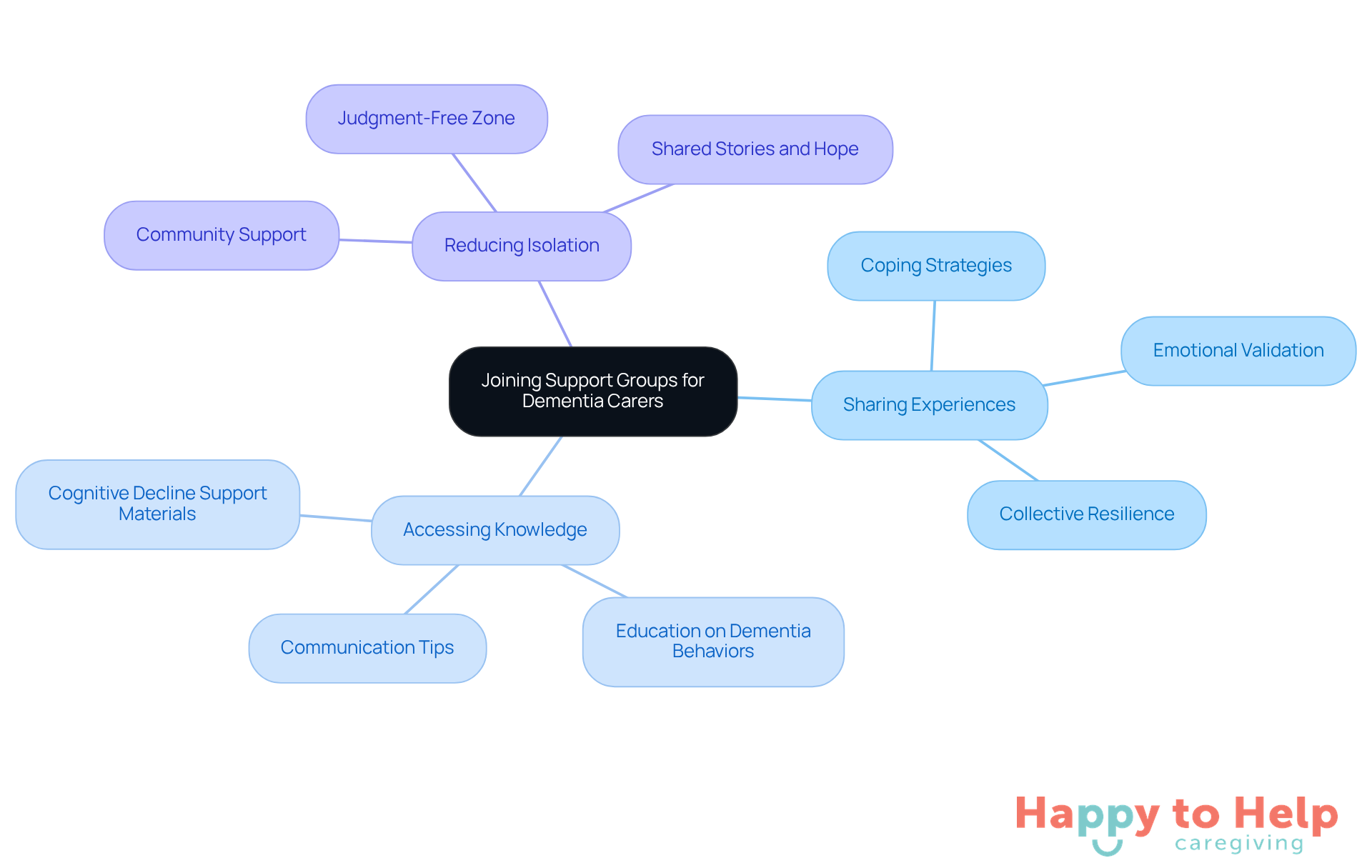
To address these challenges, participating in a support group can be a crucial resource. Here are some benefits of joining such groups:
- Sharing experiences and coping strategies with others facing similar challenges.
- Accessing materials and knowledge regarding cognitive decline support.
- Reducing feelings of isolation and stress through community support.
Dementia carers are encouraged to seek local or online support groups to connect with others and share their journeys. These connections can provide not only emotional support but also practical advice and resources.
Flexible Scheduling: Enhancing Caregiver Efficiency and Client Comfort
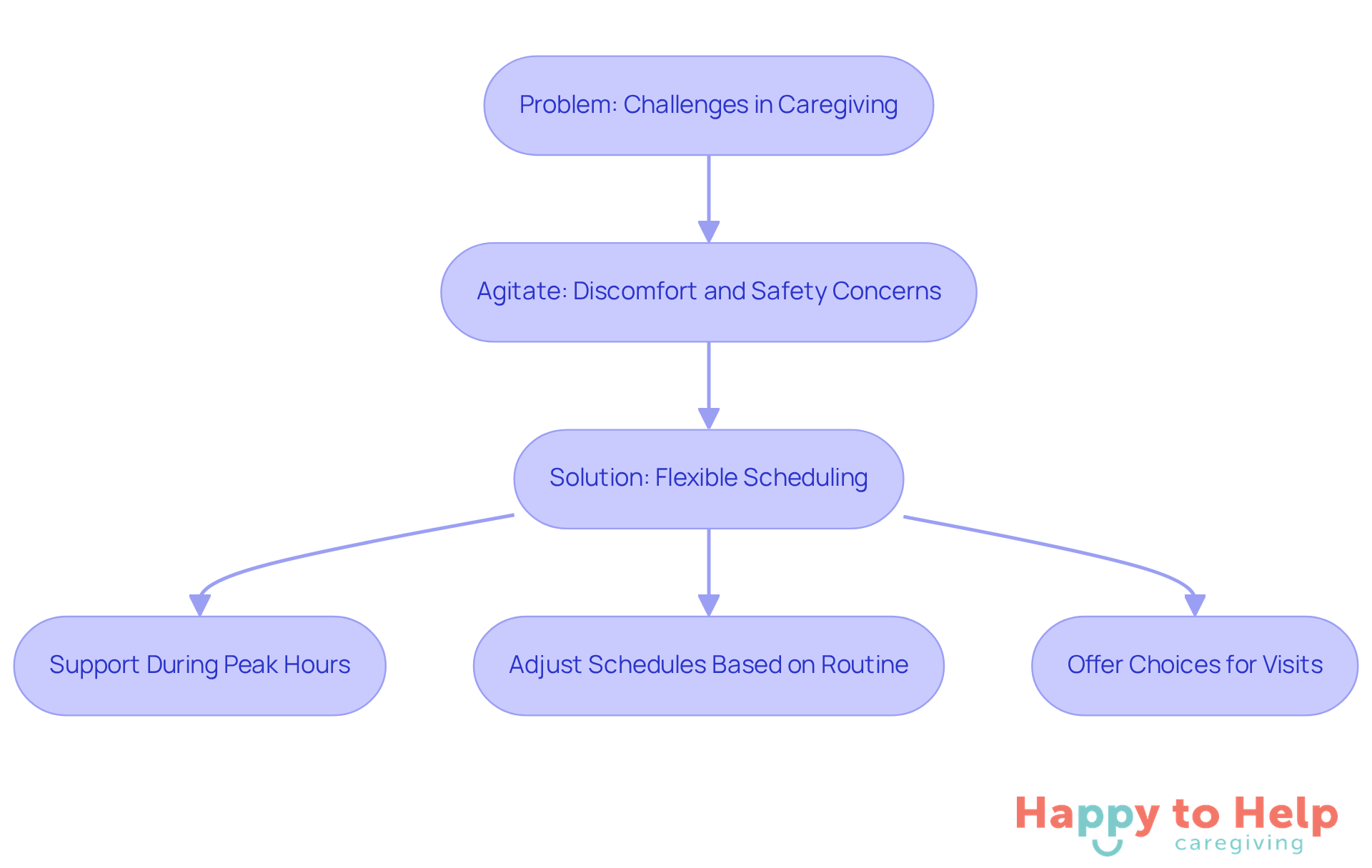
Problem: Dementia carers often struggle to meet the unique needs of individuals with dementia, which can result in challenges in providing effective support.
Agitate: This difficulty can result in individuals feeling uncomfortable or unsafe, particularly during times when they are most alert and engaged. Caregivers need to find ways to enhance the quality of assistance they provide.
Solution: Flexible scheduling is a key strategy that enables caregivers to customize their services effectively. Here are some actionable tips:
- Provide support during peak hours when individuals are most alert and engaged.
- Adjust schedules based on the individual's daily routine and preferences.
- Offer choices for brief visits or prolonged assistance as required.
This flexibility not only improves the quality of assistance from dementia carers but also promotes a feeling of comfort and safety for individuals.
Effective Communication Techniques for Dementia Care
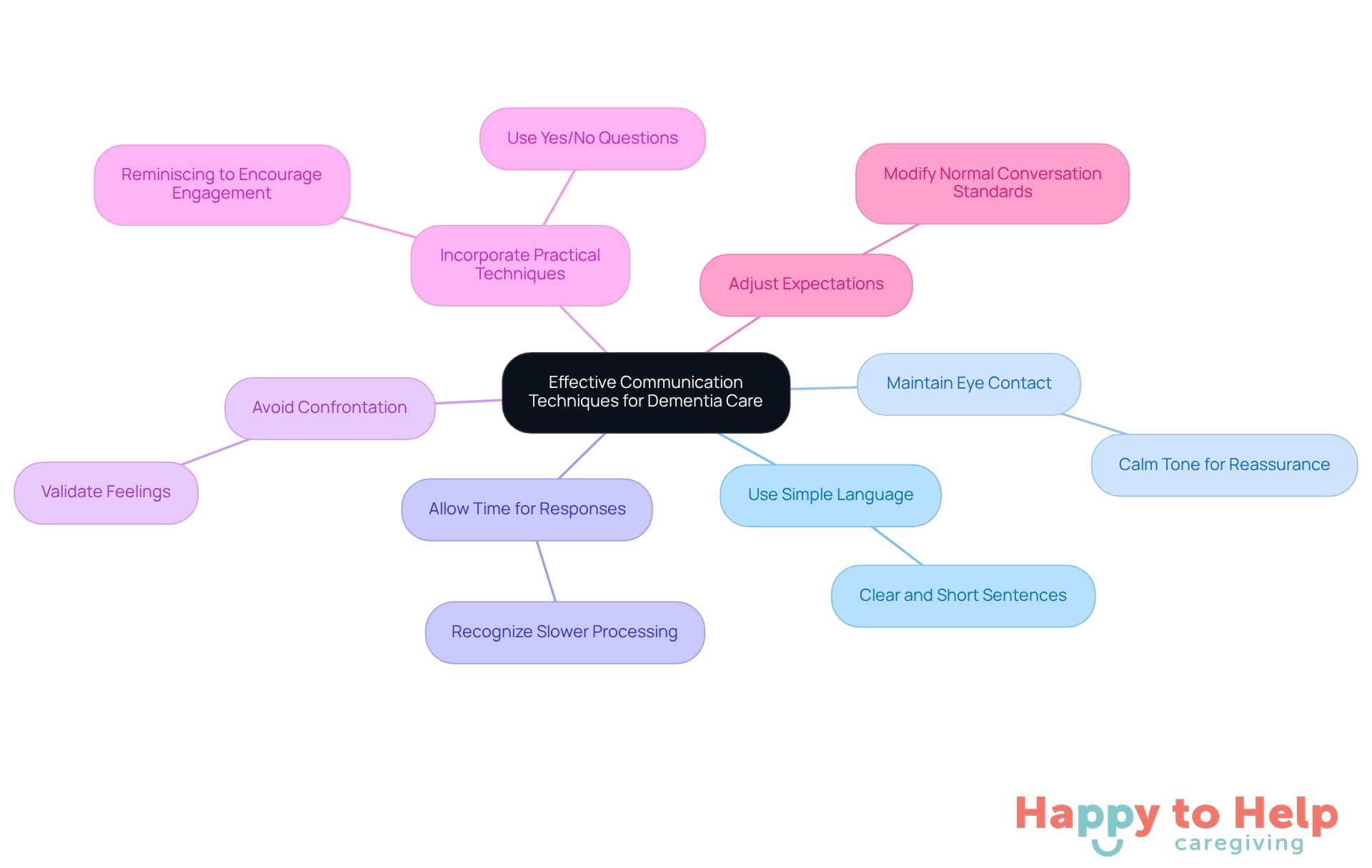
Effective communication with individuals suffering from memory disorders presents significant challenges for caregivers. These challenges can lead to misunderstandings and frustration, impacting the quality of care provided.
To address these issues, caregivers can implement several essential techniques:
- Use simple, clear language and short sentences to enhance comprehension.
- Maintain eye contact and adopt a calm tone to provide reassurance and comfort.
- Allow additional time for responses, recognizing that cognitive processing may be slower.
- Avoid confrontational language; instead, focus on validating their feelings to foster a supportive environment.
- Incorporate practical techniques such as using yes/no questions and reminiscing to encourage engagement.
- Adjust your expectations of normal conversation, understanding that interactions may differ from typical exchanges.
These strategies not only improve understanding but also cultivate a more positive and meaningful interaction. By enhancing communication, caregivers can significantly improve the caregiving experience and foster a sense of personhood.
Respite Care Services: Supporting Caregivers and Patients Alike
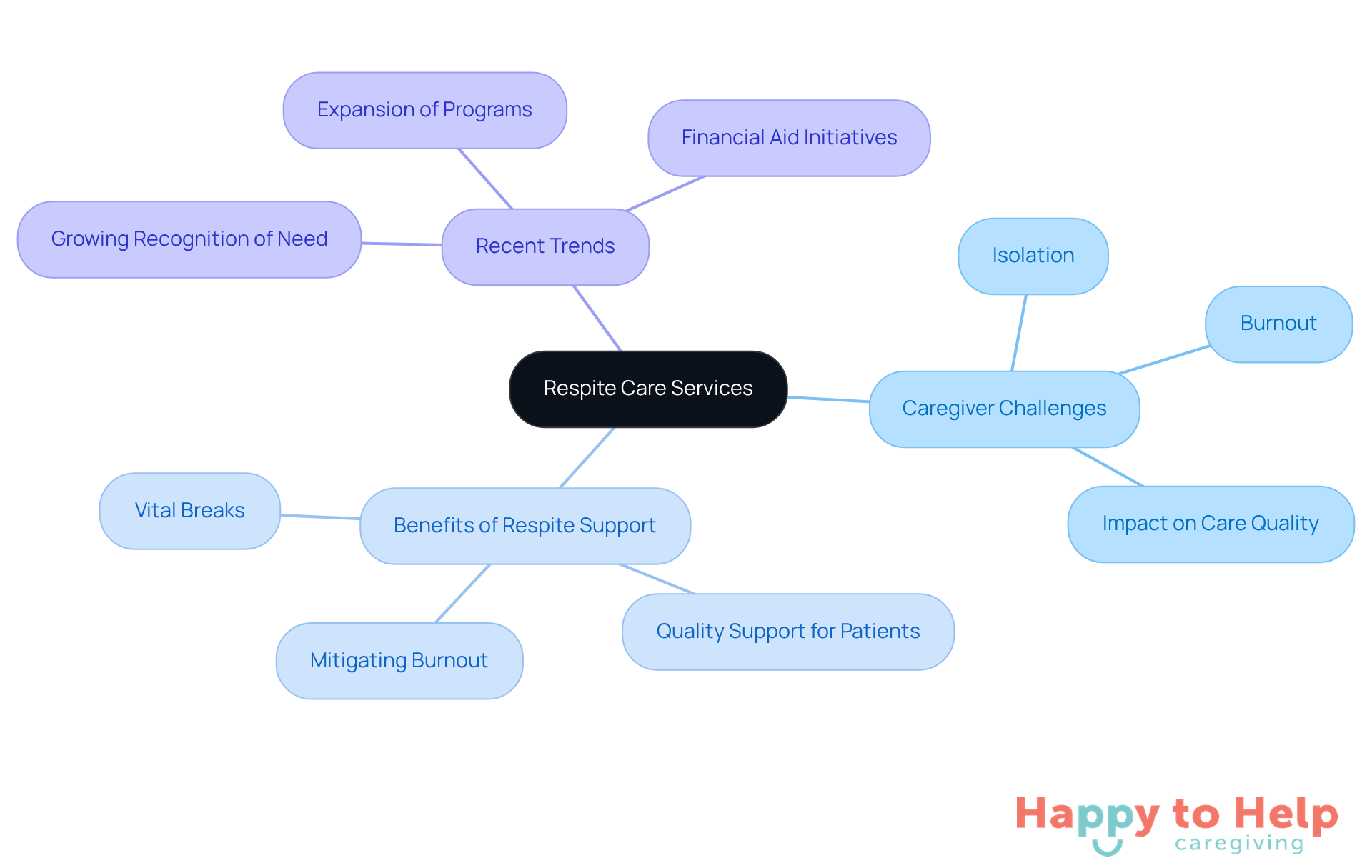
Respite support services address a significant problem faced by caregivers: the stress and exhaustion that come with providing care for dementia patients. Caregivers often experience feelings of isolation and burnout, especially when they dedicate over 30 hours a week to their responsibilities. This situation can lead to a decline in their well-being, making it crucial to find effective solutions.
The implications of caregiver burnout are serious. Without adequate breaks, caregivers may struggle to maintain their physical and emotional health, which can negatively impact the quality of care they provide. This cycle of stress can create a challenging environment for both caregivers and dementia patients, leading to increased anxiety and strained relationships.
Solution: Respite Support Services
Respite support services offer a vital solution by providing caregivers with essential breaks. Here are some key advantages:
-
Vital Breaks for Supporters: Respite assistance allows caregivers to rejuvenate, reducing feelings of isolation and stress. Regular breaks enable them to return to their responsibilities with renewed energy.
-
Quality Support for Individuals: During respite periods, trained professionals offer attentive assistance in a familiar environment, ensuring comfort and security for dementia patients.
-
Mitigating Caregiver Burnout: Respite services have been shown to alleviate stress, helping caregivers manage their duties more efficiently and enhancing their overall mental well-being.
Recent trends indicate a growing recognition of the need for respite support, particularly as the number of individuals living with dementia continues to rise. Initiatives like the GUIDE program are expanding access to these services, providing financial aid and resources to those in need.
Experts emphasize that respite assistance not only benefits caregivers but also enhances the quality of life for patients. Effective respite programs can lead to improved outcomes for both parties, fostering healthier relationships and reducing anxiety levels. Caregivers are encouraged to explore local agencies and community programs to find respite care options that best suit their needs.
Key Takeaways for Caregivers
Dementia caregiving presents a significant challenge, often leaving caregivers feeling overwhelmed and isolated. The emotional toll and the complexity of managing care can lead to burnout, making it essential to address these issues head-on.
To combat these challenges, caregivers should prioritize:
- Emotional support
- Establishing consistent routines
- Implementing safety measures to protect the patient and foster a sense of dignity and independence
- Engaging in memory-stimulating activities
- Understanding dementia behaviors to enhance the quality of care provided
Recognizing the signs of caregiver burnout is crucial. Seeking respite services can provide much-needed relief, allowing caregivers to recharge and maintain their well-being. Joining support groups can also alleviate feelings of isolation, offering valuable connections and shared experiences.
Ultimately, dementia caregiving is about more than just managing tasks; it’s about building meaningful connections and improving the quality of life for both caregivers and those they care for. By embracing these strategies, caregivers can navigate the challenges of dementia with resilience and compassion, creating a more supportive and enriching caregiving experience.
https://iframe.tely.ai/cta/eyJhcnRpY2xlX2lkIjogIjY5MjRmMjA2ZWM0Y2FiOGU3NGVjMDEwNyIsICJjb21wYW55X2lkIjogIjY4ZWU1ZGNhNzMxNzYyNTU3ZjNjOTVjMSIsICJpbmRleCI6IG51bGwsICJ0eXBlIjogImFydGljbGUifQ==Frequently Asked Questions
What are the main challenges faced by individuals with dementia?
Individuals with dementia often face loneliness and cognitive decline, leading to feelings of isolation and a diminished sense of identity, which negatively impacts their emotional well-being.
How important is companionship for dementia patients?
Companionship is crucial for preserving connections to the past and enhancing emotional well-being, as it can alleviate loneliness and stimulate cognitive function.
What percentage of adults with Alzheimer's disease receive assistance from dementia carers at home?
Around 80% of adults with Alzheimer's disease and similar cognitive impairments receive assistance from dementia carers in their homes.
What is the Mason CARES program?
The Mason CARES program is an effective companionship initiative that demonstrates how consistent social engagement can enhance mood and reduce anxiety for dementia patients.
What strategies can dementia carers use to foster meaningful interactions?
Dementia carers can engage clients in conversations and activities that alleviate loneliness and stimulate cognitive function, creating a supportive environment where clients feel valued and understood.
What are some effective strategies for caregivers of individuals with dementia?
Effective strategies include establishing a daily routine, using clear and simple language, encouraging independence, being attentive to emotional states, and engaging in memory-stimulating activities.
Why is a daily routine important for individuals with dementia?
A consistent daily schedule offers structure and predictability, helping to reduce anxiety and fostering a sense of security for individuals with dementia.
How should caregivers communicate with individuals with dementia?
Caregivers should speak slowly and use straightforward language, avoiding complex sentences and jargon to ensure understanding.
What should caregivers do when they notice challenging behaviors in dementia patients?
Caregivers should remain calm and patient, validate the patient's feelings, redirect attention to different activities, and maintain a safe environment to minimize confusion and anxiety.
How can caregivers enhance the quality of life for themselves and those they assist?
By applying effective caregiving strategies, caregivers can significantly improve the quality of life for both themselves and individuals with dementia, fostering a more positive support experience.
List of Sources
- Happy to Help Caregiving: Companionship Care for Dementia Patients
- Caregivers of a Person with Alzheimer's Disease or a Related Dementia (https://cdc.gov/caregiving/about)
- One in Five People with Dementia Receive No Care, Global Study Finds (https://ysph.yale.edu/news-article/one-in-five-people-with-dementia-receive-no-care-global-study-finds)
- Caregivers: the invisible backbone of dementia care (https://hap.gmu.edu/news/2025-11/caregivers-invisible-backbone-dementia-care)
- Caring for a Person with Dementia: A Practical Guide
- One in Five People with Dementia Receive No Care, Global Study Finds (https://ysph.yale.edu/news-article/one-in-five-people-with-dementia-receive-no-care-global-study-finds)
- Five strategies to add to your daily routine to fight dementia (https://news.fiu.edu/2025/five-strategies-to-incorporate-into-your-daily-routine-to-fight-dementia)
- Tech-enabled caregiving can help dementia patients stay at home — perhaps for too long (https://statnews.com/2025/11/24/dementia-caregiving-technology-assistance)
- The Importance of Routine for Seniors with Dementia | Paul Spring (https://paulspringbyrui.com/the-importance-of-routine-for-seniors-with-dementia)
- How to Care for a Loved One With Dementia: 5 Expert Tips (https://nytimes.com/2025/03/08/us/dementia-alzheimers-care-gene-hackman.html)
- Teepa Snow's Positive Approach to Care: Transforming Dementia Care
- (https://belleviecare.co.uk/support-advice/dementia-quotes-to-lift-your-spirits)
- Top List of Inspirational Dementia Quotes for Caregivers (https://rochesterlawcenter.com/dementia-resources/dementia-quotes)
- Massage and touch for dementia - PMC (https://pmc.ncbi.nlm.nih.gov/articles/PMC6823223)
- Touch Builds Bridges to Dementia Patients (https://ageucate.com/blog/p130)
- Positive Approach to Care Selected for National PSA Campaign on Dementia Care by World Impact Productions (https://cbs42.com/business/press-releases/ein-presswire/801365040/positive-approach-to-care-selected-for-national-psa-campaign-on-dementia-care-by-world-impact-productions)
- Managing Caregiver Burnout: Strategies for Emotional Resilience
- Alzheimer’s Association Encourages Dementia Caregivers to Make Their Health and Well-Being an Equal Priority (https://alz.org/news/2024/november-national-family-caregivers-month)
- New Report Reveals Crisis Point for America’s 63 million Family Caregivers (https://press.aarp.org/2025-07-24-New-Report-Reveals-Crisis-Point-for-Americas-63-million-Family-Caregivers)
- New program reduces burnout in dementia caregivers, novel research evaluation proves (https://publichealth.gmu.edu/news/2025-10/new-program-reduces-burnout-dementia-caregivers-novel-research-evaluation-proves)
- Prevalence of depression, anxiety, burden, burnout, and stress in informal caregivers: An umbrella review of meta-analyses (https://sciencedirect.com/science/article/pii/S2950307825000785)
- News & Information (https://wellnessalliance.org/resources-and-tools/news-and-information/2025/11/10/national-family-caregivers-month--preventing-caregiver-burnout)
- Implementing Safety Measures in Daily Care for Dementia Patients
- Dementia Care: Keeping Loved Ones Safe and Happy at Home (https://hopkinsmedicine.org/health/wellness-and-prevention/safe-and-happy-at-home)
- Care Tips to Keep Dementia Patients Safe at Home (https://aarp.org/caregiving/home-care/dementia-home-safety)
- Adapting Home Environments for Patients with Dementia: Practical Tips and Strategies (https://vnahg.org/adapting-home-environments-for-patients-with-dementia-practical-tips-and-strategies)
- Alzheimer's Caregiving: Home Safety Tips (https://nia.nih.gov/health/safety/alzheimers-caregiving-home-safety-tips)
- Joining Support Groups: Building a Network for Dementia Carers
- The Why and How of Dementia Caregiver Support Groups (https://springvillagedover.com/news/the-why-and-how-of-dementia-caregiver-support-groups)
- Number of Family Caregivers Supporting Older Adults Increased Nearly One-Third Between 2011 and 2022 | Johns Hopkins Bloomberg School of Public Health (https://publichealth.jhu.edu/2025/number-of-family-caregivers-supporting-older-adults-increased-nearly-one-third-between-2011-and-2022)
- The Power of Support: Why Support Groups Matter for Families of Those Living with Dementia - James L. West (https://jameslwest.org/the-power-of-support-why-support-groups-matter-for-families-of-those-living-with-dementia)
- The Number Of Family Caregivers Helping Older US Adults Increased From 18 Million To 24 Million, 2011–22 | Health Affairs Journal (https://healthaffairs.org/doi/10.1377/hlthaff.2024.00978)
- Flexible Scheduling: Enhancing Caregiver Efficiency and Client Comfort
- New U.S. Workforce Report: Nearly 70% of Family Caregivers Report Difficulty Balancing Career and Caregiving Responsibilities, Spurring Long-Term Impacts to U.S. Economy (https://press.aarp.org/2024-5-16-US-Workforce-Report-70-Caregivers-Difficulty-Balancing-Career-Caregiving-Responsibilities)
- Embracing Flexible Scheduling Models in Aging Services: A Path Toward Workforce Stability (https://leadingage.org/embracing-flexible-scheduling-models-in-aging-services-a-path-toward-workforce-stability)
- The Future of Flexibility: Supporting Caregivers in Deskless Roles (https://shrm.org/enterprise-solutions/insights/future-of-flexibility-supporting-caregivers-deskless-roles)
- In-Home Care Options for Seniors With Dementia (https://villagecaregiving.com/blog/care-options-for-dementia)
- Senior Living Operators Embrace More Flexible Scheduling Practices to Improve Staffing (https://seniorhousingnews.com/2024/08/06/senior-living-operators-embrace-more-flexible-scheduling-practices-to-improve-staffing)
- Effective Communication Techniques for Dementia Care
- Improv training: A new approach to dementia care | Emory University | Atlanta GA (https://news.emory.edu/stories/2025/01/hs\_improving\_dementia\_care\_through\_improv\_15-01-2025/story.html)
- The facilitators of communication with people with dementia in a care setting: an interview study with healthcare workers (https://academic.oup.com/ageing/article/45/1/164/2195309)
- What is good communication for people living with dementia? A mixed-methods systematic review (https://sciencedirect.com/science/article/pii/S1041610224011153)
- Clearer Conversations, Better Care: New Guide Highlights Best Practices for Communicating with Older Adults (https://geron.org/News-Events/GSA-News/Press-Room/Press-Releases/clearer-conversations-better-care-new-guide-highlights-best-practices-for-communicating-with-older-adults)
- Study offers guidance for communicating with loved ones living with dementia (https://news-medical.net/news/20250827/Study-offers-guidance-for-communicating-with-loved-ones-living-with-dementia.aspx)
- Respite Care Services: Supporting Caregivers and Patients Alike
- Stats, Facts and Things to Know About Respite Care (https://bethesdaseniorliving.com/senior-resources/stats-facts-and-things-to-know-about-respite-care)
- ACL Awards $5M to Increase Availability of Dementia-Specific Respite Care | ACL Administration for Community Living (https://acl.gov/news-and-events/announcements/acl-awards-5m-increase-availability-dementia-specific-respite-care)
- New Medicare program offers much-needed relief for caregivers of dementia patients (https://finance.yahoo.com/news/new-medicare-program-offers-much-needed-relief-for-caregivers-of-dementia-patients-203450020.html)
- CU Partners with Medicare to Expand Services for Patients with Dementia and Their Caregivers (https://news.cuanschutz.edu/department-of-medicine/guide-medicare-dementia-caregivers)