

For families in our service areas
For families in our service areas, this guide explains caregiving and how non-medical in-home caregiving can support care planning in East Idaho, Treasure Valley & Magic Valley, Northern Wasatch, North Central West Virginia, and Northeast Ohio.
The Importance of Tips for Effective Low Sodium Meal
Navigating the complexities of low-sodium meal planning presents a significant challenge for caregivers responsible for the dietary needs of seniors facing health issues. Many older adults require reduced-salt diets due to conditions such as hypertension and diabetes, making effective meal strategies essential. This situation not only complicates meal preparation but also raises concerns about maintaining the nutritional quality and enjoyment of meals.
How can caregivers ensure that dietary restrictions do not compromise the taste and satisfaction of the meals they prepare? This article offers ten essential tips designed to simplify the meal planning process while enhancing both nutrition and enjoyment. By implementing these strategies, caregivers can provide flavorful, satisfying meals that meet the dietary needs of seniors.
Happy to Help Caregiving: Personalized Low-Sodium Meal Planning Services
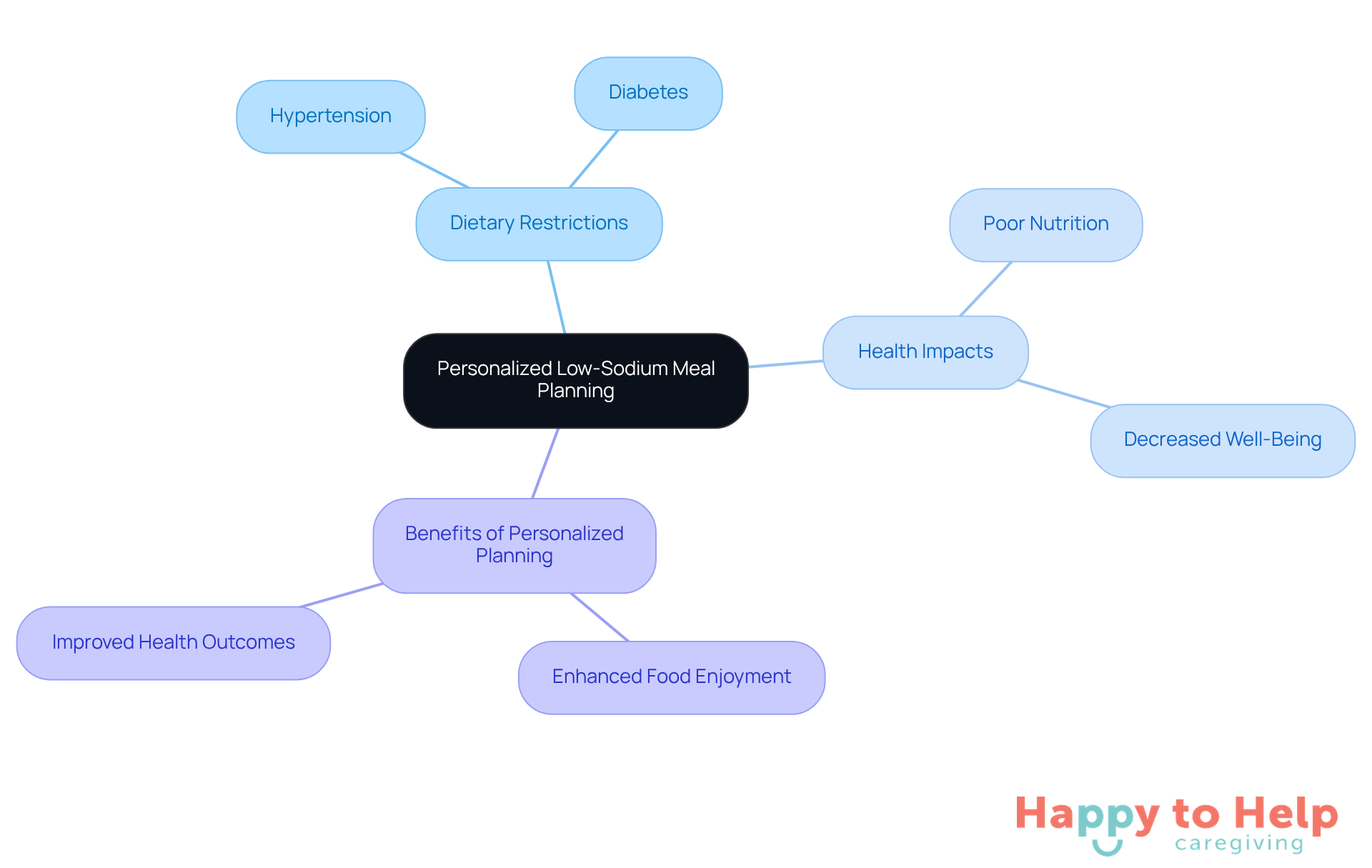
Problem: Many seniors face dietary restrictions, particularly those requiring reduced-salt diets due to health conditions like hypertension and diabetes. These restrictions can make utilizing a low sodium meal planner challenging for caregivers and families.
Agitate: Without proper dietary planning, seniors may struggle to enjoy their meals, leading to poor nutrition and decreased overall well-being. This can exacerbate health issues, making it crucial for caregivers to find effective solutions that cater to individual needs.
Happy to Help Caregiving offers a low sodium meal planner that provides specialized reduced-salt dietary planning services tailored to the unique nutritional requirements of senior clients. By collaborating closely with families, caregivers can create a low sodium meal planner that adheres to low-sodium guidelines while also reflecting individual preferences and nutritional needs. This personalized approach enhances food enjoyment, ensuring that clients receive nutritious options that support their health and well-being.
Research indicates that personalized dietary planning can significantly enhance health outcomes for seniors. Nutritionists emphasize the importance of reduced-salt dietary plans in lowering blood pressure and improving heart health. By focusing on individualized care in food planning, caregivers can promote better health while also creating a more enjoyable dining experience, enabling seniors to thrive in the comfort of their own homes.
Understand Sodium Content: Key to Low-Sodium Meal Planning
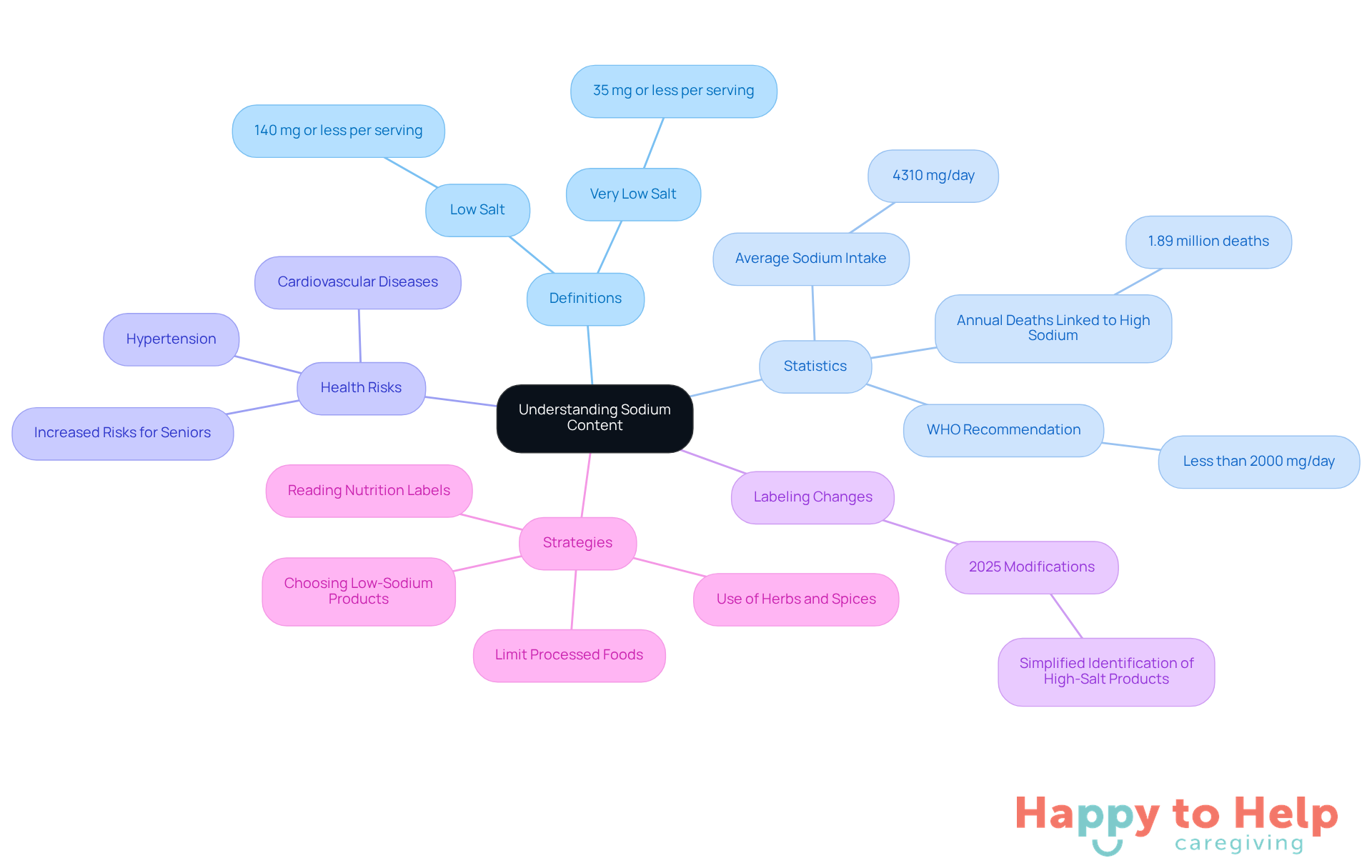
To effectively use a low sodium meal planner, understanding the salt content in various items is crucial. Sodium often hides in processed foods, making label examination essential. Foods labeled as 'low salt' contain 140 mg or less per serving, while 'very low salt' items have 35 mg or less. Familiarizing yourself with these terms can significantly aid in using a low sodium meal planner and support healthier salt consumption.
Statistics reveal a concerning trend: the average salt intake for adults worldwide is alarmingly high, with many consuming over 4,300 mg per day - more than double the World Health Organization's recommendation of less than 2,000 mg. This excessive intake is linked to an estimated 1.89 million deaths annually, highlighting the urgency of addressing this issue, especially for seniors who face increased health risks, including hypertension and cardiovascular diseases.
In 2025, modifications to salt content labeling will enhance consumer awareness by simplifying the identification of high-salt products. The WHO's guidelines will provide clearer limits for salt content, helping consumers make informed choices. Dietitians emphasize that many processed items, such as breads, sauces, and deli meats, often contain hidden salt, which can significantly contribute to daily consumption, highlighting the importance of a low sodium meal planner. By learning to read nutrition labels effectively, individuals can make informed choices that align with their dietary needs and promote better health outcomes.
Additionally, using herbs and spices to enhance dishes instead of salt can be a practical strategy for reducing sodium consumption.
Create Balanced Meals: Incorporate Variety in Low-Sodium Diet
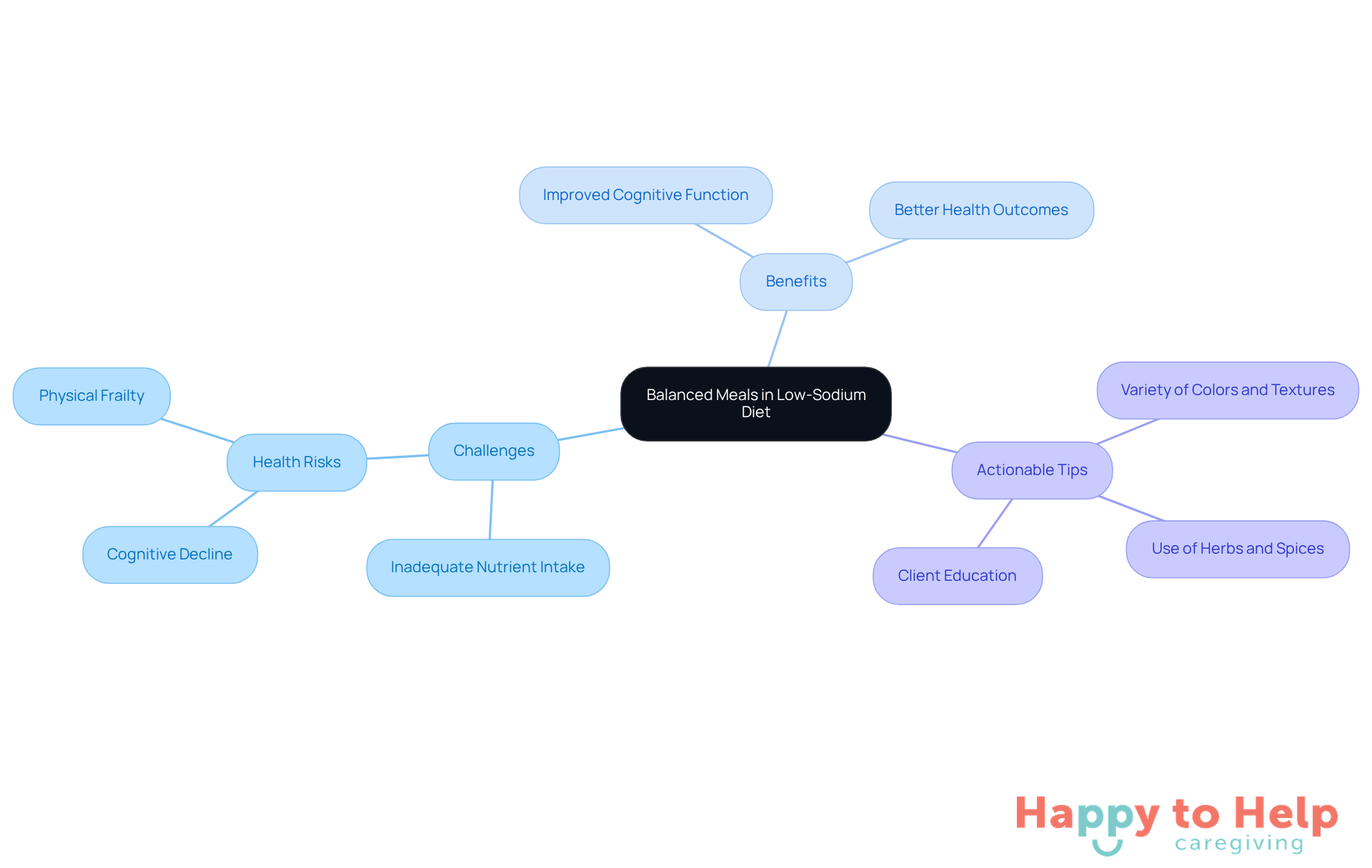
Many caregivers struggle to use a low sodium meal planner that provides meals that are both nutritious and appealing to older adults. This challenge can lead to inadequate nutrient intake and diminished health outcomes.
Agitate: A lack of dietary diversity not only affects the visual appeal of meals but also limits essential nutrient intake. Research shows that older adults with a higher dietary diversity score experience fewer cognitive and physical frailties. In fact, 95.9% of these individuals report better health outcomes, including improved cognitive function. Without a varied diet, caregivers risk compromising the well-being of their clients, which can lead to serious health issues.
To combat these challenges, caregivers should prioritize a diverse array of food groups in their low sodium meal planner. Incorporating fruits, vegetables, whole grains, and lean proteins can enhance both nutrition and meal enjoyment. For instance, pairing grilled chicken with a vibrant salad of mixed greens, cherry tomatoes, and bell peppers not only provides vital vitamins but also keeps sodium levels in check.
Here are some actionable tips for caregivers:
- Plan meals that include a variety of colors and textures to make dishes visually appealing.
- Experiment with herbs and spices to enhance flavor without adding salt.
- Educate clients about the benefits of dietary diversity to encourage their participation in meal planning.
By focusing on variety, caregivers can significantly improve the quality of life for elderly clients, ensuring they receive the nutrients necessary for optimal health. However, challenges such as availability, cost, and perceived taste of foods in a low sodium meal planner can hinder adherence. Addressing these barriers is crucial for promoting general well-being and facilitating adherence to dietary limitations.
Meal Prep Strategies: Save Time and Stay Committed to Low-Sodium Goals
High sodium intake poses a significant challenge for caregivers aiming to promote healthier eating habits. This can lead to health issues such as hypertension and heart disease, making it crucial to find effective strategies to reduce salt in meals.
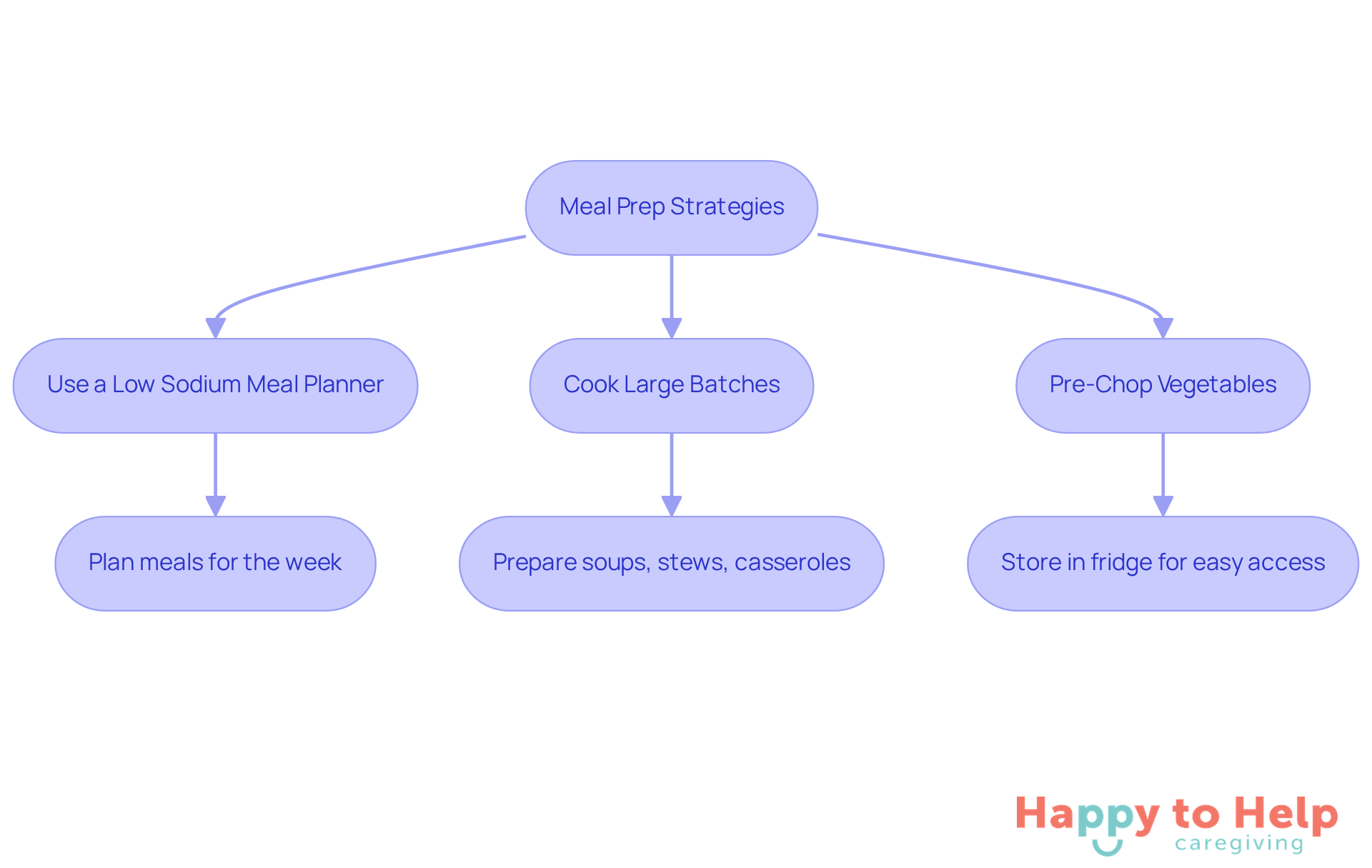
One practical solution is to utilize a low sodium meal planner by dedicating time at the beginning of the week for meal preparation. By cooking large batches of reduced-salt soups, stews, or casseroles, caregivers can create quick, nutritious dishes that are easy to access throughout the week. Additionally, pre-chopping vegetables and storing them in the fridge can streamline meal assembly, making it less likely to resort to high-sodium convenience foods.
These strategies not only save time but also help maintain a commitment to reduced-salt objectives, ultimately supporting better health for those in your care.
Use Grocery Lists: Stay Focused on Low-Sodium Ingredients
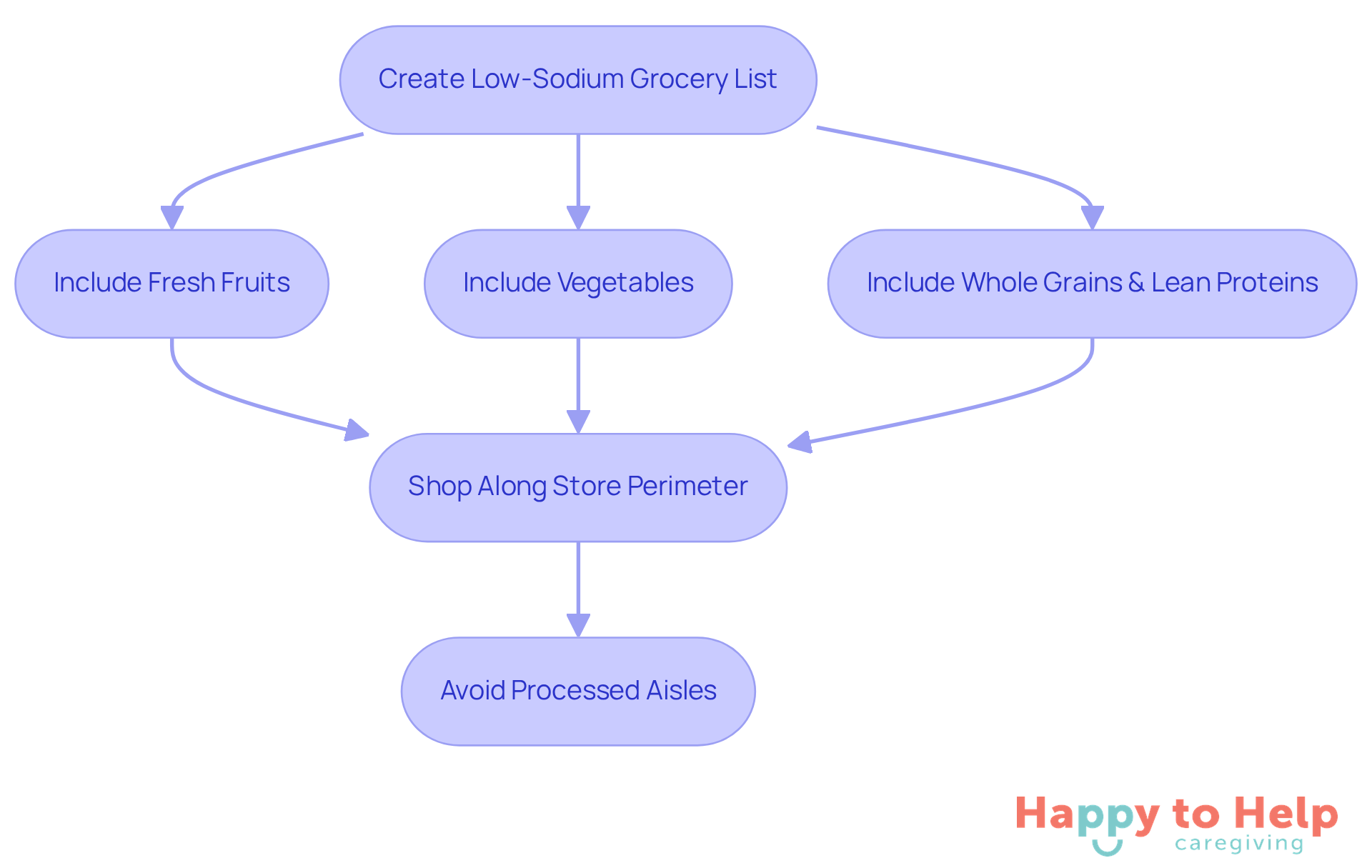
A low sodium meal planner that focuses on creating a grocery list tailored for low-sodium ingredients is crucial for effective meal planning. High sodium intake can lead to serious health issues, making it essential to reduce the temptation to purchase high-sodium items.
To combat this problem, focus on including fresh fruits, vegetables, whole grains, and lean proteins in your list. Nutrition experts emphasize that a well-structured grocery list not only aids in making healthier choices but also saves time and reduces impulse buying.
To maximize your efforts, shop mainly along the perimeter of the store, where fresh items are typically located. Avoid the processed product aisles, which are often filled with high-sodium choices. A common goal is to consume less than 2,000 milligrams of salt daily, with low salt defined as 140 mg of salt per serving.
By utilizing a low sodium meal planner and examining ingredient labels to recognize high-sodium foods, you can ensure that your meals are both nutritious and aligned with your reduced sodium objectives.
Read Food Labels: Identify Low-Sodium Options Effectively
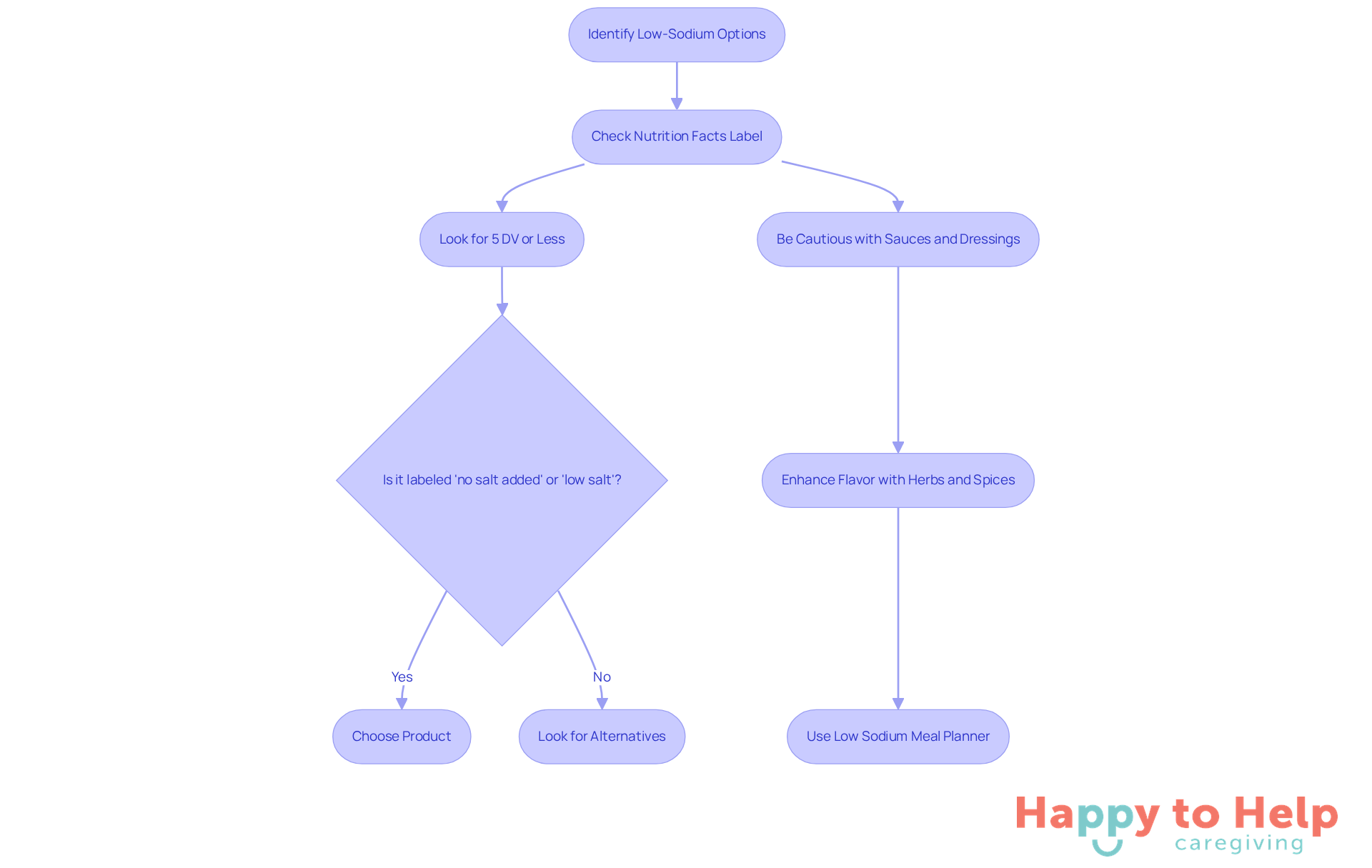
High salt consumption poses a significant health risk, with Americans averaging about 3,400 mg of salt daily. Alarmingly, around 40% of this salt comes from processed foods, making it crucial to choose products wisely. When searching for low-salt alternatives, always check the Nutrition Facts label for salt content. Aim for products that contain 5% or less of the Daily Value (DV) for salt per serving, as this indicates they are low in salt.
Be particularly cautious with sauces, dressings, and canned items, which often have substantial added salt. Opt for products labeled 'no salt added' or 'low salt' whenever possible. Additionally, remember that some foods may not taste salty but can still contain high levels of salt.
To enhance flavor without relying on salt, dietitians recommend increasing the use of fresh herbs and spices. As Lee noted, "Boost the use of fresh herbs and spices to aid in achieving a reduction in salt consumption and elevate the intake of bioactive compounds that lower inflammation and chronic disease risk."
By utilizing a low sodium meal planner, you can effectively manage your salt intake while enjoying a variety of delicious dishes.
Enhance Flavor: Use Herbs and Spices Instead of Salt
High sodium consumption poses a significant problem for many, particularly seniors who may experience altered taste perceptions. This can lead to a reliance on salt for flavor, which is not only unhealthy but can also diminish the enjoyment of meals.
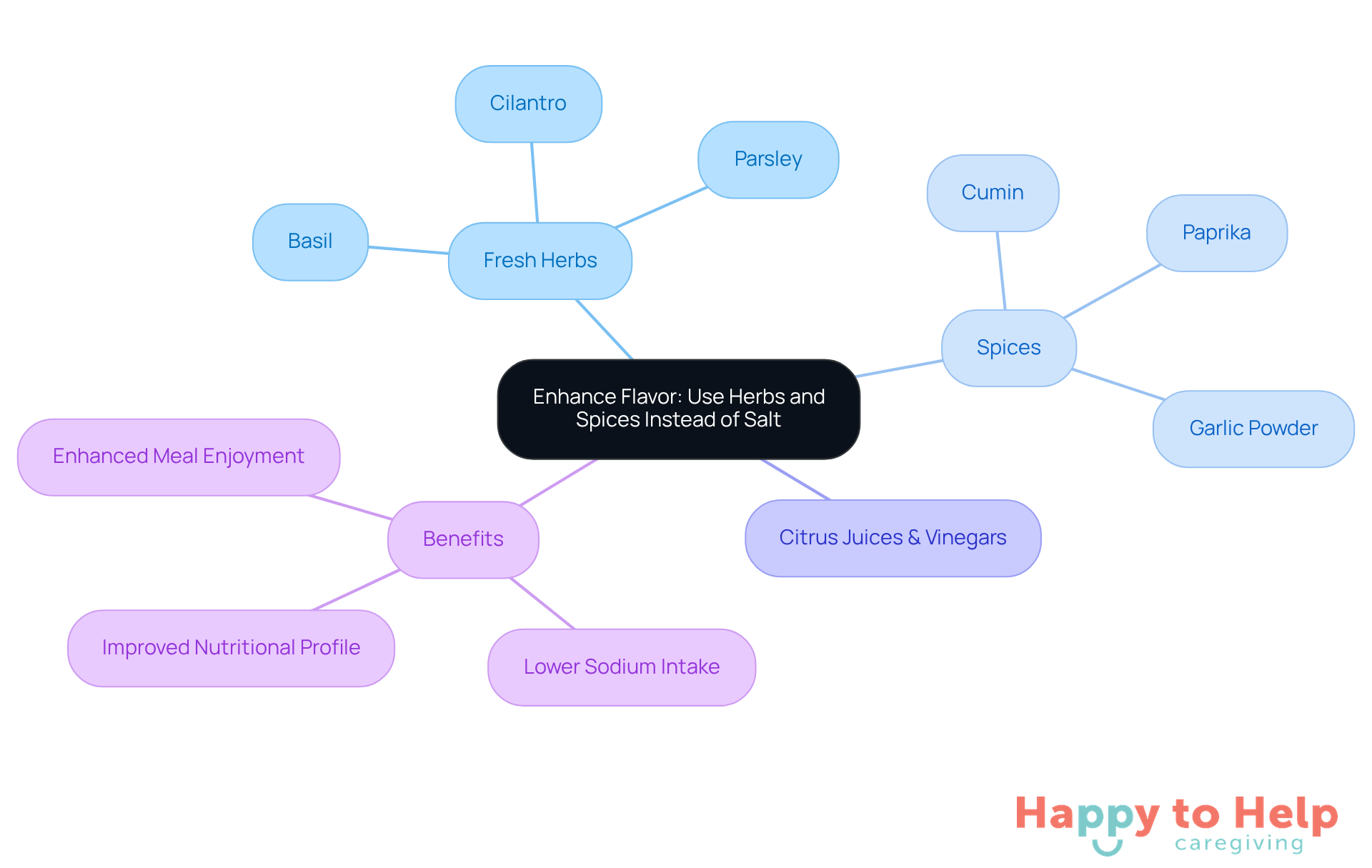
To address this issue, caregivers can incorporate a variety of herbs and spices as flavorful alternatives to salt. Fresh herbs like basil, cilantro, and parsley infuse dishes with vibrant flavors, while spices such as cumin, paprika, and garlic powder elevate taste without adding sodium. Citrus juices and vinegars also provide a zesty kick, enhancing the overall enjoyment of meals.
Studies indicate that using herbs and spices can greatly enhance dining satisfaction, especially for seniors. By substituting salt with these tasty alternatives, sodium consumption can be lowered by up to 50%, while also improving the nutritional profile of dishes by boosting essential minerals and fiber.
Chefs emphasize that this approach not only maintains but can even enhance the palatability of dishes, making healthy eating more appealing and enjoyable. By implementing these strategies, caregivers can use a low sodium meal planner to ensure that meals remain flavorful and satisfying without compromising health.
Consult a Dietitian: Get Personalized Guidance for Low-Sodium Diet
Managing salt intake can be a significant challenge for many individuals, especially given the health risks associated with excessive consumption. The World Health Organization recommends that adults limit their salt intake to less than 2000 mg per day to mitigate these risks. However, navigating dietary restrictions without sacrificing nutrition or enjoyment can be daunting.
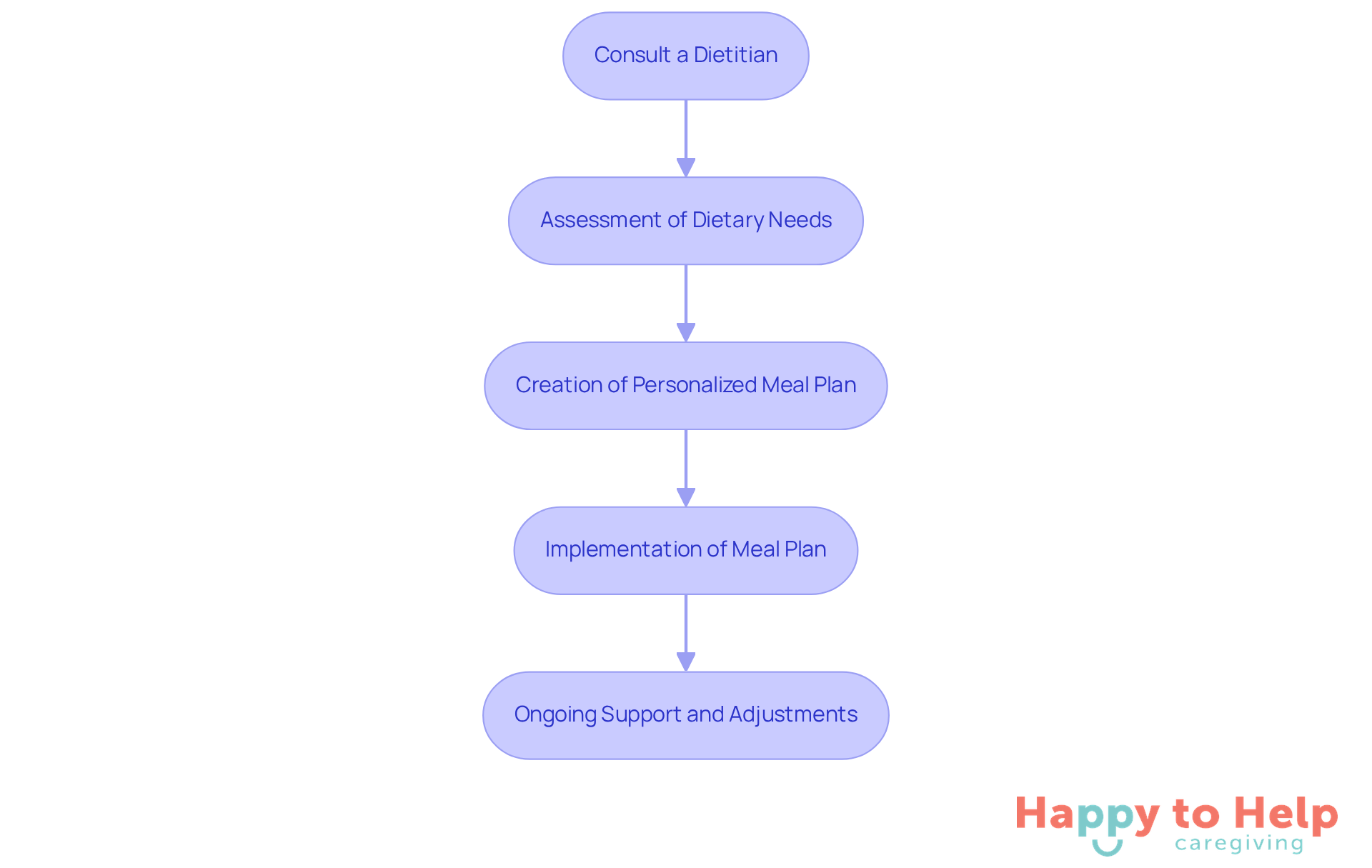
This is where the expertise of registered dietitians comes into play. These professionals create a low sodium meal planner that provides personalized meal plans tailored to individual health needs, ensuring that dietary restrictions do not compromise overall well-being. By suggesting options from a low sodium meal planner and offering practical strategies for dining out, dietitians enable clients to make informed food choices, even in social settings where options may be limited.
Testimonials from clients highlight the transformative impact of dietitian involvement, showcasing successful outcomes in managing salt consumption and enhancing overall health. With their guidance, individuals can effectively lower their salt intake while still enjoying a diverse and satisfying diet.
As the World Health Assembly aims for a 30% relative reduction in salt intake by 2025, the role of dietitians becomes increasingly vital in helping individuals meet these public health goals. By working with a dietitian, individuals can navigate their dietary needs with confidence, ensuring that they maintain both health and enjoyment in their meals.
Track Sodium Intake: Stay Accountable to Your Low-Sodium Goals
For many individuals aiming to meet low-salt dietary objectives, keeping a food journal or using a mobile application to track salt consumption can be a significant challenge when following a low sodium meal planner. The problem is clear: the global mean sodium intake for adults is 4,310 mg/day, more than double the World Health Organization's recommendation of 2,000 mg. This alarming statistic underscores the urgency of monitoring sodium consumption to foster better health outcomes.
By systematically recording meals and snacks, individuals can pinpoint sources of salt and make necessary adjustments. This practice not only fosters accountability but also enhances awareness of dietary choices. Nutritionists stress that accountability is vital in sustaining a low sodium meal planner, as many recommend that logging intake can lead to more mindful eating habits. As Charles Poliquin stated, "You have complete control over what you consume," highlighting the importance of conscious dietary choices.
To effectively manage sodium intake, consider these actionable tips:
- Log every meal and snack consistently to capture a complete picture of sodium consumption.
- Review your entries regularly to identify patterns and sources of excess sodium.
- Set reminders to encourage daily logging, ensuring that tracking becomes a routine part of your day.
- Remove the saltshaker from the table to prevent adding salt while eating.
- Utilize the insights obtained from your diary to make informed choices regarding planning and ingredient selection.
By integrating these practices, individuals can take proactive steps toward managing their sodium intake. This ultimately leads to improved health outcomes and an enhanced quality of life.

Stay Flexible: Adjust Your Low-Sodium Meal Plan as Needed
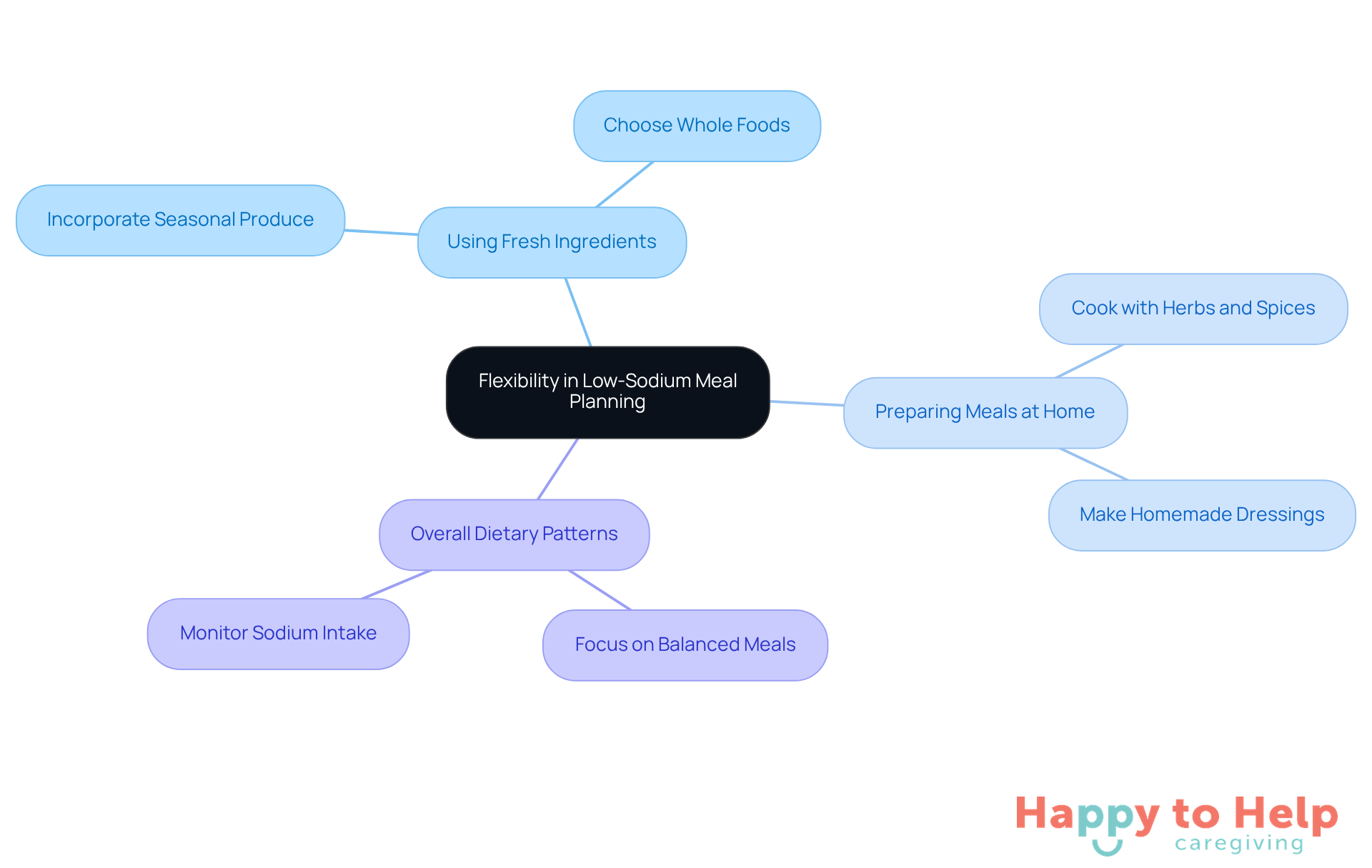
Adaptability is crucial for maintaining a reduced-salt diet. Many people struggle to stick to dietary guidelines due to life's unpredictability. This can lead to challenges in managing sodium intake, especially when faced with cravings or social events. Instead of aiming for perfection, it's more effective to focus on overall dietary patterns. Using a low sodium meal planner is key to prioritizing low-sodium choices while enjoying a variety of foods.
As dietitian Maryam Amiri states, 'Adjusting your food plan with a low sodium meal planner to suit your lifestyle can improve adherence and satisfaction.' For seniors, practical strategies include:
- Using fresh ingredients
- Preparing meals at home, which can significantly reduce salt consumption.
The goal is to establish a sustainable eating pattern that supports heart health without sacrificing enjoyment.
With most Americans consuming over 3,300 mg of sodium daily - well above the recommended limit of 2,300 mg - it's essential to make these adjustments. By embracing flexibility and making informed choices, individuals can promote better health while still enjoying their meals.
Key Takeaways for Caregivers
Effective low sodium meal planning presents a significant challenge for caregivers of seniors and individuals with dietary restrictions. Reducing salt intake is essential, but it’s not just about cutting back; it’s about enhancing overall health and well-being. Caregivers must navigate the complexities of creating enjoyable and nutritious meals that meet low sodium guidelines while catering to individual preferences.
Understanding sodium content in foods is crucial. Many caregivers may not realize how hidden sodium can impact health. By creating balanced meals with a variety of ingredients, caregivers can ensure that dietary restrictions do not compromise nutrition. Utilizing meal prep techniques can streamline the cooking process, making it easier to adhere to low sodium guidelines. Consulting with dietitians for personalized guidance can further empower caregivers to make informed choices.
Tracking sodium intake is another vital strategy. By remaining flexible with meal plans, caregivers can adapt to changing preferences and needs, fostering a sense of autonomy for those in their care. This adaptability is key to making healthier choices consistently.
Ultimately, the journey toward a low sodium diet requires commitment and a proactive approach. By embracing these essential tips and being mindful of sodium consumption, caregivers can significantly improve health outcomes for seniors. This not only supports better health but also enhances the joy of eating, proving that nutritious meals can be both delicious and satisfying. Taking action today can lead to a more vibrant and fulfilling life for those in care.
https://iframe.tely.ai/cta/eyJhcnRpY2xlX2lkIjogIjY5MjY0Mzg2MDFkMWUzYmY0NmRiMjJkNiIsICJjb21wYW55X2lkIjogIjY4ZWU1ZGNhNzMxNzYyNTU3ZjNjOTVjMSIsICJpbmRleCI6IG51bGwsICJ0eXBlIjogImFydGljbGUifQ==Frequently Asked Questions
What is the main problem addressed by Happy to Help Caregiving regarding seniors' diets?
Many seniors face dietary restrictions, particularly requiring reduced-salt diets due to health conditions like hypertension and diabetes, which can make meal planning challenging for caregivers and families.
Why is proper dietary planning important for seniors?
Without proper dietary planning, seniors may struggle to enjoy their meals, leading to poor nutrition and decreased overall well-being, which can exacerbate health issues.
What services does Happy to Help Caregiving offer?
Happy to Help Caregiving offers a low sodium meal planner that provides specialized reduced-salt dietary planning services tailored to the unique nutritional requirements of senior clients.
How does the personalized approach of Happy to Help Caregiving benefit seniors?
The personalized approach enhances food enjoyment and ensures that clients receive nutritious options that support their health and well-being, while adhering to low-sodium guidelines.
What is the significance of understanding sodium content in meal planning?
Understanding the salt content in various items is crucial because sodium often hides in processed foods, and being aware of terms like 'low salt' and 'very low salt' helps in making healthier choices.
What are the health risks associated with excessive salt intake?
The average salt intake for adults worldwide is alarmingly high, linked to increased health risks, including hypertension and cardiovascular diseases, contributing to an estimated 1.89 million deaths annually.
What changes to salt content labeling are expected in 2025?
Modifications to salt content labeling will enhance consumer awareness by simplifying the identification of high-salt products, helping consumers make informed choices as per WHO guidelines.
How can caregivers improve the variety in a low-sodium diet?
Caregivers should prioritize a diverse array of food groups, including fruits, vegetables, whole grains, and lean proteins, to enhance both nutrition and meal enjoyment.
What are some tips for caregivers to make low-sodium meals more appealing?
Caregivers can plan meals with a variety of colors and textures, experiment with herbs and spices for flavor, and educate clients about the benefits of dietary diversity.
What challenges do caregivers face when using a low sodium meal planner?
Challenges include availability, cost, and perceived taste of foods, which can hinder adherence to dietary limitations and affect the overall well-being of clients.
List of Sources
- Happy to Help Caregiving: Personalized Low-Sodium Meal Planning Services
- New study confirms: Home-delivered meals a ‘lifeline’ for older adults (https://mcknightshomecare.com/news/new-study-confirms-home-delivered-meals-a-lifeline-for-older-adults)
- The Effects of a Low Sodium Meal Plan on Blood Pressure in Older Adults: The SOTRUE Randomized Feasibility Trial - PMC (https://pmc.ncbi.nlm.nih.gov/articles/PMC8002543)
- Reducing Sodium Intake in Community Meals Programs: Evaluation of the Sodium Reduction in Communities Program, Arkansas, 2016–2019 (https://cdc.gov/pcd/issues/2021/21\_0028.htm)
- Nutrition (https://mealsonwheelsamerica.org/our-work/nutrition)
- Sodium-Reduction Strategies for Meals Prepared for Older Adults - PMC (https://pmc.ncbi.nlm.nih.gov/articles/PMC4568554)
- Understand Sodium Content: Key to Low-Sodium Meal Planning
- Sodium reduction (https://who.int/news-room/fact-sheets/detail/sodium-reduction)
- Create Balanced Meals: Incorporate Variety in Low-Sodium Diet
- Eat Less Sodium for a Healthier Diet (https://extension.psu.edu/eat-less-sodium-for-a-healthier-diet)
- Association between dietary diversity and healthy aging: a systematic review - PMC (https://pmc.ncbi.nlm.nih.gov/articles/PMC12105345)
- 5.1: Appendix A - Case Studies (https://med.libretexts.org/Bookshelves/Nutrition/Culinary\_Medicine\_2025e\_(Antonopoulos\_et\_al.)/05:\_Appendices/5.01:_Appendix\_A_\-\_Case\_Studies)
- Sodium reduction (https://who.int/news-room/fact-sheets/detail/sodium-reduction)
- The health impacts of dietary sodium and a low-salt diet - PMC (https://pmc.ncbi.nlm.nih.gov/articles/PMC4953267)
- Meal Prep Strategies: Save Time and Stay Committed to Low-Sodium Goals
- Want to cut the salt? Some easy meal suggestions (https://nhlbi.nih.gov/news/2024/want-cut-salt-some-easy-meal-suggestions)
- 5.1: Appendix A - Case Studies (https://med.libretexts.org/Bookshelves/Nutrition/Culinary\_Medicine\_2025e\_(Antonopoulos\_et\_al.)/05:\_Appendices/5.01:_Appendix\_A_\-\_Case\_Studies)
- How to Offer Low-Sodium Meals in Meal Prep Services - Eat Fresh Tech (https://eatfresh.tech/blog/how-to-offer-low-sodium-meals-in-meal-prep-services)
- Supporting nutrition and health in the Eastern Mediterranean Region - Quadram Institute (https://quadram.ac.uk/case\_studies/supporting-nutrition-and-health-in-the-eastern-mediterranean-region)
- Low Sodium Meal Prep Ideas You Can Count On (https://mrsdash.com/blog/low-sodium-meal-prep)
- Use Grocery Lists: Stay Focused on Low-Sodium Ingredients
- Guidelines for a Low Sodium Diet (https://ucsfhealth.org/education/guidelines-for-a-low-sodium-diet)
- 5.1: Appendix A - Case Studies (https://med.libretexts.org/Bookshelves/Nutrition/Culinary\_Medicine\_2025e\_(Antonopoulos\_et\_al.)/05:\_Appendices/5.01:_Appendix\_A_\-\_Case\_Studies)
- Low-sodium grocery deliveries could improve blood pressure for residents of food deserts | Harvard T.H. Chan School of Public Health (https://hsph.harvard.edu/news/low-sodium-grocery-deliveries-could-improve-blood-pressure-for-residents-of-food-deserts)
- FDA works to push down sodium levels (https://foodsafetynews.com/2024/08/fda-works-to-push-down-sodium-levels)
- Read Food Labels: Identify Low-Sodium Options Effectively
- Comparing Mediterranean and AHA Diets: Health Outcomes Analysis | Course Hero (https://coursehero.com/file/178140744/Week-4B-Discussion-Case-Study-Diet-and-Healthdocx)
- 5.1: Appendix A - Case Studies (https://med.libretexts.org/Bookshelves/Nutrition/Culinary\_Medicine\_2025e\_(Antonopoulos\_et\_al.)/05:\_Appendices/5.01:_Appendix\_A_\-\_Case\_Studies)
- Low-Sodium Food Labels Woo, And Confuse, Consumers (https://npr.org/sections/thesalt/2013/04/15/177336196/low-sodium-food-labels-woo-and-confuse-consumers)
- Sodium in Your Diet (https://fda.gov/food/nutrition-education-resources-materials/sodium-your-diet)
- Enhance Flavor: Use Herbs and Spices Instead of Salt
- The Impact of Herbs and Spices on Increasing the Appreciation and Intake of Low-Salt Legume-Based Meals (https://mdpi.com/2072-6643/11/12/2901)
- Culinary herbs and spices for low-salt dietary management: Taste sensitivity and preference among the elderly (https://sciencedirect.com/science/article/pii/S2352364624000014)
- New Study Shows Replacing Salt with Spices and Herbs Can Cut Sodium Intake by Nearly 1,000 mg a Day | McCormick & Company, Inc. (https://mccormickcorporation.gcs-web.com/news-releases/news-release-details/new-study-shows-replacing-salt-spices-and-herbs-can-cut-sodium)
- Consult a Dietitian: Get Personalized Guidance for Low-Sodium Diet
- Top 20 Famous Quotes about Nutrition - Become A Nutritionist (https://becomeanutritionist.org/blog/top-20-famous-quotes-about-nutrition)
- Sodium reduction (https://who.int/news-room/fact-sheets/detail/sodium-reduction)
- Sodium Reduction in the Food Supply (https://fda.gov/food/nutrition-food-labeling-and-critical-foods/sodium-reduction-food-supply)
- Supporting nutrition and health in the Eastern Mediterranean Region - Quadram Institute (https://quadram.ac.uk/case\_studies/supporting-nutrition-and-health-in-the-eastern-mediterranean-region)
- Track Sodium Intake: Stay Accountable to Your Low-Sodium Goals
- 50 Nutrition Quotes to Nourish your Body and Mind - Stephen Duncan Nutrition (https://stephenduncan.co/nutrition-quotes-to-nourish-your-body-and-mind)
- Sodium reduction (https://who.int/news-room/fact-sheets/detail/sodium-reduction)
- 150 Best Quotes About Nutrition (https://deliberatedirections.com/quotes-about-nutrition)
- Top 20 Famous Quotes about Nutrition - Become A Nutritionist (https://becomeanutritionist.org/blog/top-20-famous-quotes-about-nutrition)
- Famous Quotes on Nutrition and Well-Being - Center for the Advancement of Well-Being (https://wellbeing.gmu.edu/famous-quotes-on-nutrition-and-well-being)
- Stay Flexible: Adjust Your Low-Sodium Meal Plan as Needed
- Personalized Flexible Meal Planning for Individuals With Diet-Related Health Concerns: System Design and Feasibility Validation Study - PMC (https://pmc.ncbi.nlm.nih.gov/articles/PMC10436119)
- Want to cut the salt? Some easy meal suggestions (https://nhlbi.nih.gov/news/2024/want-cut-salt-some-easy-meal-suggestions)