

For families in our service areas
For families in our service areas, this guide explains caregiving and how non-medical in-home caregiving can support care planning in East Idaho, Treasure Valley & Magic Valley, Northern Wasatch, North Central West Virginia, and Northeast Ohio.
What You Need to Know About Tips for Effective Senior Care Help at
Navigating the complexities of senior care can feel overwhelming for families. The emotional and practical challenges of supporting loved ones often weigh heavily on caregivers. As more elderly individuals seek personalized assistance, it’s vital to explore strategies that not only improve their quality of life but also lighten the load for those providing care.
What essential tips can empower families to deliver the best care at home, ensuring that seniors feel valued, secure, and connected? This article explores ten indispensable tips for effective senior care at home, offering insights that can truly transform the caregiving experience for both seniors and their families. Together, we can make this journey a little easier and more fulfilling.
Happy to Help Caregiving: Personalized In-Home Care Services
At Happy to Help Caregiving, we truly understand the emotional challenges that come with caregiving. It can be overwhelming, filled with stress and moments of doubt. That’s why we excel in providing personalized in-home assistance services, which include senior care help tailored to the unique needs of seniors and individuals with special requirements. Our comprehensive offerings, such as:
- Companionship support
- Post-hospital recovery assistance
- Respite services
- Palliative support
are designed to provide senior care help and significantly enhance the quality of life for our clients.
Imagine the comfort of receiving compassionate support right in the familiar surroundings of home. This not only fosters a sense of security but also alleviates feelings of loneliness. We know that many families worry about their loved ones, especially when it comes to safety. With nearly 79% of older adults living with multiple chronic conditions, senior care help through a tailored care plan is essential for effective health management. Our adaptable scheduling and around-the-clock availability empower families to choose the level of support that best matches their loved ones' needs.
Moreover, we embrace innovative solutions like smart home technology to enhance safety and promote independence. These devices can monitor daily activities and alert caregivers to any anomalies, providing peace of mind to families. This approach not only enhances the overall quality of life for elderly individuals but also offers senior care help, reassuring families that their loved ones are receiving dedicated attention and support.
As the demand for tailored in-home assistance continues to grow, Happy to Help Caregiving stands out as a leader in fostering a supportive atmosphere. We prioritize the well-being of our clients, ensuring they feel cared for and valued. Together, we can navigate the challenges of caregiving, creating a nurturing environment that uplifts everyone involved.
Evaluate Individual Needs: Tailoring Care to Seniors' Requirements
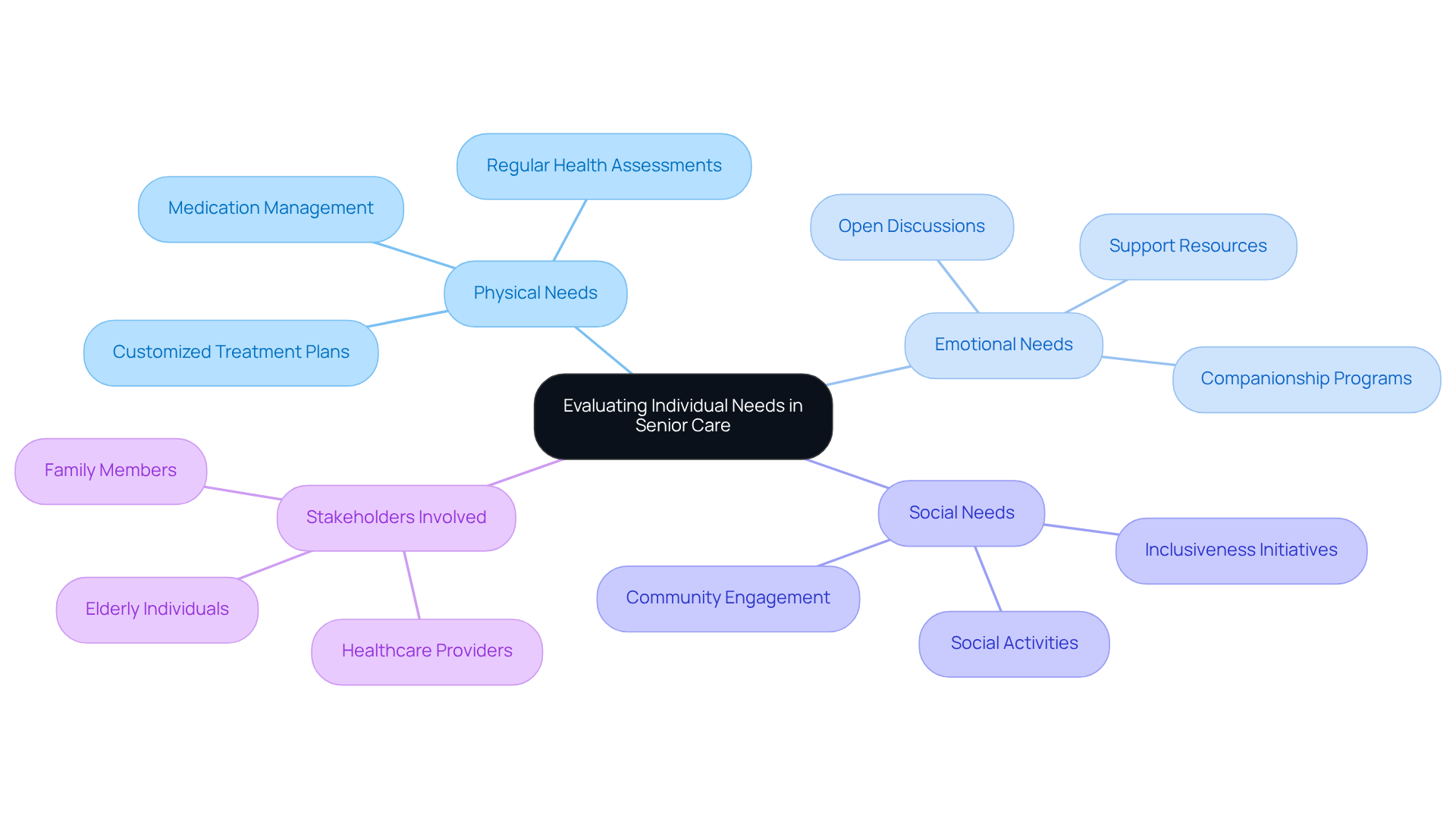
Effective senior care help requires evaluating the specific needs of older adults. Families often face emotional challenges when deciding on the right type of support. It’s important to consider not just physical needs, but also emotional and social aspects. This process usually involves open discussions with healthcare providers, family members, and the elderly individuals themselves. By doing so, we ensure that every facet of their well-being is acknowledged and respected.
Personalizing senior care help to meet these unique needs can significantly enhance the quality of support provided. It fosters a sense of independence and dignity for elderly individuals, which is so vital. Nowadays, there’s a growing emphasis on customized treatment plans that reflect the distinct situations of each person. Specialists agree that comprehensive evaluations are crucial in elderly support, highlighting the importance of understanding each individual’s journey.
As caregivers, it’s natural to feel overwhelmed at times. Remember, you’re not alone in this. There are resources and support systems available to provide senior care help in navigating these challenges. By focusing on the emotional and practical support available, we can create a nurturing environment that benefits everyone involved. Together, we can ensure that our elderly loved ones receive the compassionate care they deserve.
Check Caregiver Credentials: Ensuring Qualified Support
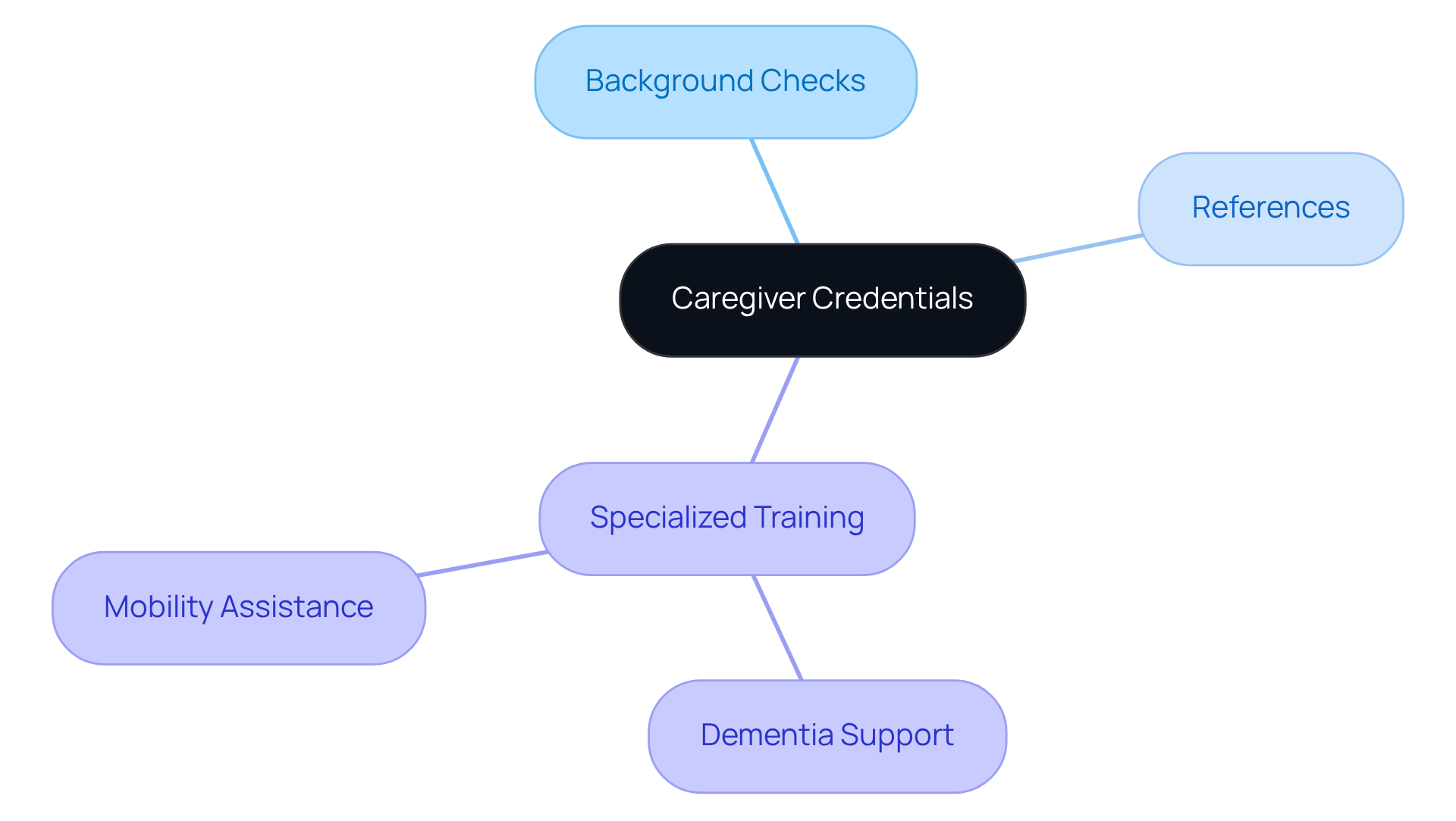
Choosing a provider for senior care help can be a daunting task, and it’s crucial to ensure they have the right credentials and qualifications. Families should feel empowered to ask about a provider's training, certifications, and experience in caring for seniors. This includes:
- Background checks
- References
- Any specialized training that aligns with the specific needs of their loved ones, like dementia support or mobility assistance
Knowing that those who provide care are properly qualified not only improves the quality of assistance but also brings peace of mind to families. Research indicates that structured training programs for caregivers significantly enhance their skills, leading to better service outcomes.
Moreover, it’s important to recognize that inadequate support can impact employee productivity, with studies showing a decrease of 18.5%. This highlights that the qualifications of support workers have broader economic implications, affecting not just individual families but the community as a whole. The financial burden of informal caregiving is staggering, estimated at $17.1 to $33 billion annually in lost productivity. This underscores the necessity of ensuring caregivers possess the qualifications needed to deliver high-quality senior care help.
In this journey, families are not alone. By prioritizing qualified care, they can foster a nurturing environment for their loved ones, ensuring they receive the compassionate support they deserve.
Consider Flexible Scheduling: Adapting Care to Family Needs
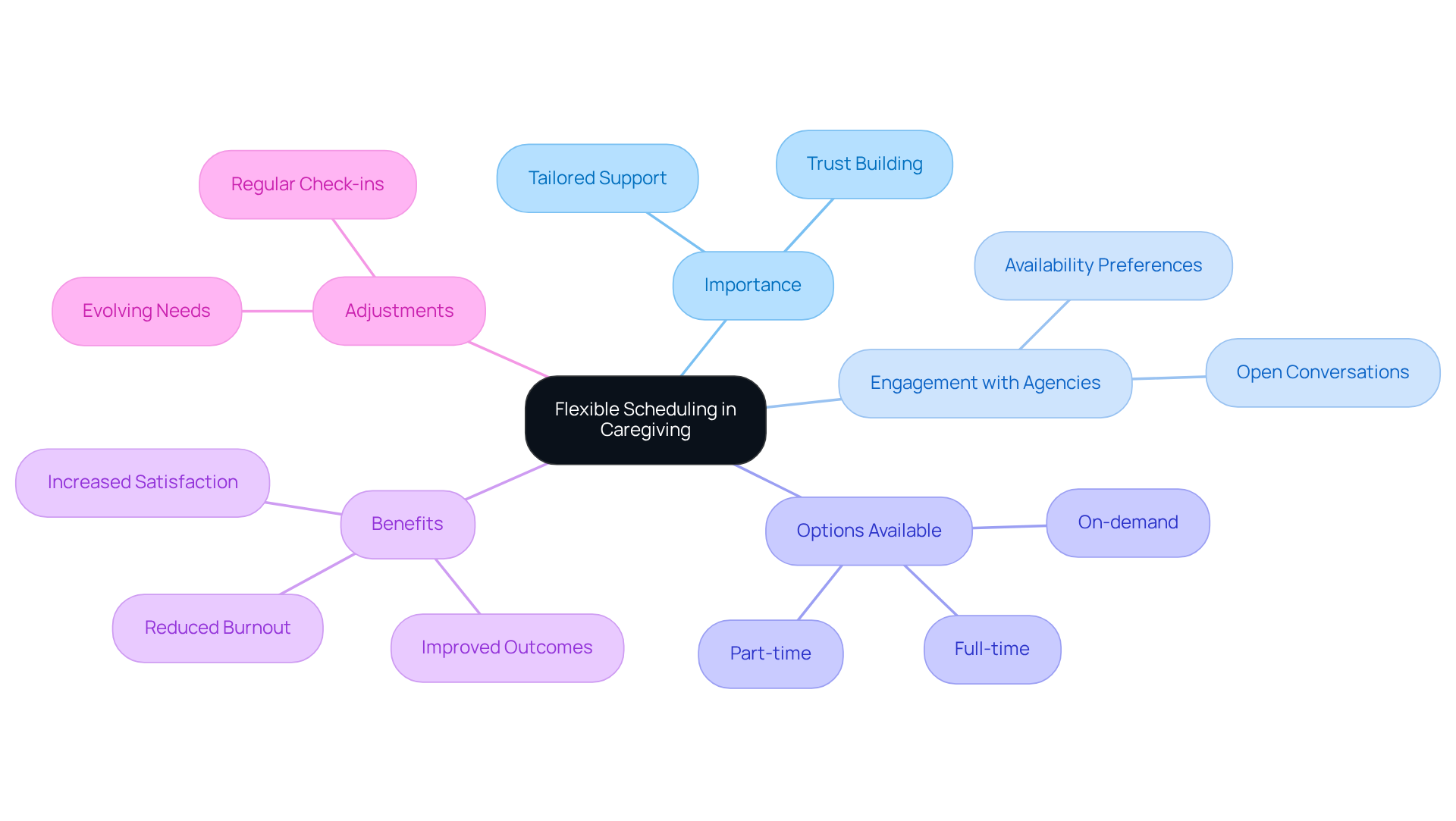
Flexible scheduling plays a vital role in providing efficient in-home assistance, allowing households to tailor support to their unique needs. By engaging in open conversations with caregiving agencies about availability and preferences, families can craft a schedule that works for everyone involved. Options may include part-time, full-time, or on-demand assistance, giving households the flexibility to adjust services as circumstances change.
This adaptability fosters trust and enhances the quality of care provided to seniors. Research indicates that flexible care schedules significantly boost household satisfaction, as they help create a better balance between caregiving responsibilities and personal commitments. For example, a case study on flexible scheduling showed that caregivers experienced less burnout and greater job satisfaction, resulting in improved outcomes for both the caregiver and the client.
Regular check-ins and adjustments based on the evolving needs of the household are essential for effective modifications of caregiving schedules. This ensures that loved ones receive consistent and compassionate support in the comfort of their homes. Remember, you’re not alone in this journey; there are resources and support systems available to help you navigate these challenges with care.
Utilize Technology: Enhancing Communication and Care Management
Integrating technology into caregiving can truly make a difference in how we communicate and manage senior care help. Imagine being able to check in on your loved one's health from anywhere, scheduling appointments with just a few taps, and having real-time conversations with caregivers. Tools like mobile apps, online portals, and telehealth services offer families this peace of mind.
These technologies not only simplify daily tasks but also help share vital information, such as medication schedules and updates. This ensures that everyone involved in the elder's care is informed and connected. It’s about creating a supportive network where caregivers and families can work together seamlessly.
We understand that caregiving can be overwhelming at times. The stress and burnout can feel heavy, but remember, you’re not alone. With the right tools and senior care help, you can navigate these challenges with greater ease. Embracing technology in caregiving is a step toward a more manageable and compassionate experience for everyone involved.
Prioritize Companionship: Addressing Emotional Needs
Companionship plays a vital role in providing senior care help, addressing the emotional needs that often go overlooked. Caregivers can make a significant difference by engaging elderly individuals in meaningful conversations, activities, and social interactions. This involvement fosters a sense of connection and belonging, which is so essential for their well-being.
Think about the joy that shared hobbies or simple outings can bring. Just spending quality time together can alleviate feelings of loneliness, creating moments that matter. By prioritizing companionship, caregivers provide senior care help that enhances the emotional well-being of seniors and contributes to a happier, healthier life.
It’s important to remember that the emotional challenges faced by caregivers can be overwhelming. Stress and burnout are common, but there are compassionate solutions available. By focusing on companionship, caregivers can find fulfillment in their roles, knowing they are making a real difference in the lives of those they care for.
As one caregiver shared, "Seeing the smile on my client's face when we engage in their favorite activity is priceless." These personal connections are what make caregiving so rewarding. Together, we can create an environment where seniors feel valued and loved with senior care help, ensuring they never feel alone.
Explore Respite Care Options: Supporting Family Caregivers
Caring for a loved one can be incredibly rewarding, but it often comes with its own set of emotional challenges. Caregivers frequently find themselves overwhelmed, feeling the weight of their responsibilities. This is where senior care help steps in, providing vital support to those who dedicate their time and energy to caring for others.
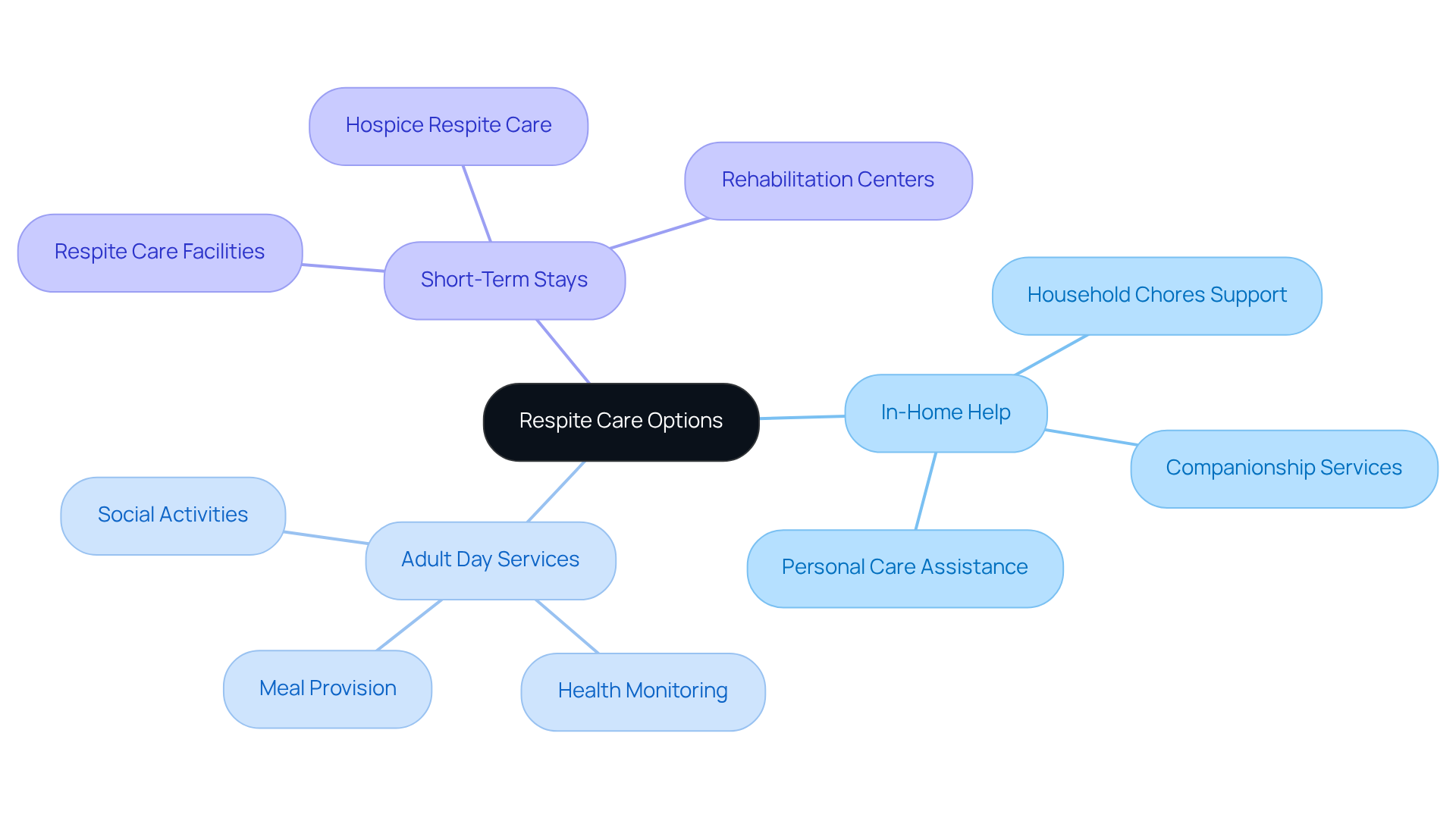
Respite assistance provides crucial relief, allowing caregivers to take a much-needed break. Whether it’s in-home help, adult day services, or short-term stays in supportive facilities, these services are designed to lighten the load. Imagine being able to step away for a moment, to recharge and focus on your own well-being. It’s not just a luxury; it’s a necessity.
By utilizing senior care help in the form of respite services, caregivers can find the time to rest, handle personal matters, or simply take a breather. This support is essential in preventing burnout, ensuring that caregivers can continue to provide the high-quality care their loved ones deserve. Remember, taking care of yourself is just as important as taking care of others. You’re not alone in this journey, and there are resources available to help you along the way.
Read Reviews: Learning from Other Families' Experiences
Understanding the experiences of other families is crucial when it comes to choosing a caregiving agency. It’s important for families to seek out feedback from various sources - think social media, dedicated review sites, and direct testimonials from those who have walked this path before. This shared information becomes a lifeline, helping families assess the reliability, compassion, and effectiveness of caregivers.
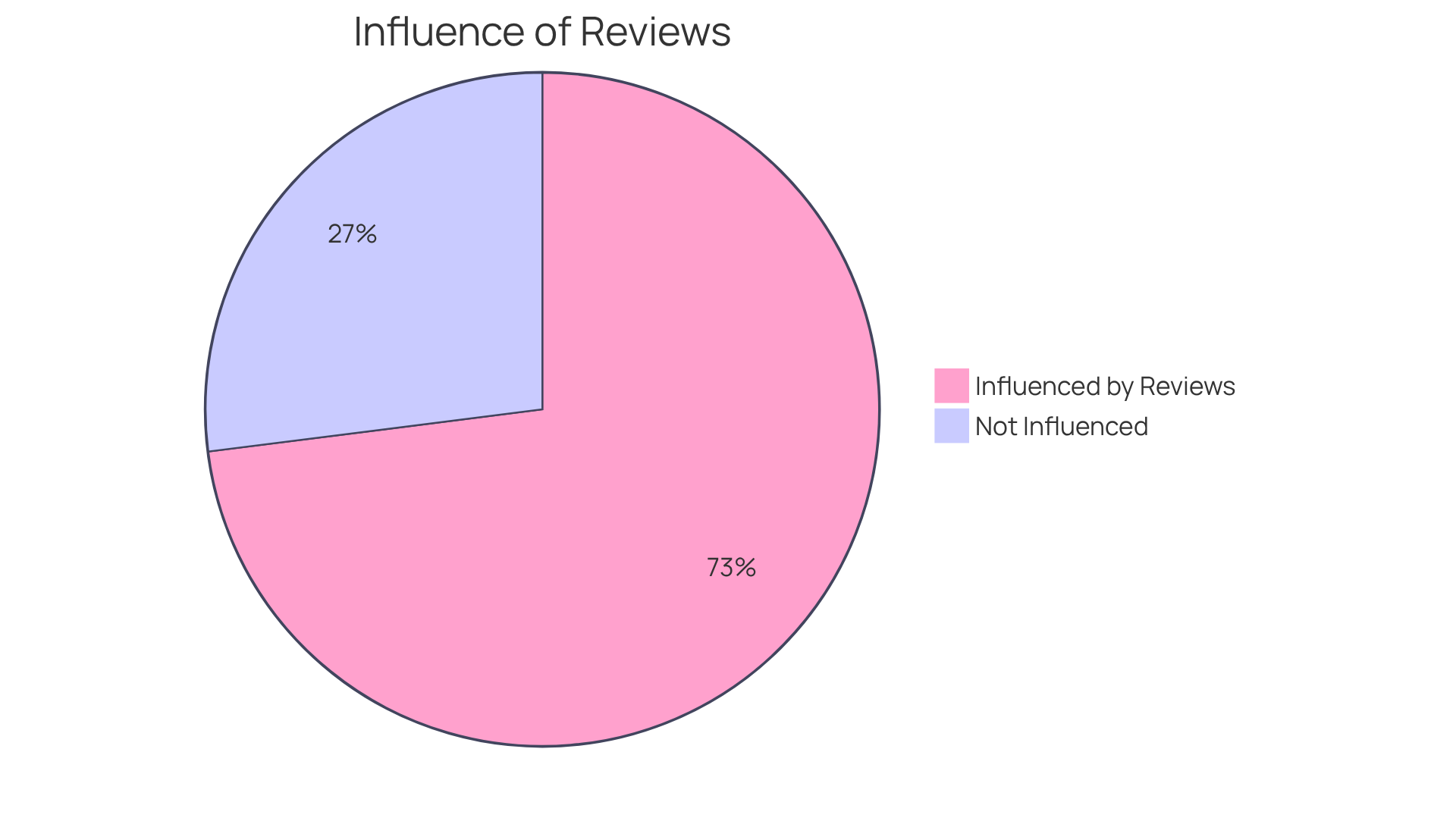
Did you know that 73% of patient choices are influenced by online reviews? Families who take the time to read testimonials often report feeling more satisfied, as these insights empower them to make informed decisions about the right support for their loved ones. Hearing from others can truly shape the selection of care providers, ensuring that families find professionals who align with their values and expectations.
As Leo Buscaglia beautifully said, "Too often we underestimate the power of a touch, a smile, a kind word, a listening ear, an honest compliment, or the smallest act of caring, all of which have the potential to turn a life around." This sentiment rings especially true when it comes to caregiving. Positive testimonials not only showcase the quality of care but also guide families toward the best senior care help solutions for their elderly loved ones.
Moreover, thoughtful responses to reviews can help alleviate negative perceptions, further building trust in caregiving agencies. In this journey, every bit of shared experience counts, and it’s these connections that can make all the difference.
Establish Open Communication: Ensuring Care Alignment
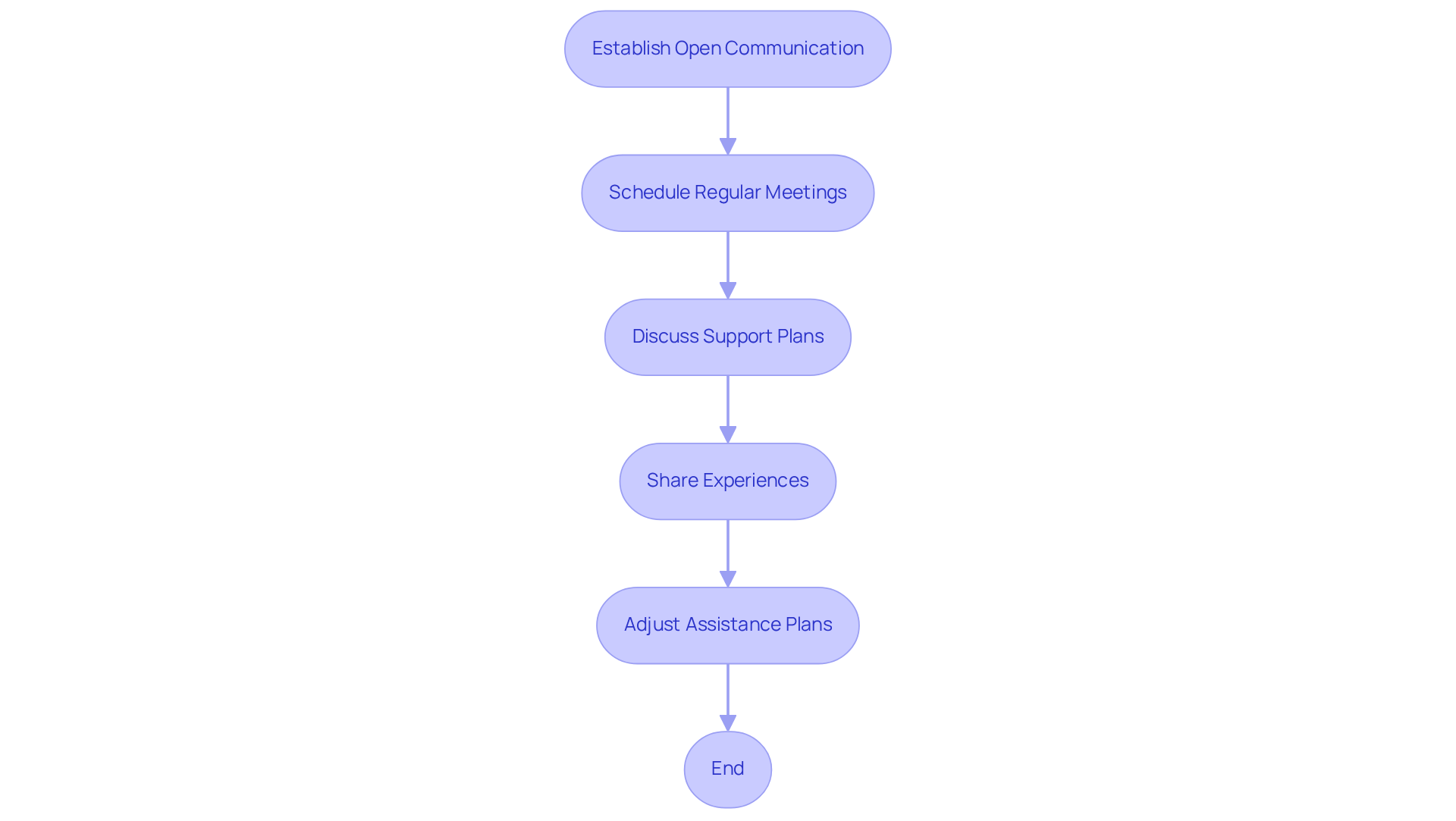
Transparent dialogue between households and supporters is vital for coordinating objectives and ensuring that seniors receive the senior care help they truly need. Families should feel empowered to openly discuss their loved one's needs, preferences, and any concerns that may arise. Regular check-ins and updates create a framework for ongoing conversation, allowing providers to adjust assistance plans as necessary. This collaborative approach not only enhances the quality of support but also fosters trust and understanding, enabling relatives and caregivers to work together effectively.
By prioritizing communication, both parties can ensure that the senior care help provided is tailored to the unique circumstances of each elderly individual, ultimately promoting their well-being and comfort. To kickstart meaningful conversations, families can schedule regular meetings with caregivers to discuss support plans and any changes in the elder's condition. Sharing experiences and insights can further strengthen this partnership, ensuring that everyone involved is aligned and working towards the same goal.
Review and Adjust Care Plans: Adapting to Evolving Needs
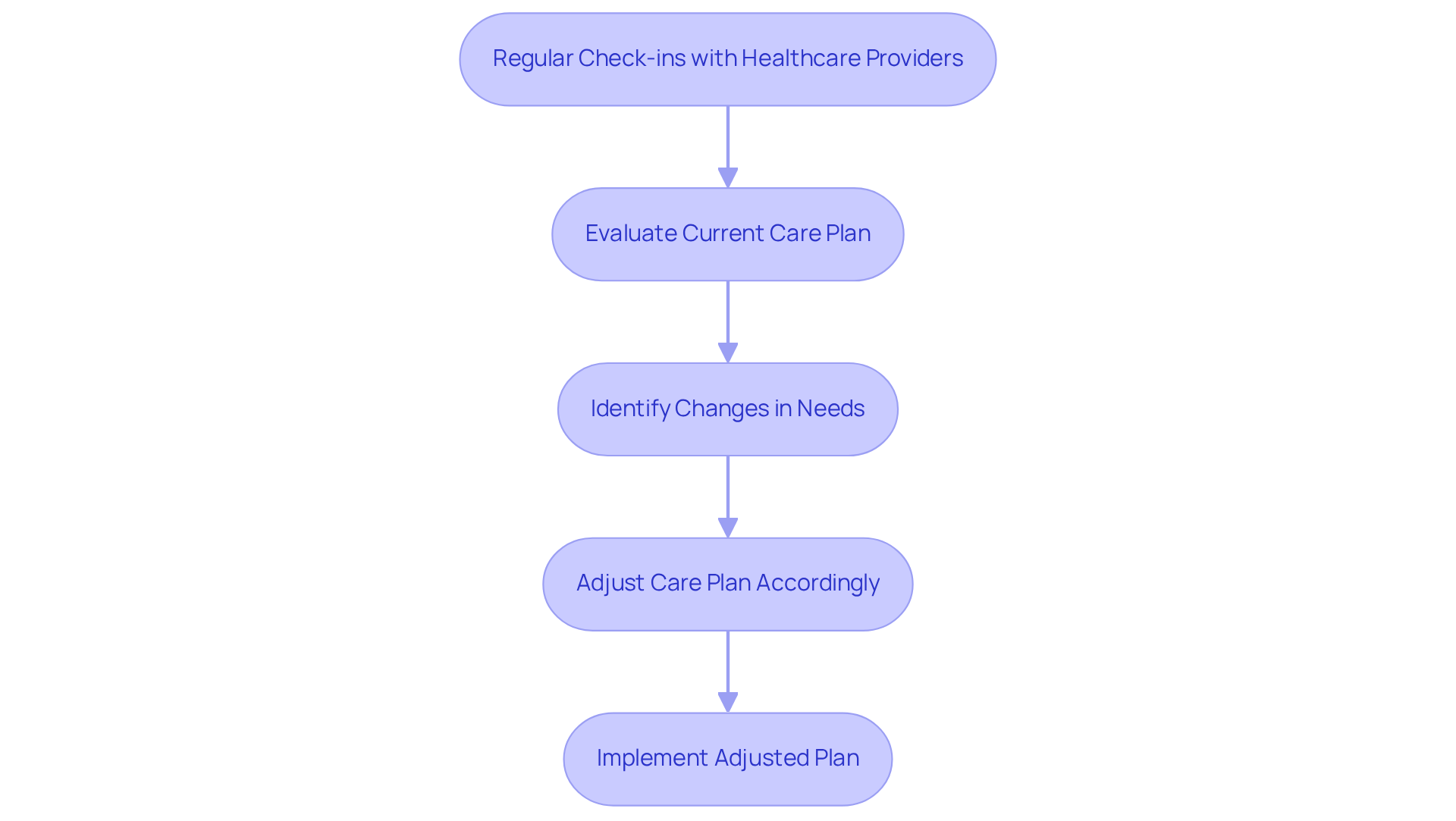
Evaluating and adjusting treatment plans regularly is essential for providing effective senior care help to our elderly loved ones. As their health and circumstances change, so do their needs. It’s important for families to prioritize regular check-ins with healthcare providers to assess how well the current plan is working and to make any necessary changes. This proactive approach ensures that older adults receive the right level of senior care help, which can significantly enhance their quality of life and overall well-being.
Emotional well-being is just as crucial as physical support for older adults. Frequent assessments provide senior care help by identifying shifts in emotional and social needs, allowing families to adapt support plans accordingly. By doing so, caregivers can provide senior care help that creates a nurturing environment fostering independence and comfort, leading to better health outcomes and greater satisfaction for both seniors and their families.
Simple acts of kindness - a warm conversation, a gentle touch - can profoundly impact a senior's emotional state. To implement regular assessments effectively, families might consider scheduling monthly check-ins with caregivers to discuss any necessary adjustments to the care plan. This not only strengthens the support system but also reassures everyone involved that they are doing their best to care for their loved ones.
Your Path Forward
Providing effective senior care at home is all about a thoughtful and personalized approach that truly addresses the physical and emotional needs of our elderly loved ones. It’s essential for families to enhance the quality of care, focusing on tailored support, qualified caregivers, and open communication.
One key insight is the importance of evaluating individual needs to create customized care plans. Flexible scheduling can make a world of difference in accommodating family dynamics, and integrating technology can significantly improve communication and management of care. Let’s not forget the value of companionship and the exploration of respite care options, which are crucial for the emotional well-being of seniors and the health of caregivers alike.
Ultimately, caregiving is a shared journey that thrives on collaboration, compassion, and adaptability. By embracing these essential tips, families can foster a nurturing environment that not only supports their loved ones but also nurtures a sense of connection and fulfillment for everyone involved. When we adopt these practices, we ensure that seniors receive the high-quality care they deserve, while also empowering caregivers to maintain their own well-being in this rewarding yet challenging role.
https://iframe.tely.ai/cta/eyJhcnRpY2xlX2lkIjogIjY5MWE2NjFjY2Q2NzdlNTM5Yjc2Y2JiZiIsICJjb21wYW55X2lkIjogIjY4ZWU1ZGNhNzMxNzYyNTU3ZjNjOTVjMSIsICJpbmRleCI6IG51bGwsICJ0eXBlIjogImFydGljbGUifQ==Frequently Asked Questions
What services does Happy to Help Caregiving provide?
Happy to Help Caregiving offers personalized in-home assistance services, including companionship support, post-hospital recovery assistance, respite services, and palliative support, all tailored to the unique needs of seniors and individuals with special requirements.
How does Happy to Help Caregiving enhance the quality of life for seniors?
The services provided by Happy to Help Caregiving are designed to foster a sense of security, alleviate loneliness, and ensure effective health management through tailored care plans and around-the-clock availability.
What role does technology play in the services offered?
Happy to Help Caregiving embraces smart home technology to enhance safety and promote independence for elderly individuals. These devices monitor daily activities and alert caregivers to any anomalies, providing peace of mind to families.
Why is it important to evaluate individual needs for senior care?
Evaluating individual needs is crucial to ensure that the support provided addresses not only physical requirements but also emotional and social aspects, fostering independence and dignity for elderly individuals.
How can families ensure they are choosing qualified caregivers?
Families should ask about a provider's training, certifications, experience, background checks, references, and any specialized training relevant to their loved ones' needs, such as dementia support or mobility assistance.
What impact does caregiver qualification have on service quality?
Properly qualified caregivers improve the quality of assistance, which not only benefits families but also has broader economic implications, as inadequate support can lead to decreased productivity and significant financial burdens.
What support systems are available for families navigating caregiving challenges?
Families can access various resources and support systems to help navigate the emotional and practical challenges of caregiving, ensuring that their elderly loved ones receive the compassionate care they deserve.