

For families in our service areas
For families in our service areas, this guide explains dementia care and how non-medical in-home caregiving can support care planning in East Idaho, Treasure Valley & Magic Valley, Northern Wasatch, North Central West Virginia, and Northeast Ohio.
The Importance of Tips for Finding Dementia Home Care
Navigating the landscape of dementia home care services can feel overwhelming for families. The emotional and logistical challenges of caring for a loved one with cognitive decline weigh heavily on caregivers. It’s not just about finding help; it’s about enhancing the quality of life for those we love while easing the stress that often accompanies this journey.
With so many options available, how can families ensure they find the right support tailored to their unique needs? This article offers essential tips for selecting dementia home care services. We aim to empower families with insights that foster informed decisions, creating a nurturing environment for their loved ones.
Remember, you’re not alone in this. Many families share similar experiences, and there are compassionate services ready to help. Together, we can navigate this path with care and understanding.
Happy to Help Caregiving: Personalized In-Home Dementia Care Services
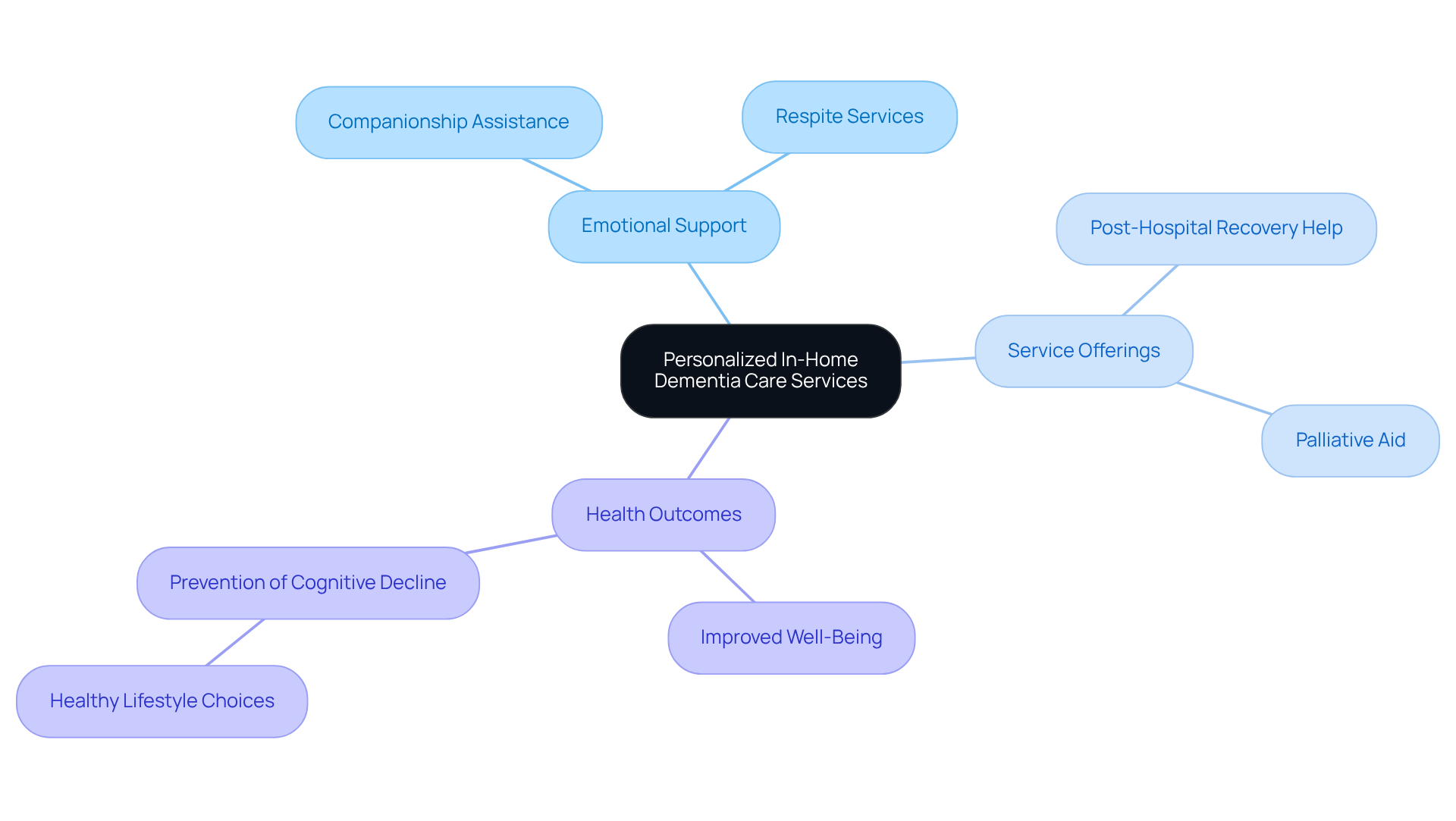
At Happy to Help Caregiving, we understand the emotional challenges that come with caregiving. It can be overwhelming, and the stress often feels unmanageable. That’s why we provide customized in-home support services tailored to meet the unique needs of every client. Our focus is on promoting autonomy and comfort by providing dementia home care services near me, ensuring that individuals experiencing cognitive decline receive compassionate assistance right in the familiarity of their own homes.
Our extensive offerings include:
- Companionship assistance
- Post-hospital recovery help
- Respite services
- Palliative aid
Each service is designed to enhance the quality of life for seniors and individuals with special needs. Recent trends show a growing recognition of the importance of personalized support. Research indicates that such tailored assistance can significantly improve the well-being of those with cognitive impairment.
It’s important to note that around 40% of cognitive decline cases could be avoided or postponed through healthy lifestyle choices. This highlights the critical role of individualized support in fostering better health outcomes. Programs like the GUIDE initiative, which will run for eight years and is funded until 2032, underscore the value of dementia home care services near me. They provide financial aid and resources that empower caregivers, creating a nurturing environment for those they assist.
By promoting autonomy and establishing a supportive atmosphere, Happy to Help Caregiving stands out as a vital resource for families navigating the complexities of cognitive decline. We’re here to help, ensuring that you and your loved ones feel supported every step of the way.
Evaluate Caregiver Qualifications: Ensure Expertise in Dementia Care
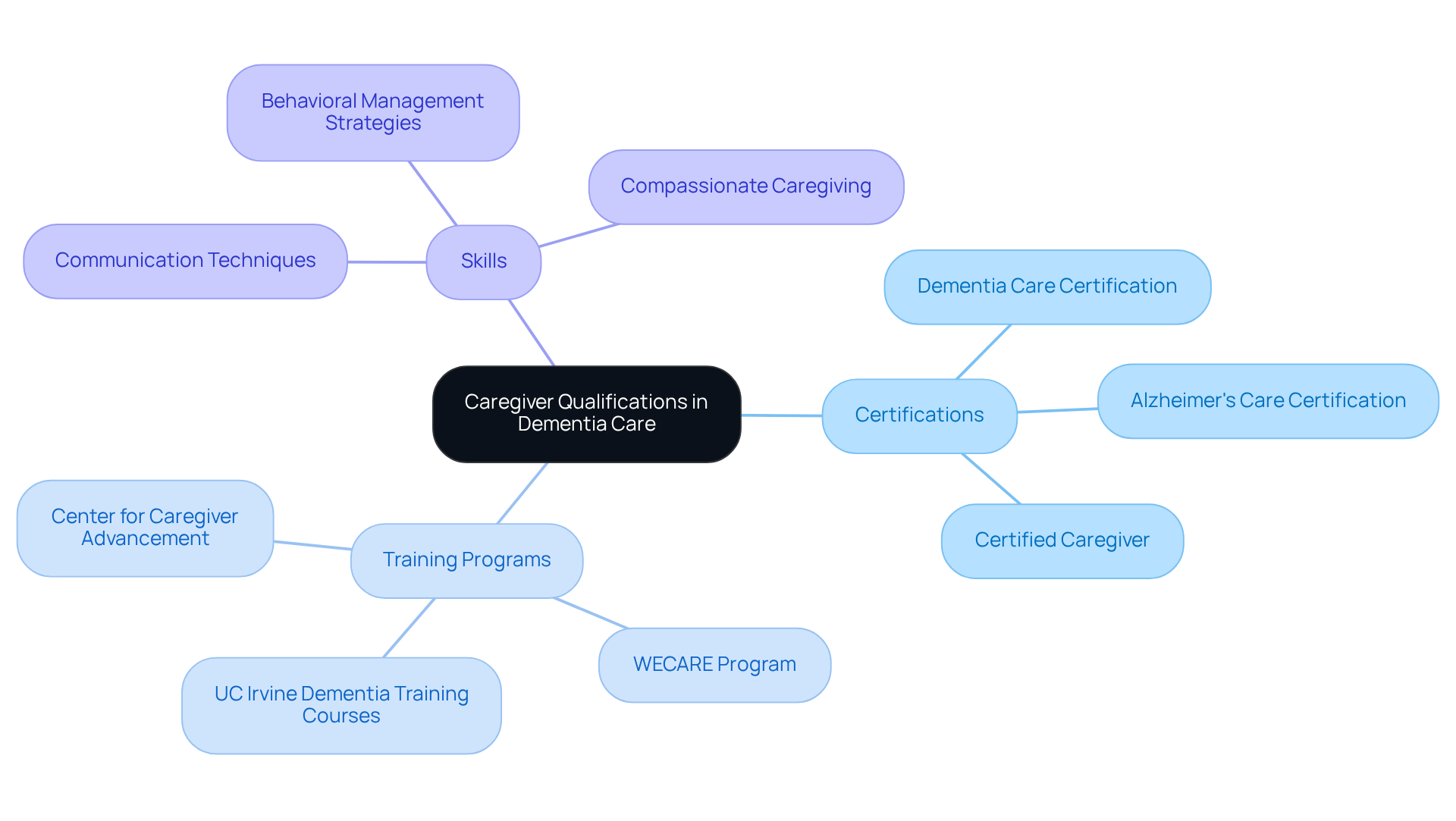
When searching for memory support services, it’s crucial to consider the qualifications of the providers. Look for individuals who have certifications specifically in dementia care; these credentials reflect a genuine commitment to understanding the complexities of this condition. As we approach 2025, the significance of specialized training for support providers has become increasingly clear. Studies show that structured training programs can greatly enhance their skills and knowledge.
Effective providers should be adept in communication techniques and behavioral management strategies tailored for individuals with cognitive impairments. Successful training programs, like those offered by the Center for Caregiver Advancement, have shown positive outcomes, equipping caregivers with essential tools to provide compassionate and effective support. Participants in these programs often share heartwarming stories of significant improvements in their caregiving skills and confidence.
By prioritizing these qualifications, families can feel reassured that their loved ones will receive the highest standard of dementia home care services near me in the comfort of their own homes. Remember, choosing the right support can make all the difference in navigating this journey together.
Consider Flexible Scheduling: Adapt Care to Your Family's Needs
Flexibility in scheduling is crucial when it comes to choosing dementia home assistance services. Families often face emotional challenges, and prioritizing providers that offer flexible service hours tailored to their unique situations can make a significant difference. This flexibility might include part-time, full-time, or even 24/7 assistance options, allowing families to balance their responsibilities while ensuring their loved ones receive the consistent support they need.
When scheduling is flexible, it not only alleviates caregiver stress but also enhances family satisfaction. It allows for a more personalized approach to care. Many families have shared that the ability to adjust support hours greatly enhances their peace of mind. They feel reassured knowing their loved ones are receiving the necessary attention without compromising their own commitments. One family expressed it beautifully: "Having flexible support hours has made all the difference; it enables us to balance our work and personal lives while ensuring Mom is well looked after."
This adaptability fosters a nurturing environment, ultimately leading to better outcomes for both patients and caregivers. To find dementia home care services near me that offer flexible scheduling, families should take the time to research local agencies and prepare specific questions about their adaptability during consultations. This proactive approach can help ensure that they find the right support for their loved ones.
Utilize Technology: Enhance Communication and Care Coordination
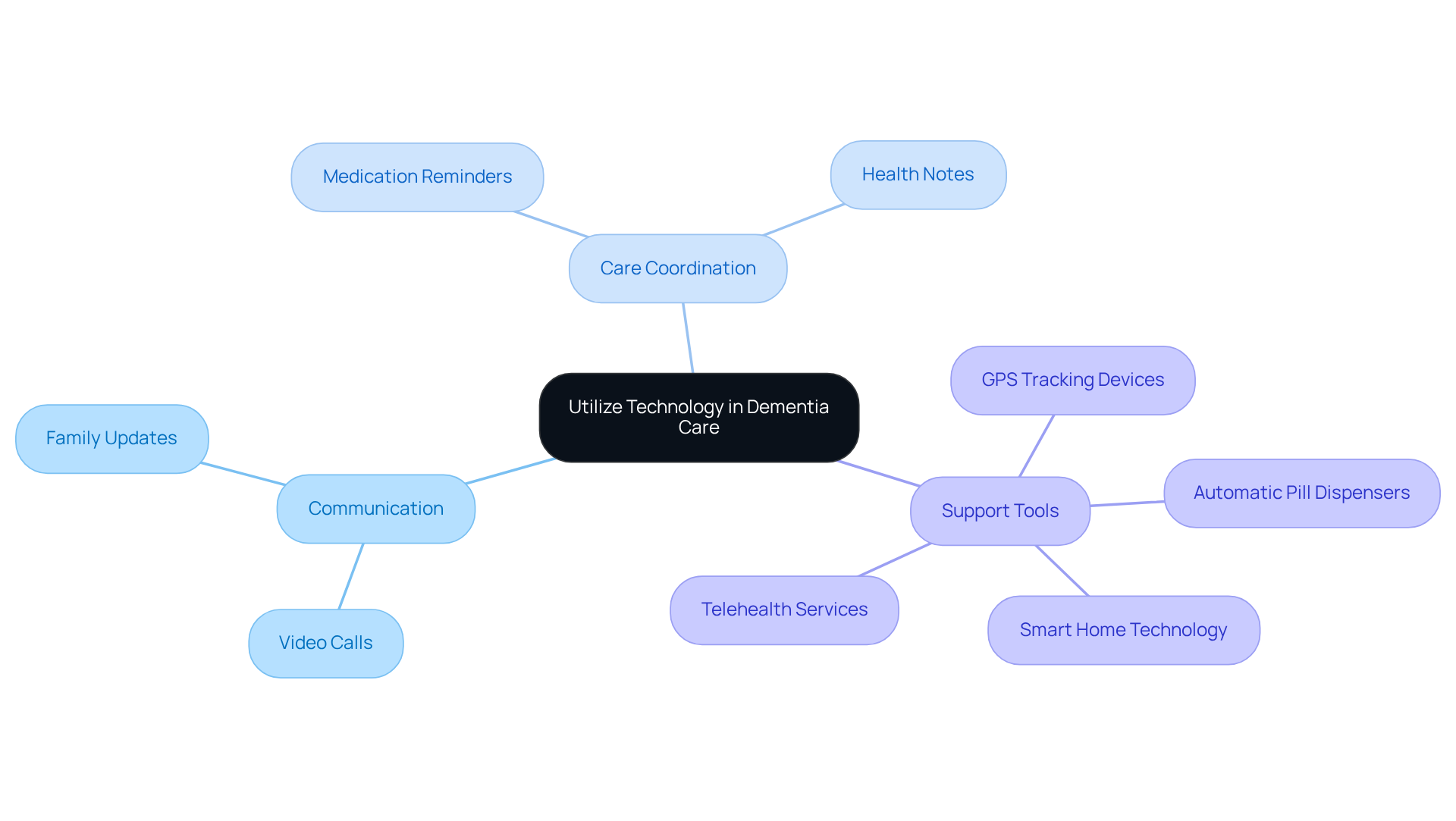
Caring for someone with dementia can be incredibly challenging. Many caregivers experience feelings of stress and burnout as they navigate this journey. Integrating technology into dementia support can be a beacon of hope, improving communication and coordination of services.
Imagine having digital tools at your fingertips - online health notes, medication reminders, and video calls that keep families connected and informed about their loved one's well-being. These technologies not only assist caregivers in recording assistance activities but also allow them to share updates with family members. This fosters a collaborative support environment, where everyone feels involved and informed.
By embracing these tools, caregivers can alleviate some of the burdens they face. It’s about creating a nurturing space where families can come together, share experiences, and support one another. Remember, you’re not alone in this journey. There are resources available to help you every step of the way.
Develop a Personalized Care Plan: Tailor Support to Individual Needs
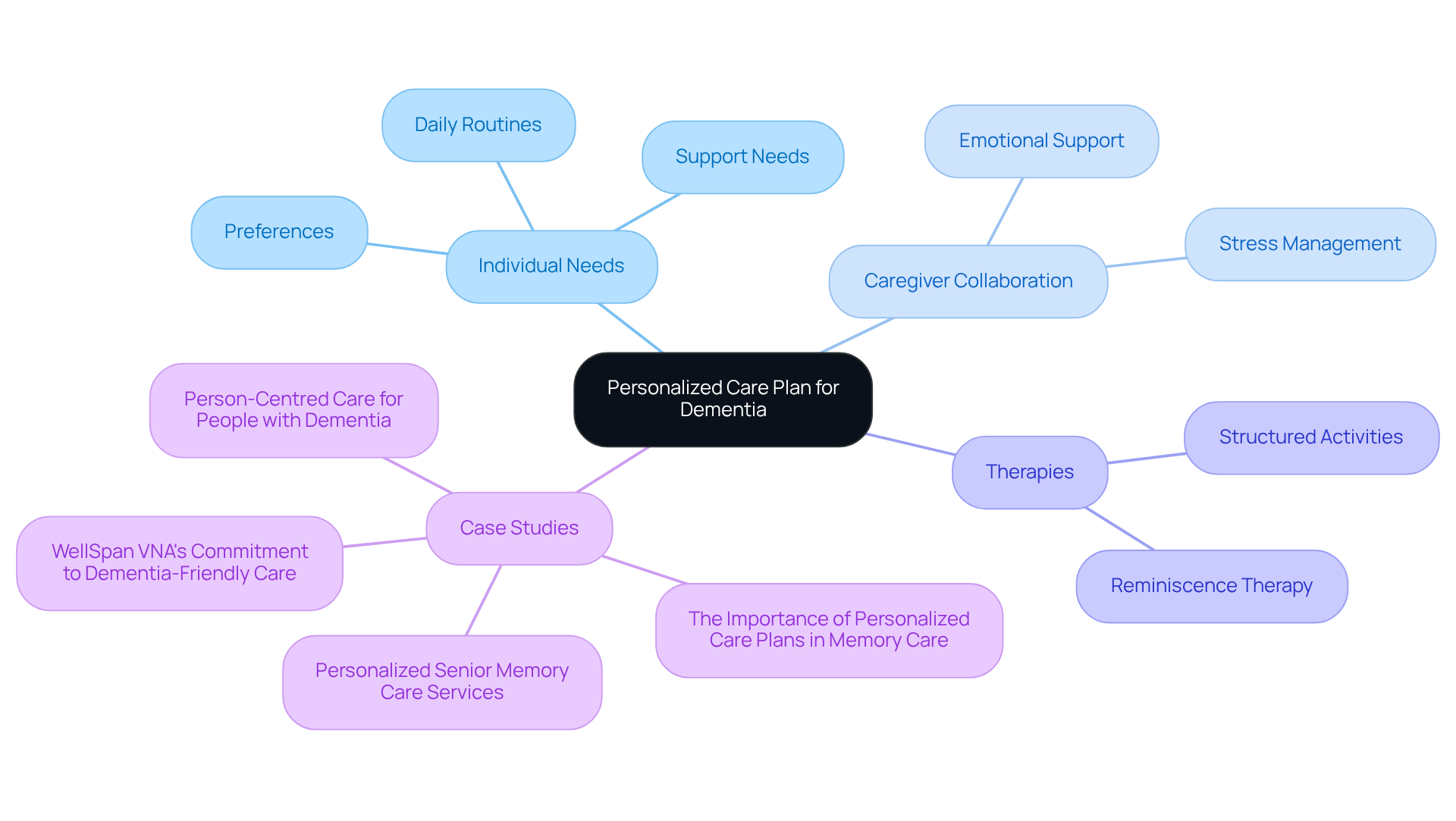
Creating a personalized support plan is vital for effective dementia management, especially when seeking dementia home care services near me. It’s not just about the medical history; it’s about understanding the individual’s preferences, daily routines, and specific support needs. When caregivers collaborate, they ensure that the plan embraces not only medical necessities but also emotional and social aspects, promoting a holistic approach to care.
Many caregivers feel overwhelmed, and it’s important to acknowledge that stress and burnout can take a toll. Studies show that tailored memory support services significantly improve outcomes for individuals with cognitive decline, addressing their unique needs. For example, engaging in structured activities and social interactions can boost cognitive function and emotional well-being.
Consider reminiscence therapy, which encourages sharing memories through familiar objects or conversations. This practice has been shown to reduce agitation and uplift mood. It nurtures existing relationships and reinforces a sense of identity and community for individuals with dementia.
By prioritizing personalized support plans, caregivers can create a more fulfilling experience. Each individual’s voice deserves to be heard and valued in their support journey. A case study by WellSpan VNA highlights that customized treatment plans lead to improved engagement and satisfaction among patients. This emphasizes the importance of treating individuals as unique persons with their own histories and preferences.
In this journey, remember that you’re not alone. There are compassionate dementia home care services near me available to ensure that you and your loved ones are supported with understanding and care at every step.
Research Testimonials: Learn from Other Families' Experiences
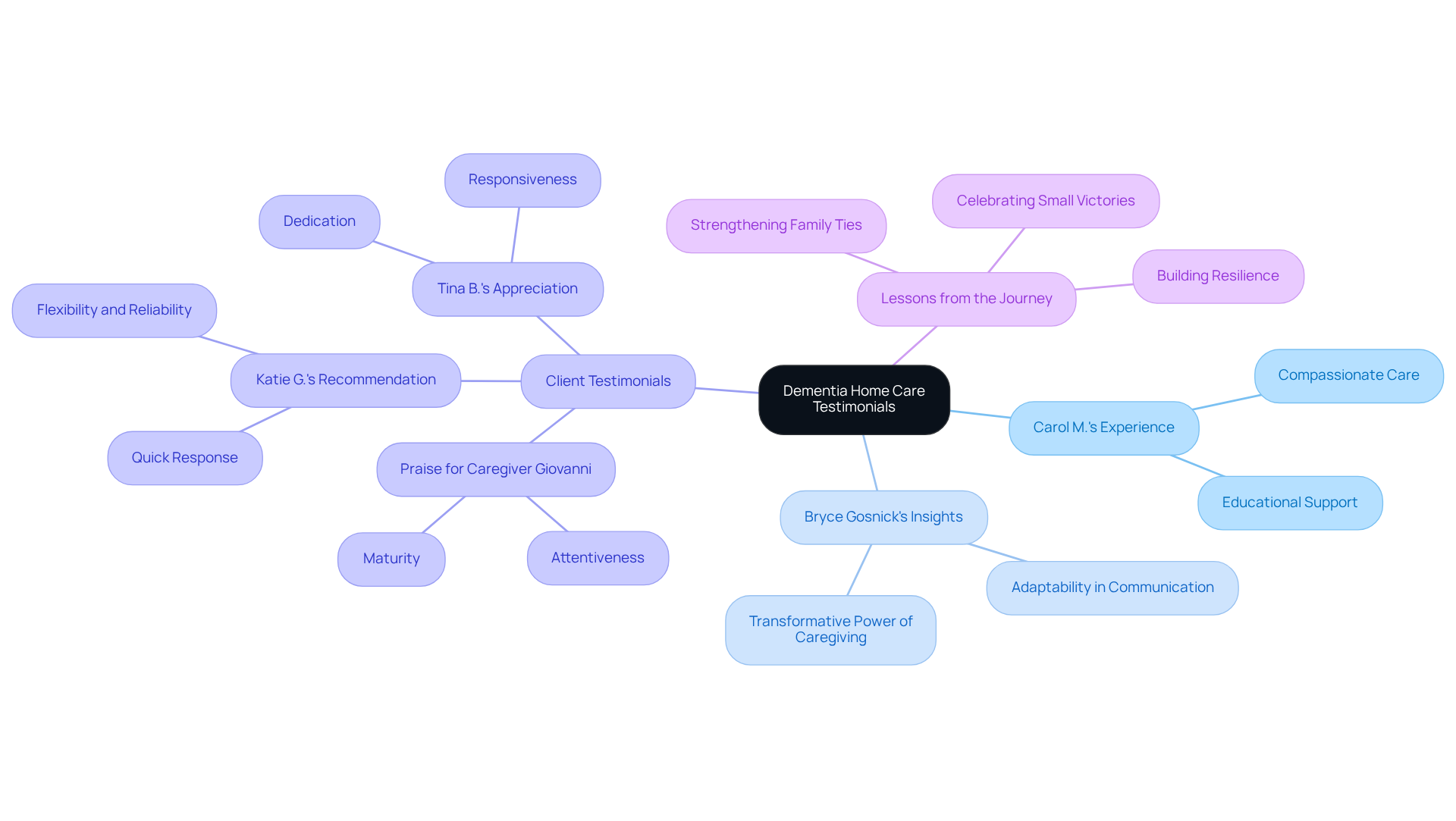
When looking into dementia home care services near me, it’s so important to explore testimonials from other families. These insights can really shed light on the quality of support, how providers interact, and overall satisfaction. For example, Carol M. shared her heartfelt gratitude for caregiver Dina Jenney, highlighting her compassion and the educational support she provided. Positive reviews can indicate a provider’s reliability and their ability to offer empathetic care tailored to individuals with cognitive challenges, including dementia home care services near me.
Families often find unexpected strength through their experiences, showcasing the transformative power of caregiving. As Bryce Gosnick, Memory Care Director, points out, adaptability is key; it involves discovering creative ways to communicate and connect, especially when words start to fade. By reflecting on these shared experiences and celebrating the small victories, you can better evaluate which providers are likely to meet your loved one’s unique needs and create a nurturing environment.
Assess Service Range: Ensure Comprehensive Dementia Care Support
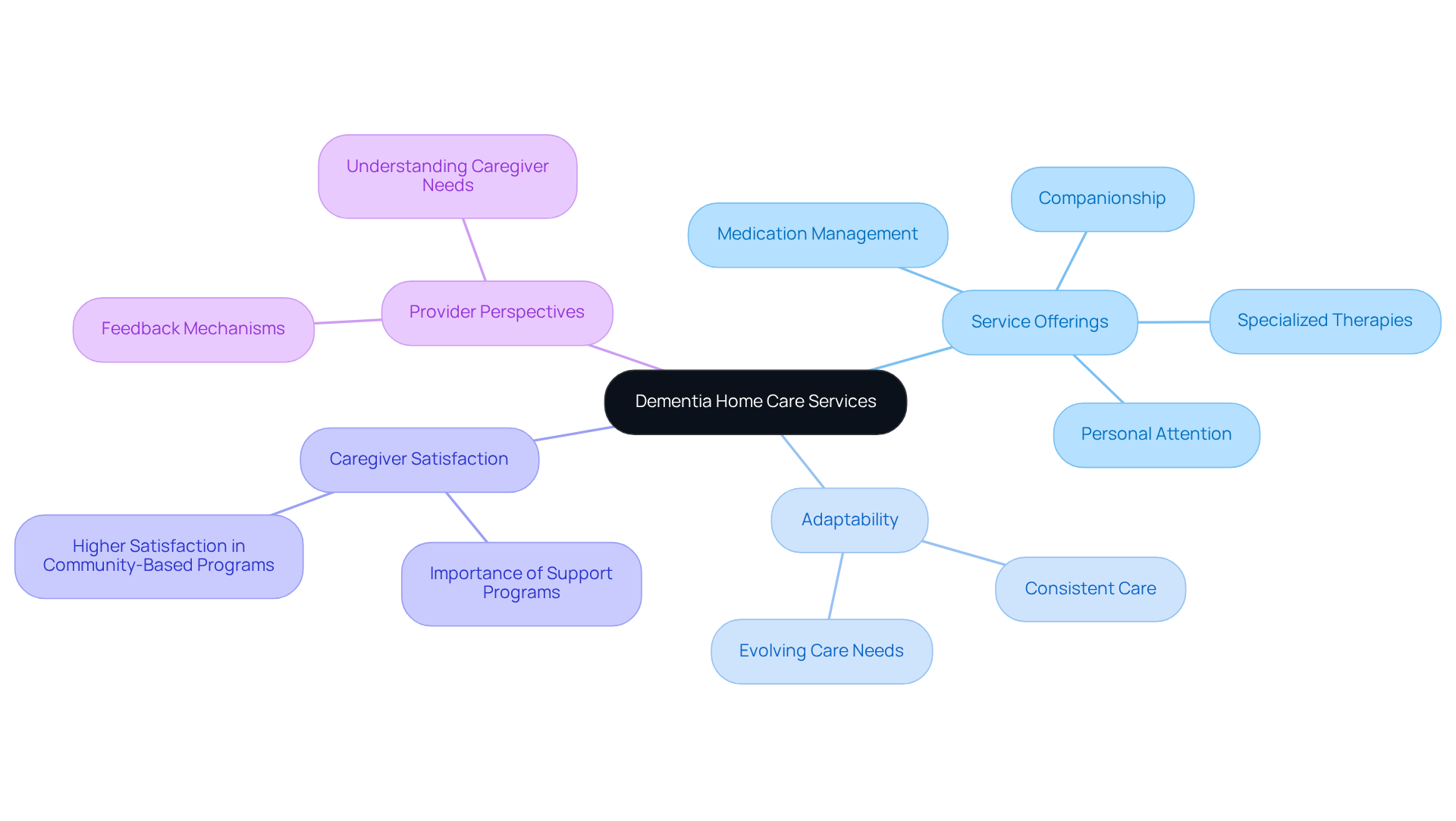
Choosing the right dementia home care services near me can feel overwhelming, especially when navigating the emotional challenges that come with caring for someone who has dementia. It’s essential to find a provider of dementia home care services near me that truly understands your needs and offers a variety of services. Personal attention, companionship, medication management, and specialized therapies tailored to individual needs can make a world of difference.
Providers who offer dementia home care services near me are better equipped to adapt as the needs of their clients evolve. This adaptability ensures that care remains consistent and effective as the condition progresses. In fact, the D-CARE study, which involved 2,176 participants, found that caregivers reported higher satisfaction with programs that provide extensive support, particularly in community-based settings. Here, satisfaction levels were notably higher compared to standard treatment options.
Dr. David Reuben emphasizes the importance of provider perspectives, stating, "Provider viewpoints are crucial in assessing support services for individuals with cognitive decline, as they represent the genuine experiences of those offering assistance." As the demand for effective support grows, it’s vital for families to seek out dementia home care services near me that can not only meet current needs but also anticipate future challenges.
To enhance the quality of life for both patients and caregivers, consider asking potential providers about their service offerings, flexibility in care plans, and how they adapt to the changing needs of their clients. Remember, you’re not alone in this journey, and finding the right support can bring peace of mind and comfort to both you and your loved one.
Prioritize Ongoing Caregiver Training: Maintain High Standards of Care
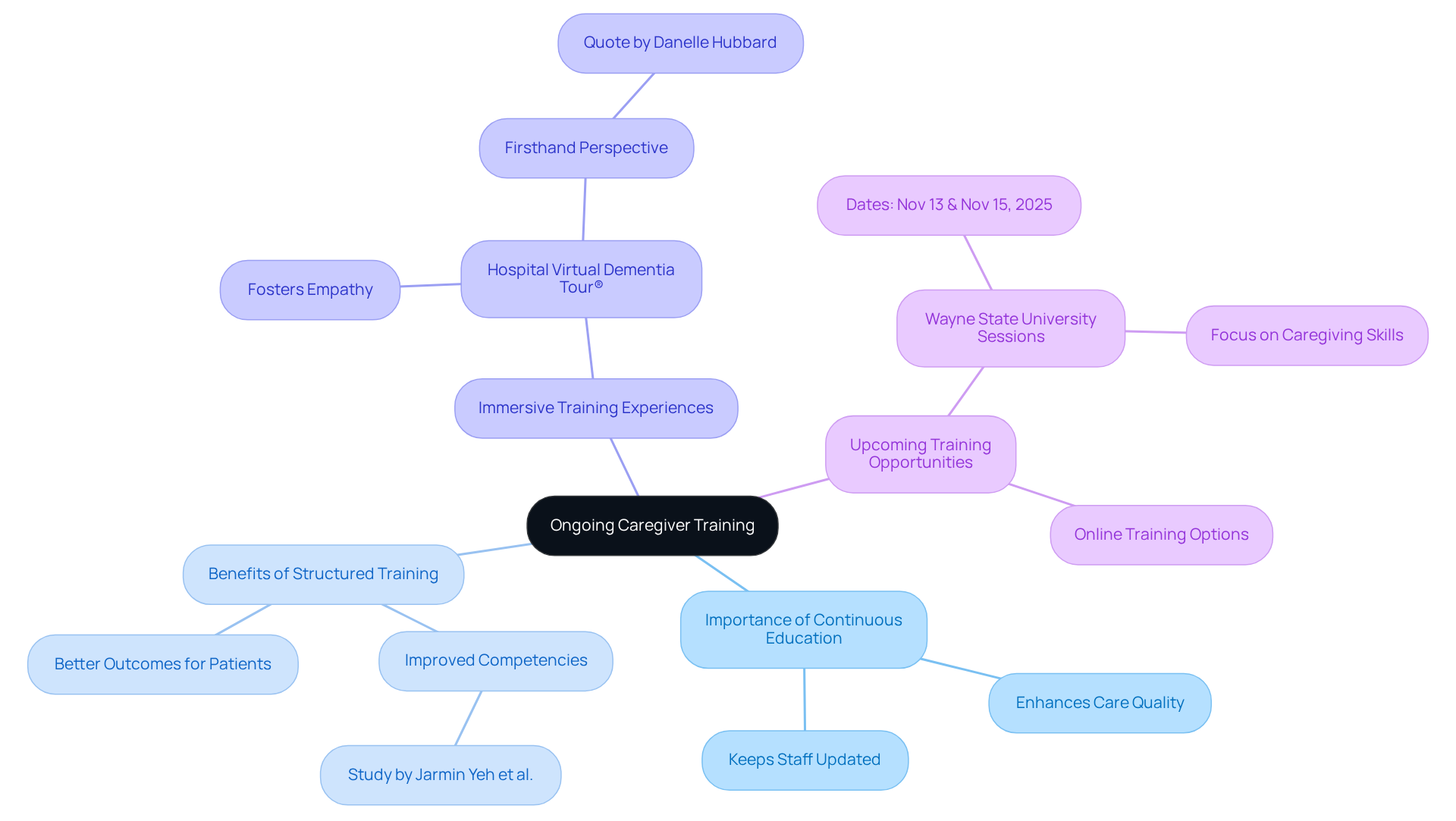
Continuous education for those assisting individuals with dementia is vital in the realm of dementia support. It's important to seek out providers that prioritize regular training programs, ensuring their staff remains updated on the latest research, techniques, and best practices. This commitment to education not only sharpens the skills of support providers but also significantly enhances the quality of care delivered to clients.
Consider the findings of a study by Jarmin Yeh et al., which highlights that structured training programs can lead to improved competencies among caregivers, resulting in better outcomes for those they serve. Furthermore, initiatives like the Hospital Virtual Dementia Tour® have shown that immersive training experiences can foster greater empathy and understanding among caregivers, ultimately benefiting patients.
As Danelle Hubbard, Health Systems Director for the Alzheimer’s Association, notes, "The Virtual Dementia Tour provides support providers and healthcare personnel a firsthand viewpoint on what individuals with cognitive decline are undergoing." With 7.4 million Americans currently living with Alzheimer's disease, investing in educator training is essential for providing high-quality, compassionate assistance.
Upcoming training sessions in Detroit, such as those offered by Wayne State University, provide actionable resources for families eager to enhance their caregiving skills. These opportunities not only equip caregivers with the necessary tools but also offer a supportive community where they can share experiences and find encouragement.
Provide Emotional Support: Foster Well-Being for Caregivers and Patients
Emotional assistance plays a vital role in treating memory loss, deeply impacting both caregivers and patients. It's essential for caregivers to be trained to recognize and address the emotional needs of those they care for, fostering a nurturing environment that promotes well-being.
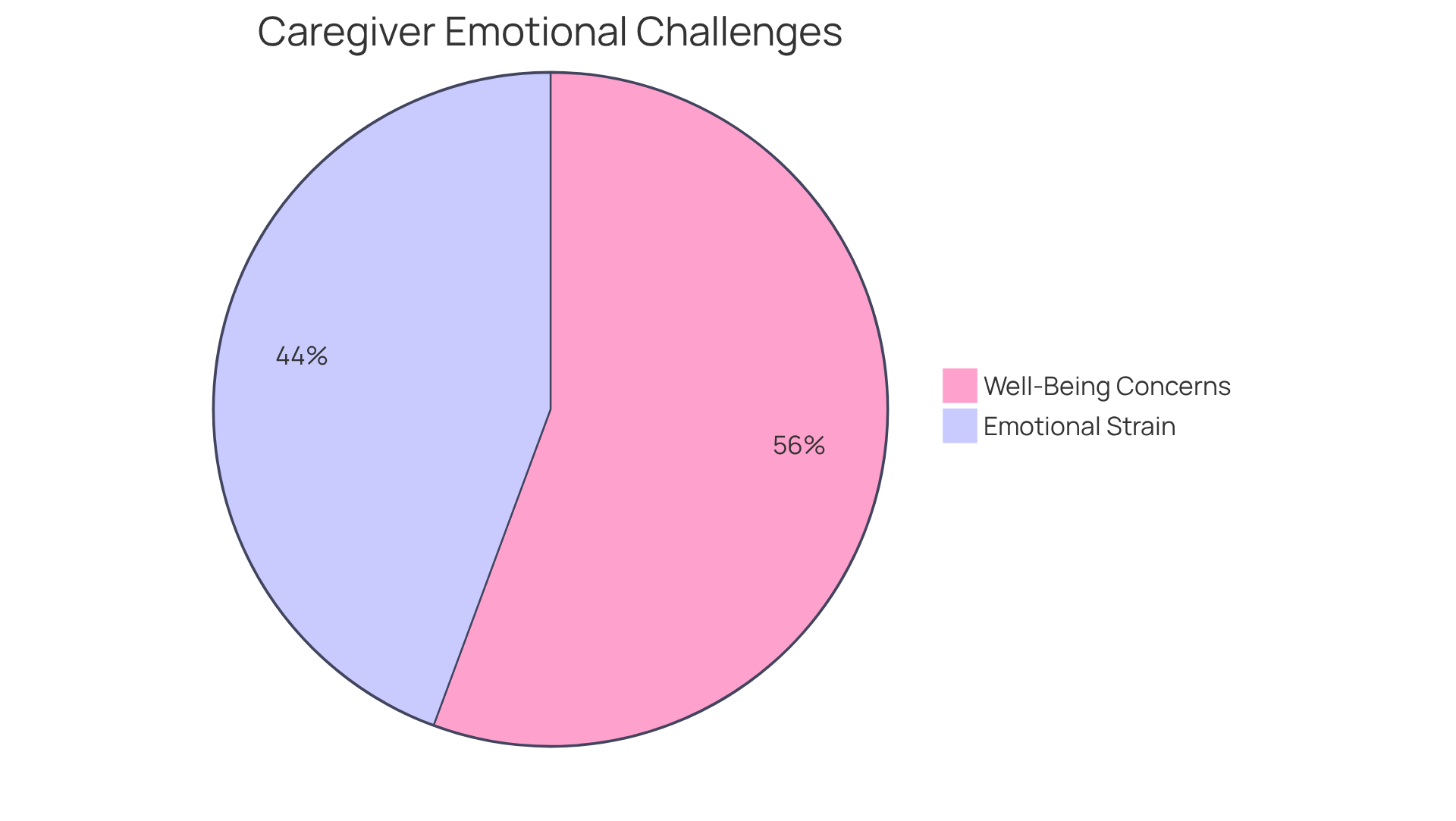
Consider this: studies reveal that 59% of caregivers for individuals with dementia experience significant emotional strain. Additionally, 74% express concerns about their own well-being since stepping into caregiving roles. This highlights the urgent need for effective support systems.
Families should actively seek out dementia home care services near me that offer resources for caregivers. For instance, the Alzheimer's Association offers tools like the Caregiver Stress Check, counseling, and support groups. These resources can help caregivers navigate the emotional challenges they face, such as feelings of sadness, frustration, and isolation.
Engaging in specific support networks not only alleviates stress but also enhances the overall caregiving experience. Experts emphasize that recognizing the emotional needs of individuals with memory impairment is equally important, as it can lead to improved health outcomes for everyone involved.
By prioritizing emotional assistance, caregivers can cultivate a more compassionate and effective environment for healing. Remember, seeking help is a sign of strength, and together, we can create a supportive community that nurtures both caregivers and those they care for.
Understand Costs: Make Informed Financial Decisions for Care Services
Understanding the costs associated with dementia home care services near me for cognitive decline is crucial for families navigating this challenging journey. It’s important to start by asking about:
- Hourly rates
- Service packages
- Any extra fees that might come up
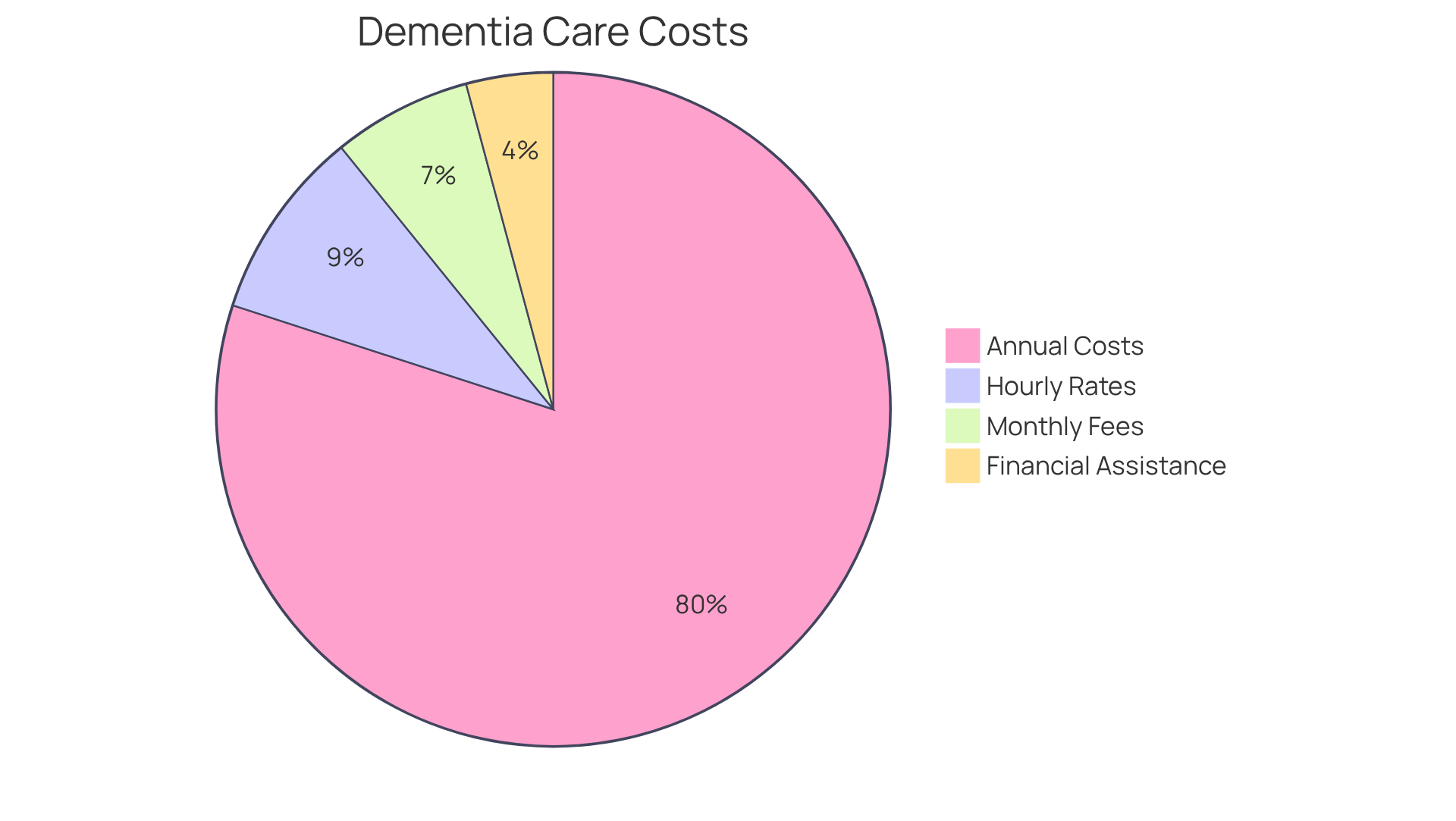
On average, the national median cost for in-home dementia assistance is around $33 per hour. Monthly fees can range from about $2,145 for part-time support (15 hours a week) to roughly $6,292 for full-time help (40 hours a week). For families considering ongoing support, costs can soar to about $24,024 per month or $288,288 annually, underscoring the financial implications of various assistance levels.
Families should also explore different financial support options to help ease the burden of expenses related to dementia home care services near me. Medicaid can provide assistance for long-term services, but eligibility is limited to older individuals with very low income and minimal assets. Additionally, while Medicare covers certain dementia-related services, such as cognitive evaluations and medications, it does not extend to long-term in-home assistance. Recent federal budget cuts pose a threat to programs supporting older adults, including reductions in Medicaid funding. This makes it all the more important for families to stay informed about the current landscape of financial assistance.
Financial advisors recommend proactive budgeting for long-term support, including dementia home care services near me, emphasizing the importance of understanding all potential costs, such as:
- Caregiver salaries
- Medications
- Necessary home modifications
With nearly 70% of older Americans expected to require long-term assistance at some point in their lives, preparing ahead is essential. By being aware of financial assistance options and the overall costs of care, families can make informed budgeting decisions, ensuring their loved ones receive the support they need while preserving their quality of life.
Key Takeaways for Caregivers
Finding the right dementia home care services can feel like a daunting journey, one that calls for careful thought and a compassionate touch. It’s crucial to recognize the importance of personalized support, tailored to the unique needs of those experiencing cognitive decline. By seeking services that prioritize autonomy, flexibility, and emotional support, families can cultivate a nurturing environment that truly enhances the quality of life for their loved ones.
Throughout this article, we’ve shared key insights that underscore the necessity of evaluating caregiver qualifications, utilizing technology for better communication, and developing personalized care plans. Ongoing caregiver training and understanding the financial implications of care services are vital tools that empower families to make informed decisions. Hearing testimonials from other families can also provide valuable perspectives, showcasing the transformative impact of compassionate and well-structured support.
Navigating the complexities of dementia care can indeed feel overwhelming. Yet, it’s essential to remember that support is available. By actively seeking out dementia home care services that align with individual needs and preferences, families can foster a supportive community that nurtures both caregivers and patients. Taking the time to research, ask questions, and prioritize emotional well-being can lead to a more fulfilling caregiving experience, ensuring that both caregivers and their loved ones feel understood and cared for throughout this challenging journey.
https://iframe.tely.ai/cta/eyJhcnRpY2xlX2lkIjogIjY5MWU1YWI4MDAzNjA5ODRkZWZlZjk5OCIsICJjb21wYW55X2lkIjogIjY4ZWU1ZGNhNzMxNzYyNTU3ZjNjOTVjMSIsICJpbmRleCI6IG51bGwsICJ0eXBlIjogImFydGljbGUifQ==Frequently Asked Questions
What services does Happy to Help Caregiving provide for dementia care?
Happy to Help Caregiving offers personalized in-home support services including companionship assistance, post-hospital recovery help, respite services, and palliative aid, all tailored to meet the unique needs of clients experiencing cognitive decline.
How does personalized support benefit individuals with cognitive impairment?
Personalized support is crucial as it can significantly improve the well-being of individuals with cognitive impairment by promoting autonomy and comfort, enhancing their quality of life.
What is the significance of healthy lifestyle choices in relation to cognitive decline?
Research indicates that around 40% of cognitive decline cases could be avoided or postponed through healthy lifestyle choices, highlighting the importance of individualized support in fostering better health outcomes.
How can families evaluate caregiver qualifications for dementia care?
Families should look for caregivers with certifications specifically in dementia care, as these credentials indicate a commitment to understanding the complexities of the condition. Structured training programs can enhance caregivers' skills and knowledge.
Why is flexible scheduling important in dementia home assistance services?
Flexible scheduling is crucial as it allows families to balance their responsibilities while ensuring their loved ones receive consistent support. It alleviates caregiver stress and enhances family satisfaction by providing a more personalized approach to care.
What types of scheduling options should families consider when looking for dementia care?
Families should consider providers that offer part-time, full-time, or 24/7 assistance options to accommodate their unique situations and needs.
How can families find dementia home care services that offer flexible scheduling?
Families should research local agencies and prepare specific questions about their adaptability during consultations to find dementia home care services that offer flexible scheduling.